
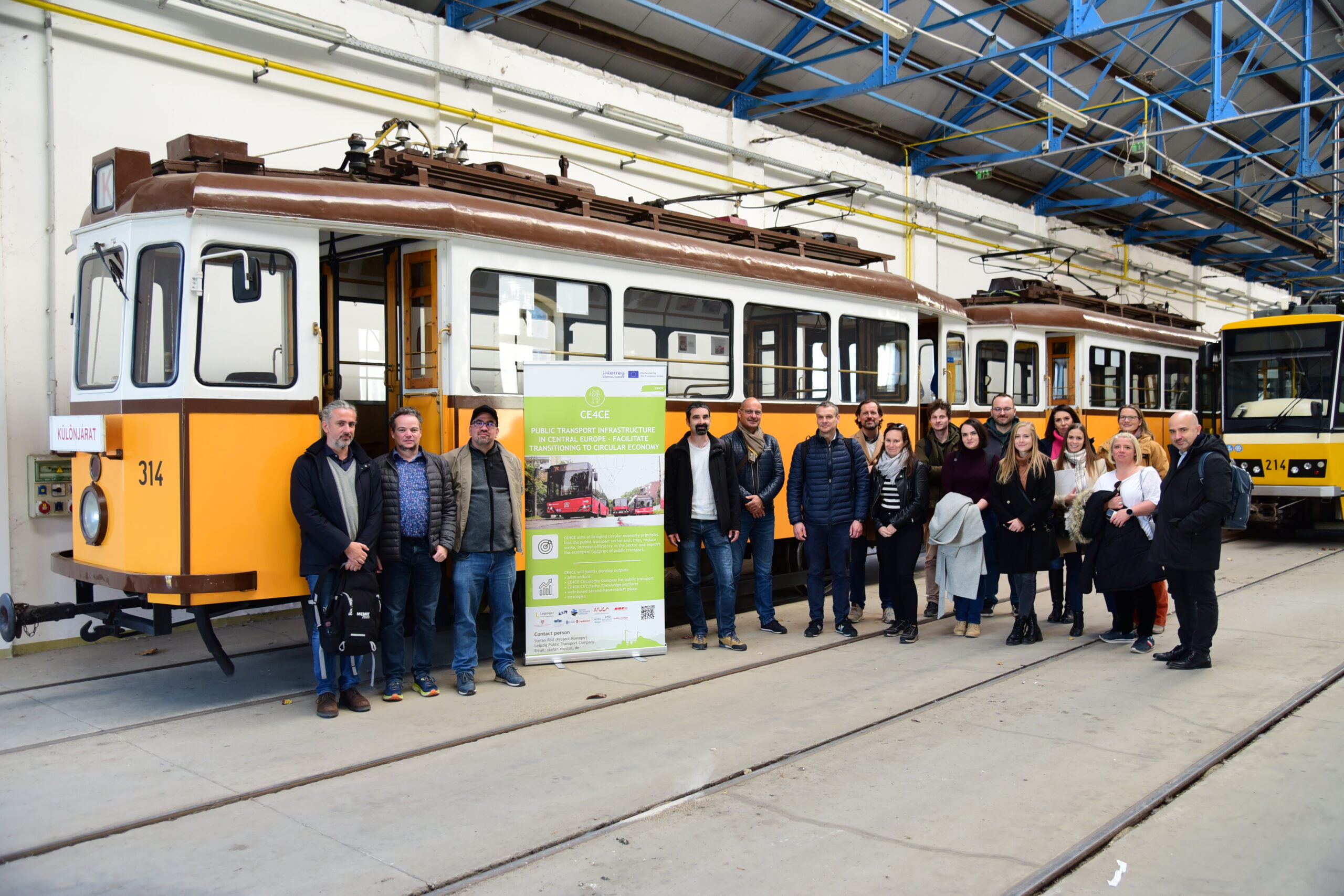
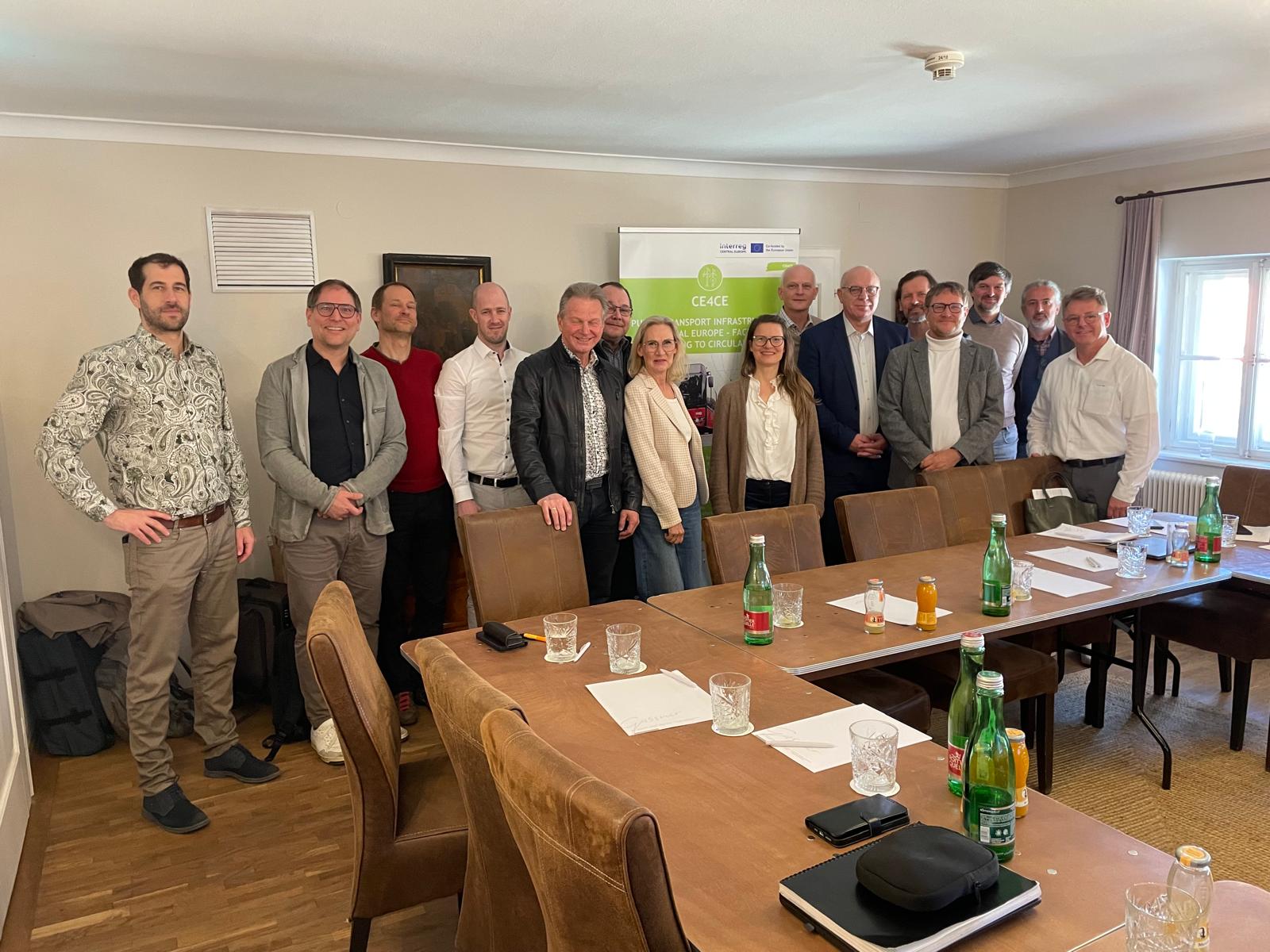
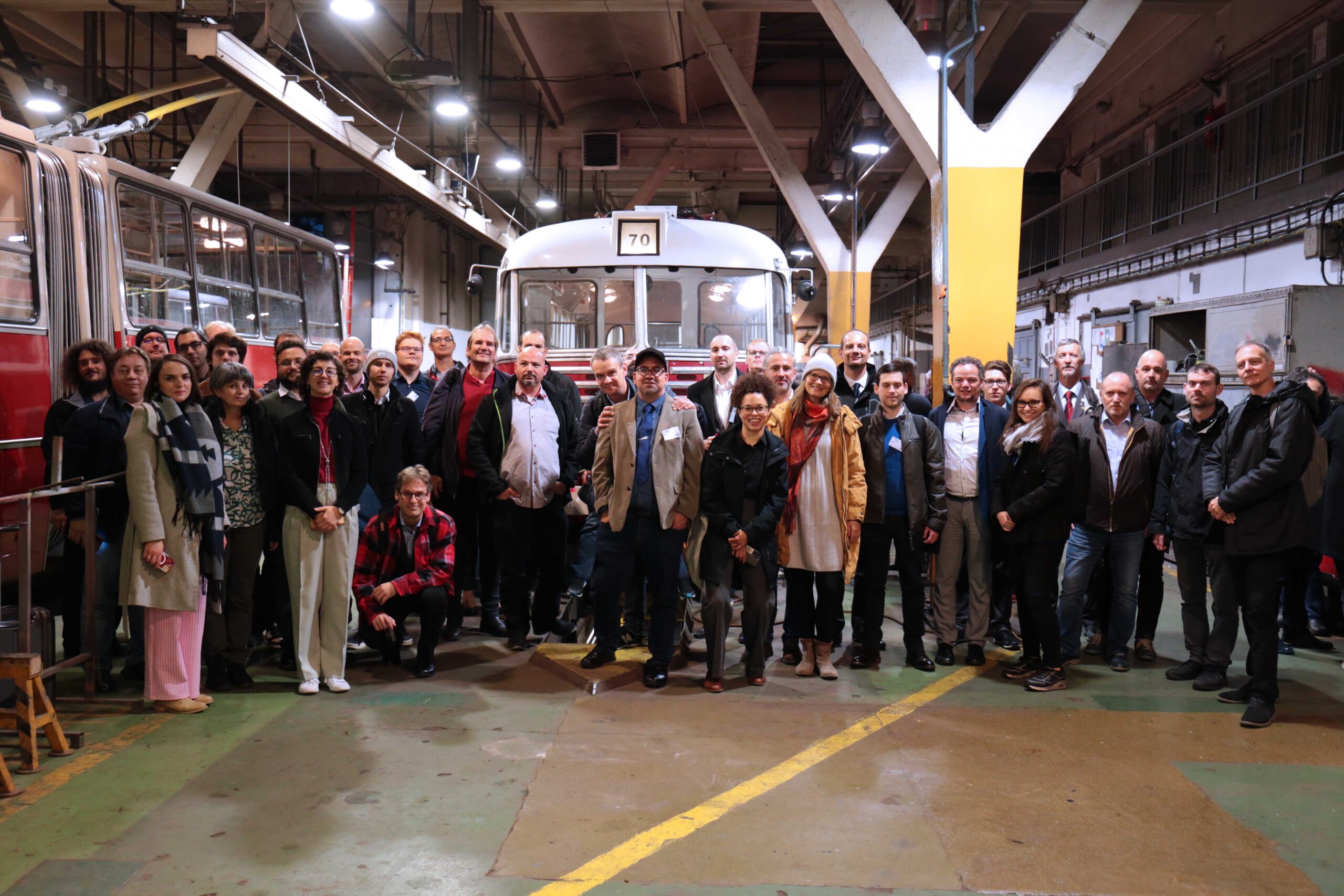
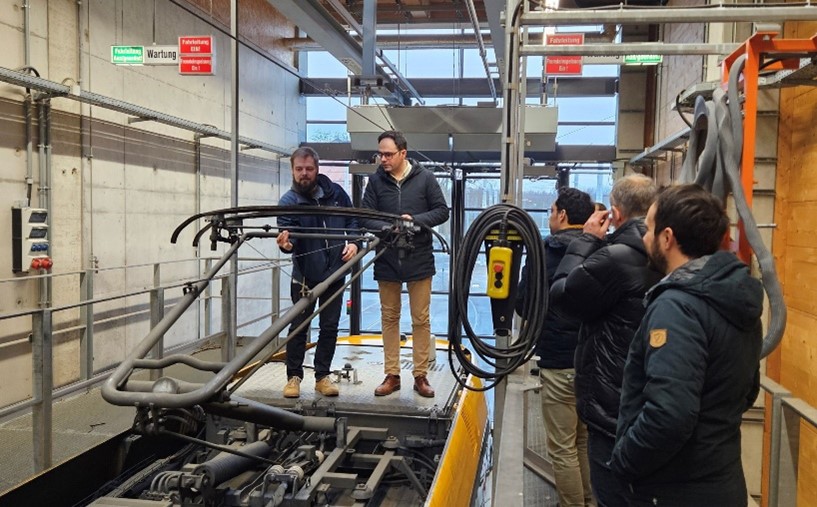
CE4CE group picture in Szeged in 2023
Project overview
Public Transport Infrastructure in Central Europe – facilitate transitioning to circular economy
Public transport helps to lower emissions but it is still resource- and waste-intensive in itself. The CE4CE project reduces the ecological footprint of public transport through a higher circularity. The partners identified circularity gaps and developed innovative circular economy models for planners and operators. They provided guidance on how to incorporate circular economy principles into procurement processes for services and infrastructure and designed more circular products and business models.
-
2,73m €
-
Project Budget
-
80%
-
of the Budget is funded by ERDF
-
6
-
Countries
-
8
-
Regions
-
11
-
Partners
-
6
-
Pilots
Duration
Start date
End date
Project progress
About the project
The project empowered circular economy system thinking for actors in the public transport sector across central European countries to reduce waste and create value through new life cycles of infrastructure and rolling stock. To achieve this, CE4CE jointly developed solutions that increased knowledge and capacities within the sector, helped reduce barriers and costs, and initiated the development of new services, skilled jobs, as well as strategies and action plans that improved policy development, learning, and exchange at the regional and transnational levels. CE4CE aimed to bring circular economy principles into the public transport sector and, in doing so, reduced waste, increased efficiency within the sector, and improved the ecological footprint of public transport.
Project partnership
Project partners

Lead partner
Leipzig Public Transport Company
Infrastructure
Project partner
Total partner budget
120,260 €
Higher Economics School
Total partner budget
185,420 €
Total partner budget
297,794 €
Total partner budget
274,000 €
Total partner budget
167,580 €
Faculty of Civil Engineering, Transportation Engineering and Architecture
Total partner budget
200,000 €
Total partner budget
191,500 €
Total partner budget
175,390 €
Total partner budget
181,520 €
Total partner budget
240,800 €
Roadmap
1
Why circular public transport?
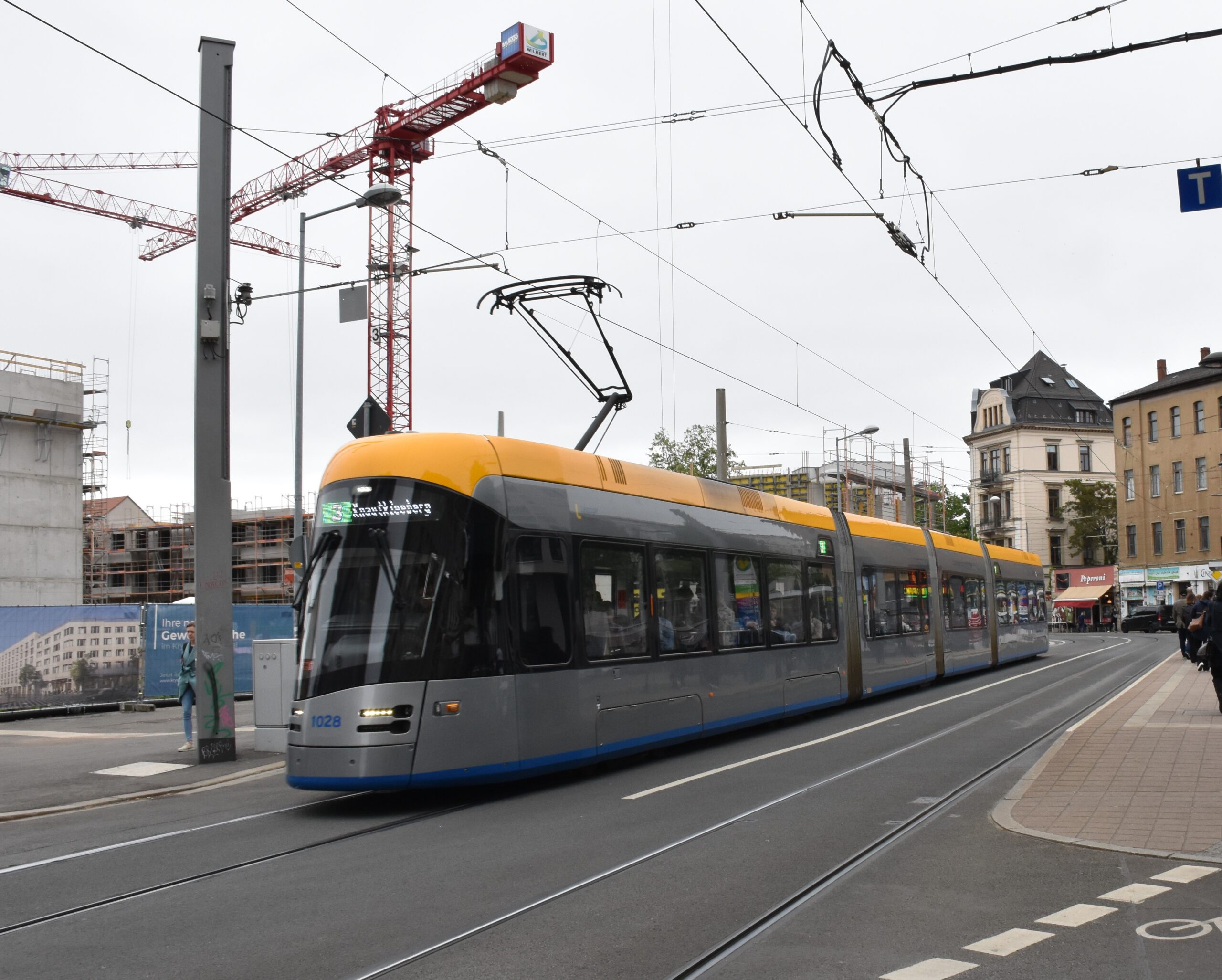
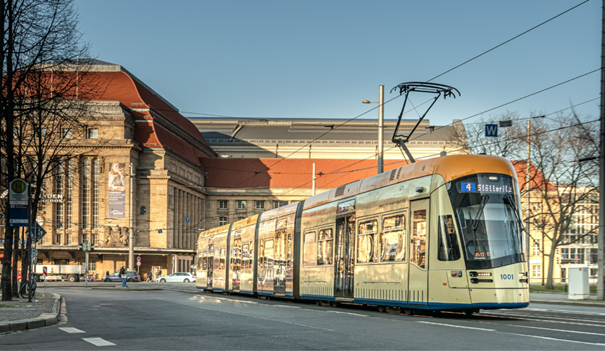
Tram in the city of Leipzig, photo: Mobilissimus
Public transport plays a key role in sustainable mobility by reducing emissions and supporting low-carbon urban development. However, it remains highly resource- and material-intensive across its full lifecycle. Infrastructure, vehicles, and energy systems require significant raw material inputs, and generate substantial environmental impacts during production, operation, maintenance, and end-of-life phases. As cities and regions across Europe face increasing pressure to improve sustainability performance, the need to better understand and address the resource footprint of public transport systems has become increasingly important.
2
Circularity gaps in public transport
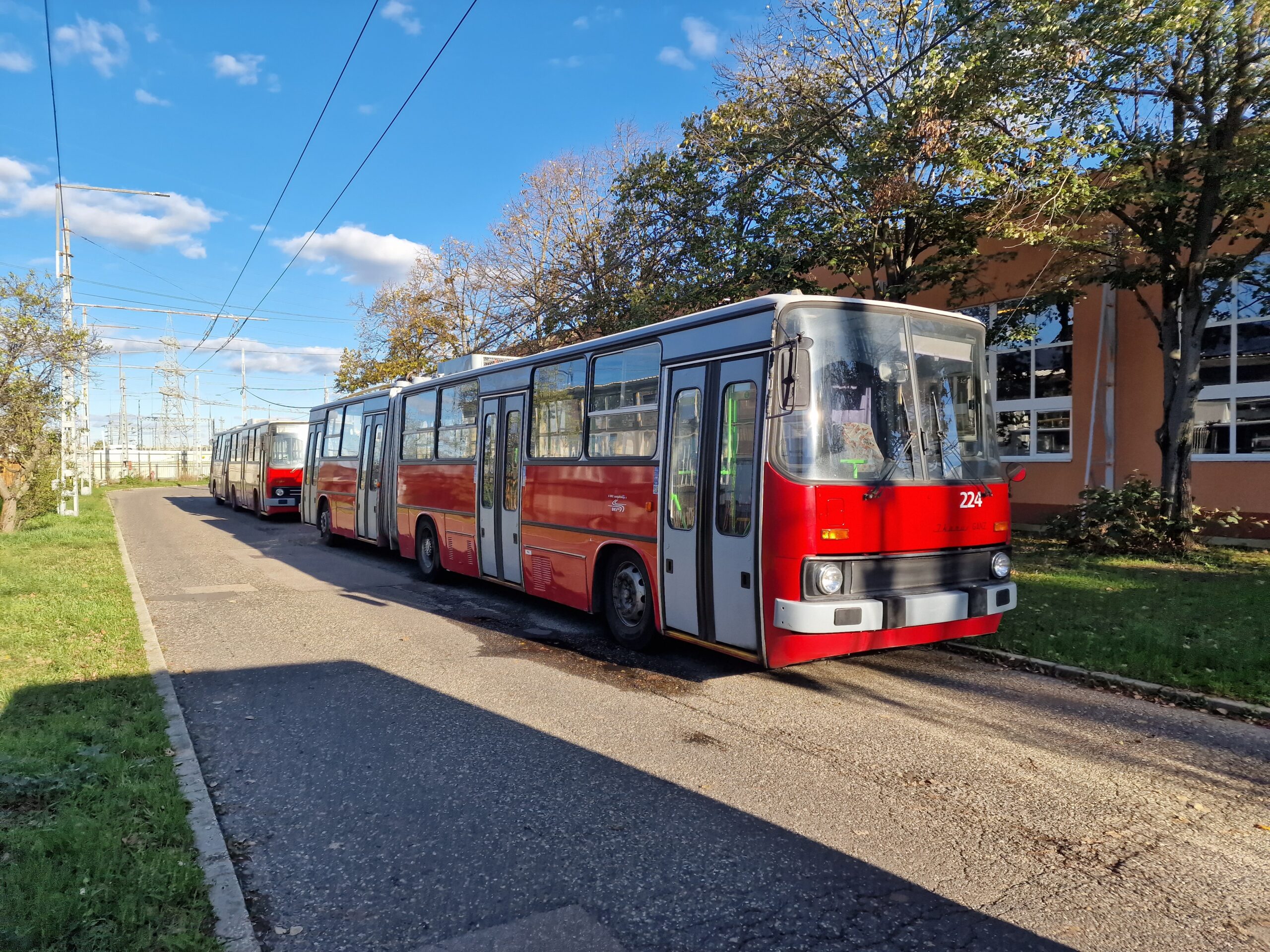
Despite increasing sustainability ambitions, public transport systems still face structural barriers to circularity. These include limited reuse of components, insufficient lifecycle thinking in procurement and planning, fragmented data availability, and strong dependence on linear supply chains. As a result, vehicles, infrastructure, and materials are often replaced prematurely, leading to avoidable costs, waste generation, and loss of embedded value in existing assets.
3
Project response - A transnational circular economy approach
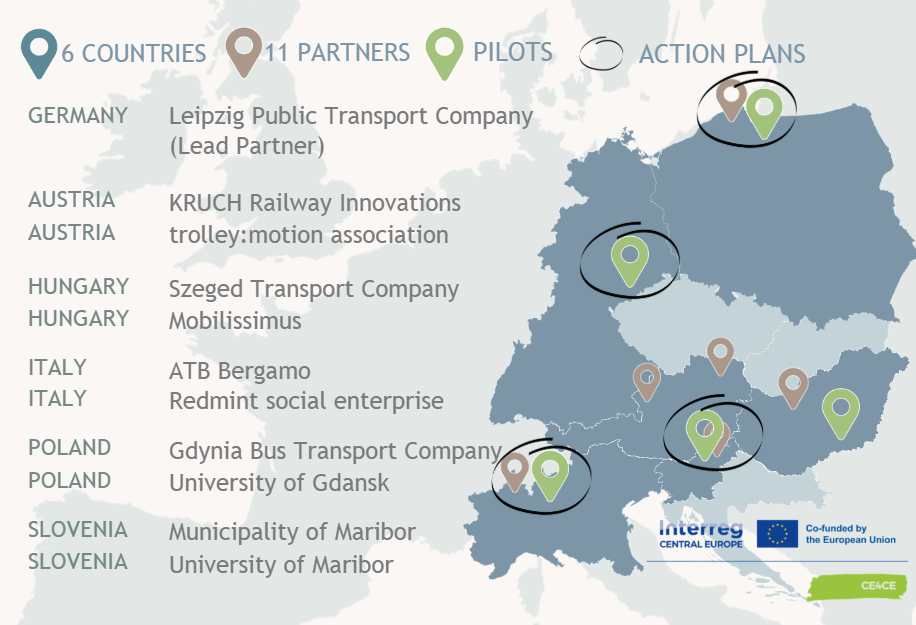
CE4CE project map
The project developed a transnational, system-level approach to circular public transport by combining strategy development, pilot implementation, and tool creation. Partners from across central Europe worked together to integrate circular economy principles into real operational contexts, addressing infrastructure, vehicles, and energy systems. The approach ensured alignment between strategic planning, technical implementation, and stakeholder cooperation across different governance levels.
4
Pilot actions – Real-life implementation across Europe
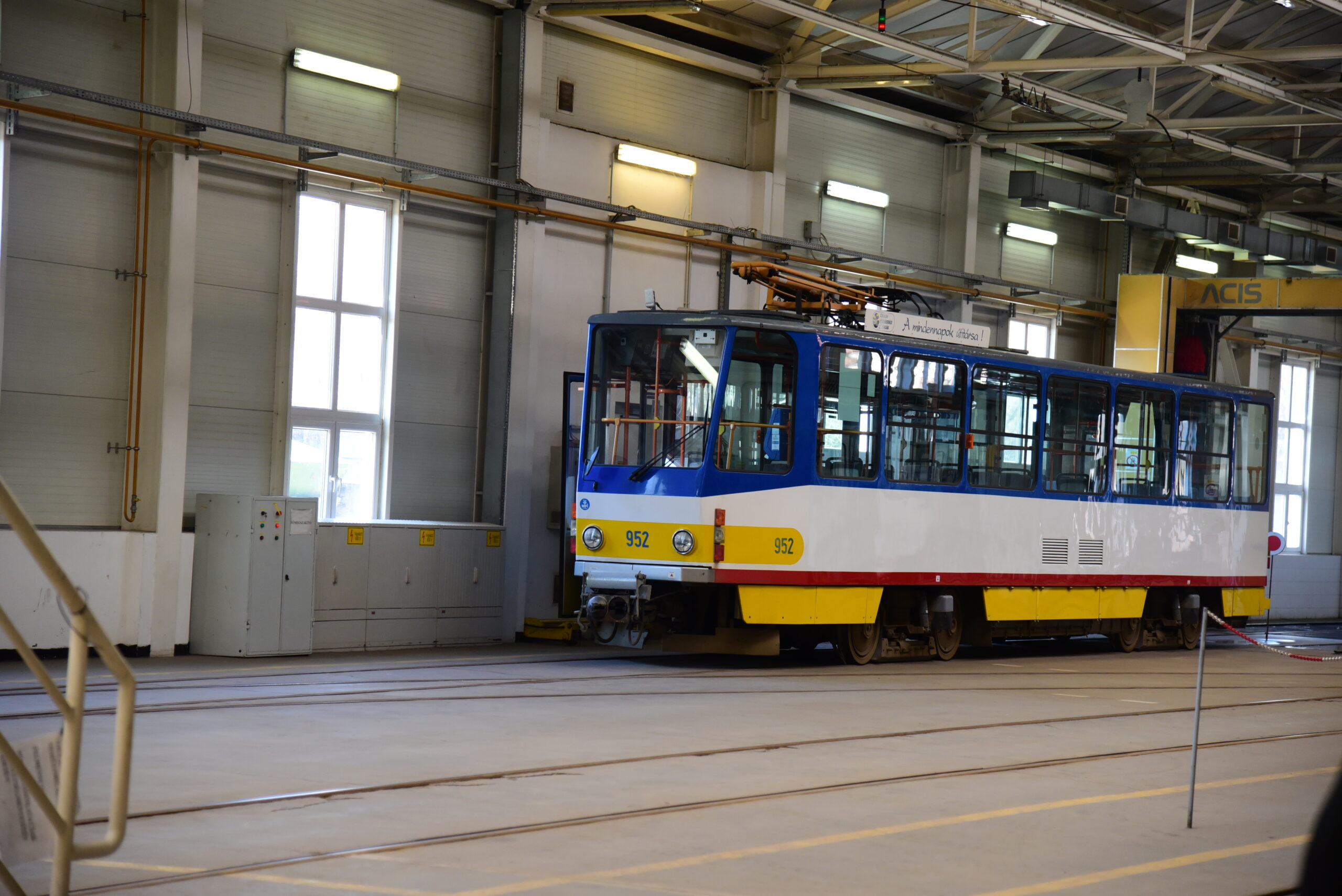
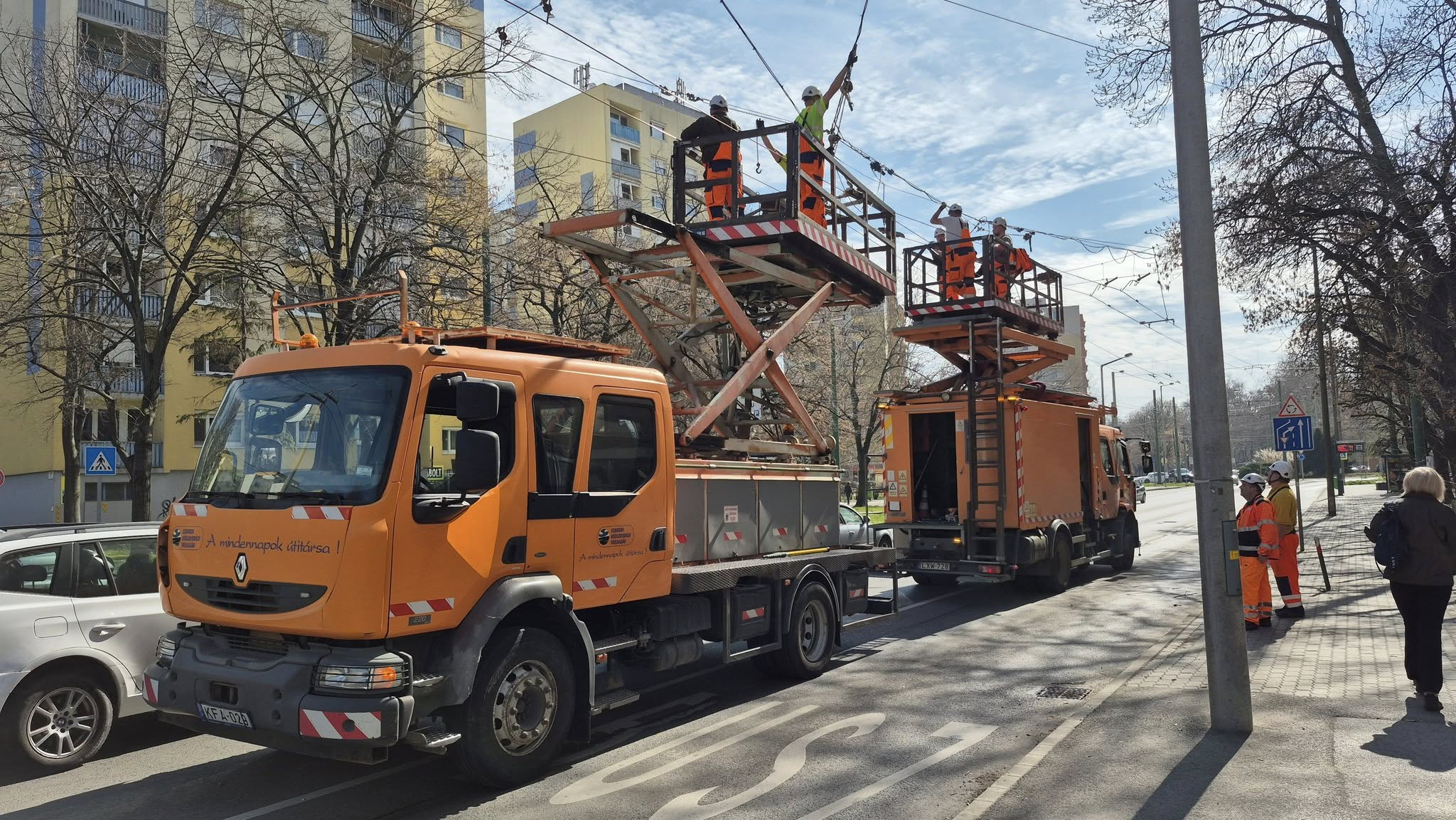
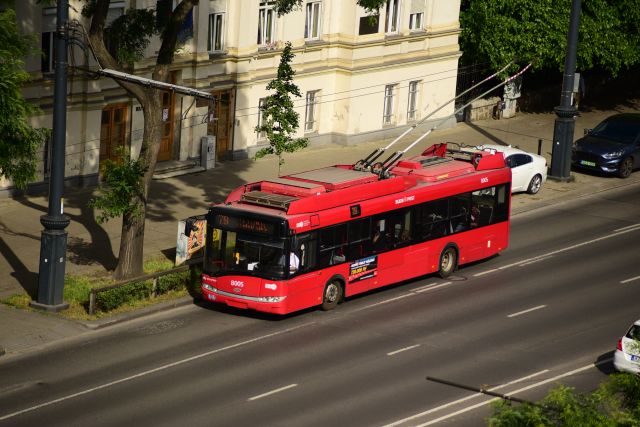
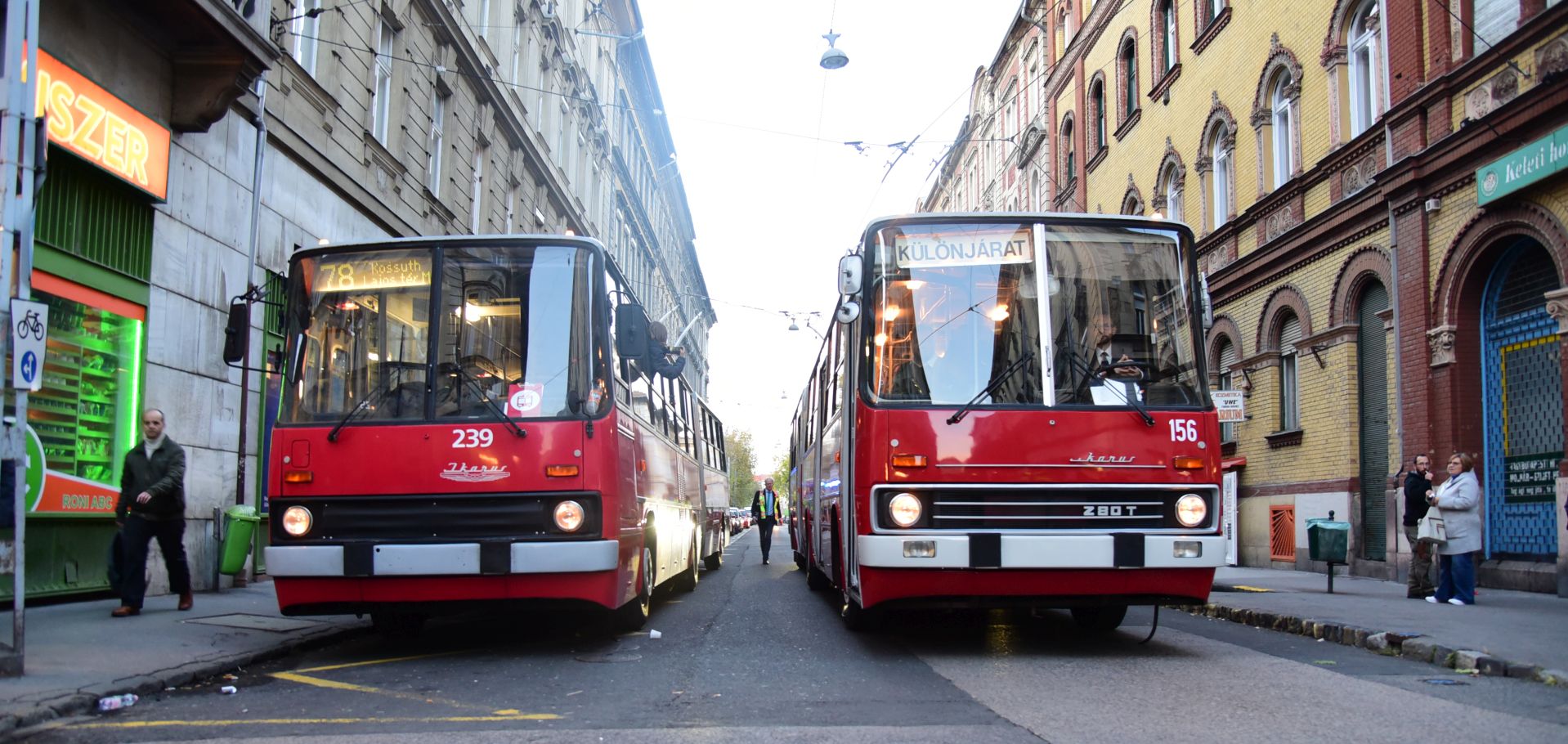
CE4CE implemented six pilot actions demonstrating circular solutions in real public transport operations. These pilots covered infrastructure, vehicles, and energy systems, including second-life battery energy storage in Maribor, reuse of trolleybus switches and tram door control unit redesign in Szeged, predictive maintenance and digital twin applications in Bergamo, energy flow simulation for electrification planning in Gdynia, and infrastructure and fleet optimisation modules in Leipzig. Together, they provide practical evidence of how circular economy principles can be applied in operational environments.
5
Tools for circular decision-making
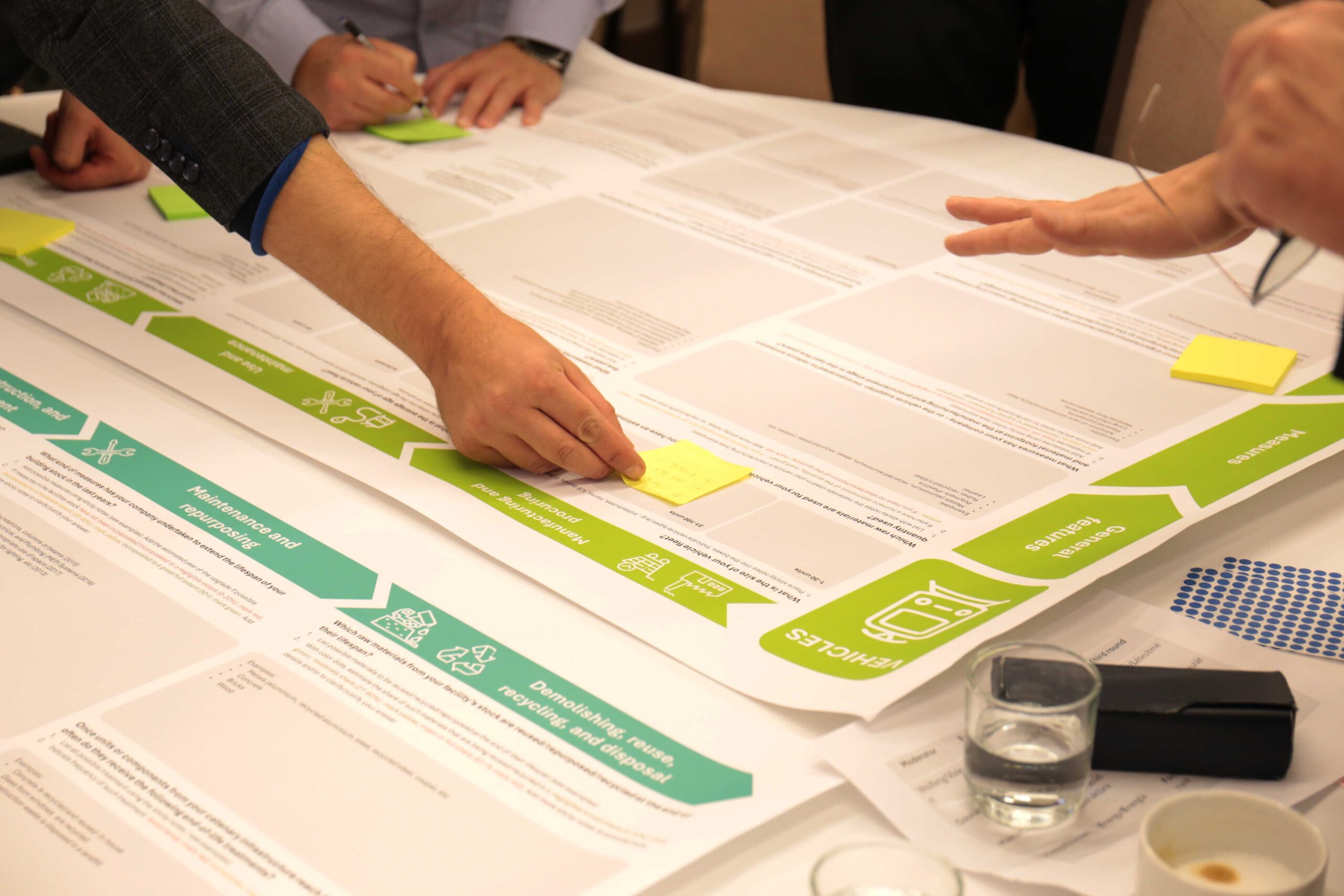
To support implementation beyond the pilots, CE4CE developed practical tools and methodologies for public transport stakeholders. The Circularity Compass enables organisations to assess their level of circularity across key domains such as vehicles, infrastructure, energy, and governance. In addition, KPI frameworks and impact assessment approaches support evidence-based decision-making, helping organisations identify gaps and define realistic pathways towards more circular operations.
6
Knowledge sharing and collaboration platform
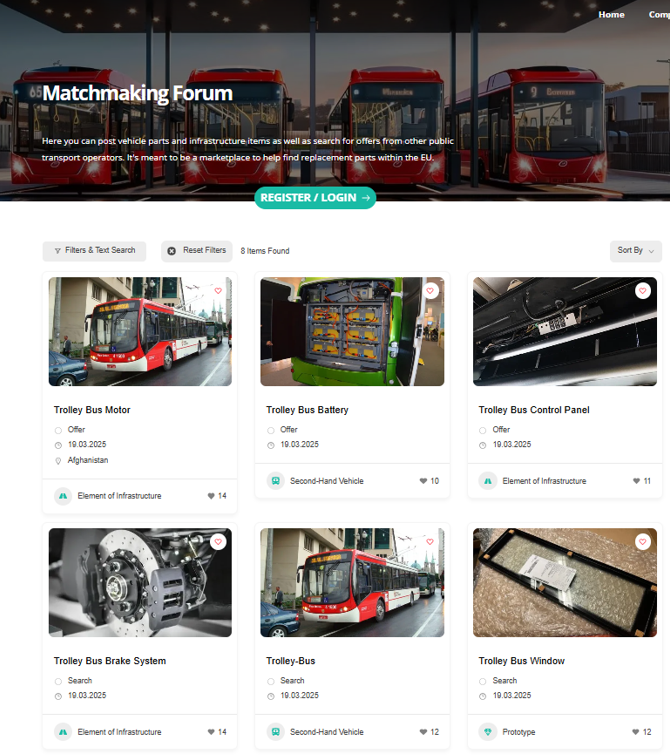
Matchmaking forum O3.10
The CE4CE Knowledge Platform consolidates project results, tools, and best practices into a single access point for public transport stakeholders. It includes the Matchmaking Forum, which enables operators and authorities to exchange offers and requests for vehicles, components, and spare parts, supporting reuse and extending asset lifetimes. The platform also provides access to methodologies, pilot results, and guidance materials, facilitating knowledge transfer across Europe.
7
Outputs & results
The project delivered a comprehensive set of outputs supporting circular public transport transformation. These include the Circularity Compass, the Knowledge Platform, six pilot actions and their transferable solutions, transnational strategies, regional action plans, and two handbooks covering strategies & action plans and pilot implementations (both translated into all central Europe programme languages). Together, these outputs provide both strategic frameworks and practical implementation guidance.
News
Events
Pilot actions
Outputs
The CE4CE competence map, credits: CE4CE project
Public Transport Circularity Knowledge Platform (output O 1.2)
The project has developed the CE4CE Knowledge Platform, a groundbreaking digital hub designed to foster the adoption of circular economy principles in public transportation systems. As a key output of the project, the platform supports stakeholders in identifying circularity gaps and life-cycle actors, enabling effective knowledge transfer, and showcasing selected lifecycle value chains.
A major enhancement to the platform is the matchmaking forum — an interactive feature that connects public transport operators, suppliers, policymakers, and researchers. This forum facilitates targeted collaboration and business opportunities in the field of electric public transport, promotes the exchange of best practices, and helps forge partnerships that accelerate the transition toward circular and sustainable mobility solutions.
The platform can be accessed here: https://circularity4publictransport.eu/
Type of output: Solutions
View solution

Energy icon developed in CE4CE
Strategy to capture and optimize use of waste energy and renewable energy sources along new life cycle value chains (output O 2.1)
The transnational strategy formulates a joint vision and objectives to influence hard (material, technology, infrastructure) and soft factors (management practices, human preferences, cultural practices) to optimise energy use by recapturing waste energy and increasing the share of locally produced renewable energy sources (RES) in public transport operations along new life cycle value chains.
Type of output: Strategies and action plans

Strategy infrastructure icon, developed within the CE4CE project
Strategy to add and recapture value and optimise delivery of public transport infrastructure along new life cycle value chains (output O 2.2)
The transnational strategy formulates a joint vision and objectives to influence hard (material, technology, infrastructure) and soft factors (management practices, human preferences, cultural practices) to add and recapture value and optimise delivery of public transport infrastructure based on new life cycle value chains.
Type of output: Strategies and action plans

Rolling stock icon developed in CE4CE
Strategy to add & recapture value and optimise delivery of rolling stock / vehicles along new life cycle value chains (output O 2.3)
The transnational strategy formulates a joint vision and objectives to influence hard (material, technology, infrastructure) and soft factors (management practices, human preferences, cultural practices) to add & recapture value and optimise delivery of vehicles/rolling stock in public transport operations.
Type of output: Strategies and action plans
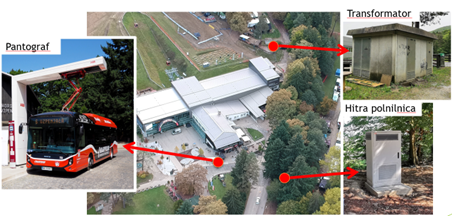
Location of the pilot in Maribor (Photo: Municipality of Maribor)
Action Plan to capture and use waste energy from trains, charge used batteries with renewable energy sources along new life cycle value chains based on municipal circular economy strategy and urban regeneration plan in Maribor (output O 2.4)
A jointly developed action plan was created to adapt the transnational strategy for optimising the use of waste energy and renewable energy sources in public transport operations to the regional planning context of the Municipality of Maribor. The plan identifies prioritized clusters of measures and defines related requirements in terms of infrastructure, technology, competencies, information, and knowledge. It was developed in agreement with life-cycle actors and stakeholders and also considers opportunities for value creation, as well as implications related to financing, stakeholder and supply chain management, procurement, costs, timelines, risks, and dependencies.
Type of output: Strategies and action plans
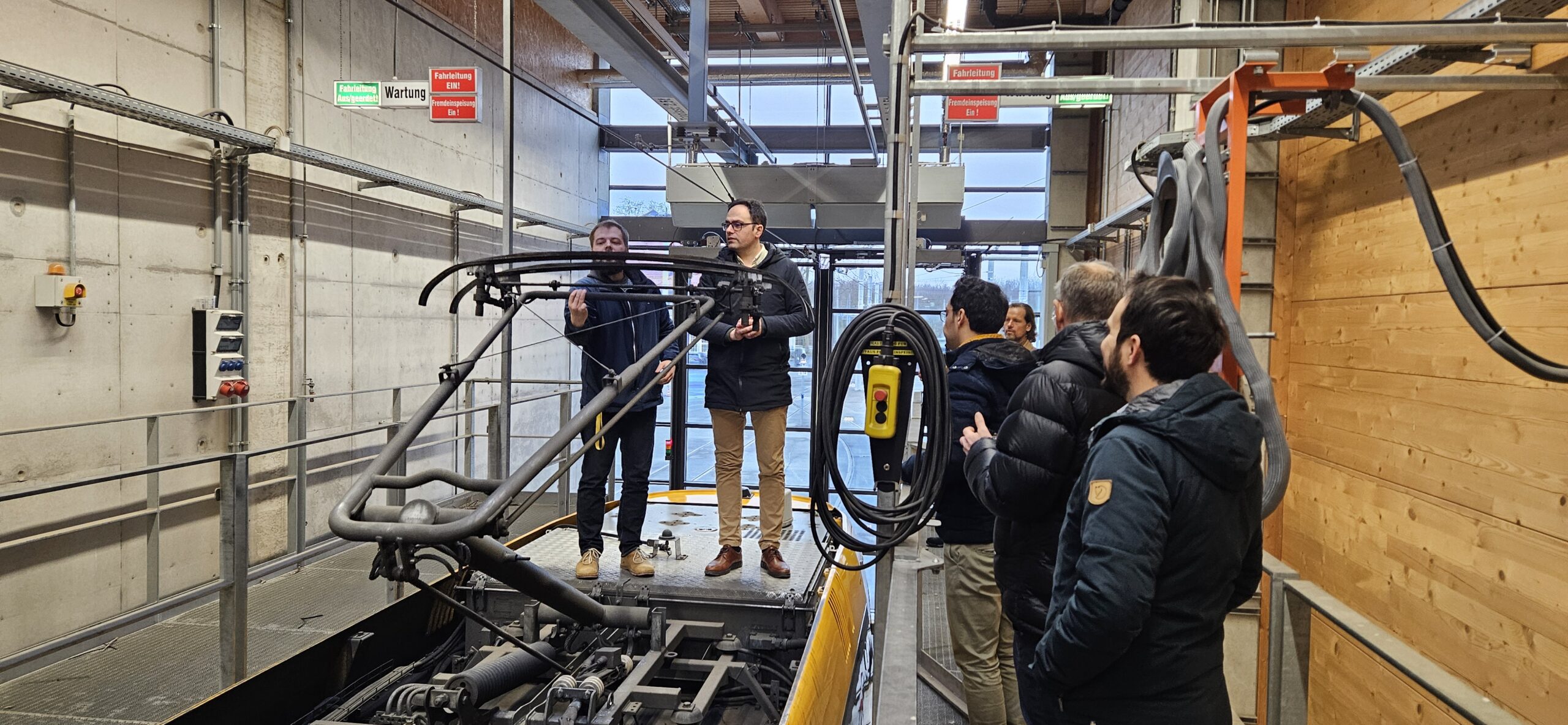
LVB pilot, photo: LVB
Action Plan to optimise delivery of infrastructure through minimal invasive maintenance work in Leipzig (output O 2.5)
A jointly developed action plan was created to adapt the transnational strategy for preserving the value of infrastructure in public transport operations to the regional planning context of LVB, the public transport company in Leipzig. The plan identifies prioritized clusters of measures and defines related requirements in terms of infrastructure, technology, competencies, information, and knowledge. It was developed in agreement with life-cycle actors and stakeholders and also considers opportunities for value creation, as well as implications related to financing, stakeholder and supply chain management, procurement, costs, timelines, risks, and dependencies.
Type of output: Strategies and action plans
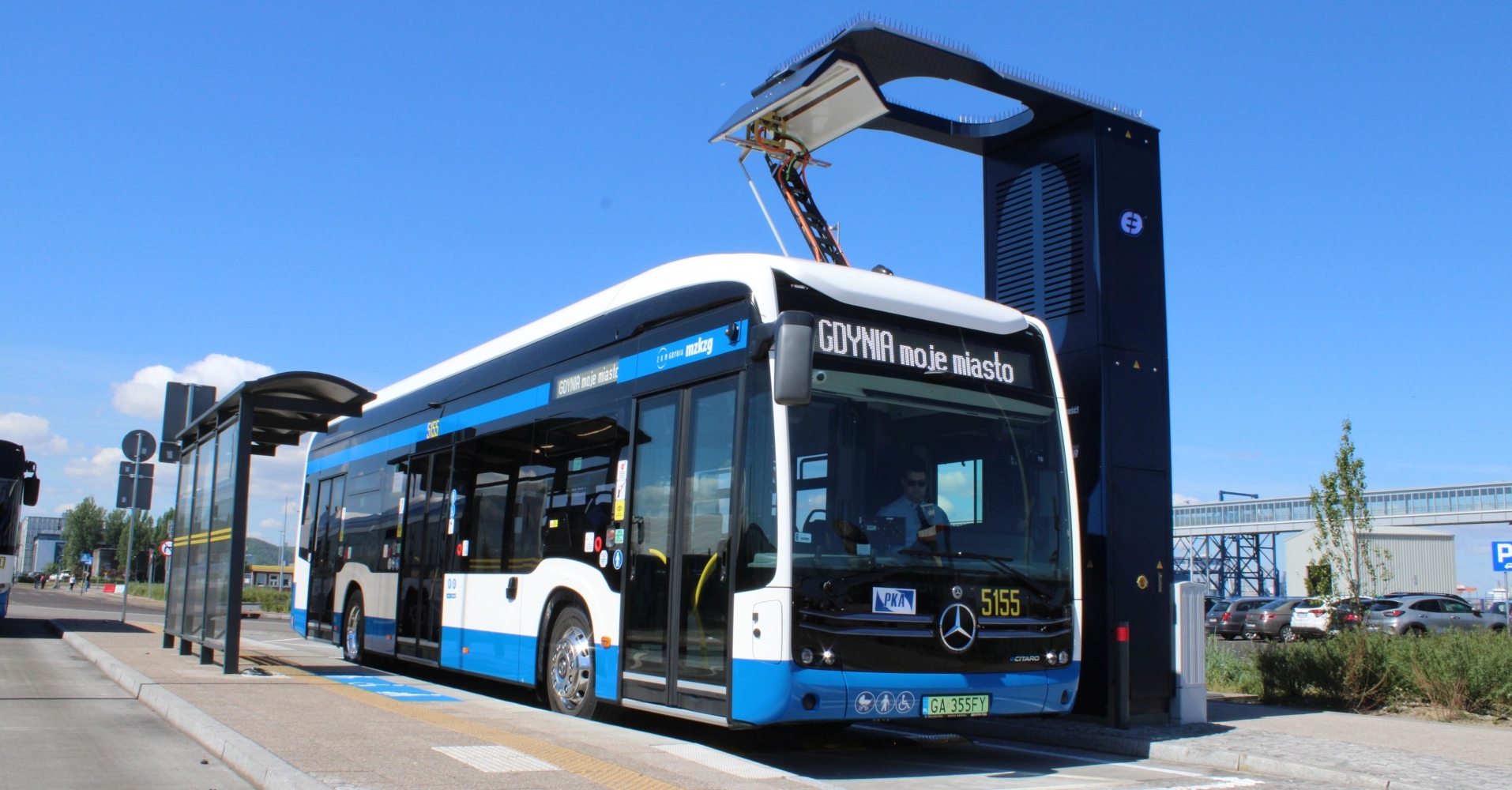
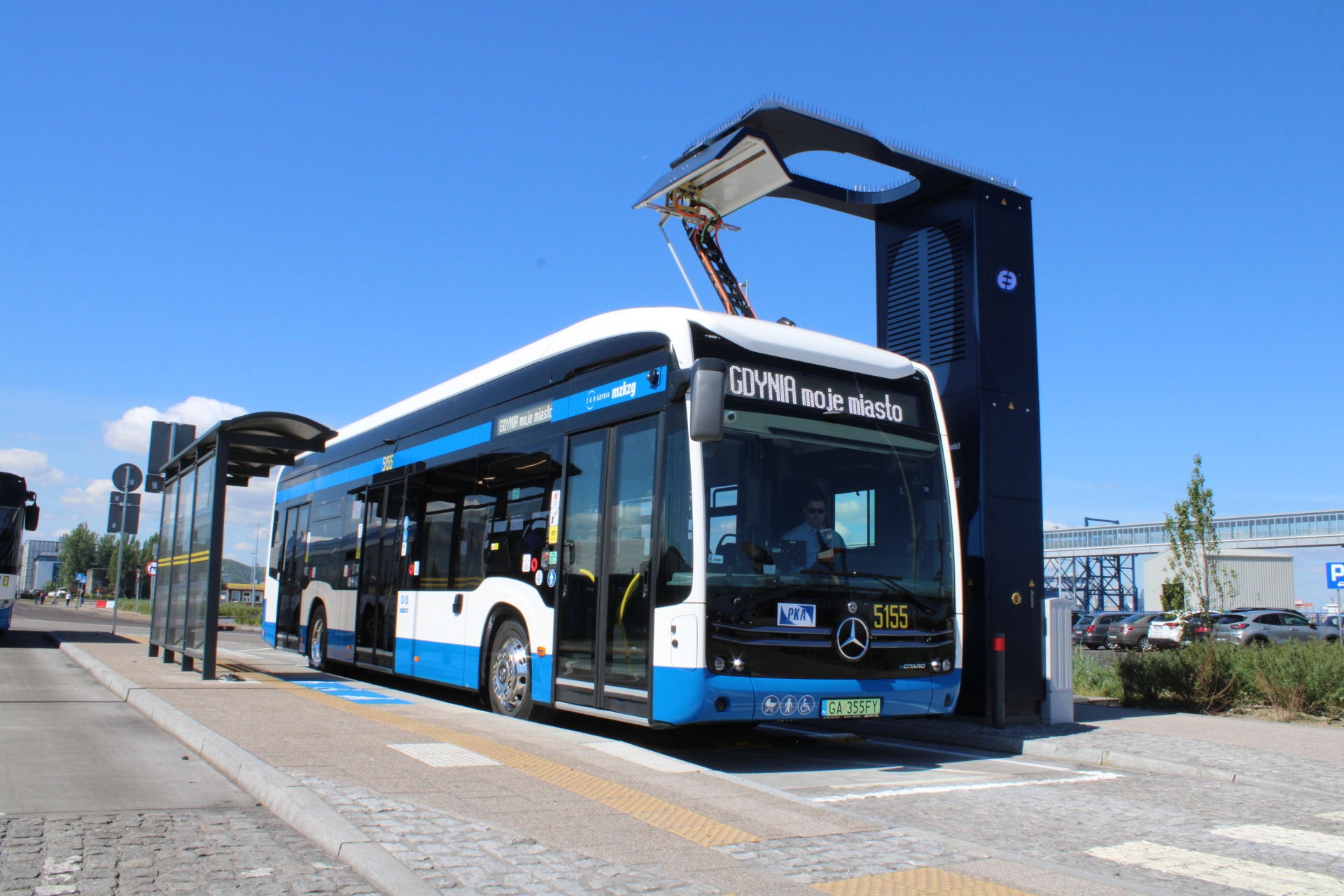
PKA Pilot
Action Plan to optimise delivery of infrastructure by cooperation and sharing between public transport service providers as update of municipal strategy for electromobility in Gdynia (output O 2.6)
A jointly developed action plan was created to adapt the transnational strategy for preserving the value of infrastructure in public transport operations to the regional context of PKA, the bus operator in Gdynia, and the University of Gdynia. The plan identifies prioritized clusters of measures and defines related requirements in terms of infrastructure, technology, competencies, information, and knowledge. It was developed in agreement with life-cycle actors and stakeholders and also considers opportunities for value creation, as well as implications related to financing, stakeholder and supply chain management, procurement, costs, timelines, risks, and dependencies.
Type of output: Strategies and action plans
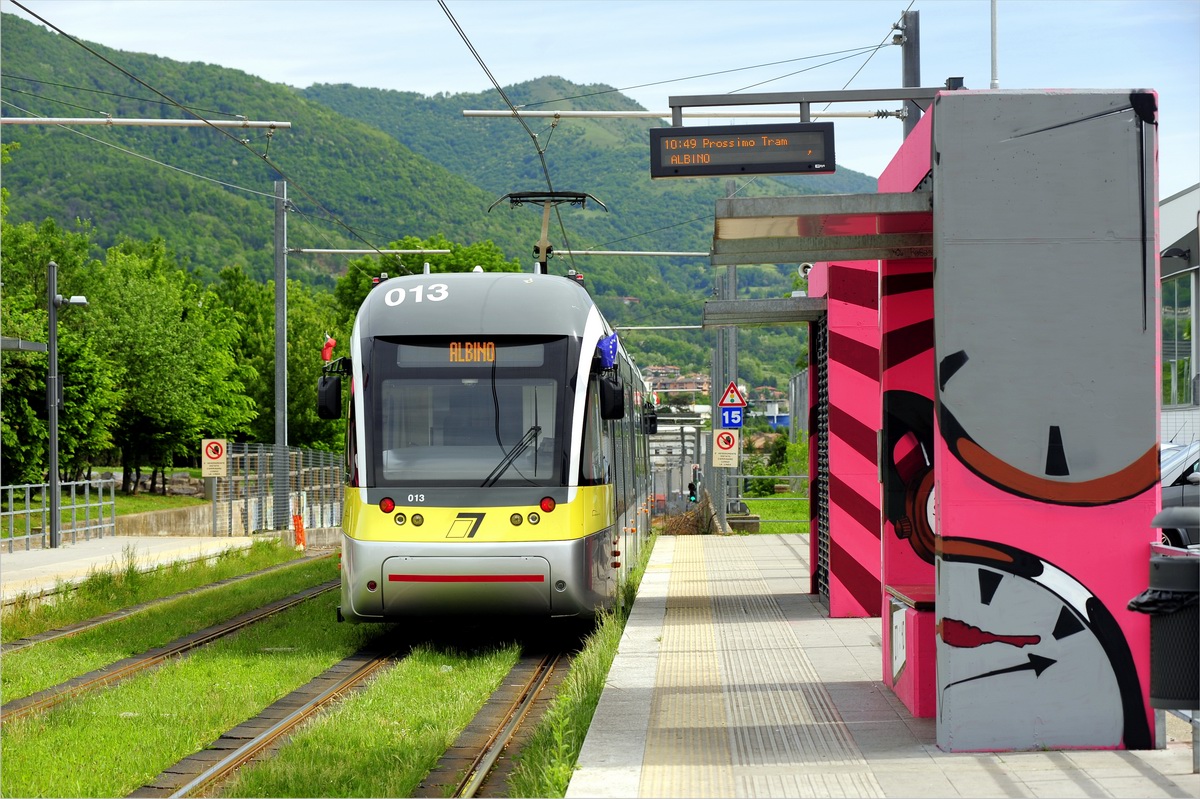
Bergamo tram, copyright: Comune di Bergamo
Action Plan to add value on the forward supply chain and optimise delivery of vehicles by circular procurement in Bergamo (output O 2.7)
A jointly developed action plan was created to adapt the transnational strategy for preserving the value of rolling stock and vehicles in public transport operations to the regional context of ATB, the public transport company in Bergamo. The plan identifies prioritized clusters of measures and defines related requirements in terms of infrastructure, technology, competencies, information, and knowledge. It was developed in agreement with life-cycle actors and stakeholders and also considers opportunities for value creation, as well as implications related to financing, stakeholder and supply chain management, procurement, costs, timelines, risks, and dependencies.
Type of output: Strategies and action plans

CE4CE Guidelines for developing circular strategies in the public transport sector
CE4CE Guidelines for developing circular strategies in the public transport sector
The Guidelines for developing circular strategies in the public transport sector document introduces the CE4CE approach to circularity, outlines the strategies developed for Energy, Infrastructure and Rolling Stock, and showcases how these were translated into concrete local Action Plans. Drawing on practical experiences from strategy and action plan development, the document highlights key success factors, stakeholder engagement approaches, and recommendations to support the wider adoption of circular economy principles in the public transport sector.
Type of output: Strategies and action plans
- CE4CE Guidelines On Strategies And Action Plans EN
- CE4CE Guidelines On Strategies And Action Plans DE
- CE4CE Guidelines On Strategies And Action Plans IT
- CE4CE Guidelines On Strategies And Action Plans HU
- CE4CE Guidelines On Strategies And Action Plans CZ
- CE4CE Guidelines On Strategies And Action Plans SI
- CE4CE Guidelines on strategies and action plans SK
- CE4CE Guidelines On Strategies And Action Plans PL
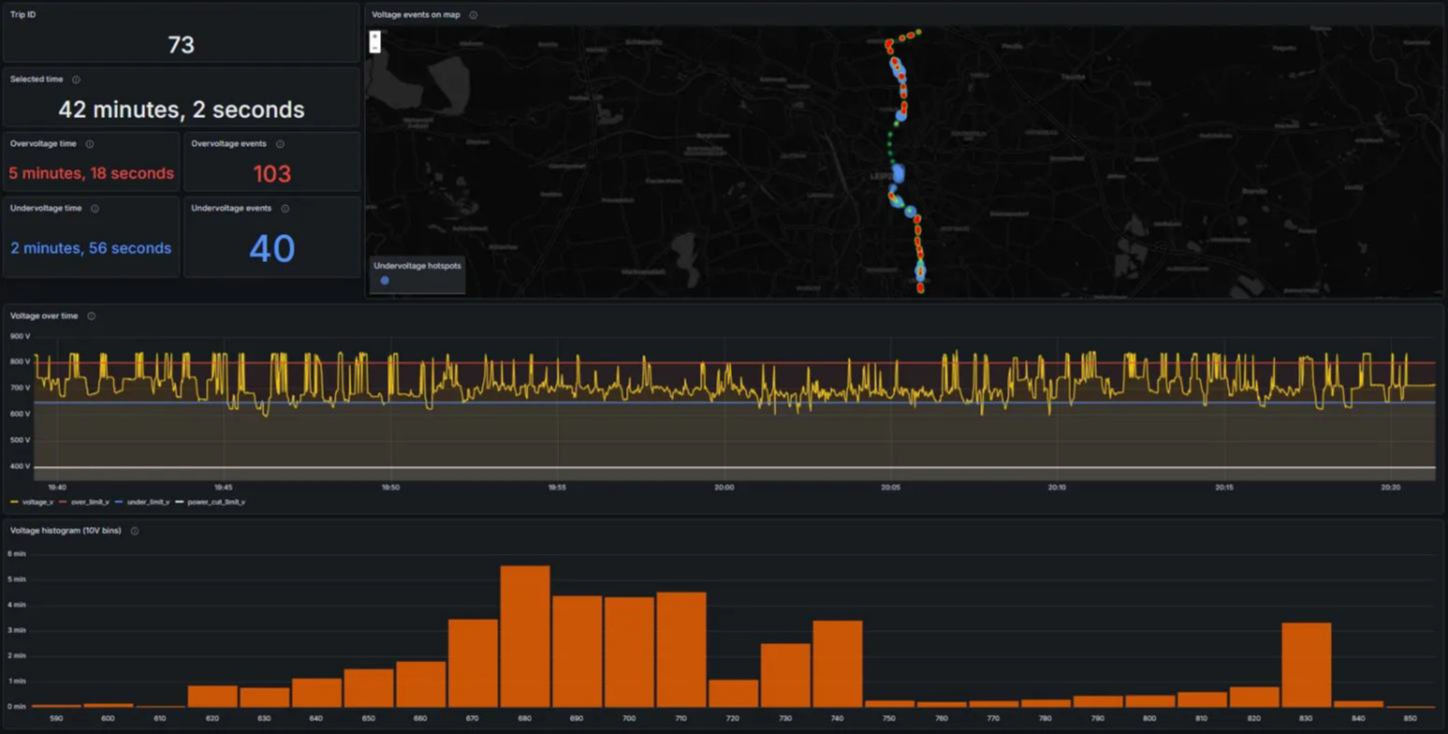
O3.2
Modules for predictive maintenance of infrastructure and rolling stock (output O 3.2)
Linked to output O3.1 – Digital infrastructure and vehicle optimisation through predictive maintenance in Leipzig, prototype modules for predictive maintenance were developed for (1) infrastructure and (2) fleet applications. These process-related and technical solutions are applied to selected sections of infrastructure and rolling stock to enable later scaling across the entire network.
Transferability to other organisations is ensured through the specification of standardised interfaces, data formats and parameters, as well as through the demonstration of operational dependencies and a methodology for developing damage catalogues and conducting impact analyses.
Type of output: Solutions
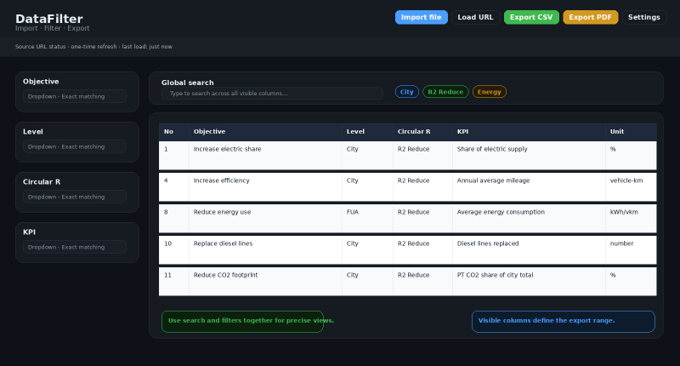
O3.4
Circular business planning tool for electrified public transport fleets and infrastructure (output O 3.4)
Linked to output O.3.3 – Simulation of an e-corridor and energy flows to support circular scenarios for electrification upscaling (bus lanes, electric supply and in-motion charging) in Gdynia, a tool was developed to assess the value and costs of actions aimed at increasing the lifetime of infrastructure and vehicles, as well as optimising energy use.
The solution included:
a) the design of energy management scenarios, based on inputs from related activities such as investment costs and assumptions on the lifecycle of fleets and infrastructure;
b) the development of a cost-benefit analysis model integrating internal benefits (e.g. extended asset lifetime) and external benefits (e.g. environmental impacts).
The tool is available publicly at: https://ce4ce.ug.edu.pl/
Type of output: Solutions
View solution
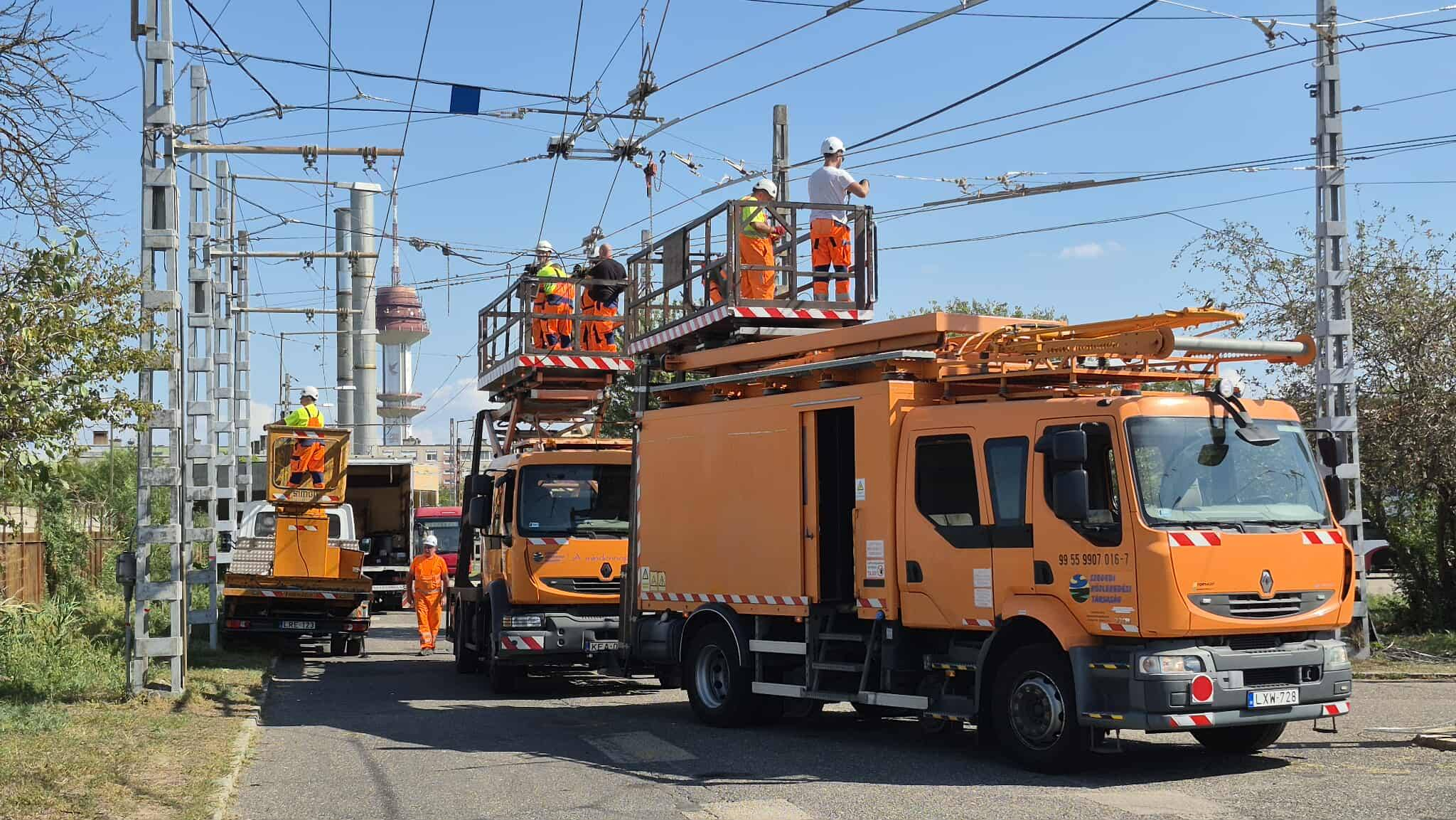
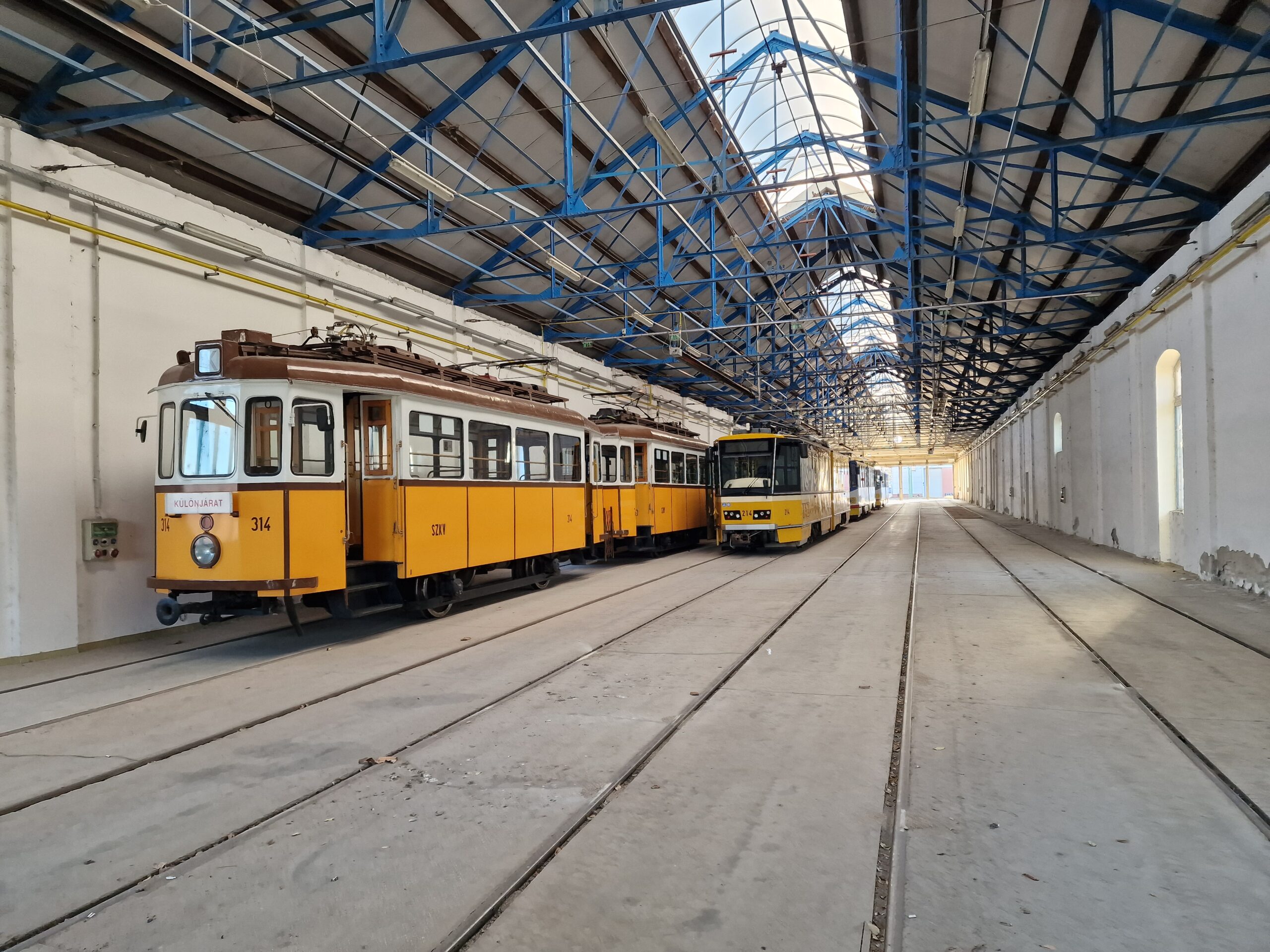
Szeged pilot, switch implementation, photo: SZKT
Definition of uptake criteria to re-use trolleybus switches (output O 3.6)
Linked to O.3.5 – Demonstrating the feasibility of reusing trolleybus switches in Szeged, an evaluation document was developed defining criteria for reuse and outlining the actions required by other trolleybus service providers to adopt the solution for heavily used switches at specific locations within their systems.
The document supports knowledge transfer and future implementation across other operators, while dissemination of the results is planned via trolley:motion to enable further extension of the activity.
Type of output: Solutions
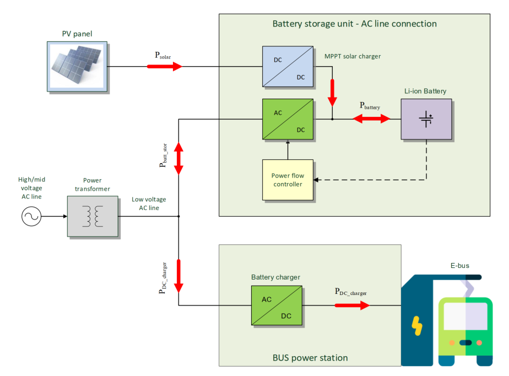
Maribor solution
Develop transferable business models for re-use of batteries to store renewable energy sources in public transport systems (output O 3.8)
Linked to O.3.7 – Analysis of used battery applications for storing renewable energy to power a fast charger in Maribor, a business model based on reusable batteries was developed in collaboration with life-cycle actors along newly defined value chains.
As part of the small-scale pilot, the University of Maribor and the Municipality of Maribor also addressed existing legal barriers and formulated recommendations for required changes to relevant standards.
Type of output: Solutions
Matchmaking forum O3.10
Online second-hand and match-making market for used parts, products and information-sharing to crowdsource circular product-design based on information-sharing (output O 3.10)
Linked to O3.9, an online second-hand marketplace / matchmaking platform was developed to crowdsource information needed to adapt the door opening and closing control mechanism for trams, as well as other critical components.
In this case, specific information is collected for a defined tram part, while the broader objective of the solution is to enable information sharing between public transport life-cycle actors in order to support the development of circular services and product designs.
The matchmaking forum can be accessed here: https://circularity4publictransport.eu/matchmaking-forum/
Type of output: Solutions
View solution
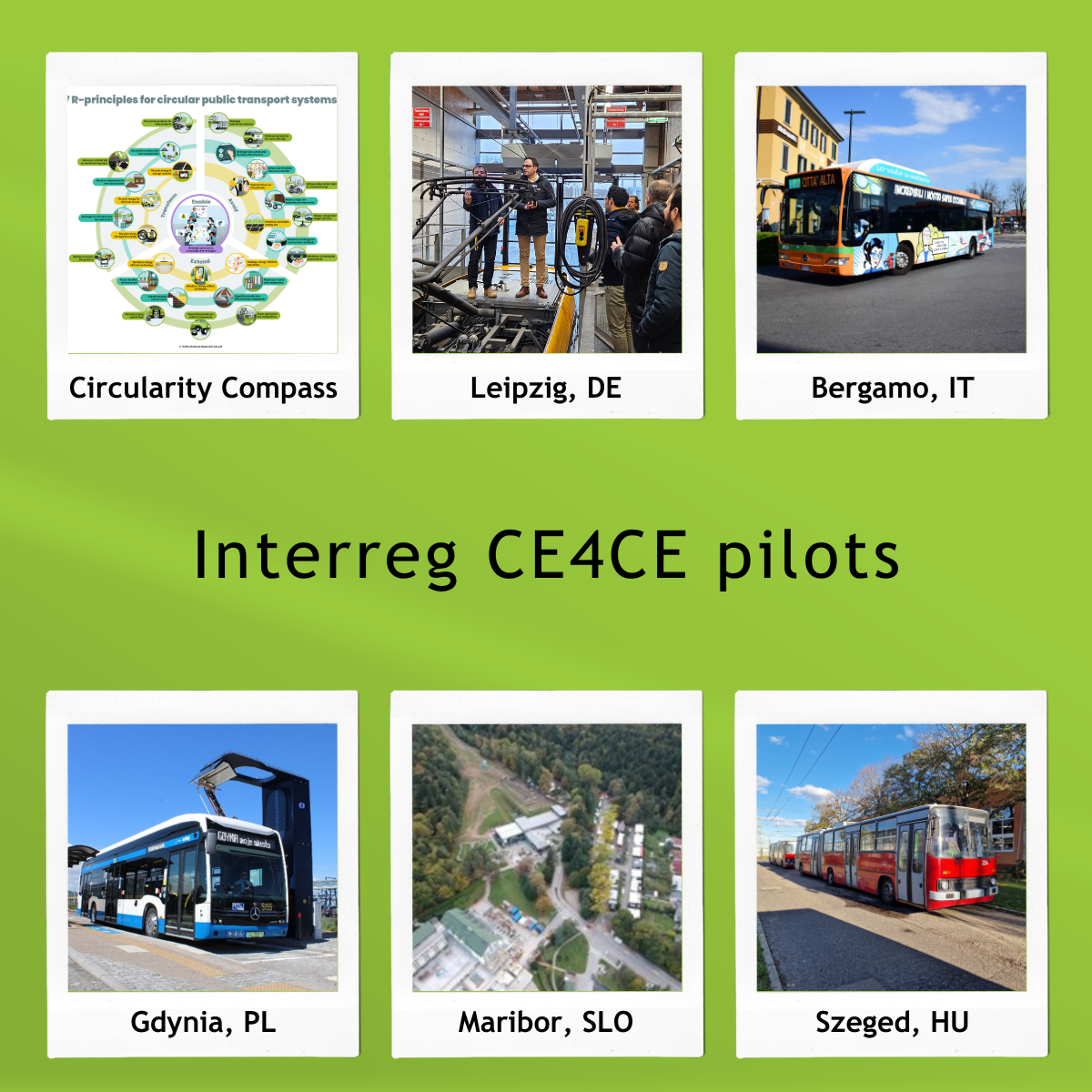
CE4CE pilots
CE4CE handbook: Circular economy pilot experiences and solutions for public transport operators
This handbook documents and disseminates the key pilot actions and solutions developed within CE4CE, providing practical insights and guidance for stakeholders seeking to apply circular economy principles in public transport contexts.
Type of output: Solutions
- CE4CE Handbook Pilots Solutions EN
- CE4CE Handbook Pilots Solutions DE
- CE4CE Handbook Pilots Solutions IT
- CE4CE Handbook Pilots Solutions PL
- CE4CE Handbook Pilots Solutions HU
- CE4CE Handbook Pilots Solutions SI
- CE4CE Handbook Pilots Solutions SK
- CE4CE Handbook Pilots Solutions CZ
- CE4CE Handbook Pilots Solutions HR
Project videos
Project documents
CE4CE
The project lead partner is responsible for the content of this project website.
Project on social media
Project contact
Stefan Röll
Email: stefan.roell@L.de