

Project stories
Step into the stories behind cooperation.
Switching off to reconnect: practical tools for healthier digital work
Burnout rarely starts with one dramatic moment. More often, it builds quietly: one message answered after work, one notification during dinner, one evening that no longer feels like rest. For many small and medium-sized companies, this is becoming a real workplace challenge. Stress, anxiety and burnout do not only affect individual wellbeing. They can also weaken teams, reduce productivity and make it harder for companies to keep people motivated. This is where BURNOUT PREVENT comes in.
Project BURNOUT PREVENT
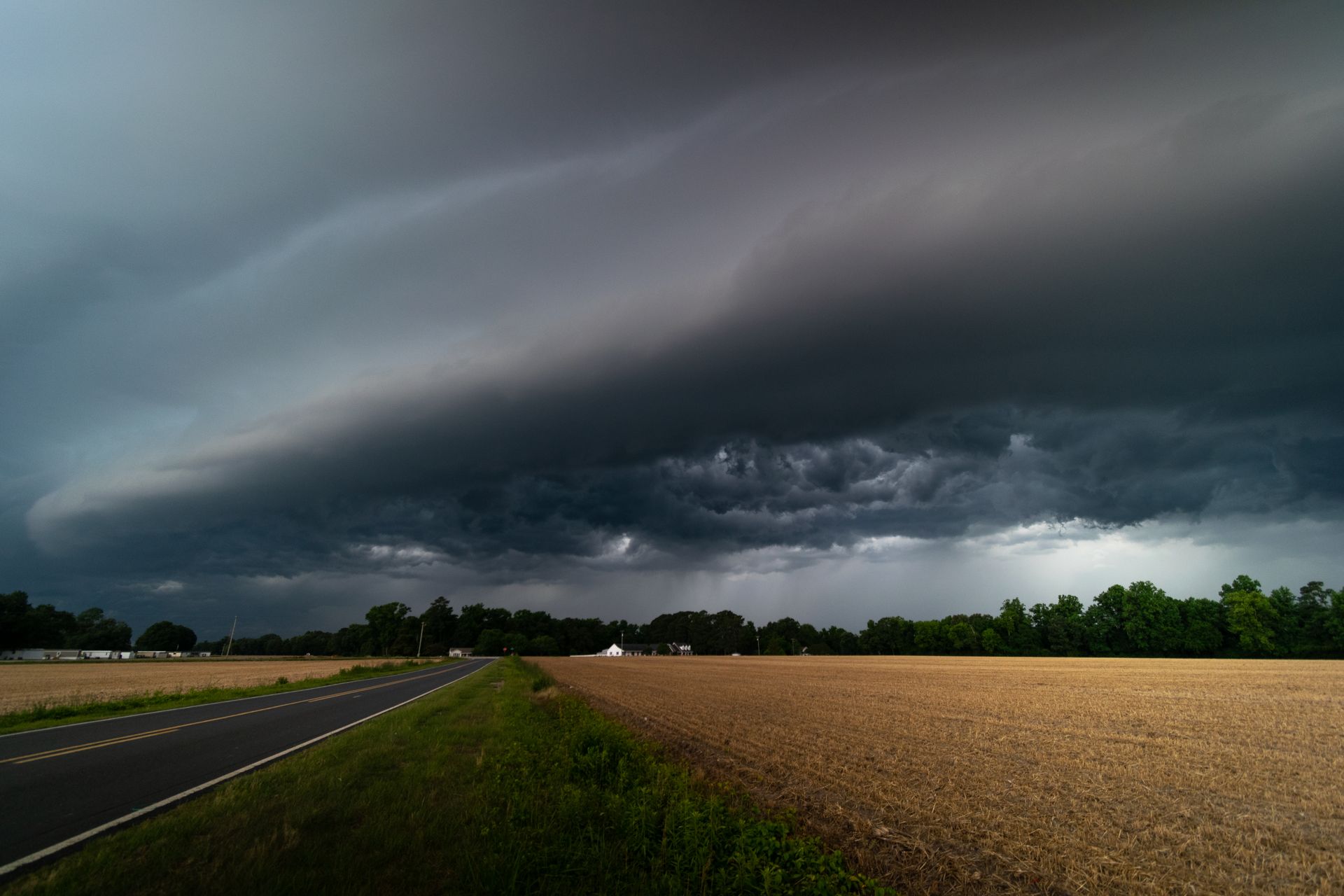
When heat rises and fields dry up: helping farmers see droughts coming
Across central Europe, longer dry periods, heatwaves and growing wildfire risks are putting increasing pressure on landscapes, agriculture and local communities. For farmers, knowing that soils are already too dry is important. Knowing what could happen over the next days can be even more useful. This is where the award-winning Clim4Cast map portal comes in. Developed through transnational cooperation, the portal monitors droughts, heatwaves and wildfire risks across central Europe…
Project Clim4Cast
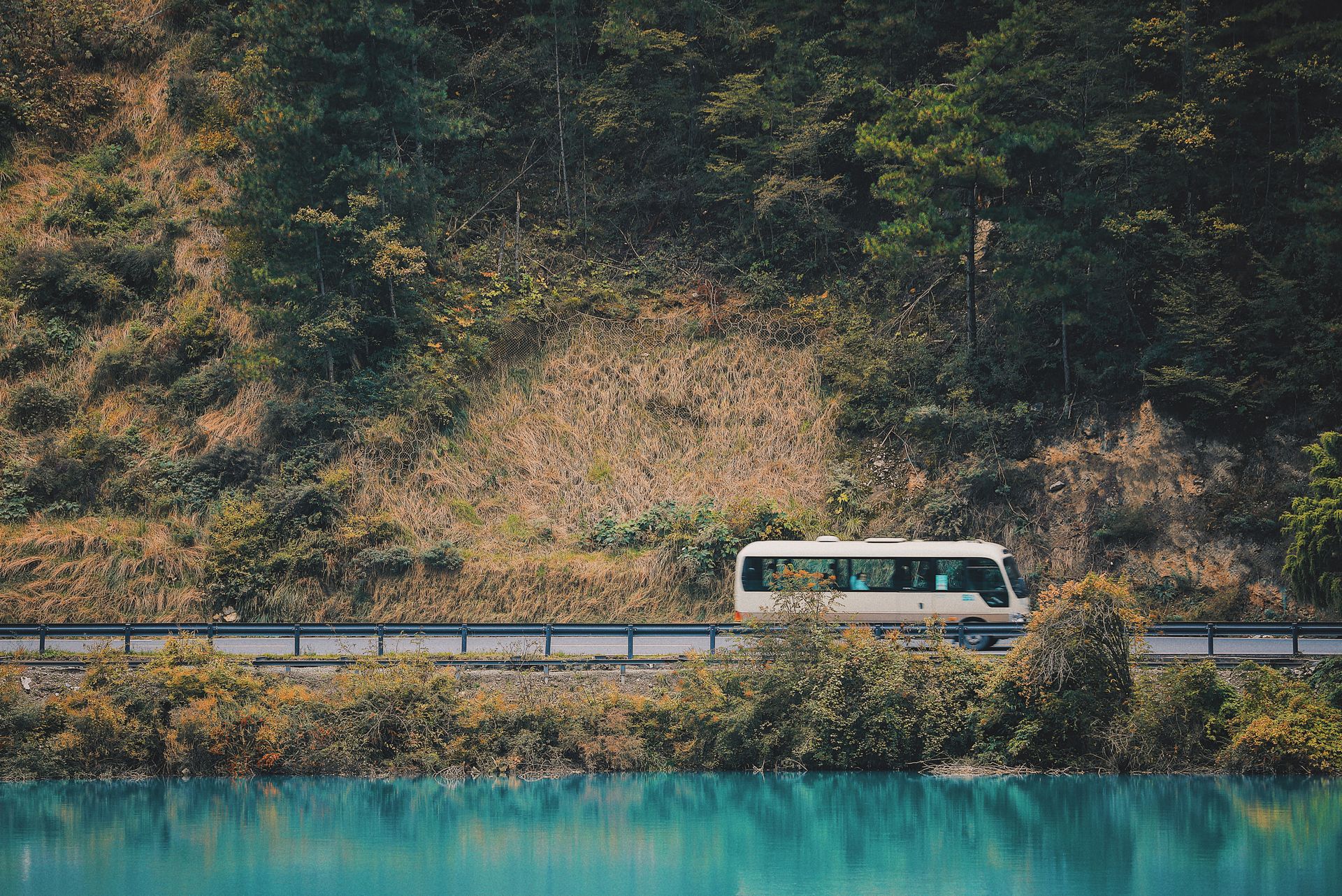
When the bus comes to you: a new mobility story from rural Croatia
For residents of Dugopolje, Dicmo and Trilj in rural Croatia, distance is not measured only in kilometres. It is measured in waiting times, missed connections and the journeys that are difficult to make without a car.Getting to school, work, a medical appointment or any other place by public transport can be complicated when services are infrequent or do not match everyday needs. This is a familiar challenge in many smaller and rural communities across central Europe…
Project DREAM_PACE

A plunge into the future: how cities manage urban water resources more sustainably
An afternoon at the swimming pool, a visit to the zoo, or ice skating with friends in winter: water-based leisure activities are part of everyday urban life in central Europe. They bring people together, cool cities in summer and create spaces for recreation and wellbeing. Yet climate change is putting these shared places under growing pressure. Longer droughts and falling groundwater levels strain water supplies, while heavy rainfall increasingly overwhelms drainage systems and raises flood risks…
Project MAURICE
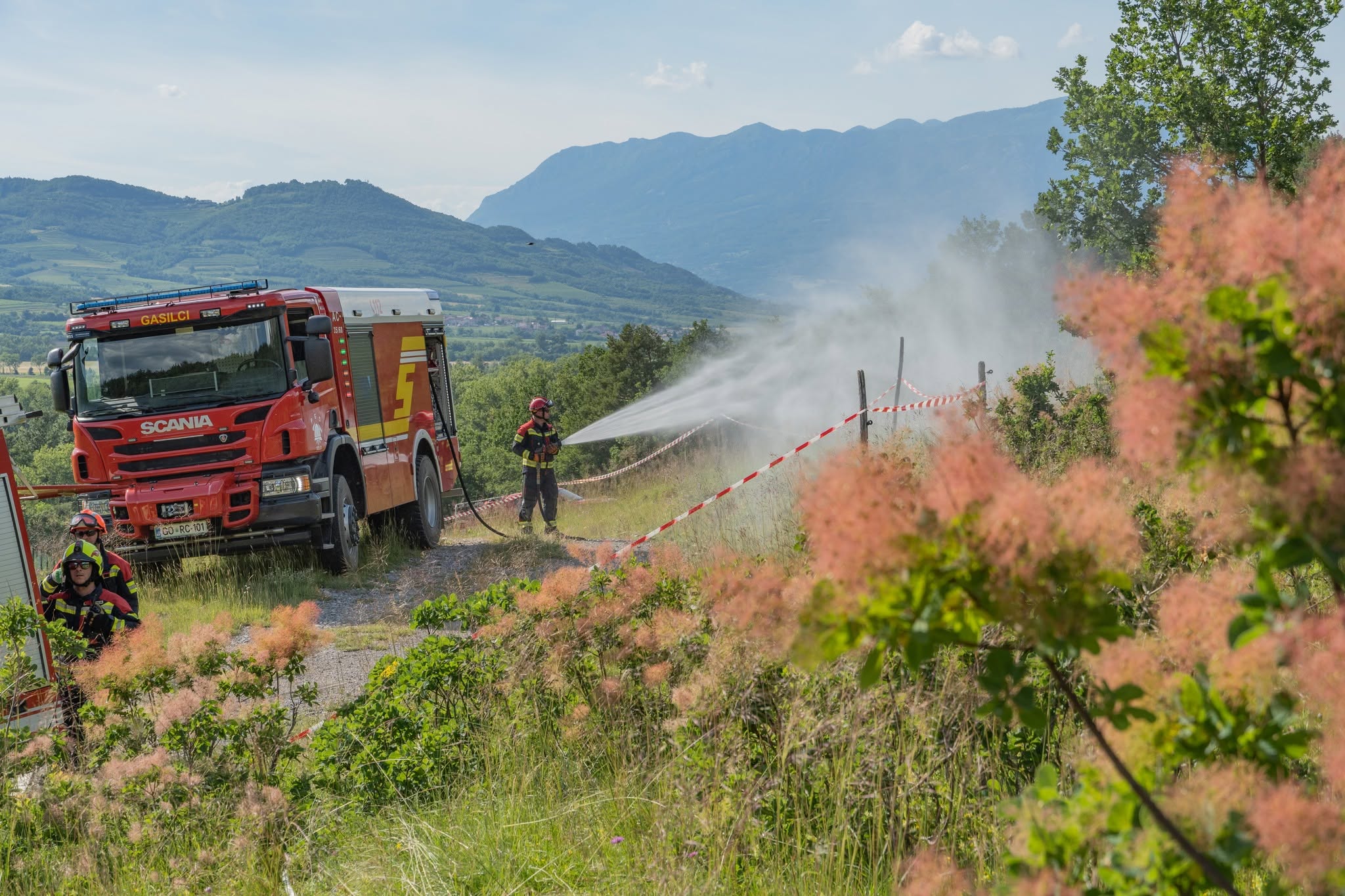
Fighting wildfires: how cooperation helps protect nature across borders
In the summer of 2022, a wall of fire tore through one of central Europe’s most iconic landscapes. As smoke spread across the Bohemian and Saxon Switzerland National Parks, one thing became clear: wildfires do not stop at borders. For weeks, firefighters from the Czech Republic and Germany worked side by side against a historic blaze. But while they faced the same fire, they were not always working with the same information. Fire risk, terrain, access routes and response systems…
Project Wildfire CE
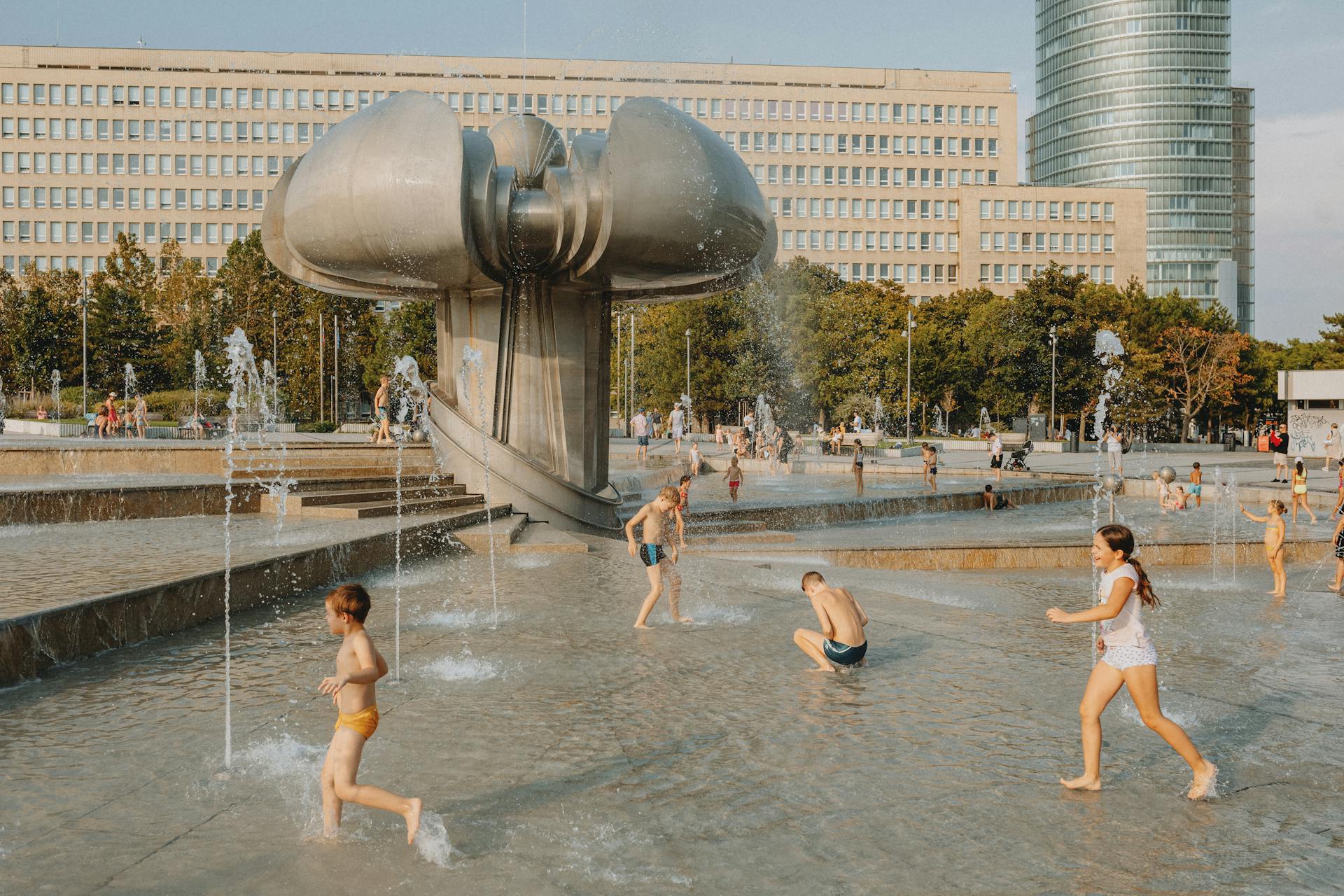
Green islands for hotter summers: how Hajdúböszörmény is cooling public spaces
On a hot summer day, even a short wait at a bus stop can feel unbearable. Pavements radiate heat, shade is scarce, and public spaces become difficult to use, especially for older people, children and others more vulnerable to heat. This is not just a local inconvenience. Across central Europe, cities are facing rising temperatures and more frequent heatwaves. For municipalities, the question is becoming urgent: how can they protect residents now, while also preparing public spaces…
Project Ready4Heat
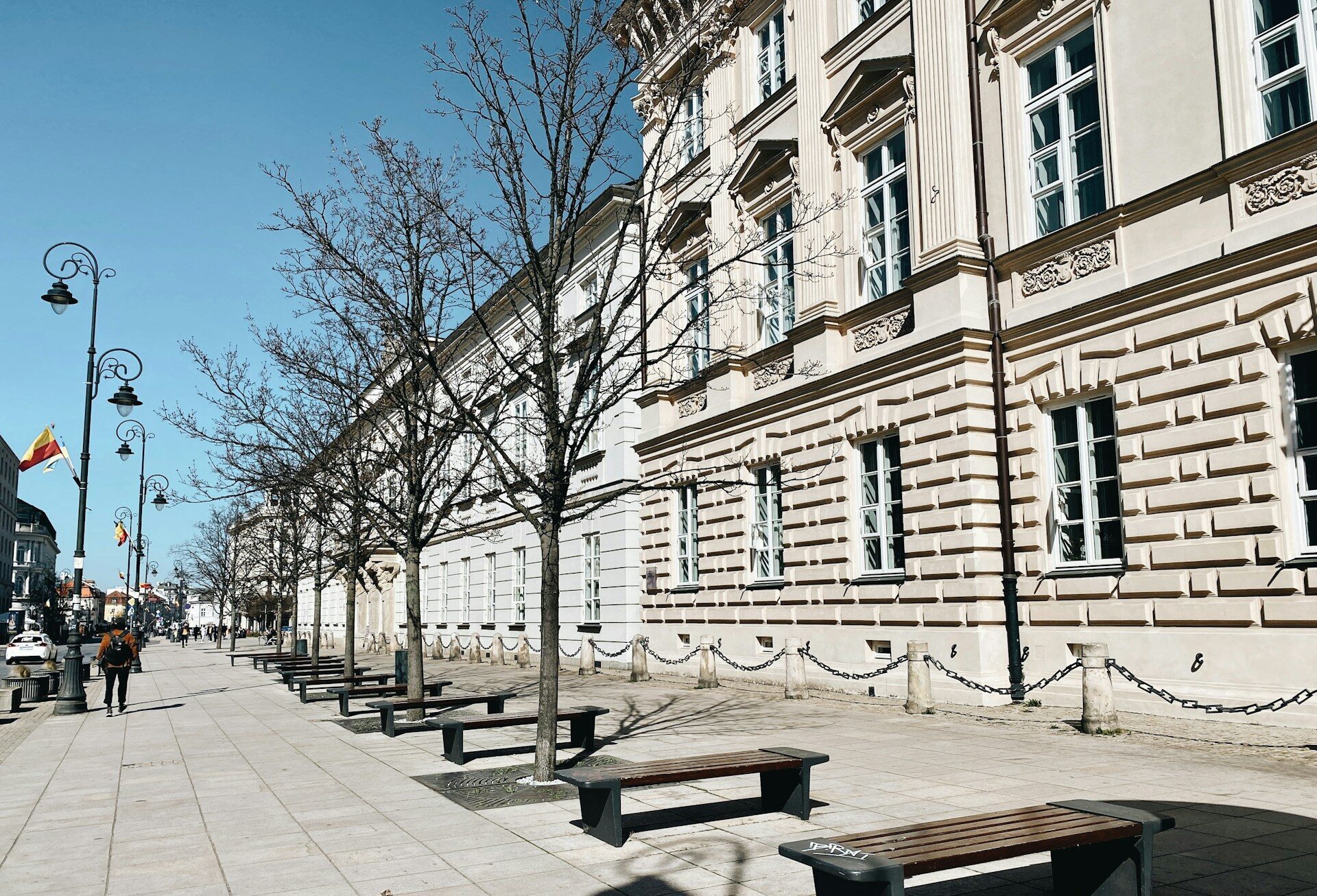
Breathing new life into old streets: Warsaw’s "green" revitalisation
Wileńska Street, located in the heart of Warsaw’s historic Nowa Praga district, is a place where history meets the modern hustle of a capital city. But as summers grow hotter and storms more intense, this stone-and-asphalt corridor has struggled to keep up. Through the GreenScape CE project, Warsaw is showing how even historic “grey” streets can be redesigned to become cooler, more resilient public spaces. For residents of the Praga Północ district, Wileńska Street is a vital traffic artery…
Project GreenScape CE
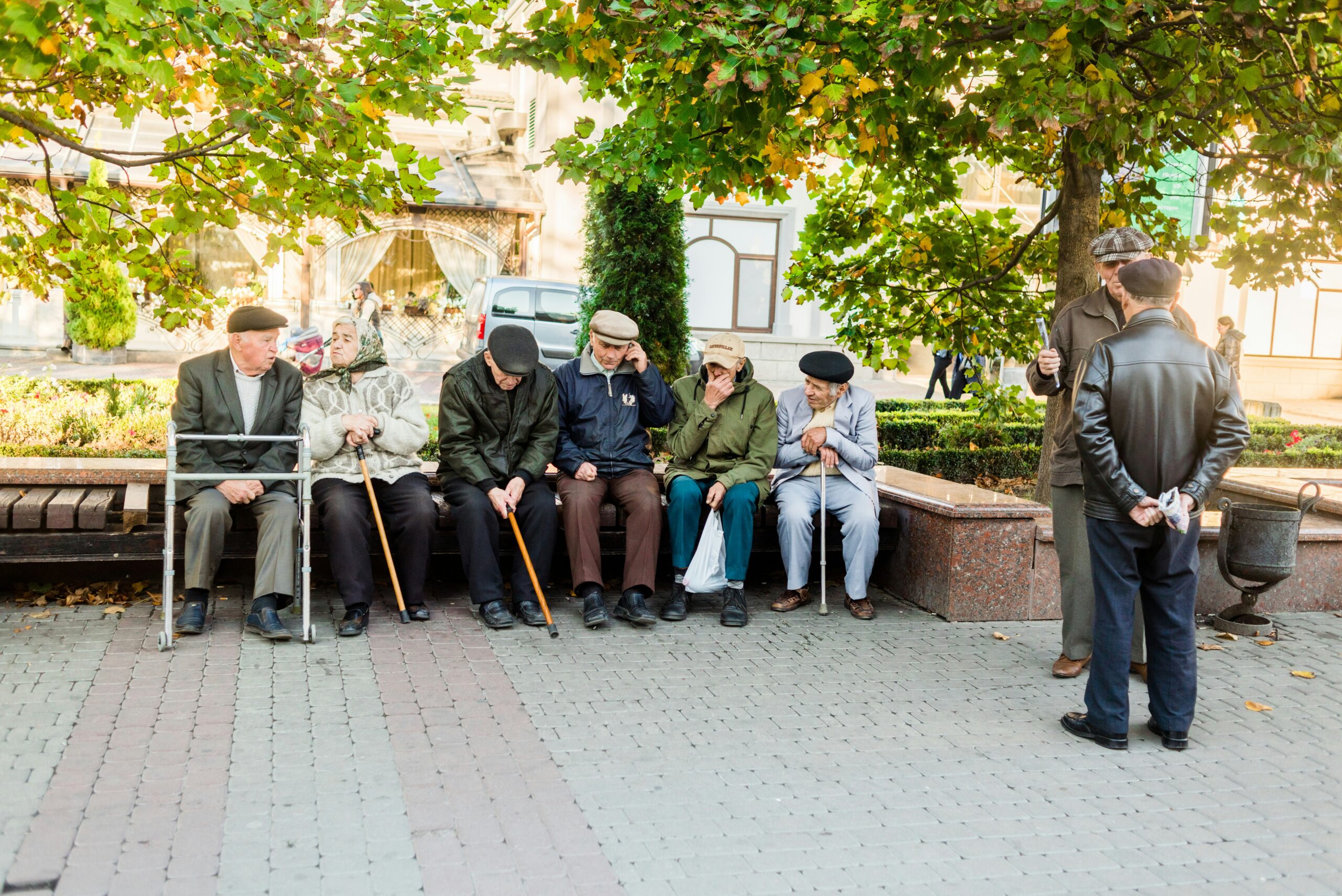
Hybrid care in practice: how AI helps seniors and caregivers to detect risks earlier
In rural regions across central Europe, many older adults want to stay in their own homes. But timely, dependable support can be hard to access, and home care often remains reactive, stepping in only after problems have escalated. That can mean missed chances to address early signs of cognitive or physical decline, and to prevent isolation before it deepens. PROCAREFUL tests a different approach: a hybrid home-care model that combines face-to-face support with a digital platform…
Project PROCAREFUL
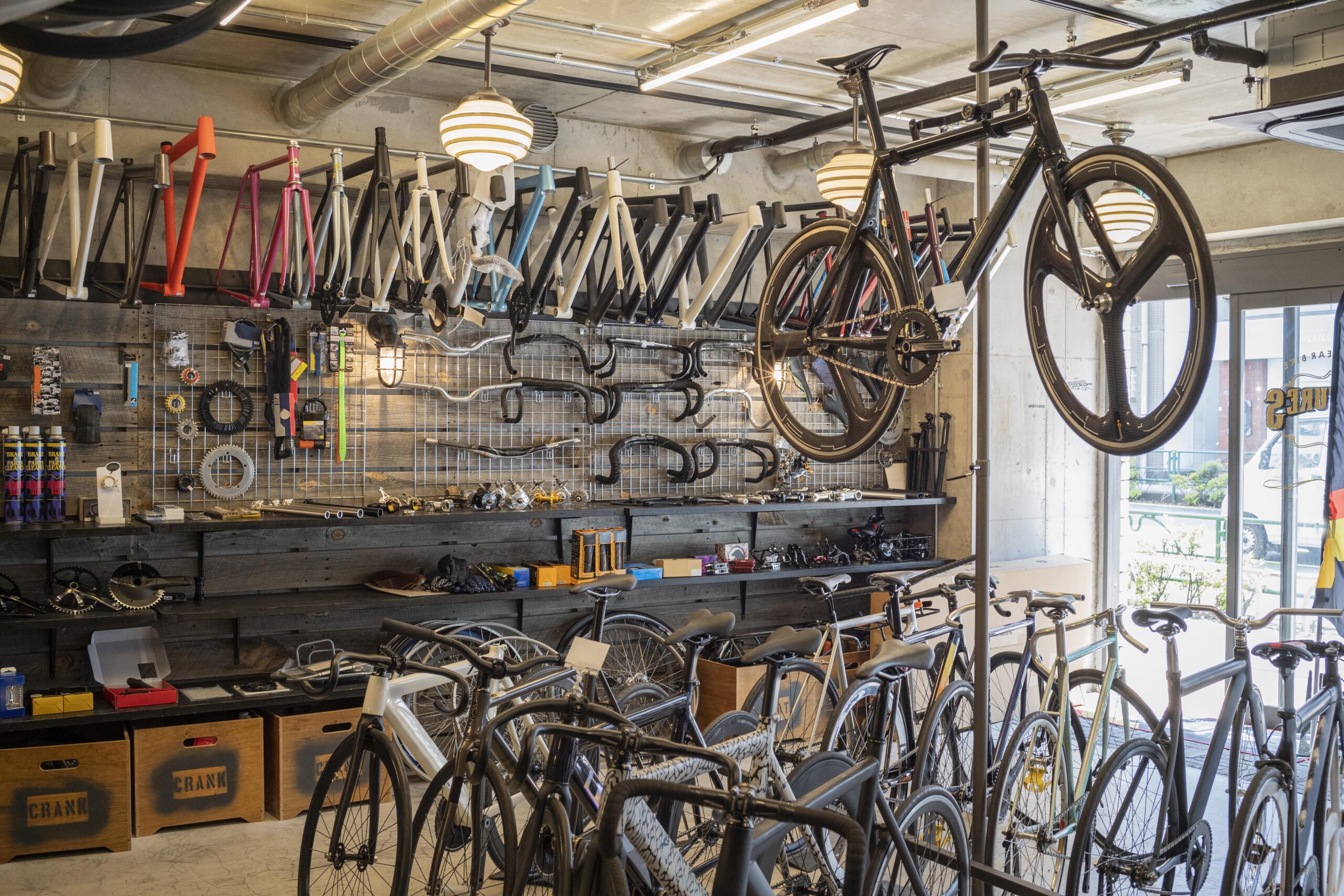
From missed contracts to new opportunities: a Polish business story
For many small businesses, the biggest obstacle is not a lack of expertise or ambition. It is missing how quickly market expectations are changing. As sustainability reporting becomes more important in procurement and corporate decision-making, even experienced entrepreneurs can suddenly find themselves losing out. Not because their offer is weak, but because they cannot demonstrate impact in the format clients now expect. This was the case for Paweł Raja, co-founder of Urvis Bike in Poland.
Project SMERF
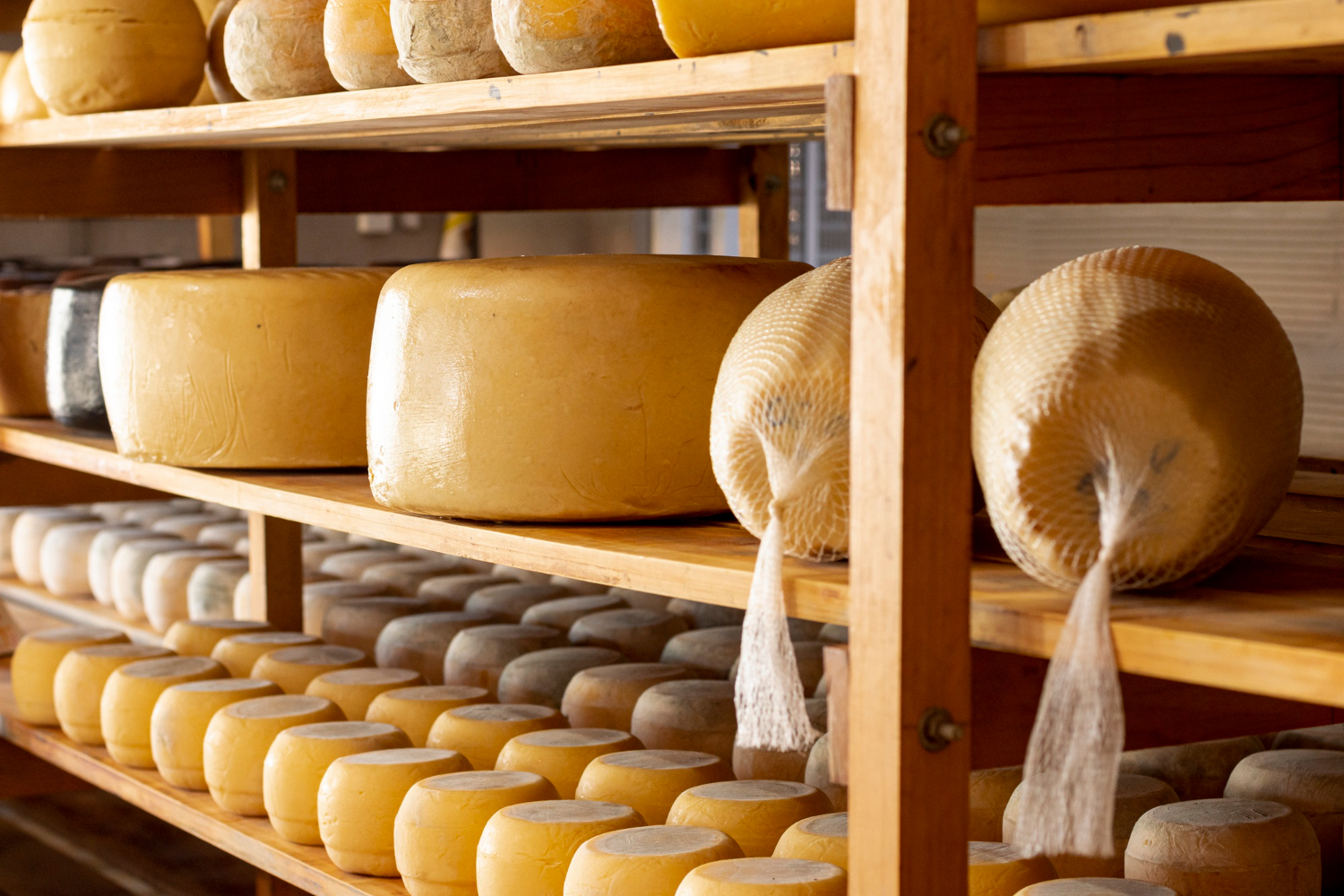
Digital, fresh, and local: new innovation hubs strengthen alternative food networks
In our modern world, convenience food is everywhere: in small and large shops with predictable quality based on optimised logistics. Local food often cannot compete. Not because it lacks quality, but because the “last mile” is hard for local producers. That is where Alternative Food Networks (AFNs) come in. They connect producers and consumers through short supply chains, often offering fresher food, stronger local value creation, and a lower carbon footprint…
Project FOOD4CE
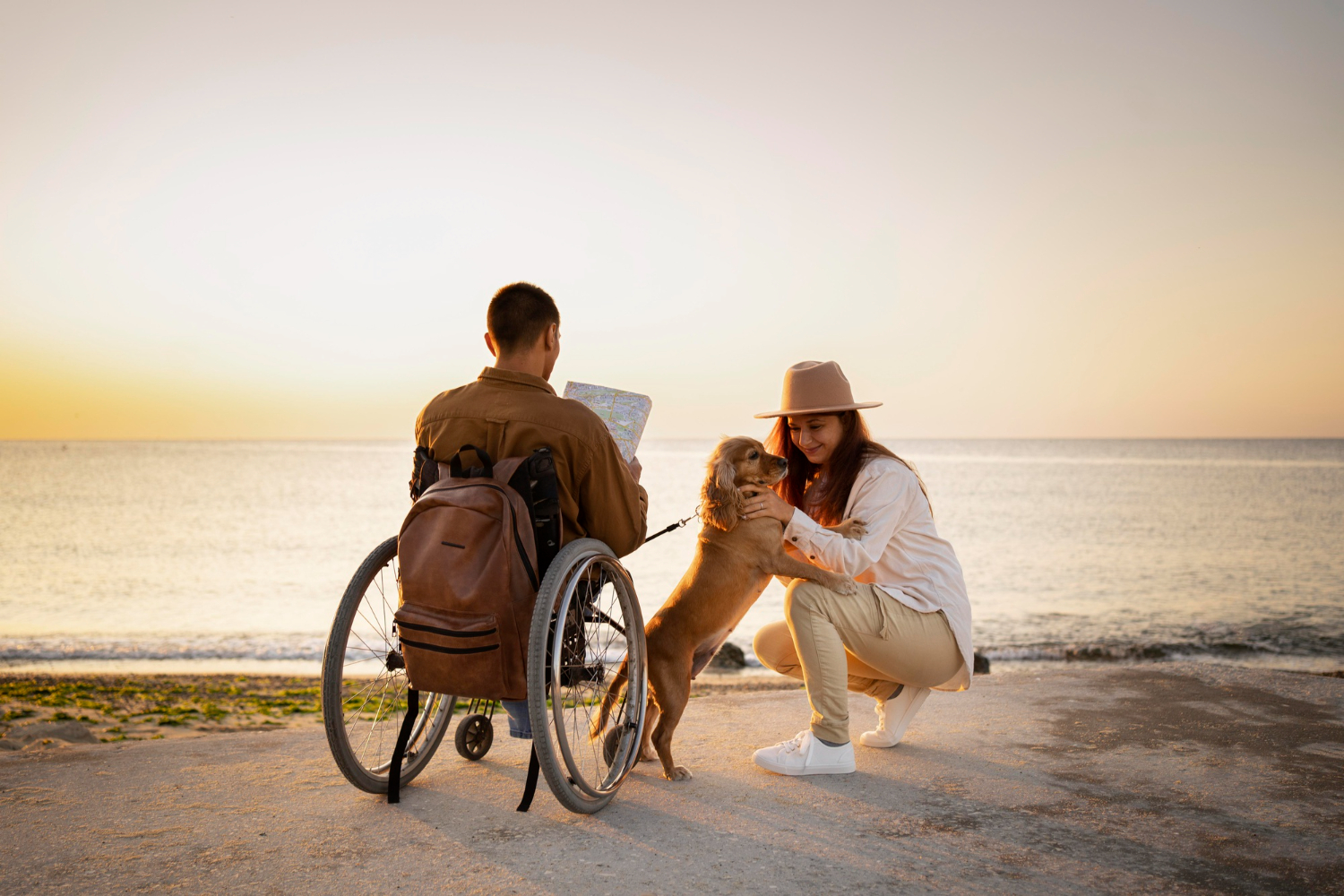
Tourism without barriers: Weinviertel’s award-winning approach to inclusive travel
What does it take to make tourism truly inclusive, not only in principle, but in everyday travel decisions? In Austria’s Weinviertel region, a practical answer is emerging through the CE-Spaces4All project. The Austrian partner Weinviertel Tourismus was recognised with a regional award in 2025, highlighting how accessibility can become a core part of destination quality rather than an afterthought. The idea is simple: inclusive tourism works best when travellers can plan with confidence…
Project CE-Spaces4All
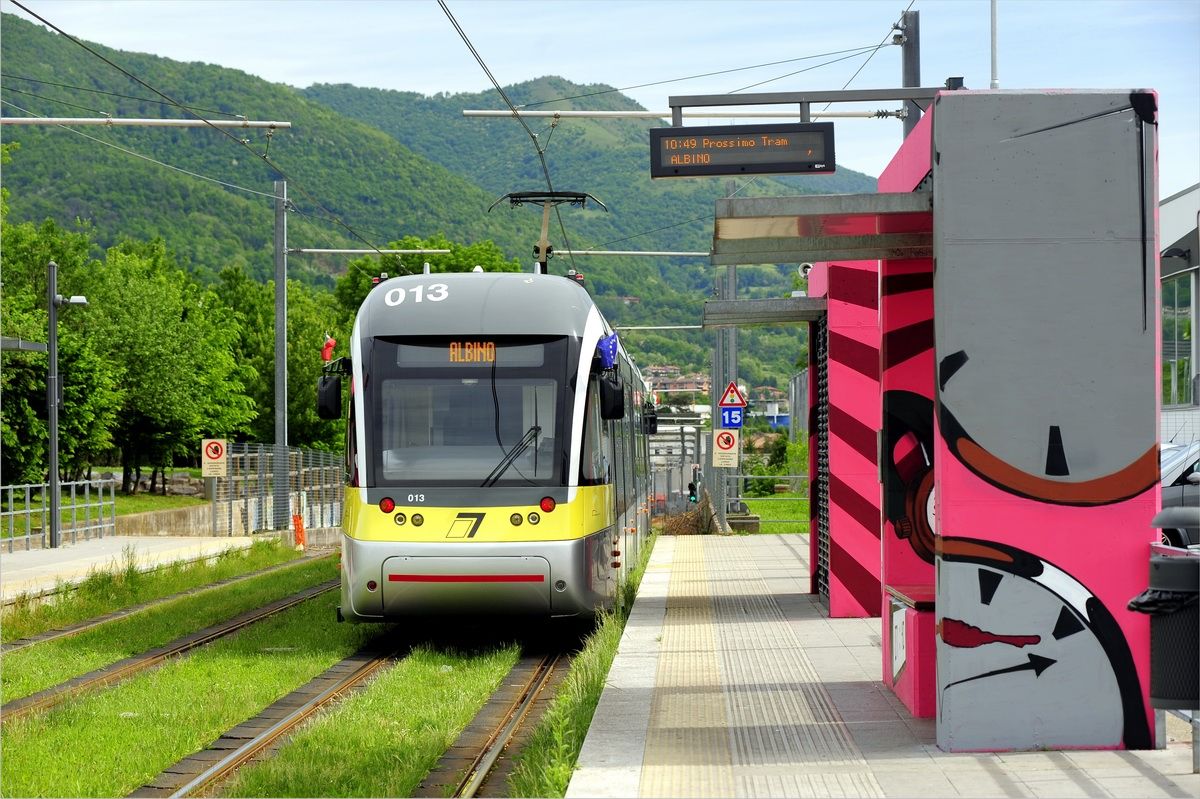
From reactive to predictive: Bergamo's tram maintenance is turning circular
When a tram network fails, the impact is immediate: delays ripple through commuters’ routines, maintenance teams scramble, and people lose trust in public transport. But what if the warning signs were visible before a breakdown happens and repairs could be planned without disruption? In Bergamo that shift is already underway. Through our CE4CE project, the city is moving from “fix it when it breaks” to predictive maintenance. They are applying circular economy thinking…
Project CE4CE
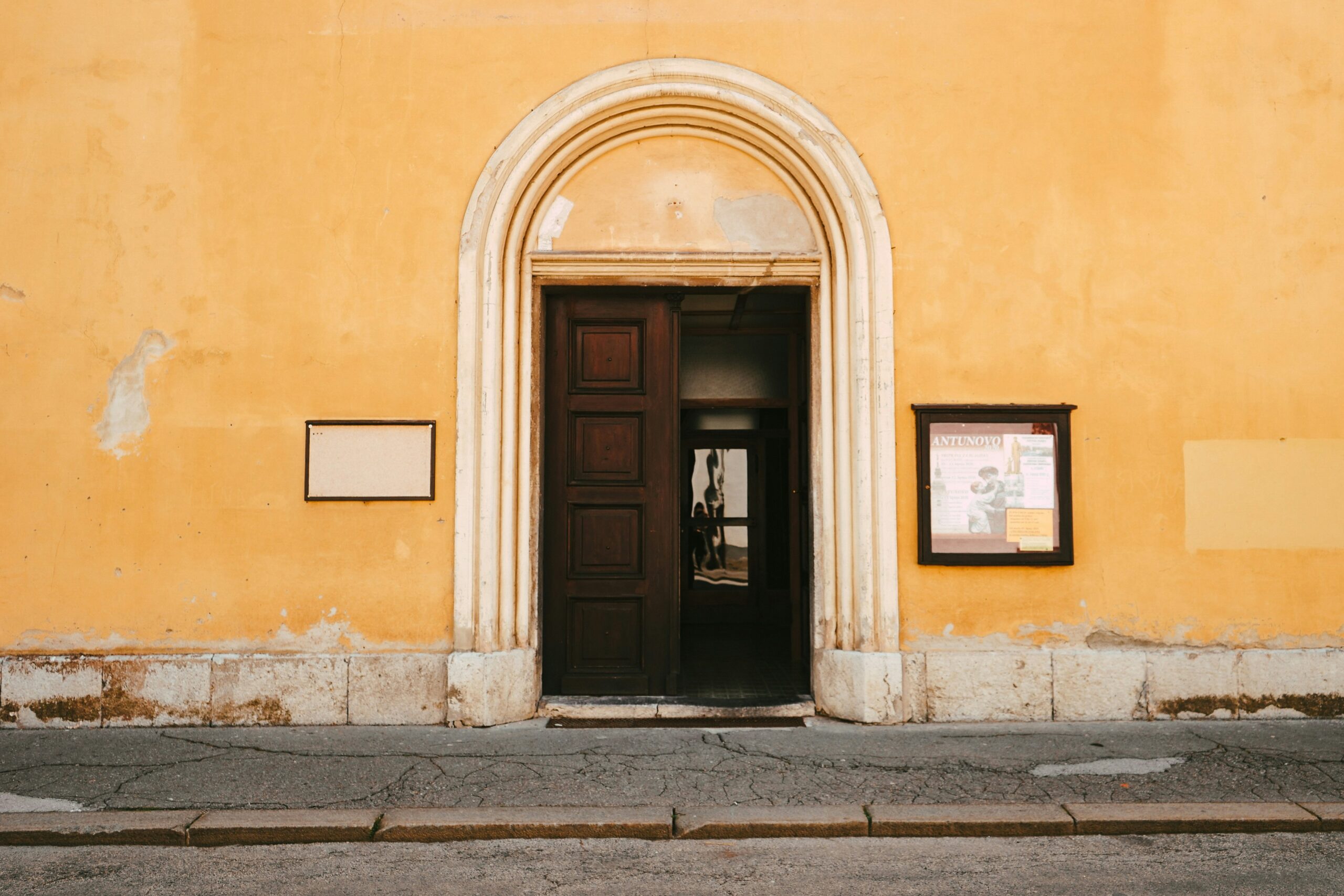
Showing what is possible: Introducing zero-emission standards in historic neighbourhoods
When we think of zero-emission standards, we often picture sleek new buildings designed for efficiency from the ground up. But what about historic city centres, places where strict conservation rules protect centuries-old façades, materials and streetscapes? Can these landmarks embrace sustainability without losing their soul? That is the challenge shared by four heritage-rich cities: Palmanova (Italy), Zamość (Poland), Karlovac (Croatia)…
Project ZEB4ZEN
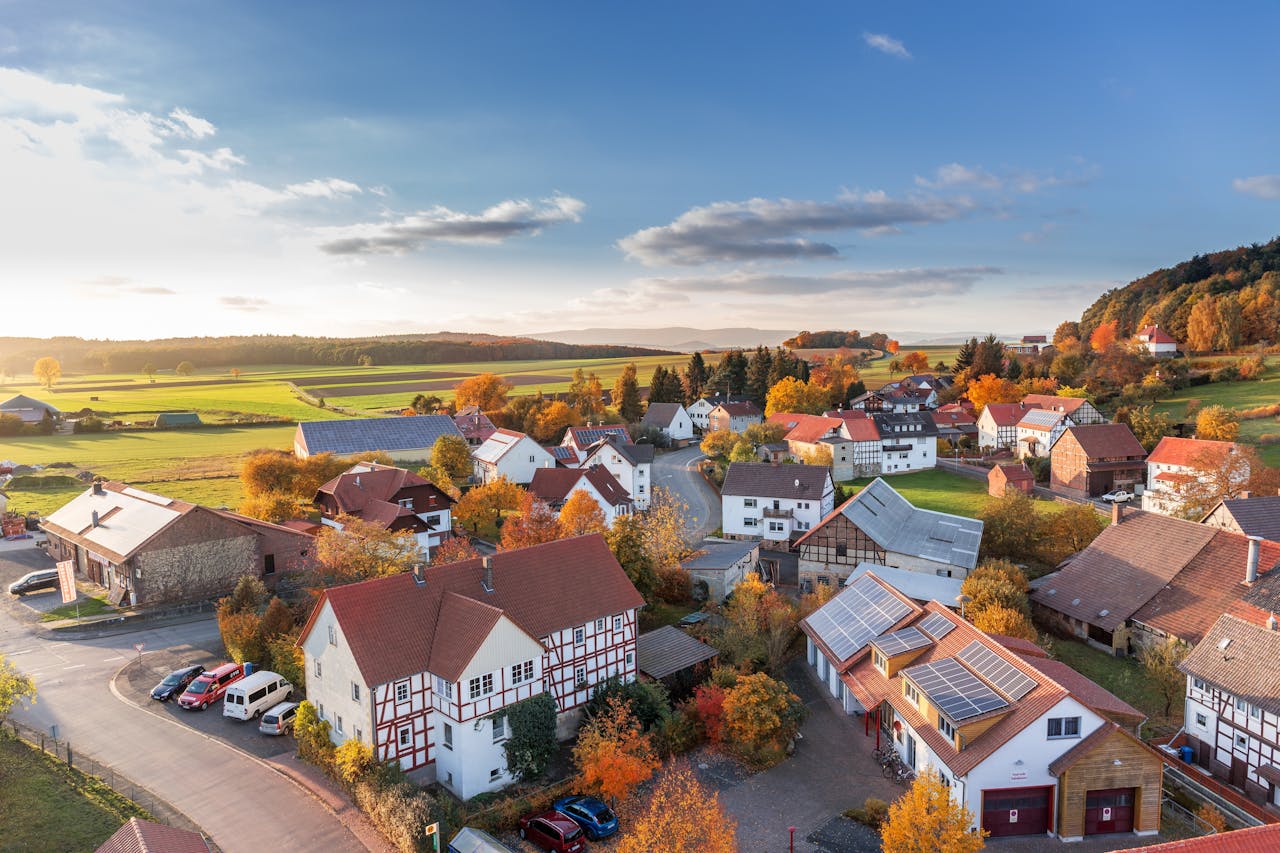
Smart villages start with people: Hajdú-Bihar’s Senior Points
In Hajdú-Bihar County in eastern Hungary, “smart villages” do not start with sensors or fancy apps. They start with a simple question: what happens when everyday services move online and a growing share of residents cannot follow?From e-prescriptions and public services to banking and communication with family, the shift to digital can create a barrier, especially for older residents. The More than a Village project addresses this gap with a practical, community-based solution: so-called Senior Points…
Project More than a village
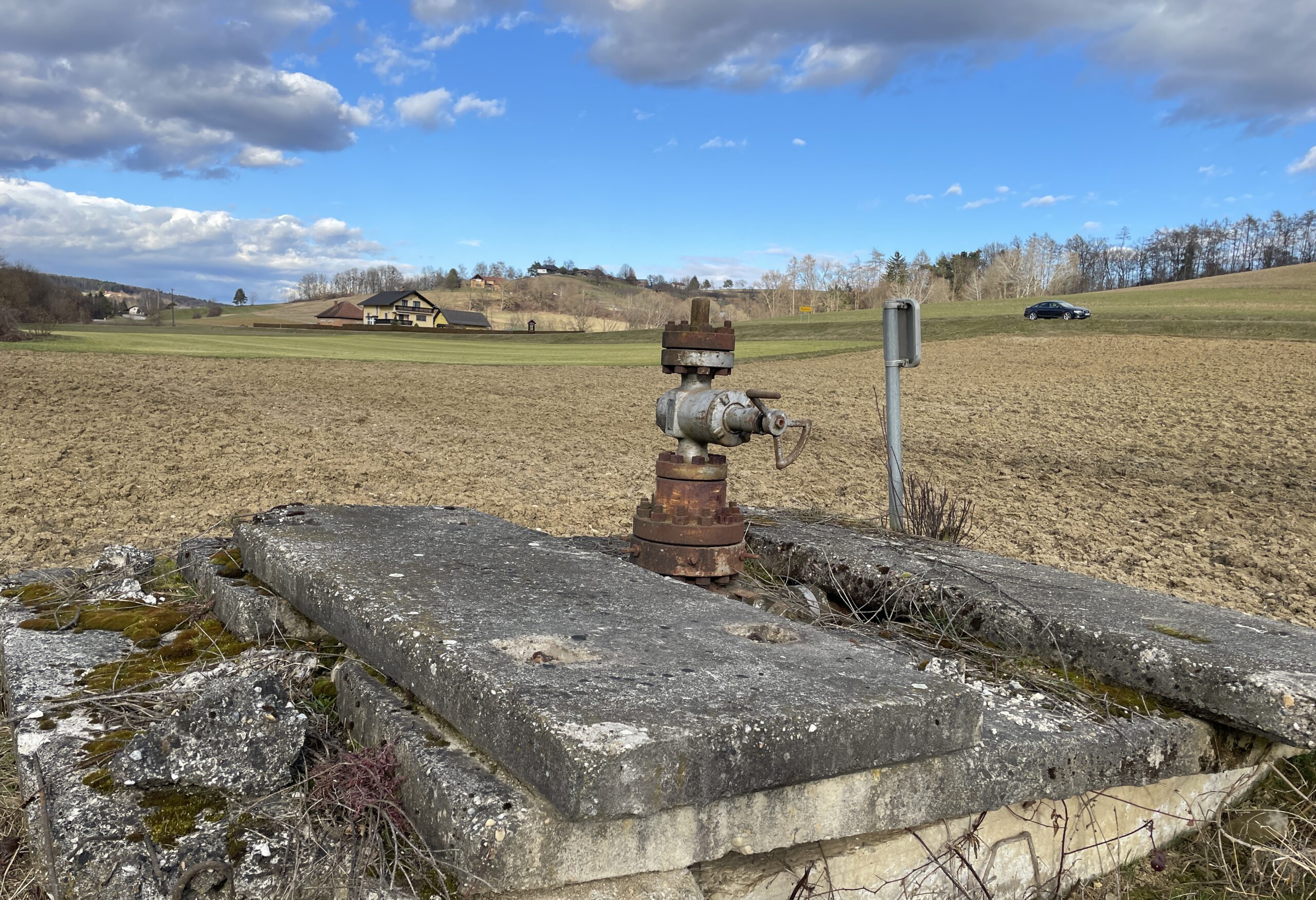
From fossil fuels to clean heat: TRANSGEO is giving old oil and gas wells a second life
Murska Sobota, in Slovenia’s far northeast, sits close to the borders of Austria, Hungary and Croatia. At first glance, it seems worlds apart from Brandenburg’s former coal region in northeast Germany, industrial areas around Croatia’s capital, the Pannonian Basin in southern Hungary, or Austria’s Weinviertel wine region. Yet they share something underground: old oil and gas wells. For decades, central Europe drilled thousands of wells in search of what was once…
Project TRANSGEO
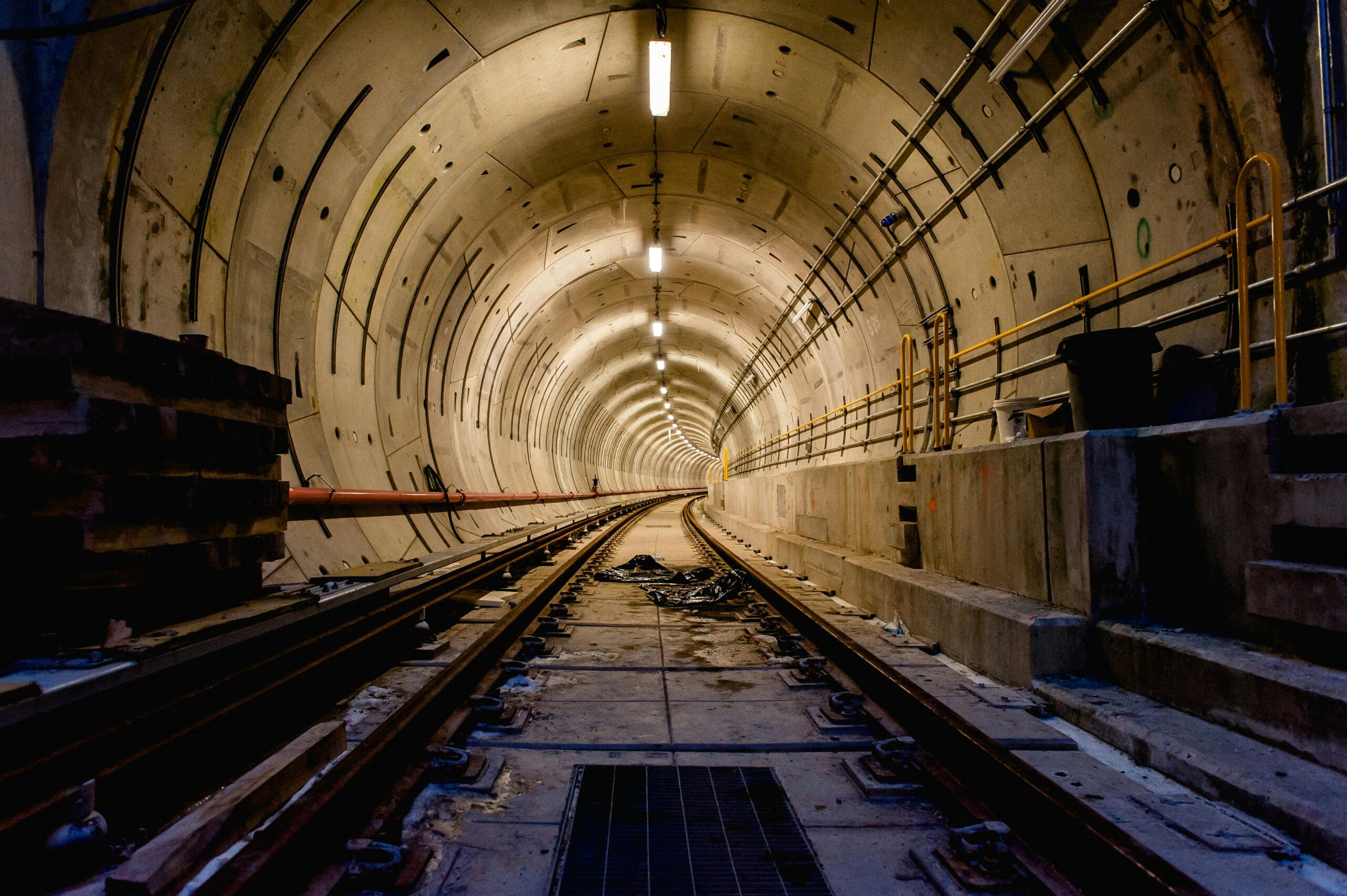
From plans to rails: how cooperation paved the way for the Koralm link
When we think of major transport projects, we usually picture the finished result: a new rail line, a tunnel breakthrough, a faster connection. But long before trains can run, years of coordination, evidence-building, and planning across borders must come first. One such story began along the Baltic–Adriatic transport axis, where our BATCo (Baltic–Adriatic Transport Cooperation) project brought together key stakeholders to align priorities and remove bottlenecks for a trans-European rail corridor…
Project BATCo
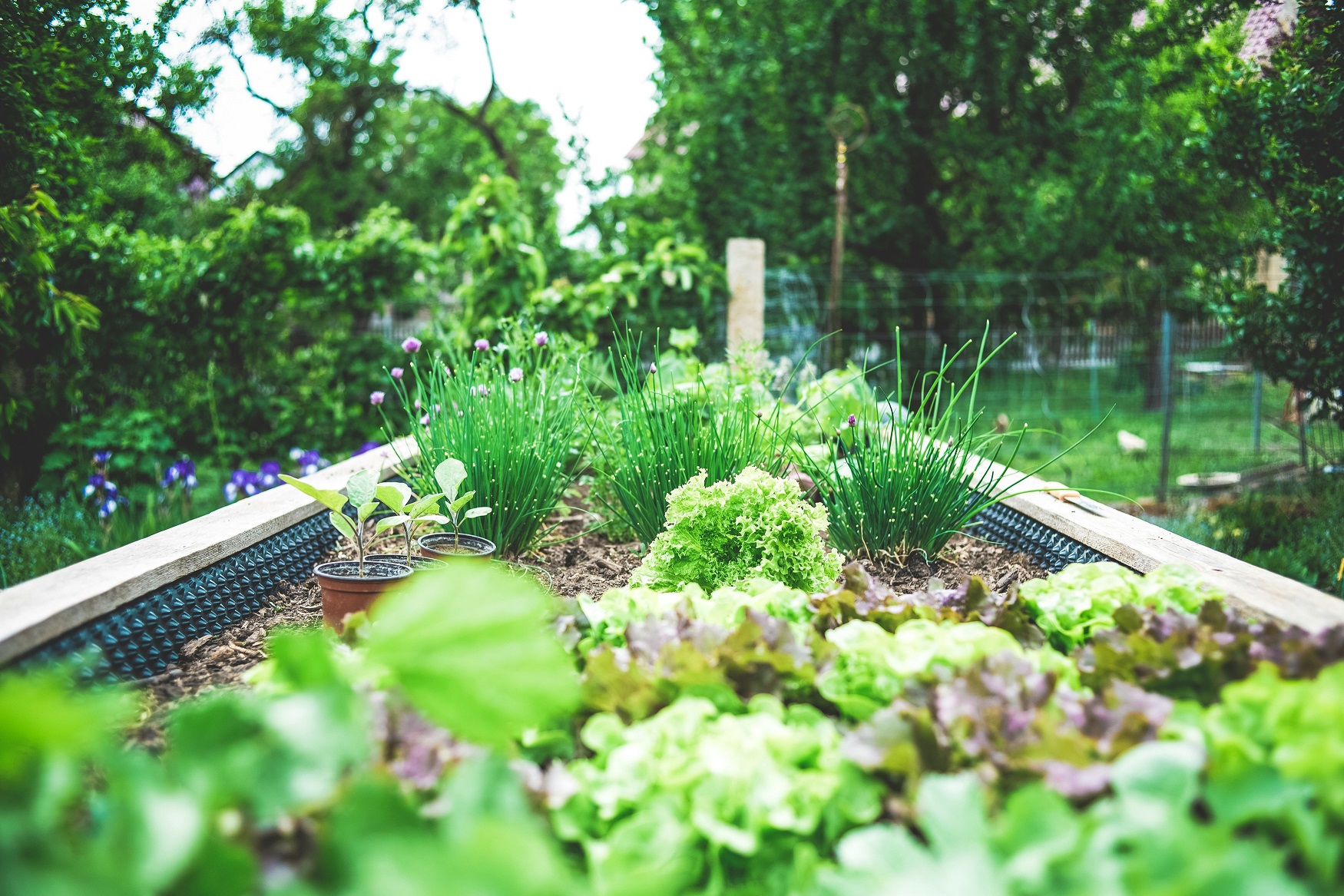
Urban farming that grows more than food: Kraków’s community garden
Not long ago, a piece of land on Kraków’s urban fringe was just another overlooked corner of the city. Today, it is a place where residents plant, compost, learn from one another and turn shared space into something productive and green. Across central Europe, many cities are facing a similar challenge: as urban areas expand, peri-urban land is under pressure, green areas are declining, and access to nature becomes more uneven…
Project CoFarm4Cities
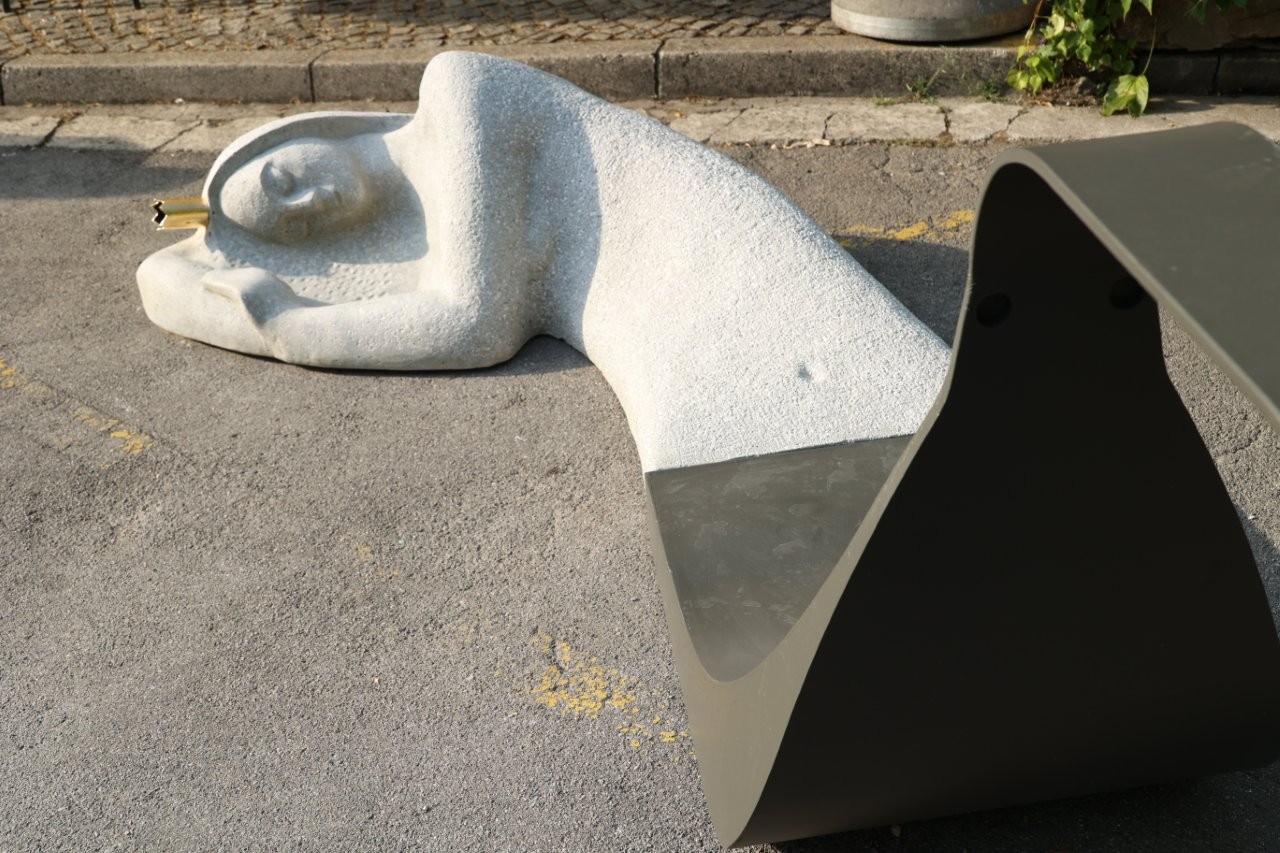
Urban living rooms, not car parks: Kamnik’s pop-up experiment
In many central European towns, public space is quietly reduced. Services move to the outskirts, traffic grows, and streets and squares are too often designed around cars, leaving less room for walking, cycling, meeting, and simply spending time outdoors. Without a shift in how public spaces are managed, cities risk becoming less livable and more disconnected from their residents. PopUpUrbanSpaces tackles this challenge with a simple idea: “Show & Tell”…
Project PopUpUrbanSpaces
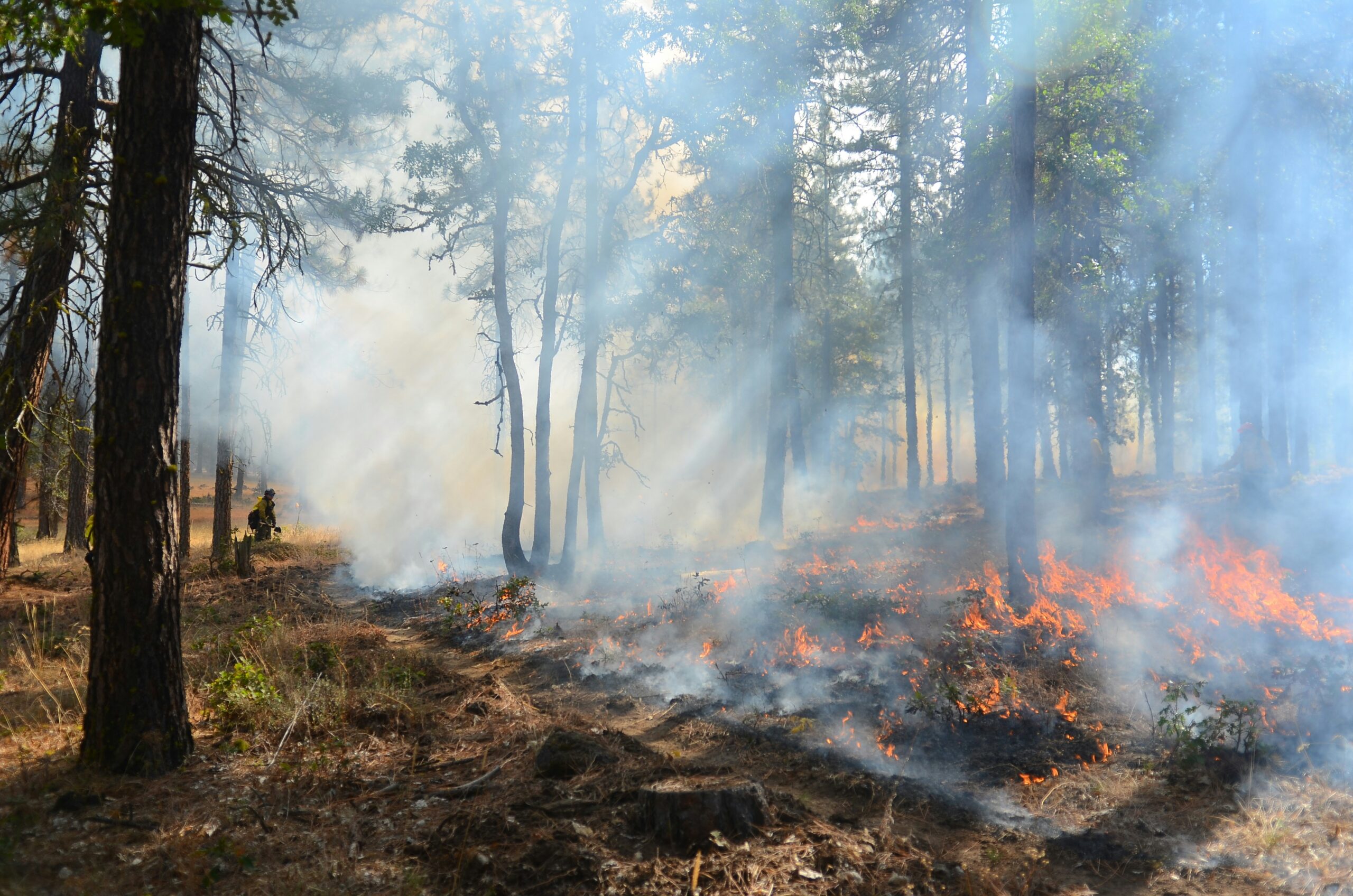
A crisis game to train real decisions: Lubuskie’s wildfire exercise
When extreme weather hits, there is no time to “figure it out later”. Local authorities and emergency services must coordinate fast, share reliable information, and make decisions under pressure. That is exactly the challenge the LOCALIENCE project is tackling across central Europe: improving local resilience to extreme weather by strengthening collaboration, not only among professionals, but also with local communities.
Project LOCALIENCE
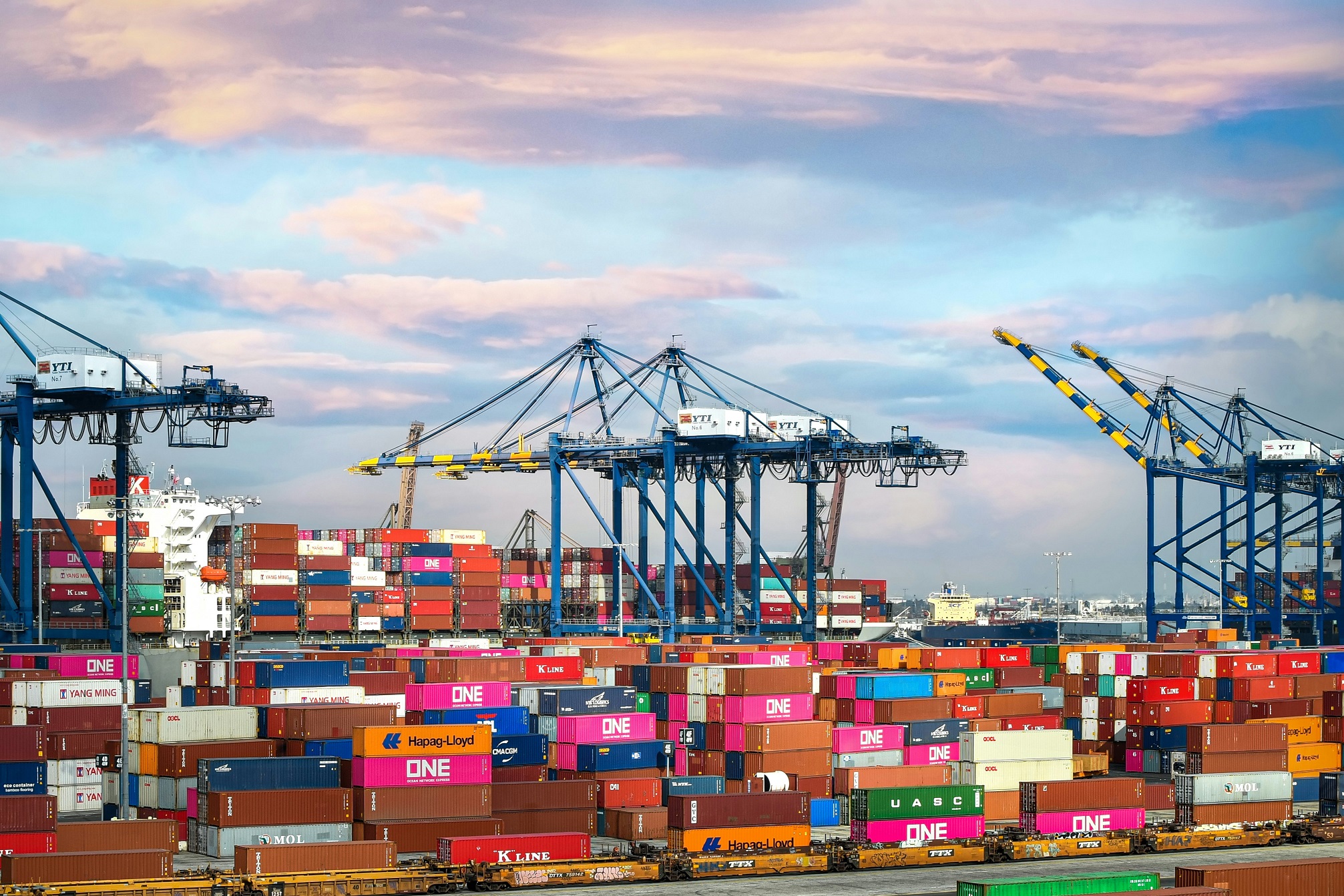
Introducing Smart Logistics Tools in the Port of Gdynia
For rural and peripheral regions across central Europe, efficient access to major transport networks remains a significant challenge. Businesses in these regions often face logistical bottlenecks that slow down the movement of goods, impacting economic growth and sustainability. But what if technology and cooperation could change this? Our ACCESSMILE project optimises last-mile accessibility by integrating cargo bundling with IT-based tracking tools. By leveraging smart logistics…
Project ACCESSMILE
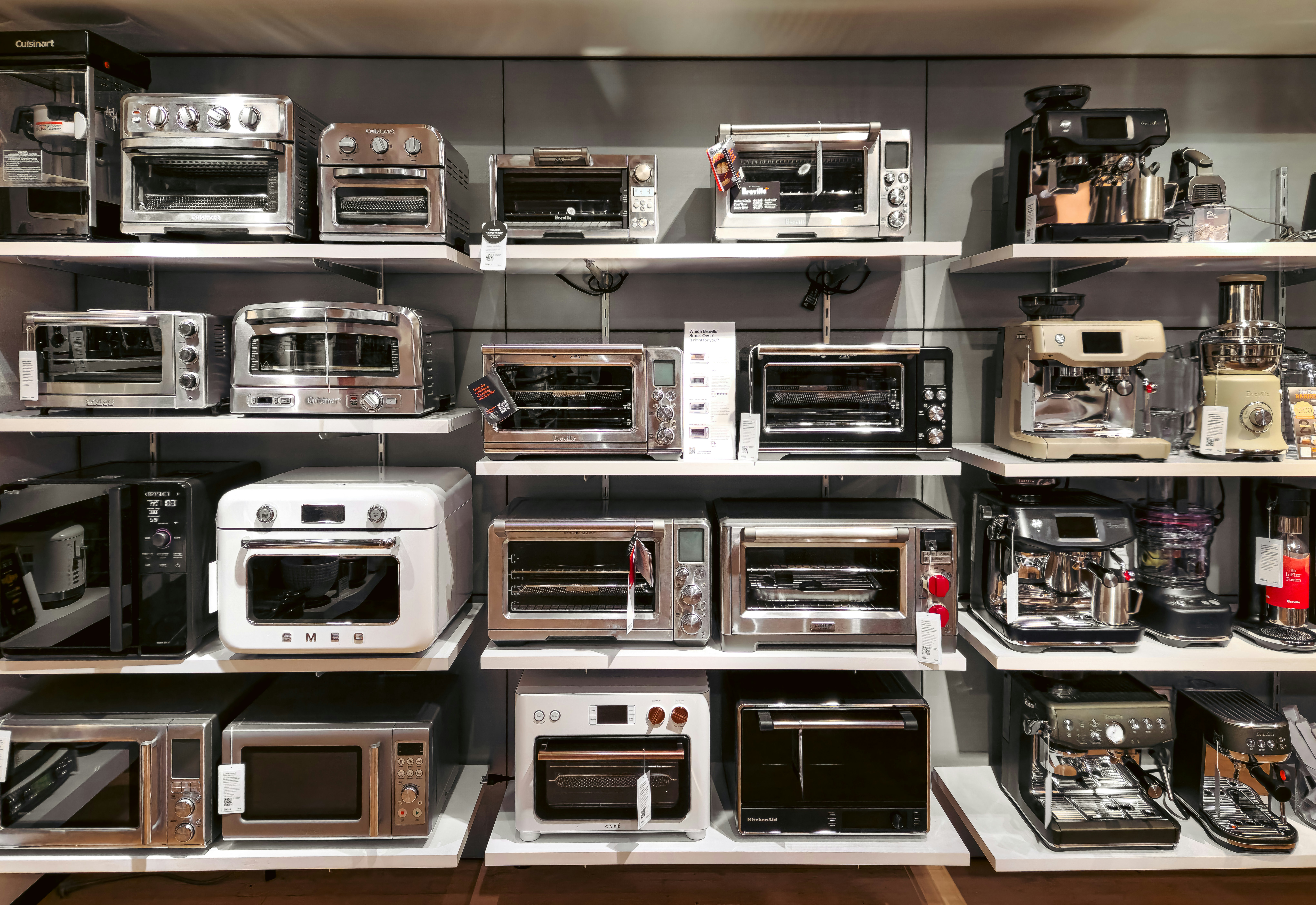
No SME Left Behind: Testing Circular Solutions for the Electrical and Electronics Industry
Elpro Križnič is a family-owned electrical company founded in 1987 on the outskirts of Maribor, Slovenia. Like many small and medium enterprises (SMEs) in central Europe, it soon grew into a success story, steadily expanding its products and services. With this growth, however, came new challenges. Above all, how to transition to more sustainable and circular practices in an increasingly environmentally conscious world. This is where the CIRCOTRONIC project became a catalyst…
Project CIRCOTRONIC
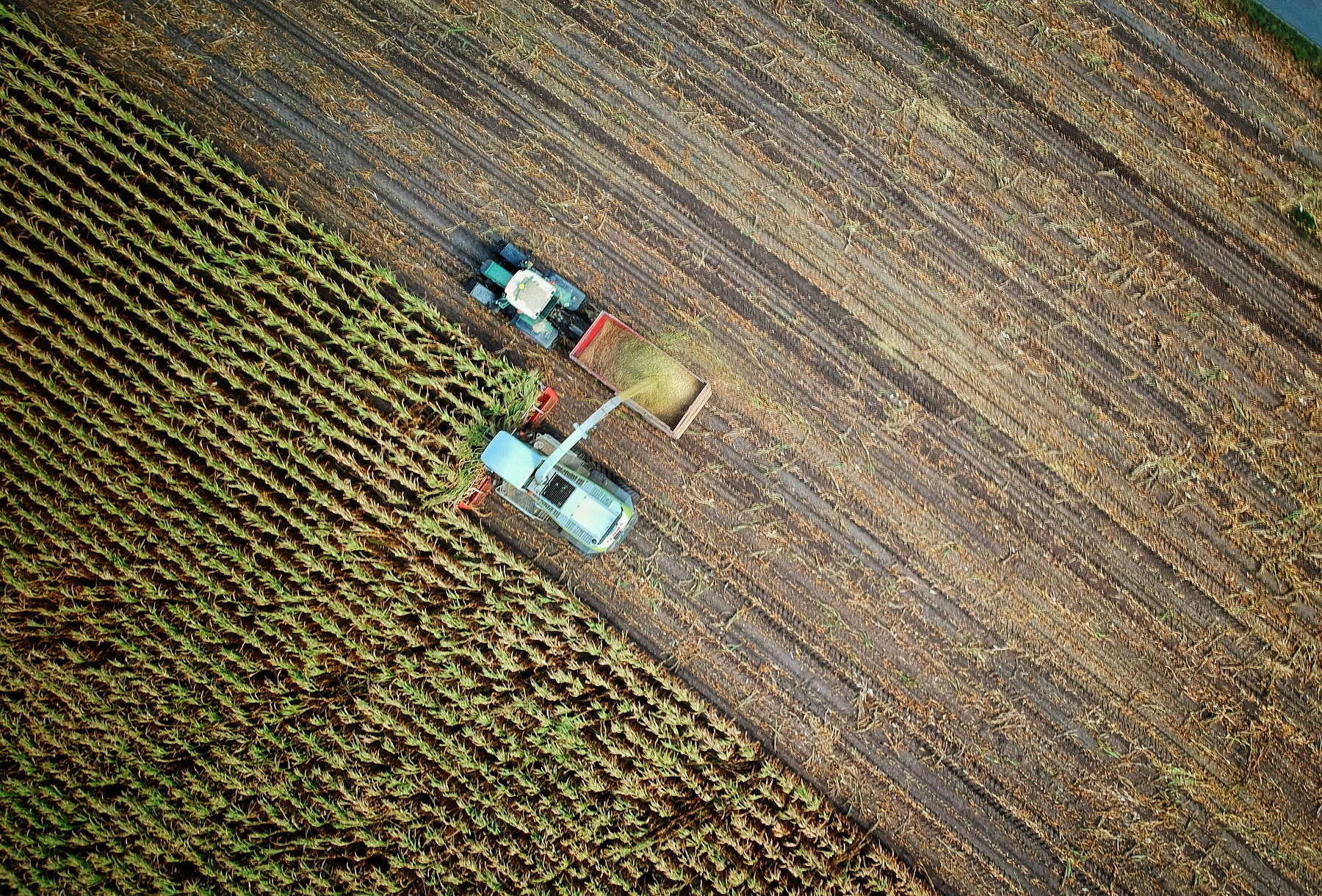
Encouraging Farmers to Capture Carbon Emissions in their Soil
We all have those images still in mind: Tractors taking the streets of European capital cities, blockades of European highways and farmers coming from all over the EU to protest in front of the European Parliament. All in protest of the bloc’s environmental policies, such as the Green Deal, which calls for limits on the use of chemicals and greenhouse gas emissions. But this is only one side of the coin. Threatened by climate change and the resulting vulnerability of their land, agricultural stakeholders in rural…
Project Carbon Farming CE