
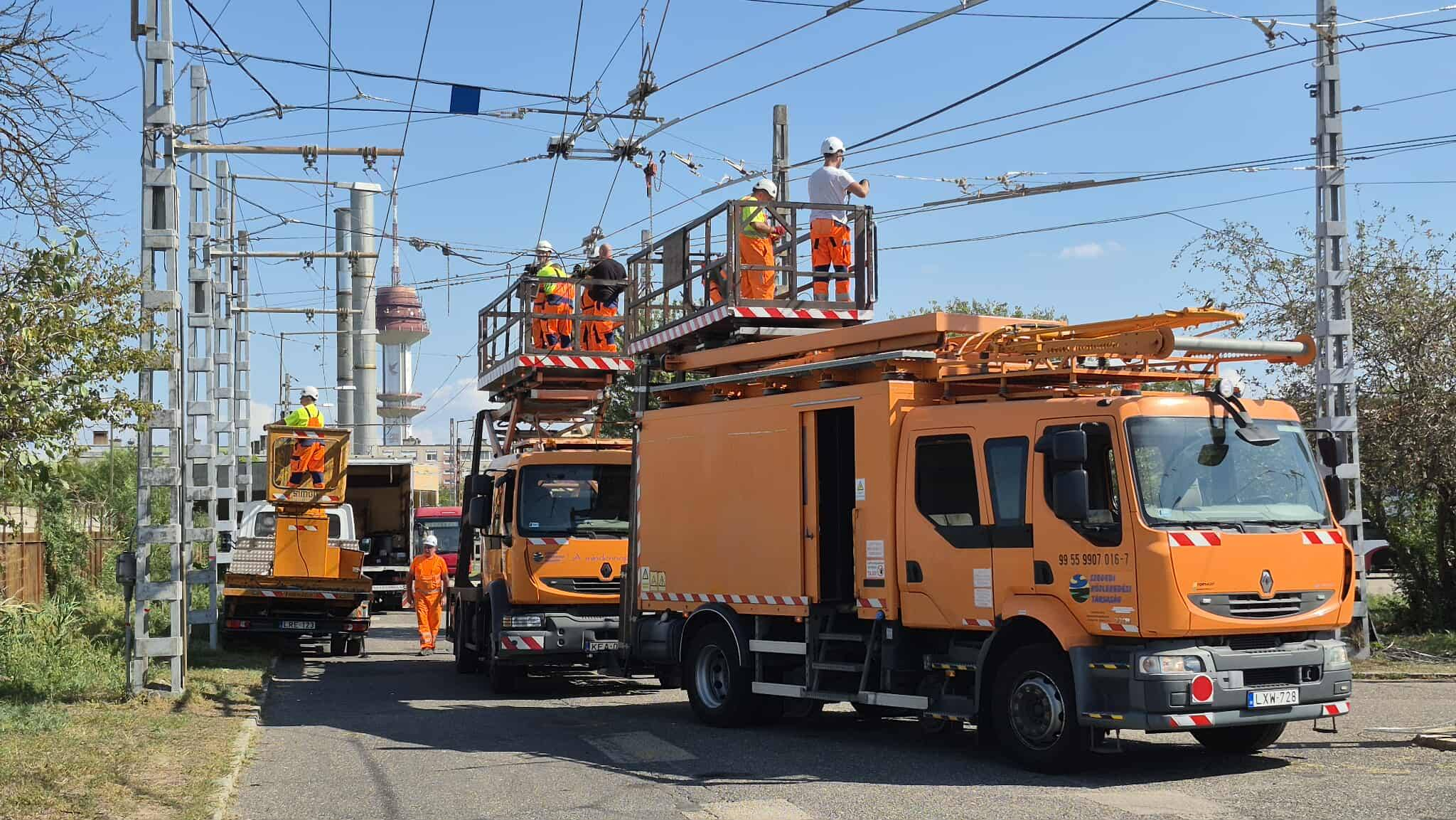
Pilot concept
The pilot implemented by Szegedi Közlekedési Társaság (SZKT) focused on the systematic assessment, reallocation, and reuse of trolleybus switches within the operational network. Switches that had reached high wear levels in critical, high-traffic locations were removed and replaced with new units, while the extracted components—still in functional condition—were relocated to lower-demand sections of the network, such as depot areas or less frequently used lines. This approach enables the extension of component lifetime and reduces the need for premature replacement of infrastructure assets. By redistributing infrastructure components according to operational stress levels, the pilot supports a more efficient and circular use of existing physical assets.
Implementation approach
The pilot followed a structured approach:
Assessment phase
Identification and technical evaluation of trolleybus switches based on wear level, operational importance, and remaining service life.
Reallocation phase
Removal of switches from high-stress locations and installation of new components in critical network sections, while relocating reusable switches to less demanding operational positions.
Operational phase
Monitoring of the performance of reused switches under real operating conditions and integration into regular maintenance processes. The Szeged pilot was implemented by SZKT – Szegedi Közlekedési Társaság – system operator, responsible for implementation, assessment, and network integration
Key results and outcomes
The Szeged pilot demonstrated several key outcomes:
- extended lifetime of trolleybus infrastructure components
- improved reliability at critical network locations
- reduced waste through reuse of functional assets
- more efficient and targeted maintenance practices
- improved asset utilisation within the existing network
Impact and outlook
The pilot demonstrates how circular maintenance strategies can be applied in public transport infrastructure management to reduce resource consumption and extend asset lifetimes. By prioritising reuse over replacement, the approach supports more sustainable infrastructure operation and provides a transferable model for other trolleybus systems facing similar challenges related to ageing components and limited spare part availability. The Szeged pilot offers a scalable approach that can be replicated in other cities to support circular and resource-efficient public transport infrastructure management across Europe. A video summarizing the Szeged pilot and its outcomes is available here: https://youtu.be/LDEojRgV1cQ