
Possessed Photography Unsplash
Project overview
Empowering H2-ready regions in Central Europe
Transitioning to green energy is key to tackling climate change and creating sustainable economies. Green hydrogen holds significant promise but accounts for less than 2 percent of Europe’s current energy consumption. The H2CE project helped regions in central Europe to boost the integration of hydrogen in their local and regional energy planning. The project developed and tested new planning tools for public authorities and created a network of hydrogen-ready regions for good practice exchanges.
-
2,38m €
-
Project Budget
-
80%
-
of the Budget is funded by ERDF
-
7
-
Countries
-
9
-
Regions
-
12
-
Partners
-
2
-
Pilots
Duration
Start date
End date
Project progress
About the project
H2CE addressed the challenge of integrating hydrogen solutions and renewable energy into regional energy transitions across central Europe. While existing hydrogen support often focused on industry and project developers, H2CE placed public authorities and regional administrations at the centre of the transition, recognising their role in energy, infrastructure and regional planning.
The project empowered public authorities to integrate hydrogen proactively and sustainably into regional planning and development. Through transnational cooperation, partners developed and tested strategies, planning tools, support mechanisms and capacity-building approaches that helped regions prepare for hydrogen deployment and move from strategic ambitions towards implementation.
H2CE resulted in practical mechanisms supporting regional decision-makers, a transnational network of H2-ready regions and the H2CE Collaboration Platform. The project’s experience was consolidated into two main solutions – the Handbook for Strategic Decision-Making and the concept of Regional H2 Competence Centres – providing transferable approaches that can continue to support hydrogen-ready regional development beyond the project lifetime.
Project partnership
Project partners

Lead partner
Joint Spatial Planning Department Berlin-Brandenburg
European Spatial Development
Address
Henning-von-Tresckow-Str. 2-8 14467 Potsdam
Country
Germany (DE) Web
www.gl.berlin-brandenburg.de
Project partner
Division Regional Development
Address
Alt-Ruppiner-Allee 40 16816 Neuruppin
Country
Germany (DE) Web
https://www.reg-nordwestbrandenburg.de/
Total partner budget
196,000 €
Executive board
Total partner budget
148,800 €
Total partner budget
221,400 €
Total partner budget
100,000 €
Total partner budget
200,200 €
Address
Via delle Industrie Edificio Lybra 19/D 30175 Marghera - Venezia
Country
Italy (IT) Web
http://www.unioncamereveneto.it
Total partner budget
250,000 €
Office of the Marshal of the Pomorskie Voivodeship Department of Economic Development
Total partner budget
156,480 €
Total partner budget
248,360 €
City Office for Economy, Environmental Sustainability and Strategic Planning Sector for Energy & Climate
Total partner budget
79,800 €
Total partner budget
119,420 €
Total partner budget
188,616 €
Roadmap
1
The Challenge: Making regions ready for hydrogen
Hydrogen can support the transition towards climate-neutral energy systems, but its deployment requires much more than individual technologies or investments. Regions need to understand where hydrogen can add value, how it fits into existing energy systems and infrastructure, which actors need to be involved, and what capacities are required for implementation.
Across central Europe, regions started from different levels of hydrogen readiness and faced fragmented planning, limited expertise and coordination, and uncertainty about future demand and infrastructure. H2CE addressed these challenges by helping public authorities integrate hydrogen into regional planning and by developing practical tools, support mechanisms and cooperation structures for implementation.
2
STEP 1: Building the foundations for H2-ready regions

H2CE first focused on strategic planning. Partners developed common guidance for preparing hydrogen strategies and action plans and applied it in regions with different territorial, economic and energy conditions.
This work resulted in regional and interregional strategies and action plans that connected hydrogen development with energy transition, infrastructure and regional development. Instead of providing one common blueprint, H2CE established an approach that could be adapted to different levels of hydrogen readiness.
These results created the strategic foundation for the practical tools and support mechanisms tested in the next stage of the project.
Explore the results, such as Guidelines for the development of a strategy or action plan , Strategies for H2-ready regions and Action plans for H2-ready regions within Hydrogen Strategic Planning section.
3
STEP 2: Turning strategies into practical regional support
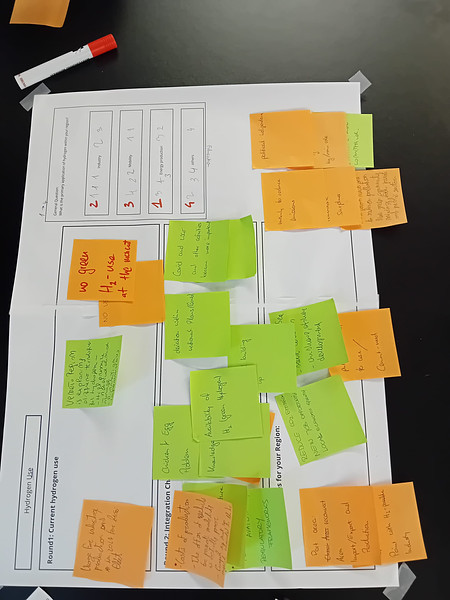
With the planning framework in place, H2CE moved from strategy to testing practical ways of supporting implementation.
GIS-based tools in Styria and Veneto explored how regional data can support hydrogen infrastructure and investment planning. The Energy Cells approach in Lübben examined hydrogen within an integrated local energy system. The Hydrogen Voucher in the Ústí Region tested a mechanism for supporting the development of hydrogen initiatives.
At the same time, Regional H2 Competence Centre approaches in Zagreb and Styria tested how regions can strengthen hydrogen expertise, training, advisory services, knowledge transfer and stakeholder cooperation.
Together, these pilots demonstrated how planning, data, expertise and regional support mechanisms can help move hydrogen initiatives closer to implementation.
Explore the results, such as: GIS Planning Tools, Energy Cells, Hydrogen Voucher and Regional H2 Competence Centres on H2CE Platform within Tools and Services section.
4
STEP 3: Turning project experience into transferable solutions
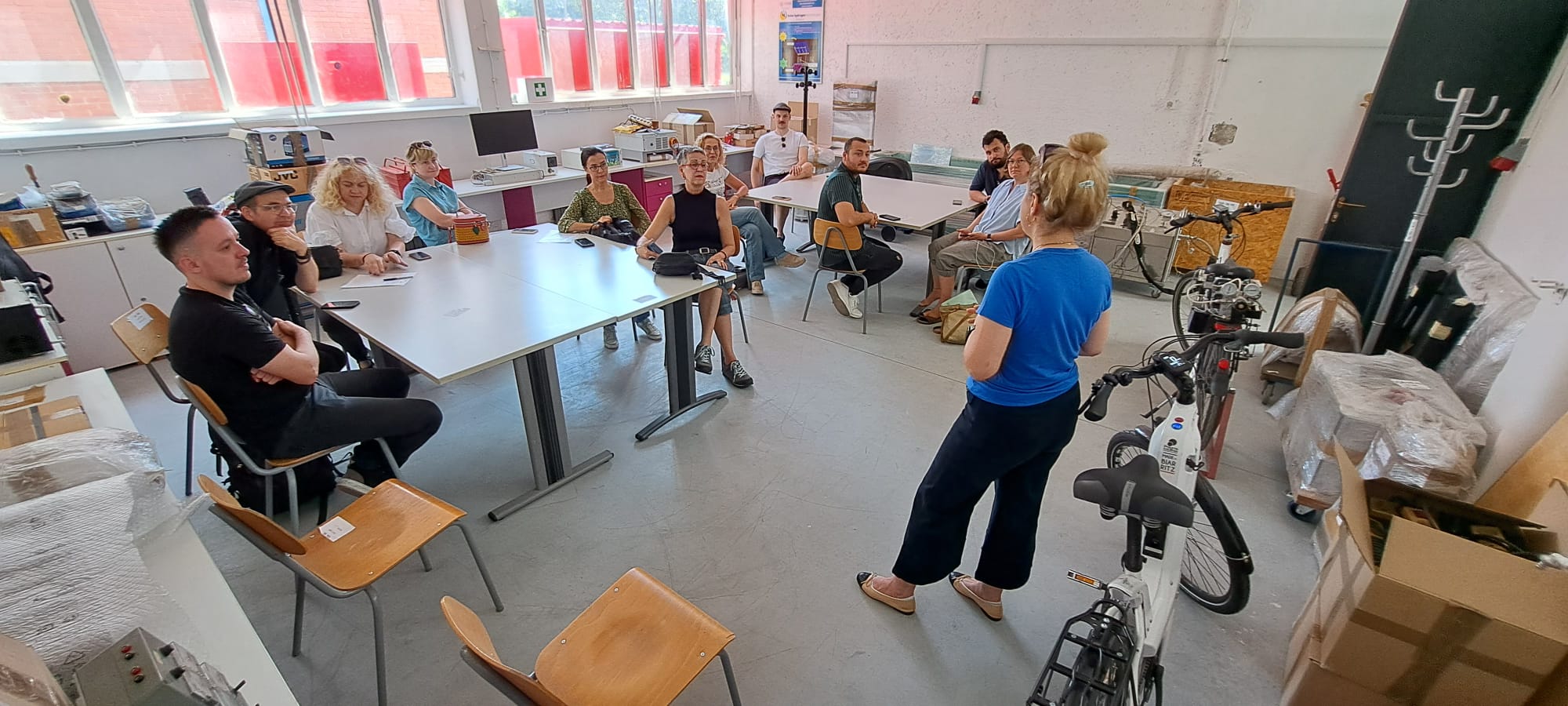
The experience generated through regional planning and pilot testing was brought together into two main H2CE solutions: the Handbook for Strategic Decision-Making and the concept of Regional H2 Competence Centres.
The Handbook provides public authorities and regional stakeholders with structured guidance and access to approaches developed and tested through H2CE. The competence-centre concept provides a flexible approach for organising training, advisory support, stakeholder cooperation and hydrogen knowledge at regional level. Experience from Zagreb and Styria was further translated into a dedicated Guide for Setting up Regional H2 Competence Centres, providing practical guidance for replication.
The Report on H2CE Solutions brings both solutions together and evaluates their application, stakeholder benefits, transferability, sustainability and potential for wider uptake.
Explore the results, such as: Handbook for Strategic Decision-Making, Guide for Setting up Regional H2 Competence Centres and Report on H2CE Solutions on H2CE Platform.
5
Conclusion: Connecting regions and keeping H2CE results in use

laptop with gps navigation software vector illustration design
The final stage connected the individual results through the H2CE Collaboration Platform and the transnational network of hydrogen-ready regions.
The Platform brings together strategic guidance, planning tools, pilot experience, competence-centre resources, capacity-building materials and regional examples in one digital environment. It provides direct access to the two H2CE solutions and makes the knowledge developed across the project easier to find, use and transfer.
At the same time, H2CE connected public authorities, regional organisations, research institutions, energy actors and other stakeholders across nine central European regions. The cooperation established through the project provides a basis for continued exchange and further uptake of H2CE results after project closure.
In this way, the project progressed from identifying regional challenges, through planning and practical testing, to solutions and cooperation structures that remain available beyond the project lifetime.
Explore the H2CE Collaboration Platform: www.H2CE.eu
News





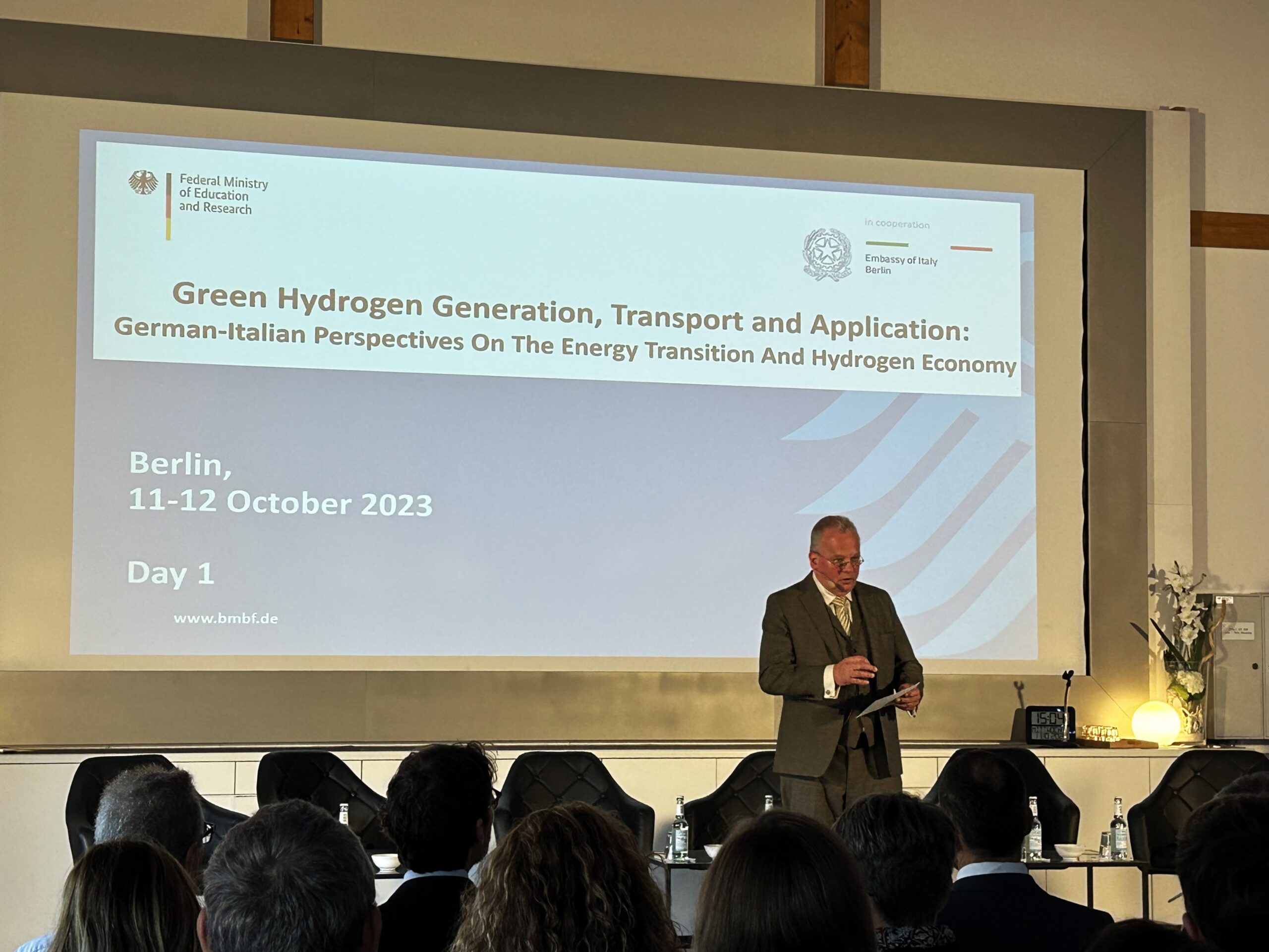
Events

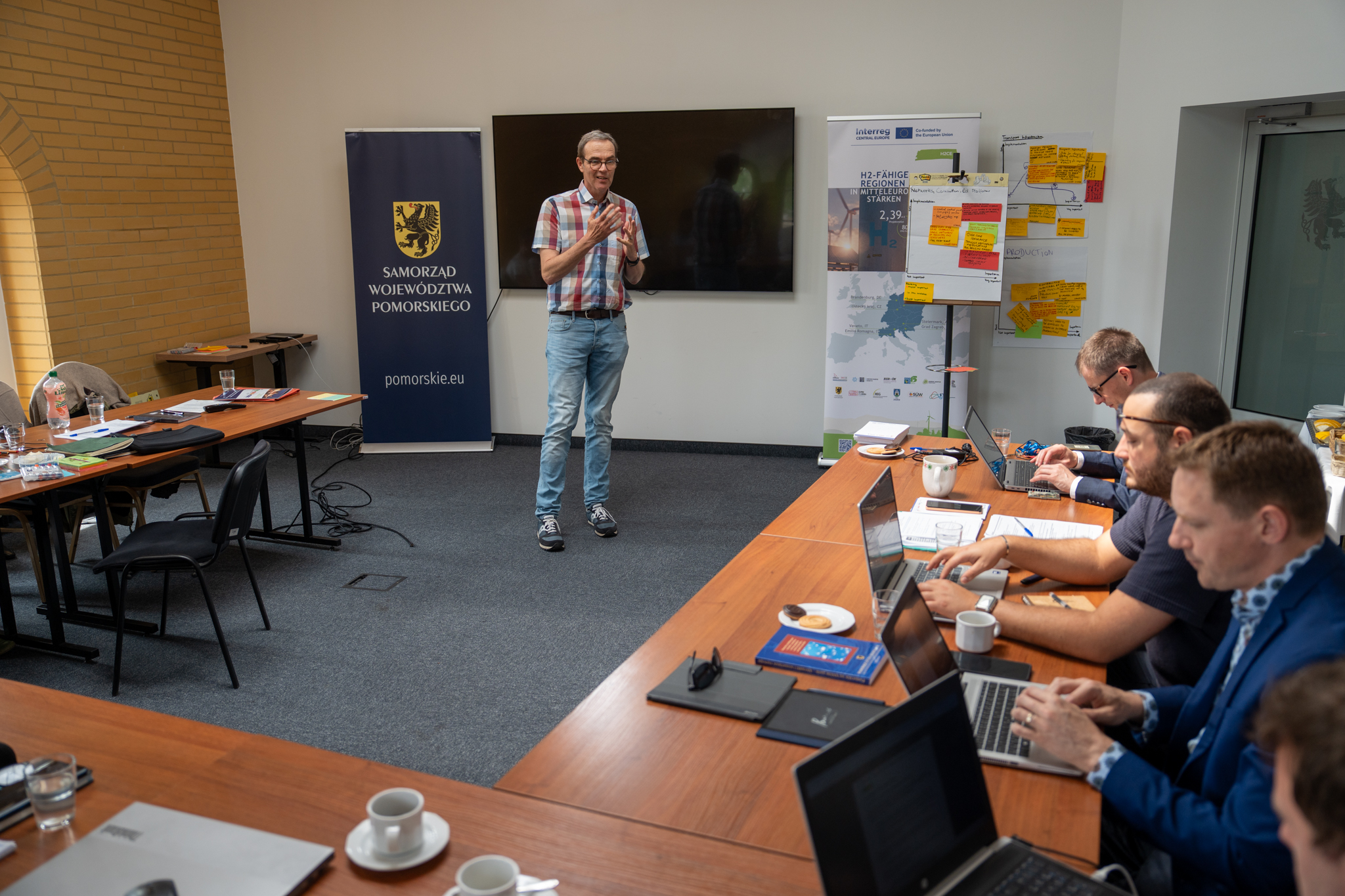


Pilot actions
Outputs
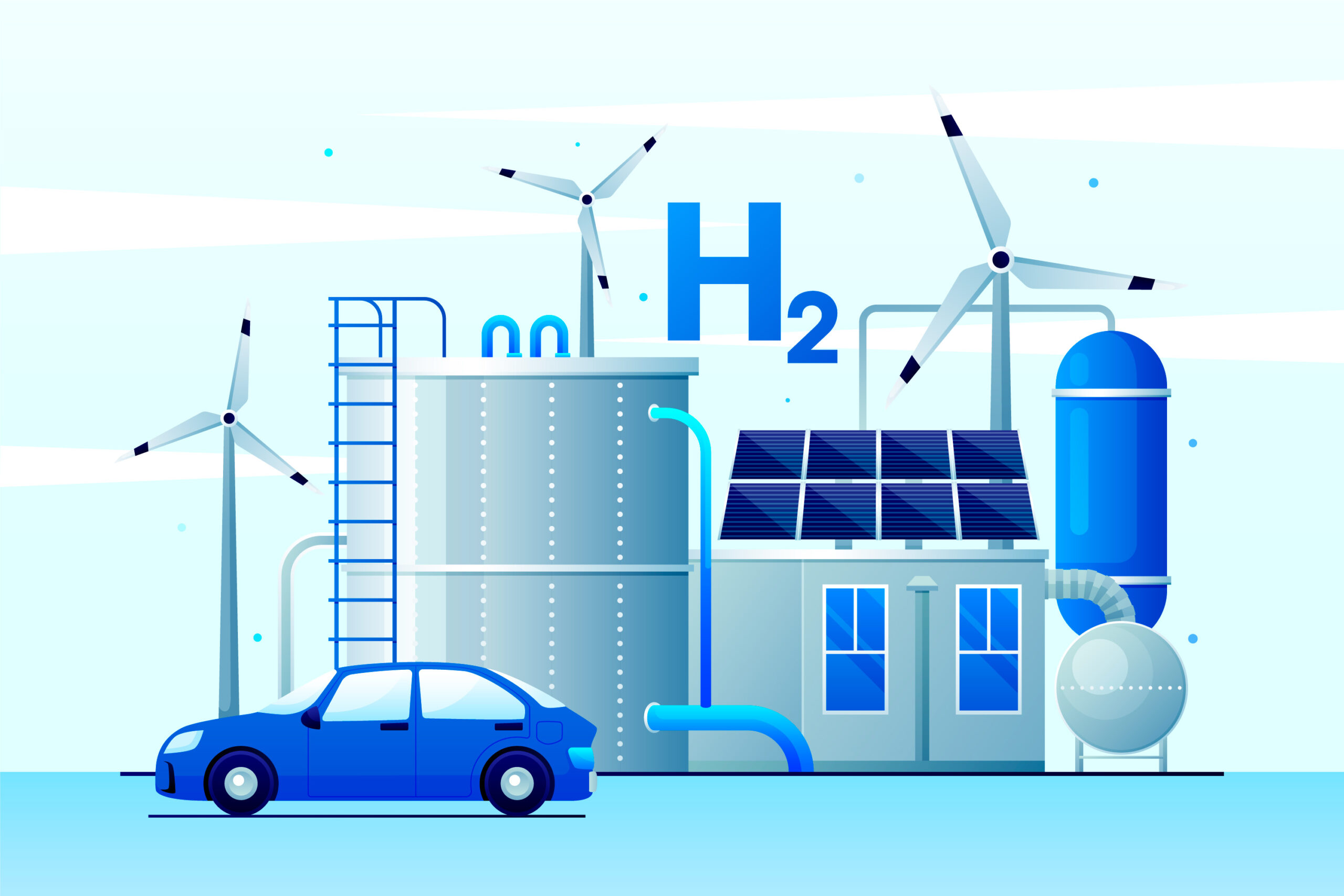
Output number 1.1 Strategies for H2-ready regions
What it provides:
Three strategies identified hydrogen opportunities, investment priorities and implementation pathways for central Europe, the Adriatic–Ionian area and the Ústí Region.
Who can use it:
Regional authorities, infrastructure planners and industry can use the strategies to define hydrogen priorities suited to regional conditions.
Practical value:
The strategies support better-informed investment, infrastructure planning and cooperation with wider hydrogen corridors and ecosystems.
Type of output: Strategies and action plans
Output number 1.2 Action plans for H2-ready regions
What it provides:
Two action plans show how Pomerania and Northwest Brandenburg translated regional hydrogen strategies into measures for hydrogen production, infrastructure, investment, coordination and skills.
Who can use it:
Authorities, development agencies and hydrogen-sector stakeholders can use the plans as practical examples of regional hydrogen planning.
Practical value:
Readers can adapt relevant measures to develop hydrogen projects, value chains and infrastructure in their own regions.
Type of output: Solutions
laptop with gps navigation software vector illustration design
Output number 2.1 Tool for strategic decision support and planning
What it provides:
The output combined GIS platforms tested in Veneto and Styria with an Energy Cells Model developed in Lübben to map hydrogen demand, infrastructure and links with renewable energy, heating and mobility.
Who can use it:
Regional authorities, energy planners and infrastructure developers can use these approaches when preparing hydrogen strategies and projects.
Practical value:
Readers can use the tested methods to identify hydrogen opportunities, compare future scenarios and support evidence-based infrastructure and investment decisions in their own regions.
Type of output: Solutions
Output number 2.2 Testing of setting up regional H2 Competence Centres
What it provides:
A tested framework for developing regional hydrogen competence centres, covering training, expert networks, stakeholder cooperation and capacity mapping.
Who can use it:
Regional authorities, training providers and hydrogen organisations can use the approaches tested in Zagreb and Styria to design support suited to their regional needs.
Practical value:
The framework shows how regions can create a hydrogen support hub or a network-based model to strengthen skills, share expertise and assist future hydrogen projects.
Type of output: Solutions
Output number 3.1 Transregional H2CE network
What it provides:
H2CE established a cooperation network connecting public authorities, industry, research and innovation organisations across central Europe.
Who can use it:
Regions and organisations working on hydrogen can use the network to find expertise, exchange experience and develop joint initiatives.
Practical value:
Its contact points and collaboration platform support cross-border learning, cooperation and the transfer of hydrogen strategies, tools and solutions.
Type of output: Solutions
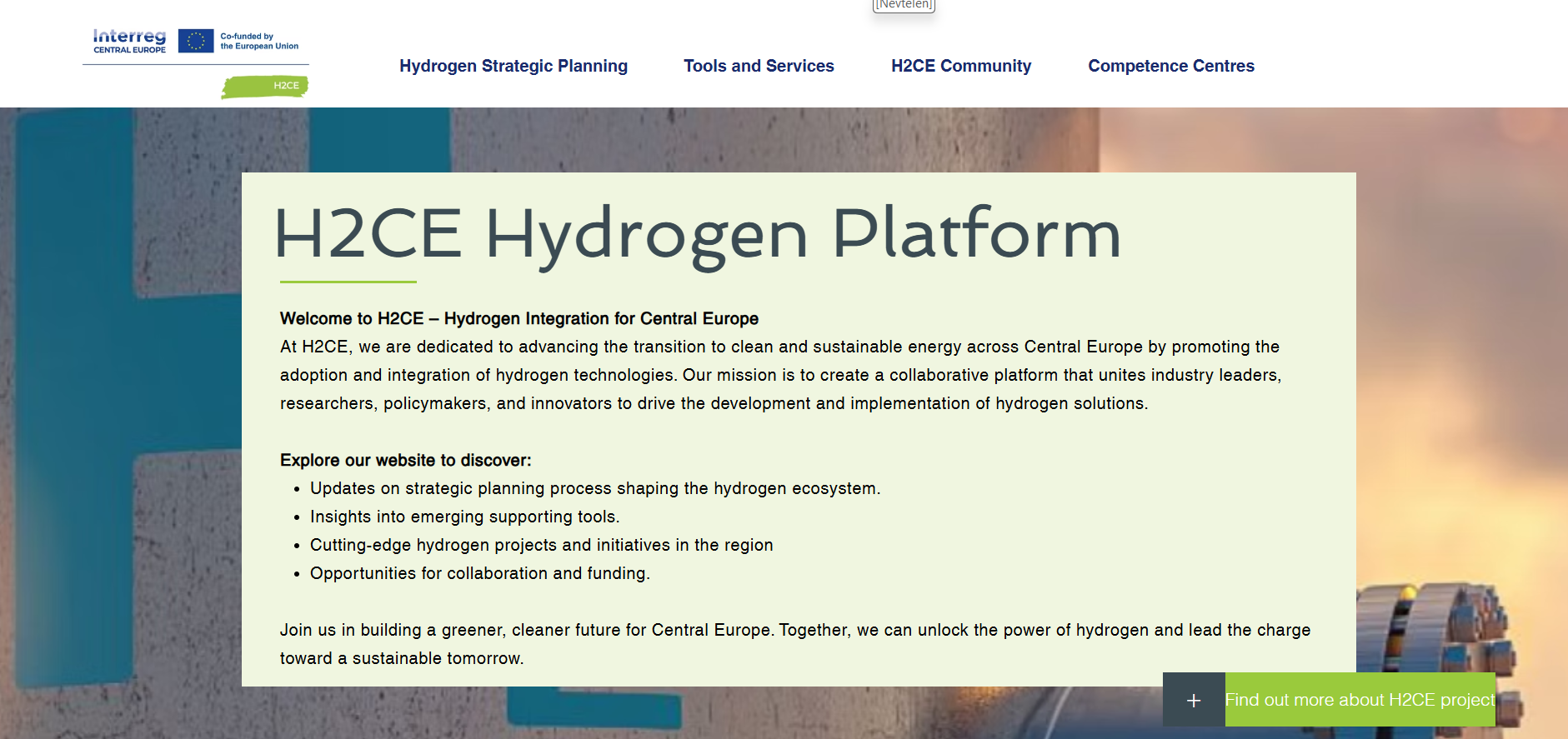
Source: H2CE partnership
Output number 3.2 H2CE Solutions
What it provides:
The H2CE platform (www.h2ce.eu) brought together the Handbook for Strategic Decision-Making, regional planning tools and the H2 Competence Centre model.
Who can use it:
Authorities, energy planners and hydrogen stakeholders can use these resources when preparing regional hydrogen strategies, infrastructure and support services.
Practical value:
The platform provides a single access point for methods, training and tested approaches that can be adapted to hydrogen development in other regions. H2CE Handbook for H2 Strategic Decision-Making and H2CE Report on Solutions provide complementary information for strategic planning and H2 competence centres implementation.
Type of output: Solutions
Project documents
H2CE Brochure- project overview
H2CE in a nutshell- project presentation
Project images
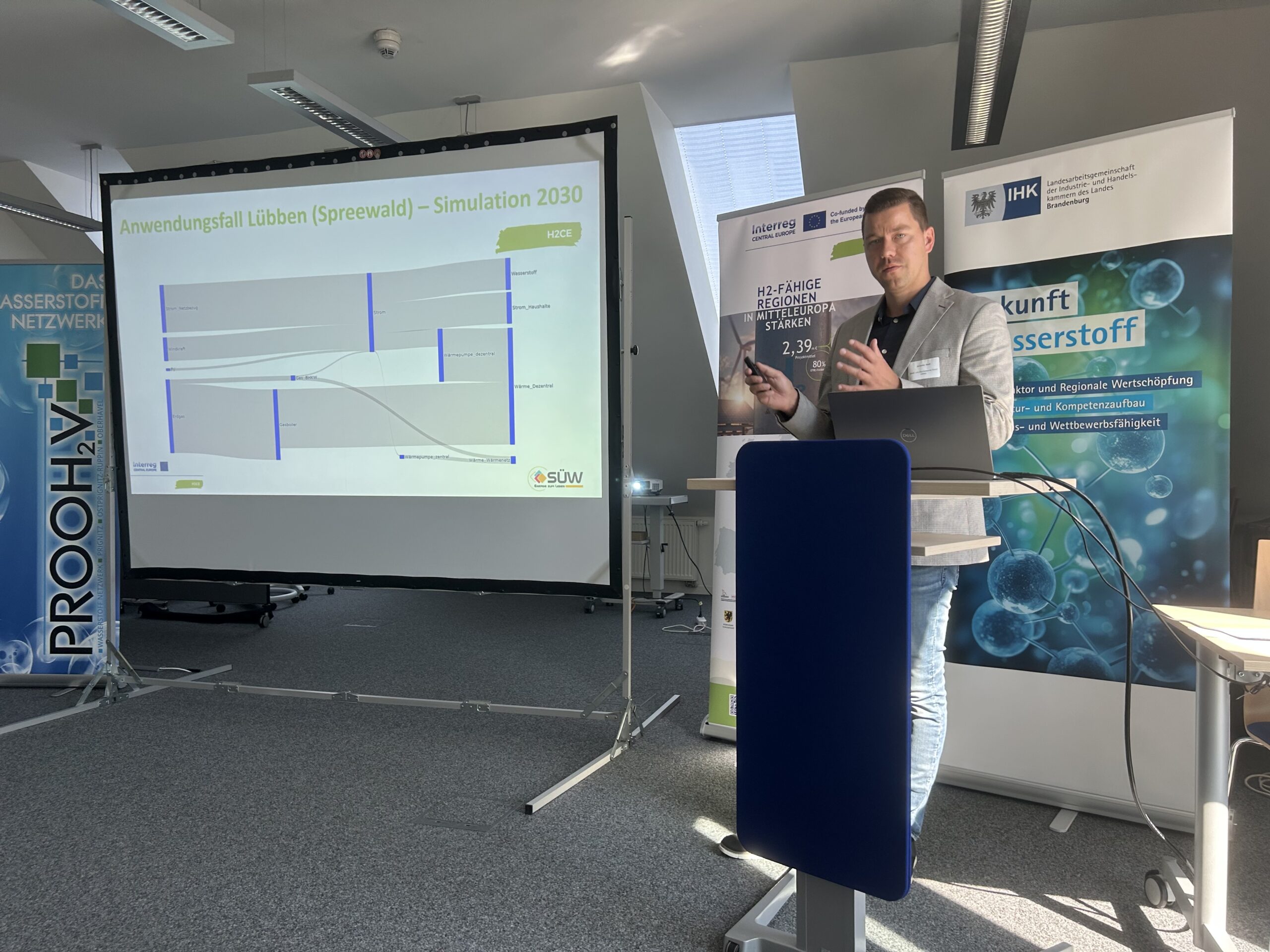
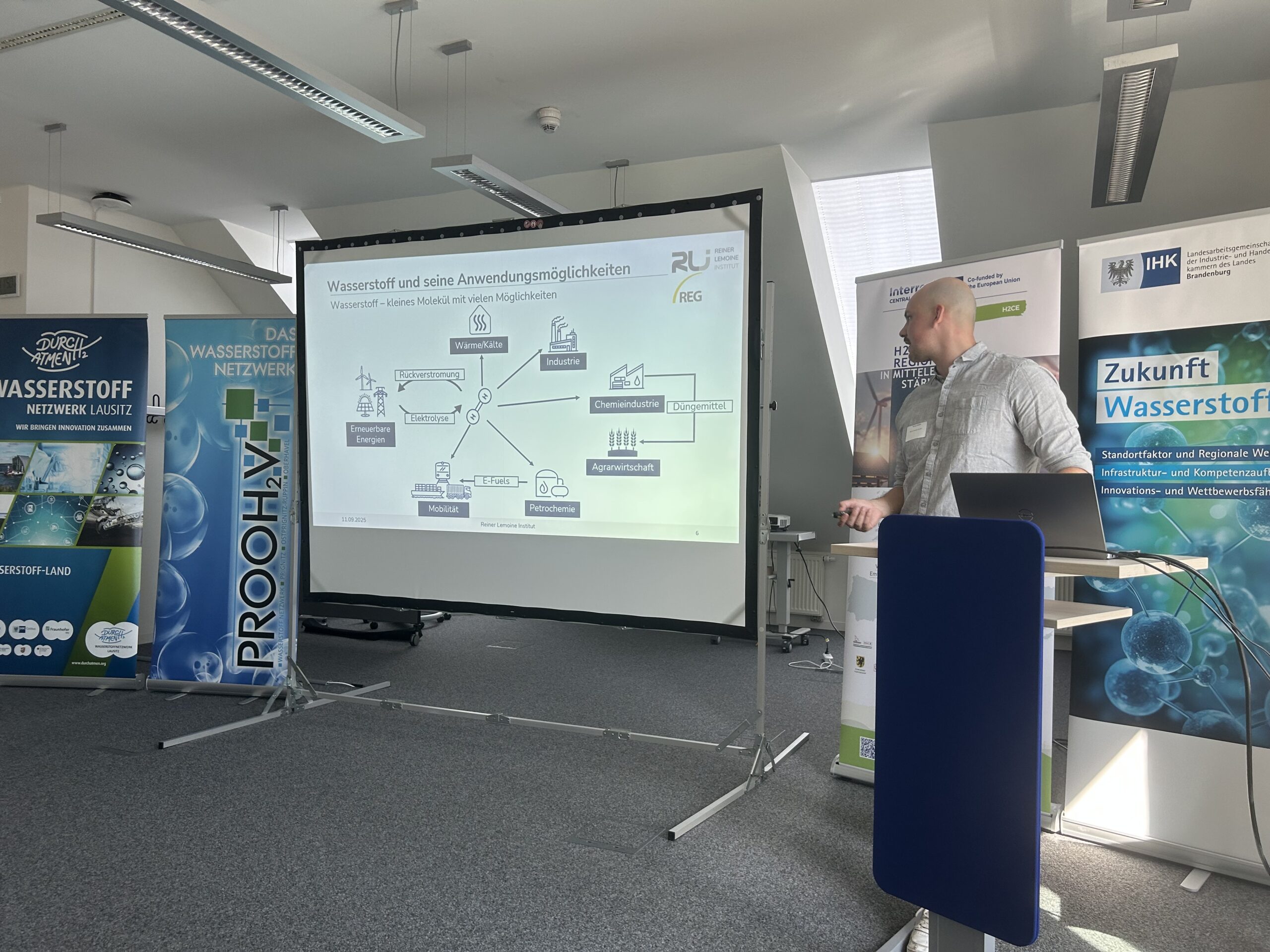
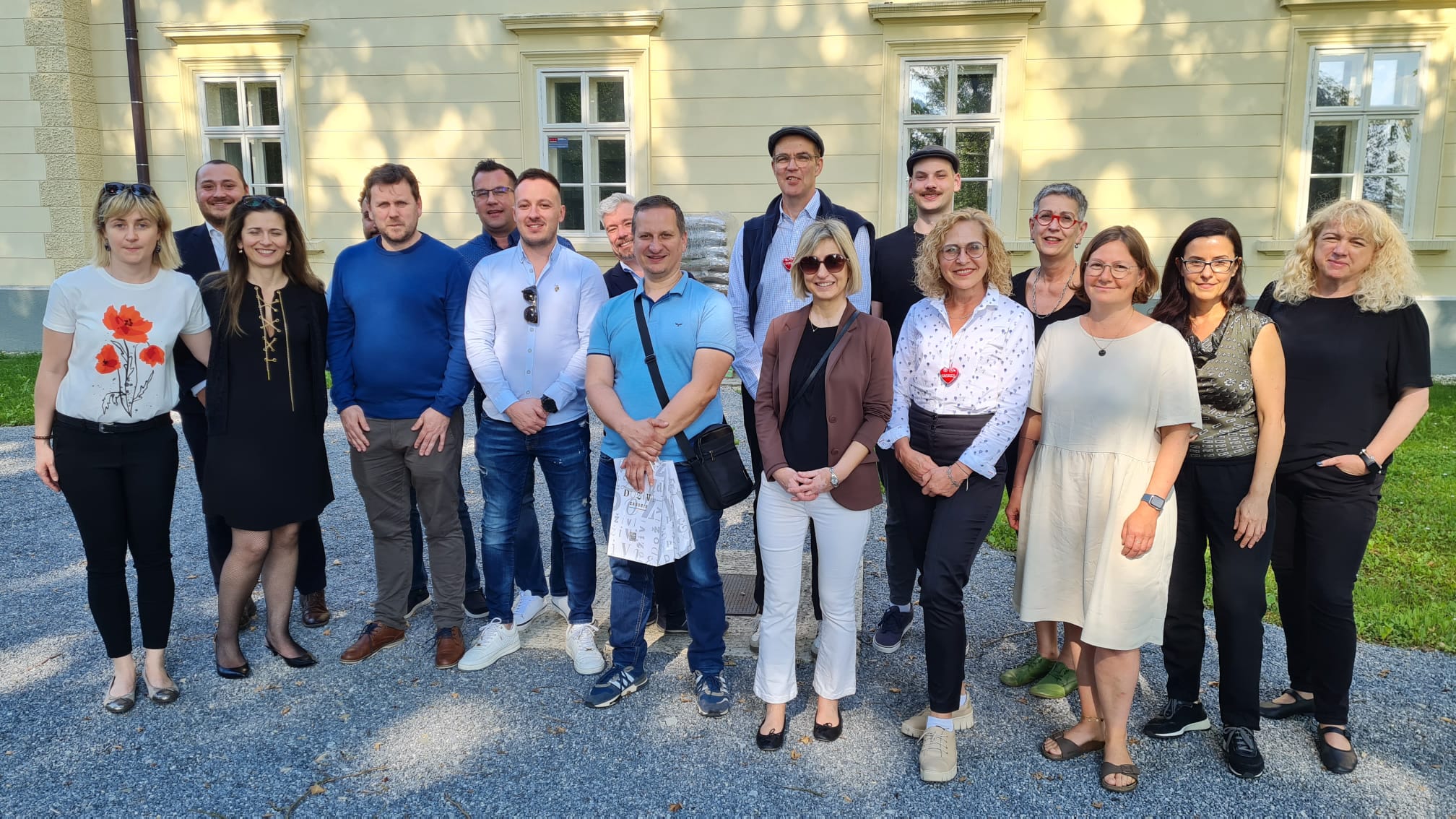
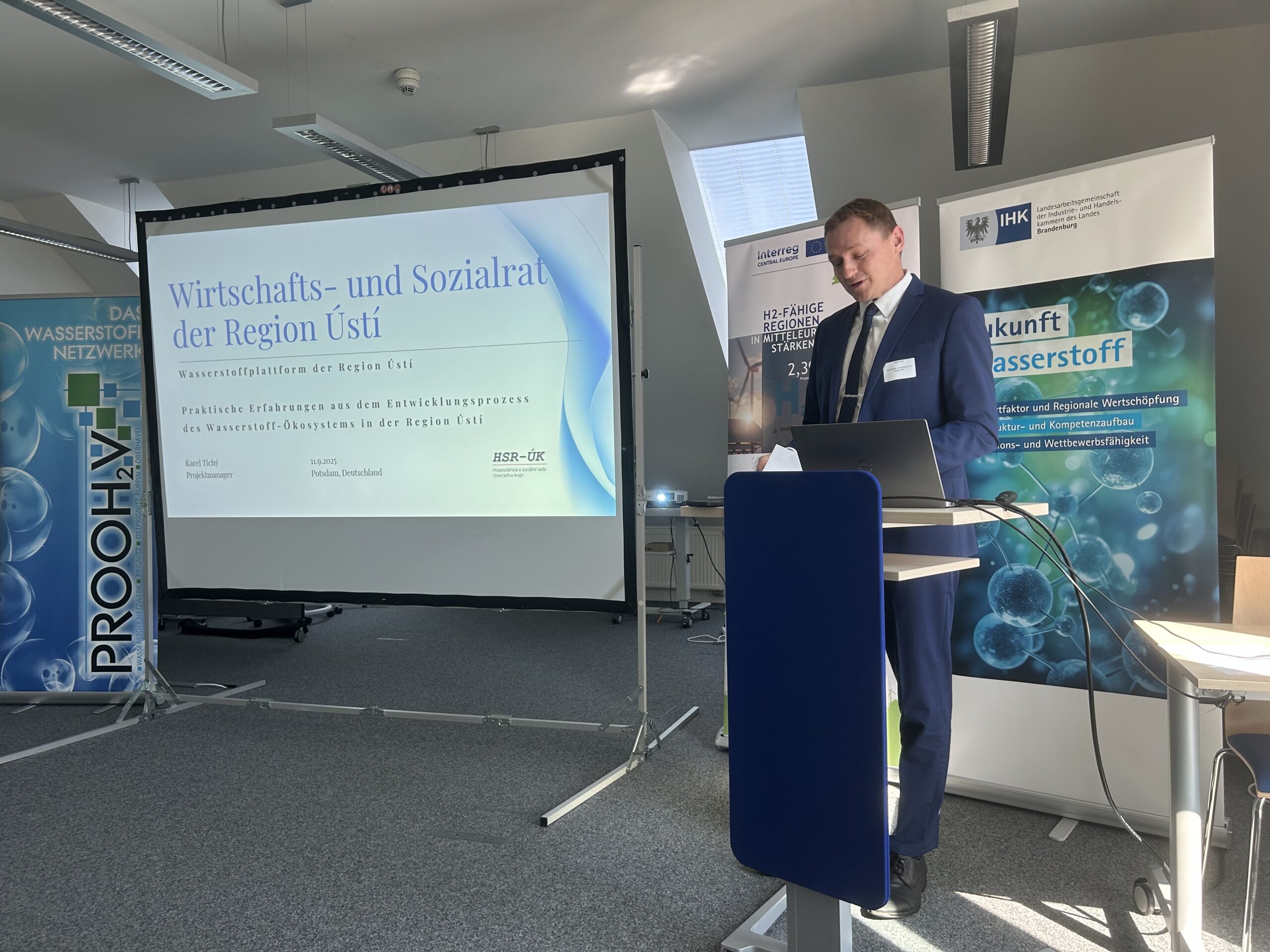
H2CE
The project lead partner is responsible for the content of this project website.
Project on social media
Project contact
Pedro Brosei