
Project overview
Development of Carbon Farming in the Central Europe
Carbon farming is the process of changing agricultural practices to increase the amount of carbon stored in the soil, or to reduce greenhouse gas emissions from livestock. It has huge potential but is still underused in central Europe. The Carbon Farming – CE project changed this and make regions more familiar with the concept. The partnership adapted and tested various techniques and business models and developed a monitoring tool for transnational, standardised carbon sequestration.
-
2,25m €
-
Project Budget
-
80%
-
of the Budget is funded by ERDF
-
9
-
Countries
-
9
-
Regions
-
11
-
Partners
-
7
-
Pilots
Duration
Start date
End date
Project progress
About the project
Project partnership
Project partners

Lead partner
Agricultural Institute of Slovenia
Project partner
Knowledge Transfer Division (vocational training, adult education and farm advisory unit of GAK)
DEPARTMENT OF BIOECONOMY AND SYSTEMS ANALYSIS
Department of Forage Crops Breeding and Genetics
Agricultural Chemistry and Pedology Units
Department of Agronomy
Roadmap
Challenge
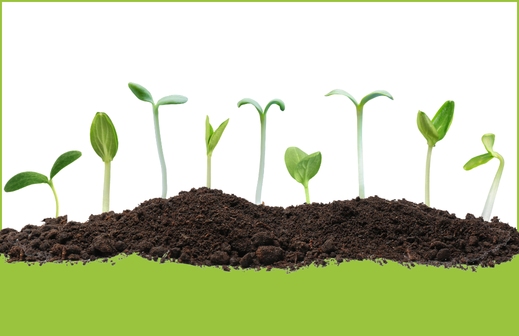
Agricultural soils can play an important role in climate change mitigation by storing carbon while supporting soil health and resilient food production. However, the wider uptake of carbon farming in central Europe was limited by fragmented knowledge, varying regional conditions and a lack of harmonised approaches for implementation and monitoring. Carbon Farming CE addressed these challenges by connecting research, practice and policy across nine countries.
Testing carbon farming techniques
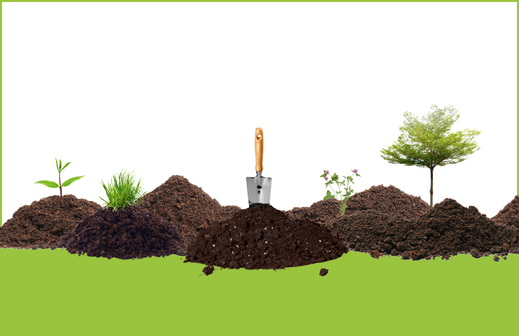
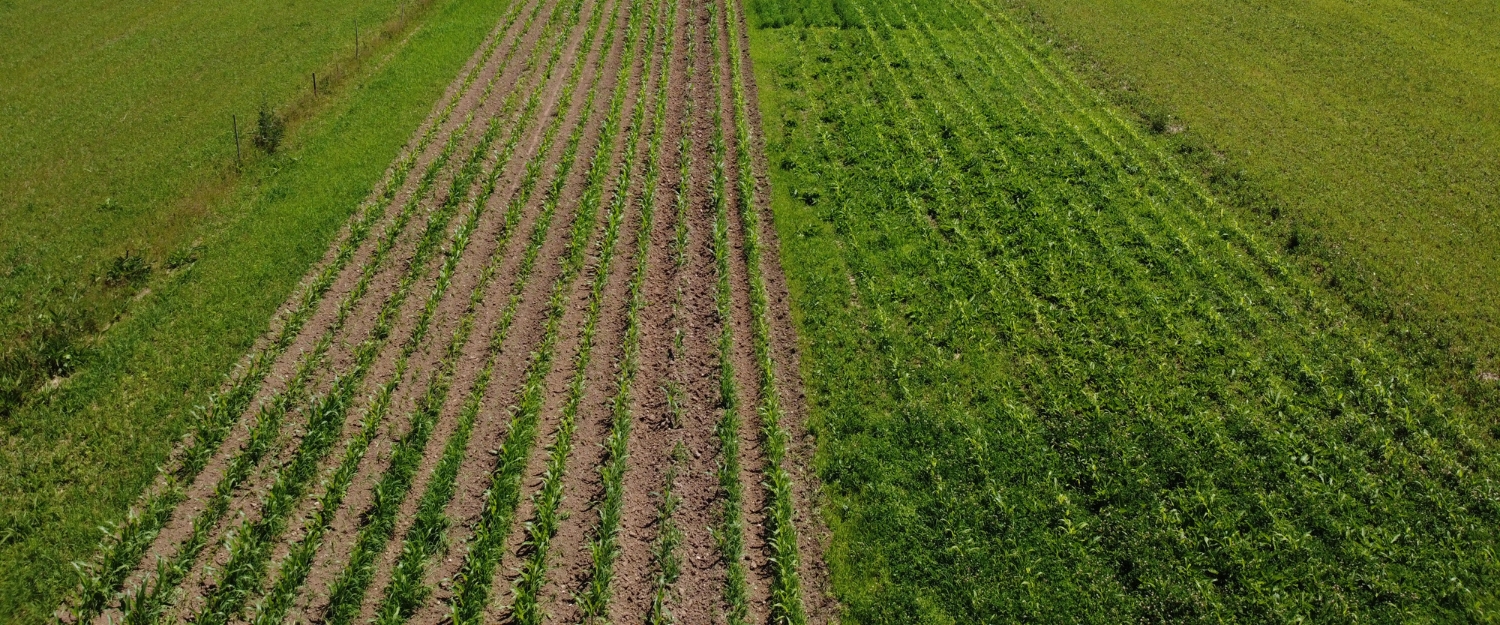
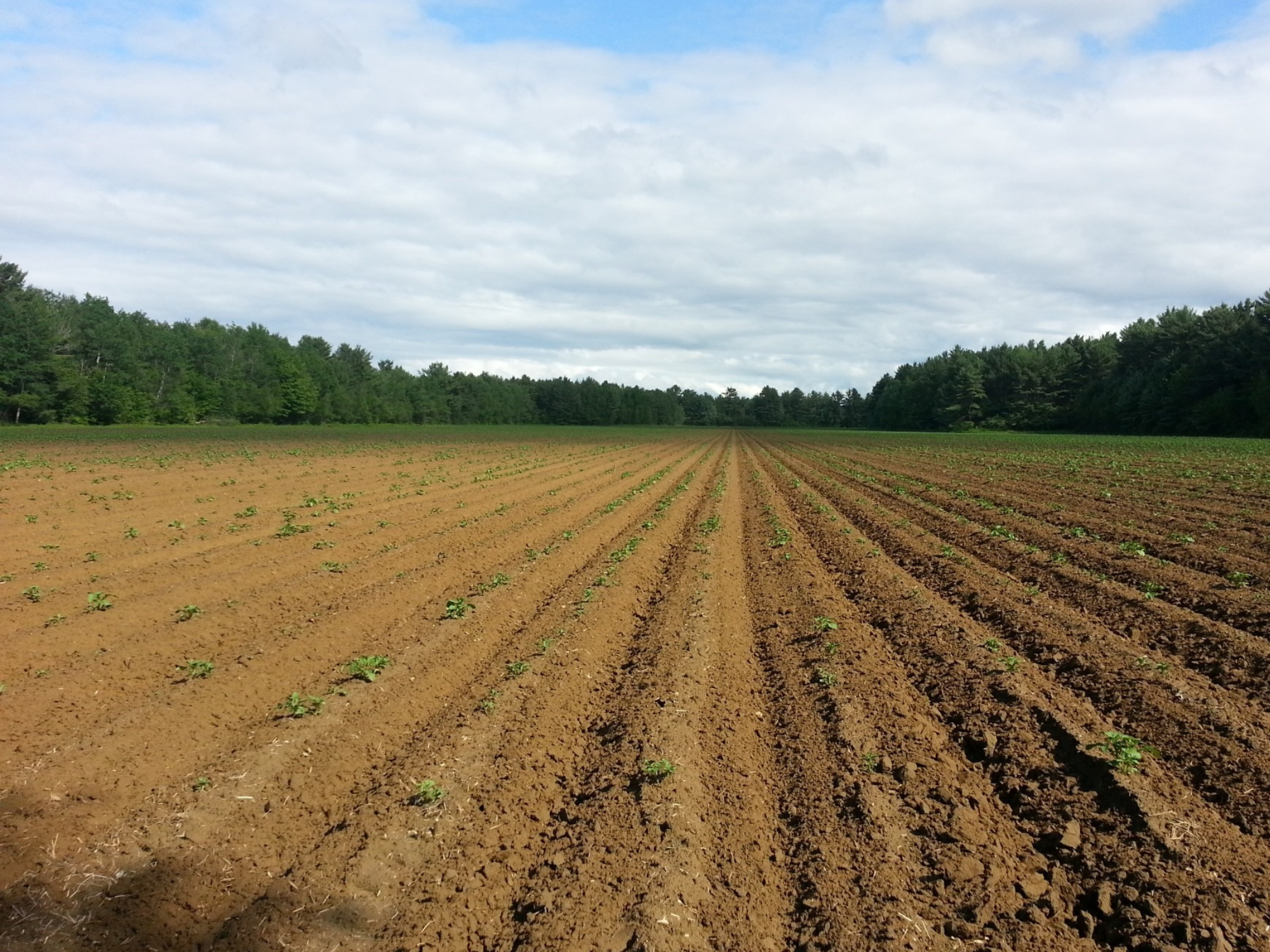
Carbon Farming CE tested and evaluated seven carbon farming techniques in 36 field trials across central Europe. The techniques were assessed for their carbon sequestration potential, feasibility and acceptance, helping identify approaches suitable for different agricultural, climatic and soil conditions. The results were translated into practical guidance and decision-support tools for farmers and agricultural advisors.
Developing and testing carbon farming business models
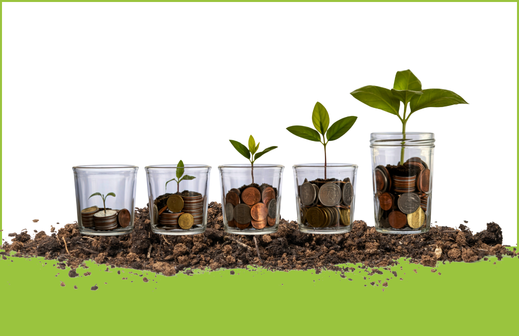
The project developed and tested carbon farming business models under different national and regional conditions. The models explored cooperation between farmers, businesses, research organisations, public authorities and other actors to support the practical and economic uptake of carbon farming. Testing and stakeholder feedback were used to develop guidance for applying and scaling up these models.
Mainstreaming carbon farming

Carbon Farming CE turned the knowledge gained through testing into tools and recommendations for wider use. The project developed a common methodology for monitoring soil carbon sequestration, assessed future carbon sequestration potential and prepared a Strategy and Action Plan to support the long-term development of carbon farming in central Europe. Knowledge was transferred through training, advisory activities and stakeholder cooperation, while the Central European Carbon Farming Cluster created a platform for continued collaboration beyond the project.
News




Events




Pilot actions
Outputs
Pilot testing carbon farming techniques
Guide to Carbon Farming Techniques
Pilot testing carbon farming business models
Carbon Farming Business Model Guide
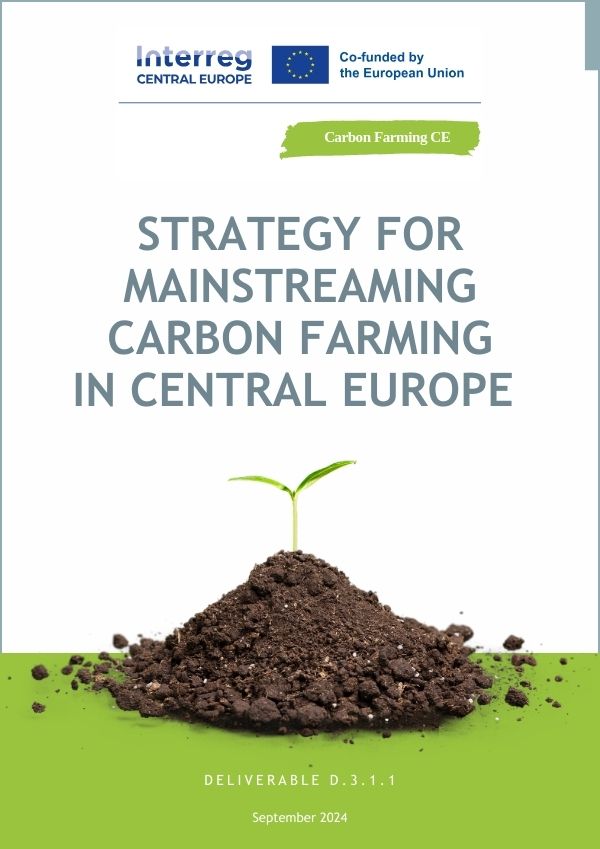
Strategy and Action Plan for Carbon Farming in central Europe
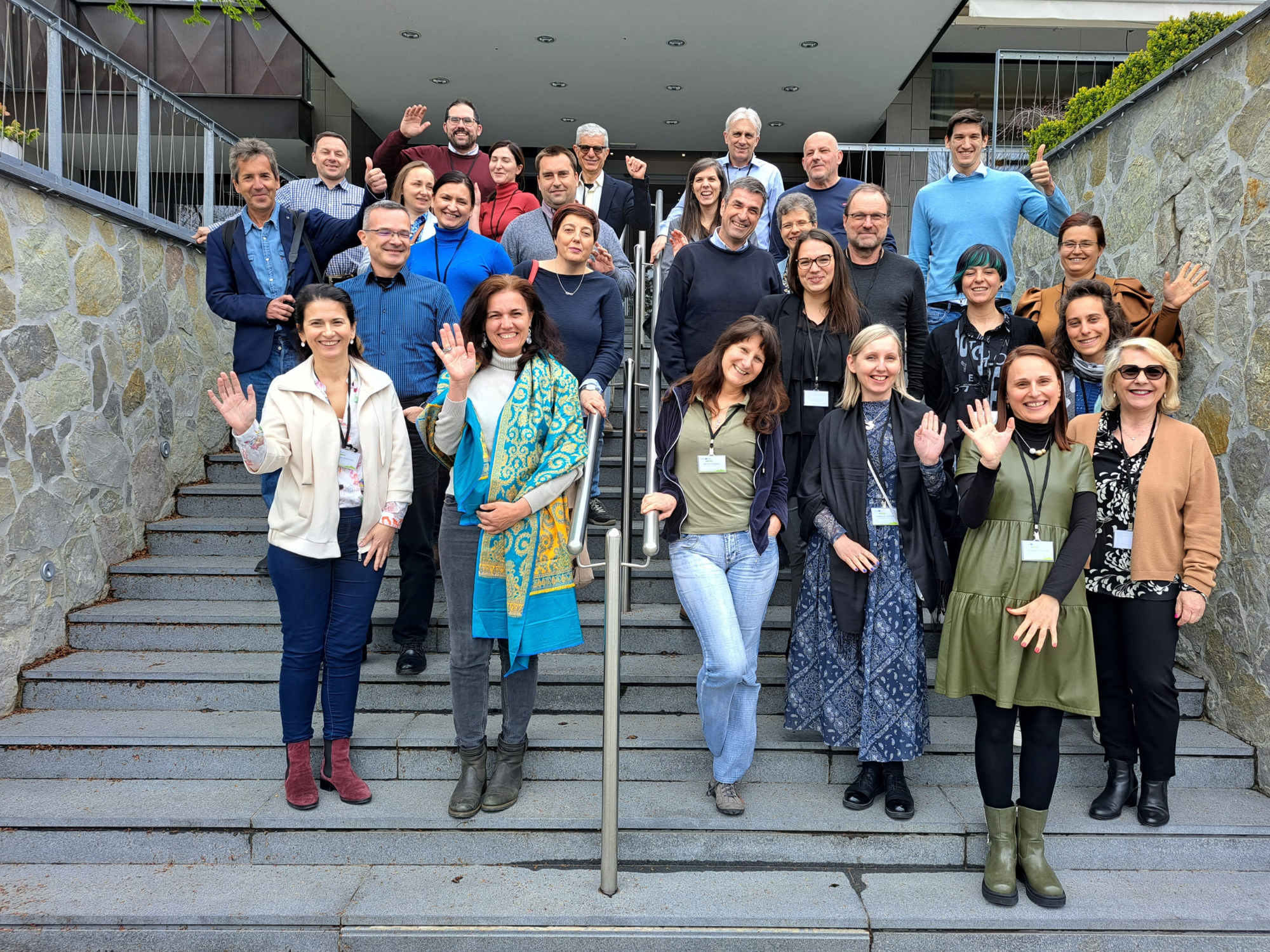
Central European Carbon Farming Cluster
Project videos
Project documents
Project results and reports
Press Release
Project images
Carbon Farming CE
The project lead partner is responsible for the content of this project website.