Cooperating for a better connected central Europe
Turning shared transport routes into smarter, greener and more accessible connections
Central Europe has always been a crossroads for people and goods. Its railways, roads and rivers link regions across borders, but not everyone benefits equally from these connections. Rural, peripheral and cross-border areas often remain harder to reach, limiting access to jobs, services and economic opportunities. Projects funded under this priority help regions close these gaps. They improve links between rural and urban areas, connect local transport networks to major European routes and make everyday journeys more sustainable and accessible.
Across this priority, cooperation is helping transport systems work better across borders and between regions, creating greener connections that bring central Europe’s people and places closer together.
12
Projects improving transport connections
98
Partners cooperating to better connect Europe
114
Outputs supporting smarter and greener transport
15
M € invested in making central Europe connected
Improving transport links in central Europe
Cooperation is central for removing bottlenecks and making mobility more sustainable
A region may lie close to a major railway or transport corridor and still be poorly connected to it. For people and businesses, the distance on a map matters less than whether there is a reliable way to reach jobs, services, markets and neighbouring regions.
Across central Europe, rural, peripheral and cross-border areas often face missing links, poorly coordinated services and difficult connections between different forms of transport. These gaps can make everyday journeys longer, restrict economic opportunities and leave some places increasingly isolated.
The challenge is not simply to build more transport infrastructure. It is to make existing networks work better together and reach the places that depend on them.
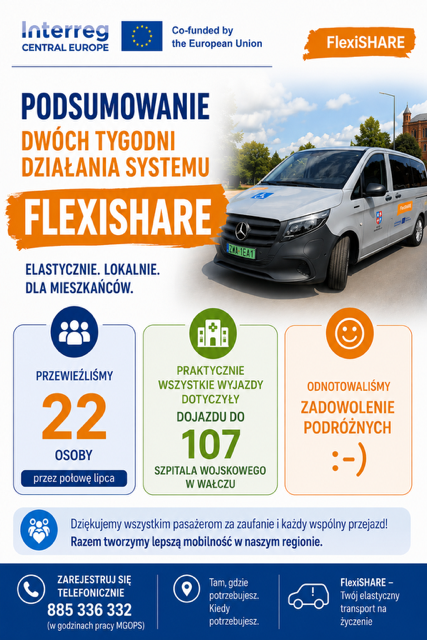
Projects supported under this objective test practical ways to improve regional and cross-border connections. They link local passenger services more effectively with major transport corridors, develop flexible and mobility on demand for areas where regular services are difficult to provide, and improve coordination between transport and spatial planning.
They also help regions move goods more efficiently by combining rail, road and other forms of transport, supported by digital tools that make logistics easier to plan and manage.
The results are practical:
- rural and peripheral areas get better access to main transport corridors
- missing links and cross-border bottlenecks are reduced
- passenger transpor responds more closely to local needs
- freight and logistics make better use of different transport modes
- transport and spatial planning become better coordinated
Together, these results help turn central Europe’s strategic location into connections that work in practice, making it easier for people and goods to move while supporting cleaner transport and ensuring that less connected regions are not left behind.