Project overview
From Niche to Centre - City Centres as Places of Circular Lifestyles
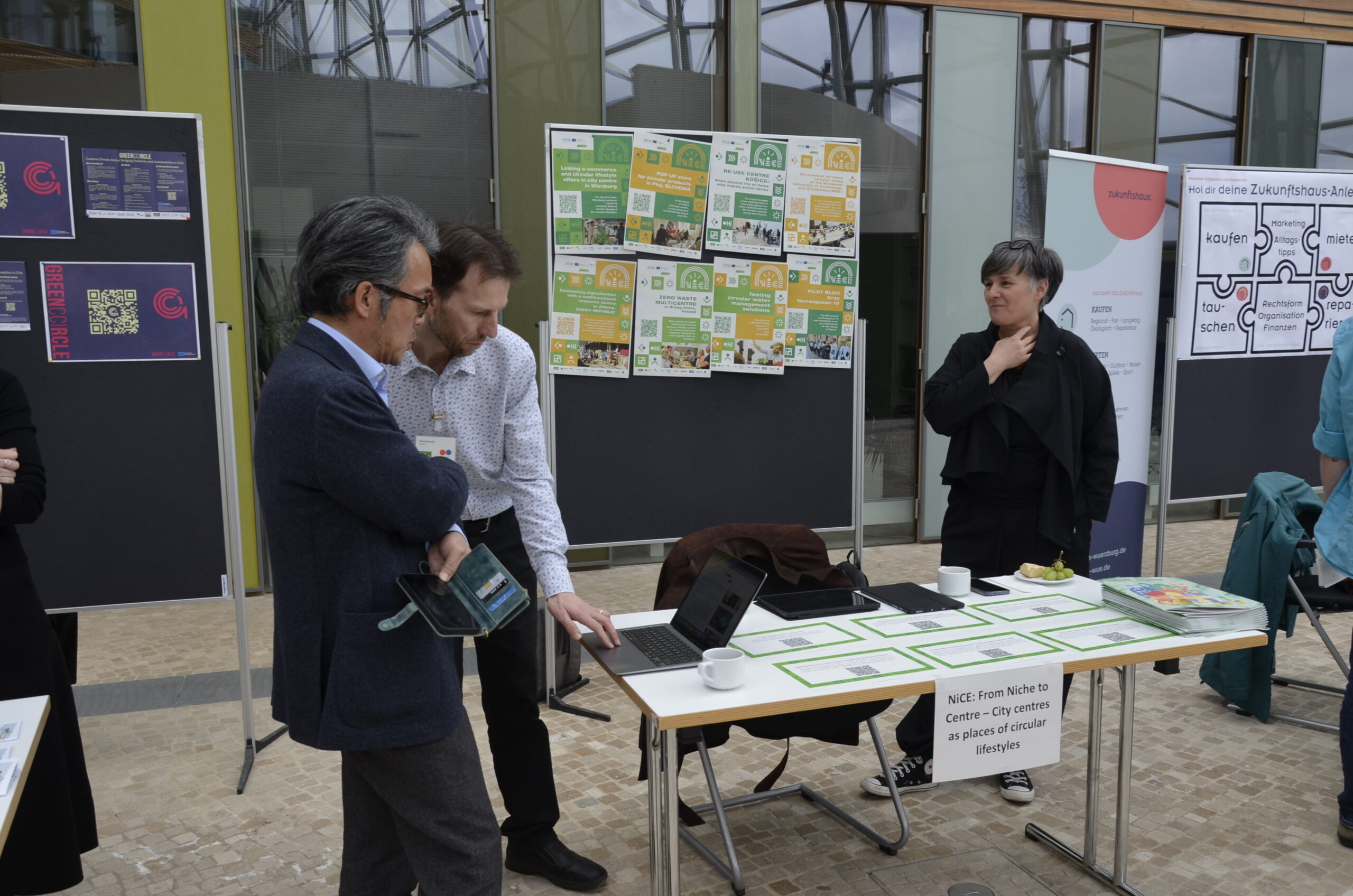
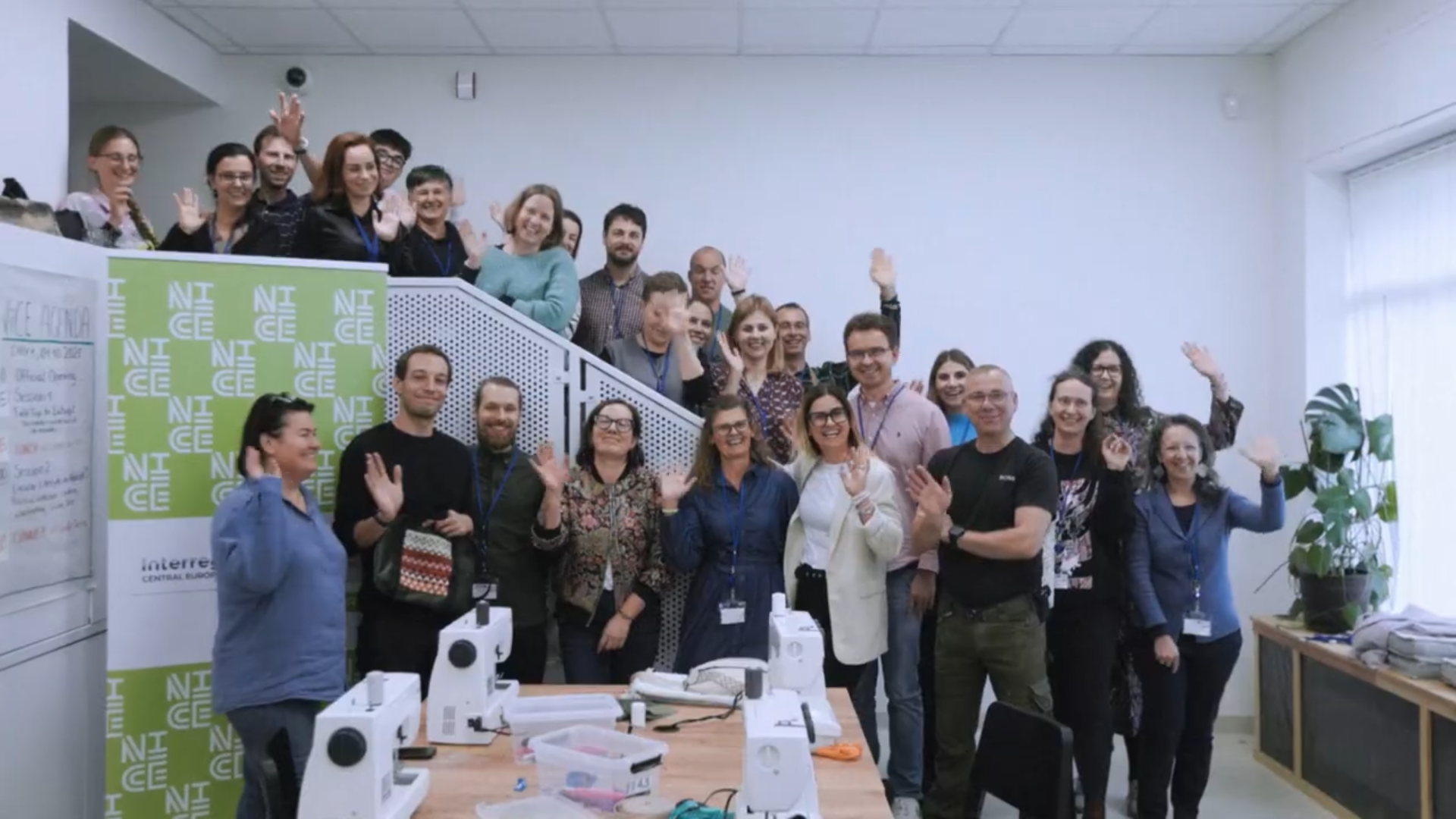
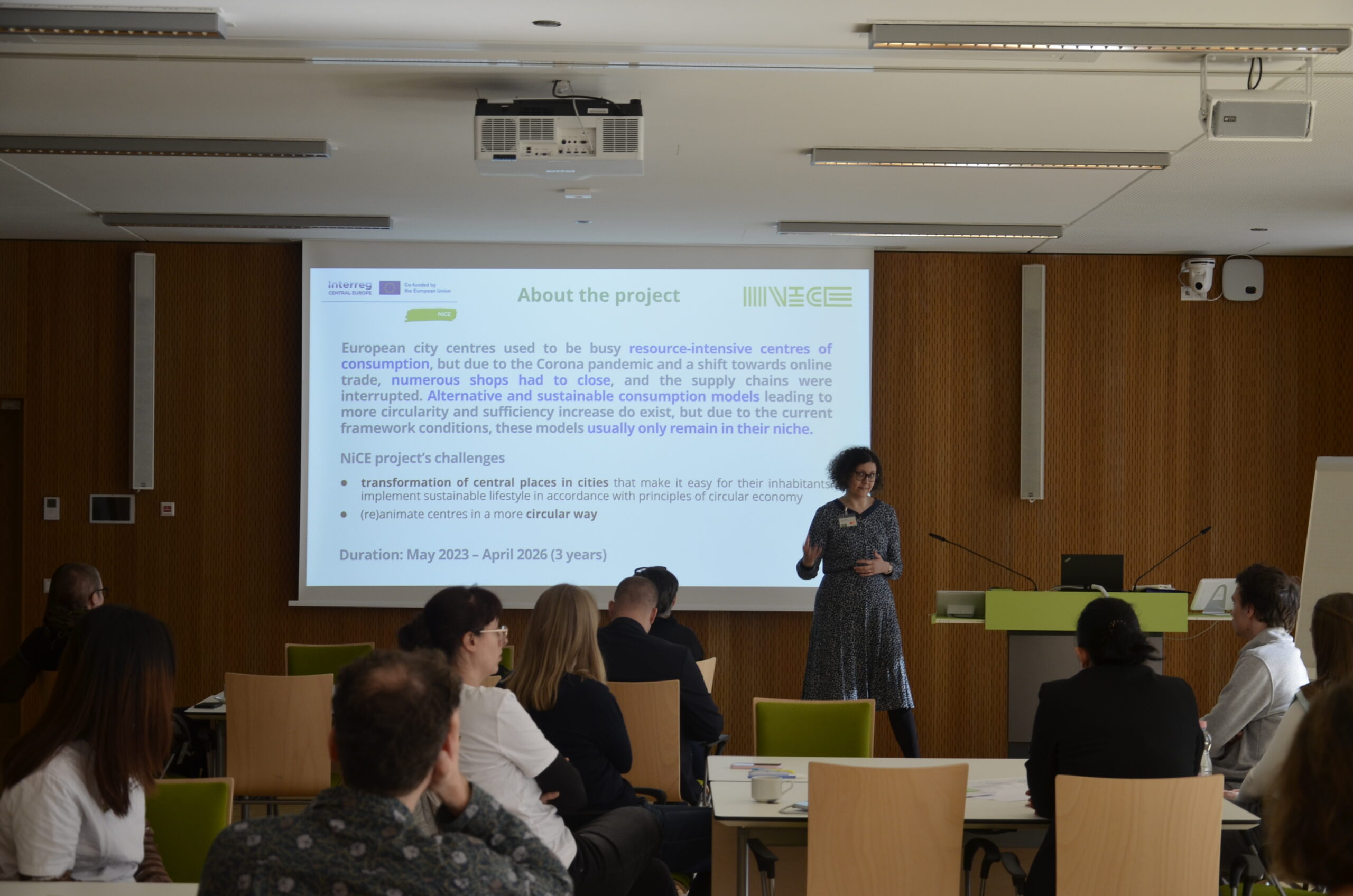
City centres have long been busy places where people meet, shop and consume. This started to change fast when the Corona pandemic and growing online trade forced many shops to close. The NiCE project re-vitalised fading city centres by making local trade and consumption more circular and sustainable. The partners developed innovative urban development approaches, which focus on the creation of multifunctional resource centres and on utilising empty spaces for circular offers.
-
2,22m €
-
Project Budget
-
80%
-
of the Budget is funded by ERDF
-
8
-
Countries
-
9
-
Regions
-
9
-
Partners
-
4
-
Pilots
Duration
Start date
End date
Project progress
About the project
Project partnership
Project partners
Lead partner
German Environment Agency
Department III 1 - Sustainable Products and Sustainable Consumption, Circular Economy
06844 Dessau-Roßlau
Project partner
ENEA-SSPT (Department for Sustainability)
95-050 Konstantynów Łódzki
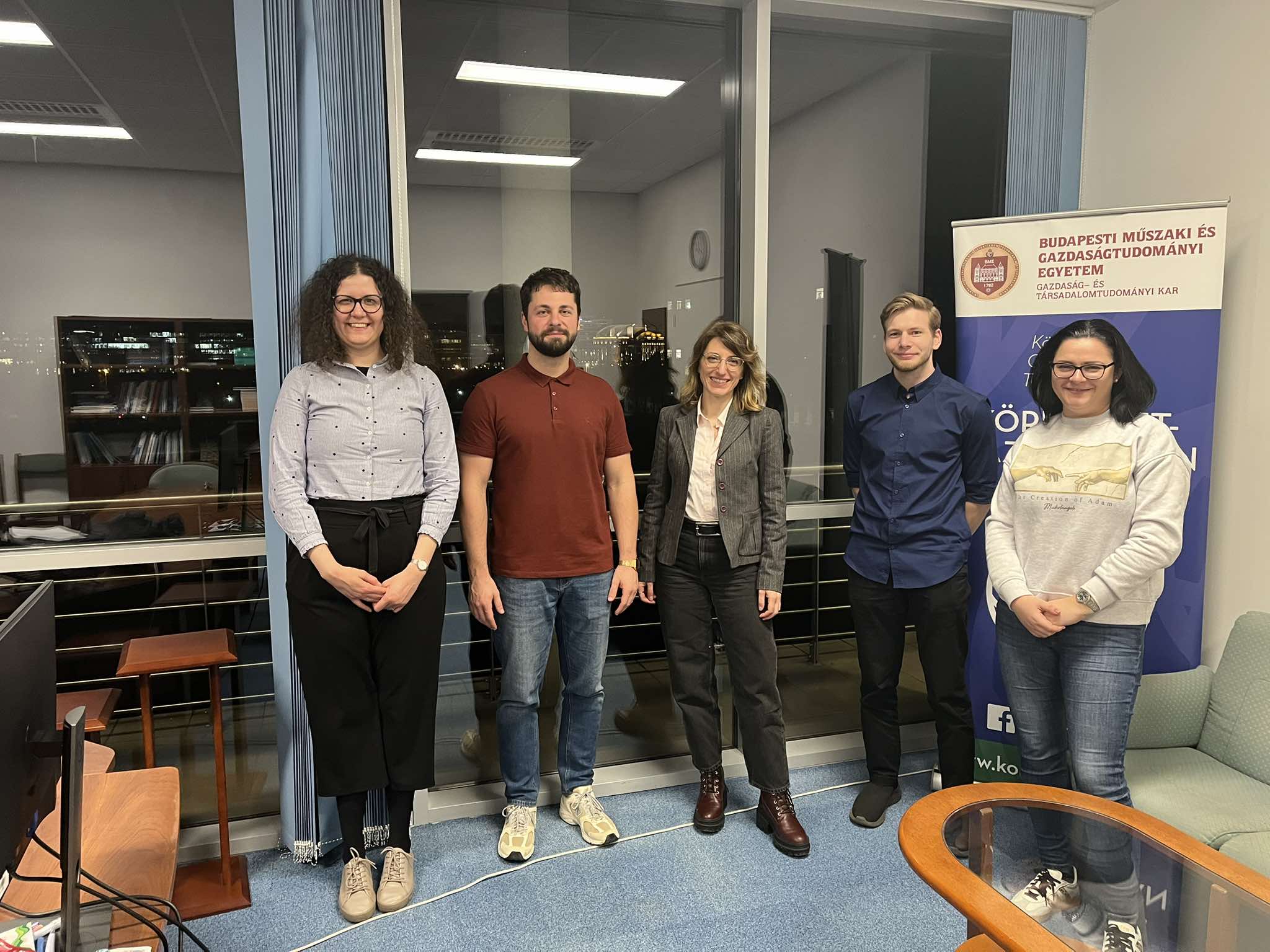
BME Department of Environmental Economics and Sustainability
H-1117 Budapest
Roadmap
Challenge #1 – City centres are changing
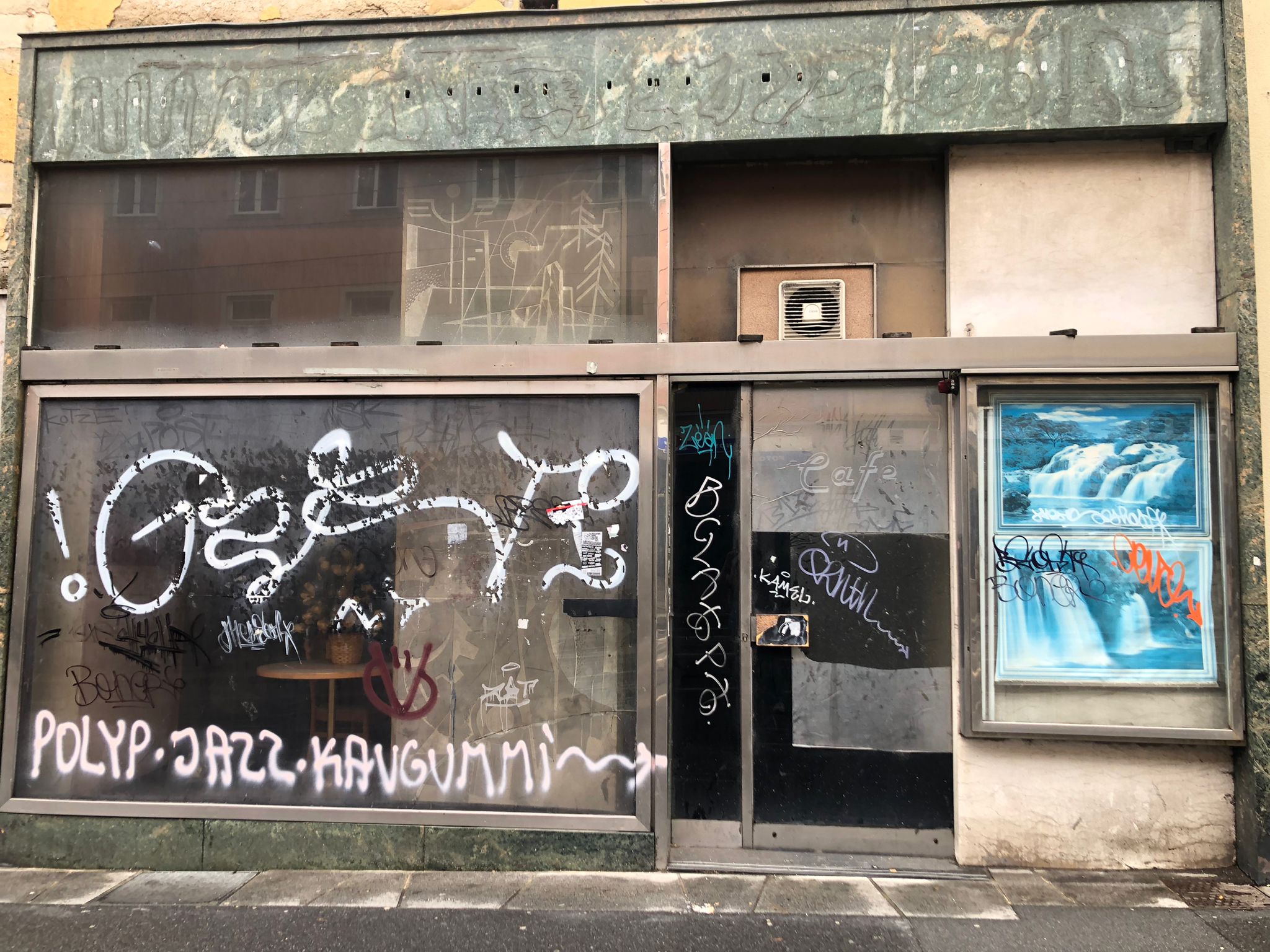
The project addressed two key challenges. The first concerned city centres. In recent decades, cities have developed into resource-intensive centres of consumption. Urban environments have been shaped by structures that promote consumption, such as extensive advertising, sales campaigns, low prices, chain stores and the constant availability of new products. At the same time, social and cultural exchange in city centres has declined. As a result, many city centres have not fully realised their potential to support sustainable consumption and contribute to tackling the climate crisis. In parallel, the growth of online trade has increasingly shifted consumption from city centres to the digital sphere. The COVID-19 pandemic further accelerated this trend, forcing numerous shops—particularly in smaller cities—to close. For example, the vacancy rate in Germany reached 15% for so-called 1a locations in busy inner-city streets and up to 25% for 1b locations (IVD 2021). Consequently, many consumption-oriented city centres have been losing their traditional functions and attractiveness.
Challenge #2 – Circular lifestyle offers remain in their niche
The second challenge addressed by the project concerned alternative consumption models and circular lifestyle offers, which have the potential to increase circularity and reduce resource use. These alternatives, such as repair, upcycling and sharing, already existed. However, due to existing framework conditions, they often remained niche solutions, reaching mainly people who were already interested in sustainable lifestyles. For example, more than 60% of people in Germany had never bought second-hand clothes. In addition, many of these initiatives faced uncertain financing, as they were not primarily oriented towards growth or profit.
Needs and challenges of our target groups
The project brought these two challenges together to benefit both. It used the ongoing transformation of cities as an opportunity to strengthen sustainable and circular consumption structures in city centres while actively involving citizens and local stakeholders. As a first step, the project summarised findings from all participating countries in a synthesis report. The report presents the needs and visions of the target groups (cities, initiatives, providers of new business models and existing networks), identifies strengths and weaknesses, analyses enabling and hindering framework conditions, compares different Central European regions and city sizes, and examines the impact of the COVID-19 pandemic. To support communication and knowledge transfer, the report also includes easy-to-understand and visually attractive overview graphics.
Strategy framework to enable circular lifestyles in cities
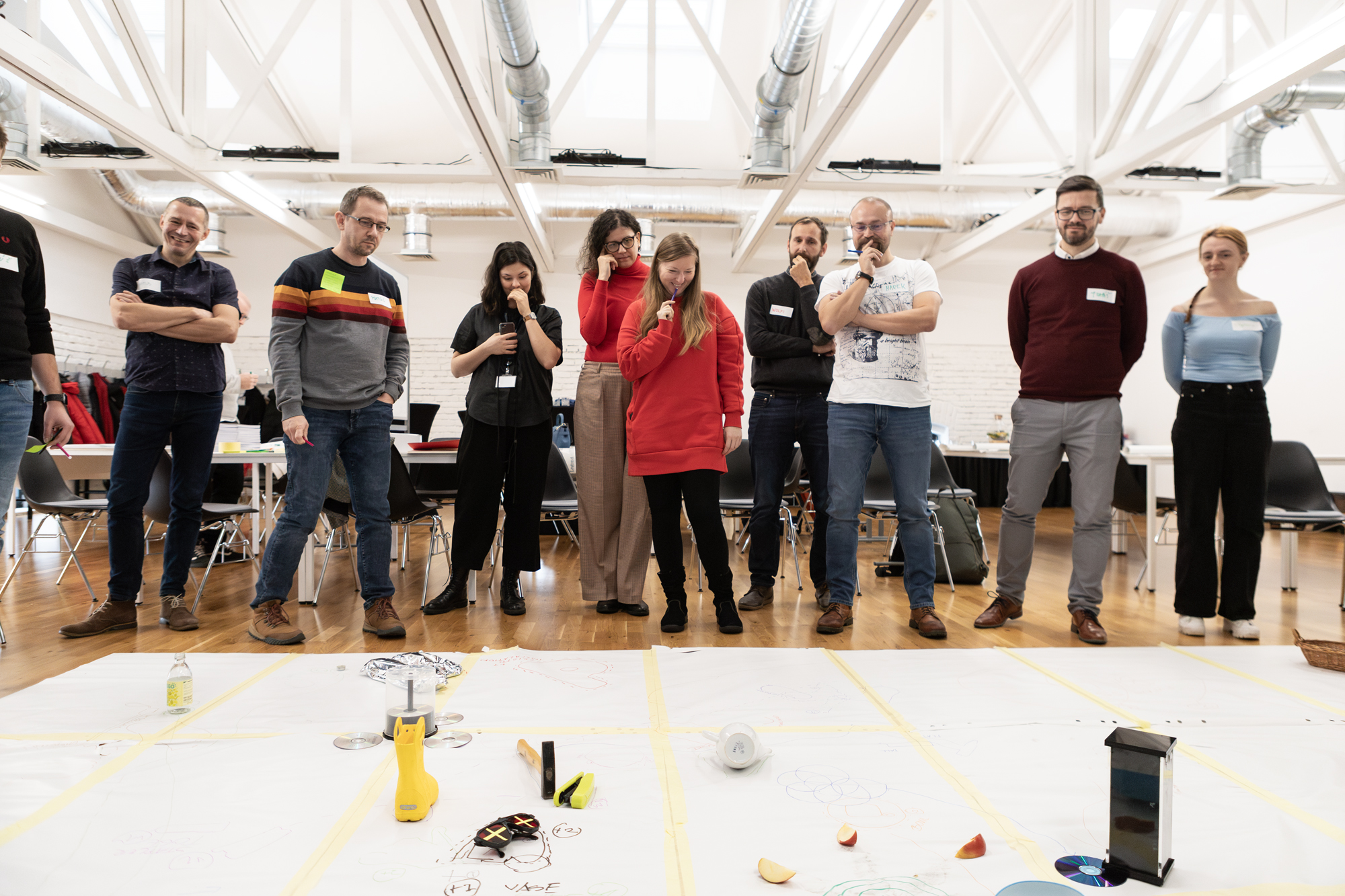
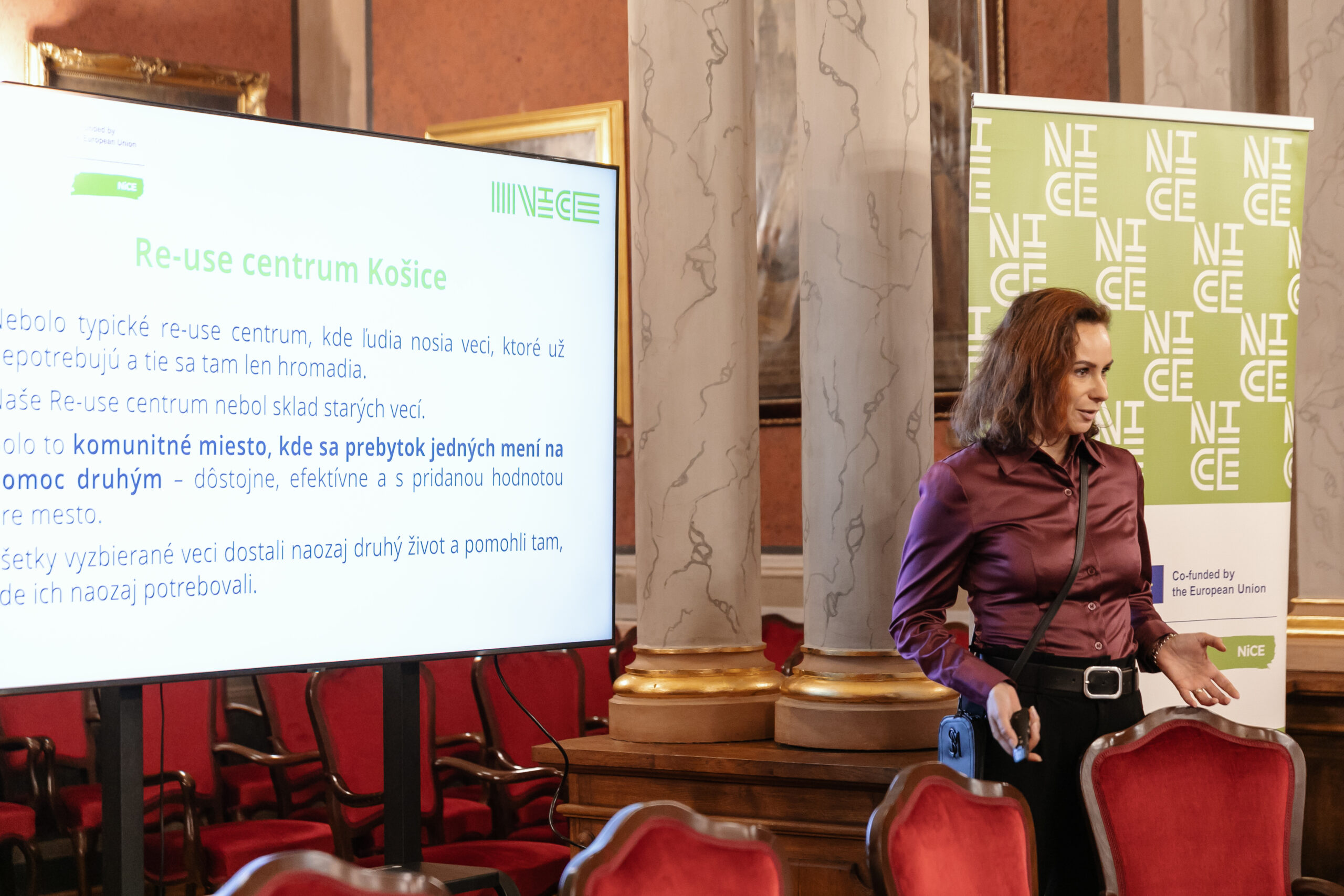
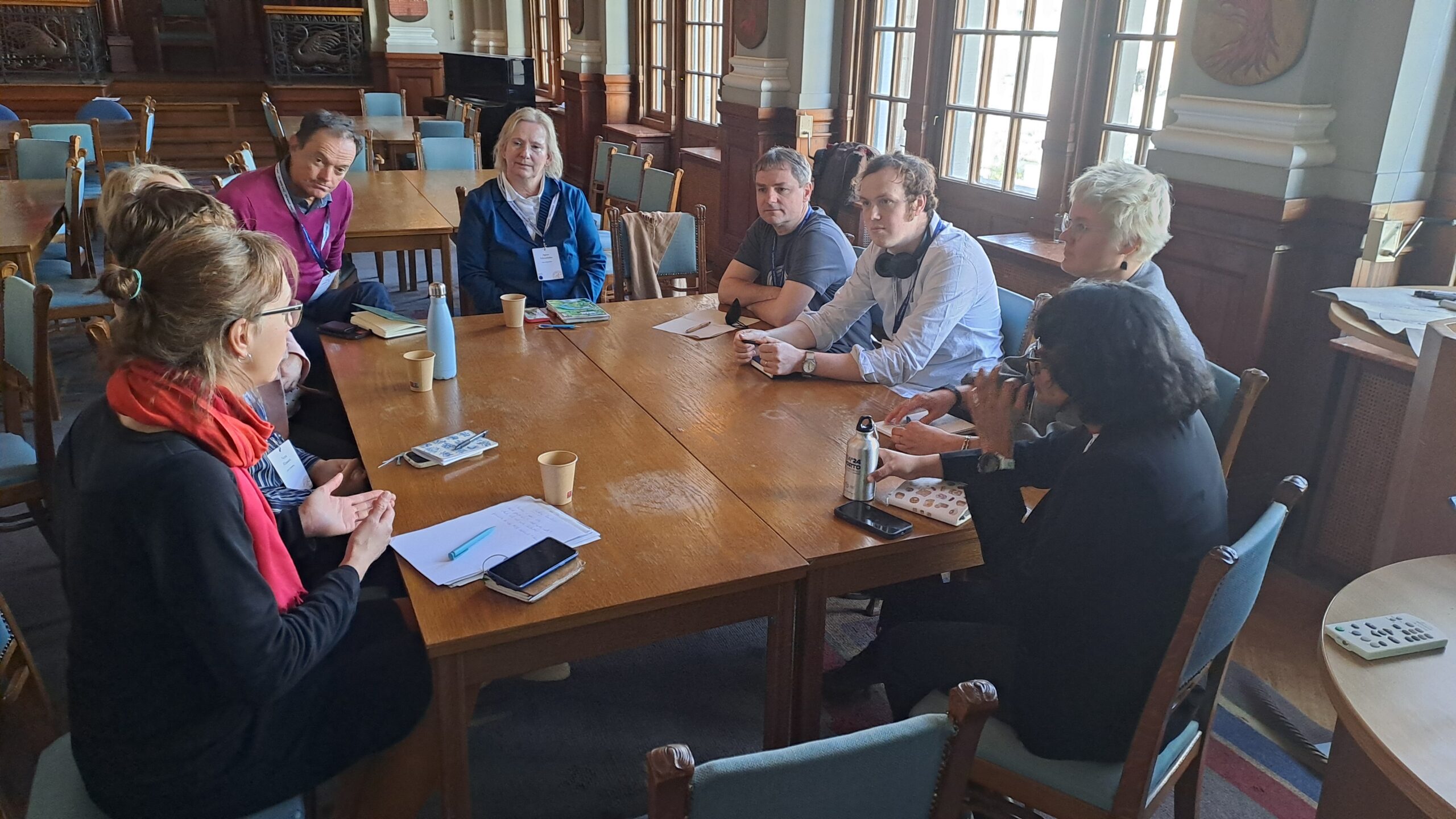
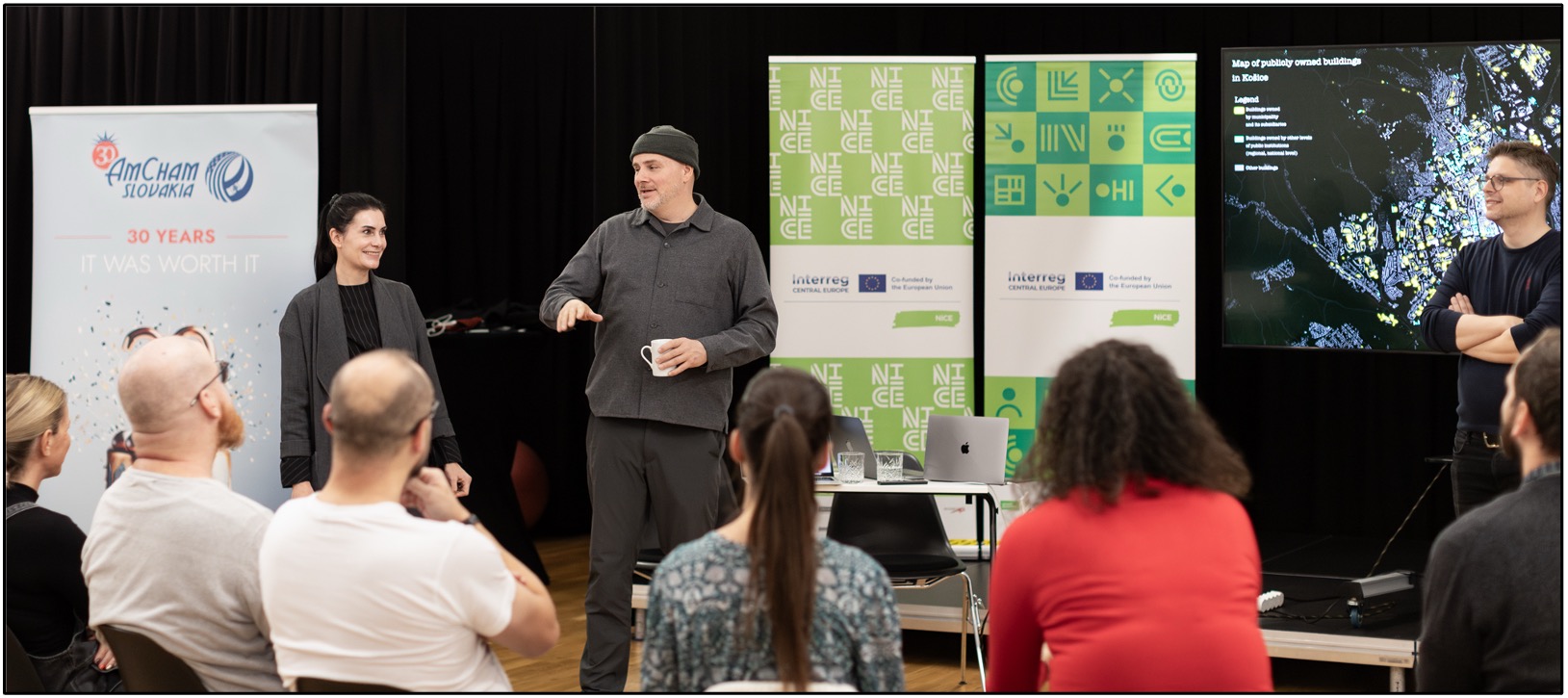
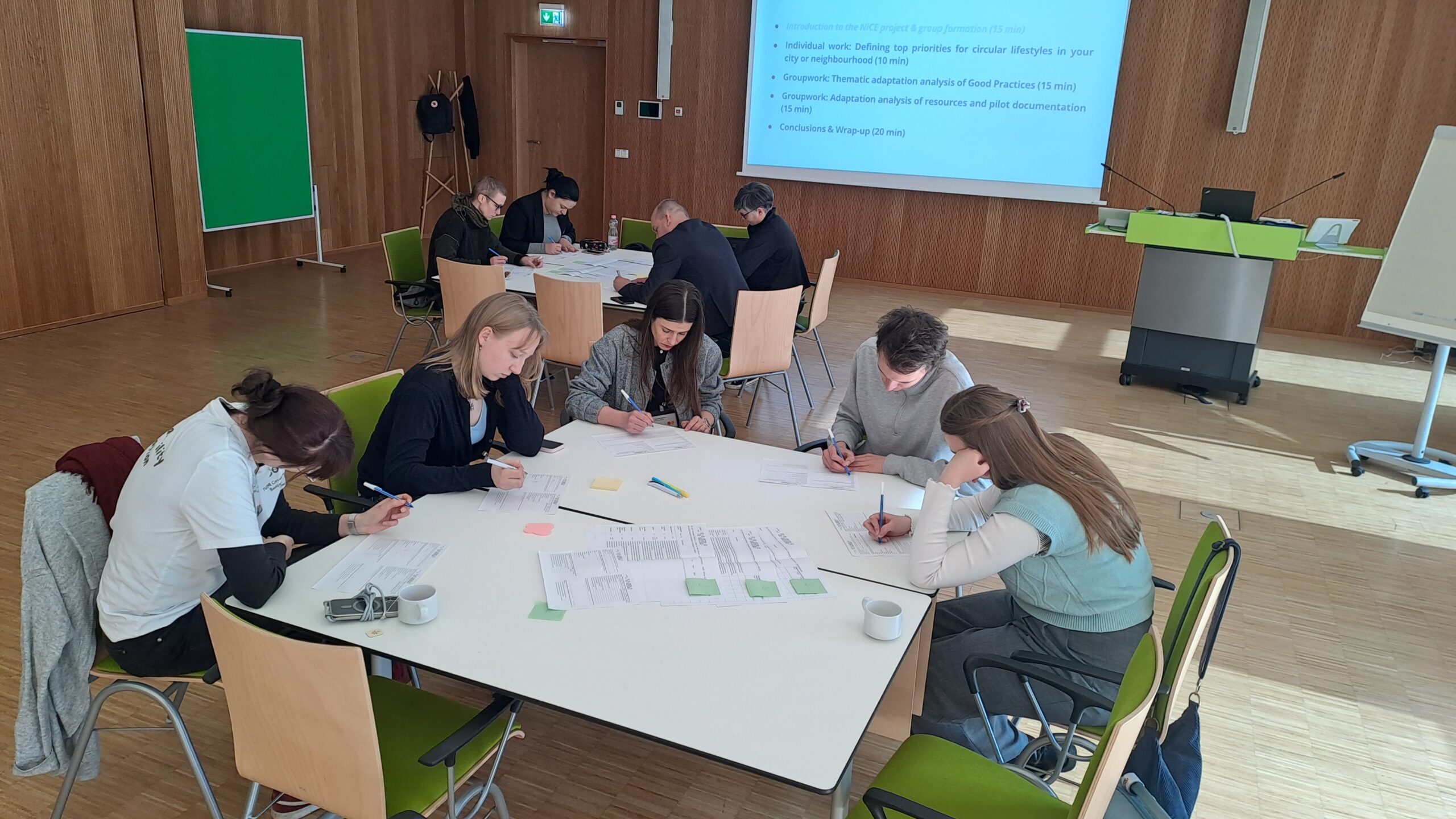
The Strategy Framework provides guidance on promoting and establishing circular lifestyles in cities and serves as a practical resource for local and regional public authorities. To develop the framework, project partners assessed existing policy measures, action plans, development plans, strategies and programmes supporting circular lifestyles in cities. The assessment combined interviews with political stakeholders, desk research and a transnational think tank workshop. The workshop brought together all project partners, associated partners, representatives of NGOs and policymakers. It took place in Košice, Slovakia, in March 2024 and contributed to the preparation of the Strategy Framework. The Strategy Framework is available through the NiCE Knowledge Platform (www.circularlifestyle.eu), where cities and other interested organisations can access and use it as a practical self-assessment resource.
Circular lifestyle Monitor Tool for cities
The Circular Lifestyle Monitor Tool helps cities quickly assess the current status, challenges and potential for circular lifestyles in their city centres. It is based on a joint assessment of sustainable consumption patterns and the business models that support the circular development of cities. The Monitor Tool is available through the NiCE Knowledge Platform (www.circularlifestyle.eu), where cities and other interested organisations can access and use it as a practical self-assessment resource.
Testing circular lifestyles in the real world
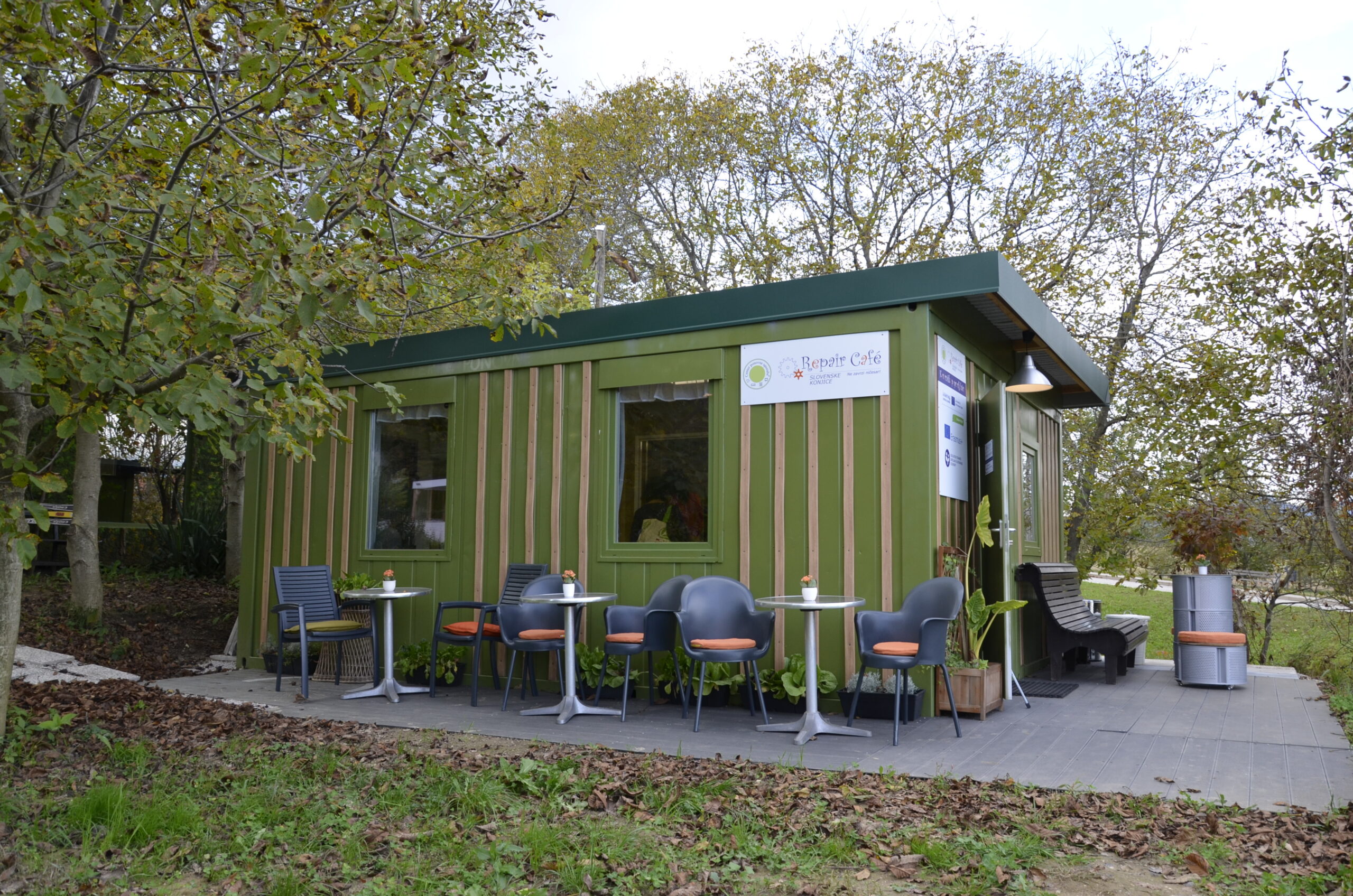
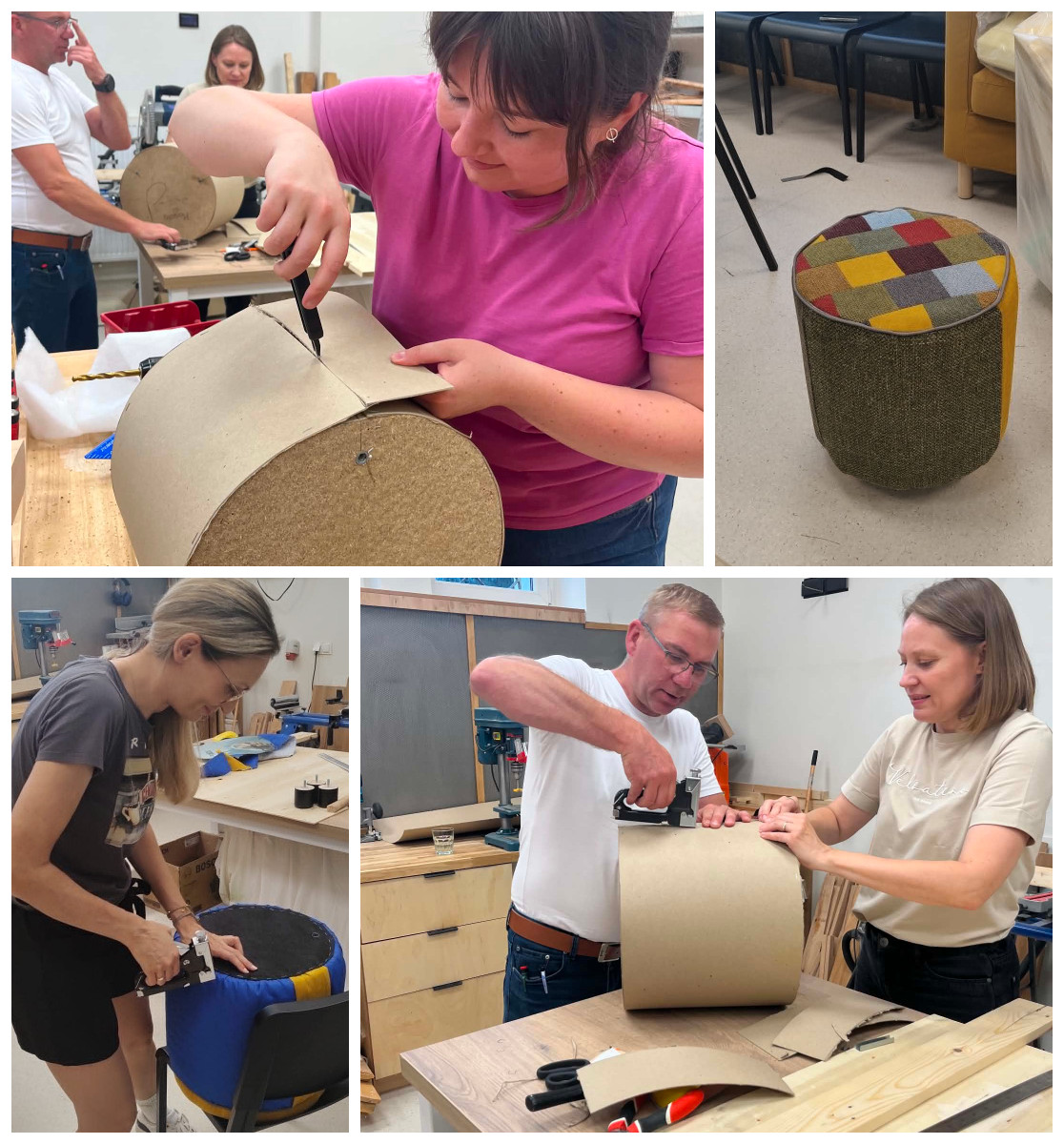
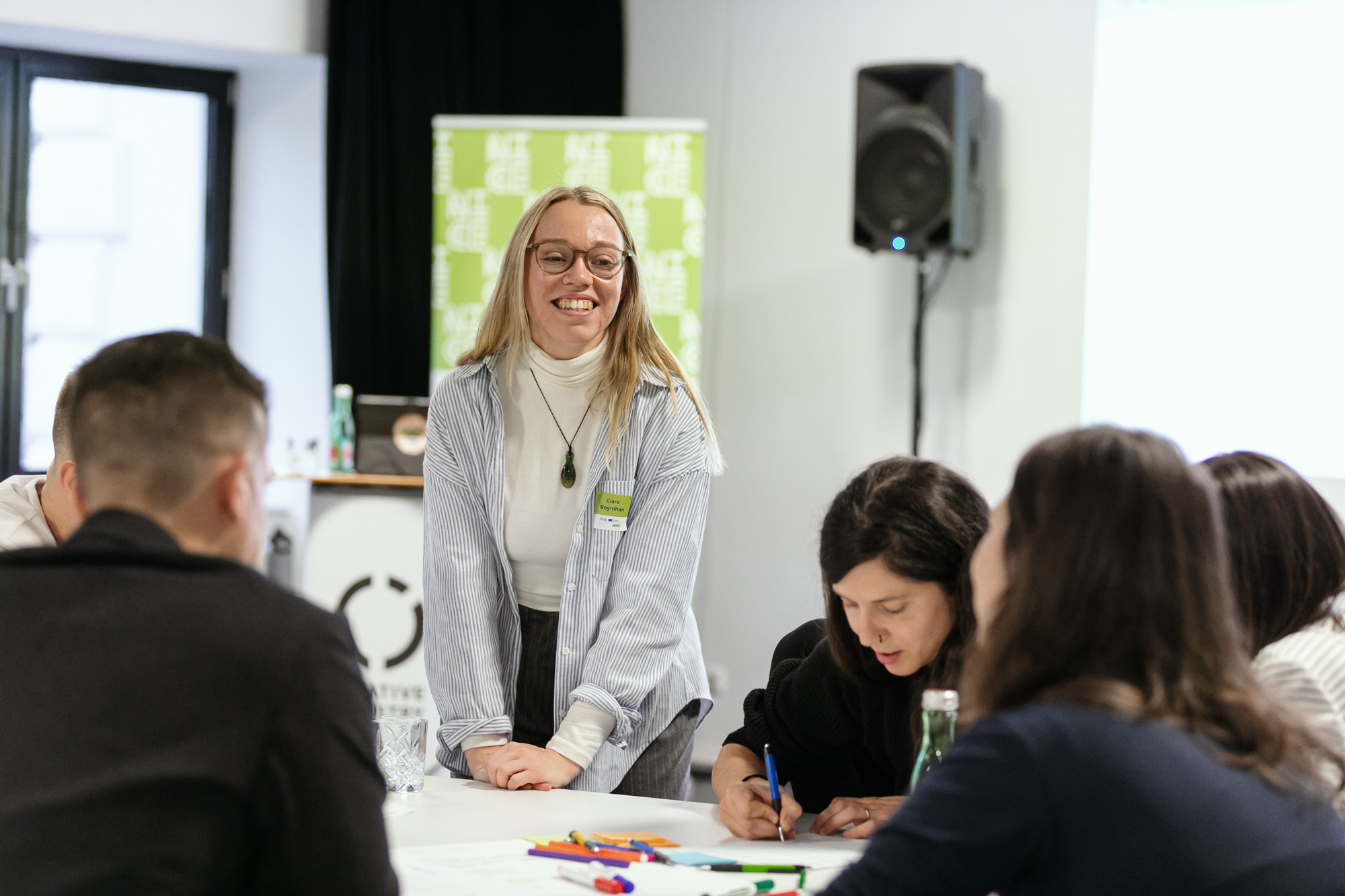
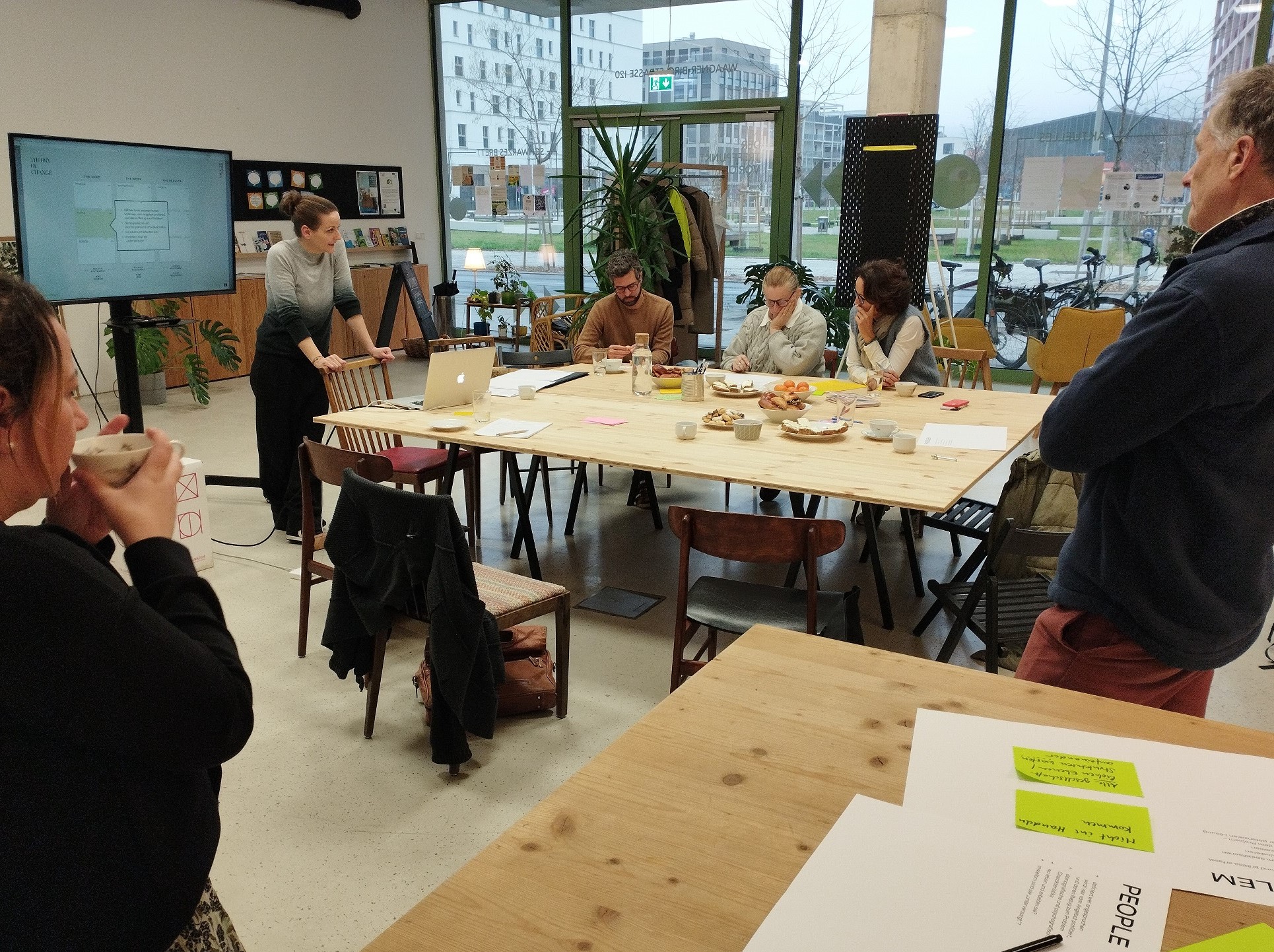
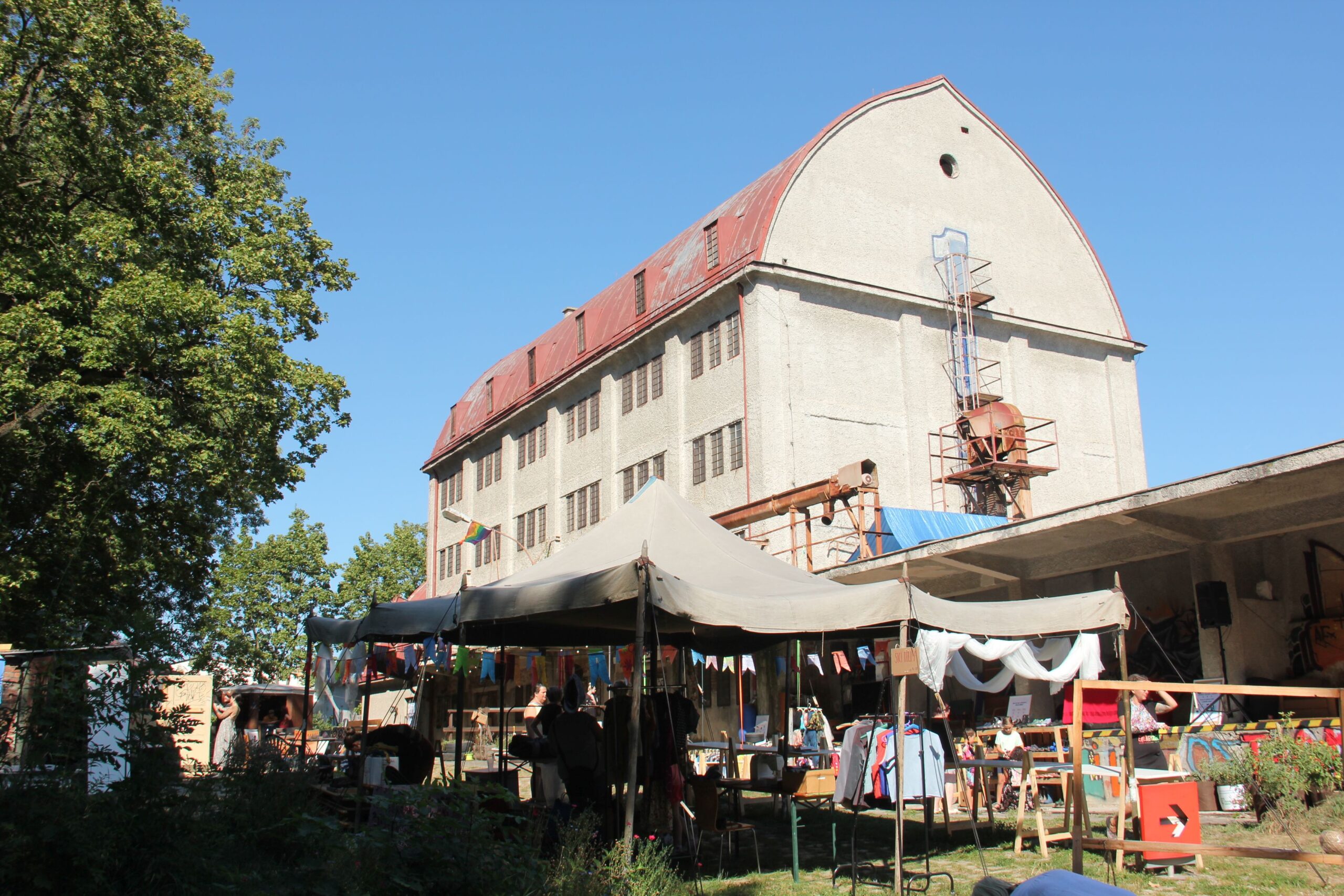
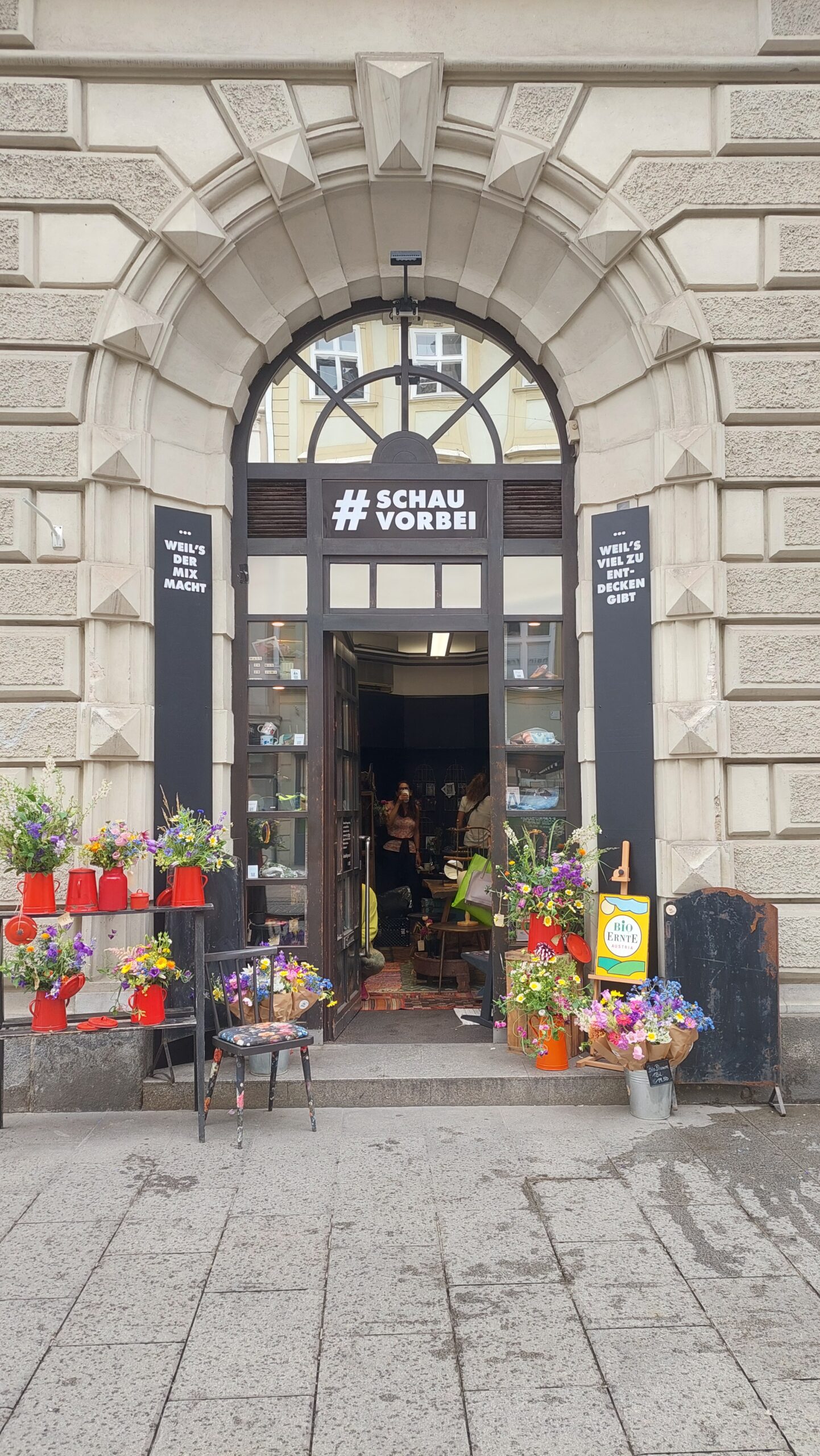
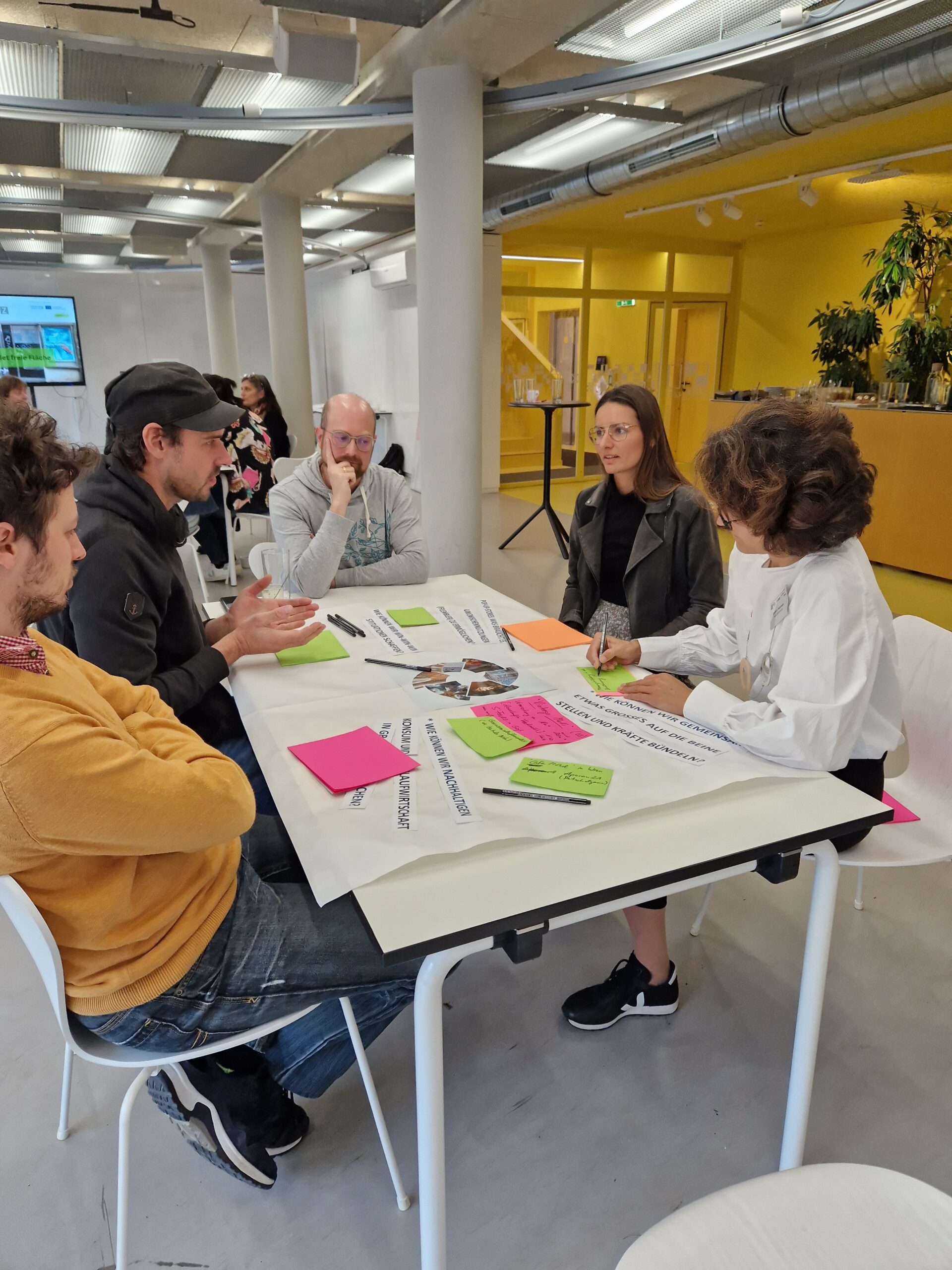
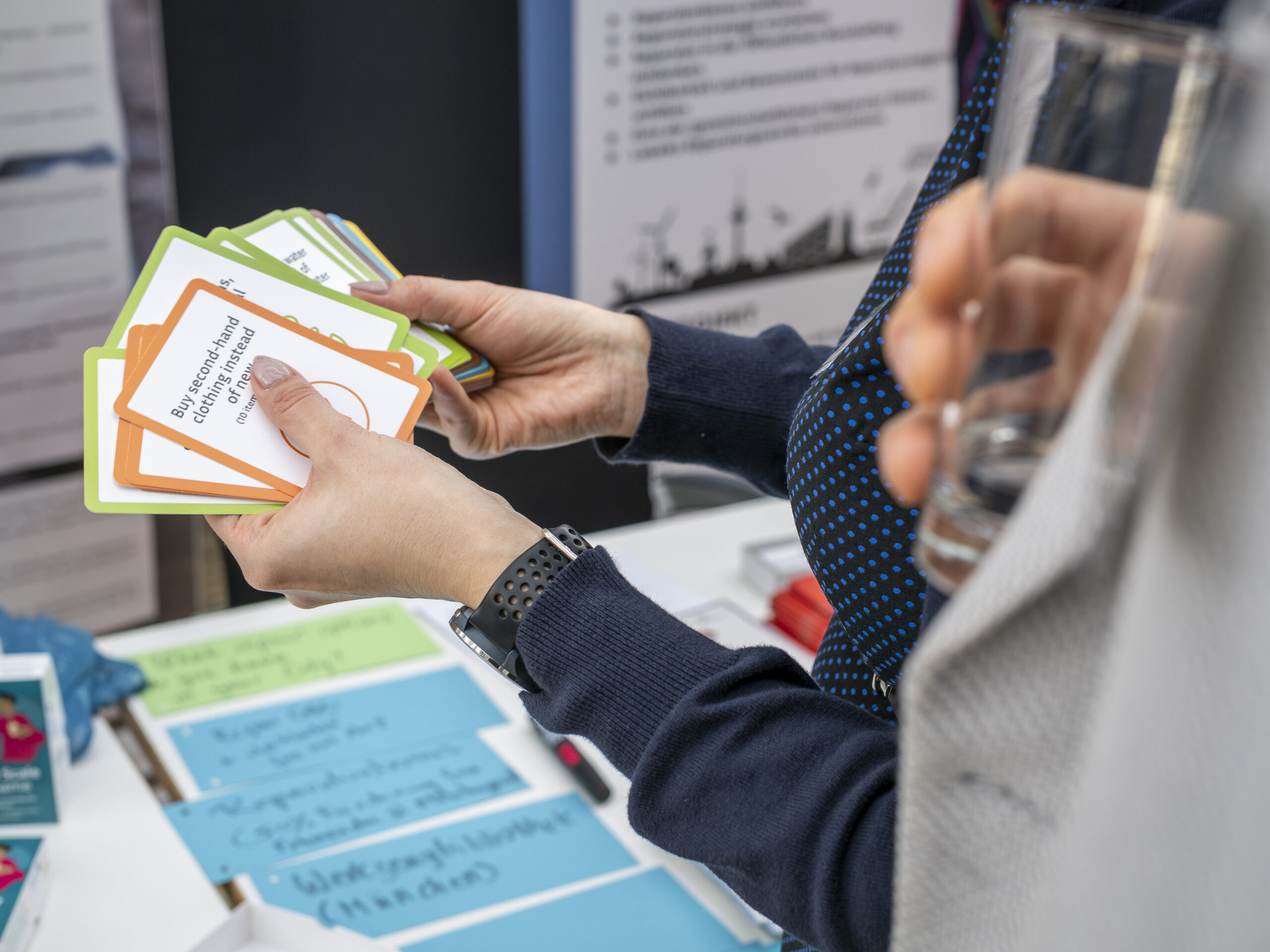
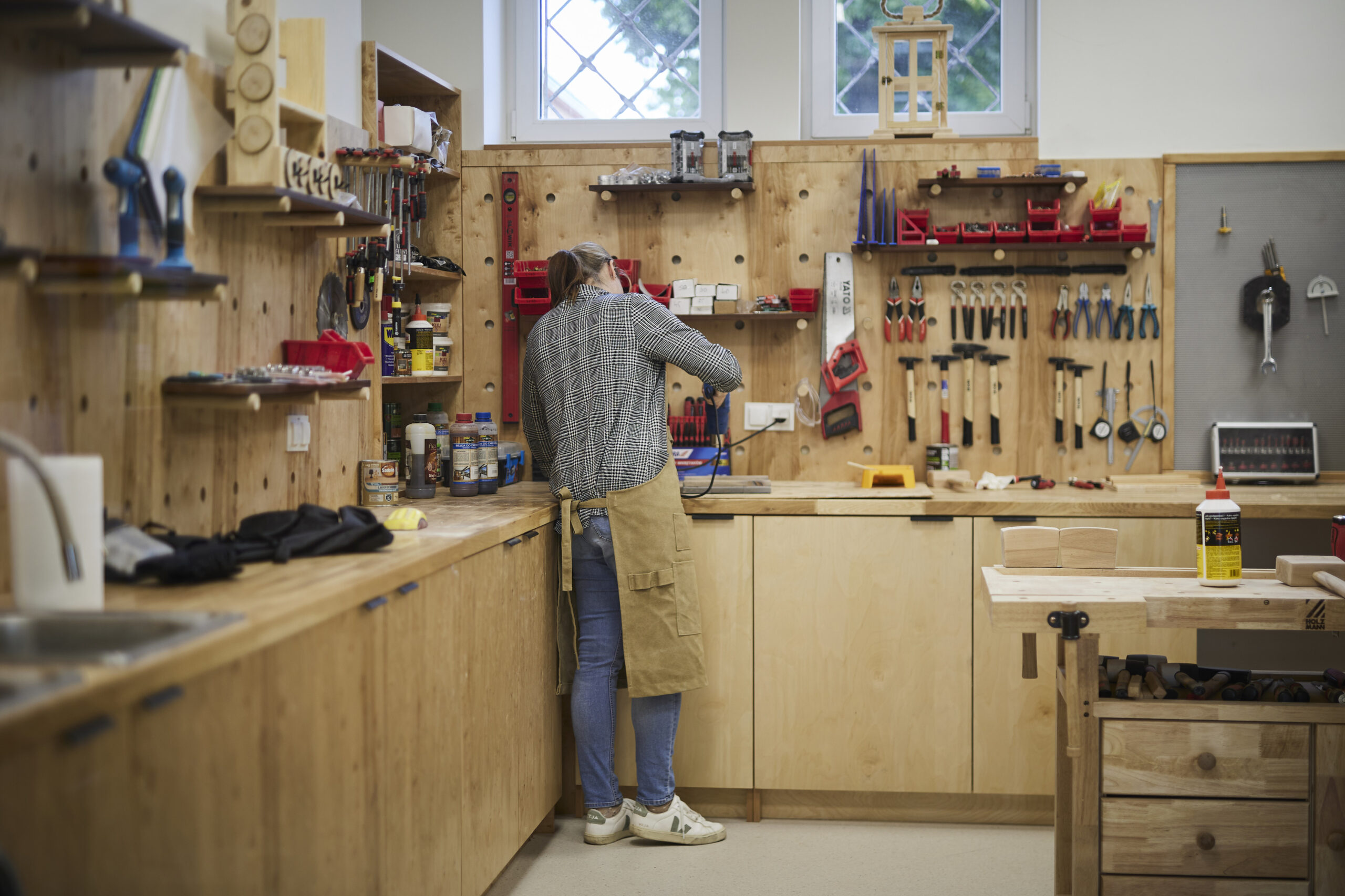
Through idea competitions, multi-stakeholder cooperation and the active involvement of target groups, project partners worked closely with pilot cities in transnational tandems to design, implement and test four pilot actions in different settings: 1) Approaches to promoting the re-use of spaces in city centres for circular activities and services. 2) Implementation and operation of multifunctional Resource Centres under living lab conditions through the re-use of spaces in city centres. 3) Linking sustainable online commerce with city centres, for example through multifunctional micro hubs or retail as a service concepts. 4) Activating citizens to adopt circular lifestyles, including solutions for circular water management.
“How-to” circular cifestyles in city centres
The NiCE Solution Box is a practical toolkit that helps cities, NGOs, SMEs and citizens transform urban spaces into hubs for circular lifestyles. Based on experiences from eight pilot cities across Central Europe, it provides tested methods, practical tools and case studies to support the revitalisation of city centres through circular solutions. The Solution Box includes four complementary toolkits: 1) Methodology Kit on Stakeholder Engagement in Circular Lifestyles – practical methods for engaging local stakeholders and citizens, supporting behaviour change and ensuring the long-term sustainability of circular initiatives. 2) Guide: How to Build, Run and Sustain a Multifunctional Resource Centre – practical guidance on planning, operating and sustaining resource centres, including space management, community engagement, financial models and real-life examples. 3) Guide: How to Link Sustainable E-commerce with City Centres – recommendations, a checklist and a diagnosis tool to help local authorities connect sustainable online commerce with city centres and integrate circular practices into urban development. 4) Circular Water Kit – practical guidance on water reuse, water-saving technologies and circular water management, supported by case studies and transferable good practices from participating cities.
Get inspired: Virtual exhibition with 30 good practices of circular lifestyles
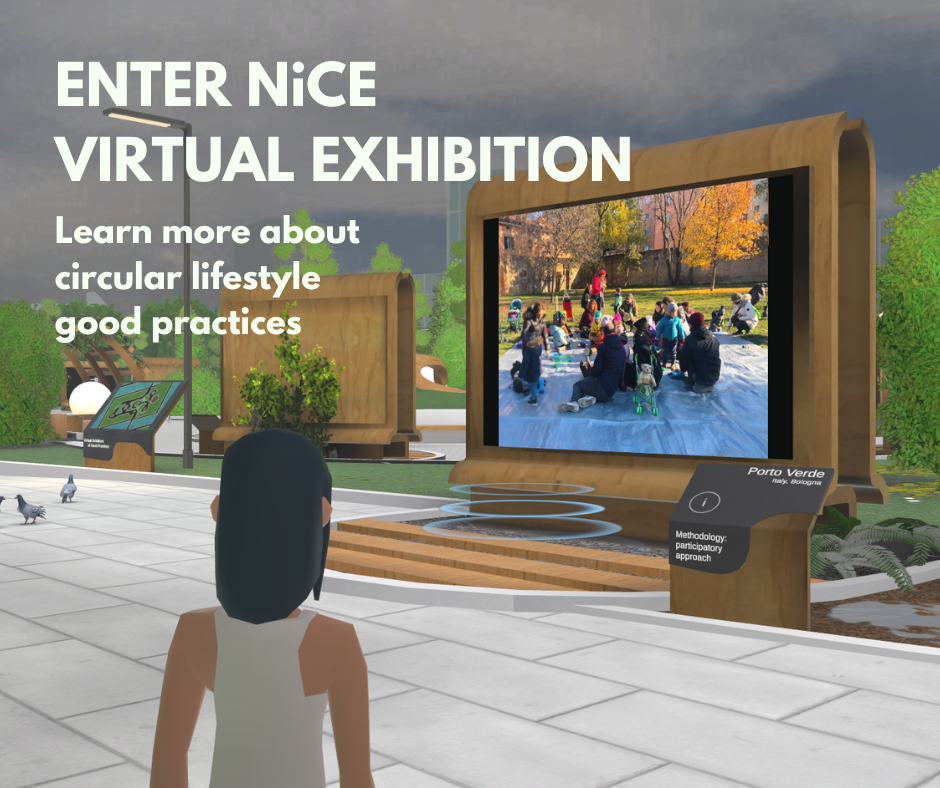
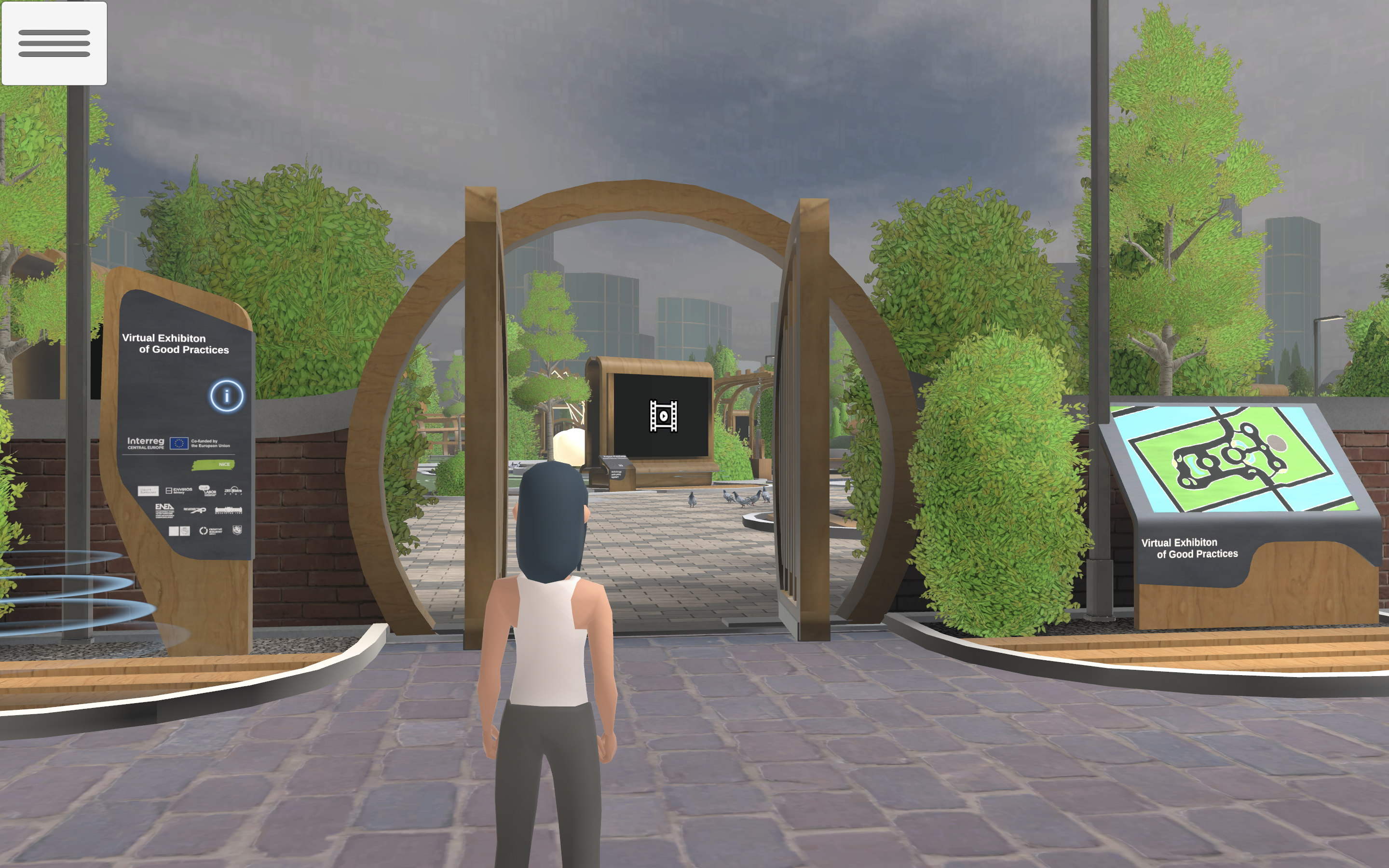
The Virtual Exhibition showcases 30 inspiring examples of circular lifestyles from across Central Europe, demonstrating how circular business models and sustainable consumption practices can revitalise city centres. It helps cities, organisations and citizens discover practical approaches that make circular solutions more visible, accessible and transferable. Through an interactive online format, visitors can explore good practices, innovative business models and practical tools that support citizen engagement and encourage behaviour change towards more sustainable and circular lifestyles.
Spreading of our ideas: The Knowledge Platform
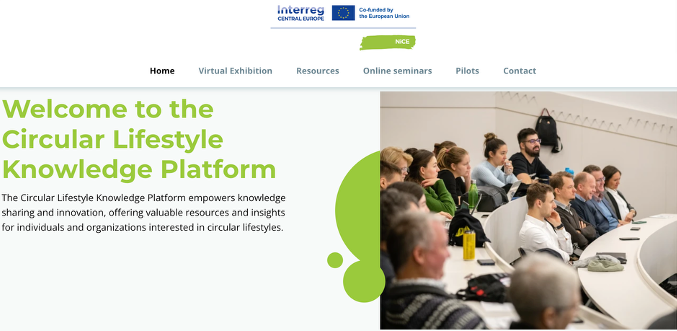
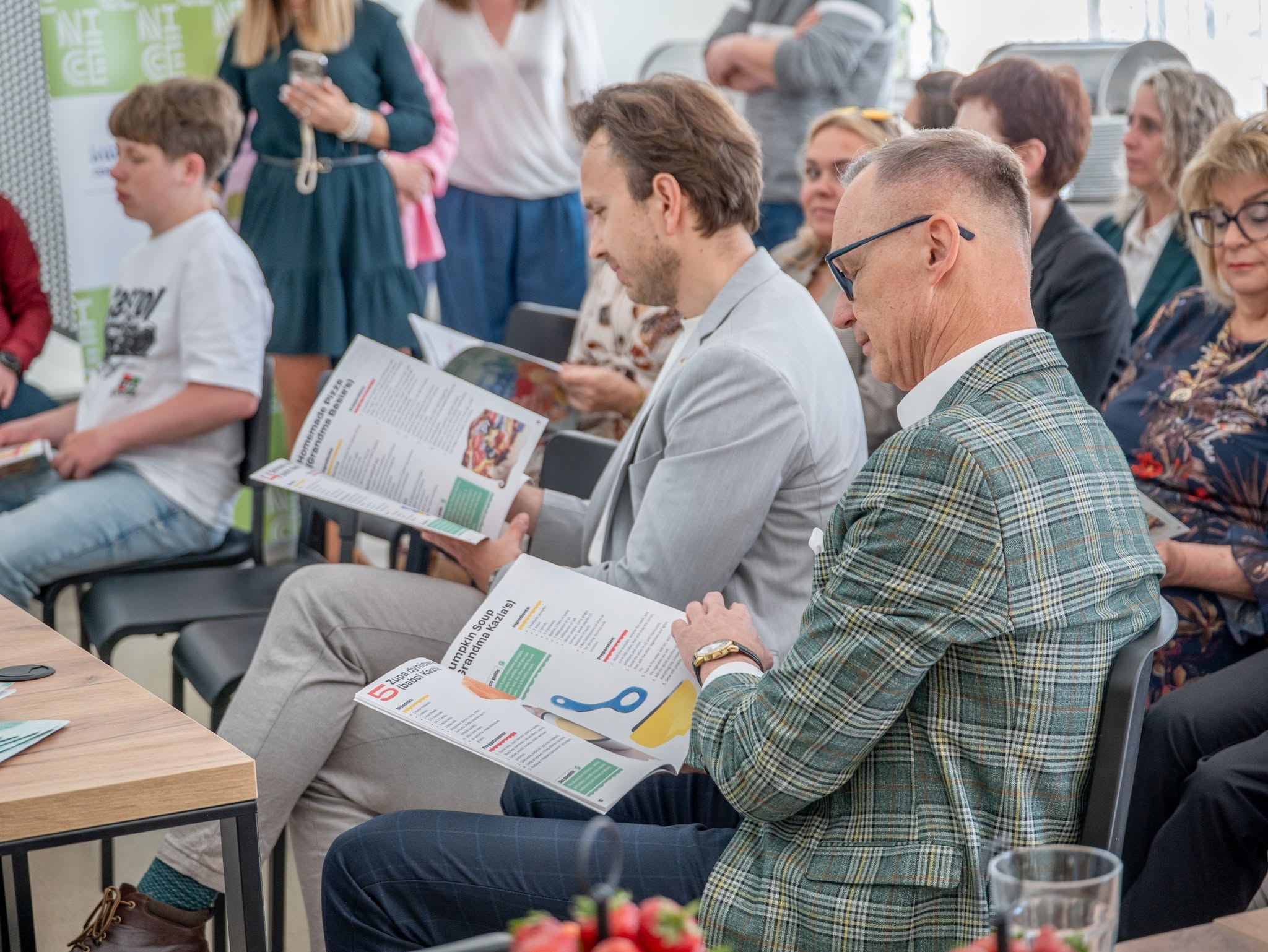
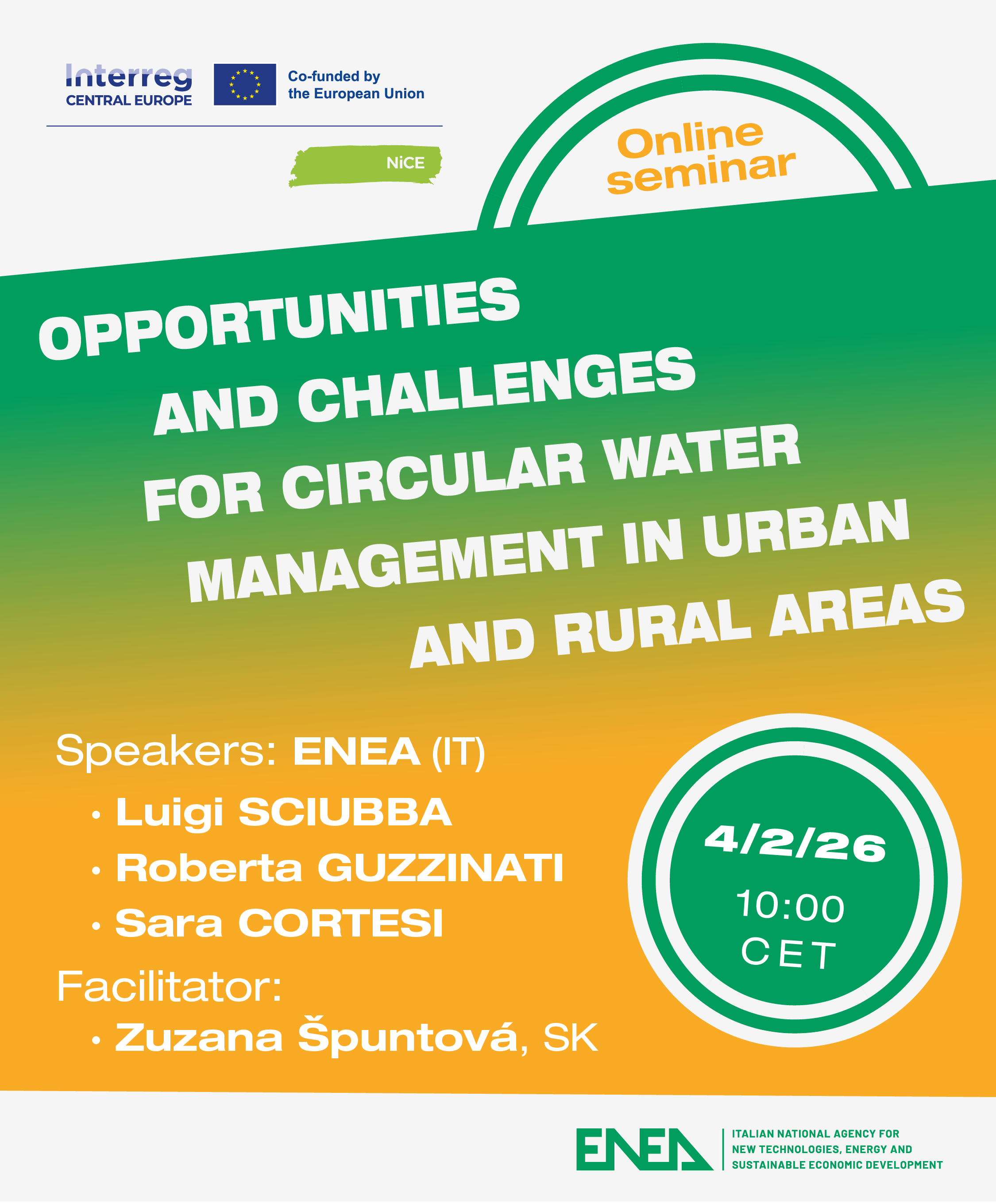
The NiCE Knowledge Platform “From Niche to Centre” provides access to the solutions, tools and results developed within the NiCE project. It supports cities, local authorities, organisations and other interested stakeholders in promoting circular lifestyles and transforming city centres into more sustainable and circular spaces. The platform brings together a collection of innovative resources supporting the transition towards circular city centres through the re-use of spaces and resources. It provides practical guidance for local authorities and multipliers to encourage behavioural change and strengthen circular consumption patterns. The Knowledge Platform includes inspiring examples from the Virtual Exhibition, the digitalised NiCE Solution Box, Circular lifestyle tools, Educational materials, Online seminars and documentation of the pilot actions through blogs and videos. All tools and guides are presented in a user-friendly format and tailored to the needs of different target groups.
NiCE Transferability Conference on 11 and 12 March 2026
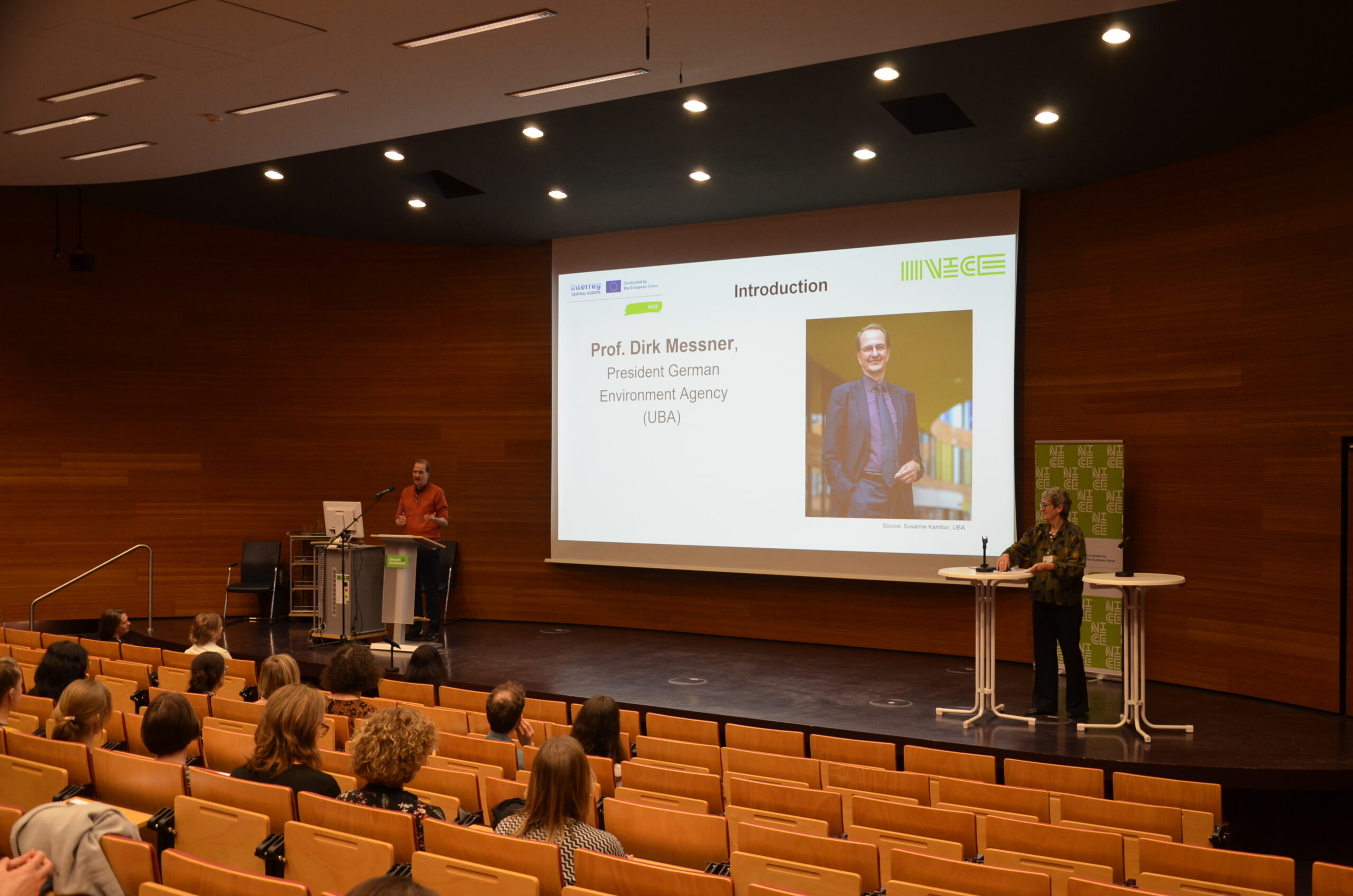
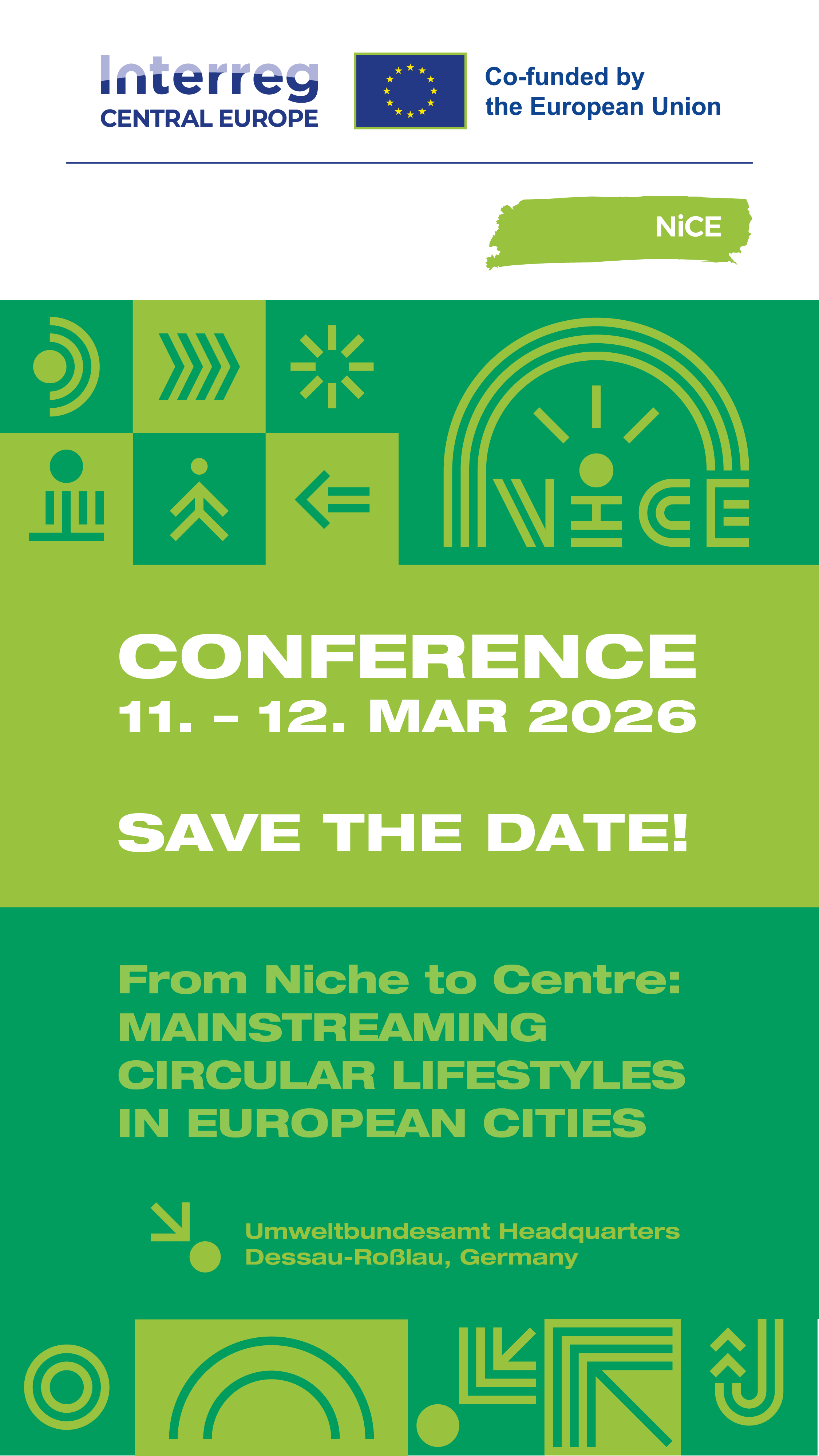
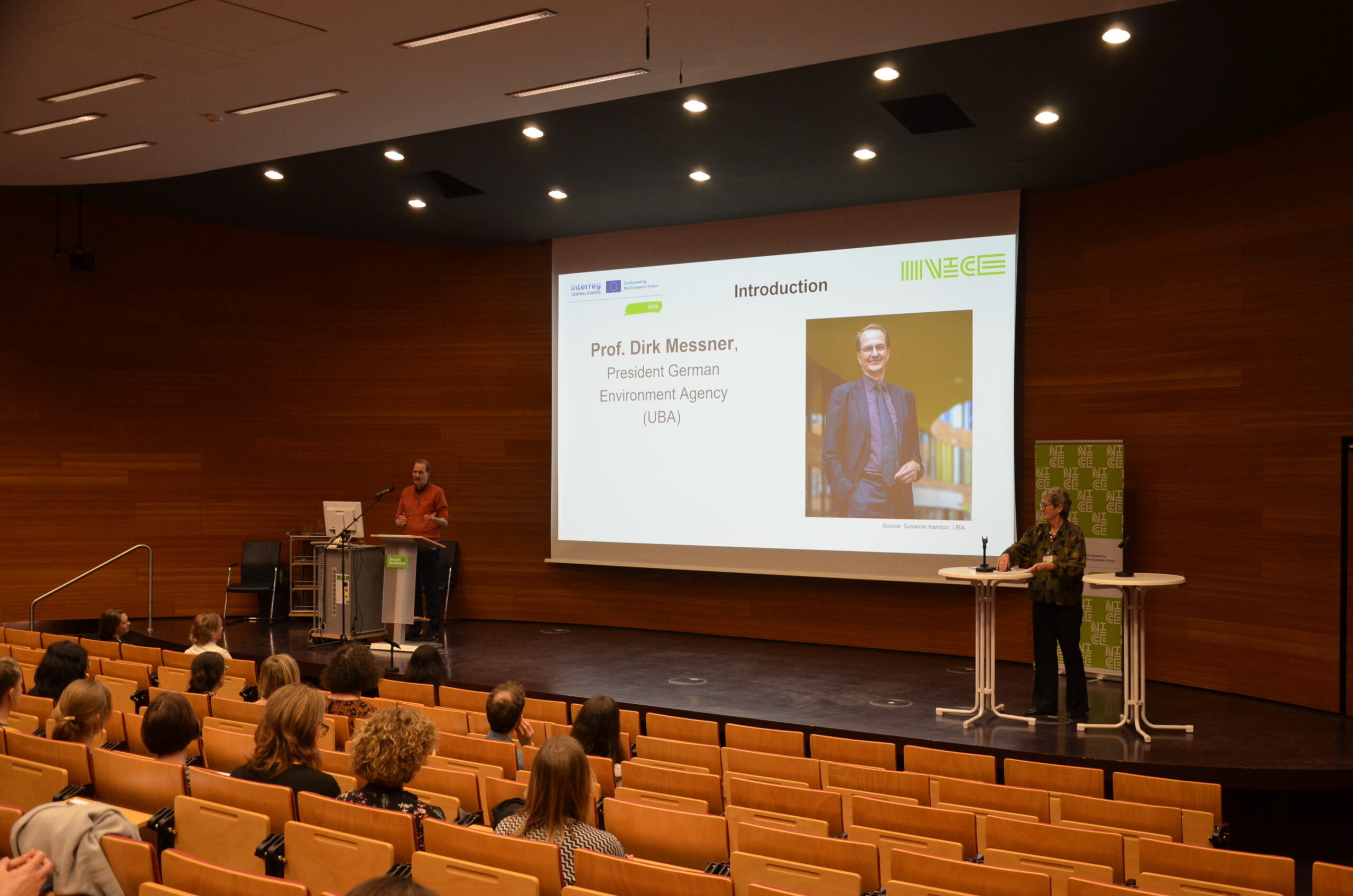
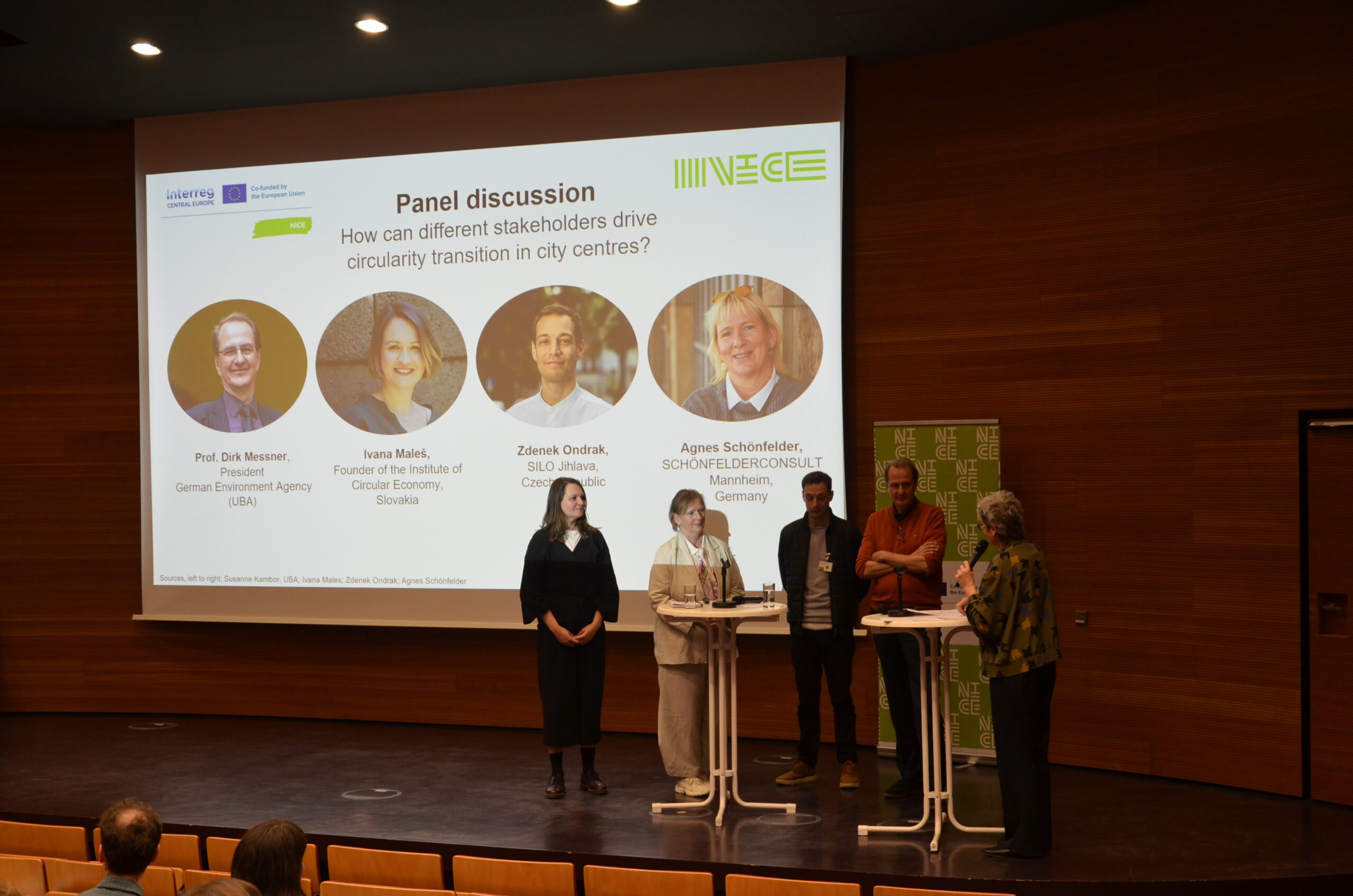
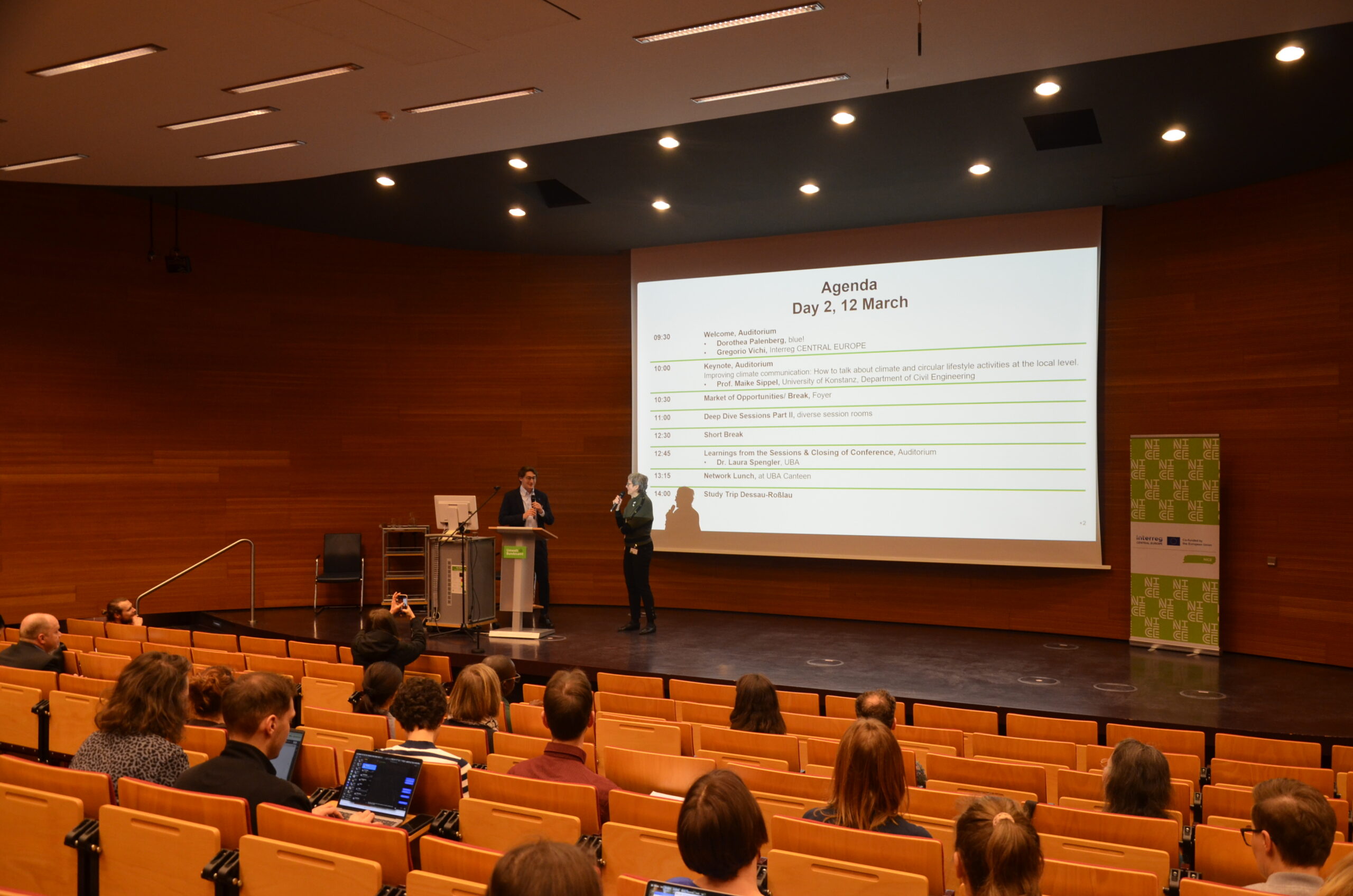
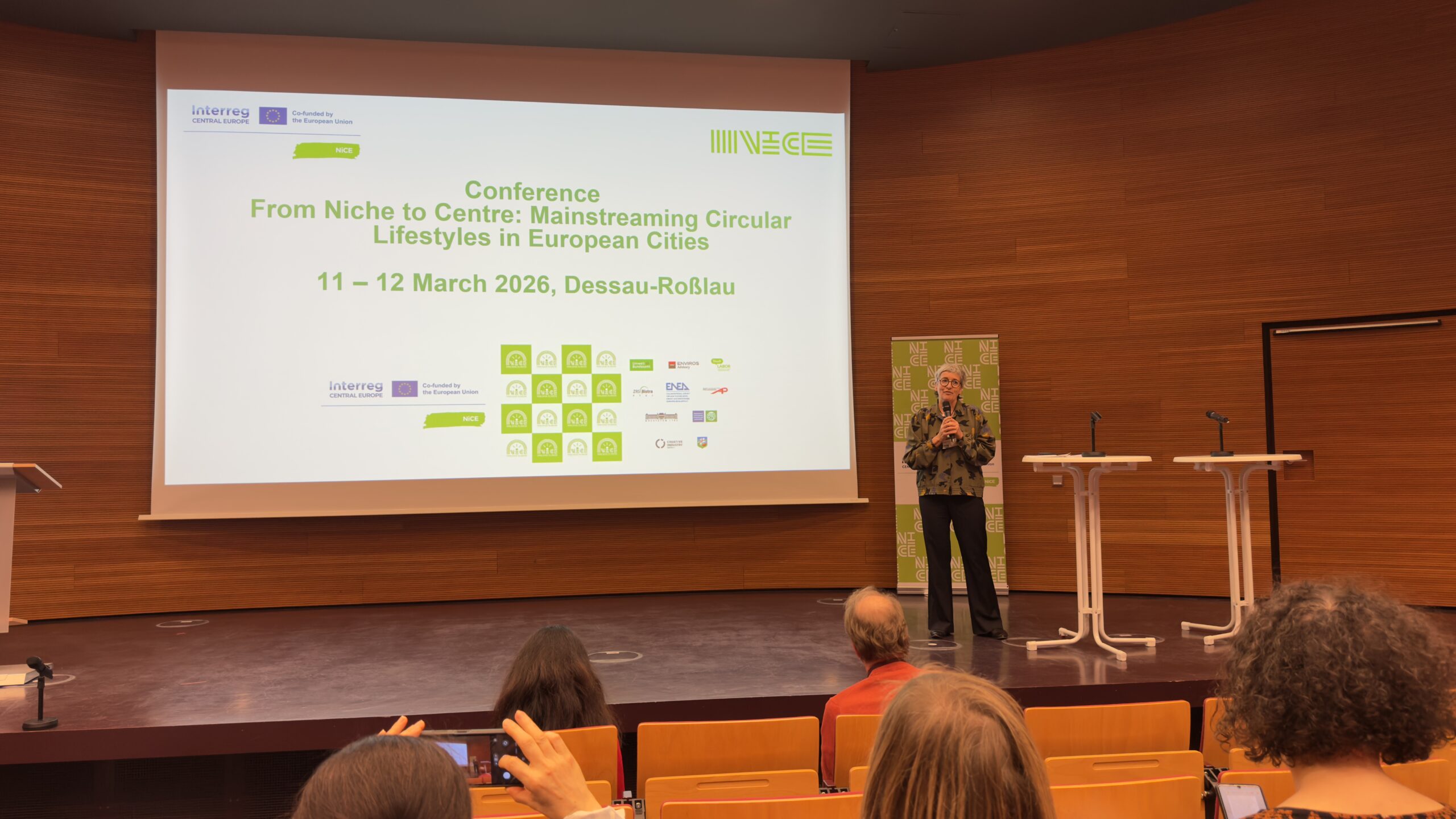
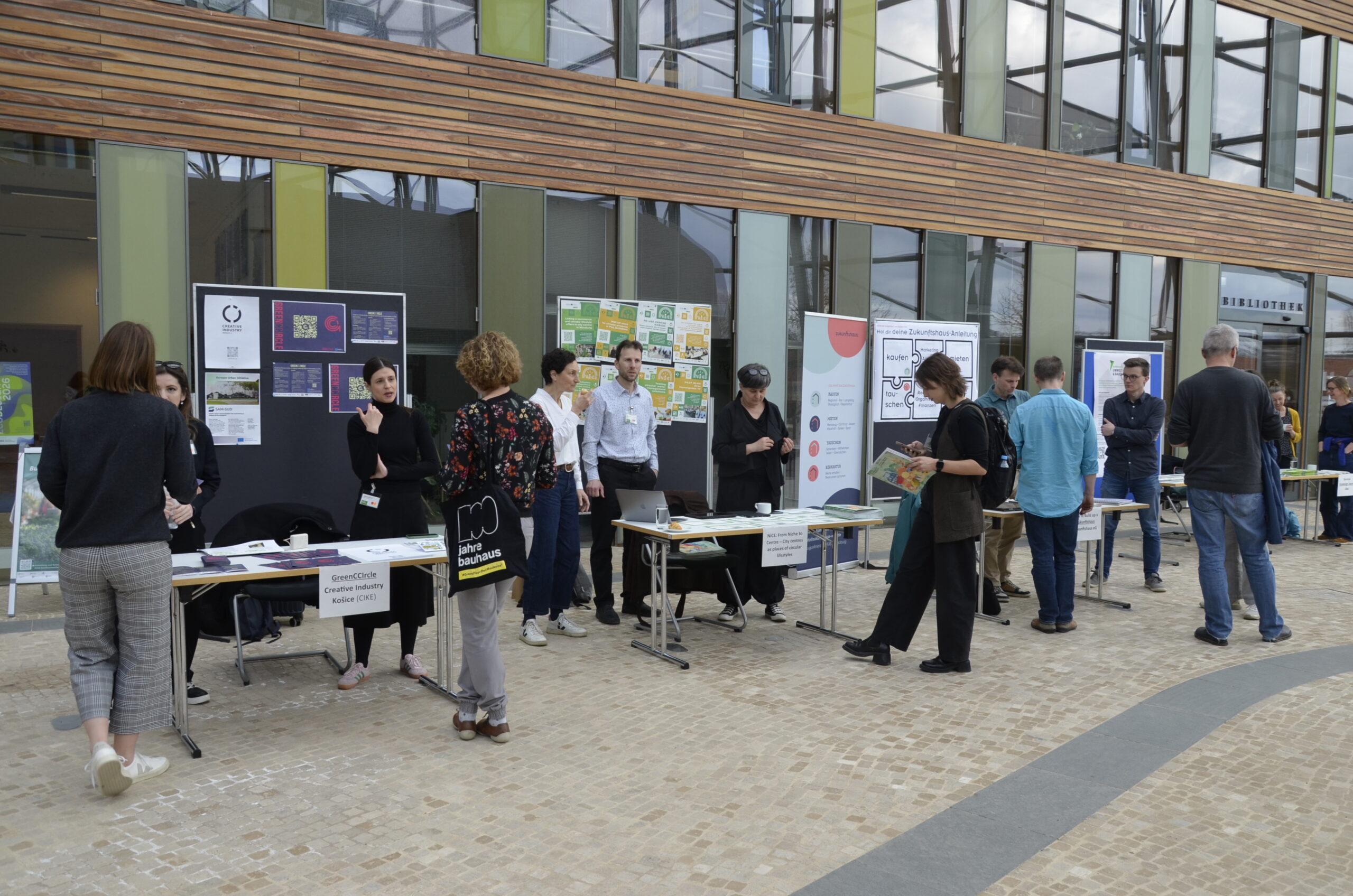
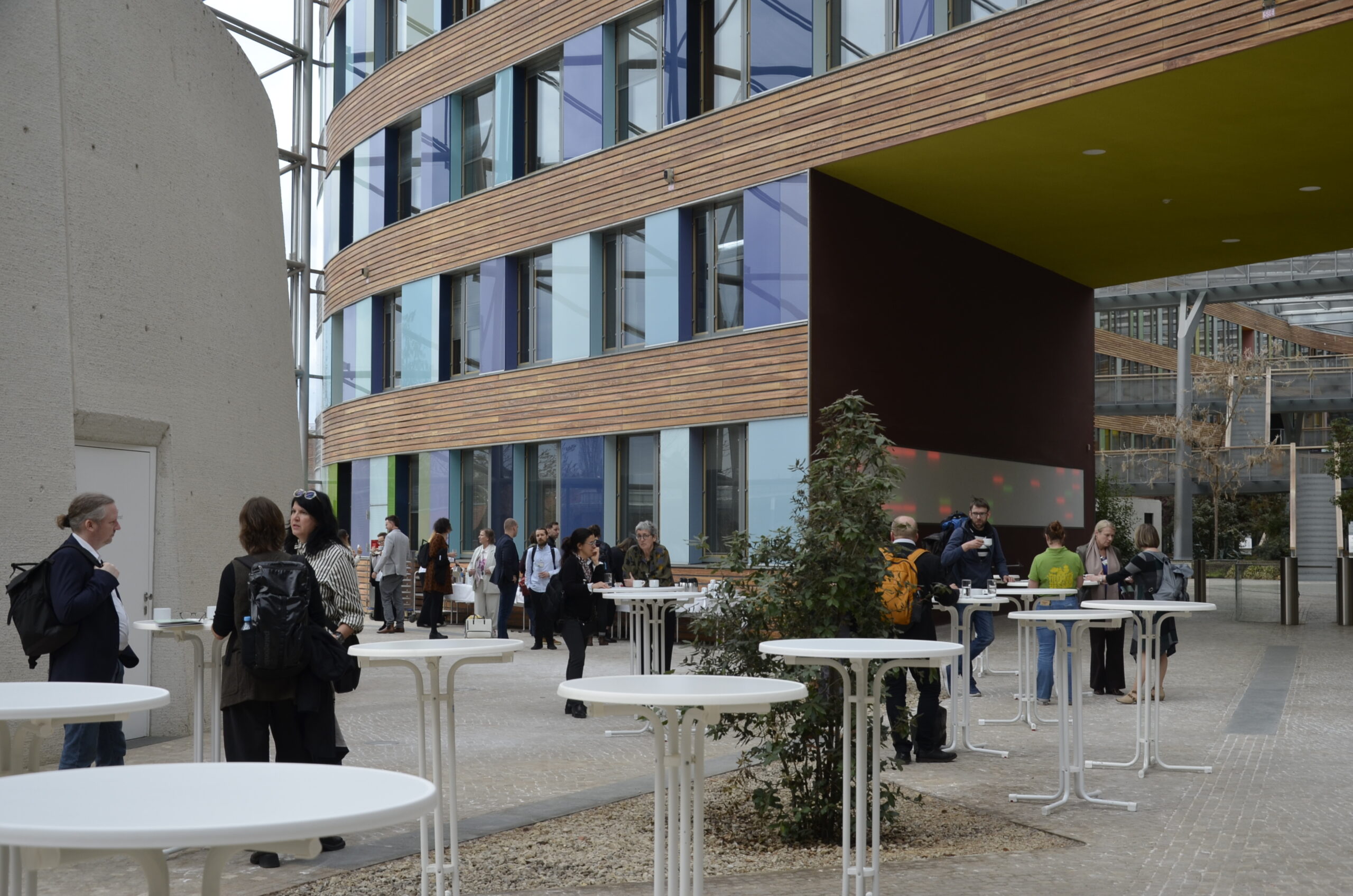
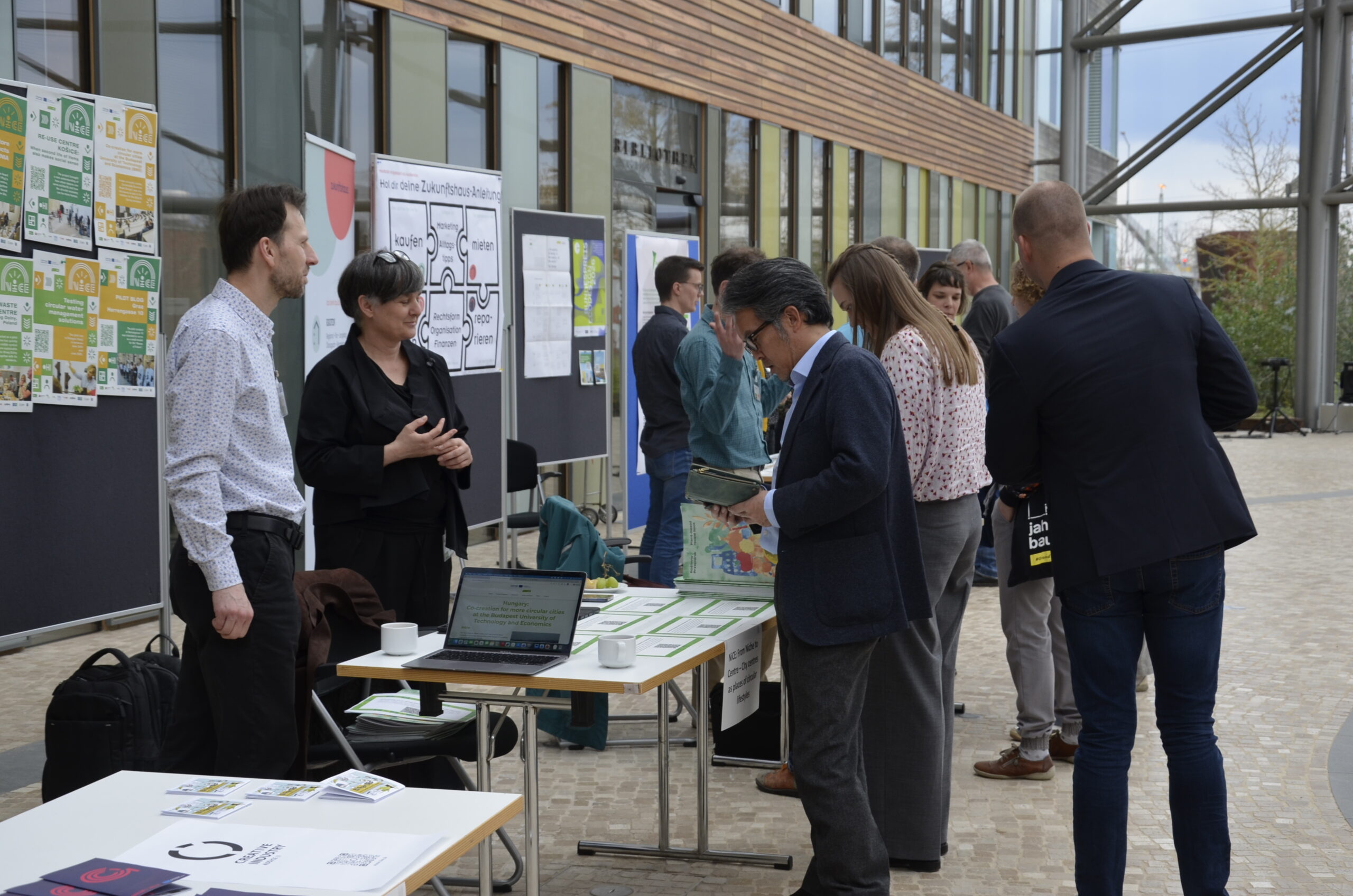
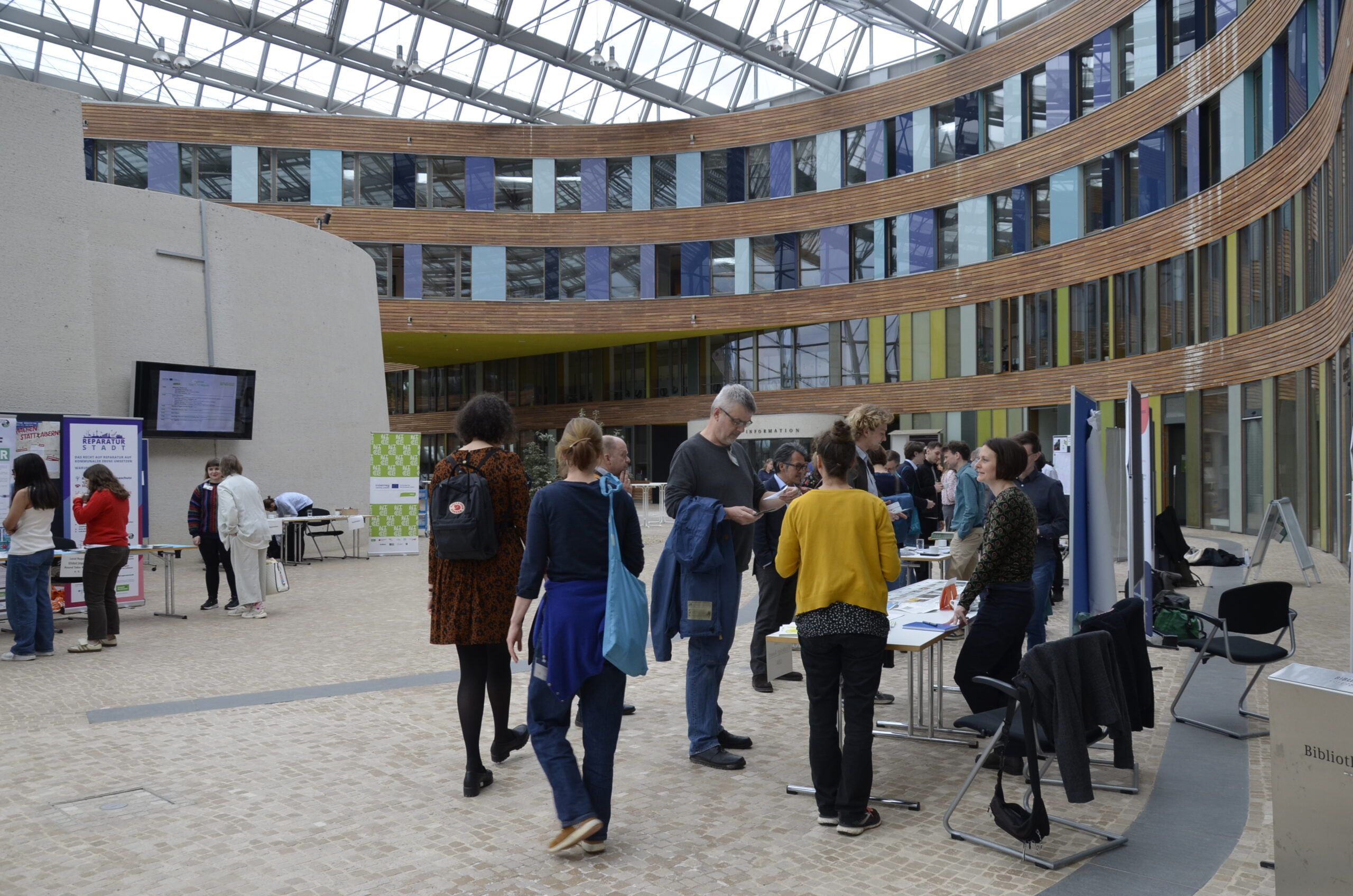
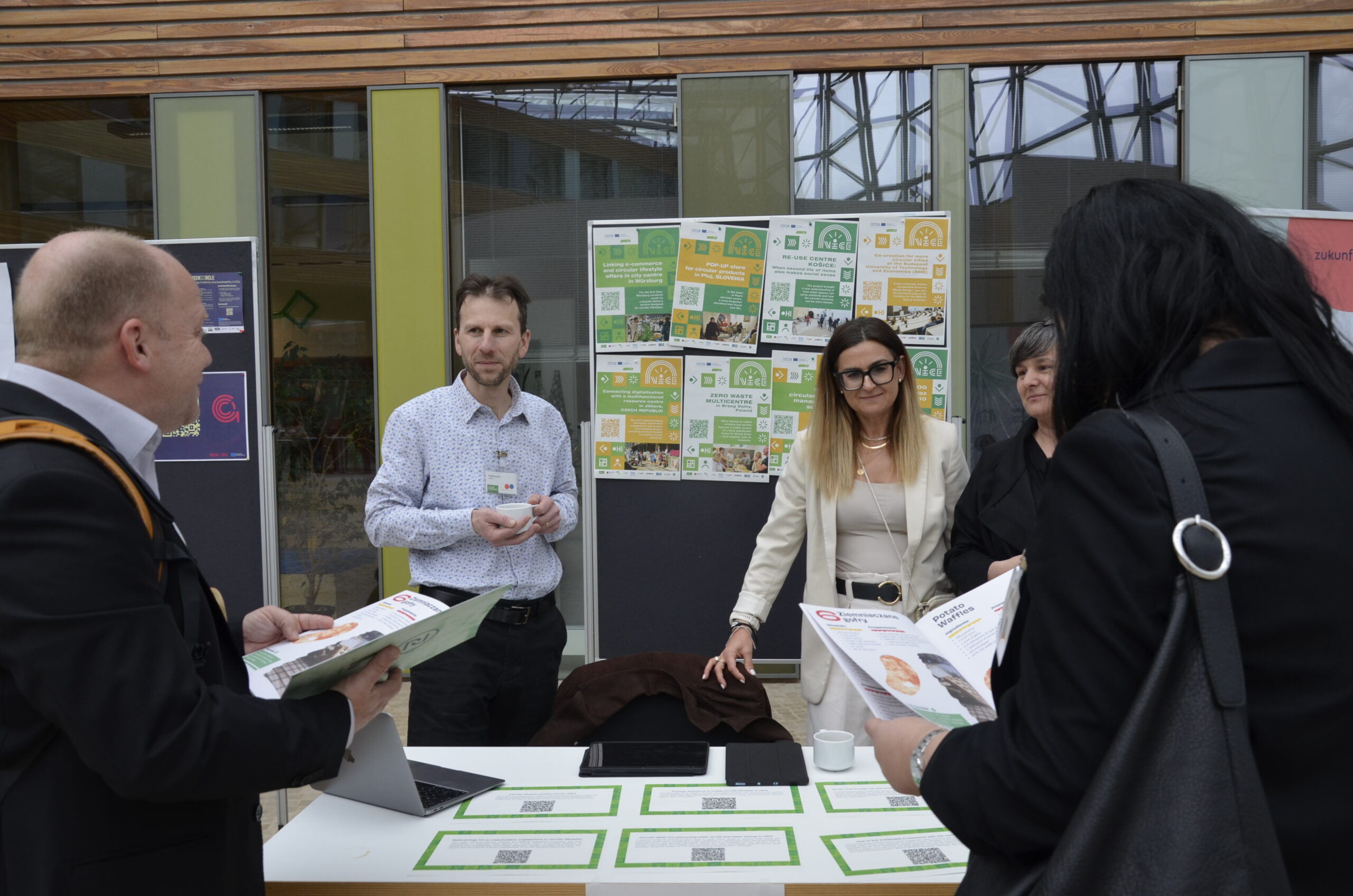
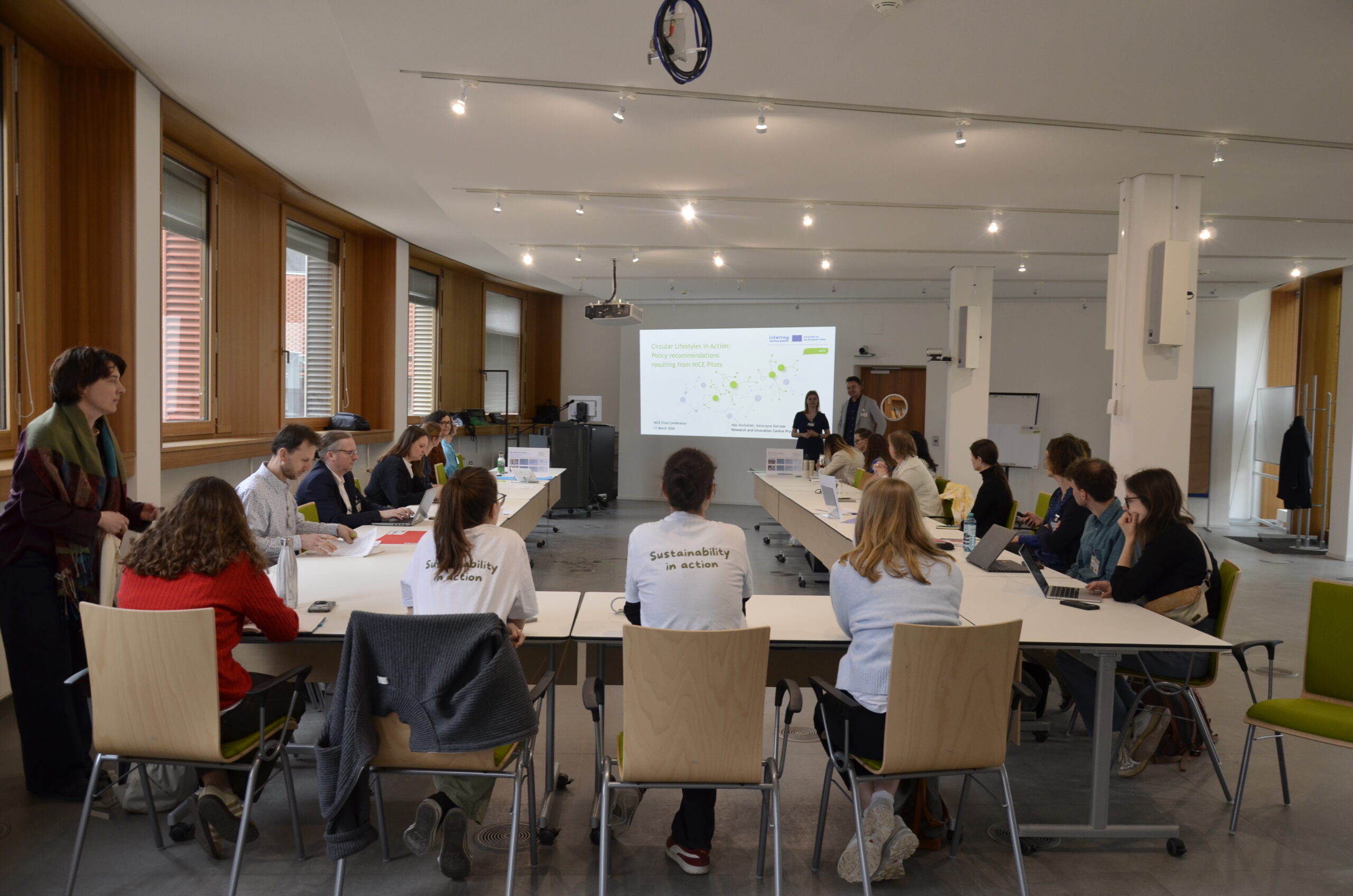
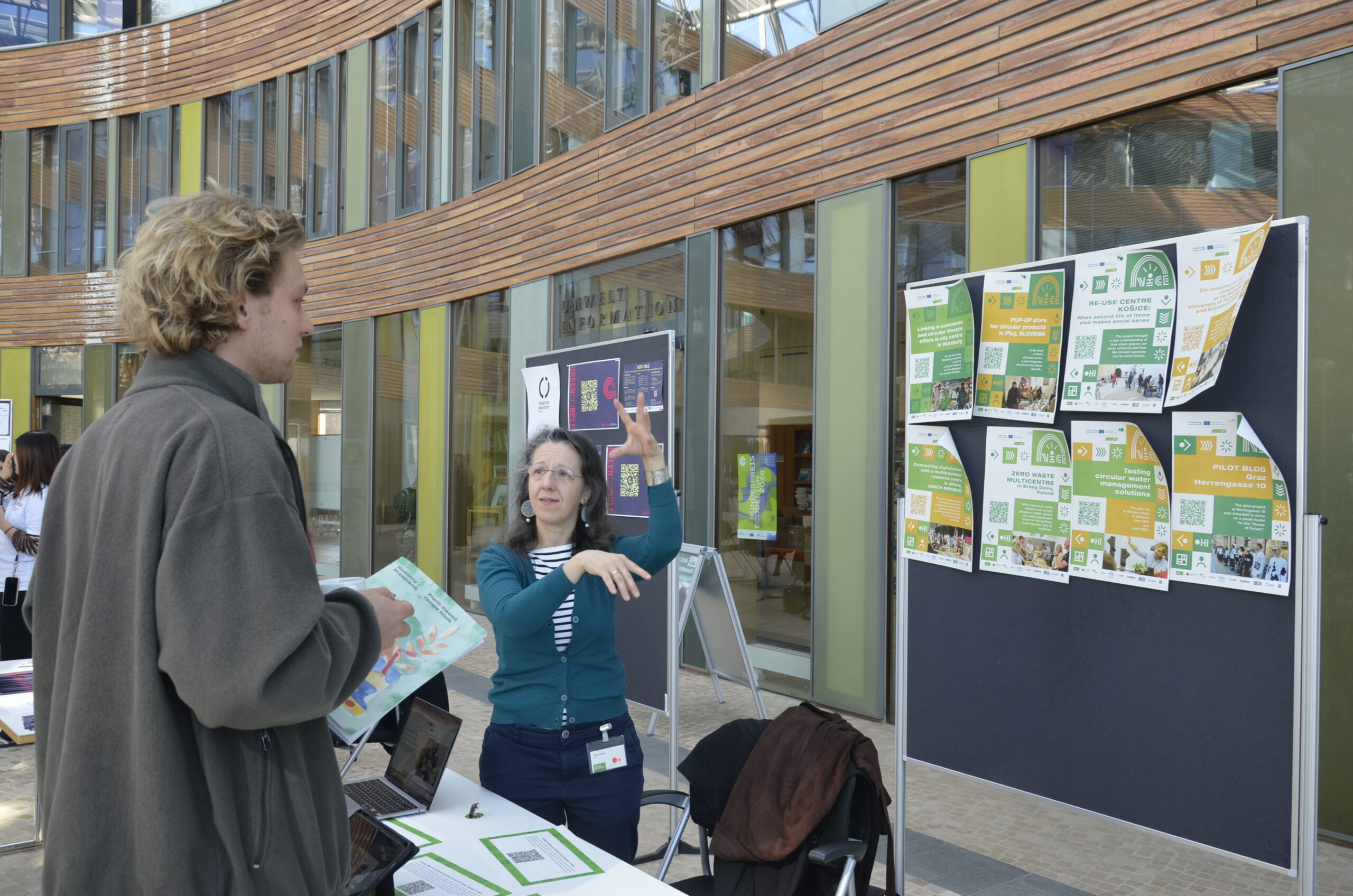
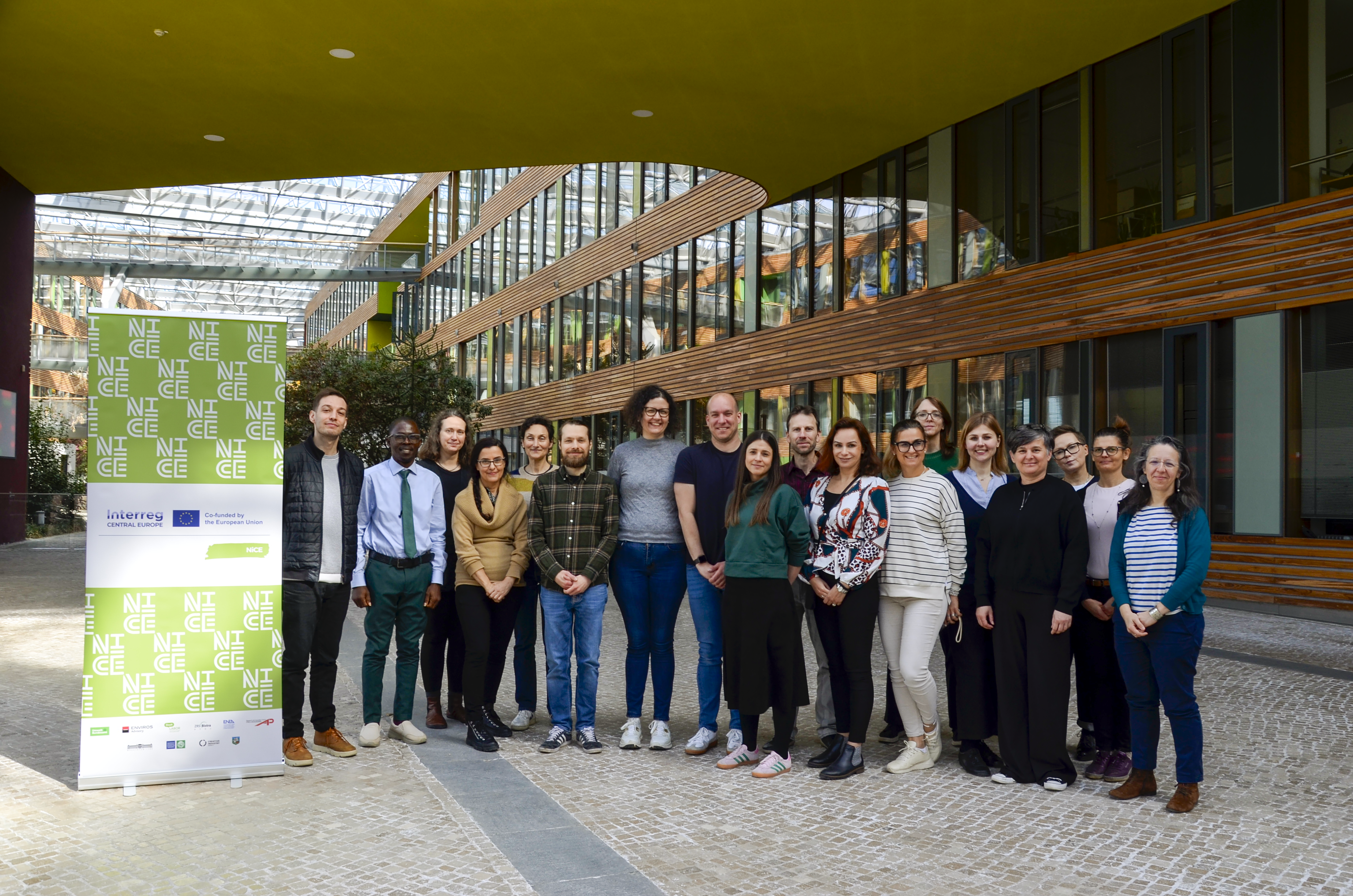
The NiCE Transferability Conference presented the project’s solutions and policy recommendations to EU experts, networks, policymakers and representatives of national and regional authorities. The conference took place on 11 and 12 March 2026 in Dessau-Roßlau, Germany, at the headquarters of the German Environment Agency (UBA). The event supported the transfer and uptake of NiCE solutions by sharing experiences, discussing policy implications and promoting the implementation of circular lifestyle approaches in local communities.
News
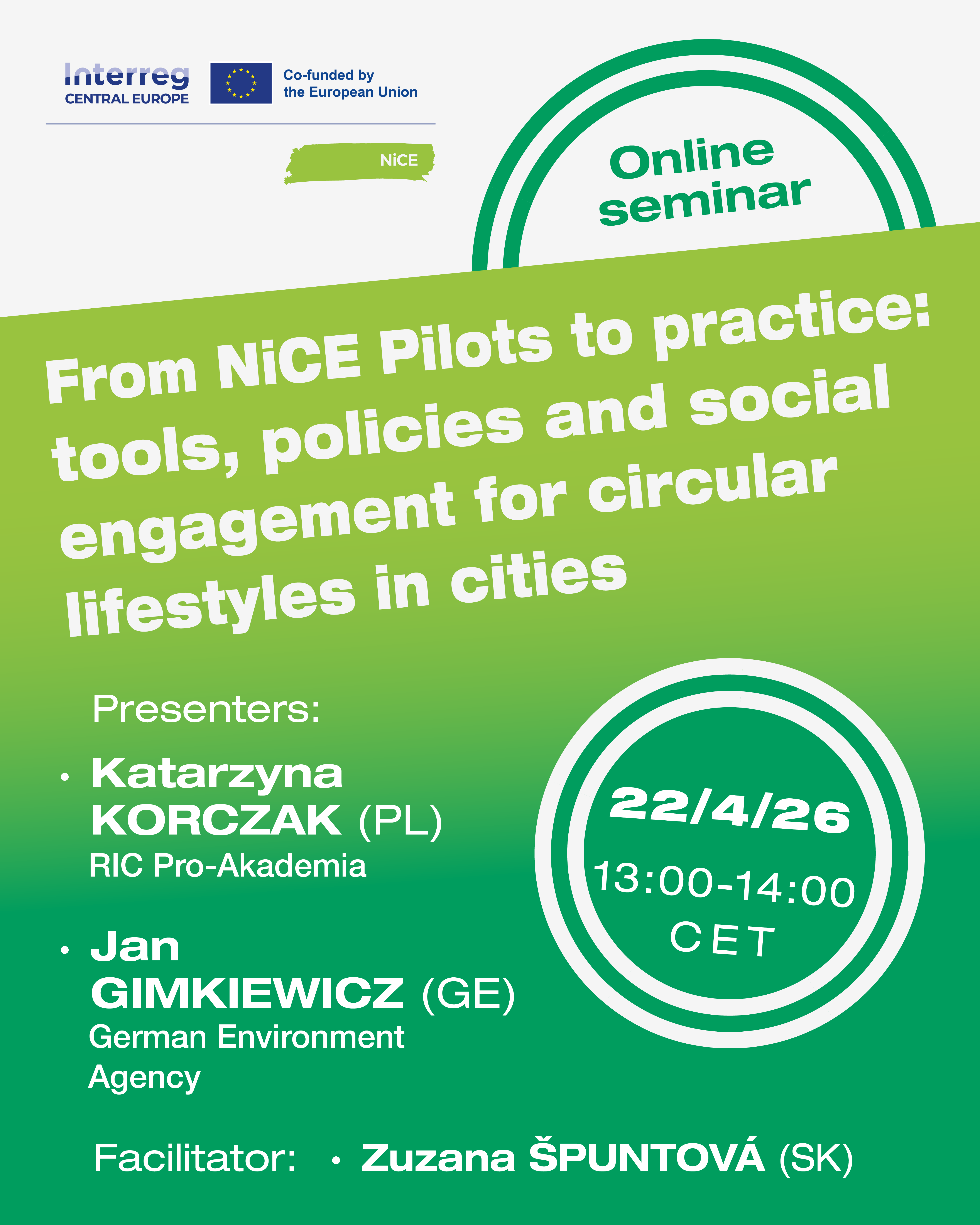
Events
Pilot actions
Outputs
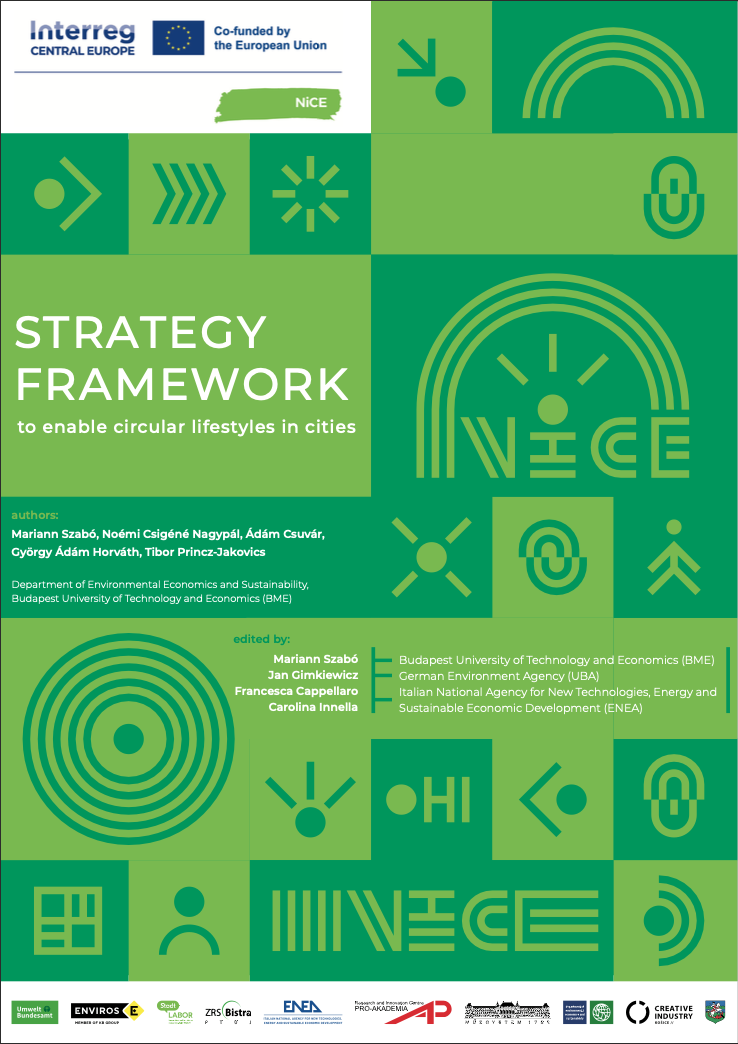
NiCE Strategy Framework to enable circular lifestyles in cities
NiCE Solution Box to establish circular lifestyles in cities
- Methodology Kit on Stakeholders Engagement
- How to Run a Multifunctional Resource Centre
- How to Link Sustainable E-Commerce with City Centres
- Circular Water Kit
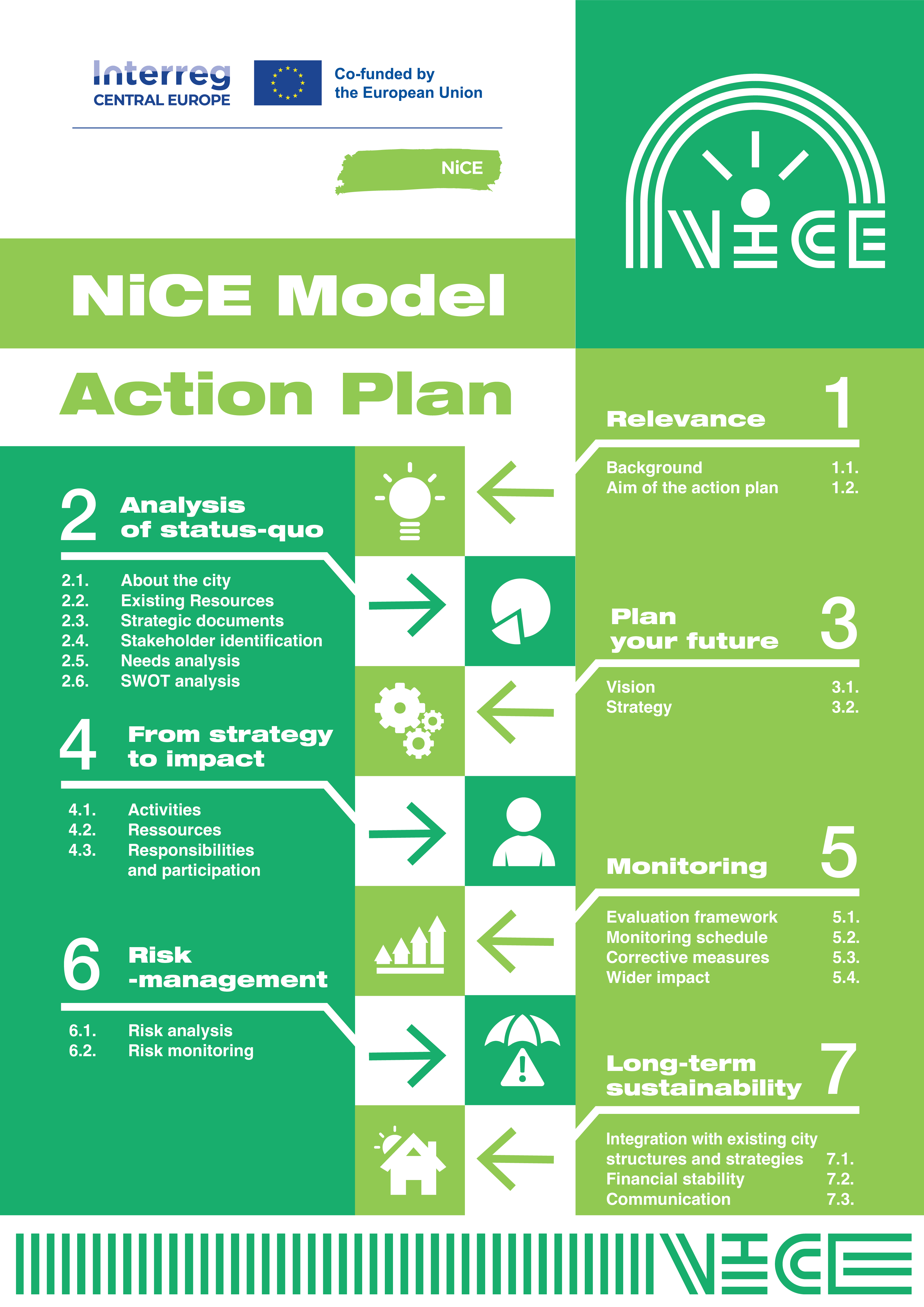
NiCE Action Plans for promoting circular lifestyles
Project videos
NiCE
The project lead partner is responsible for the content of this project website.