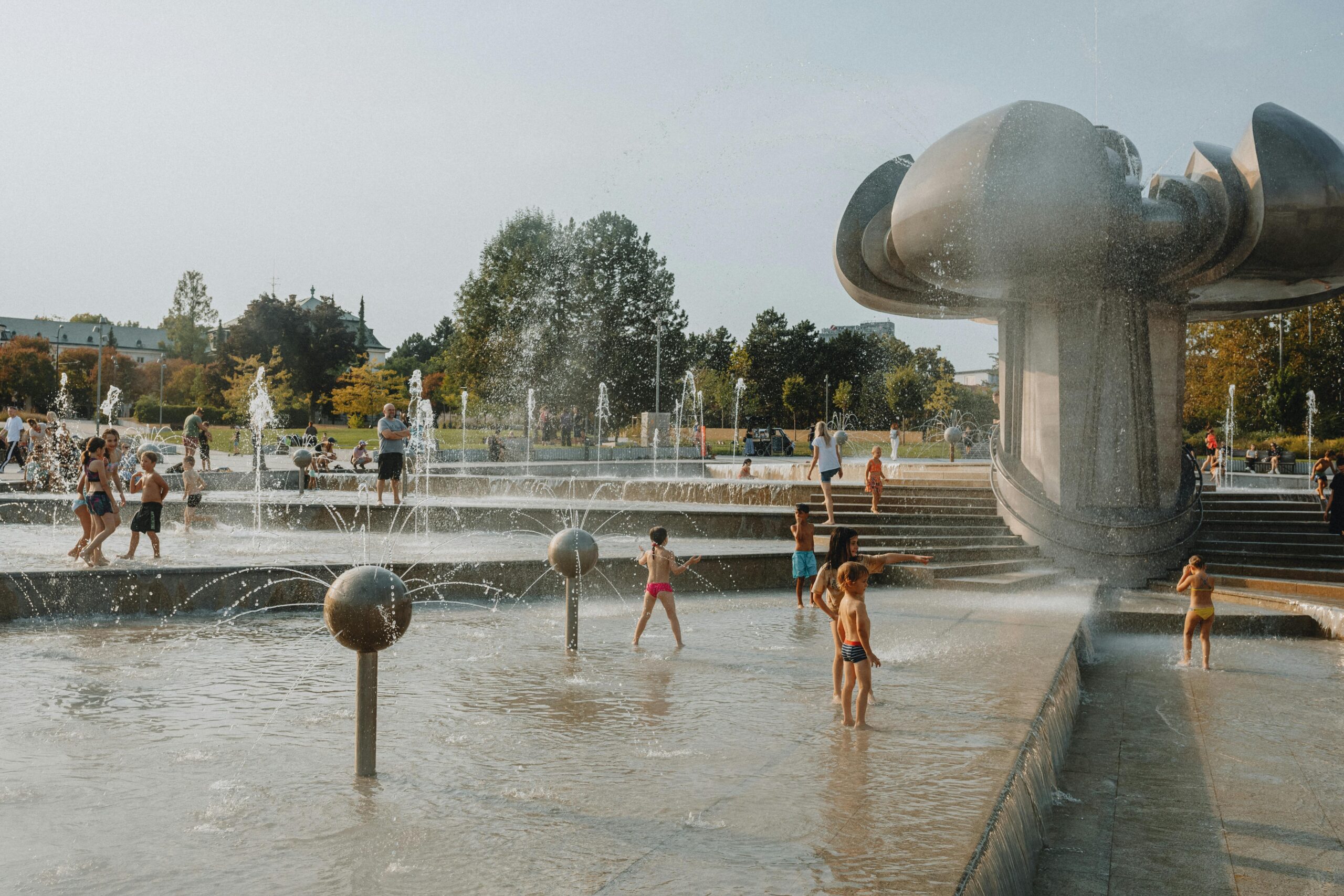
a-fountain-with-children-playing-in-it
Pexels Helena Jankovičová Kováčová

Ready4Heat

Project overview

Development of municipal strategies and action plans to improve heat resilience in cities

Global warming comes with more frequent and intense heat waves. Cities in central Europe need to adapt but many still lack efficient strategies and action plans to protect their citizens from heat. The Ready4Heat project helps them to introduce tested short-, medium- and long-term measures with a focus on the most urgent issue: sudden heat waves. The project makes proven and tested measures such as heat warning systems accessible to all cities and helps them to adopt these quickly.

2,04m €

Project Budget

80%

of the Budget is funded by ERDF

Layer 1

4

Countries

6

Regions

9

Partners

4

Pilots

Duration

Start date

End date

Project progress

99%

About the project

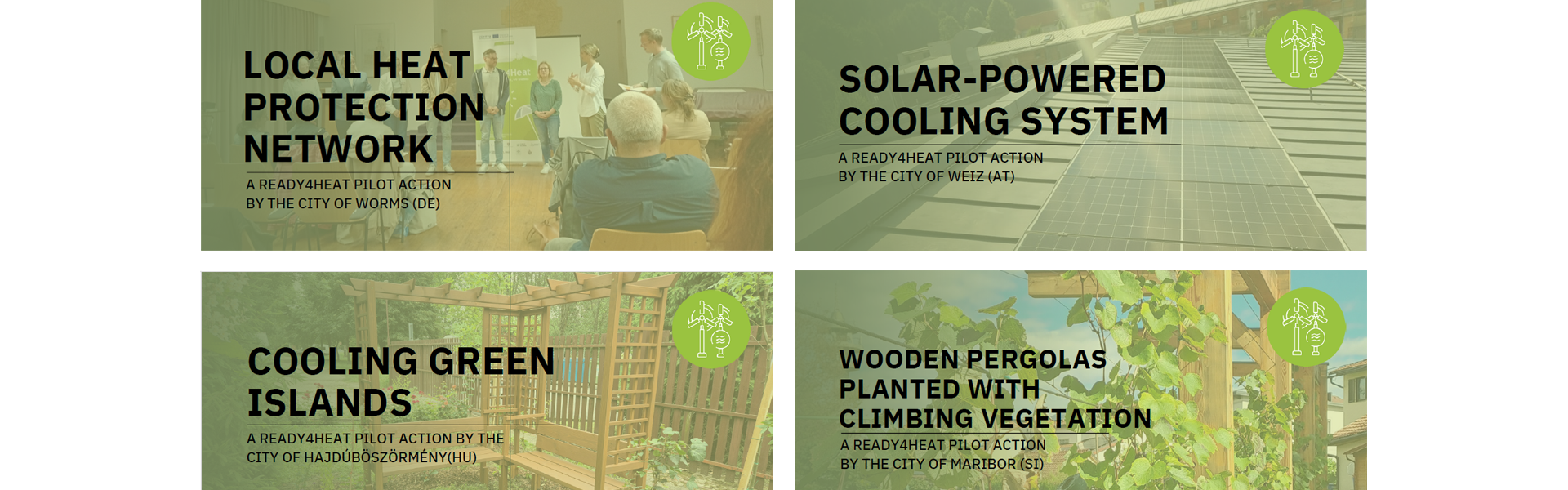
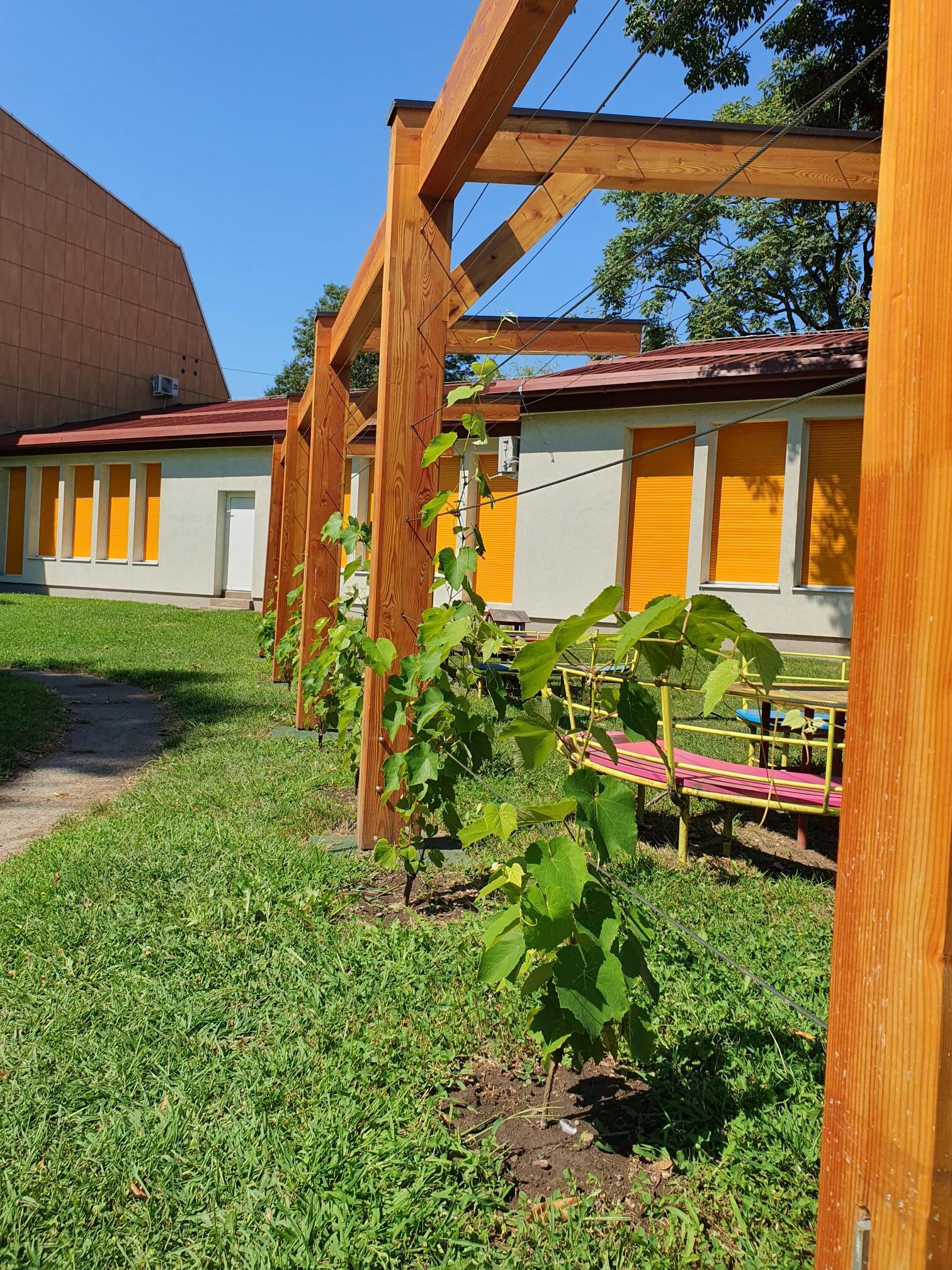
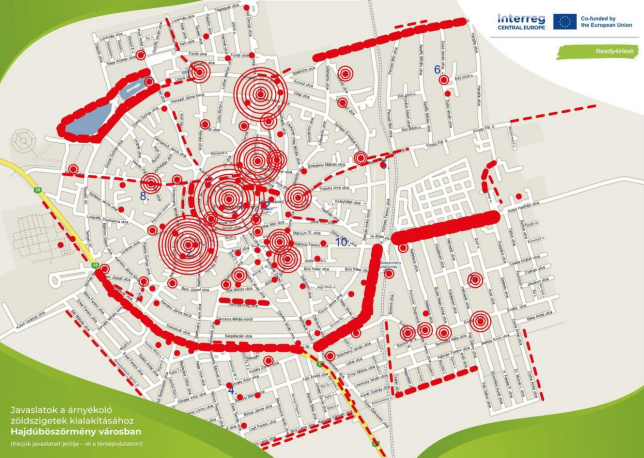
The project makes proven and tested measures such as heat warning systems accessible to cities and helps them to adopt these quickly. The four pilot cities of Hajdúböszörmény (Hungary), Maribor (Slovenia), Weiz (Austria) and Worms (Germany), along with their technical partners working on climate change and health issues, set up local networks of concerned groups to support each other and tackle the heat problem. They also carry out various pilot actions: development of cooling green “urban islands” (Hajdúböszörmény), shading of a playground through the use of a green pergola (Maribor), the environmentally friendly cooling of rooms in a retirement home (Weiz), and the involvement of stakeholders within an urban area to build an active network (Worms). These pilots were embedded within broader heat-adaptation frameworks: each city developed a heat stress map, conducted stakeholder workshops, and adopted Heat & Health Action Plans (HHAPs).

Project partnership

Project partners

Slovenija (SI)

Lead partner

Development agency Sinergija

Address
Kranjčeva 3
9226 Moravske Toplice
Country
Slovenia (SI)
Web
https://www.ra-sinergija.si/

Project partner

Address
Ulica arhitekta Novaka 2b
9000 Murska Sobota
Country
Slovenia (SI)
Web
www.czr.si
Total partner budget
199,500 €
Address
Ulica Heroja Staneta 12b
2000 Maribor
Country
Slovenia (SI)
Web
www.maribor.si
Total partner budget
219,523 €
Adaptation to climate change
Address
Galvanistr. 28
60486 Frankfurt am Main
Country
Germany (DE)
Web
https://www.climatealliance.org
Total partner budget
210,000 €
Climate protection and adaptation to climate change
Address
Marktplatz 2
67547 Worms
Country
Germany (DE)
Web
https://www.worms.de
Total partner budget
220,000 €
Address
Schumanngasse 3
8010 Graz
Country
Austria (AT)
Web
www.klimabuendnis.at/steiermark
Total partner budget
197,400 €
Location development Weiz
Address
Hauptplatz 7
8160 Weiz
Country
Austria (AT)
Web
www.weiz.at
Total partner budget
220,080 €
Address
Bartók B. u. 7
9024 Győr
Country
Hungary (HU)
Web
http://reflexegyesulet.hu/
Total partner budget
180,012 €
Address
Bocskai István tér 1
4220 Hajdúböszörmény
Country
Hungary (HU)
Web
www.hajduboszormeny.hu
Total partner budget
301,819 €

Roadmap

1

The challenge: Heat waves in urban areas

Image: luis graterol via unsplash

Global warming comes with more frequent and intense heat waves. Cities in central Europe need to adapt but many still lack efficient strategies and action plans to protect their citizens from heat. The Ready4Heat project aims to support four cities in developing a local heat-health action plan and to implement pilot actions.

2

Creating a strategic action plan

This strategy paper formulates the lessons learned during the creation of the heat action plan in Worms, one of our pilot cities. The document provides insights into the creation and implementation process and emphasizes the importance of understanding local structures and involving stakeholders. It discusses the requirements for creating a Heat Action Plan, including the need for time, personnel and funding, as well as recommendations for external support and clear responsibilities. It provides a distinct basis on which the other three pilot cities of Weiz, Maribor and Hajdúböszörmény can build their own heat action plans.

3

Running train the trainers workshops

Training in Hajduboszormeny

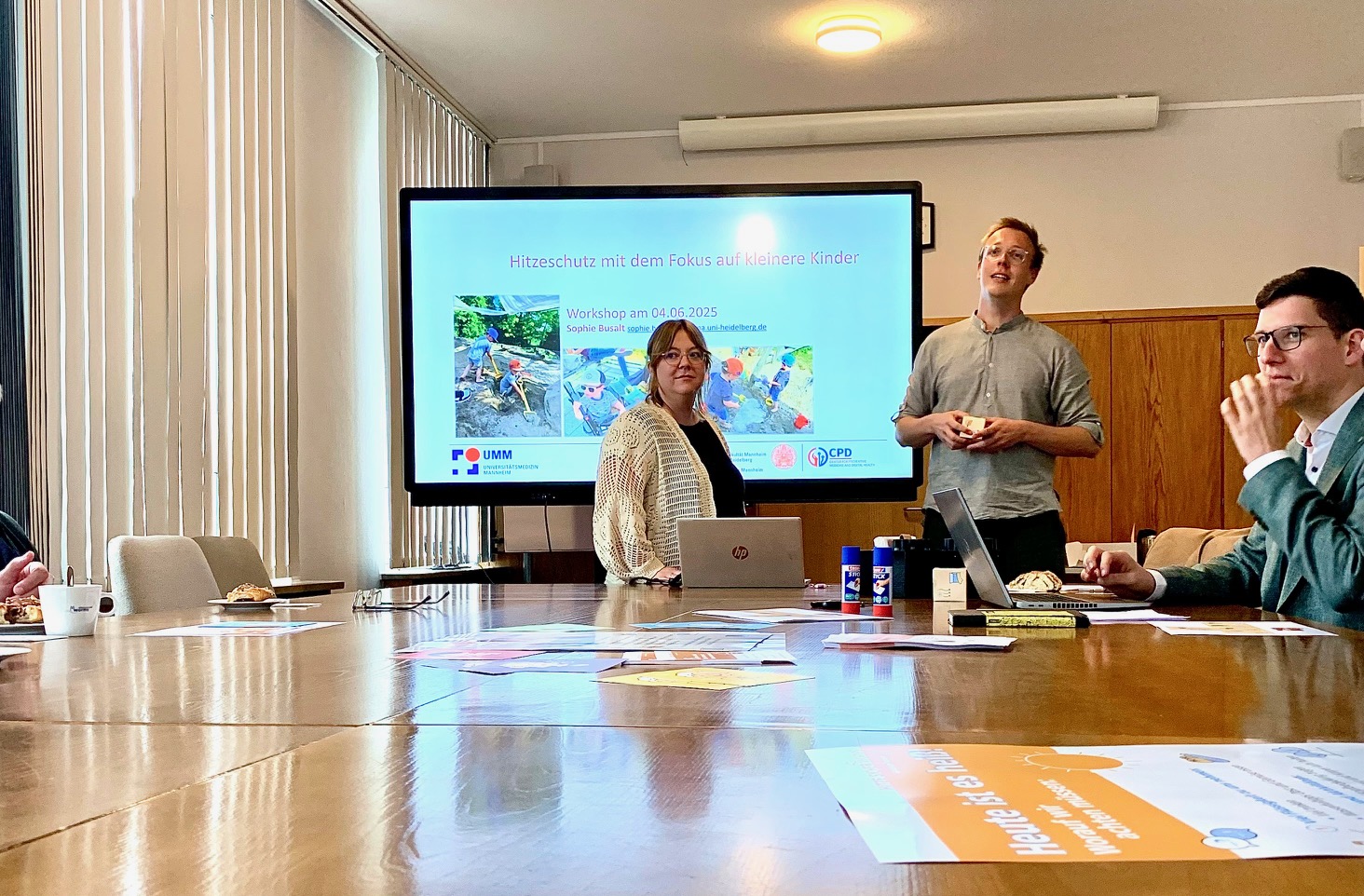
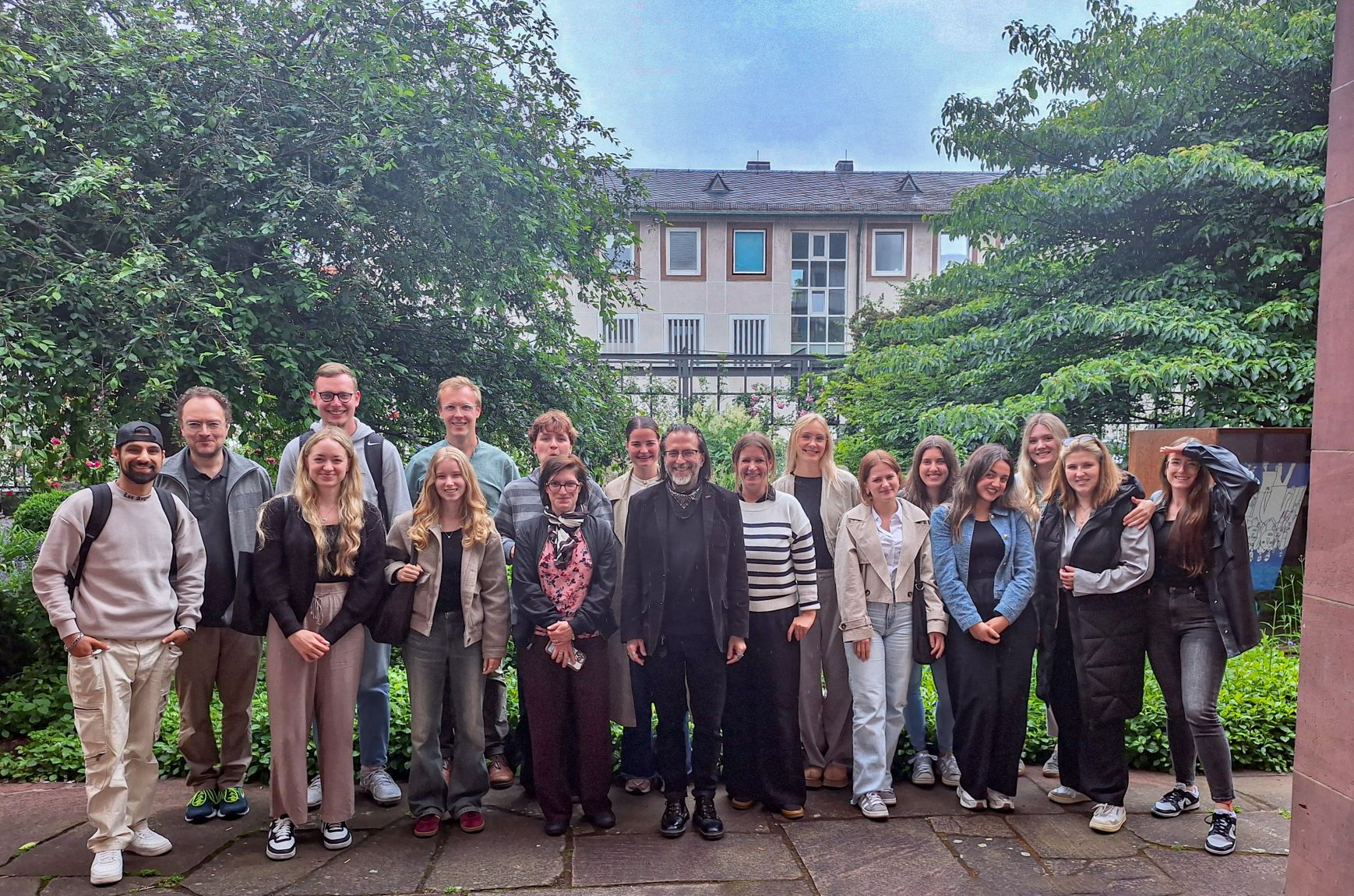
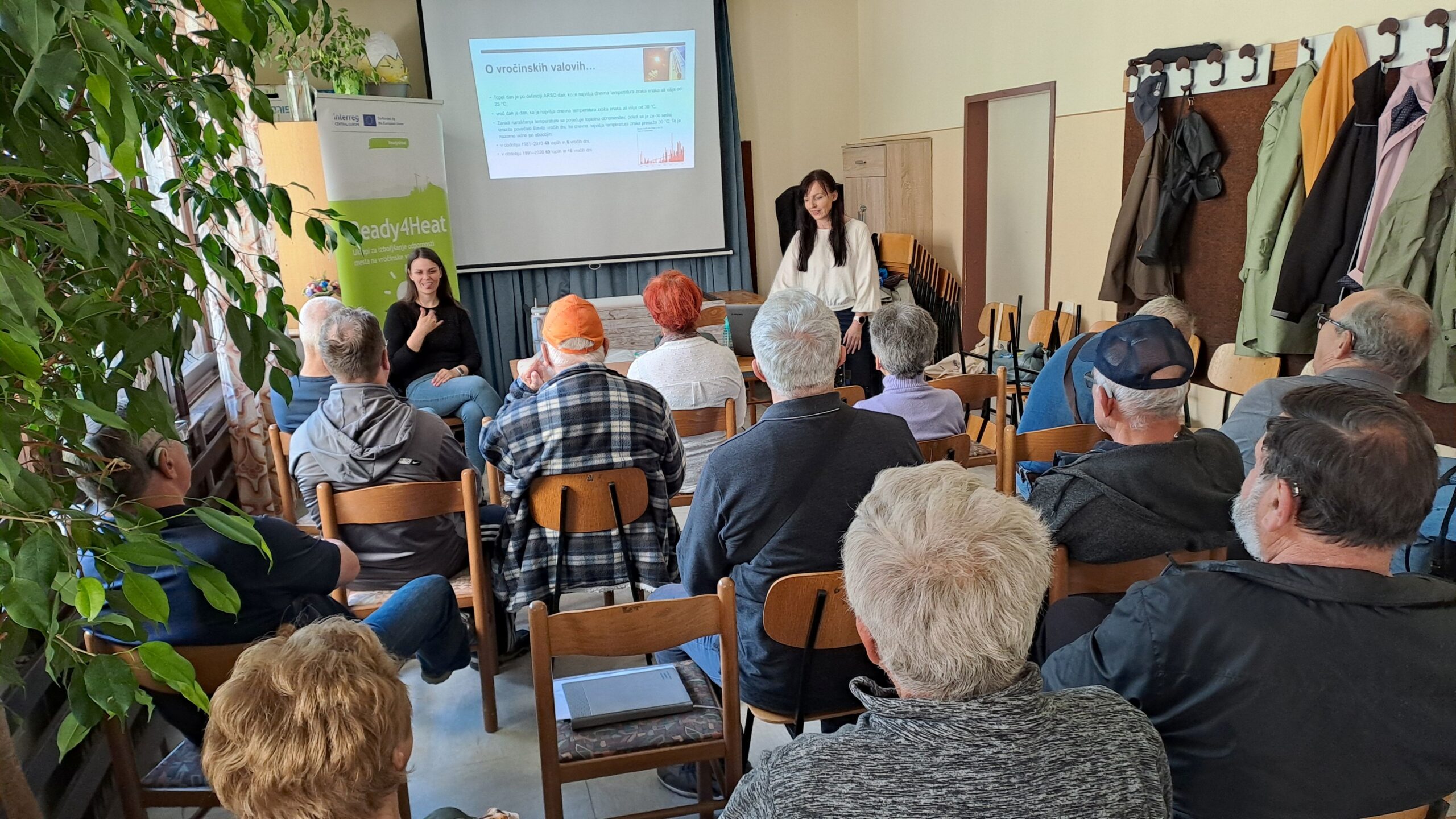
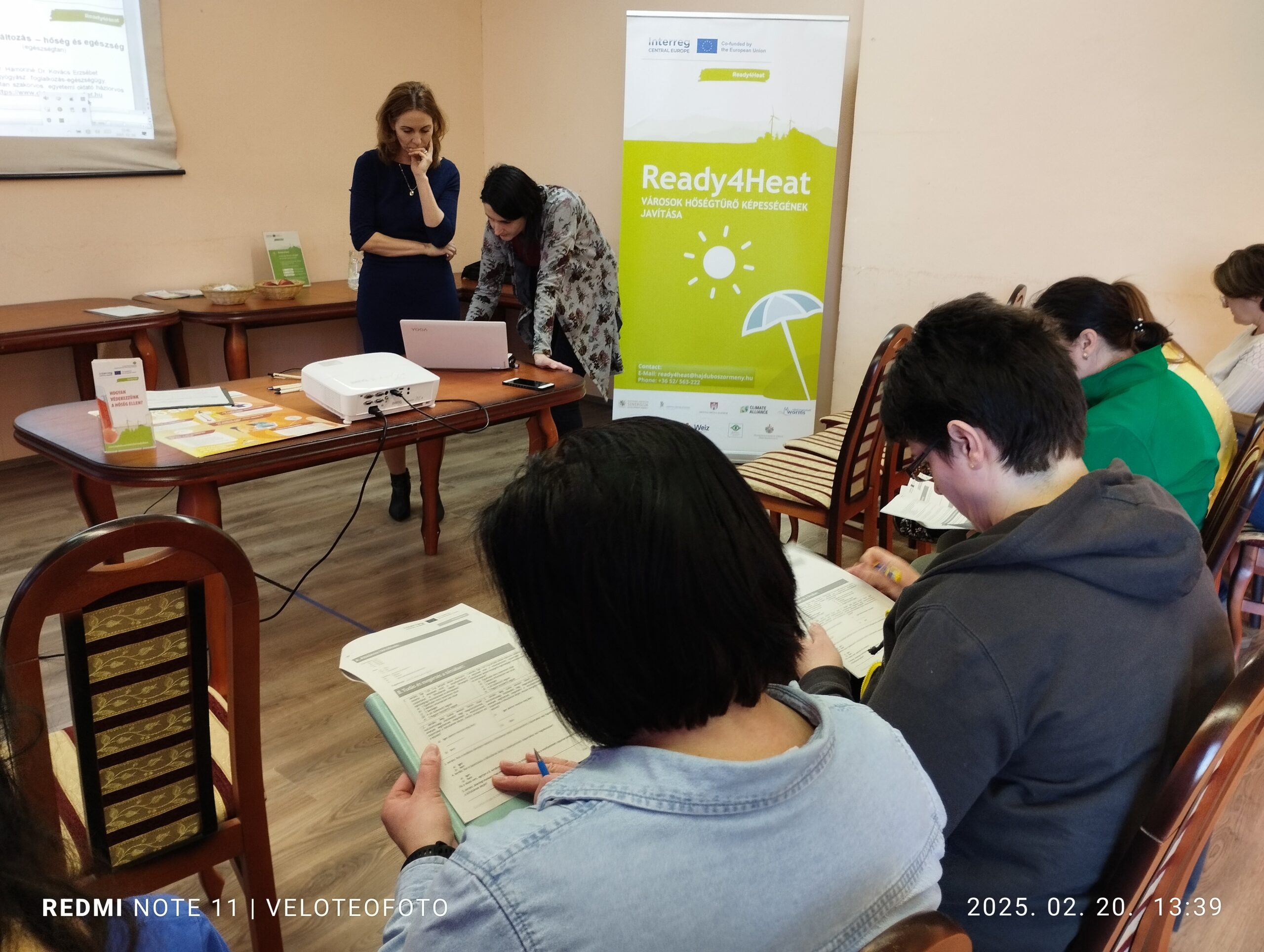
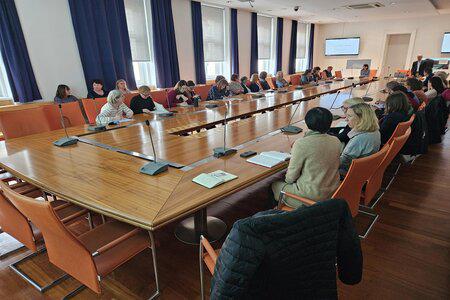
In our Train-the-Trainers workshops, we aimed to disseminate valuable insights and expertise on developing effective Heat Action Plans, drawing from our successful experience in Worms. These workshops served as a platform to transfer knowledge to representatives from three other pilot cities. By sharing the intricacies of our heat action planning process, we aimed to empower these cities to create their own comprehensive Heat Action Plans tailored to their unique circumstances. The collaborative initiative reflects our commitment to fostering resilience in the face of rising temperatures and ensuring that cities globally are equipped to tackle the challenges posed by extreme heat through strategic planning and coordinated efforts.

4

Compiling heat maps for each city

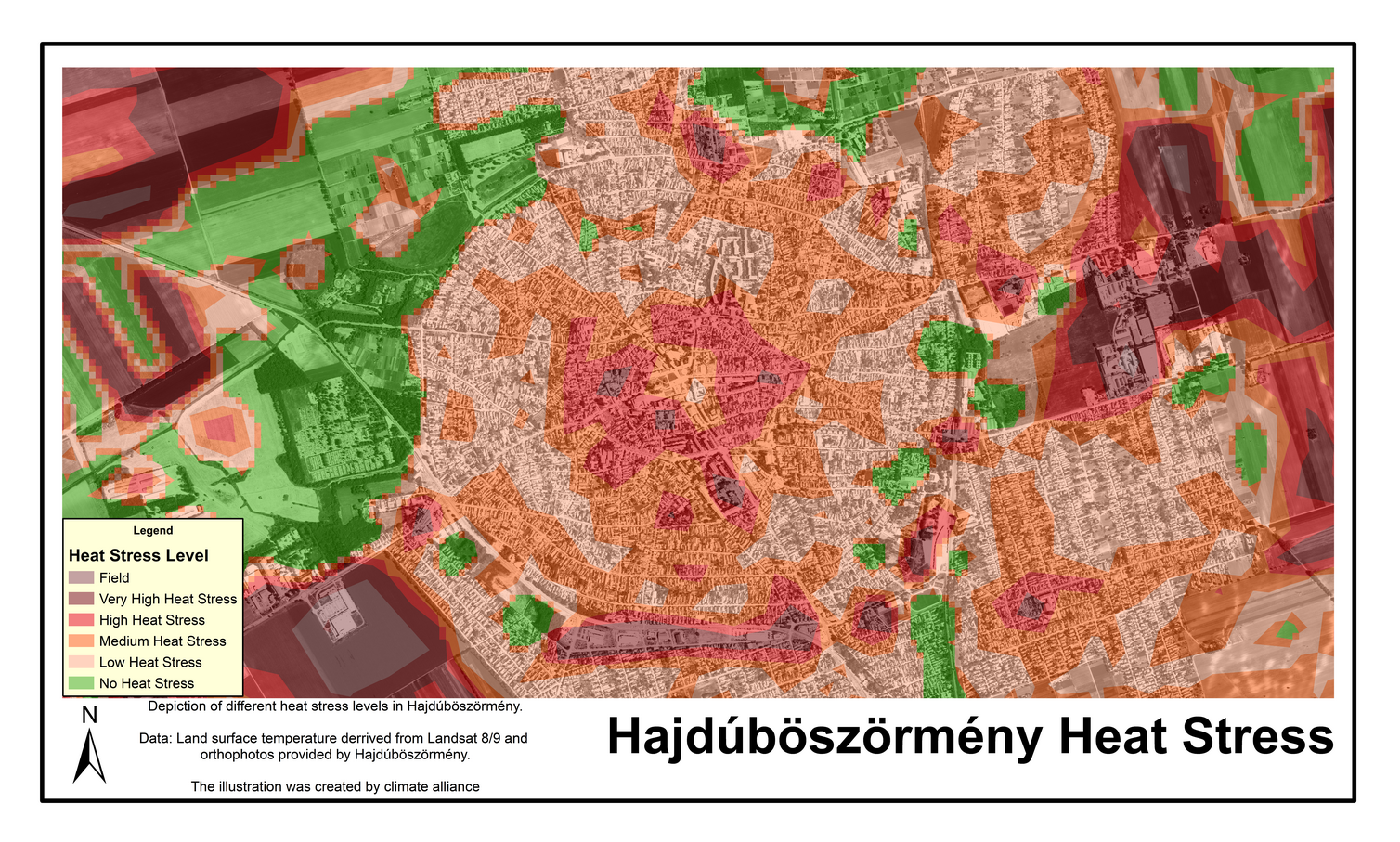
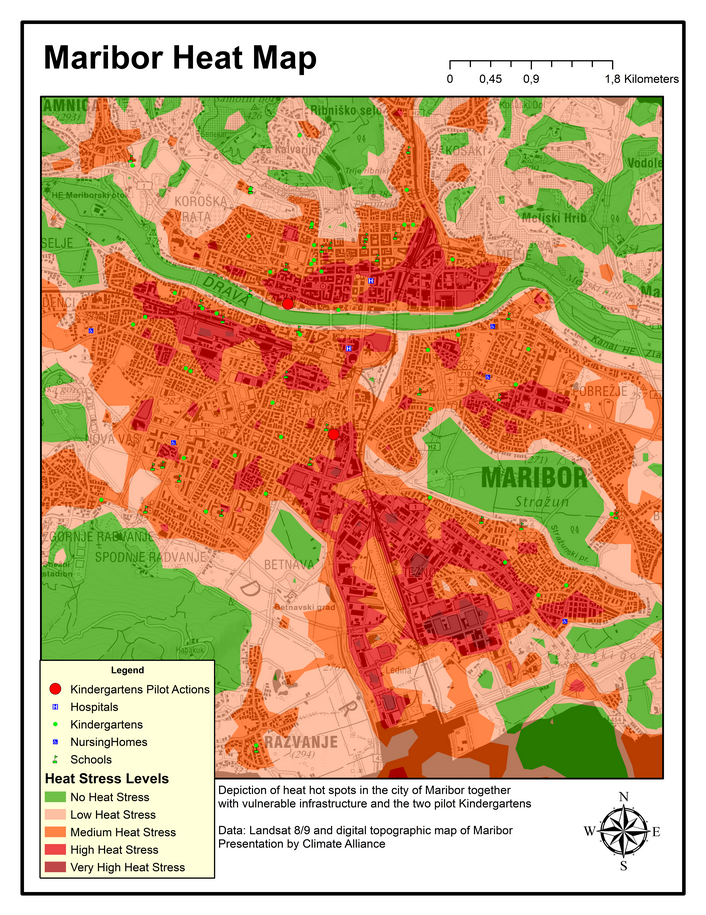
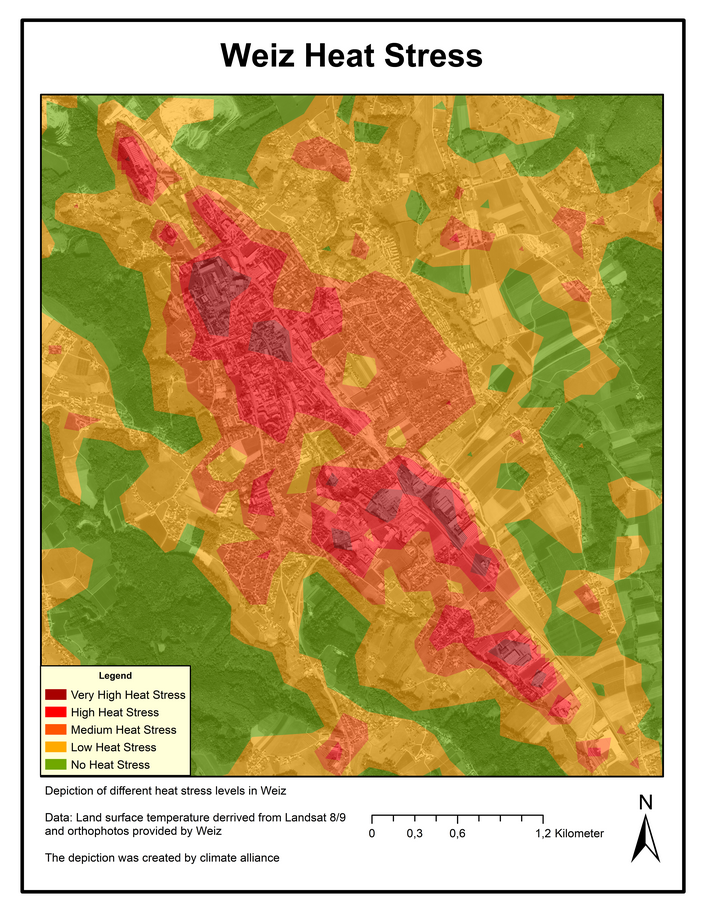
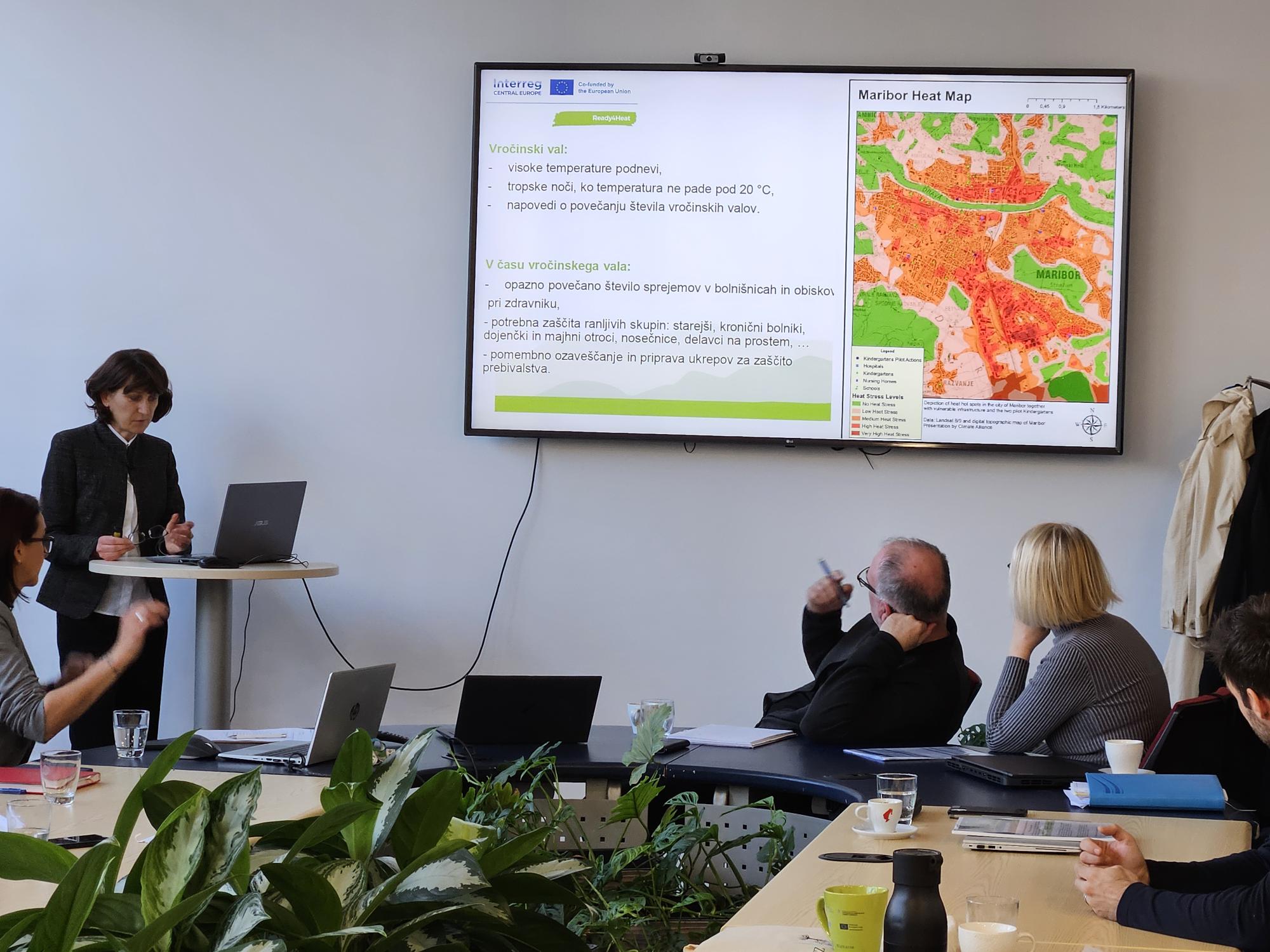
In order to develop the most efficient heat adaptation strategy possible, the pilot cities need to know where the heat spots are in their respective cities. To this end, we used satellite images to analyze the heat levels in the different parts of the city and assess where measures are particularly necessary and where vulnerable infrastructure and groups are located in the heat spots. In addition, a climate ensemble was created to illustrate the coming changes and show how climate change can influence important indicators such as heat days or tropical nights in the coming decades. The Results can be found under "Outputs"!

5

Stakeholder participation in the pilot cities
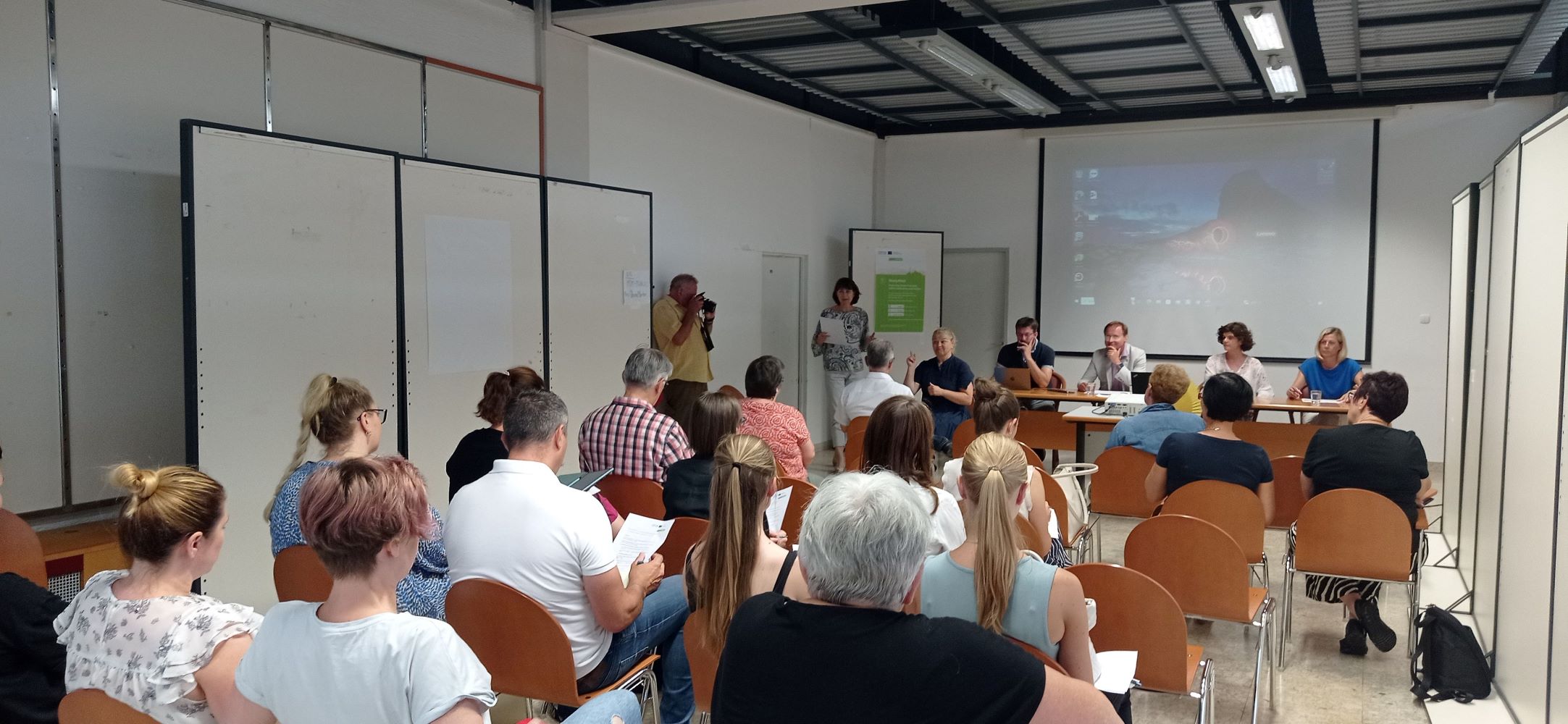
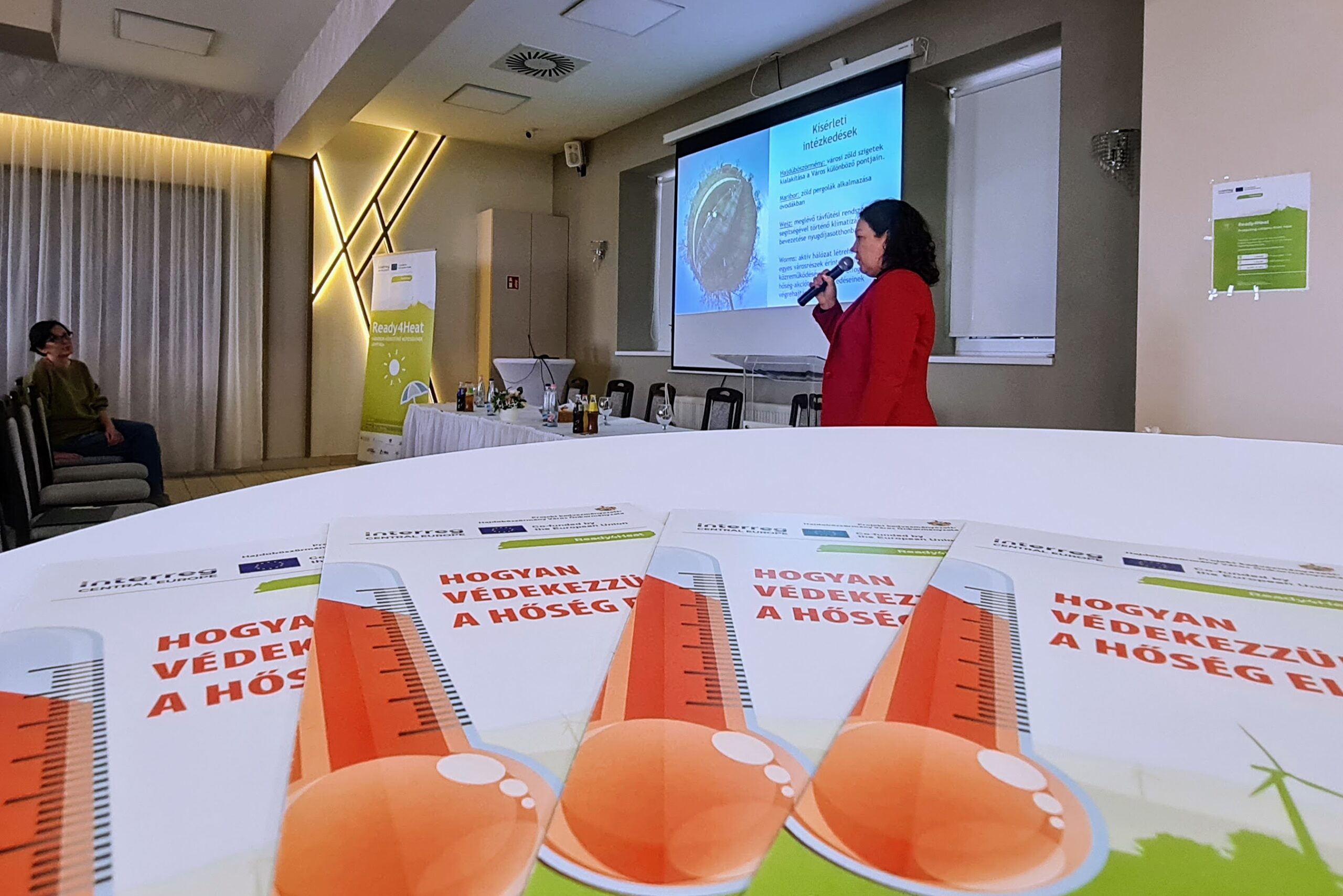
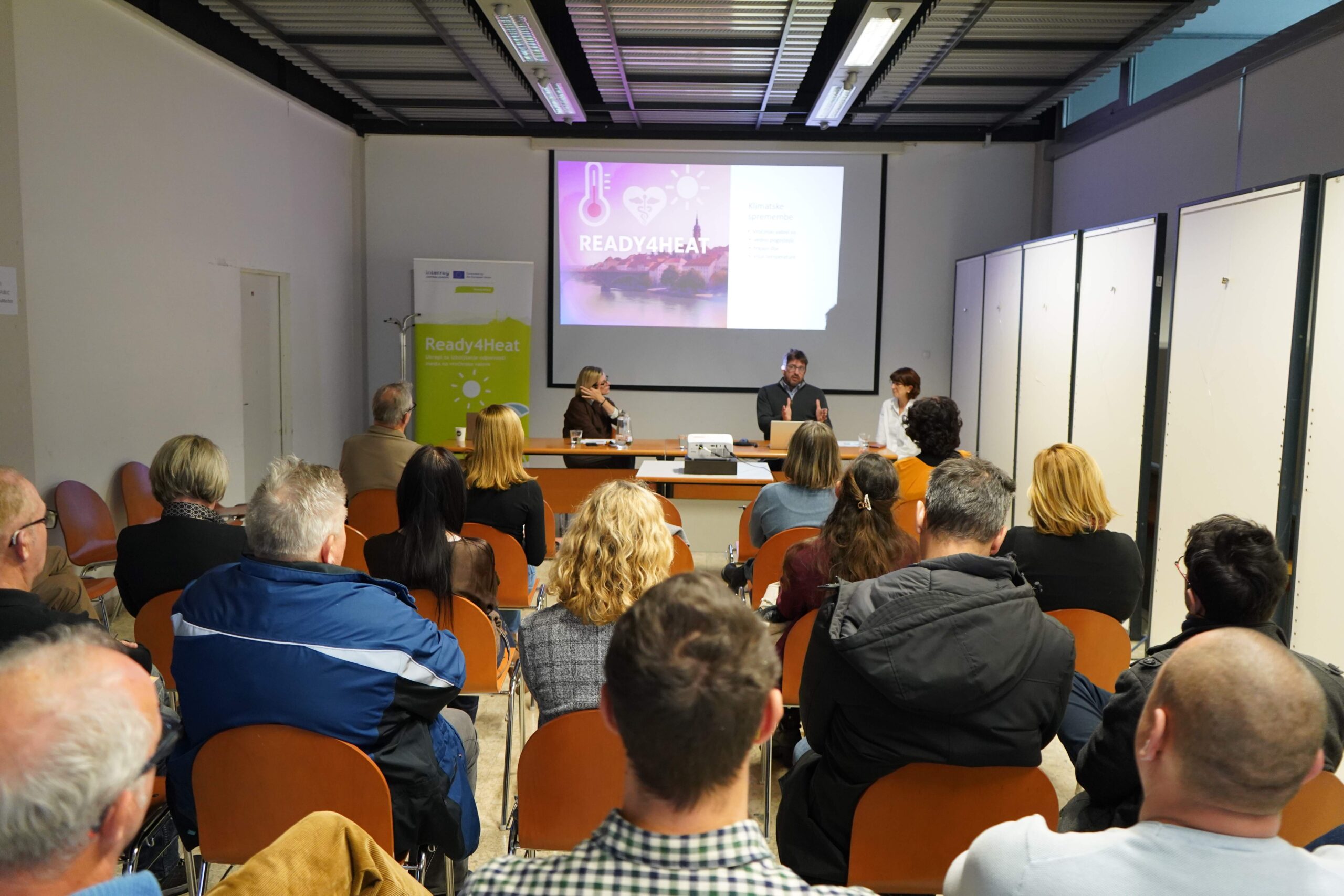
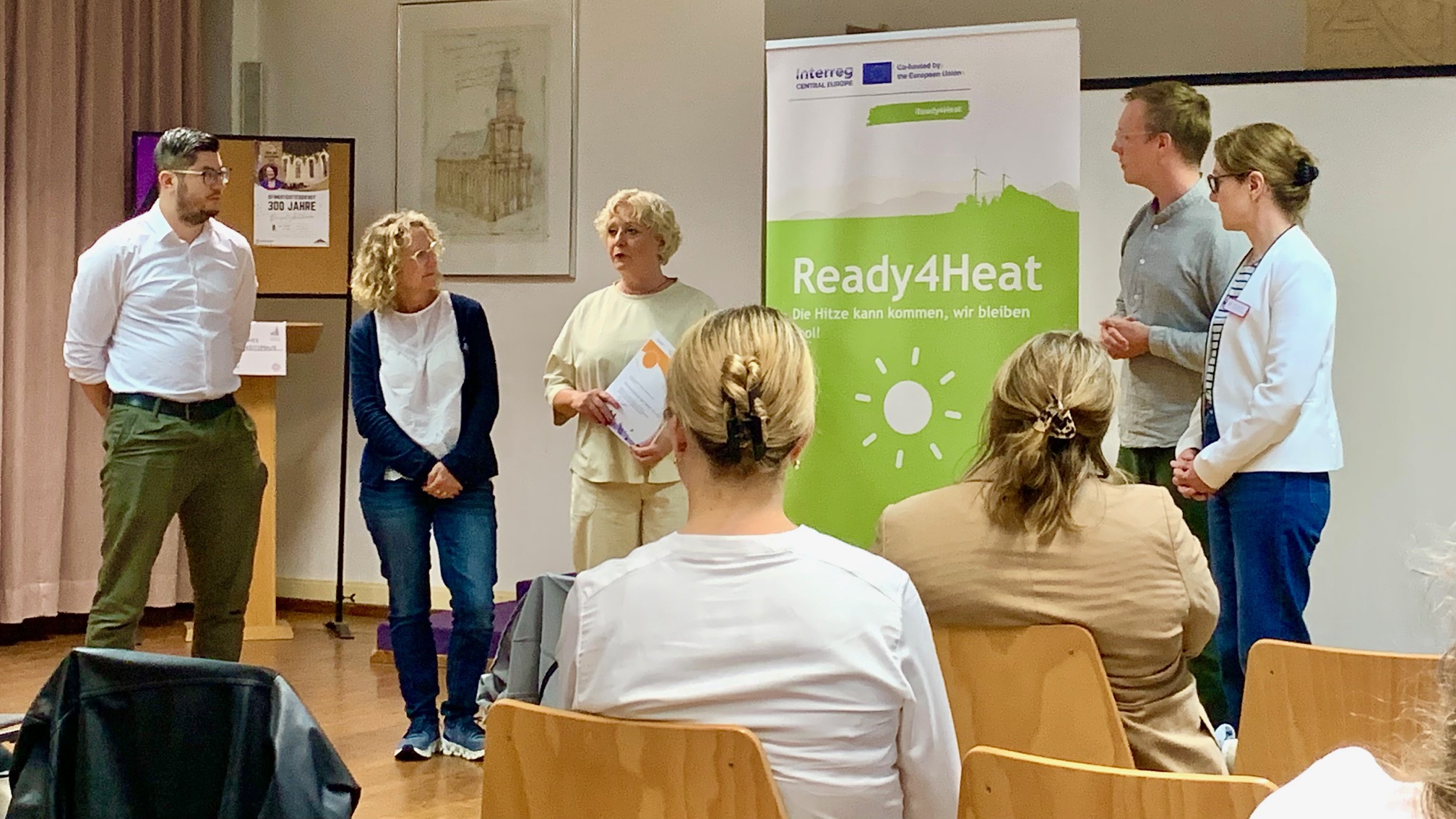
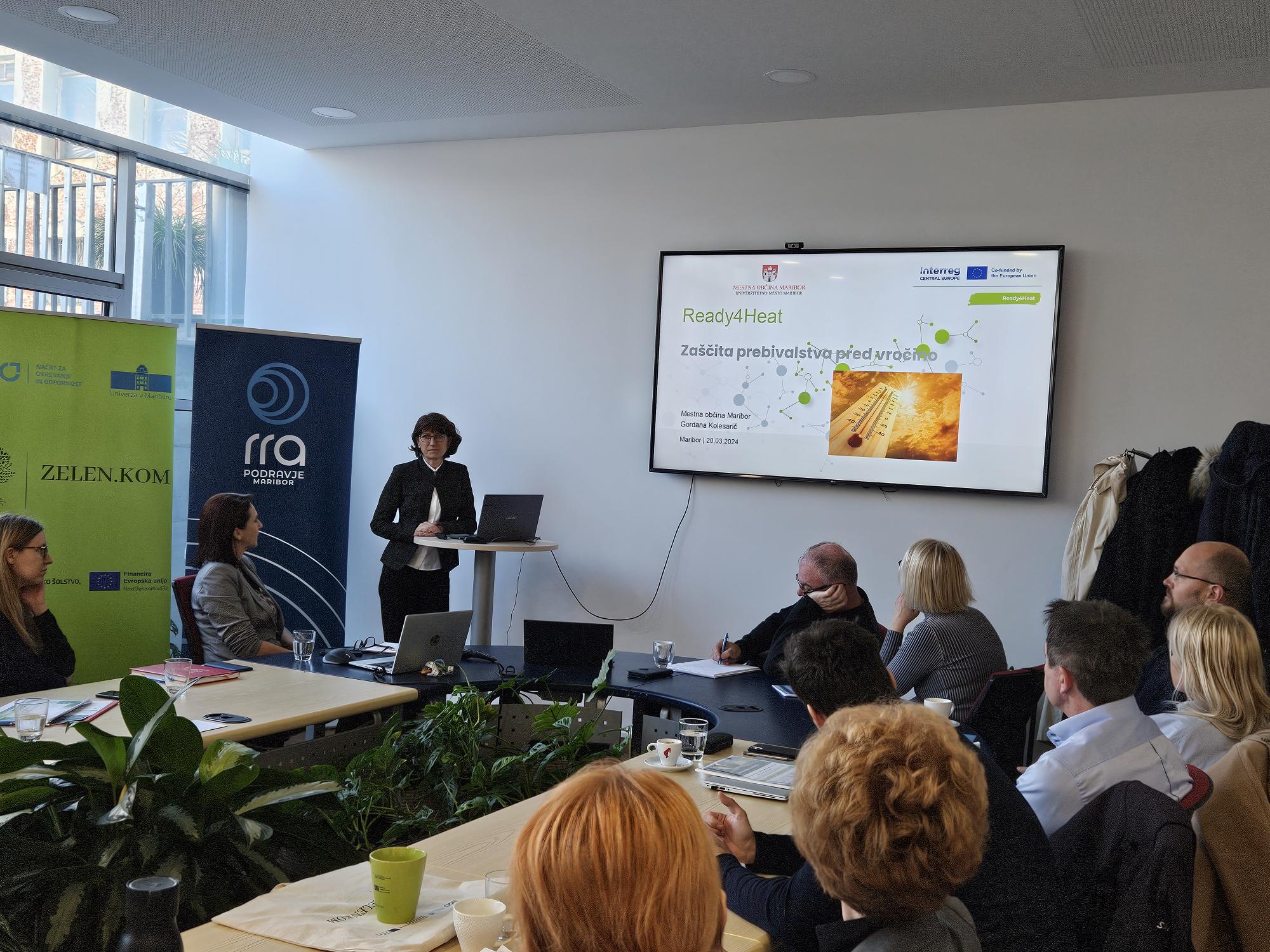
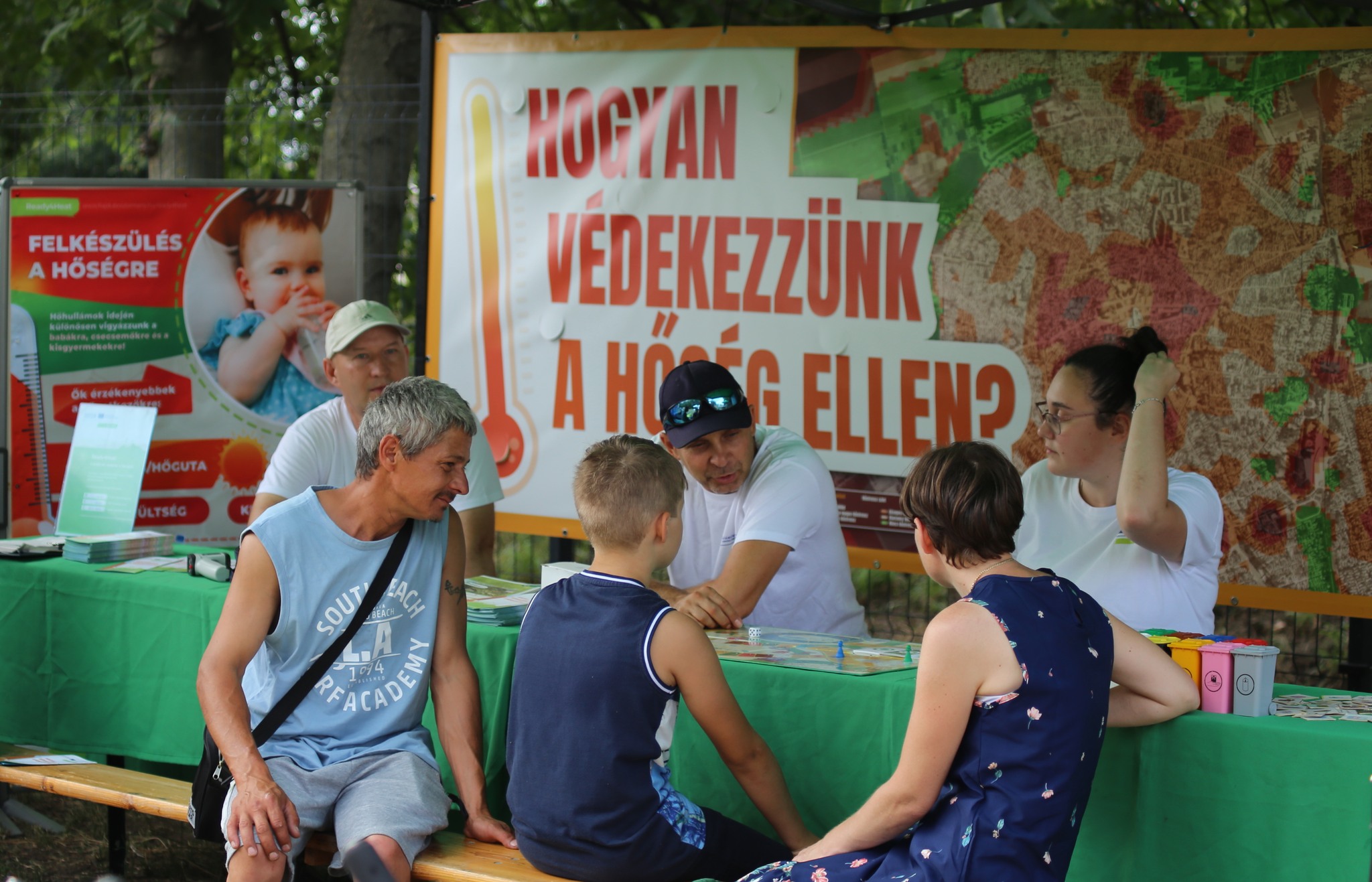
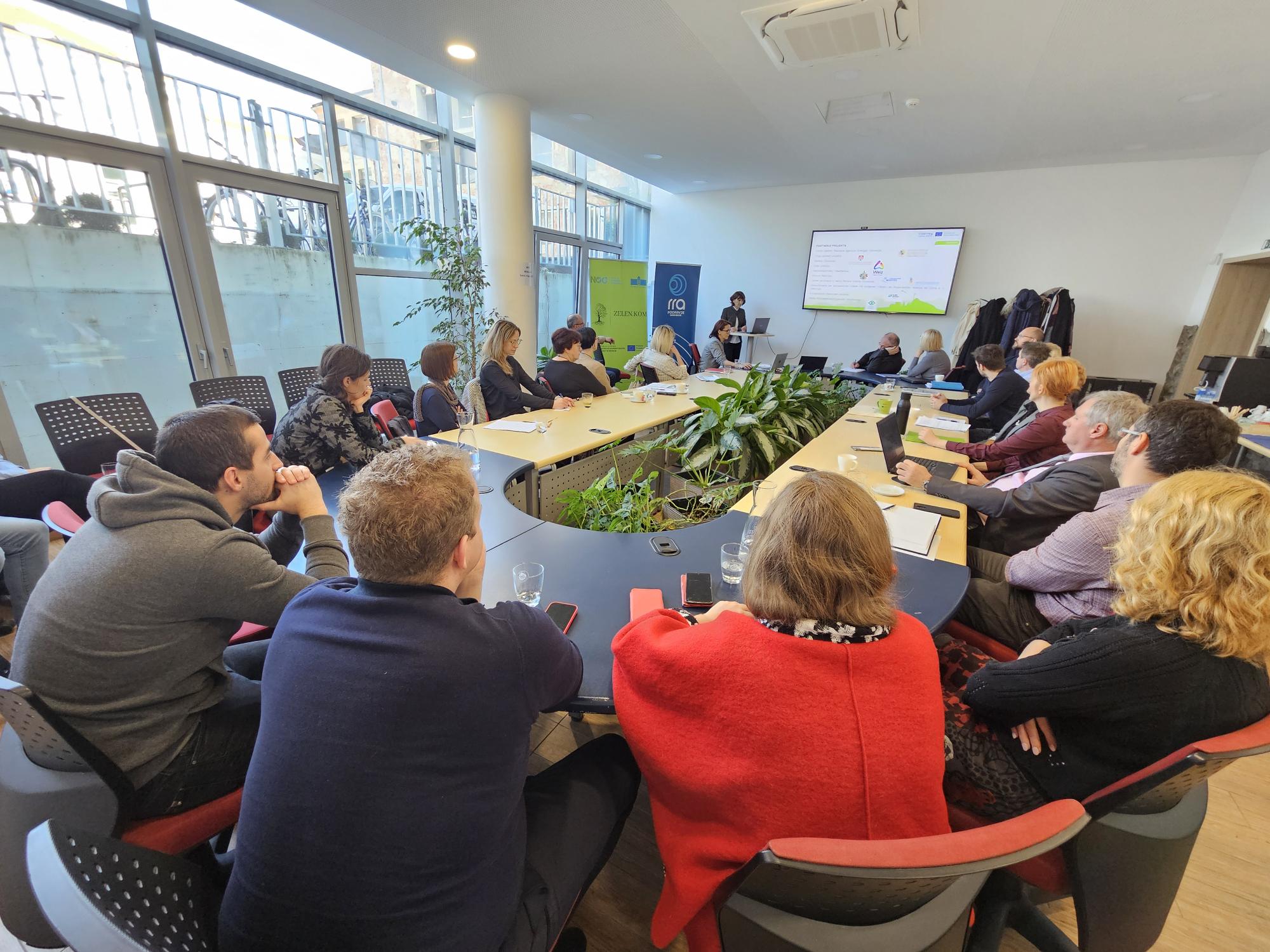
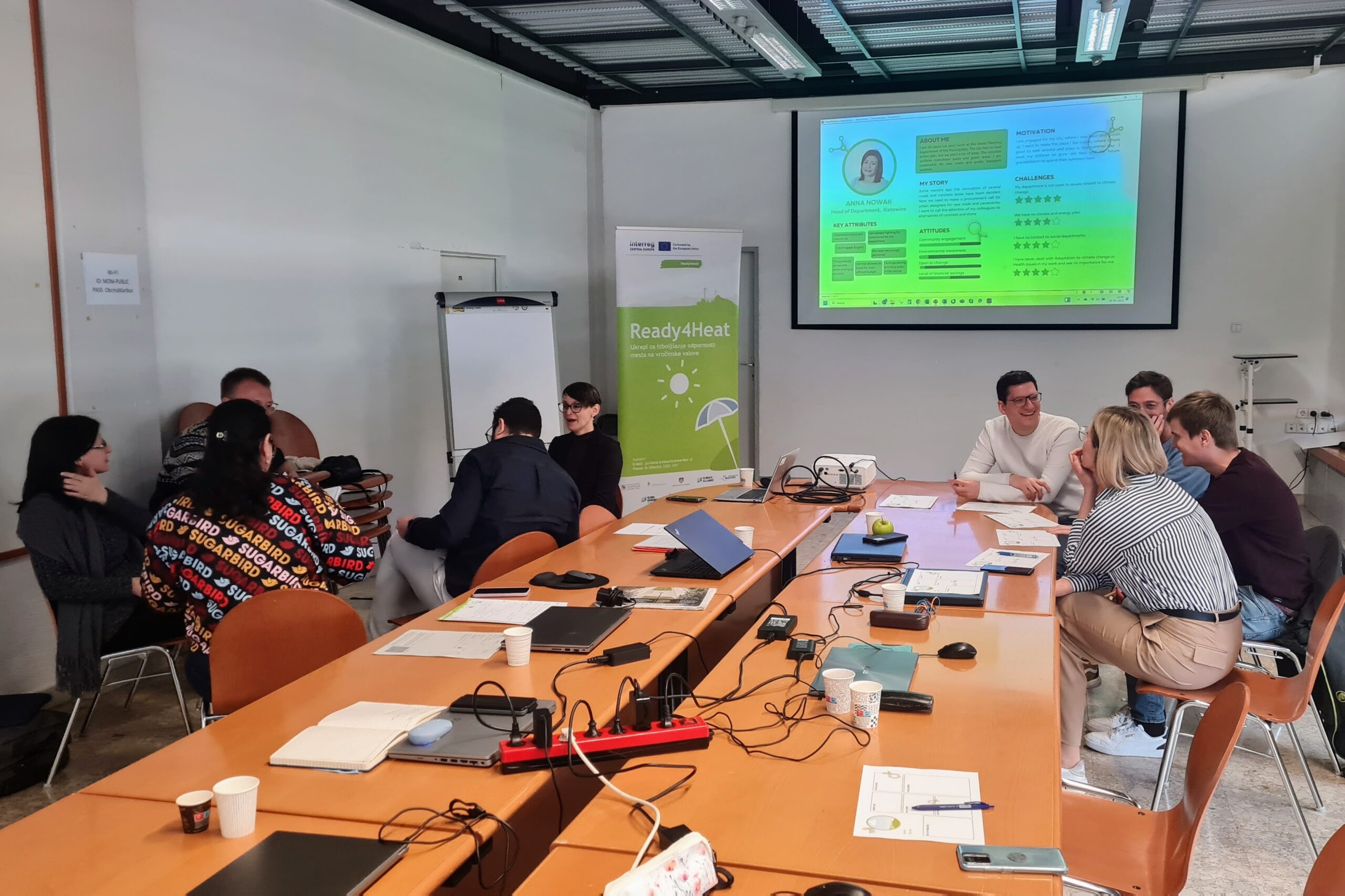
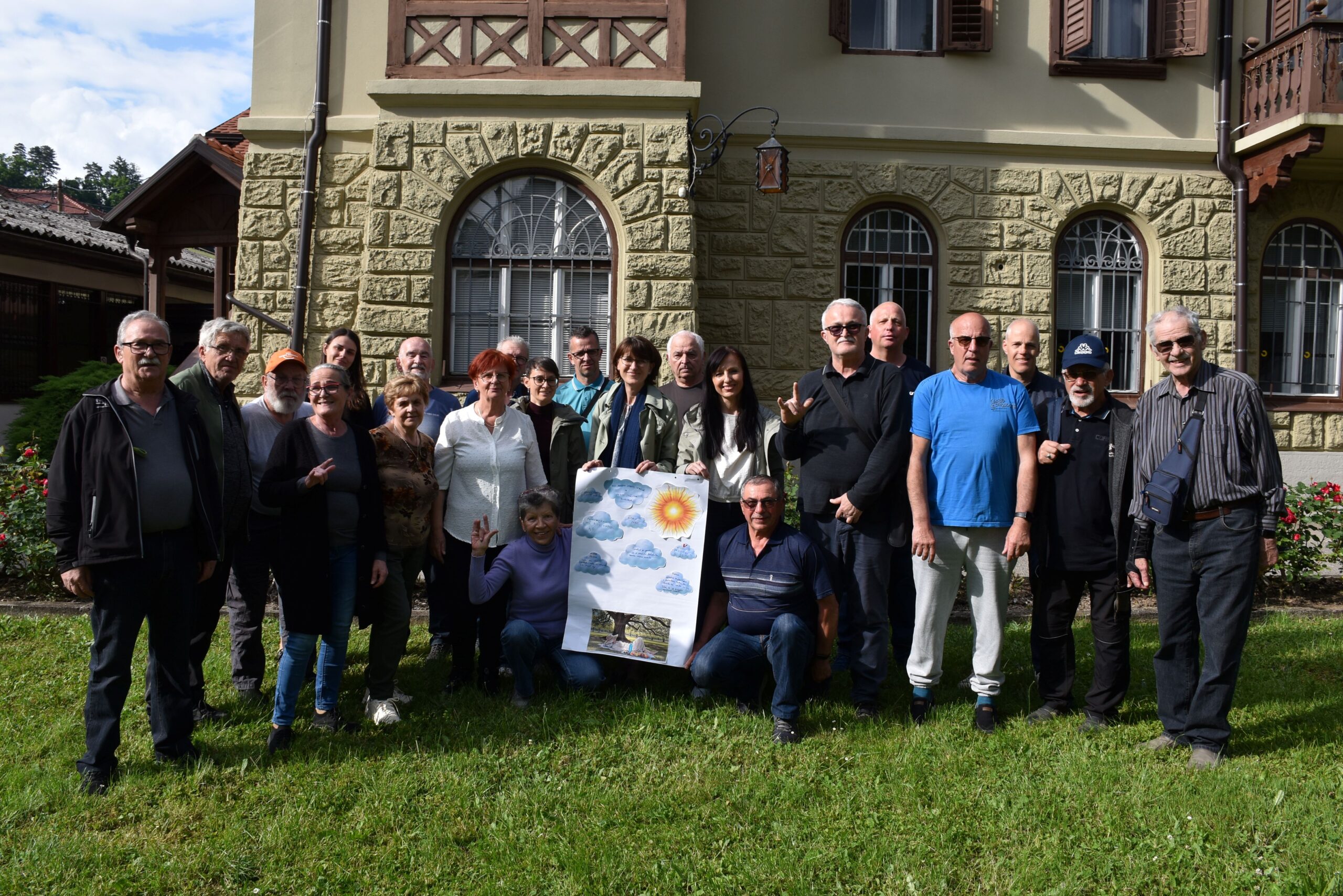
Citizen engagement in the context of heat adaptation is of paramount importance due to the multifaceted and far-reaching consequences of extreme heat. For this reason, the Ready4Heat pilot cities Hajdúböszörmény, Maribor and Weiz carried out citizen engagement processes. As a first step, kick-off events were held in summer 2023. This was followed by stakeholder and citizen engagement workshops in late 2023 and early 2024.

6

Implementing pilot actions

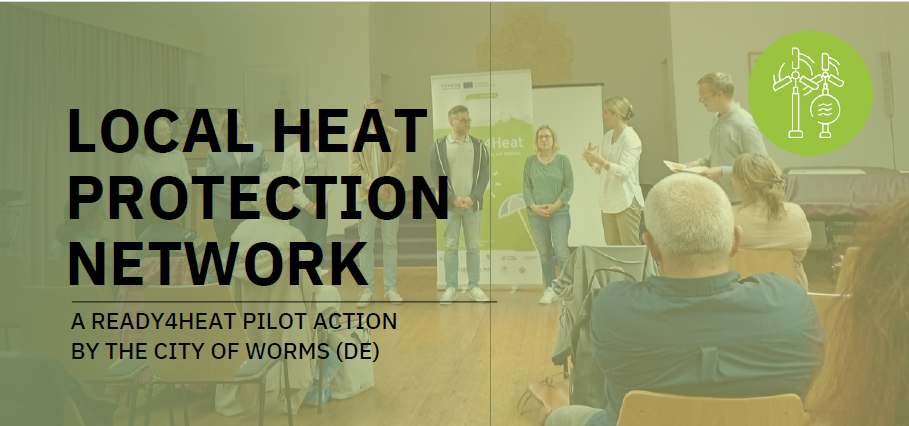
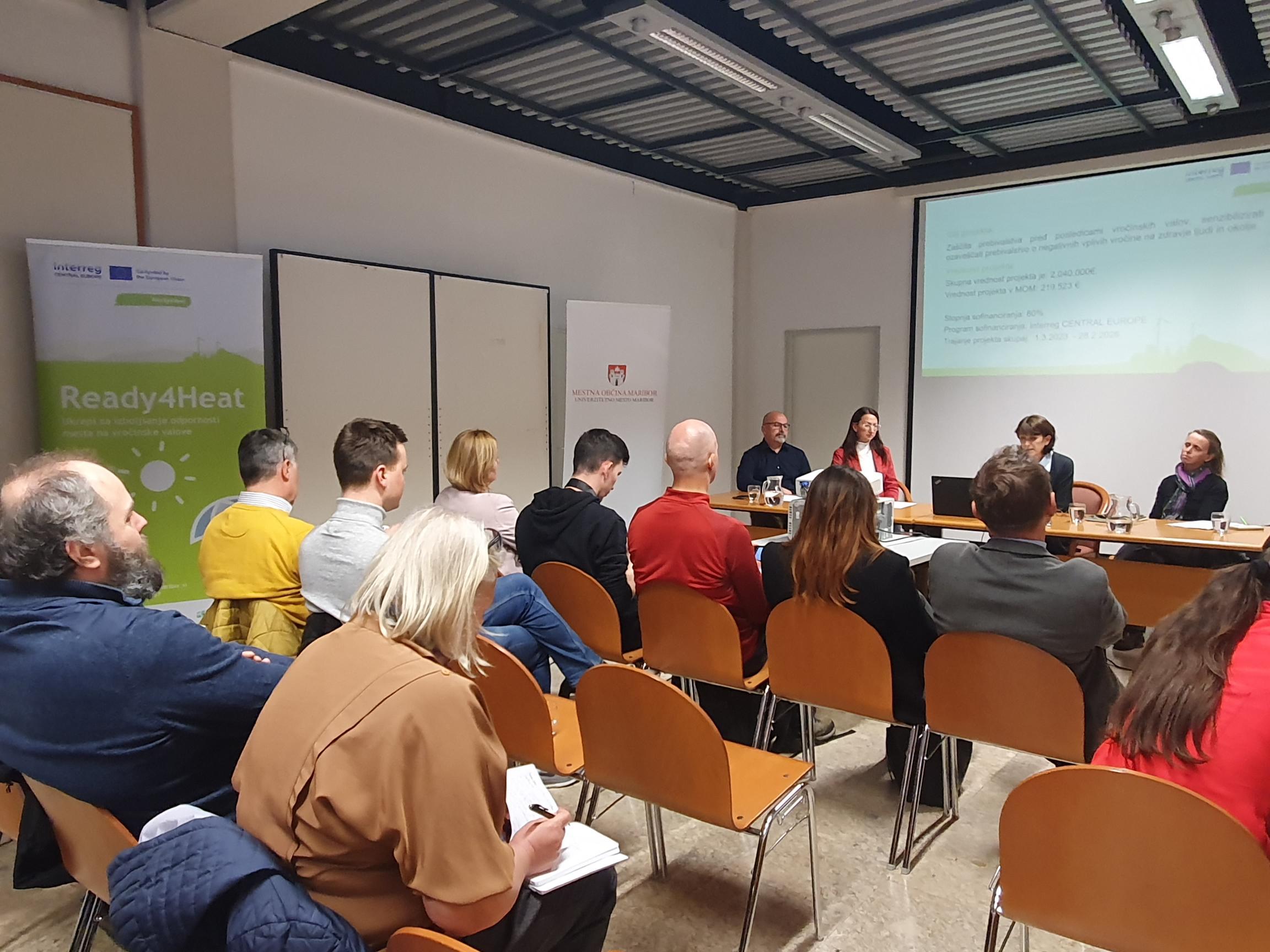
To address heat and health issues, the cities of Hajdúböszörmény, Maribor, Weiz and Worms are working on pilot actions in order to try out suitable and transferable measures helping to combat heat. These measures are documented in pilot actions concepts.

7

Drafting heat-health actions plans

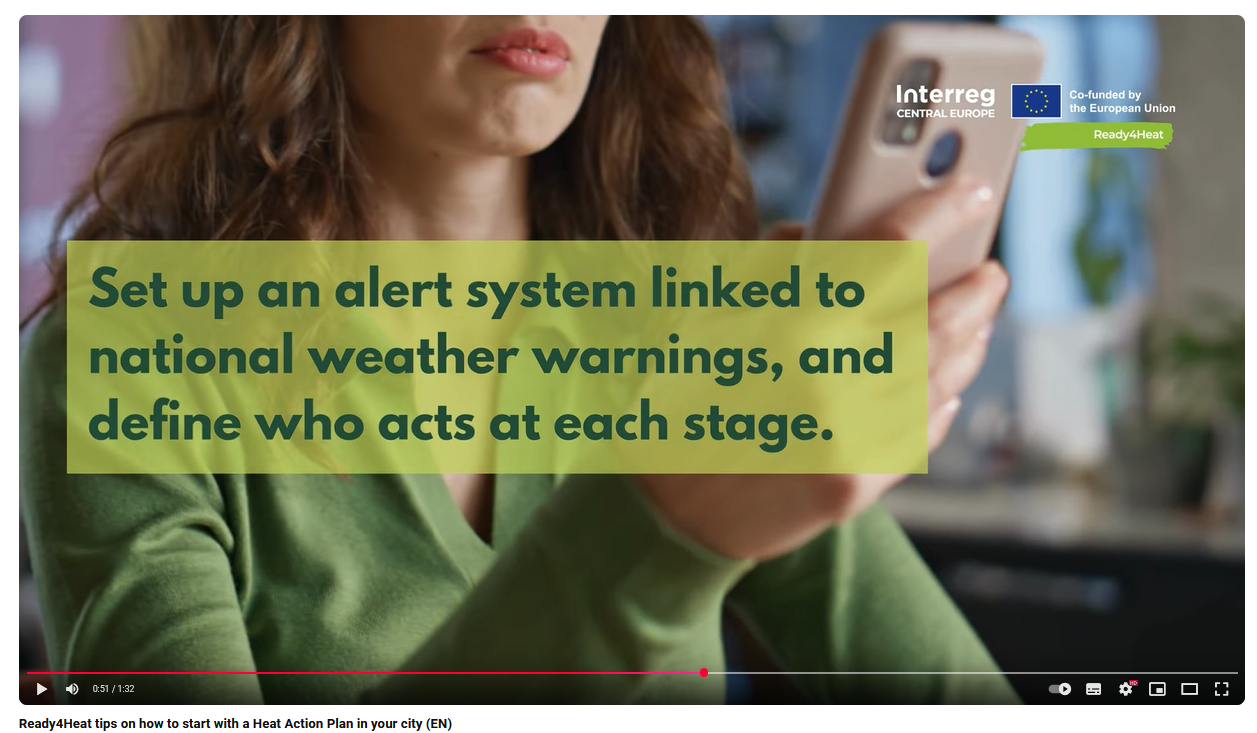
Based on the citizen engagement processes and the strategy and action plan, the pilot cities Hajdúböszörmény, Maribor and Weiz developed local heat-health action plans, including a warning system, a steering group and a catalogue of measures. All Action Plans were adopted by the cities' city councils to ensure long-term impact.

8

Advanced trainings

Online trainings for multipliers (working with vulnerable groups) organised in each pilot city, to enable them to implement health-related protection measures.

9

Transferring the results

In 4 policy briefs and transnational webinars, the project experiences are shared and recommendations for measures will be given. Four policy briefs have been launched, presenting concrete, evaluated solutions for better planning measures against heat waves. Developed within the Ready4Heat project, the briefs are based on pilot actions implemented in four European cities—Weiz (Austria), Maribor (Slovenia), Hajdúböszörmény (Hungary) and Worms (Germany). Together, they show how local governments can move from isolated actions to integrated, sustainable heat adaptation strategies.

10

Policy Briefs Transfer Results from Austria, Germany, Hungary and Slovenia
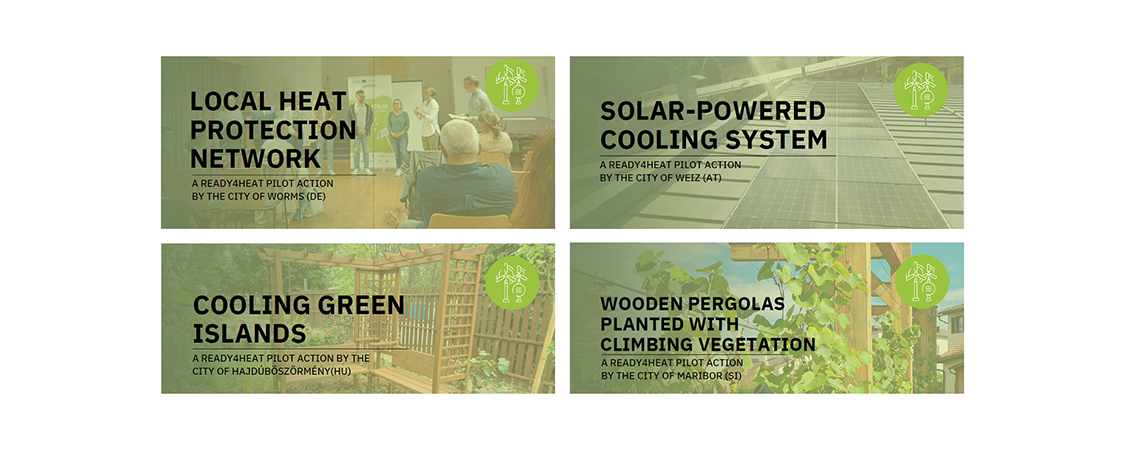
Four policy briefs have been launched, presenting concrete, evaluated solutions for better planning measures against heat waves. Developed within the Ready4Heat project, the briefs are based on pilot actions implemented in four European cities—Weiz (Austria), Maribor (Slovenia), Hajdúböszörmény (Hungary) and Worms (Germany). Together, they show how local governments can move from isolated actions to integrated, sustainable heat adaptation strategies.

News

Events
Pilot actions

Outputs

Municipal heat strategies and action plans for the mitigation of heat waves

Local Heat Strategies and Action Plans

Three local heat strategies and action plans for the cities of Hajdúböszörmény, Maribor, and Weiz have been developed. Each document covers a strategic and structural part, as well as an action plan with concrete measures to improve the situation caused by heat waves.

The development of the plans was based on a stakeholder participation process, as well as discussions within the project's co-working groups. A heat and climate analysis of the pilot cities' areas, along with a strategy and action plan concept, supported the output development. This concept outlines the development and implementation process of a heat-health action plan (HHAP) and reflects the experiences made by the city of Worms.

The strategy and action plan concept is useful for all municipalities embarking on the journey of designing their own HHAPs as part of their climate adaptation strategies. The blueprint for an HHAP is based on a German project where the city of Worms designed its plan in cooperation with the University of Applied Sciences Fulda, the University Hospital Munich (LMU), Climate Alliance, and the Rhineland-Palatinate Competence Centre for Climate Change Impacts.
This guideline describes the key steps Worms has taken, reflects on the process, and presents valuable lessons learned — providing a solid foundation for municipalities looking to strengthen their resilience against heat waves.

Type of output: Strategies and action plans

Solutions recommended for better planning the measures against heat waves: Policy brief Austria

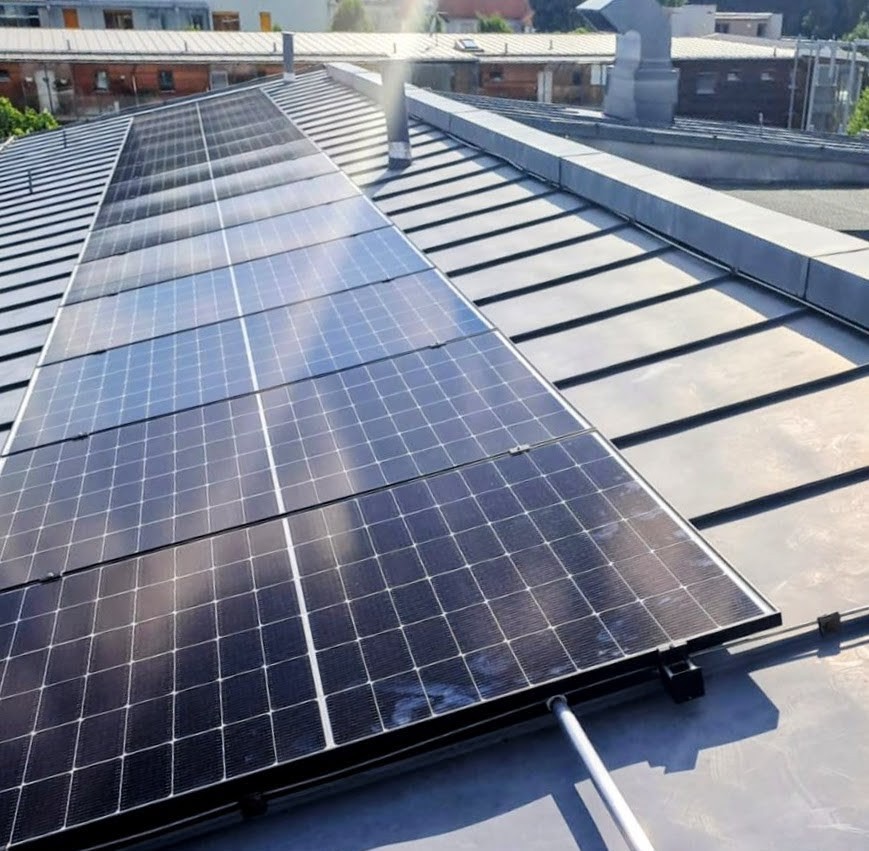
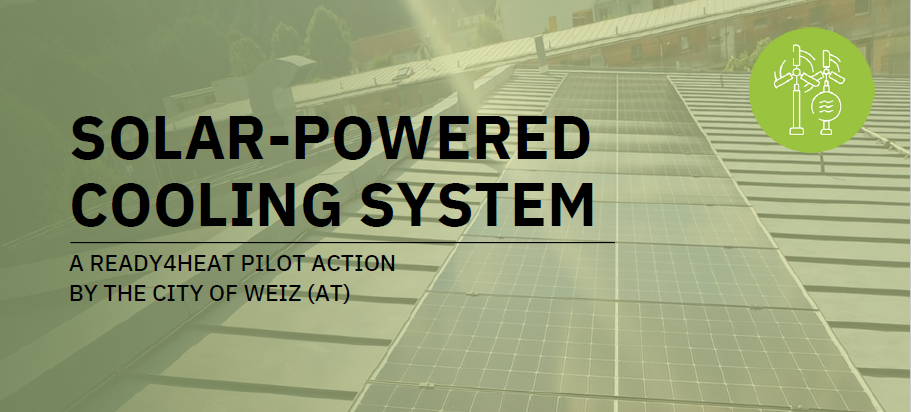
Elderly people, children and people with existing health conditions are particularly exposed, and local governments are increasingly expected to provide safe and comfortable indoor environments during extreme heat periods. The City of Weiz identified that improving thermal comfort in a senior care facility, where indoor temperatures during summer heatwaves regularly exceeded safe levels. To address this, the city implemented a renewable-powered cooling solution, combining a high-efficiency cooling system with on-site photovoltaic (PV) energy generation. This approach ensured stable and safe indoor temperatures while keeping energy consumption, operating costs and emissions low. The pilot demonstrated that cooling can be part of climate adaptation strategies without increasing dependency on the electricity grid. Beyond the technical solution, the city tested how such measures can be implemented in real municipal conditions. Close cooperation between the municipality, the care facility operator, the building owner and technical experts proved essential. The experience confirmed that early political commitment, clear governance structures and stakeholder involvement are decisive factors for success.
Type of output: Solutions

Solutions recommended for better planning the measures against heat waves: Policy brief Slovenia

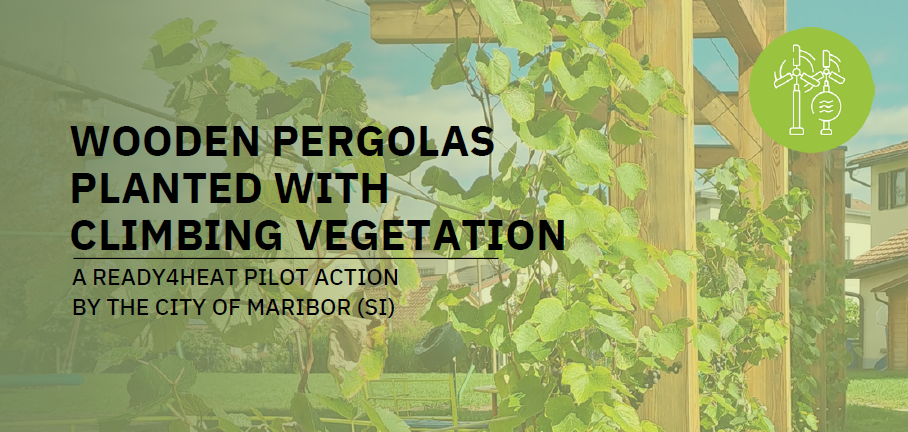
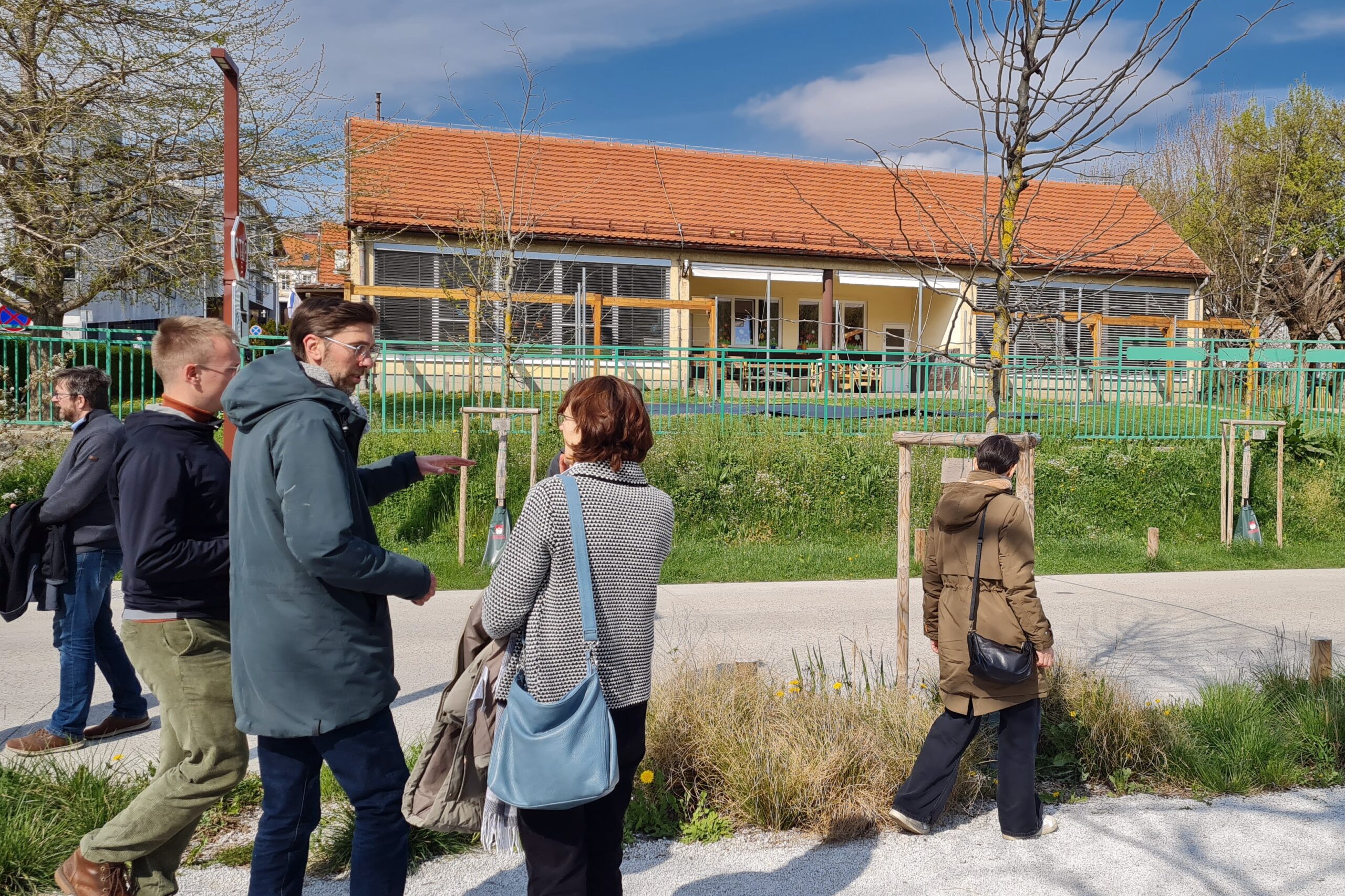
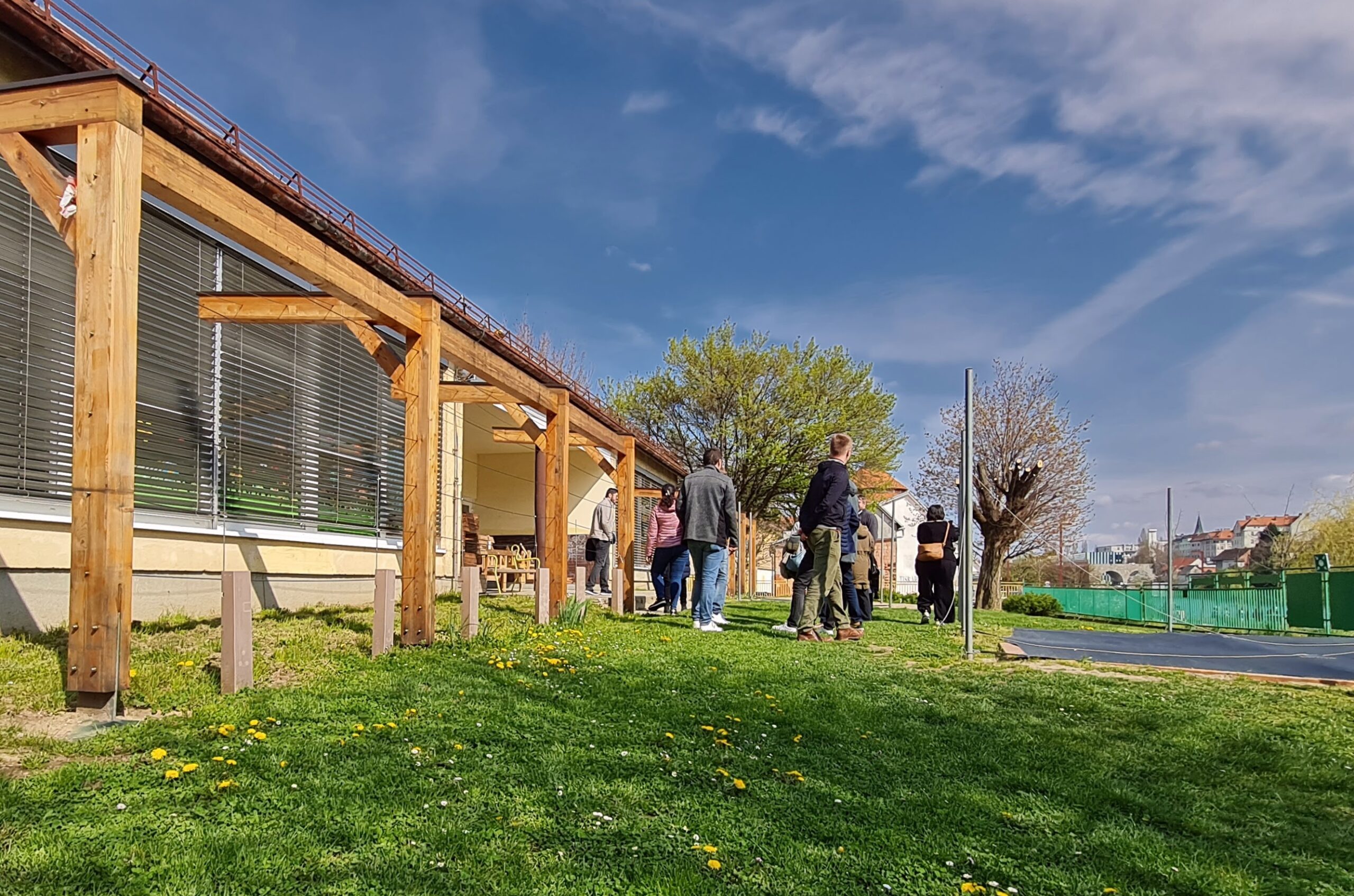
This policy brief presents experience from the City of Maribor, where nature-based shading measures were introduced as part of the Ready4Heat project to reduce heat stress in everyday public spaces. The pilot focused on outdoor areas of kindergartens that are highly exposed to direct sunlight during summer heatwaves. By introducing simple nature-based shading structures with vegetation, Maribor demonstrated how low-cost, realistic and socially accepted solutions can improve thermal comfort and protect vulnerable users. The purpose of this policy brief is not to describe a single pilot action, but to translate local experience into transferable recommendations for other municipalities. It shows how nature-based shading solutions e.g. trees, vegetated pergolas, green roofs or shaded public spaces can be planned, implemented and scaled as part of broader urban heat mitigation strategies. The key message is that successful heat protection depends less on the specific structure installed and more on good governance, early stakeholder involvement, clear responsibilities and secured long-term maintenance.
Type of output: Solutions

Solutions recommended for better planning the measures against heat waves: Policy brief Hungary

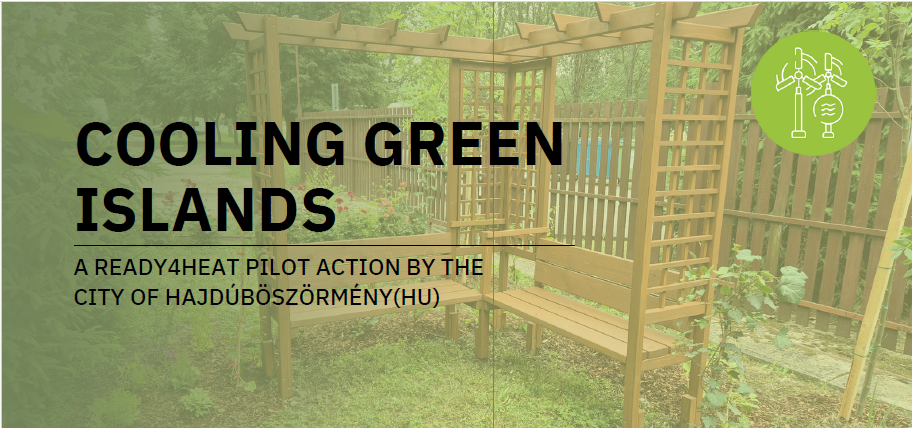
As part of the Ready4Heat project, the city of Hajdúböszörmény in Hungary tested a nature-based approach to mitigating the effects of heat, focusing on small-scale, distributed shading solutions in public and institutional spaces. The pilot introduced shaded 'green islands' combining vegetation, pergolas and seating in locations exposed to heat, identified through heat-stress analysis and local knowledge. These interventions demonstrated that relatively simple measures can significantly improve thermal comfort and the usability of public spaces, thereby enhancing overall urban resilience. This policy brief builds on this experience, translating it into recommendations that can be adopted by other municipalities. The key conclusions are clear: Nature-based shading is a cost-effective and feasible heat adaptation measure that can be integrated into existing public spaces; Early stakeholder involvement improves site selection, public acceptance and long-term success; Maintenance planning and clear responsibilities are essential to secure lasting impact; Heat mitigation works best when treated as a standard municipal service, not a one-off pilot.
Type of output: Solutions

Solutions recommended for better planning the measures against heat waves: Policy brief Germany

The main objective of the pilot was to improve local preparedness for heat events and to reduce heat related health risks for vulnerable groups. Instead of isolated actions, Worms developed a structured cooperation model with clearly defined roles, a shared cooperation charter, thematic working groups and practical tools. These include a map of cool places, a heat hotline and targeted training for staff working in care, childcare and social institutions. The pilot demonstrated that even with limited financial resources, significant impact can be achieved when responsibilities are clear and actors are well connected. Based on the experience in Worms, four key recommendations emerge that are transferable to other municipalities. First, heat protection should be treated as a public health and organisational issue, not only as a technical one. Second, intermediary actors such as care institutions, kindergartens and social services play a crucial role because they are in daily contact with vulnerable groups. Third, cooperation should be formalised through simple governance tools to ensure continuity beyond project funding. Fourth, communication must be tailored to specific target groups and focused on practical use rather than general awareness alone.
Type of output: Solutions

Ready4Heat

The project lead partner is responsible for the content of this project website.

Project on social media

Project Contacts

Project Manager

Katja Karba
Phone: +38625381356

Finance Manager

Katja Karba
Phone: +38625381356

Communication Manager

Eva suba
Phone: +496971713935