
During a period of increasing heatwaves, Worms addressed the growing risks faced by vulnerable groups such as older people and those in need of care. Following public calls from social welfare organisations during a summer heatwave, the city strengthened its approach to heat protection through applied research and local collaboration.
From local challenge to practical action
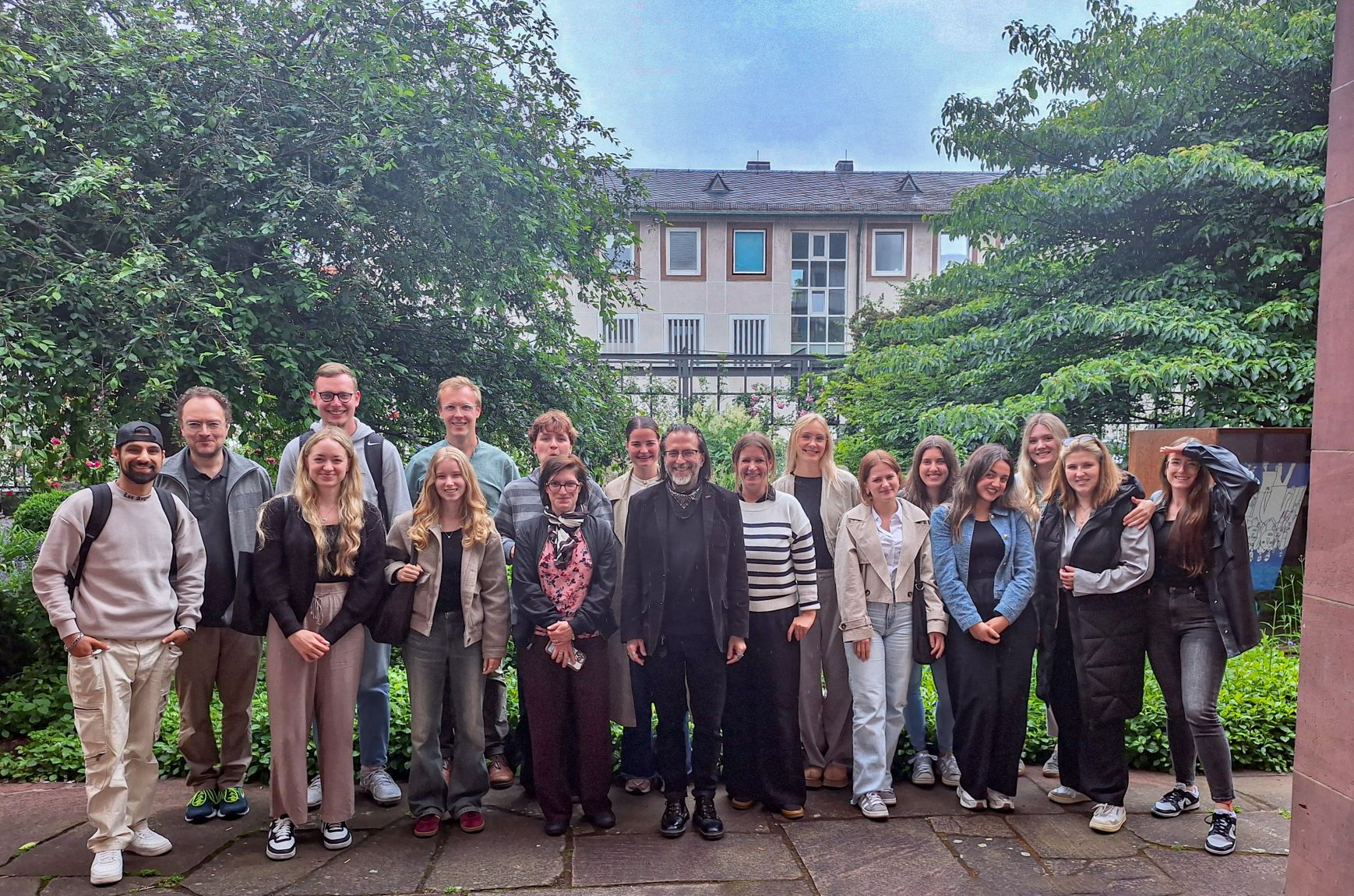
In cooperation with Frankfurt University of Applied Sciences (Frankfurt UAS), students worked with the city’s climate adaptation manager to assess how hospitals, care facilities, and social institutions in Worms experienced extreme heat.
As part of this work:
-
13 interviews and discussions were conducted across hospitals, care facilities, and elderly services.
-
Perspectives were gathered from managers, staff, residents, and service users.
-
Existing measures were documented, including hydration reminders, shading solutions, and adjusted daily routines.
The findings showed that while many institutions had introduced individual measures, heat protection had not yet been implemented systematically. Structural factors, such as building conditions, significantly influenced effectiveness and residents’ satisfaction was closely linked to how well facilities managed heat. Key achievements included:
-
Strengthening cooperation between care providers, social services, and public authorities.
-
Creating a foundation for long-term heat protection planning.
-
Contributing tested approaches and local experience to European exchange.
The initiative also strengthened education and professional training. Students in social work and applied nursing science gained practical experience in climate adaptation, preparing them to address heat-related risks in their future careers. The collaboration demonstrated how research and practice could be effectively combined to respond to climate challenges. By the end of the project phase, Worms had improved its understanding of heat risks, developed actionable solutions, and established a basis for continued cooperation.
Reusable results and resources
Key messages and outputs were prepared for continued use beyond the project:
-
Summaries of findings and recommendations for institutions.
-
A replicable heat protection plan model.
-
Documentation supporting knowledge transfer within the heat protection network.
To gain access, please contact: Markus Engelbrecht (Climate Manager, City of Worms)