
Staying Safe in the Heat – An Easy Read Guide for Everyone
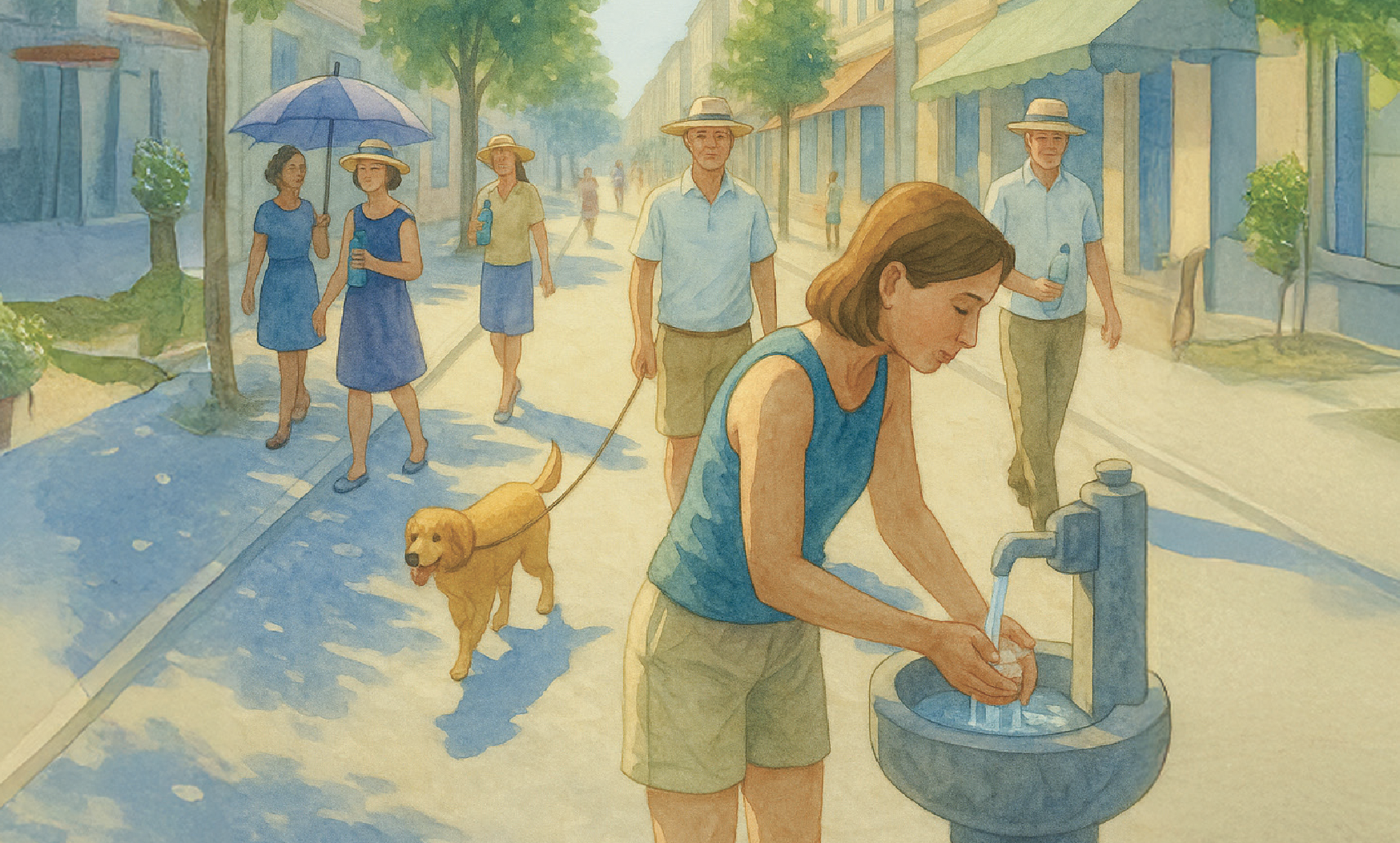
Heatwaves can be dangerous, especially for people who are more vulnerable to heat. Through its workshops with associations supporting disabled people, the City of Maribor learned that everyone needs clear, simple, and accessible information on how to stay safe during high temperatures. That’s why a printed Easy Read brochure with simple health protection tips was issued by the City– especially for: disabled and elderly with chronic illnesses, children, people with mental health conditions or people living alone or with limited mobility. This brochure is designed for people who may find standard information hard to understand. Easy Read is a method of presenting information in a clear, simple, and accessible way using short sentences, plain language,printed in large text and using pictures that explain the words. Easy Read helps people with learning disabilities or difficulties, elderly people, or anyone who finds reading difficult to understand important information – especially during emergencies like heatwaves. See the Brochure on Linkedin by clicking here. Ready4Heat tips on how to start with a Heat Action Plan in your city This video joined guidance designed to help city administrations get started with preparing for extreme heat events. The video lays out a practical roadmap for municipalities that are ready to build or strengthen a Heat Action Plan. It’s meant as a gateway resource: no need for prior expertise, just political will and a willingness to begin. You can watch the video on Youtube: Ready4Heat tips on how to start with a Heat Action Plan in your city
Why This Matters
Cities are already being pushed to adapt — heatwaves are not just becoming more frequent, but more dangerous. For city administrations, starting a Heat Action Plan is no longer optional: it’s essential for protecting public health, ensuring infrastructure resilience, and meeting the expectations of both citizens and national/regional policy frameworks.
How City Administrations Can Use the New Materials
Here are some suggested next steps for municipal climate adaptation teams, emergency services, public health departments, and related agencies:
- Showcase your plans to build a Heat Action Plan with key stakeholders starting with the video (e.g. health department, social services, urban planning, environment office) to build a shared understanding.
- Carry out a rapid assessment of your city’s heat risks: map vulnerable populations (elderly, children, outdoor workers, etc.), identify heat-island areas, assess past heatwave impacts.
- Define roles, responsibilities, and governance: decide who leads, which departments/departments are involved, where coordination lies; establish contacts and lines of communication ahead of heat seasons.
- Launch quick‐wins: cooling shelters, early warning alerts, public awareness campaigns, opening shaded public spaces, distributing advice for at-risk groups.
- Embed this work in your broader adaptation strategy, linking Heat Action Plans to other climate resilience measures, urban greening, water management, building codes, etc.
- Monitor, review, and iterate: once heat events occur, learn from them; update the plan and practices accordingly.
Video on Tips for Vulnerable Groups During Heatwaves
This video is designed as a practical communication tool that municipalities can use to reach and support their most at-risk residents during extreme heat events. (Watch here on YouTube) The video provides easy-to-understand guidance for vulnerable groups, such as older adults, young children, people with chronic illnesses, and individuals living in poorly insulated homes. It explains how to stay safe during a heatwave, helps to recognise warning signs of heat stress and when to seek medical help and offers rractical tips to reduce indoor temperatures without costly equipment. By using this Ready4Heat video, cities can strengthen their communication strategies and make sure that protective messages reach those who need them most. City administrations and frontline services can integrate this video into their communication efforts in several ways: in their public awareness campaigns, in their community outreach efforts in senior centers, libraries, medical waiting rooms, and local associations. This video is available in English, Hungarian and Slovenian.