
As climate change intensifies, cities across Central Europe are facing increasingly frequent and severe heat waves. Recognizing the urgent need for adaptation, three municipalities—Weiz (Austria), Hajdúböszörmény (Hungary), and Maribor (Slovenia)—adopted comprehensive Heat and Health Action Plans (HHAPs) as part of the Ready4Heat project.
The adopted plans for Weiz, Hajdúböszörmény, and Maribor include heat warning systems, emergency measures as well urban greening initiatives, and infrastructure adaptations to create cooler, more livable cities. These strategic initiatives protect public health, enhance urban resilience, and mitigate the adverse effects of extreme heat events especially for vulnerable citizens such as elderly or small children. Each plan was built upon extensive stakeholder participation, data-driven climate analysis, and lessons learned from the city of Worms, Germany.
Hajdúböszörmény: Preparing for a Hotter Future
Hajdúböszörmény is particularly vulnerable to extreme heat, with projections indicating a 90% increase in heat days by 2050. The city’s Heat and Health Action Plan (HHAP) focuses on protecting its citizens—especially vulnerable groups like children, the elderly, and people with pre-existing conditions—through emergency cooling measures, increased green spaces, and public awareness campaigns.
The national heat warning system provides the basis for the city’s communication and heat warning measures, and it’s strategy addresses urban planning issues such as nature-based solutions for creating cool spaces in the open areas of the city. The planned key measures include short-term actions such as cooling centers, public water stations, and heat warnings; medium-term measures such as green urban spaces and shaded “cooling islands” as well as long-term measures to integrate heat adaptation into urban planning and sustainable energy strategies. The city’s HHAP also emphasizes collaboration with local health organizations and public education on heat safety and UV protection.
Maribor: Creating a Heat-Resilient City
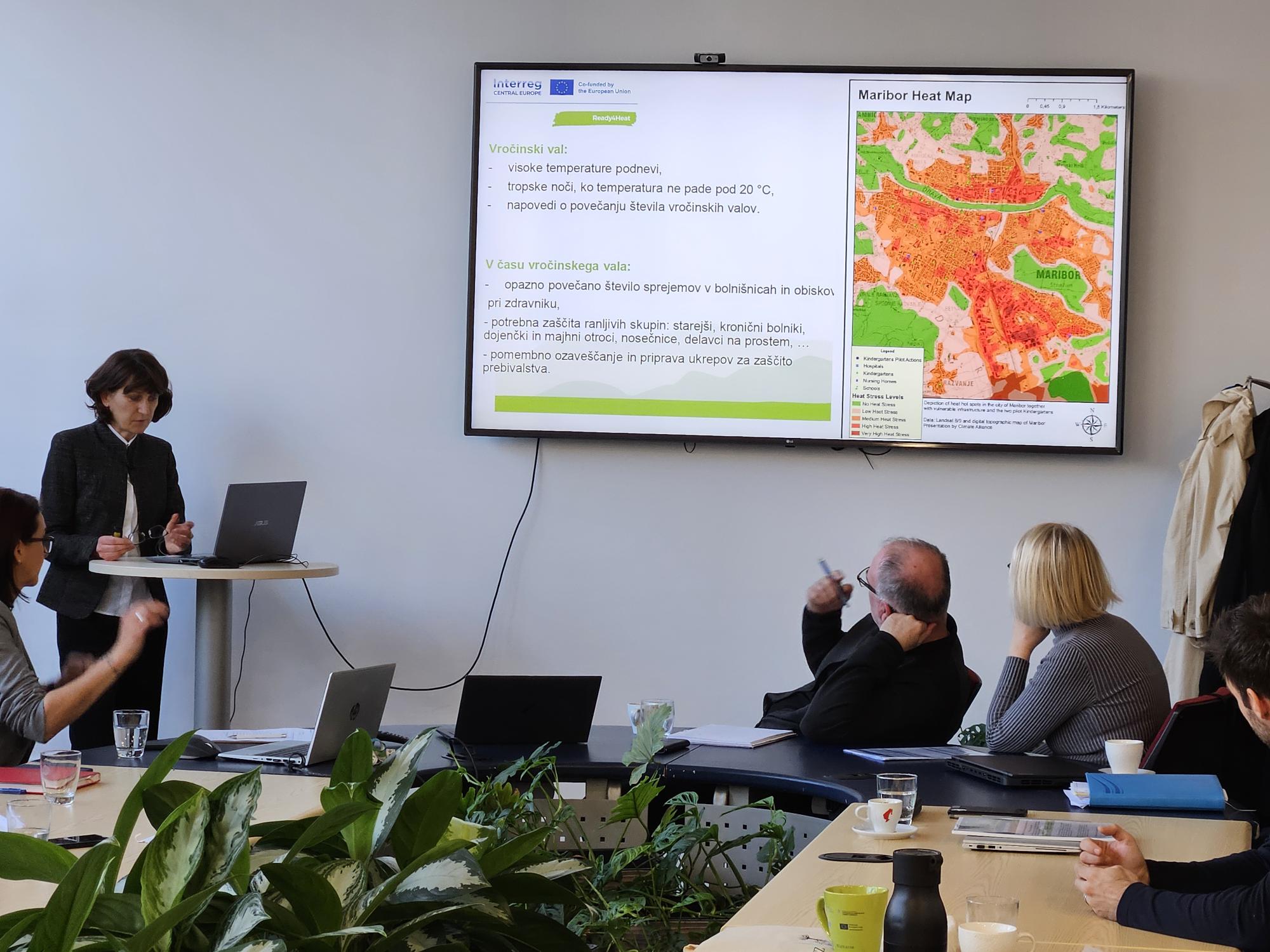
The Municipality of Maribor ensures public health and well-being through its Strategy and Heat Action Plan. The plan prioritized greening initiatives, urban design improvements, and public education campaigns to mitigate the impact of rising temperatures. Maribor’s plan focused on protecting people by raising awareness about heat waves and their dangers, particularly for at-risk groups, adapting its infrastructure by expanding green spaces, promoting heat-resistant materials, and ensuring access to cool public areas. The special emphasis on public awareness by disseminating real-time weather updates and conducting educational workshops made the citizen engagement aspect of the plan stand out.
A steering group was established to oversee the plan’s implementation and regularly report progress to the City Council. Additionally, the plan includes a unique “List of Maribor Tree Species” to guide sustainable urban planting efforts. Read more in Slovenian here..
 Photo: City of Maribor
Weiz: A Comprehensive Approach to Heat Management
Weiz’s Heat and Health Action Plan integrates public health protection, infrastructure adaptation, and climate resilience strategies. The city outlined a multi-level response to extreme heat:
-
Short-term: Public information campaigns, hydration initiatives, and real-time heat alerts.
-
Medium-term: Increased drinking water access, shaded public areas, and designated cooling stations.
-
Long-term: Sustainable urban planning, tree planting programs, and mandatory green space regulations.
To ensure accountability, Weiz has established a monitoring framework alongside its Sustainable Energy and Climate Action Plan (SECAP). A dedicated task force will track key indicators such as reductions in heat-related health incidents and urban greening expansion.
Why Heat Action Plans Matter
Rising temperatures pose serious risks to public health, urban infrastructure, and overall quality of life. Vulnerable populations—such as the elderly, children, outdoor workers, and individuals with chronic illnesses—are particularly at risk. Moreover, cities experience the urban heat island effect, where built-up areas trap heat, making temperatures even higher than in surrounding rural regions.
By implementing proactive strategies, Weiz, Hajdúböszörmény, and Maribor are setting a precedent for other cities to follow. Congratulations to the municipal representatives and stakeholders who worked diligently to develop and adopt these plans. Their efforts ensure a safer and more resilient future for their communities.
For more information visit the Ready4Heat Outputs Page.