
Project overview
SMART CIRCUIT: enabling SMARTer, CIRCUlar digITal innovation hubs to enhance Central Europe’s manufacturing eco-system towards a greener & more competitive future.
Manufacturing is an important employer in central Europe. But it is also resource-intensive and produces much waste and emissions, especially in value chains related to the electronics, construction and textiles sectors. The SMART CIRCUIT project extended the scope of existing digital innovation hubs to promote circular economy practices. By connecting these hubs throughout central Europe, the partners increased knowledge on best practices and strengthened capacities for circular manufacturing.
-
2,47m €
-
Project Budget
-
80%
-
of the Budget is funded by ERDF
-
9
-
Countries
-
12
-
Regions
-
12
-
Partners
-
3
-
Pilots
Duration
Start date
End date
Project progress
Project partnership
Project partners

Lead partner
Krakow Technology Park ltd.
Technology Park Department
Project partner
Center for sustainable innovation
Total partner budget
199,930 €
Total partner budget
197,870 €
Institute for Machine Tools and Forming Technology
Address
Reichenhainer Str. 88 09126 Chemnitz
Country
Germany (DE) Web
http://www.iwu.fraunhofer.de/en.html
Total partner budget
199,790 €
Address
Emmy-Noether-Str. 2 79110 Freiburg im Breisgau
Country
Germany (DE) Web
www.microtec-suedwest.de
Total partner budget
209,016 €
Total partner budget
199,965 €
Total partner budget
199,790 €
Total partner budget
209,518 €
Total partner budget
220,075 €
Total partner budget
209,530 €
Total partner budget
199,175 €
Varaždin County Chamber
Total partner budget
183,273 €
Roadmap
1
Inspiring Success Stories Across Europe
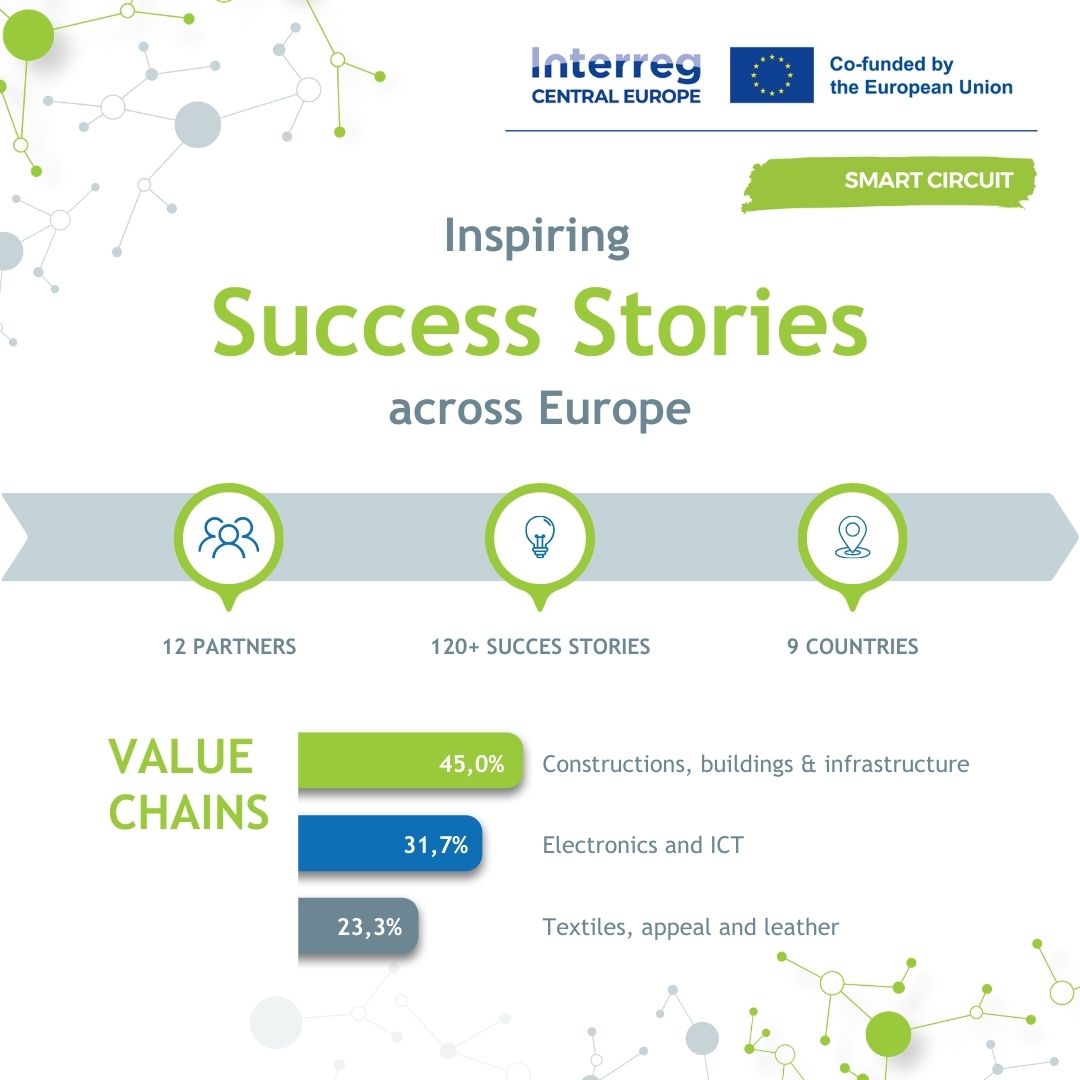
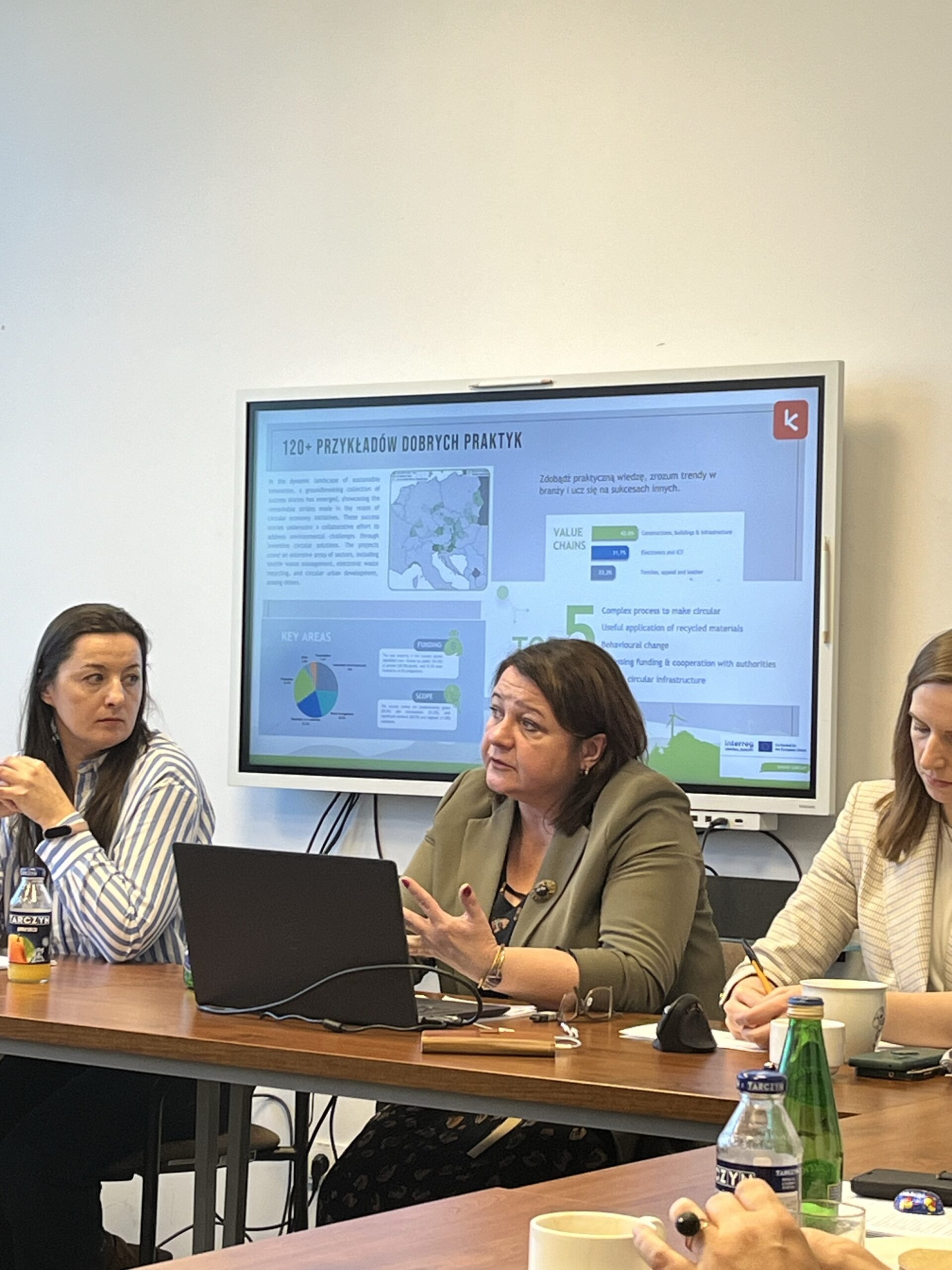
Discover the 122 success stories, encapsulating the transformative journey undertaken by 9 countries, reinforcing the vitality of circular practices in today's globalized world.
These success stories underscore a collaborative effort to address environmental challenges through inventive circular solutions. The projects cover an extensive array of sectors, including textile waste management, electronic waste recycling, and circular urban development, among others.
These success stories highlight groundbreaking efforts to change how industries deal with waste. Whether it's turning textile leftovers into eco-friendly products or harnessing the potential of electronic waste, these initiatives signal a move towards sustainable practices, making a lasting impact on economies and the environment.
These success stories are not only emblematic of local triumphs but have also gained recognition on a broader platform. Some of these remarkable initiatives have been featured on the European Circular Economy Stakeholder Platform, amplifying their impact and providing a blueprint for sustainable practices to a wider audience.
2
Circular Innovation Academy
The Circular Innovation Academy is ready to share with you.
The primary objective of CIA is to revolutionize education by fostering a deep understanding of circular economy principles. By seamlessly integrating digital innovation, industry-specific modules, and hands-on experiences, CIA helps develop professionals who drive the circular economy forward.
3
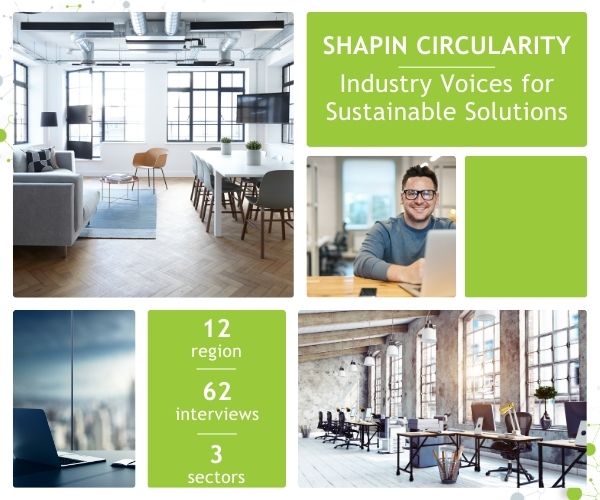
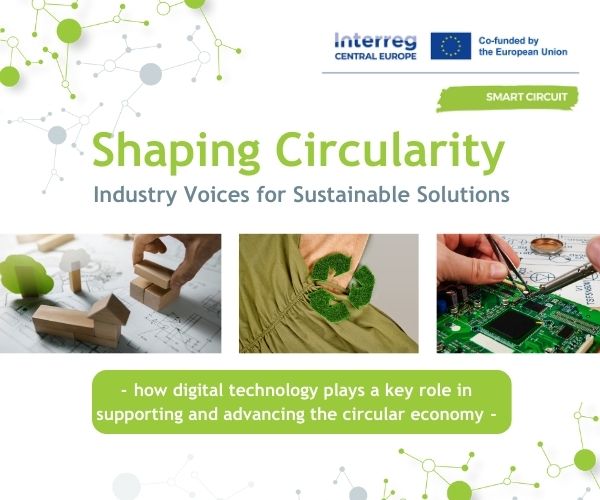
Shaping Circularity: Industry Voices for Sustainable Solutions
The SMART CIRCUIT project surveyed 62 enterprises across Central Europe to identify their needs, challenges and opportunities related to the circular and digital transformation of manufacturing. The survey showed that 74% of the companies already had a circular strategy in place, while regulatory changes, market developments and technological obsolescence remained important challenges.
The results highlighted the role of digital technologies in improving resource efficiency, supporting innovation and enabling new circular business models. At the same time, the findings showed that the needs of companies differ between sectors such as textiles, construction and ICT/electronics.
The industry analysis therefore provided evidence for more targeted support measures, combining technology, cooperation and regulatory guidance. The findings can help innovation hubs, policymakers and business support organisations design services that respond more closely to the practical needs of companies undertaking the circular and digital transition.
The results highlighted the role of digital technologies in improving resource efficiency, supporting innovation and enabling new circular business models. At the same time, the findings showed that the needs of companies differ between sectors such as textiles, construction and ICT/electronics.
The industry analysis therefore provided evidence for more targeted support measures, combining technology, cooperation and regulatory guidance. The findings can help innovation hubs, policymakers and business support organisations design services that respond more closely to the practical needs of companies undertaking the circular and digital transition.
4
Shaping Circularity: Policy Perspectives for a Sustainable Future
The SMART CIRCUIT project conducted 36 interviews with policymakers across Europe to examine how regional policies can better support the digital and circular transformation of industry.
The interviews highlighted the importance of stronger public-private cooperation, better alignment between regional policies and technological developments, and improved access to digital infrastructure and knowledge. The discussions also underlined the need for further education and capacity building on circular economy practices.
The results were brought together in a policy interview series, providing practical perspectives on the policy conditions needed to support circular and digital innovation. The findings can be used by policymakers and innovation organisations when developing regional strategies, support instruments and cooperation mechanisms for a more sustainable and competitive manufacturing sector.
The interviews highlighted the importance of stronger public-private cooperation, better alignment between regional policies and technological developments, and improved access to digital infrastructure and knowledge. The discussions also underlined the need for further education and capacity building on circular economy practices.
The results were brought together in a policy interview series, providing practical perspectives on the policy conditions needed to support circular and digital innovation. The findings can be used by policymakers and innovation organisations when developing regional strategies, support instruments and cooperation mechanisms for a more sustainable and competitive manufacturing sector.
5
Future-ready Policymaking

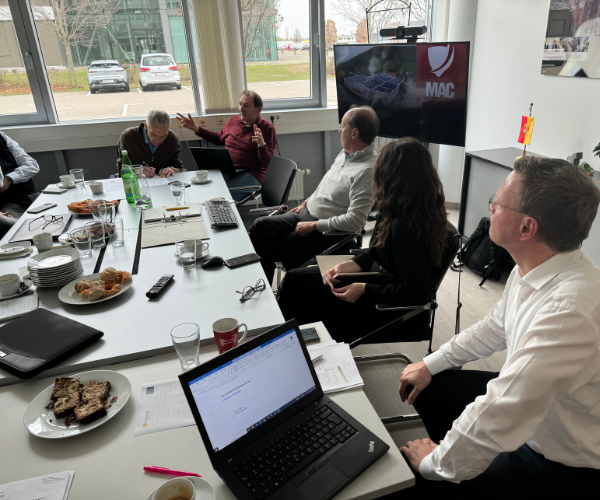
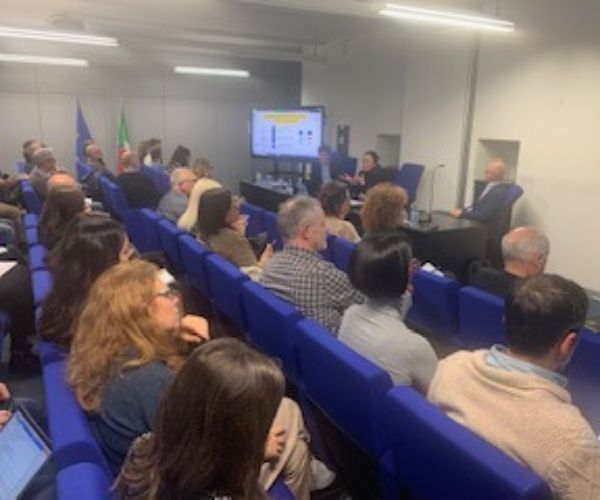
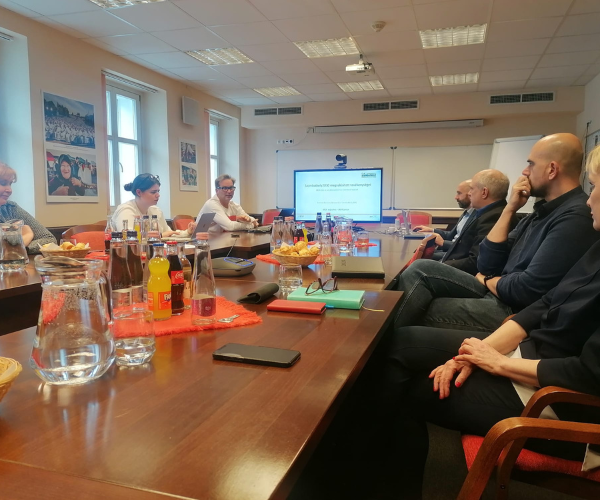
The SMART CIRCUIT project implemented 12 Strategy Learning Labs (STRATLABs) across 9 Central European countries, bringing together more than 200 stakeholders from policymaking, industry and innovation organisations.
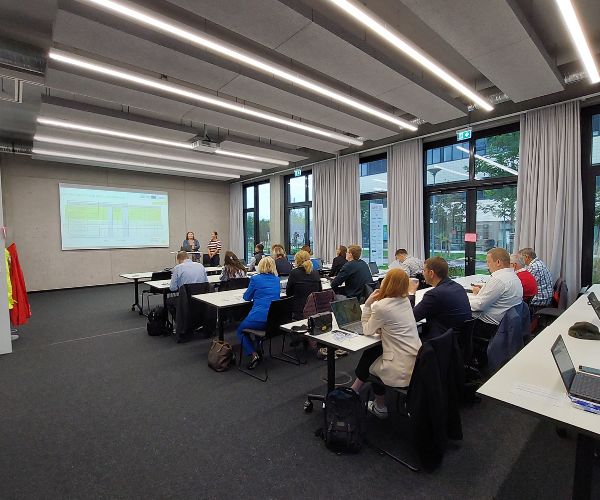
The STRATLABs provided structured environments for testing how policy and industry stakeholders can work together on circular and digital transformation. Different formats were tested, including policy roundtables, innovation showcases and co-creation workshops. The activities also resulted in service portfolios covering training, funding advice, digitalisation support and awareness raising.
The experience demonstrated the value of structured and recurring dialogue between policymakers, businesses and innovation actors. It also identified the need for permanent dialogue platforms to maintain cooperation beyond individual projects and funding periods. The STRATLAB approach provides a transferable model for regions and innovation ecosystems seeking to connect policy development with the practical needs of industry and to accelerate the adoption of circular and digital solutions.
The STRATLABs provided structured environments for testing how policy and industry stakeholders can work together on circular and digital transformation. Different formats were tested, including policy roundtables, innovation showcases and co-creation workshops. The activities also resulted in service portfolios covering training, funding advice, digitalisation support and awareness raising.
The experience demonstrated the value of structured and recurring dialogue between policymakers, businesses and innovation actors. It also identified the need for permanent dialogue platforms to maintain cooperation beyond individual projects and funding periods. The STRATLAB approach provides a transferable model for regions and innovation ecosystems seeking to connect policy development with the practical needs of industry and to accelerate the adoption of circular and digital solutions.
News



Events
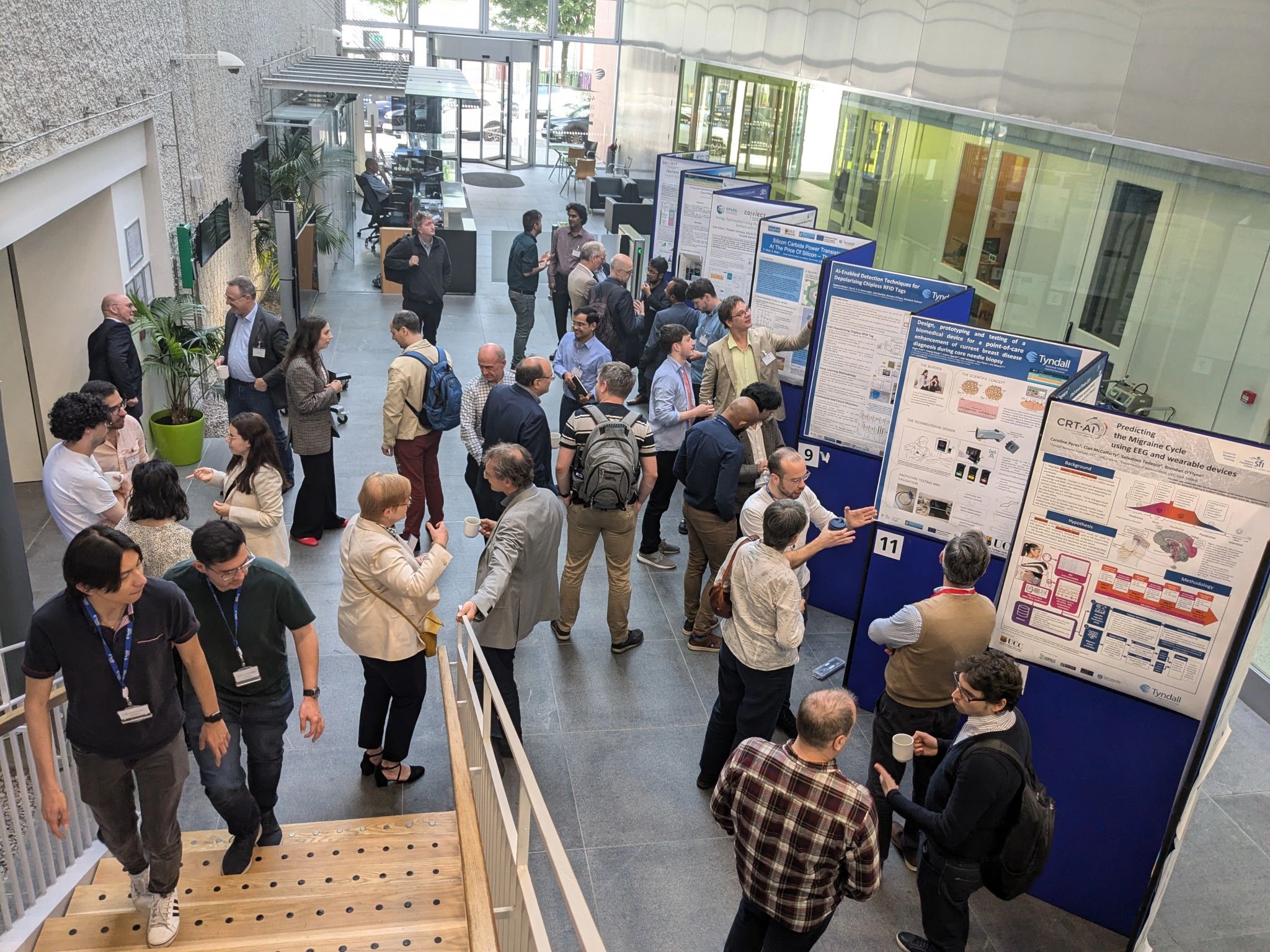
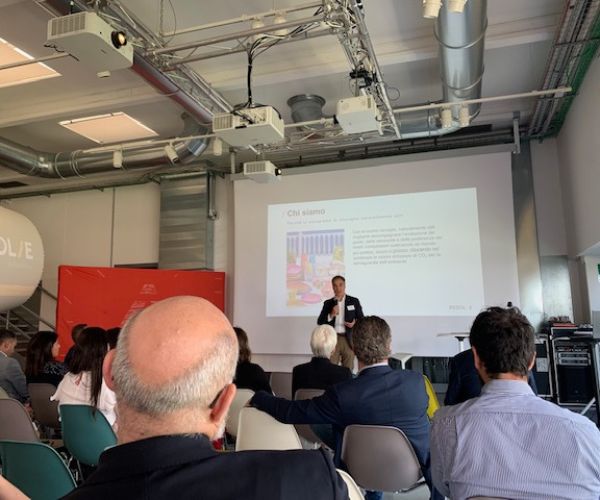
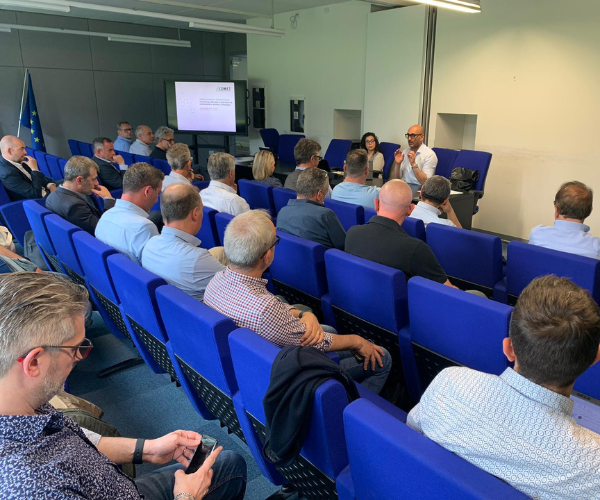
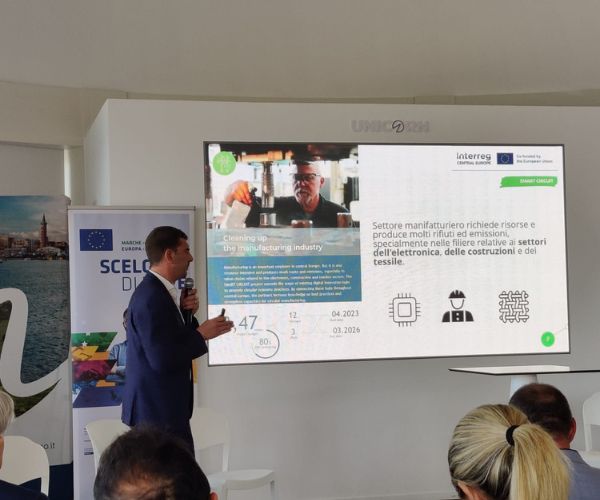
Pilot actions
Outputs
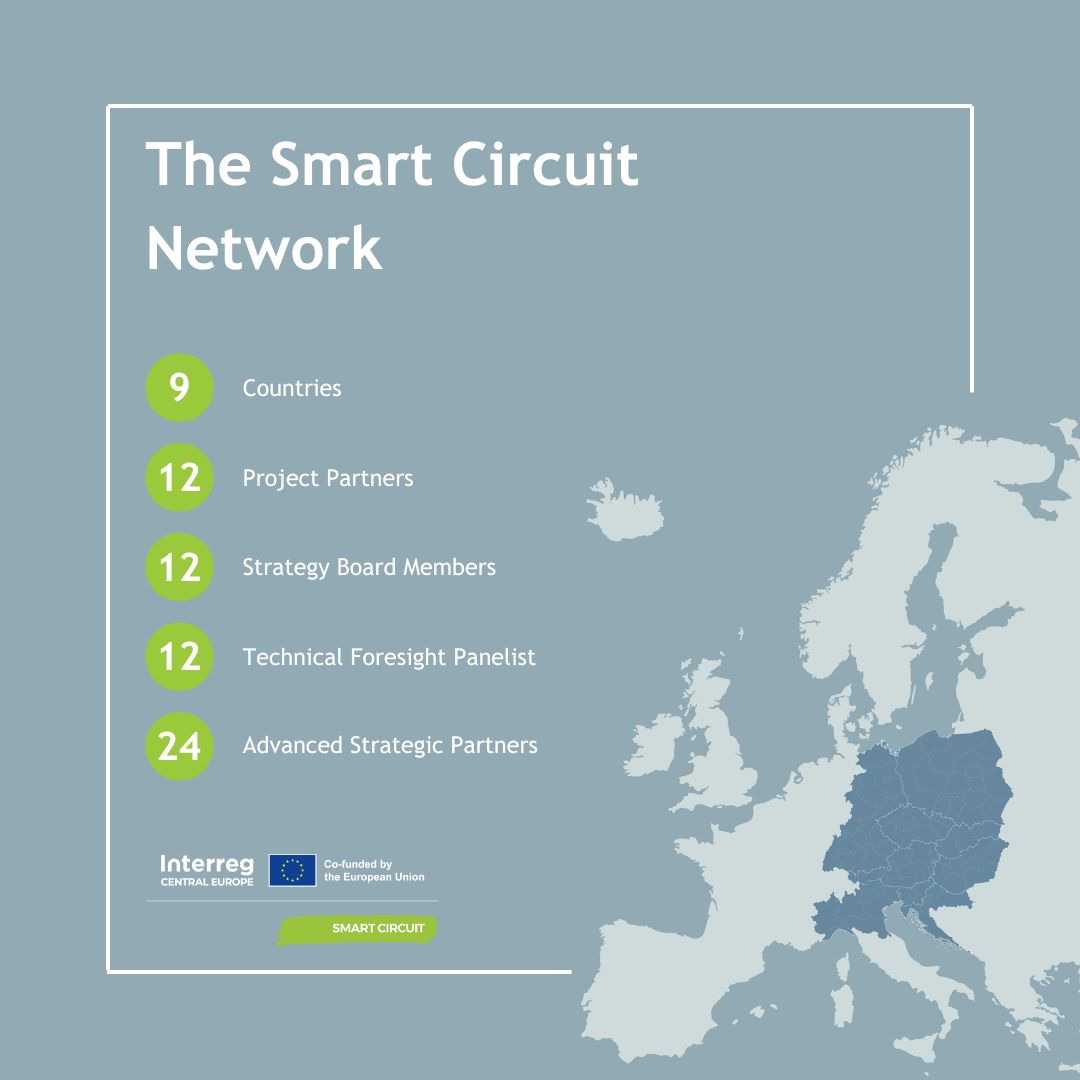
The Smart Circuit Network
Empowering Innovation: SMART CIRCUIT's Strategic Alliance for Industry Excellence
SMART CIRCUIT leverages comprehensive knowledge from public-private partnerships (PPs) and Advanced Strategic Partnerships (ASPs) along with an extensive network to successfully deliver the project. The initiative involves 24 ASP members, including 12 Strategic Board Members from 12 external organizations. These members contribute their industrial, technological, and sustainability expertise at the territorial level of the PPs, alongside 12 Technical Foresight Panelists from 9 external organizations and 3 external departments within PP organizations. This strategic and technical insight significantly enhances the development and operation of the network, focusing on the project’s three key outcomes: Circular Innovation Academy (CIA), Strategic Labs (STRATLAB), and Pilots in Factories (FACTORY). These elements maintain a dynamic strategic approach, enriched with cutting-edge research and market perspectives.
Type of output: Strategies and action plans
The Circular Innovation Academy (CIA) Solution
This output aims to revolutionize the Circular Innovation Academy (CIA) by establishing a robust, long-term training and upskilling platform for professionals. This initiative delivers a sustainable solution for continuous professional development in circular economy practices. By offering comprehensive, ongoing education, the platform ensures that industry professionals remain at the cutting edge of digital and technology-driven circular solutions. The program connects trainees with European and global initiatives, fostering a network of skilled Circular Value Engineers (CiVEs). This enduring model creates a formal framework for the CIA, embedding it as a permanent fixture in the circular economy landscape. Participants gain the expertise needed to drive innovation and sustainable practices within their organizations, promoting resource efficiency and circularity across various sectors. The ultimate goal is to enhance the manufacturing ecosystem's capacity for adopting circular economy solutions, ensuring a greener, more sustainable future.
Type of output: Solutions
The Circular Industry Futures Strategy Lab Solution
This transnational initiative strengthens collaboration among triple-helix stakeholders—policy-makers, industry representatives, and researchers—helping to bridge territorial and strategic gaps. Through the development of a structured method for continuous engagement, the initiative supports the reduction of barriers and contributes to the creation of sustainable financing opportunities for digital and technology-driven circular solutions.
The strategy lab connects different territorial strategies and encourages sustainable cross-territory exchanges on policy instruments, particularly in the fields of finance and cooperation. By clearly defining roles, responsibilities, and support mechanisms, the output ensures that stakeholders are better prepared to promote and implement innovative circular solutions.
Type of output: Solutions
CENTRAL EUROPE CIRCULAR INDUSTRY FUTURES 2030
The output delivered a visionary transnational strategic roadmap and comprehensive action plans for sustainable service solutions and Digital Innovation Hub (DIH) brokerage. The initiative provided strategic recommendations and defined action areas across nine countries and twelve regions, establishing a strong foundation for continuous engagement and integration. Building on pilot planning activities and task force collaborations, the roadmap successfully addressed gaps related to key European policy frameworks, including the Green Deal and the EU Circular Economy Action Plan (CEAP).
As part of the implementation, a Memorandum of Understanding was established with an expanded network of 28 DIHs, strengthening synergies, strategic alignment, and cross-border cooperation. The resulting strategy enabled the seamless deployment of innovative circular economy solutions while enhancing collaboration among regional stakeholders. Ultimately, the initiative empowered participating regions to adopt more sustainable practices and accelerated the advancement of the circular economy agenda toward a greener, more resilient future.
Type of output: Strategies and action plans
The Circular Industry Factory (FACTORY) Solution
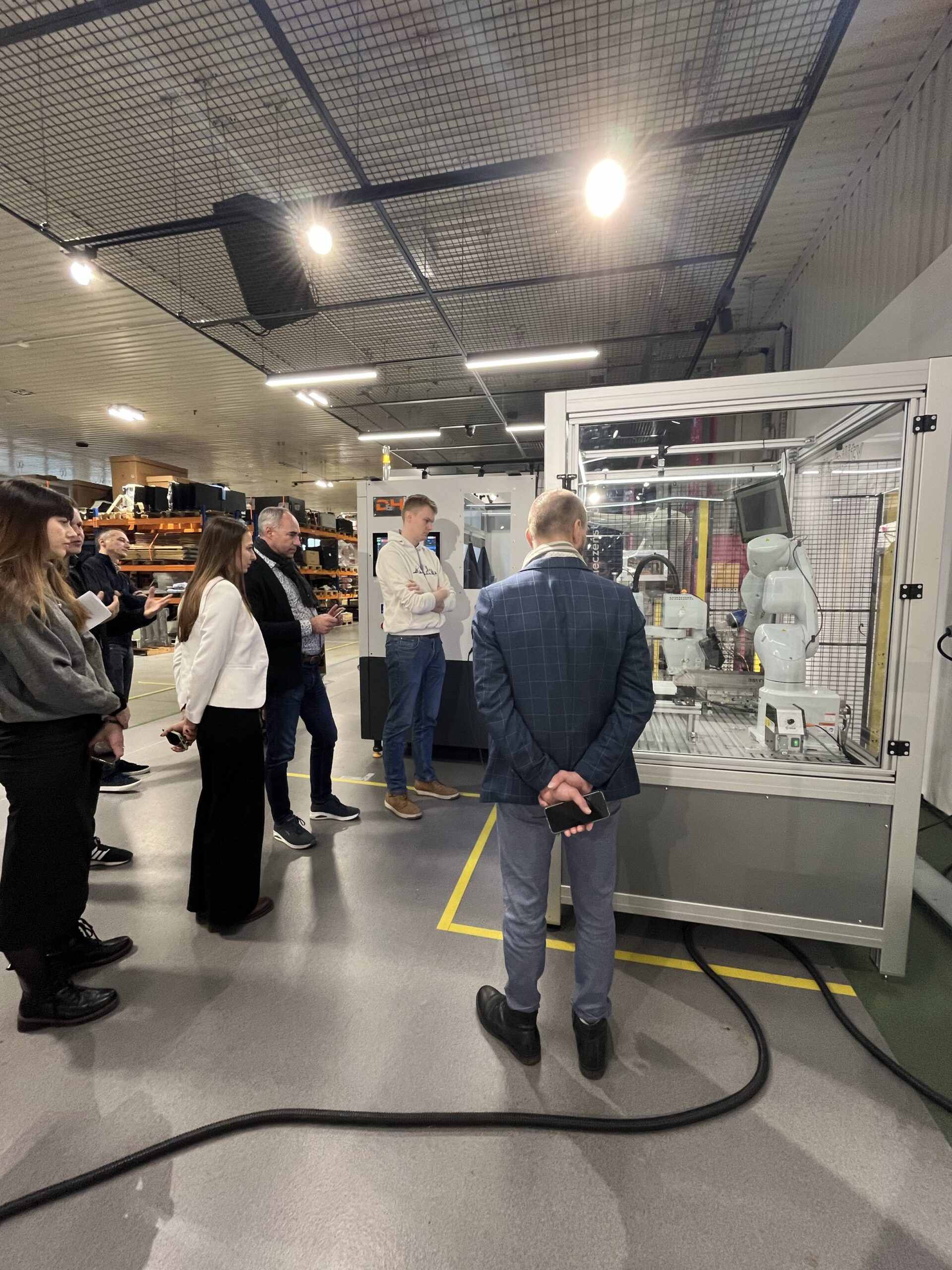
The initiative provides a comprehensive and sustainable upgrade for the Central European manufacturing ecosystem by establishing four detailed transnational service portfolios tailored to specific value chains. These portfolios support the integration of digital and technology-driven circular economy practices within industry. In parallel, four joint solution flagship projects have been developed to create long-term frameworks for delivering innovative circular solutions. Through connections with eDIH networks and cooperation across macro-territories, the FACTORY Solution supports the wider dissemination and adoption of circular economy services. This contributes to improving resource efficiency, sustainability, and the overall resilience of manufacturing processes, while promoting a greener industrial landscape.
Type of output: Solutions
Project documents
Circular Economy Success Stories
Circular Innovation Academy
Policy-Interview Series on Impressions & Considerations of Circular Industry Futures
INDUSTRY INTERVIEWS_ AUDIT SERIES + MAPPING ON NEEDS, CHALLENGES & INTERESTS
Territorial Strategy & Instrument Benchmarking Fact Sheets on Circular Industry Futures
Transnational Mobility Missions
Task Forces
SMART CIRCUIT
The project lead partner is responsible for the content of this project website.
Project on social media
Project contact
Agnieszka Włodarczyk
Email: awlodarczyk@kpt.krakow.pl