

Project overview
Strengthening Innovation Capacities Among Central European Alternative Food Networks
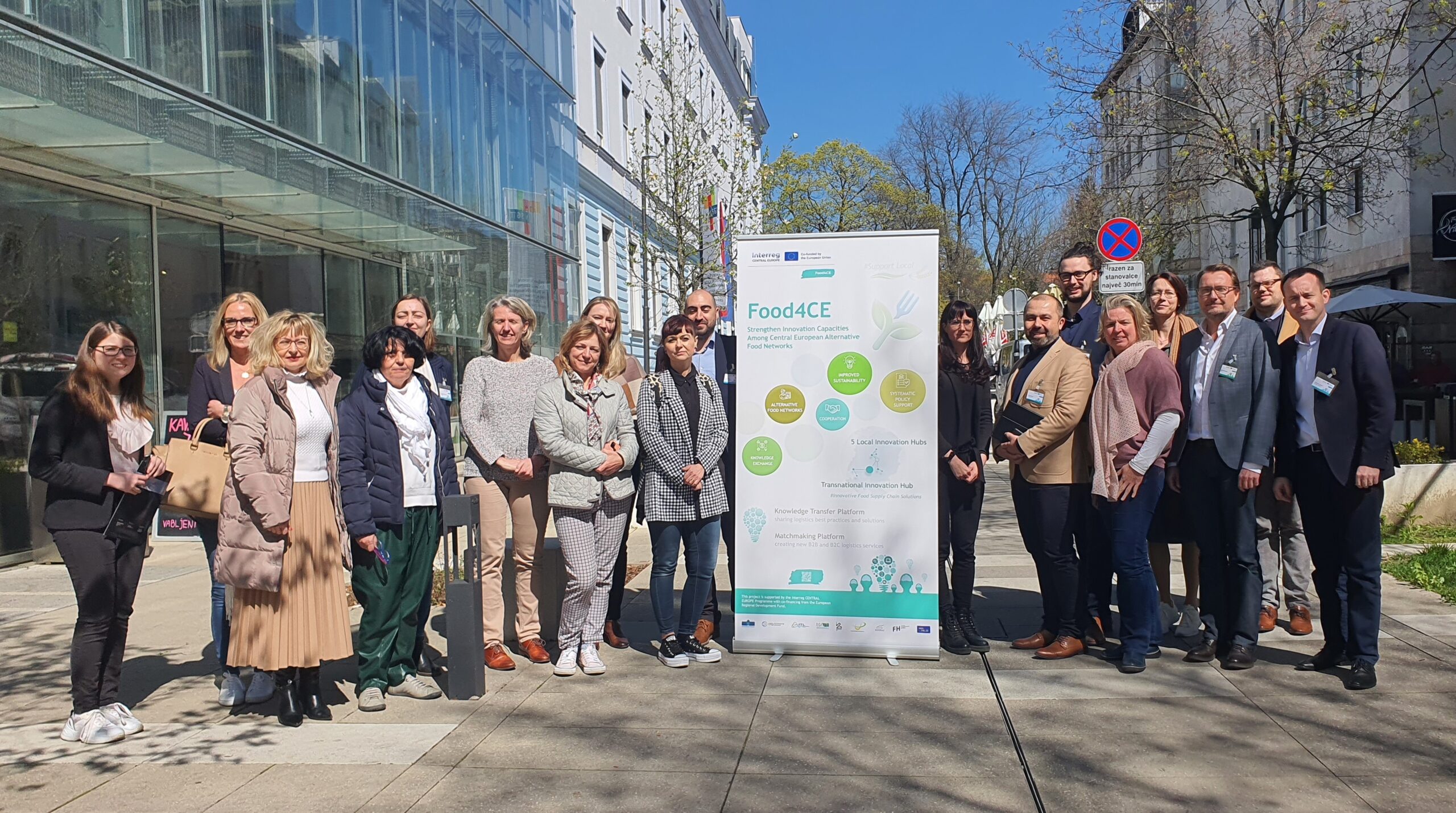
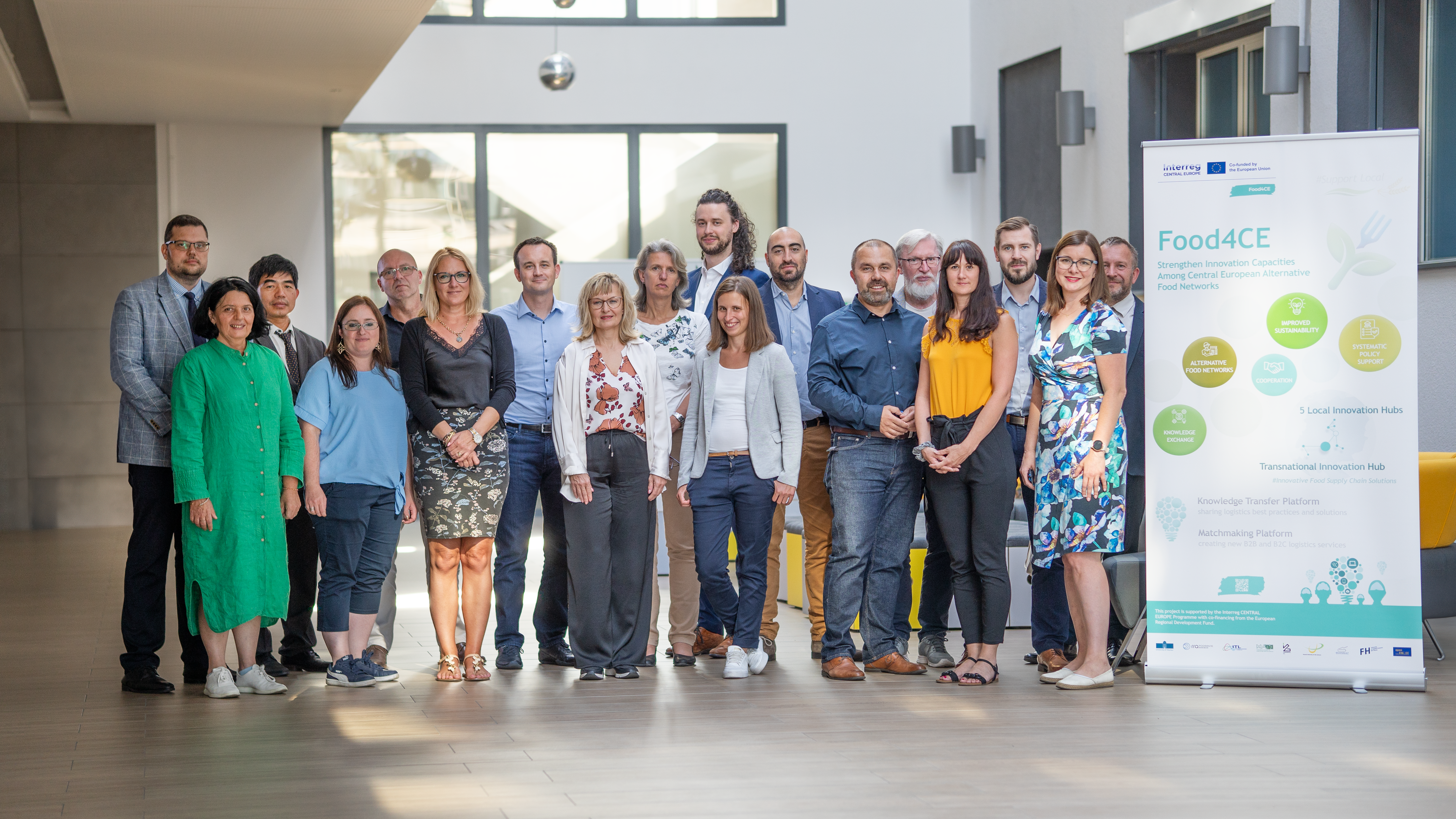
Alternative food networks seek to transform food supplies by connecting ethical producers and consumers more directly. Systemic policies to support such networks are widely missing in central Europe and it is time to change this. The FOOD4CE project established local and transnational hubs for the food and logistics sectors, in which they can exchange good practices and take up innovative technologies. The hubs are integrated into the European network of logistics competence centres.
-
2,10m €
-
Project Budget
-
80%
-
of the Budget is funded by ERDF
-
6
-
Countries
-
6
-
Regions
-
9
-
Partners
-
2
-
Pilots
Duration
Start date
End date
Project progress
About the project
Food4CE was a three-year project, running from March 2023 to February 2026. It supported the development of sustainable and resilient food supply systems by strengthening Alternative Food Networks (AFNs) through innovation, logistics optimisation and cross-sector collaboration. The project established five regional and one transnational Innovation Hub, developed digital tools such as a Knowledge Transfer Platform and a Matchmaking Platform, and produced regional action plans and policy guidelines to ensure long-term support for Alternative Food Networks across Central Europe.
Project partnership
Project partners

Lead partner
University of Maribor
Faculty of Civil Engineering, Transportation Engineering and Architecture
Project partner
Department for Regional Development
Total partner budget
211,250 €
Total partner budget
260,250 €
Food and Technology Institution
Total partner budget
241,170 €
Address
ul. Ewarysta Estkowskiego 6 61-755 Poznań
Country
Poland (PL) Web
https://pit.lukasiewicz.gov.pl/
Total partner budget
256,678 €
Department of Law and Farm Management
Total partner budget
186,250 €
Total partner budget
225,250 €
Total partner budget
190,040 €
Total partner budget
162,250 €
Roadmap
1
Identification and classification of existing Alternative Food Networks (AFNs) in Central Europe
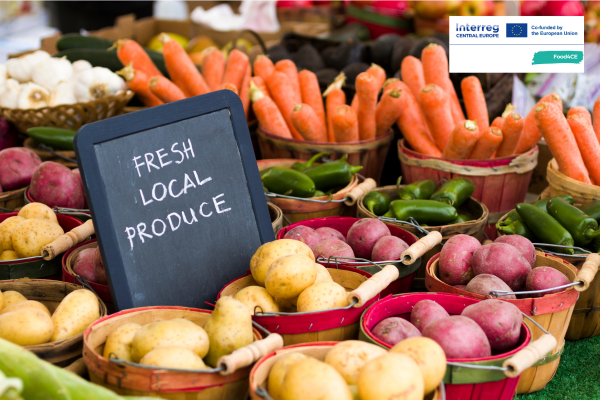
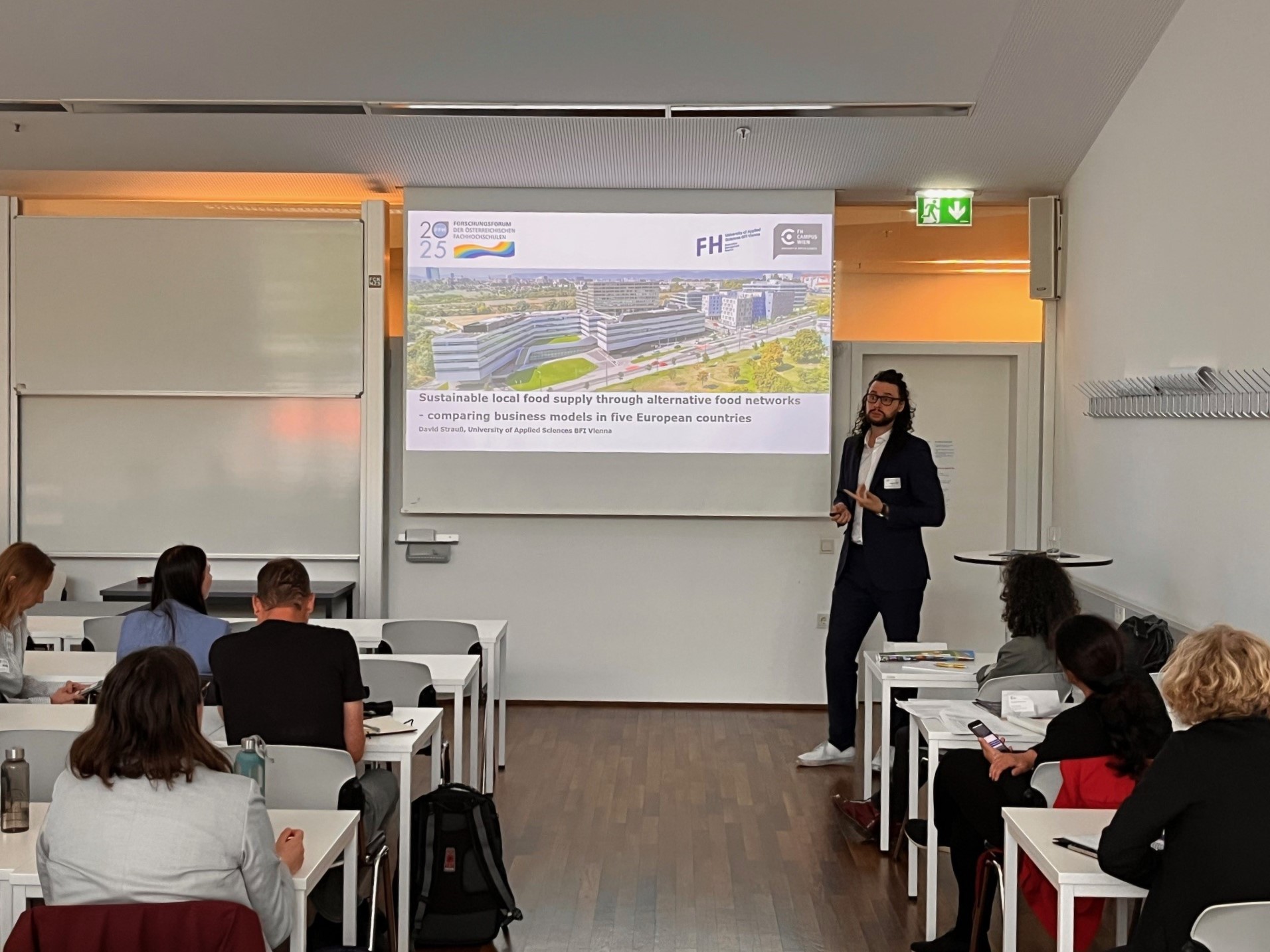
The task systematically identified (through desk analysis and surveys) the existing Alternative Food Networks (AFNs) in Central Europe and evaluated their level of development to classify them into different categories of complexity. Alternative food networks seek to transform food supplies by connecting ethical producers and consumers more directly. Special emphasis was given to business models, which were systematically compared using the CANVAS methodology (transnational benchmark). Special emphasis was also given to the sustainability of the identified solutions and business models. The task also identified and classified AFN stakeholders to better understand their roles and provide a database of key stakeholders. The analysis and survey of existing AFN business models and stakeholders formed the basis for the stakeholder database and the Knowledge Transfer Platform.
2
Analysis of Alternative Food Networks (AFNs) Short Food Supply Chains (SFSC) characteristics and need
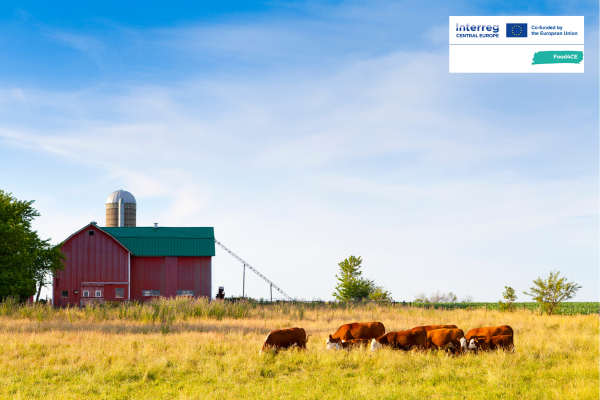
Small local food producers often underestimated the importance of logistics. Logistics is a complex process that can make an important contribution to the efficiency of short food supply chains (SFSCs), a distribution model featuring zero or one intermediary, close geographical or social ties, and local economic cooperation between food producers and consumers. The desk research and survey therefore focused on the supply chain and logistics processes of the identified small-scale (alternative) food production and distribution systems. Special emphasis was given to transport, packaging and handling equipment, warehousing, IT support, and tracking and tracing. The in-depth analysis of characteristics and needs provided the basis for knowledge transfer and policy support for AFNs in Central Europe.
Short Food Supply Chains Characteristics and Needs in Slovenia
Short Food Supply Chains Characteristics and Needs in Austria
Short Food Supply Chains Characteristics and Needs in Hungary
Short Food Supply Chains Characteristics and Needs in Italy
Short Food Supply Chains Characteristics and Needs in Poland
Transnational Short Food Supply Chains Characteristics and Needs
3
Pilot mapping of Alternative Food Networks (AFNs) logistics solutions and best practices
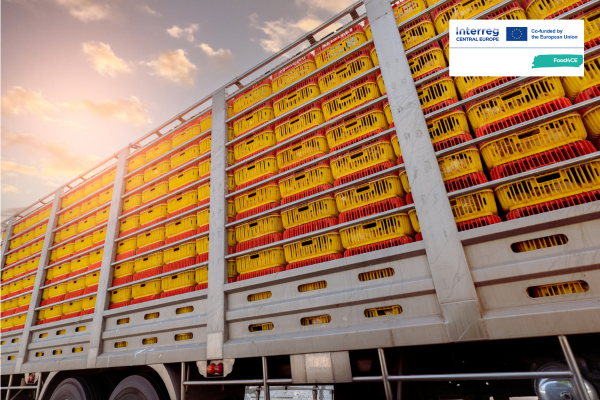
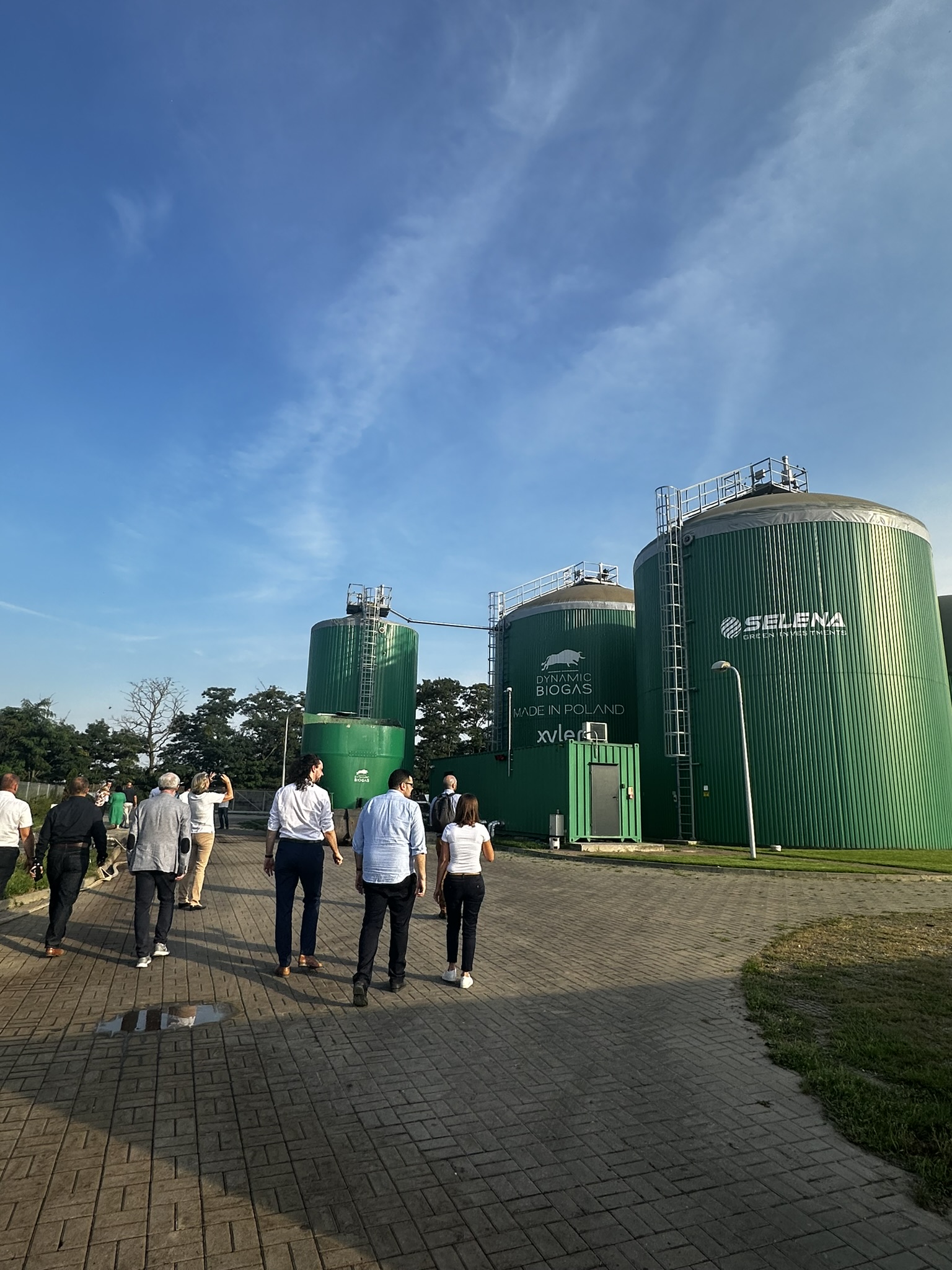
Examples of good practices proved to be crucial in improving the functionality of existing AFNs in Central Europe and supporting the development of new ones. This pilot activity gathered knowledge, experiences and best practices in the field of logistics operations for AFNs and developed a tool to create a repository of solutions and concepts appropriate for small-scale alternative food producers and small logistics operators. The most advanced AFN functional models and the most efficient short food supply chains were selected for in-depth analysis. This activity developed, tested and verified the tool, providing direct input for the Knowledge Transfer Platform. It also helped identify the main logistics challenges and innovative approaches that resulted in the collection of best practice examples.
4
Innovation Hub setup and pilot operation
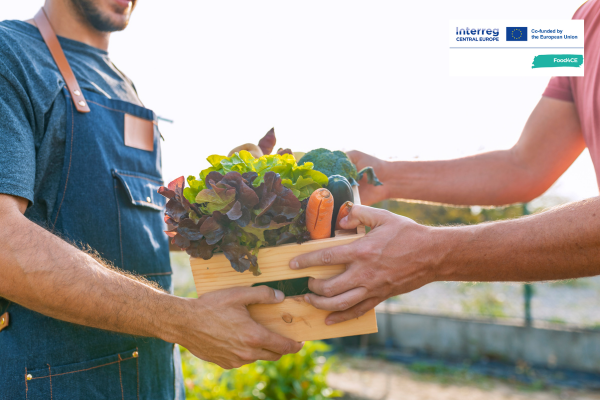
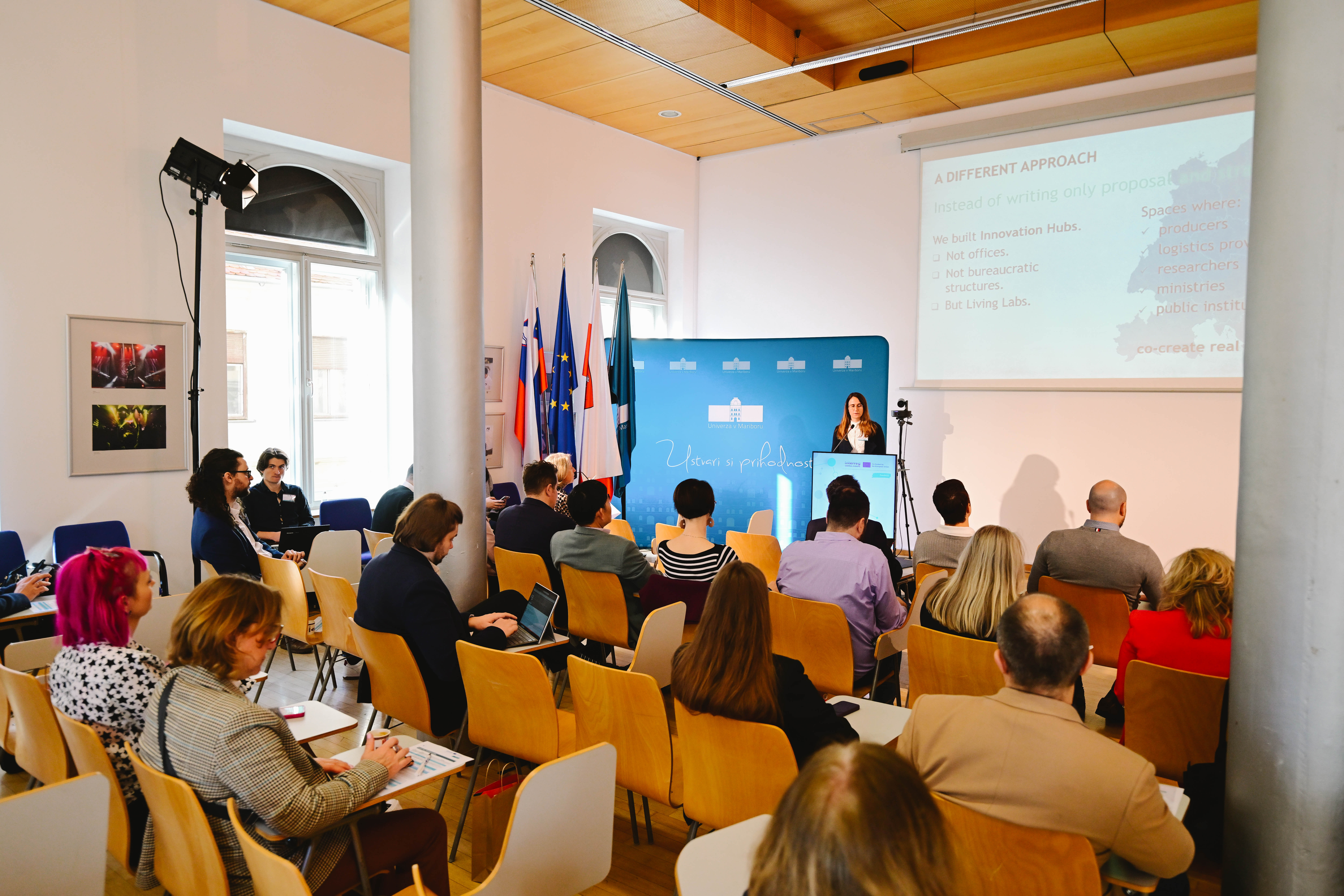
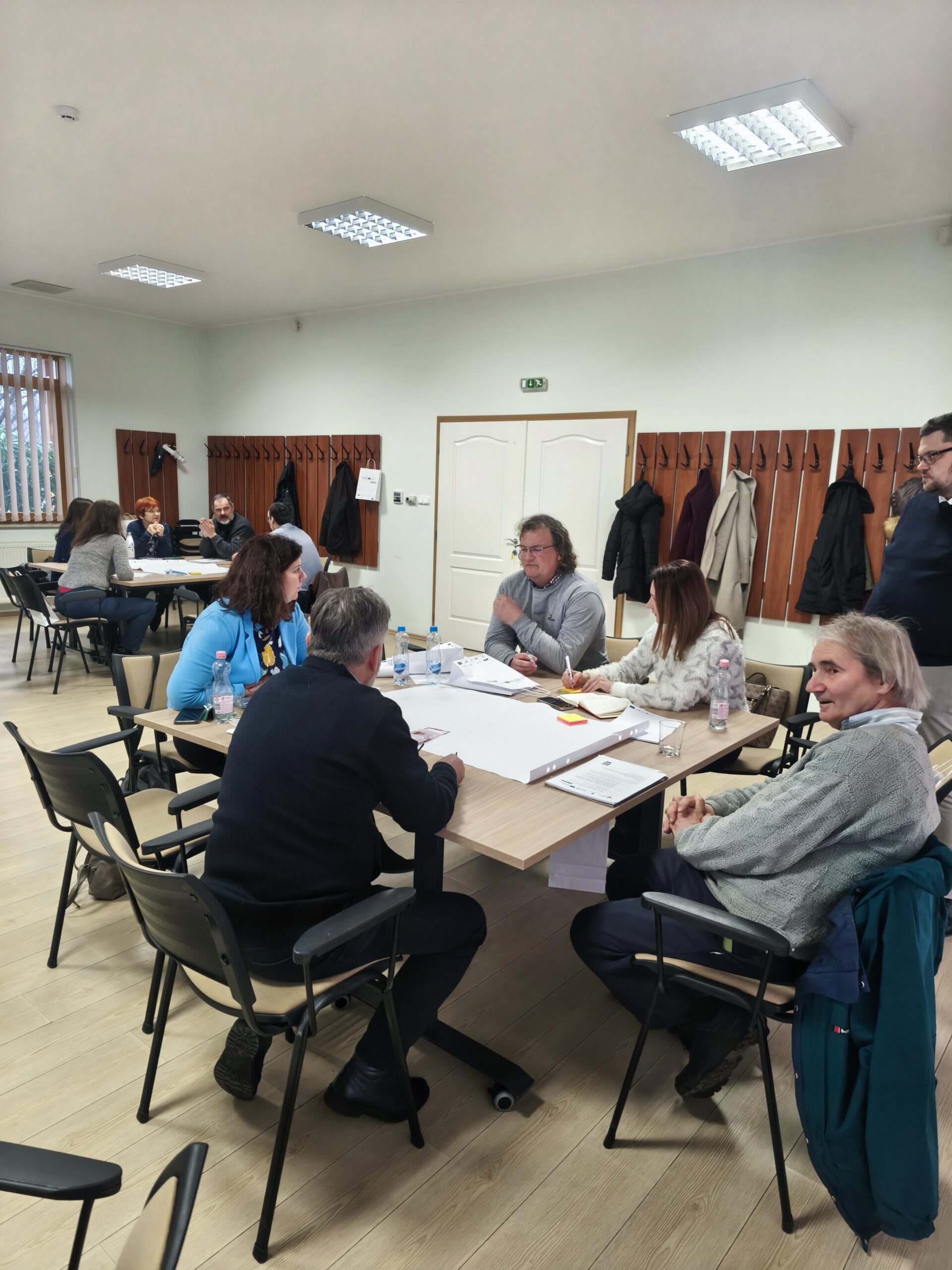
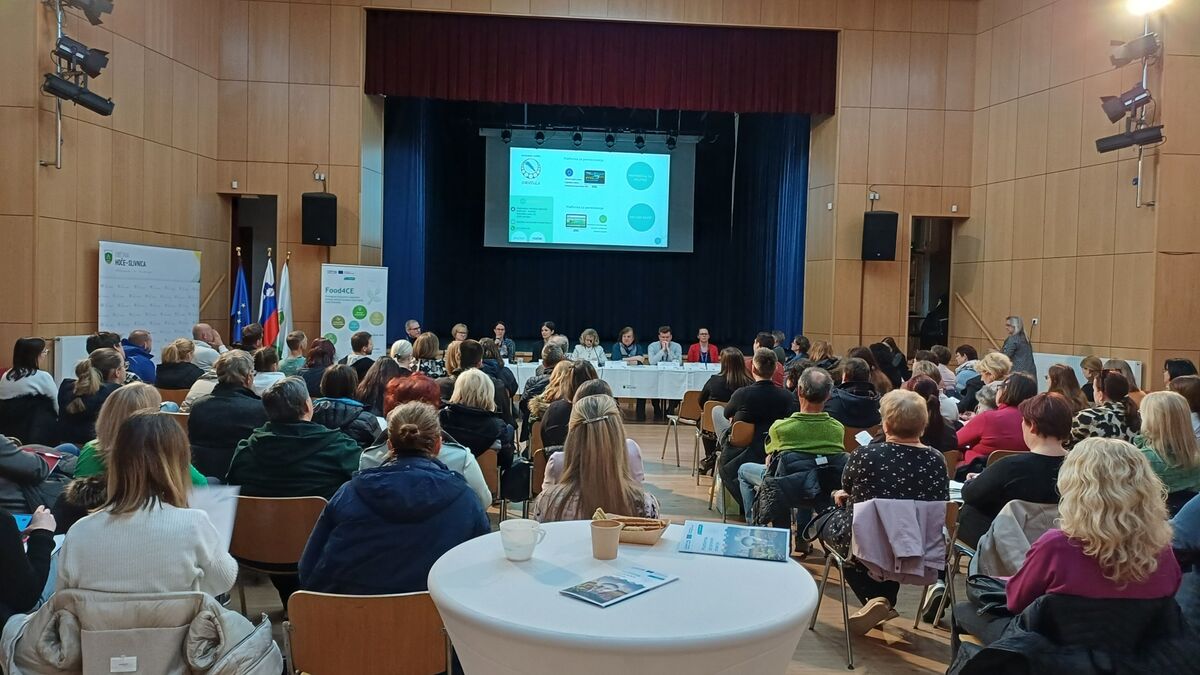
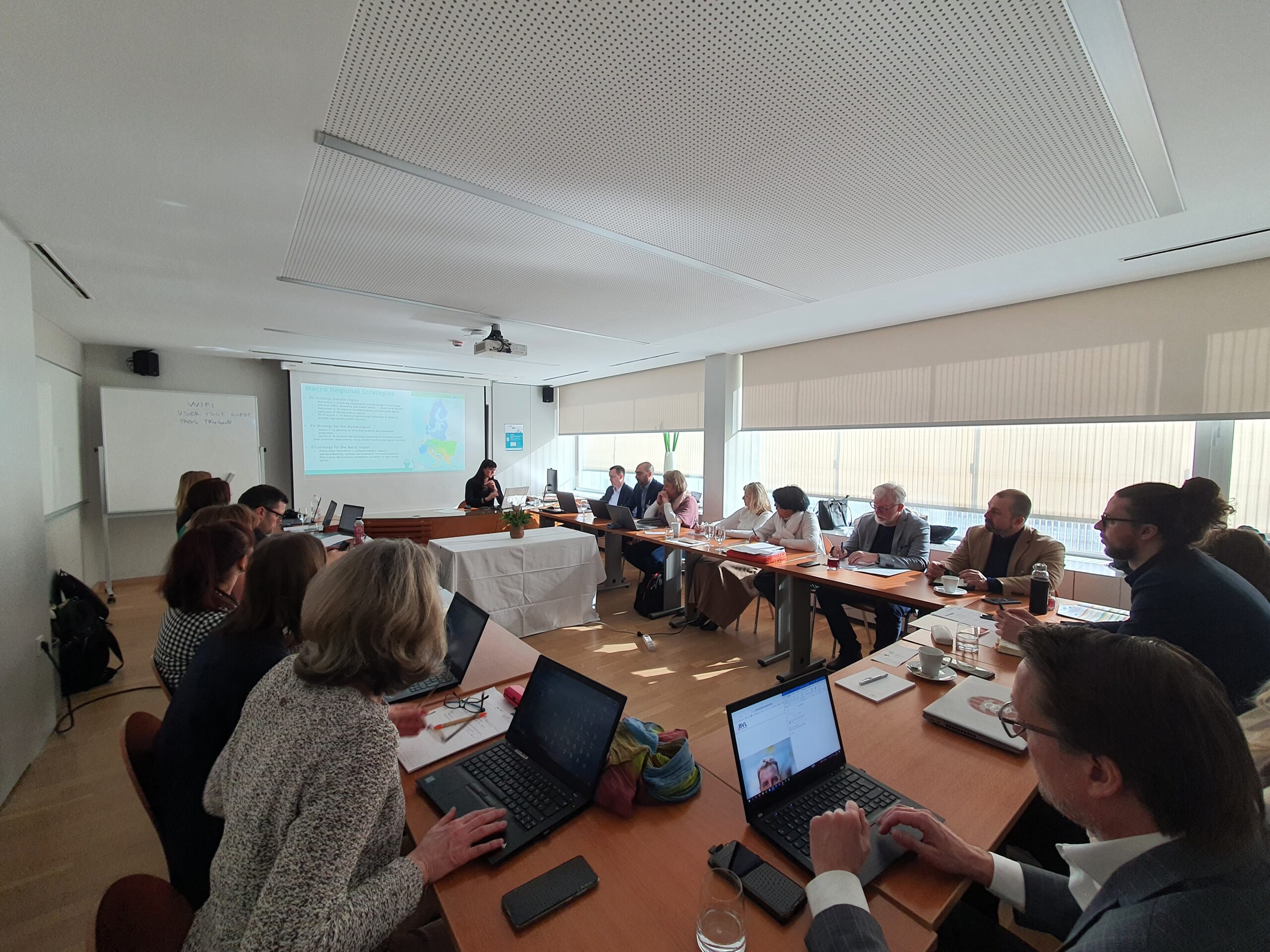
The Innovation Hub brought together actors from different sectors to advance Alternative Food Networks (AFNs) in Central Europe. Organised as a living lab, the Innovation Hub enabled active knowledge transfer between researchers, business experts, food producers, logistics operators and policy makers to co-create conditions for the improved functioning of AFNs in Central Europe. The Innovation Hub provided two distinct services to its members: the Knowledge Transfer Platform and the Matchmaking Platform. The FOOD4CE pilot consisted of one transnational and five regional/local Innovation Hubs. Local Innovation Hubs shared their knowledge and needs with other Innovation Hubs in the participating countries, creating a unique transnational support network for AFNs in Central Europe. With the support of OpenENLoCC, the Innovation Hubs remain active after the end of the project.
5
Knowledge Transfer Platform

The Knowledge Transfer Platform was developed to provide useful information for managing and operating Alternative Food Networks (AFNs) in Central Europe. It brings together knowledge on the most relevant business models, short food supply chain (SFSC) logistics solutions and best practices identified during the project. The Knowledge Transfer Platform is a web-based tool covering the following main topics relevant to small-scale short food supply chains: information systems and digitalisation of logistics processes, advanced delivery and ordering principles, consolidation of deliveries, vehicle routing optimisation, sharing of logistics facilities (warehousing), common packaging solutions and standards, energy use optimisation systems, inclusive business models for systemic resilience, collaboration models, planning models, development models, and recycling.
6
Matchmaking Platform

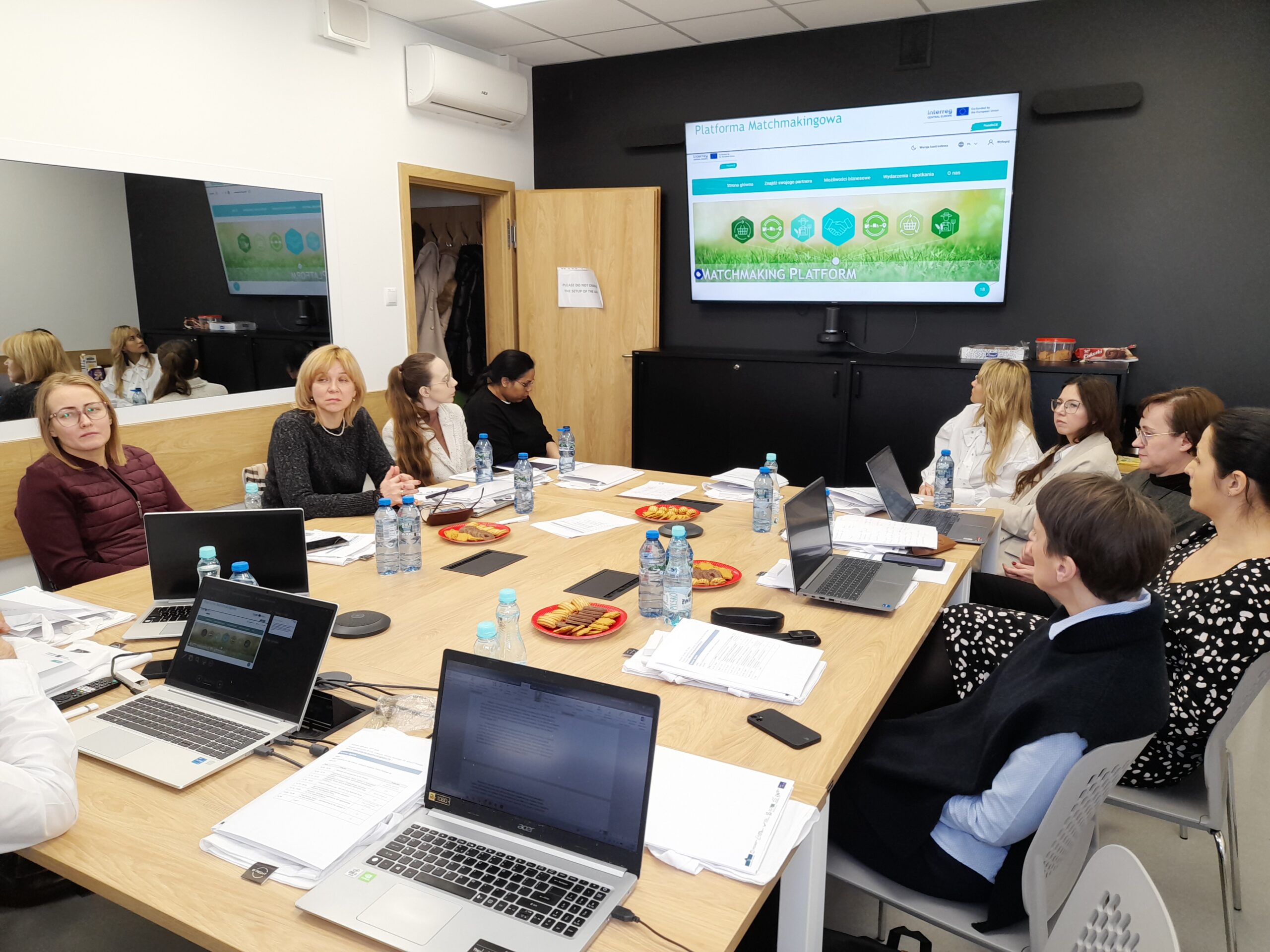
The Matchmaking Platform was developed to match the logistics needs and solutions of different stakeholders, creating new partnerships and supporting the development of improved logistics services. Matching can take place at different levels: between small farmers, between small farmers and existing Alternative Food Networks (AFNs), between AFNs and logistics operators, and between AFNs and large customers. The Matchmaking Platform is a web-based tool (marketplace) that supports these connections. Several matchmaking events were organised to enable small farmers to present their products and logistics characteristics and meet potential partners and customers, supporting the creation and development of short food supply chains.
7
Policy Support Framework

Alternative Food Networks (AFNs) represent only a small percentage of food production and consumption, but they are growing rapidly. To support the further development of AFNs, adequate policy support is needed at the national and transnational levels. This task was dedicated to reviewing existing European, national and regional policies related to AFNs and making this knowledge available to stakeholders through Innovation Hub meetings. The main objective of this task was to provide policy recommendations at the regional and national levels to support the evolution of AFNs towards more operationally efficient, environmentally friendly and energy-efficient food distribution systems.
8
Contribution to Macro Regional and Smart Specialisation Strategies

Emphasising the importance of Alternative Food Networks (AFNs) and short food supply chains in key macro-regional strategies and smart specialisation strategies was recognised as critical to the long-term development of AFNs. Therefore, targeted meetings with representatives of macro-regional strategies were organised to promote the alignment of their action plans with the needs of AFNs.
News










Events

Pilot actions
Outputs
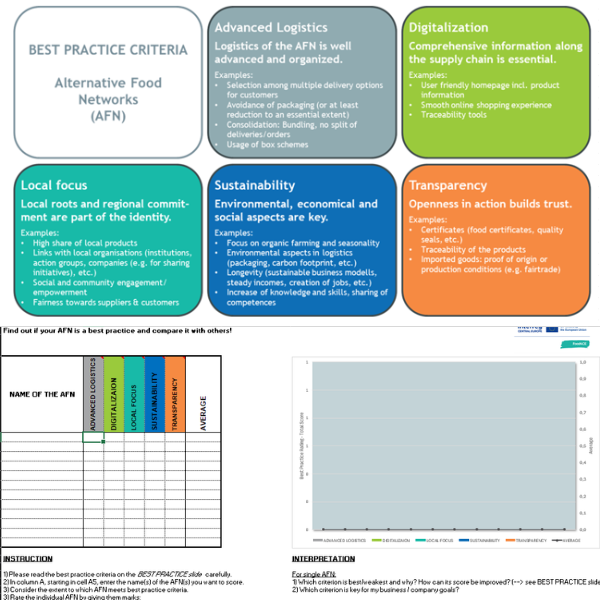
Tool for mapping AFN logistics solutions and best practices
The Tool for Mapping AFN Logistics Solutions and Best Practices was developed as an Excel-based repository of logistics solutions and concepts suitable for small-scale alternative food producers and small logistics operators. It brings together practical examples and best practices that can support users in identifying and applying appropriate logistics solutions.
The tool was tested and validated through the collection of data and best practice examples. It remains available as a practical resource for producers, logistics operators and other stakeholders seeking to improve logistics within Alternative Food Networks beyond the lifetime of the project.
Type of output: Solutions
View solution
Knowledge Transfer Platform
The Knowledge Transfer Platform is a web-based tool that provides useful information for managing and operating Alternative Food Networks (AFNs) in Central Europe. It brings together knowledge on relevant business models, short food supply chain (SFSC) logistics solutions and best practices collected during the project. The platform was developed based on the identified needs of stakeholders and expert knowledge.
The platform is designed as a living tool and will continue to be updated with relevant and innovative information. It remains available as a practical resource for food producers, logistics operators, researchers, policy makers and other stakeholders interested in strengthening Alternative Food Networks in Central Europe.
Type of output: Solutions
View solution
Matchmaking Platform
The Matchmaking Platform is a web-based tool designed to match the logistics needs of different stakeholders.
Matching can take place at different levels: between farmers, between farmers and existing Alternative Food Networks (AFNs), between AFNs and logistics operators, and between AFNs and customers. The platform was developed based on stakeholders' needs and expert knowledge to support collaboration and improve logistics connections across the food supply chain.
The platform remains available as a practical resource for farmers, AFNs, logistics operators and other stakeholders seeking partners and logistics solutions beyond the lifetime of the project.
Type of output: Solutions
View solution

Regional action plans for AFNs support
The Regional Action Plans for AFNs Support are strategic documents that describe the characteristics of regional food supply chains, identifies the main logistics challenges, and provides a set of measures and actions for regional authorities to strengthen Alternative Food Networks (AFNs). It also contains a summary of existing financial support instruments available to AFNs that can be used to implement these measures.
The Regional Action Plans remain a practical reference for regional and local authorities, policy makers and other stakeholders involved in developing more sustainable and resilient regional food systems.
Type of output: Strategies and action plans
Project videos
Project documents
Project Newsletters
Press Releases
Posters on Regional AFNs
Posters on AFNs Best Practices and Logistics Solutions
Poster on Transnational comparison of SFSCs characteristics and needs
Translated AFNs posters
Food4CE
The project lead partner is responsible for the content of this project website.
Project on social media
Project contact
Dr. Maršenka Marksel
Email: marsenka.marksel@um.si