
Project overview
Circular BioEconomy Market Uptake and Policy Support in Central Europe
The bioeconomy concept seeks to replace fossil resources with renewable raw materials in as many areas and applications as possible. The BIOECO-UP project widely establishes this concept across central Europe. The partners designed new circular value chains for the bioeconomy and changed consumer behaviour. They will also support the policy level to push ahead with the transformation.
-
2,34m €
-
Project Budget
-
80%
-
of the Budget is funded by ERDF
-
8
-
Countries
-
10
-
Regions
-
12
-
Partners
-
2
-
Pilots
Duration
Start date
End date
Project progress
Project partnership
Project partners

Lead partner
Ministry of Agriculture
Department for Agricultural Research and Agri-Environmental Management
1052 Budapest
Project partner
Division for Biotechnology/ Department of Biomass Production and Valorisation
Dipartimento di Chimica Industriale Toso Montanari
40136 Bologna
Faculty of Forestry and Wood Sciences
DEPARTMENT OF BIOECONOMY AND SYSTEMS ANALYSIS
Biotechnical Faculty
Department of Agricultural Policy, Innovation and International Cooperation
Roadmap
Challenge
Over the last decade, it has become increasingly clear that the challenges of our time – from climate change and biodiversity loss to environmental degradation and growing resource demands – cannot be addressed by a circular economy alone. Building a truly sustainable future requires us to rethink how we produce, consume, and use resources. This is where the bioeconomy comes into play. By replacing fossil-based raw materials with renewable resources such as biomass, it offers a powerful pathway towards achieving climate goals while creating new opportunities for innovation, business development, and regional cooperation. However, this transition can only succeed if bio-based value chains are strengthened, public awareness raised, and policymakers recognize the crucial role of biomass in the green transition. The BIOECO-UP project contributed to this transformation by inspiring and supporting citizens, businesses, and policymakers to engage with and advance a sustainable bioeconomy, helping turn the vision of a greener future into practical action.
Empowering citizens to become active in circular bioeconomy
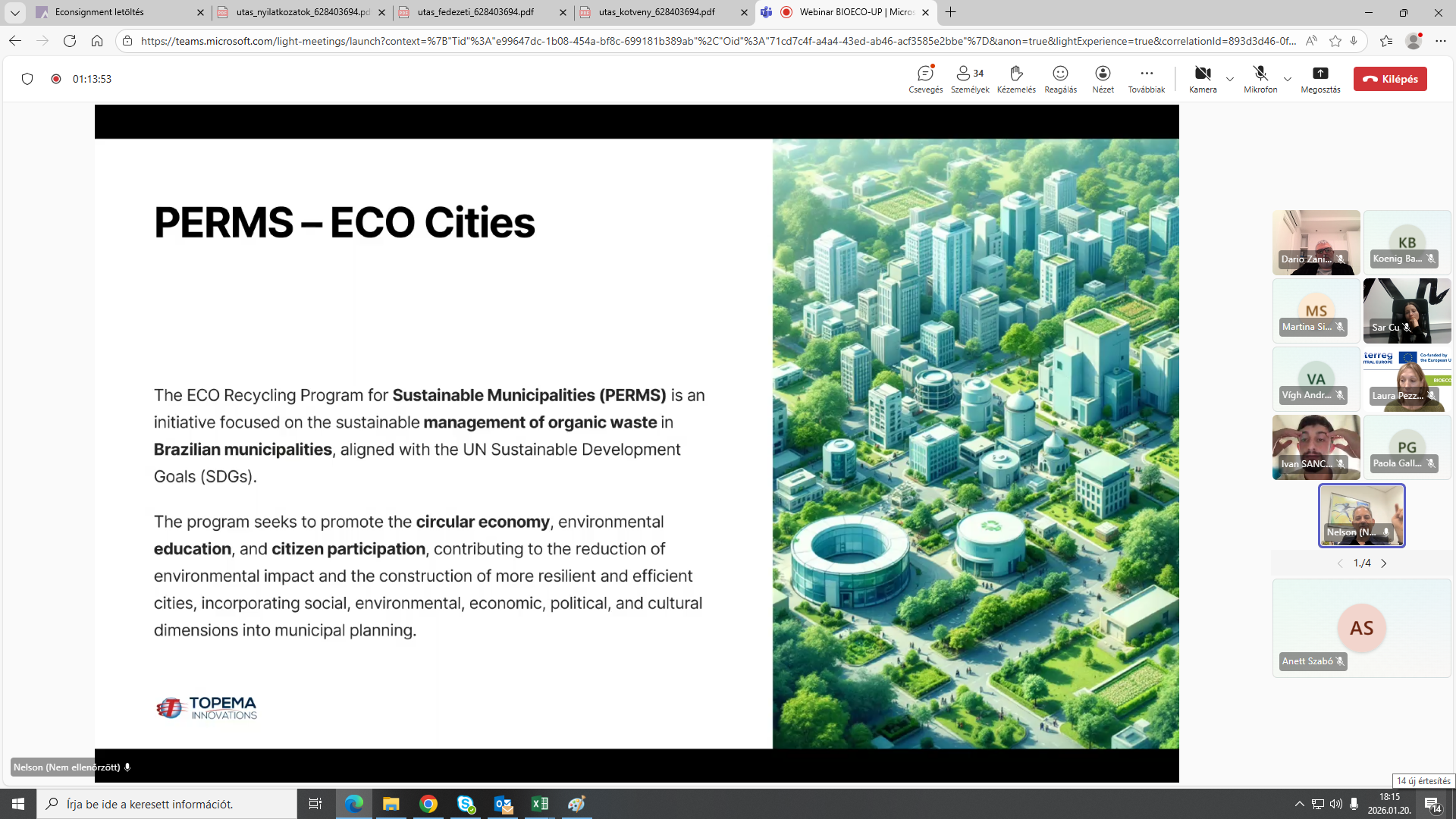
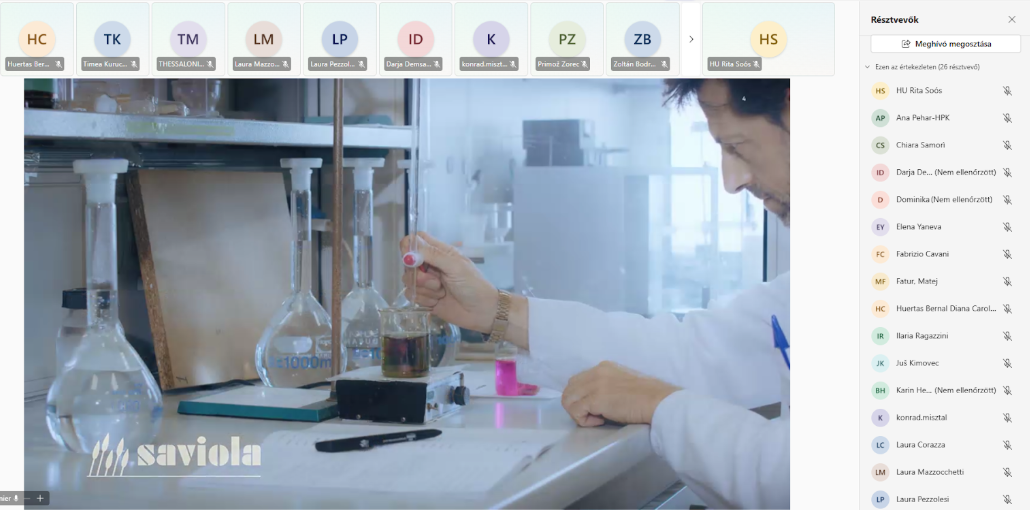
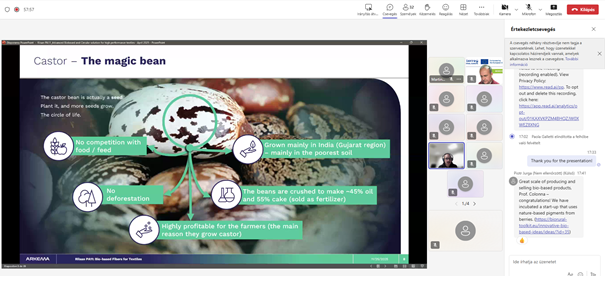
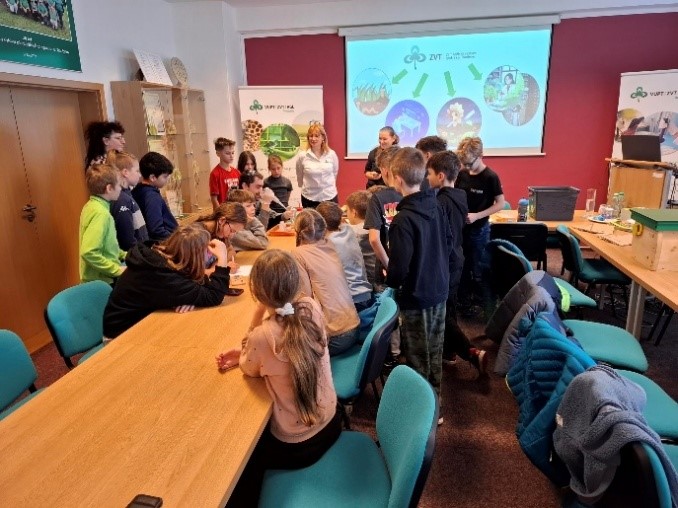
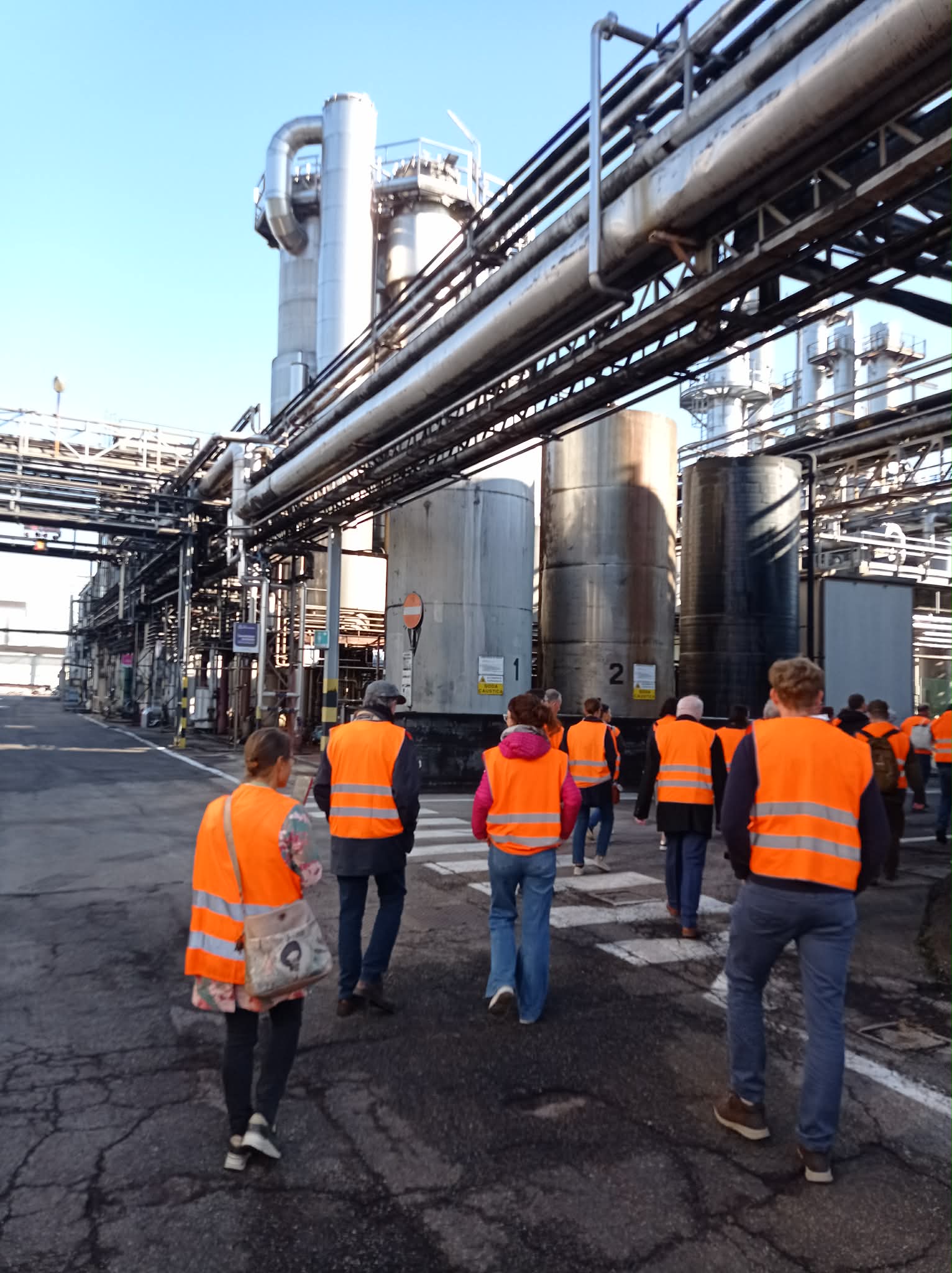
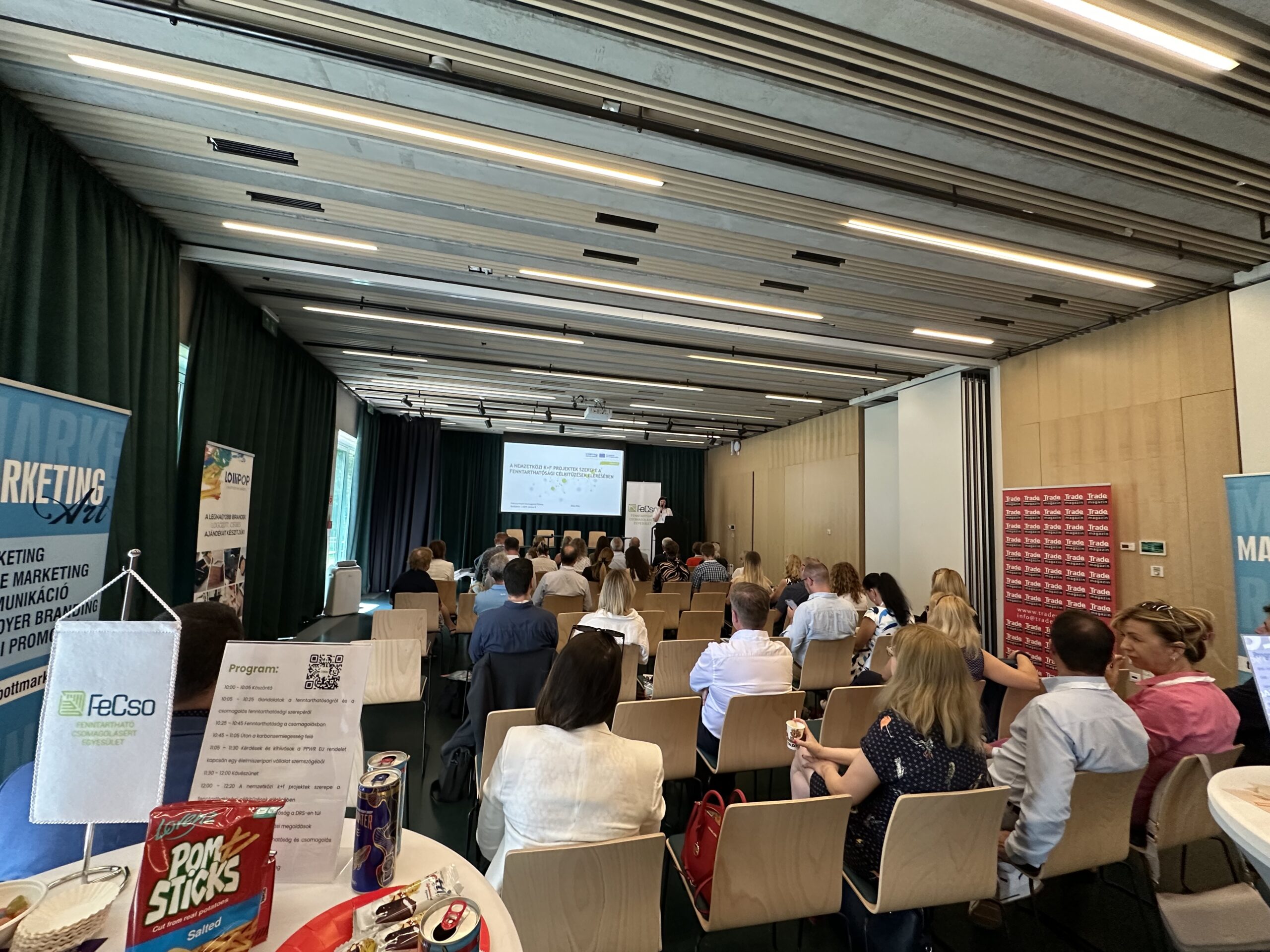
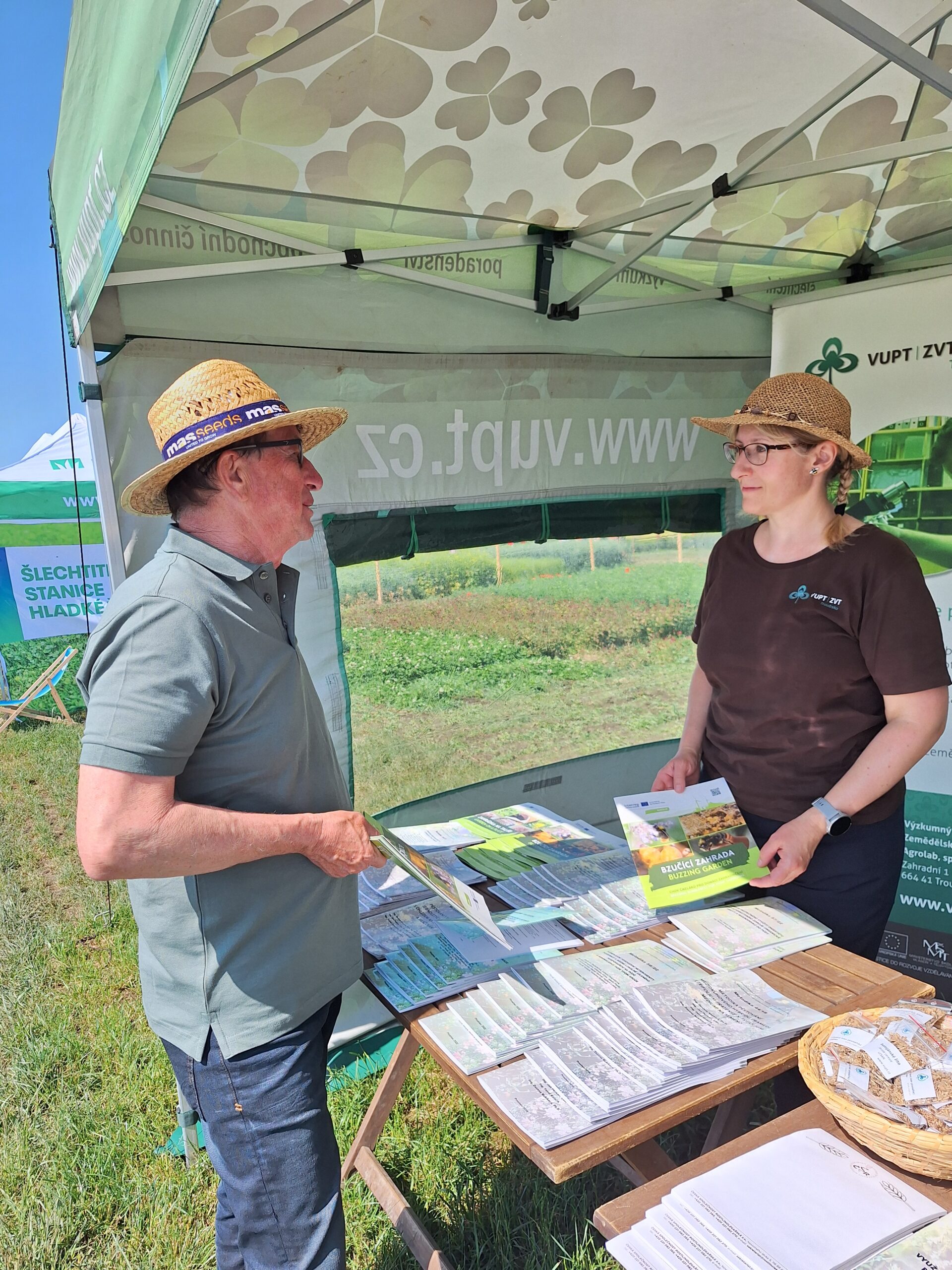
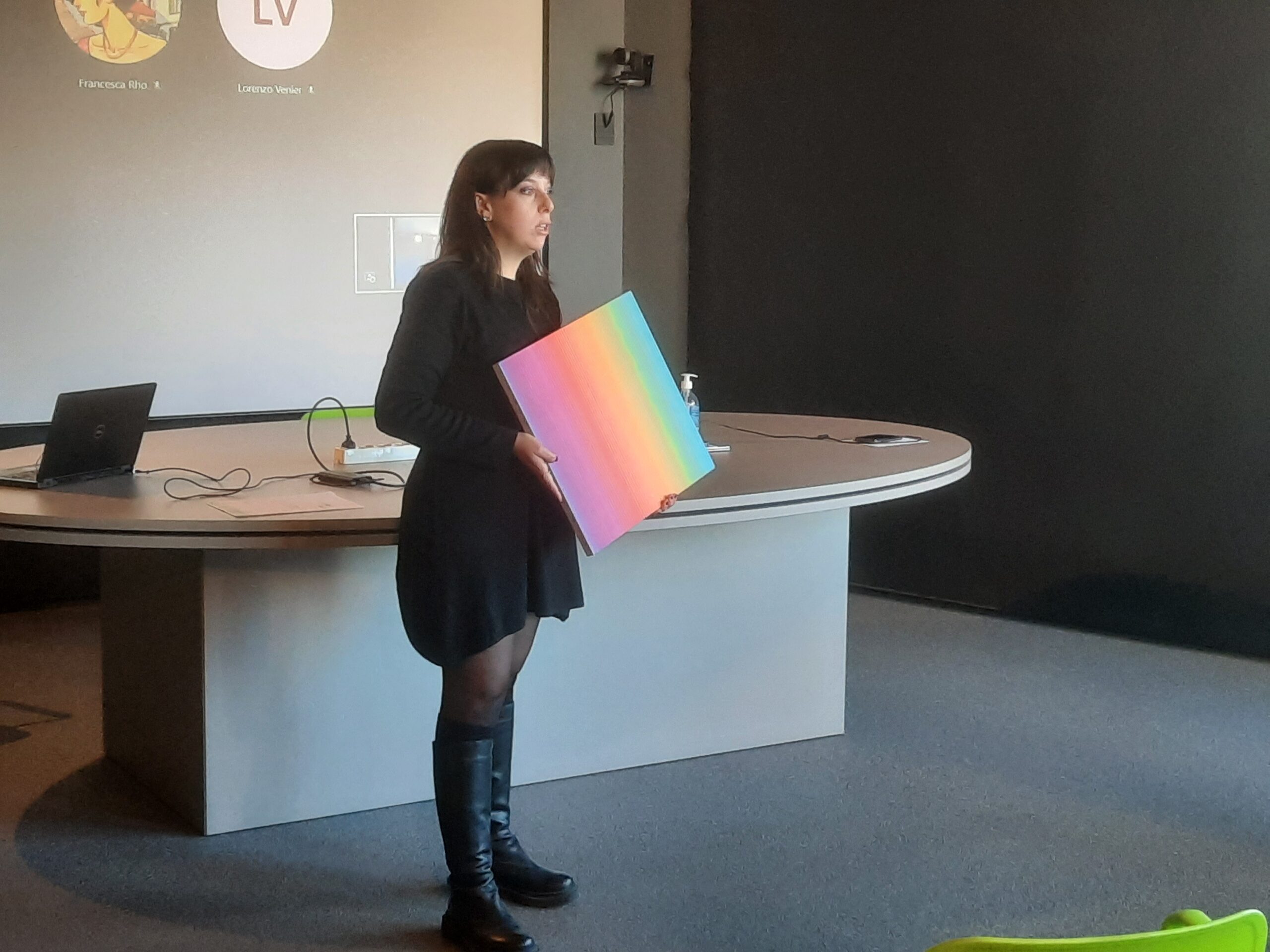
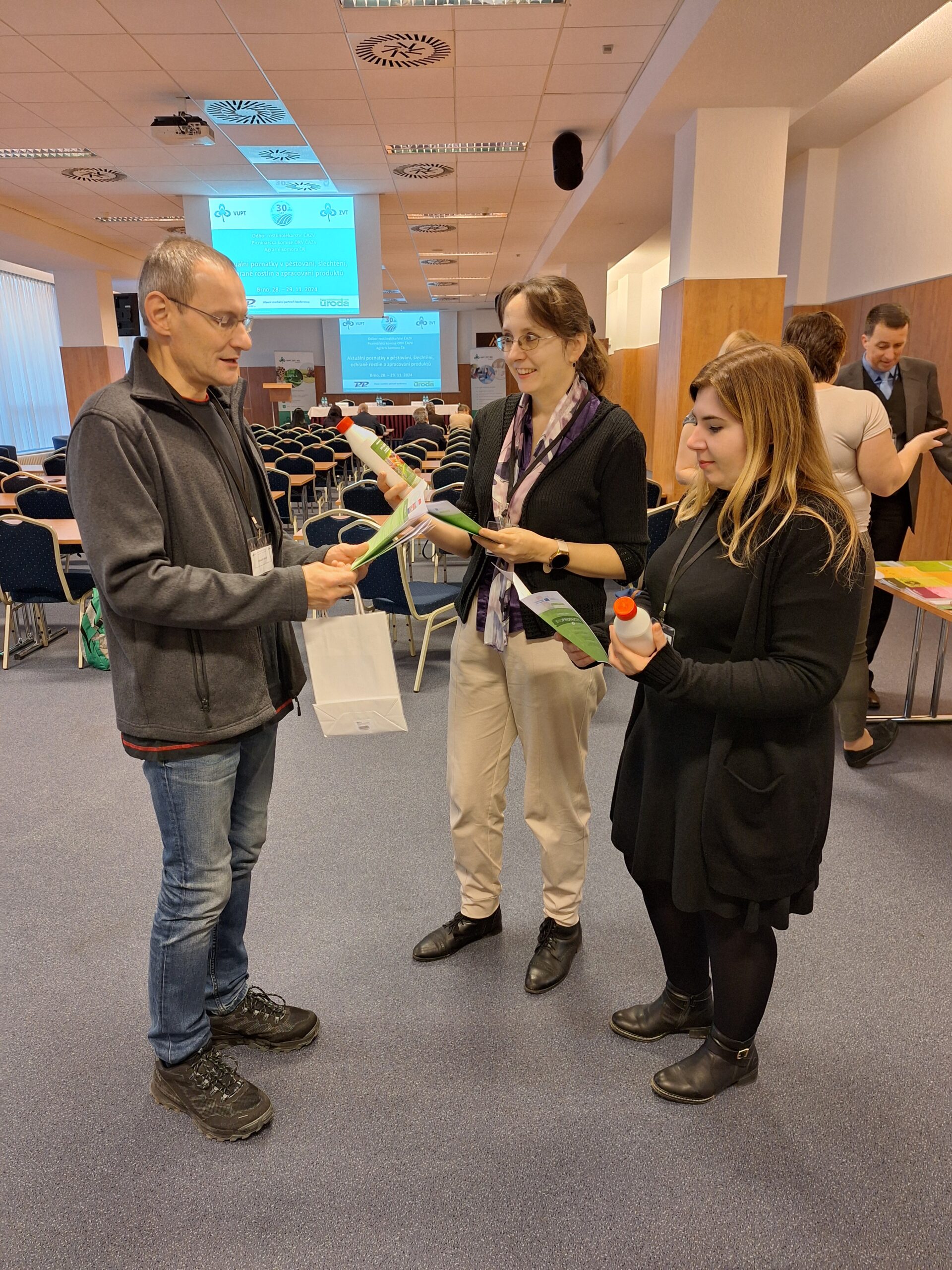
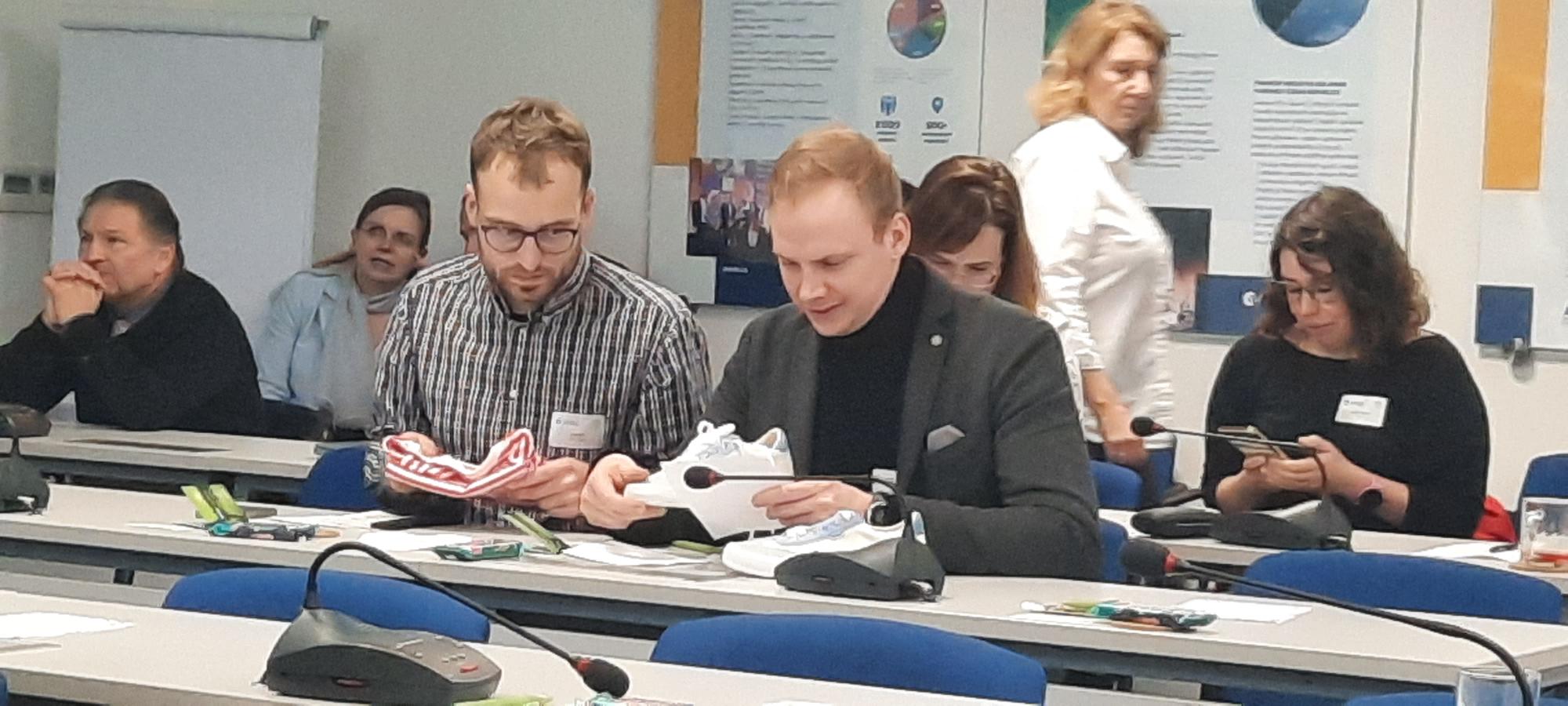
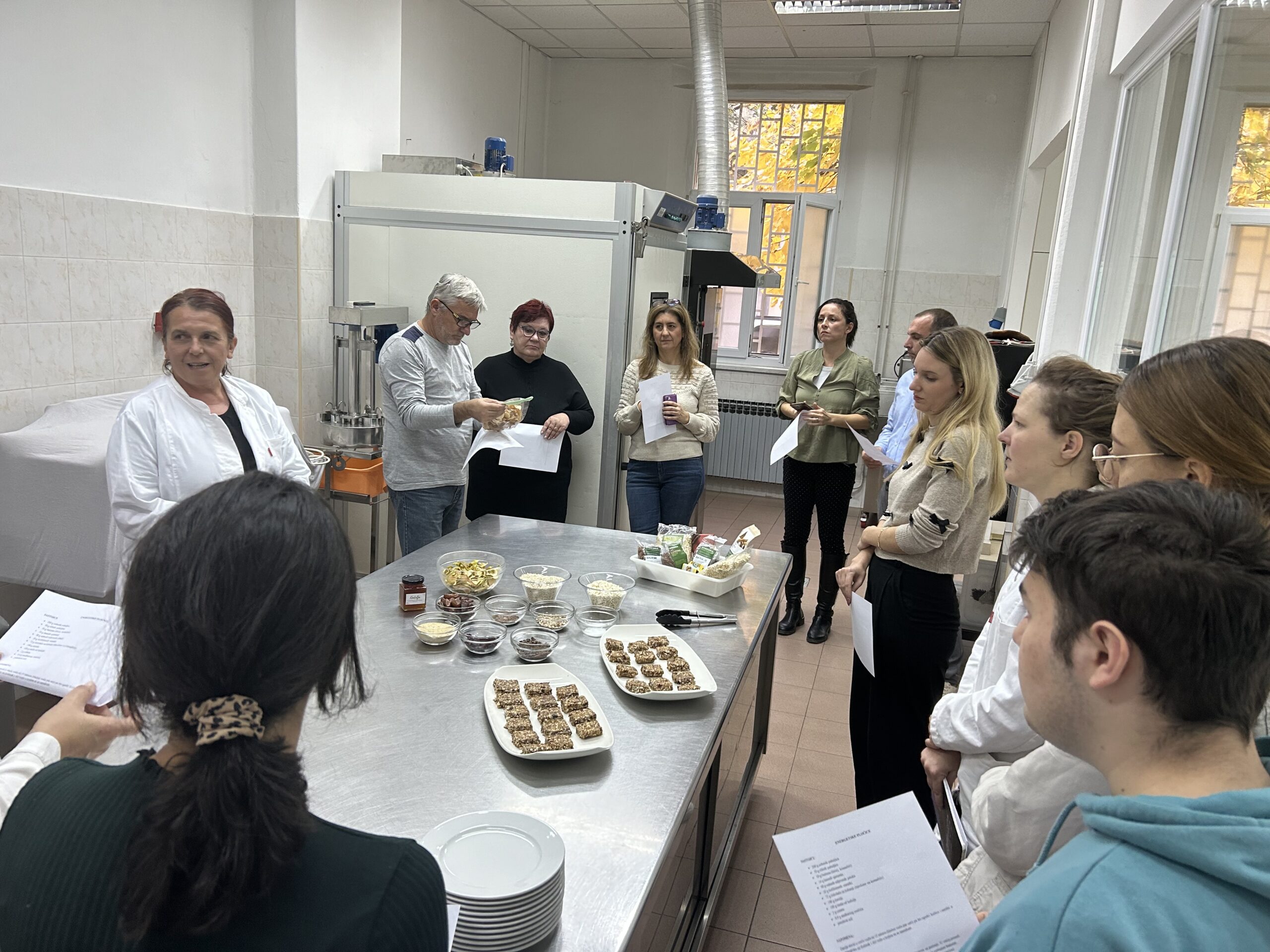
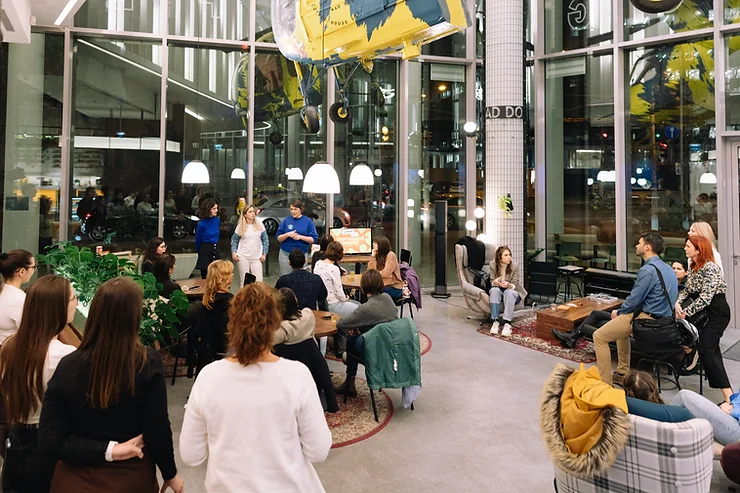
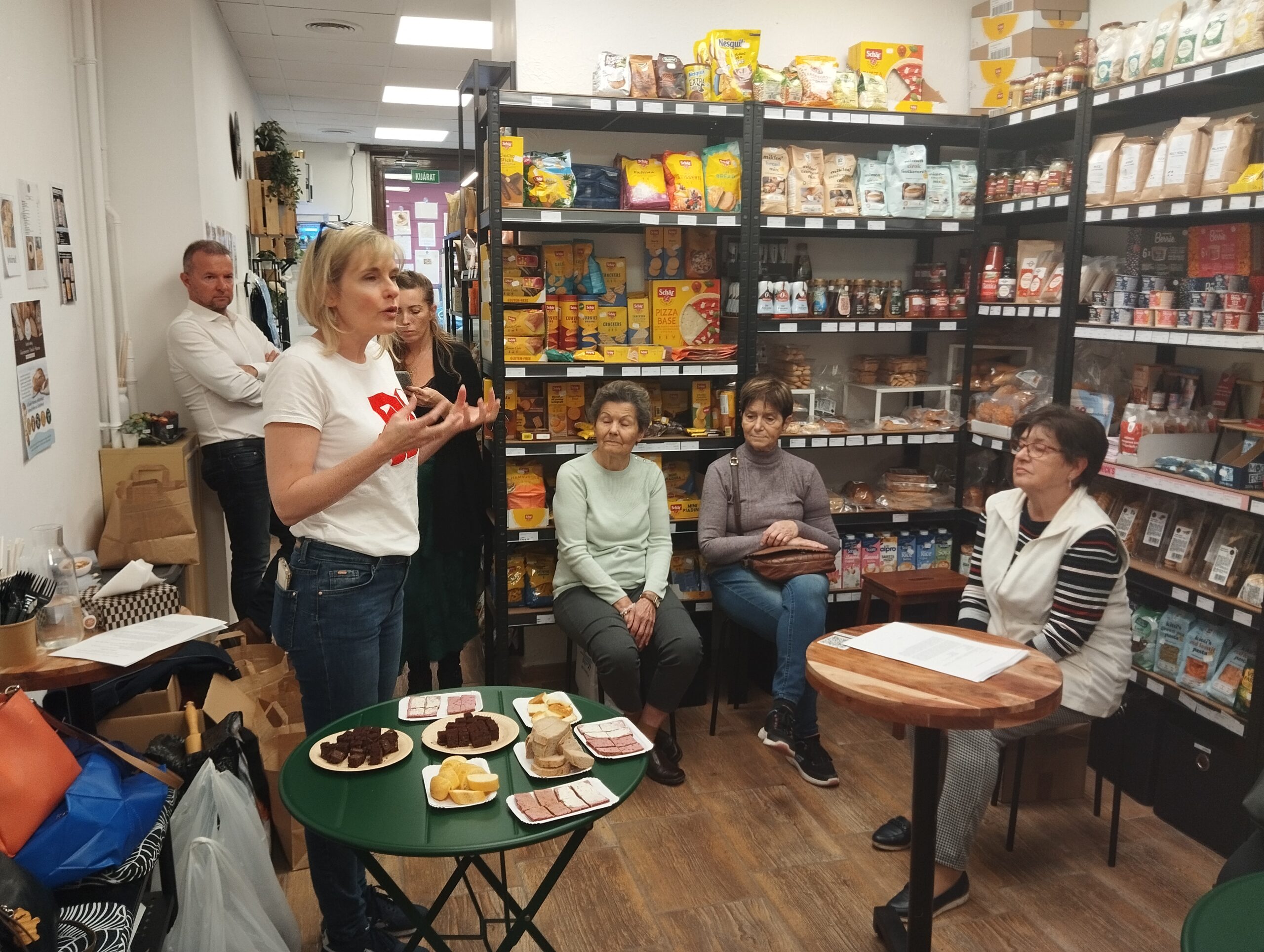
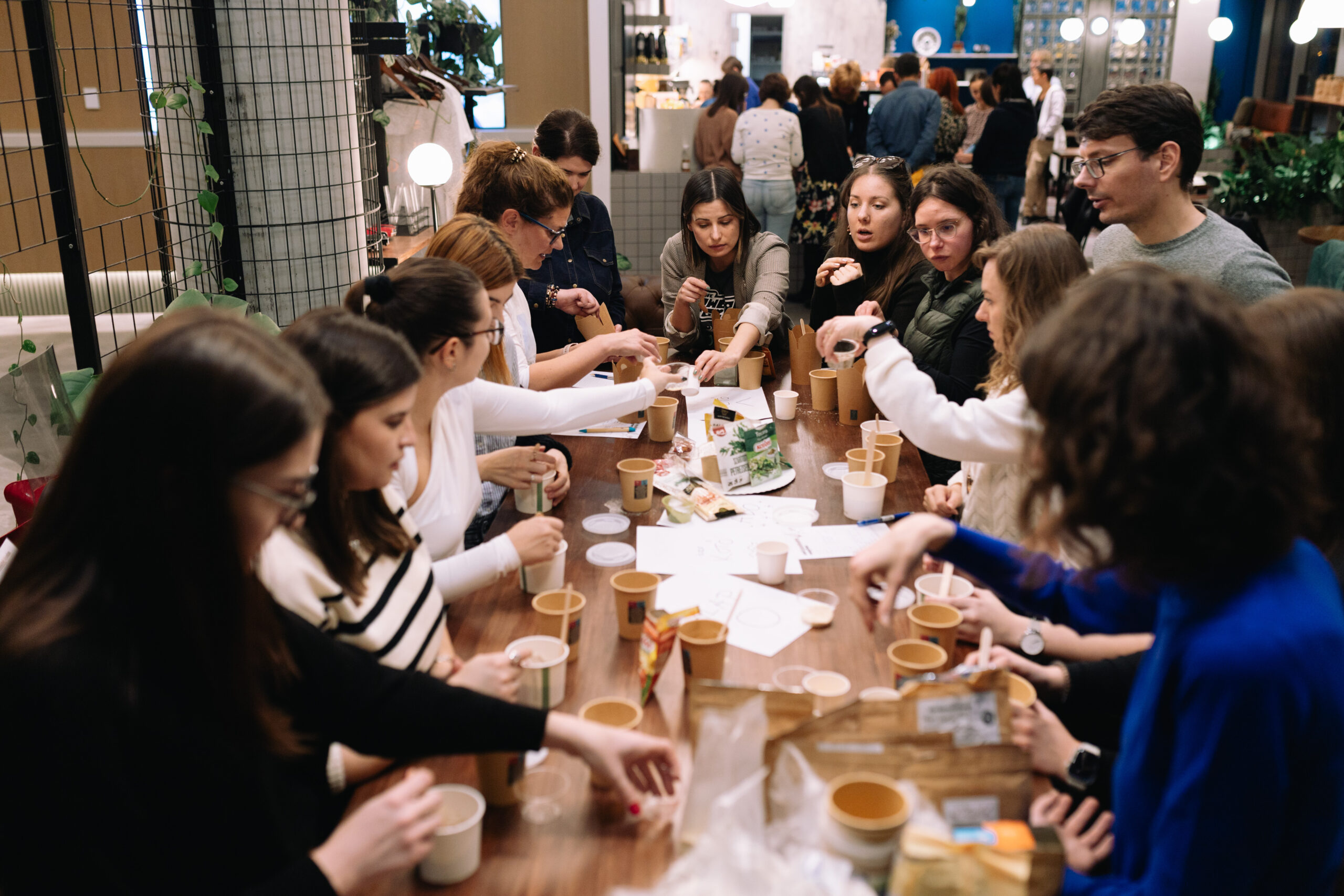
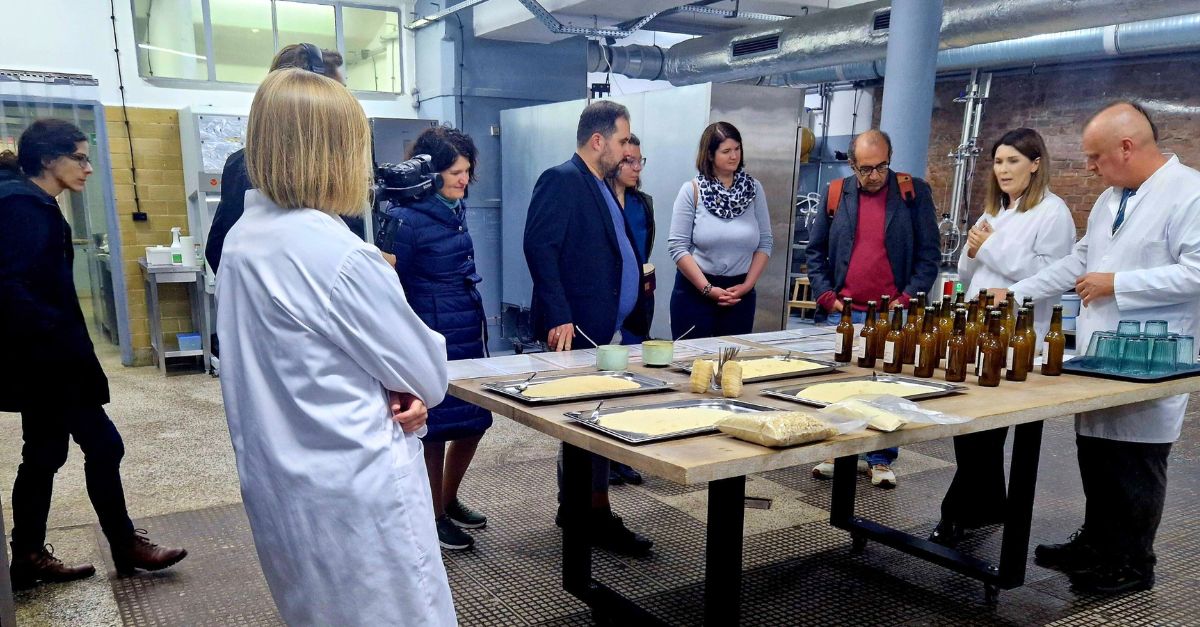
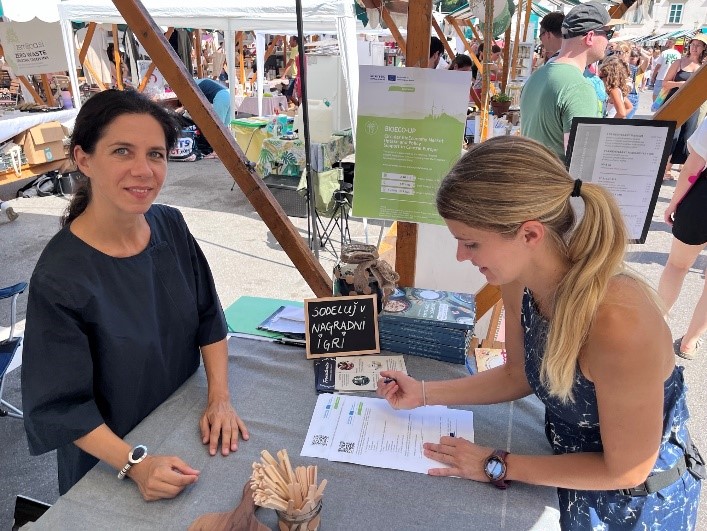
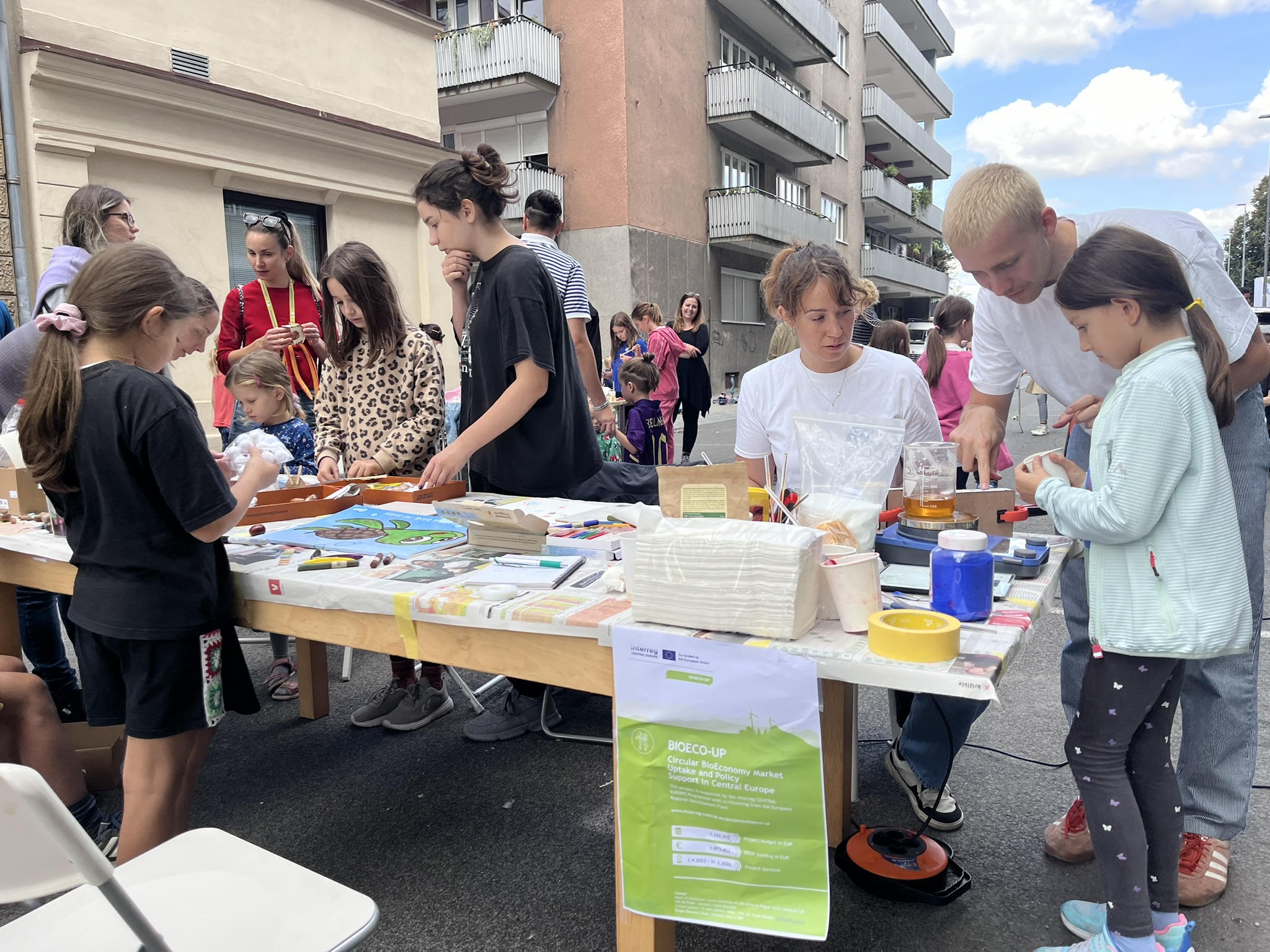
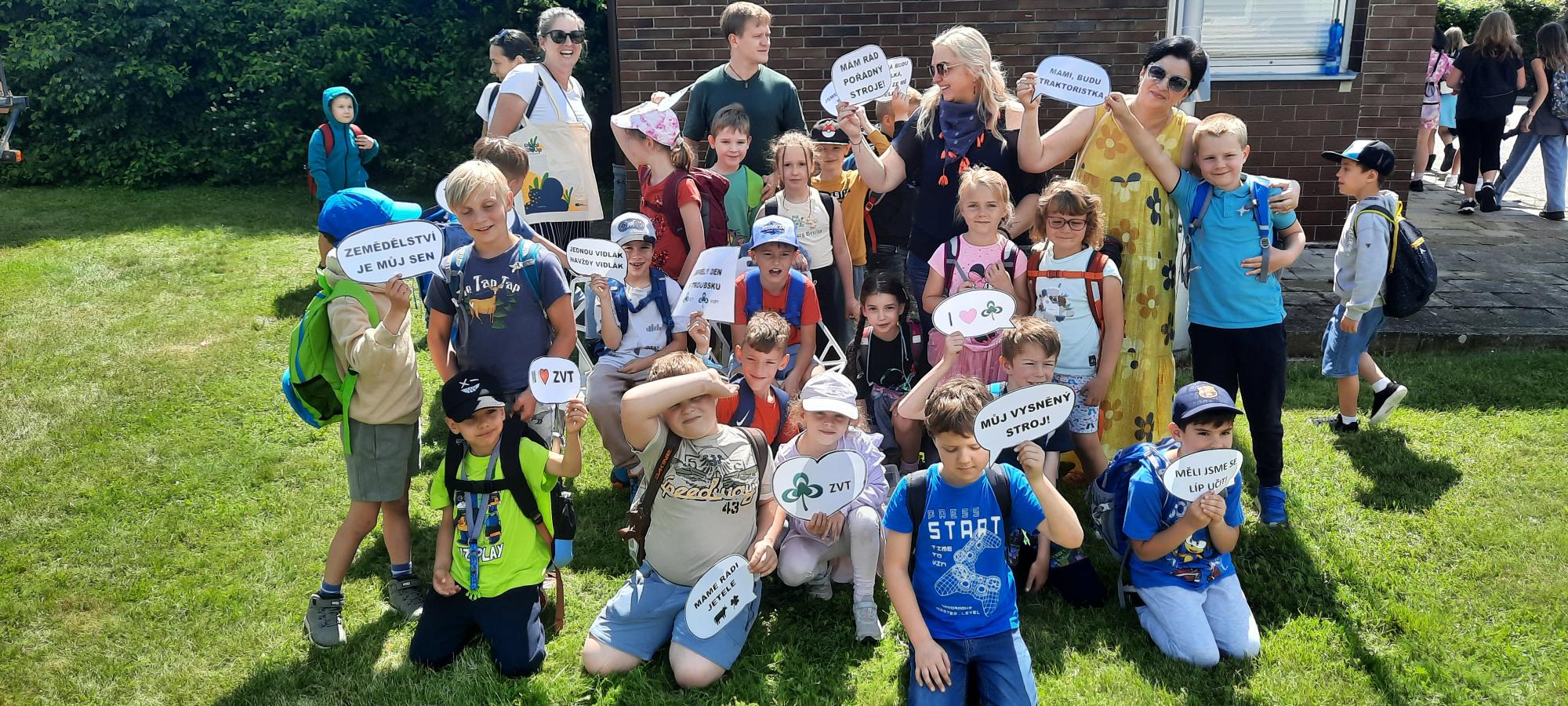
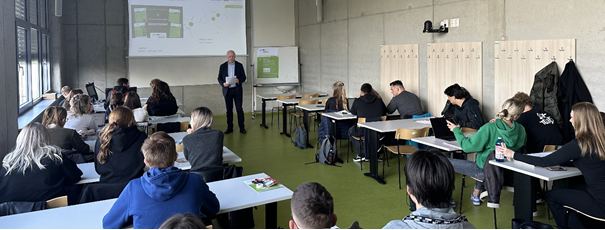
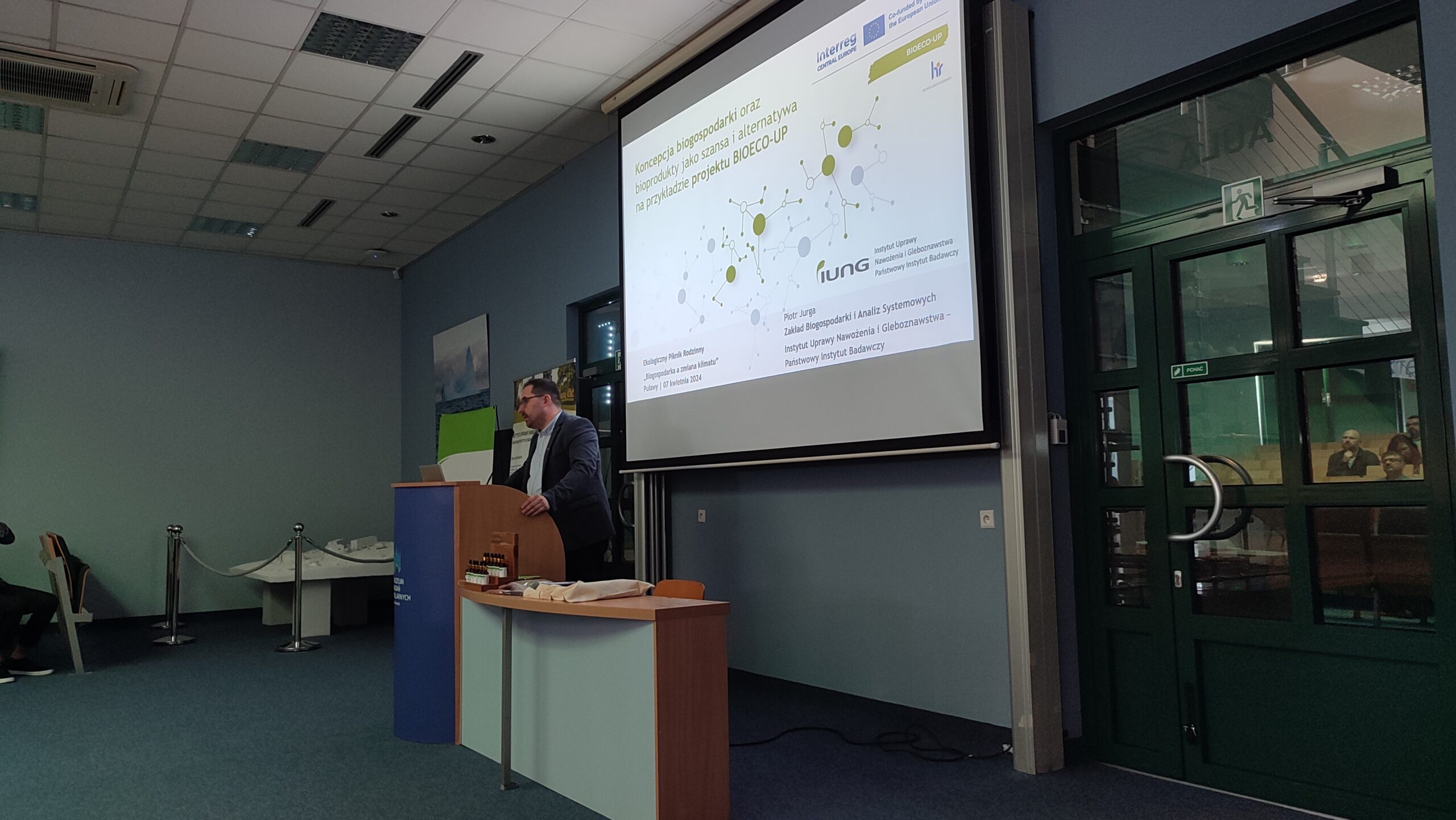
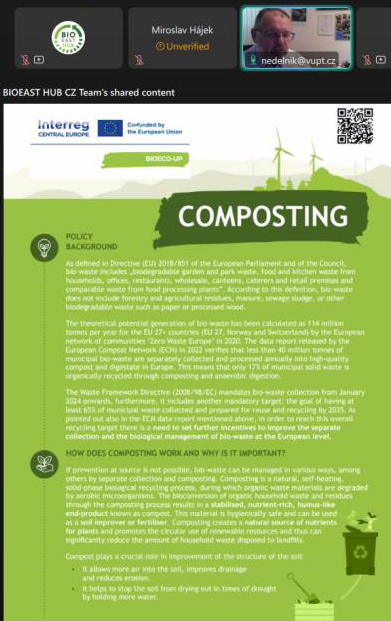
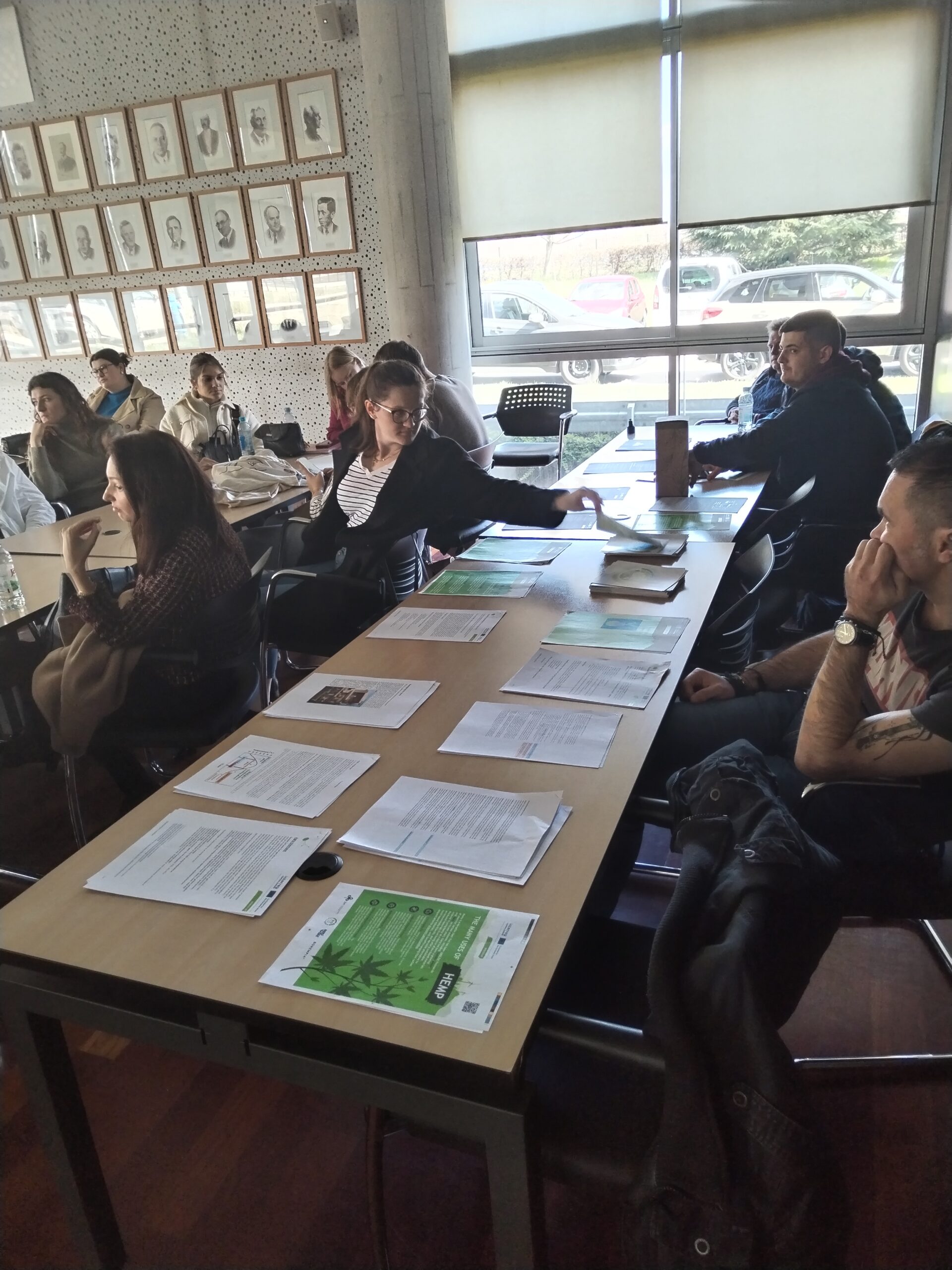
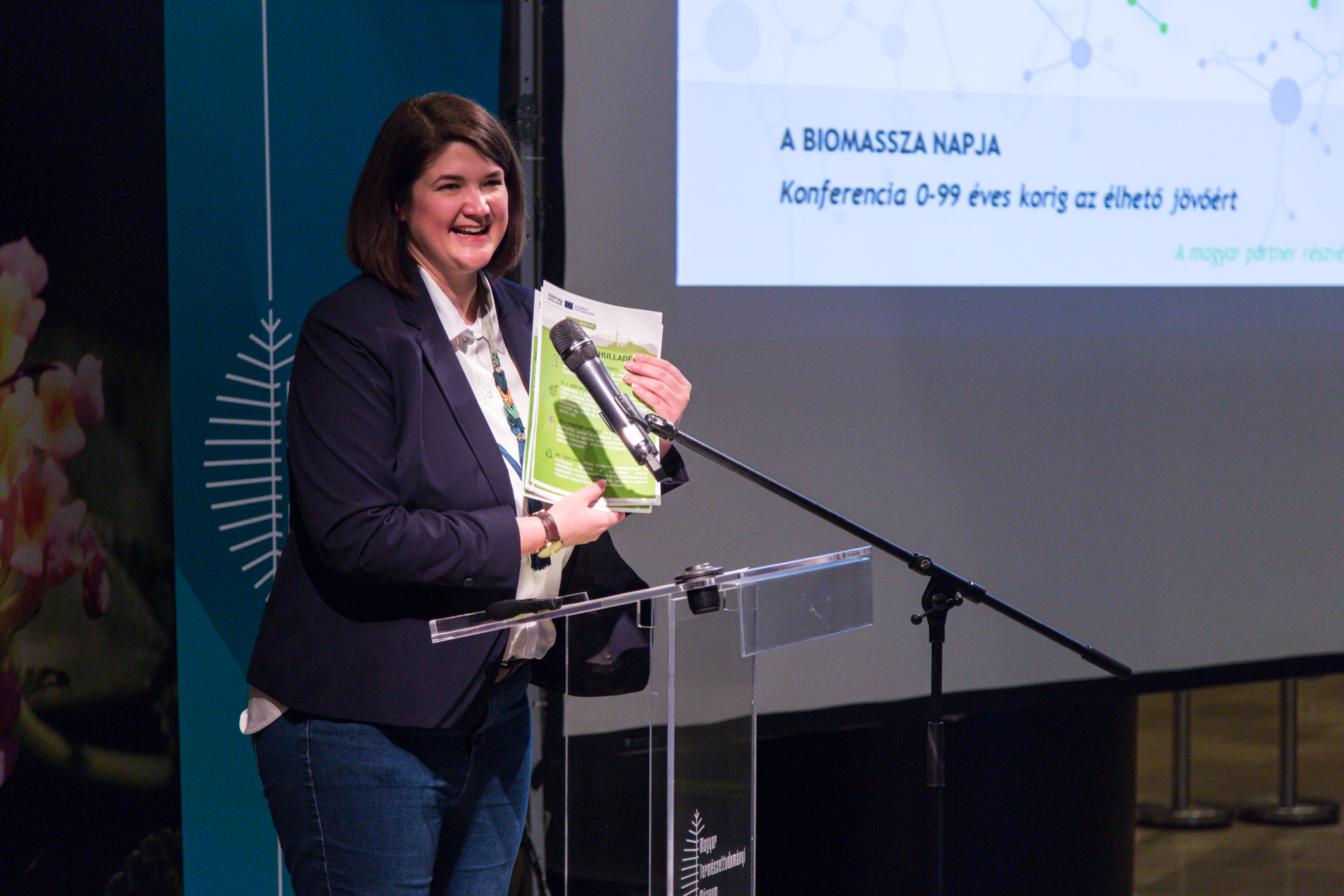
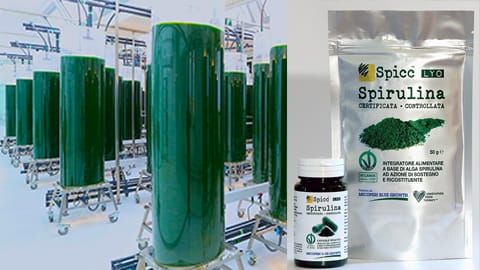
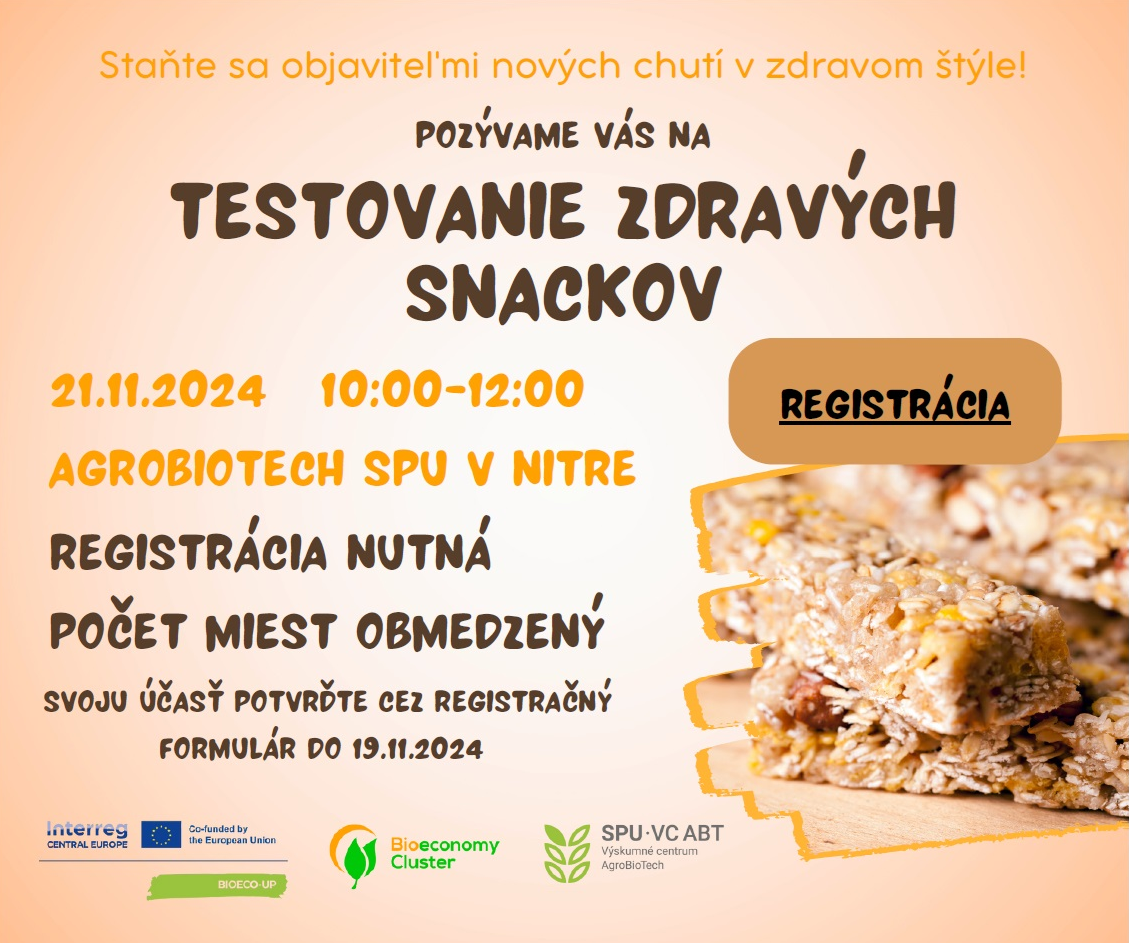
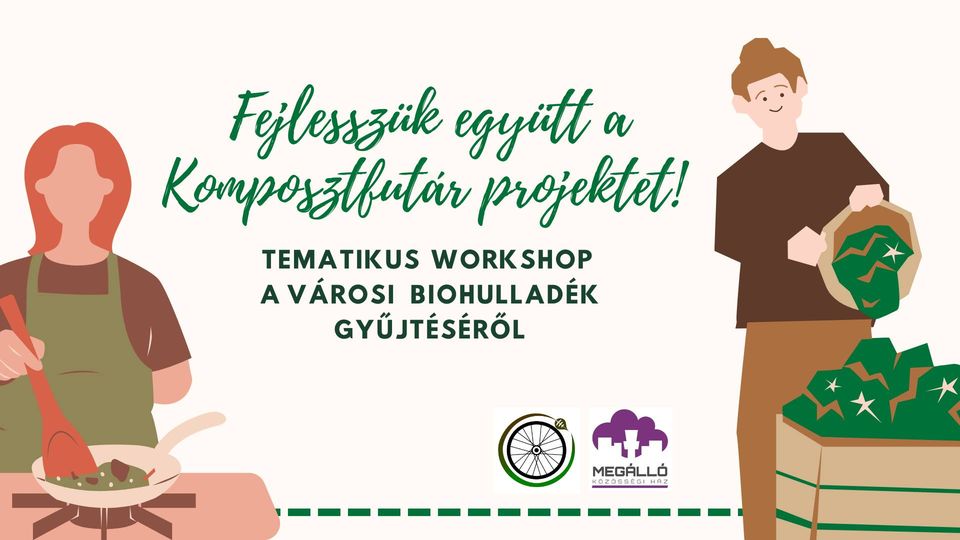
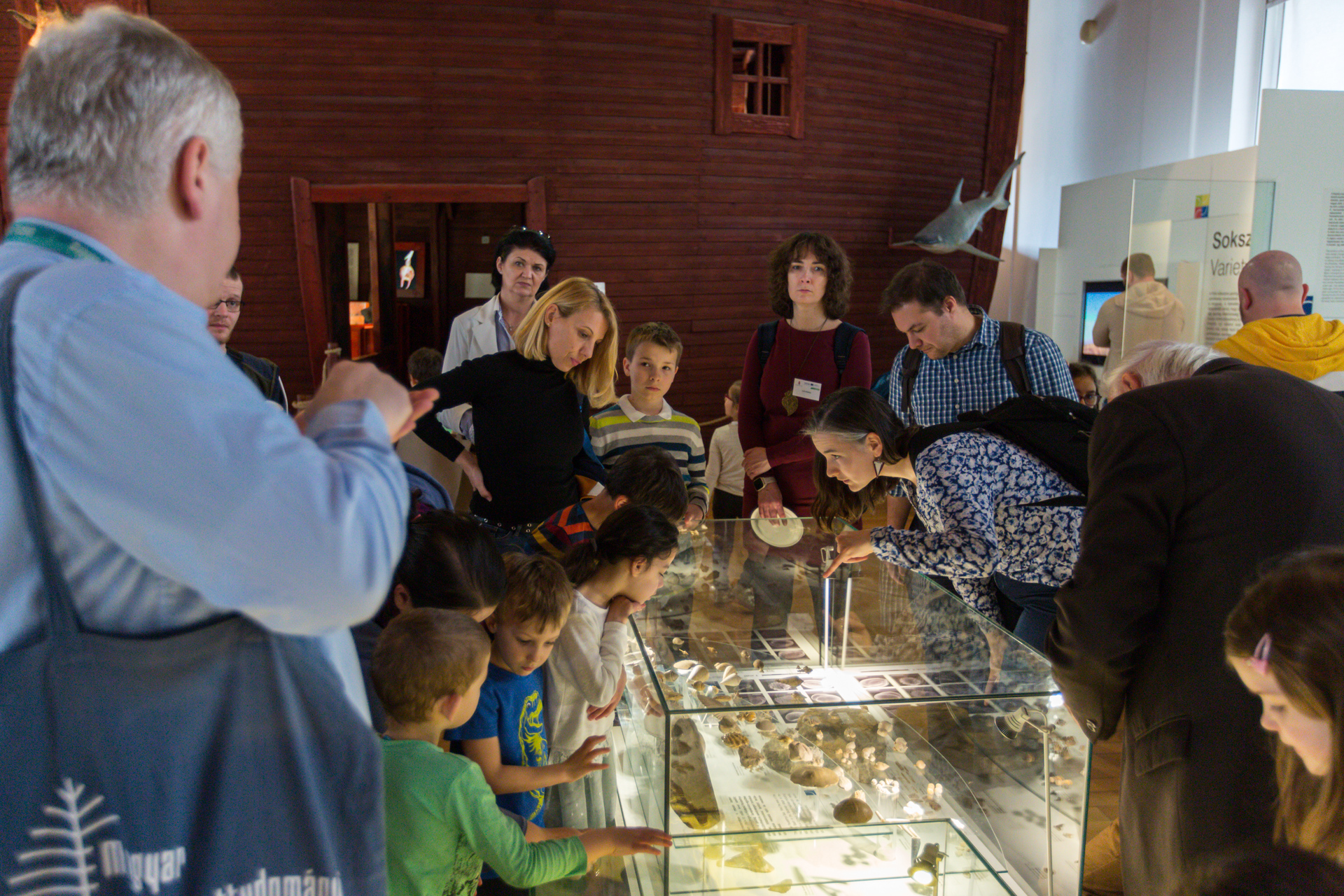
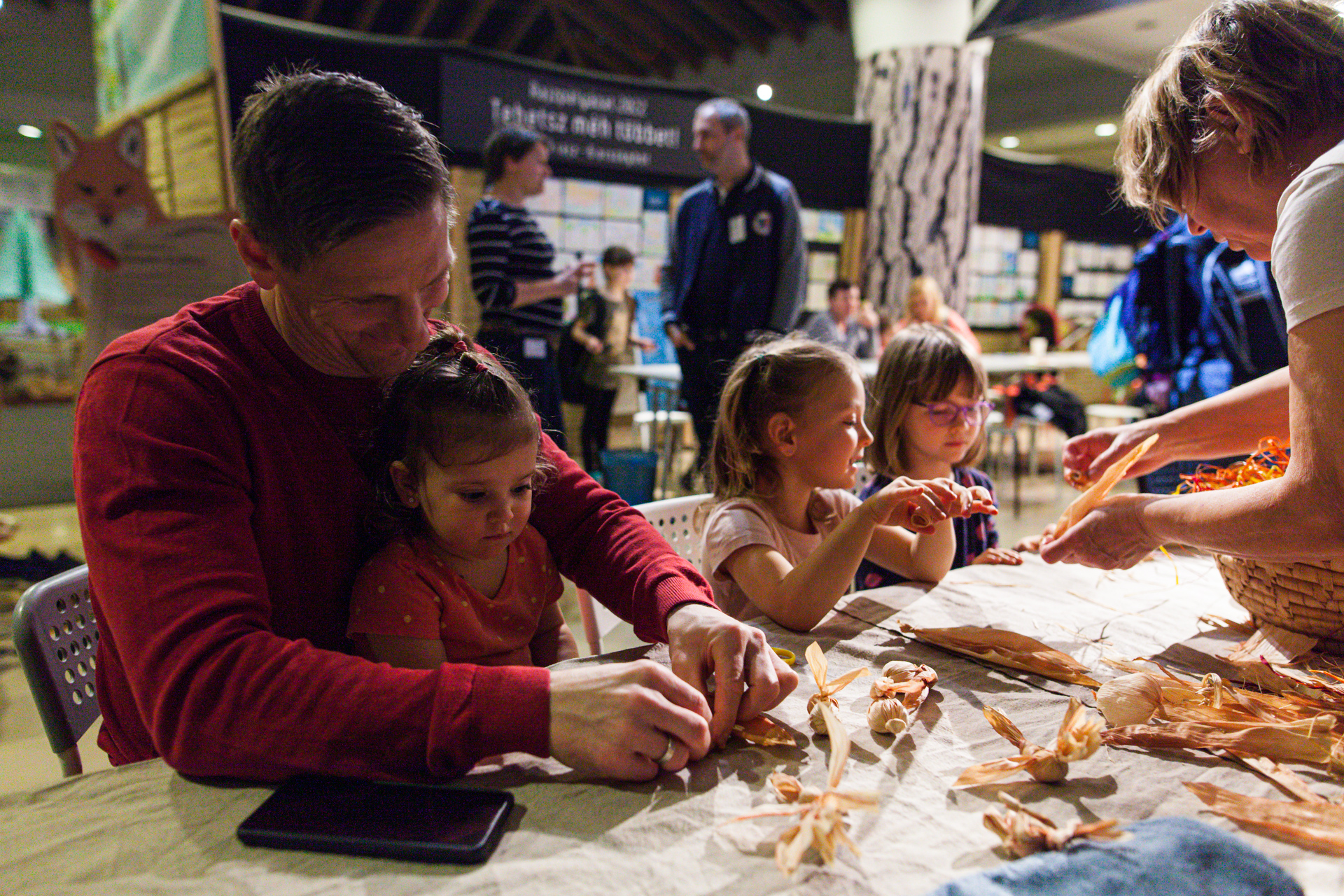
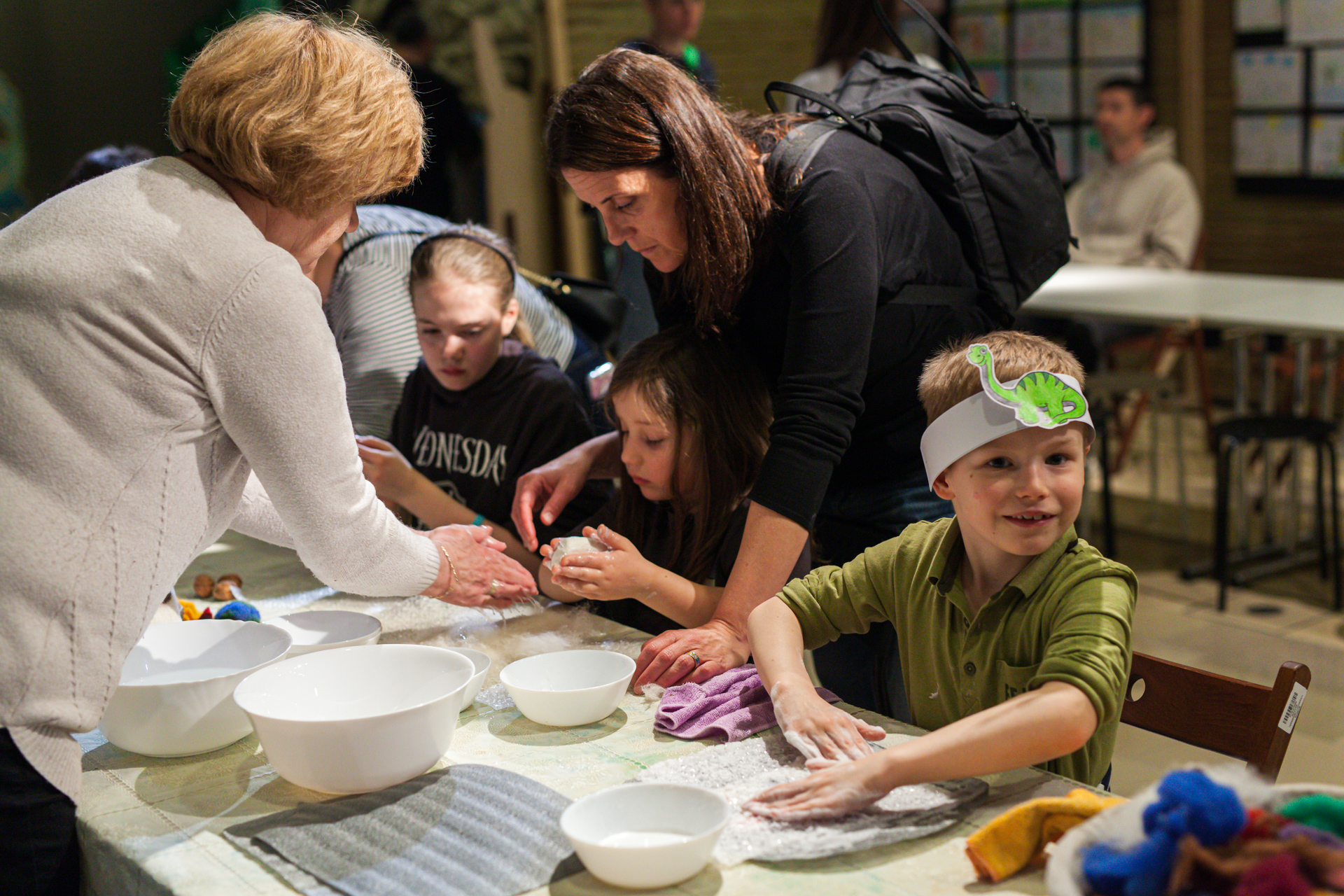
How can citizens become active players in the bioeconomy – not only as consumers, but also as a producers? One of the key objectives of the BIOECO-UP project was to provide practical answers to this question. To support this goal, the project developed 17 educational factsheets covering a wide range of bioeconomy topics, helping to raise awareness and expand knowledge about the bioeconomy in an accessible way. Across the seven participating countries, a total of 18 citizen workshops were organized, offering participants the opportunity to explore a variety of exciting and innovative solutions. One of the project's most innovative activities was the use of the Living Lab methodology, which enabled citizens to actively participate in the development and testing of bio-based products. These hands-on experiences were further enriched through a study visit to Italy, where participants gained insights into edible algae production and explored a biorefinery utilising by-products from the wine industry. BIOECO-UP also placed great emphasis on engaging the wider public. One of the project's flagship events was the four-day Bioeconomy Fair, organized as part of Hungary's largest agricultural and food exhibition. Hosted on a 150 m² exhibition stand, the fair showcased bio-based innovations and products developed by 19 companies from Central and Eastern Europe (CEE). For those considering a future role in the bioeconomy not only as consumers but also as producers, international online workshops provided valuable insights into the strategies, products, challenges, and success stories of pioneering companies. Explore BIOECO-UP’s tools, ideas and resources – and start your own bioeconomy journey!
Create circular bioeconomy cross-sectoral value chain
How can bio-based innovations be transformed into viable, market-ready, and sustainable value chains? The BIOECO-UP project sought to answer this question by developing practical tools to support collaboration among bioeconomy stakeholders. Building on the mapping of the bioeconomy potential in the participating countries, the project tested cross-sectoral collaboration models supporting the development of bio-based value chains through seven transnational pilot initiatives. Based on the results of these pilots and international expert evaluations, the project produced a validated, user-friendly, step-by-step methodology that helps stakeholders identify local bioeconomy potential, design viable value chains, test collaborative approaches in practice, and assess their sustainability and growth potential. The methodology is complemented by a practical toolbox containing templates, business modelling tools, and other supporting resources designed to help transform bio-based innovations into real market opportunities. One of the project's most significant achievements is that it not only mapped key bioeconomy stakeholders and facilitated the creation of new international collaborations, but also developed practical tools that can support the long-term development and international integration of bio-based value chains across CEE.
Mainstreaming of circular bioeconomy policies
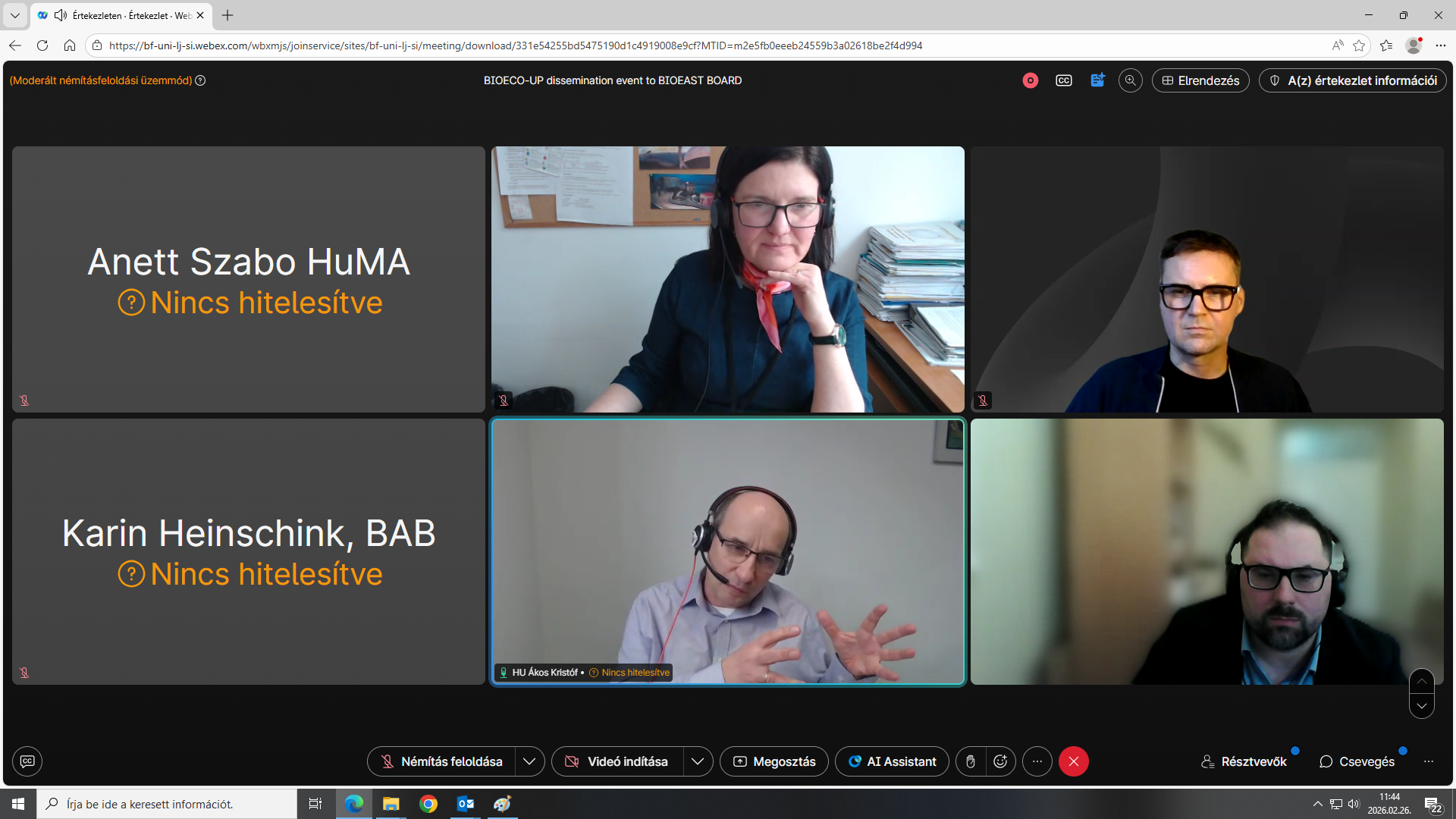
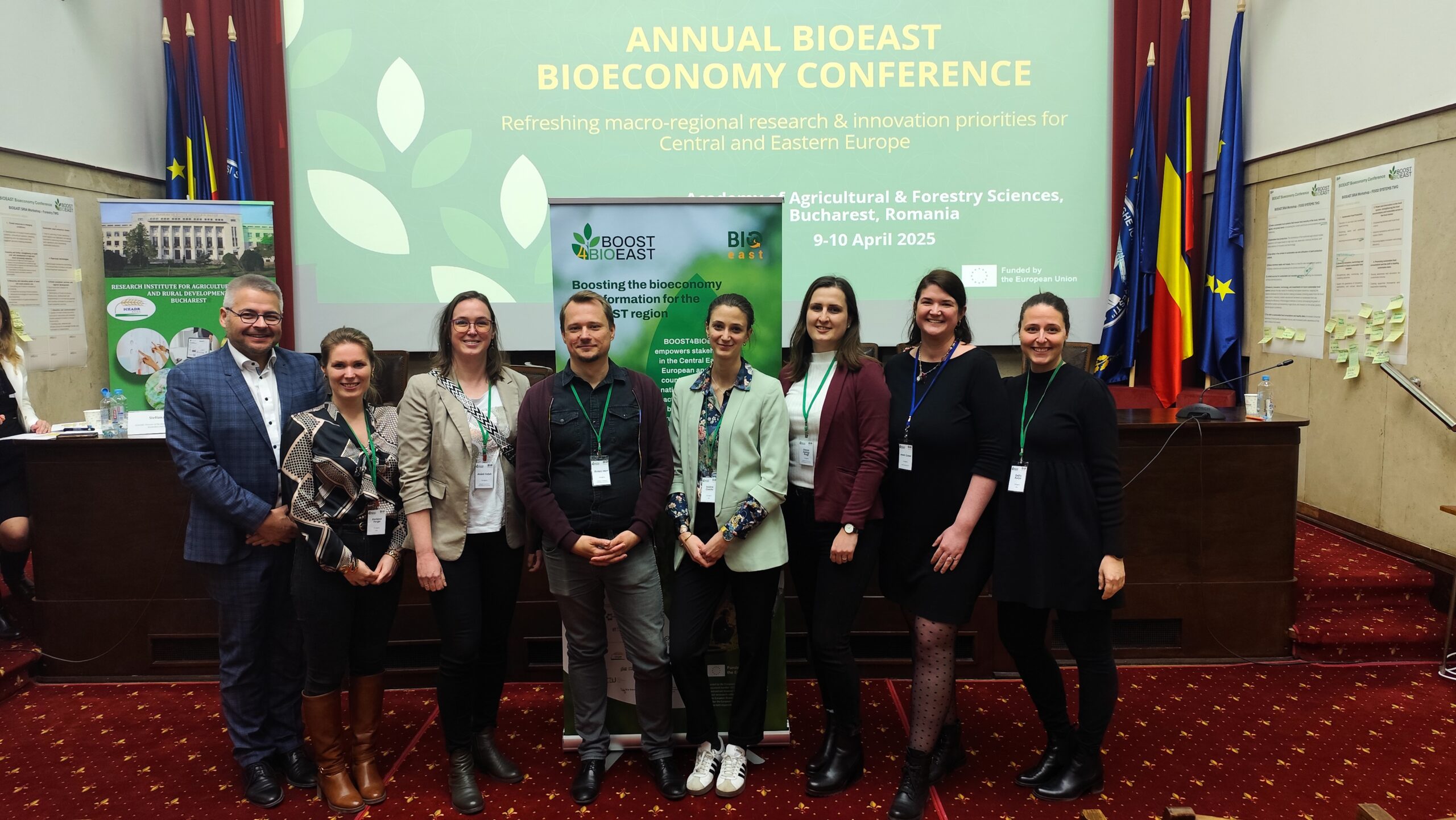
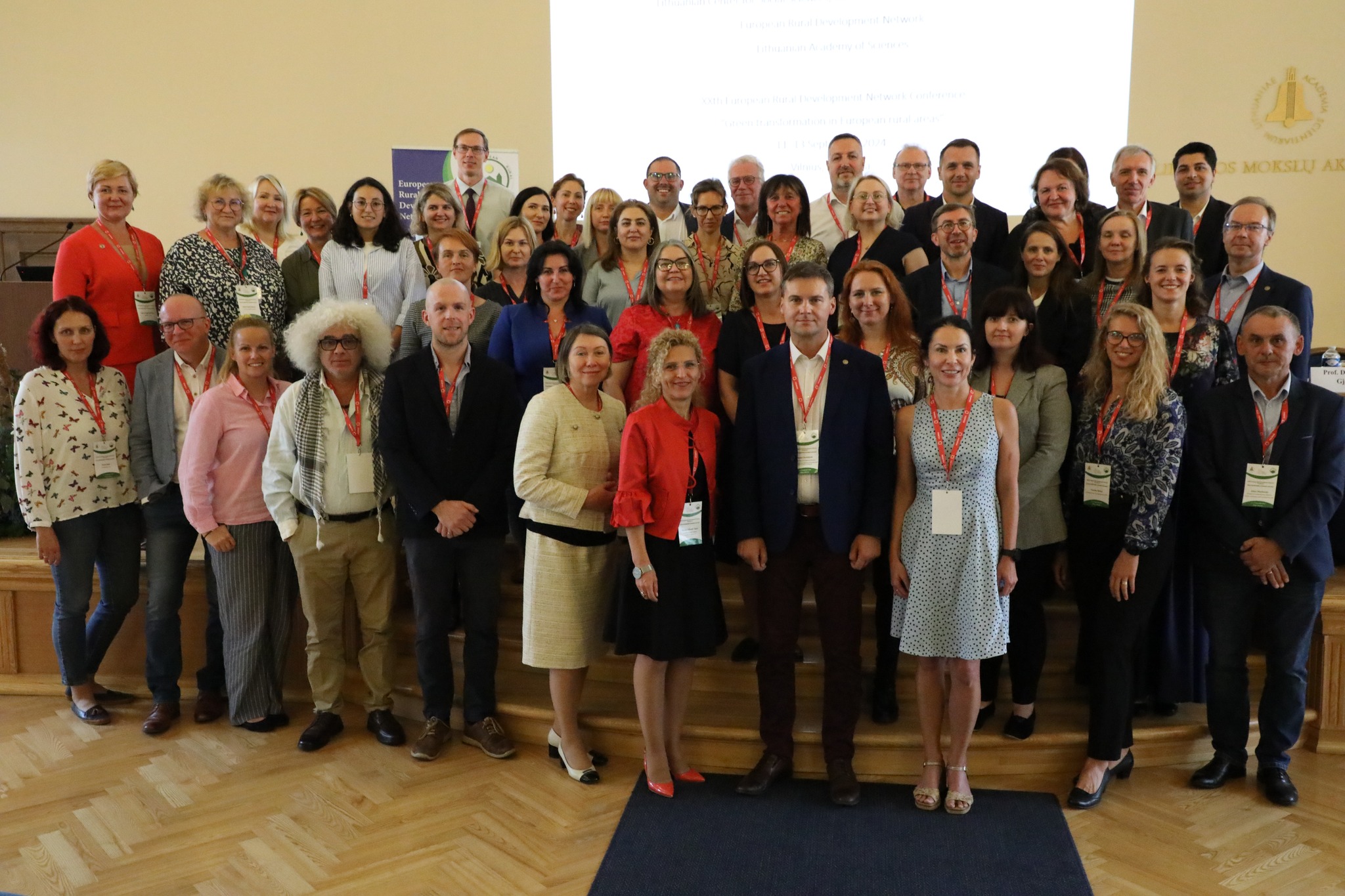
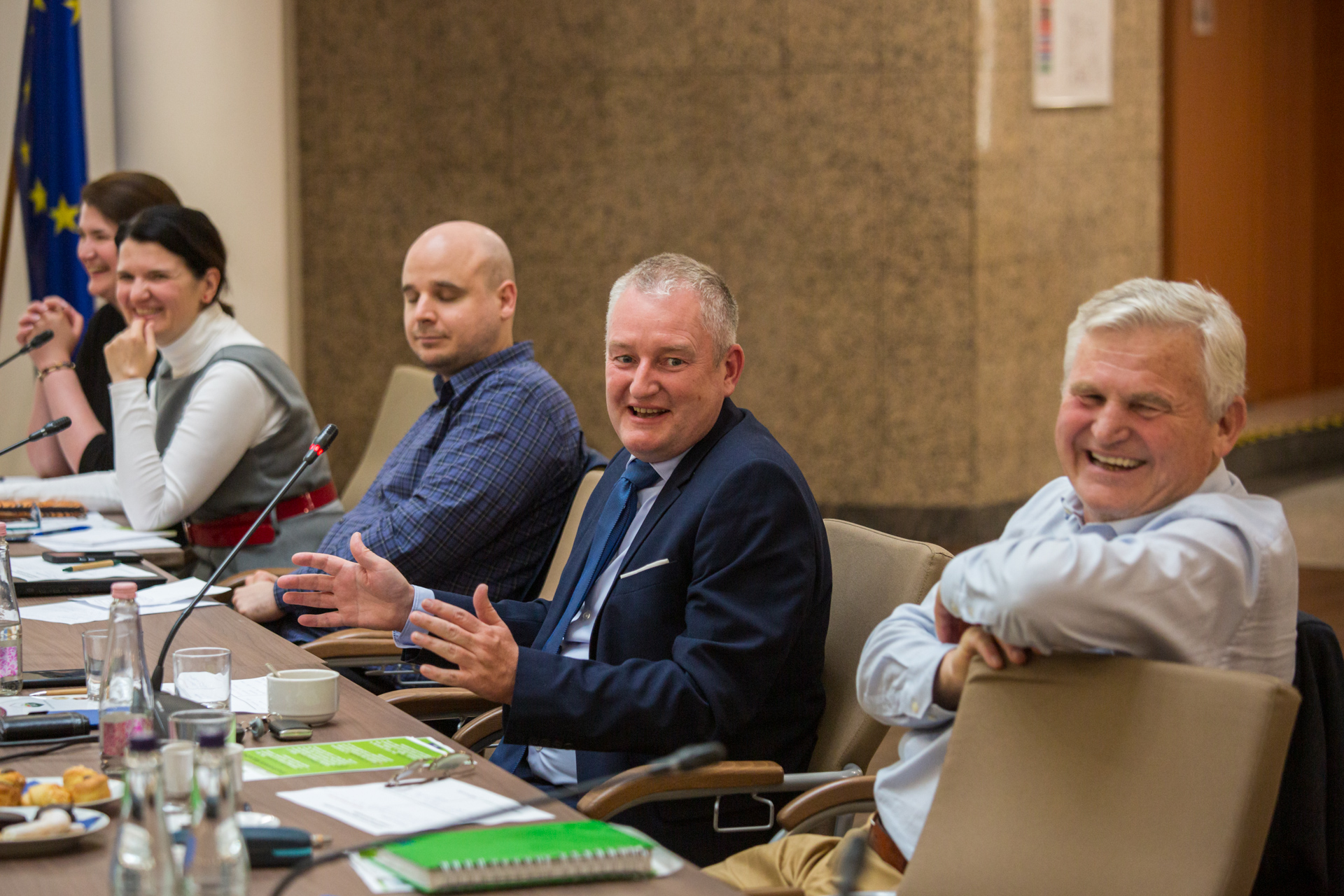
How can policy decisions accelerate the transition towards a sustainable bioeconomy? The aim of the BIOECO-UP project was to provide practical, evidence-based answers to this question and support the development of effective bioeconomy policies in CEE. The project assessed the biomass potential of the eight participating countries and used these findings to develop a regional bioeconomy vision, strategy, and action plan. By linking bioeconomy development to the future of the European Union's Common Agricultural Policy (CAP), BIOECO-UP identified policy measures and priority areas that could support the bioeconomy transition beyond 2027. These recommendations were shaped through extensive national and transnational expert consultations and contributed to the mission of the BIOEAST Initiative, one of the key drivers of bioeconomy policy development in the region. The project's achievements culminated in the BIOECO-UP Final Conference, where the project's key results were presented and leading European experts and representatives of the BIOEAST Initiative explored the opportunities, challenges, and future directions of the bioeconomy in Central and Eastern Europe. Curious to learn more? Watch our final project video and discover the ideas, innovations, and collaborations that shaped the BIOECO-UP journey and the future of the bioeconomy.
News


Events





Pilot actions
Outputs
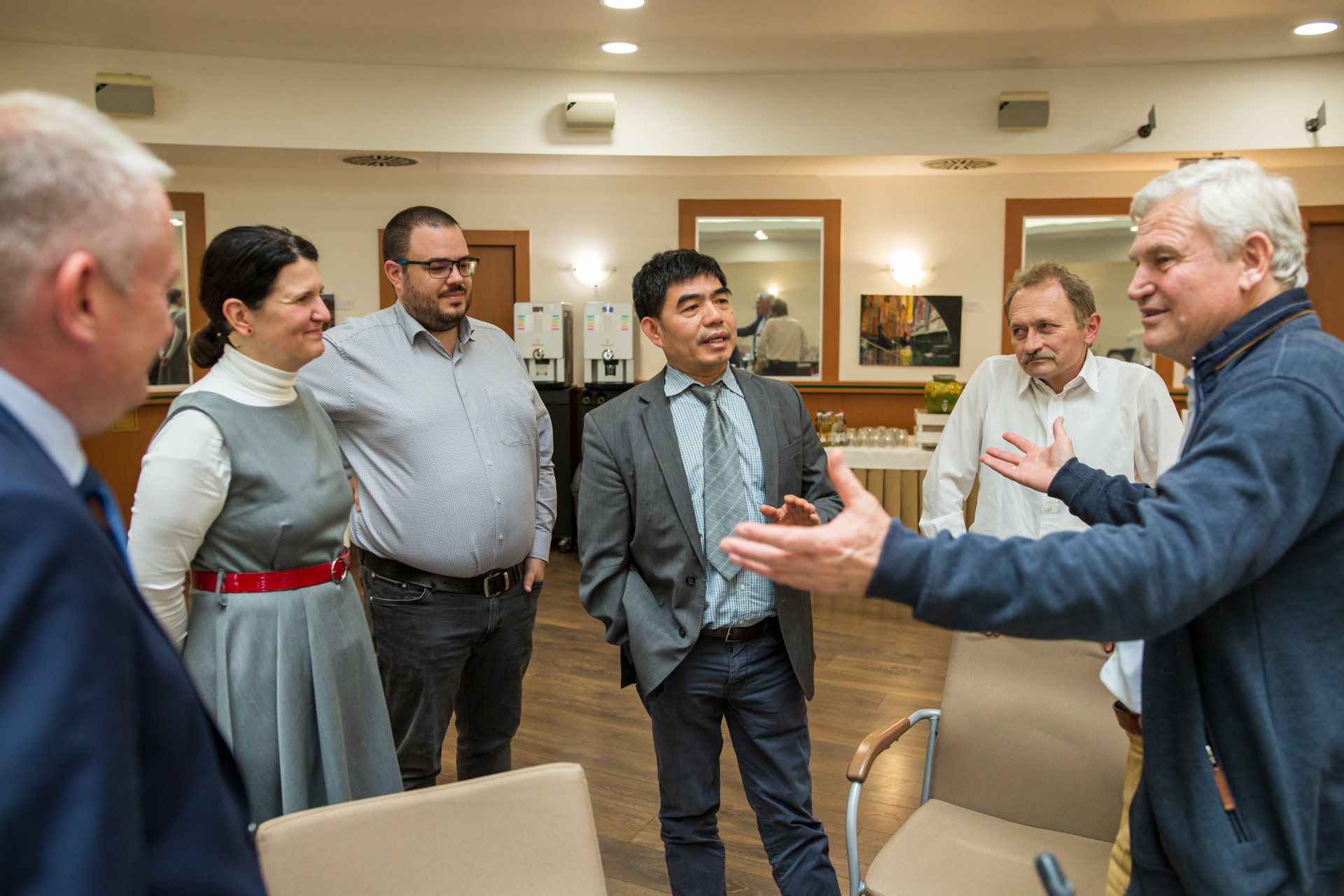
Final intersectoral cooperation procedures for bioeconomy value chain design
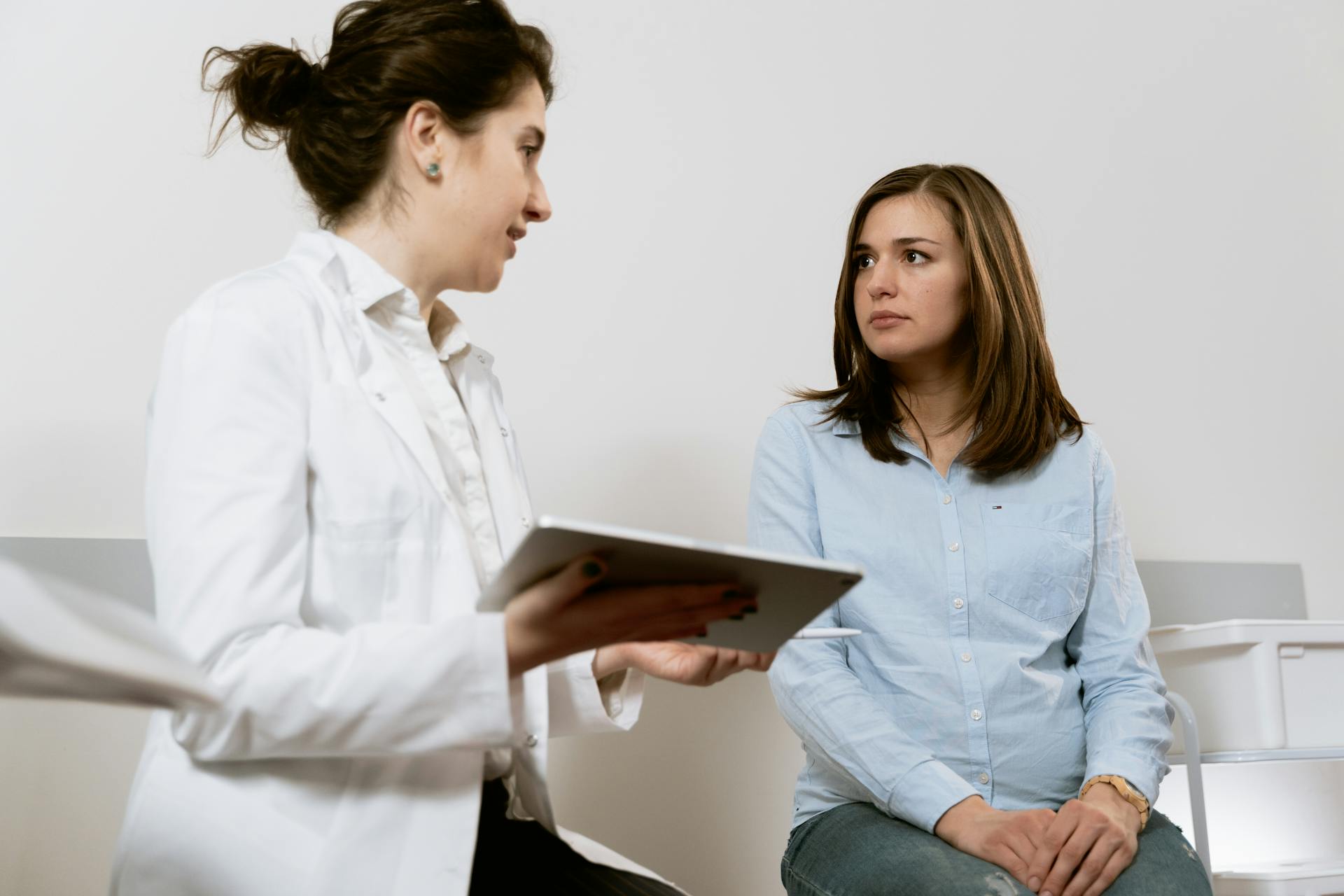
Protocol for human-centered testing of bioeconomy products in living lab by citizens
CE Bioeconomy Strategy and Action Plan
Project videos
Project documents
Info Sheets about bioeconomy for citizens
Education materials to create biobased products
REPORT ON THE UPTAKE OF BIOECO-UP PROJECT OUTPUTS AND DELIVERABLES BY BIOEAST INITIATIVE
Project images
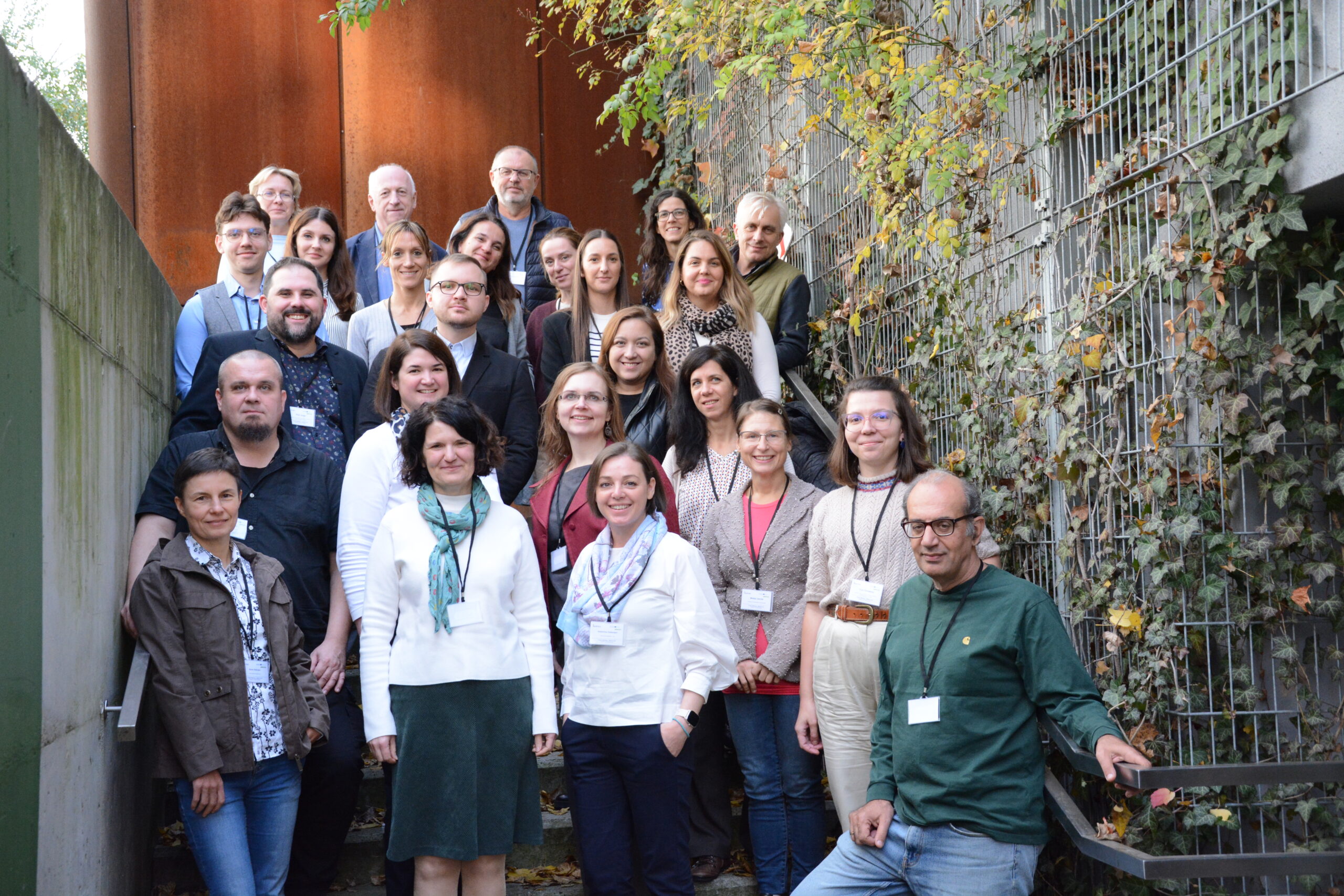
BIOECO-UP
The project lead partner is responsible for the content of this project website.