

Project overview
Management of urban water resources in Central Europe facing climate change
The impact of climate change is increasingly important for the design, construction, and maintenance of water infrastructure. Scarcity of water resources due to extreme weather events and falling groundwater levels threaten our cities and regions. The MAURICE project introduced new water management solutions for cities. The partnership helped to integrate these into broader concepts on regional climate change adaptation and encouraged the uptake of urban water management tools and measures.
-
2,92m €
-
Project Budget
-
80%
-
of the Budget is funded by ERDF
-
6
-
Countries
-
6
-
Regions
-
11
-
Partners
-
6
-
Pilots
Duration
Start date
End date
Project progress
About the project
Climate change poses a risk to the availability of water resources in many Central European countries. These regions need to strengthen their resilience to extreme weather events, such as urban droughts and floods, as well as to the depletion of urban groundwater resources.
Both falling groundwater levels over the long term and excessive rainfall occurring over short periods have become urgent challenges requiring adequate water management practices.
The project aim was to enhance the capacity of regions in Central Europe for climate change resilience in the aspect of urban water resources management by joint development of climate change adaptation solutions.
The project delivered solutions dedicated for public administrations and water management bodies, supporting changes in water management and spatial planning practices that contribute to increasing regional resilience to climate change.
The cooperation network of 11 organisations jointly developed and implemented 6 pilot actions, prepared 8 solutions, and developed 6 action plans and strategies supporting cities, regions, and water management and water supply authorities.
Over three years of cooperation, MAURICE project strengthened collaboration among partners and increased the awareness of local and regional policymakers by developing, testing, and promoting jointly developed good practices for climate change adaptation in the context of urban water management.
Project partnership
Project partners

Lead partner
Central Mining Institute - National Research Institute
Department of Water Protection
Project partner
Biuro ds. Geologii / Geology office
Amt für Umweltschutz (Department for Environmental Protection)
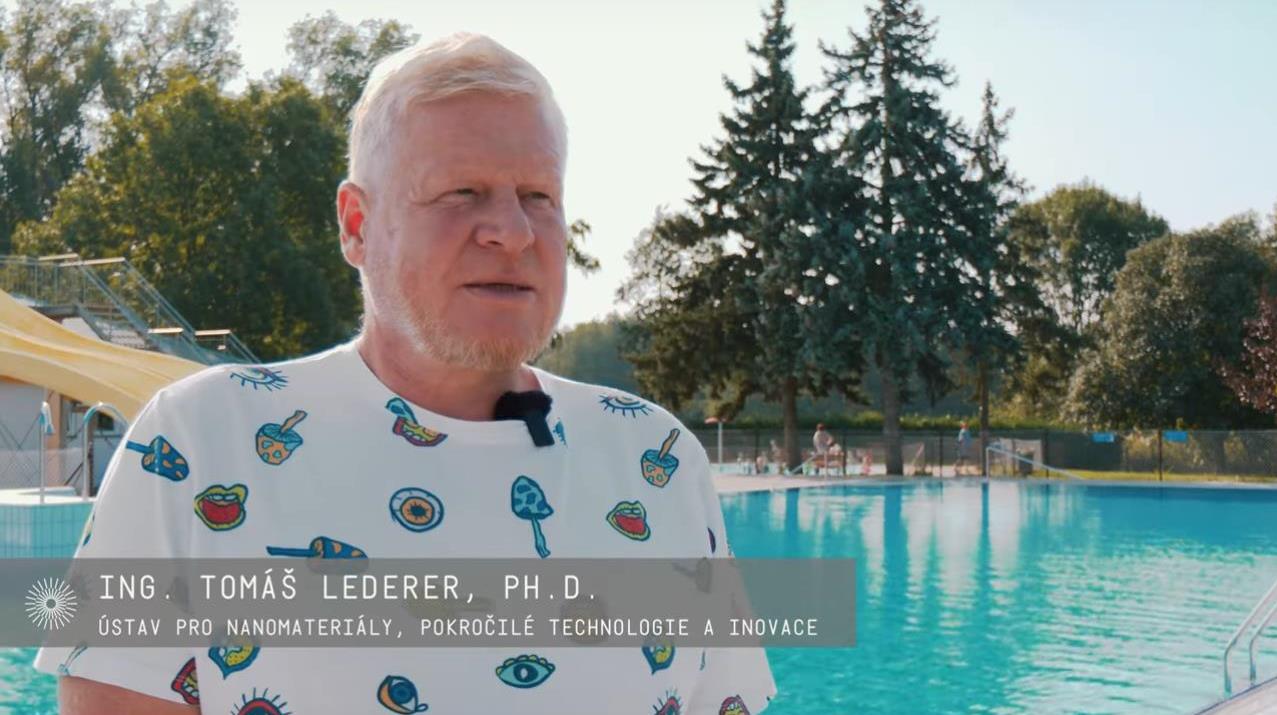
Ústav pro nanomateriály, pokročilé technologie a inovace / Institute for Nanomaterials, Advanced Technologies and Innovation
Department of Civil and Environmental Engineering (DICA)
Groundwater - Hydrogeology
Department of Hydrotechnics
ADMINISTRATIVE DEPARTMENT FOR CONSTRUCTION AND PUBLIC UTILITIES
Roadmap
CHALLENGE
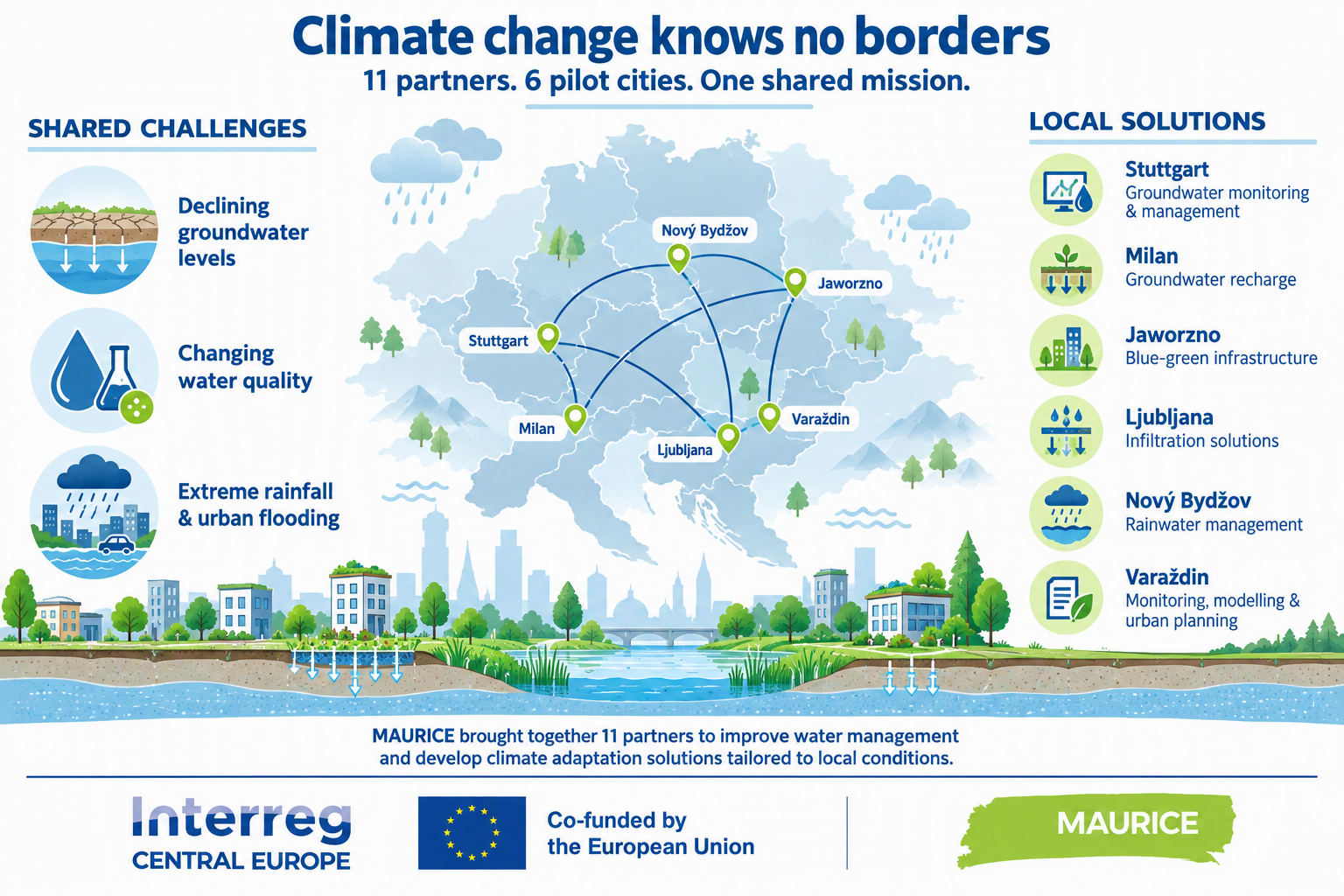
Central European cities and regions face common water management challenges driven by climate change: declining groundwater levels, changing water quality, and increasing pressure from extreme rainfall and urban flooding.
MAURICE brought together six regions to address these challenges through improved water management practices and climate adaptation solutions, tailored to diverse local conditions.
UNDERSTANDING THE PROBLEM
Climate change affects water resources in different ways across Central Europe. The initial project assessment highlighted common challenges and local vulnerabilities, from groundwater depletion and contamination to excessive rainwater runoff and urban flooding.
Watch the project video to explore the challenges that MAURICE set out to address and the objectives behind the six pilot actions.
MAURICE APPROACH
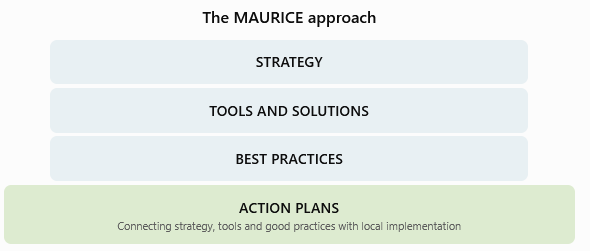
MAURICE followed an integrated approach combining strategy development, practical tools and solutions, and the exchange of best practices. These elements were brought together in six local Action Plans, translating transnational knowledge and project results into context-specific measures for improving water management and climate resilience.
JOINING FORCES: Connecting knowledge and practice & sharing knowledge across borders
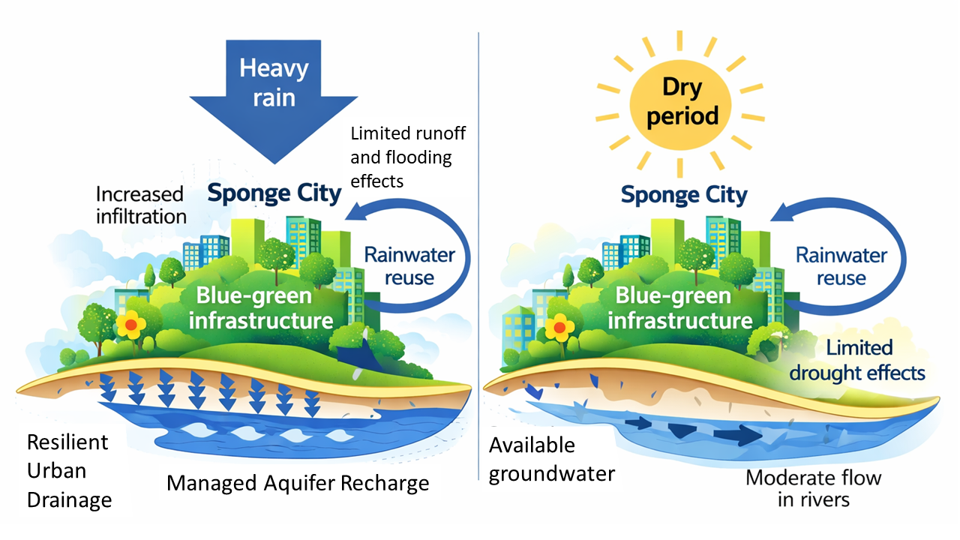
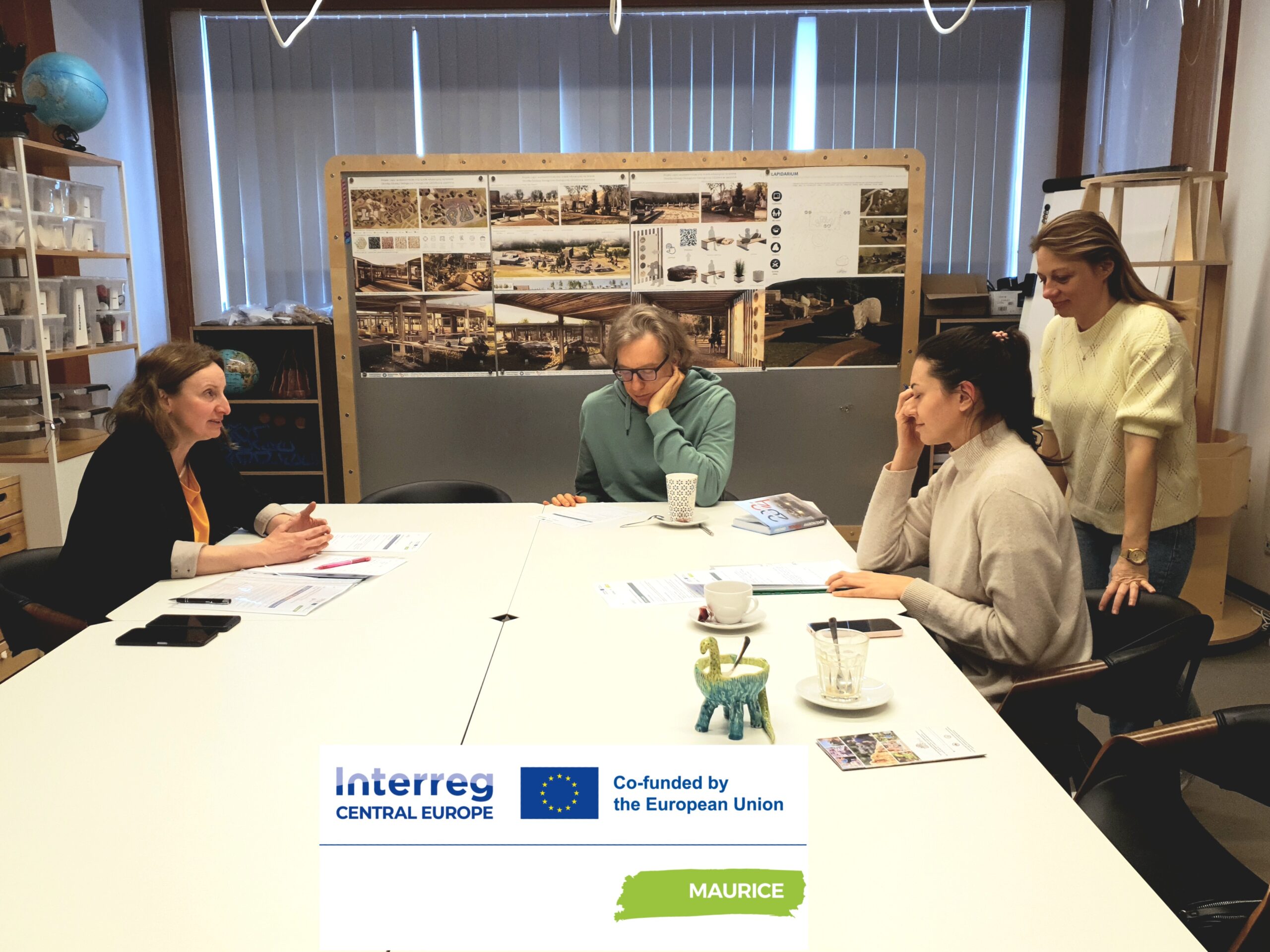
Partners from six Central European regions joined forces to exchange expertise, compare local challenges and develop common approaches to climate-resilient water management. Through transnational cooperation, joint research and workshops, partners connected scientific knowledge with the practical needs of public authorities, water management bodies and other stakeholders.
MAURICE established the Sponge City Network (ResiWM) to strengthen transnational cooperation and connect research and innovation organisations with public authorities and water management practitioners.
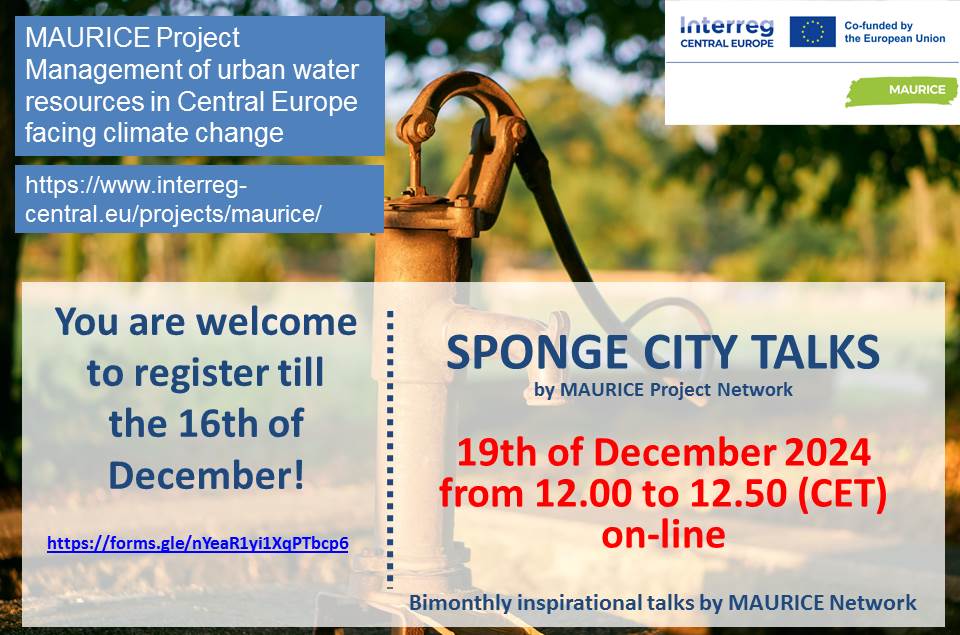
As part of this initiative, a series of open Sponge City Talks brought together project partners and external experts, stakeholders and interested participants to exchange knowledge, share experiences and discuss practical approaches to climate-resilient water management. These events extended knowledge-sharing beyond the project partnership and supported the wider transfer of project results and good practices.
TESTING SOLUTIONS: Six pilot actions
Within six pilot actions, partners developed and tested solutions adapted to local water management challenges and hydrogeological conditions:
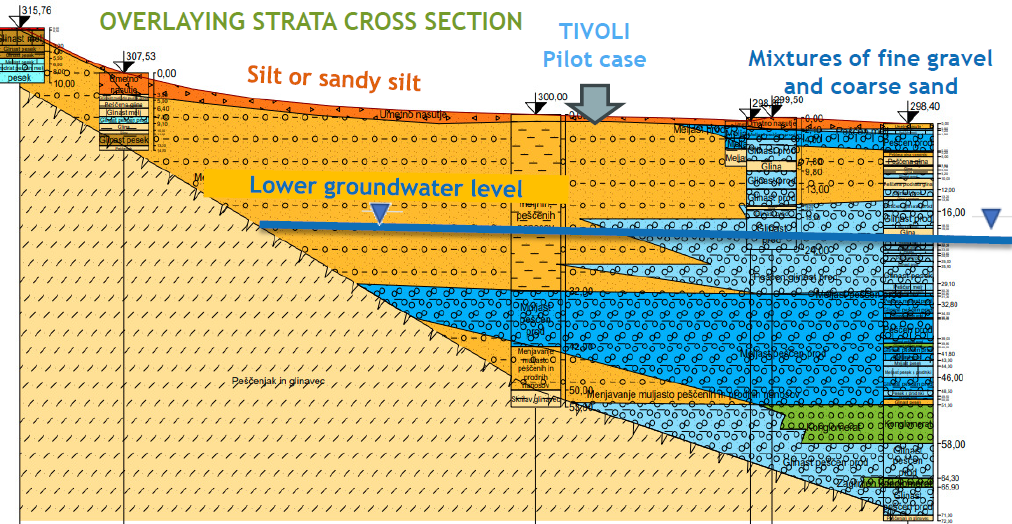
- Stuttgart (Germany): Groundwater monitoring and modelling to assess groundwater level changes and support adaptive groundwater management.
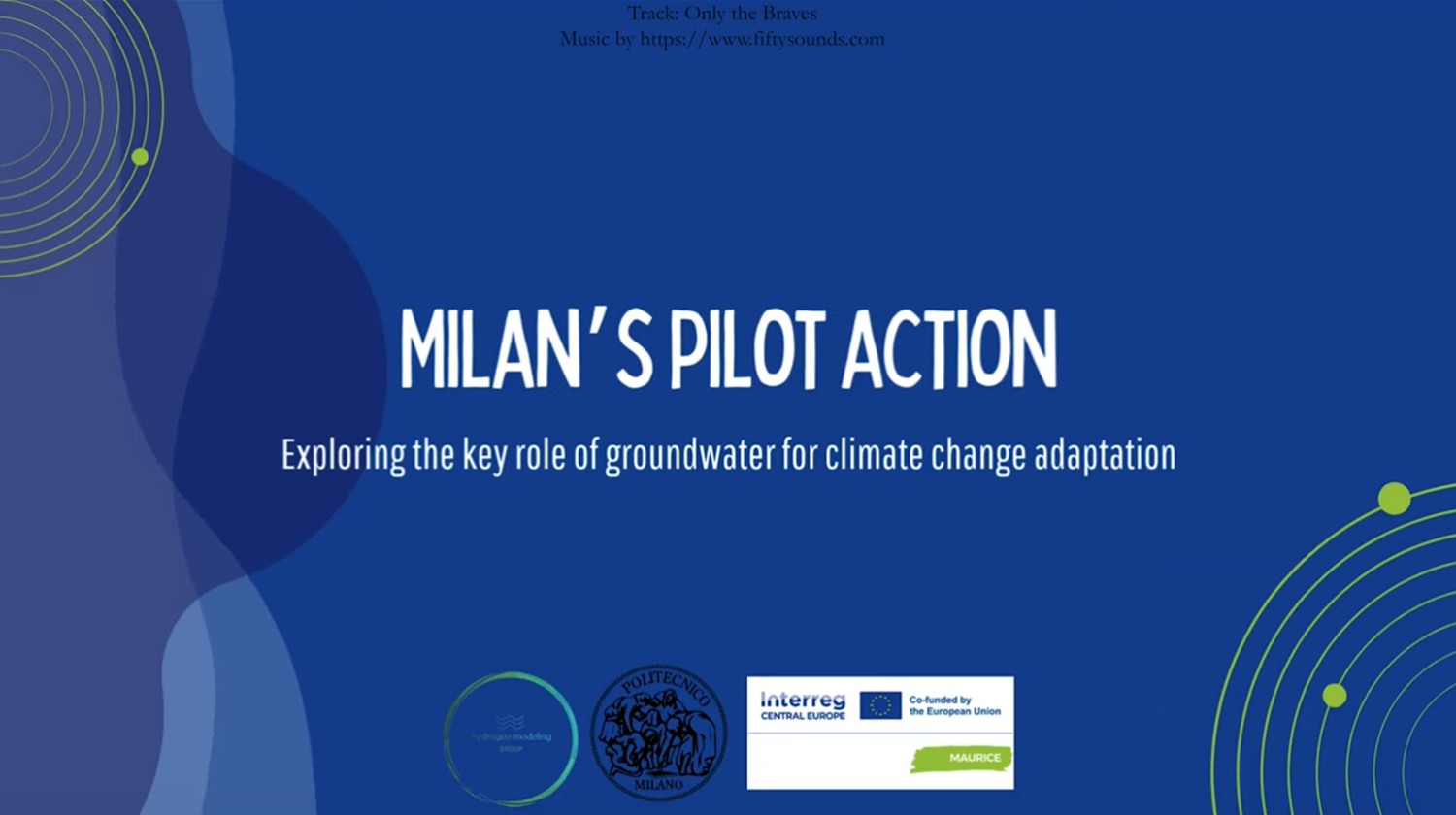
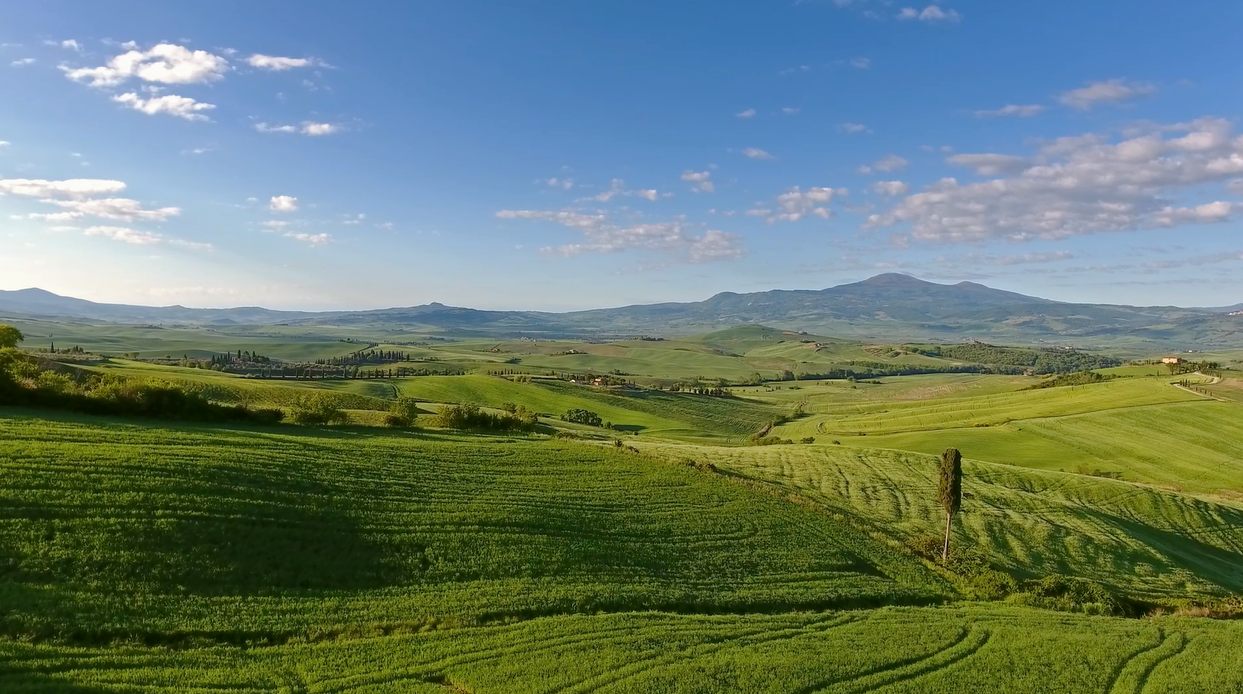
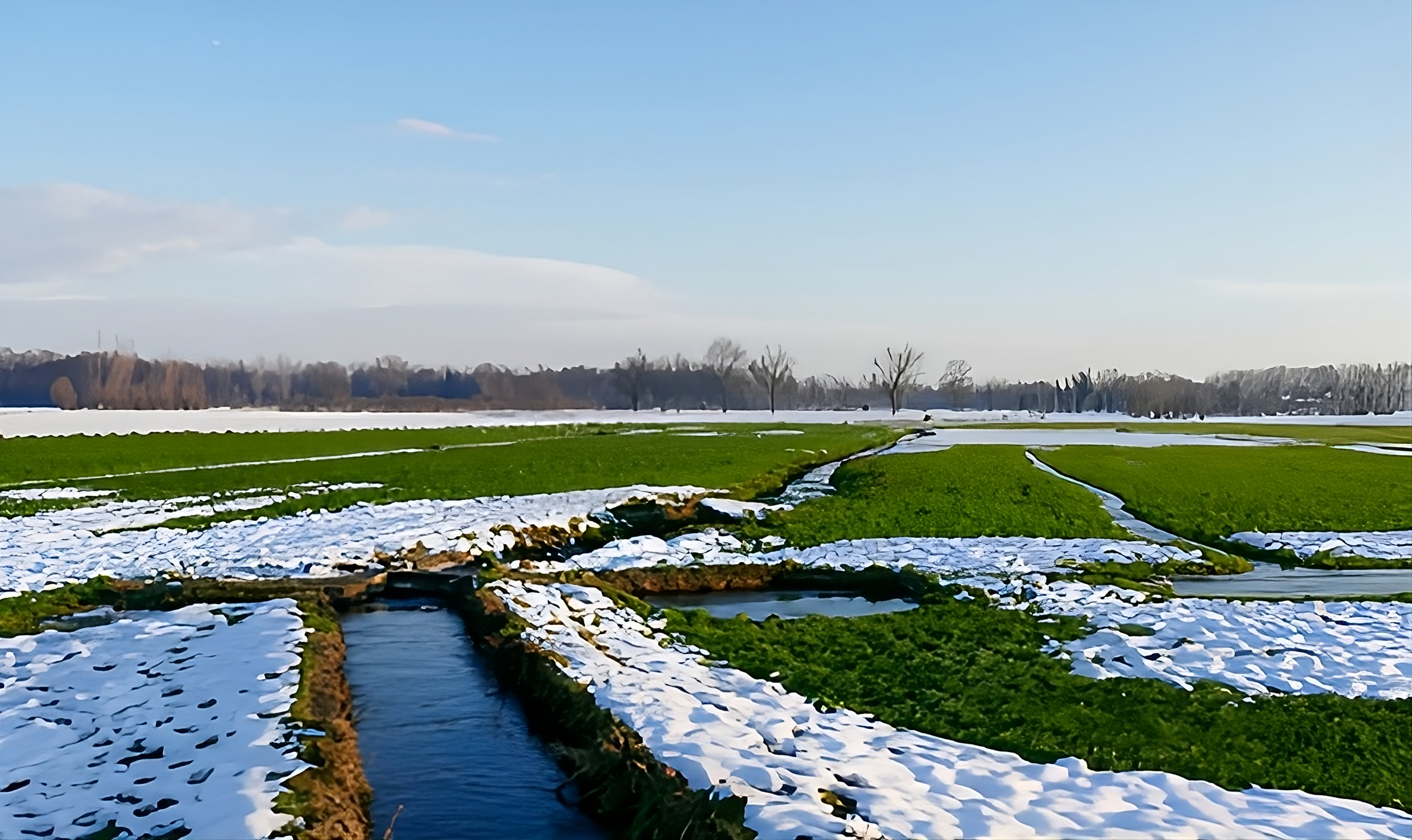
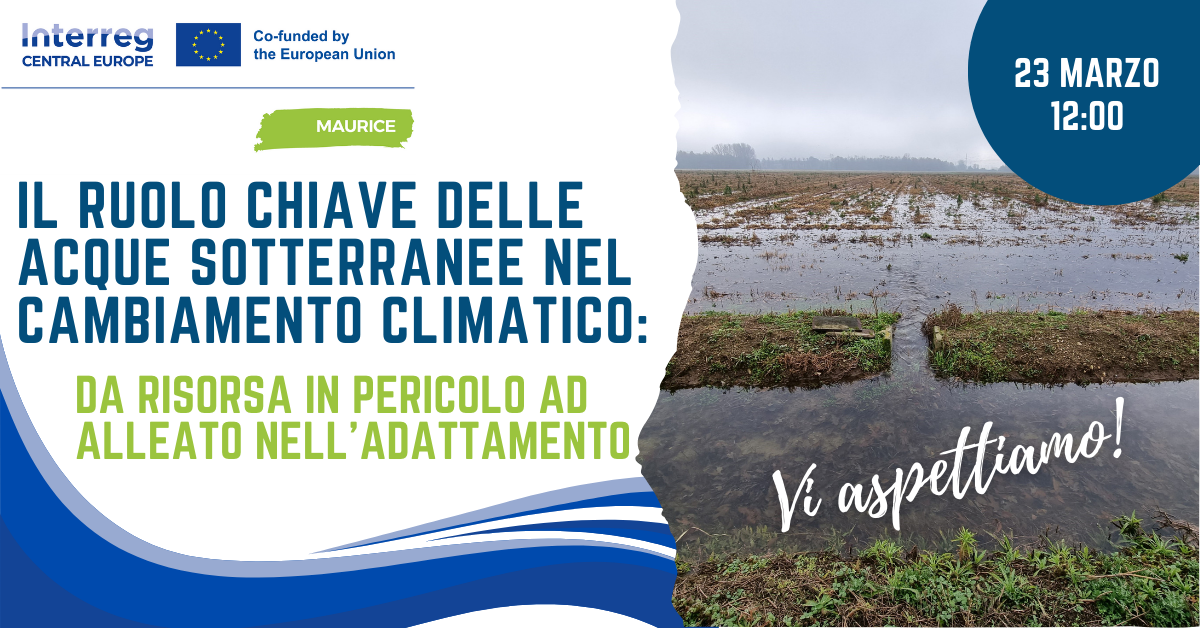
- Lombardy (Italy): Ag-MAR (Agricultural Managed Aquifer Recharge) using irrigation canals to recharge aquifers through winter irrigation.
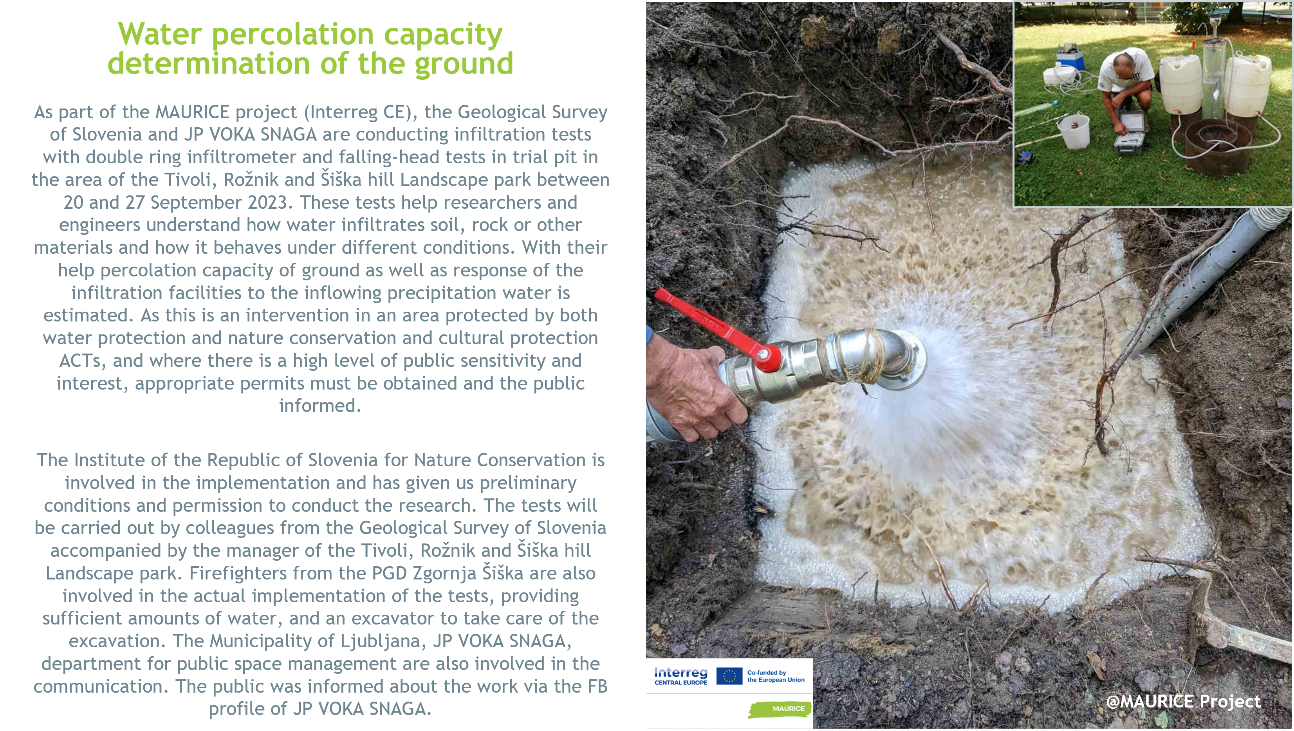
- Ljubljana (Slovenia): Stormwater retention and infiltration to reduce pressure on urban drainage systems.
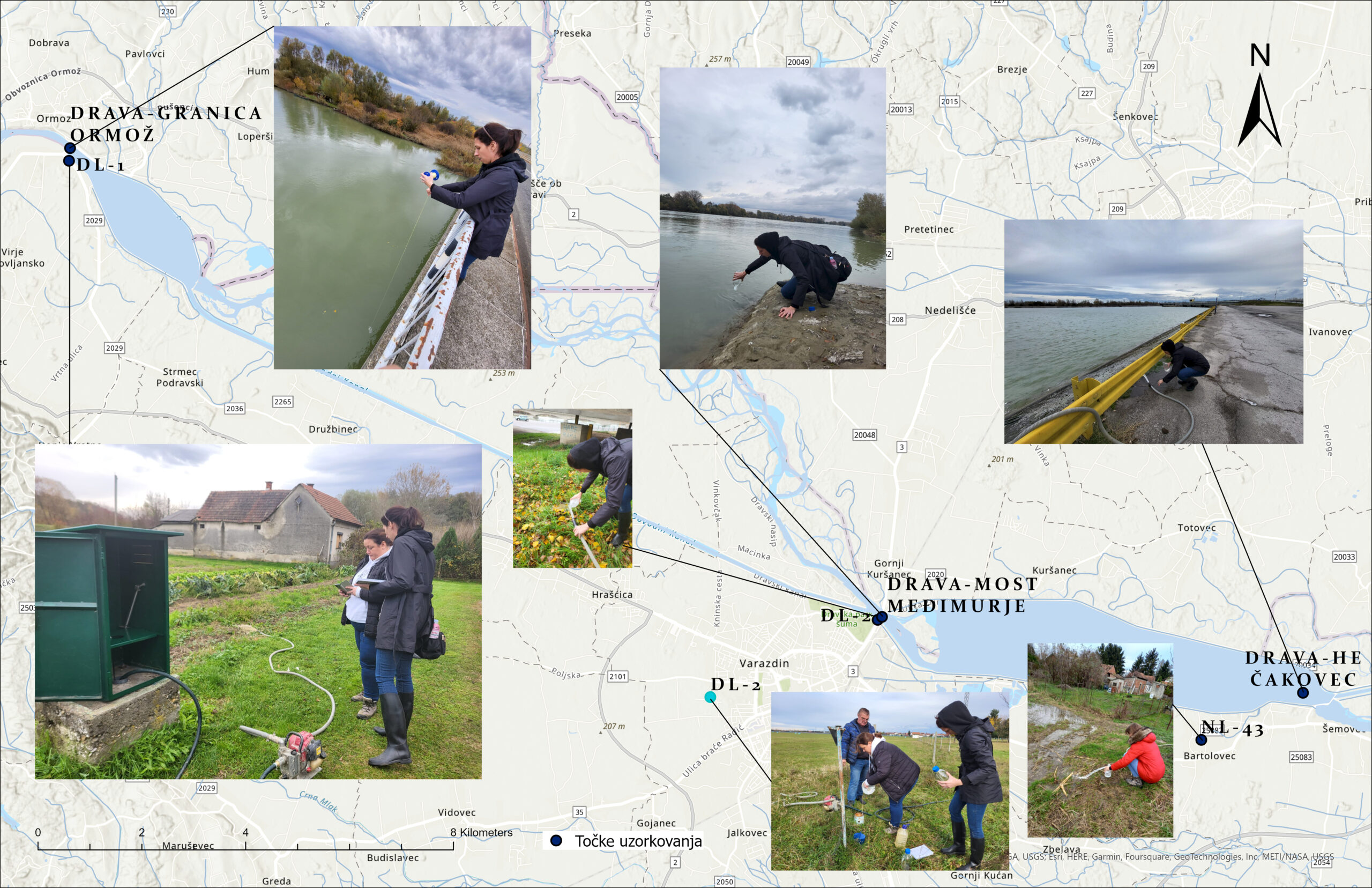
- Varaždin (Croatia): Groundwater monitoring and modelling to assess the impacts of artificial reservoirs on groundwater levels and quality.
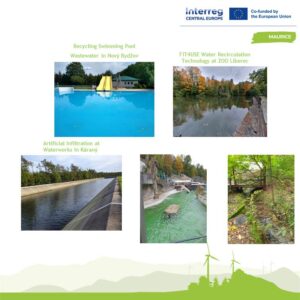
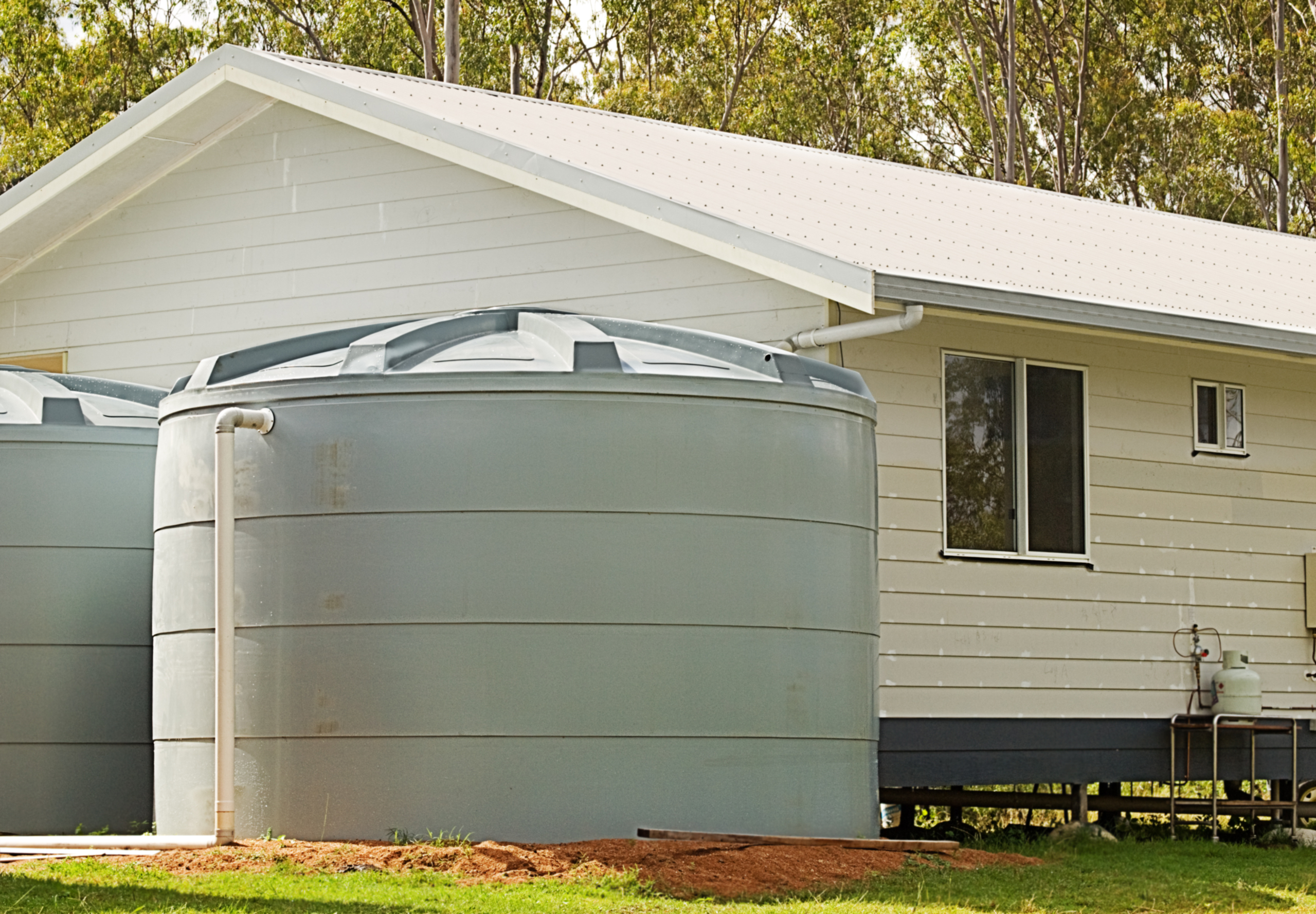
- Nový Bydžov (Czech Republic): Rainwater harvesting, treatment and reuse to reduce drinking water consumption.
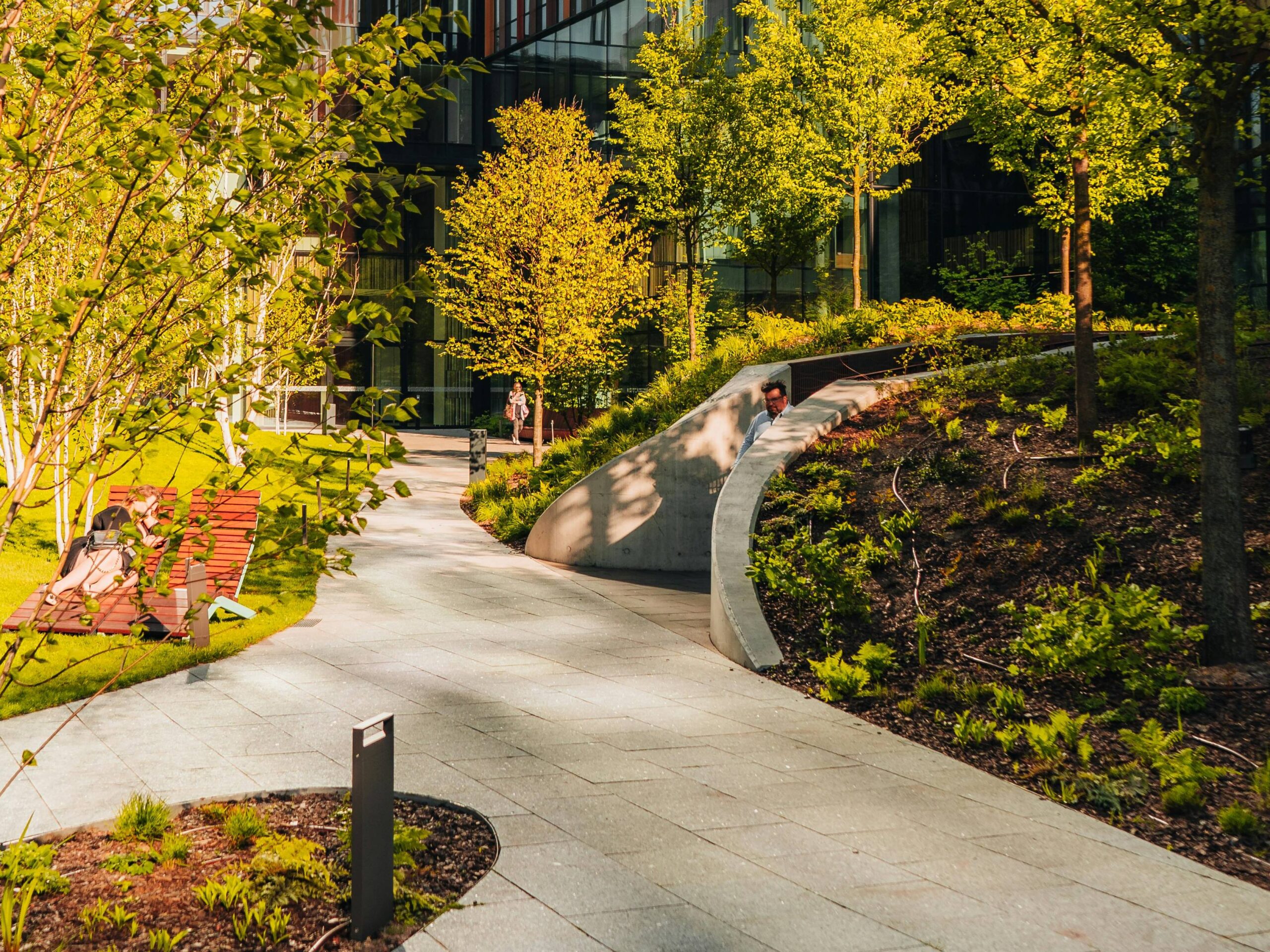
- Jaworzno (Poland): Testing blue-green infrastructure surfaces to improve rainwater retention and infiltration in historical mining areas.
Together, the six pilots demonstrated different approaches to strengthening water resilience in urban and agricultural areas.
BUILDING CAPACITY: From knowledge to practical tools & solutions
Building on the research and pilot results, MAURICE developed practical tools and guidance to support climate-resilient water management and decision-making.
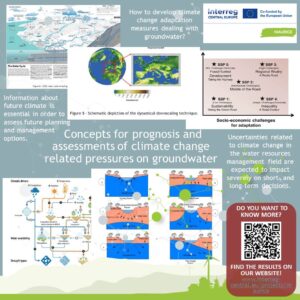
Key outputs included groundwater forecasting models and interactive dashboards, technical guidelines for groundwater protection and rainwater management, infiltration capacity mapping, water mass flow concepts, and a transnational strategy accompanied by six local action plans.
Through joint workshops, knowledge exchange and capacity-building activities, the project also strengthened the ability of public authorities and water management bodies to apply these solutions in practice.
These joint-developed solutions together with a management strategy for modern urban water management considering climate change will foster behavioural change in water management and spatial planning practices.
RESULTS AND UPTAKE: From pilot results to lasting impact
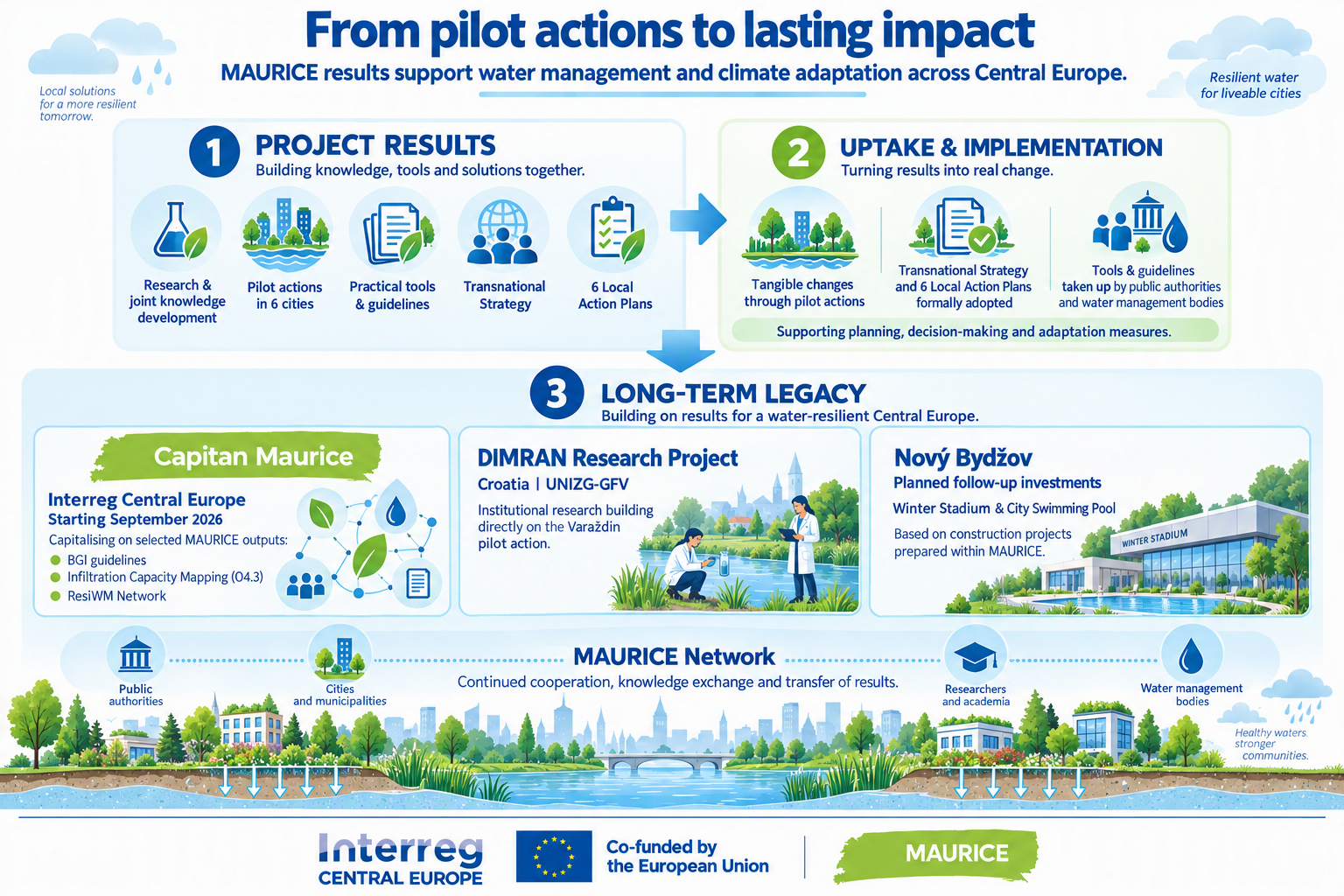
MAURICE translated research, pilot activities and joint knowledge development into practical results for water management and climate adaptation across Central Europe.
The project delivered tangible changes, including the construction of blue-green infrastructure in Jaworzno, technical documentation for rainwater-based solutions in Nový Bydžov, calibrated groundwater models in Stuttgart and Lombardy, and the integration of project results into urban drainage and spatial planning in Ljubljana and Varaždin.
The transnational strategy and six local Action Plans were formally adopted by participating regions and cities. Project tools and guidelines were also taken up by public authorities and water management bodies to support planning, decision-making and the implementation of adaptation measures.
The long-term use and transfer of results will be supported by continued cooperation through the MAURICE Network (ResiWM) and follow-up initiatives, including CAPITAN MAURICE and regional initiatives, extending the project's impact beyond its duration.
News



Events


Pilot actions
Outputs

MAURICE network for enhancing climate change resilience in urban and regional water management
Transnational Water Management strategy and action plans for the six municipalities /regional areas considered by the project
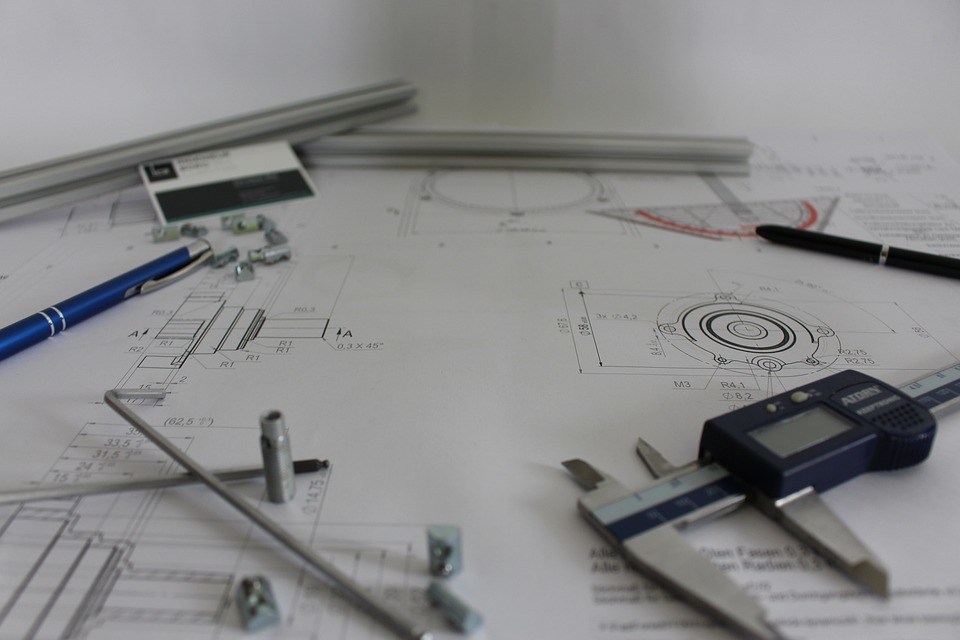
Tools for groundwater behavior forecast as support for public authorities’ decision making

The guidelines to ensure groundwater availability and climate change resilience by adaptation measures
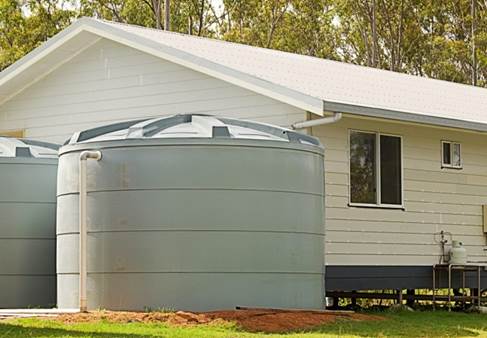
The guidelines for public administration to implement the beneficial rainwater management
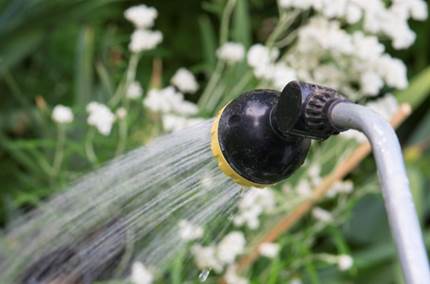
The guidelines for the selection of rainwater treatment technologies for further use
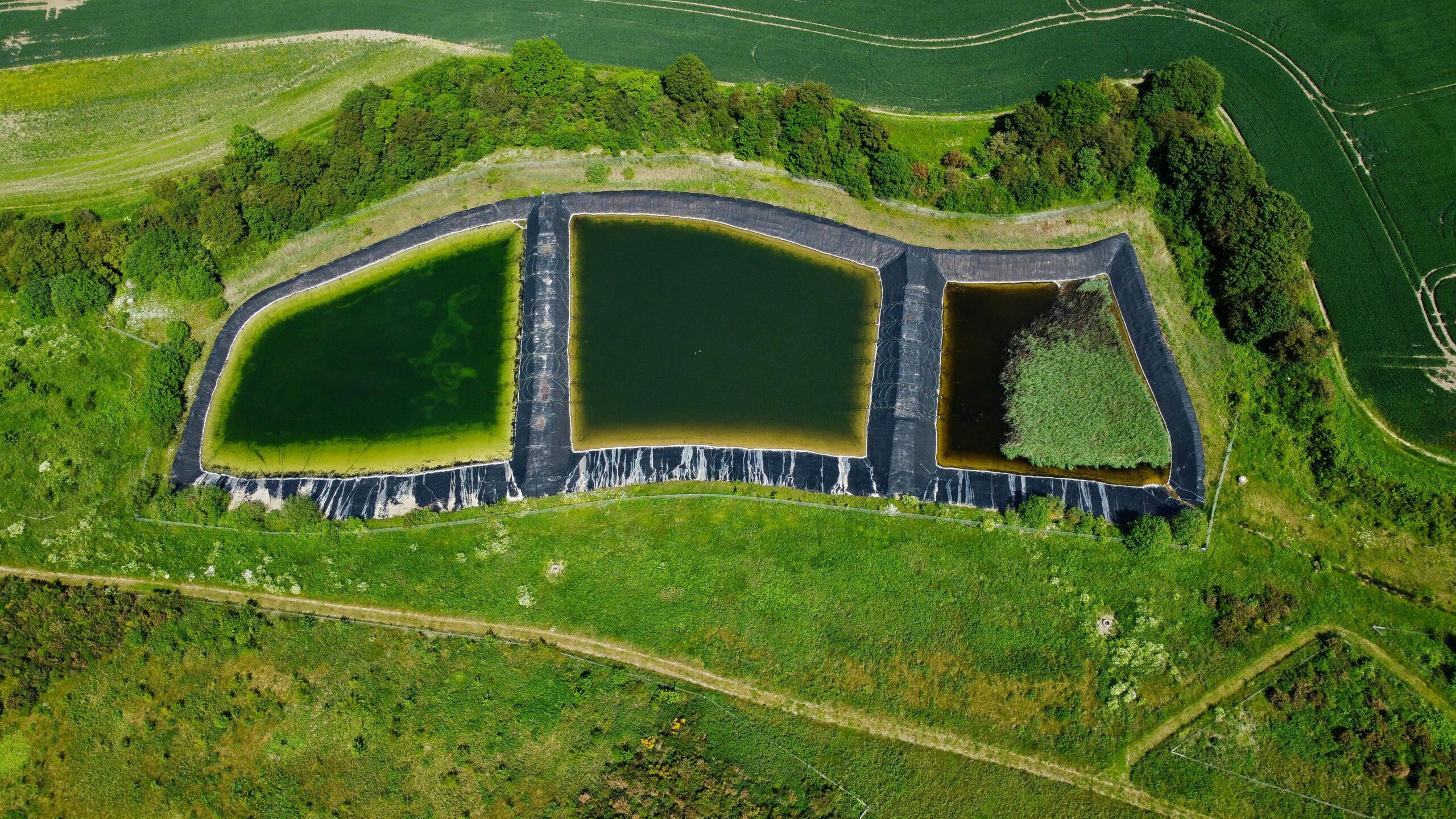
The guidelines for designing blue-green infrastructure for rainwater retention and groundwater recharge
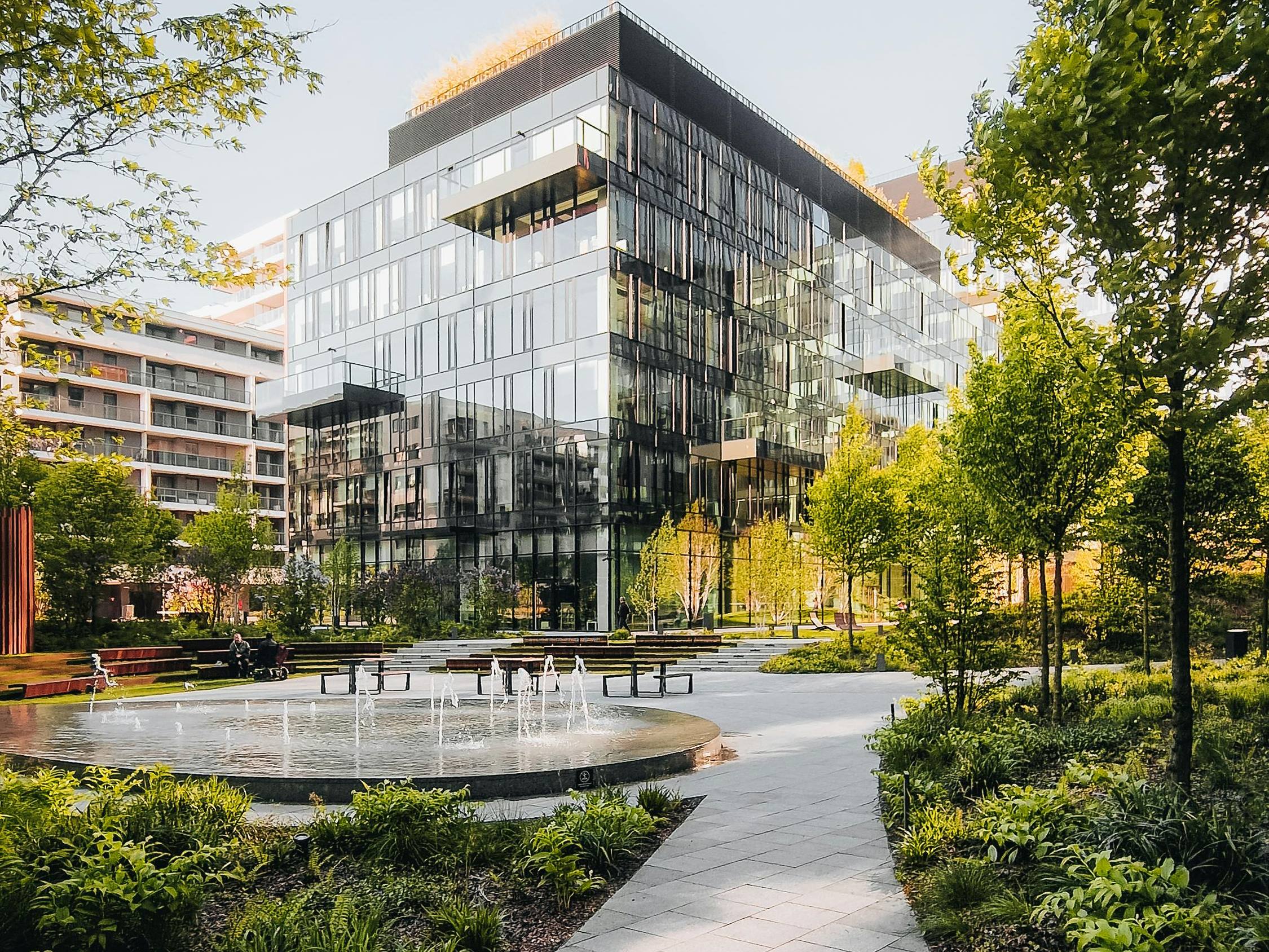
The use of the infiltration capacity map from field investigation to planning, consent and decision-making
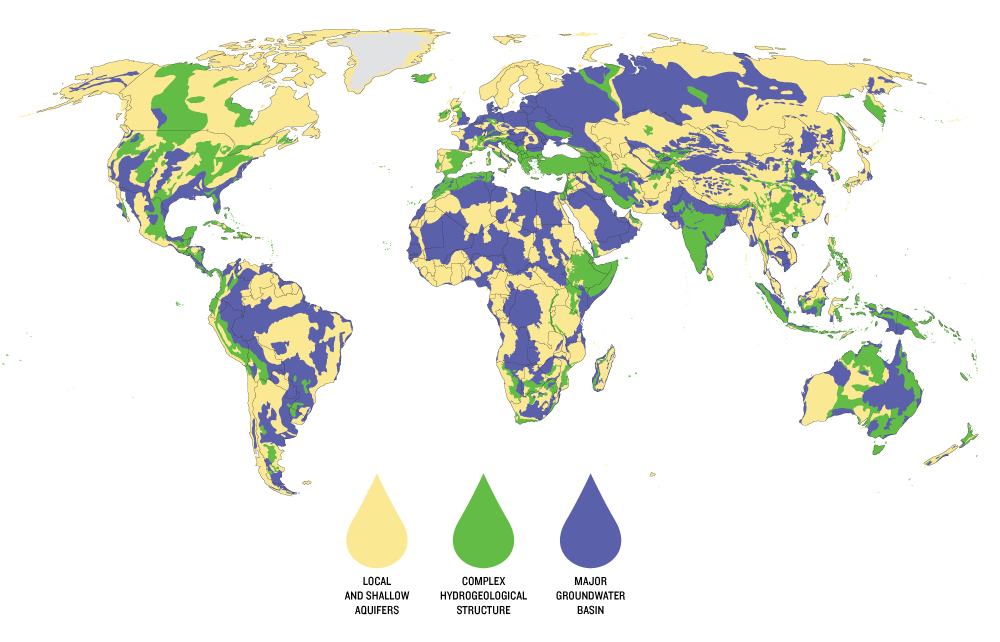
Surveying urban water mass flows and contaminants to set resilient drainage and infiltration targets
Project videos
Project documents
Deliverables
Infographics
Scientific publications
Project images
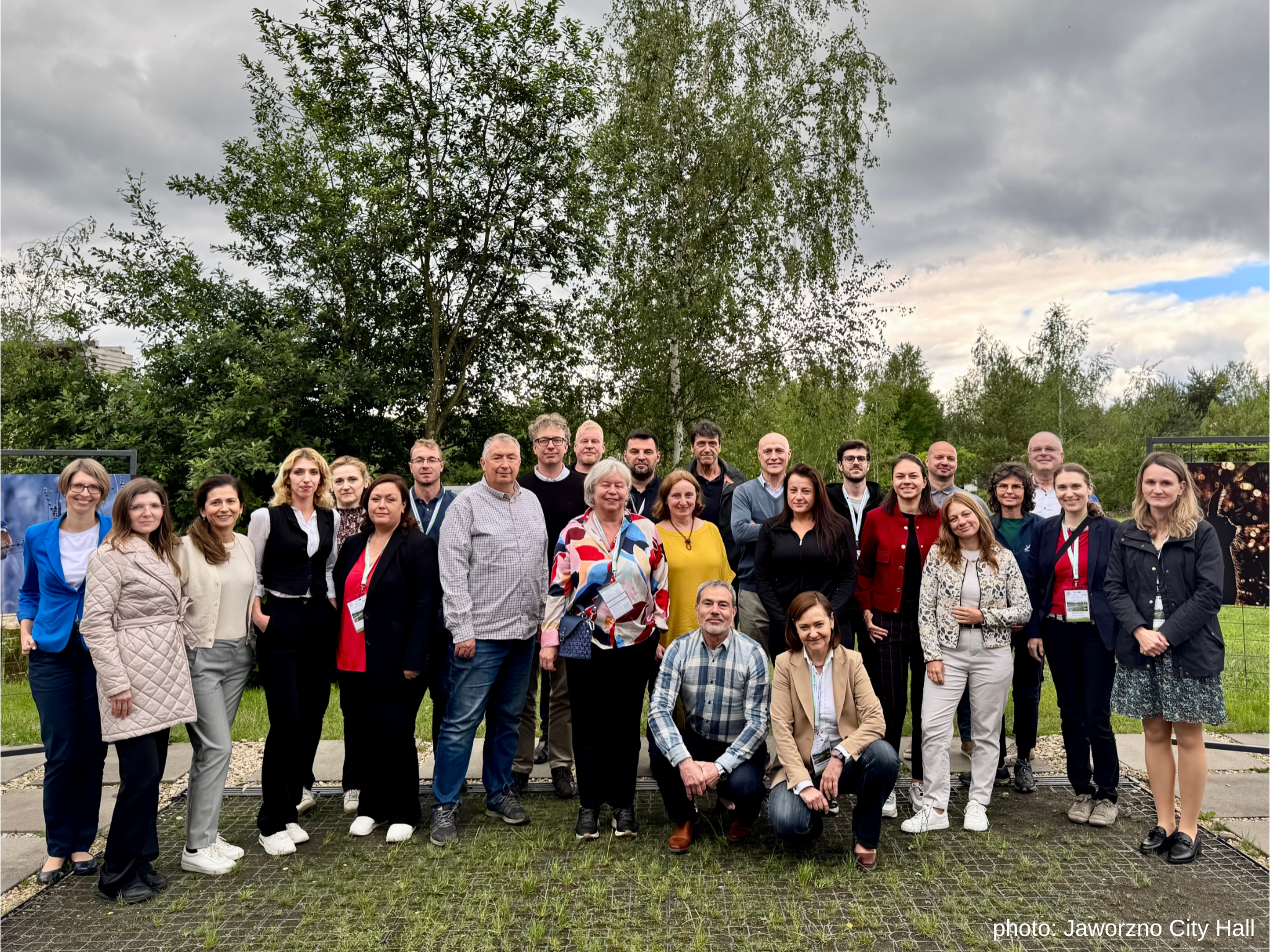
MAURICE
Priority 2: Cooperating for a greener central Europe
SO 2.2: Increasing the resilience to climate change risks in central Europe
The project lead partner is solely responsible for all content published on this project website, including, where applicable, content created with the support of AI tools and the appropriate labelling of such content. The views expressed do not necessarily reflect those of the Interreg CENTRAL EUROPE Programme, its programme bodies or the European Union.