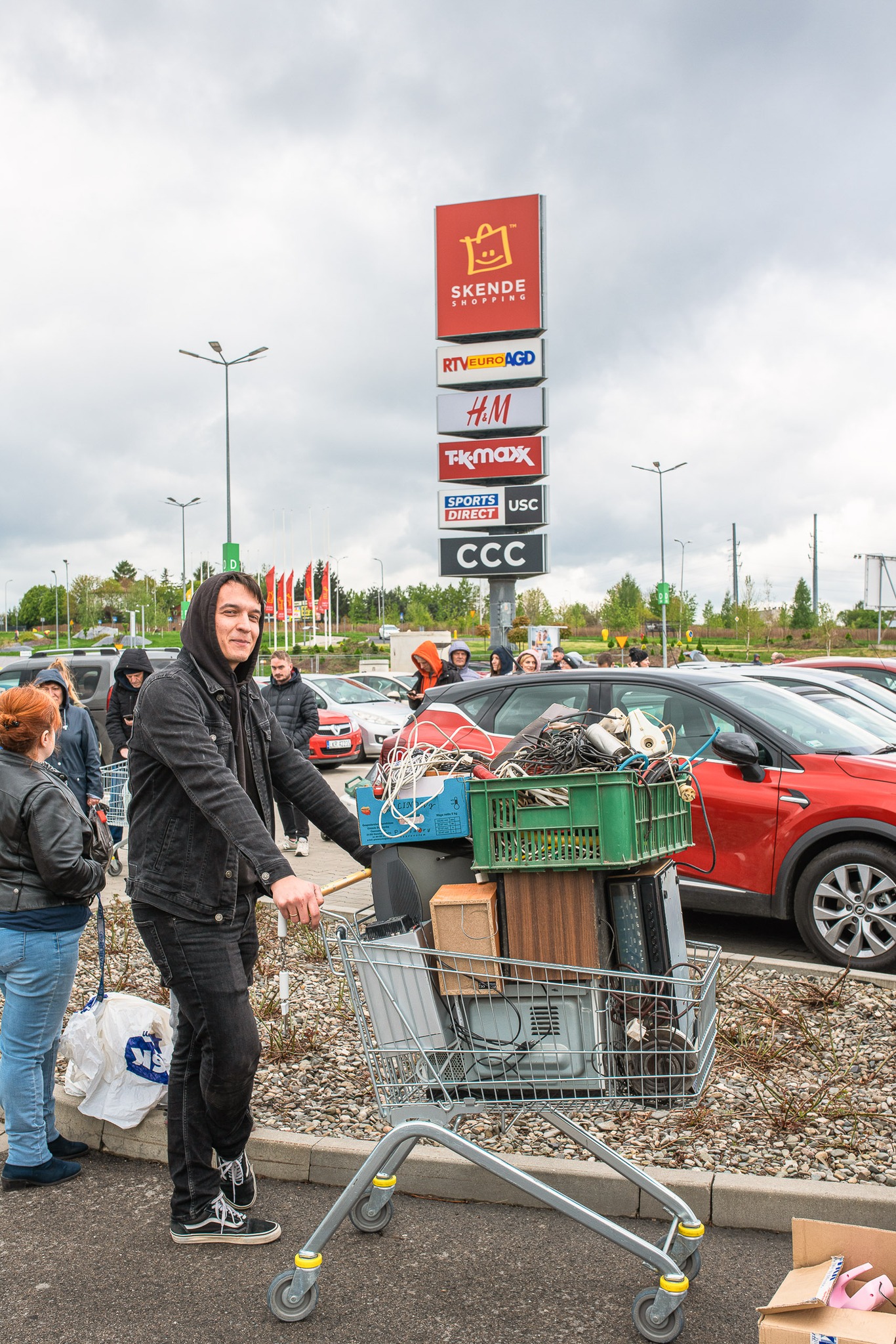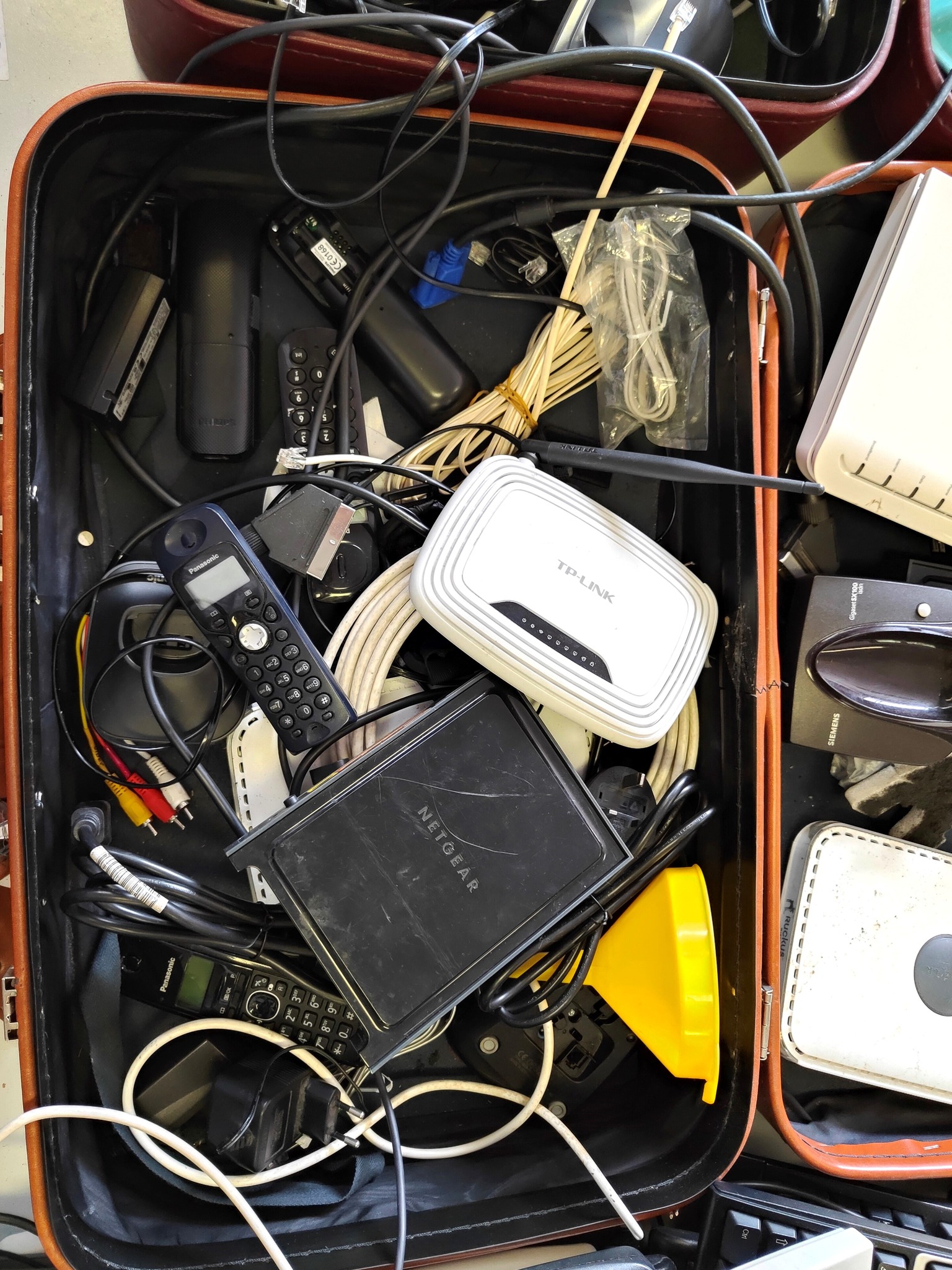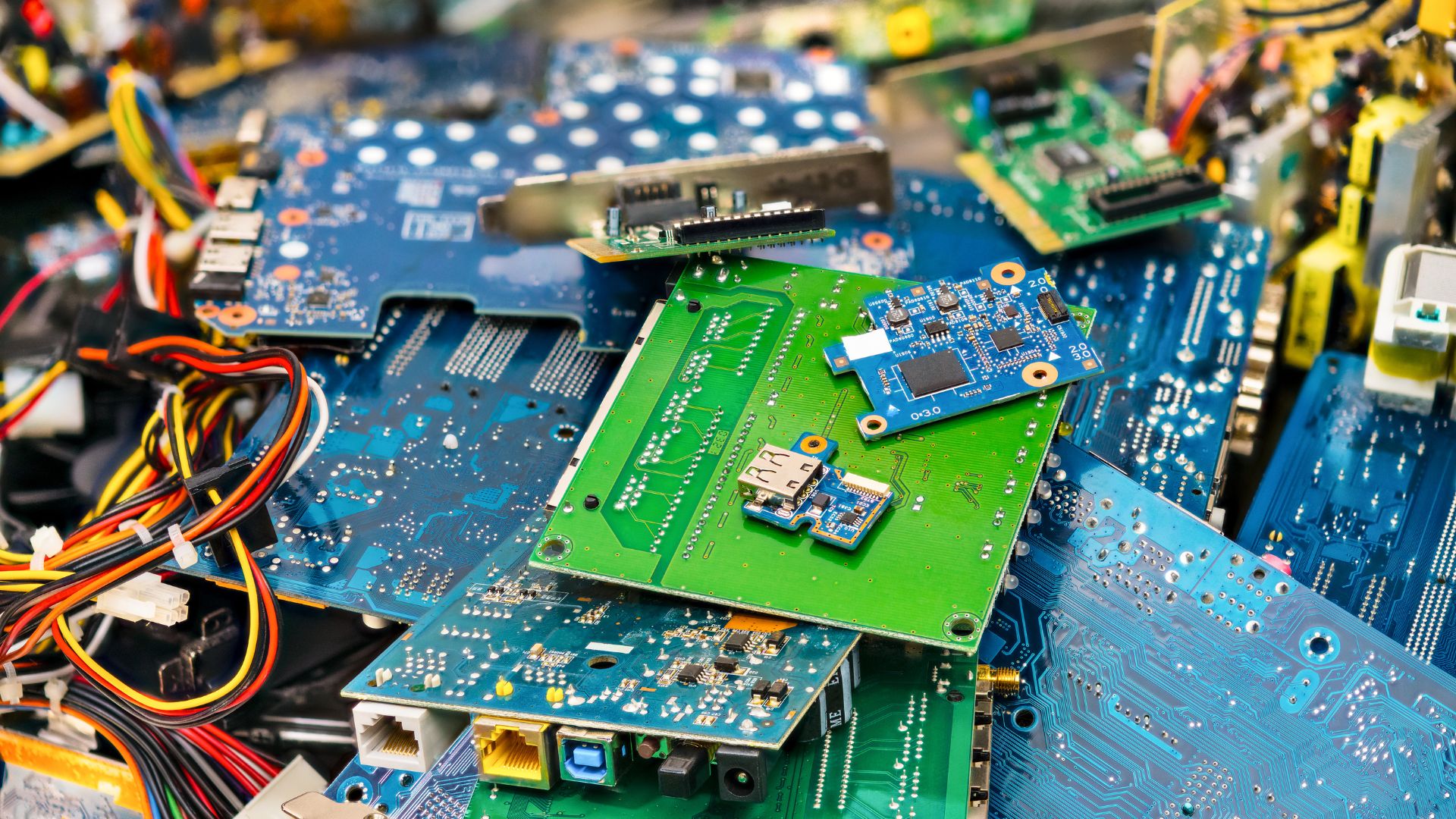
E-waste of old hard discs
Ladislav Kubeš from Getty Images

Circular WEEEP

Project overview

Design and test of policies for reducing, repairing, recovering and reusing waste from electrical, electronic equipment and plastic in Central Europe.

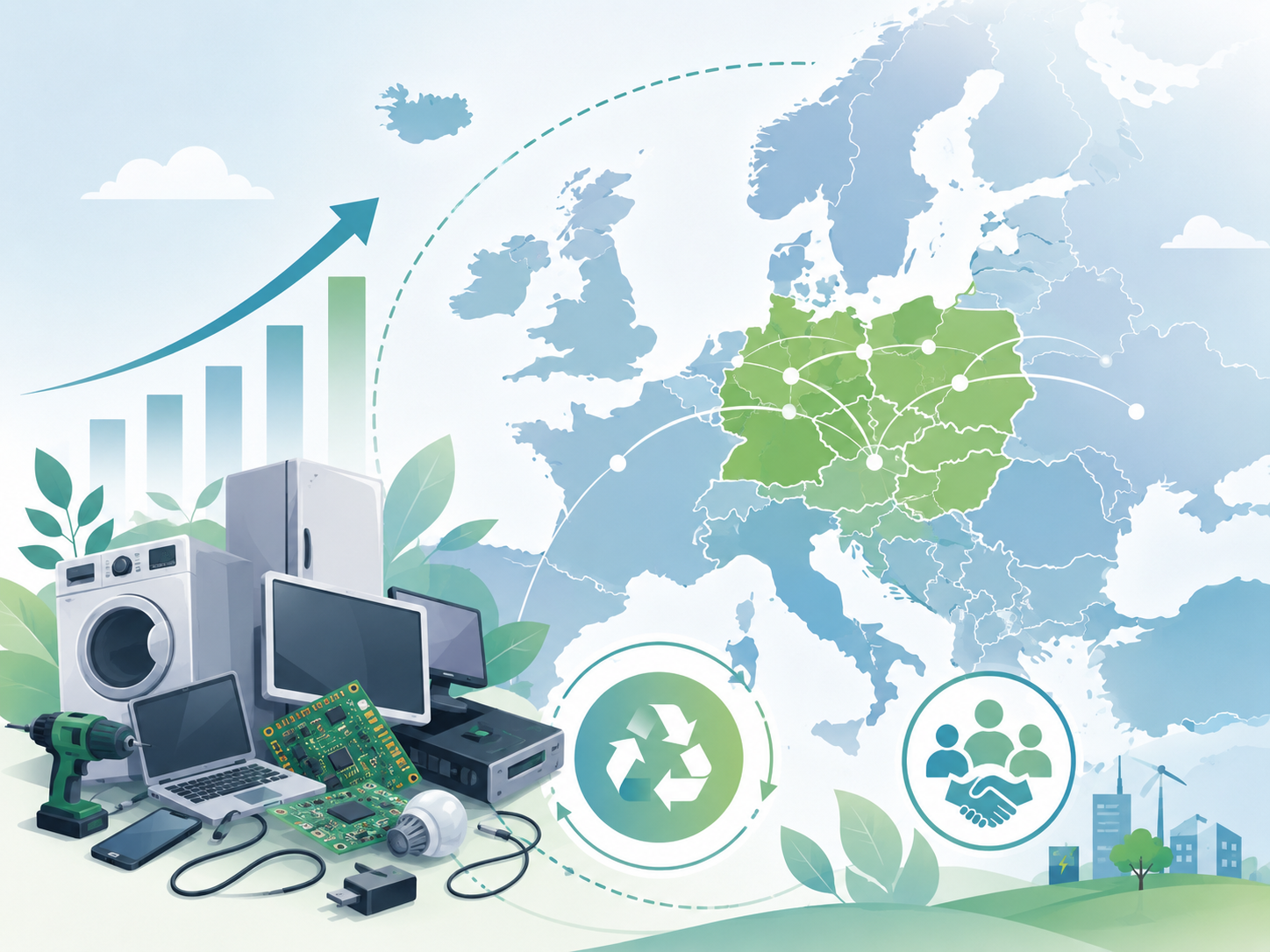
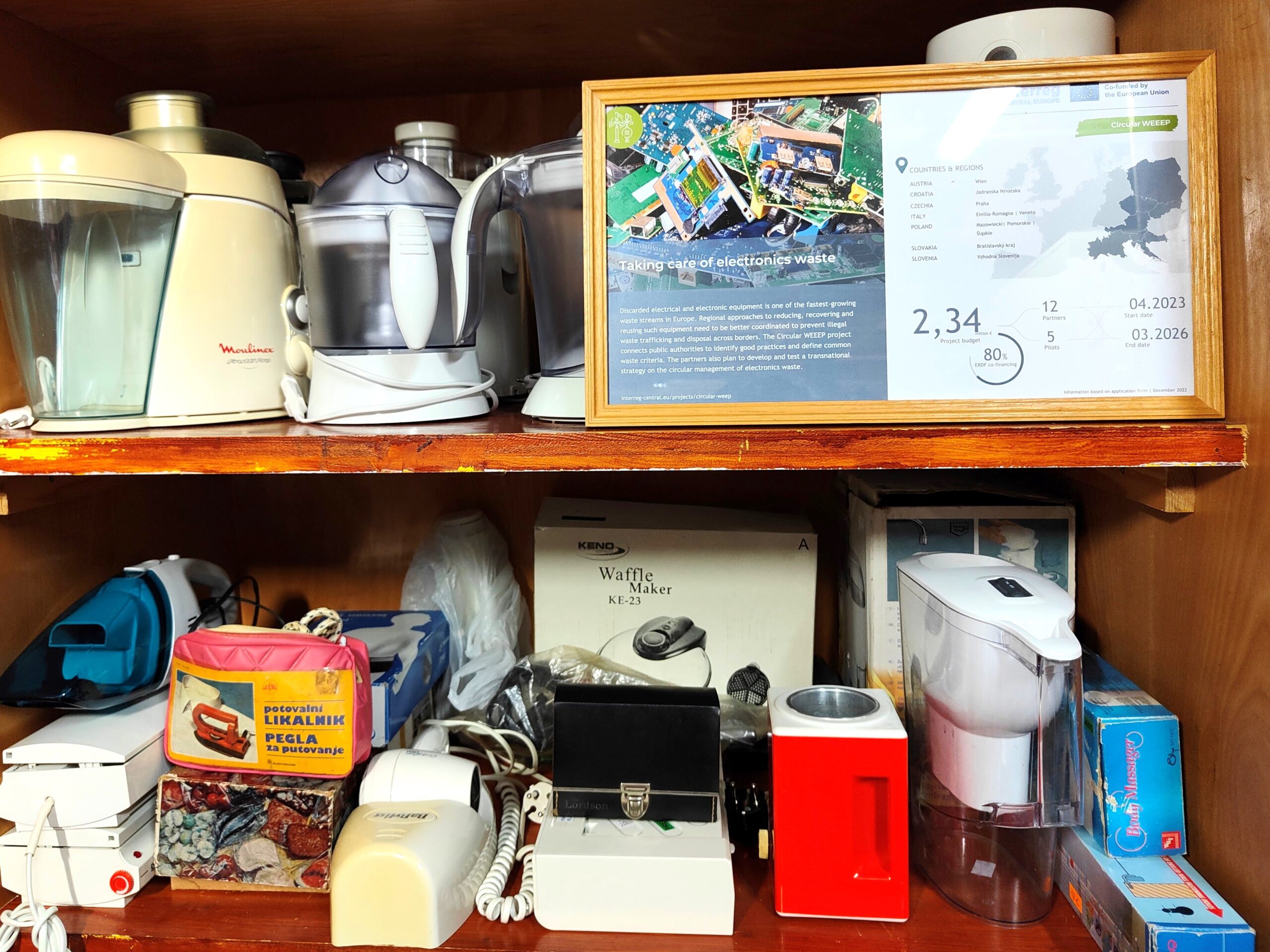
Discarded electrical and electronic equipment is one of the fastest-growing waste streams in Europe. Regional approaches to reducing, recovering and reusing such equipment need to be better coordinated to prevent illegal waste trafficking and disposal across borders. The Circular WEEEP project connected public authorities to identify good practices and define common waste criteria. The partners also developed and tested a transnational strategy on the circular management of electronics waste.

2,34m €

Project Budget

80%

of the Budget is funded by ERDF

Layer 1

7

Countries

10

Regions

12

Partners

5

Pilots

Duration

Start date

End date

Project progress

100%

About the project

The Circular WEEEP project addressed the growing challenge of waste electrical and electronic equipment (WEEE) in Central Europe, where different management practices, regulatory approaches and collection systems affected the effective implementation of WEEE policies. The project brought together partners from the Czech Republic, Poland, Slovakia, Slovenia, Croatia, Italy and Austria, representing eight regions, to strengthen cooperation and support more harmonised approaches to WEEE management across the transnational area. During the project, the partners analysed existing WEEE management practices and challenges, including the risks associated with illegal WEEE transfers, and jointly developed and tested approaches and tools aimed at improving the collection, reuse and recycling of electrical and electronic equipment. Particular attention was given to strengthening regional cooperation, improving access to relevant data and supporting more circular approaches to the design and management of electrical and electronic equipment. Among the project results were tools and methodologies supporting the assessment of WEEE management practices and the development of more circular electronic products, including the Circular EEE Design Tool. These solutions were tested with relevant stakeholders in the participating regions and refined on the basis of the experience gained during project implementation. By bringing together public authorities, research organisations and other relevant stakeholders from across Central Europe, Circular WEEEP contributed to more coordinated WEEE management and supported the objectives of the EU Circular Electronics Initiative. The knowledge, methodologies and tools developed through the project remain available after its completion and can continue to support public authorities, businesses and other stakeholders working towards improved WEEE management and a more circular electronics sector.

Project partnership

Project partners

Česko (CZ)

Lead partner

Czech Technical University in Prague

University Centre for Energy Efficient Buildings
Address
Třinecká 1024
273 43 Buštěhrad
Country
Czechia (CZ)
Web
https://www.cvut.cz/en

Project partner

Address
Via Dario Campana 64
47922 Rimini
Country
Italy (IT)
Web
https://www.provincia.rimini.it/hh/index.php
Total partner budget
208,160 €
Address
Izieniska ulica 2
3250 Rogaska Slatina
Country
Slovenia (SI)
Web
https://www.rogaska-slatina.si/si/
Total partner budget
77,000 €
Address
VRAZOVA ULICA 9 9
2270 ORMOŽ
Country
Slovenia (SI)
Web
https://www.cpu-reuse.com/
Total partner budget
239,400 €
Address
DOMOVINSKOG RATA 2
21000 SPLIT
Country
Croatia (HR)
Web
www.rera.hr
Total partner budget
255,850 €
Address
Via Pirandello 31/B
37138 Verona
Country
Italy (IT)
Web
www.associazioneasso.it
Total partner budget
182,500 €
Address
Vajanskeho nabrezie 3
814 21 Bratislava
Country
Slovakia (SK)
Web
www.staremesto.sk
Total partner budget
189,000 €
International Project Department
Address
Cieszyńska 43-382
365 Bielsko-Biała
Country
Poland (PL)
Web
https://arrsa.pl/
Total partner budget
184,800 €
Starostwo Powiatowe w Bielsku-Białej
Address
Cieszyńska 40
43-300 Bielsko-Biała
Country
Poland (PL)
Web
www.powiat.bielsko.pl
Total partner budget
175,000 €
Lublin City Hall
Address
Plac Króla Władysława Łokietka 1
20-109 Lublin
Country
Poland (PL)
Web
https://lublin.eu/en/
Total partner budget
112,000 €
Department Water, Atmosphere and Environment; Institute of Waste Management
Address
Muthgasse 107
1190 Wien
Country
Austria (AT)
Web
https://boku.ac.at/en/
Total partner budget
268,800 €
Community Facilities Management
Address
Nowe Ogrody 8/12
80-803 Gdańsk
Country
Poland (PL)
Web
www.gdansk.pl
Total partner budget
95,200 €

Roadmap

1

Context

At the start of Circular WEEEP, waste of electrical and electronic equipment (WEEE) was one of Europe’s fastest-growing waste streams. From 2019, EU rules required Member States to achieve a minimum annual WEEE collection rate of 65% of the average weight of electrical and electronic equipment placed on the market in the preceding three years, or 85% of WEEE generated. The project brought together partners from seven Central European countries to examine how different regulatory, market and collection conditions affected WEEE management across the participating territories.

2

Specific problem

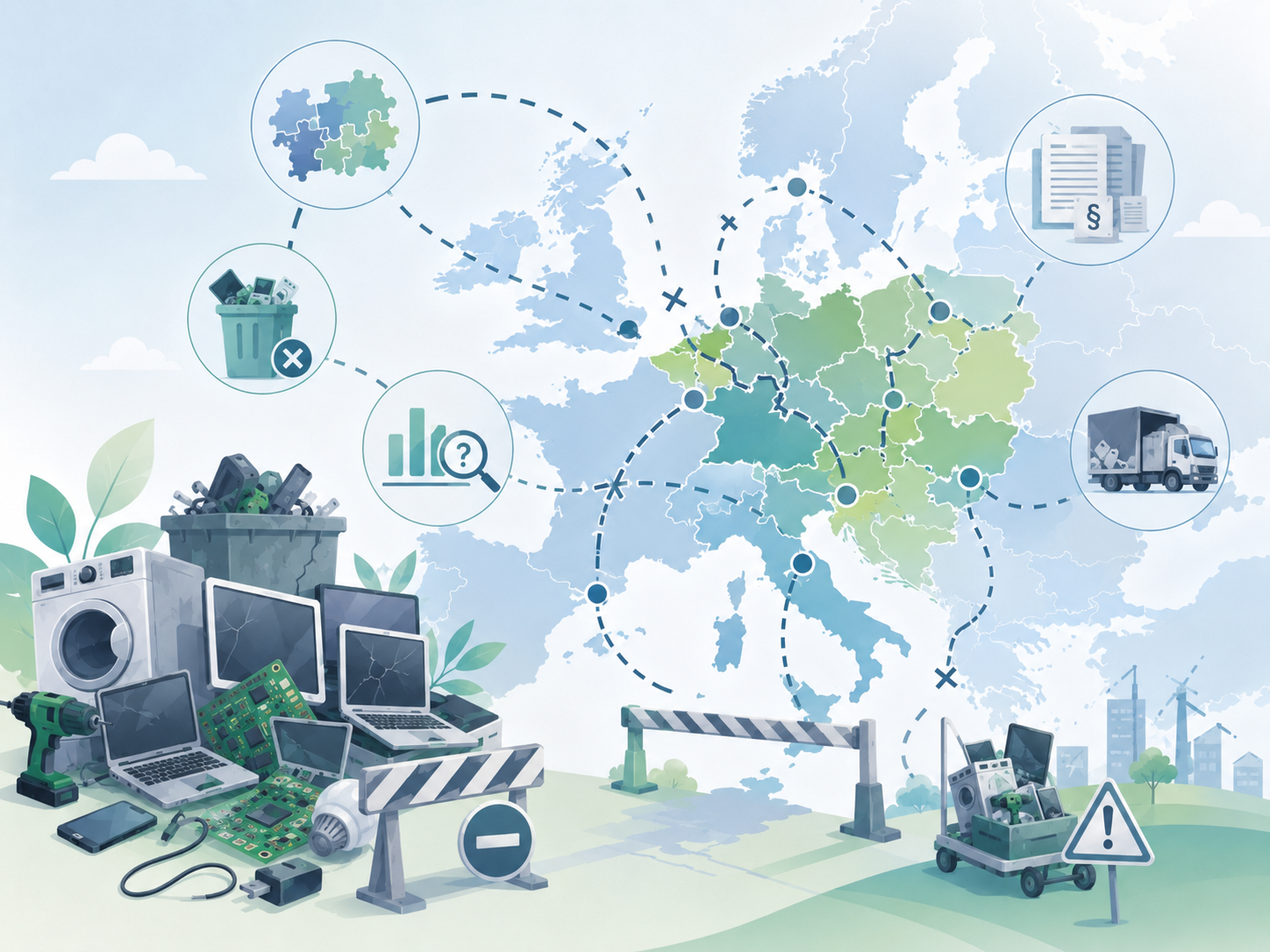
The initial transnational assessment identified significant differences in WEEE management across the participating countries and regions. Common challenges included insufficient or difficult collection, limited infrastructure, barriers to reuse and repair, gaps in data and product information, complex regulatory requirements, and informal or illegal collection and movement of WEEE. These findings demonstrated the need for stronger transnational cooperation and more coordinated approaches that could still be adapted to different local and regional conditions.

3

Idea

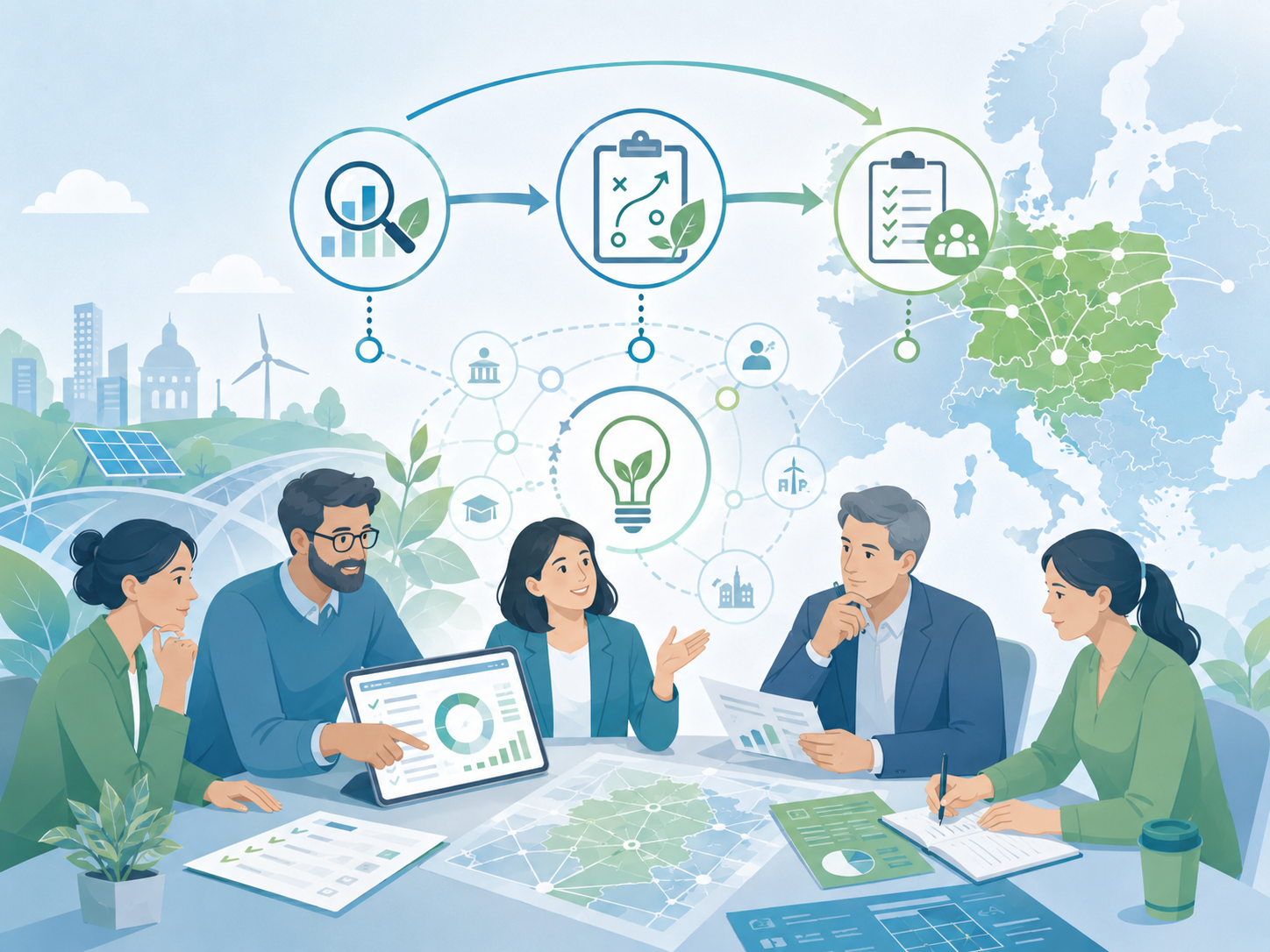
Building on the transnational assessment, the partners developed the Strategy for Transnational WEEEP-CE Management and tools to support its application. The Strategy was subsequently translated into a Transnational Action Plan comprising six regional and local Action Plans, developed in cooperation with public authorities, technical experts, and relevant stakeholders. This process moved the project from identifying common challenges towards defining coordinated actions adapted to the needs of the participating territories.

4

Solution

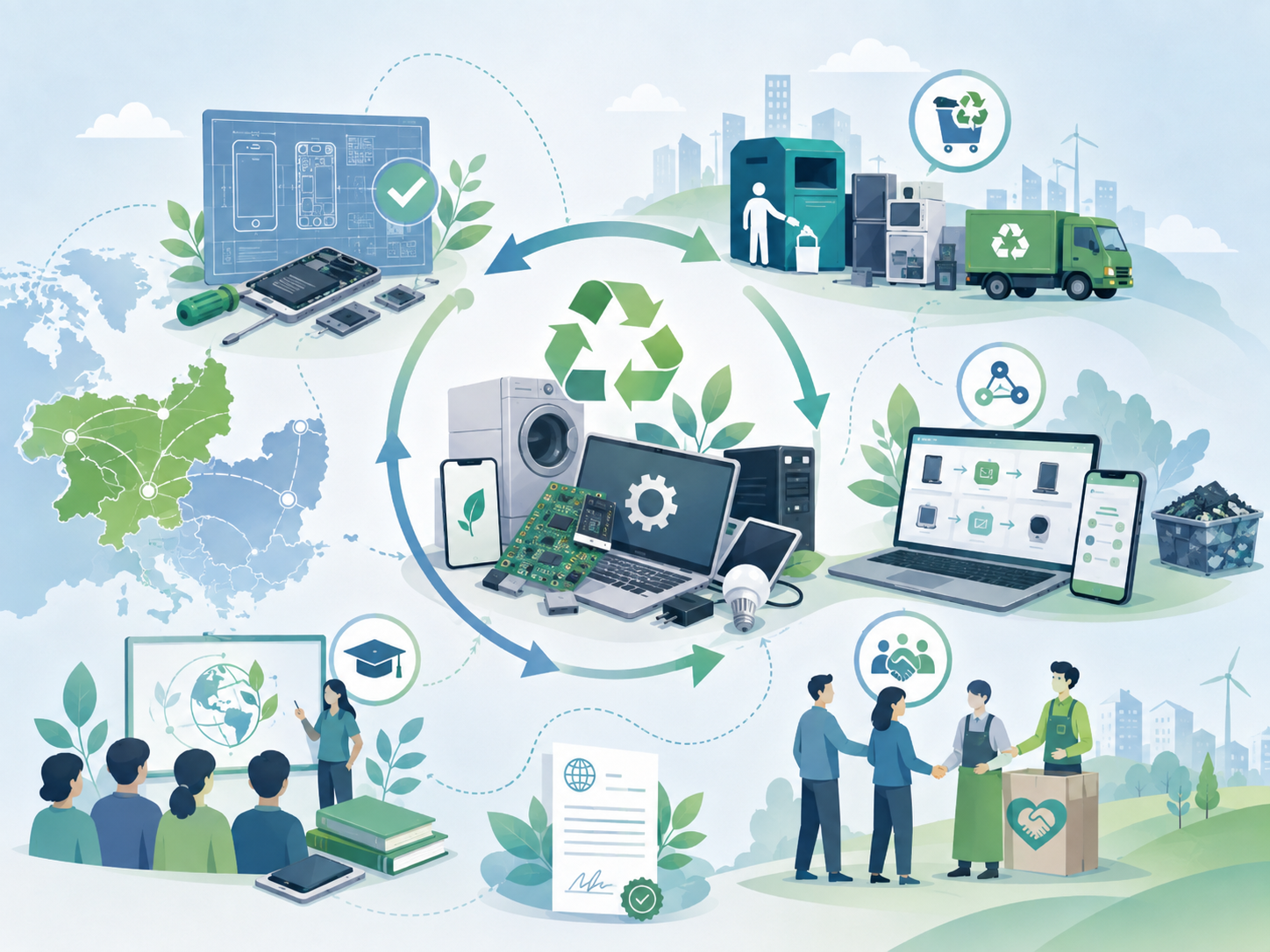
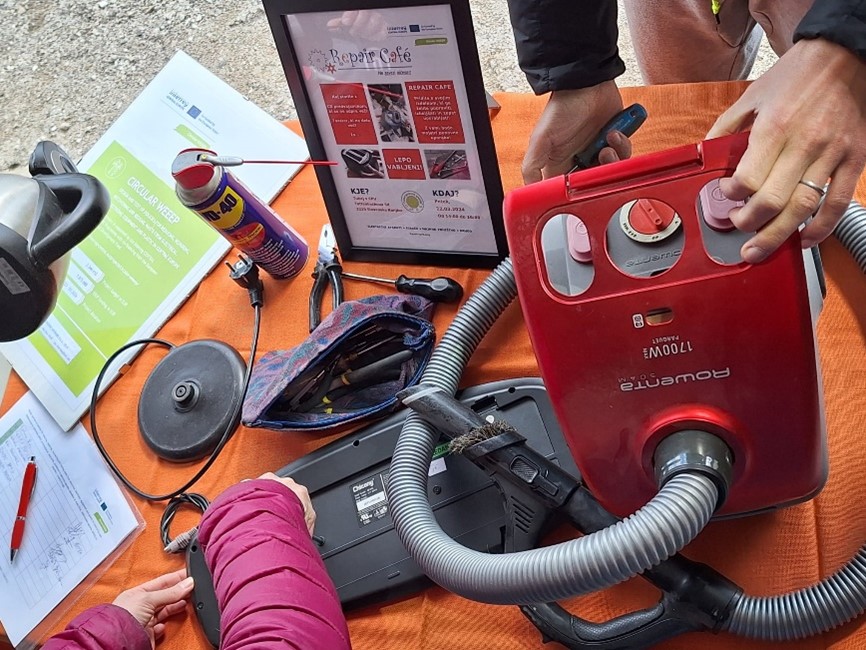
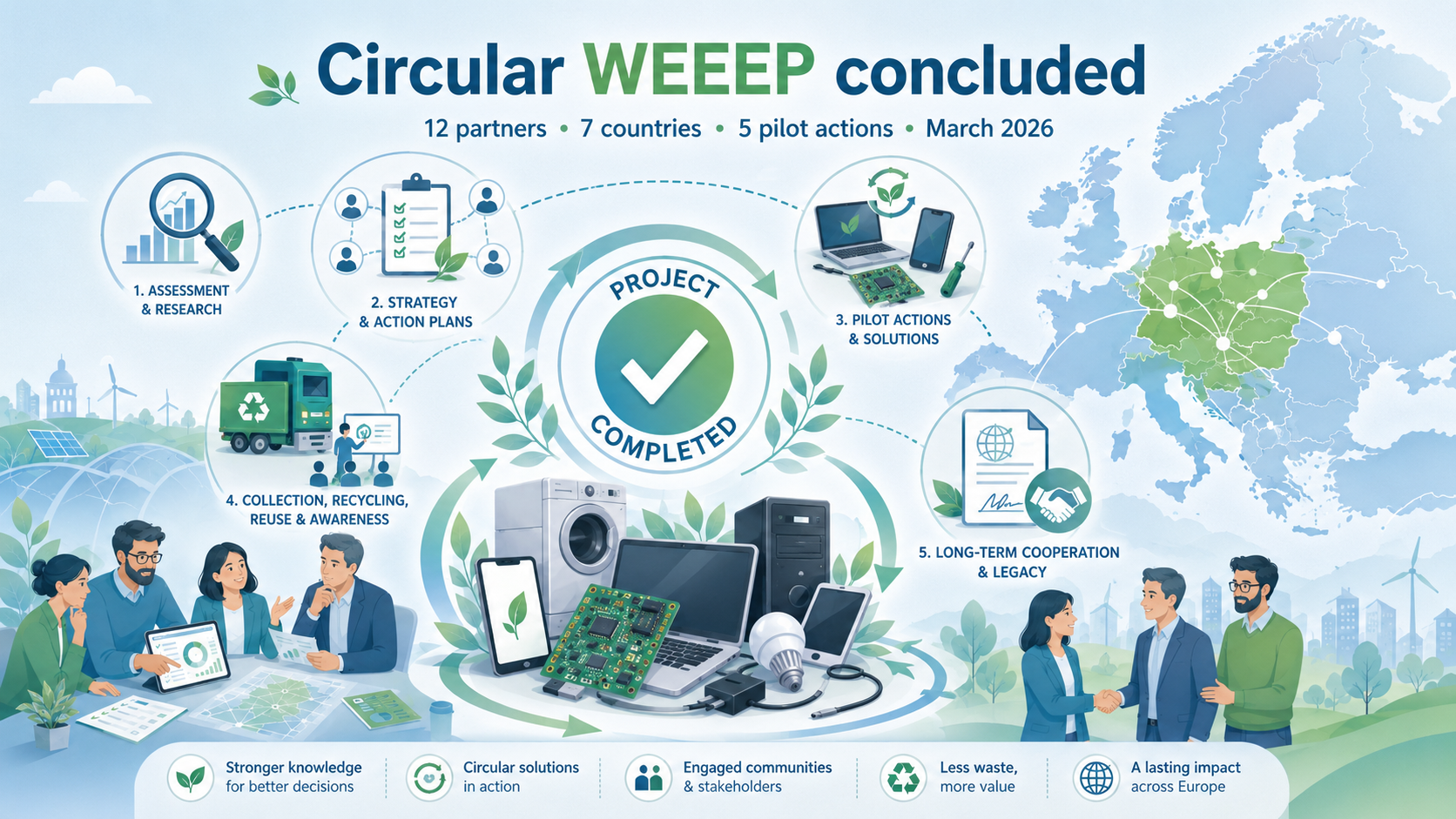
The partners then tested five pilot actions: WEEE Design, WEEE Collect/Market, WEEE Social, WEEE Lives, and WEEE Aware in different territorial and stakeholder settings. The experience gained through the pilots was used to develop and refine practical solutions for eco-design and repairability, WEEE collection and secondary-material exchange, reuse and repair, awareness raising, and cooperation with social-economy actors. The results provided tested approaches and recommendations that can be adapted and replicated beyond the project territories. The partners also signed a Memorandum of Understanding to support continued transnational cooperation after the project ended.

News
Events
Pilot actions

Outputs
Jointly developed strategies and action plans

We have crafted a comprehensive strategy to tackle the challenges facing Central Europe's WEEE sector. Conclusions on the Central Europe WEEEP Assessment is based on in-depth research, including a thorough analysis of the region's WEEE market, policies, and stakeholder perspectives. By identifying key challenges and opportunities, we have developed a shared vision for a sustainable future. The Transnational WEEEP-CE Management Strategy outlines our ambitious goals, while our practical methodology will ensure its successful implementation at the local and regional levels.
Type of output: Strategies and action plans
source:pixabay.com

Enhancing sustainability: Jointly developed solutions
To facilitate the Strategy application in the Programme areas, the consortium will develop various tools and services. An online self-assessment tool will enable the self-definition of Action Plans. A Joint Secretariat will support strategy integration and provide technical assistance. Additionally, video tutorials and manuals to guide the use of these tools will be created.
Type of output: Solutions

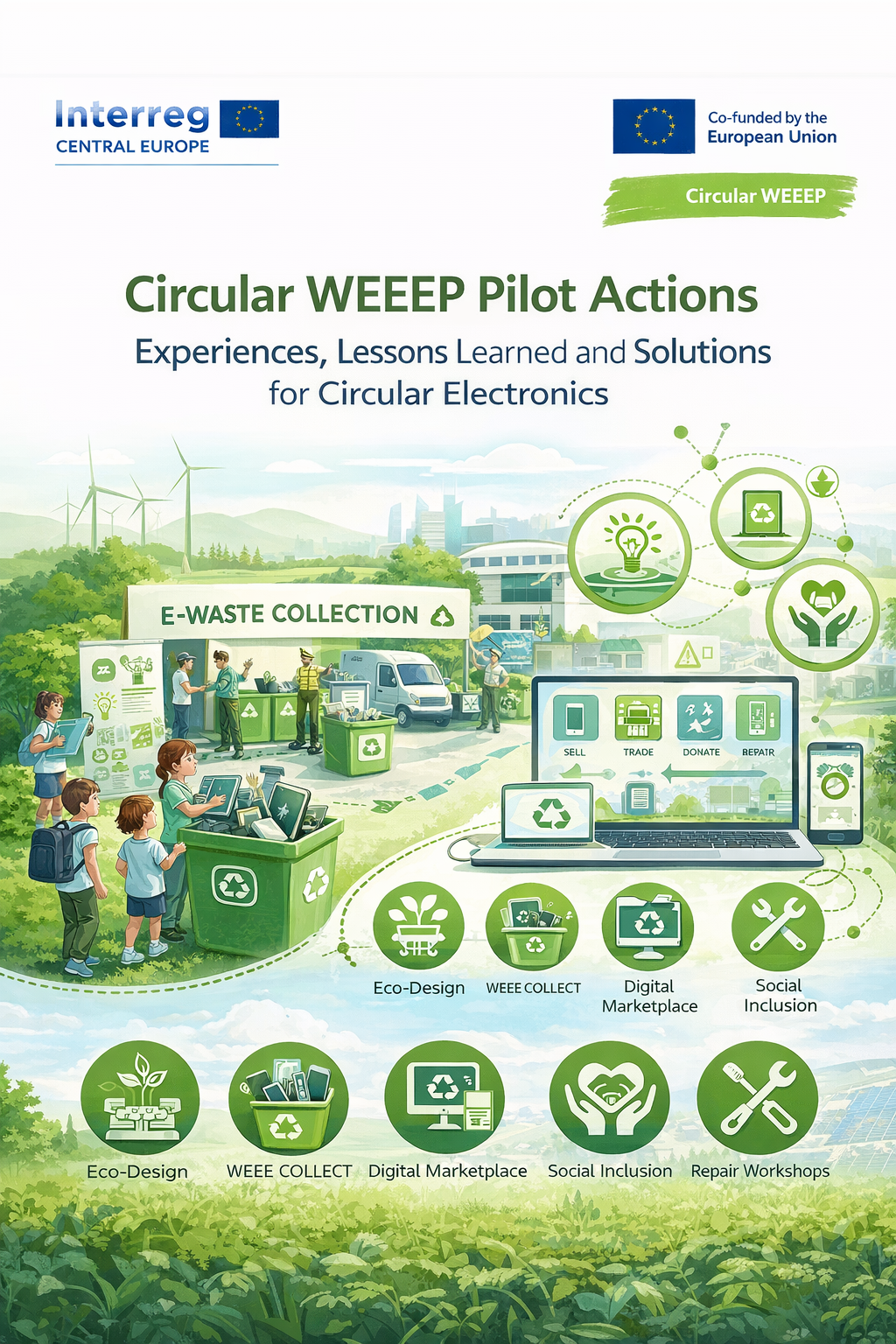
Circular WEEEP Pilot Actions: Experiences, Lessons Learned and Solutions for Circular Electronics

This report presents the consolidated outcomes of pilot actions implemented within the Circular WEEEP project, covering WEEE Lives, digital platform solutions (WEEE COLLECT and WEEE MARKET), WEEE Design, and Social WEEE initiatives. It provides an overview of tested approaches to improve e-waste collection, promote circular product design, and develop transnational coordination tools. The document identifies key achievements, operational challenges, and structural barriers, including stakeholder coordination, regulatory constraints, and market limitations. Based on these findings, it outlines practical recommendations to support the replication, scalability, and long-term sustainability of circular economy solutions in the WEEE sector.
Type of output: Solutions

Circular WEEEP

The project lead partner is responsible for the content of this project website.

Project on social media

Project contact

Iva Janečková