
Project overview
Transforming abandoned wells for geothermal energy production
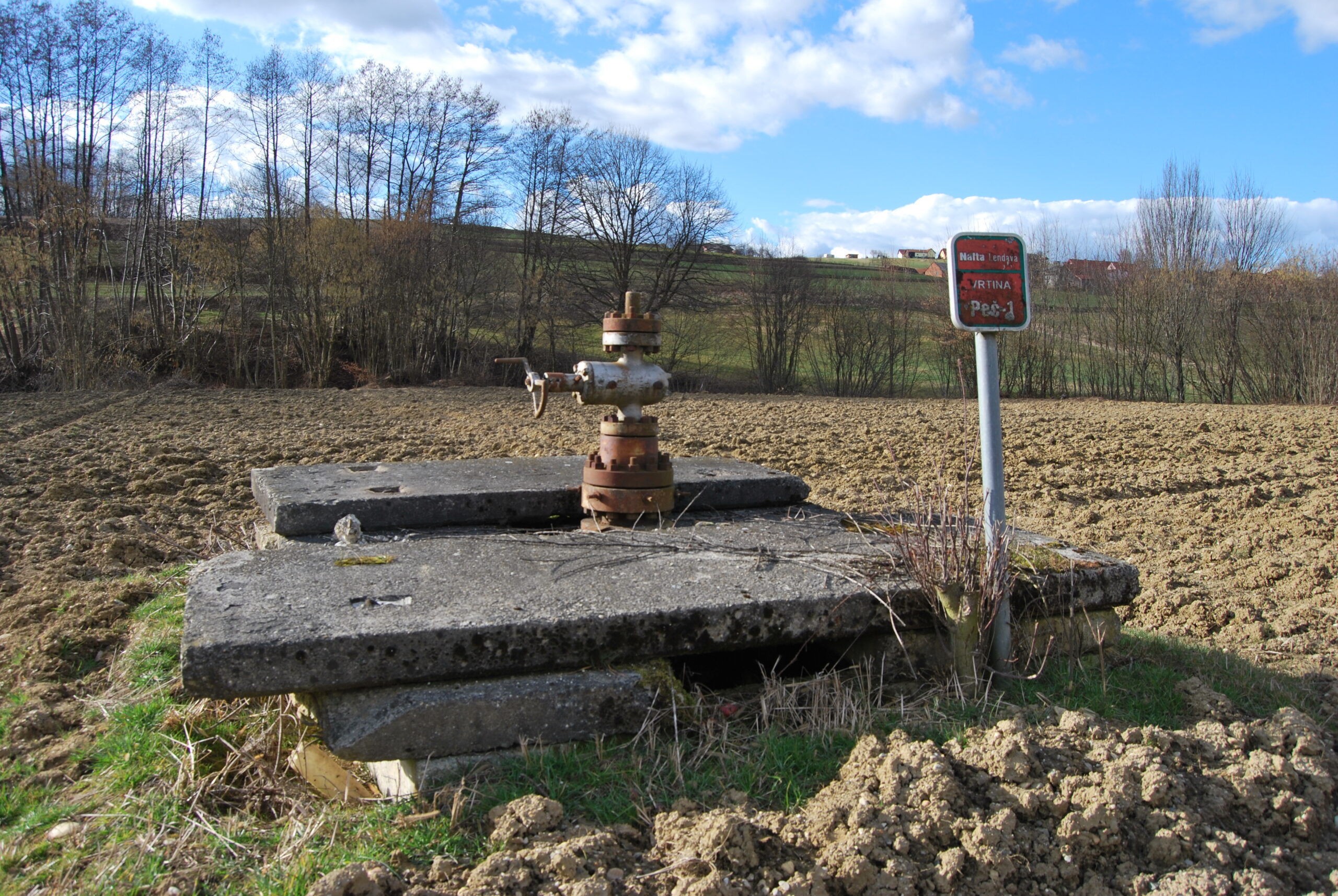
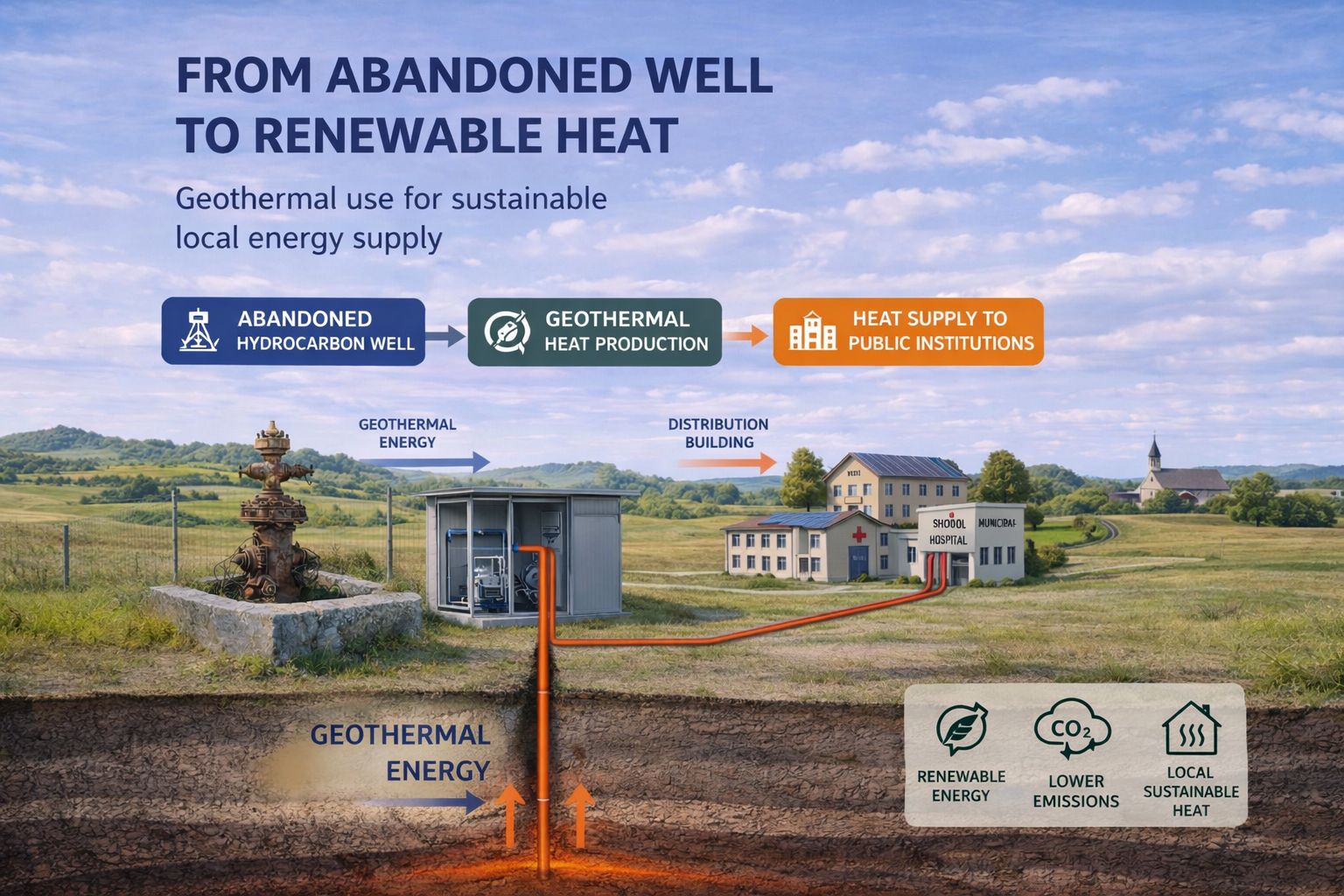
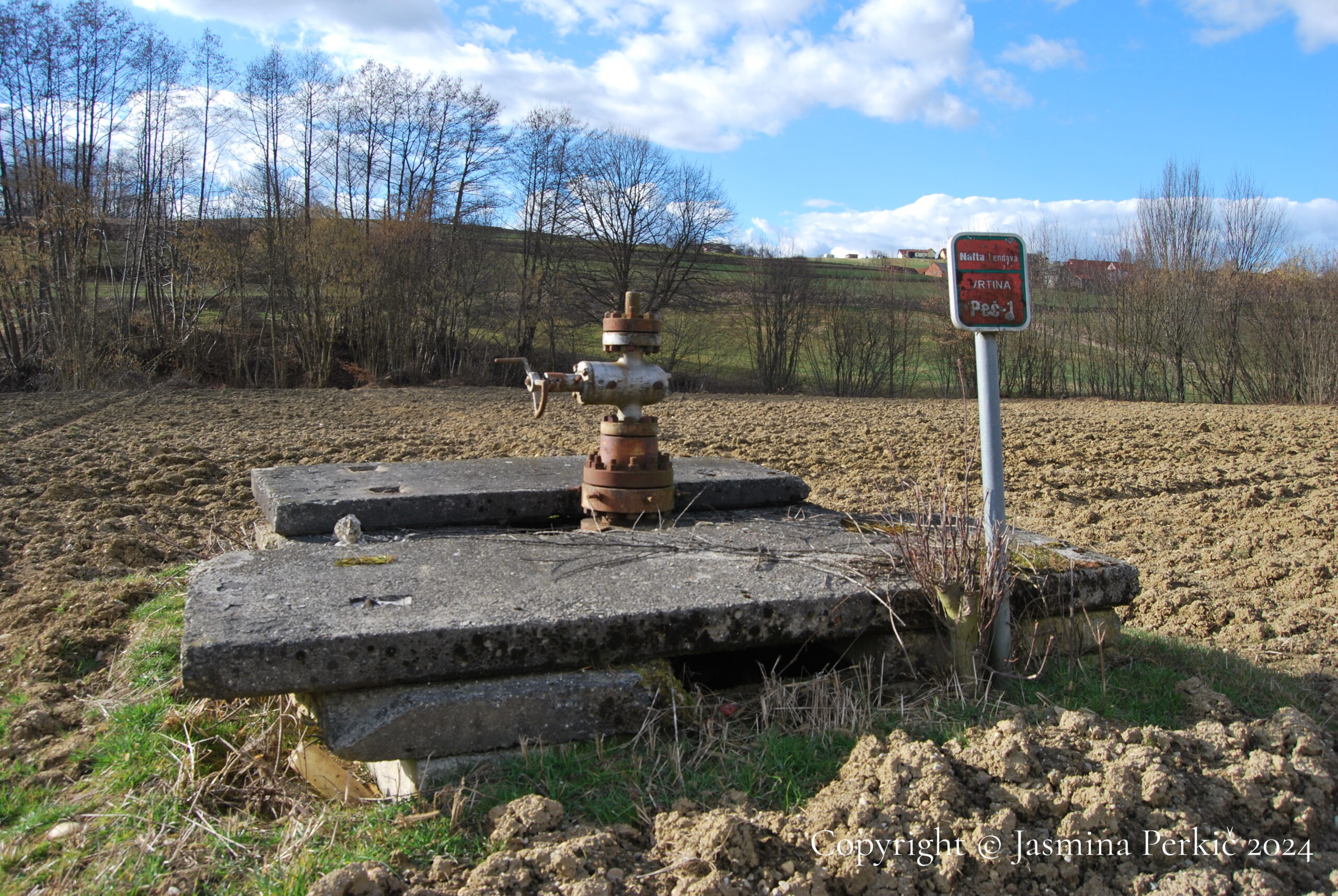
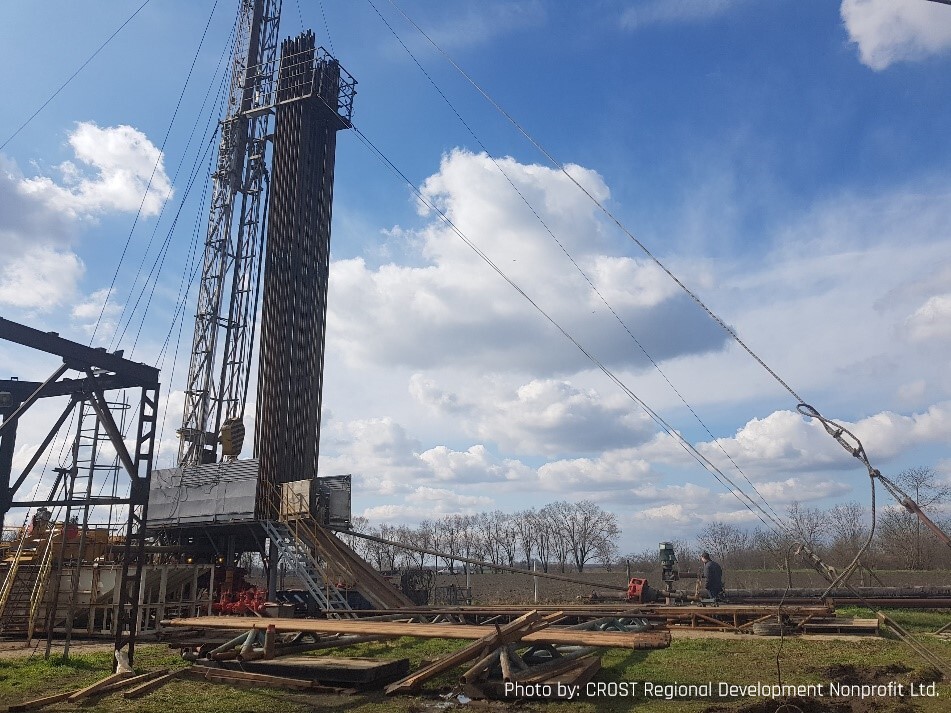
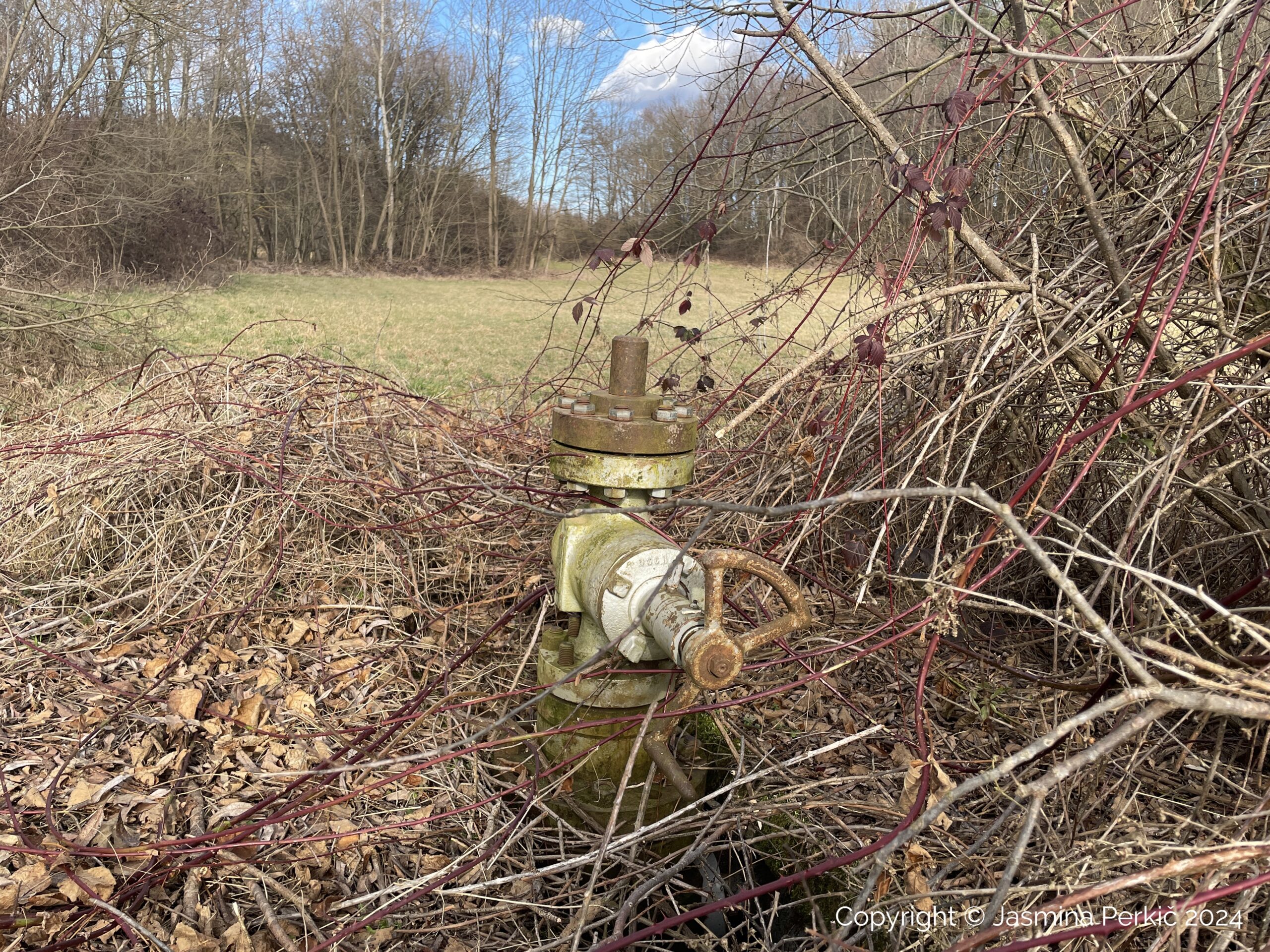
The fossil fuels industry is declining in central Europe and leaves behind countless gas and oil wells. The TRANSGEO project turned this environmental problem into an opportunity: it investigated the potentials of such abandoned infrastructures for producing and storing green geothermal energy. The partnership developed a transnational strategy and regional action plans to give a second life to the wells and tests their repurposing potential in local pilot actions.
-
2,61m €
-
Project Budget
-
80%
-
of the Budget is funded by ERDF
-
5
-
Countries
-
7
-
Regions
-
11
-
Partners
-
2
-
Pilots
Duration
Start date
End date
Project progress
About the project
Project partnership
Project partners

Lead partner
Helmholtz-Centre Potsdam German Research Centre for Geosciences
Department Geosystems, Section Geoenergy
Project partner
Geological Survey
Department of Hydrogeology & Geothermal Energy
N/A
Međimurska energetska agencija, društvo s ograničenom odgovornošću za promicanje i unapređenje poslova vezanih uz obnovljive izvore energije i energetsku učinkovitost u Međimurskoj županiji
Department of Petroleum and Gas Engineering and Energy
Roadmap
Our challenge
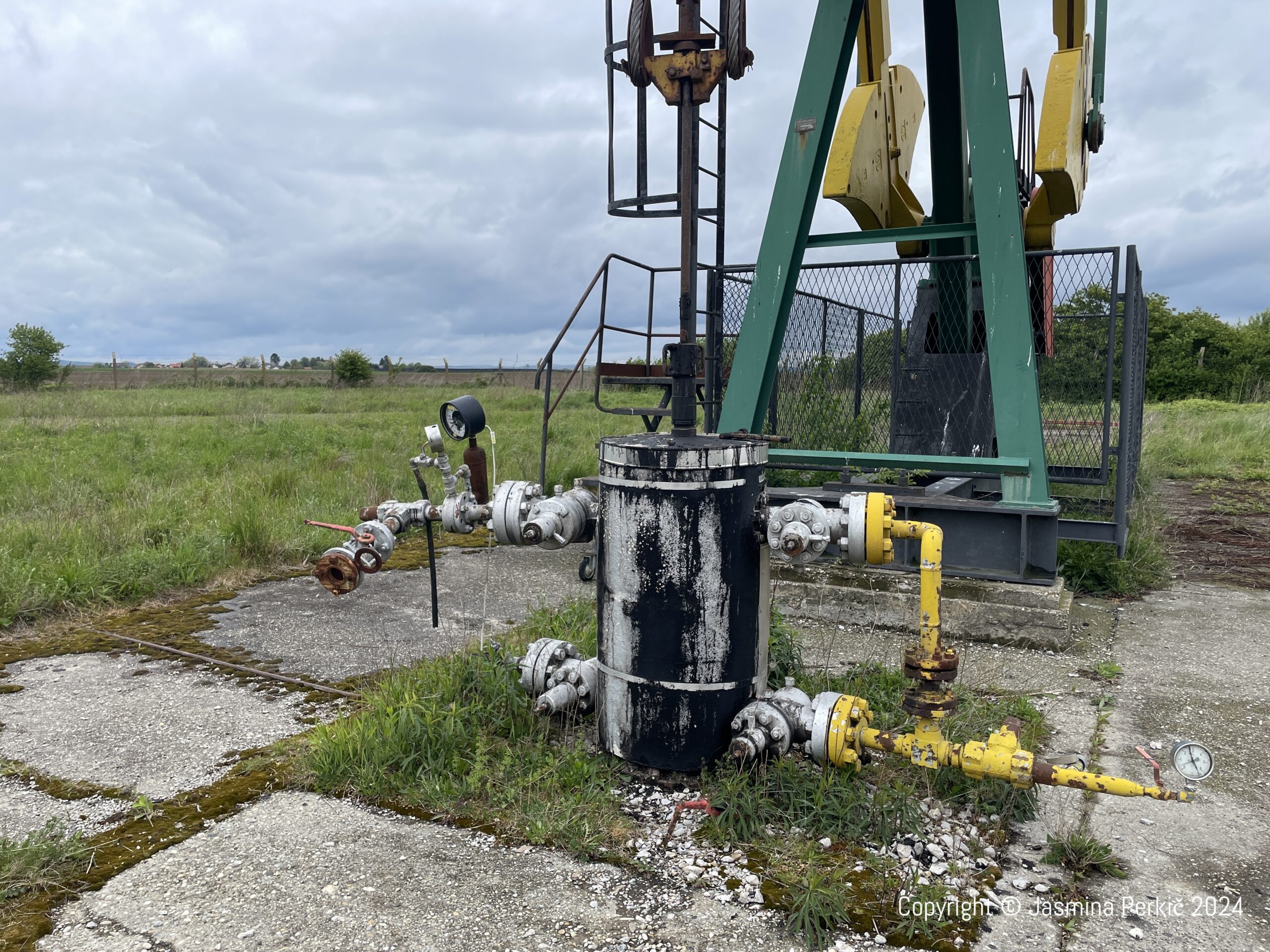
Central Europe has thousands of abandoned or soon-to-be-abandoned oil and gas wells left behind by the declining fossil fuel industry. At the same time, Europe faces an urgent need to accelerate the energy transition while reducing investment costs and supporting regions dependent on fossil fuels.
Specific problem
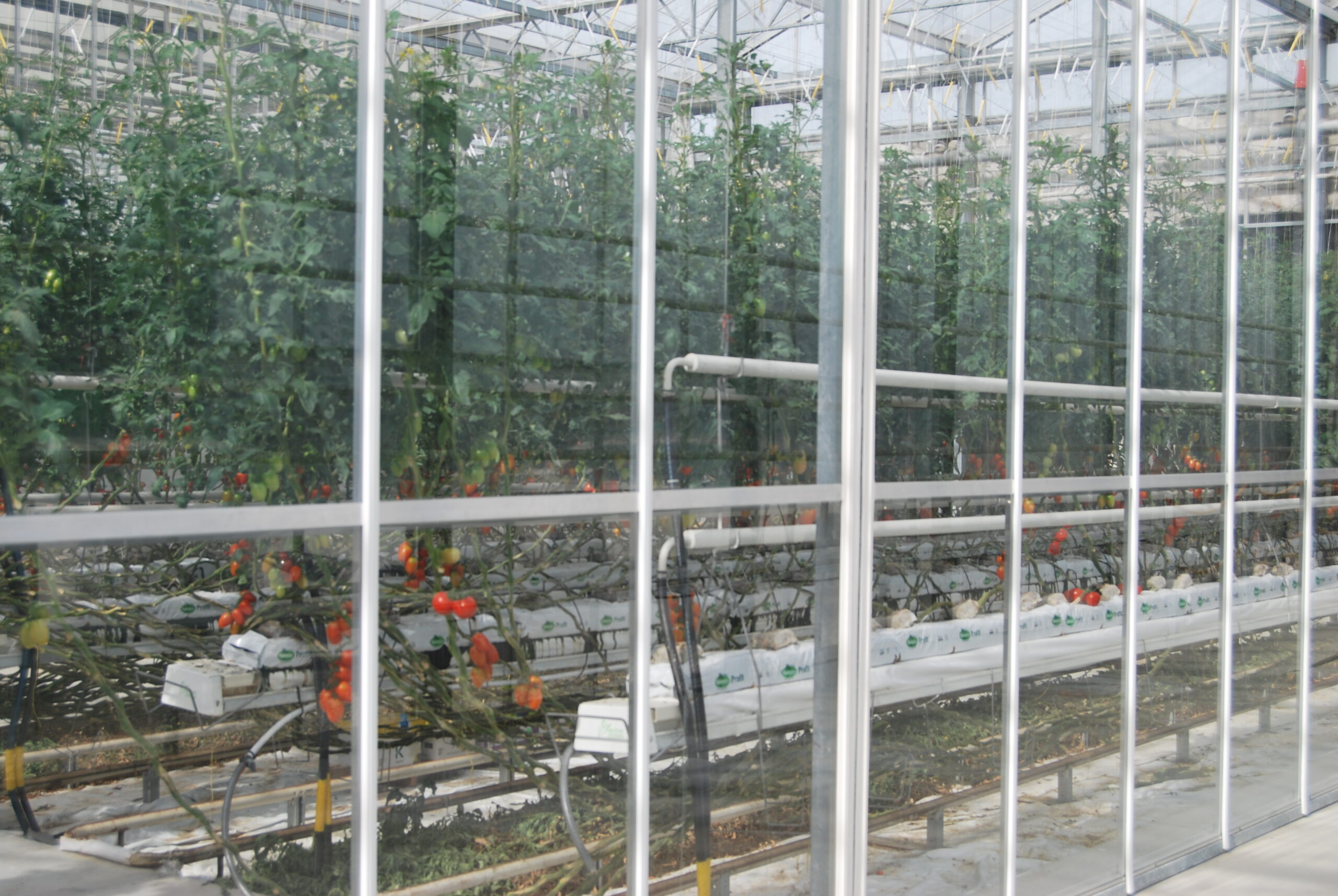
Existing hydrocarbon wells represented stranded infrastructure with no productive future. Developing new geothermal projects is expensive and risky because drilling deep wells accounts for the largest share of investment costs, while the geothermal potential is uncertain before drilling. In addition, economic uncertainties, regulatory barriers, and the lack of practical methodologies limited the reuse of abandoned wells.
Innovative idea
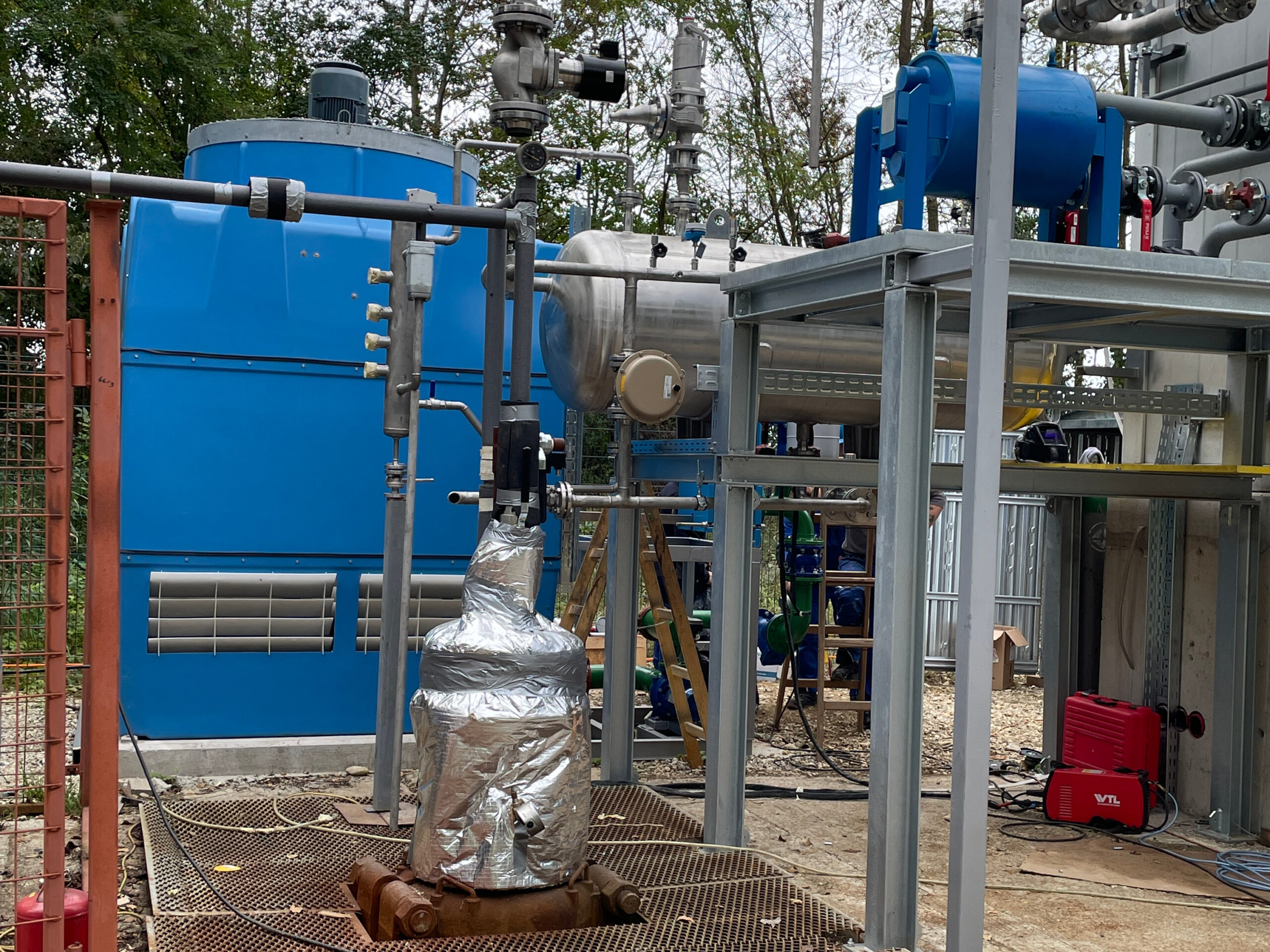
Instead of abandoning existing wells, TRANSGEO proposed repurposing them for geothermal heat and electricity production and heat storage. The project combined engineering, economic, regulatory, and spatial planning aspects into one integrated framework and developed the first comprehensive methodology covering multiple geothermal reuse technologies rather than focusing on a single application.
Solution
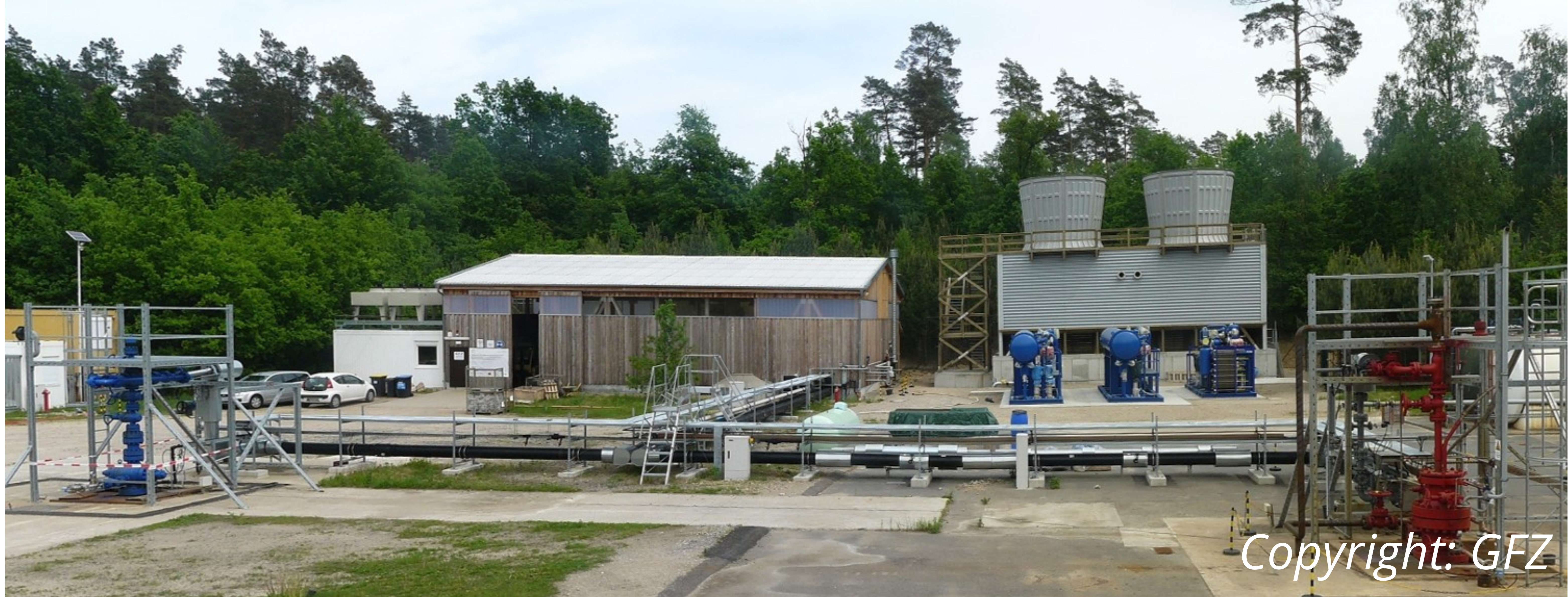
The project developed a complete decision-support framework consisting of: • standardized Engineering Workflows for well conversion; • socio-economic analyses and business cases; • a database of more than 9,000 wells; • a public online Well Assessment Tool; • feasibility studies for eight pilot sites; and • a Transnational Strategy and Action Plan to support implementation and policy development.
How does it work?
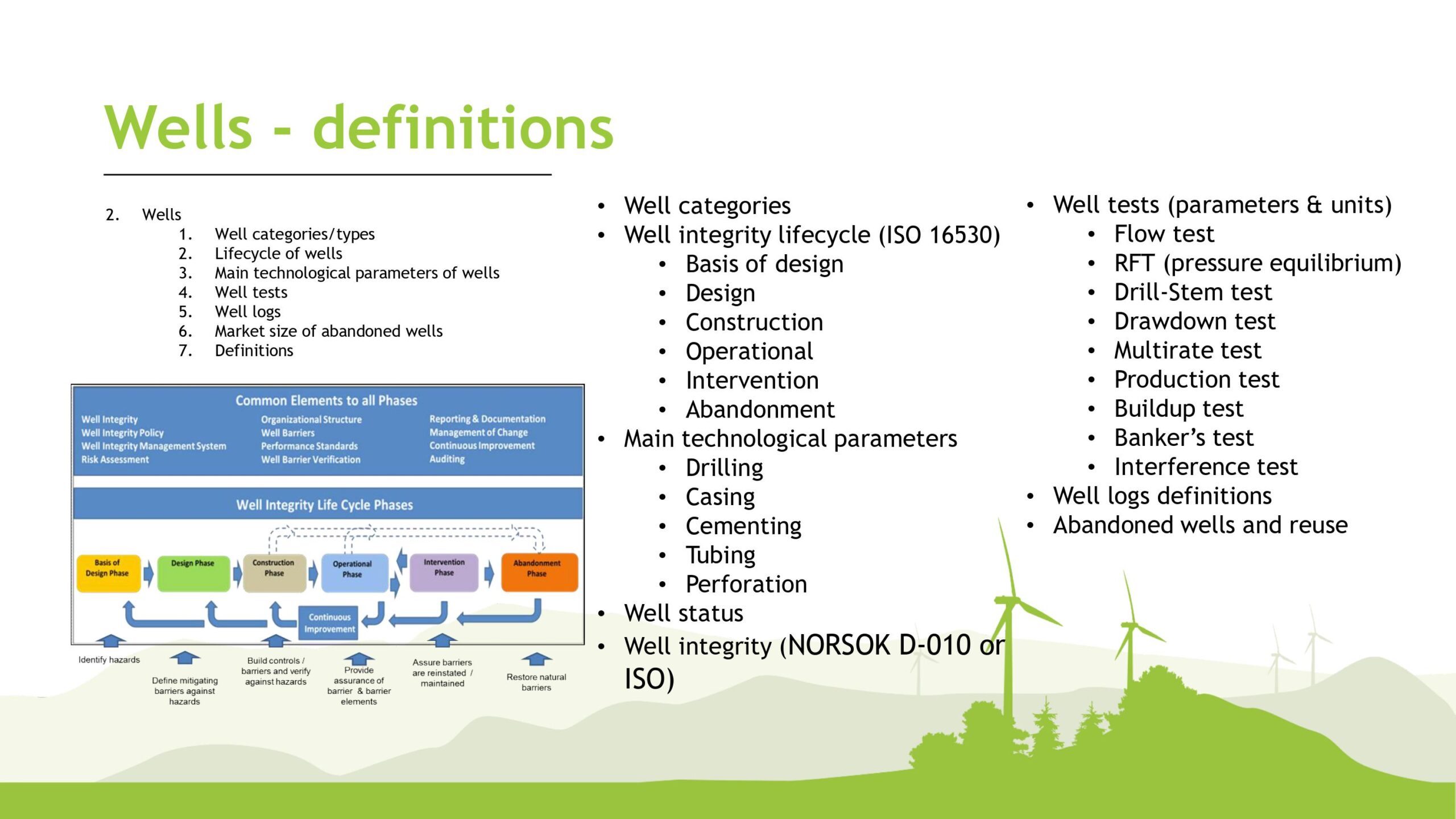
Existing oil and gas wells are evaluated using geological, technical, economic, and heat-demand data. The Well Assessment Tool determines whether a well is suitable for geothermal reuse, while the Engineering Workflows provide step-by-step guidance for converting wells into geothermal heat or electricity systems. Feasibility studies validate the technical and economic viability before implementation, and the Strategy and Action Plan guide policymakers and stakeholders in accelerating deployment.
What will we achieve?
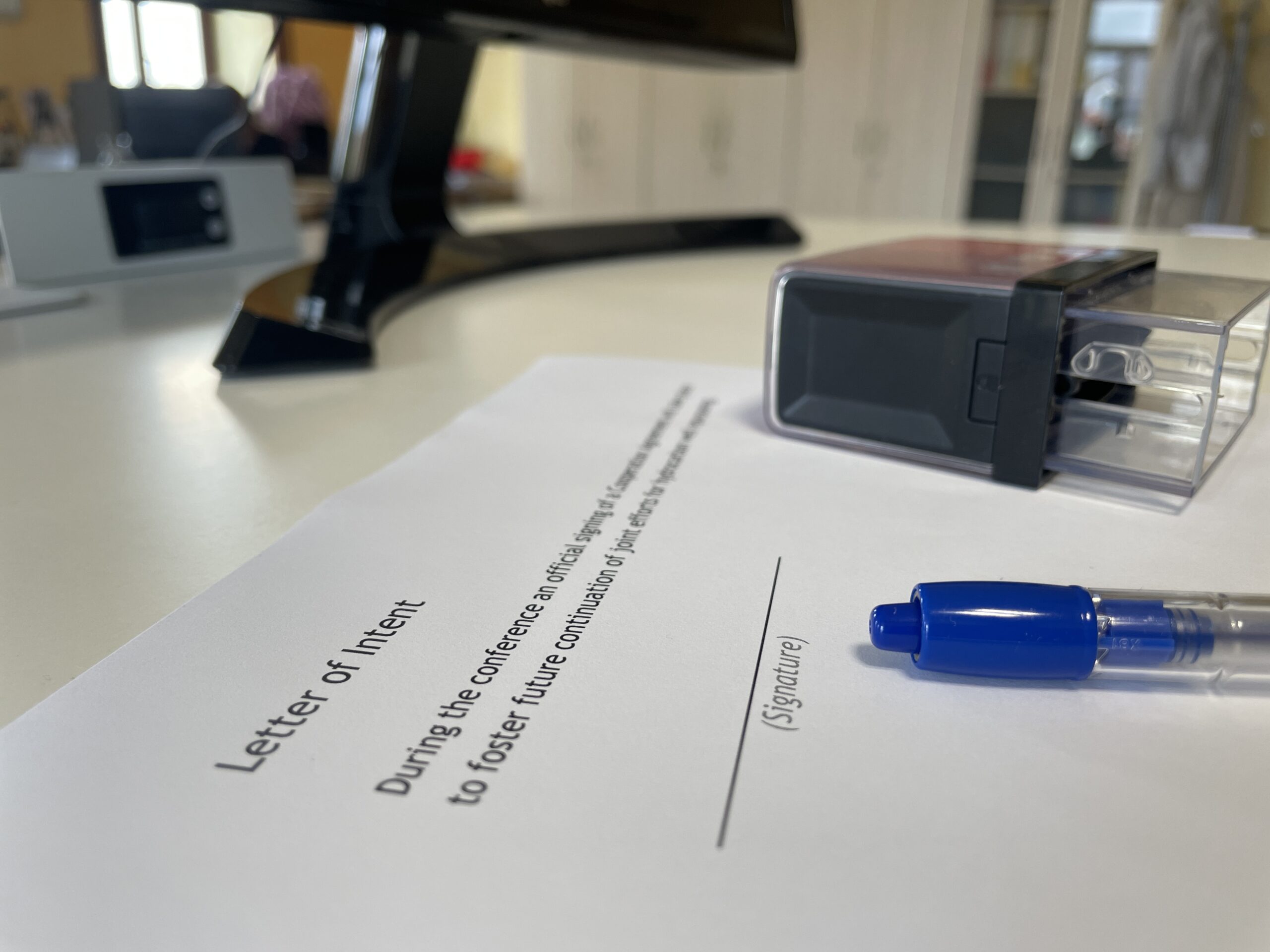
The project produced a transnational assessment of well reuse potential, developed Engineering Workflows and validated methodologies, created a database containing over 9,000 wells and an online Well Assessment Tool, completed feasibility studies for eight pilot sites, prepared a Transnational Strategy and Action Plan, engaged hundreds of stakeholders, secured more than 25 Letters of Intent for future projects, and initiated a privately funded geothermal demonstration project at Groß Schönebeck in Germany.
Impact
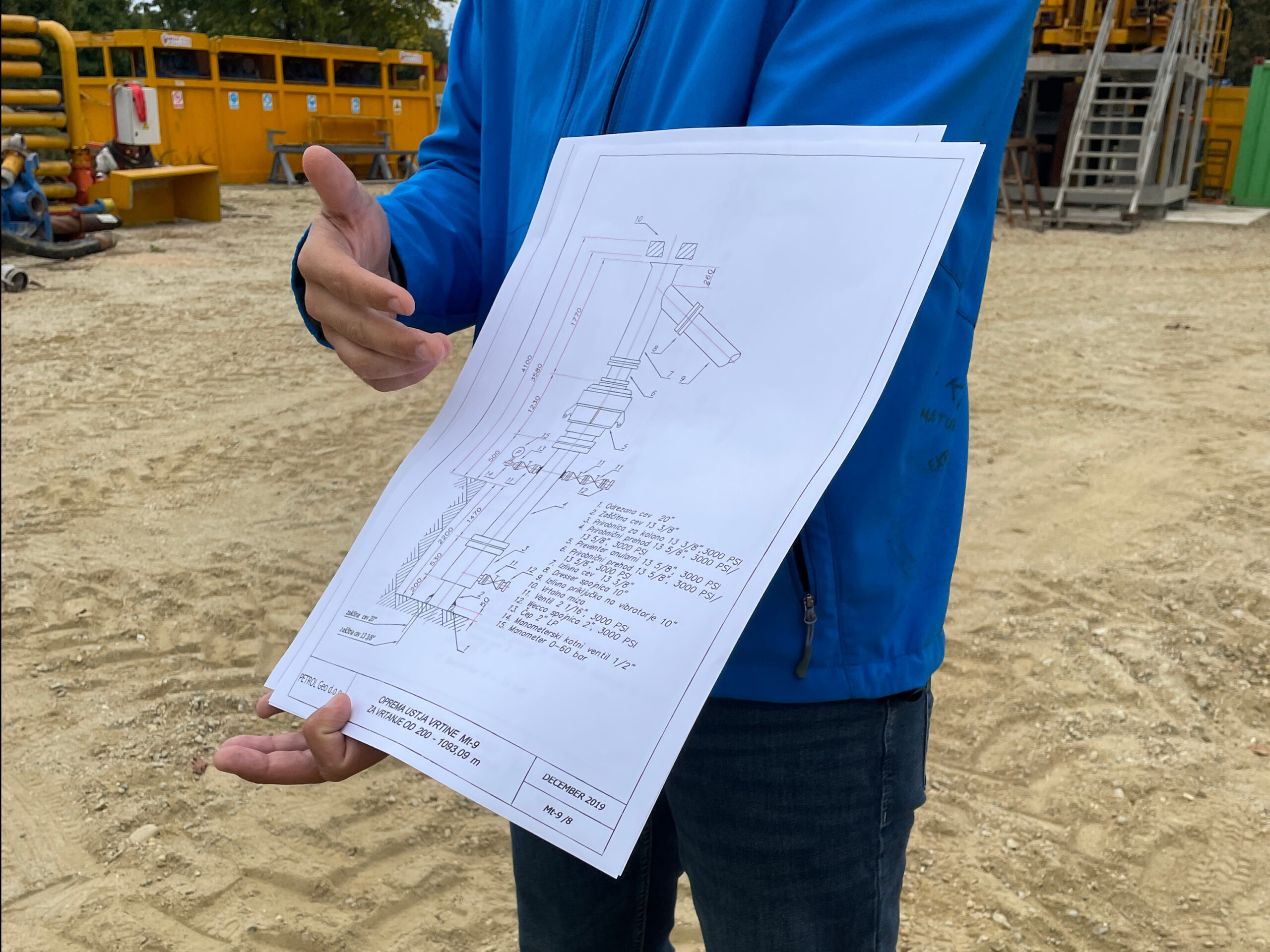
TRANSGEO demonstrated that reusing existing wells can reduce geothermal investment costs by more than 50% while lowering exploration risk. The project supports the decarbonisation of fossil-fuel regions, creates new employment opportunities by transferring hydrocarbon expertise to the geothermal sector, strengthens regional cooperation, provides practical tools for municipalities and investors, and delivers a scalable and transferable model that can be applied across Europe and beyond. Long-term impact is ensured through continued maintenance of the Well Assessment Tool and database and ongoing implementation of new reuse projects.
News
Events
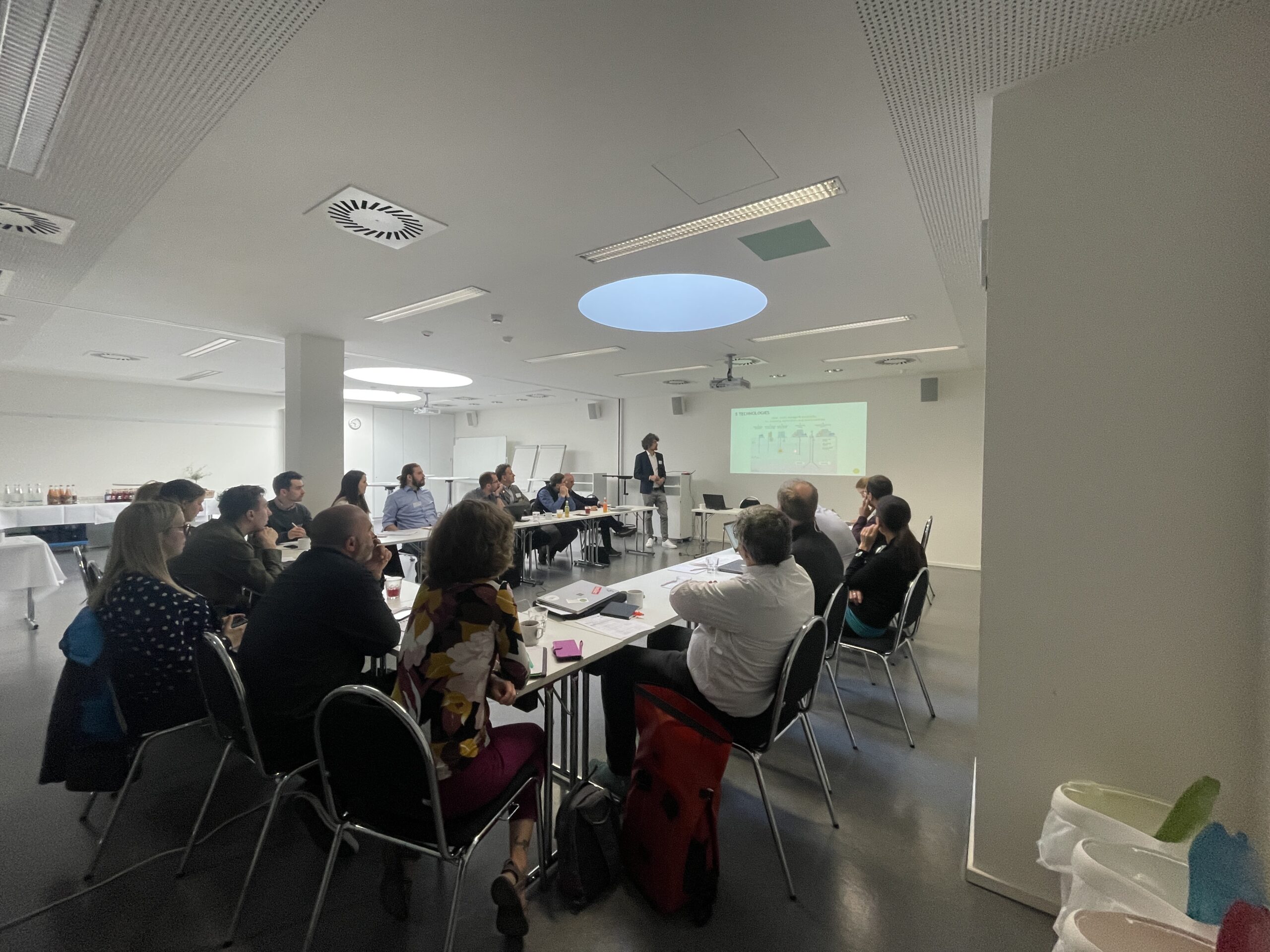
Pilot actions
Outputs
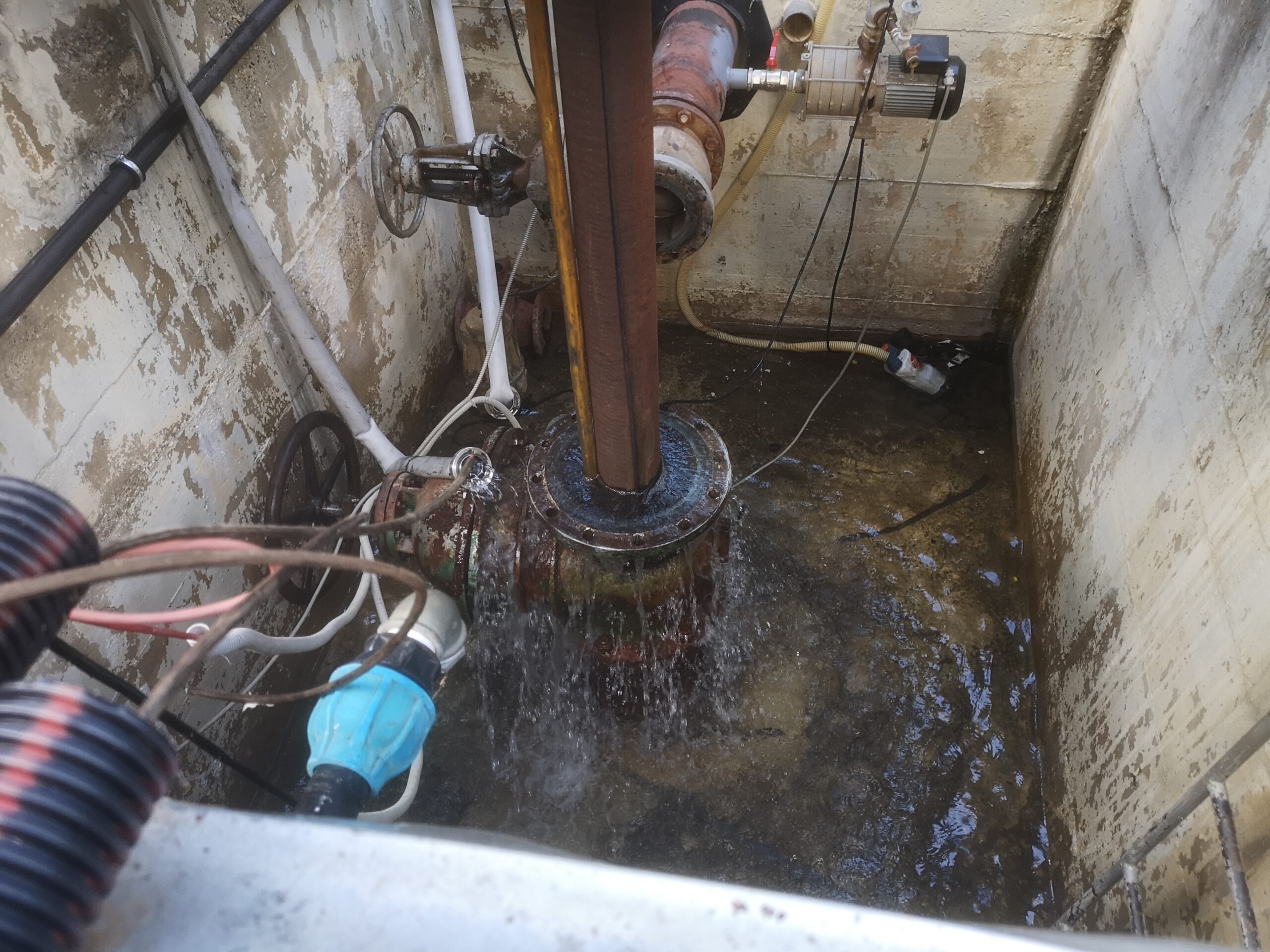
Validated and optimized well reuse procedures
- Socio-Economic Analysis of Repurposing Abandoned Wells for Industry
- Socio-Economic Analysis of Repurposing Abandoned Wells for Agricultural Use
- Socio-Economic Analysis of Repurposing Abandoned Wells for Municipalities
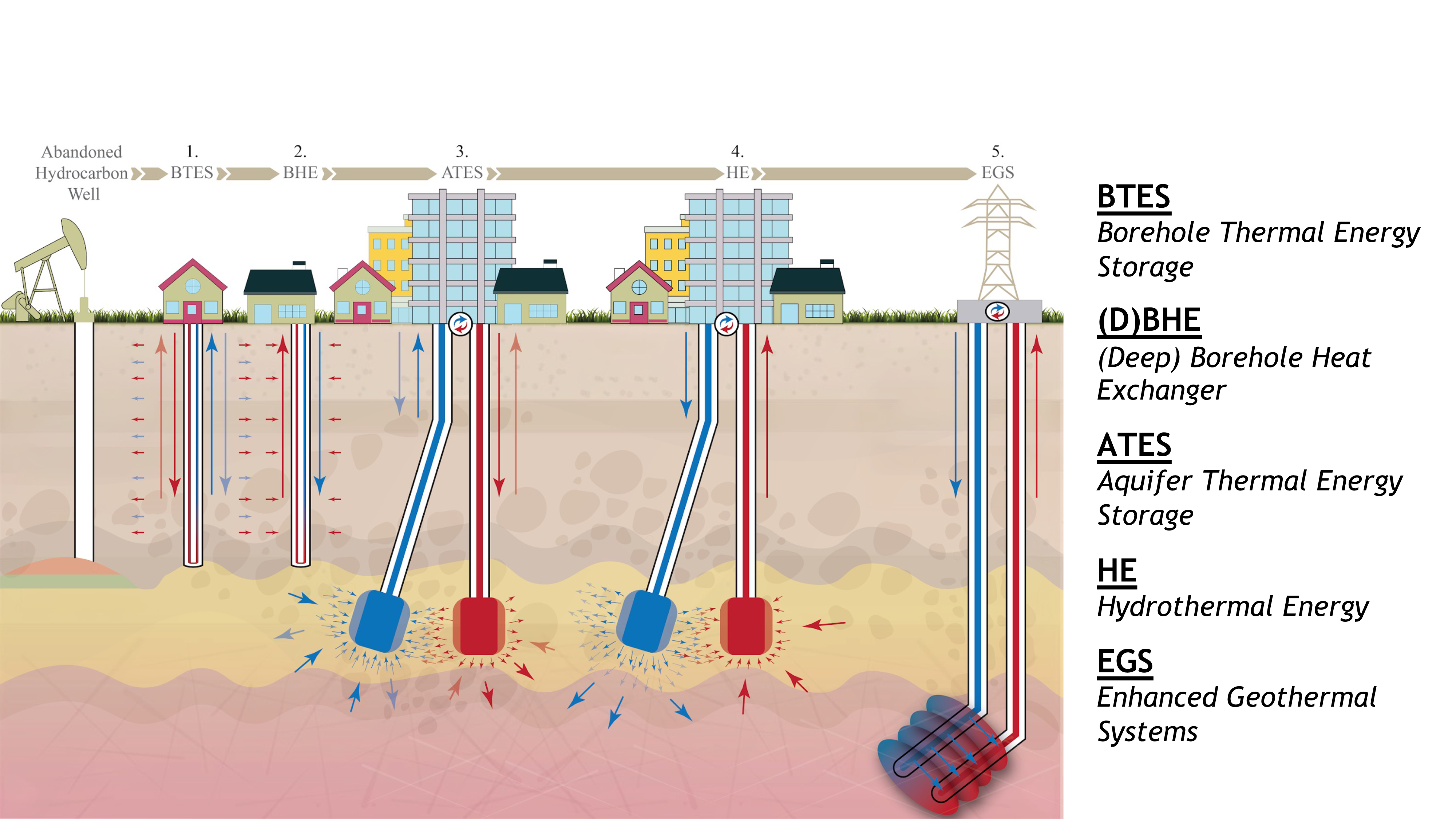
- Engineering Workflows and Numerical Modelling for 5 Geothermal Reuse Technologies
- Criteria Catalogue for well repurposing
- Proof of Concept DBHE
- Proof of Concept BTES
- Proof of Concept HE
- Proof of Concept ATES
- Proof of Concept EGS
- Factsheets: Socio Economic Analysis Industry
- Factsheets: Socio Economic Analysis Agriculture
- Factsheets: Socio Economic Analysis Municipalities
Well assessment tool
Transnational strategy for the transition of fossil fuel producing regions to sustainable growth through the use of geothermal energy
Transnational action plan for the transition of fossil fuel producing regions to sustainable growth through the use of geothermal energy
Project videos
Project documents
Brochures and Outreach Material
Presentations and Posters
Publications
NEWSLETTER
Project images
TRANSGEO
The project lead partner is responsible for the content of this project website.