


Project overview
Optimizing and greening Public Transport networks through Integration with Urban Planning and data-driven approaches
Public transport in small- and medium-sized central European cities is challenged by a decline of customers, difficult long-term planning and suburban connectivity gaps. To improve this situation and at the same time create more eco-friendly urban mobility systems, the OPTI-UP project fuses transport and urban planning with data-driven methods. New solutions for demand-responsive transport, intelligent route planning and fleet optimisation are tested by the partners in six pilot areas. Experiences and learnings will result in a toolkit and a joint strategy.
-
2,26m €
-
Project Budget
-
80%
-
of the Budget is funded by ERDF
-
6
-
Countries
-
8
-
Regions
-
9
-
Partners
-
3
-
Pilots
Duration
Start date
End date
Project progress
Project partnership
Project partners

Lead partner
Ernst&Young Advisory Ltd.
N/A
Project partner
N/A
N/A
N/A
N/A
N/A
Research Unit Transport Planning and Traffic Engineering
N/A
N/A
Roadmap
Setting the Scene: The Central European Challenge

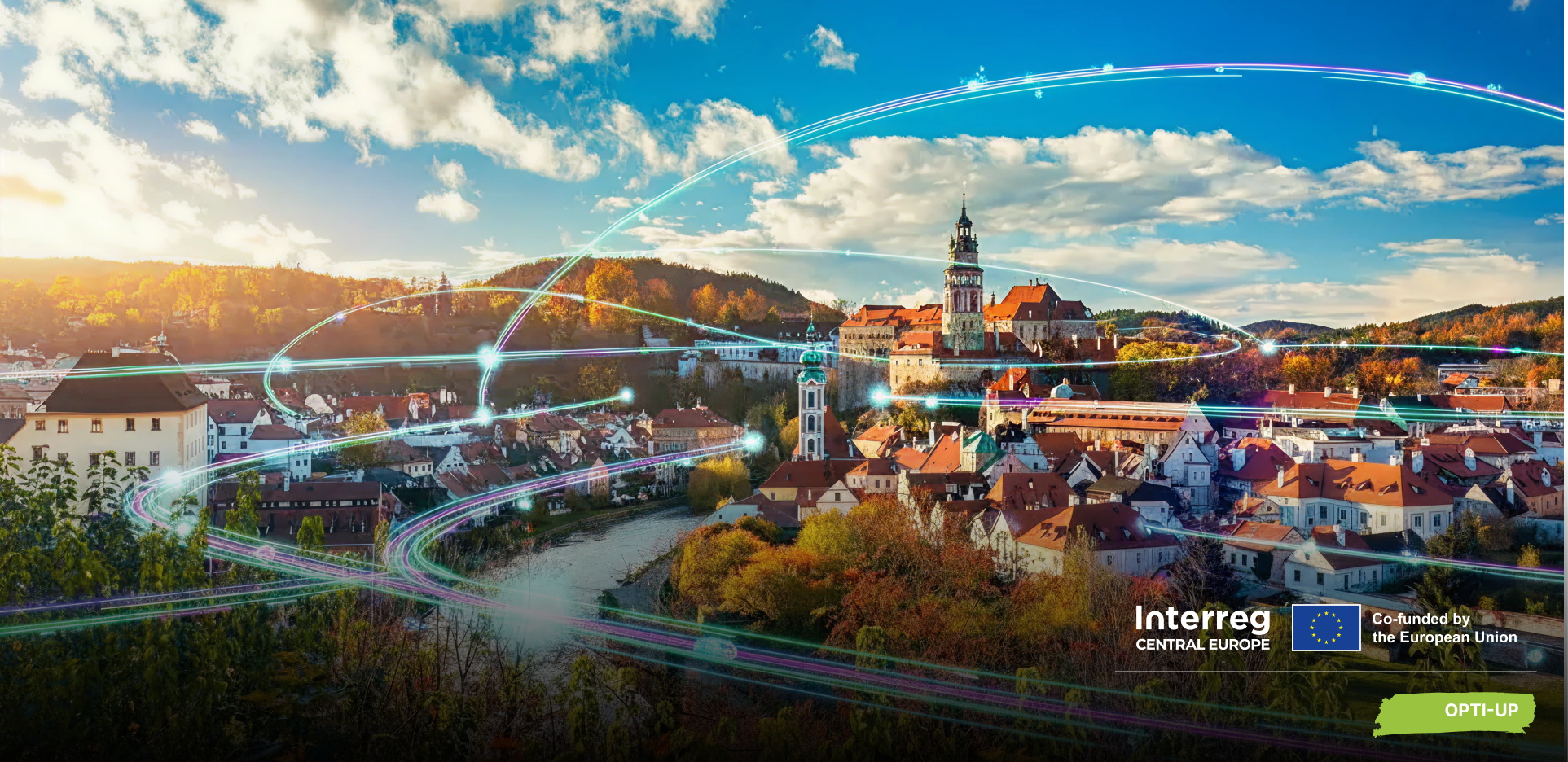
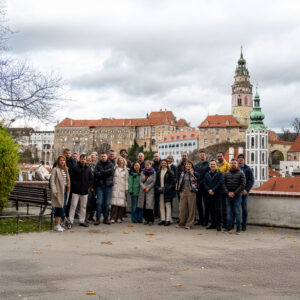
The OPTI-UP project was developed in response to the backdrop of Central Europe's small and medium-sized cities, each with its own unique public transport challenges and opportunities. The project spawned across diverse landscapes, from the historic streets of Český Krumlov to the industrial hubs like Paks.
Identifying the Core Issue: Revitalizing Public Transport

The participating cities faced common challenges: public transport systems that are struggling to adapt to changing urban dynamics, post-pandemic ridership fluctuations, and the urgent need for environmental sustainability.
Exploring Innovative Solutions: Data-Driven Urban Mobility

The project explored how can the fusion of urban planning with advanced data analytics lead to a public transport renaissance that is both efficient and sustainable?
Introducing the OPTI-UP Vision: A Holistic Approach

The OPTI-UP project addressed these challenges by developing tailored solutions that integrate land use and transport planning with the latest technology to rejuvenate public transport across Central Europe.
The OPTI-UP Method: Collaboration and Pilot Actions

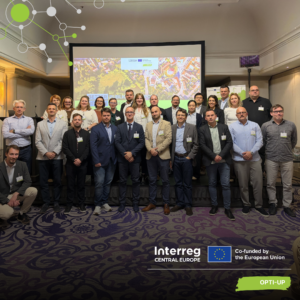
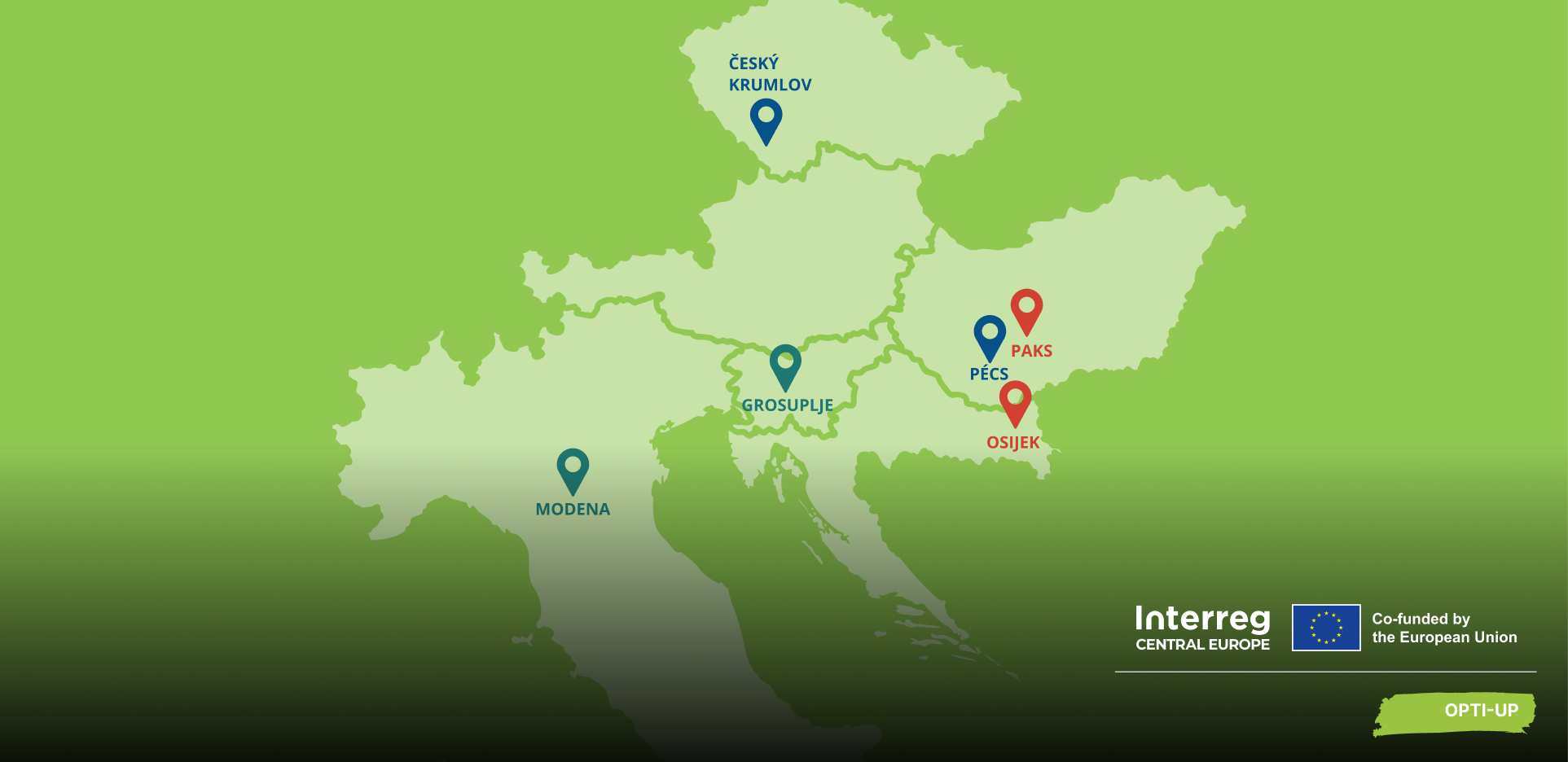
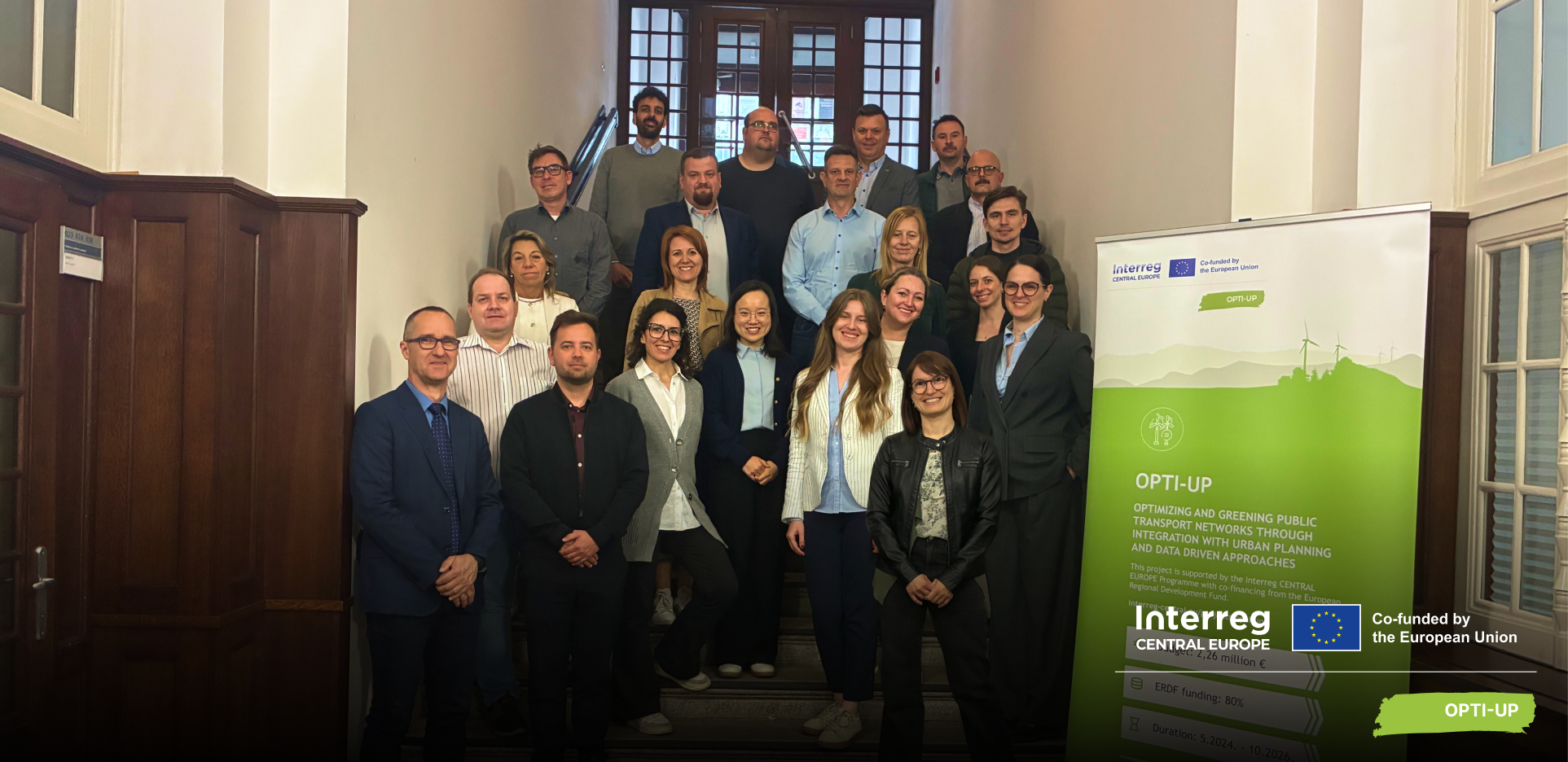
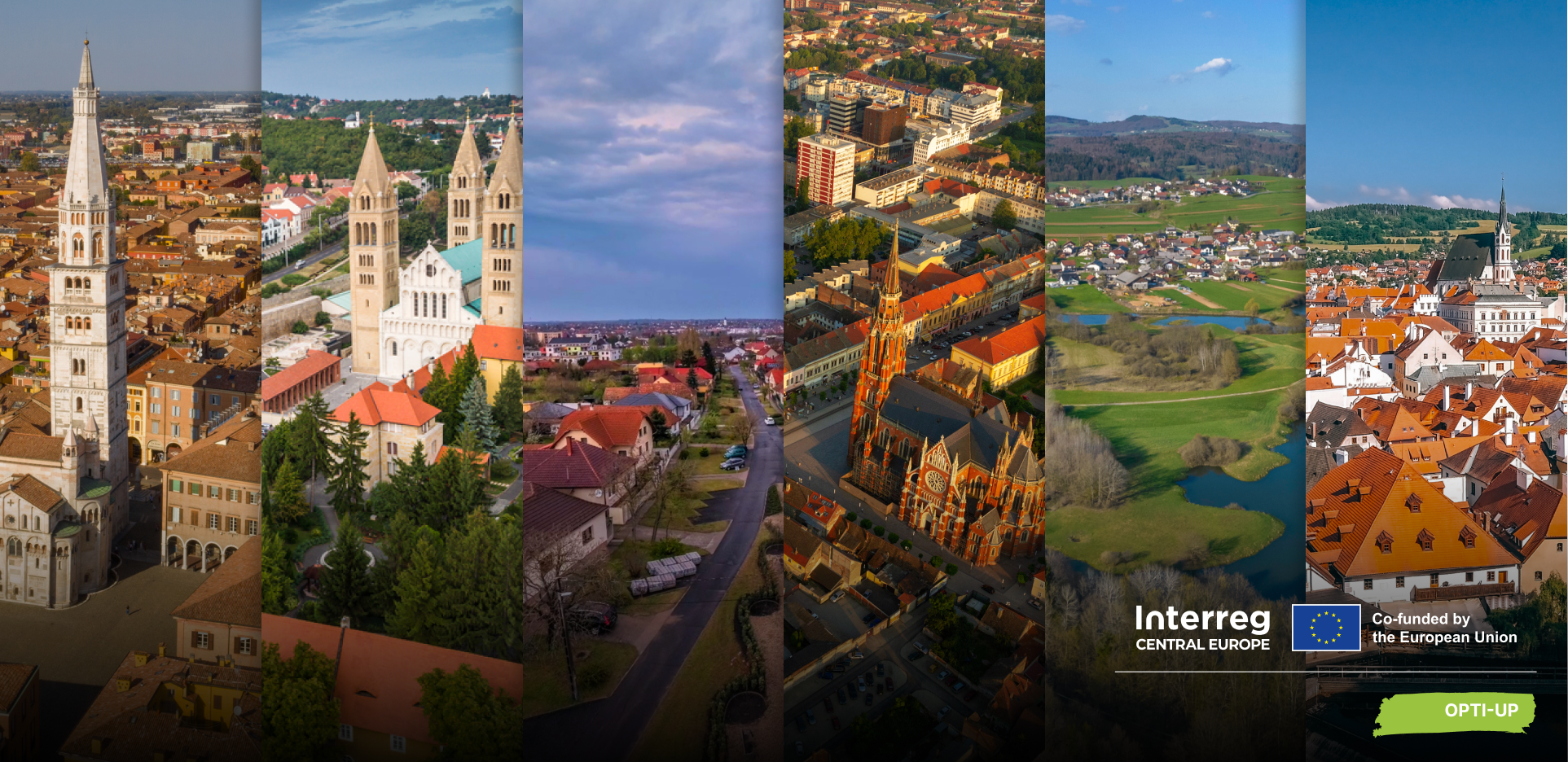
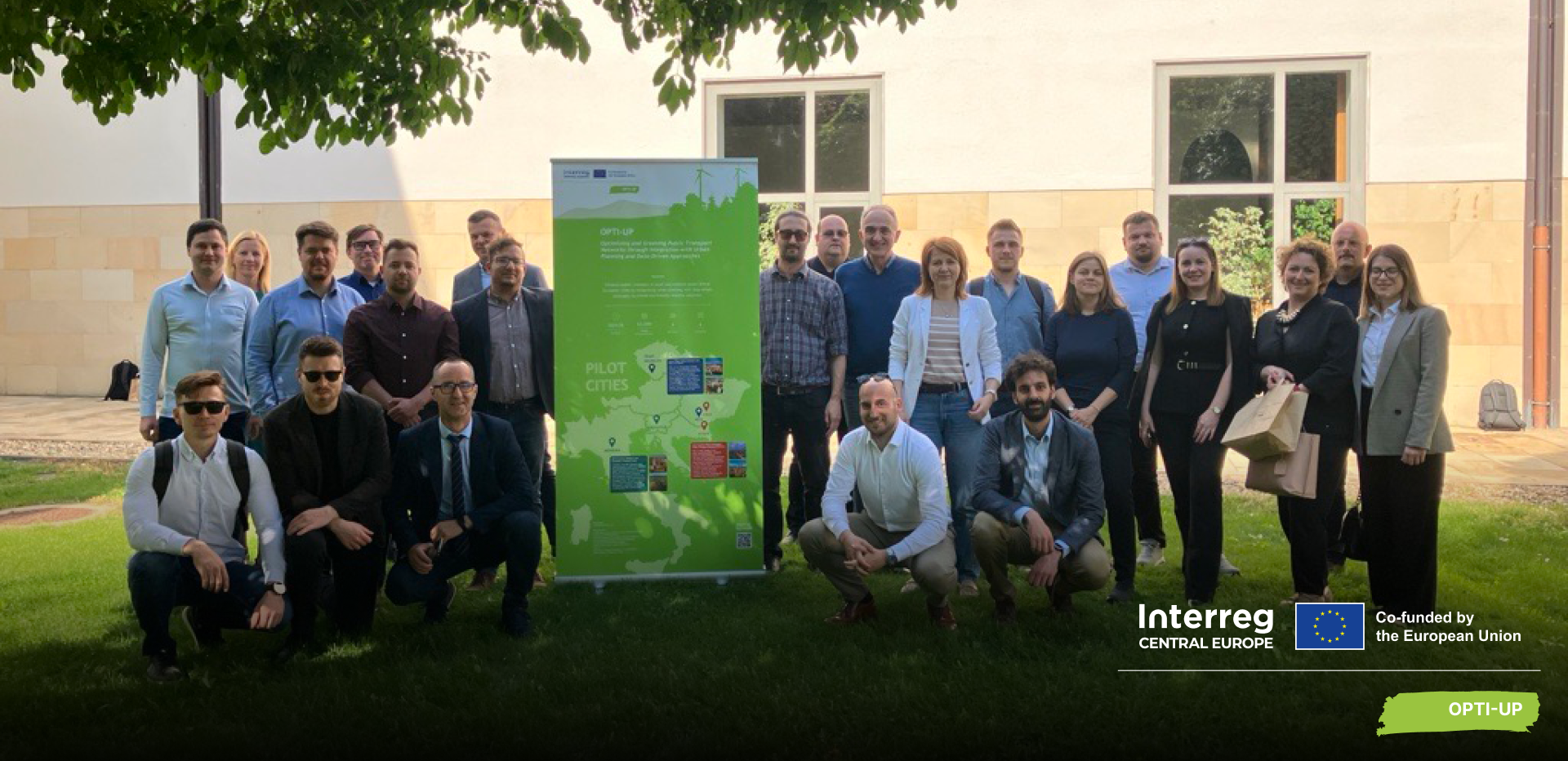
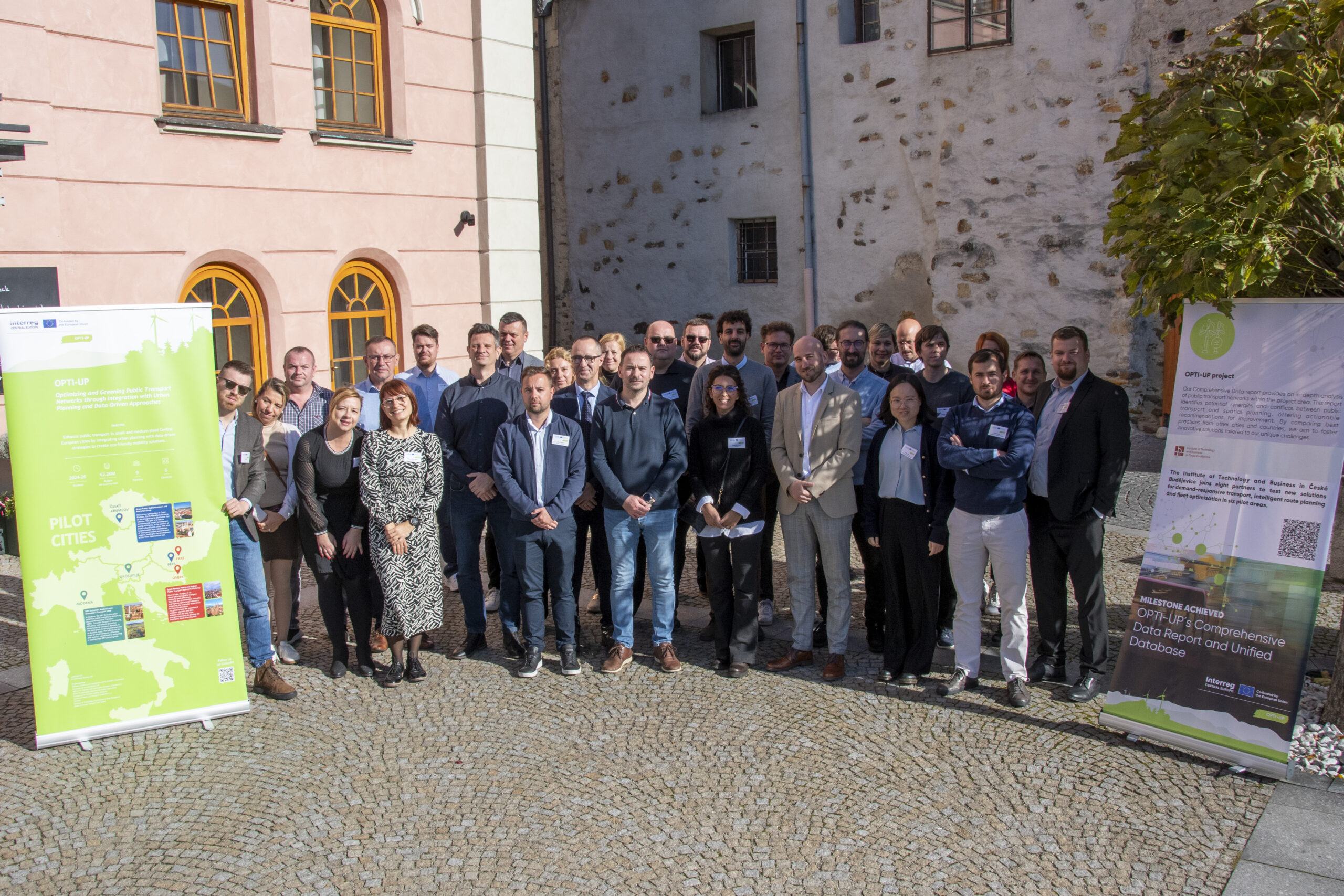
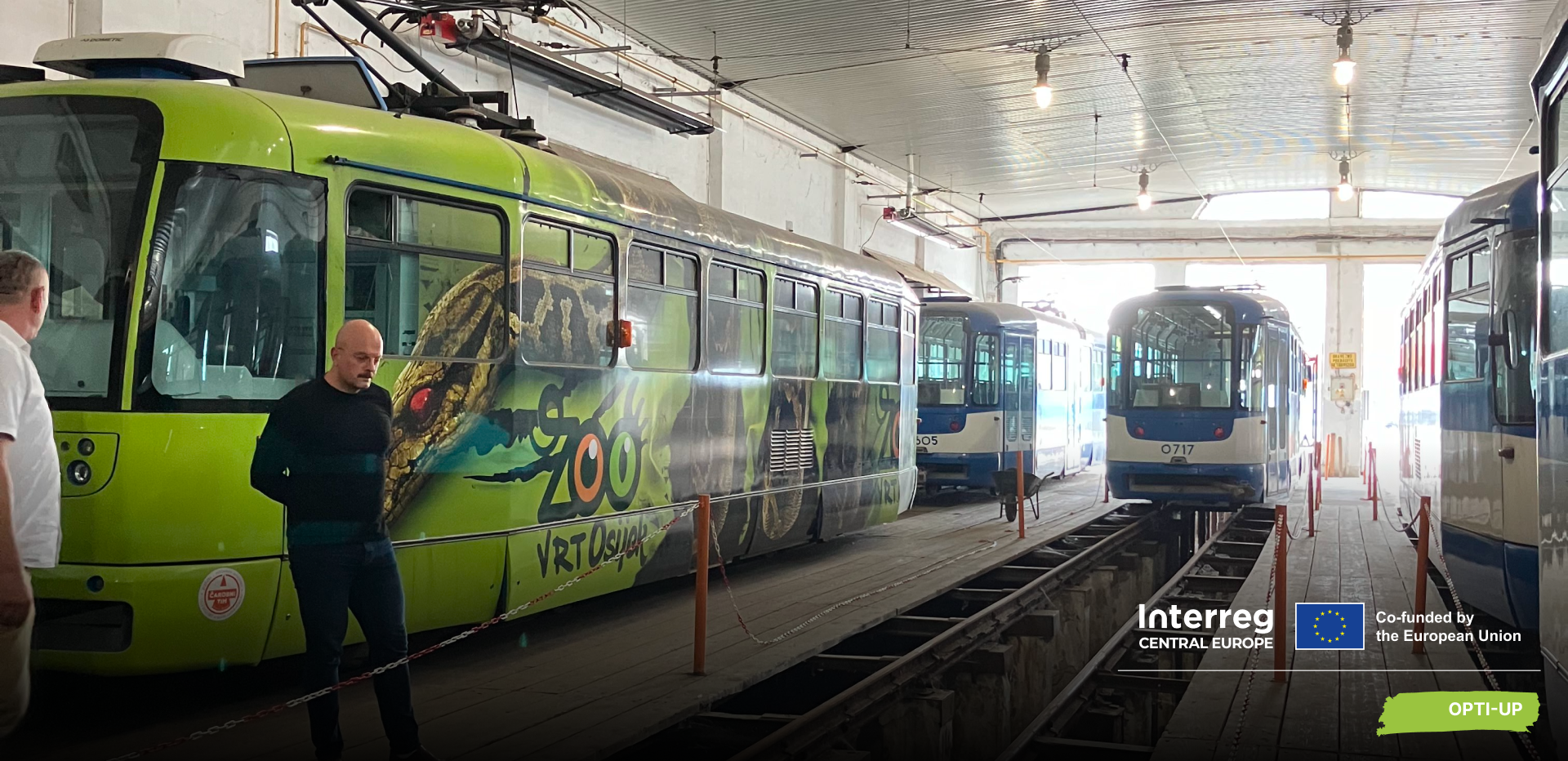
The project brought together a consortium of nine Project Partners from six countries, including local governments, research institutions, NGO, and transport operators. They were working collaboratively to address the unique transport needs of six pilot areas: Osijek, Modena, Paks, Pécs, Český Krumlov, and Grosuplje.
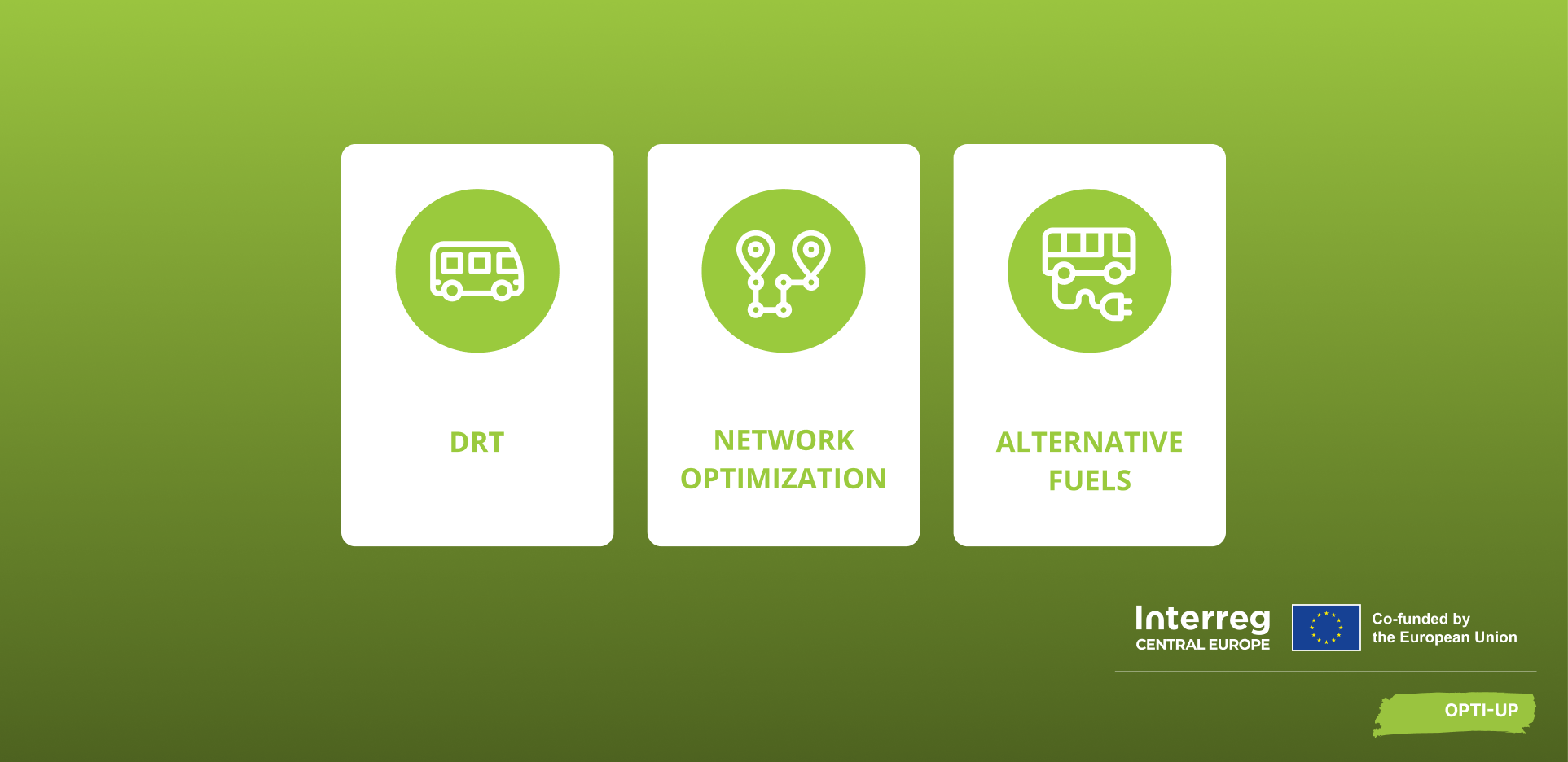
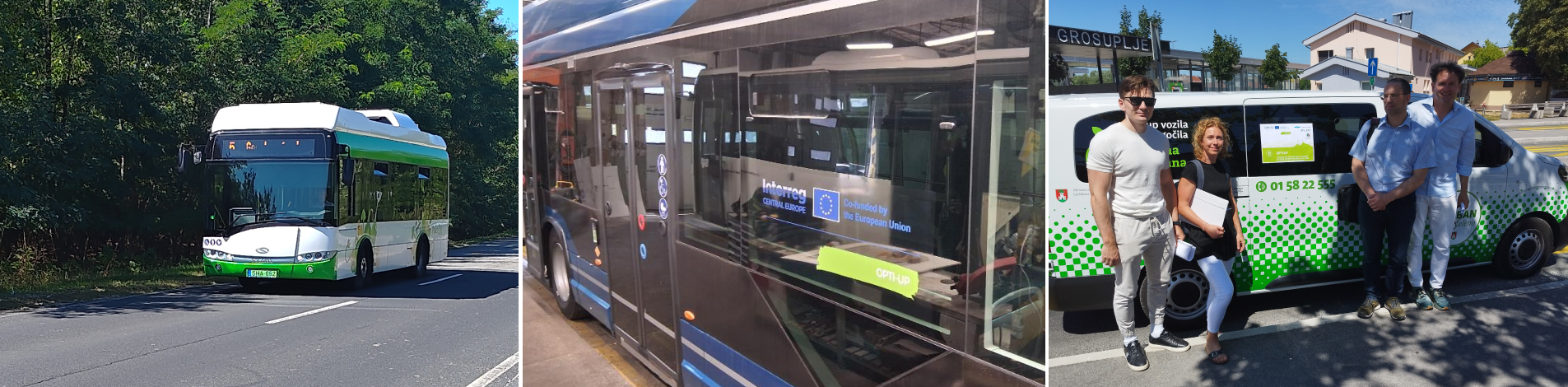
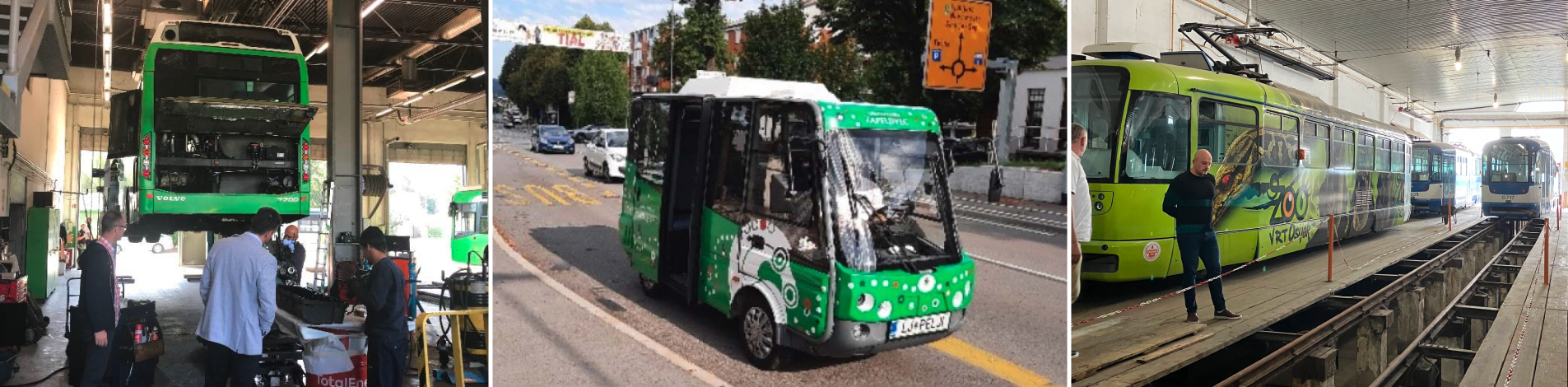
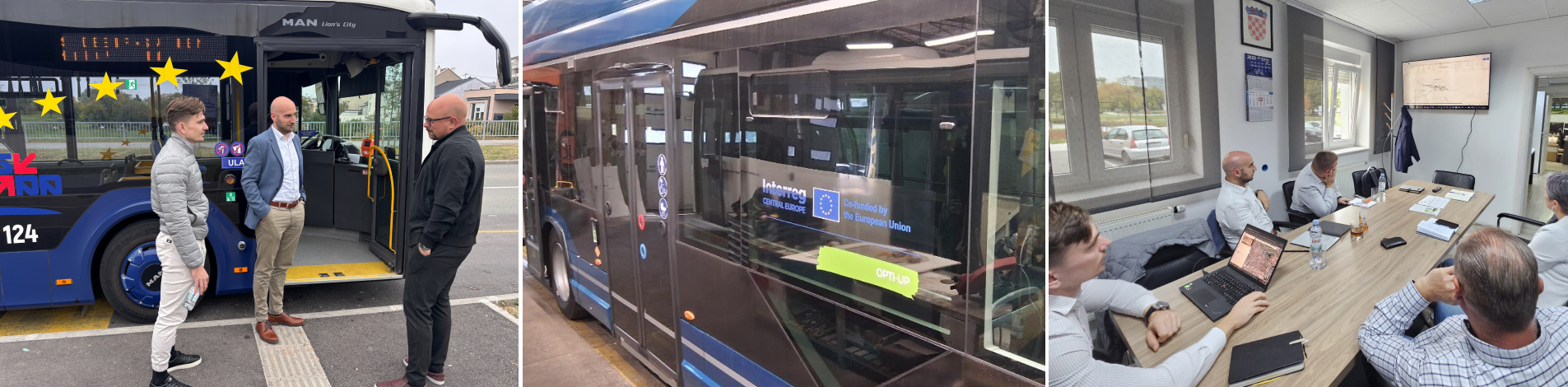
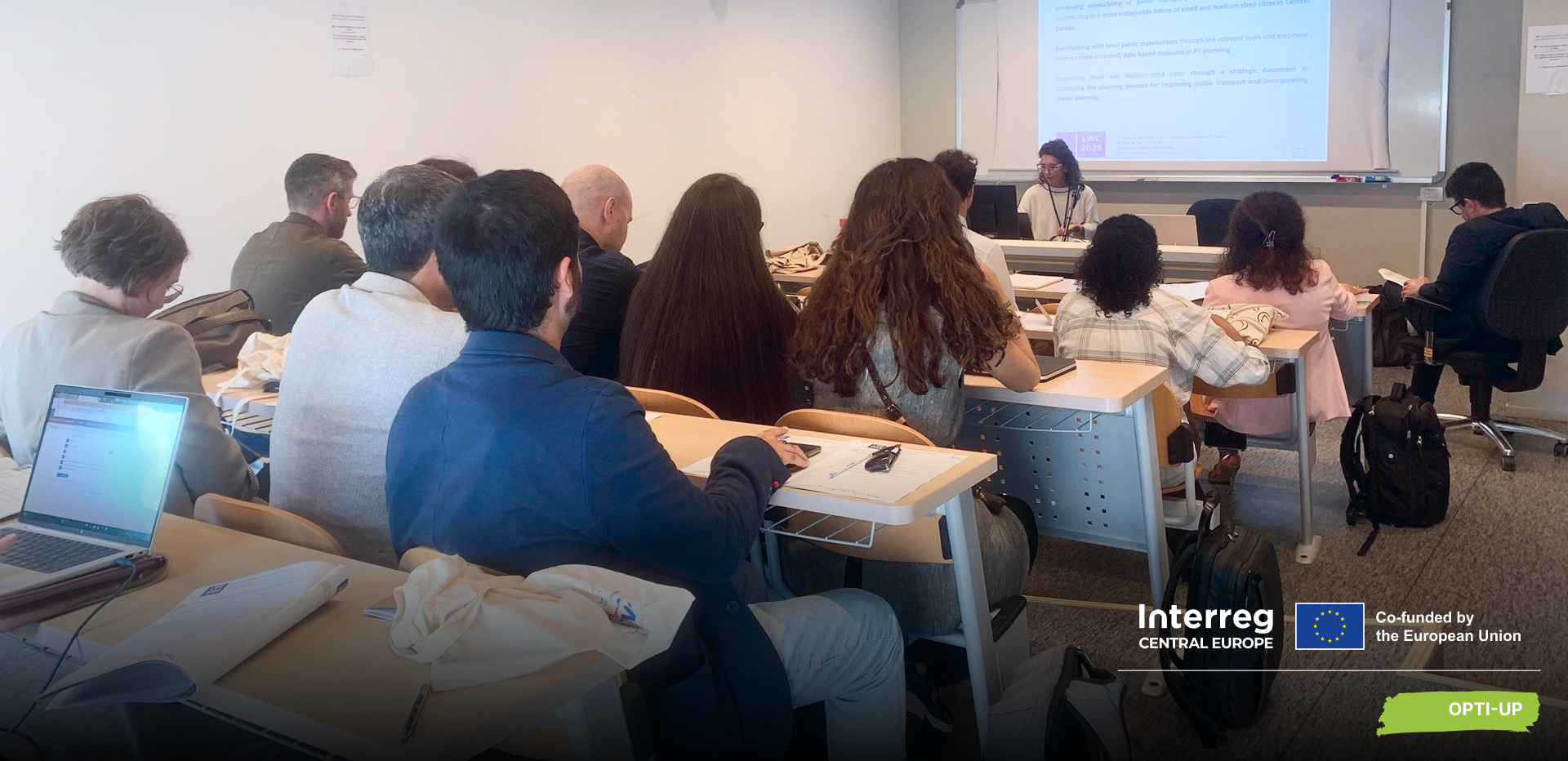
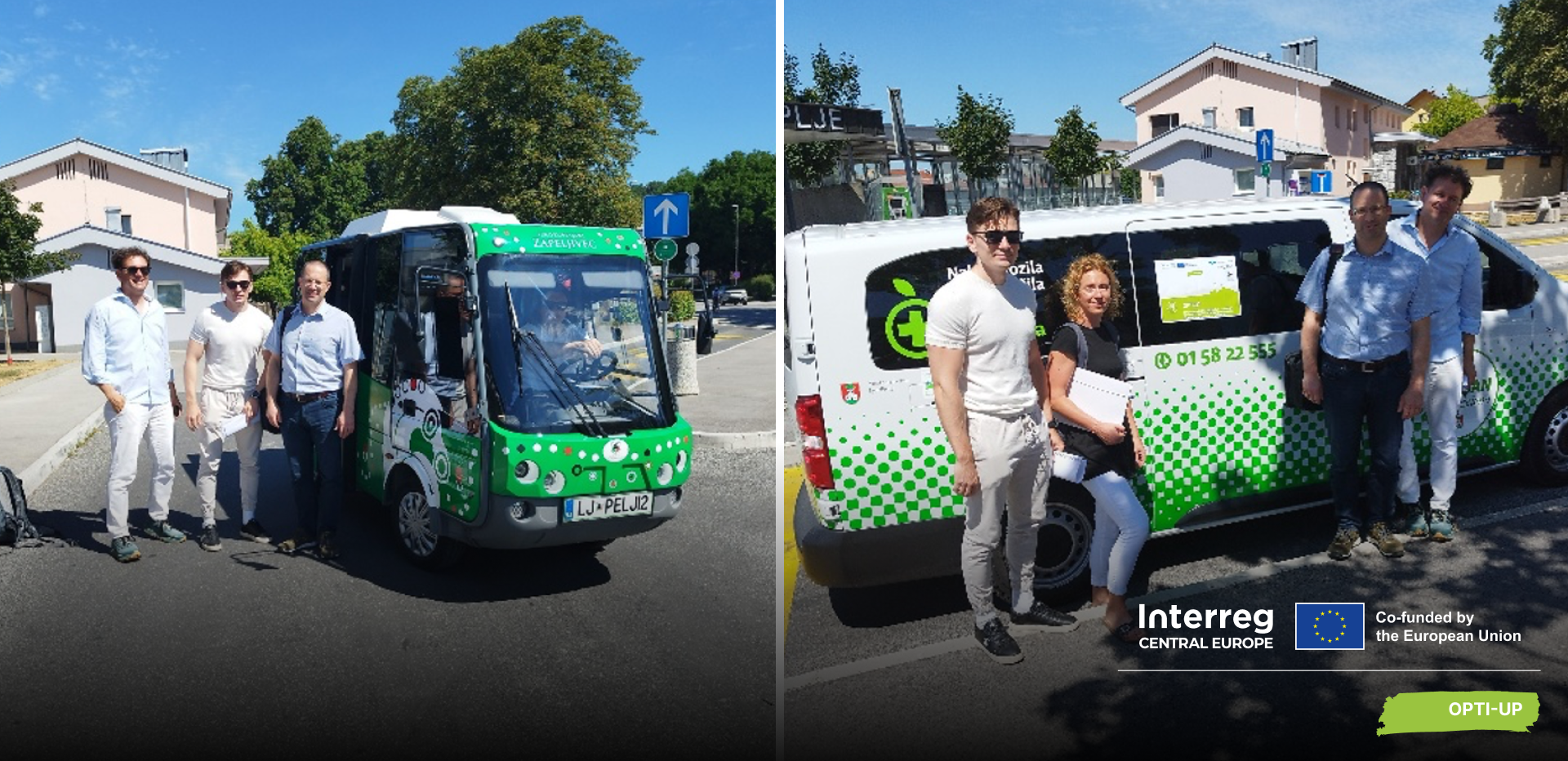
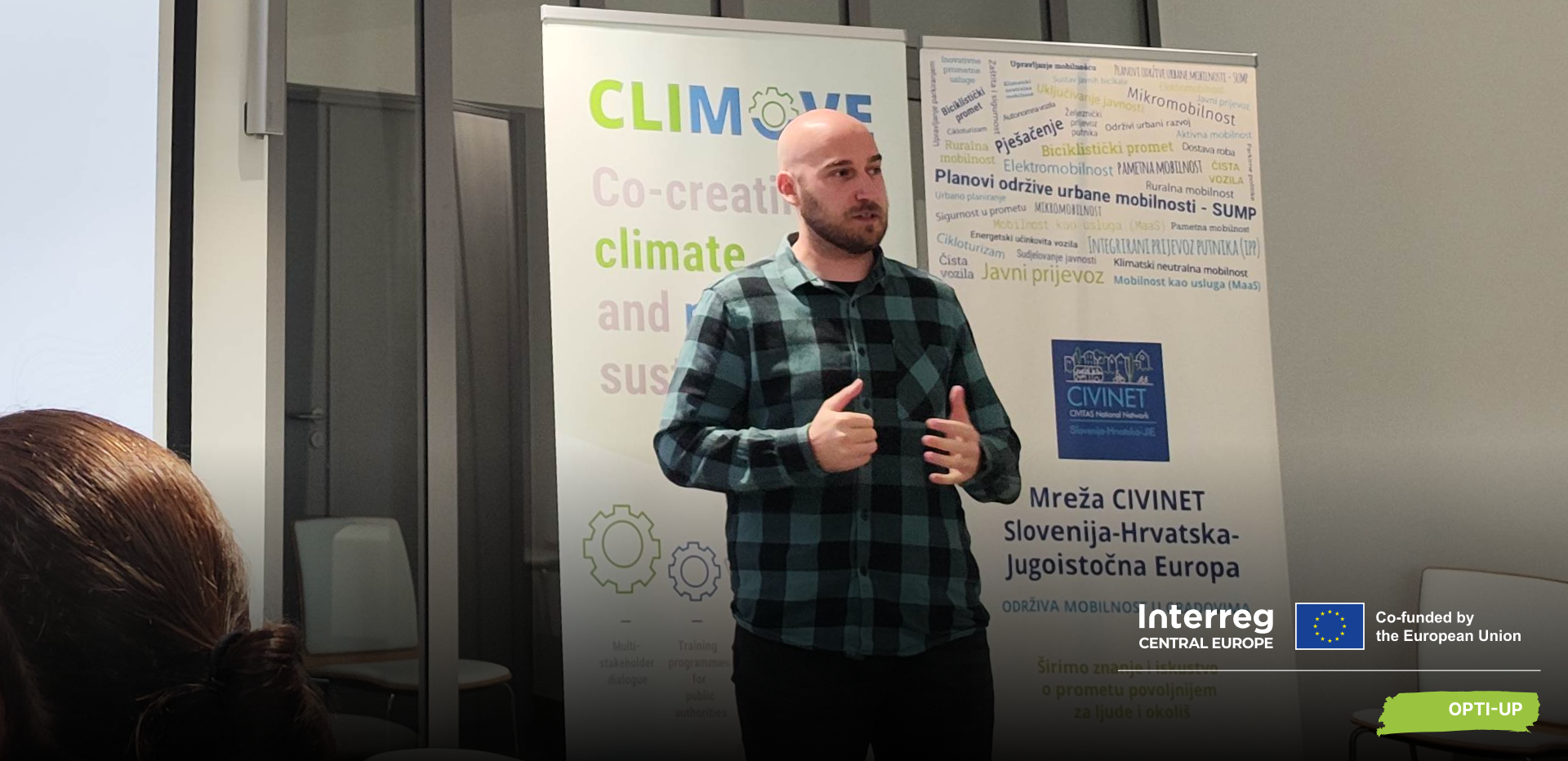
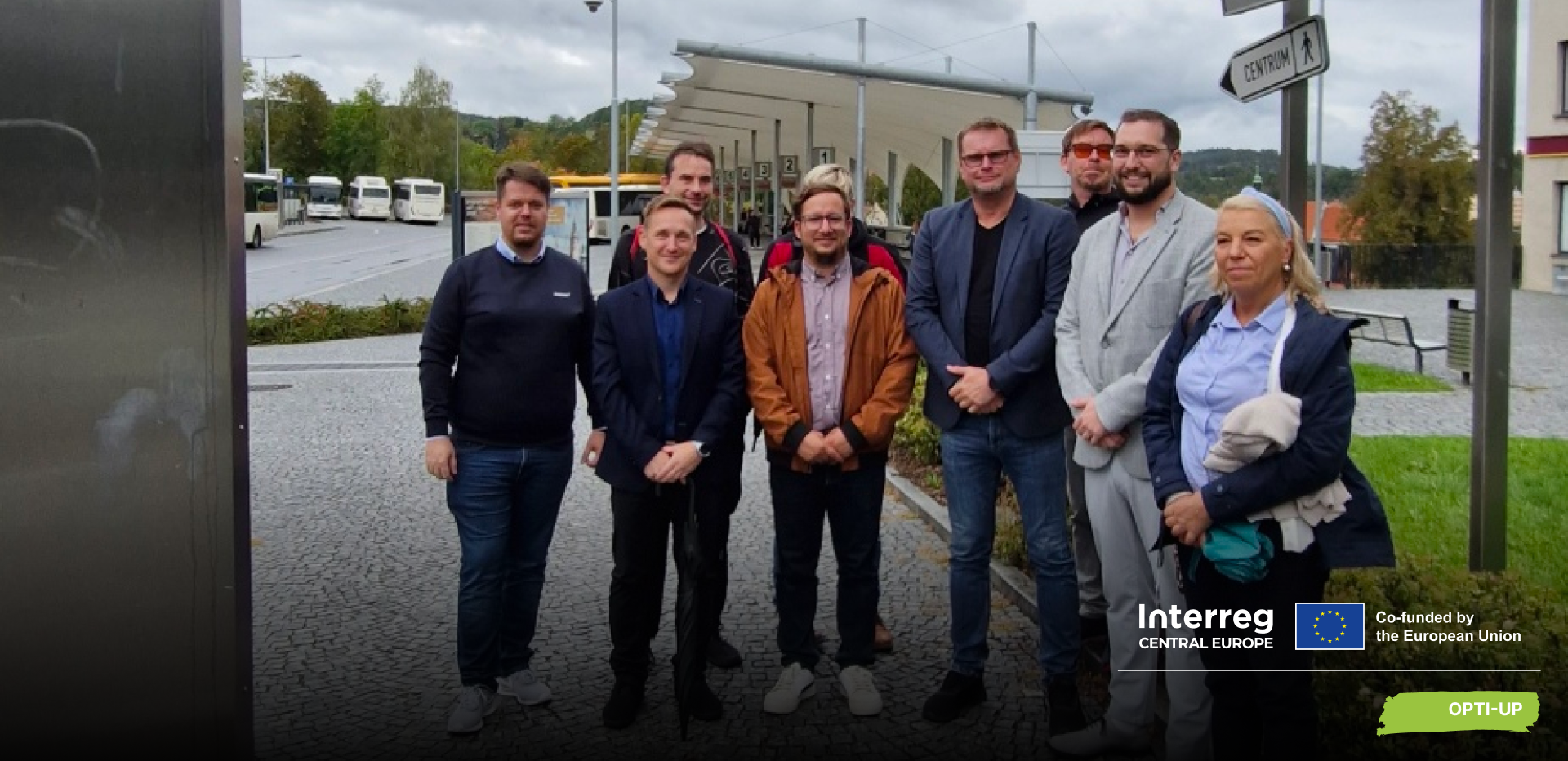
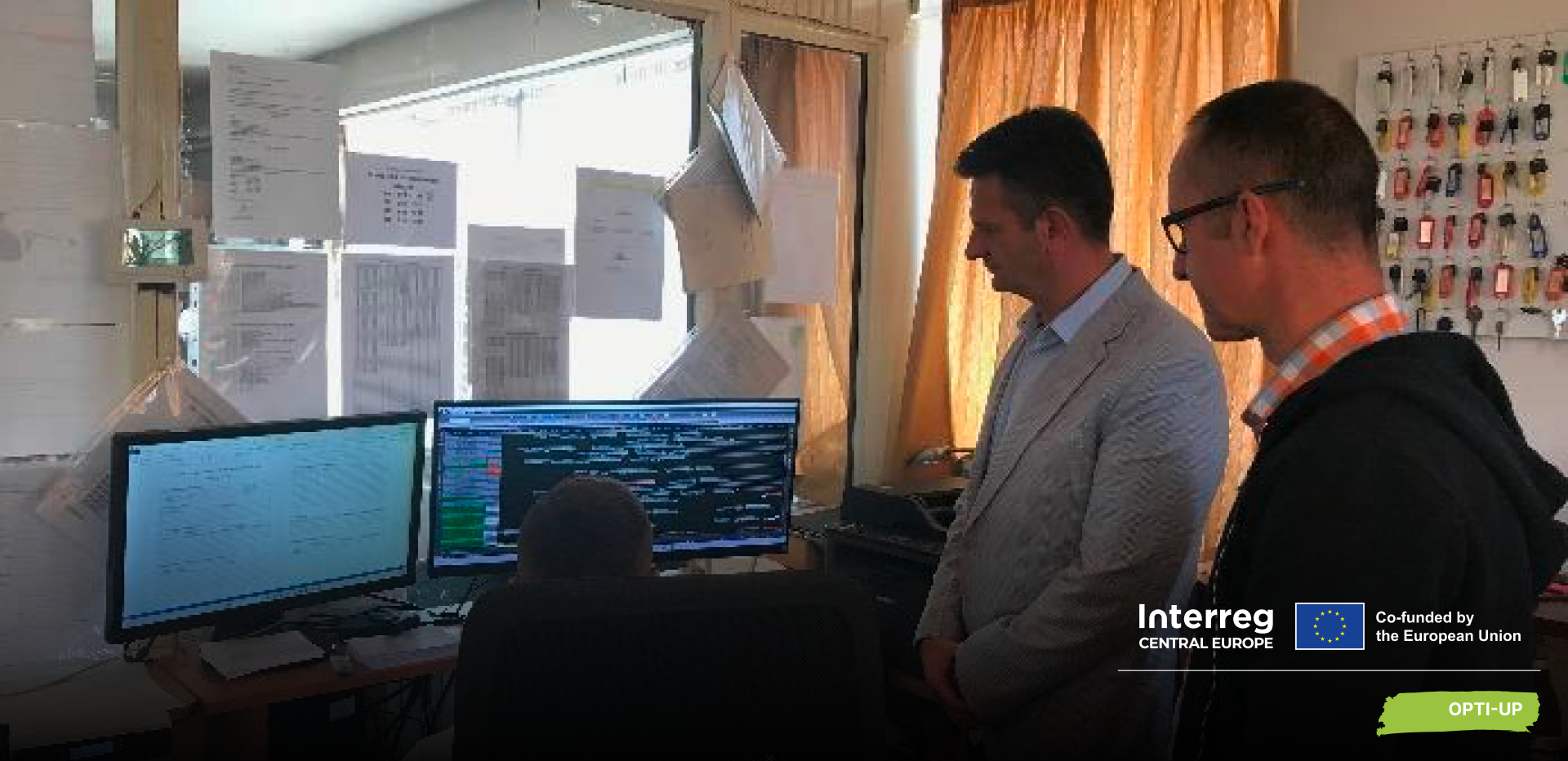
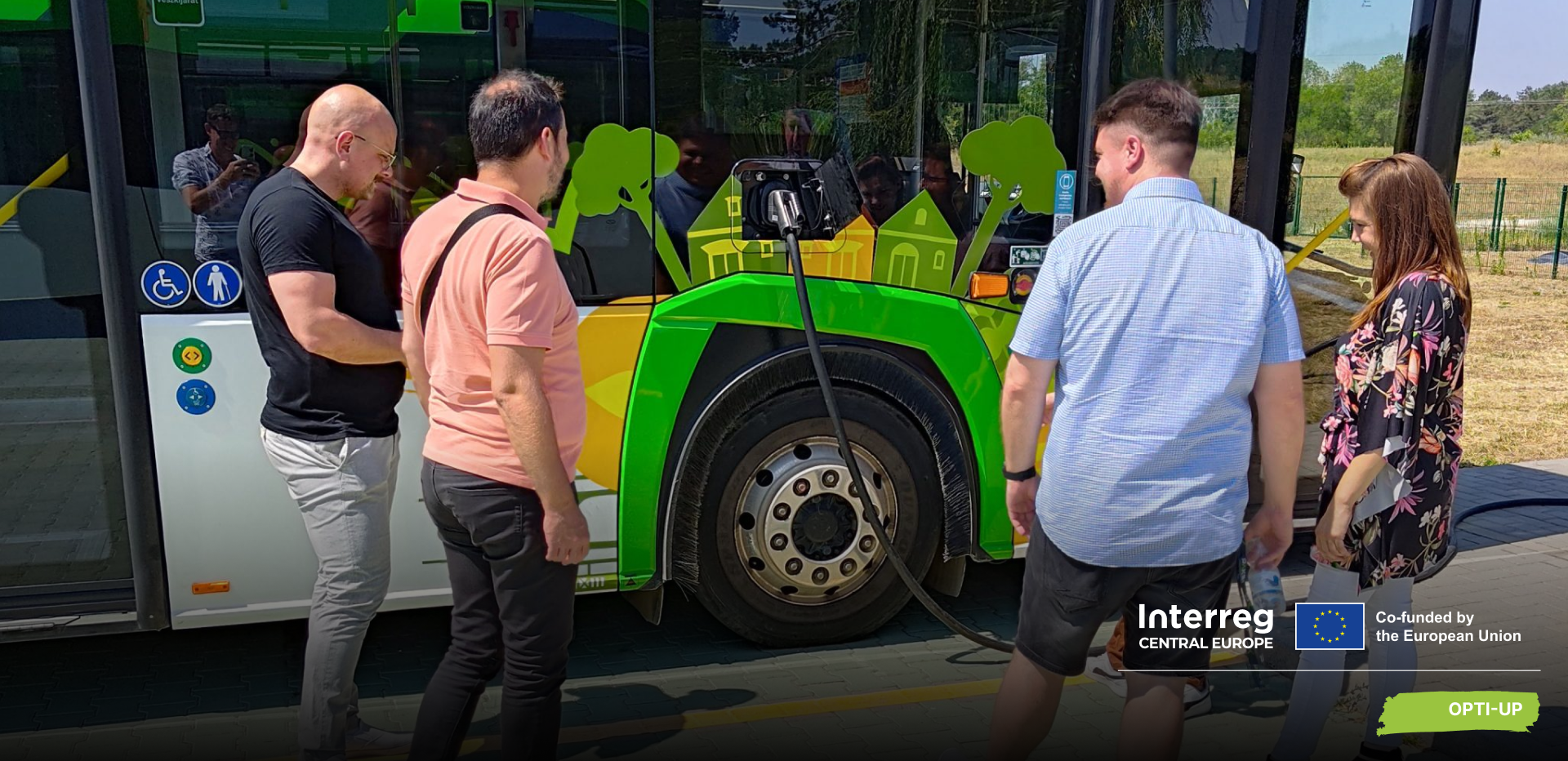
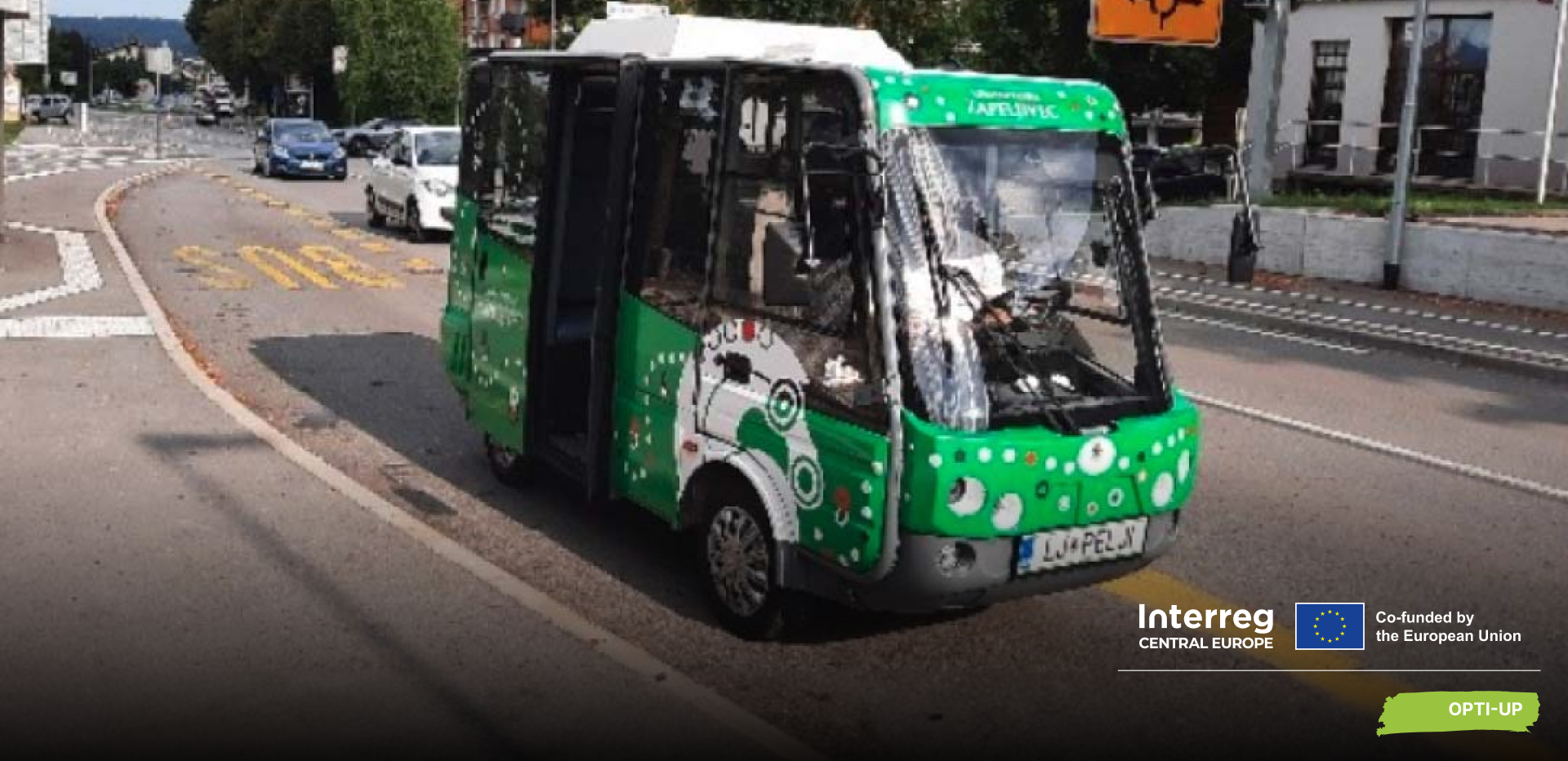
Through a several 'pilot actions,' such as introducing alternative fuel vehicles in Pécs or testing Demand Responsive Transport in Grosuplje, the project developed solutions with potential for wider application for improving public transport. These actions are informed by a comprehensive analysis of current networks, best practices, and the development of an open database for shared knowledge.
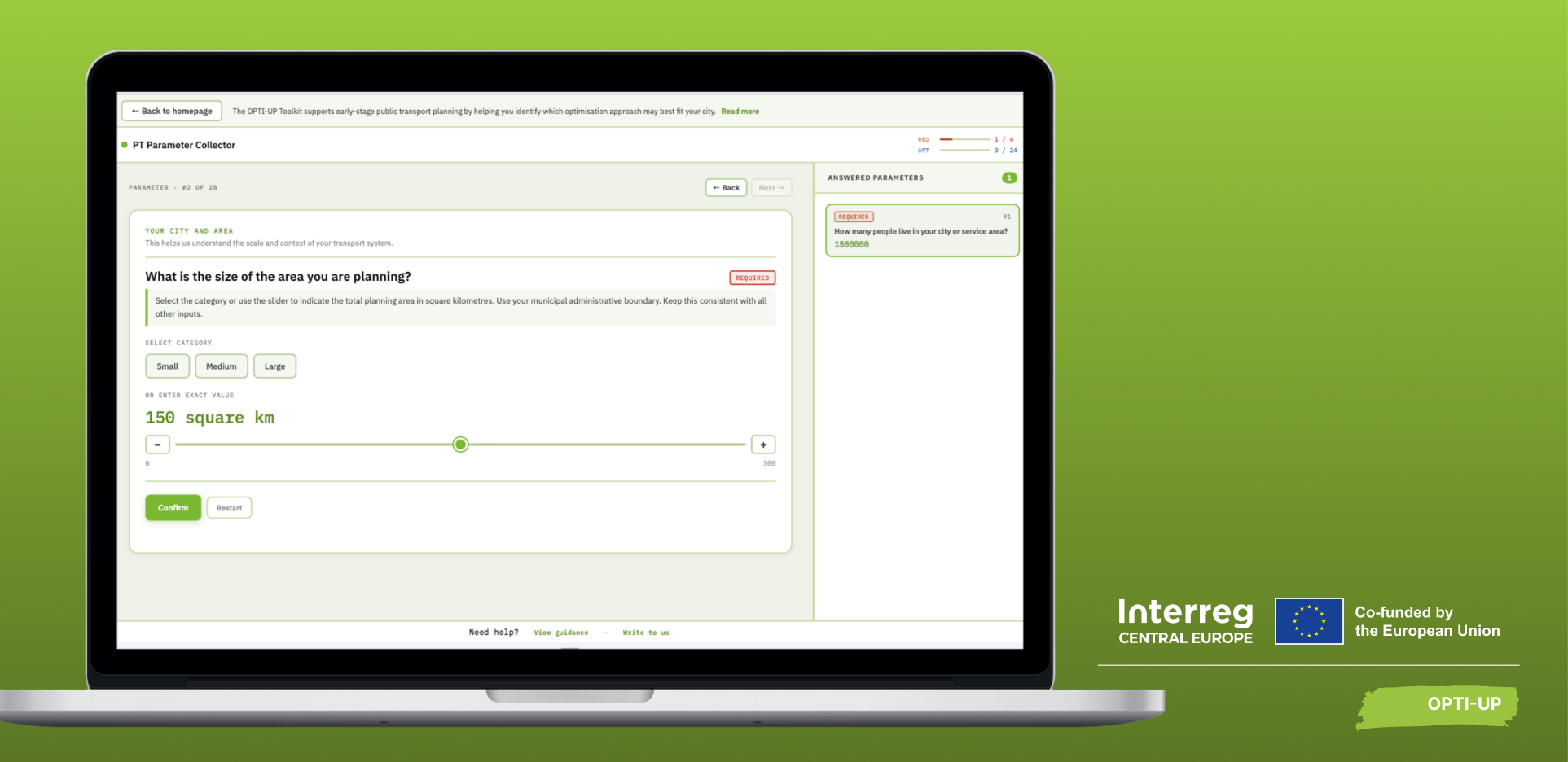
A key project result was the development of a digital Toolkit that encapsulates the learnings and strategies from these pilot actions, providing a resource for other cities to replicate and benefit from the project's findings.
Explore the OPTI-UP Legacy

The OPTI-UP project has concluded, but its results continue to offer valuable resources for cities and transport professionals. Explore the project's strategies, pilot experiences and digital Toolkit to discover practical approaches to more sustainable and efficient public transport planning.
News




Events


Pilot actions
Outputs

Sustainable Public Transport Strategies
- OPTI-UP D.1.3.2 Comprehensive strategy for a sustainable and efficient public transport networks in Central Europe
- Local Plan for the city of Paks
- Local Plan for the city of Pécs
- Local Plan for the city of Osijek
- Local Plan for the city of Modena
- Local Plan for the city of Grosuplje
- Local Plan for the city of Český Krumlov

Jointly Developed Thematic Solutions for Improvement of Public Transport Systems in Central Europe
- OPTI-UP D.2.3.1 Final solution for improved DRT service in the cities of Modena and Grosuplje
- OPTI-UP D.2.3.2 Final solution for improved PT network efficiency in the cities of Paks and Osijek
- OPTI-UP D.2.3.3 Final solution for better usage of alternative PT vehicles in the cities of Pécs and Český Krumlov

Transnational Toolkit for Optimization of Public Transport Systems
Project videos
Project documents
Comprehensive data report on existing public transport networks and best practices (D.1.1.1) and a Unified Database of Collected Public Transport Data (D.1.1.2)
Comprehensive report of transport models and modeling actions in the project area (D.1.2.1)
Local Plans of optimization and integration of public transport network (D.1.3.1)
Comprehensive strategy for a sustainable and efficient public transport networks in Central Europe (D.1.3.2)
Pilot Action Reports (D.2.1.X)
Comprehensive evaluation report and recommendations for thematic solutions scaling up (D.2.2.1)
Final thematic solutions (D.2.3.3)
A detailed report on the development process of the Replicable Sustainable Public Toolkit (D.3.1.1)
A training program for users of the toolkit (D.3.1.3)
OPTI-UP
Priority 2: Cooperating for a greener central Europe
SO 2.5: Greening urban mobility in central Europe
The project lead partner is solely responsible for all content published on this project website, including, where applicable, content created with the support of AI tools and the appropriate labelling of such content. The views expressed do not necessarily reflect those of the Interreg CENTRAL EUROPE Programme, its programme bodies or the European Union.