
Project overview
CoFarm4Cities: Creating a sustainable model for urban fringe farming in Central Europe as an effective tool to prevent urban sprawl and to transition to a more sustainable food system and society
The rapid expansion of cities increasingly causes land use conflicts. Green areas are declining while citizens demand more community gardens and cultivable spaces. This calls for a new approach on urban land use, which the CoFarm4Cities project delivered. The partnership developed climate-friendly, nature-based solutions that increase urban resilience to climate change. They designed and piloted a replicable model for profitable urban farming with key stakeholders in five cities.
-
2,24m €
-
Project Budget
-
80%
-
of the Budget is funded by ERDF
-
5
-
Countries
-
5
-
Regions
-
9
-
Partners
-
5
-
Pilots
Duration
Start date
End date
Project progress
Project partnership
Project partners

Lead partner
Budapest III. District Óbuda-Békásmegyer Municipality
Project partner
Department for preparation and implementation international and regional projects
Innovation and EU funds department
International Relations
Municipal Greenspace Authority
Department for Environmental Protection – Section for Rural Development
Environmental Engineering and Natural Sciences Institute of the Rejtő Sándor Faculty of Light Industry and Environmental Engineering
Roadmap
Designing five locally adapted pilots
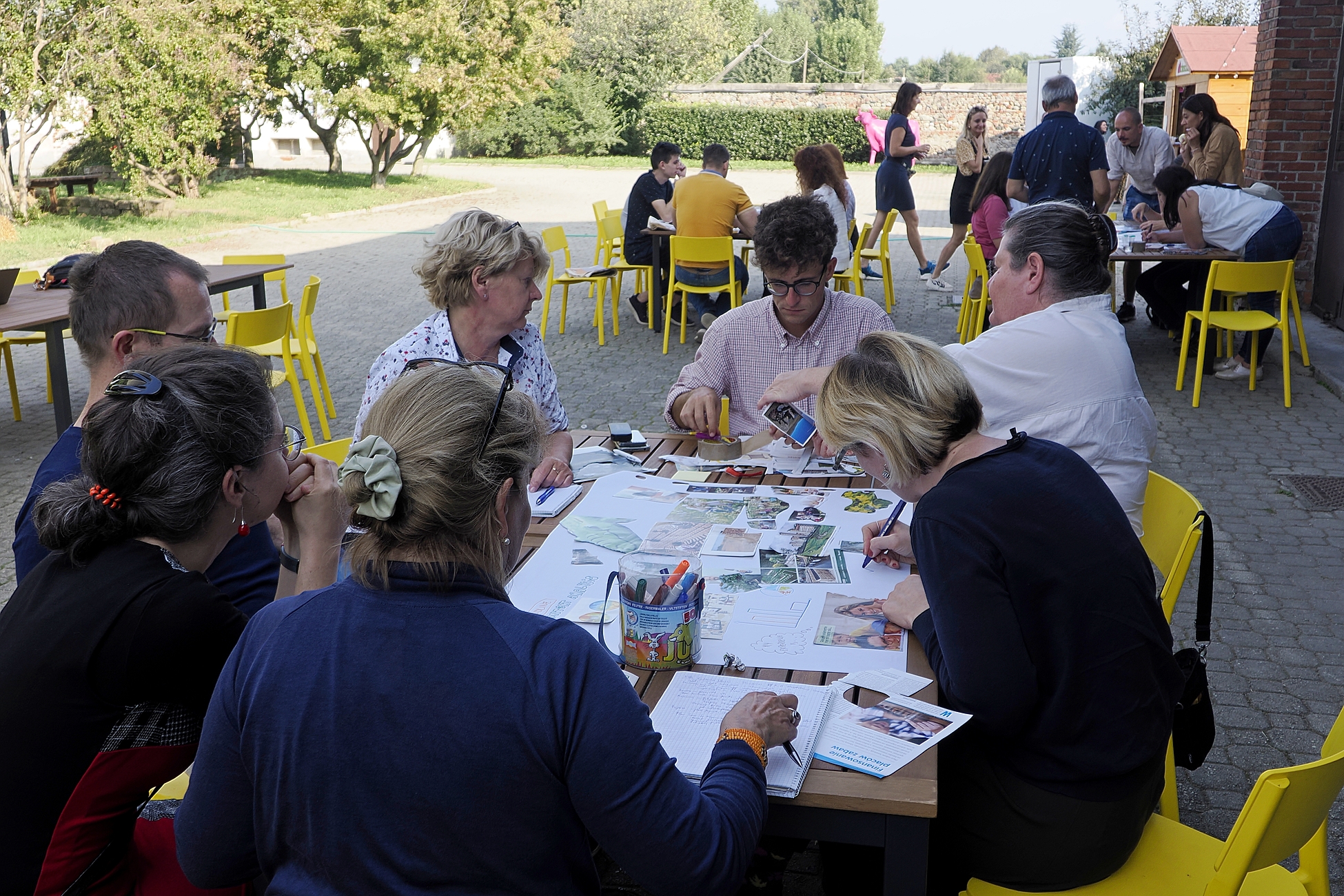
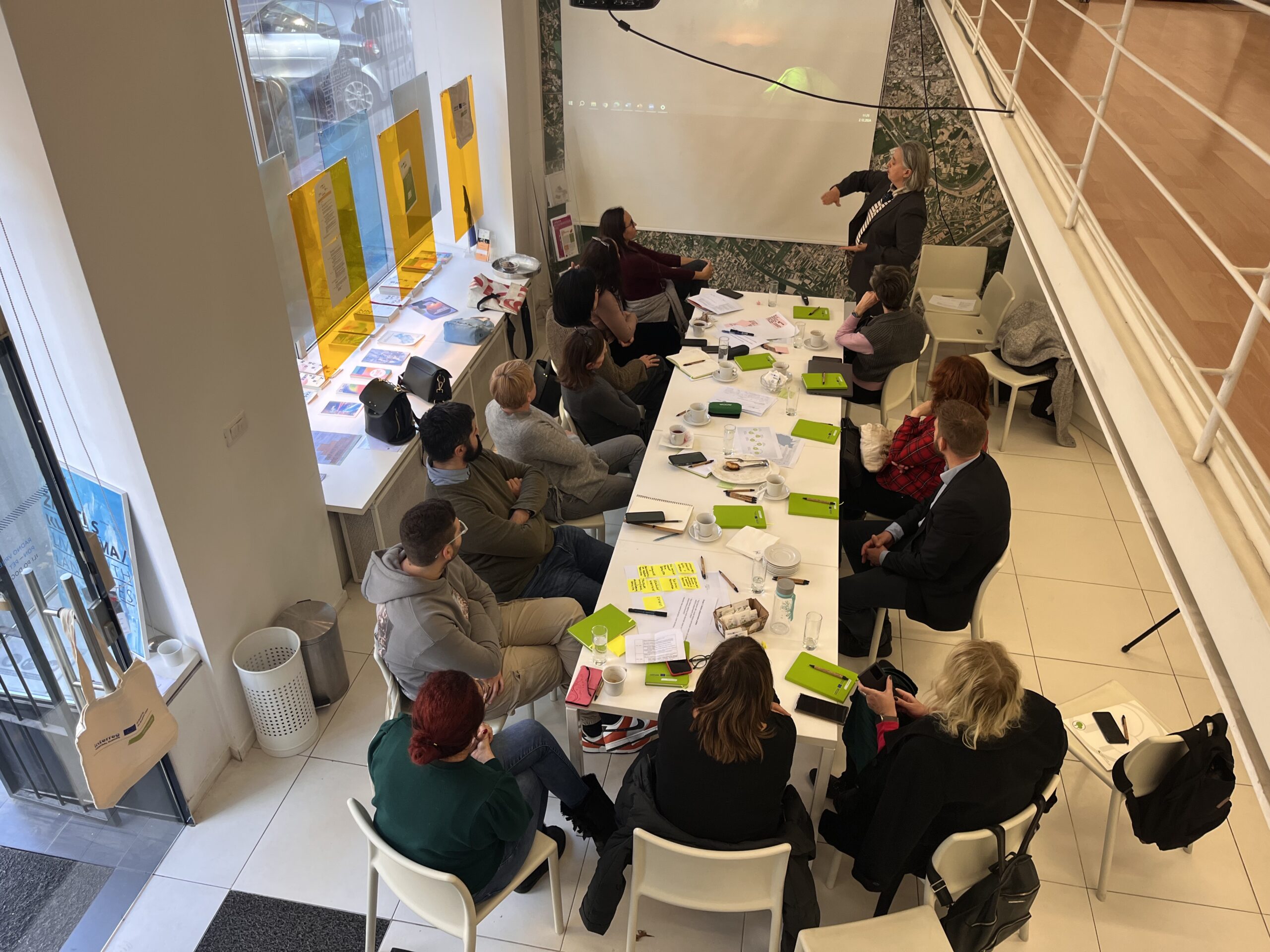
Nine partners from five countries analysed local conditions, available sites, legal requirements, stakeholder needs and existing urban farming practices. Based on this work, they prepared five pilot concepts with defined target groups, management structures, planned activities and infrastructure requirements.
Implementing urban farming solutions
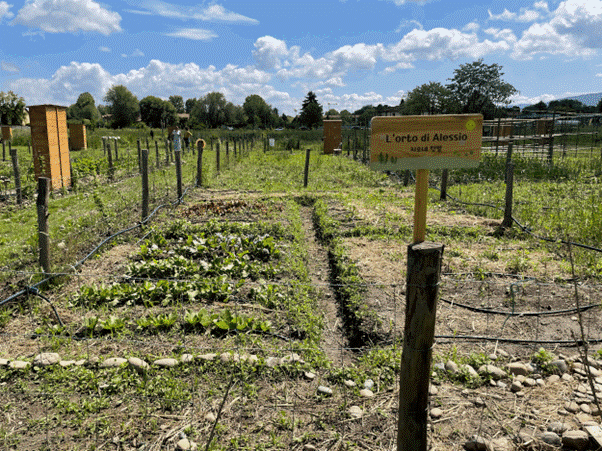
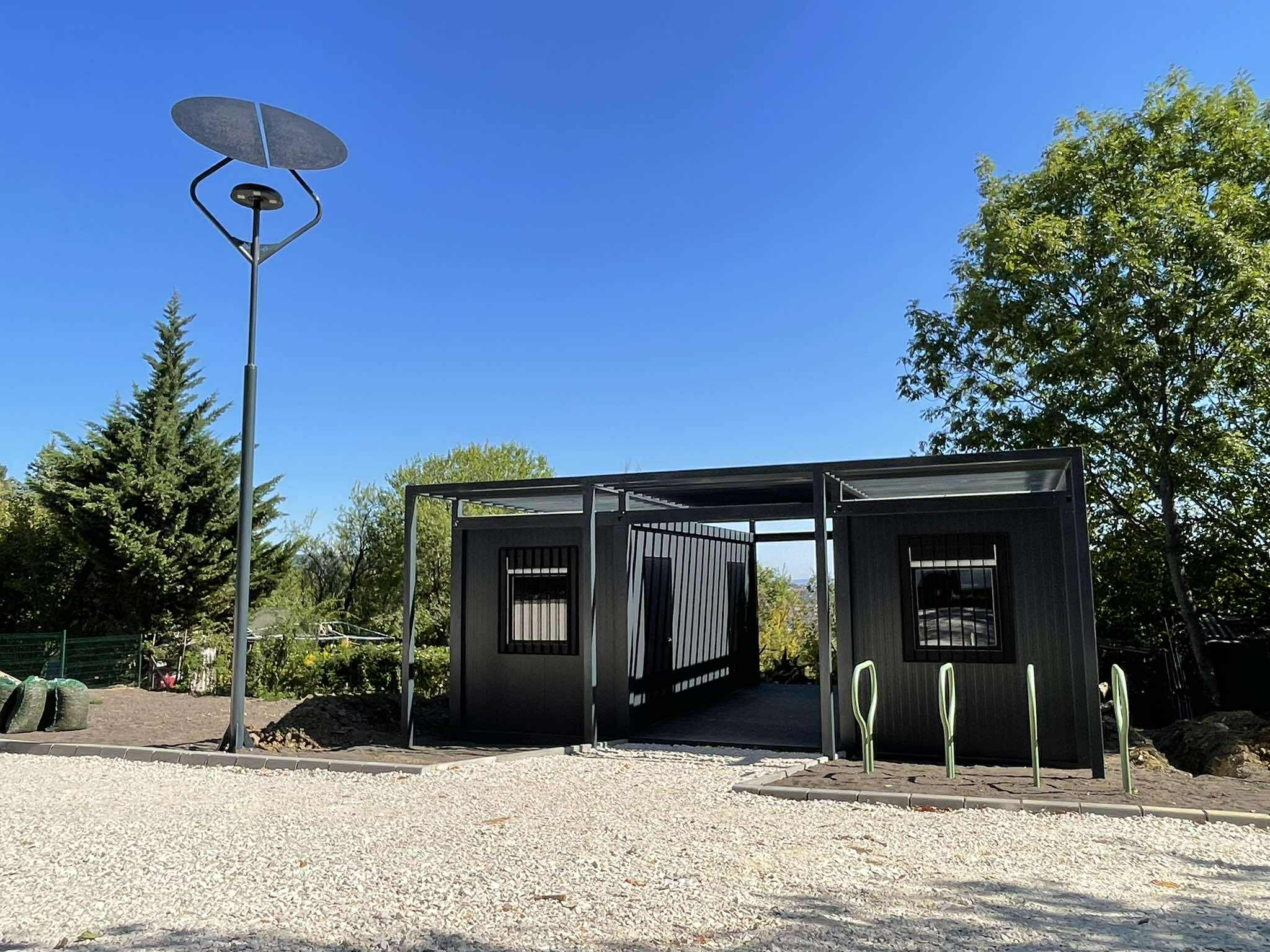
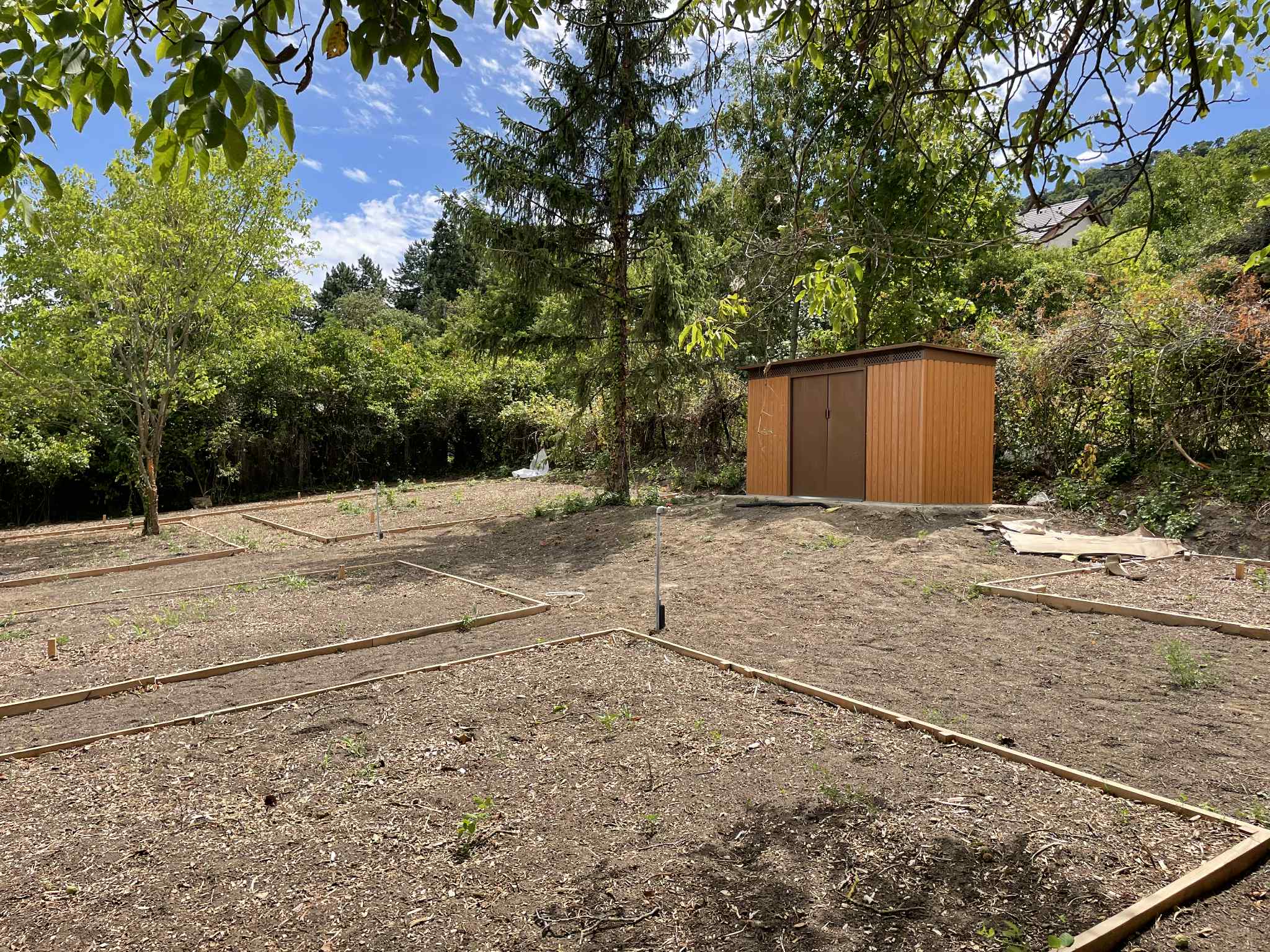
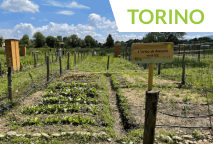
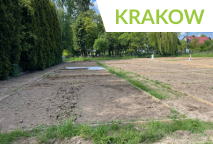
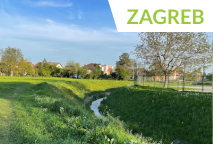
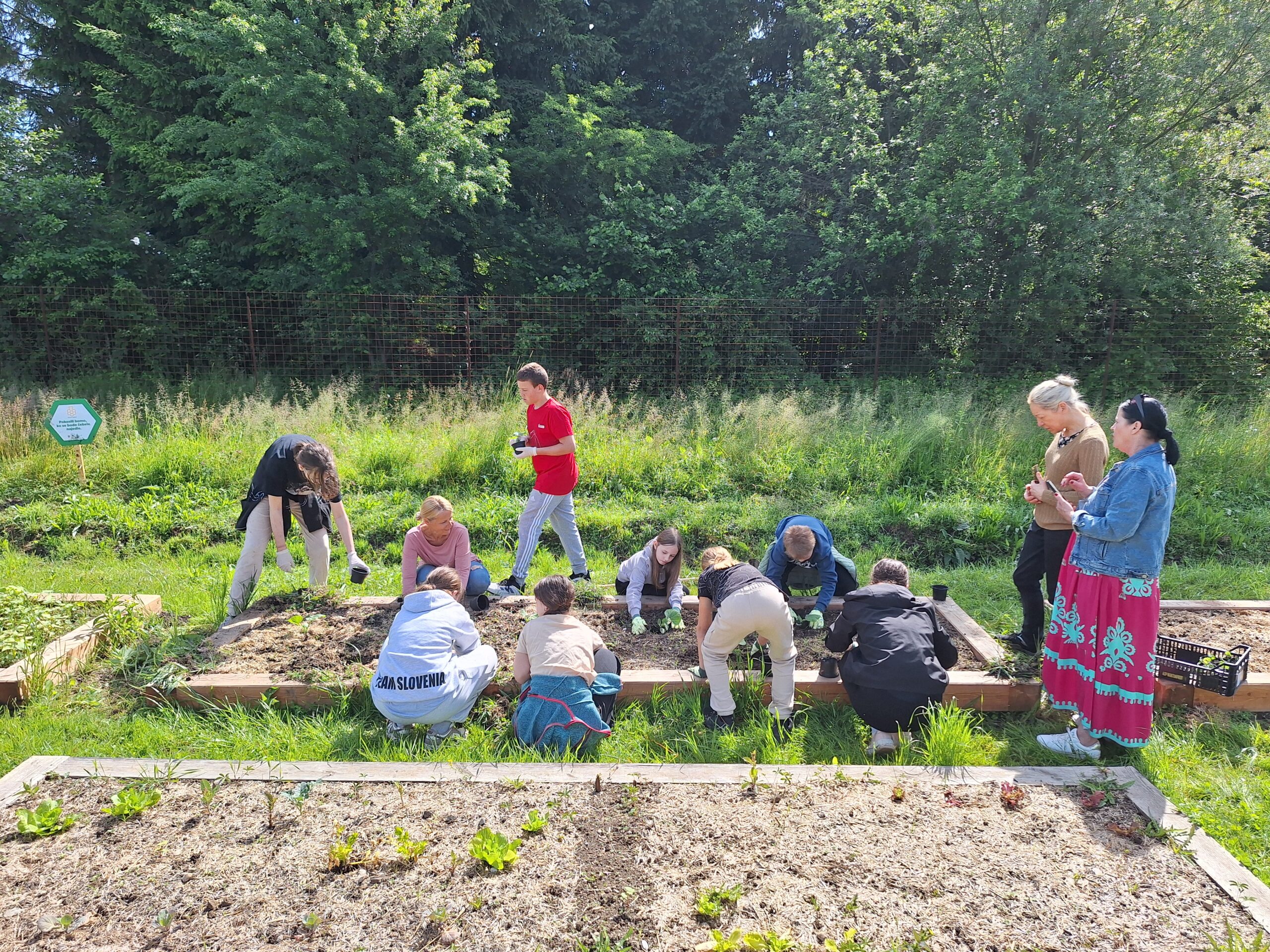
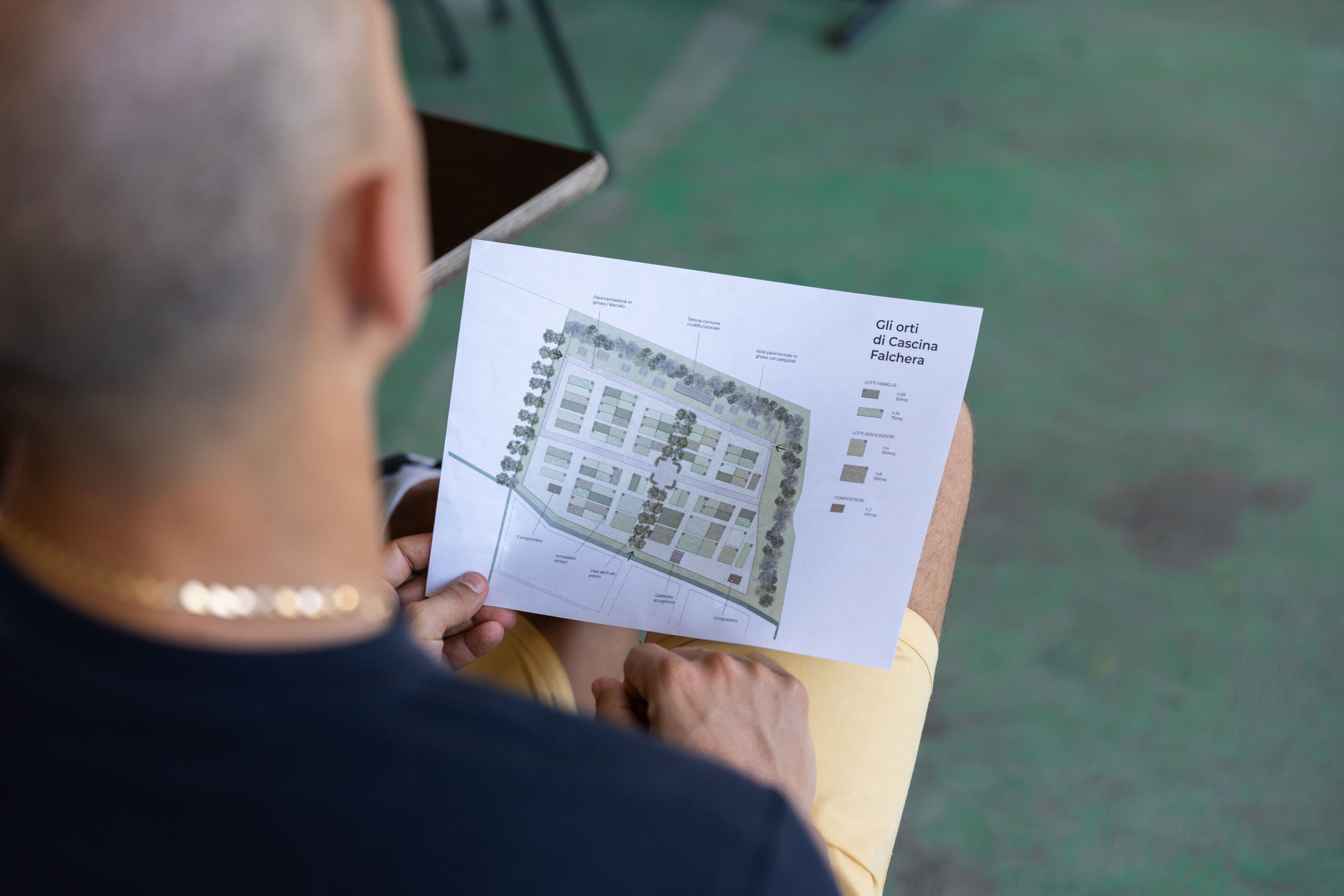
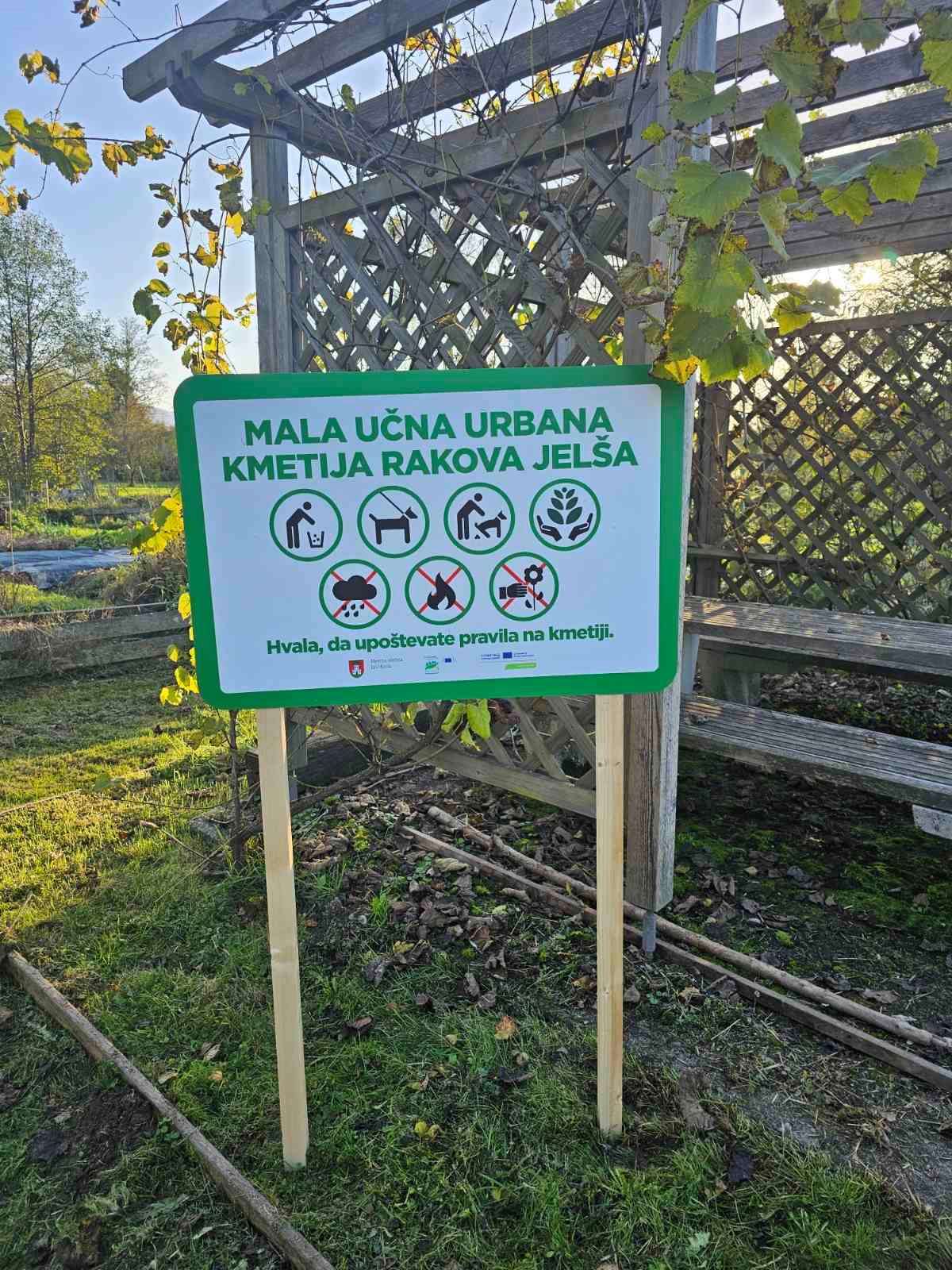
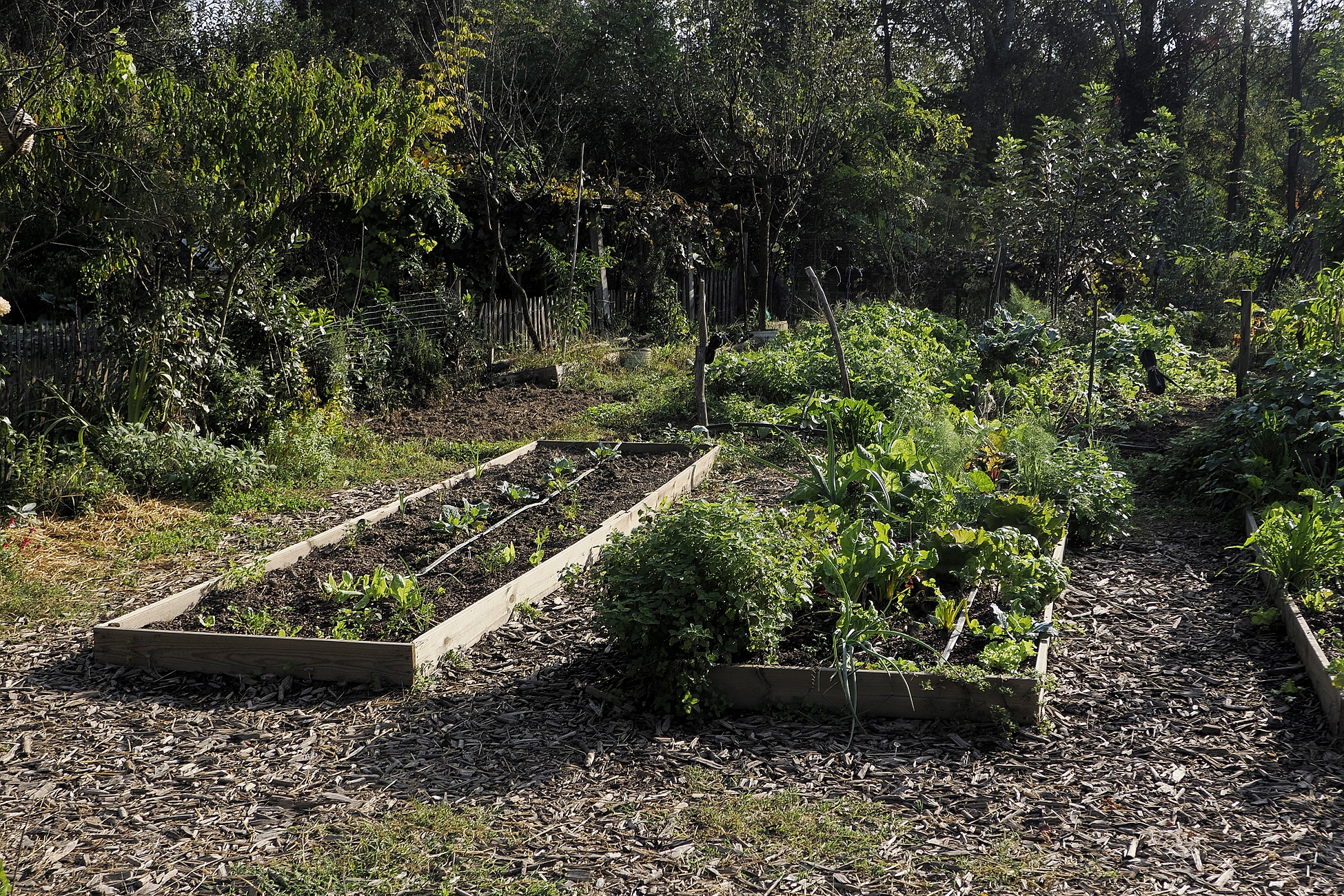
The partnership established or further developed five pilot sites in Budapest, Kraków, Ljubljana, Turin and Zagreb. The pilots included an urban farm, a parcel-based community garden, a mini urban farm, an urban orchard and an educational farming site, each adapted to its local environmental and social context.
Testing practices and involving local communities
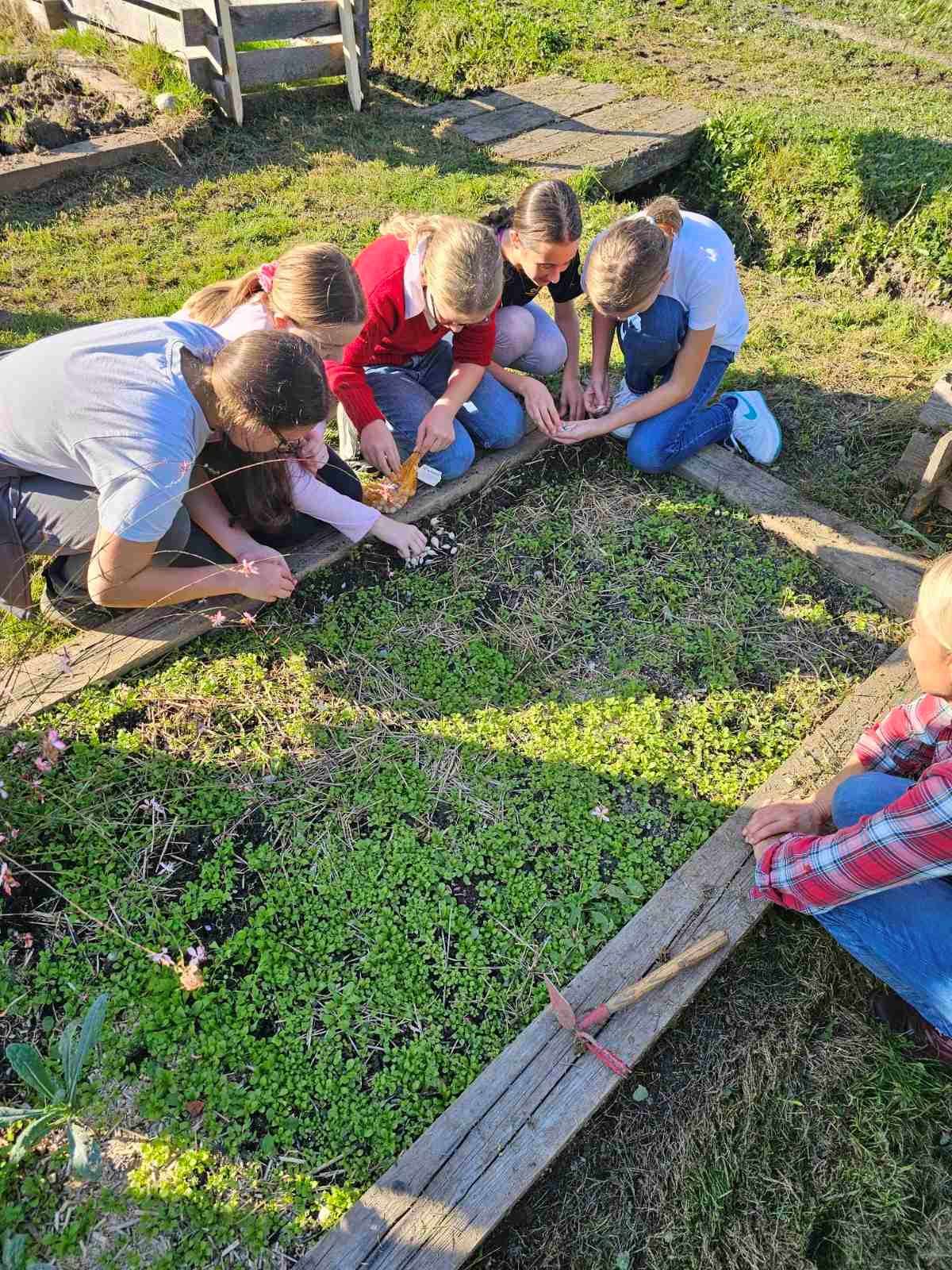
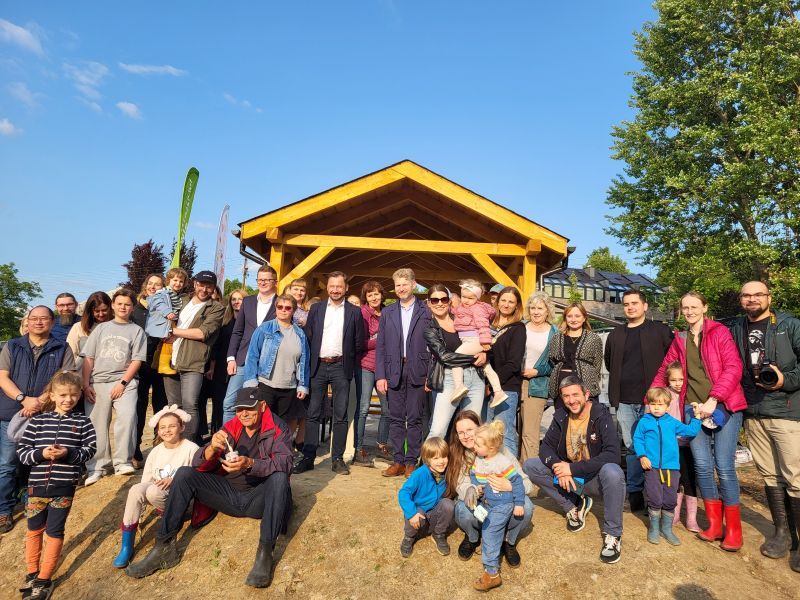
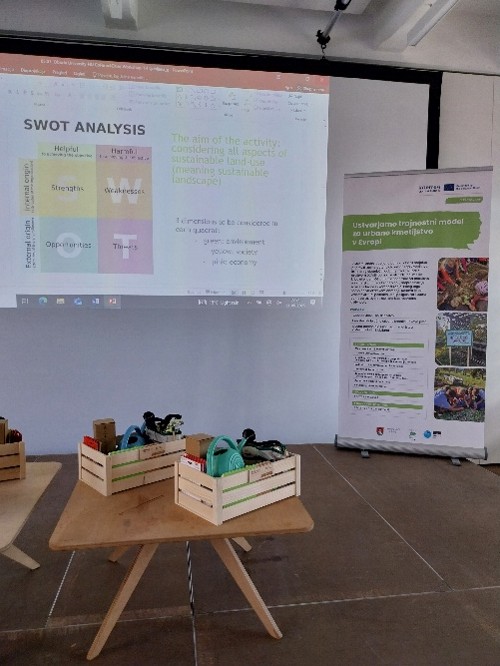
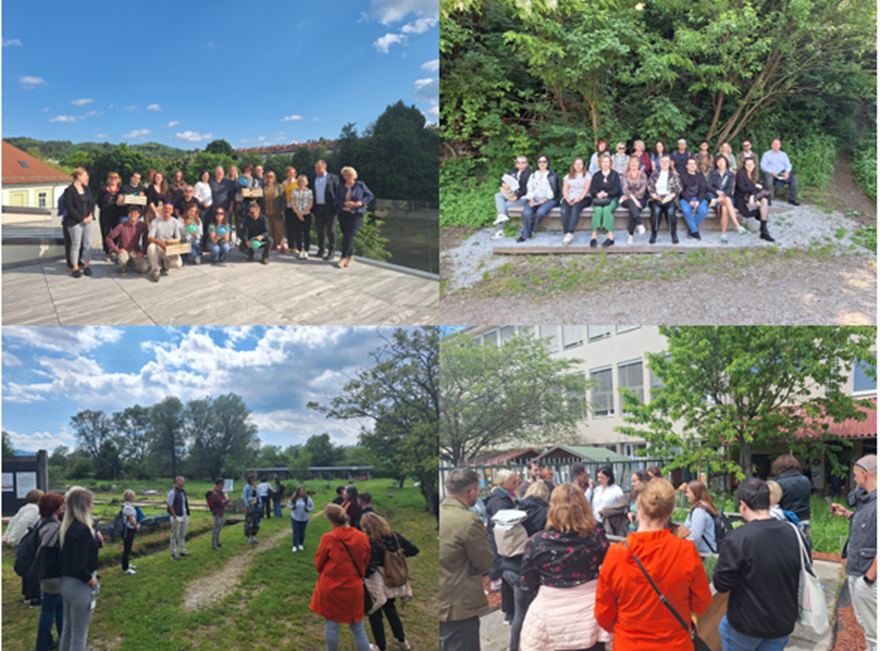
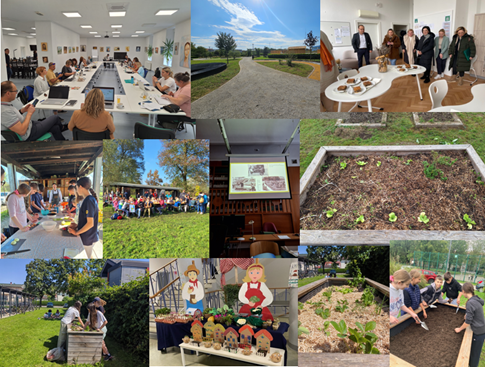
Partners tested practical solutions related to rainwater collection, irrigation, composting, bio-waste processing, soil improvement, biodiversity, crop cultivation and shared gardening infrastructure. They also organised workshops, training sessions, educational activities and community events for residents, gardeners, pupils, teachers, municipal staff and other local stakeholders.
Developing the UFSLU Model and local action plans
The experience collected from the five pilots was analysed and used to develop the Urban Farming-based Sustainable Land Use Model. The model brought together implementation guidance, sustainability criteria, indicators, risk-management measures and stakeholder-engagement methods, while the pilot cities prepared local action plans describing how the tested solutions could be maintained, expanded or replicated.
Continuing the work after the project
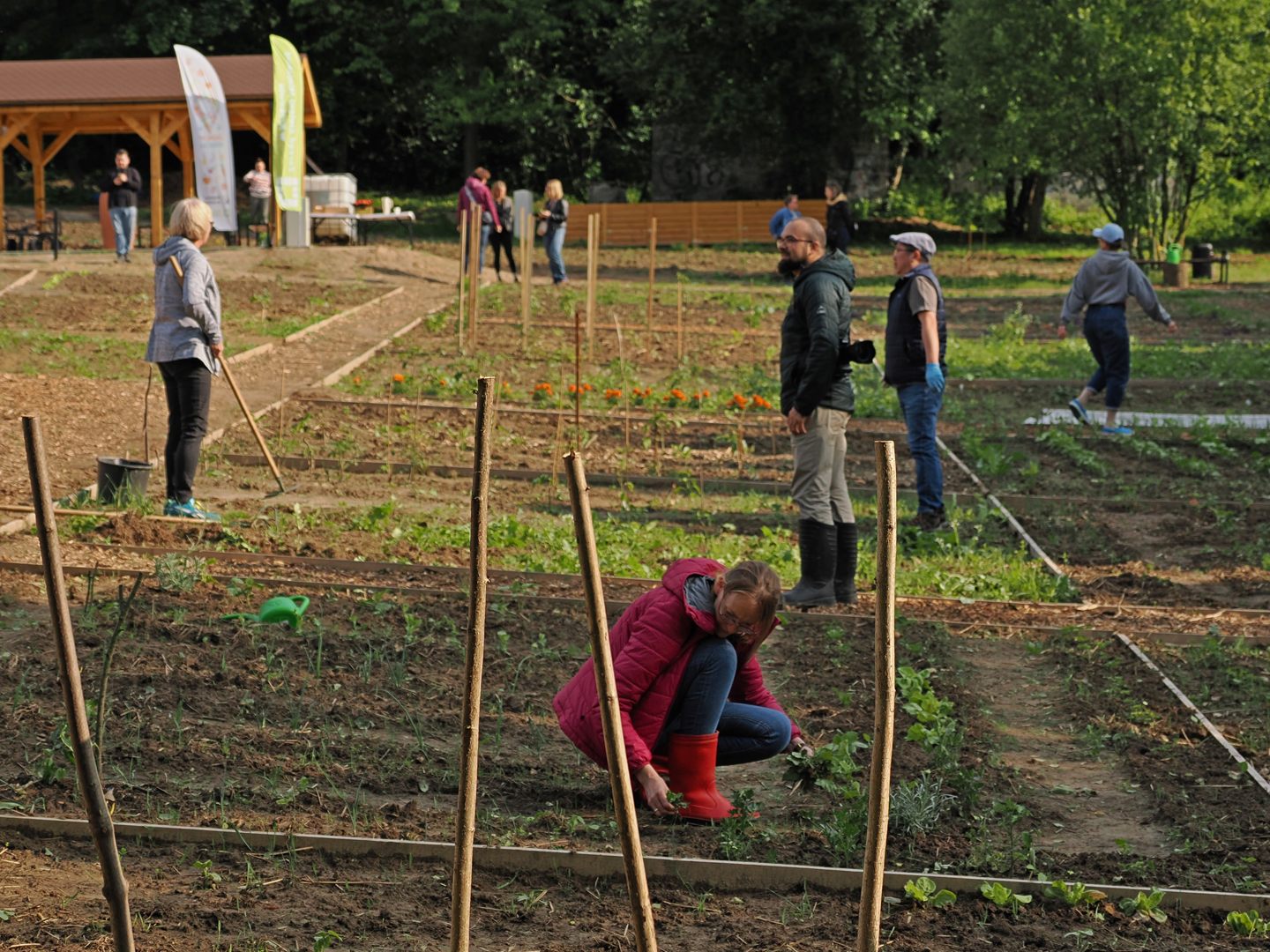
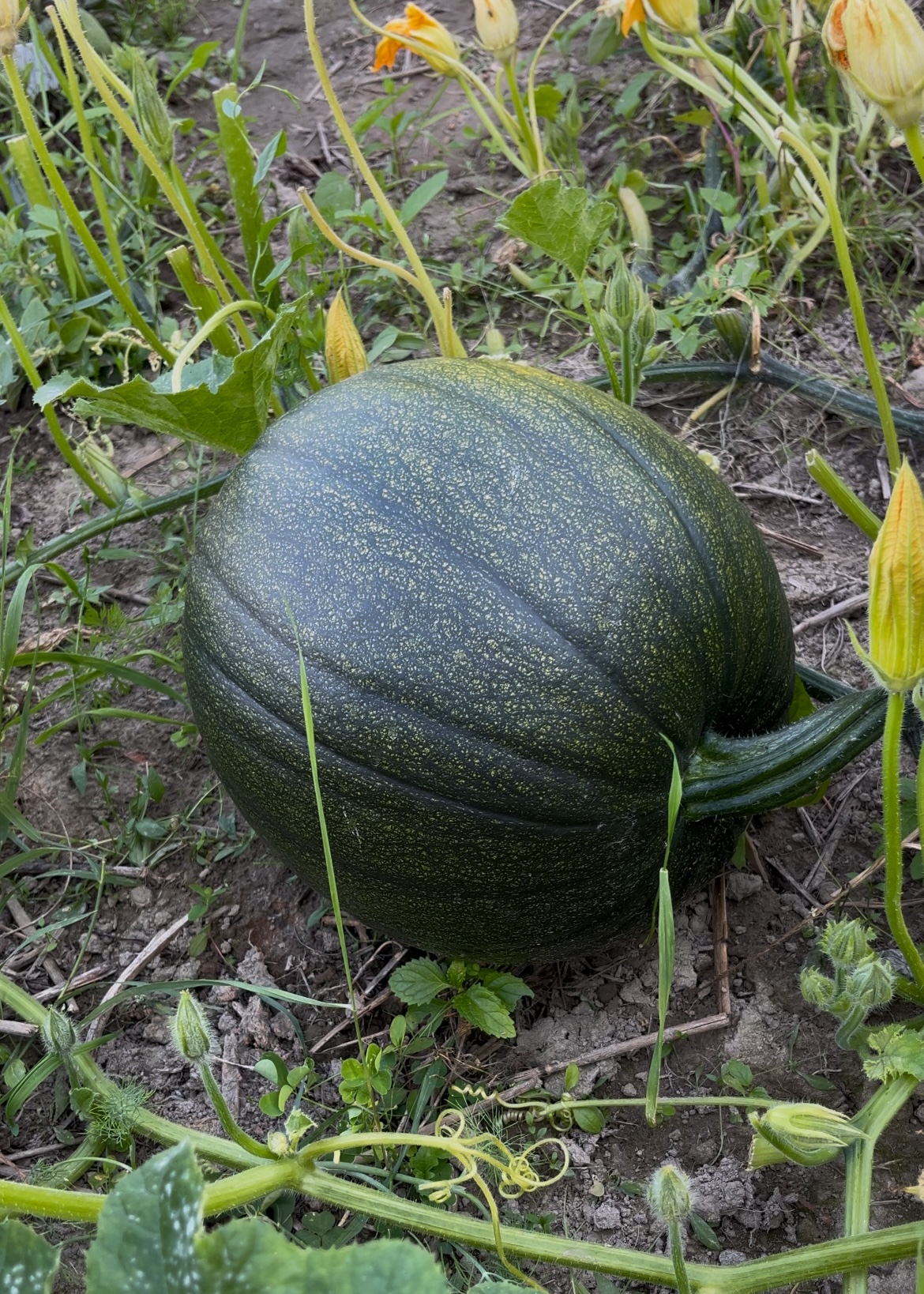
The pilot sites remain active, producing crops and supporting local urban farming activities. Partners began implementing their action plans, using the project results to guide the continued operation and gradual development of the sites.
News


Events
No events found
Pilot actions
Outputs
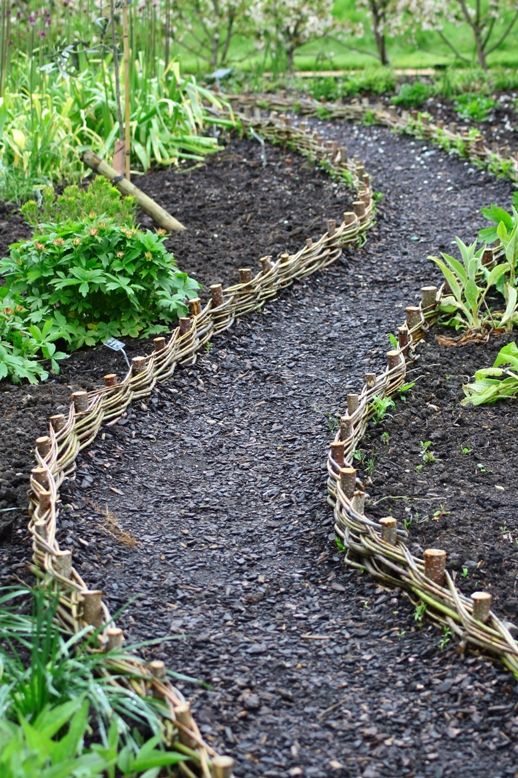
Action plans for partner cities

Jointly developed strategy for adapting the Urban Farming-based Sustainable Land Use model
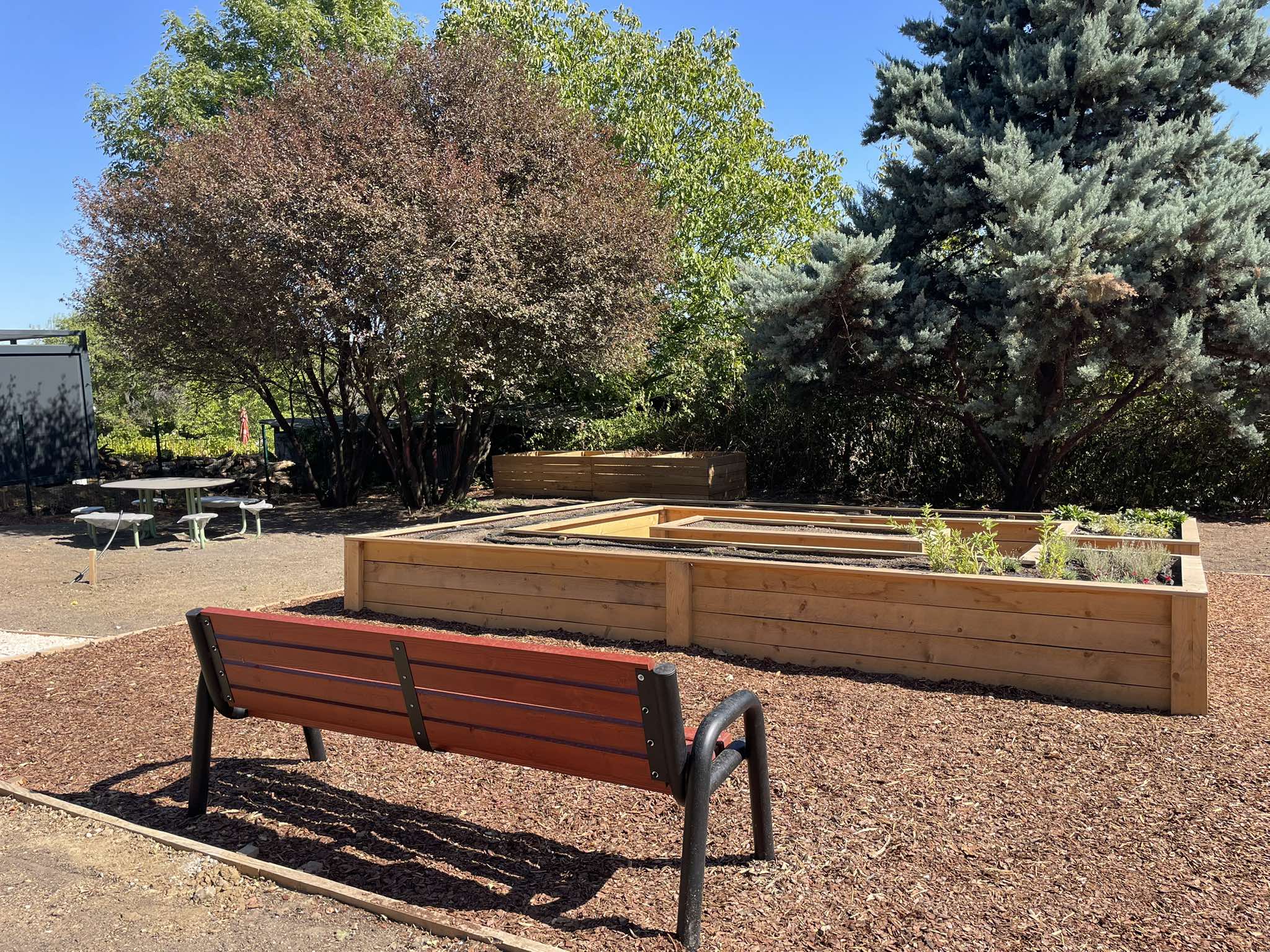
Urban farming solutions developed and tested
Project videos
Project documents
Urban Farming - Infographics
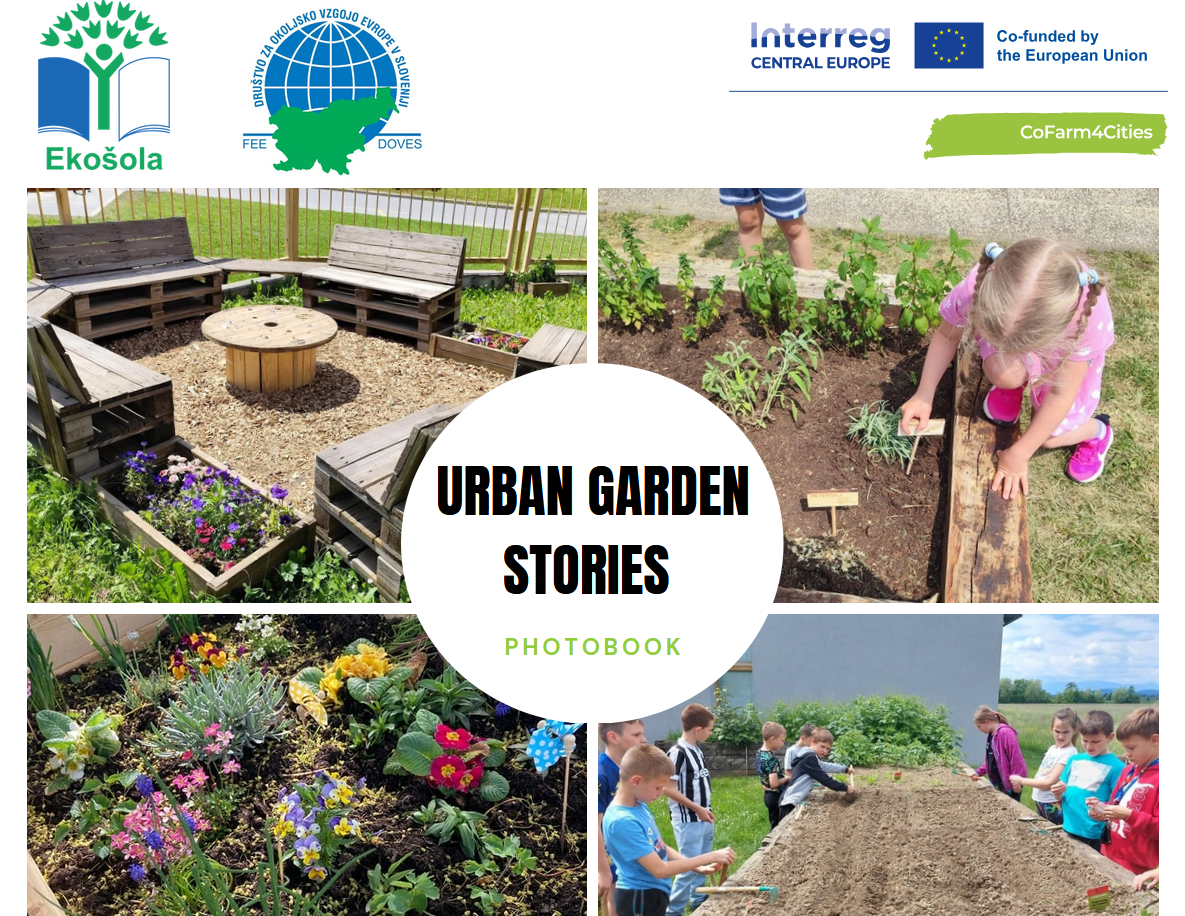
Urban School Gardens
U-Grow School Education
Project images

CoFarm4Cities
The project lead partner is responsible for the content of this project website.