

Project overview
Improving ACCESSibility of last MILE connections of rural and peripheral regions to main TEN-T nodes in Central Europe through ICT
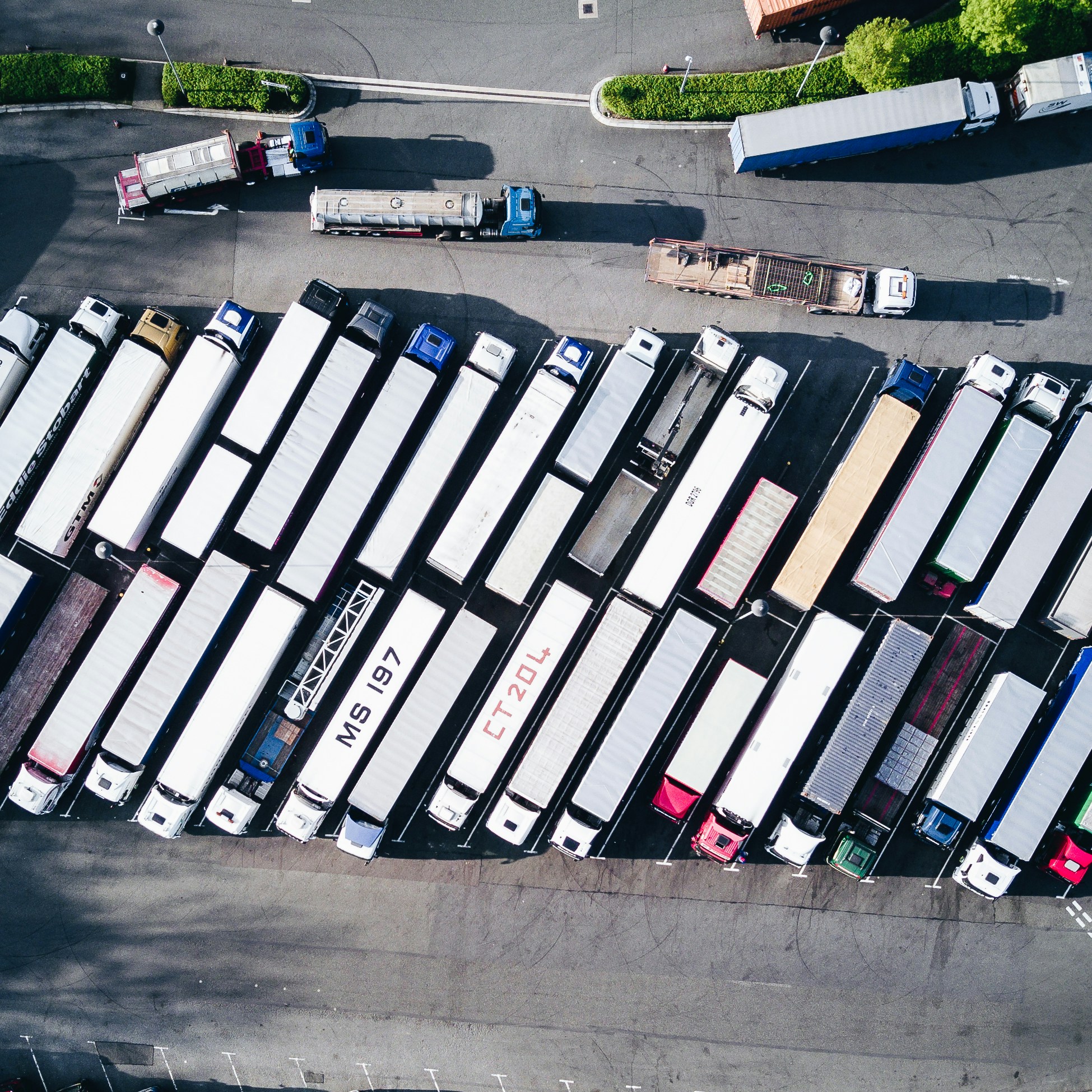
The trans-European transport networks carry a large share of long-distance freight transport across Europe. But connections between the main nodes of these networks and rural or peripheral regions are rather weak, with negative consequences for transport operators. The ACCESSMILE project improved the accessibility of such regions with the networks. To this end, the partners piloted new strategies and action plans to optimise IT processes related to transport flows, gates and cargo bundling.
-
2,03m €
-
Project Budget
-
80%
-
of the Budget is funded by ERDF
-
6
-
Countries
-
9
-
Regions
-
10
-
Partners
-
3
-
Pilots
Duration
Start date
End date
Project progress
Project partnership
Project partners

Lead partner
Port Network Authority of the Eastern Adriatic Sea
Special projects unit
Project partner
Special Projects and Innovation Unit
Strategic Development Department
Roadmap
The Challenge: Bridging the Trans-European Transport Divide
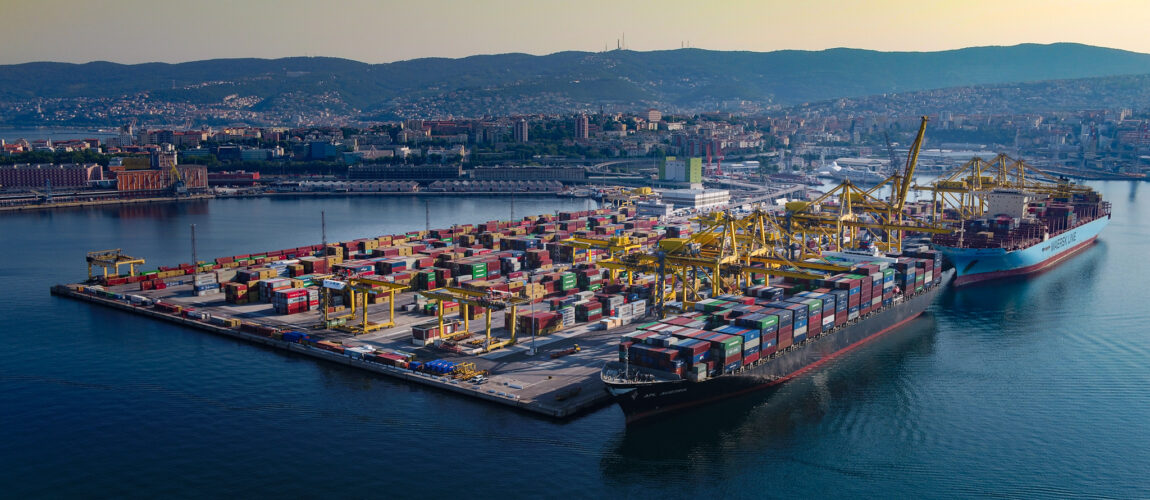
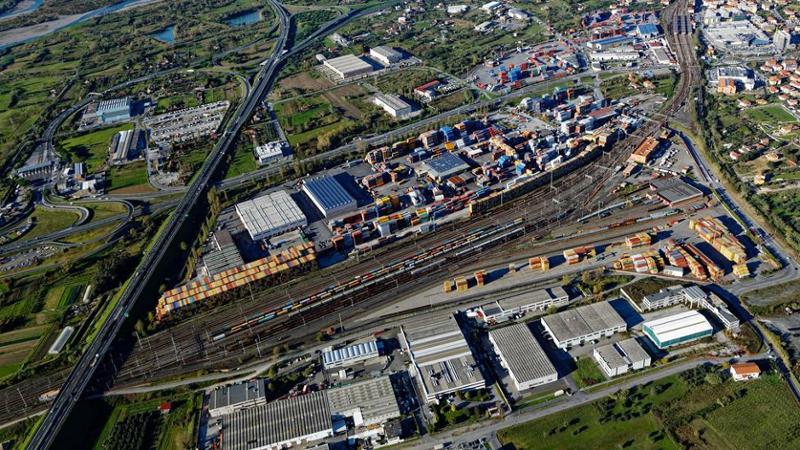
Many rural and peripheral areas in Central Europe depend on ports, intermodal terminals and logistics hubs to connect with European and global markets. However, the “last mile” often remains one of the weakest parts of the logistics chain. Congestion at gates, fragmented information flows, limited coordination and non-interoperable digital tools reduce efficiency, increase emissions and limit access to the TEN-T network.
The Approach: Digital Strategy and Transnational Co-Design
ACCESSMILE addressed this challenge by bringing together ten ports, intermodal terminals and logistics organisations from six Central Europe countries to develop and test digital approaches improving last-mile accessibility. Partners identified common needs and translated them into a transnational Strategy and three Action Plans on traffic flow management/VBS, gates and entry/exit procedures, and cargo bundling and tracking. ACCESSMILE also delivered the policy contribution foreseen in the Application Form. It contributes to the European Green Deal, Territorial Agenda 2030 and EU digital transport policies by reducing congestion and emissions and improving physical and digital connections between peripheral territories and major transport nodes.
Testing in Action: Real-World Pilot Deployments
At national and regional level, ACCESSMILE contributed in translating the objectives into tested operational measures and transferable inputs:
- Italy: Trieste’s Pre-Exit Notification supports digitalisation of port-hinterland access, while La Spezia’s PCS–dry port integration improves road–rail coordination and connectivity with inland/peripheral areas, contributing to national port/logistics priorities and regional strategies in Friuli Venezia Giulia and Liguria.
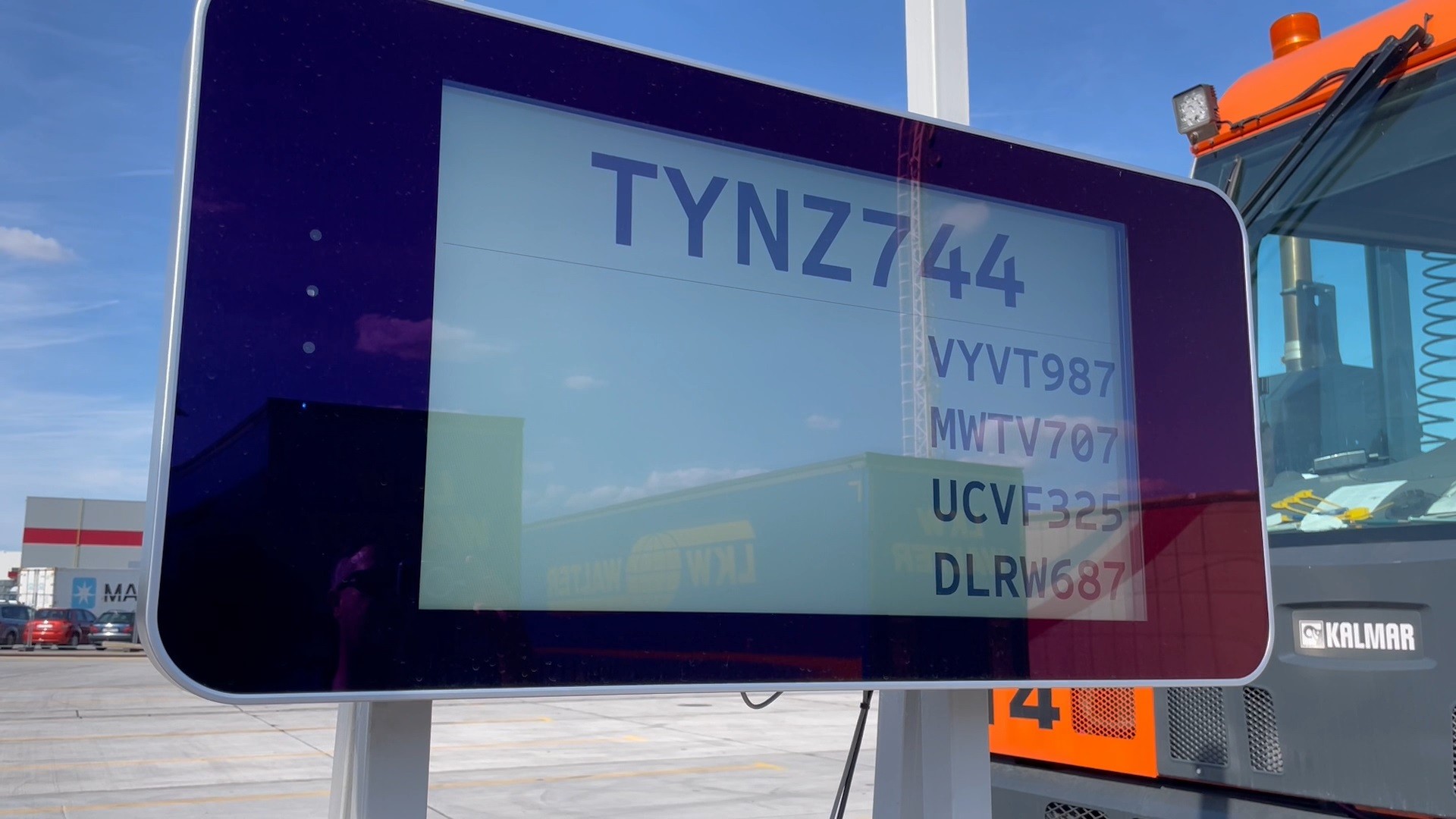
- Slovenia: Koper’s OCR-based Bertoki gate automation supports safer, faster and more predictable access to the TEN-T node, in line with the Transport Development Strategy.
- Croatia: Rijeka’s Portunus upgrade, virtual permits and access readers improve digital access management and interoperability, supporting the Croatian Transport Development Strategy.
- Hungary: MAHART’s booking/call-in tools and the KIR-based truck-access module improve coordination with inland/Danube terminals and support National Transport Strategy objectives.
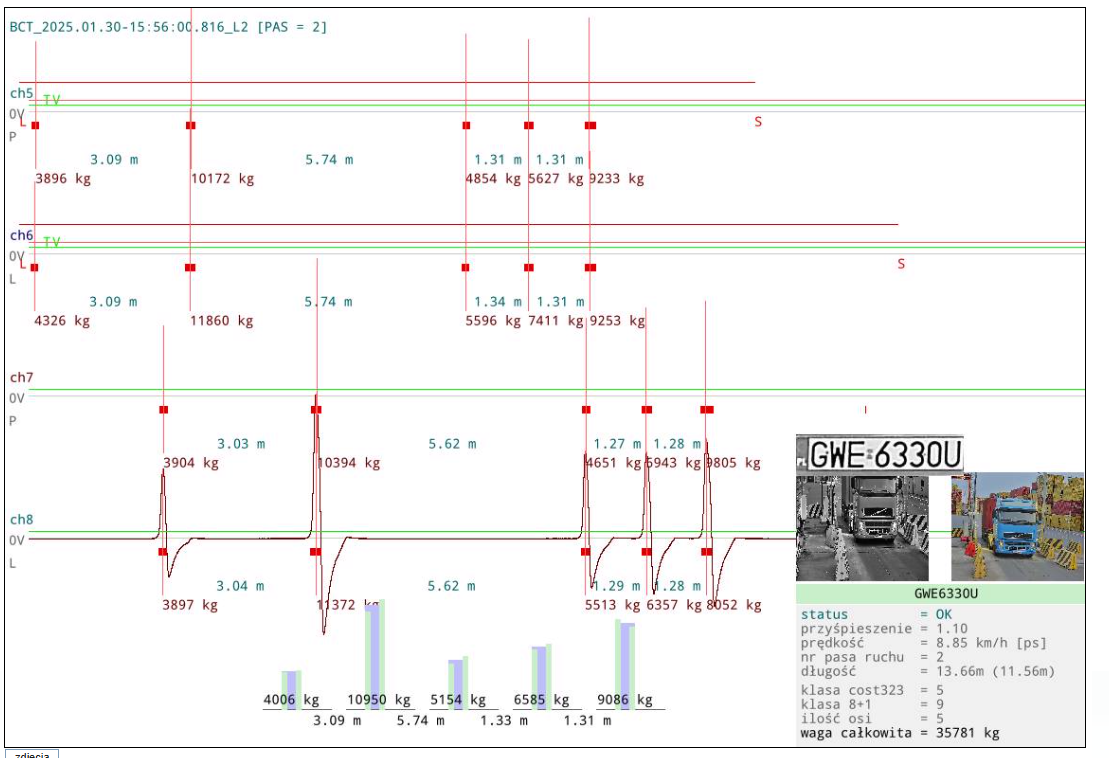
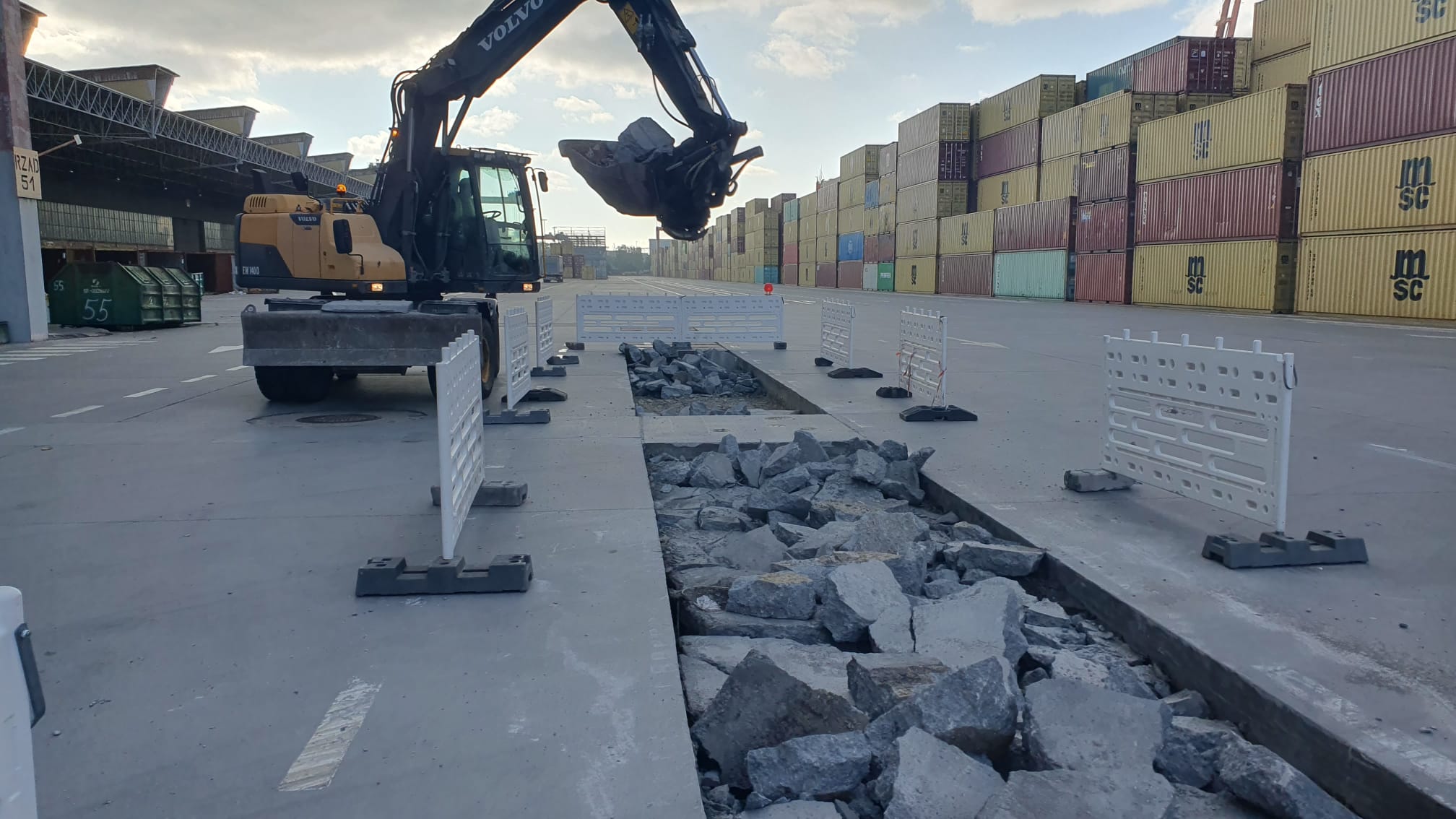
- Poland: Gdynia’s WIM/OCR system improves digital gate control and safety, while MyDesk enables small carriers from peripheral areas to participate in structured logistics chains, supporting national and Pomorskie regional objectives.
- Germany: Rostock’s Digital Navigator improves access to rail and ferry services and supports freight bundling and combined transport in Mecklenburg-Vorpommern.
The benefits of transnational cooperation went beyond the individual pilots. Partners compared operational approaches, identified common lessons and transformed local experience into transferable processes, giving ports, terminals, logistics operators, public authorities and policy makers practical knowledge on how ICT can reduce waiting times, optimise freight flows and facilitate multimodal transport.
The Result & Future Uptake: Mainstreaming and Policy Impact
Durability and uptake are demonstrated by the integration of pilot tools into systems and processes used for daily logistics operations:
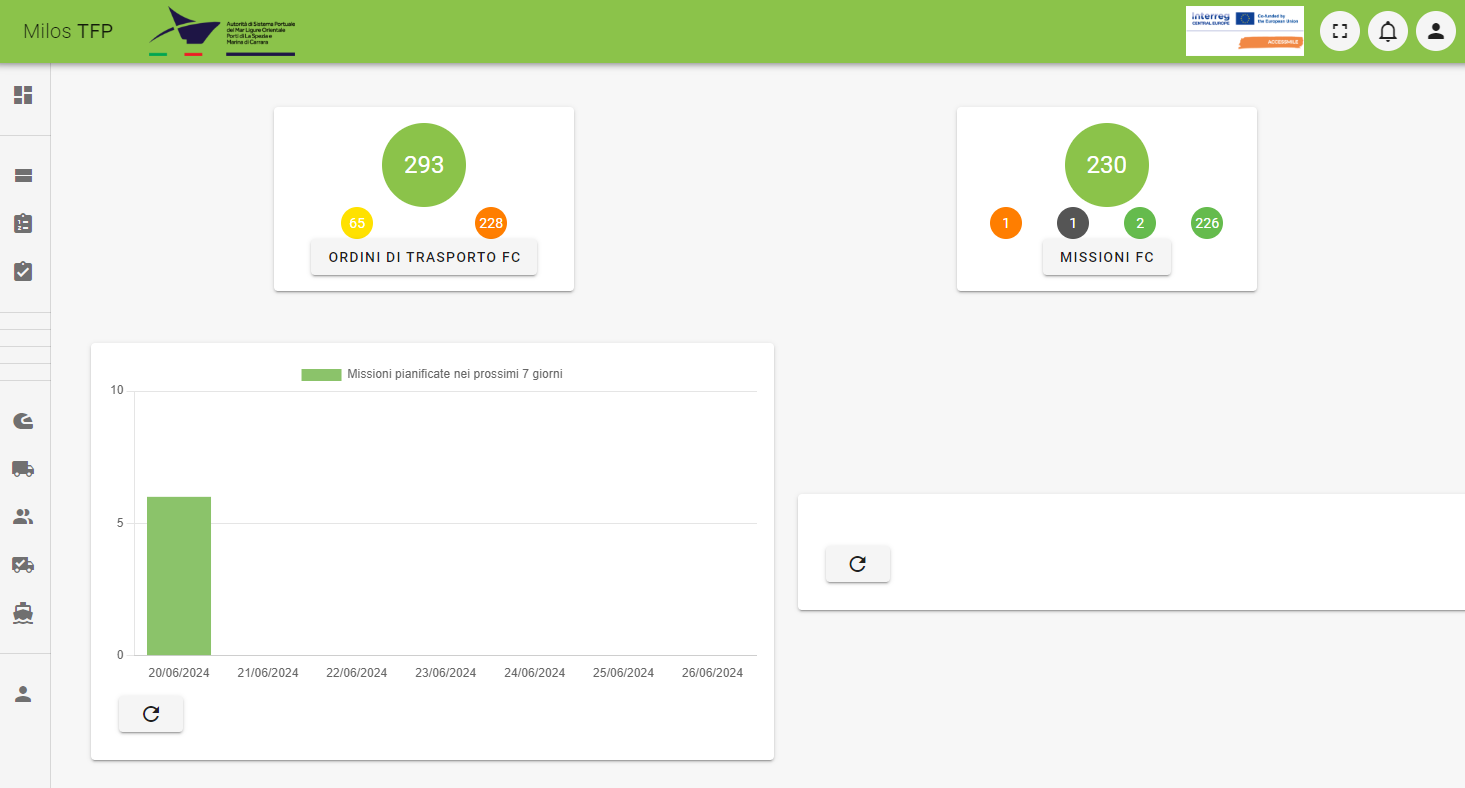
- Pilot Action 1 – Transport flow management/VBS: Trieste’s Pre-Exit Notification is integrated in Sinfomar; Rijeka’s virtual permits/readers in Portunus/access control; MAHART’s booking, call-in and OCR-supported functions in terminal vehicle-flow management.
- Pilot Action 2 – Gates and entry/exit: Verona’s I-TOS upgrade, La Spezia’s PCS–trucking integration, Koper’s operational OCR gate, Hungary’s KIR truck-access module and Gdynia’s WIM/OCR system remain embedded in partners’ operational environments.
- Pilot Action 3 – Cargo bundling and tracking: Gruber Logistics’ MyDesk supports transport-order and document management, while Rostock Port’s Digital Navigator remains accessible through its permanent intermodal website.
Uptake is further supported by the Solutions Uptake Statements signed by all partners and by the Memorandum of Understanding for continued cooperation.
The jointly developed solutions are transferable to other ports, terminals and logistics nodes, as shown by interest from other Italian port authorities in the La Spezia model and by the scalability of the KIR-based approach to additional Danube ports.
ACCESSMILE therefore leaves behind tested digital tools, joint solutions and a cooperation network supporting continued use, replication and the accessibility and competitiveness of rural and peripheral areas.
News



Events

Pilot actions
Outputs
Transnational Strategy for Last-Mile Digital Accessibility
Action plan for Smart Gate & Vehicle Booking Systems
Action plan for port/terminal gates and entry/exit
Action Plan for Cargo Bundling and IT Tracking in Peripheral Regions
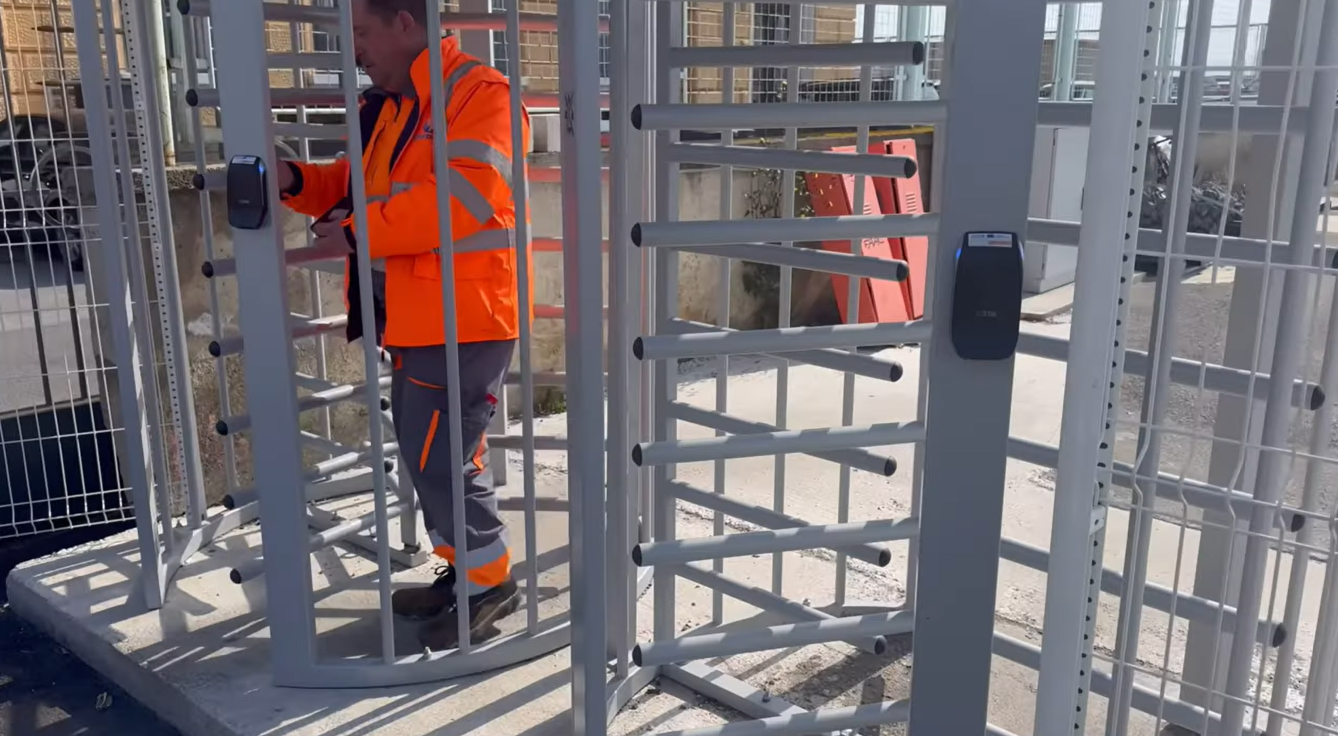
Solutions topic1: transport flow management and Vehicle Booking Systems
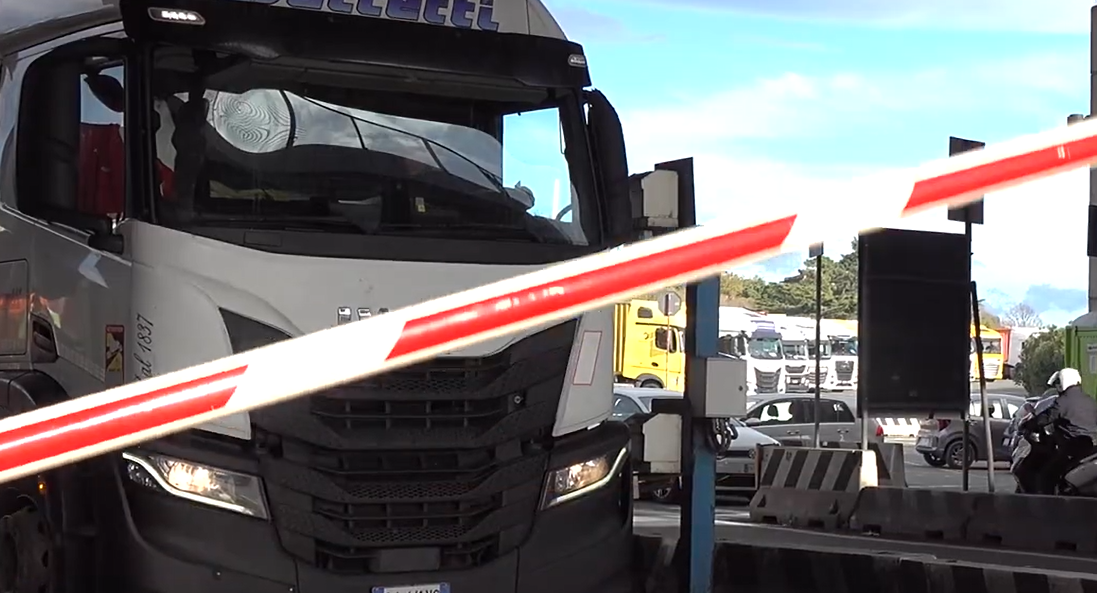
Solutions topic2: gates & entry/exit tools and procedures
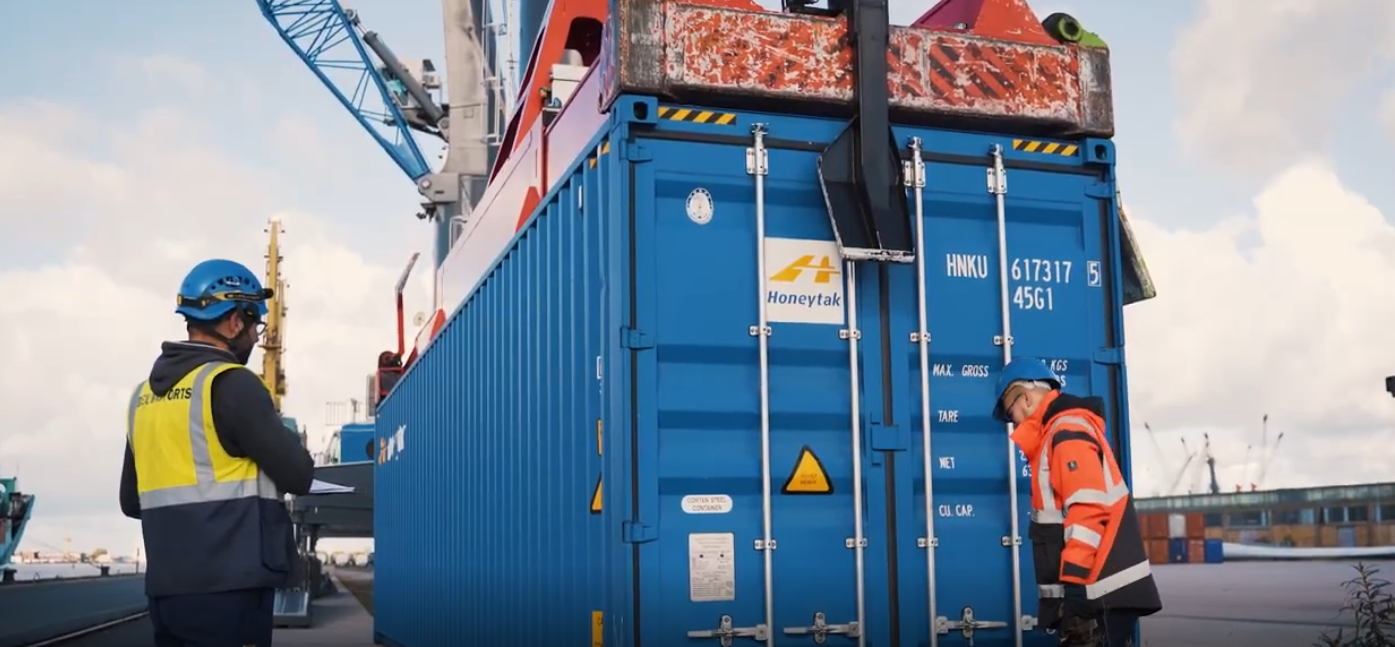
Solutions topic3: cargo bunding and tracking
Project videos
Project documents
Newsletters
ACCESSMILE
The project lead partner is responsible for the content of this project website.