

Project overview
Mentor Network and Knowledge Hub boosting business actors’ and support organisations’ skills & knowledge to nurture pioneering business concepts in the emerging sectors of forest-based green economy
Border regions between Croatia, Hungary and Slovenia host rich forests and rivers but struggle with low incomes, weak connectivity and little awareness of new green markets such as carbon farming or biodiversity credits. Pannon Future Forest works to turn this nature into shared prosperity. Partners create a cross-border knowledge hub and mentor network that train local actors and business support organisations, coach pilot projects in sustainable forestry and land management and share tools so other inner-periphery areas can follow.
-
0,79m €
-
Project Budget
-
80%
-
of the Budget is funded by ERDF
-
3
-
Countries
-
3
-
Regions
-
5
-
Partners
-
1
-
Pilots
Duration
Start date
End date
Project progress
Project partnership
Project partners

Lead partner
Pannon European Grouping of Territorial Cooperation
Project partner
Forest administration Osijek
Roadmap
Context
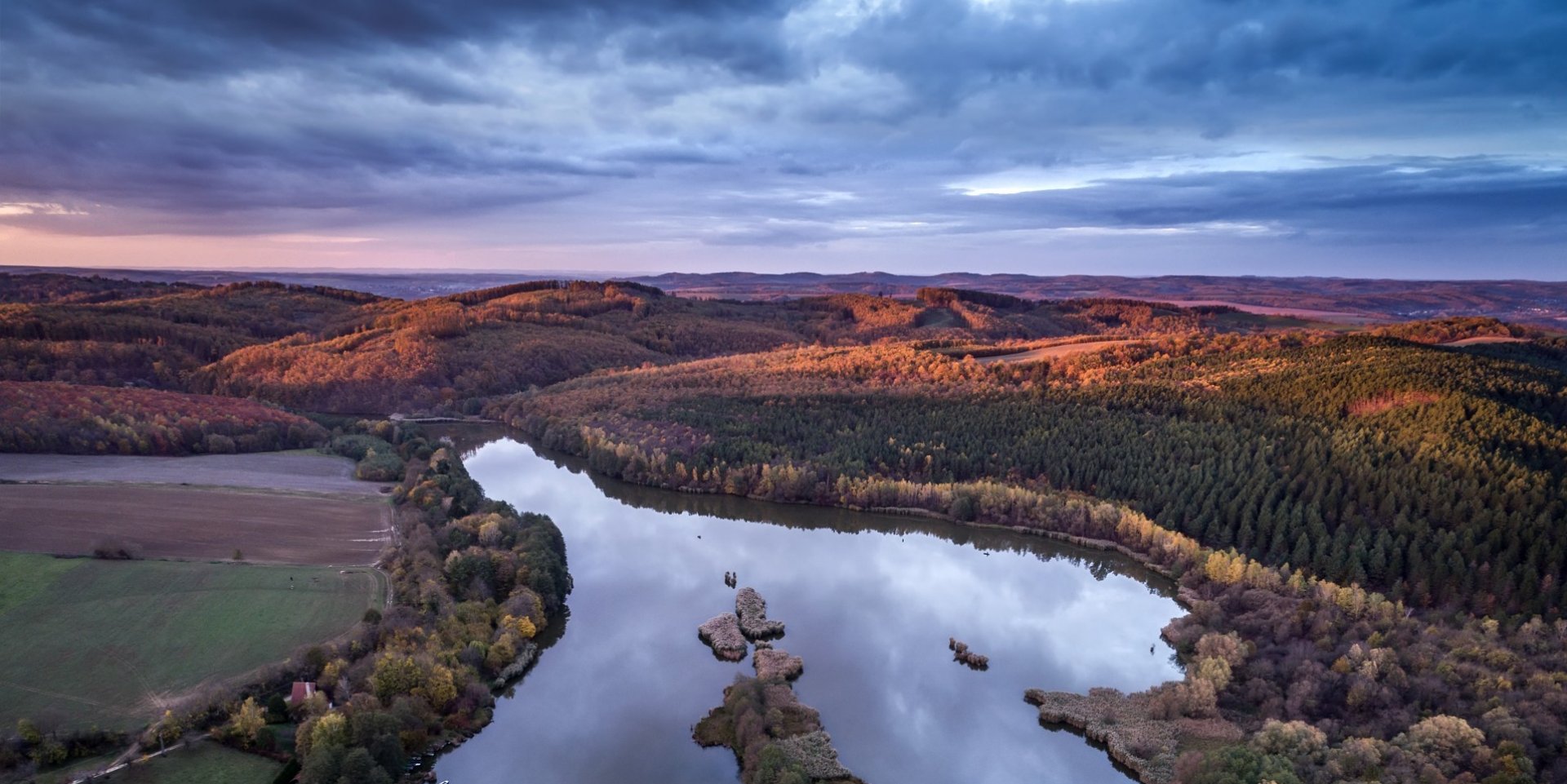
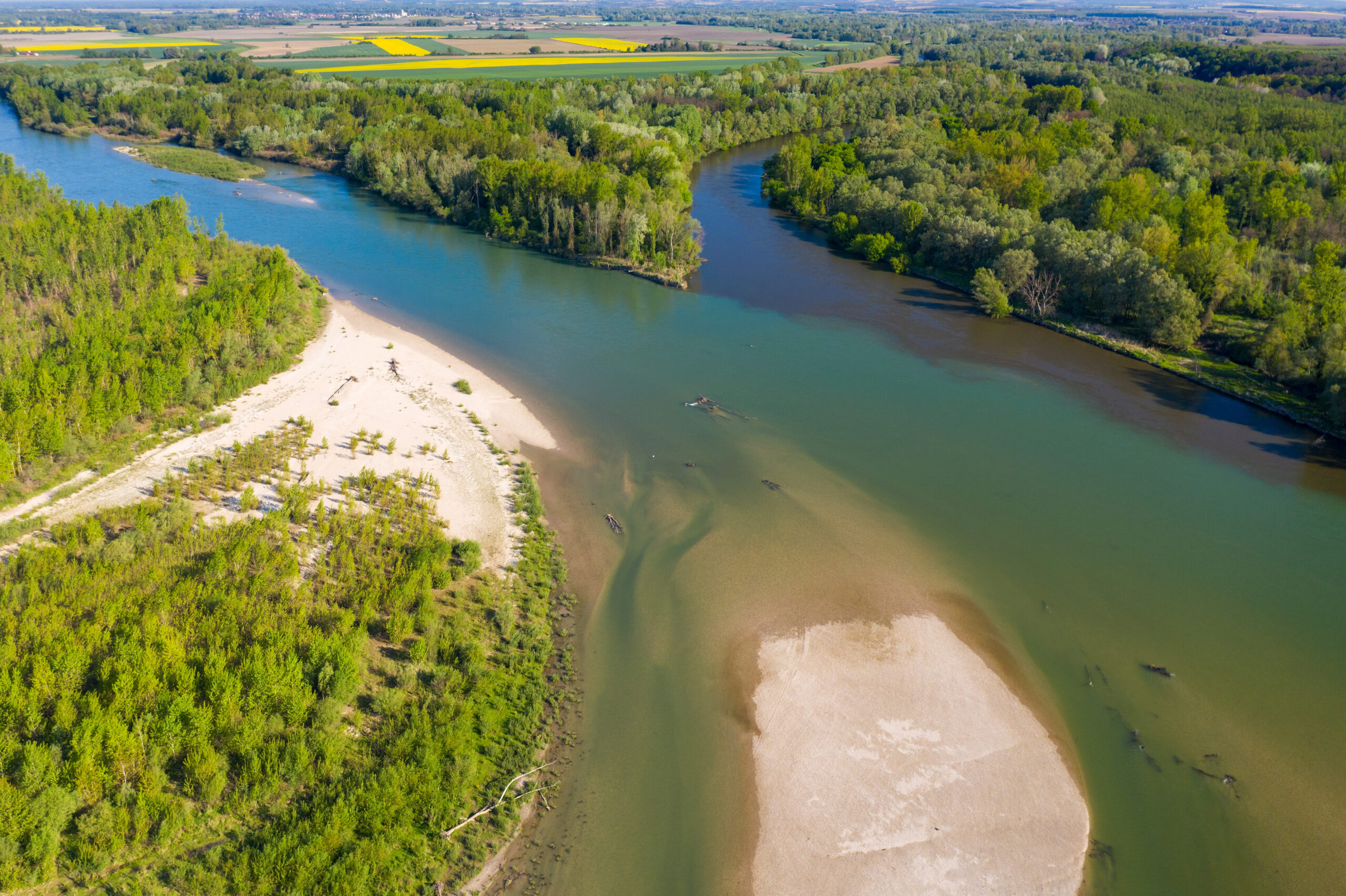
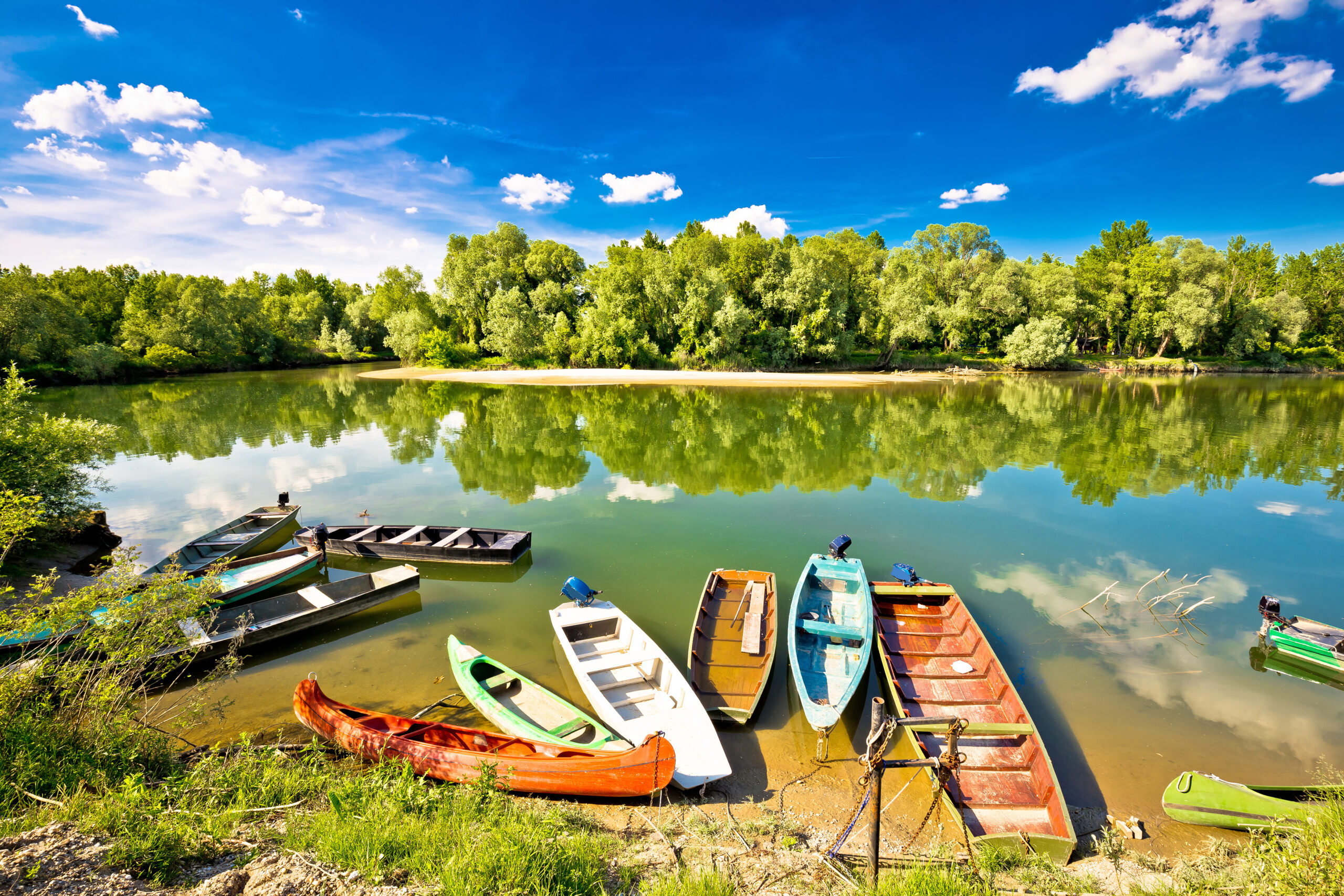
Pannon Future Forest is implemented in predominantly rural and peripheral territories along the Hungarian–Slovenian and Hungarian–Croatian border areas. These regions contain valuable forests, wetlands and grasslands, including areas connected to the Mura–Drava–Danube river system and significant forest ecosystems. The project operates in the emerging forest-based green economy, focusing on forest-based bioeconomy, climate-tech solutions and innovation in sustainable forest and land management. New environmental markets, including carbon farming, biodiversity credits, ecosystem services and nature-based business models, create considerable development opportunities for these territories.
Challenge

Although the target area has outstanding natural resources, their economic potential remains largely underused because local businesses and support organisations lack the necessary thematic knowledge, entrepreneurial skills and innovation networks. Business support organisations are often unfamiliar with emerging environmental markets, while forestry and nature conservation experts have limited experience in developing market-ready business concepts. The absence of specialised mentors, investors and cooperation mechanisms makes it difficult for innovative ideas to progress from an initial concept to a viable solution.
Idea

What if a transnational knowledge, mentoring and business-support ecosystem could help local actors transform the region’s natural assets into sustainable and innovative business solutions?
Solution
Pannon Future Forest will develop and validate a transnational Mentor Programme and Knowledge Hub that connects business actors, support organisations, experts and investors working in the emerging forest-based green economy.
How it works
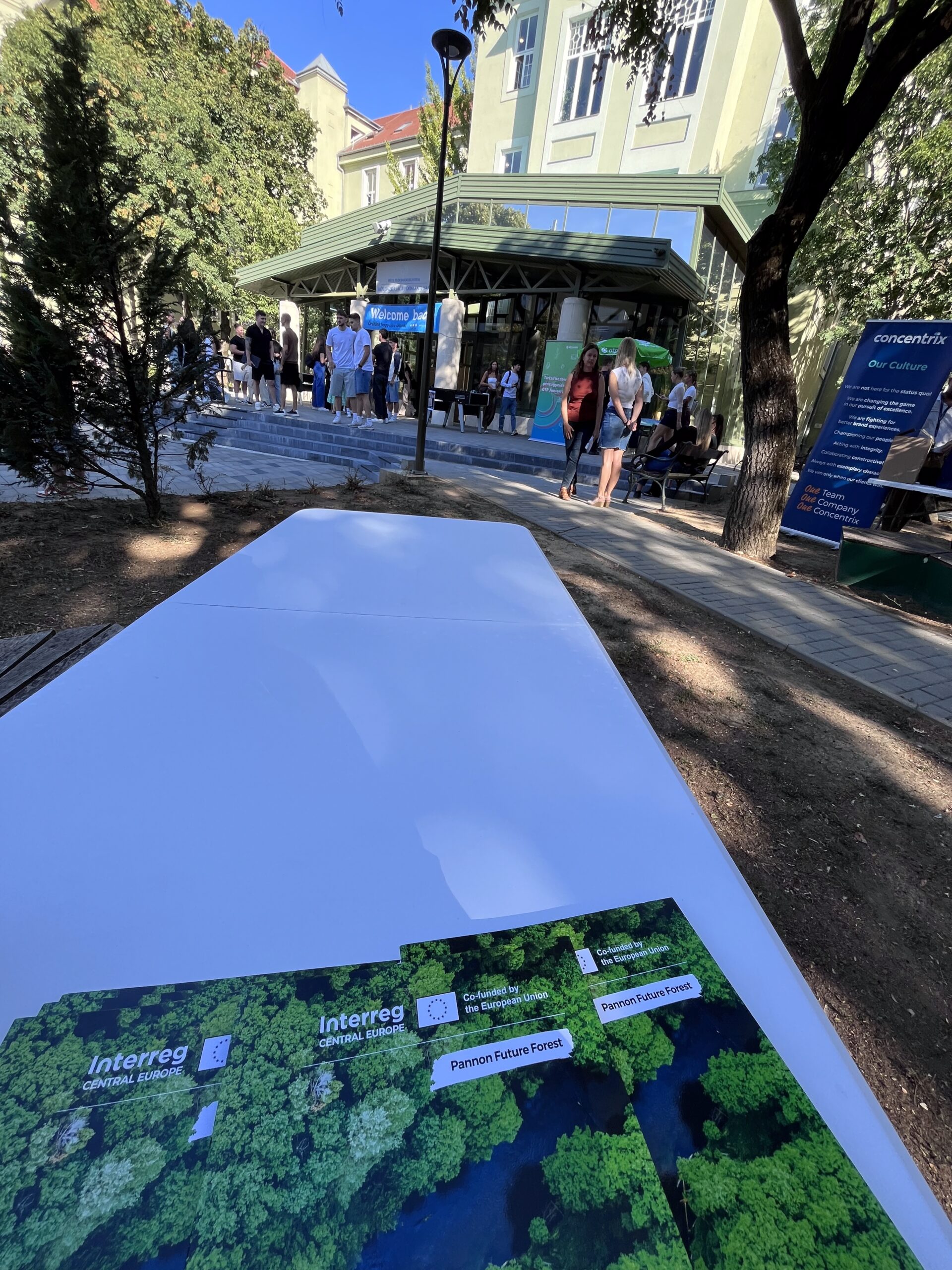
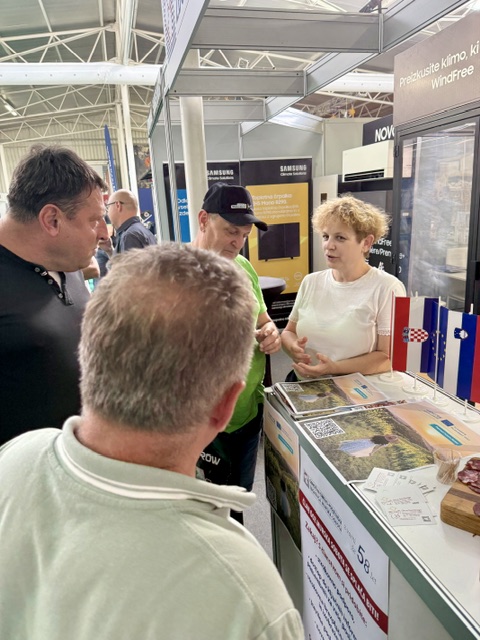
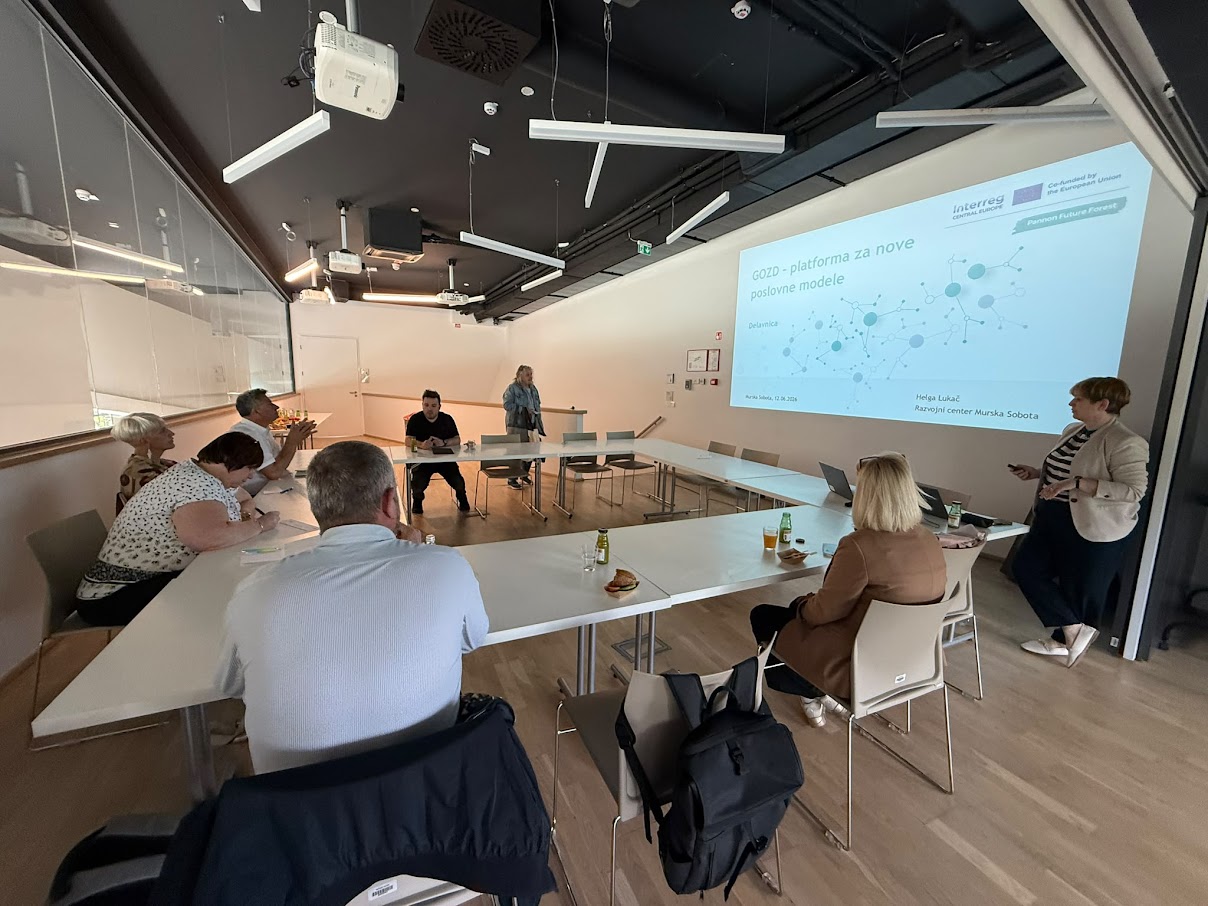
The project first creates a European-scale Benchmark Study covering business opportunities, relevant organisations and successful support models in forest-based bioeconomy, climate-tech and sustainable land management. Business support organisations are then trained as local “catalysers” and jointly assess how the natural resources of the target area could be valorised through new products, services and business models. Potential entrepreneurs and companies are engaged through targeted mapping and roadshow events, followed by an application process and needs assessment. Selected ideas are developed at a transnational Hackathon and subsequently supported through a tailored Mentor Programme involving thematic and business-development experts. The resulting Mentor Network, business community, knowledge resources and validated mentoring methodology are integrated into the online Pannon Future Forest Knowledge Hub and presented at the final Acceleration Event.
Proof
The project brings together five project partners from Hungary, Croatia and Slovenia, supported by two strategic partners providing European-level expertise. Three national capacity-building and valorisation workshops and six business roadshow events will engage organisations, entrepreneurs and potential innovators across the target territories. One transnational Hackathon will generate a portfolio of business ideas, from which approximately three to five initiatives per country will be selected for a jointly implemented pilot Mentor Programme. The project will deliver one joint valorisation strategy, one transnational pilot, one validated mentoring service and one Knowledge Hub, while at least four organisations are expected to continue cross-border cooperation after project completion.
Impact
Pannon Future Forest will turn fragmented knowledge and underused natural assets into a lasting transnational ecosystem that continuously supports pioneering green businesses, expands access to expertise and investment, and strengthens sustainable economic development across the wider border region.
News


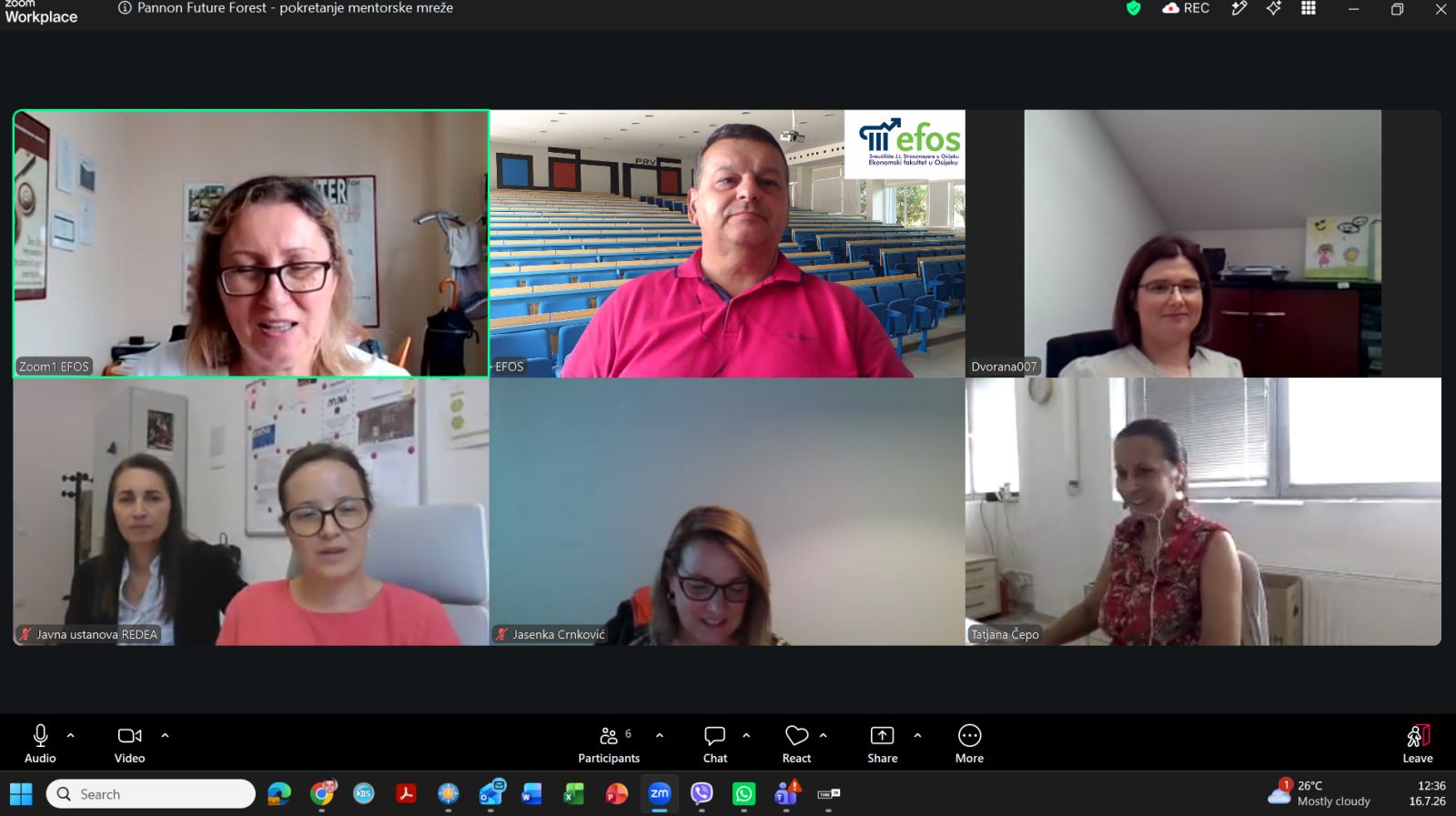
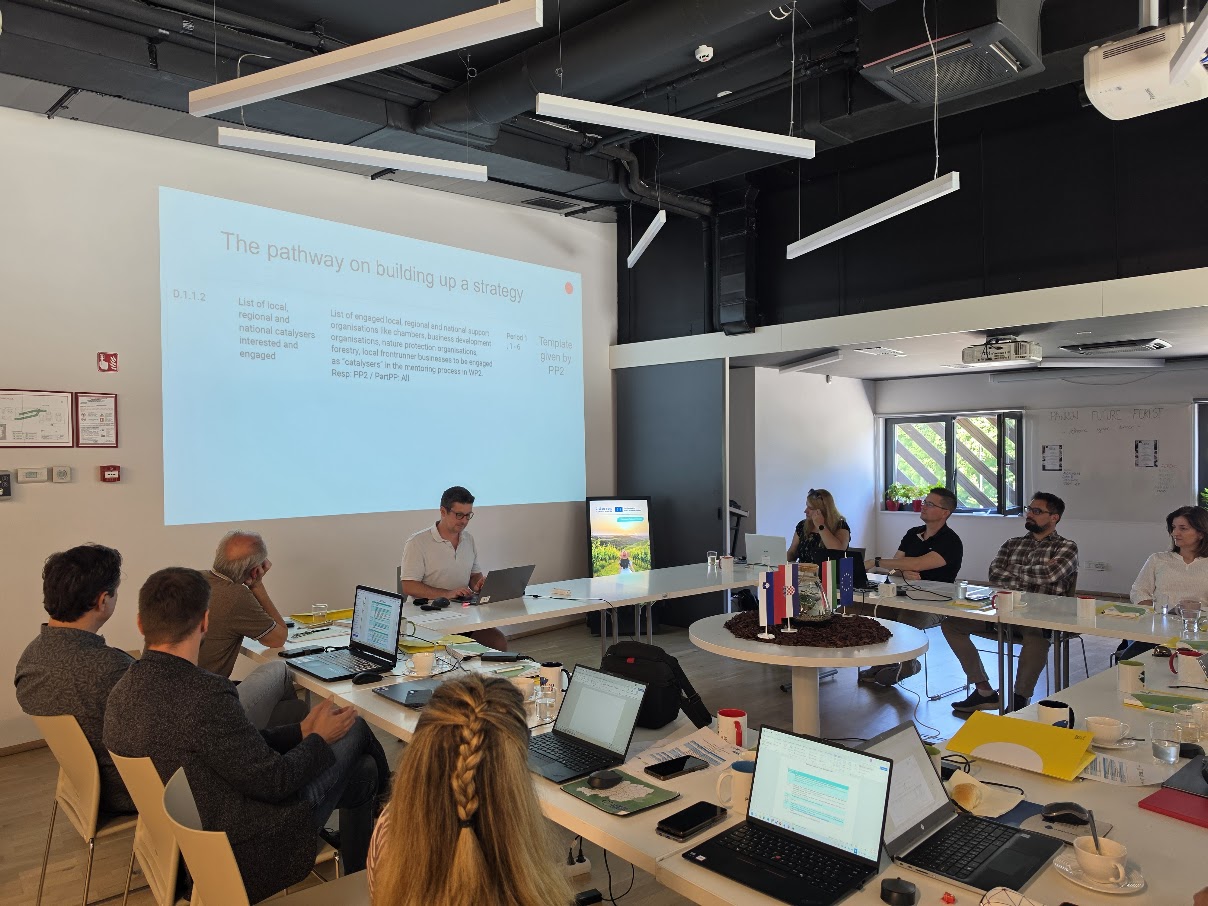

Events
Pilot actions
Outputs

Cross-border Forest Cooperation Partnership Established

Joint Strategy for Pannon Future Forest Development

Validated Pannon Future Forest Knowledge Hub
Project videos
Project documents
Forest as a reinterpreted product: Benchmark Study / Pannon Future Forest business development potentials within the forest-based bioeconomy
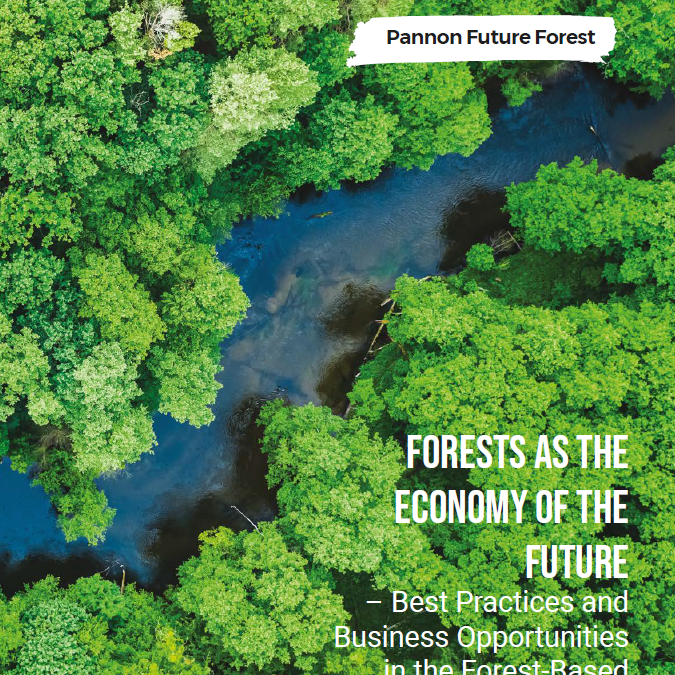
Forests as the Economy of the Future – Best Practices and Business Opportunities in the Forest-Based Bioeconomy
Az erdő mint a jövő gazdasági erőforrása Jó gyakorlatok és üzleti lehetőségek az erdőalapú bioökonómiában
Šume kao gospodarstvo budućnosti – dobre prakse i poslovne prilike u šumskom biogospodarstvu.
Gozdovi kot gospodarstvo prihodnosti Dobre prakse in poslovne priložnosti v gozdni ekonomiji
Pannon Future Forest
The project lead partner is responsible for the content of this project website.