


Project overview
Human-Nature Interactions and Impacts of Tourist Activities on Protected Areas
Tourism in protected areas is a sensitive issue. It is sometimes hard to find the right balance between preserving these and opening them up to visitors. The HUMANITA project developed evidence-based and participatory management tools that allow regions to better monitor and evaluate the impact of tourism in protected areas. The partnership involved tourists and local communities in the development of their solutions, which helped to collect data, create more awareness and change behaviour.
-
2,36m €
-
Project Budget
-
80%
-
of the Budget is funded by ERDF
-
5
-
Countries
-
9
-
Regions
-
10
-
Partners
-
5
-
Pilots
Duration
Start date
End date
Project progress
About the project
Project partnership
Project partners

Lead partner
University of Žilina
Department of Geotechnics
01026 Žilina
Project partner
Institute for Regional Development
Engineering & IT
9135 Bad Eisenkappel/Železna Kapla
Project department
54013 Sassalbo di Fivizzano (MS)
Department of Project Management
Roadmap
Challenge
Key project message
Approach
Joint preparation of 5 pilot actions
Solutions
Participatory monitoring
Five local action plans
Transnational recommendations
News




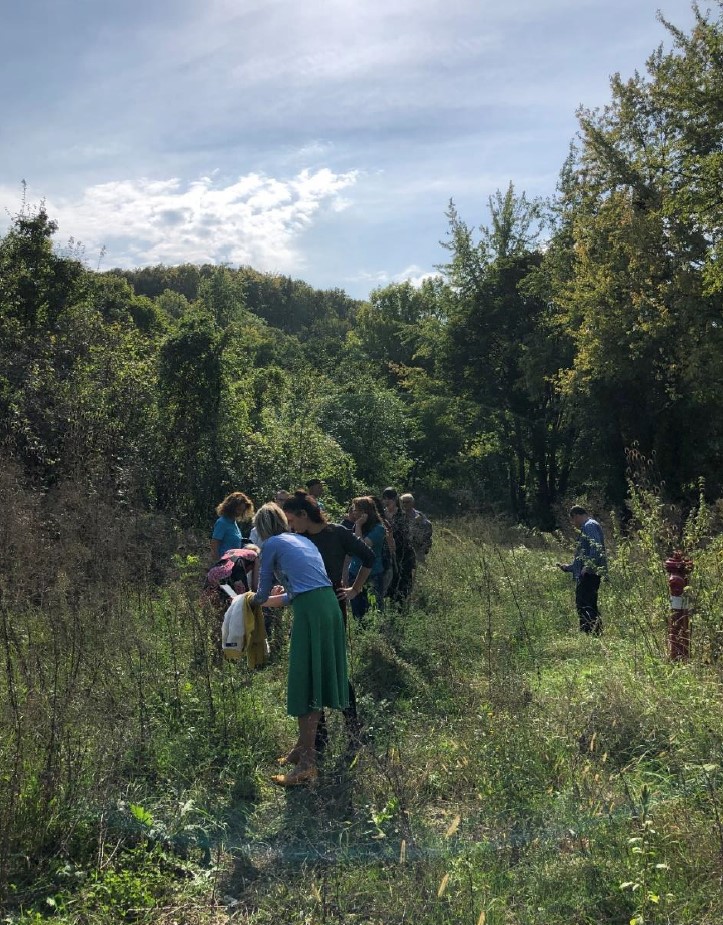
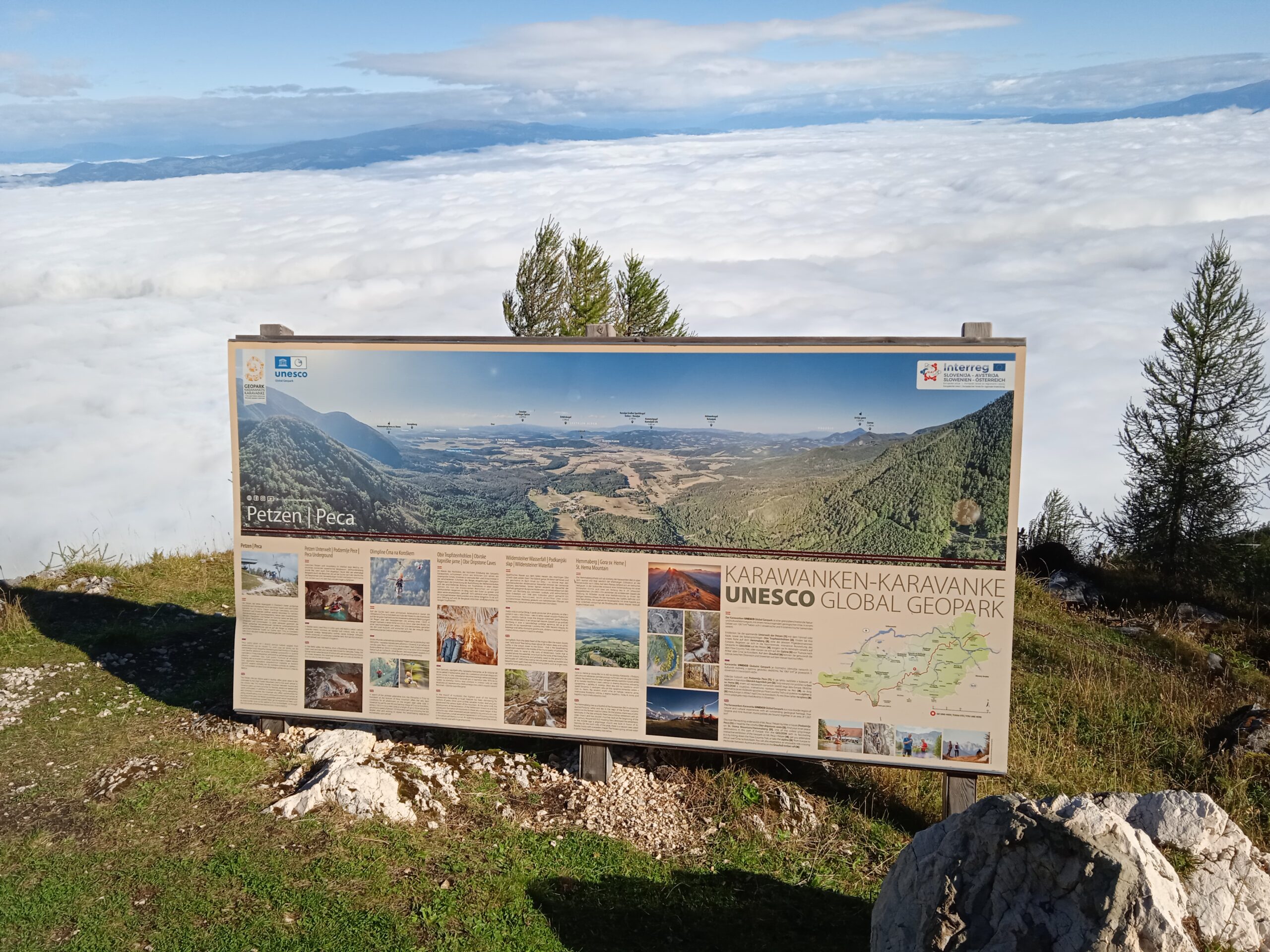
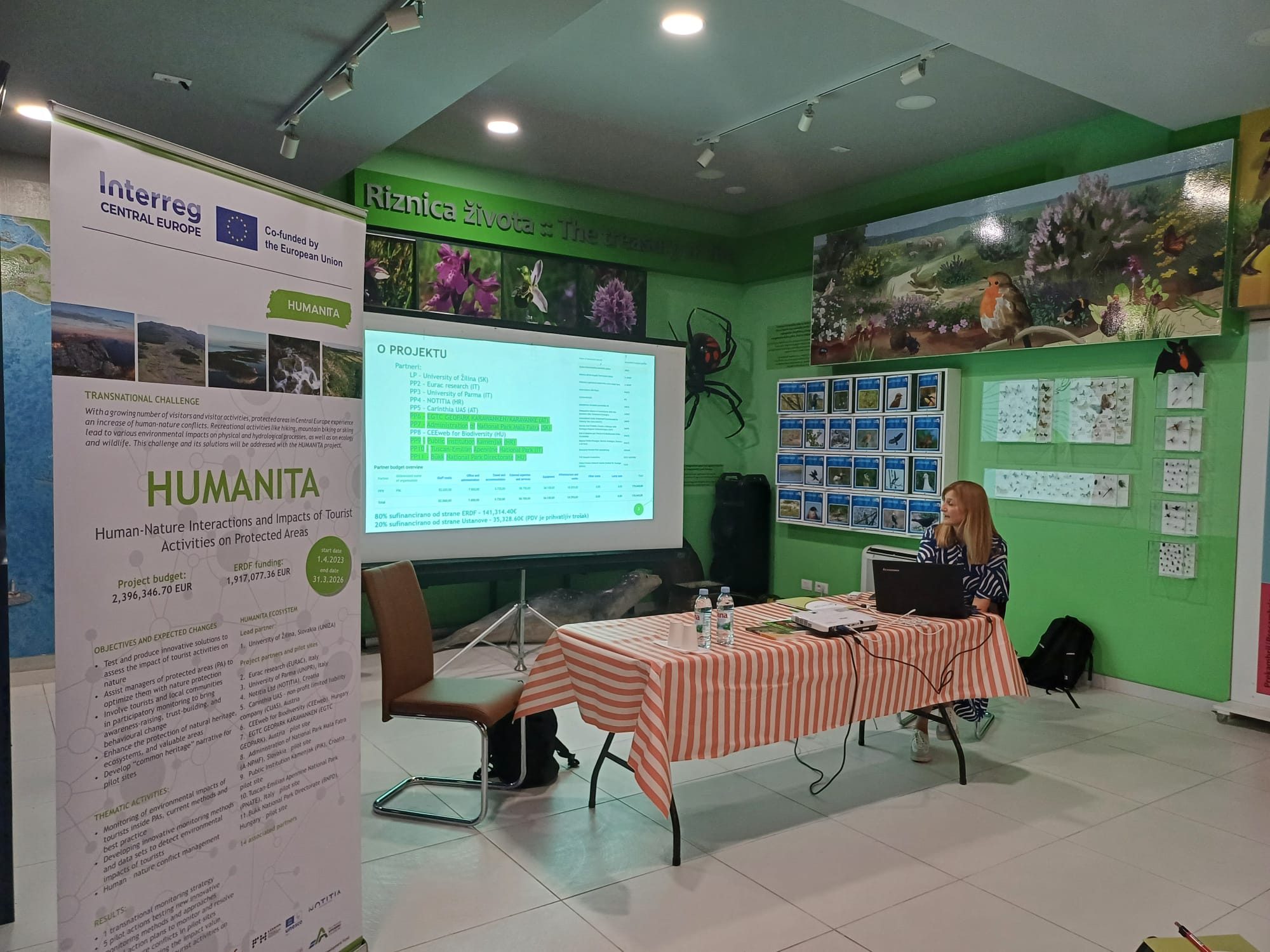
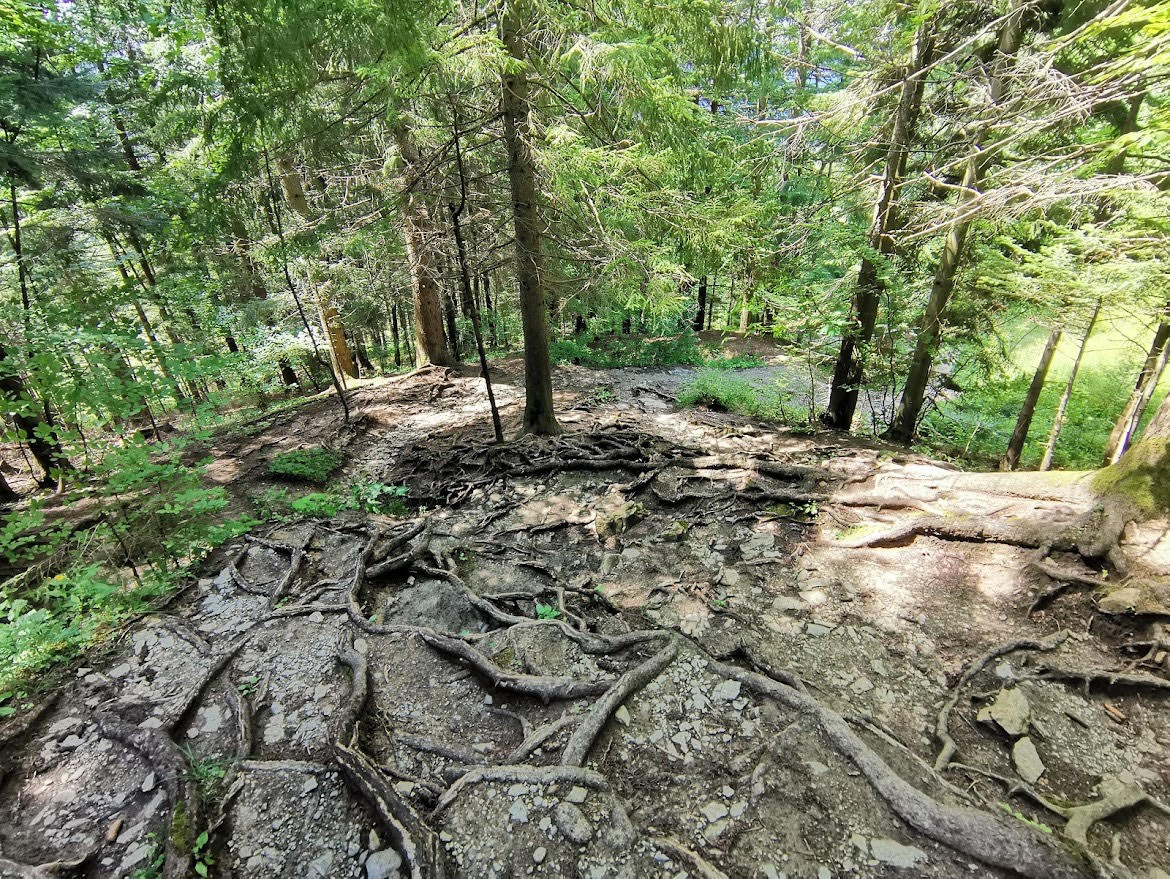

Events


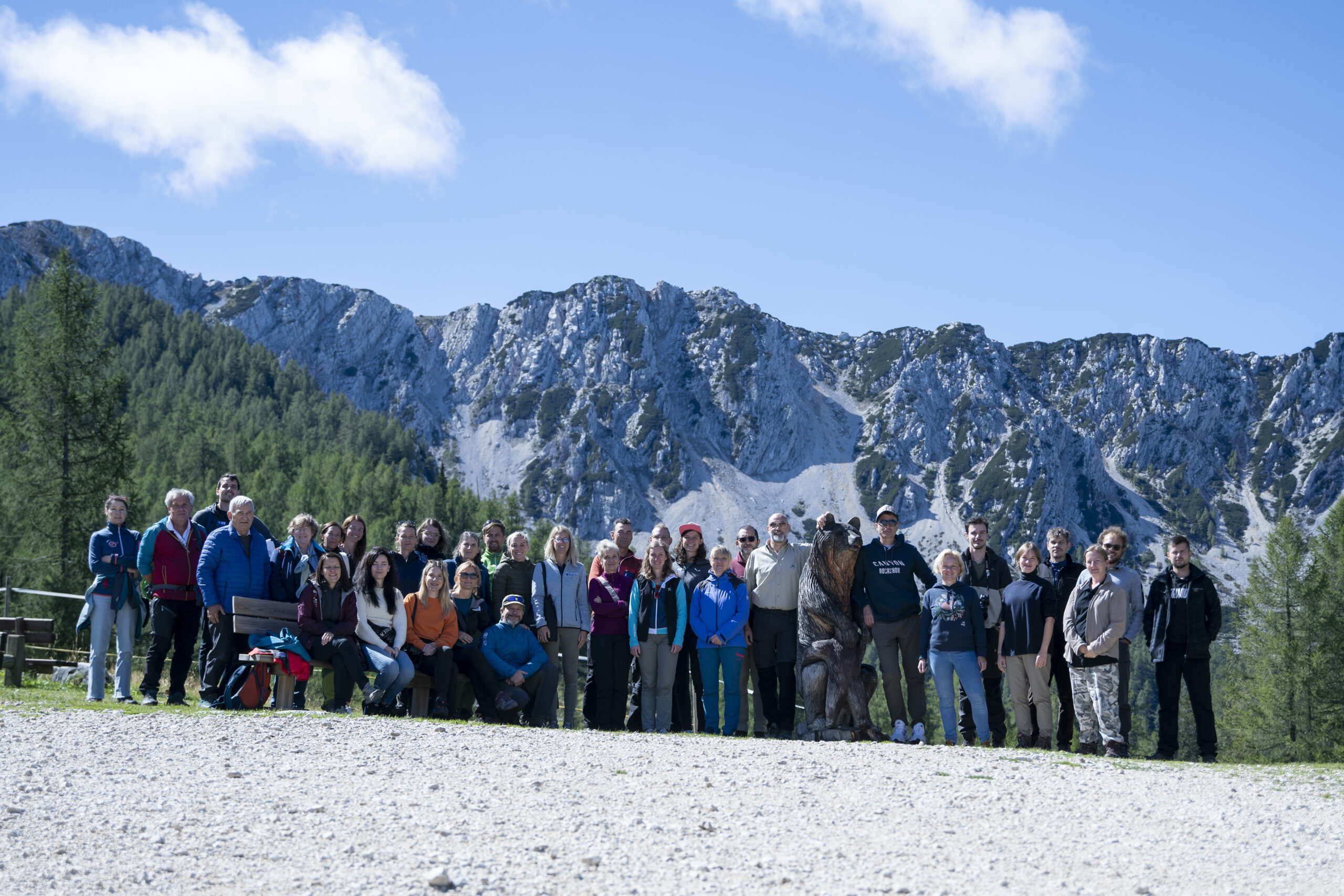
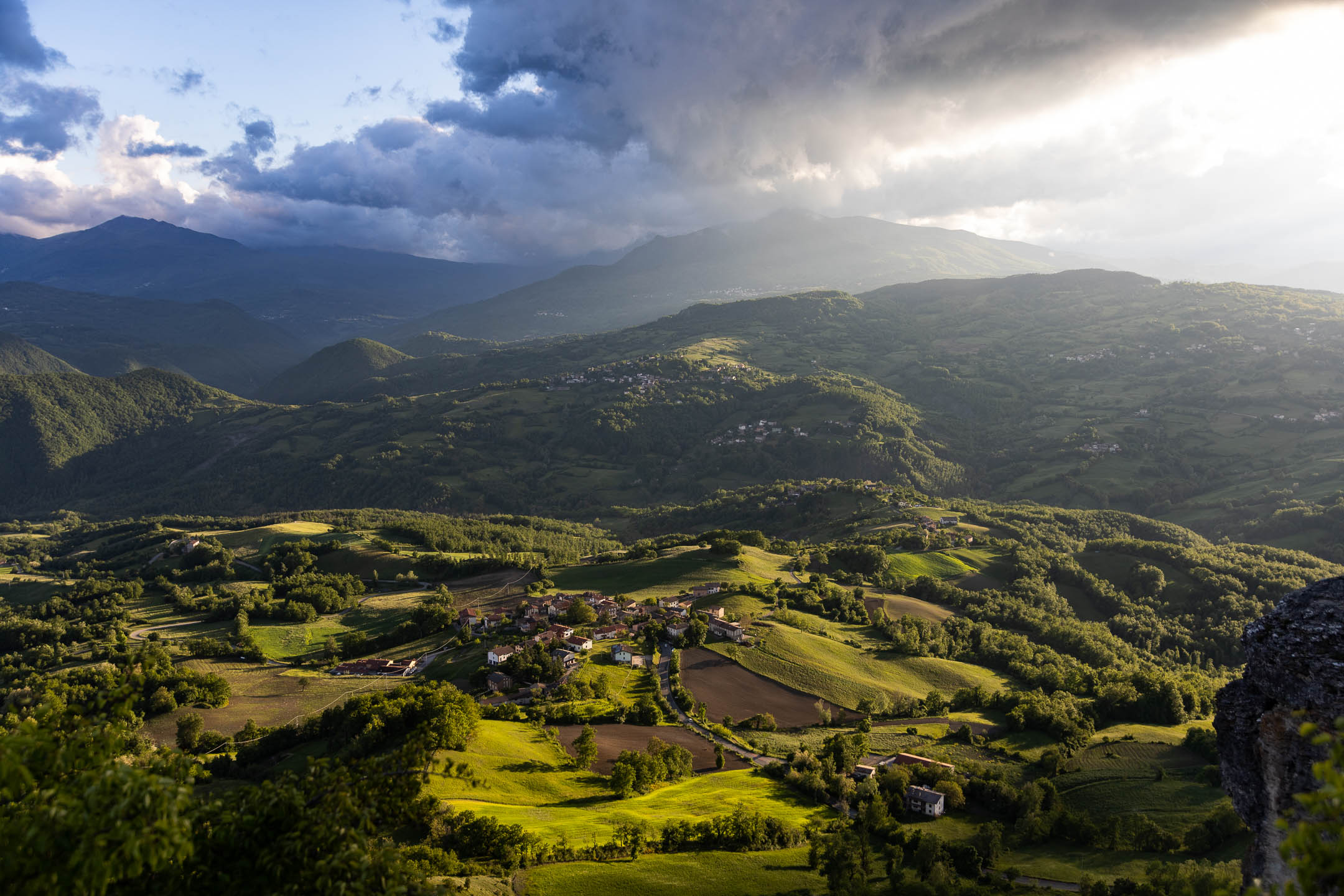
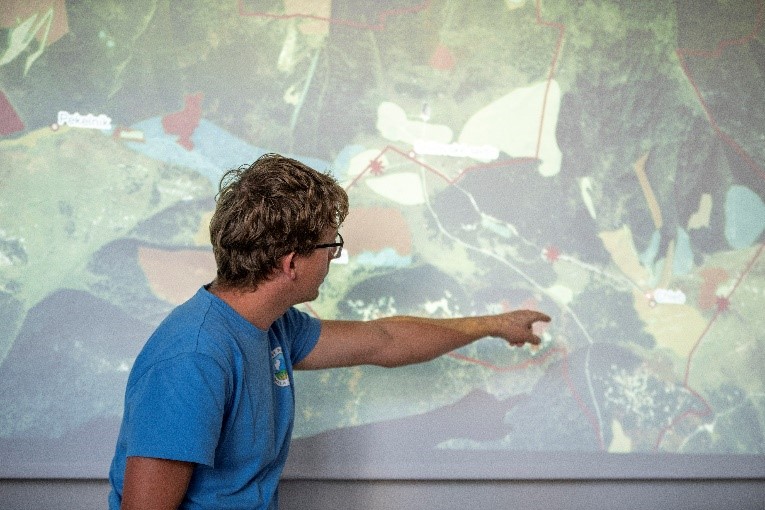
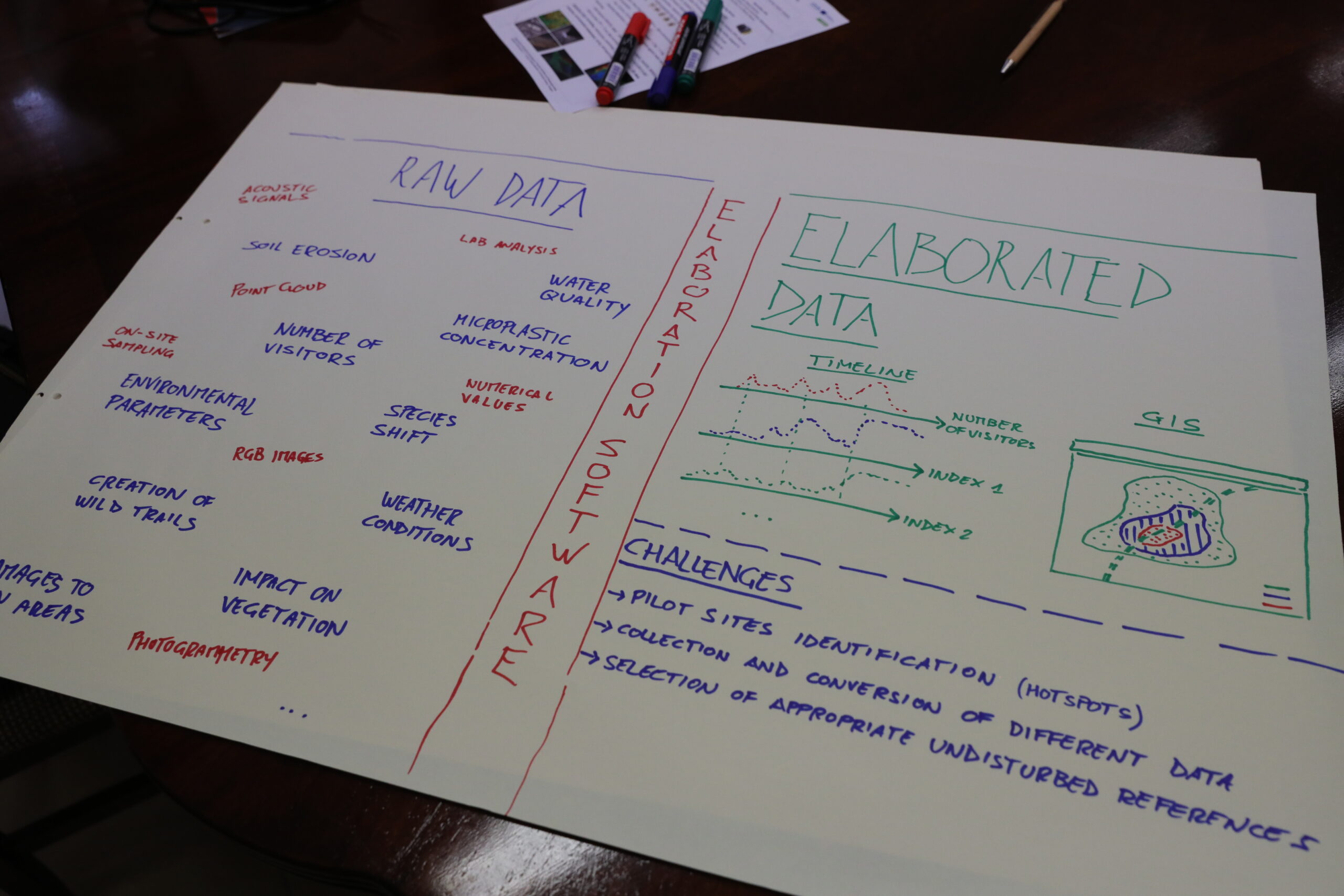
Pilot actions
Outputs

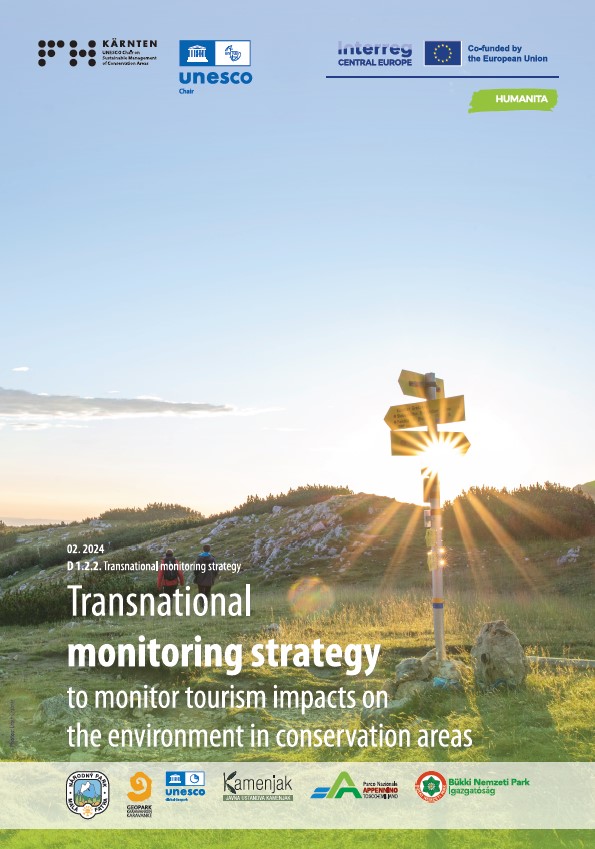
Transnational monitoring strategy
The jointly developed transnational monitoring strategy provides a common framework for understanding and monitoring how tourism affects protected natural areas. It was prepared by HUMANITA partners as a practical planning document for protected area managers, based on good-practice examples, pilot-site needs and a shared biodiversity monitoring workflow.
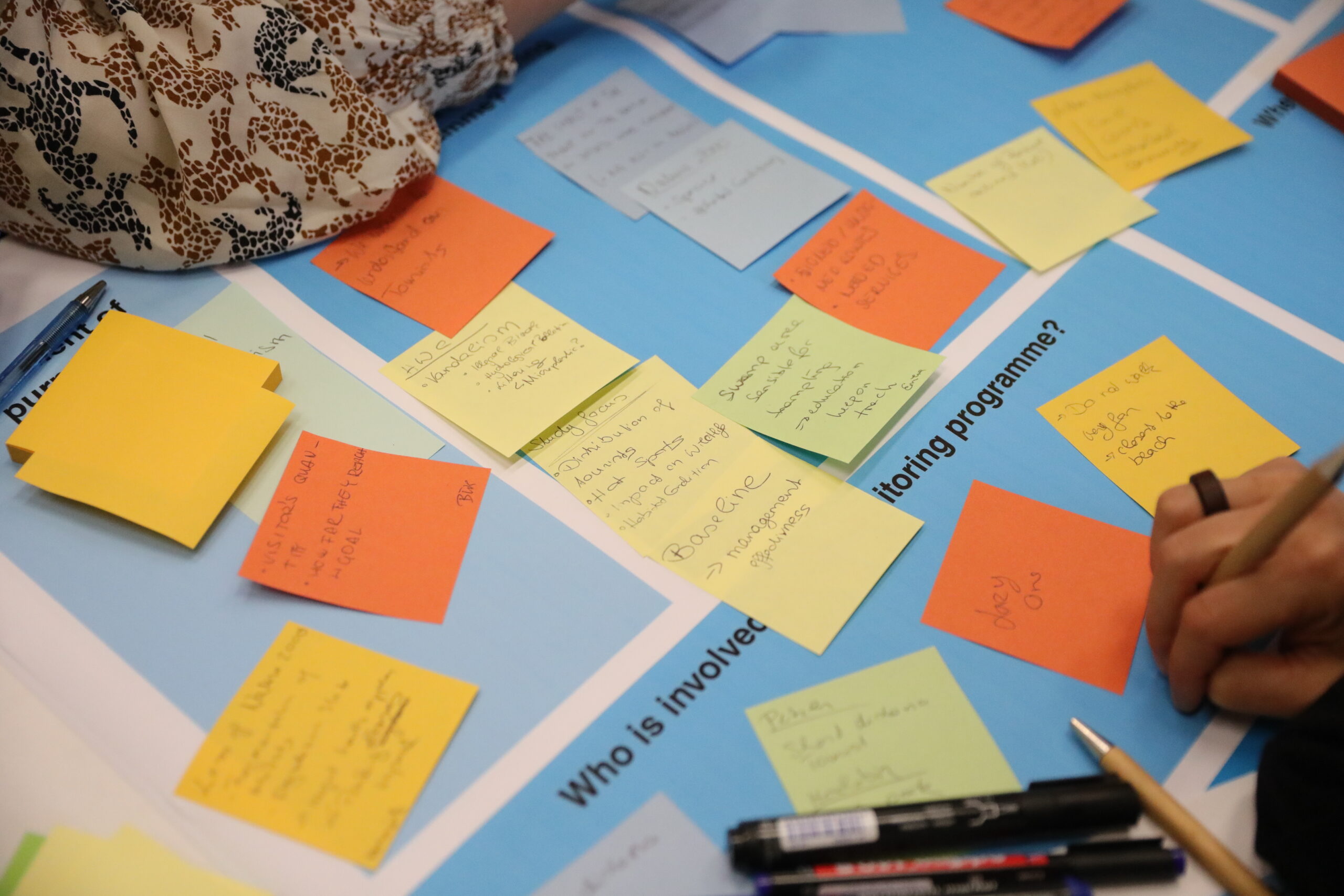
The strategy helps managers define why is monitoring is needed, what should be monitored, where and when, who should be involved and which resources are required
It focuses on five key monitoring areas:
- Visitor movement and behaviour
- Vegetation pressure
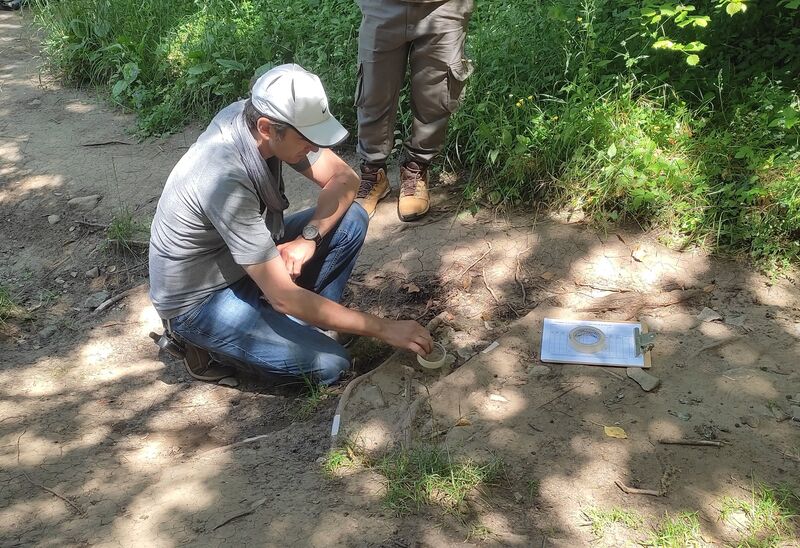
- Trail erosion
- Wildlife disturbance
- Pollution
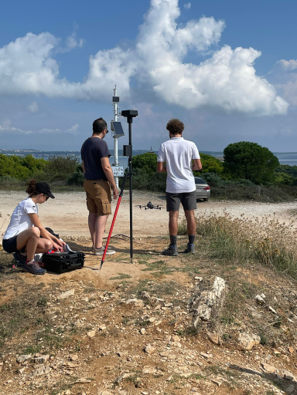
The strategy also supports the selection of meaningful and comparable indicators, combining traditional field methods with innovative tools such as visitor counters, digital movement data, camera-based monitoring, acoustic sensors, remote sensing, surveys and citizen participation.
In practice, it can be used to design or improve monitoring programmes, identify tourism pressure hotspots, involve visitors and local communities in data collection, support local action plans, provide evidence for better visitor management and nature protection measures andInform future policy recommendations

Solutions assessing the impact value of different types of tourist activities on nature

Local action plans to monitor and resolve human-nature conflicts in pilot sites
Project videos
Project documents
HUMANITA presentation materials
HUMANITA newsletter 1
HUMANITA newsletter 2
HUMANITA newsletter 3
HUMANITA newsletter 4
HUMANITA newsletter 5
HUMANITA brochure
HUMANITA creative videos
HUMANITA Common Heritage Narratives for Visitor Management
HUMANITA Data collection and analyses
HUMANITA media features
HUMANITA
The project lead partner is responsible for the content of this project website.