TeBiCE

Project overview

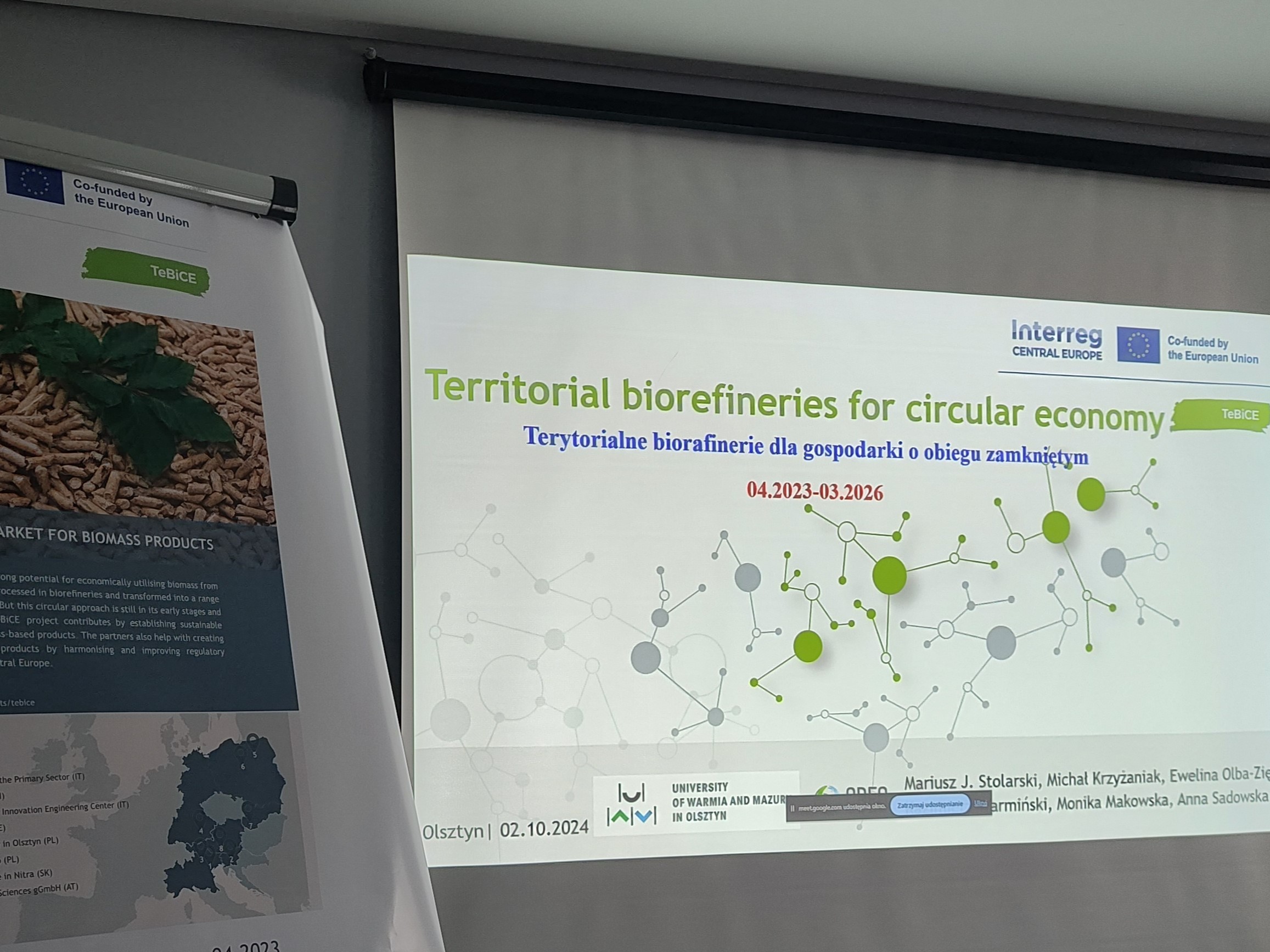
Territorial biorefineries for circular economy

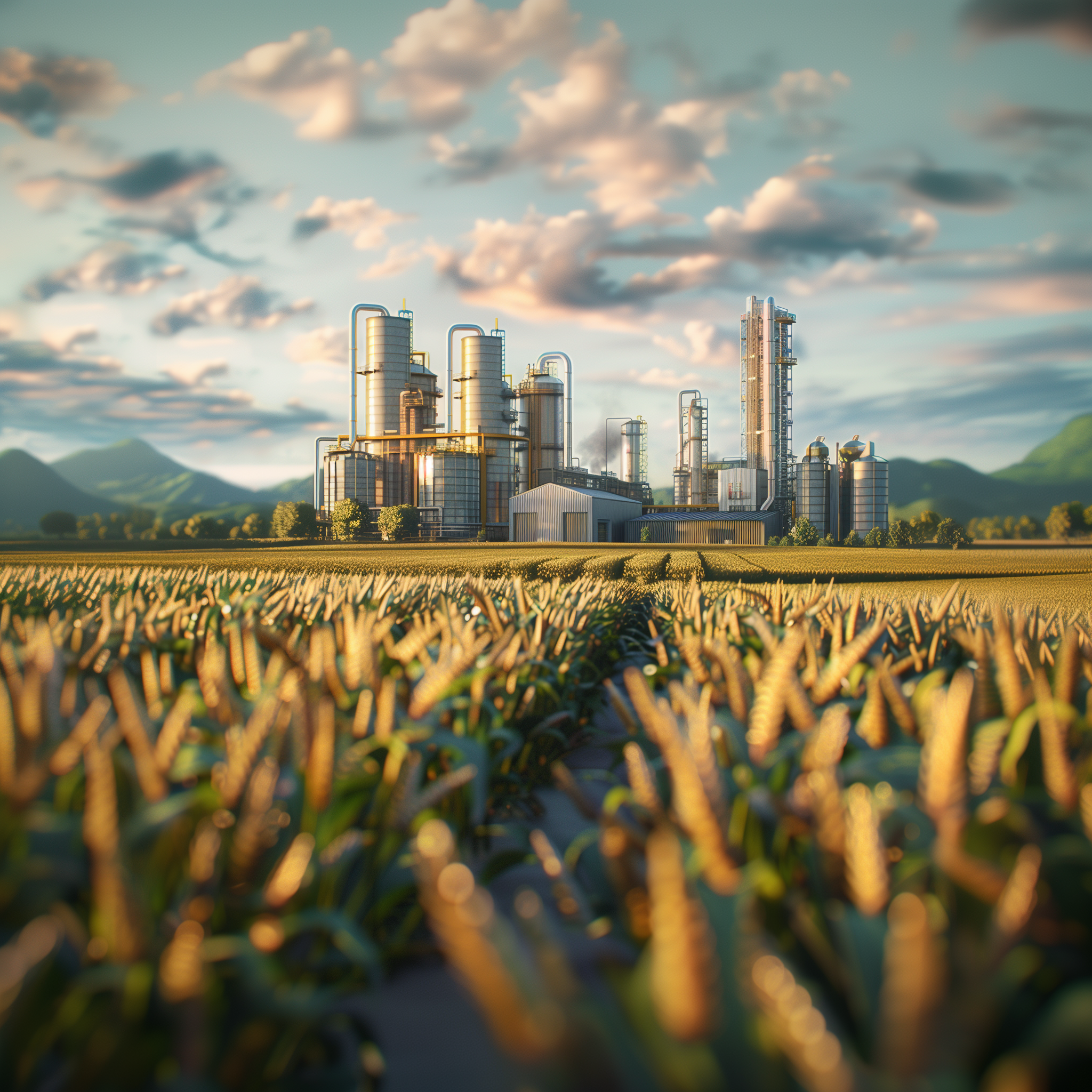
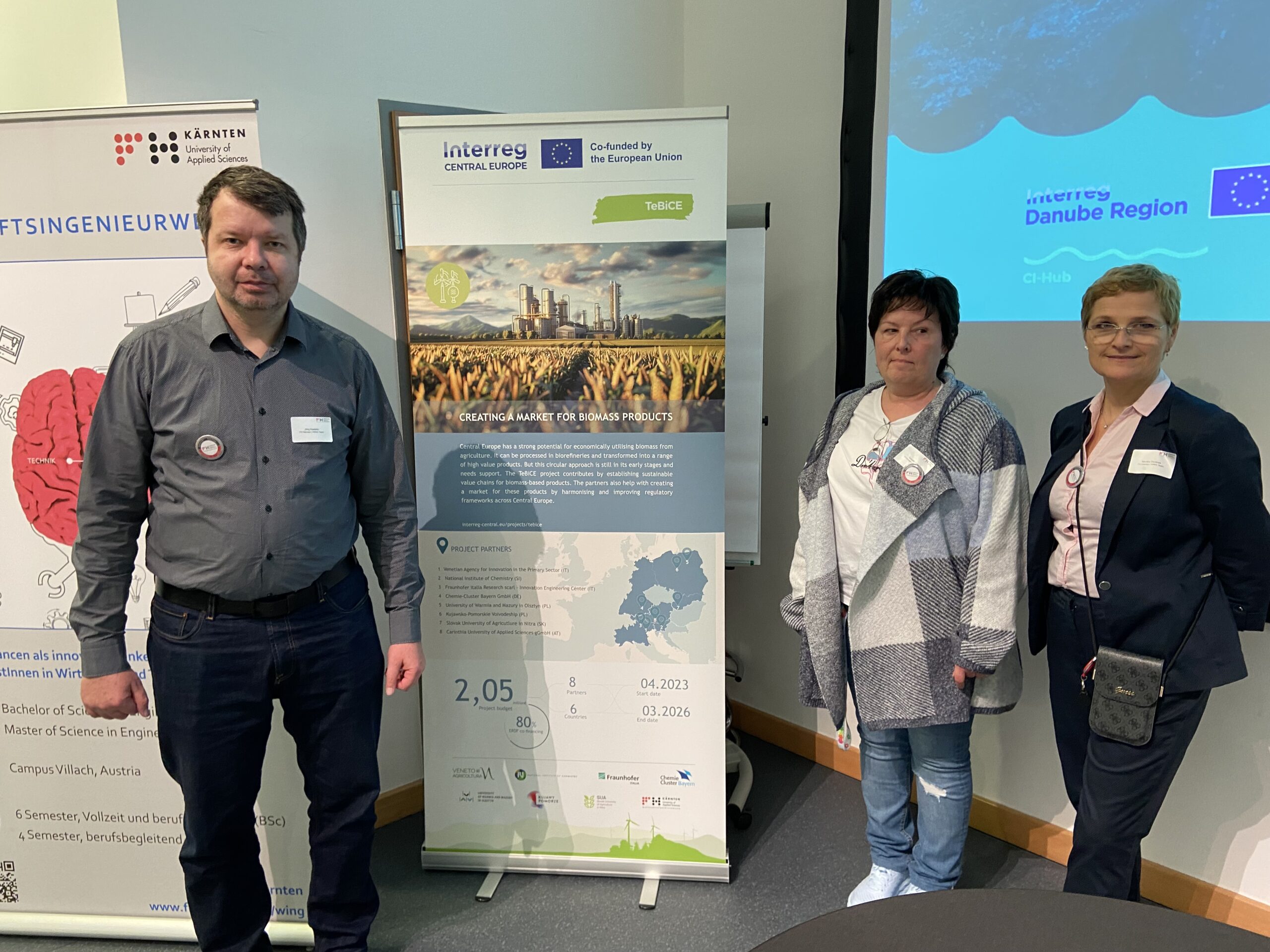
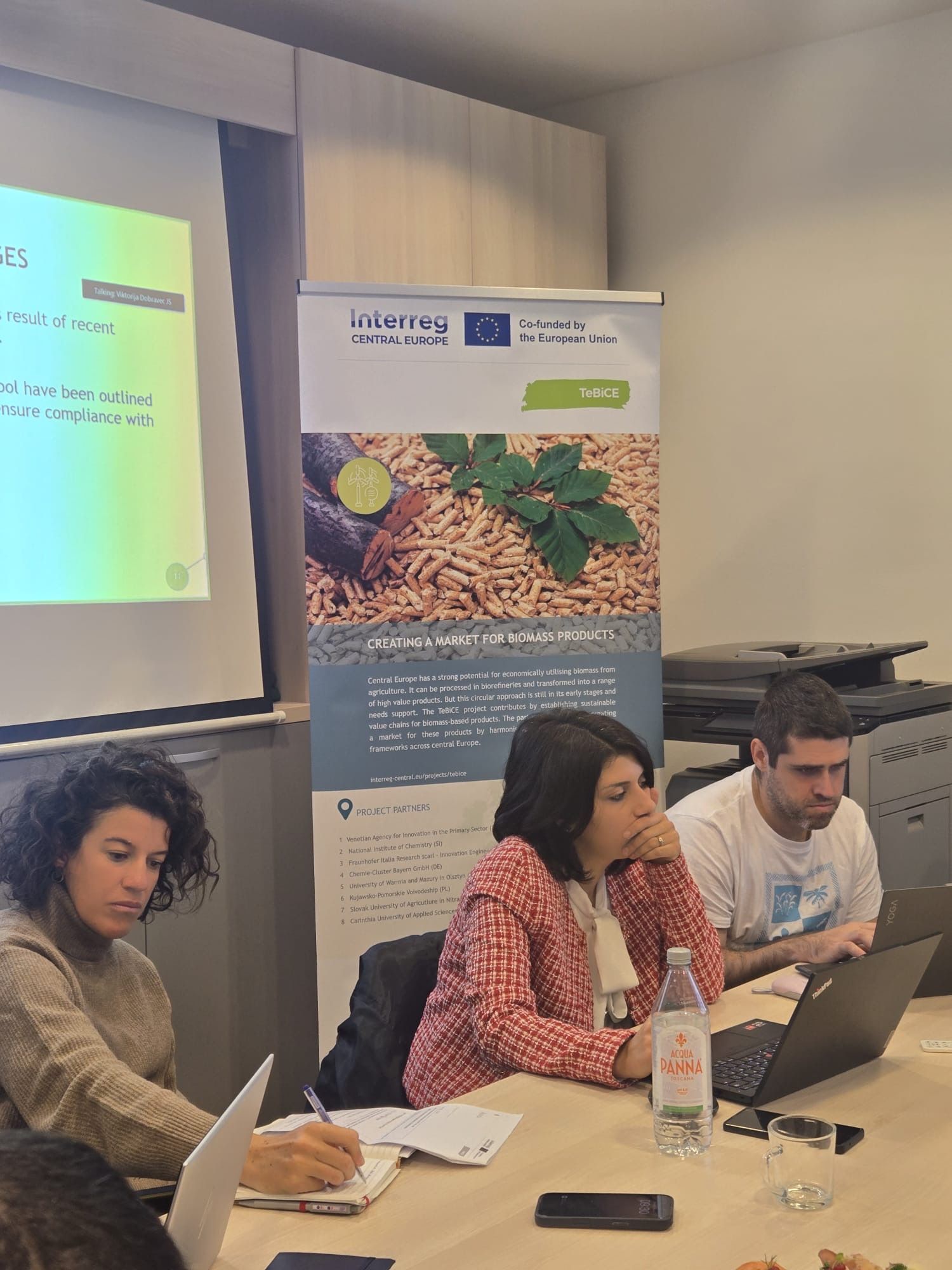
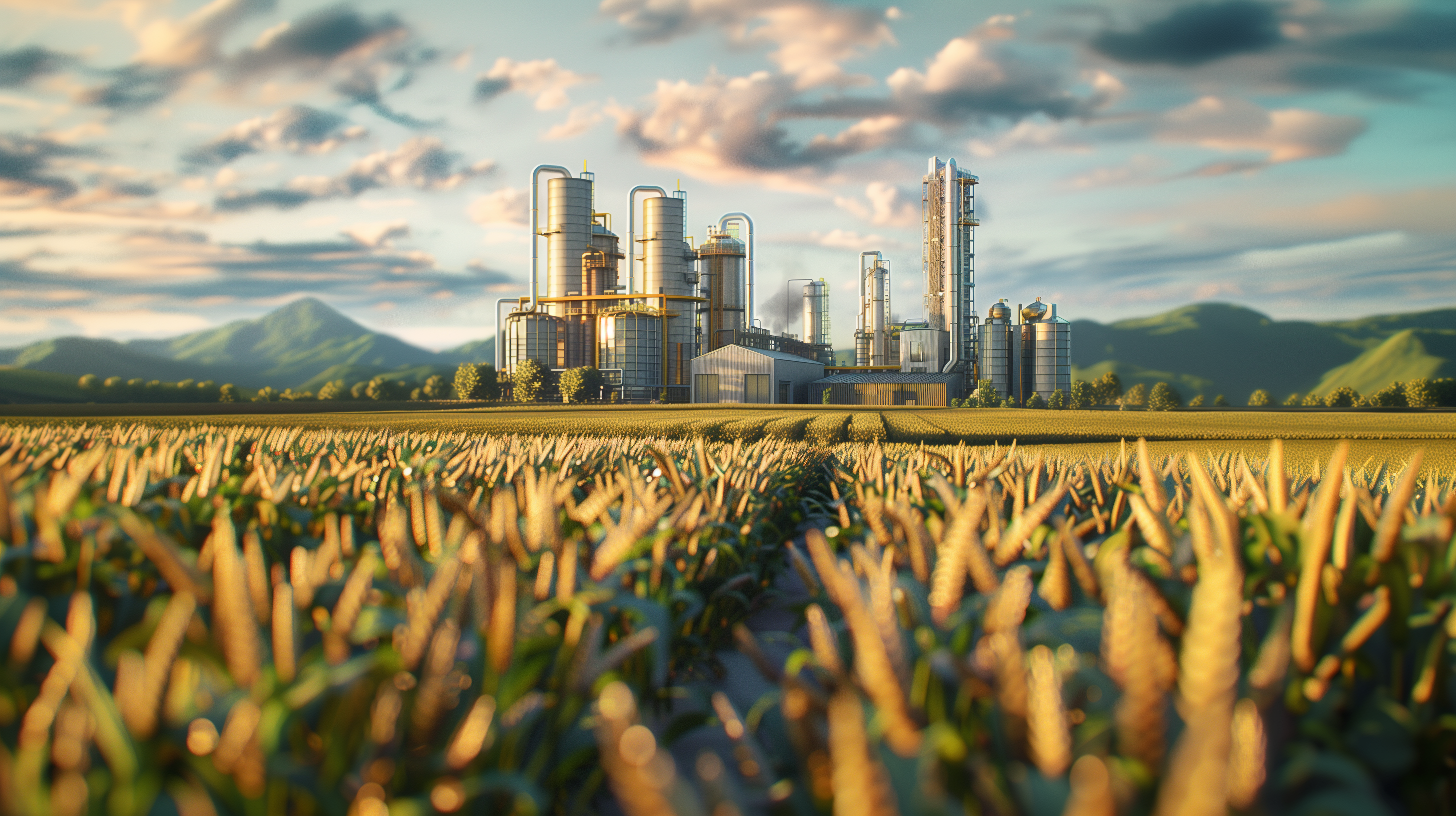
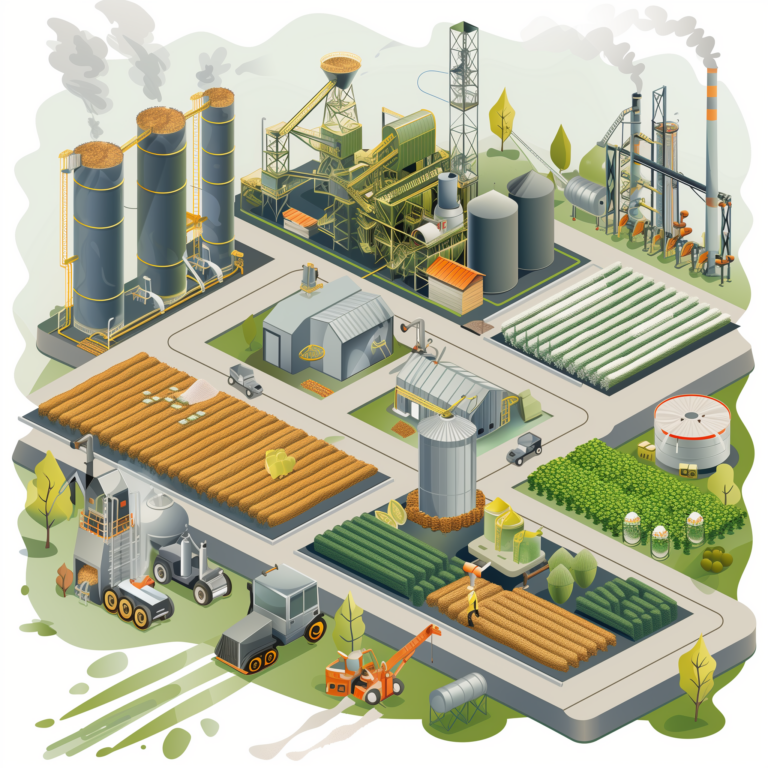
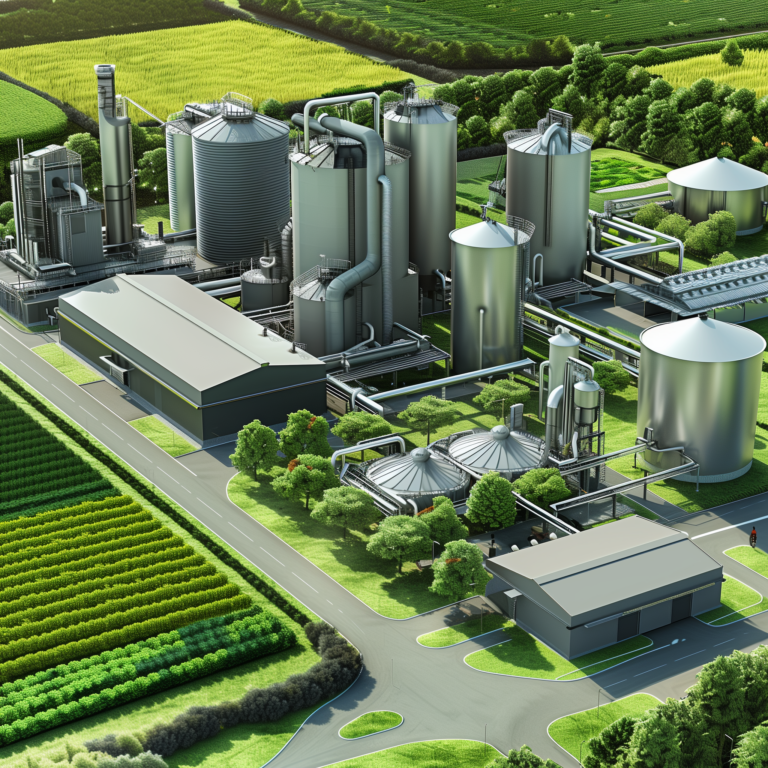
Central Europe has a strong potential for economically utilising biomass from agriculture. It can be processed in biorefineries and transformed into a range of high value products. But this circular approach is still in its early stages and needs support. The TeBiCE project contributes by establishing sustainable value chains for biomass-based products. The partners also help with creating a market for these products by harmonising and improving regulatory frameworks across central Europe.

2,02m €

Project Budget

80%

of the Budget is funded by ERDF

Layer 1

6

Countries

8

Regions

8

Partners

1

Pilots

Duration

Start date

End date

Project progress

98%

Project partnership

Project partners

Italia (IT)

Lead partner

Venetian Agency for Innovation in the Primary Sector - Veneto Agricoltura

NA
Address
Viale dell'Università 14
35020 Legnaro
Country
Italy (IT)
Web
www.venetoagricoltura.org

Project partner

Department of Catalysis and Chemical Reaction Engineering
Address
Hajdrihova 19
1000 Ljubljana
Country
Slovenia (SI)
Web
https://www.ki.si/en
Total partner budget
258,600 €
Team Bio-Economy and Sustainability (BES)
Address
Via A. Volta 13/A
39100 Bolzano
Country
Italy (IT)
Web
https://www.fraunhofer.it/
Total partner budget
247,110 €
NA
Address
Schwanthalerstraße 110
80336 Munich
Country
Germany (DE)
Web
https://chemiecluster-bayern.de/
Total partner budget
246,300 €
Centre of Bioeconomy and Renewable Energies
Address
Plac Lodzki 3/202
10-727 Olsztyn
Country
Poland (PL)
Web
http://www.uwm.edu.pl/en
Total partner budget
240,780 €
Department of International Cooperation and Economic Development
Address
Plac Teatralny 2
87-100 Toruń
Country
Poland (PL)
Web
https://kujawsko-pomorskie.pl/
Total partner budget
204,700 €
Civil Engineering
Address
Europastrasse 4
9524 Villach
Country
Austria (AT)
Web
www.fh-kaernten.at
Total partner budget
278,200 €
Faculty of Engineering, Slovak University of Agriculture in Nitra
Address
A. Hlinku 2
949 76 Nitra
Country
Slovakia (SK)
Web
www.uniag.sk
Total partner budget
169,400 €

Roadmap

1

Context

TeBiCE project aims to remove barriers in bio and circular economies in 8 regions of Central Europe and to create sustainable market for high value bio -products.

2

Specific issue

The project promotes starting new value chain, based on cutting-edge technologies and new business models hence creating more efficient and competitive economy, finding a suitable economic and social environment for investments.

3

Idea

Acting as an international partnership TeBiCE project will support the removal of regulatory barriers and provide market conditions needed for the development of value chains. Companies participating in the TeBiCE project will have the opportunity to: - improve their capabilities and operations in the market, - reduce by-products and waste, - find innovative ways to be more sustainable in an increasingly circular economy, - support the creation of value chains, increasing the capacity of the private sector to be greener.

4

Solution

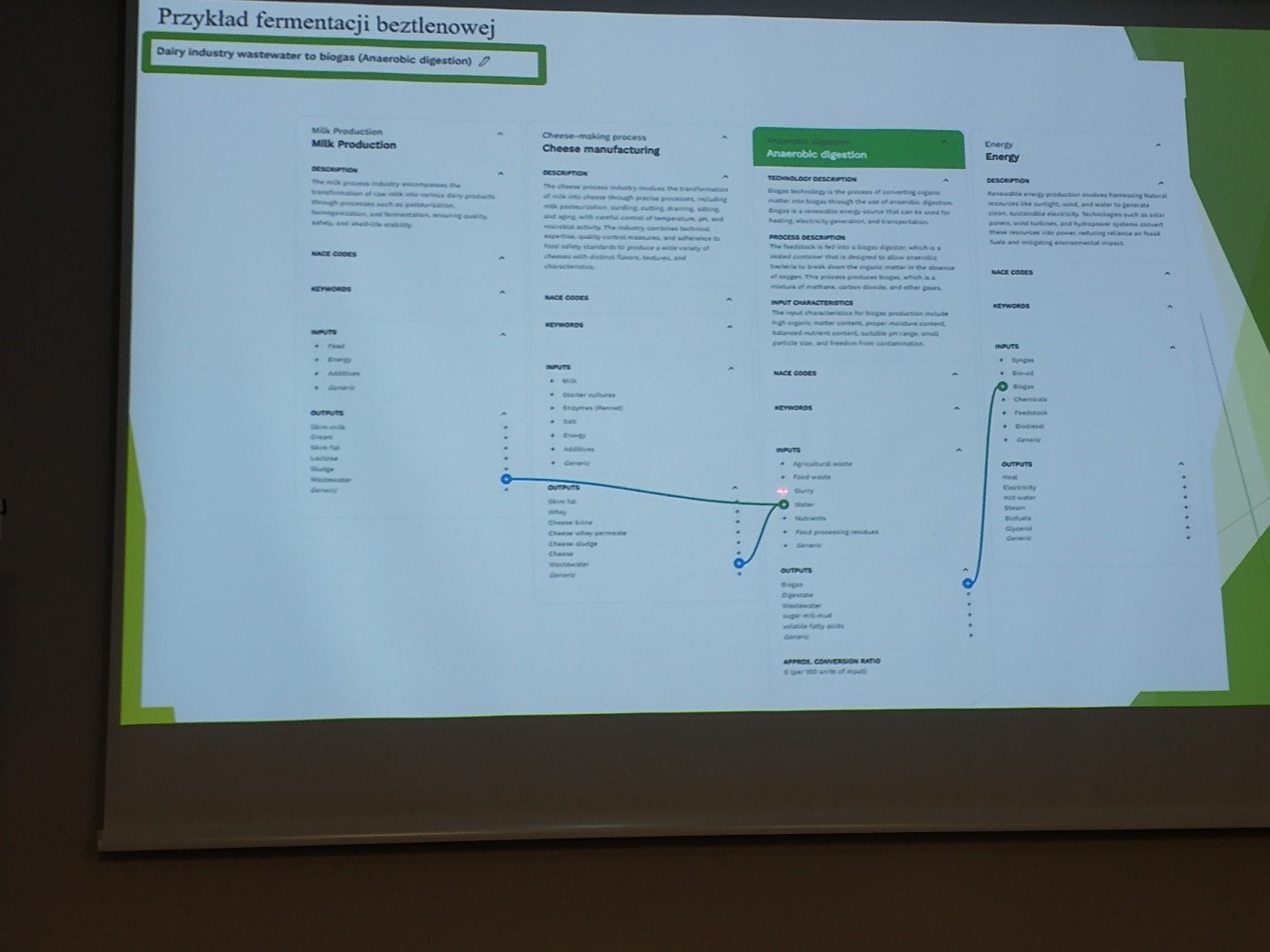
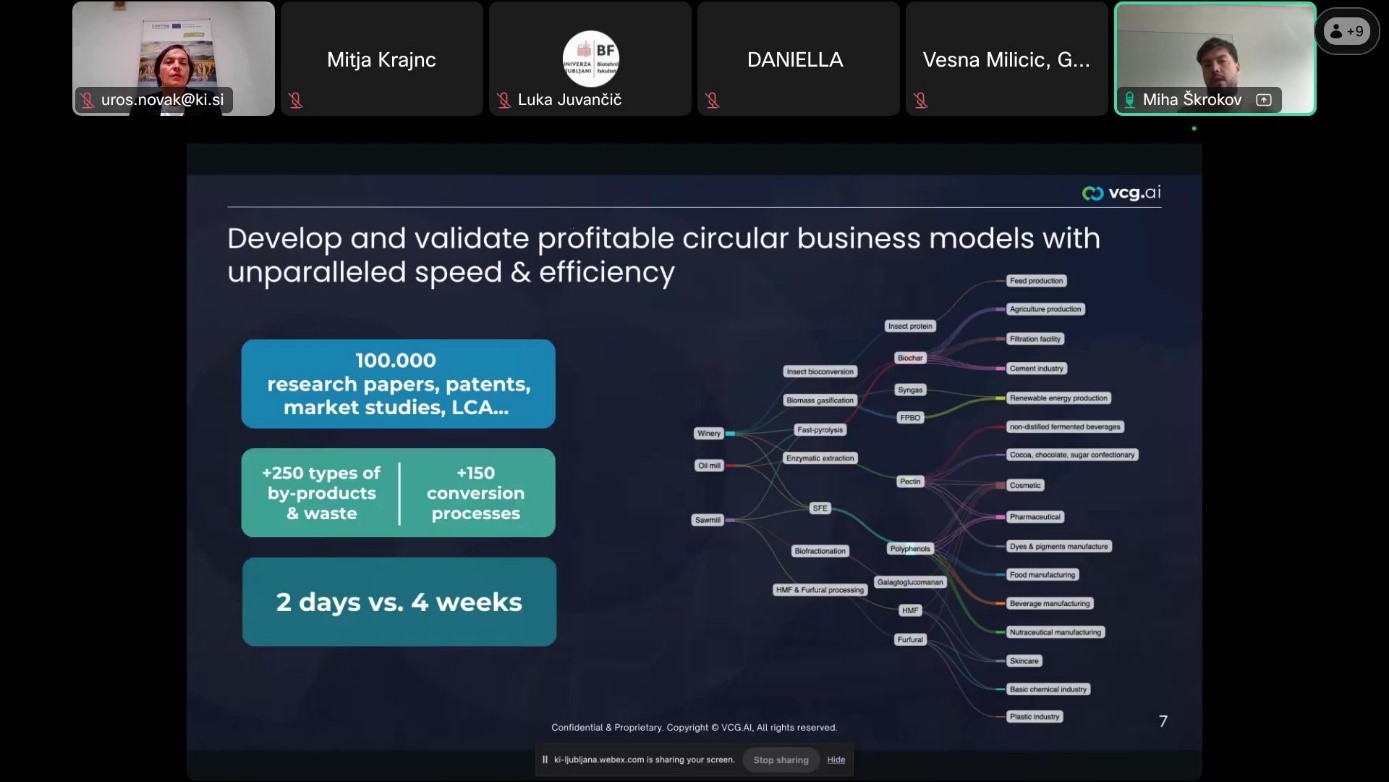
Creating Value Chain Generator for companies VCG will help mapping supply chain and hotspots; maximizes circular economy opportunities and locates potential buyers for waste on map

5

How it works

As part of the launch of the pilot activities, preliminary market research was conducted on the value chains of products chosen by project partners. At the moment it contains 3 biomass providers, 14 value chains, 11 valorisation technologies, 17 market applications.

6

Impact

TeBiCE project will create decision support tools for SMEs. It will also encourage the exploration of synergies among companies in working with other countries to achieve a factual material circularity at the international scale as well as bringing together full chain stakeholders and those normally operating in different sectors. Last but not lest it will remove regulatory barriers needed for the development of value chains.

News

Events

Pilot actions

Outputs
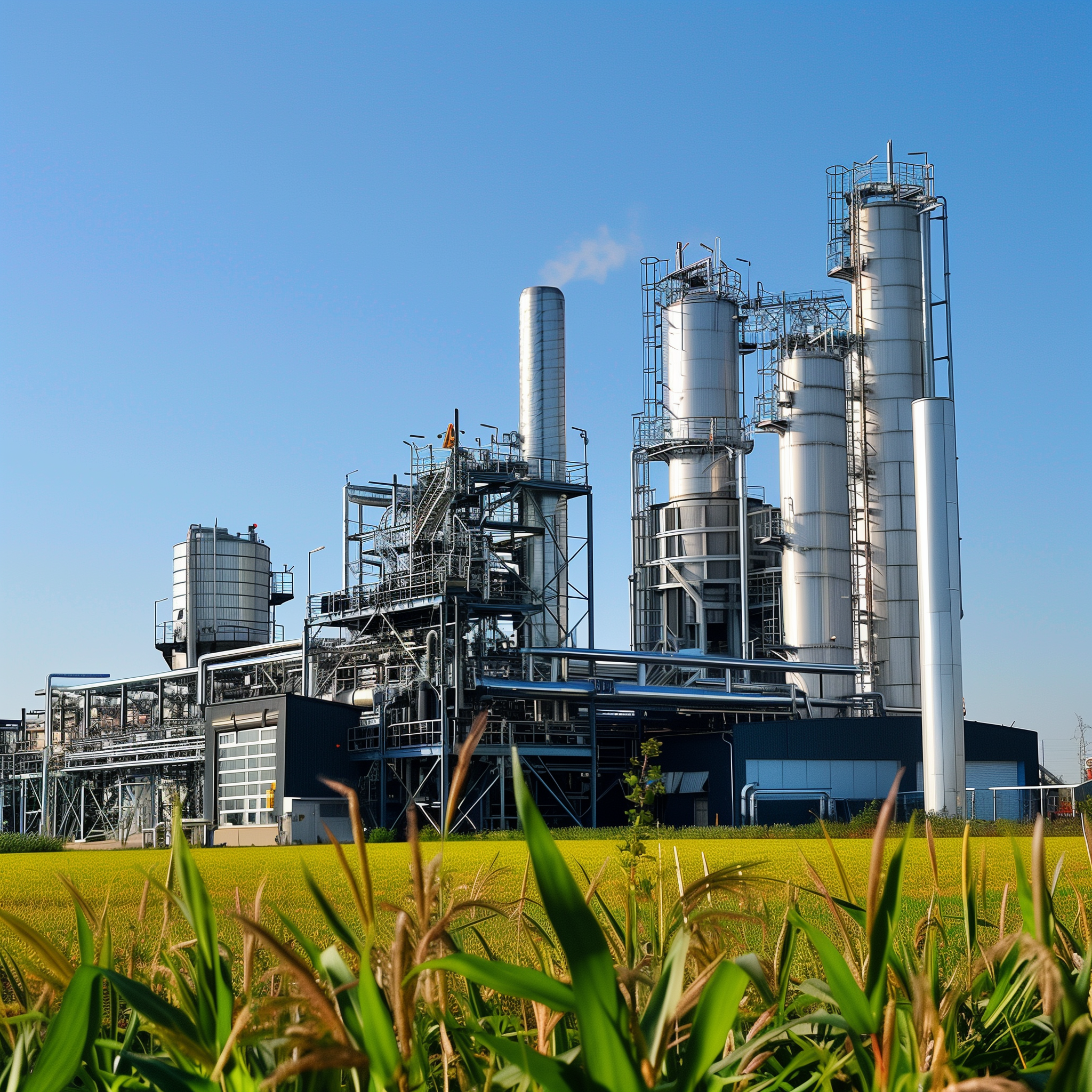
Value Chain Generator - AI & Big Data platform

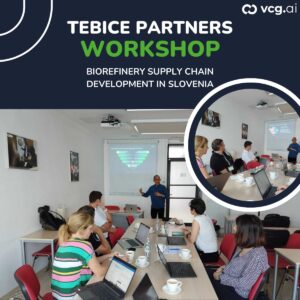
8 organisations from Central Europe area are collaborating on the planning and development of new value chains and biorefineries that will valorise unused by-products and wastes from the regional agri-food industry and transform them into a range of high-value products. The value chain generator will apply its methodology to verify which planned projects are optimal for their regional industries and have a chance of success.
Type of output: Solutions
In development
View solution

Transnational strategy for by-product and waste market
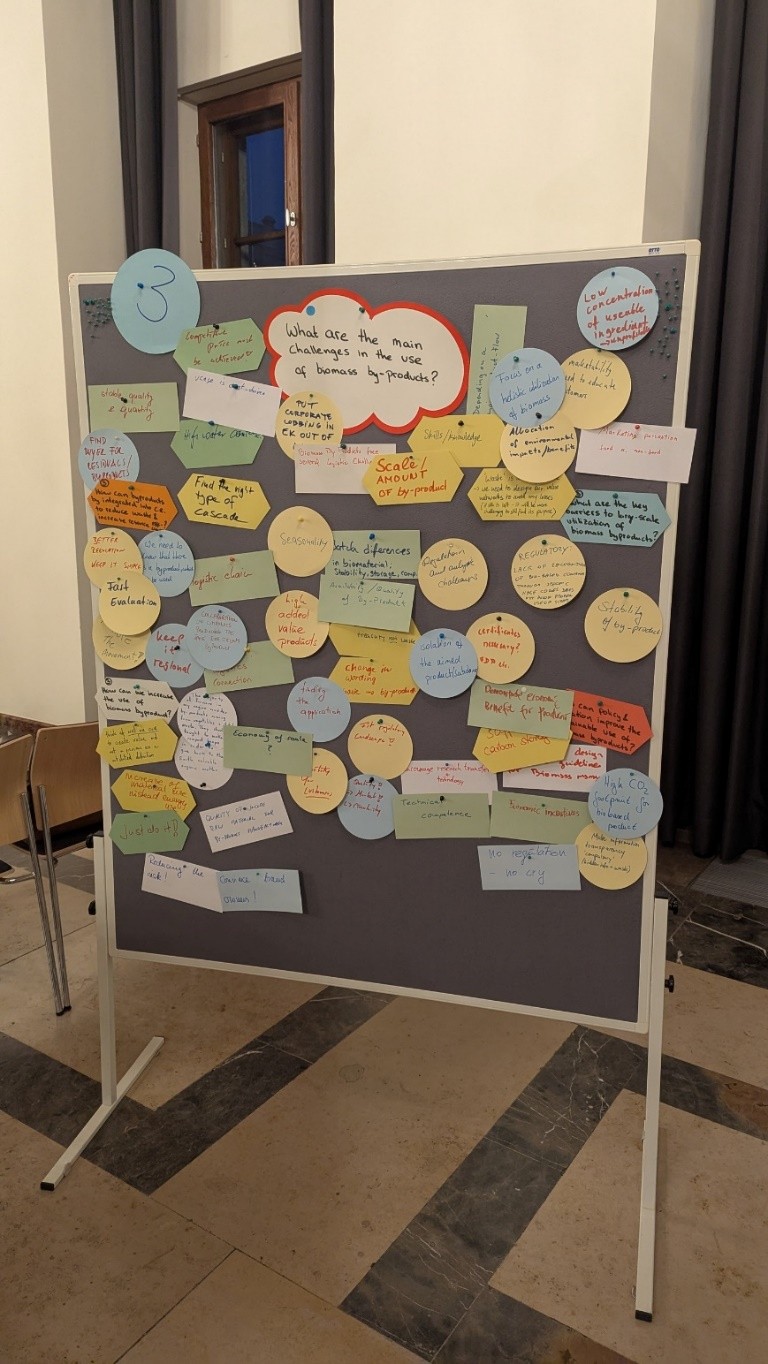
Transnational complex strategy to pave the way for a 'without - barriers market of by-products and waste from primary production and agri-food sectors in Central Europe.
Type of output: Strategies and action plans
In development

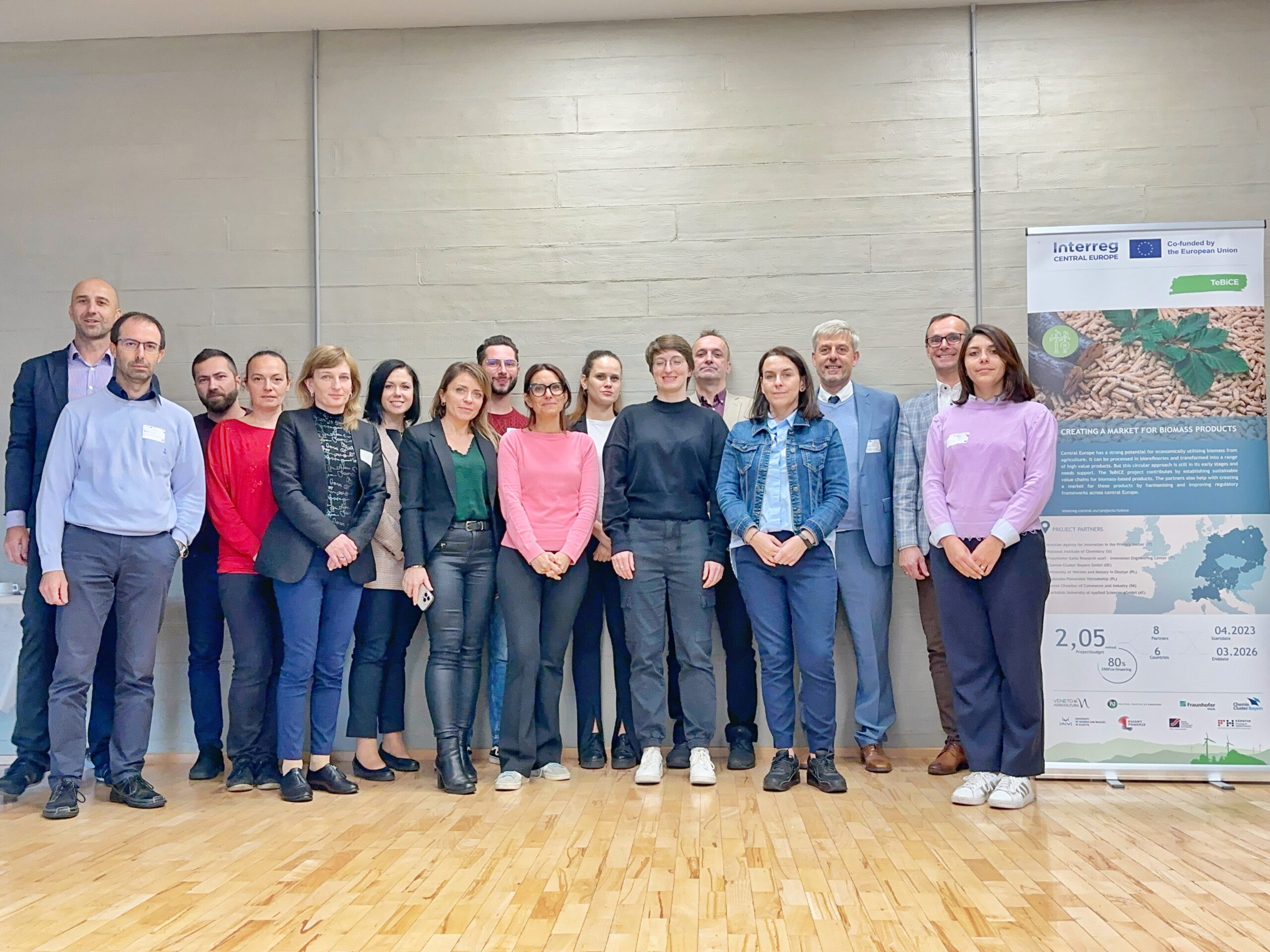
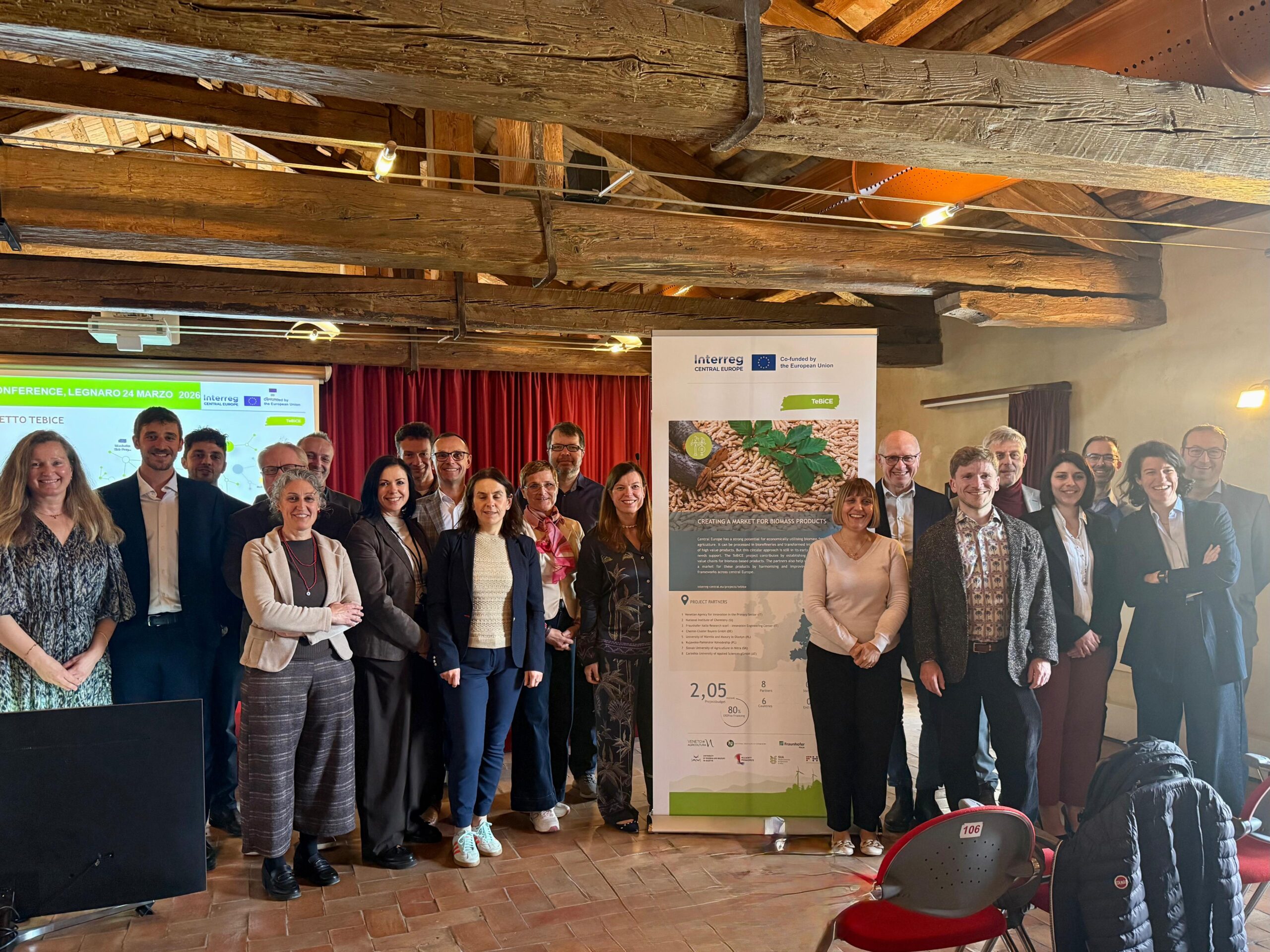
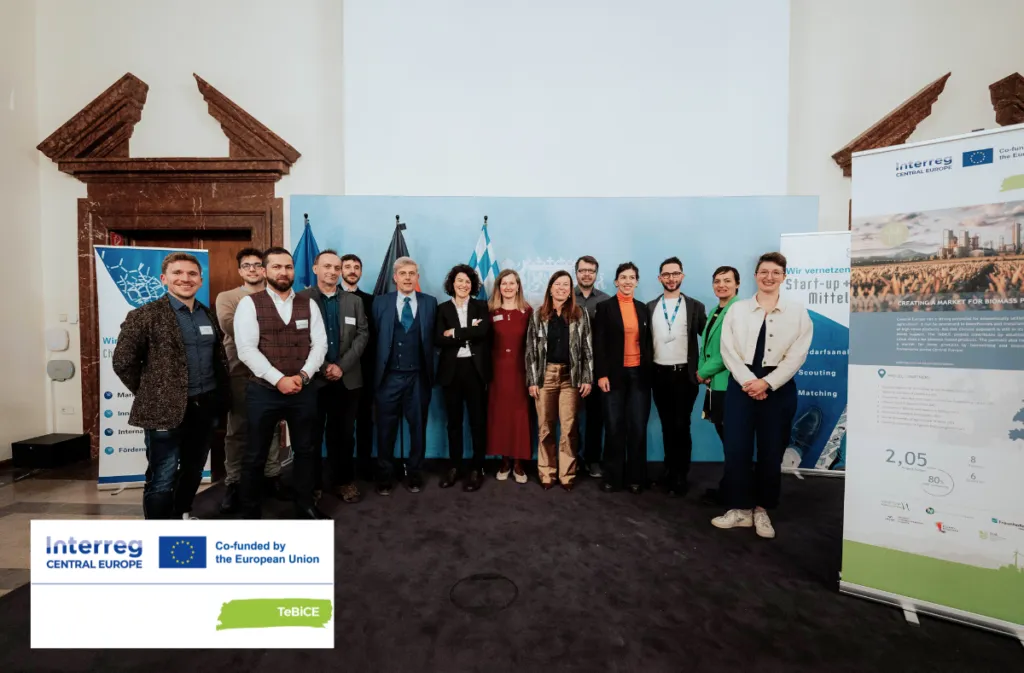
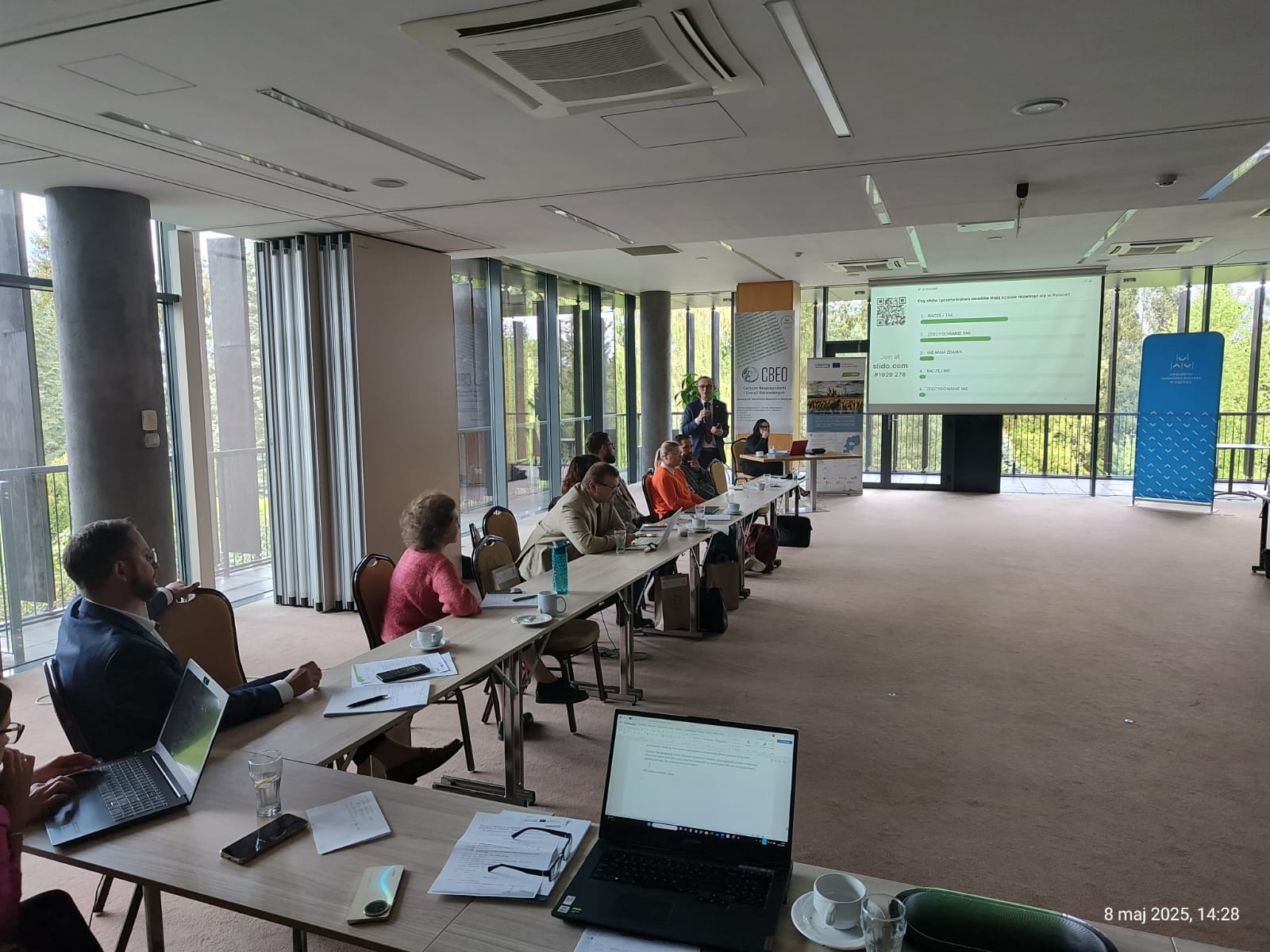
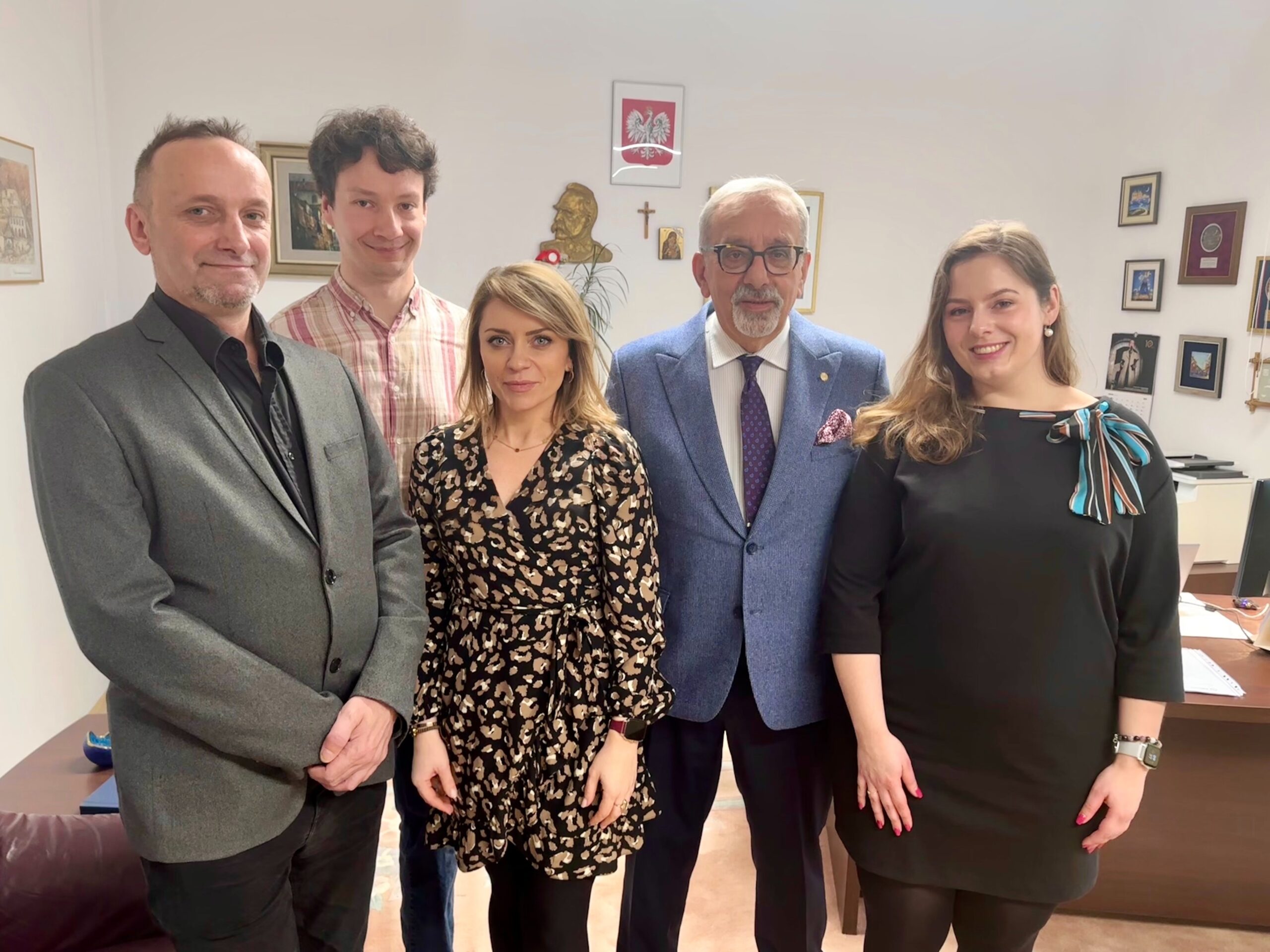
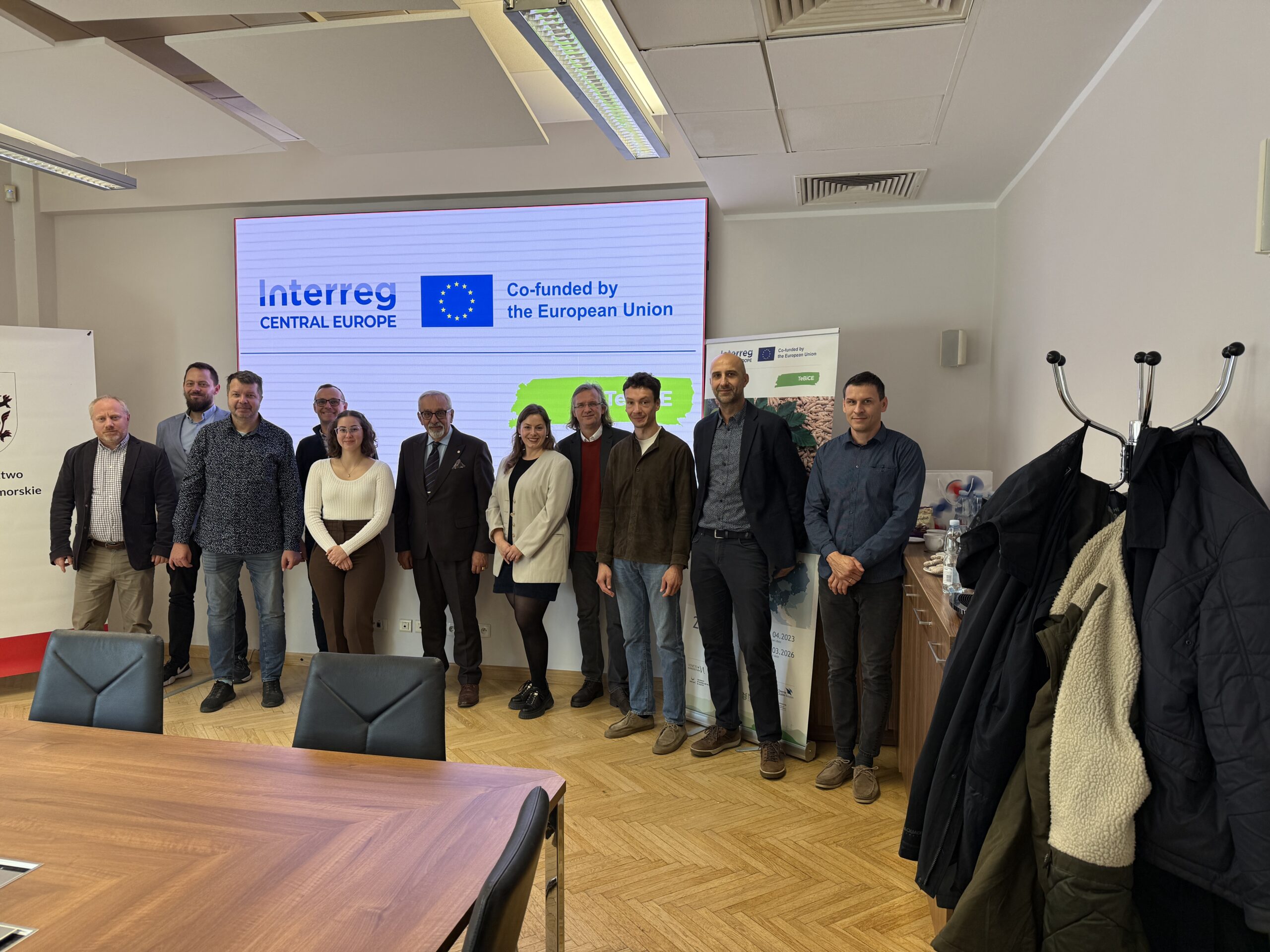
TeBiCE partnership cooperating for the implementation of the project

TeBiCE partnership cooperating for the implementation of the project
Type of output: Strategies and action plans
In development

Case Study 1 (Book of Good Examples) - Hemp Stem Material into Biocomposites

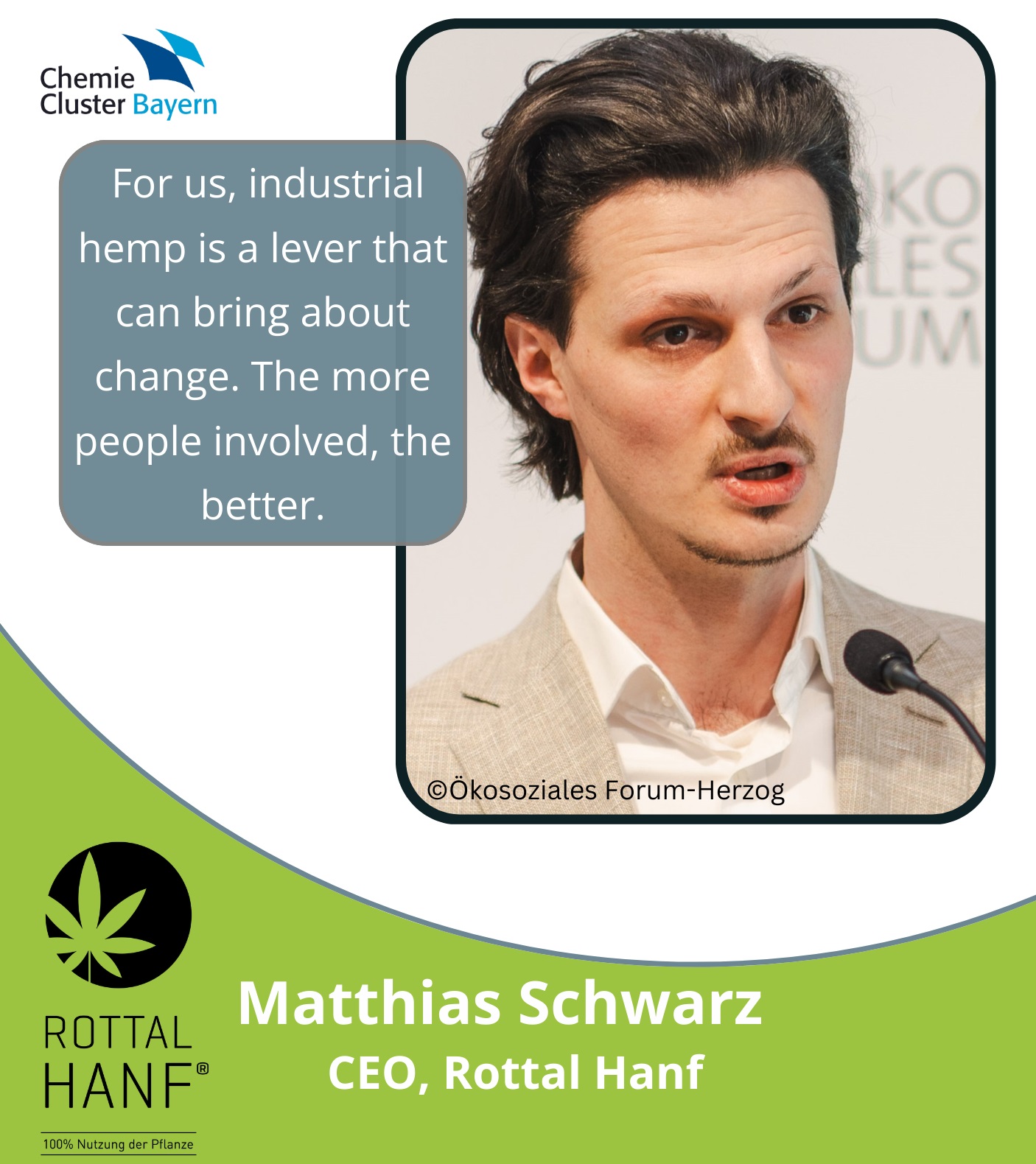
Transformation of hemp stems into durable biocomposite materials for furniture and textile manufacturing, using regional supply chains and cross-sector partnerships. Regions Austria & Germany Challenges Addressed Need for sustainable raw materials Limited availability of processed hemp fibres at scale Integration of new materials into existing production lines Solution Implemented Iterative testing of hemp-fibre composites Collaboration between SMEs and Chemie-Cluster Bayern Development of modular, regional sourcing frameworks Implementation Steps Material testing Fibre preparation Prototyping Performance testing Scaling collaboration Results & Impact Replacement of imported materials Improved environmental footprint Strengthened regional partnerships Lessons Learned Early collaboration is essential Trust-building must precede technical work Clusters accelerate matchmaking Scalability & Replicability ✔ Works for furniture, textiles, packaging ✔ High transferability to other regions
Type of output: Solutions
View solution

Case Study 2 (Book of Good Examples) - Circular Applications for Radicchio Leaves

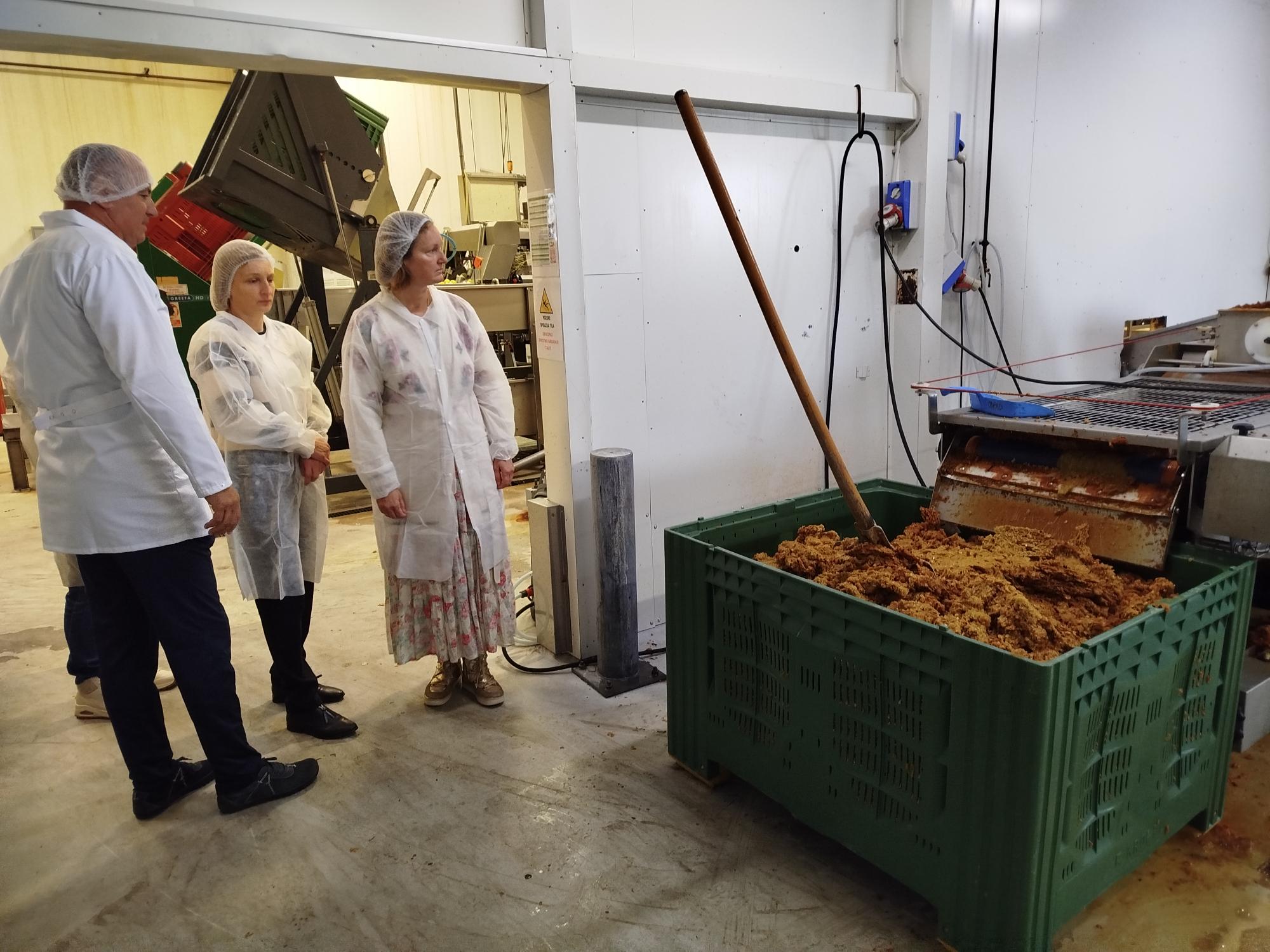
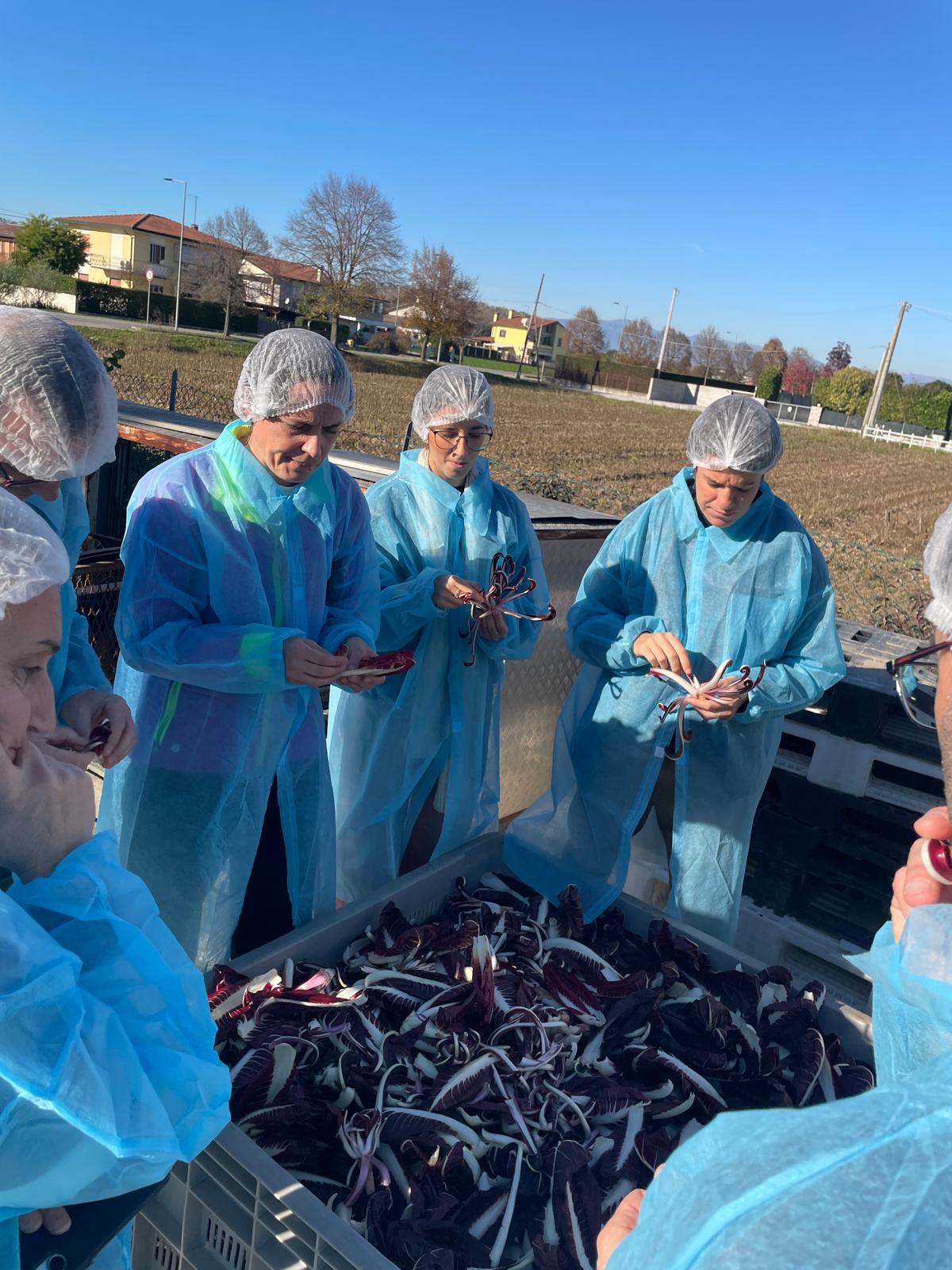
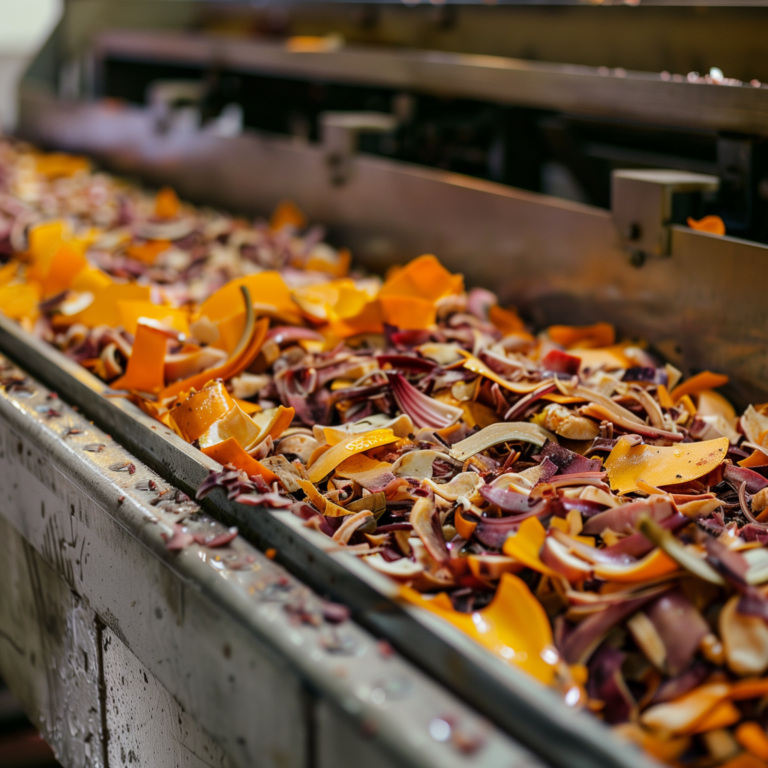
Industrial-scale valorisation of radicchio by-products into dried and micronised biomass for food, cosmetic, and nutraceutical uses. Region Italy (Treviso & Veneto) Sector Primary production & processing Challenges Addressed High moisture & perishability Seasonal concentration of waste Lack of quantitative by-product data Solution Implemented Mapping of biomass flows Drying + micronisation Ingredient development tests Implementation Steps Field visits & mapping Sampling campaign Data structuring Technological testing Model creation Results ~28% of radicchio becomes usable by-products Significant cost reduction potential Waste streams fully quantified Lessons Learned Data in agri-waste chains is fragmented On-site engagement is essential Collaborative data creation improves accuracy Scalability ✔ Method transferable to other vegetables ✔ Equipment usable year-round via other crops
Type of output: Solutions
View solution

Case Study 3 (Book of Good Examples) Yellow Mealworm Farming Using Agri-Food Residues

Improving mealworm farming efficiency using local agricultural residues as feed. Region Warmia & Mazury (Poland) Sector Mixed (production & processing) Challenges Addressed Lack of insect farming know-how Need for optimal rearing conditions Limited feed substrate knowledge Solution Implemented Rearing environment assessment Feed substrate optimisation Development of microwave drying technology Implementation Steps On-site audit Feeding trials Environmental optimisation Drying technology development Results +75% production volumes +60% annual sales increase Lower energy use for heating Lessons Learned Requires major work reorganisation Staff training is critical Measurements help scale production Scalability ✔ Ideal for 1–10 t/month facilities ✔ Easy replication across Poland
Type of output: Solutions
View solution

Case Study 4 (Book of Good Examples) - Agri-Food Waste Bioconversion into Feed, Fuel, or Other Products

Mapping biomass and valorising residues for biogas, fertiliser, and alternative products. Region Kujawsko-Pomorskie (Poland) Sector Processing Challenges Addressed Expensive traditional feedstocks Low awareness of circular economy Regulatory obstacles for biogas plants Solution Implemented Regional biomass mapping Anaerobic digestion optimisation Public seminars and awareness raising Implementation Steps Promotional events Raw material mapping Literature analysis Technological optimisation Value chain modelling Results & Impact Increased knowledge of regional biomass Identification of new value chains Lessons Learned Databases incomplete → methodology must adapt Scalability ✔ Applicable across biomass-rich regions ✔ Useful for SMEs seeking new materials
Type of output: Solutions
View solution

Case Study 6 (Book of Good Examples) — Food-Grade Pumpkin Seed Meal Production

Cooperation model enabling small oil mills to produce high-value pumpkin seed meal instead of low-value press cake. Region Southeast Styria (Austria) Sector Mixed (production & processing) Challenges Addressed Lack of infrastructure at mills Fragmented raw material supply No coordination mechanisms Solution Implemented Creation of cooperative model (eGen) Shared processing via central mill Development of two collaboration options (centralised & decentralised) Implementation Steps Stakeholder outreach Data collection Model development Expert review Pilot processing (Oct 2025) Results & Impact Upgrading 100–150 t/year of by-product Production of food-grade meal (<500 µm) Lessons Learned Early interest ≠ formal cooperation Need stable governance & funding Gradual scaling works best Scalability ✔ Perfect for regions with many small mills ✔ Cooperative model transferable Europe-wide
Type of output: Solutions
View solution

CASE STUDY 7 (Book of Good Examples) — Integrating Regional Hemp into Circular Furniture & Textiles

This case study presents how the Slovak company implemented bio-based materials — including regional hemp fibres — into its product development processes for interior, textile, and furniture applications. Supported by Slovak University of Agriculture in Nitra, the company explored possibilities for circular material integration in future manufacturing. Partner Slovakia Sector Furniture manufacturing, interior textiles, circular biomaterials Challenges Addressed Need for sustainable material alternatives in furniture/interior design Limited access to tested, high-performance natural fibre biocomposites Necessity to understand the potential of hemp-based materials for industrial use Early-stage knowledge gaps on durability and processing parameters Solution Implemented Collaboration between Meeberg GmbH and Chemie-Cluster Bayern to explore suitability of hemp-based biocomposites Review of possible applications in Meeberg’s production for interiors and textile-dominant furniture elements Identification of opportunities for circular design through increased use of bio-based materials Results & Impact Clear identification of specific product areas where hemp-based materials can be used Strengthened cross-regional collaboration between Slovakia and Bavaria Improved understanding of technical and functional requirements for natural fibre composites Enhanced readiness for circular product development in future manufacturing cycles Lessons Learned Bio-based materials require early-stage testing to determine mechanical and aesthetic suitability Regional supply chains must be aligned early to guarantee volume and quality Cross-border collaboration accelerates the innovation process and reduces development risks Scalability & Replicability ✔ Applicable to SMEs in furniture, acoustics, and interior design ✔ Transferable to any region with access to hemp, flax, or similar fibres ✔ Low barrier to adoption — requires mainly design adaptation and supplier coordination
Type of output: Solutions
View solution

Project videos

Project documents

No documents found

Project images

TeBiCE

The project lead partner is responsible for the content of this project website.

Project on social media

Project Contacts

Project Manager

Lorenzo Furlan
Phone: +39 345 5819635

Finance Manager

Alessandra D'Orazio
Phone: 0039 049 8293717

Communication Manager

Bartosz Duszyński
Phone: +48 56 621 85 64