

Project overview
Governance Enhancement for Cohesive Societies
Citizens across central Europe increasingly want to get more involved in local and regional policy-making. The GEtCoheSive project developed and tested inclusive governance practices to improve public authorities’ capacities to engage with citizens from vulnerable backgrounds, especially in view of environmental policies and access to care services. The partnership developed a transnational strategy and local action plans for four cities to make their societies more cohesive.
-
2,63m €
-
Project Budget
-
80%
-
of the Budget is funded by ERDF
-
4
-
Countries
-
7
-
Regions
-
12
-
Partners
-
4
-
Pilots
Duration
Start date
End date
Project progress
About the project
Project partnership
Project partners

Lead partner
Ca' Foscari University of Venice
Department of Philosophy and Cultural Heritage
Project partner
Slovenian Migration Institute
1000 LJUBLJANA
Social Sector
Fakultät I, Arbeitslehre, Technik und Partizipation
Stadtteilarbeit / Gemeinwesenarbeit
Research Platform “The Challenge of Urban Futures”
20124 Milano
Cohesion Area and European Project Unit
Roadmap
Social Inequality is a Challenge

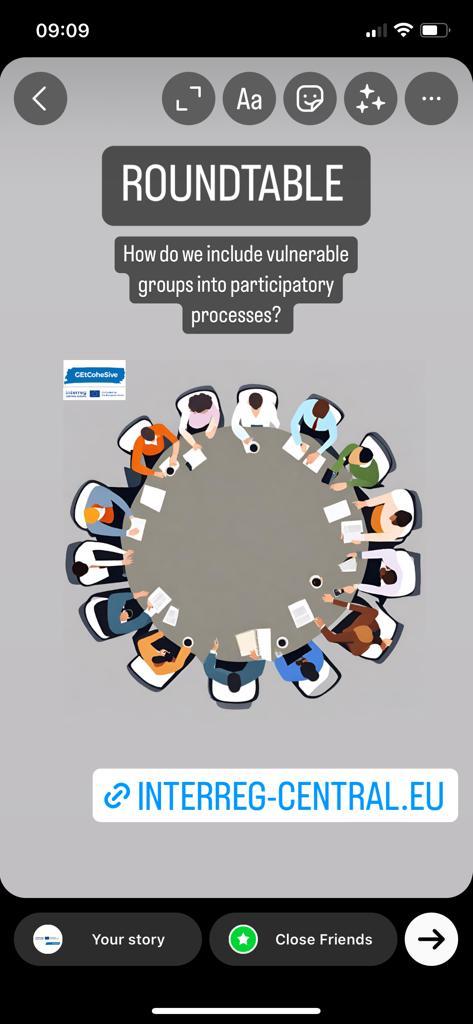
Inequality is both a socio-economic and a political risk for democratic societies: Not all people have the same possibilities to participate in political decisions and the many ways we shape our future. So how do we include particularly vulnerable groups into participatory processes?
Specific Problem
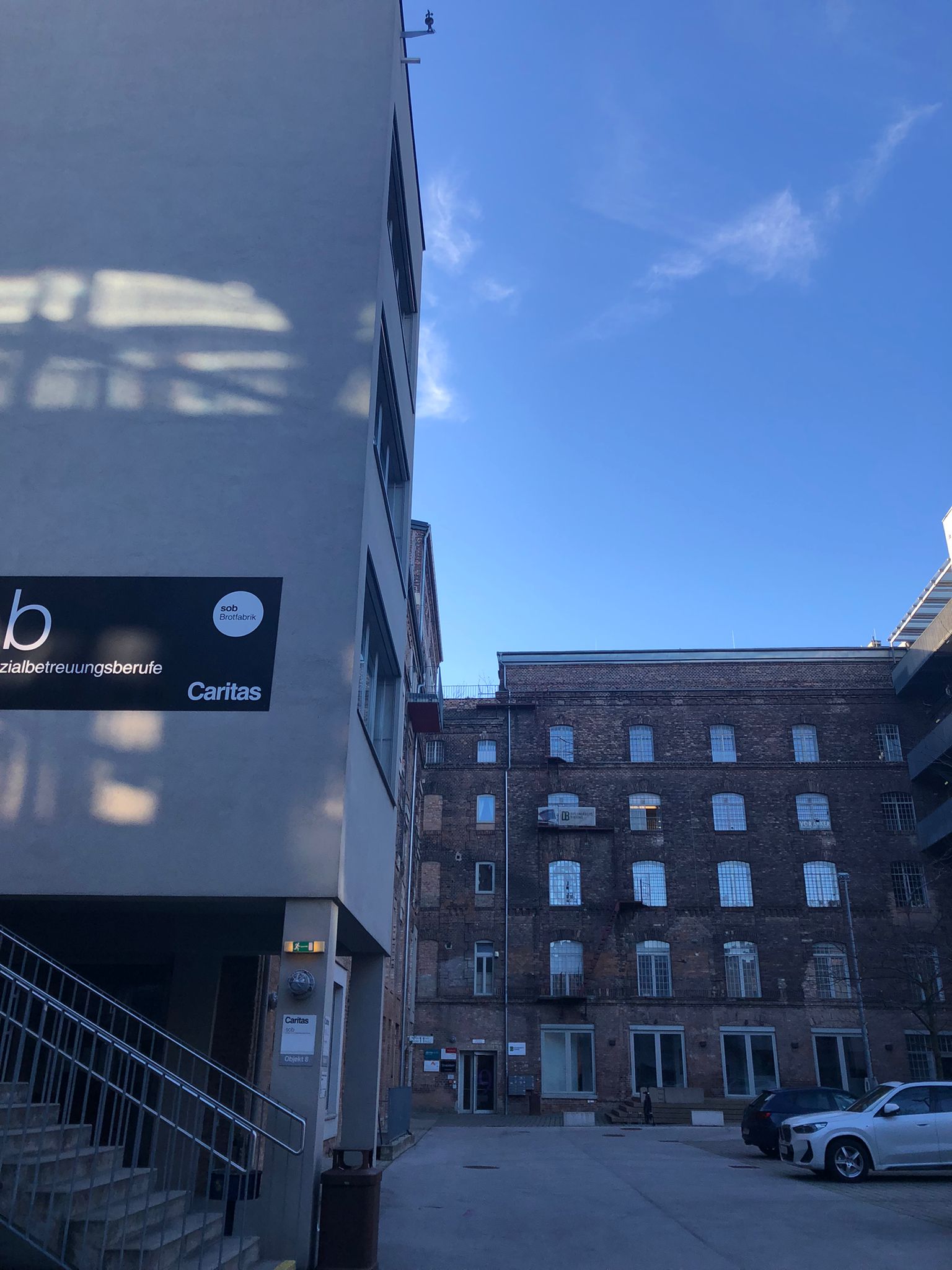
Unemployment or poor work, poverty and material deprivation act as barriers for a full participation in society. Vulnerable groups – people with migrant backgrounds, elderly, disabled persons and people with low income or poor health – are hard to include into participatory governance processes.
Our idea
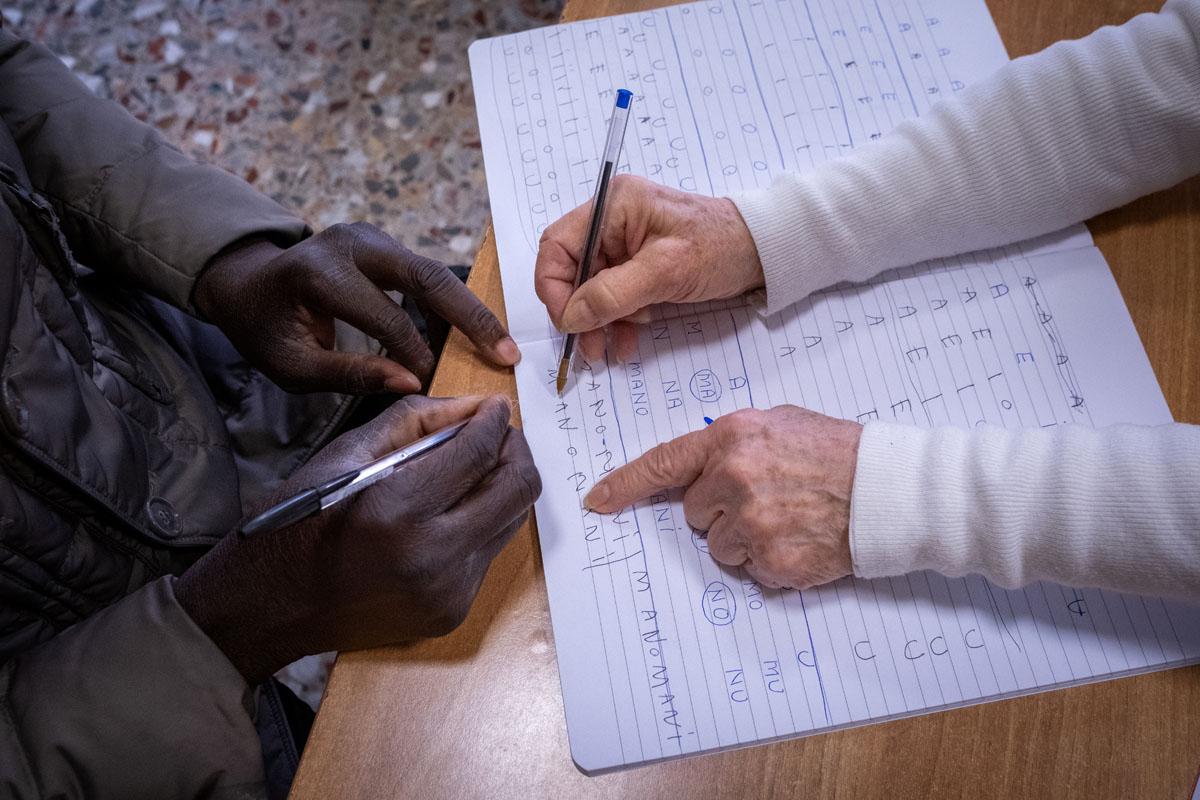
What if we strengthen participatory governance? What if we bring together stakeholders from administrations, citizens, NGOs, and collaborate on improving existing participatory tools? What if we make participation work for vulnerable, marginalised people, for those who are usually excluded?
Our solution

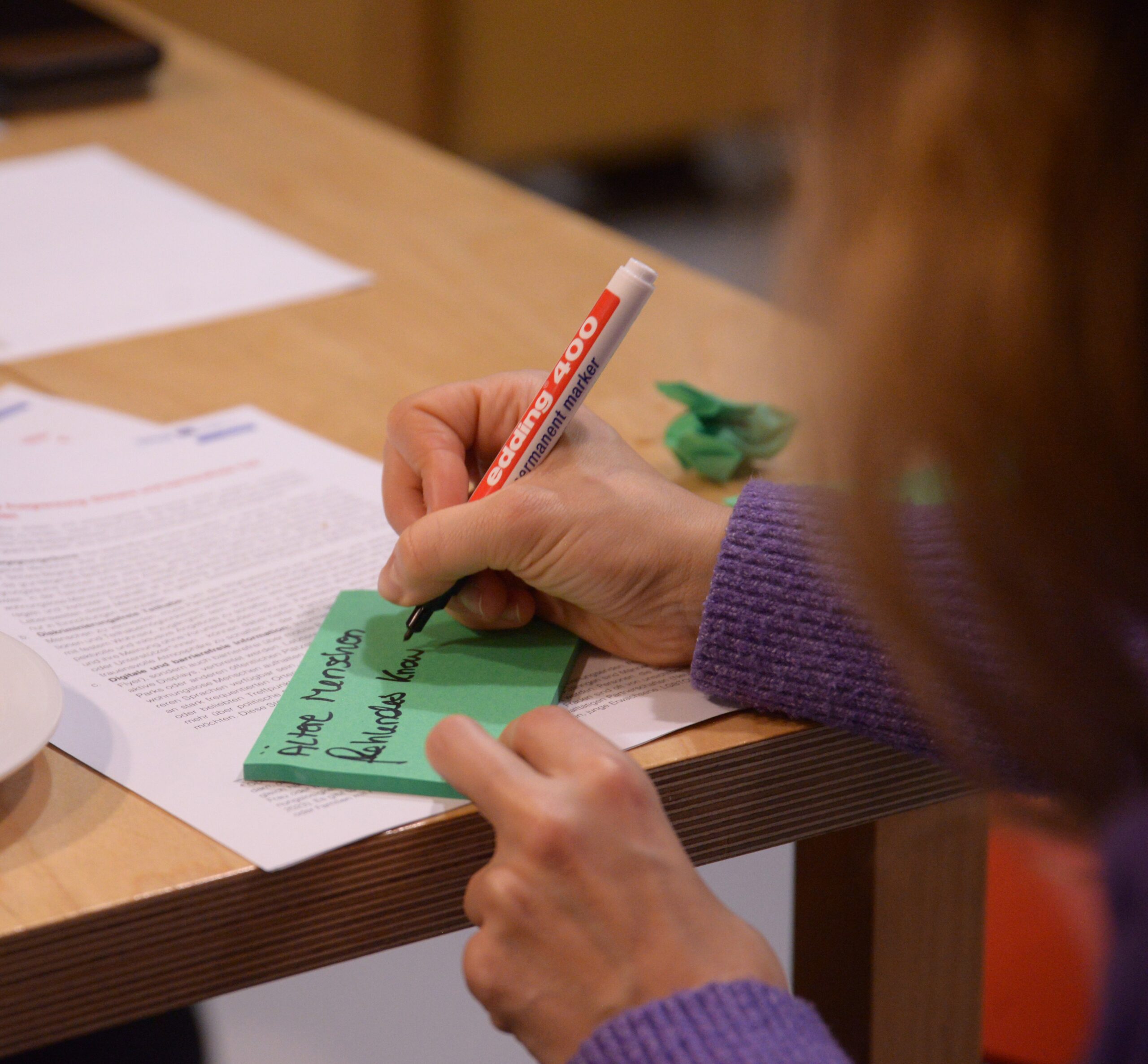
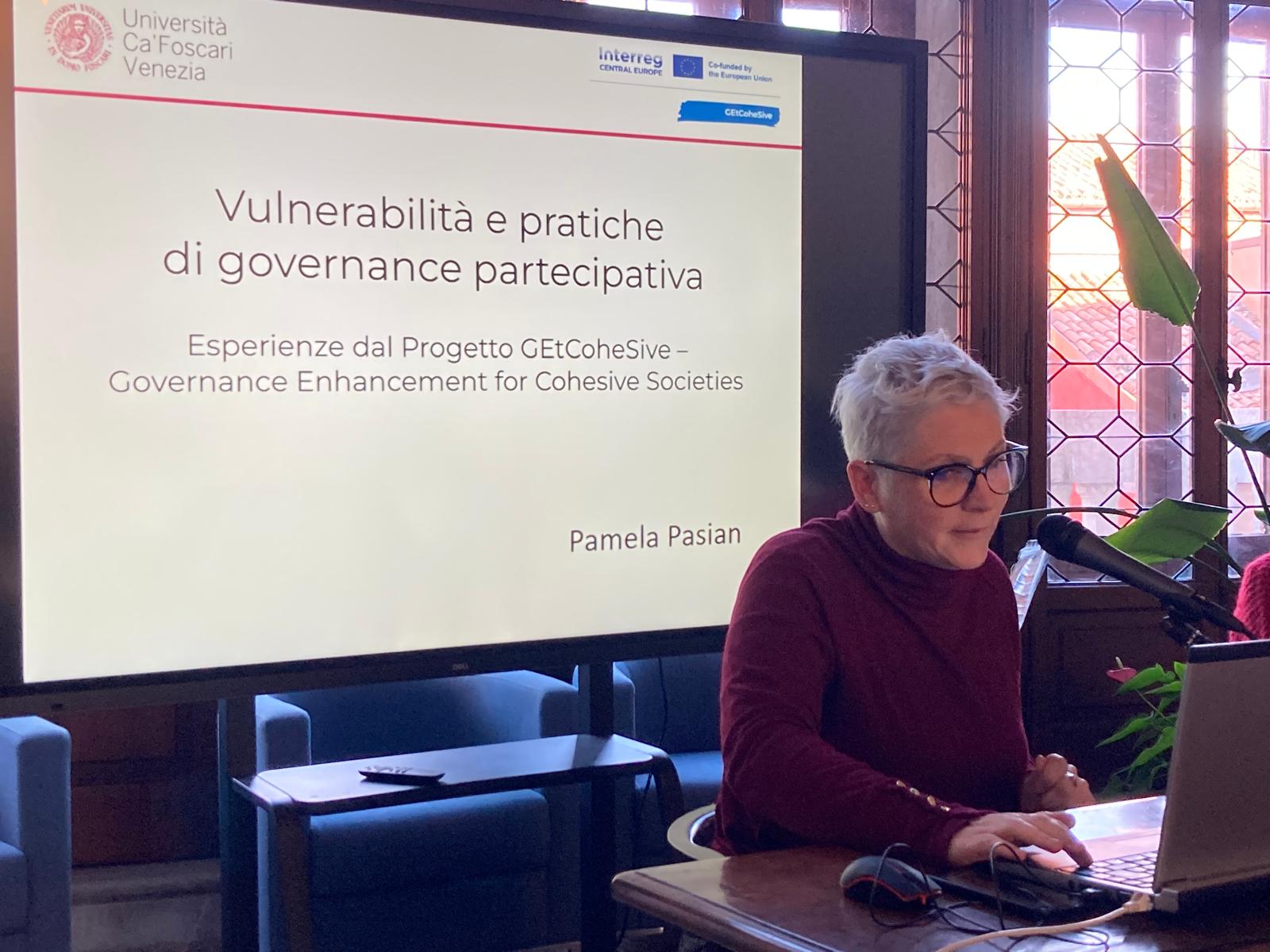
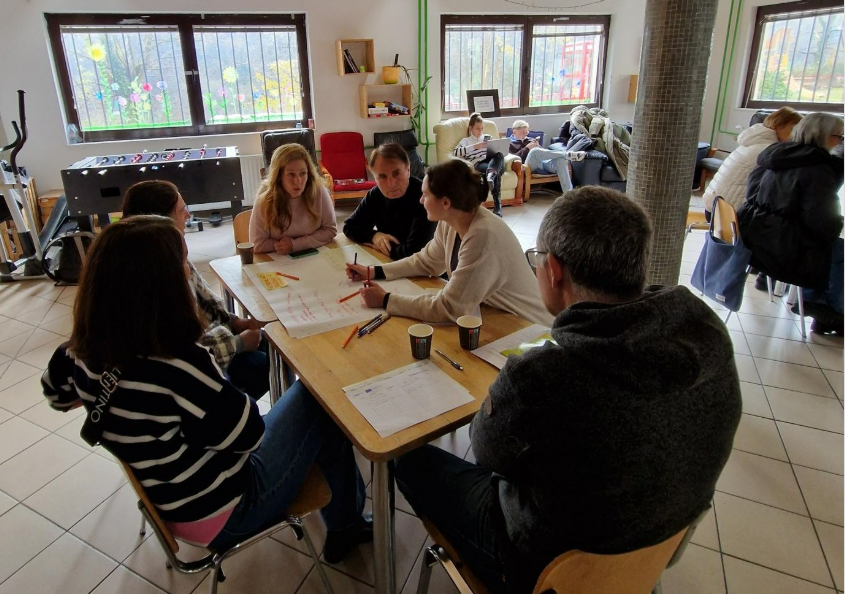
GEtCoheSive developed and tested participatory and deliberative governance approaches in different local contexts across Central Europe. The project combined top-down and bottom-up methods, bringing together public authorities, civil society organisations and citizens to co-design solutions related to environmental policies and access to care and welfare services.
How it works
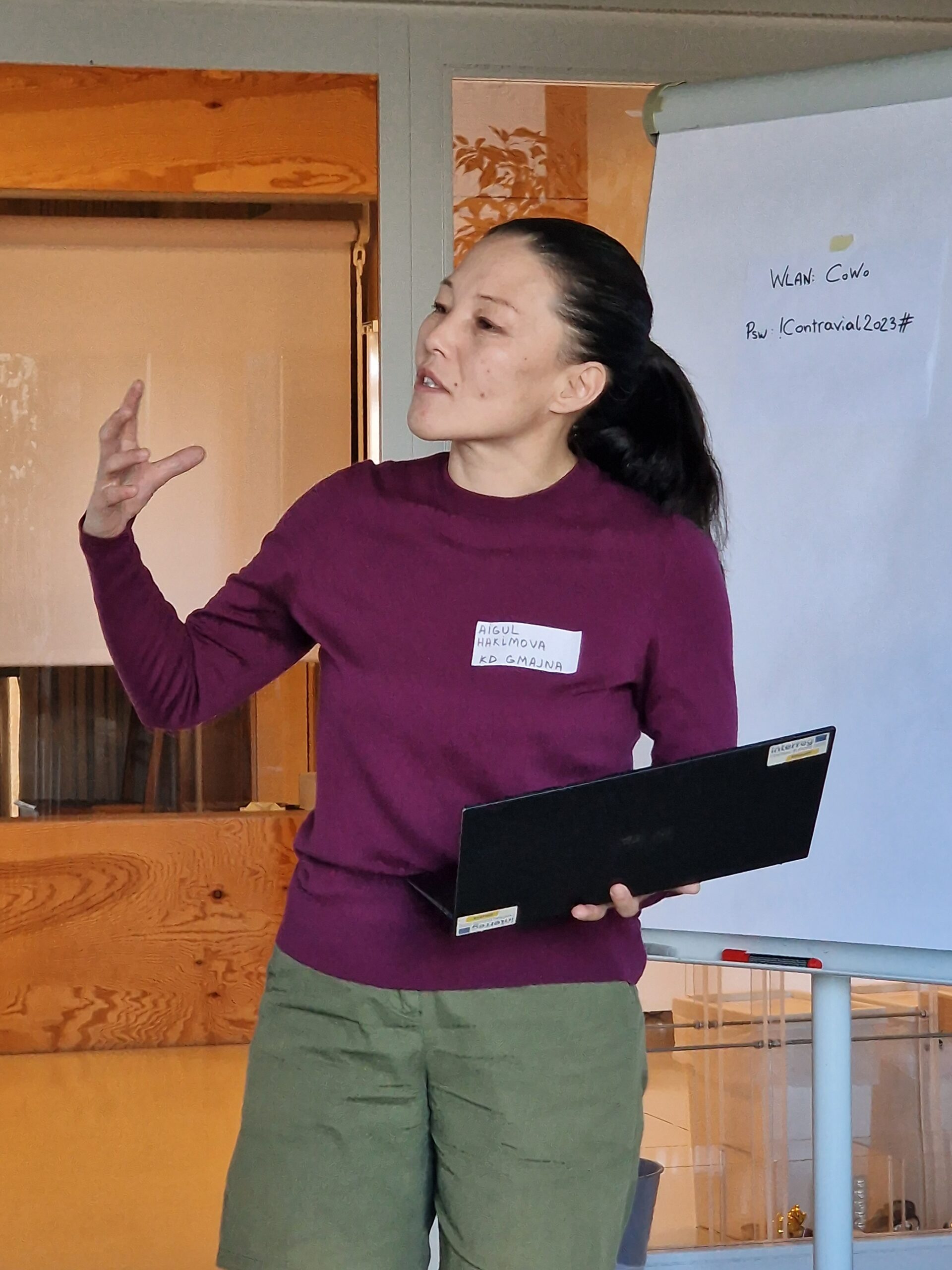
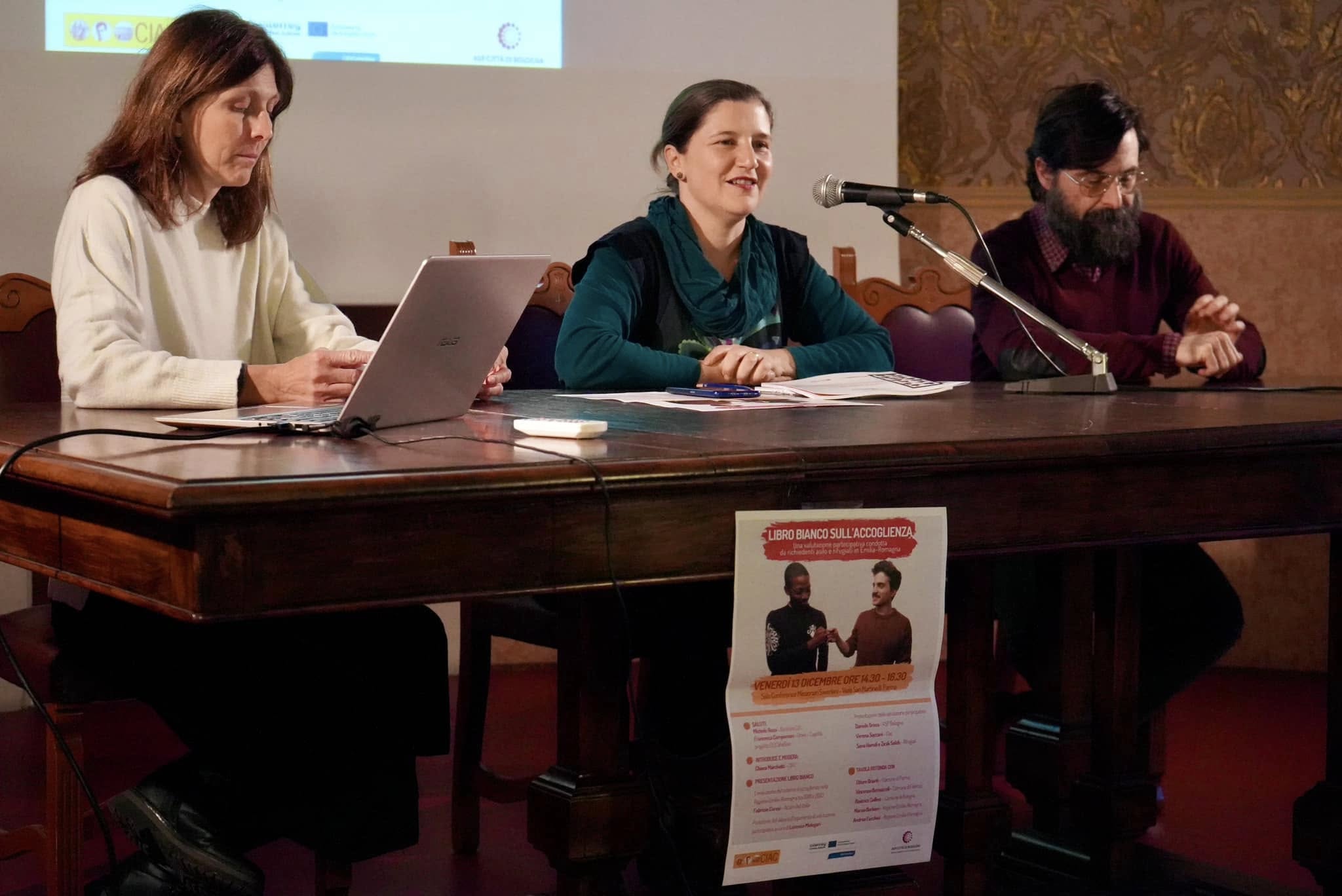
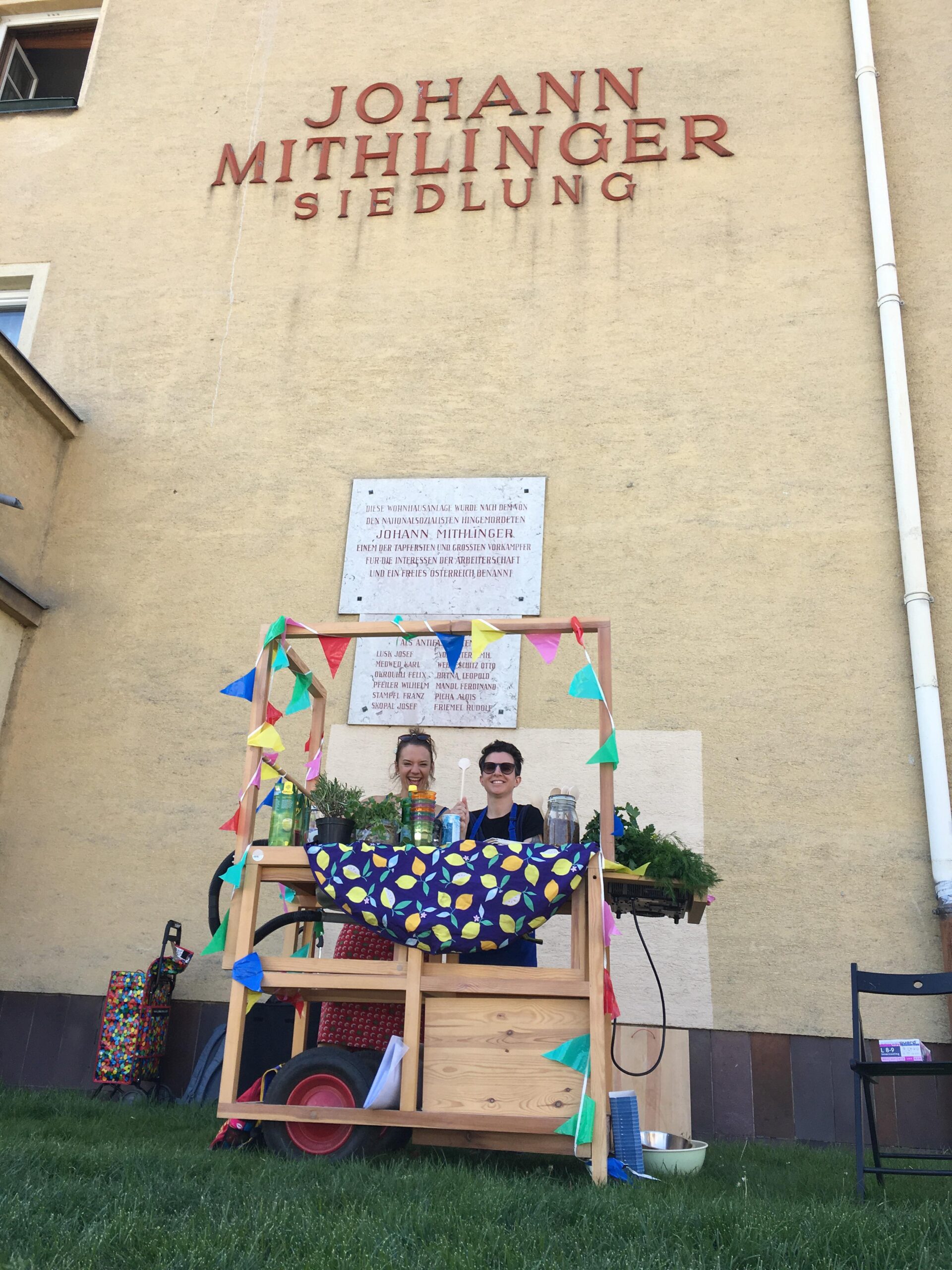
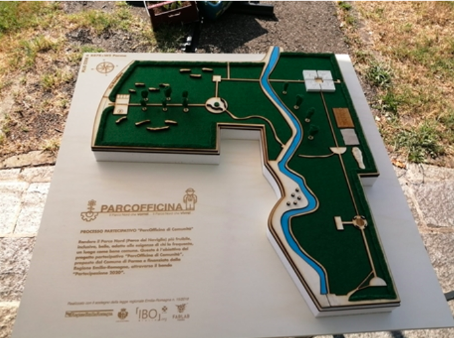
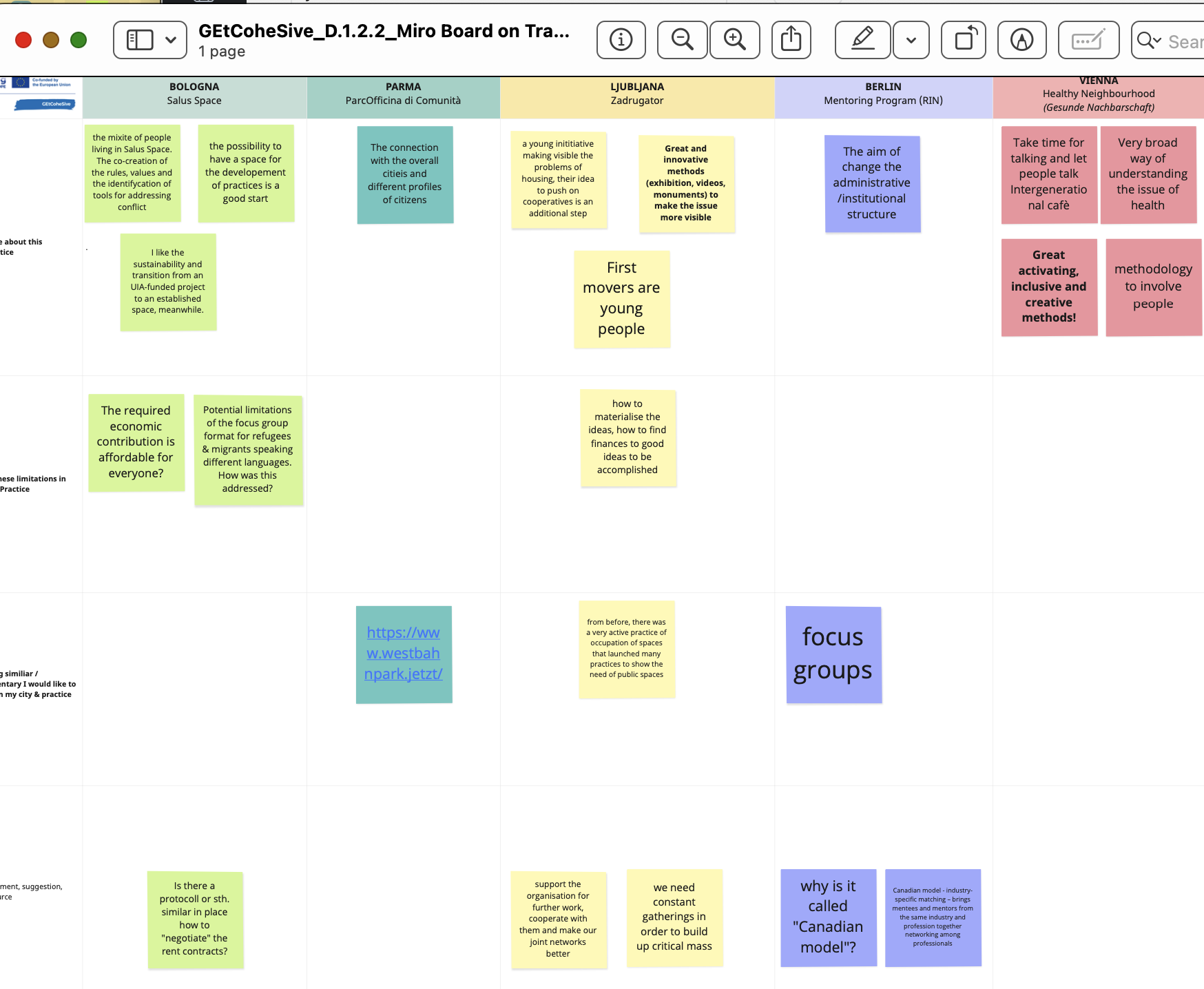
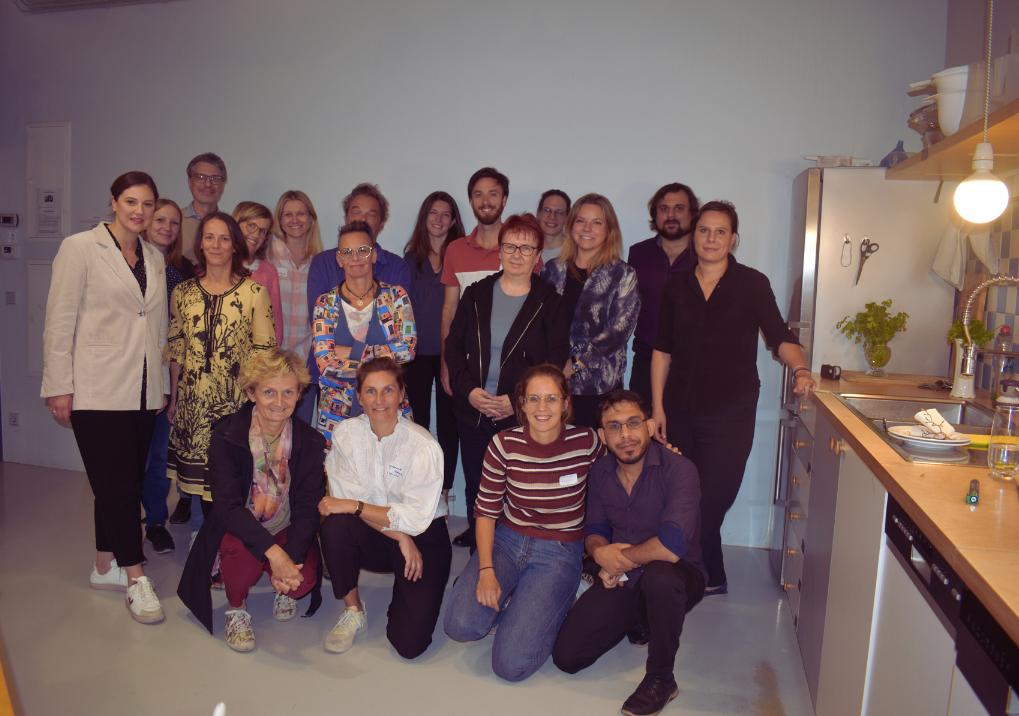
The partnership implemented a series of pilot actions in Berlin, Vienna, Ljubljana and Parma, engaging vulnerable groups, third-sector organisations and public administrations in real-world participatory processes. These pilots explored different ways of improving civic engagement, strengthening cooperation between institutions and communities, and making participation more accessible and meaningful.
Proof/Credibility
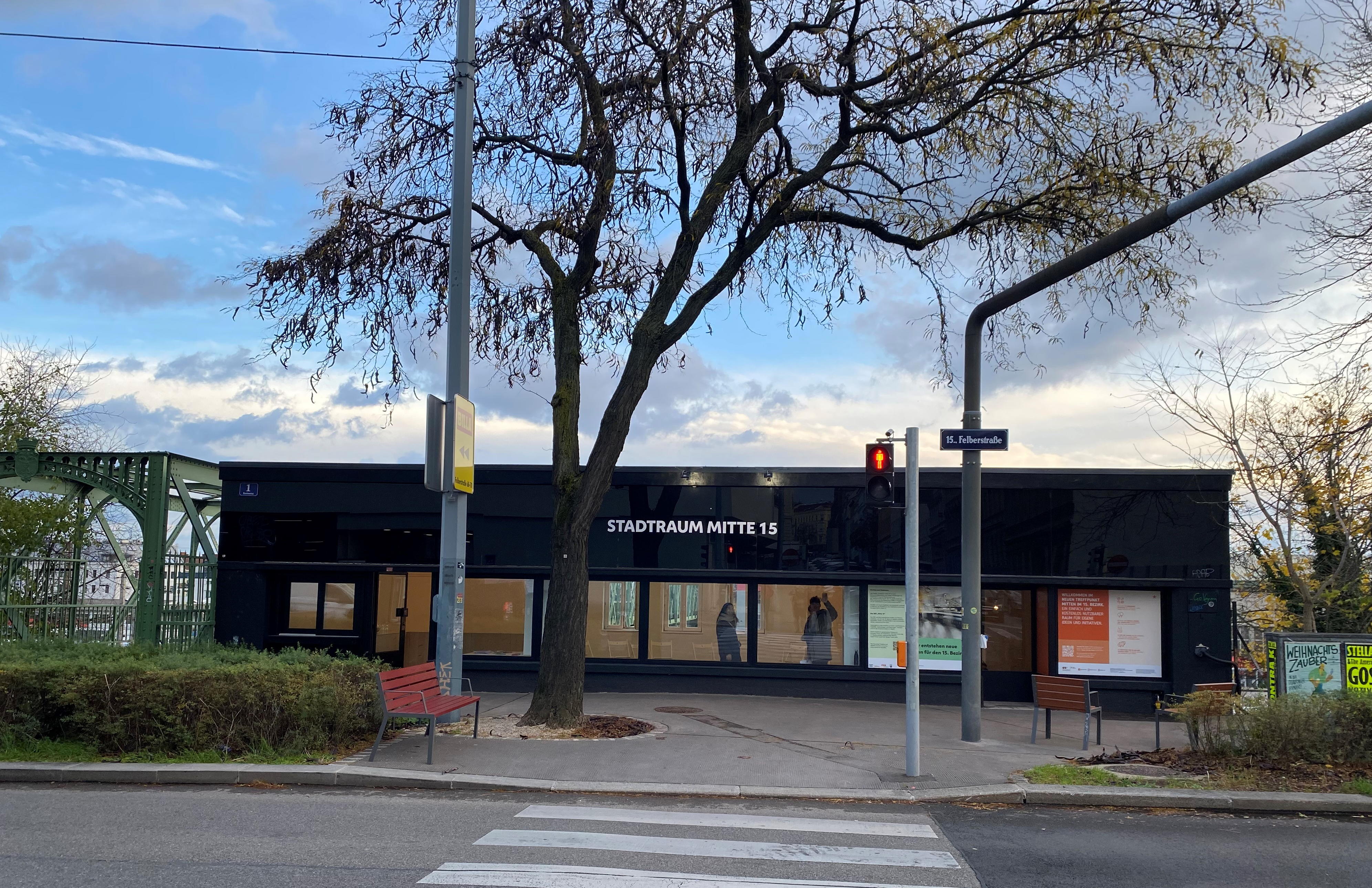
The pilots confirmed that inclusive participation requires targeted outreach, trusted intermediaries, and long-term cooperation between public authorities and civil society organisations. The project also identified practical methods for engaging groups that are often underrepresented in decision-making processes and highlighted the importance of adapting participation formats to local contexts and needs.
Vision

Based on the pilot experiences, GEtCoheSive produced a set of practical outputs that remain available after the project’s completion:
- Tested methodologies for participatory and deliberative governance.
- Practice-oriented tools for engaging vulnerable groups and supporting co-planning between public authorities and third-sector organisations.
- Local and transnational strategies and action plans.
- Comparative analyses of governance challenges and opportunities across participating cities.
- Recommendations for policymakers and practitioners seeking to strengthen social cohesion through participation.
The project's tools, methodologies and lessons learned provide a practical resource for municipalities, public authorities, civil society organisations and researchers interested in participatory governance. They can be adapted to different local contexts and used to improve citizen engagement, strengthen cooperation between institutions and communities, and design more inclusive public policies and services.
News















Events

Pilot actions
Outputs
Practice-oriented tools for strengthening civic engagement of vulnerable groups
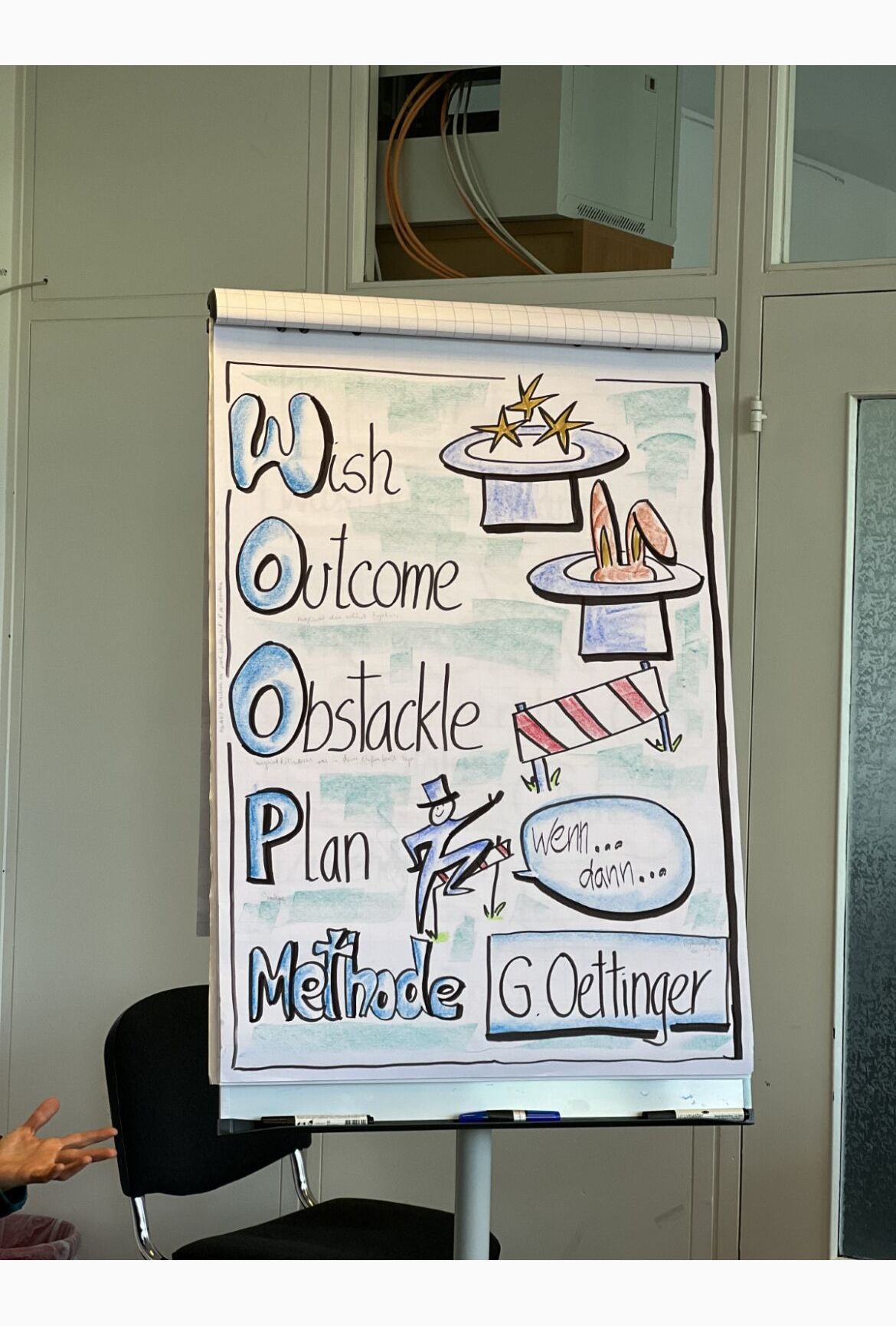
Developed from the 12 GEtCoheSive pilot actions, these four practice-oriented, ready-to-use toolkits help public authorities and civil society organisations design and implement more inclusive participatory and deliberative processes. Together, they cover both top-down and bottom-up approaches and support immediate practical application.
The toolkit package includes:
- Top-Down Participatory Toolkit: guidance for public administrations on promoting and running inclusive participatory processes.
- Top-Down Deliberative Toolkit: guidance for public administrations on designing and delivering inclusive deliberative processes.
- Bottom-Up Participatory Toolkit: guidance on collaborating with civil society organisations to support community-driven participation.
- Bottom-Up Deliberative Toolkit: guidance on supporting CSO-led deliberative processes and linking them to public decision-making.
GEtCoheSive Practice Toolkits
Together, the toolkits provide:
- Inclusive pathways that help overcome barriers to civic participation
- Capacity-building approaches that strengthen civic literacy and confidence
- Collaboration frameworks for joint policy design
- Continuous feedback mechanisms that keep initiatives responsive and adaptive
Transnational Strategy for inclusive, participatory governance
Transnational Strategy for Participatory Governance
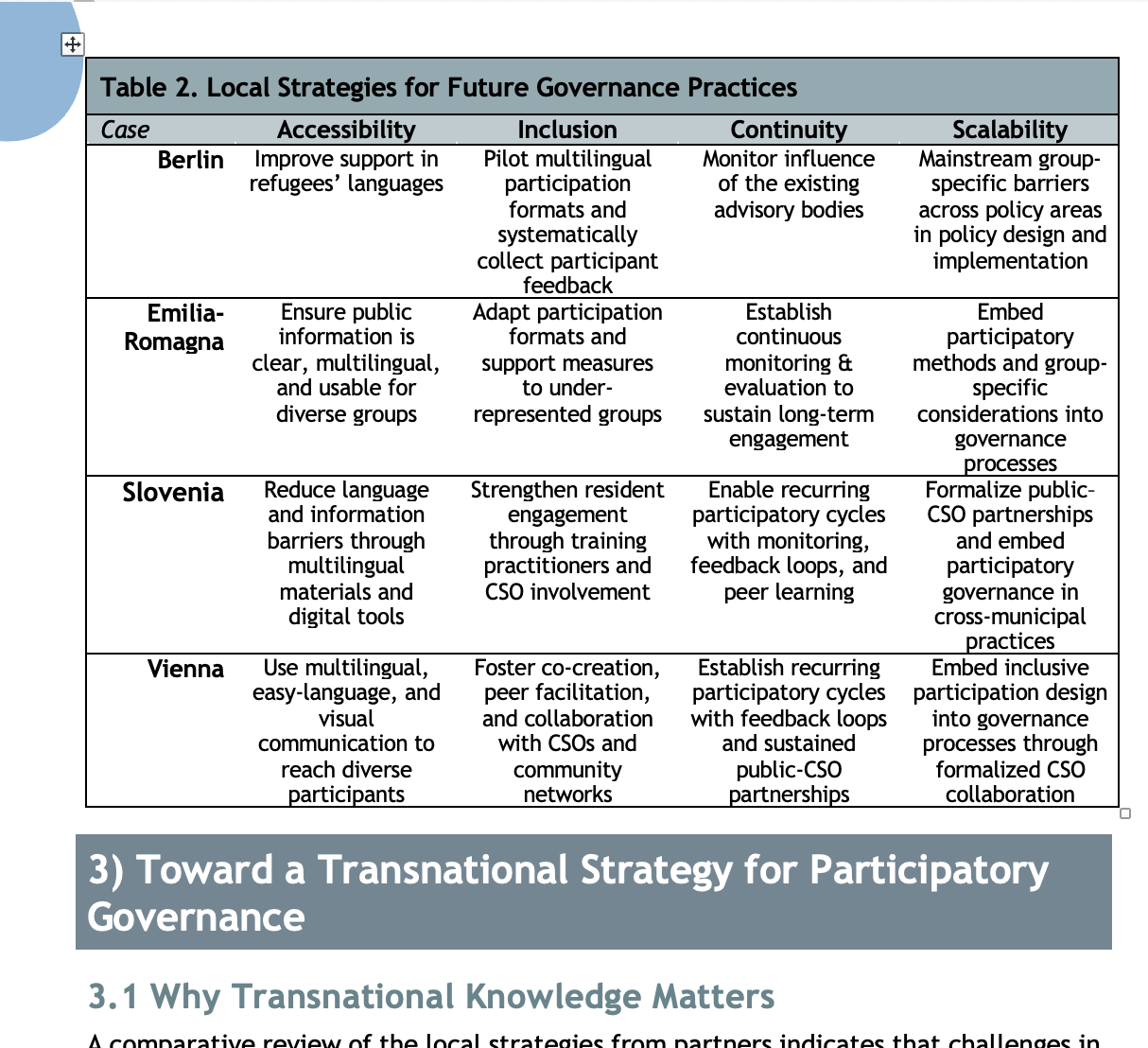
Building on the experience of the 12 GEtCoheSive pilot actions, this strategy provides a shared framework for strengthening participatory governance across European cities. It offers practical guidance for embedding inclusive participation into long-term governance structures.
Key features:
- A shared framework for strengthening participatory governance across regions
- Practical recommendations for inclusive communication, co-design and sustainable participation
- Guidance for embedding participation into institutional governance structures
- Support for transnational learning, peer exchange and long-term collaboration
Transnational Action Plan
Transnational Action Plan (TAP)
The Transnational Action Plan (TAP) provides a shared framework for strengthening inclusive participatory governance across the GEtCoheSive partner territories. It connects the Local Action Plans developed in Emilia-Romagna, Berlin, Vienna and Slovenia into a common model for transnational cooperation and long-term governance innovation.
Key features:
- Shared strategic framework for coordinating participatory governance across partner territories.
- Guidance for collaborative participation, supporting the transition from consultation to co-design and long-term engagement.
- Support for transnational learning through the exchange of methods, experiences and good practices.
- Foundation for future cooperation, policy development and cross-regional partnerships beyond the project lifetime.
Project videos
GEtCoheSive
The project lead partner is responsible for the content of this project website.