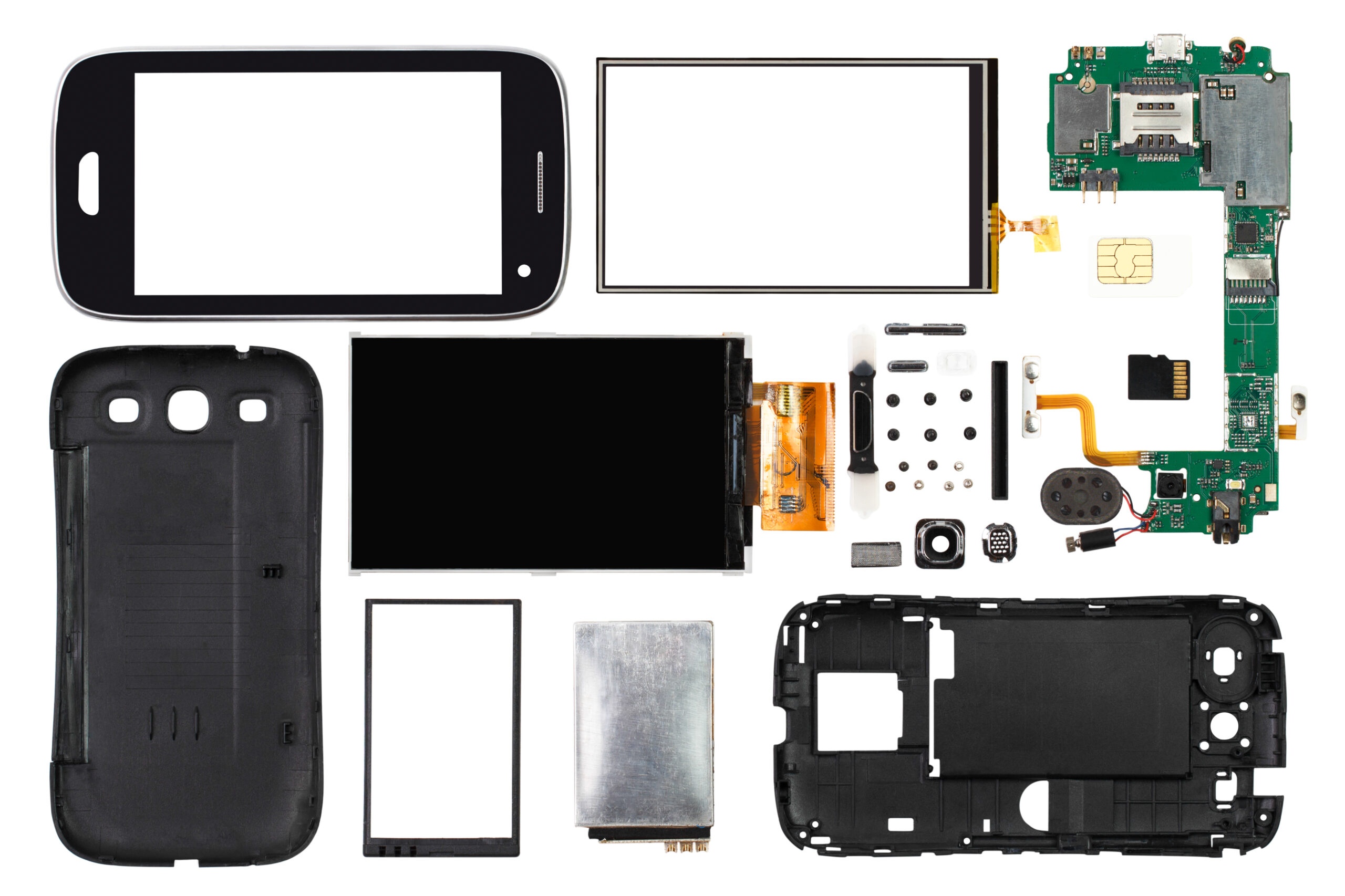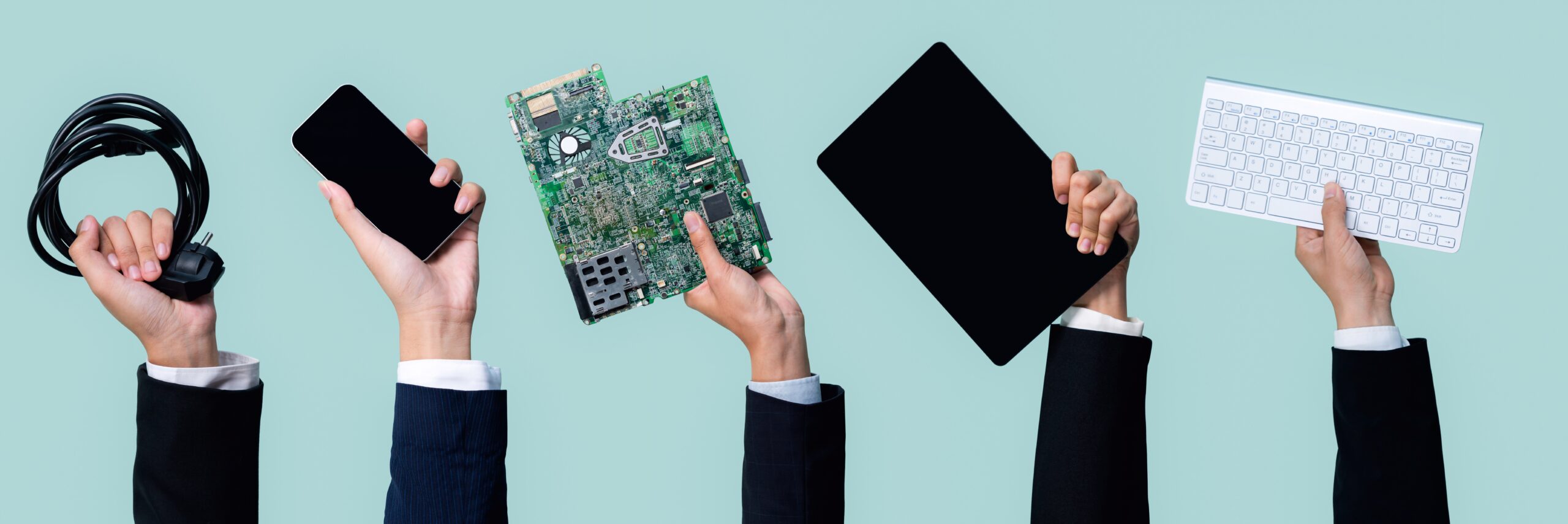
Flat Lay (Top view) of smartphone components isolate on white background with clipping path

CIRCOTRONIC

Project overview

Transnational Network of Circular Labs for EEE

The environmental impact of electronics manufacturing is not just limited to waste creation but also raises concerns about air pollution, water and soil contamination in production processes. To overcome this, the CIRCOTRONIC project brought together scientists, entrepreneurs, and policy makers from nine manufacturing regions in a transnational network of regional circular labs. Together, they developed solutions for more circular value chains and design a policy framework for circular production.

2,38m €

Project Budget

80%

of the Budget is funded by ERDF

Layer 1

6

Countries

9

Regions

12

Partners

5

Pilots

Duration

Start date

End date

Project progress

100%

About the project

The CIRCOTRONIC project supported the circular transition of the Electrical and Electronic Equipment (EEE) manufacturing sector across Central Europe. Partners from six countries worked with companies, research organisations, business support organisations and public authorities to develop and test practical solutions helping SMEs become more circular, resource-efficient and resilient. More than 150 SMEs participated in project activities, enabling tools and approaches to be tested against real business needs. The project also established nine Regional Circular Labs and connected them through the Circular NET-LAB, creating a lasting structure for knowledge exchange and cross-border cooperation. CIRCOTRONIC leaves behind practical tools and tested solutions for companies, a cross-border support model for regional authorities and business support organisations, and strategic recommendations for policymakers. Together, these results provide a foundation for continued circular transformation of the electronics sector beyond the project lifetime.

Project partnership

Project partners

Slovenija (SI)

Lead partner

Chamber of Commerce and Industry of Slovenia

Address
Dimičeva ulica 13
1000 Ljubljana
Country
Slovenia (SI)
Web
https://www.gzs.si/

Project partner

DG Knowledge, Labour and Enterprise Economy Research, Innovation, Energy and Sustainable Economy Unit
Address
Viale Aldo Moro 44
40127 Bologna
Country
Italy (IT)
Web
https://www.regione.emilia-romagna.it/
Total partner budget
272,400 €
SME Advisory Services
Address
Prinzregentenstr. 52
80538 Munich
Country
Germany (DE)
Web
www.bayfor.org
Total partner budget
231,000 €
Address
Letna 9
04200 Košice
Country
Slovakia (SK)
Web
www.tuke.sk
Total partner budget
196,000 €
Cluster and Networks
Address
Hafenstrasse 47-51
4020 Linz
Country
Austria (AT)
Web
https://www.biz-up.at/
Total partner budget
250,005 €
Address
Piazza delle Istituzioni 34/A
31100 Treviso
Country
Italy (IT)
Web
www.t2i.it
Total partner budget
216,850 €
Address
Bandurskiego 96/23
71-685 Szczecin
Country
Poland (PL)
Web
www.mediadizajn.pl
Total partner budget
173,800 €
Address
Kidričeva cesta 25
3000 Celje
Country
Slovenia (SI)
Web
www.tecos.si
Total partner budget
196,500 €
Institute of Engineering Design and Product Development
Address
Lehargasse 6
1060 Vienna
Country
Austria (AT)
Web
https://www.tuwien.at/
Total partner budget
240,800 €
Address
Strojárenská 3
040 01 040 01
Country
Slovakia (SK)
Web
www.arr.sk
Total partner budget
149,800 €
Address
Ul. Gdańska 36
70-660 Szczecin
Country
Poland (PL)
Web
https://www.elektrykamorska.pl/
Total partner budget
56,000 €
Address
Ulica Antona Tomšiča 35
1294 Višnja Gora
Country
Slovenia (SI)
Web
https://elvez.si/
Total partner budget
70,000 €

Roadmap

1

Context

The CIRCOTRONIC project brought together businesses, research organisations, business support organisations and public authorities from the EEE sector across six countries. By combining regional expertise with transnational cooperation, the partnership created a long-term ecosystem supporting the circular transition of EEE manufacturing and the more sustainable use of resources.

2

Specific problem

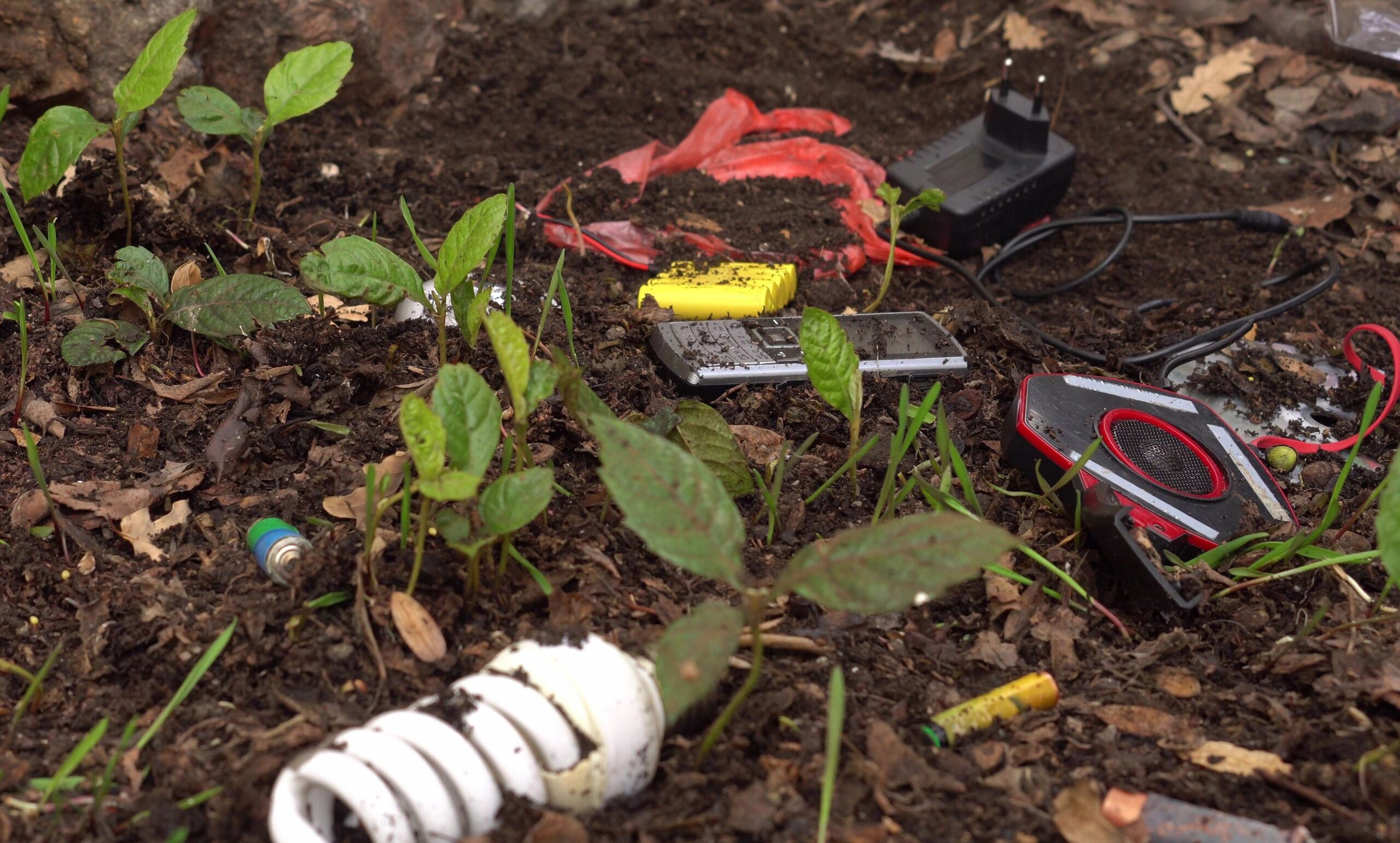
The project addressed the environmental and economic challenges associated with the rapidly growing production and consumption of EEE. Manufacturing processes require large amounts of raw materials and energy, while increasing volumes of e-waste create additional environmental pressures. SMEs often lacked practical tools, knowledge and cooperation structures to implement circular economy approaches and respond to evolving European legislation.

3

Idea

The project partners cooperated for two main reasons. Firstly, to foster sustainable growth by supporting the transformation of EEE manufacturing in Central Europe towards circular and resource-efficient processes, value chains, products and services. Secondly, to develop a policy framework and promote circular economy policy measures supporting circular EEE manufacturing and the use of e-waste as a valuable resource.

4

Solution

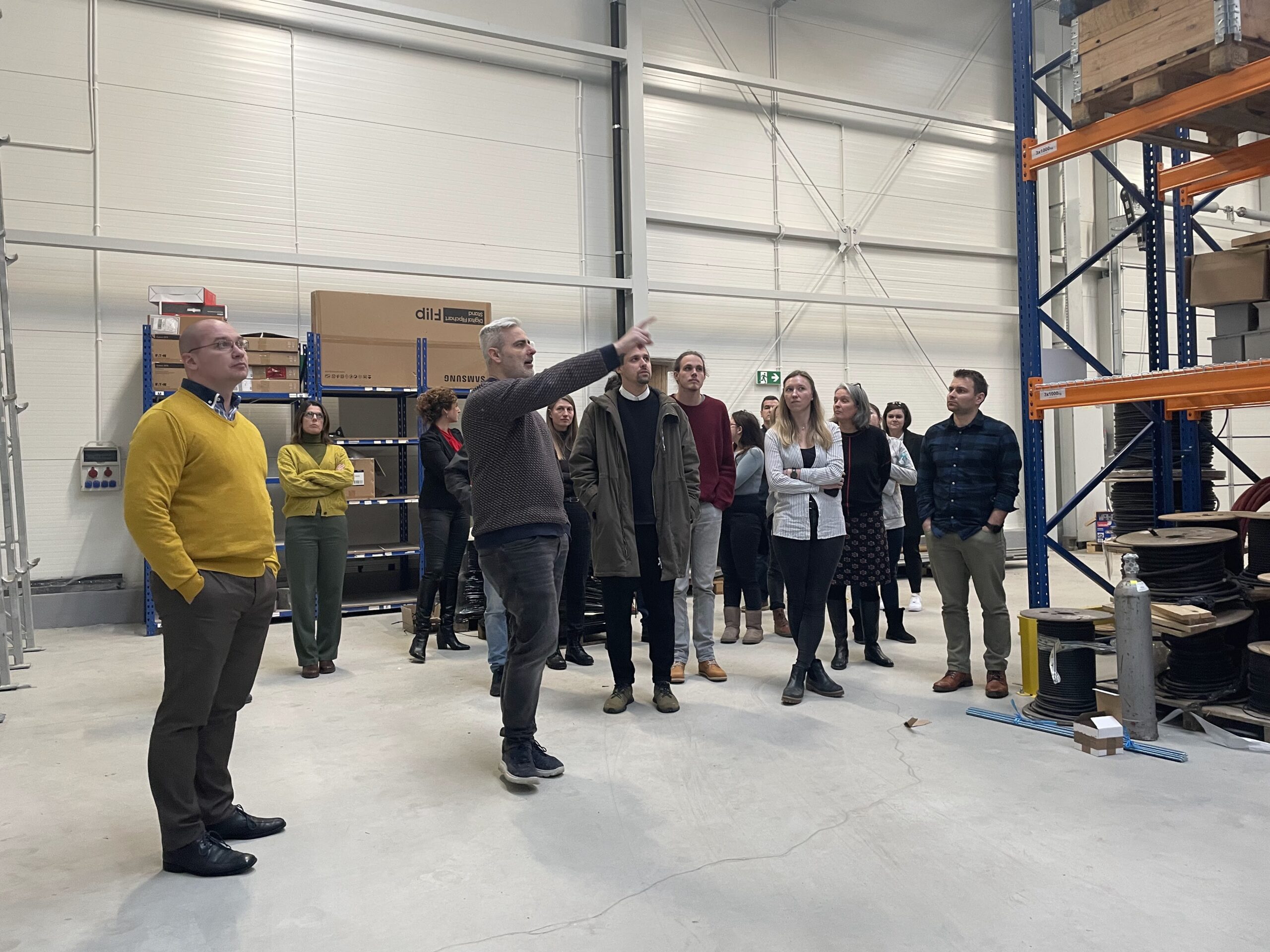
The project developed and tested a comprehensive portfolio of practical solutions supporting the circular transition of the EEE sector. These included tools, methodologies and workshop formats covering three thematic areas: Materials & Recovery, Circular Design, and Circular Business Models & Value Chains. The solutions were validated through pilot actions with SMEs and subsequently taken up by nine Regional Circular Labs, creating a lasting support infrastructure for companies and stakeholders across Central Europe.

5

Implementation

To ensure the long-term uptake of the project's results, the partnership developed a Transnational Strategic Action Plan supporting the implementation of the European Circular Economy Action Plan (CEAP). The Regional Circular Labs were connected through the Circular NET-LAB, enabling continued cooperation, knowledge exchange and joint development of circular economy initiatives beyond the project's lifetime. Together with the tools and educational resources, these structures ensure that the project's results continue to support EEE manufacturing and e-waste management across Central Europe.

News
Events
Pilot actions

Outputs
Practical tools for circular electronics

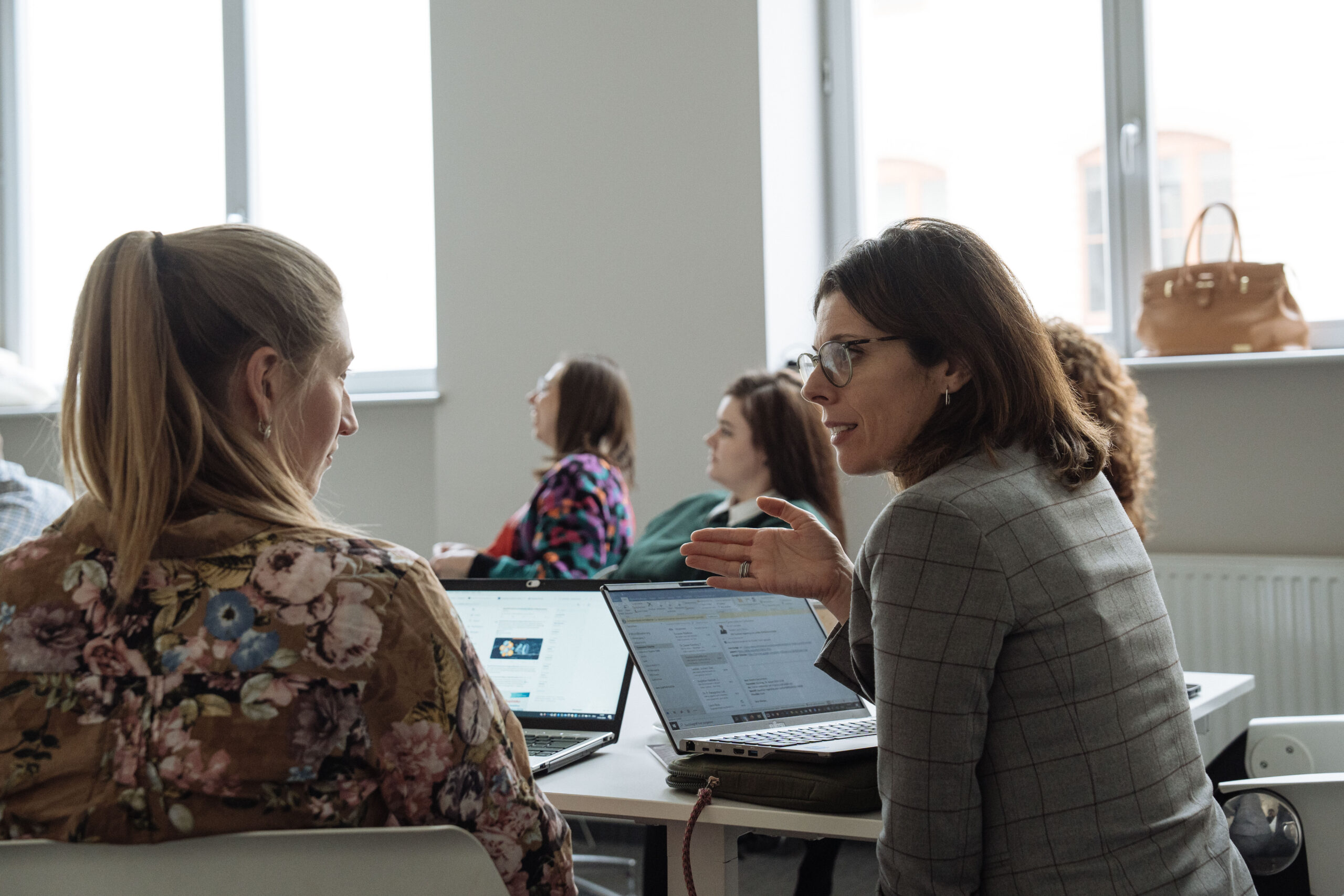
Choosing the right tools is often one of the first challenges companies face when moving towards circular production. CIRCOTRONIC brought together, adapted and developed practical tools covering circular design, materials and recovery, and circular business models and value chains. The resulting portfolio helps companies and business support organisations identify suitable approaches and understand how they can be applied in practice.
Type of output: Solutions

Circular NET-LAB – a transferable support model for circular electronics
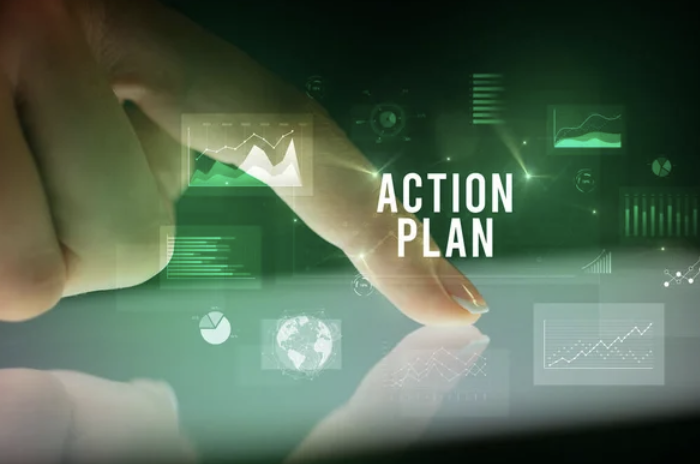
The pilot activities resulted in a lasting support structure combining nine Regional Circular Labs with the transnational Circular NET-LAB. The regional labs provide access to circular economy knowledge, expertise and stakeholder networks, while the Circular NET-LAB connects these regional structures across Central Europe and supports continued exchange and cooperation. Companies, support organisations, researchers and other stakeholders can use the network to access knowledge and resources developed by CIRCOTRONIC and connect with relevant expertise in participating regions.
Type of output: Solutions

Action plan for circular electronics in Central Europe

The Transnational Strategic Action Plan sets out recommendations for accelerating the circular transition of electronics manufacturing and improving the management of electronic waste in Central Europe. Drawing on project experience, regional stakeholder involvement and cooperation across participating countries, it identifies challenges and proposes actions to strengthen circular design, resource efficiency, recovery of materials, circular business models and supportive framework conditions. It is intended particularly for public authorities, policy makers, business support organisations and other actors shaping the transition towards a more circular electronics sector.
Type of output: Strategies and action plans

Project documents

Circular Electronics in Practice across Central Europe

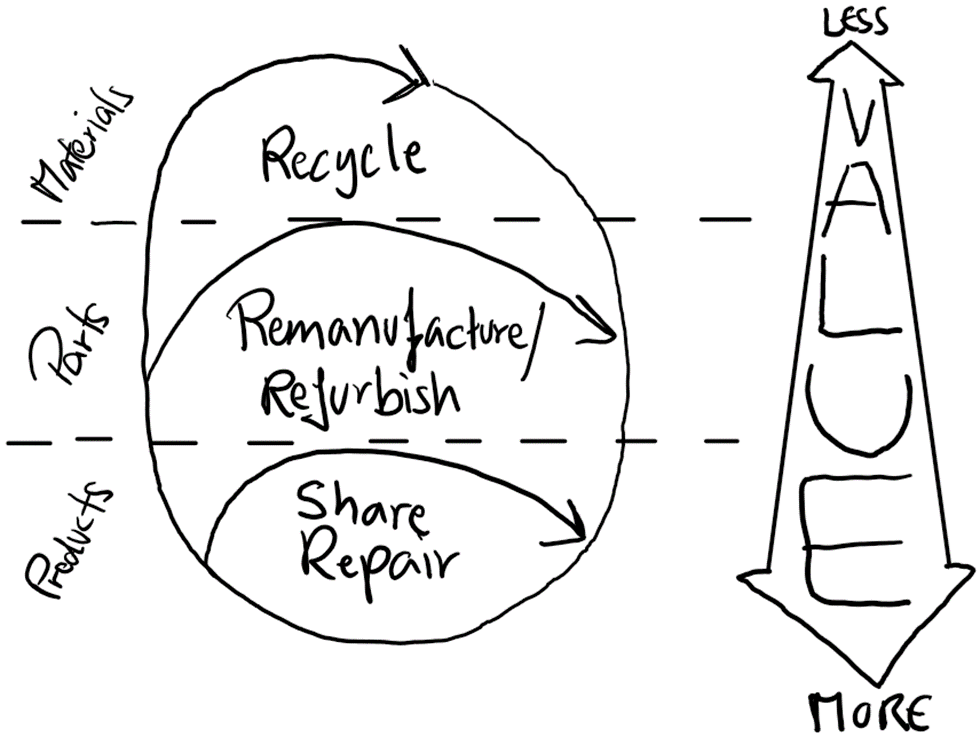
Slovakia: Sharing, Repair and Reuse Explore practical ways to extend product lifetimes through sharing, borrowing, repair and reuse. The examples include KOLO products, workshops at the Goethe-Institut Library in Bratislava and the Re-use Centre in Košice. Together, they show how everyday choices can reduce waste, keep materials in use for longer and support more responsible consumption.
Slovakia: Circular Business Networks and Waste Management Discover initiatives that connect businesses, researchers and communities around better waste management and circular economy practices. Examples include the Cyrkl Waste Marketplace, the INCIEN roadmap for waste management and circular economy, the Slovak Plastic Cluster and the UNIVNET Association. They demonstrate how networks and knowledge exchange can support innovation and more circular practices across industries.
Poland: Recycling, Sustainable Consumption and Design Explore approaches that connect electronics recycling, responsible consumption and sustainable product design. The examples include Eco Profit and the DTB Sustainability Summit and show how recovering valuable materials, reducing waste and designing more environmentally responsible products can contribute to circular transformation.
Poland: E-waste Education and Recycling Discover initiatives that use education and communication to improve the way electronic waste is managed. Examples include Ekopaka.org and Electro3000, which help raise awareness of responsible disposal and recycling. The stories show how better knowledge can support resource recovery and encourage more sustainable everyday choices.
Italy: Repair, Refurbishment and Reuse Explore practical ways of extending the life of products through repair, refurbishment and reuse. Examples include Repair Cafés, refurbished electronics from XERA Green Tech Station and the Daccapo Re-use Centre. These initiatives demonstrate how products and materials can remain in use for longer instead of becoming waste.
Italy: E-waste Education and Awareness Discover how schools, campaigns and educational initiatives can build awareness of responsible e-waste management. Examples include ERION WEEE, Hera, RAEEGen and DireFareRAEE, alongside educational materials, training opportunities and public communication activities. Together, they show different ways of engaging people in more responsible electronics use and disposal.
Germany: Sustainable Consumption and Community Action Explore community-based approaches that encourage more responsible consumption and recycling. FreeWilly, Circular Munich and the E-waste Race demonstrate how sharing, community engagement and creative challenges can motivate people to rethink consumption and take practical action on electronic waste.
Germany: E-waste Reuse, Recycling and Education Discover practical resources for extending the life of electronics and managing e-waste responsibly. Examples include the Verschenk Börse platform for giving away and finding second-hand electronics, Plan E for responsible recycling, and digital learning resources on e-waste disposal. Together, they make circular practices more accessible to individuals and communities.
Austria: Circular Education and E-waste Management Explore educational resources and initiatives that make circularity in electronics and responsible e-waste management easier to understand. Examples include hands-on school kits and resources provided through EAK Austria. They show how education, expert knowledge and public engagement can contribute to more sustainable consumption and better e-waste management.
Austria: E-waste and Battery Recycling Discover practical resources for responsible electronic waste and battery disposal and recycling. Examples include Elektro-Ade, Hermitler and rundgehts.at, which provide information and guidance on how electronic products and batteries can be managed at the end of their useful life. These resources help make responsible disposal easier and more accessible.
Slovenia: Sharing, Reuse and Repair Explore alternatives to buying new products through borrowing, reuse, repair and upcycling. Examples include Knjižnica Reči, reuse centres and hands-on workshops offered by KNOF Social Enterprise. These initiatives demonstrate how products can remain useful for longer while reducing waste and encouraging more resource-conscious lifestyles.
Slovenia: E-waste, Repair and Upcycling Discover practical resources for responsible electronics disposal, repair, reuse and upcycling. Examples include ZEOS, reuse centres, iFixit repair guides, KNOF workshops and environmental initiatives supported by EBM. Together, they show how individuals can extend product lifetimes, prevent waste and become more actively involved in the circular economy.

CIRCOTRONIC

The project lead partner is responsible for the content of this project website.

Project on social media