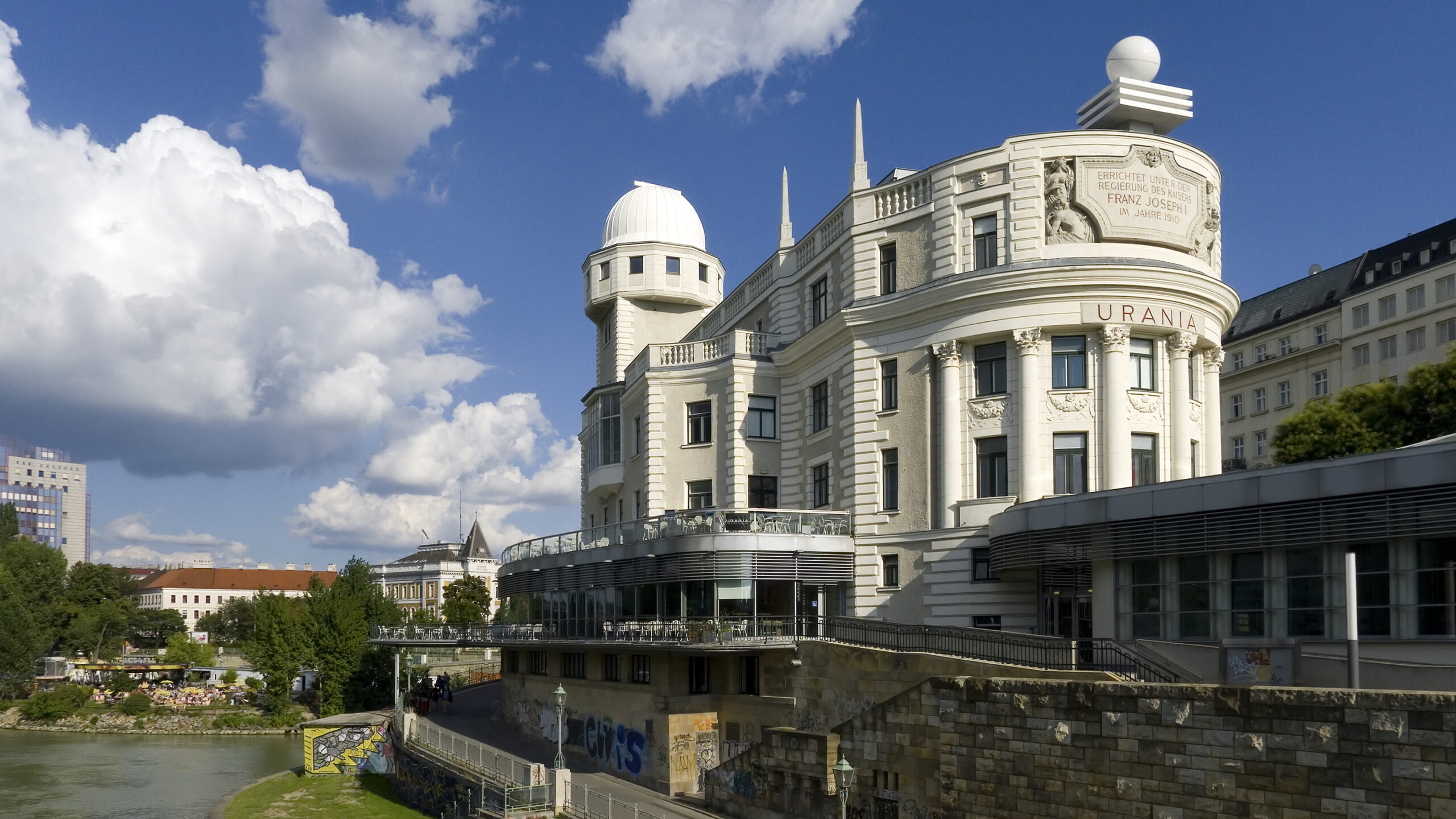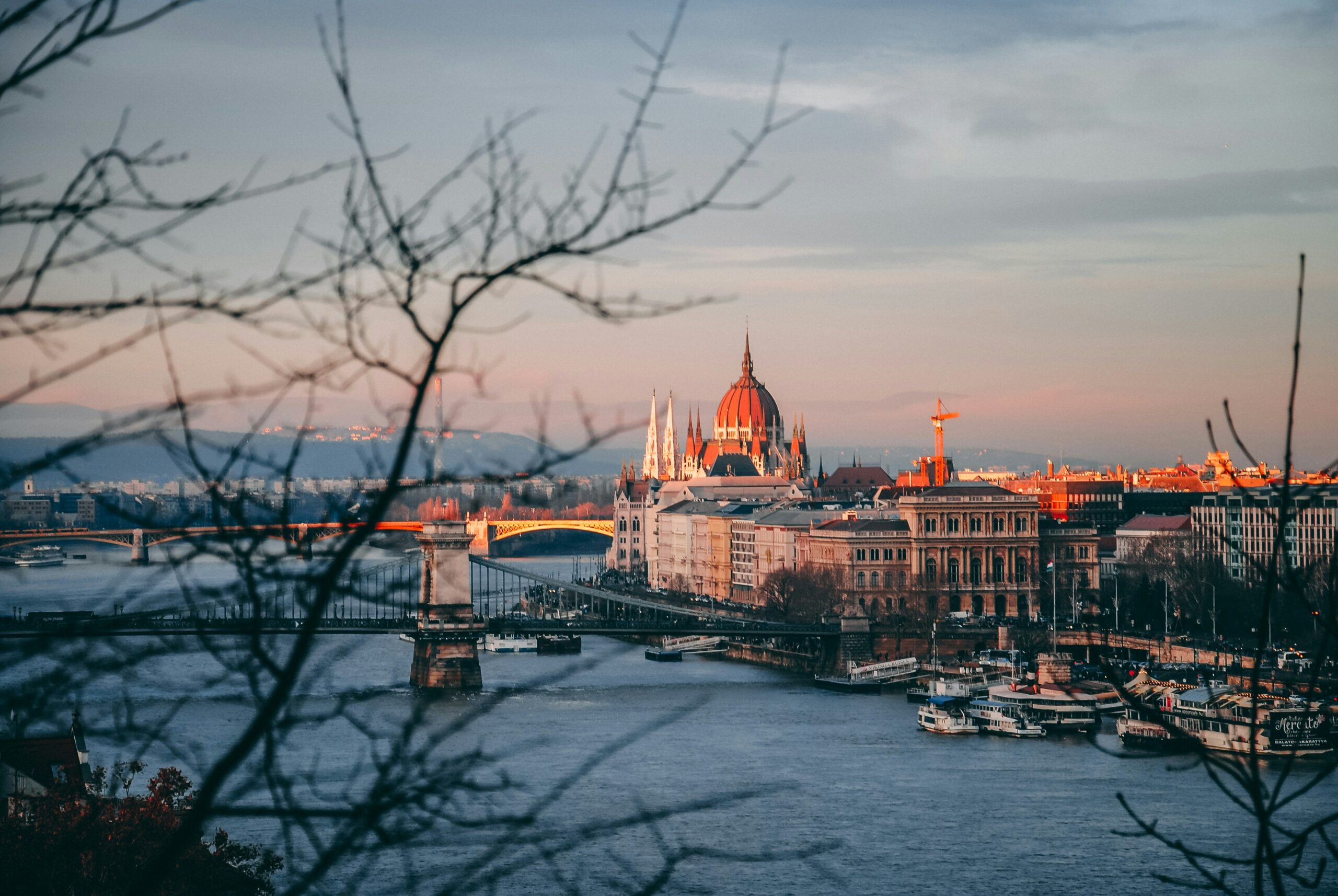
high-angle-photography-of-dome-building-near-bridge-and-body-of-water
Dan Novac Unsplash

UrbanBlueHealth

Project overview

Joint central European actions for improving quality of urban bathing waters

When it’s hot in summer there is nothing better than taking a swim. However, in central European cities this might not be a good idea: 65% of urban surface waters meet only minimum quality standards. The project UrbanBlueHealth improves this condition by first assessing health impacts and then creating new solutions for cleaning up urban lakes and rivers. Amongst others, the partners develop a Blue Health Repository for monitoring and test it in pilots. Water site managers and urban beach operating bodies are trained to implement action plans, and a digital platform makes the new solutions available to other cities.

1,63m €

Project Budget

80%

of the Budget is funded by ERDF

Layer 1

5

Countries

8

Regions

9

Partners

3

Pilots

Duration

Start date

End date

Project progress

96%

About the project

When it is hot in summer there is nothing better than taking a swim. However, in central European cities this might not be a good idea: 65% of urban surface waters meet only minimum quality standards. The project UrbanBlueHealth improves this condition by first assessing health impacts and then creating new solutions for cleaning up urban lakes and rivers. Amongst others, the partners develop a Blue Health Repository for monitoring and test it in pilots. Water site managers and urban beach operating bodies are trained to implement action plans, and a digital platform makes the new solutions available to other cities.

Project partnership

Project partners

Magyarország (HU)

Lead partner

National Center for Public Health and Pharmacy

Department of Public Health, Laboratories and Methodology
Address
Albert Flórián 2-6
1097 Budapest
Country
Hungary (HU)
Web
www.nngyk.gov.hu

Project partner

Address
Kálvária 16
2000 Szentendre
Country
Hungary (HU)
Web
www.v-8.hu
Total partner budget
154,000 €
Chemical Safety Department/Biological Safety Unit
Address
ul. św. Teresy od Dzieciątka Jezus 8
91-348 Łódź
Country
Poland (PL)
Web
www.imp.lodz.pl
Total partner budget
203,000 €
Address
Tratova 574/1
61900 Brno
Country
Czechia (CZ)
Web
www.czwa.cz
Total partner budget
119,000 €
Address
Šrobárova 49/48
10000 Praha
Country
Czechia (CZ)
Web
www.szu.cz
Total partner budget
187,600 €
Department for Water Safety and Supply
Address
Rockefellerova 7
10000 Zagreb
Country
Croatia (HR)
Web
wwwhzjz.hr
Total partner budget
179,200 €
CePII, Institute for Hygiene and Applied Immunology, Unit Water Hygiene
Address
Kinderspitalgasse 15
1090 Wien
Country
Austria (AT)
Web
www.meduniwien.ac.at
Total partner budget
205,800 €
Address
Franje Kuhača 9
31000 Osijek
Country
Croatia (HR)
Web
www.osijek.hr
Total partner budget
166,600 €
Department of Public Health
Address
Franje Krežme 1
31000 Osijek
Country
Croatia (HR)
Web
www.zzjzosijek.hr
Total partner budget
169,400 €

Roadmap

News

Events

Pilot actions

Outputs
Joint CE Transnational Bathing Water Strategy

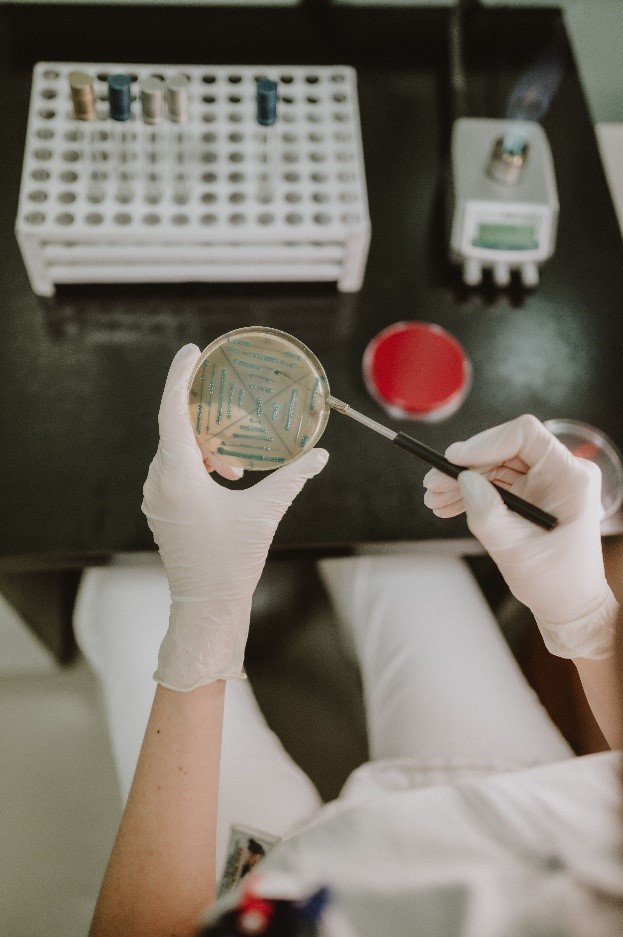
Joint Transnational Strategy outlines the methodological and policy framework of action plans in a transnational scale. It contains exploration of local and regional problems relate to adverse health impacts of extreme climate change events on urban bathing water quality. It provides legal and policy options of local and regional authorities within the frame of national and EU level legislation. The strategy describes environmental and health surveillance methods based on partners contribution shared. It suggests methodology on cross-sectoral working and cooperation methods involving local and regional players in a multi-level governance environment.
Type of output: Strategies and action plans

Urban Bathing Water Action Plans

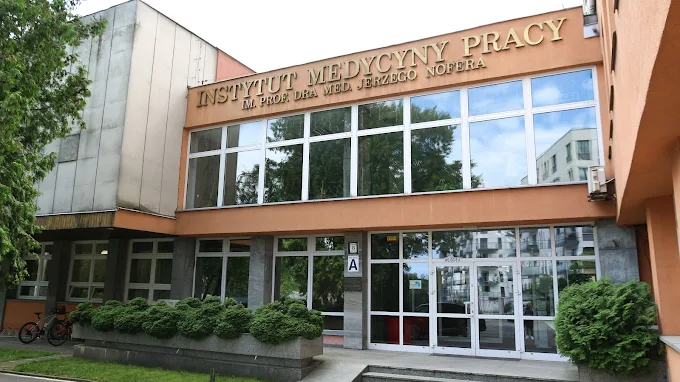
Knowledge provider partners – National Center for Public Health and Pharmacy (HU), Nofer Institute of Occupational Medicine (PL), National Institute of Public Health (CZ) and Croatian Institute of Public Health (HR) in cooperation with pilot partners complied the local urban bathing water action plans in each partner country. These action plans are based on baseline findings and benchmark conclusions and tailored the local sites such as Vienna, Szentendre, Łódź, Prague and Osijek. Actions plans are also benefited from the contribution of the national bathing water groups and the professional discussion of the transnational workshops. The partnership intends to provide the action plan not only in English, but at the national languages, too. Thus in the future the interested stakeholders will be able to reach national materials at national languages. Action plans – with other relevant outcomes of the project - and the translation will be accessible on the Central Europe transnational bathing water platform.
Type of output: Strategies and action plans
In development

Solutions on improving urban bathing sites
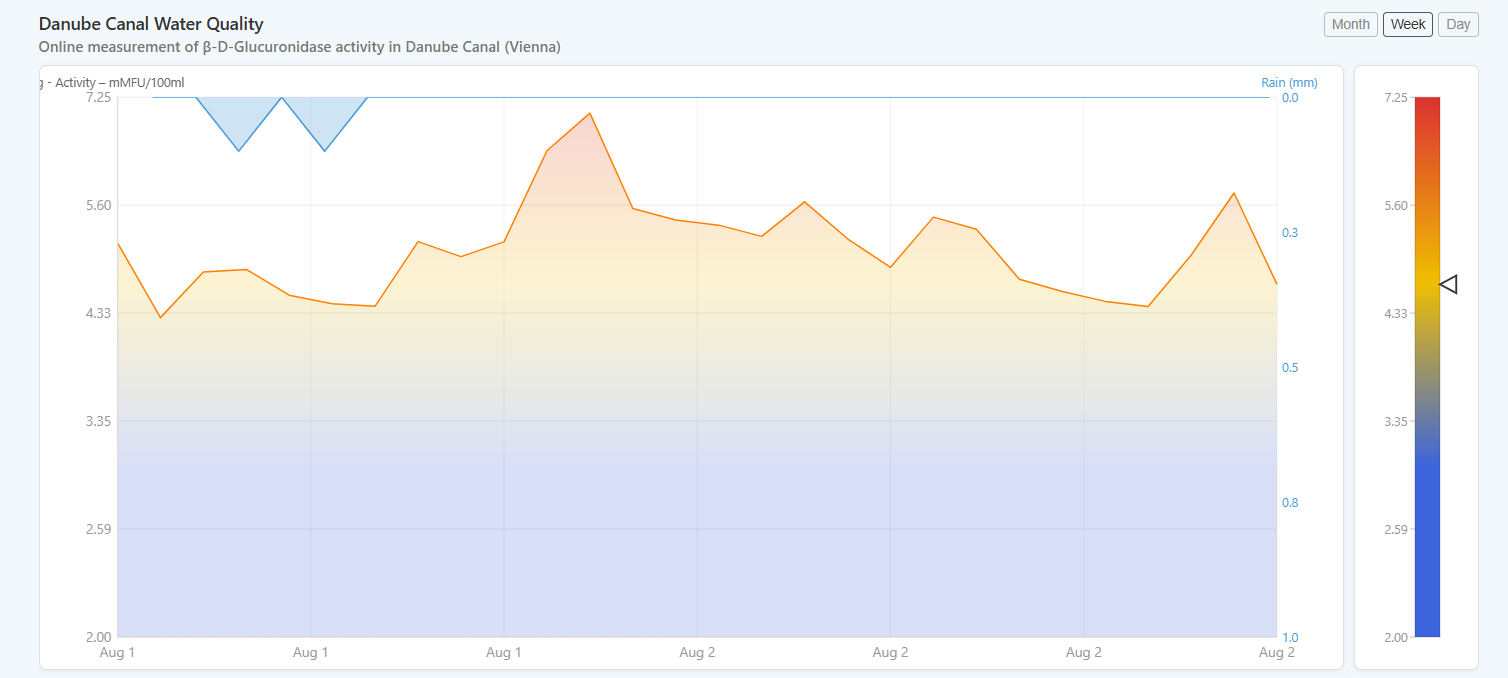
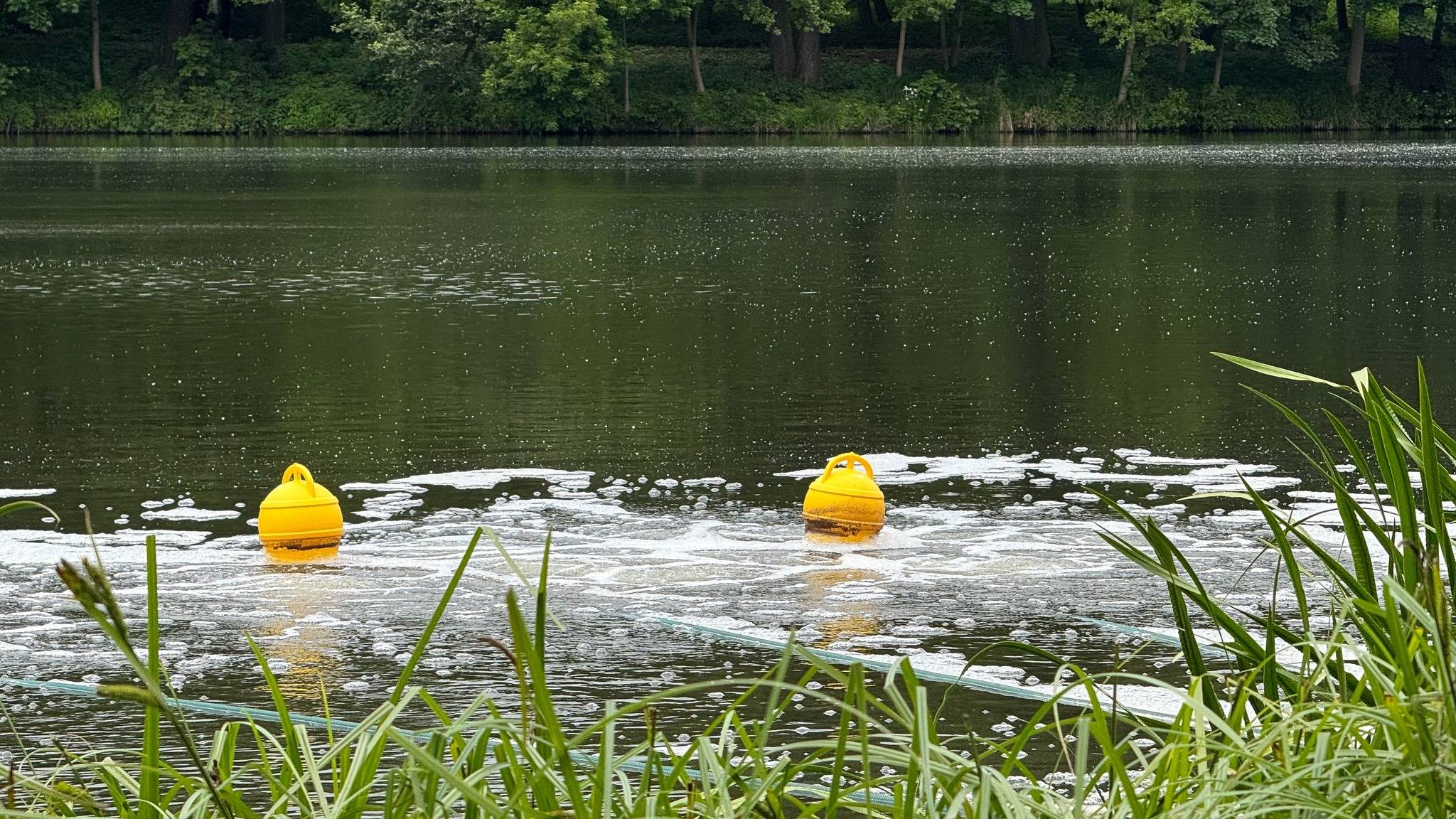
Based on pilot actions implemented in the bathing season 2025, three solutions are being elaborated, in three cities. In city of Łódź in case of the recreational water bodies a high capacity aeration device is installed, which provide sufficient addition oxygen in the bathing water. This extra oxygen controls the number of the pathogen microbes. The Czech partners, SZU, applies remote sensing data-set on alga boom to monitor the and predict peeks of phytoplankton number and assess bathing water quality in bating sites along Vltava River, Braník and Hostivař reservoir. Hungarian solution includes collection on water quality parameters applying automatic and multisensory buoy. The data series and change of the measured parameters make the early warning possible for the Postás beach. In case of sudden change of certain physical and chemical parameters of Danube water it may trigger an intervention protocol for the beach by the local operator.
Type of output: Solutions
In development

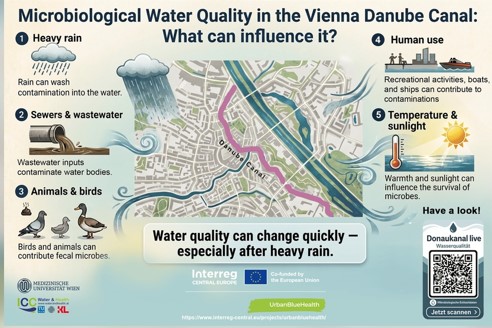
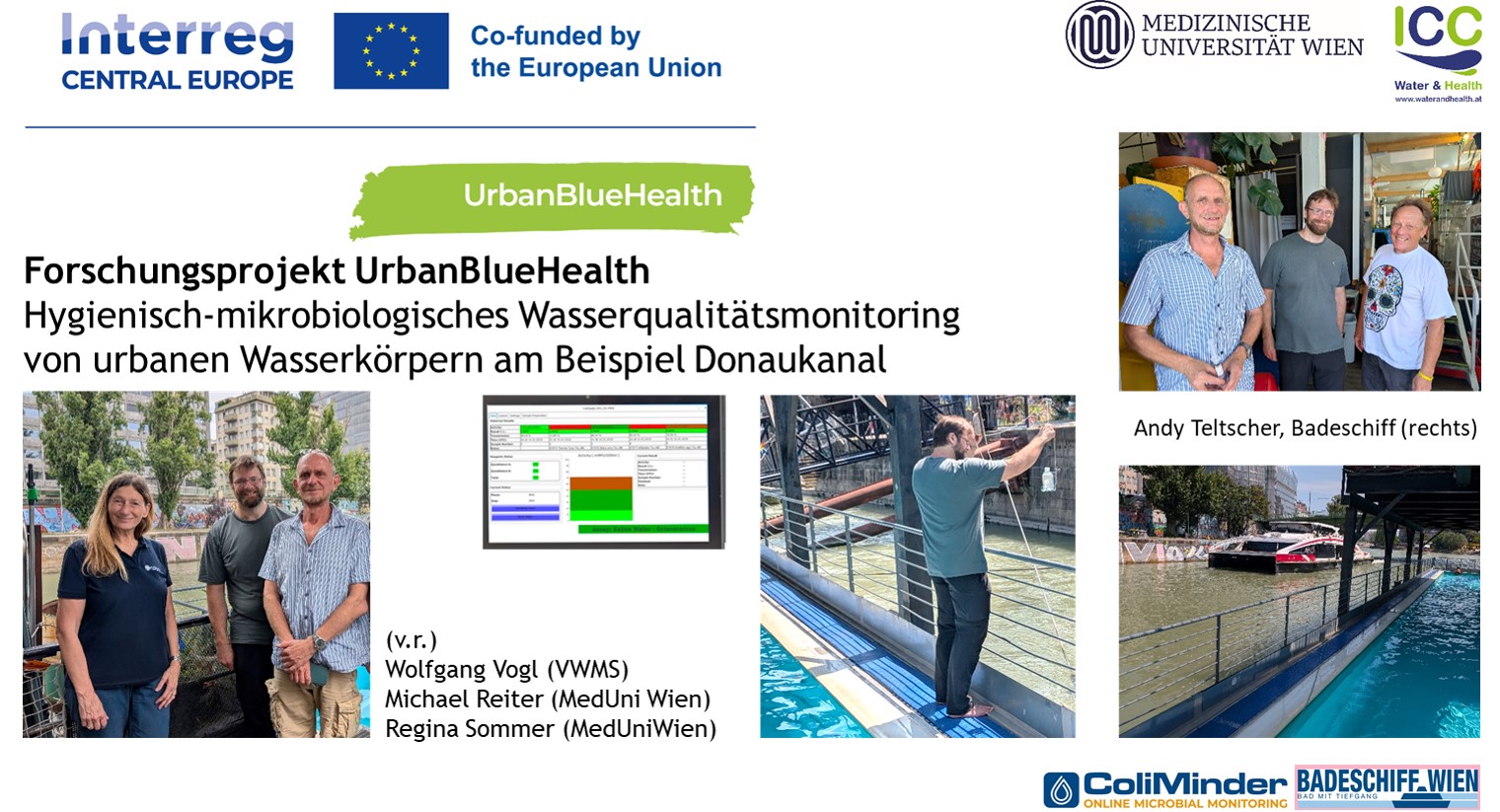
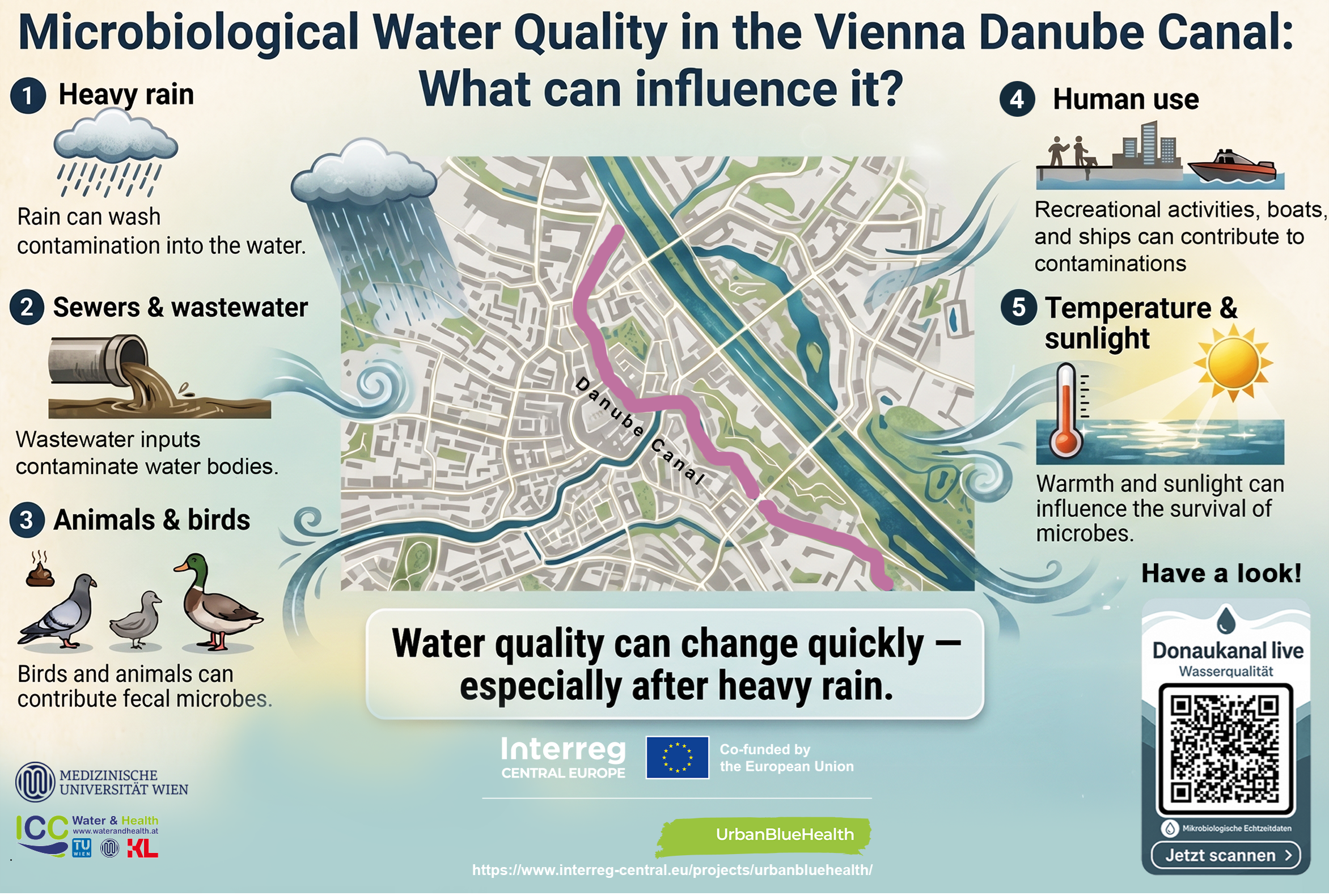
High-Frequency Enzymatic Water Quality Monitoring at the Vienna Danube Canal
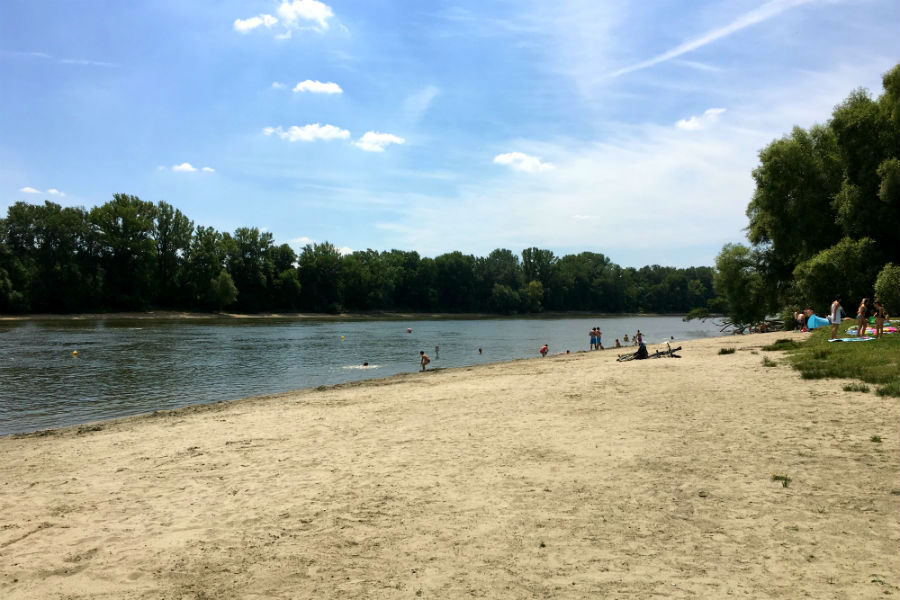
A high-frequency enzymatic water quality monitoring approach is being implemented at the Vienna Danube Canal as part of the UrbanBlueHealth project. The monitoring provides more frequent insights into changes in urban bathing water quality and is publicly accessible online, supporting greater transparency and awareness among the general public.
Type of output: Solutions
View solution
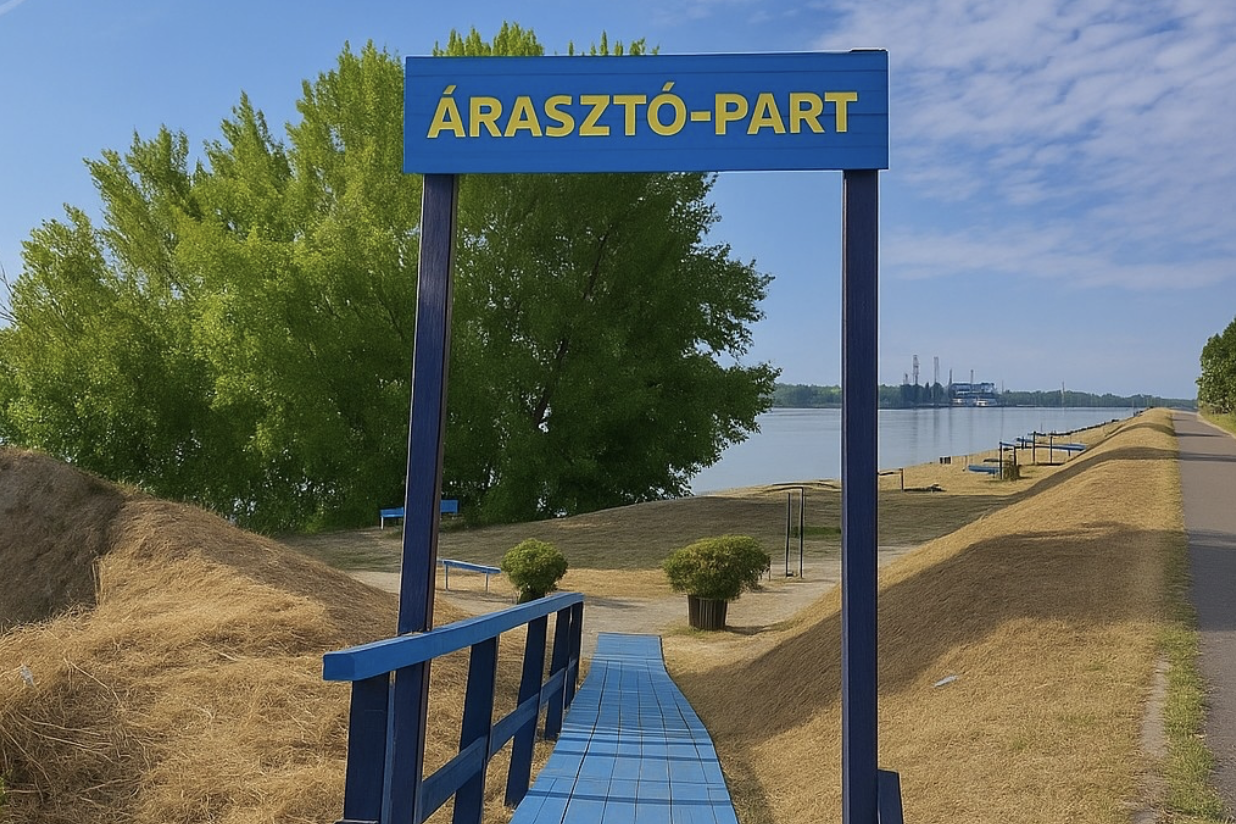
Postás beach - Postás strand

Urban Bathing Water Action Plan Postás strand, Szentendre, Hungary
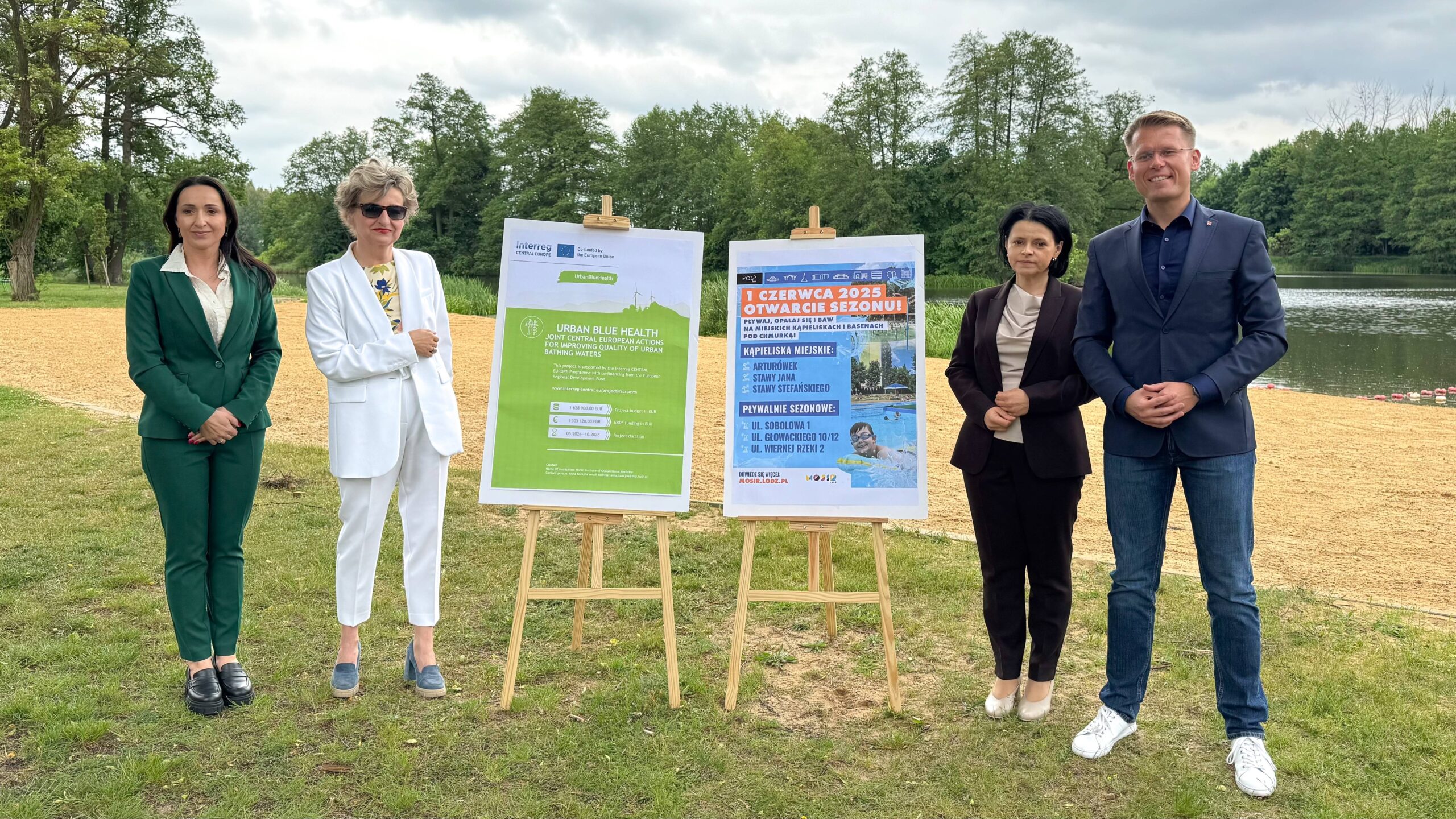
The Hungarian Action Plan (AP) provides a practical roadmap for improving risk-based bathing water management at Postás Beach through enhanced monitoring, early warning approaches, stakeholder coordination, pollution mitigation, and public communication. It translates the UrbanBlueHealth project strategic objectives into locally adaptable actions supporting climate resilience, preparedness, and public health protection at riverine bathing sites.
Type of output: Strategies and action plans

Urban Bathing Water Action Plan The Stefański Ponds, Łódź, Poland
Łódź city has dense building and narrow arteries, which increases thermal discomfort for citizens during heat waves. Natural urban bathing sites becoming an increasingly important element of recreational infrastructure. This problem, although more severe in Łódź, also affects other large cities in Poland. Maintaining natural bathing sites in good sanitary and ecological condition is crucial for public health and sustainable cities development. Climate change reduces the surface water volume, resulting in increased water pollution and cyanobacteria blooms. The greatest threat are pathogens originating from illegal sewage discharges and agricultural runoff. Urban runoff causes chemical contamination. Key challenge is to ensure the health safety of citizens enjoying active recreation at natural water.
Type of output: Strategies and action plans

Urban Bathing Water Action Plan Vienna, Austria

The Vienna Danube Canal runs through the city center. While its banks are used for leisure and sport activities an increasing number of people uses this urban canal for swimming. The Danube Canal connects with the main arm of the river Danube, which serves as a recieving water for many wastewater treatment plants. it is subject to combined sewer overflow either directly or by inflow of the Wien river. The water quality of the Danube canal fluctuates and is not routinely assessed because it is not an official bathing site
Type of output: Strategies and action plans

Urban Bathing Water Action Plan Prague, Czech Republic
All designated bathing waters in Czechia are situated in stagnant waters which are often affected by Cyanobacteria proliferation. Opportunities for natural bathing are limited to designated bathing waters in reservoirs, ponds and quarries. There are also other designated localities with the status of natural bathing water but which are actually non-natural (man-made bathing ponds with biological water purification and non-disinfected swimming pool). There are also non-designated waters situated partly in small stagnant waters and in rivers (especially in urban areas).
Type of output: Strategies and action plans

Urban Bathing Water Action Plan Osijek, Croatia

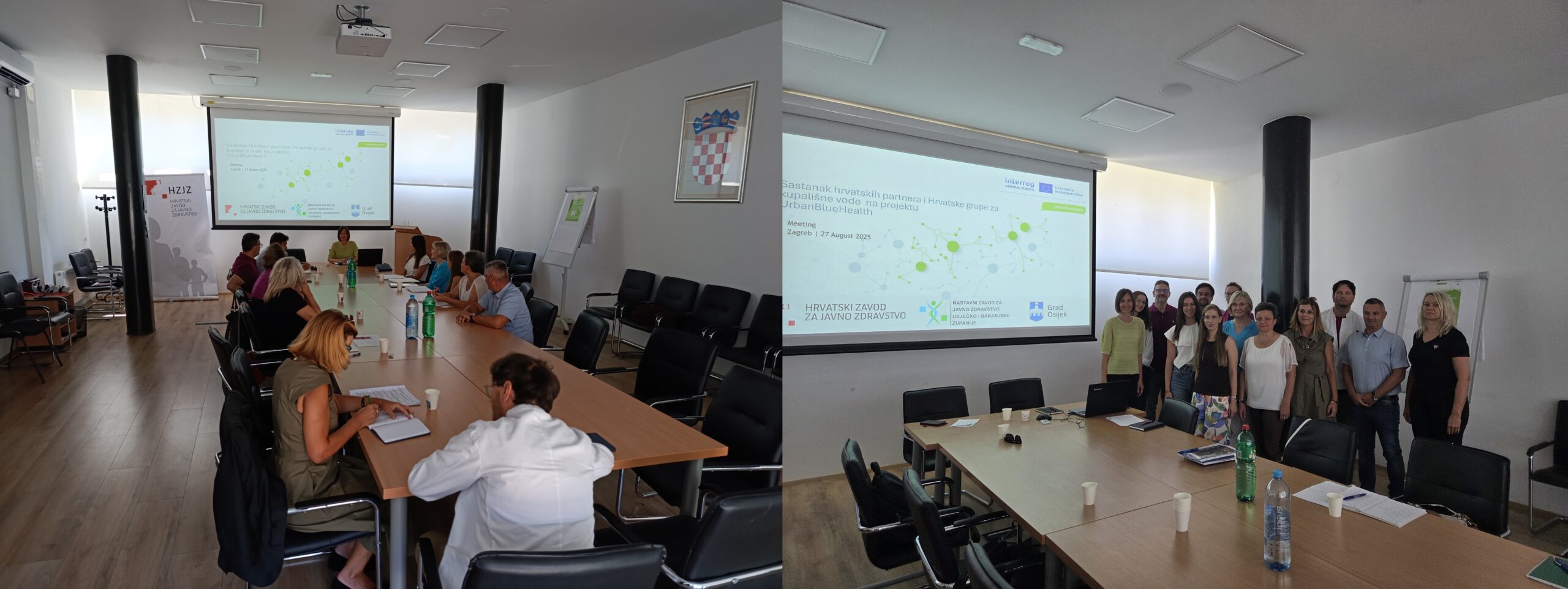
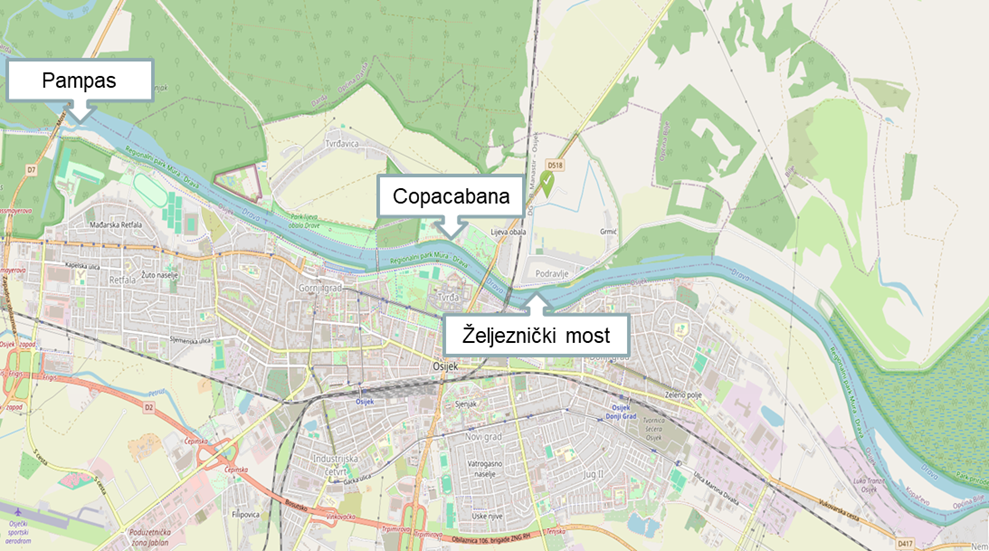
In Osijek-Baranja County, bathing takes place mainly on the Drava river and in smaller ponds. There are three regulated and two unregulated bathing sites in Osijek, with additional unregulated sites in the County. Bathing sites in Osijek face risks from wastewater discharges, diffuse agricultural runoff and climate change impacts. However, with a growing demand for urban blue spaces, there is a need to improve monitoring, infrastructure and stakeholder coordination to ensure sustainable and acessible bathing waters. Osijek's urban bathing sites, like many Central European bathing sites, face limited microbiological monitoring, short-term pollution events, insufficient infrastructure at some sites and climate-related risks.
Type of output: Strategies and action plans

Project documents

UrbanBlueHealth – Related Websites, Partners, and Media Articles

Historic travel back in time

The best place to swim used to be the Vltava River Floting lidos of Vlatave river - article

Solutions and even more

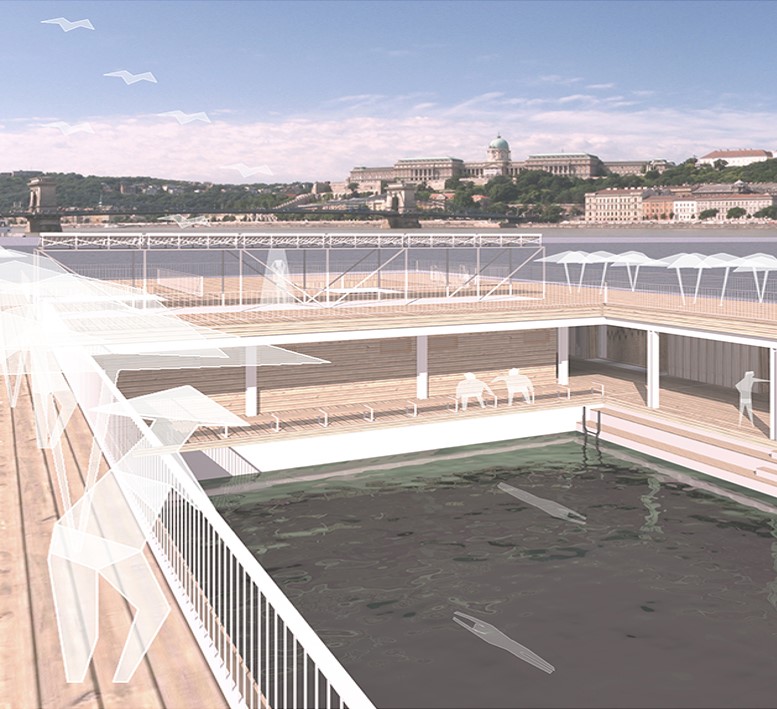
Floating Baths Floating baths designs on the Vlatava River - article

UrbanBlueHealth

The project lead partner is responsible for the content of this project website.

Project Contacts

Project Manager

István Ferencsik
Phone: +36-30-288-9189

Finance Manager

István Ferencsik
Phone: +36-30-288-9189

Communication Manager

Vedran Odović
Phone: +385-1-4863-270