


Project overview
Developing resilience against extreme weather threats caused by climate change at local level in Central Europe
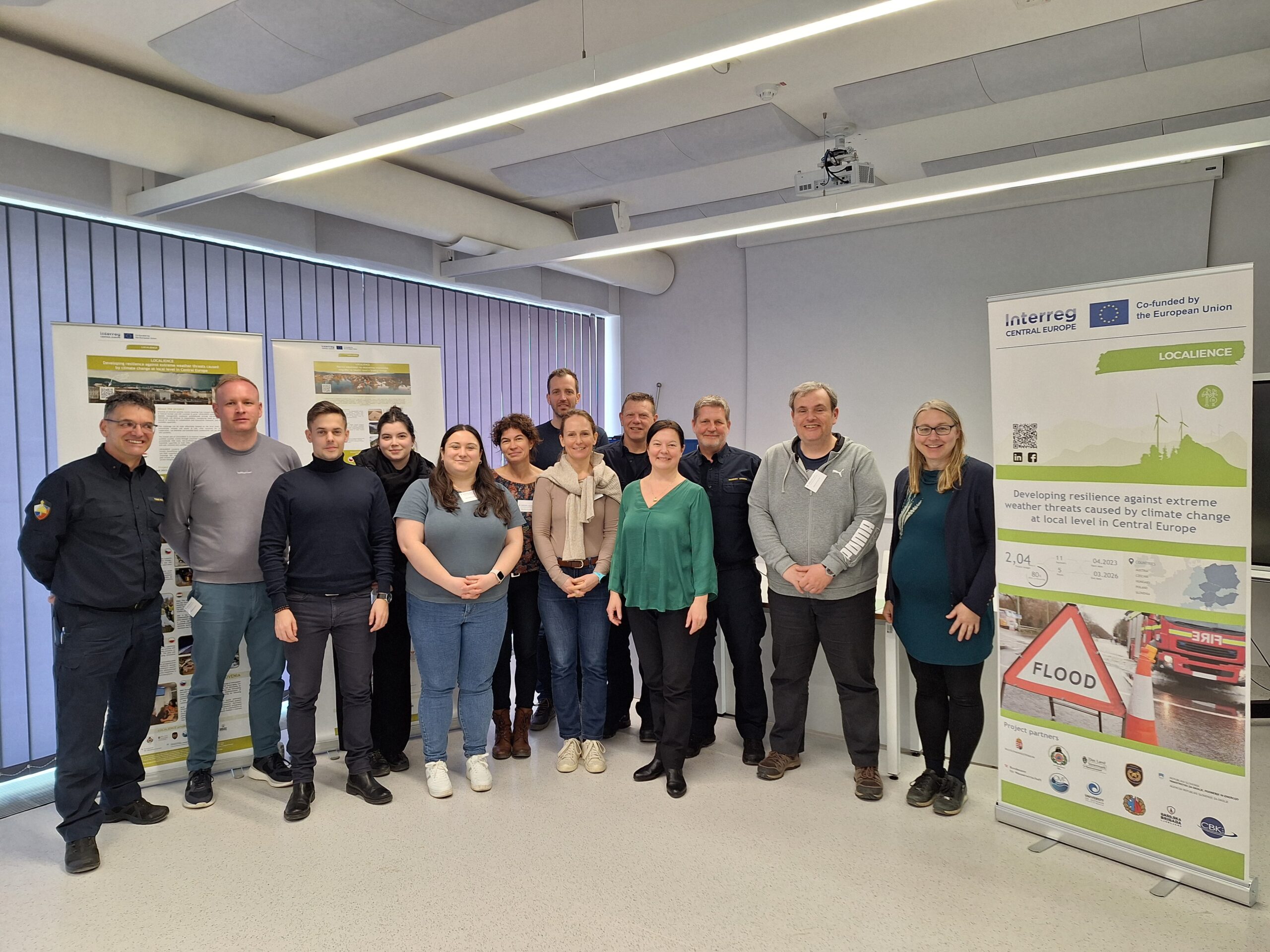
Extreme weather events are increasing with rising temperatures. They are best tackled in collaboration but the task too often relies on experts alone. The LOCALIENCE project took disaster managers out of their one-directional information and service provider position and connected them in a co-design process with local communities. The partnership developed and tested collaborative disaster response and management solutions and mobilised local communities through mutual learning and networking.
-
2,04m €
-
Project Budget
-
80%
-
of the Budget is funded by ERDF
-
5
-
Countries
-
8
-
Regions
-
11
-
Partners
-
5
-
Pilots
Duration
Start date
End date
Project progress
About the project
Project partnership
Project partners

Lead partner
Ministry of Interior
1051 Budapest
Project partner
9700 Szombathely
Institute for Hydraulic Engineering and Hydrometry and Institute for Land and Water Management Research
Abteilung 14 Wasserwirtschaft, Ressourcen und Nachhaltigkeit
Institute of Epidemiology and Public Health, Faculty of Medicine
1000 Ljubljana
Crisis Information Centre
Roadmap
The challenge
![OpenAI. (2026). Compound climate hazards affecting a Central European community [AI-generated image]. ChatGPT. Generated 4 August 202](https://www.interreg-central.eu/wp-content/uploads/2026/08/ChatGPT-Image-2026.-aug.-4.-12_12_03.png "OpenAI. (2026). Compound climate hazards affecting a Central European community [AI-generated image]. ChatGPT. Generated 4 August 202")
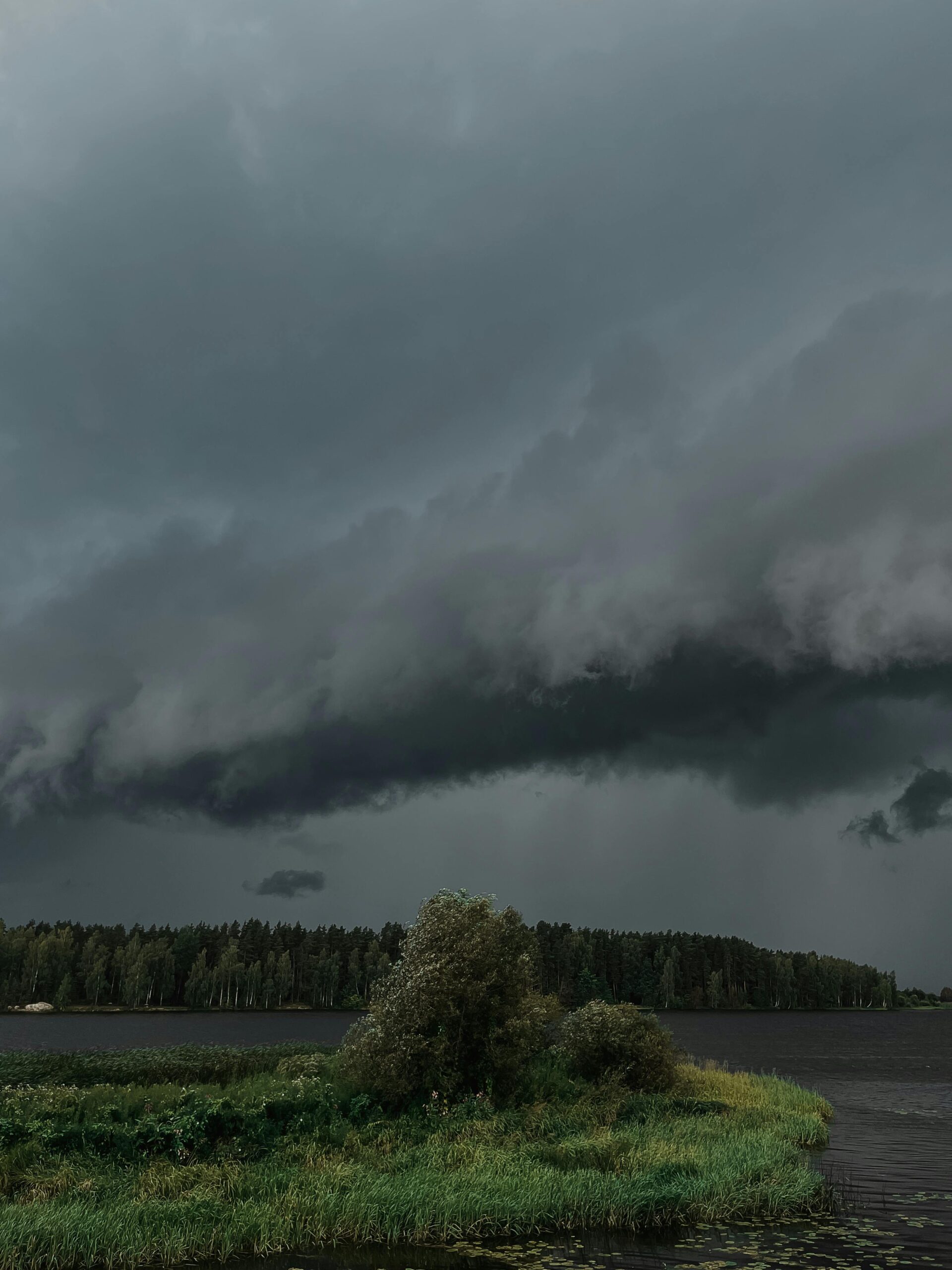
Climate change altered the hydrological cycle and increased the frequency and intensity of weather- and water-related hazards across Central Europe. Floods, storms, droughts, wildfires, landslides and heatwaves placed growing pressure on municipalities and local communities, often causing serious economic, environmental and social damage.
The starting point
![OpenAI. (2026). Extreme weather and urban flood risk [AI-generated image]. ChatGPT. Generated 4 August 2026.](https://www.interreg-central.eu/wp-content/uploads/2026/08/ChatGPT-Image-2026.-aug.-4.-12_05_32.png "OpenAI. (2026). Extreme weather and urban flood risk [AI-generated image]. ChatGPT. Generated 4 August 2026.")
The project identified that the impacts of extreme weather were intensified not only by the hazards themselves, but also by gaps in preparedness and cooperation. Disaster management information often flowed in one direction, from professional organisations to local actors, while citizens, municipalities, volunteers and civil society organisations had limited opportunities to contribute their knowledge and capacities. Communication channels, responsibilities and cooperation procedures were often fragmented. Local decision-makers did not always receive information in a form that could easily be translated into action, and communities were not consistently involved in preparedness planning.
The LOCALIENCE approach
![OpenAI. (2026). Participatory local resilience workshop [AI-generated image]. ChatGPT. Generated 4 August 2026.](https://www.interreg-central.eu/wp-content/uploads/2026/08/ChatGPT-Image-2026.-aug.-4.-11_56_43.png "OpenAI. (2026). Participatory local resilience workshop [AI-generated image]. ChatGPT. Generated 4 August 2026.")
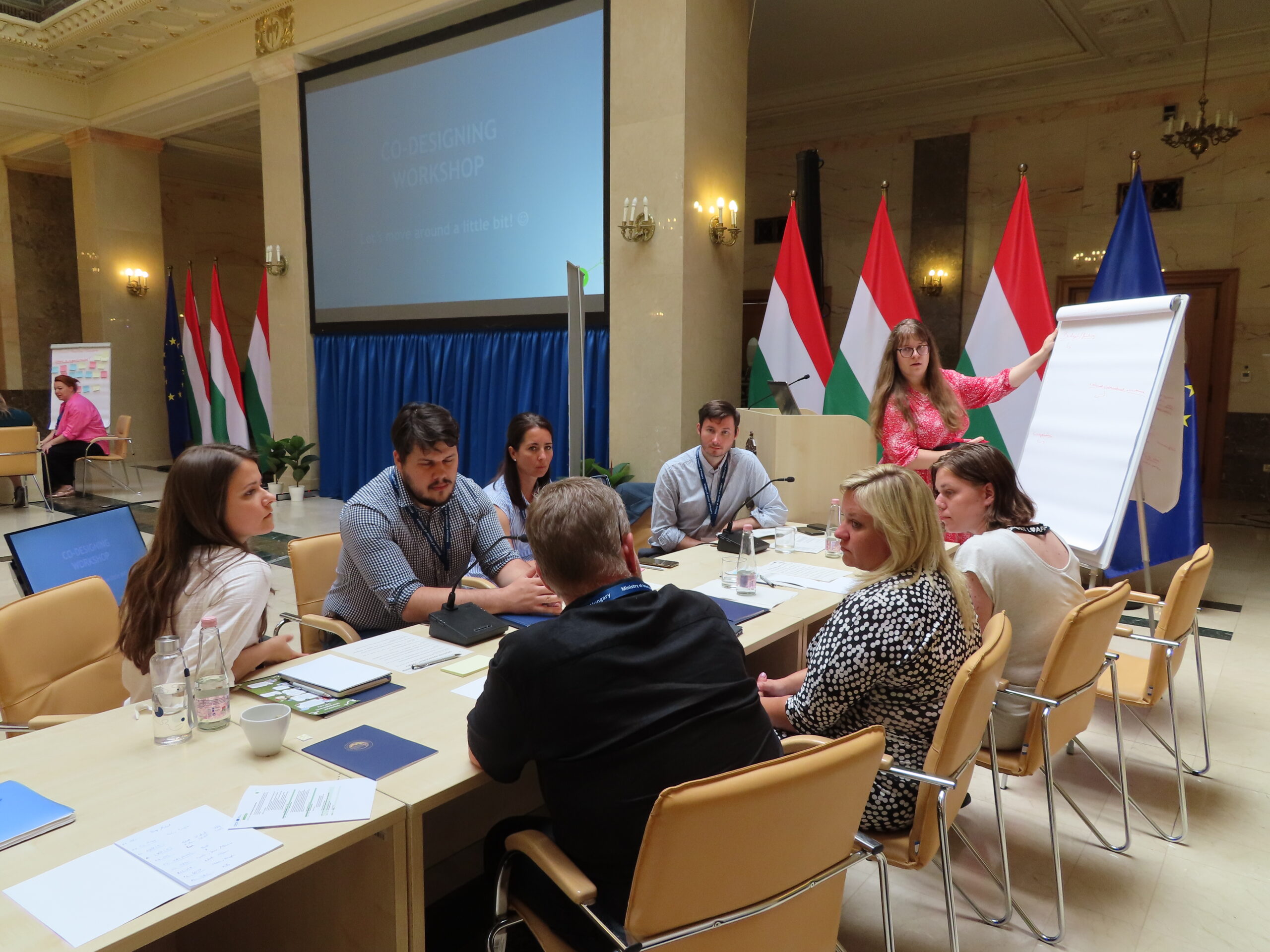
LOCALIENCE brought together disaster management, water management, fire and rescue organisations, public authorities, research institutions, municipalities and civil society actors from five Central European countries. Rather than treating local communities as passive recipients of information, the project involved them in identifying risks, developing solutions, testing tools and evaluating what worked. The partnership combined professional expertise with local knowledge and connected analysis, training, practical experimentation and policy development within one common process.
From shared knowledge to tested solutions
![OpenAI. (2026). Five pilot solutions for local disaster resilience [AI-generated image]. ChatGPT. Generated 4 August 2026.](https://www.interreg-central.eu/wp-content/uploads/2026/08/ChatGPT-Image-2026.-aug.-4.-11_24_42.png "OpenAI. (2026). Five pilot solutions for local disaster resilience [AI-generated image]. ChatGPT. Generated 4 August 2026.")
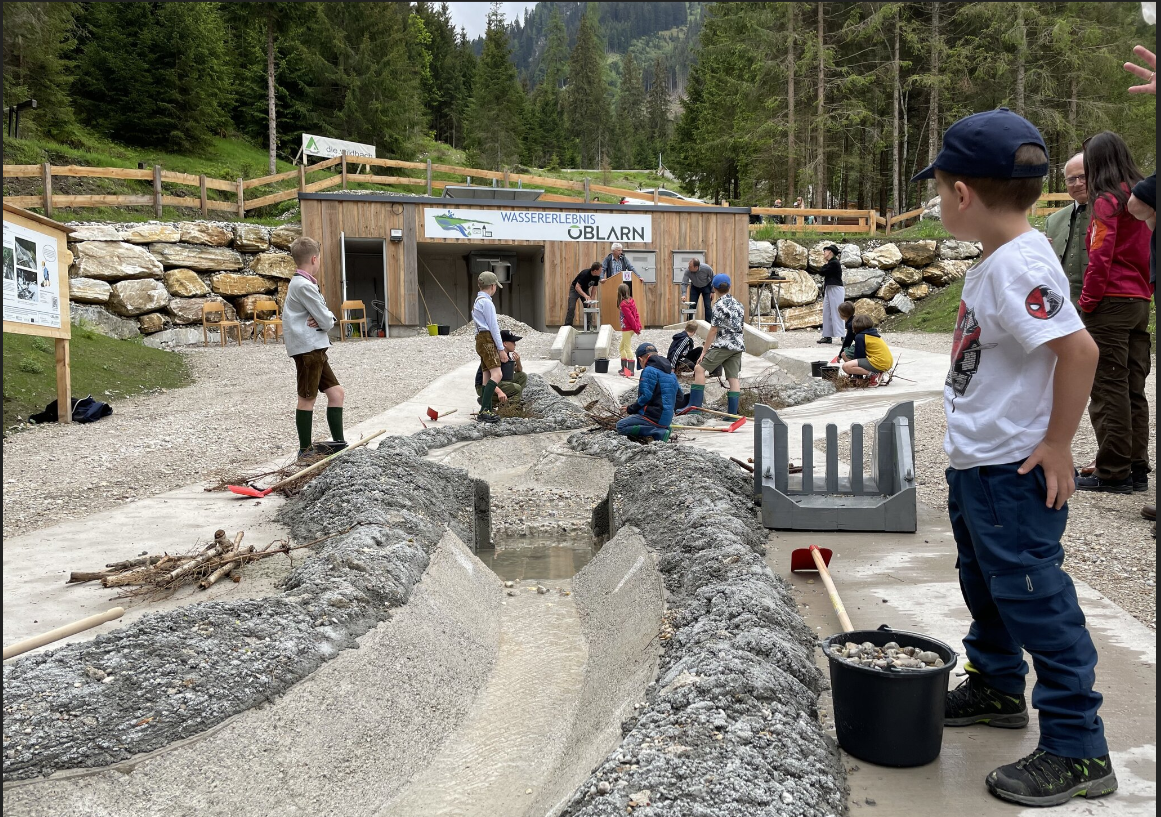
LOCALIENCE first examined how disaster management systems operated in the participating countries and identified where cooperation between professional organisations, municipalities and local communities could be improved.
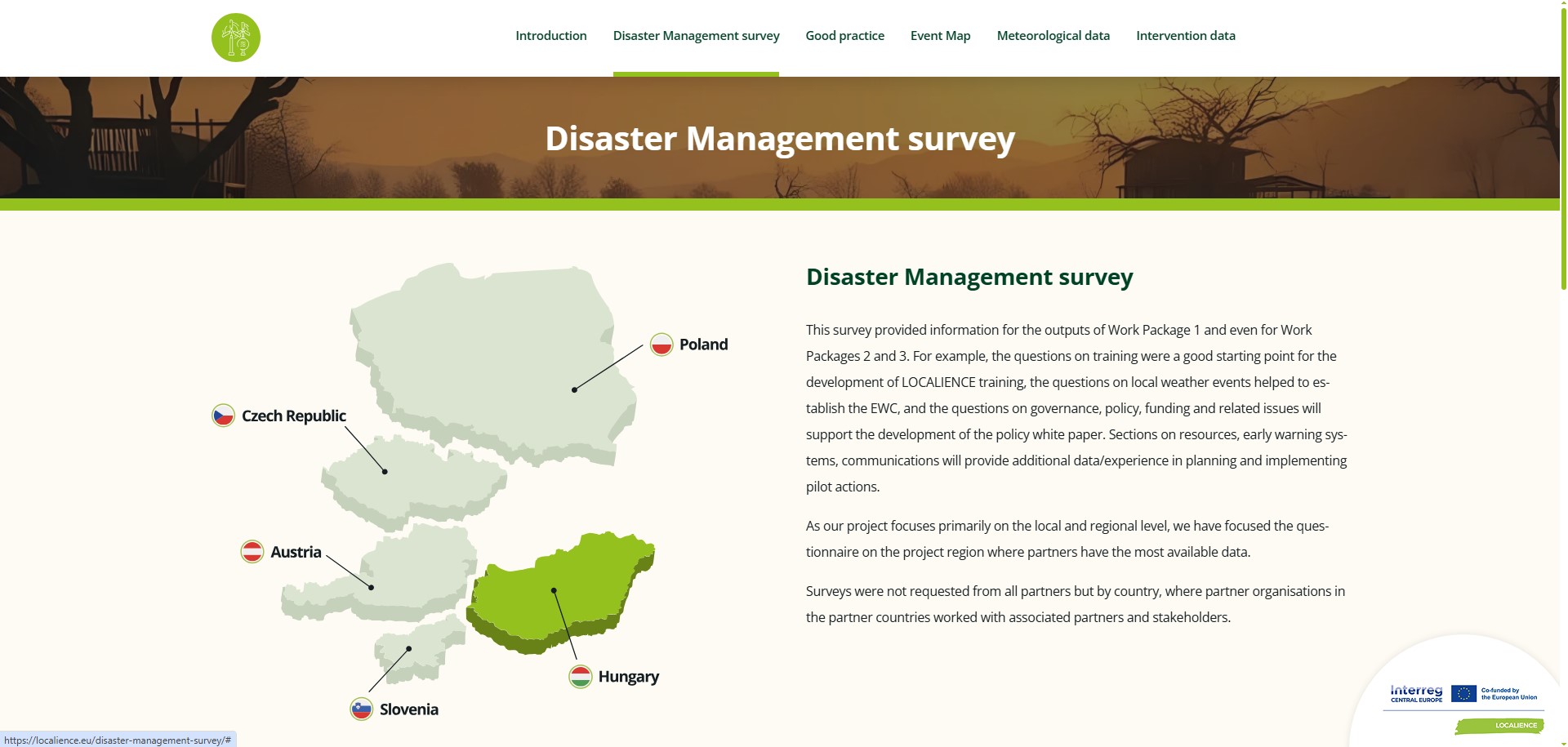
A comprehensive survey compared national frameworks, while a collection of awareness-raising and training practices highlighted approaches that had already strengthened community preparedness.
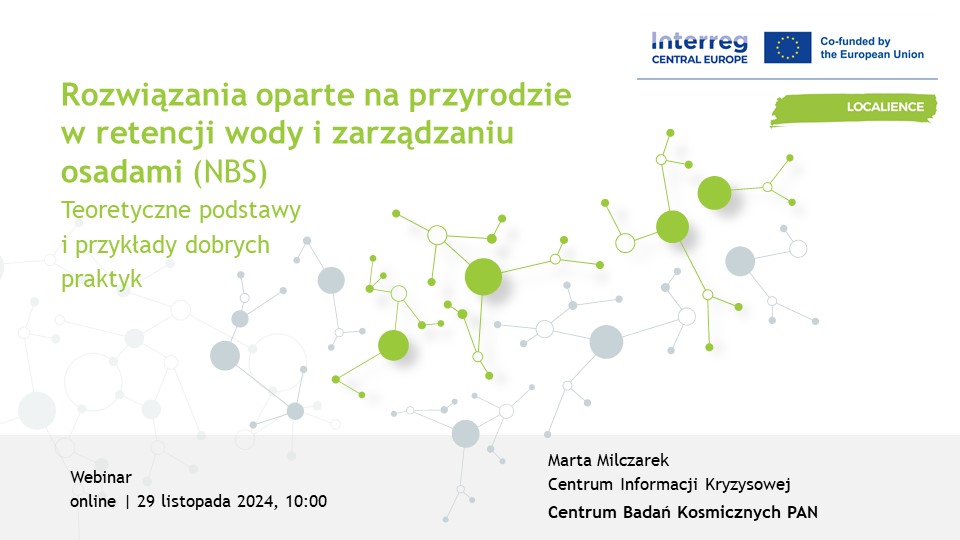
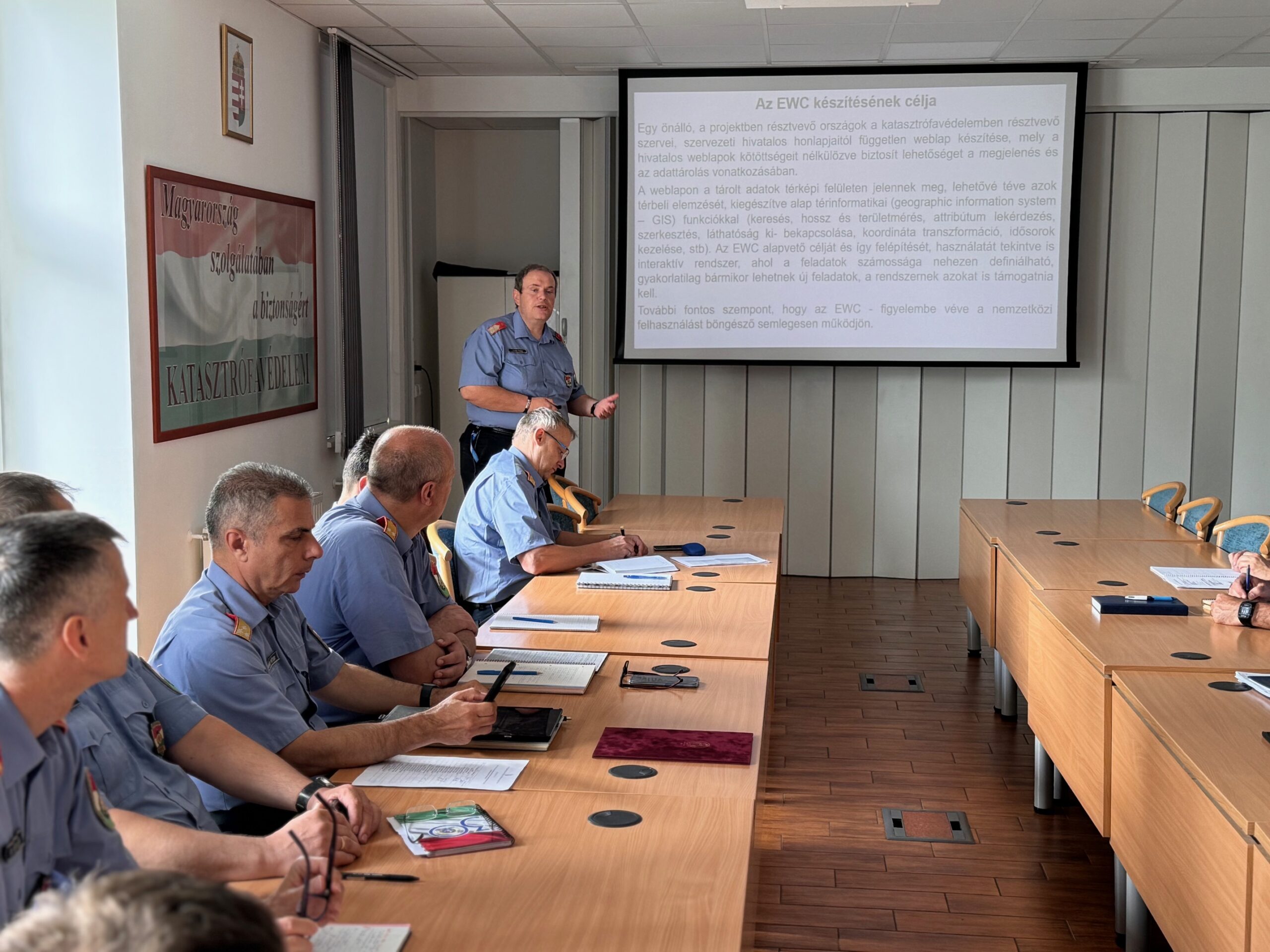
Based on this shared evidence, the partners developed an Extreme Weather Catalogue, a performance appraisal methodology for evaluating local cooperation, policy gap analyses and multilingual training materials on multi-hazard extreme weather events and nature-based solutions.
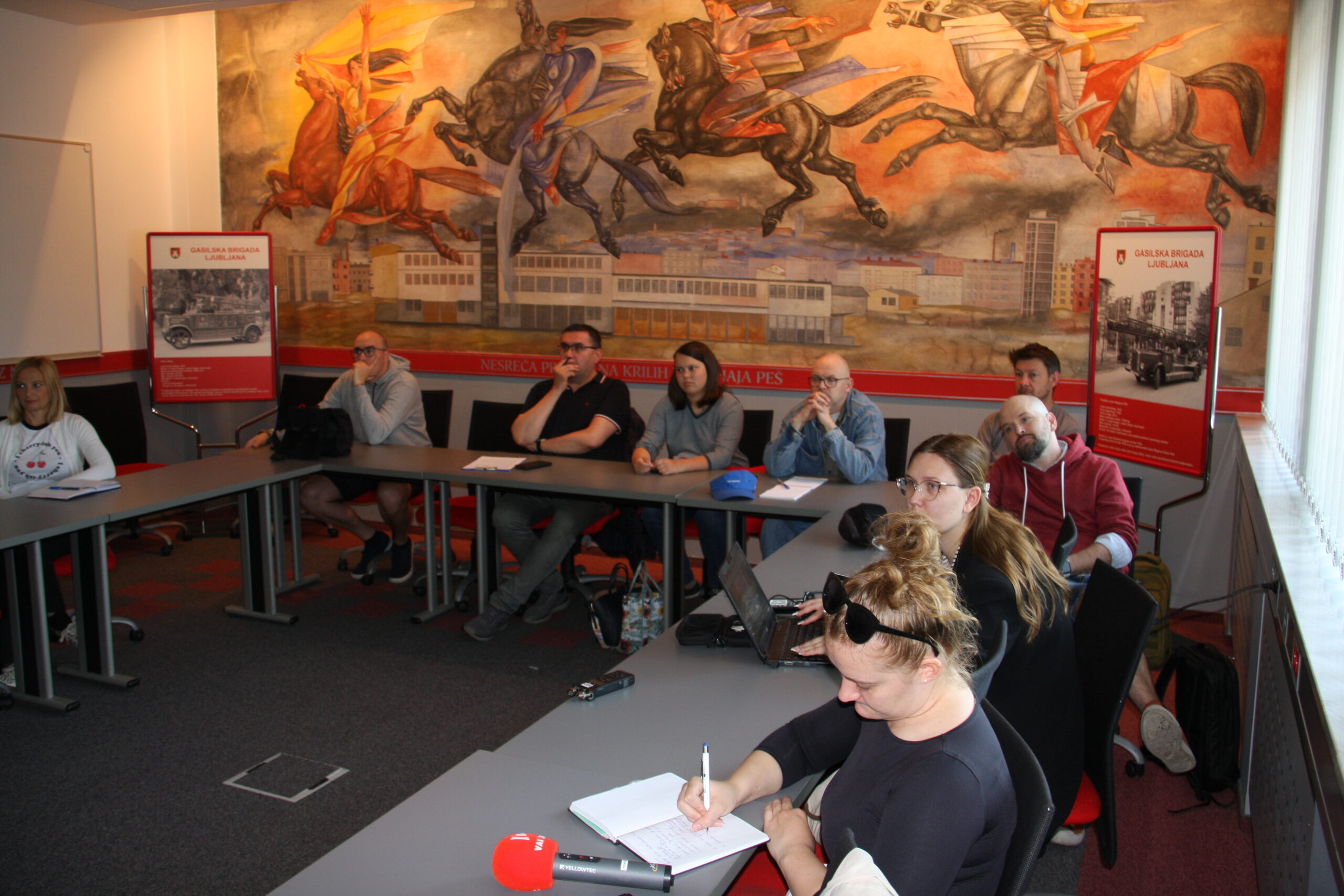
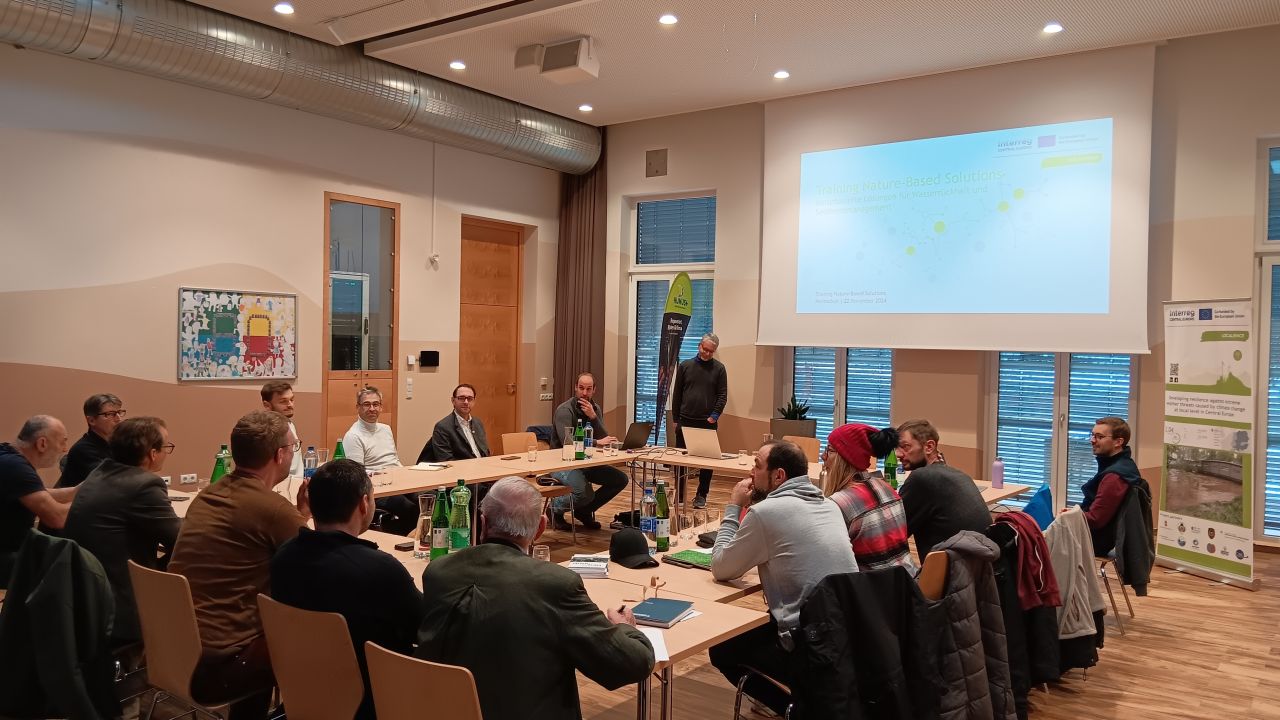
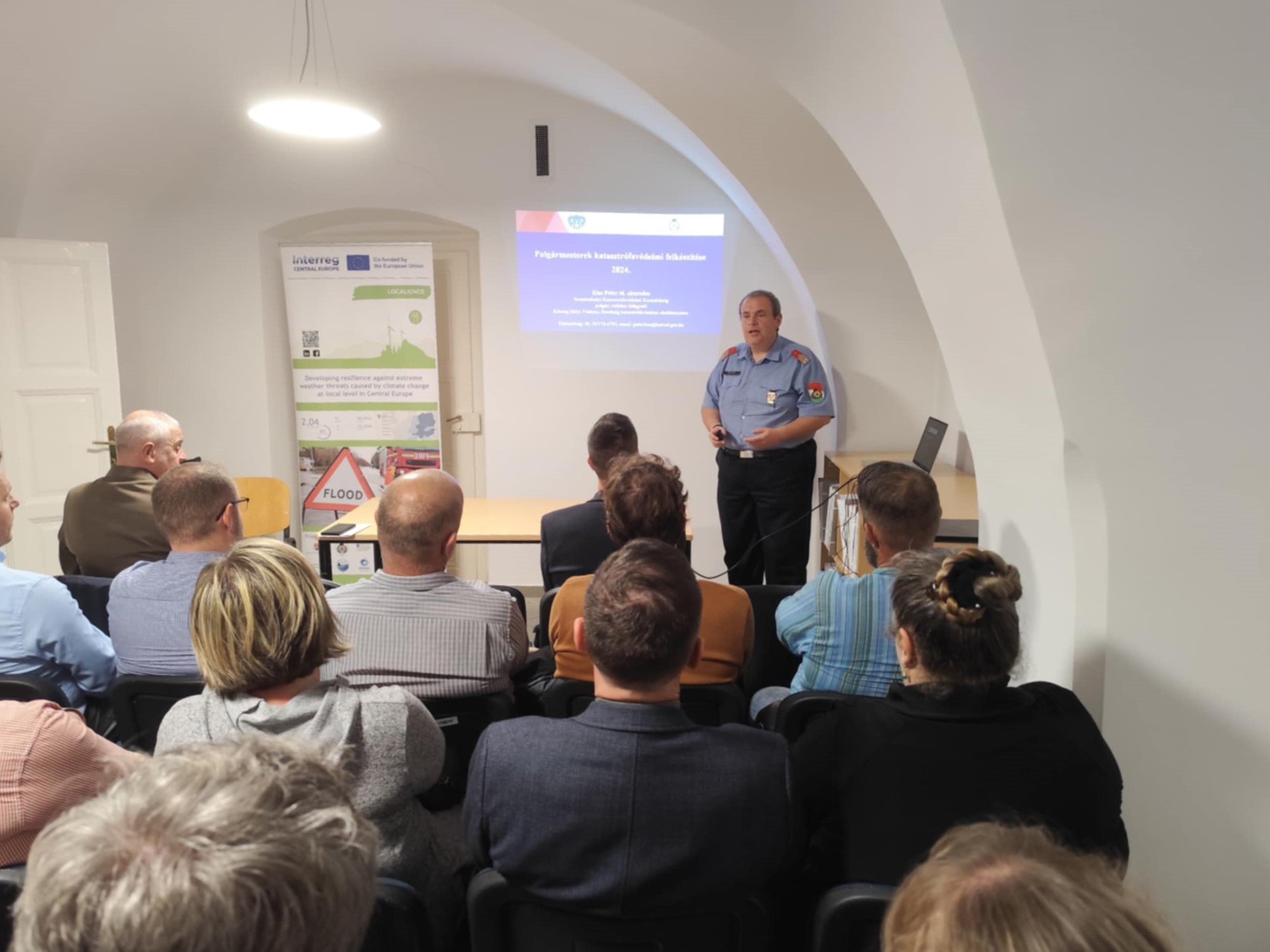
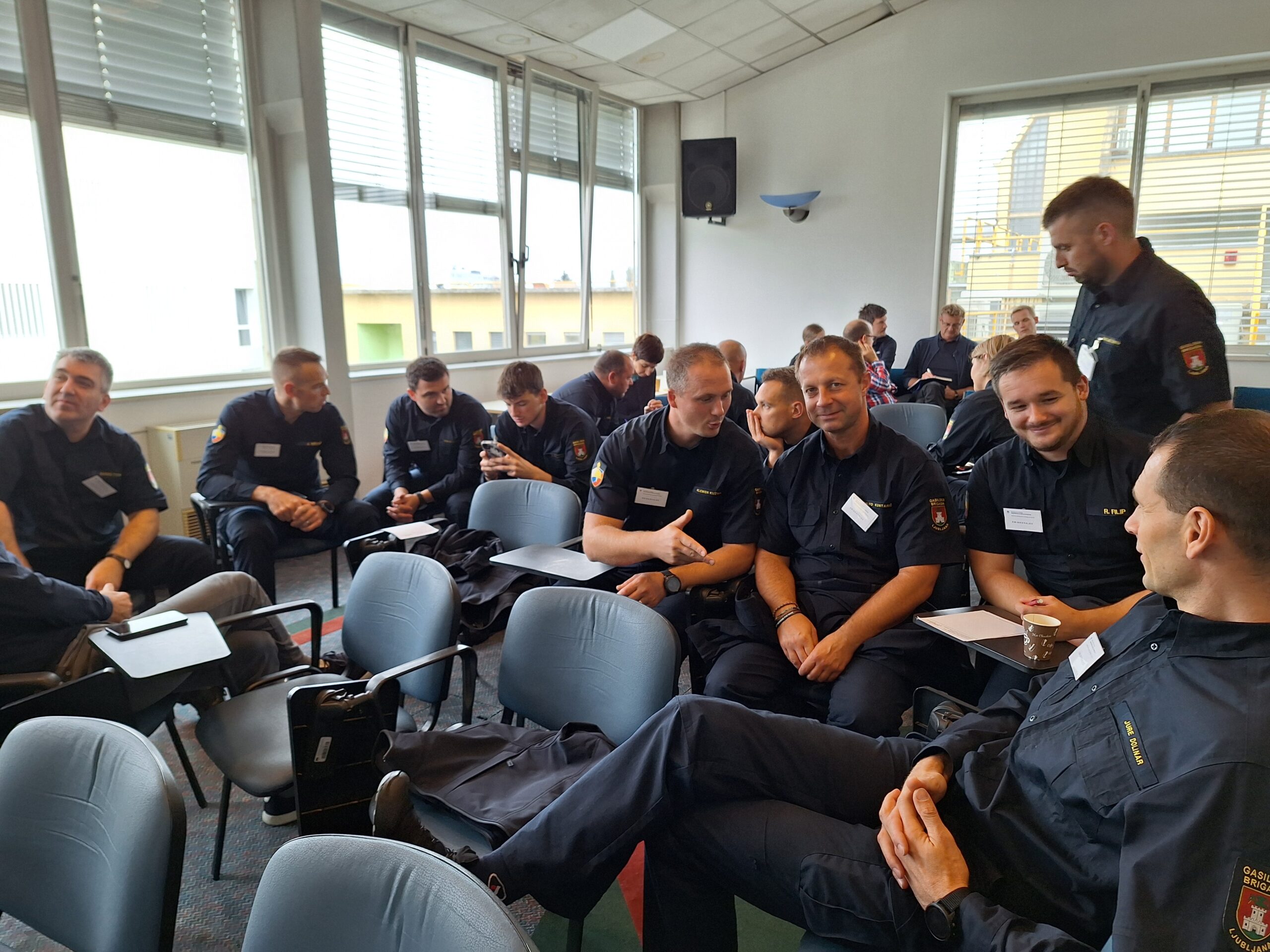
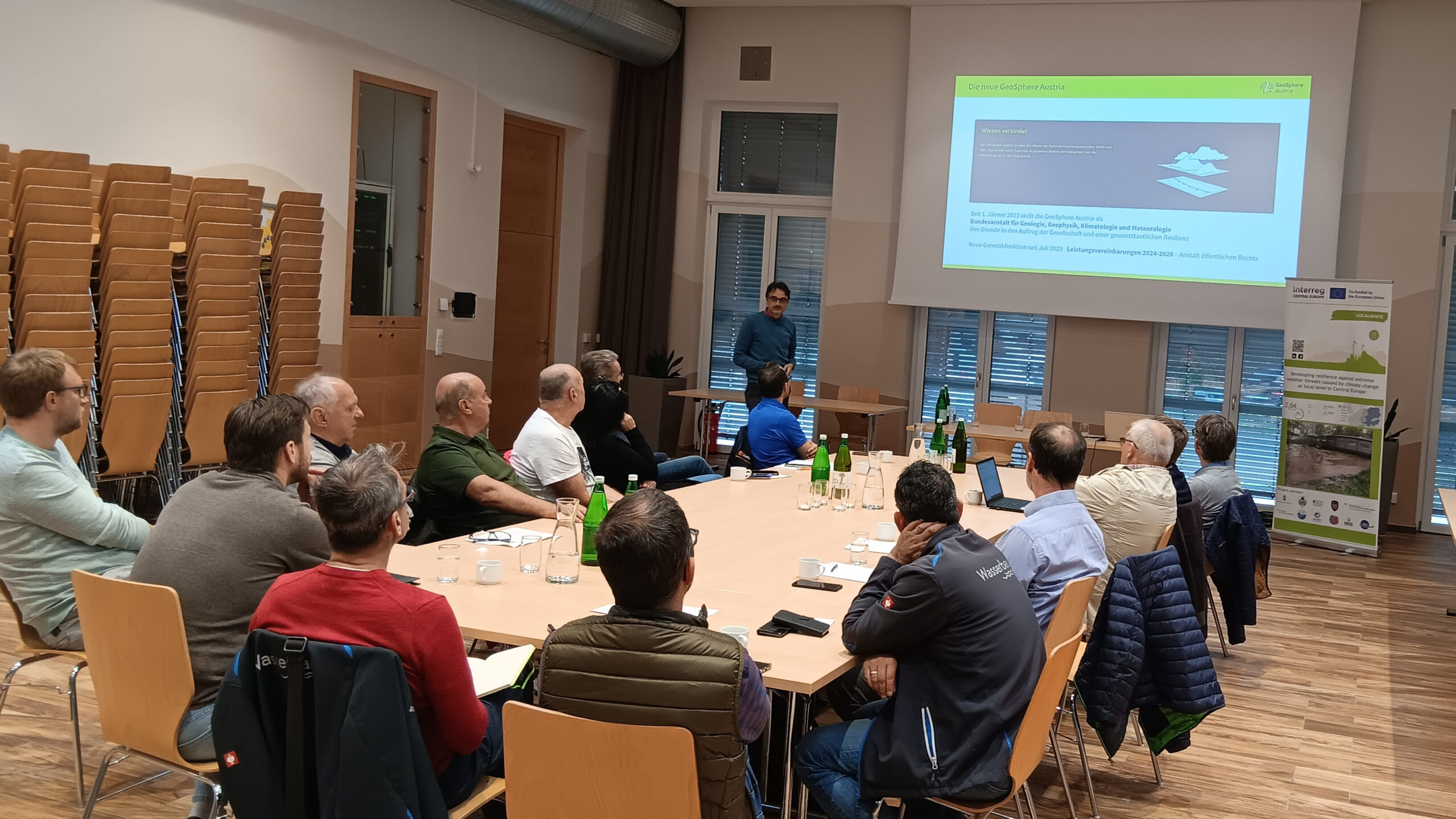
National trainings and a coaching process helped municipalities, emergency services, public authorities, volunteers and civil society actors translate this knowledge into practical cooperation.
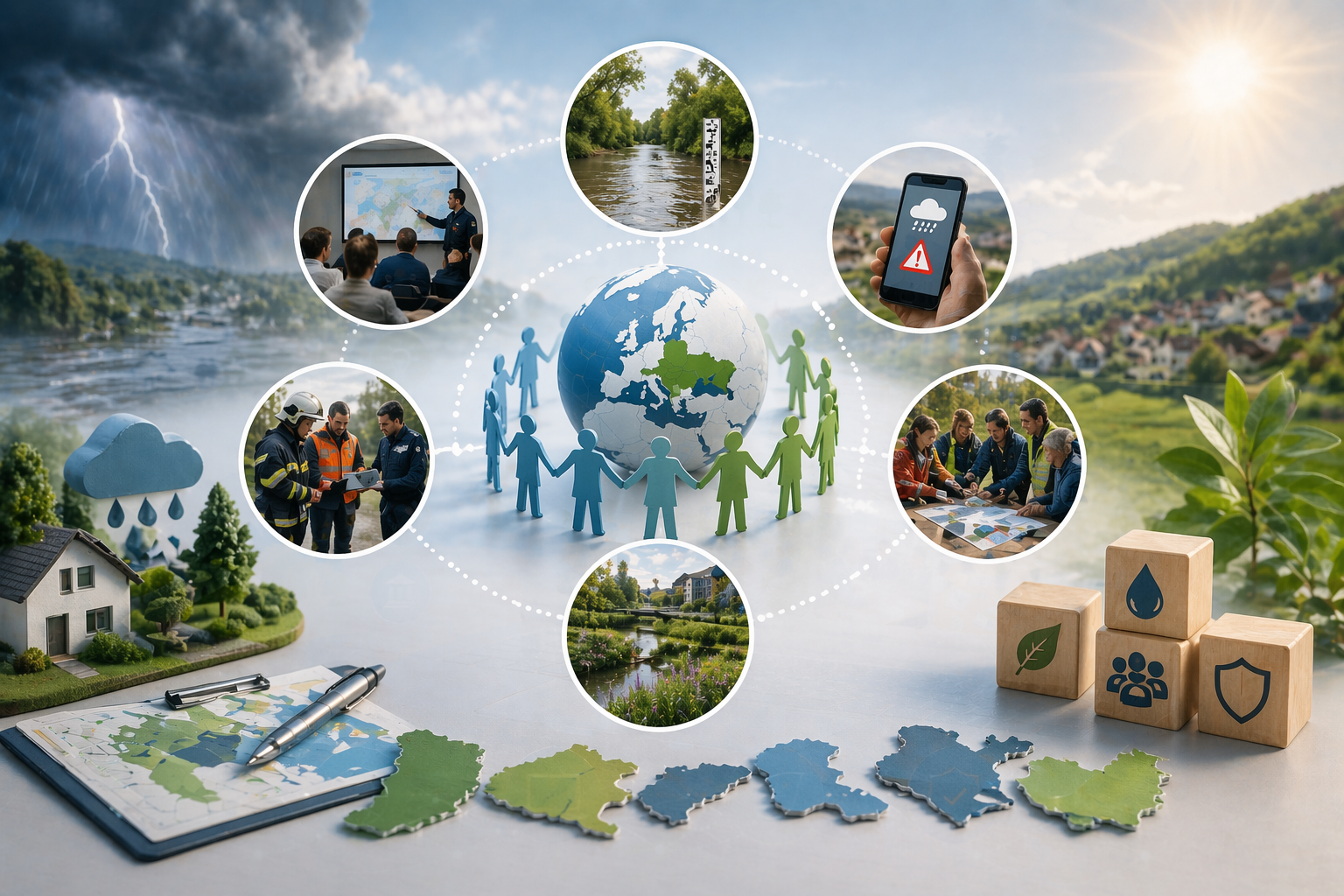
The project then implemented five pilot actions:
- an urban Climate Living Lab in Hungary;
- community-based flood management in Austria;
- a responsive urban warning system in Slovenia;
- an enhanced warning system supporting municipal decision-makers in Czechia;
- decision-making simulation games for disaster preparedness in Poland.
Each pilot addressed a specific local challenge but followed common principles: stakeholder involvement, user-centred development, practical testing and two-way communication.
The pilots were assessed through peer-review visits involving partners and local stakeholders from all five participating countries.
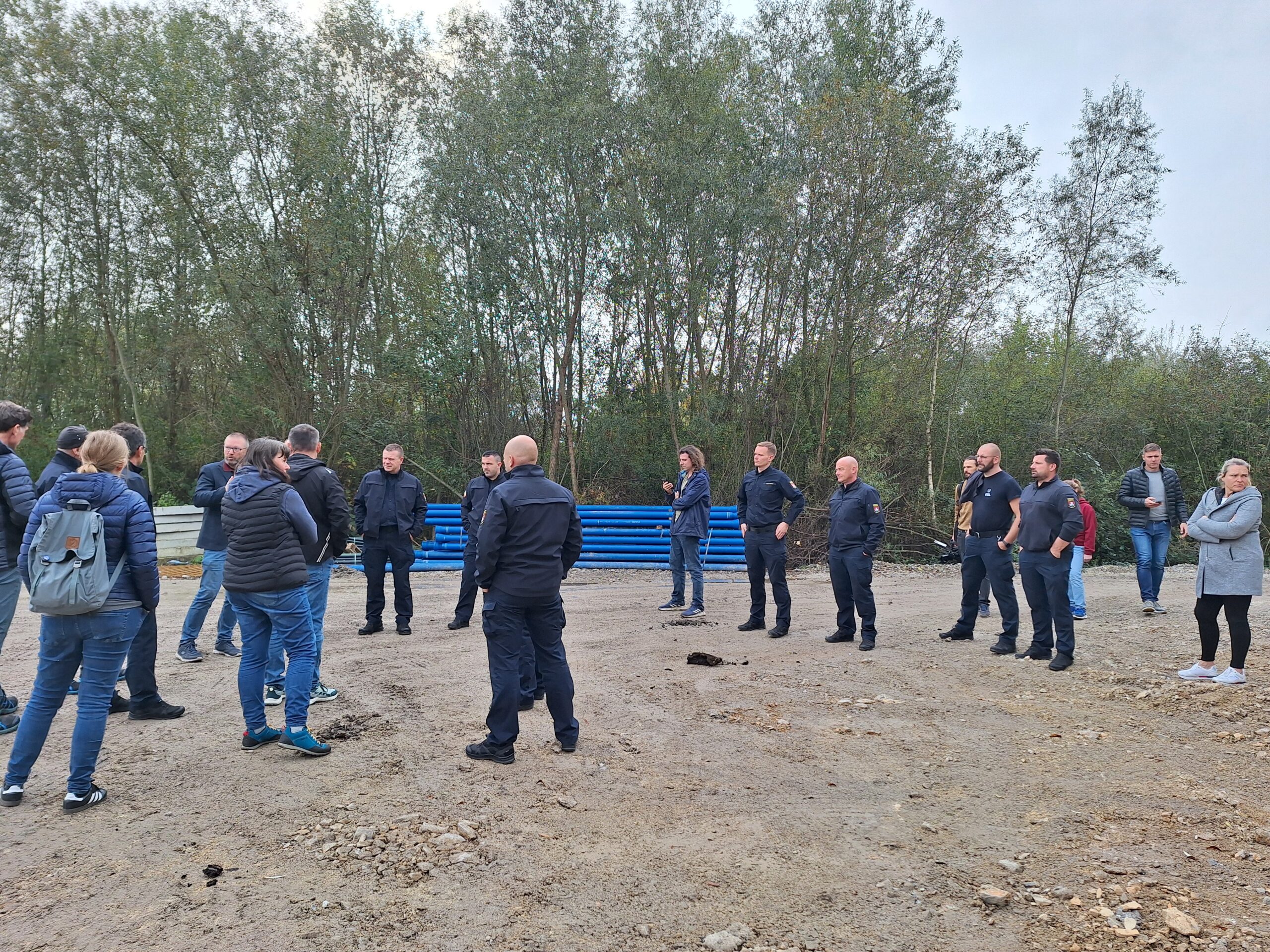
These visits enabled direct observation, external feedback and joint reflection. They helped refine the solutions, identify transferable elements and strengthen cooperation and mutual trust across borders.
What changed through LOCALIENCE
![OpenAI. (2026). Participatory community disaster preparedness [AI-generated image]. ChatGPT. Generated 4 August 2026.](https://www.interreg-central.eu/wp-content/uploads/2026/08/ChatGPT-Image-2026.-aug.-4.-10_40_31.png "OpenAI. (2026). Participatory community disaster preparedness [AI-generated image]. ChatGPT. Generated 4 August 2026.")
The project moved cooperation beyond one-way information provision towards more interactive and participatory disaster preparedness. Municipalities, professional organisations and community actors gained a clearer understanding of each other’s roles, needs and capacities.
The pilots demonstrated that:
- warning information became more useful when it was localised and linked to clear actions;
- preparedness improved when institutions and communities trained and planned together;
- local knowledge strengthened professional risk-management processes;
- participatory development increased trust, acceptance and ownership of solutions;
- technical tools were most effective when supported by clear responsibilities, trained users and established cooperation procedures.
LOCALIENCE therefore showed that local resilience depended not only on better technology, but also on communication, human capacities, governance and community involvement.
Results available for others
![OpenAI. (2026). Sharing LOCALIENCE results with external stakeholders [AI-generated image]. ChatGPT. Generated 4 August 2026.](https://www.interreg-central.eu/wp-content/uploads/2026/08/ChatGPT-Image-2026.-aug.-4.-10_16_54.png "OpenAI. (2026). Sharing LOCALIENCE results with external stakeholders [AI-generated image]. ChatGPT. Generated 4 August 2026.")
LOCALIENCE delivered a set of practical results to strengthen local resilience and improve cooperation between municipalities, disaster management organisations, emergency services, public authorities and civil society:
- The Extreme Weather Catalogue supported local risk assessment and preparedness by bringing together information on relevant weather-related hazards, their impacts and available response measures.
- The performance appraisal methodology provided indicators to assess cooperation between professional disaster management organisations and local public and civil actors and to identify areas for improvement.
- Policy gap analyses identified institutional and governance barriers affecting local resilience and provided a basis for recommendations to local, regional and national decision-makers.
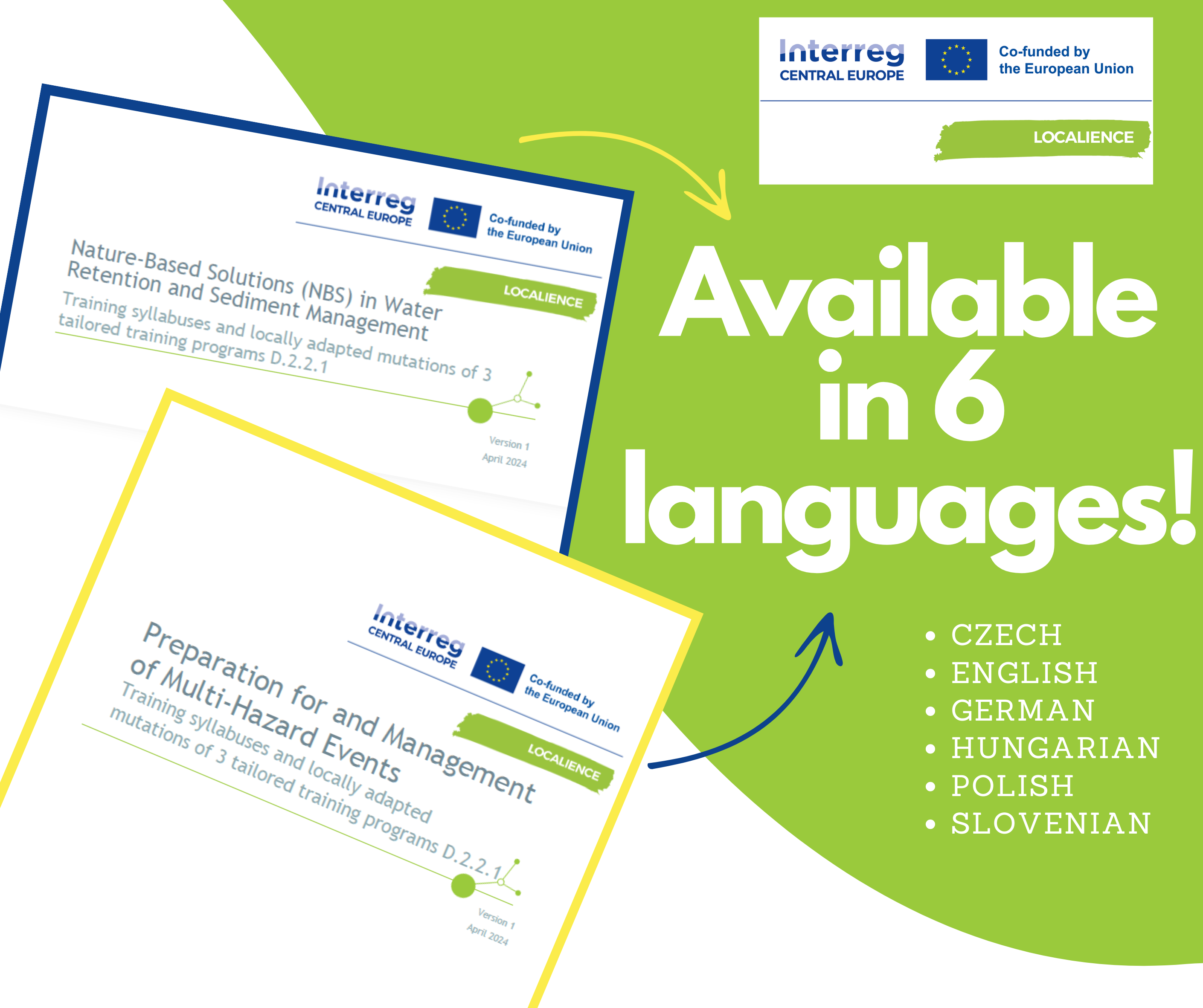
- Multilingual training materials and coaching methods strengthened practical knowledge on multi-hazard events, nature-based solutions and cooperation between municipalities, professionals, volunteers and civil society.
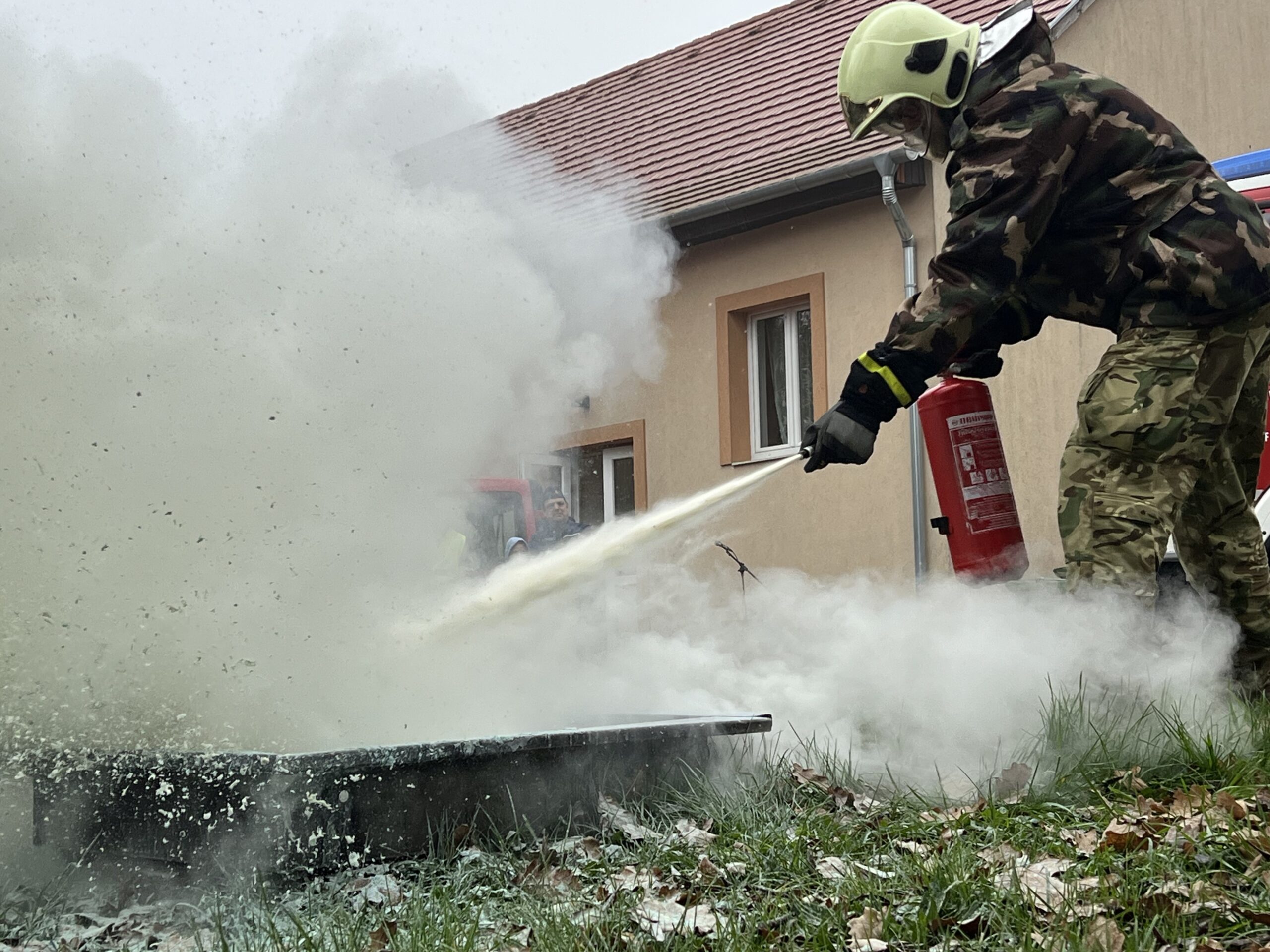
- Five pilot actions tested different approaches to improving local resilience, including a Climate Living Lab, community-based flood management, responsive urban warning, decision support for mayors and simulation-based disaster preparedness training.
Peer reviews and transfer activities further supported the refinement and adaptation of these approaches.
The LOCALIENCE Handbook on Local Resilience Against Extreme Weather Threats brings together the tested pilot solutions, practical tools, training resources and transferable lessons in an online knowledge repository, helping potential users understand how the approaches can be applied in different local contexts.
The multi-level governance White Paper complements these practical results with recommendations for improving communication, responsibilities, community participation and cooperation across governance levels.
Lasting cooperation and key lesson
![OpenAI. (2026). Community-based disaster resilience planning [AI-generated image]. ChatGPT. Generated 4 August 2026.](https://www.interreg-central.eu/wp-content/uploads/2026/08/ChatGPT-Image-2026.-aug.-4.-09_33_00.png "OpenAI. (2026). Community-based disaster resilience planning [AI-generated image]. ChatGPT. Generated 4 August 2026.")
The main lesson of LOCALIENCE was that resilient communities could not be created through isolated technical solutions. Resilience was strengthened when professional expertise, local knowledge, practical training, inclusive governance and sustained cooperation were brought together. Although hazards and institutional systems differed across countries, the challenges of communication, local capacity and coordination were widely shared—and the methods tested by LOCALIENCE offered practical ways to address them.
News
![OpenAI. (2026). Local monitoring and emergency preparedness by the riverside [AI-generated image]. ChatGPT. Generated 4 August 2026.](https://www.interreg-central.eu/wp-content/uploads/2026/08/ChatGPT-Image-2026.-aug.-4.-13_58_12-2.png "OpenAI. (2026). Local monitoring and emergency preparedness by the riverside [AI-generated image]. ChatGPT. Generated 4 August 2026.")





Events
No events found
Pilot actions
Outputs
Multi-level governance policy White Paper including comparative and transferability analysis of local policy solutions, multi-level policy improvement recommendations
LOCALIENCE Handbook on Local Resilience Against Extreme Weather Threats
Transnational roadmap on cooperation and transfer activities beyond the project
Project videos
Project documents
Project infographics
Completed deliverables in the LOCALIENCE project
Project images
LOCALIENCE
The project lead partner is responsible for the content of this project website.