a-large-building-with-a-lot-of-pipes-in-front-of-it
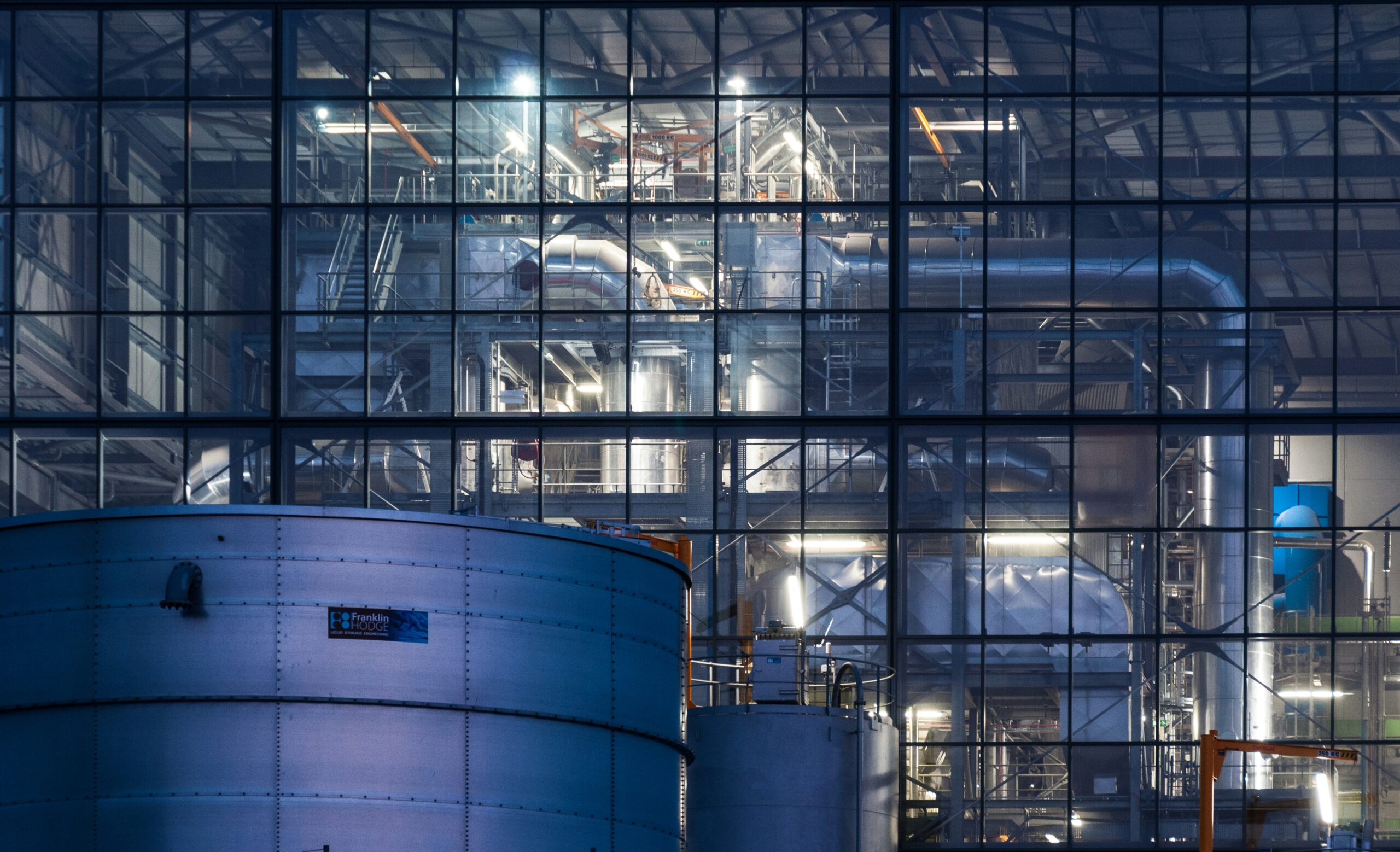
Travis Leery Unsplash

GreenChemForCE

Project overview

Bringing Green Chemical Production Forward in Central Europe

The chemical industry in central Europe struggles with excessive waste, high greenhouse gas emissions, and a strong reliance on petroleum-based materials. The GreenChemForCE project helps companies to change production processes from linear production streams to circular systems. The partners test new technologies that reduce hazardous solvents and reuse remaining ones. They also develop a strategy for the production of greener chemicals and train a wide range of companies on how to apply them to clean up the sector.

1,77m €

Project Budget

80%

of the Budget is funded by ERDF

Layer 1

4

Countries

5

Regions

9

Partners

4

Pilots

Duration

Start date

End date

Project progress

94%

Project partnership

Project partners

Česko (CZ)

Lead partner

Charles University

Department of Organic Chemistry, Faculty of Science
Address
Hlavova 2030/8
128 00 Praha 2
Country
Czechia (CZ)
Web
https://cuni.cz/

Project partner

Address
Rubeška 393/7
190 00 Praha 9
Country
Czechia (CZ)
Web
https://www.schp.cz/
Total partner budget
61,854 €
Address
U Kabelovny 130/22
102 37 Praha-Dolní Měcholupy
Country
Czechia (CZ)
Web
https://www.zentiva.cz/
Total partner budget
201,847 €
Address
Záhony utca 7
1031 Budapest
Country
Hungary (HU)
Web
http://www.servier.hu/pages/srimc.aspx
Total partner budget
151,850 €
Kémiai Intézet
Address
Pázmány Péter sétány 1/A
1117 Budapest
Country
Hungary (HU)
Web
www.elte.hu
Total partner budget
201,847 €
Institute for Applied Synthetic Chemistry
Address
Getreidemarkt 9/163
1060 Wien
Country
Austria (AT)
Web
https://www.tuwien.at/
Total partner budget
211,850 €
Faculty of Chemistry and Chemical Technology
Address
Večna pot 113
1000 Ljubljana
Country
Slovenia (SI)
Web
https://www.uni-lj.si/
Total partner budget
301,850 €
Address
Ulica talcev 24
2000 Maribor
Country
Slovenia (SI)
Web
http://www.stajerskagz.si
Total partner budget
136,852 €
Address
Rudolf-von-Alt-Platz 4/13
1030 Wien
Country
Austria (AT)
Web
https://www.viennatextilelab.at
Total partner budget
151,853 €

Roadmap

1

Context

Photo:Pixabay

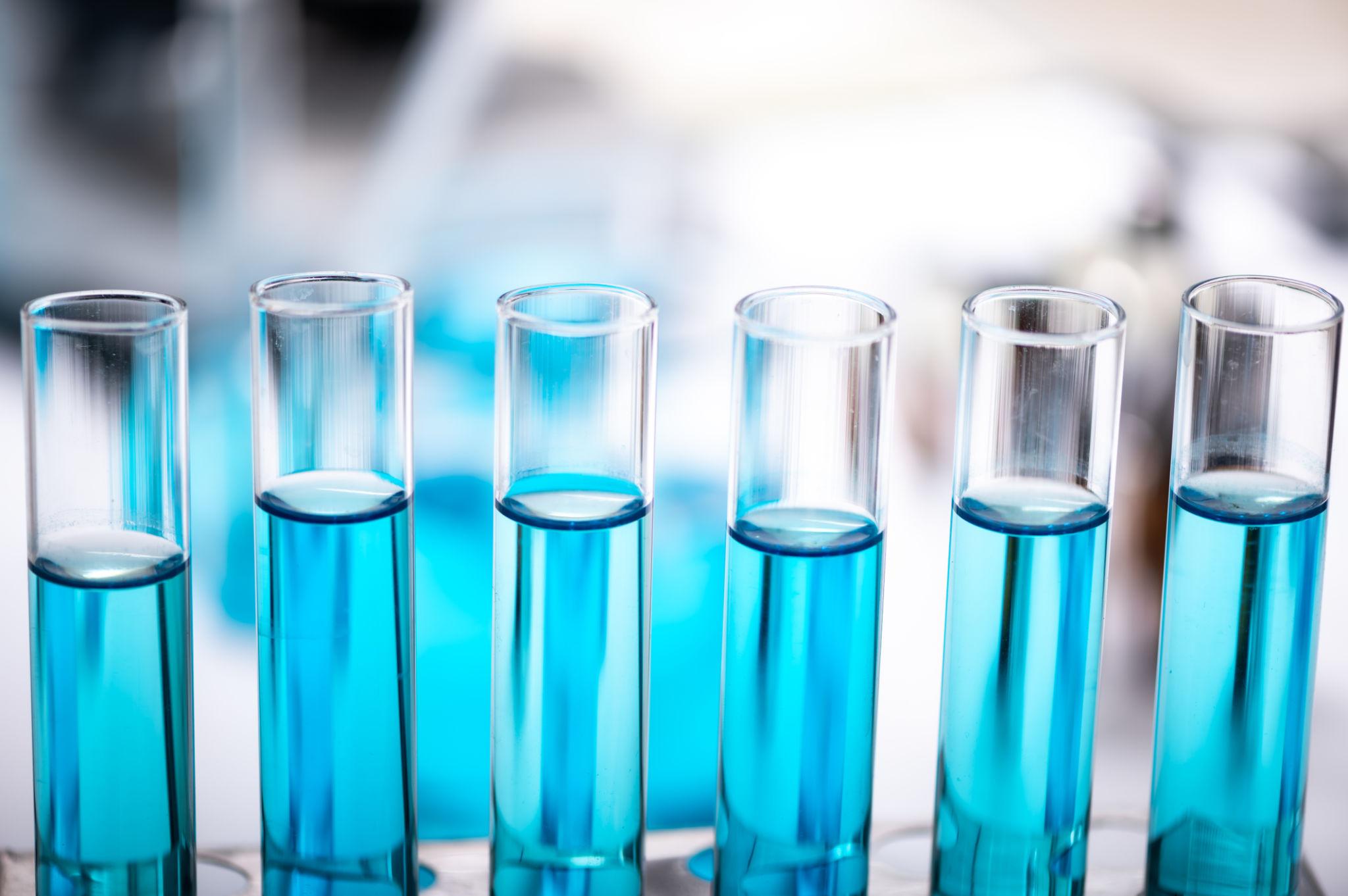
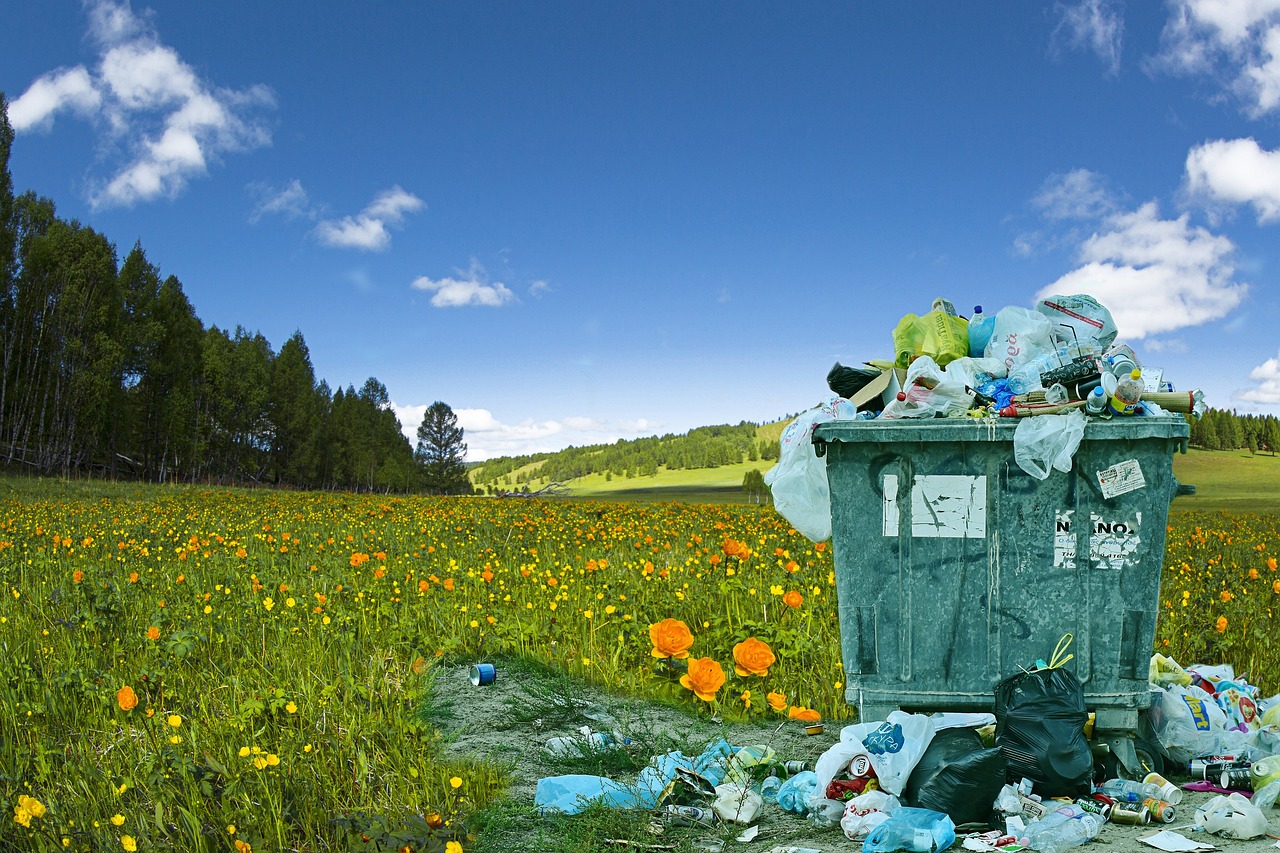
The chemical industry in Central Europe is a major economic driver—but also a significant source of environmental pressure. It traditionally operates within a linear model: extract resources, produce, and discard. To support the EU’s climate and circular economy goals, the GreenChemForCE project brings together public, private, and academic actors to accelerate the transition of the chemical sector from linear to circular production systems.

2

Specific Problem

Photo:Pixabay

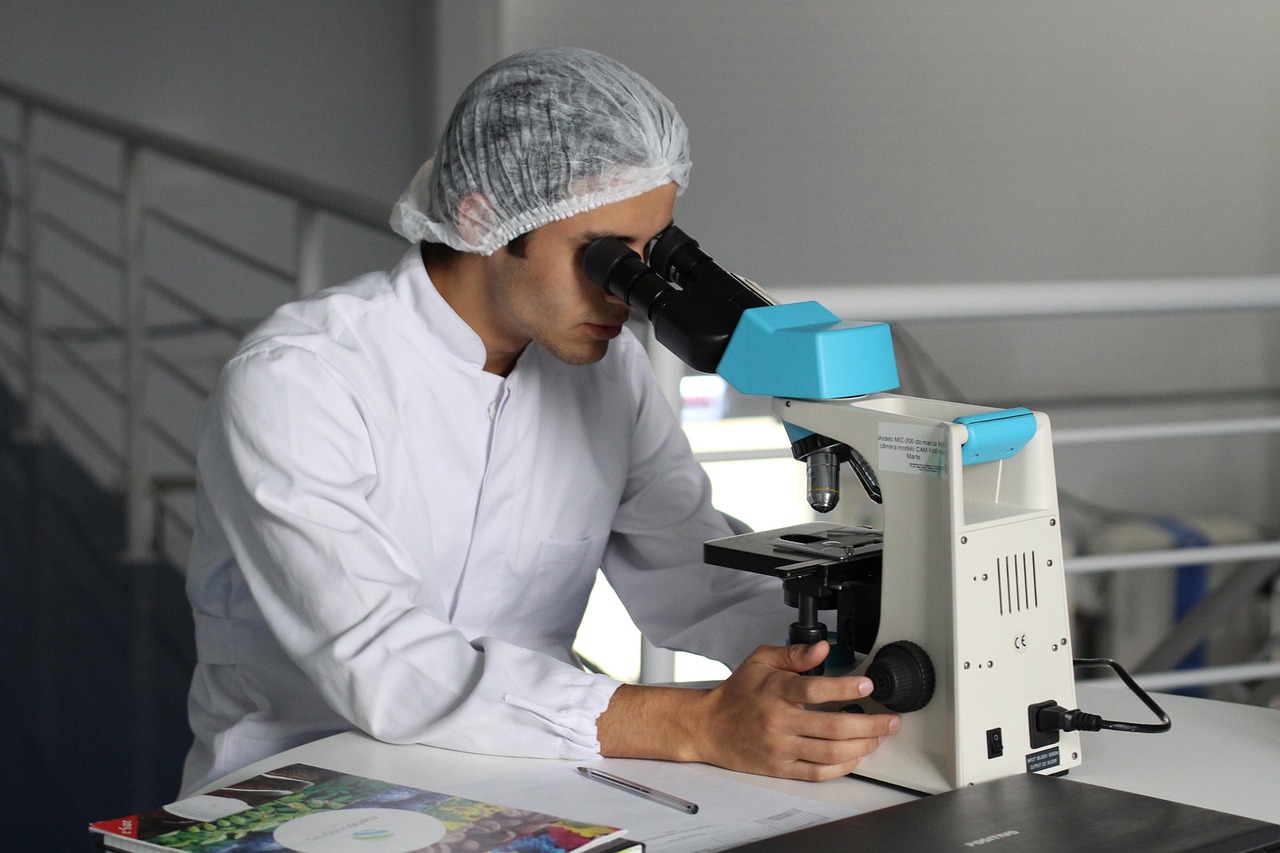
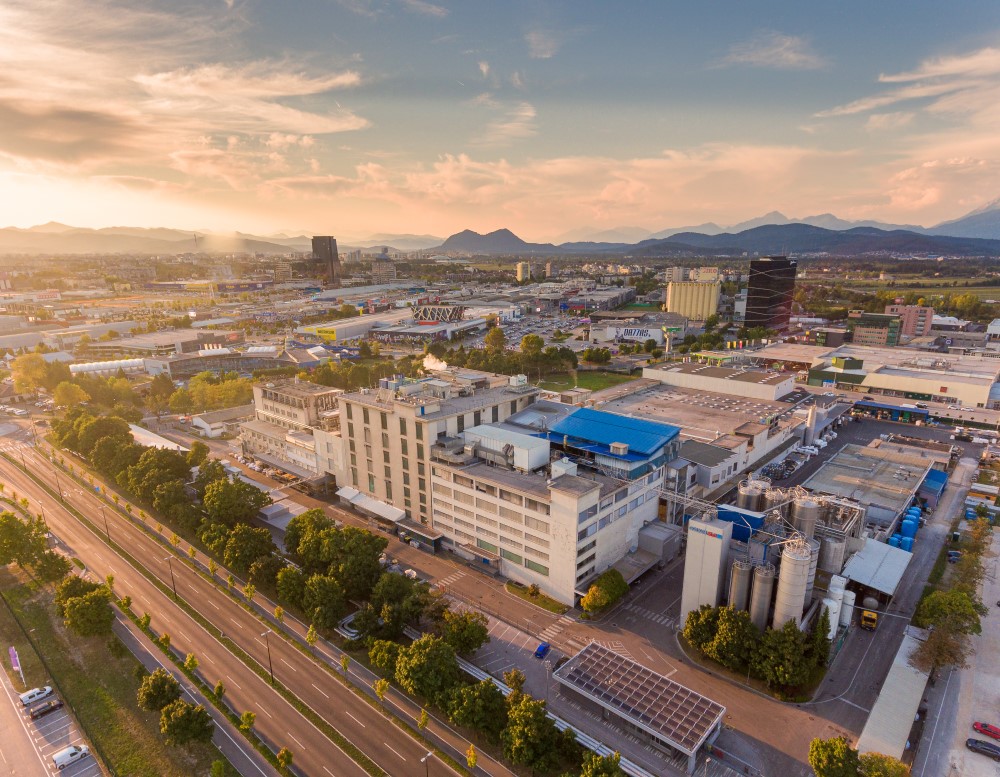
Central Europe’s chemical sector faces several interlinked challenges. High greenhouse gas emissions, heavy reliance on petroleum-based raw materials, and the generation of hazardous waste, such as used solvents and non-degradable plastics, pose serious environmental threats. These practices also contribute to negative public perception, hinder innovation, and reduce long-term competitiveness. A systemic change is needed to make the industry more sustainable and resilient.

3

Idea

Photo:Pixabay

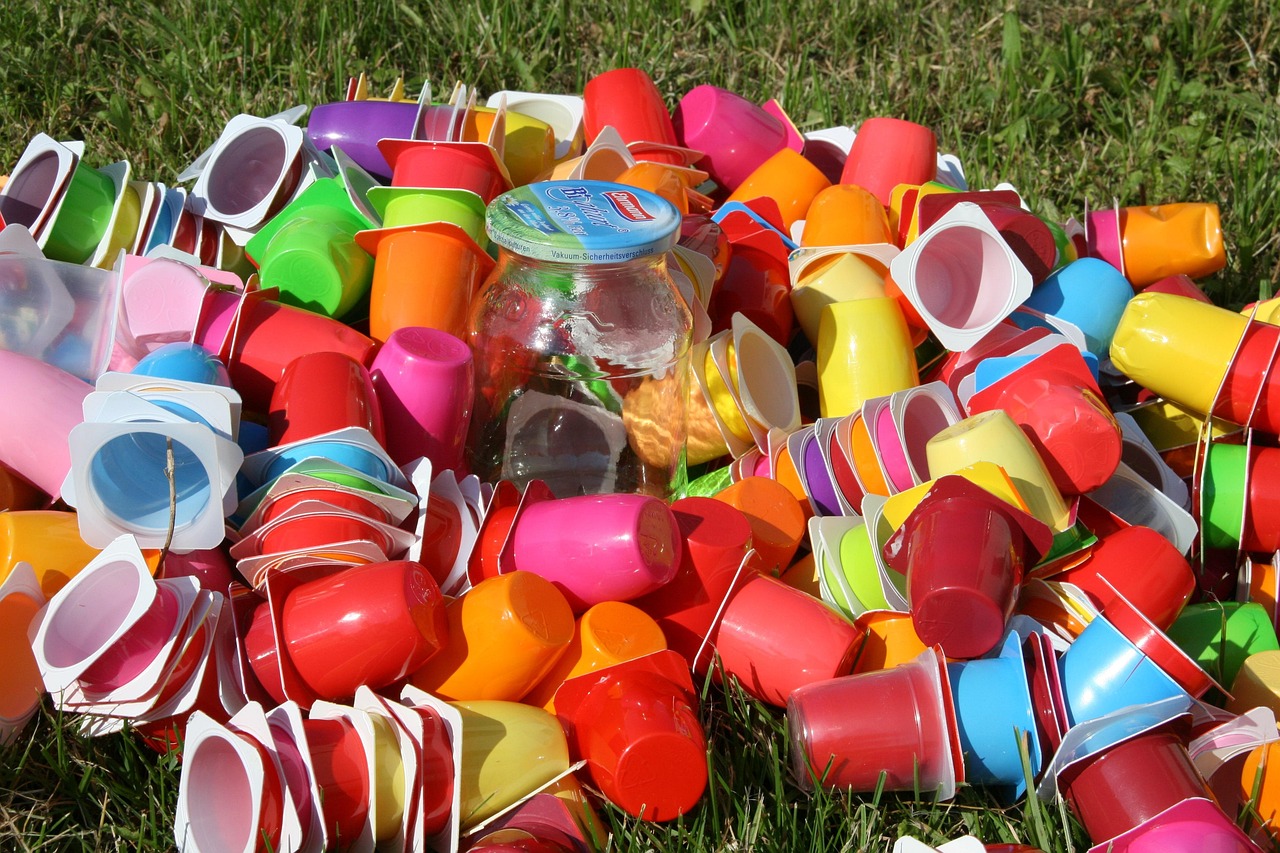
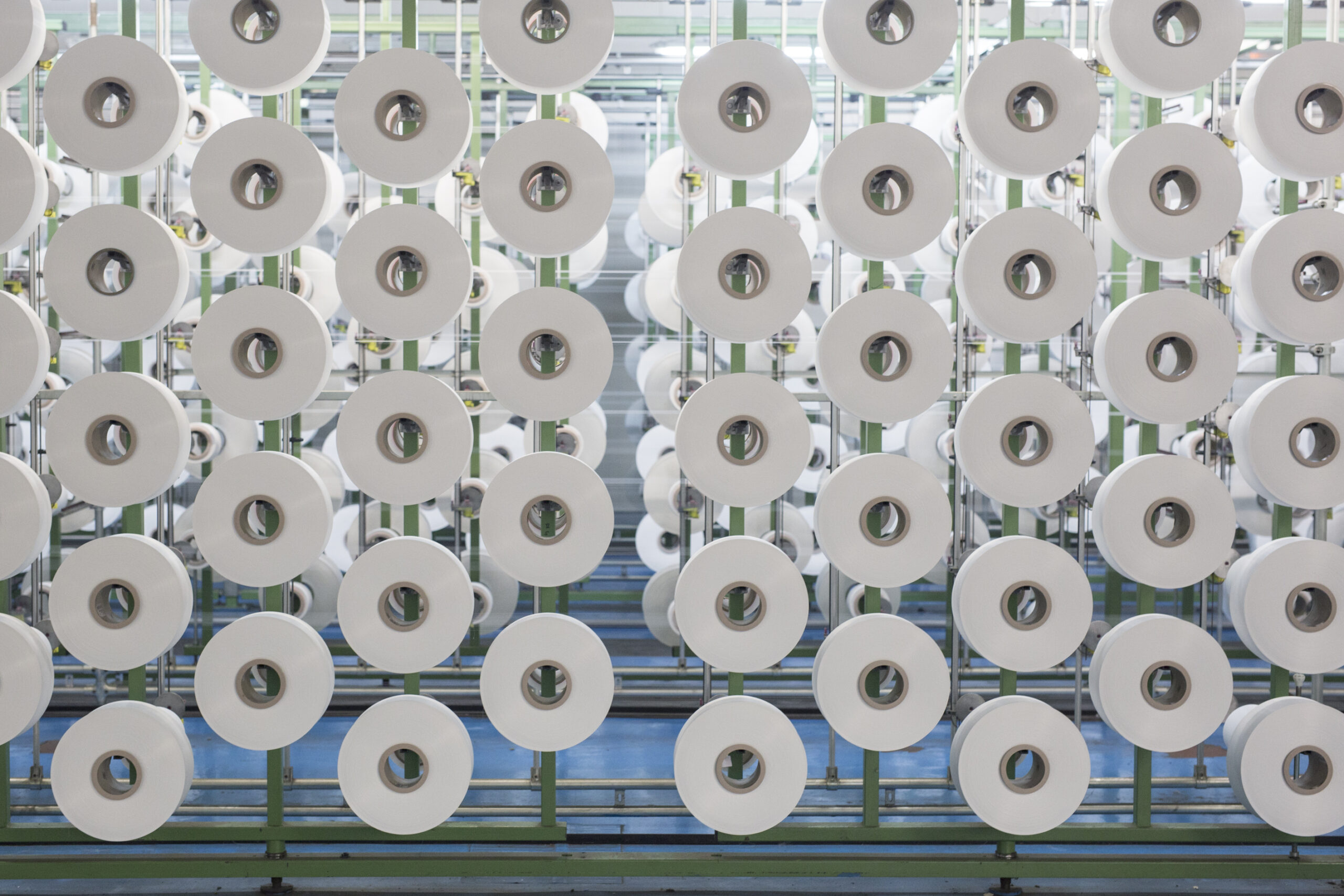
GreenChemForCE is building a transnational knowledge and innovation network focused on chemical circularity. We unite experts in chemical recycling, CO₂ recovery, green solvent use, and sustainable synthesis—along with industrial stakeholders from pharmaceuticals, textiles, and other chemical-intensive sectors. This network enables us to identify critical transformation points and co-create solutions tailored to real-world industrial needs.

4

Solution

Photo:Pixabay

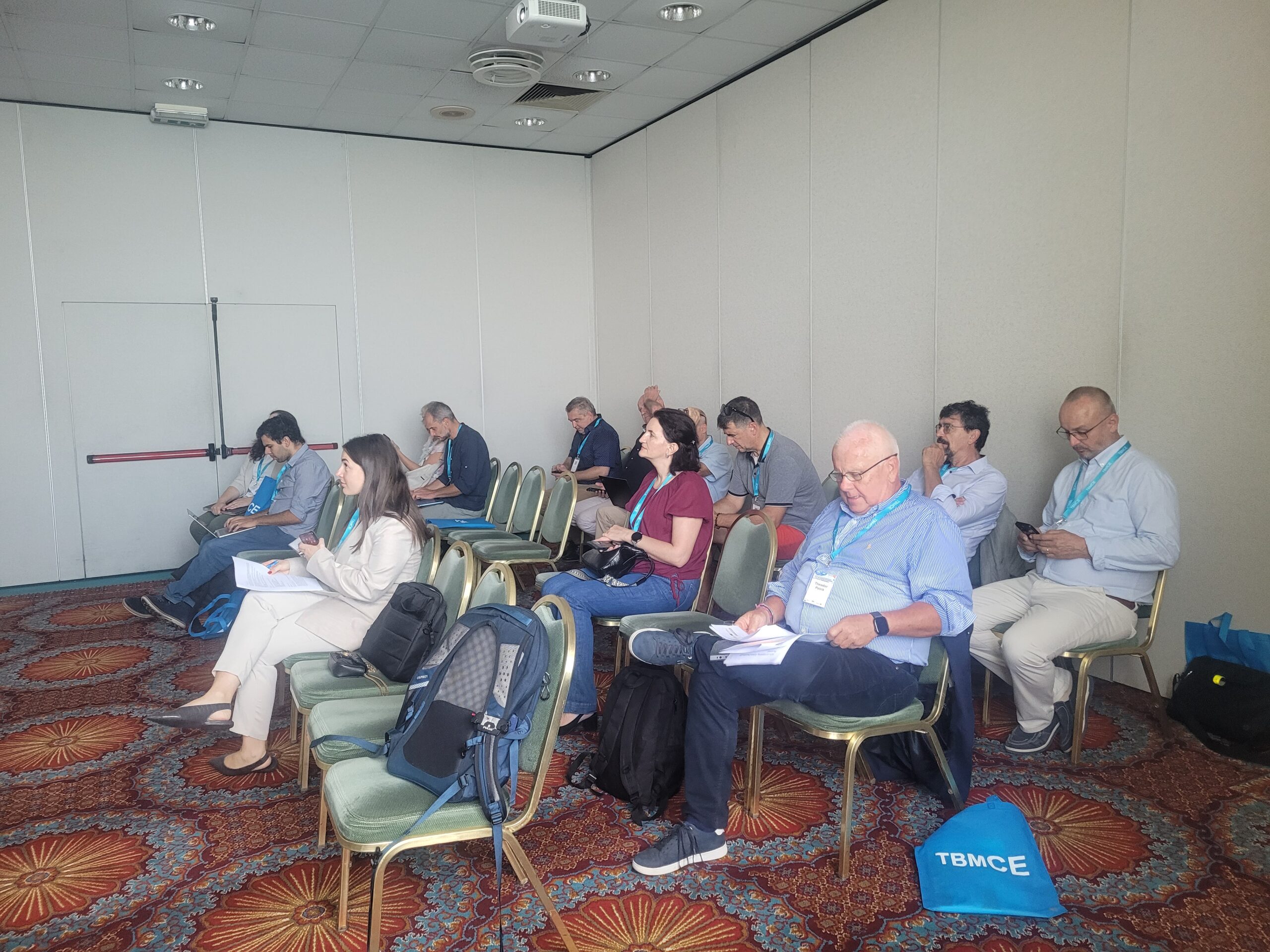
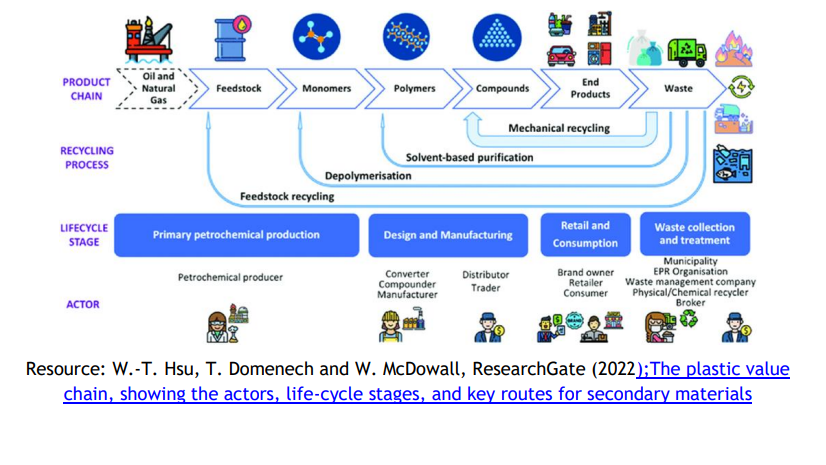
Our approach works on two levels. Strategically, we map the state of the sector, highlight barriers to circularity, and define action-oriented roadmaps. Practically, we collaborate with companies to test new green technologies—such as alternative solvent systems and closed-loop material recovery. Through joint pilot projects, cross-sector training, and industry-academia exchange, we ensure that innovation reaches the market and contributes to measurable environmental improvement.

5

Implementation

Photo:Pixabay

The project consortium includes universities, research institutes, public bodies, and private companies active in Central Europe's chemical and related industries. Each partner contributes its expertise to pilot actions, workshops, and demonstration activities. Industrial partners, including pharmaceutical and textile producers, will lead the real-world testing of greener production methods and play a key role in mainstreaming circular practices within their sectors.

News

Events
Pilot actions

Outputs

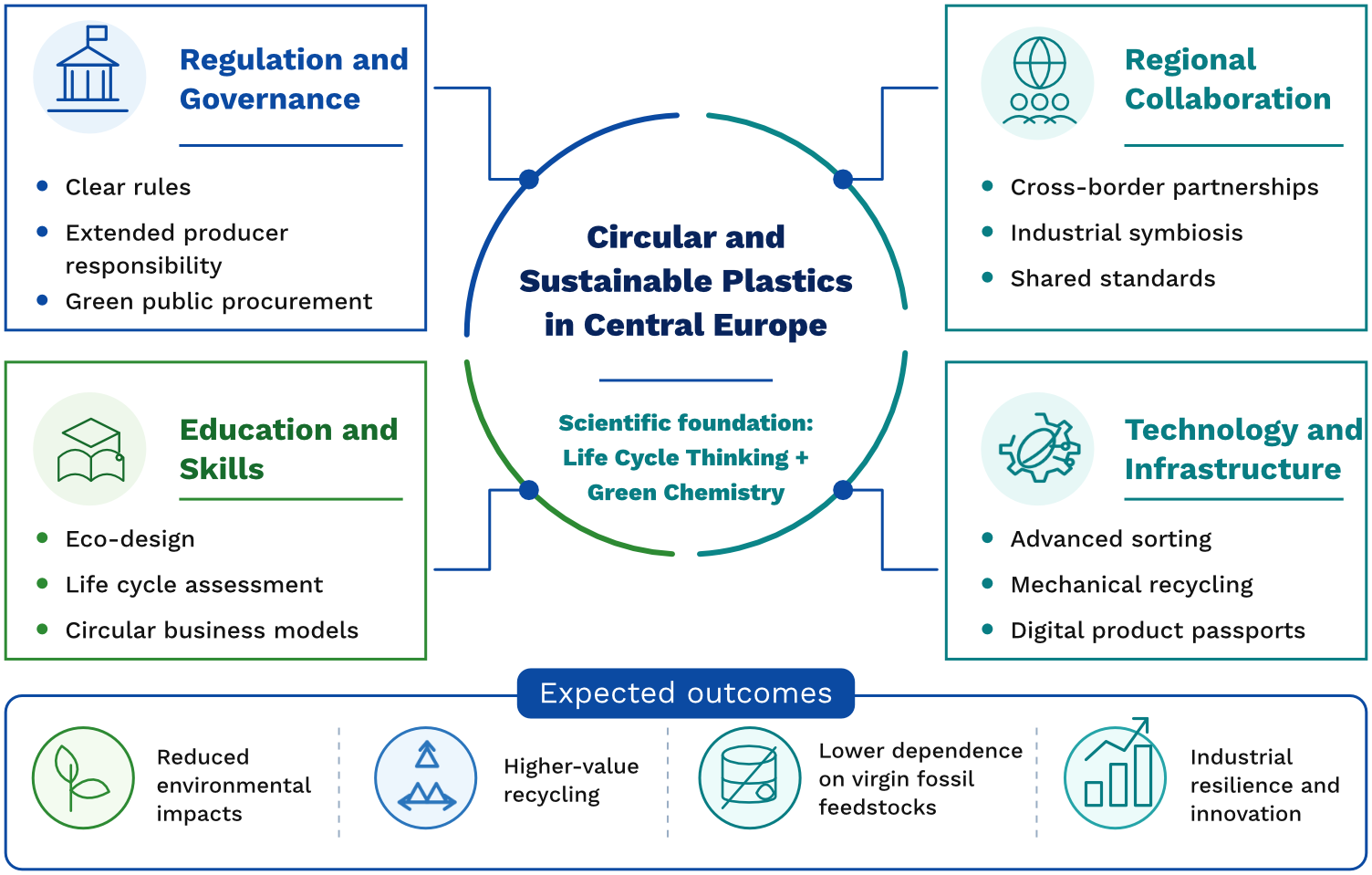
Strategies for sustainable plastic management in Central Europe
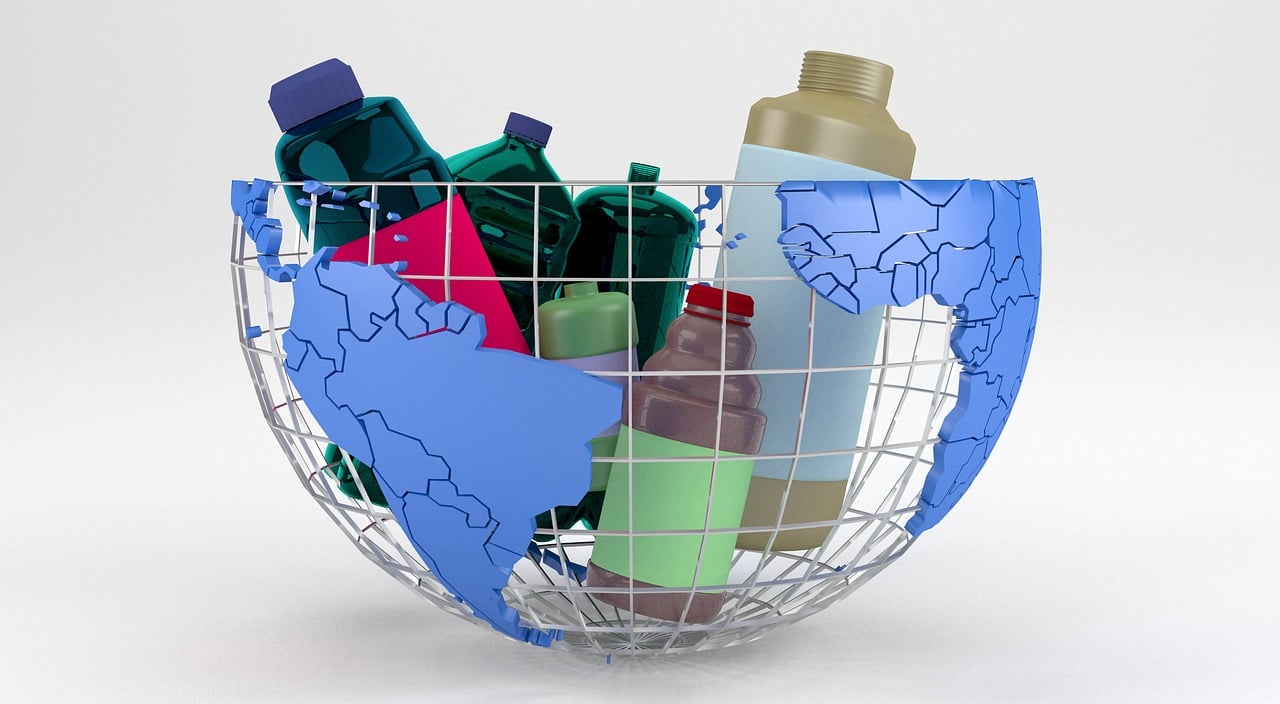
The strategy was developed to help public authorities, industry, research organisations and other stakeholders accelerate the transition towards a more circular and sustainable plastics sector in Central Europe. Building on the project’s regional analysis and stakeholder input, it translated the main challenges of plastic production, use and end-of-life management into practical priorities for action. The strategy brought together four interconnected areas: regulation and governance, regional collaboration, education and skills, and technology and infrastructure. It addressed measures such as eco-design, extended producer responsibility, green public procurement, improved collection and sorting, high-quality mechanical and chemical recycling, industrial symbiosis, digital traceability and stronger markets for secondary materials. The resulting framework provided stakeholders with a shared direction and an implementation pathway for reducing dependence on virgin fossil-based plastics, keeping materials in circulation for longer and strengthening the resilience and competitiveness of circular plastics value chains across Central Europe.
Type of output: Strategies and action plans

Solutions for sustainable plastic management
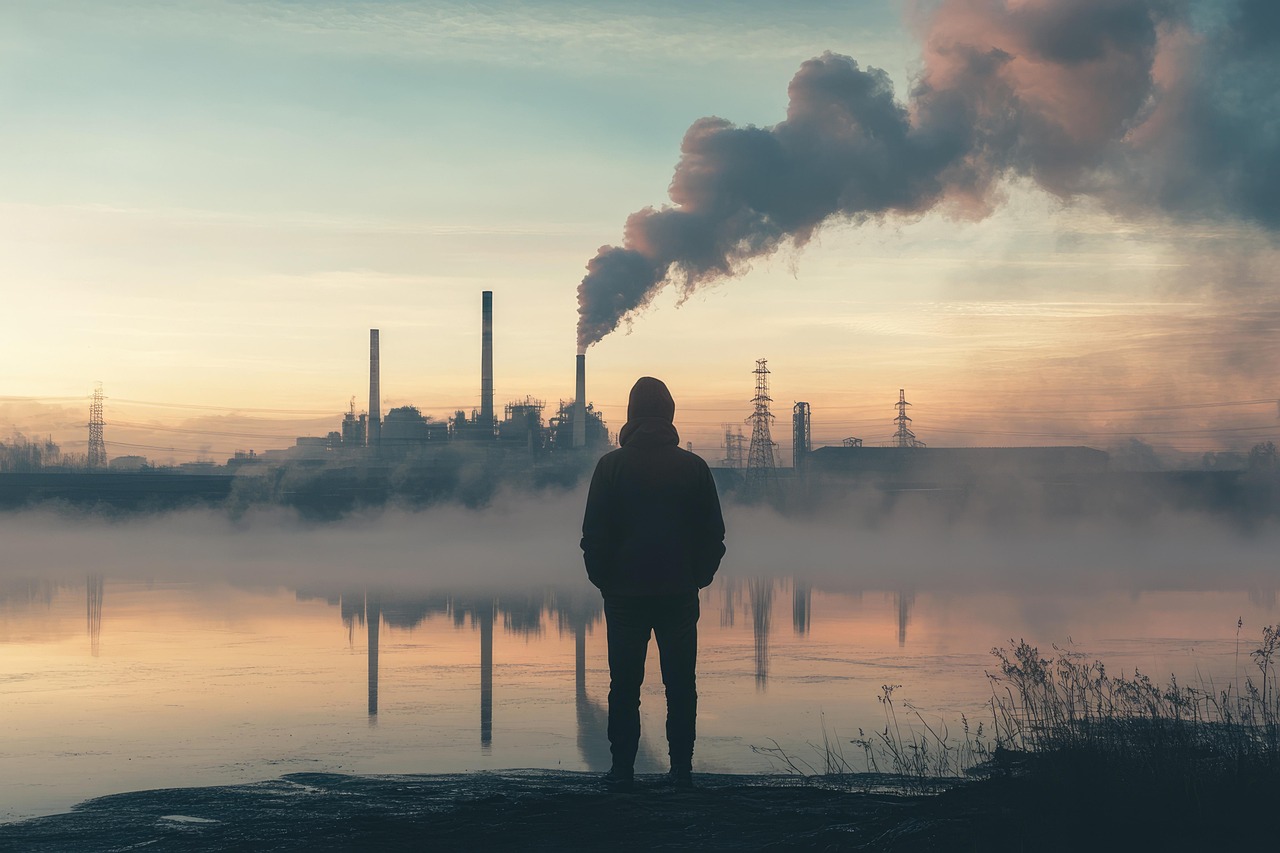
The cornerstone of our work is closing the loop for polyamide 6. In collaboration with the University of Ljubljana and AquafilSLO from Slovenia, we are using depolymerization technology that can break polyamide 6 back into its building block, caprolactam. This allows to take waste materials, from discarded fishing nets to worn carpets and textiles, and transform them into fully recycled, high-quality polyamide 6. Within the project, the Association of Chemical Industry of the Czech Republic plays a key role by linking Czech companies such as TEBO a.s. that generate textile waste with AquafilSLO. Through this connection, materials that would otherwise be discarded gain a direct pathway back into production, strengthening the supply chain needed for true circularity.
Type of output: Solutions
In development

Strategies for low carbon footprint chemical industry in CE

The strategy was developed to support the transition of the Central European chemical industry towards lower greenhouse-gas emissions and more circular use of carbon. It built on an assessment of industrial CO2 emissions, policy conditions and technological opportunities in the participating countries and translated these findings into priorities relevant to industry, public authorities, research organisations and other stakeholders. The strategy addressed four connected areas: technology, regional collaboration, the regulatory environment, and education and outreach. It considered complementary pathways including energy and process efficiency, electrification and renewable energy, carbon capture and utilisation, circular use of industrial side streams, and a greater use of renewable carbon and biomass-based resources. The completed strategy showed that industrial decarbonisation cannot rely on a single technology. It therefore provided a coordinated framework for combining technical measures with supportive regulation, skills, infrastructure and cross-border cooperation, giving stakeholders practical directions for reducing the carbon footprint of chemical production in Central Europe.
Type of output: Strategies and action plans

Technological solutions for low carbon footprint chemical industry in CE

The first pillar focuses on transforming CO₂ into valuable molecules. At the University of Ljubljana and company Belinka Perkemija from Slovenia, experts work on converting CO2 and waste calcium hydroxide into useful calcium carbonate. In parallel, scientists from TU Wien and Vienna Textile Lab are working with microorganisms that not only incorporate CO₂ into biomass but also produce high-value fragrances. In the second pillar, we are reimagining dye production. By optimizing biotechnological processes, TU Wien and Vienna Textile Lab are creating sustainable dyes, cutting down the CO₂ emissions that come with their production. The third pillar looks to biomass as a driver for pharmaceutical innovation. Charles University in Czechia and the Servier Research Institute of Medicinal Chemistry in Hungary are using biomass-derived molecules like Cyrene® to develop pharmaceutical intermediates and molecular libraries that can accelerate drug discovery. Together, these three pillars connect CO₂ utilization, sustainable materials, and pharma innovation into one story: chemical sector with lower carbon footprint.
Type of output: Solutions
In development

Strategies for green production of chemical products in Central Europe

The strategy was developed to guide stakeholders towards more sustainable production of fine chemicals, including active pharmaceutical ingredients and dyes. It built on the project’s analysis of the main environmental challenges in this sector, particularly the intensive use of organic solvents, reliance on precious and transition metals, waste generation and dependence on fossil-based raw materials. The strategy combined four supporting pillars - technology, regional collaboration, the regulatory environment, and education and outreach - with practical technological priorities. These included improved solvent management and recovery, safer and bio-based solvents, water-based and micellar systems, solvent-minimised approaches such as mechanochemistry, biocatalysis and flow technologies, lower catalyst loadings and catalyst recovery, and greater use of renewable feedstocks. The resulting framework provided practical directions for reducing waste and resource consumption while maintaining the performance and industrial feasibility required for fine-chemical and pharmaceutical production. It also identified areas where cooperation between research and industry can accelerate the uptake of greener production methods across Central Europe.
Type of output: Strategies and action plans

Reduction of waste in preparation of fine chemicals

GreenChemForCE is streamlining how fine chemicals are made by cutting out hazardous solvents and recovering valuable materials. Our pilot activities focus on two key areas: • Solvent managment Swap out toxic organic solvents for water-based or bio-derived alternatives (e.g., micellar systems, biorenewable solvents, such as Cyrene®) to perform common chemical reactions or purification of the pharmaceutical ingredients. We are also exploring the use of ballmilling in the extraction of textile dyes produced by microorganisms, which could significantly reduce the amount of solvent needed for dye recovery. Use ball milling to grind biomass helps breaking the cells open mechanically, so we no longer need harmful solvents for extraction. • Catalyst Recovery & Reuse Capture and recycle rare-metal catalysts (like palladium) from API production waste streams—testing different recovery methods and analytical tracking to enable true circularity. These solutions are being tested first at lab scale and will move to pilot trials, with the goal of providing ready-to-use protocols that reduce waste and environmental impact in the fine-chemical and pharmaceutical industries. This activity involves collaboration of Charles University, Eötvös Loránd University on the academic, and Zentiva k.s., VTL GmbH, The Servier Research Institute of Medicinal Chemistry, and associated partner EGIS Pharmaceuticals Plc on the industrial side.
Type of output: Solutions
In development

Advanced technologies towards effective processes

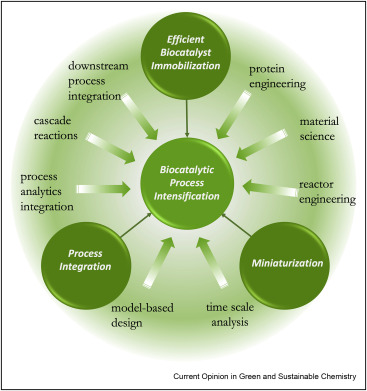
Our activity focuses on smart catalysis for the sustainable production of fine chemicals, especially pharmaceuticals and their intermediates. Traditional catalytic reactions often rely on rare transition metals (e.g., palladium, rhodium) and organic solvents, generating significant waste. We aim to address these challenges by developing more efficient and sustainable catalytic processes. What we do: • Optimizing catalyst use: We develop reactions that minimize the use of precious metals, enabling greener synthesis of active pharmaceutical ingredients (APIs) and intermediates. • Biocatalysis&Flow: We employ biocatalysis to avoid harmful reagents, reduce solvent use (runs in water), and lower energy requirements. This approach allows the construction of key bonds in APIs, providing industrial partners with a sustainable tool for synthesis. And we do these reactions in flow reactors. • We develop processes that produce only the desired optical form of APIs, avoiding the formation of their mirror-image counterparts (produced in equal amounts by usual methods), which are often ineffective or even harmful. This reduces waste and minimises environmental impact. The work brings together Charles University and Eötvös Loránd University, University of Ljubljana with industrial partners Zentiva k.s. from Czechia, and Hungarian companies Servier Research Institute of Medicinal Chemistry, and Egis Pharmaceuticals Plc.
Type of output: Solutions
In development

Project documents

GreenChemForCE

The project lead partner is responsible for the content of this project website.

Project Contacts

Project Manager

Lukáš Rýček
Phone: +420 725 507 576

Finance Manager

Kristina Jarolímová
Phone: +420 221 95 1326

Communication Manager

Tanja Berglez Krivec
Phone: +386 30 30 667 727