
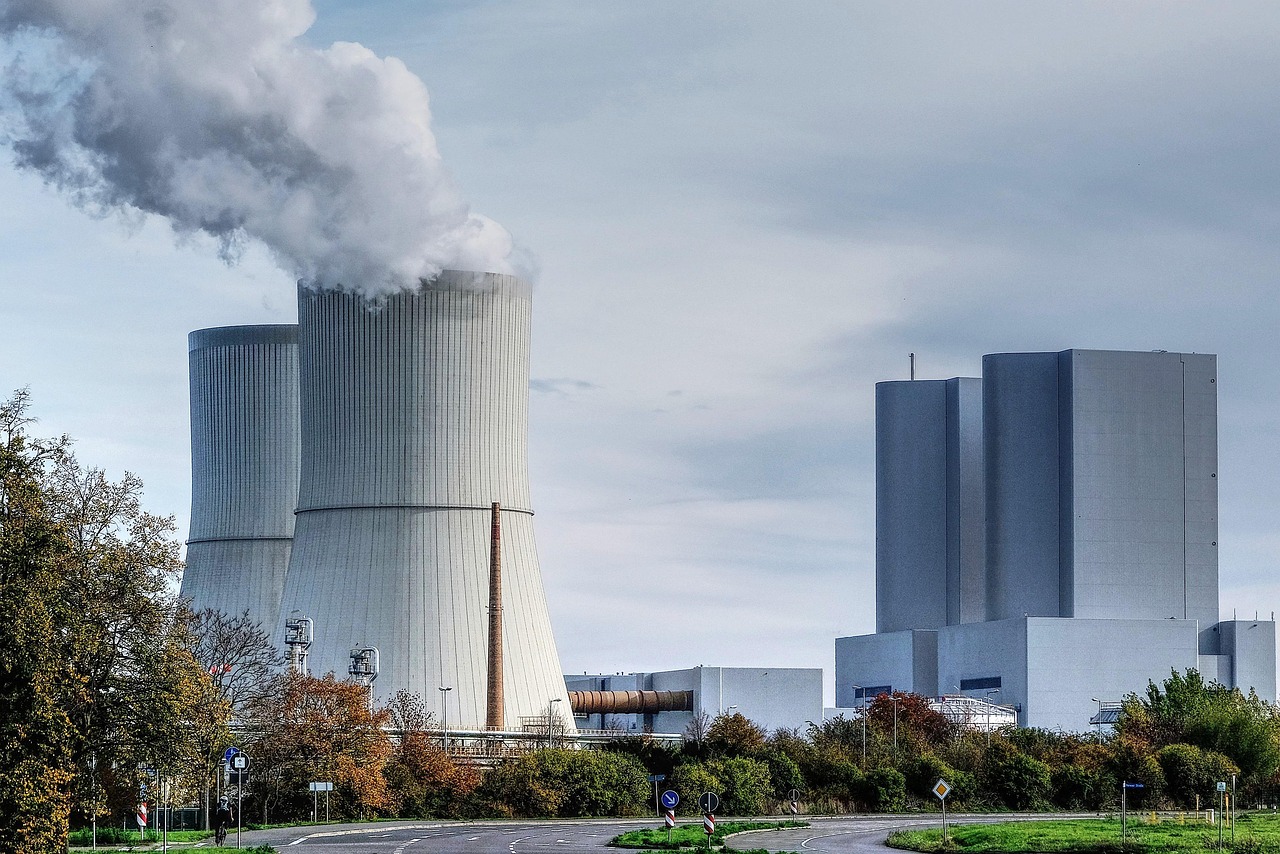
Czechia has committed to phasing out coal for energy by 2033. While fossil fuels will still be used as raw materials in chemical processes, their gradual reduction supports national climate goals.
The country is also investing in renewable energy technologies, which will become essential for low-carbon chemical production — for example, hydrogen from renewable sources or electrified processes.
Another strong point is the CO₂-SPICER project, which focuses on carbon capture and storage in geological formations, helping move the country toward a circular carbon economy.
Weaknesses: Fossil Dependence and High Costs
Despite progress, Czechia still relies heavily on coal for electricity generation, making decarbonization more difficult.
Transitioning the chemical industry to low-carbon technologies will require major financial investment, estimated at around CZK 500 billion by 2030.
Opportunities: EU Funding and Innovation Potential
Czechia can tap into significant EU funds, especially the Just Transition Fund, to support greener technologies.
Decarbonization also creates new opportunities for innovation — particularly in the automotive and materials sectors.
Growing solar and wind energy capacity can further reduce fossil fuel dependence.
Technologies based on biomass and fermentation also offer promising pathways for negative emissions and renewable raw materials in chemical production.
Threats: Economic Pressures and Competitive Risks
The transition away from coal will require major financial resources, and the economic burden could pose challenges.
Czech chemical companies also face competition from countries with weaker environmental regulations.
If neighbouring countries move faster on decarbonization, Czechia could risk falling behind in competitiveness.