Project overview
Transnational Network of Circular Labs for EEE
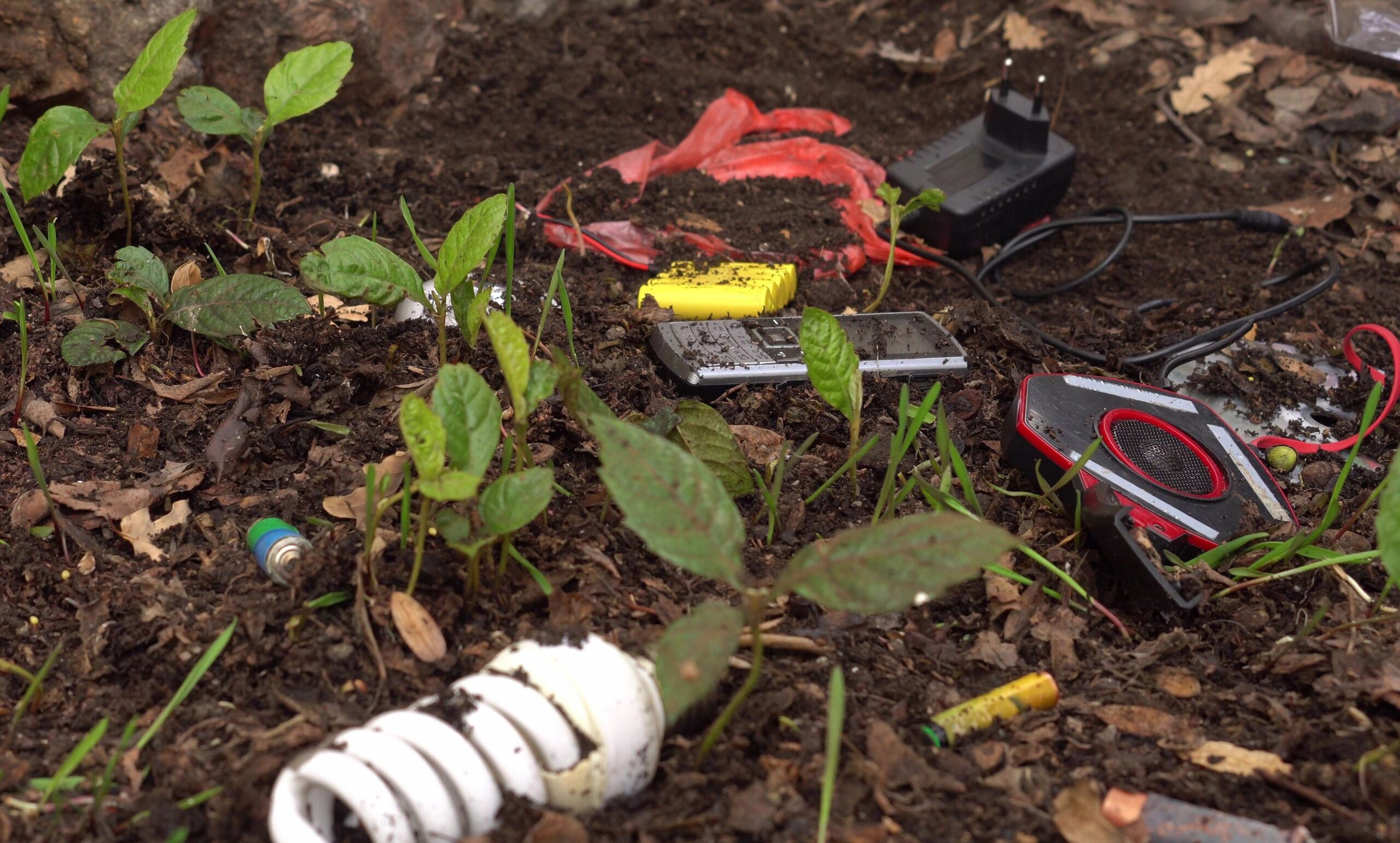
The environmental impact of electronics manufacturing is not just limited to waste creation but also raises concerns about air pollution, water and soil contamination in production processes. To overcome this, the CIRCOTRONIC project brings together scientists, entrepreneurs, and policy makers from nine manufacturing regions in a transnational network of regional circular labs. Together, they develop solutions for more circular value chains and design a policy framework for circular production.
-
2,38m €
-
Project Budget
-
80%
-
of the Budget is funded by ERDF
-
6
-
Countries
-
9
-
Regions
-
12
-
Partners
-
5
-
Pilots
Duration
Start date
End date
Project progress
About the project
Project partnership
Project partners
Lead partner
Chamber of Commerce and Industry of Slovenia
Project partner
DG Knowledge, Labour and Enterprise Economy Research, Innovation, Energy and Sustainable Economy Unit
40127 Bologna
SME Advisory Services
Cluster and Networks
Institute of Engineering Design and Product Development
Roadmap
Context
The CIRCOTRONIC project brought together businesses, research organisations, business support organisations and public authorities from the EEE sector across six countries. By combining regional expertise with transnational cooperation, the partnership created a long-term ecosystem supporting the circular transition of EEE manufacturing and the more sustainable use of resources.
Specific problem
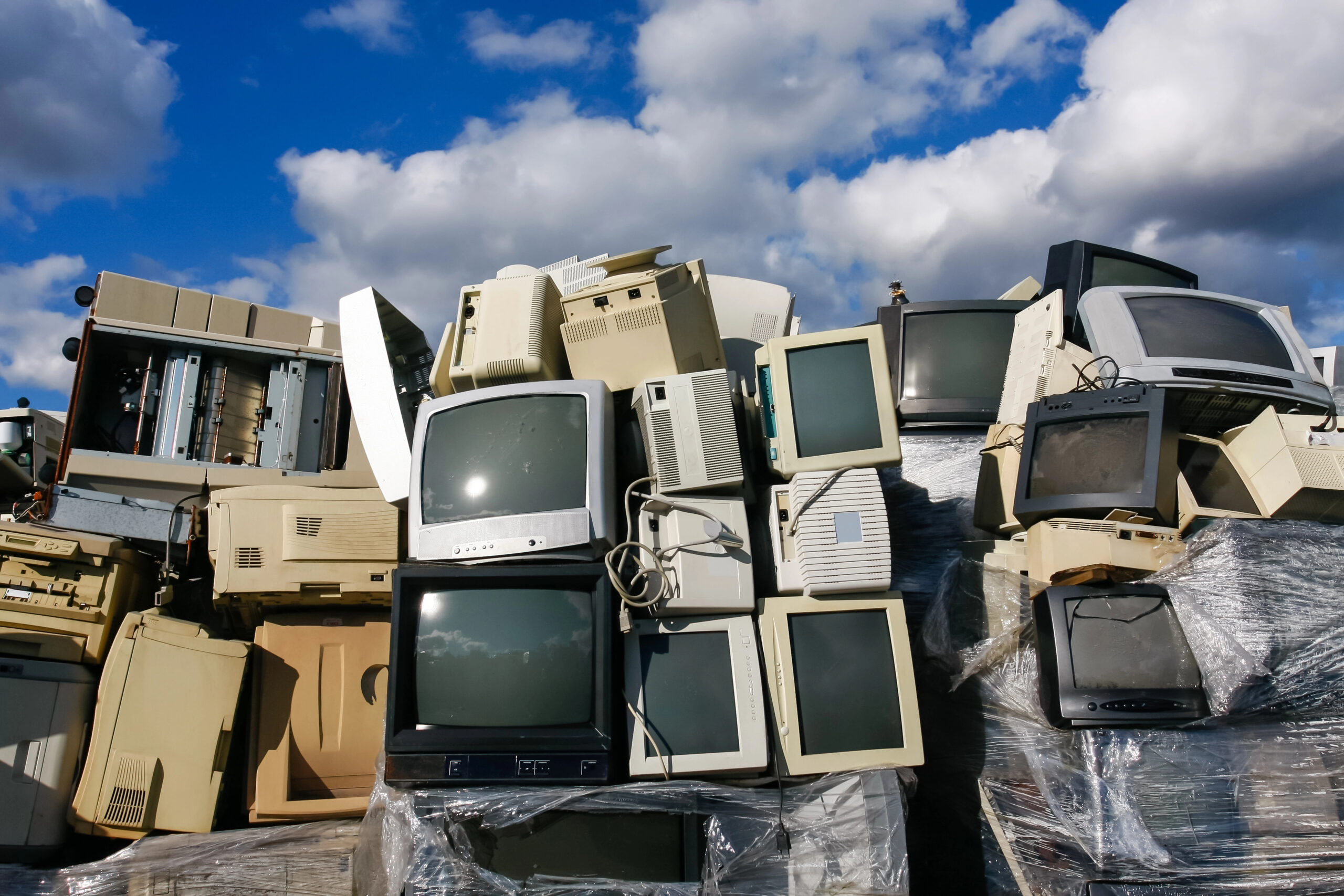
The project addressed the environmental and economic challenges associated with the rapidly growing production and consumption of EEE. Manufacturing processes require large amounts of raw materials and energy, while increasing volumes of e-waste create additional environmental pressures. SMEs often lacked practical tools, knowledge and cooperation structures to implement circular economy approaches and respond to evolving European legislation.
Idea
The project partners cooperated for two main reasons. Firstly, to foster sustainable growth by supporting the transformation of EEE manufacturing in Central Europe towards circular and resource-efficient processes, value chains, products and services. Secondly, to develop a policy framework and promote circular economy policy measures supporting circular EEE manufacturing and the use of e-waste as a valuable resource.
Solution
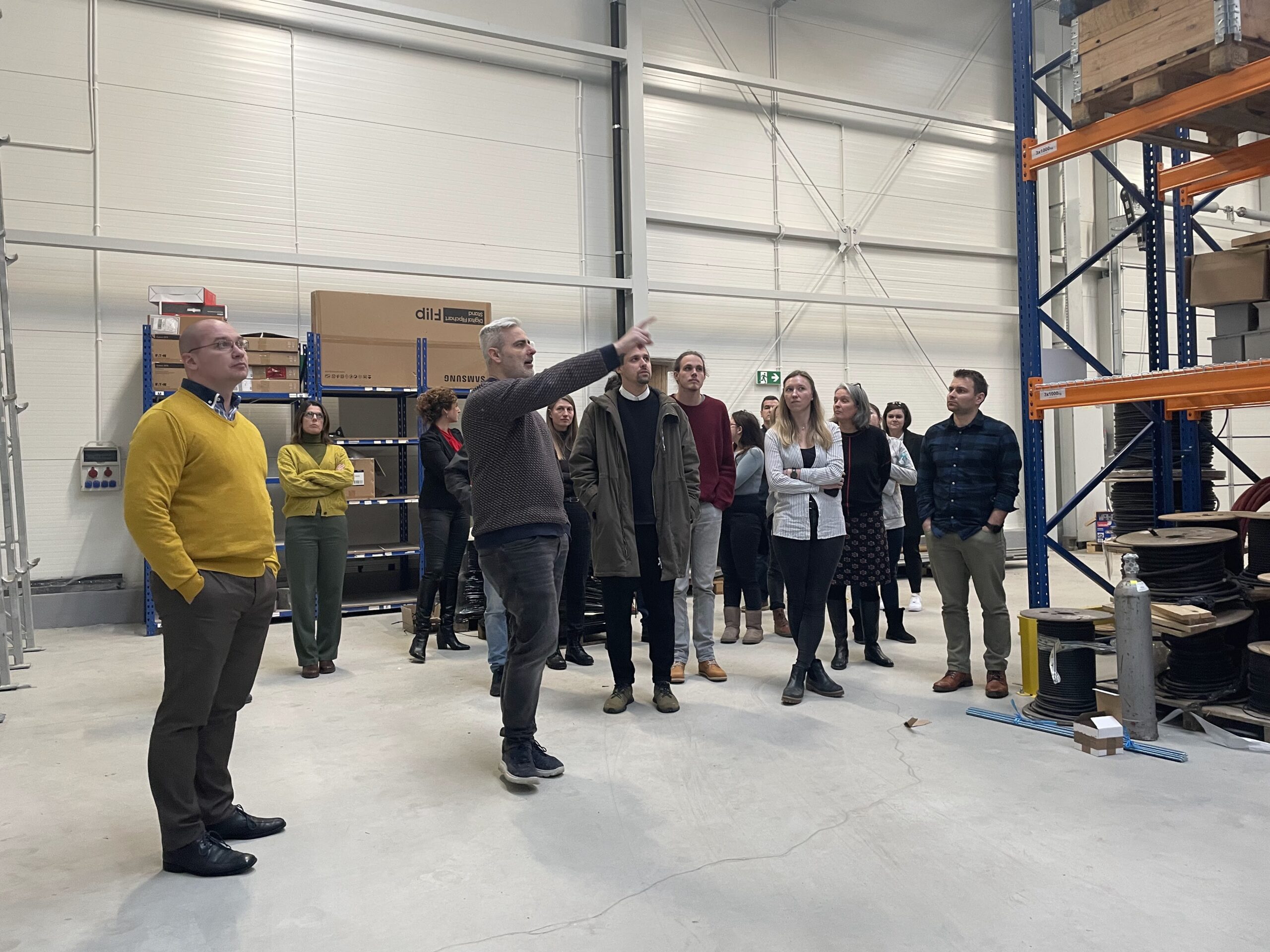
The project developed and tested a comprehensive portfolio of practical solutions supporting the circular transition of the EEE sector. These included tools, methodologies and workshop formats covering three thematic areas: Materials & Recovery, Circular Design, and Circular Business Models & Value Chains. The solutions were validated through pilot actions with SMEs and subsequently taken up by nine Regional Circular Labs, creating a lasting support infrastructure for companies and stakeholders across Central Europe.
Implementation
To ensure the long-term uptake of the project's results, the partnership developed a Transnational Strategic Action Plan supporting the implementation of the European Circular Economy Action Plan (CEAP). The Regional Circular Labs were connected through the Circular NET-LAB, enabling continued cooperation, knowledge exchange and joint development of circular economy initiatives beyond the project's lifetime. Together with the tools and educational resources, these structures ensure that the project's results continue to support EEE manufacturing and e-waste management across Central Europe.
News

Events
Pilot actions
Outputs
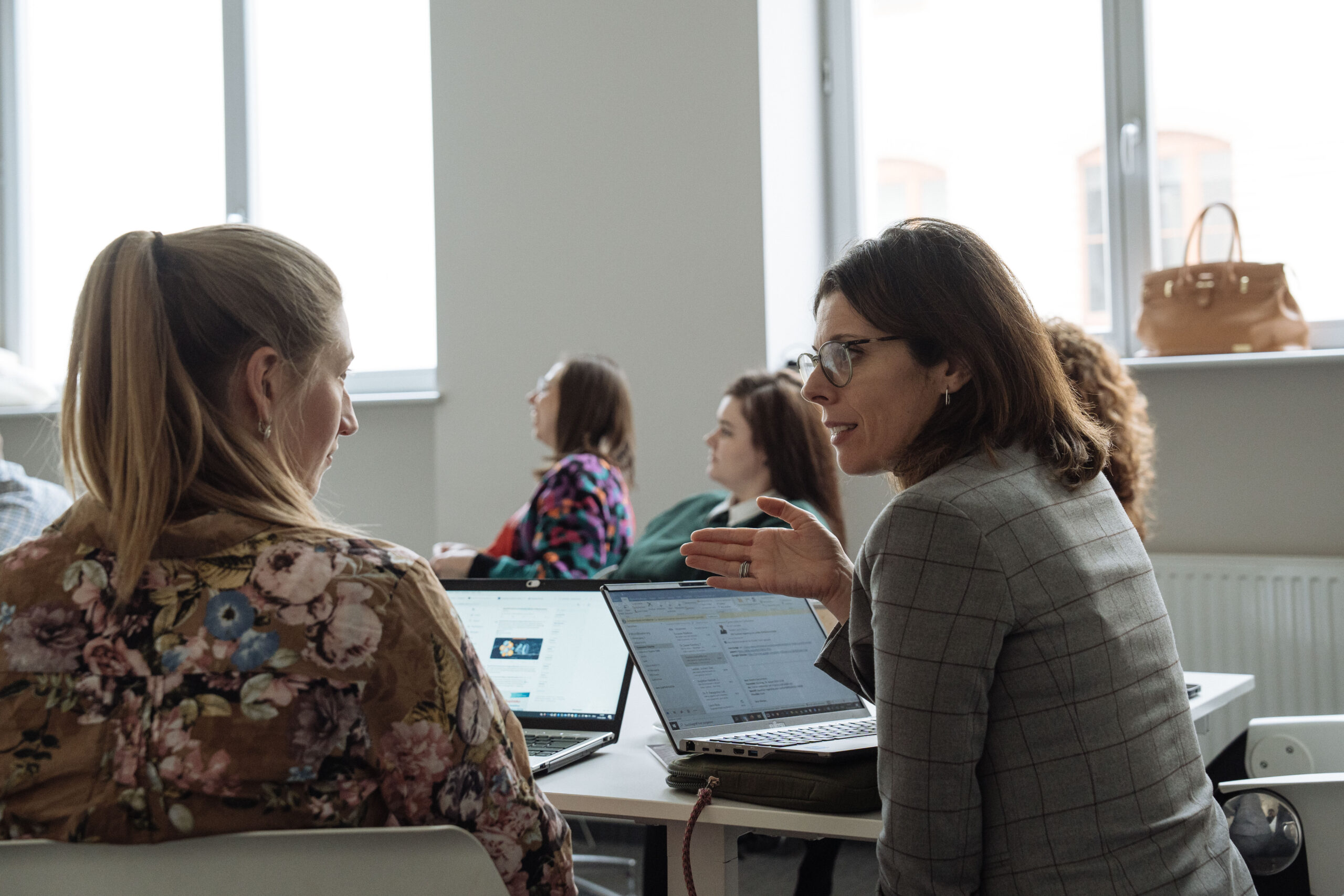
Solutions taken up or scaled-up fostering the circular transition of EEE manufacturing SMEs
Uptake of regional labs and transnational network by project partners
Transnational strategic action plan for the implementation of the CEAP 2020 in the field of EEE manufacturing & E-waste in Central Europe
Project documents
EEE Stories from project partners around online and offline tools and initiatives
CIRCOTRONIC
The project lead partner is responsible for the content of this project website.