
wolf crossing a river in wild
Tomáš Hulík Vlk Dravý

LECA

Project overview

Supporting the coexistence and conservation of Carpathian LargE CArnivores

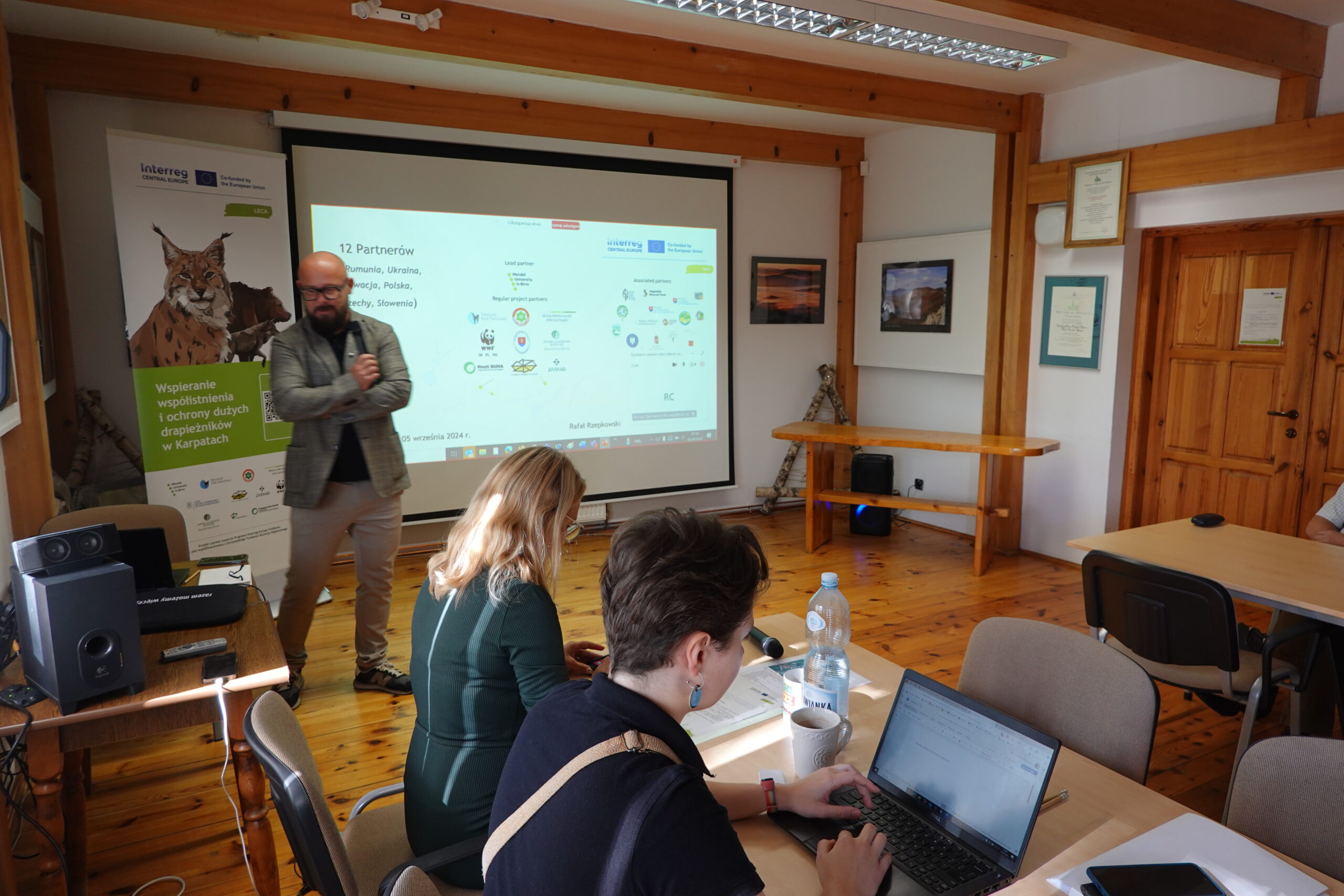
The Carpathians are home to large populations of lynx, wolves and bears. In recent years, conflicts between large carnivores and humans have increased, but no one knows if this is due to growing populations because data are not collected in a harmonised way across borders. The LECA project introduced a consistent and efficient monitoring approach, which involved local stakeholders. It resulted in up-to-date population information, coupled with effective conflict prevention measures.

2,93m €

Project Budget

80%

of the Budget is funded by ERDF

Layer 1

6

Countries

11

Regions

12

Partners

4

Pilots

Duration

Start date

End date

Project progress

100%

Project partnership

Project partners

Česko (CZ)

Lead partner

Mendel University in Brno

Department of Forest Ecology
Address
Zemědělská 1
613 00 Brno
Country
Czechia (CZ)
Web
www.mendelu.cz

Project partner

Address
Usypiskowa 11
02-386 Warszawa
Country
Poland (PL)
Web
www.wwf.pl
Total partner budget
176,908 €
Address
Medená 101/5
811 02 Bratislava
Country
Slovakia (SK)
Web
https://slovakia.panda.org/
Total partner budget
288,581 €
Address
Álmos vezér útja 69/A
1141 Budapest
Country
Hungary (HU)
Web
https://wwf.hu/
Total partner budget
278,499 €
Faculty of Forestry/Department of Applied Zoology and Wildlife Management
Address
T. G. Masaryka 24
960 01 Zvolen
Country
Slovakia (SK)
Web
https://www.tuzvo.sk/en
Total partner budget
317,406 €
Természetmegőrzési Osztály (Nature Conservation Department)
Address
Sánc 6.
3411 Eger
Country
Hungary (HU)
Web
www.bnpi.hu
Total partner budget
103,335 €
Address
Kuźnice 1
34-500 Zakopane
Country
Poland (PL)
Web
www.tpn.pl
Total partner budget
256,576 €
Address
Tajovského 28 B
974 01 Banská Bystrica
Country
Slovakia (SK)
Web
www.sopsr.sk
Total partner budget
339,951 €
Address
Dolní náměstí 38
77900 Olomouc
Country
Czechia (CZ)
Web
www.selmy.cz
Total partner budget
220,346 €
Department of Species Protection and Implementation of International Commitments
Address
Vršovická 1442/65
100 10 Prague 10
Country
Czechia (CZ)
Web
https://www.mzp.cz/
Total partner budget
294,606 €
Address
Mihai Viteazul 44/63/E/10
500187 Brasov
Country
Romania (RO)
Web
www.zarand.org
Total partner budget
109,612 €
Address
Večna pot 2
1001 Ljubljana
Country
Slovenia (SI)
Web
http://www.zgs.si/
Total partner budget
189,078 €

Roadmap

1

Setting the scene

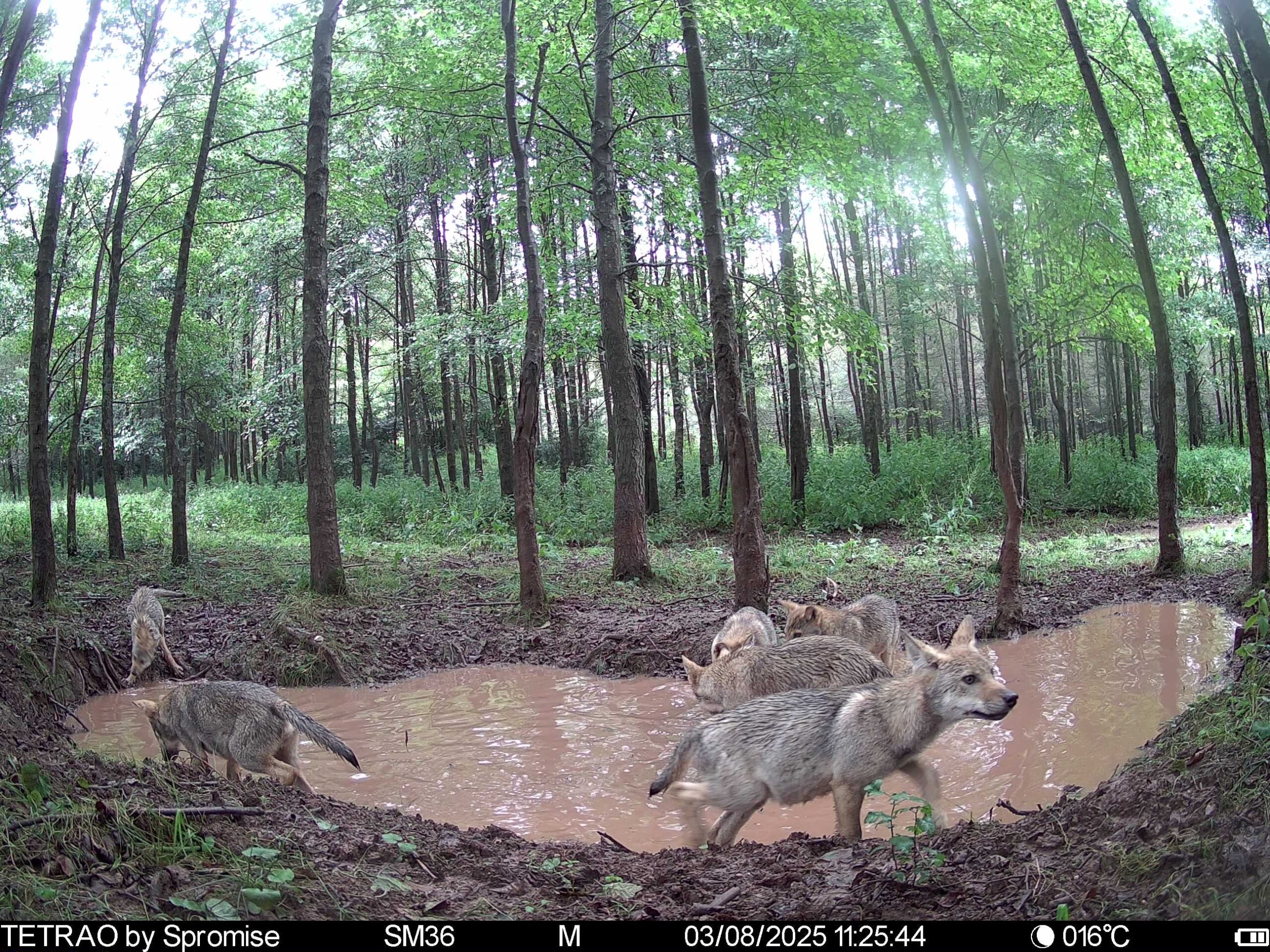
Wolf pups on camera trap
FOE

The activity brought together and synthesised existing knowledge on large carnivore conservation and management across the Carpathians, creating a strong evidence base for the project. Partners reviewed current practices in monitoring, poaching investigation and human–carnivore conflict prevention, while collecting harmonised information on the distribution, population size and status of wolves, bears and lynx across four pilot areas and two reference areas. The results provided the scientific and practical foundation for developing three transnational Thematic Guidances and informed the design and implementation of pilot actions, ensuring that project recommendations were firmly grounded in both existing knowledge and real-world conservation practice.

2

Exchange and pre-validation of knowledge

joint conference of the Alpine and the Carpathian Conventions in Slovenia

The activity strengthened cooperation with the Carpathian Convention and the Alpine Convention by creating a platform for knowledge exchange with international policy experts on large carnivore conservation and management. The project presented the initial findings of the desk research, gathered expert feedback through a series of transnational workshops, and incorporated this input into the development of the first drafts of the three Thematic Guidances on monitoring, poaching investigation and human–carnivore conflict prevention. This collaborative process ensured that the guidances reflected both the latest scientific knowledge and international policy priorities, providing a solid basis for their subsequent validation and refinement through the project's cross-border pilot actions.

3

Joint preparation of pilot actions

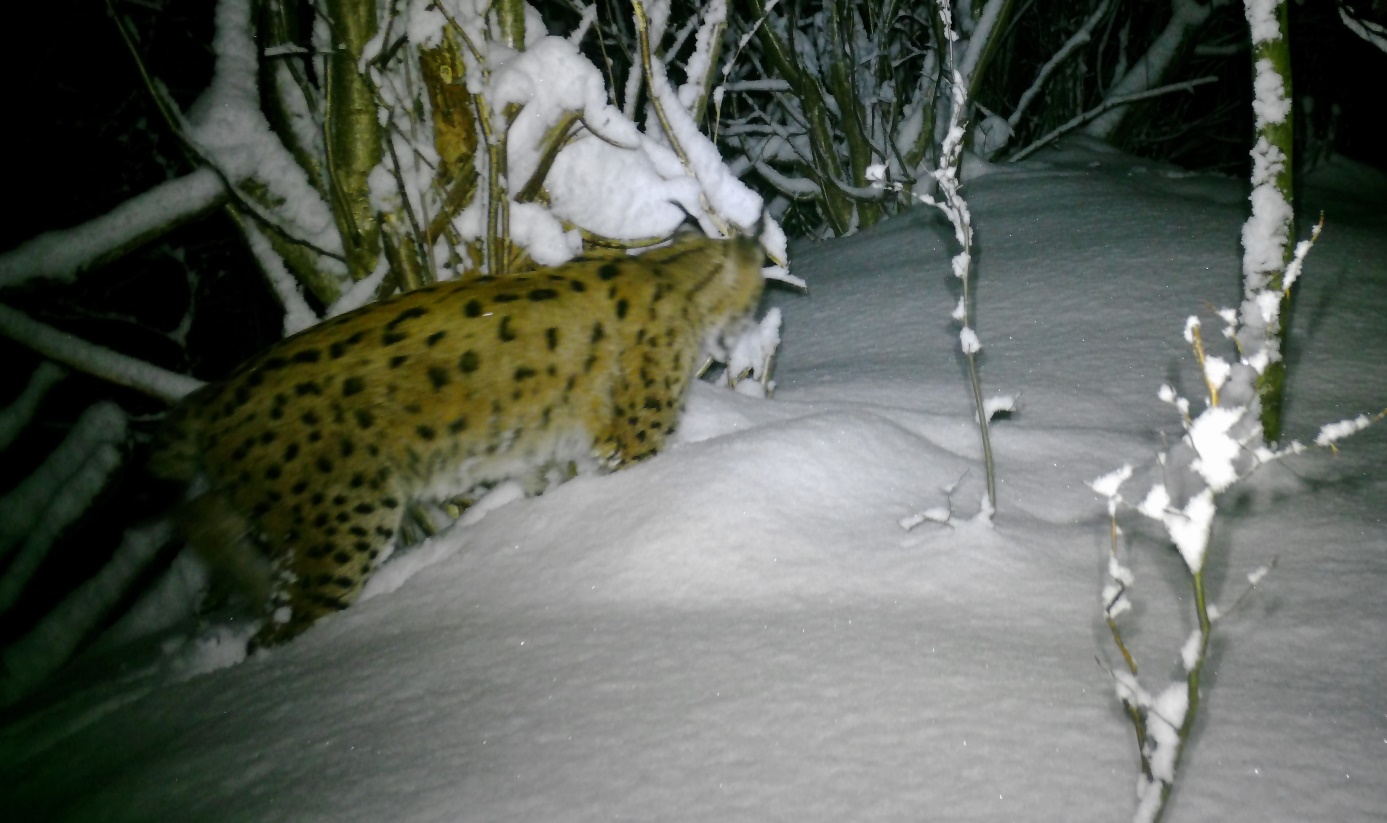
Lynxes on camera trap
Martin Váňa

The activity established a coordinated framework for implementing pilot actions across four cross-border areas, ensuring a harmonised approach and comparability of methods and results. Joint pilot action plans were developed using a common methodology, refined through peer review and implemented in close cooperation among project partners. A major achievement of the activity was the active involvement of stakeholders throughout the planning and implementation process, particularly in participatory large carnivore monitoring and other conflict-sensitive topics. This collaborative approach strengthened cross-border cooperation, improved the relevance and acceptance of pilot activities, and created a solid foundation for testing and validating the project's conservation and management recommendations.

4

Establishment of stakeholder platforms

The activity established and strengthened local stakeholder platforms in the project pilot areas, creating lasting mechanisms for cross-border cooperation and knowledge exchange on large carnivore conservation. The platforms brought together policymakers, scientists, conservationists, foresters, hunters, farmers, beekeepers, public authorities and NGOs through regular online and in-person meetings, fostering dialogue and collaboration throughout the project. Stakeholders actively contributed to the planning, implementation and evaluation of pilot actions, ensuring that project outputs reflected local knowledge and practical needs. The experience and recommendations generated through these platforms also contributed to the revision and implementation of the Carpathian Convention Large Carnivore Action Plan.

5

Widening the reachout

Kalaka Fest
WWF HU

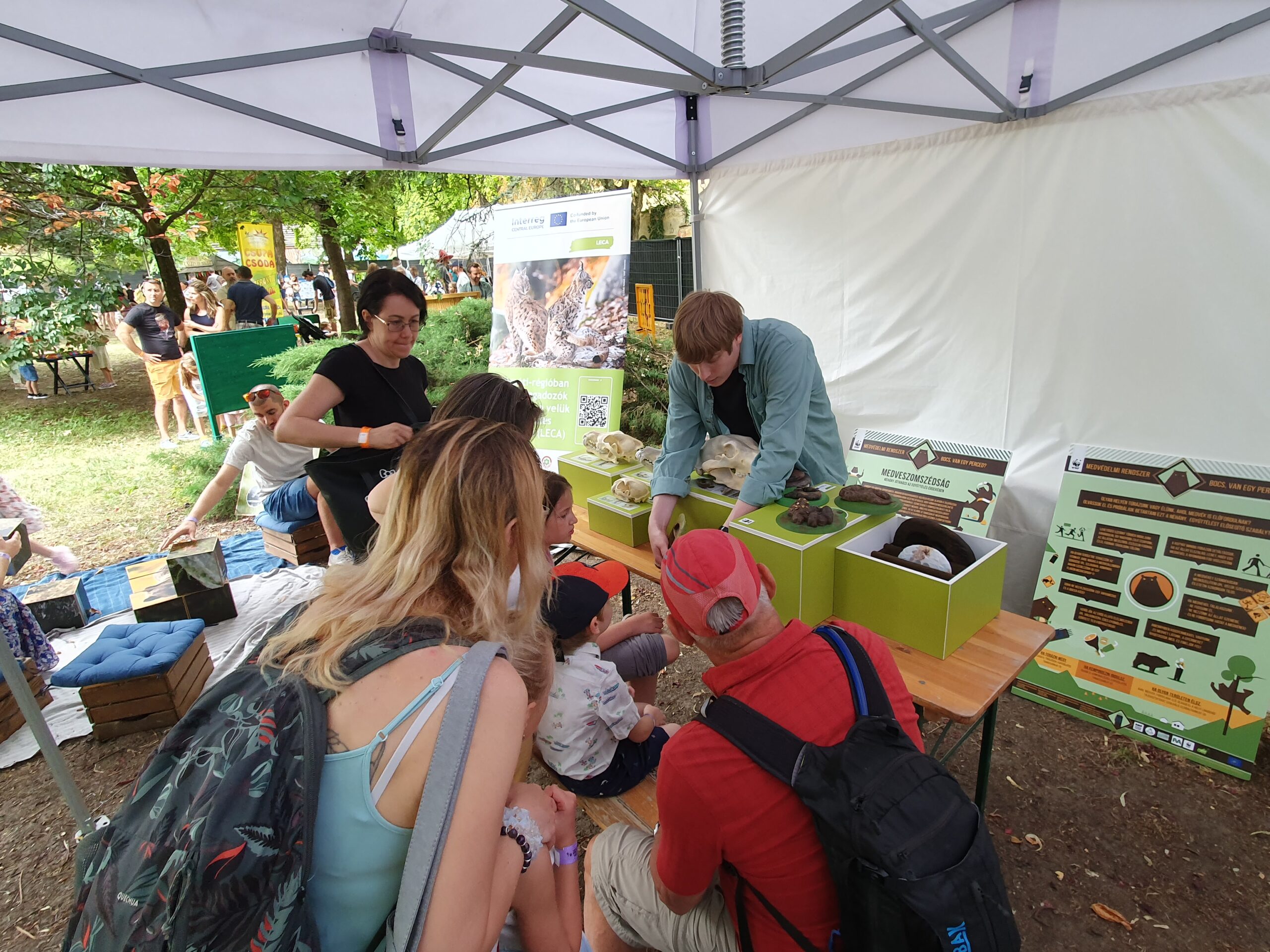
The activity significantly expanded public engagement and awareness of large carnivore conservation by promoting knowledge sharing, citizen participation and evidence-based communication. Partners implemented tools and approaches enabling citizens to contribute observations and data on large carnivores, supporting participatory monitoring and strengthening connections between local communities and conservation efforts. Project findings were transformed into accessible online content and shared through public events, workshops and communication activities, reaching diverse audiences and improving understanding of large carnivore ecology, monitoring and conflict prevention. The activity also addressed misconceptions and unbalanced media narratives by promoting objective, science-based information, contributing to greater public acceptance and more informed attitudes towards large carnivore coexistence.

6

Implementation of Pilot Actions

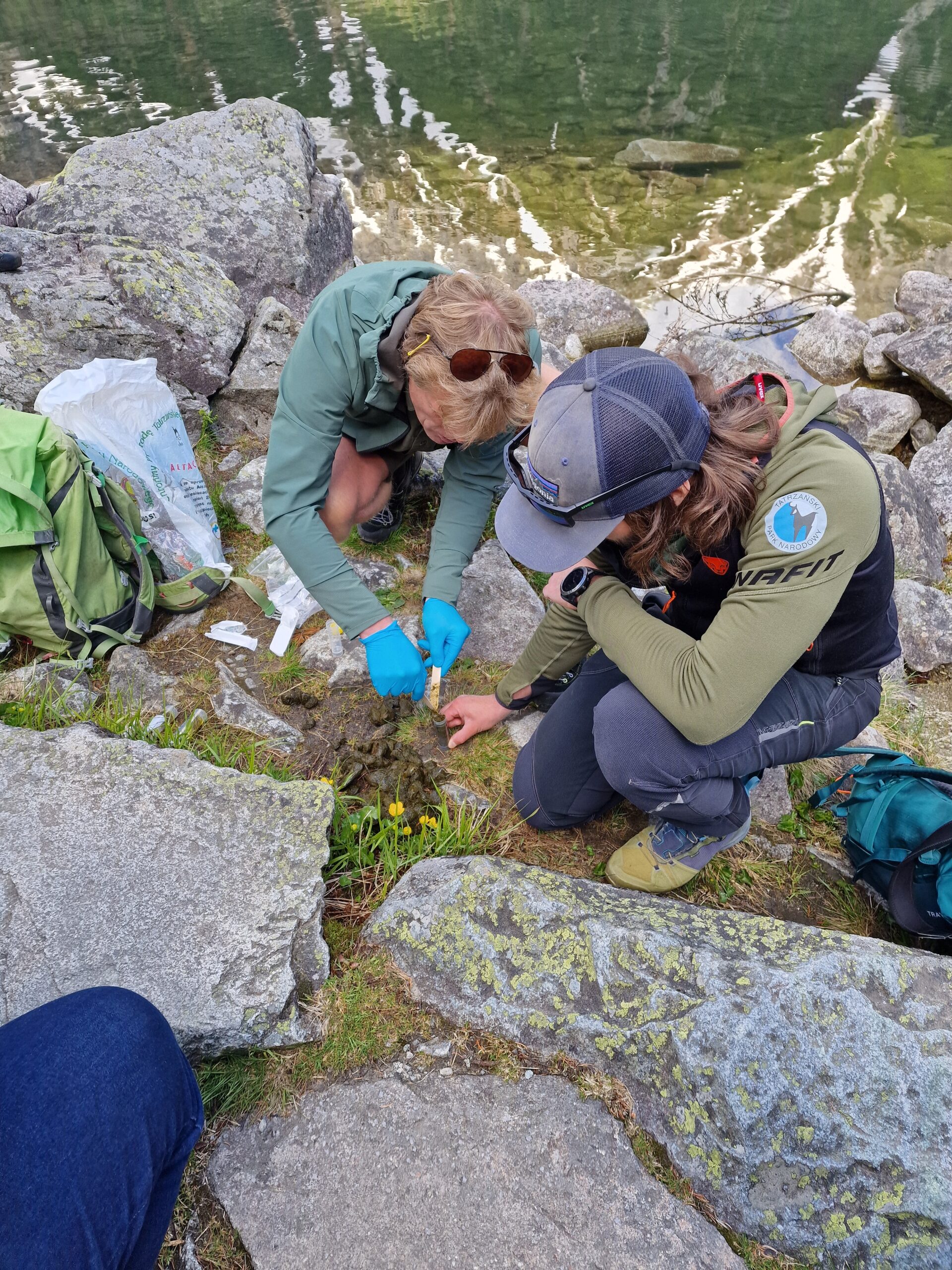
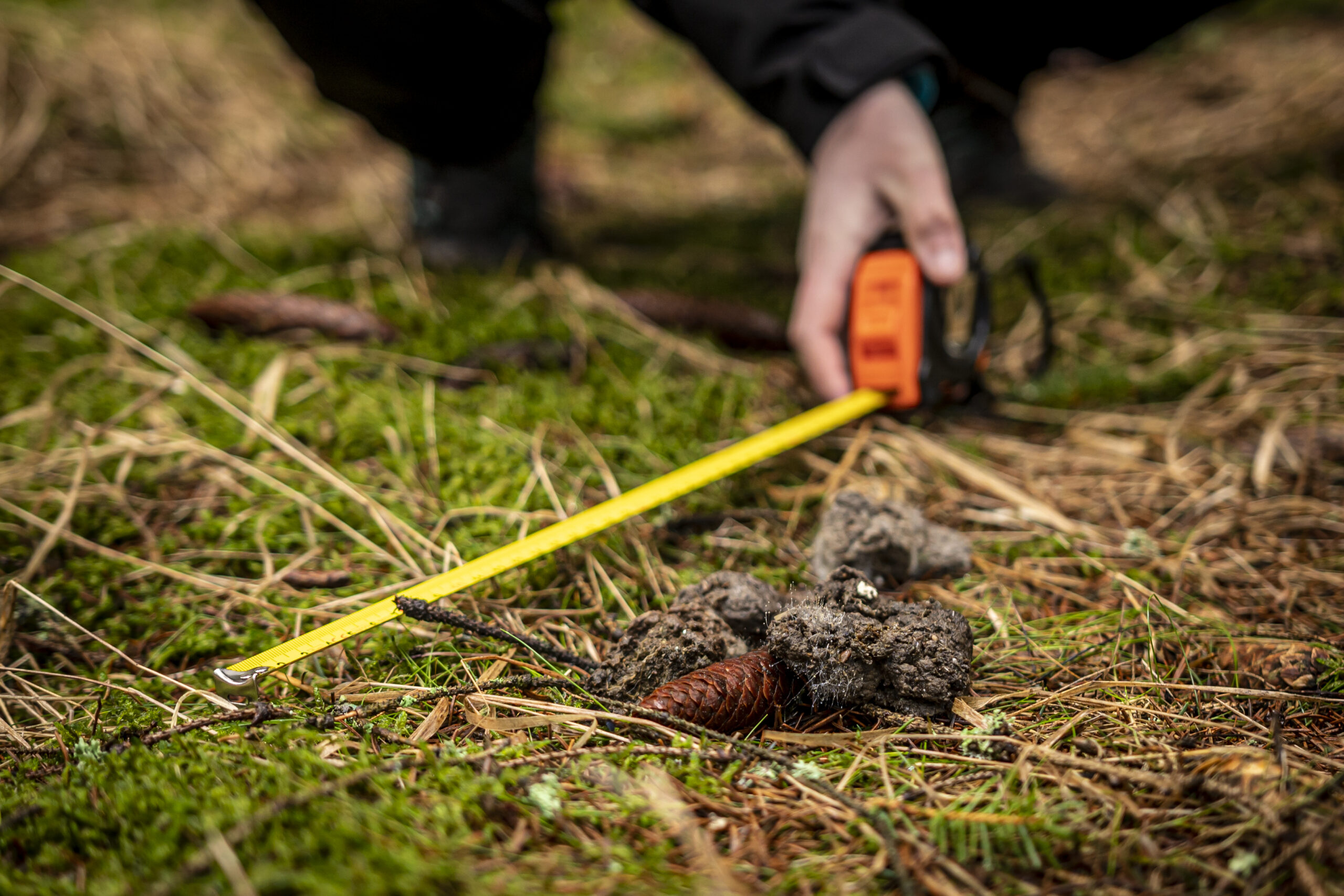
Sample collection (Tatra National Park Poland)
Lenka Kissová

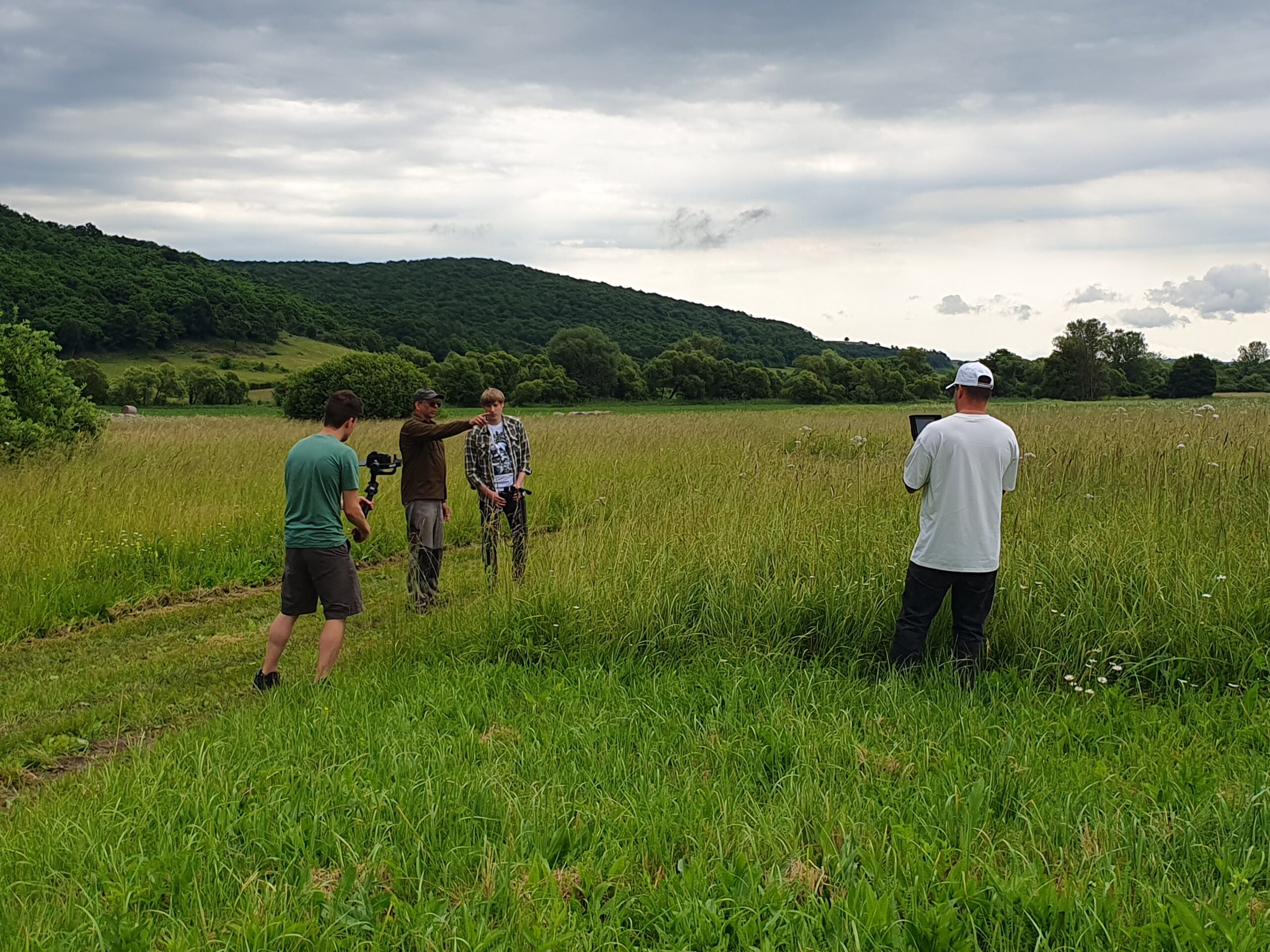
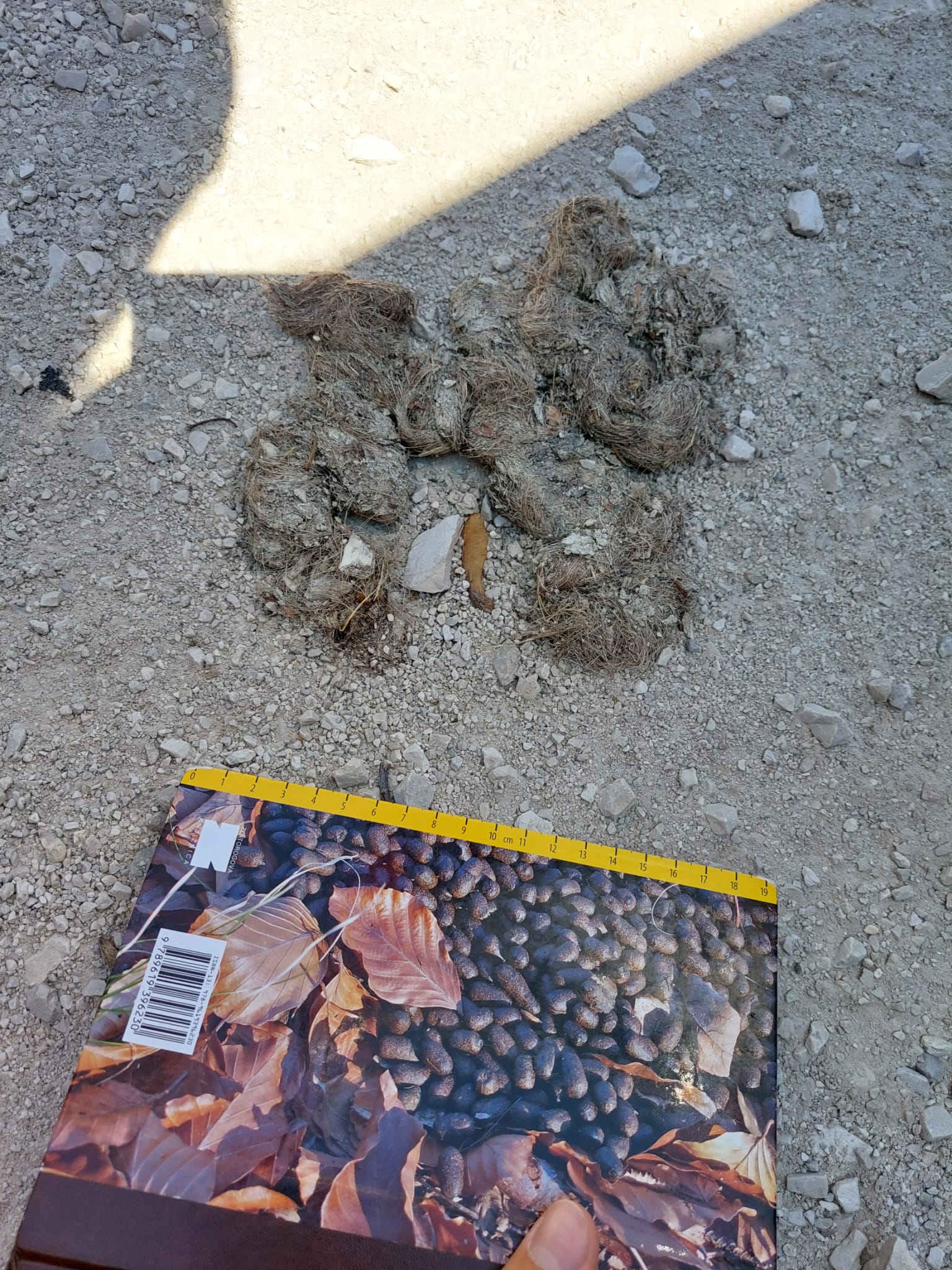
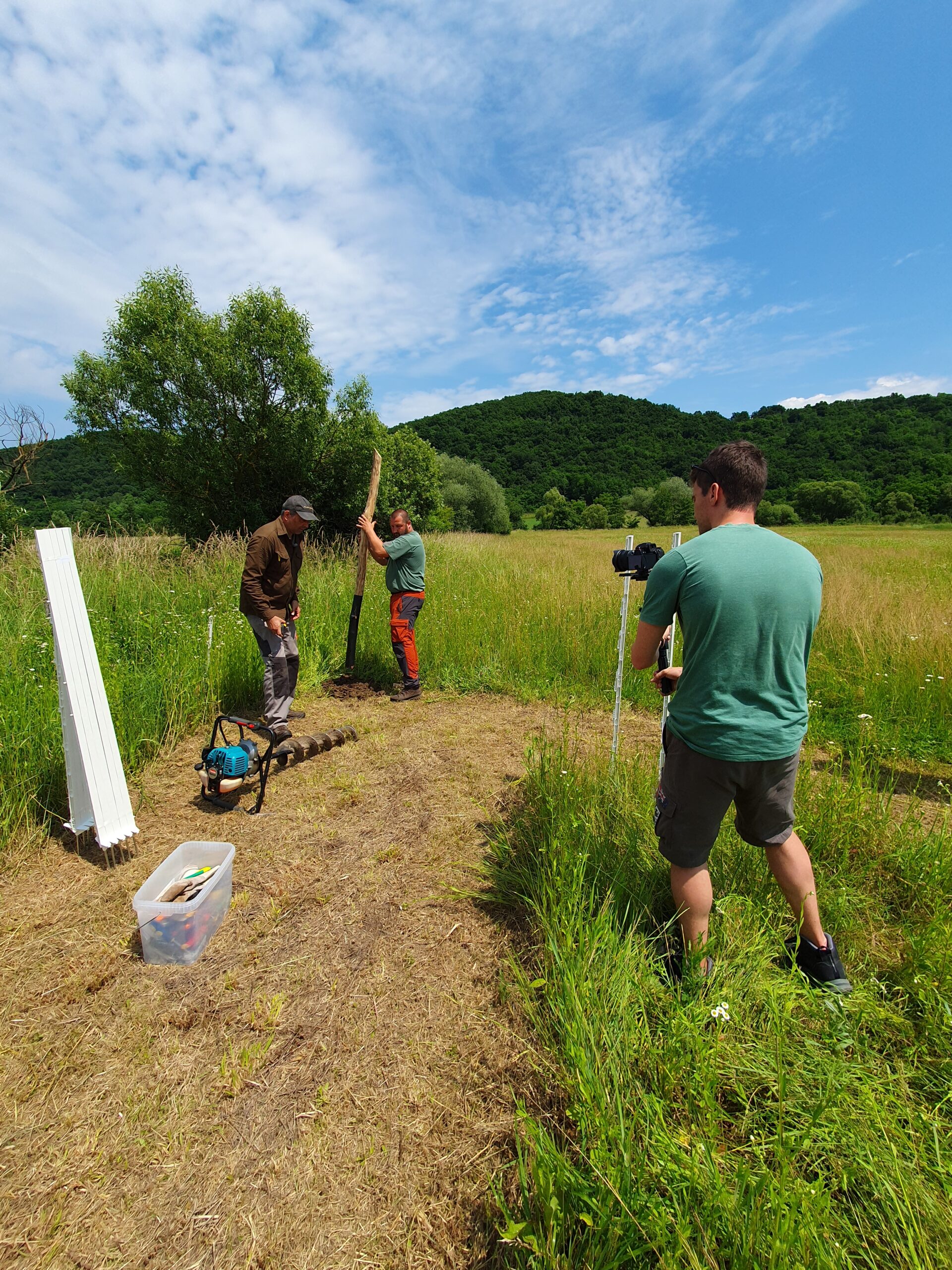
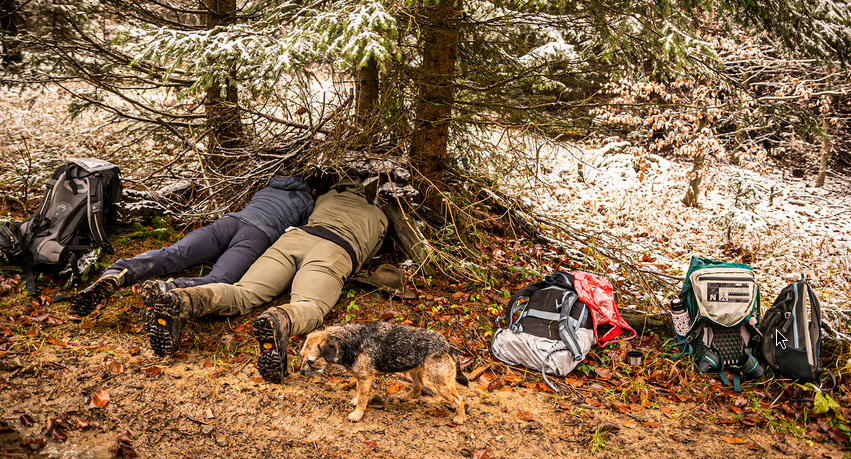
The pilot actions were implemented across four transboundary areas in the Carpathians to test and validate the three Thematic Guidances developed within the project. Pilot actions focused on bear in the Tatra Mountains (SK, PL), lynx in the East Carpathians (PL, SK), lynx in the Slovak Karst (SK, HU), wolf in the Western Carpathians (CZ, SK). Harmonised monitoring approaches were applied across borders, including camera trapping, telemetry, hair trapping and genetic analyses, improving the comparability and quality of data on key large carnivore species such as bears, lynx and wolves. In parallel, innovative human–carnivore conflict prevention measures were tested through engagement with local communities, livestock keepers, hunters and protected area staff, including knowledge exchange and study visits. The activity also strengthened cooperation in combating wildlife crime through seminars, questionnaires and expert exchanges involving law enforcement and wildlife forensic specialists, contributing to improved investigation practices and the establishment of a transnational network for addressing illegal killings of large carnivores.

7

Assessments in reference areas and Synthesis of the results

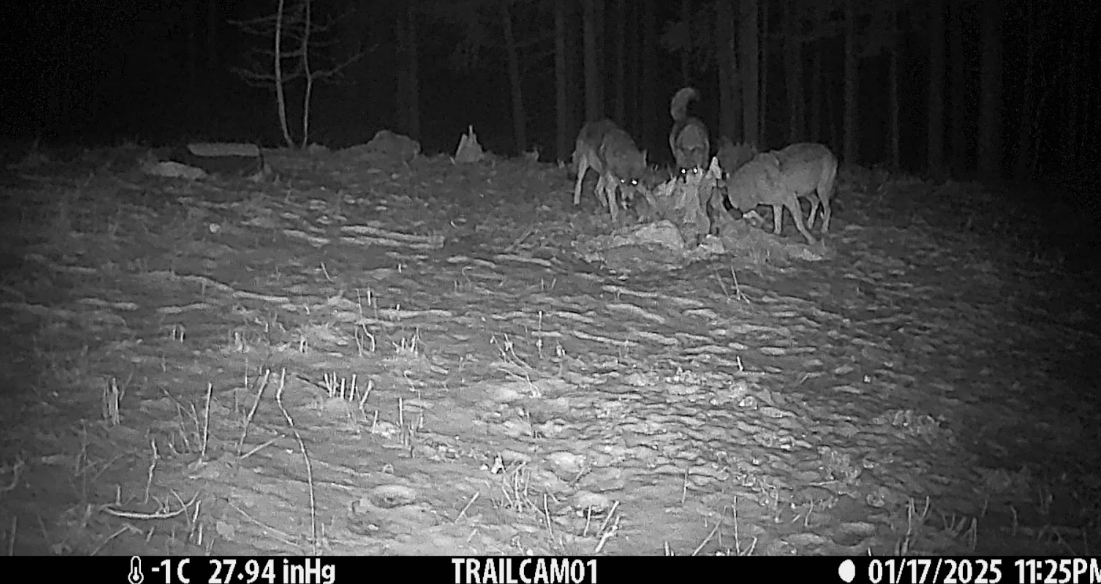
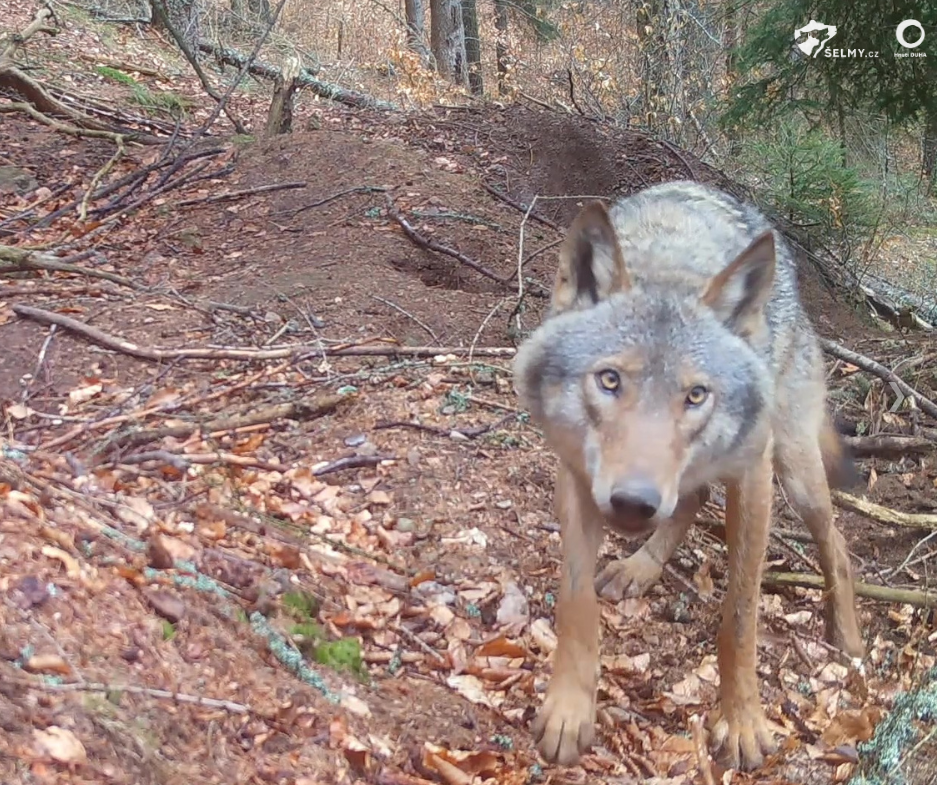
Wolf on camera trap
FOE

The activity expanded the validation framework of the project by implementing selected actions in two reference areas outside the main transboundary pilot sites: Romania, focusing on bear conservation, and Slovenia, focusing on wolf management. In the Romanian reference area, activities in the Apuseni Mountains and surrounding areas provided valuable data and practical experience on managing problematic bears, including prevention measures, intervention approaches and initial results from bear telemetry. These findings supported the work in the Tatra protected area and contributed to improved approaches for bear–human coexistence. In the Slovenian reference area, activities focused on wolf population expansion and livestock conflict mitigation in the Alpine region, providing relevant knowledge and management practices to support the Beskydy protected area. Together, the reference areas strengthened the transfer of knowledge between regions and ensured that project methods and recommendations were tested under diverse ecological and socio-economic conditions.

8

Elaboration of strategies

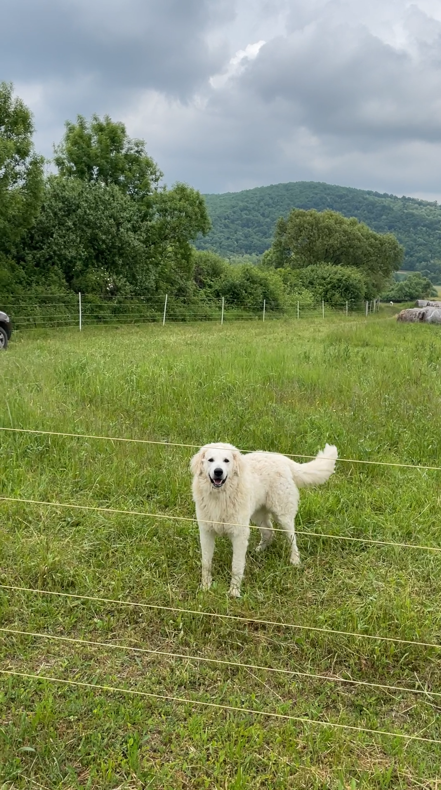
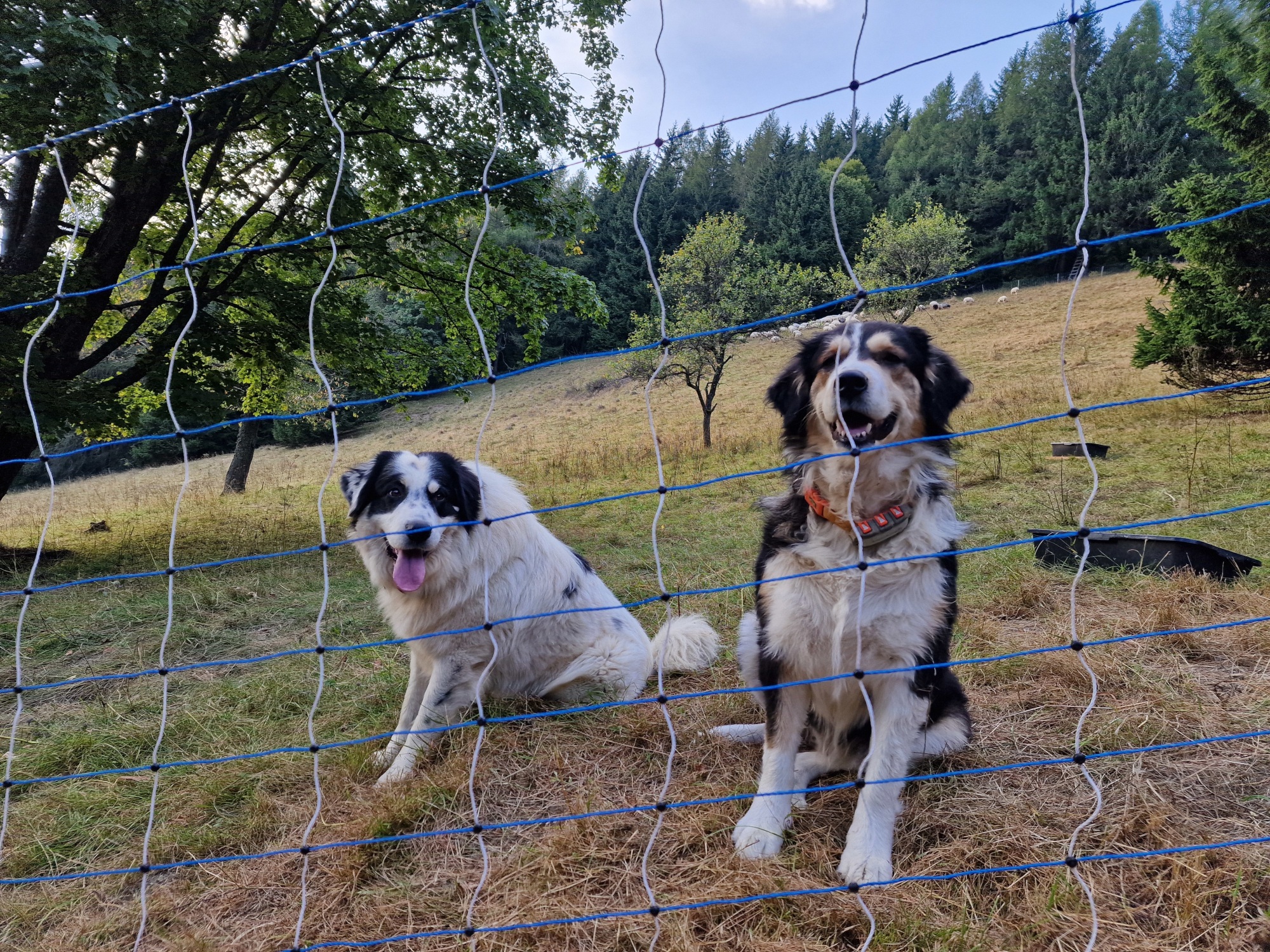
Guarding dogs Beskydy
Lenka Kissová

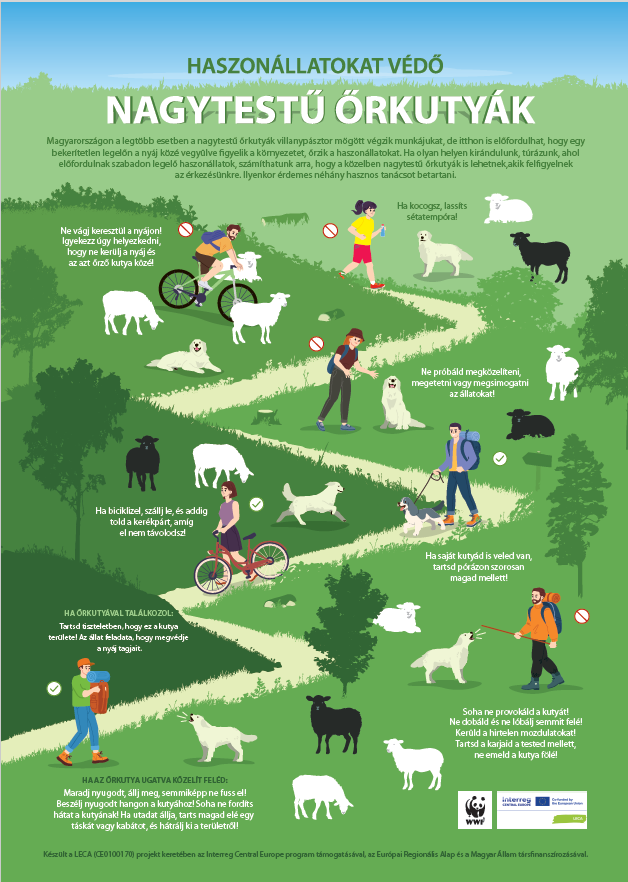
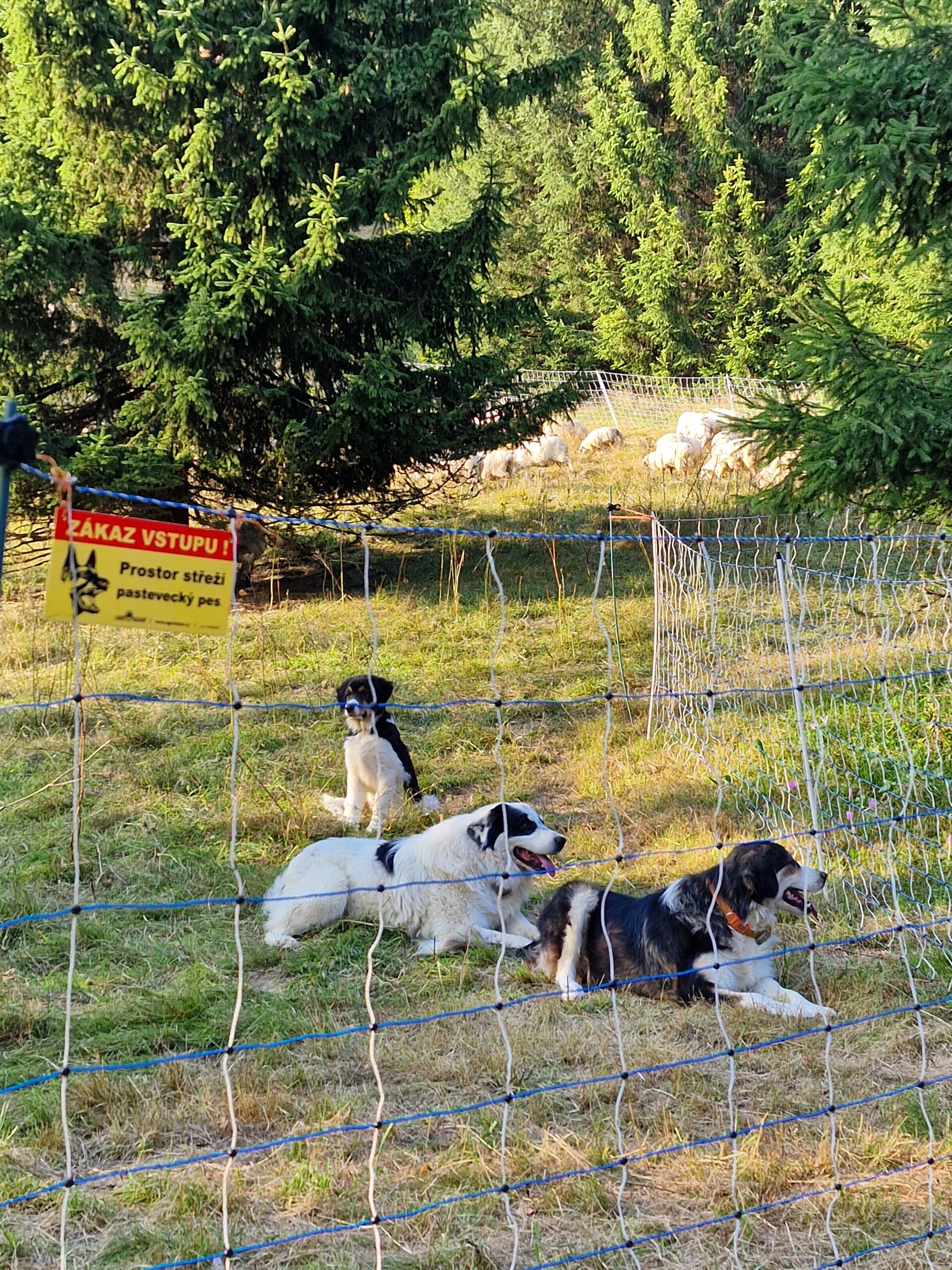
The activity resulted in the development of local strategies for each pilot area, translating the project findings and lessons learned into practical frameworks for long-term implementation. Based on the outcomes of pilot actions and discussions with the Carpathian and Alpine Conventions, partners adapted the monitoring, poaching investigation and human–carnivore conflict prevention approaches outlined in the Thematic Guidances to local conditions. The strategies were developed through a participatory co-creation process involving key stakeholders, including authorities, conservation organisations and local actors, ensuring shared ownership and clear allocation of roles and responsibilities. Peer review between LECA partners and across borders strengthened the quality and transferability of the strategies, supporting their continued implementation beyond the project lifetime.

9

Exchange and final validation of pilot results

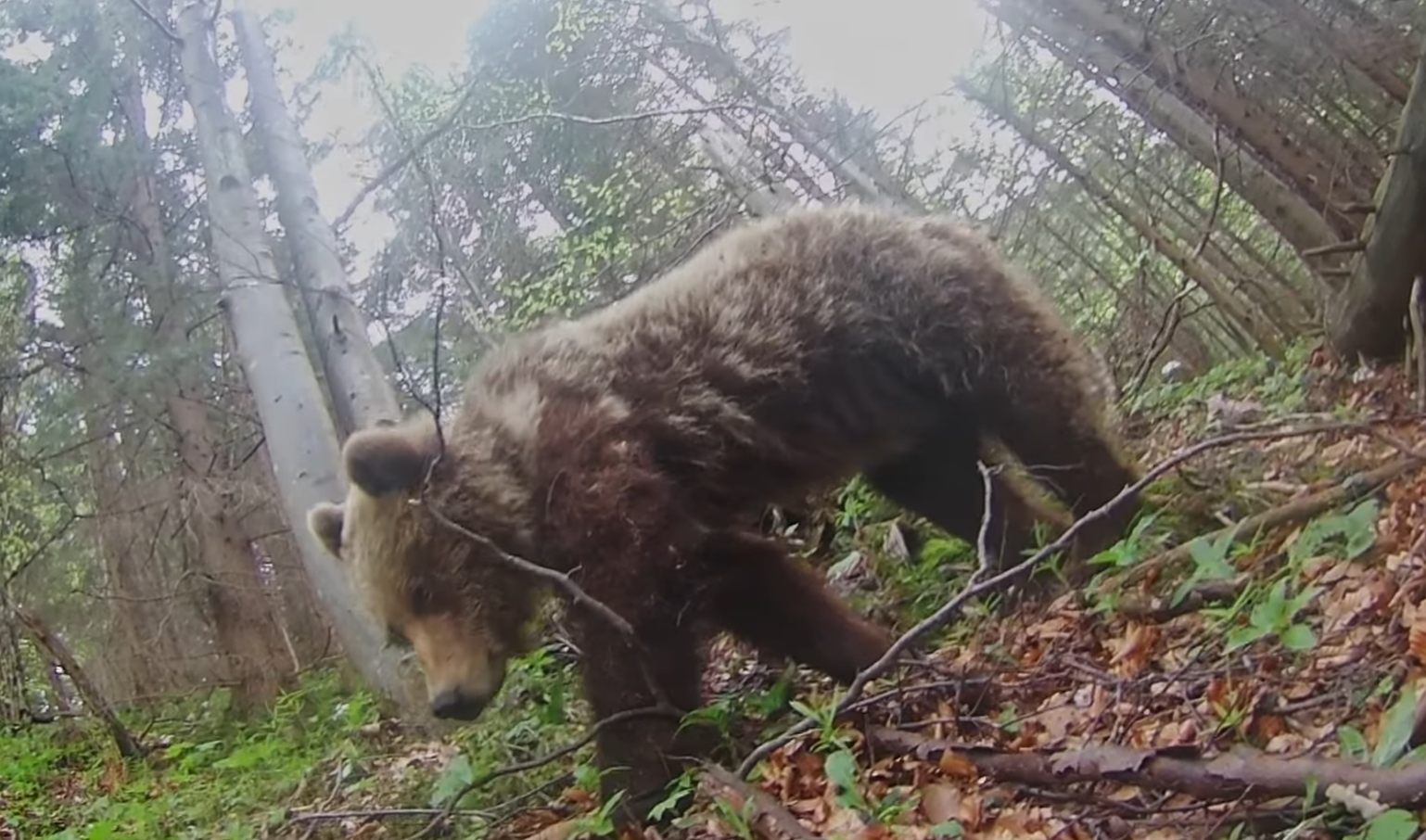
Bear on camera trap
TPN

The activity marked the finalisation of the three Thematic Guidances on large carnivore conservation and management in the Carpathians, covering monitoring, poaching investigation and human–carnivore conflict prevention. Building on the results and lessons learned from the pilot actions, partners revised and strengthened the draft guidances through consultation with representatives of the Carpathian and Alpine Conventions and other relevant stakeholders. The final documents integrated practical experiences from the field with expert and policy perspectives, creating validated, transnational recommendations ready for uptake by decision-makers and further application across the Carpathian region.

10

Channeling project knowledge to education

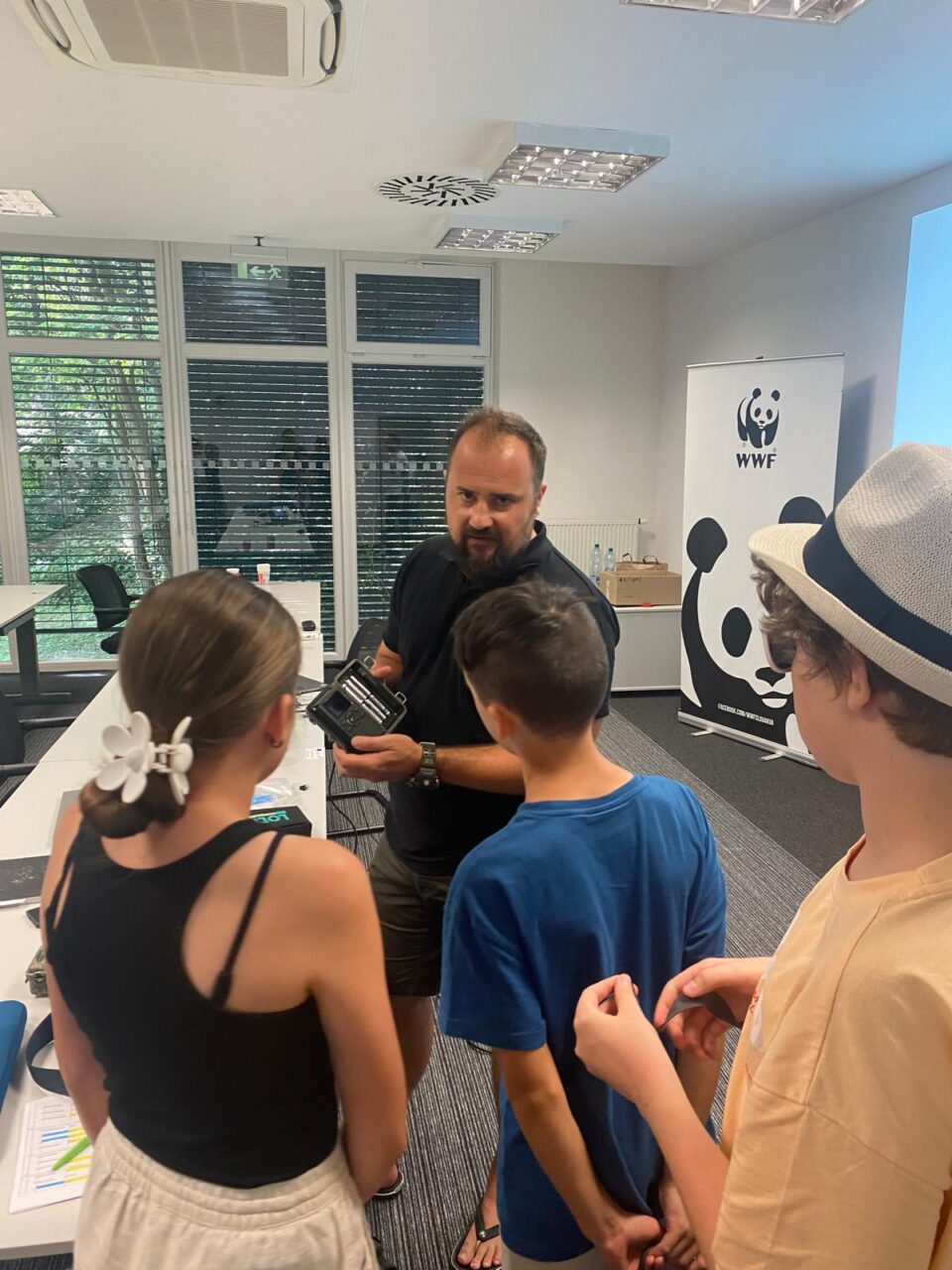
Summer school in SK
WWF SK

The activity enhanced education and awareness on large carnivore ecology, conservation and management by supporting the integration of this topic into university and professional training programmes. Partners developed the foundations for optional curricula on large carnivores for forestry and related university programmes, addressing a knowledge gap where the topic was previously covered only as a minor component of broader courses. In parallel, the activity supported the inclusion of large carnivore topics in national hunting training through the development of engaging educational materials, including professionally designed graphics and animated content. These efforts promoted more interactive and effective learning approaches and contributed to building greater understanding of large carnivore conservation and coexistence among future professionals and key stakeholder groups.

11

Bringing project results to national policy levels

The activity successfully transferred project findings and lessons learned from the pilot areas to the national level in the Czech Republic, Hungary, Poland and Slovakia. Partners organised national roundtables bringing together relevant stakeholders and policymakers to discuss the applicability of LECA results within national policy frameworks. Based on these discussions, partners developed tailored recommendations reflecting country-specific needs, legislation and management contexts. This process strengthened links between project outcomes and national conservation policies, supporting the uptake of harmonised approaches for large carnivore monitoring, conflict prevention and wildlife crime prevention beyond the project pilot areas.

12

Transnational recommendations and updates

Jana Kloučková Kudrnová

The activity ensured the broad uptake, transfer and dissemination of LECA project results at regional, European and international levels. Building on the final Thematic Guidances, local pilot area strategies and national recommendations, partners formulated proposals and recommendations to support the implementation of the Carpathian Action Plan on Large Carnivores and to promote more harmonised approaches to large carnivore conservation and management across the region. The project outcomes were further promoted through targeted communication activities, including a final dissemination event/webinar and the preparation of tailored communication materials for transnational and national audiences. These efforts increased the visibility of project achievements and supported the long-term application of LECA recommendations beyond the project lifetime.

News

Events

Pilot actions

Outputs
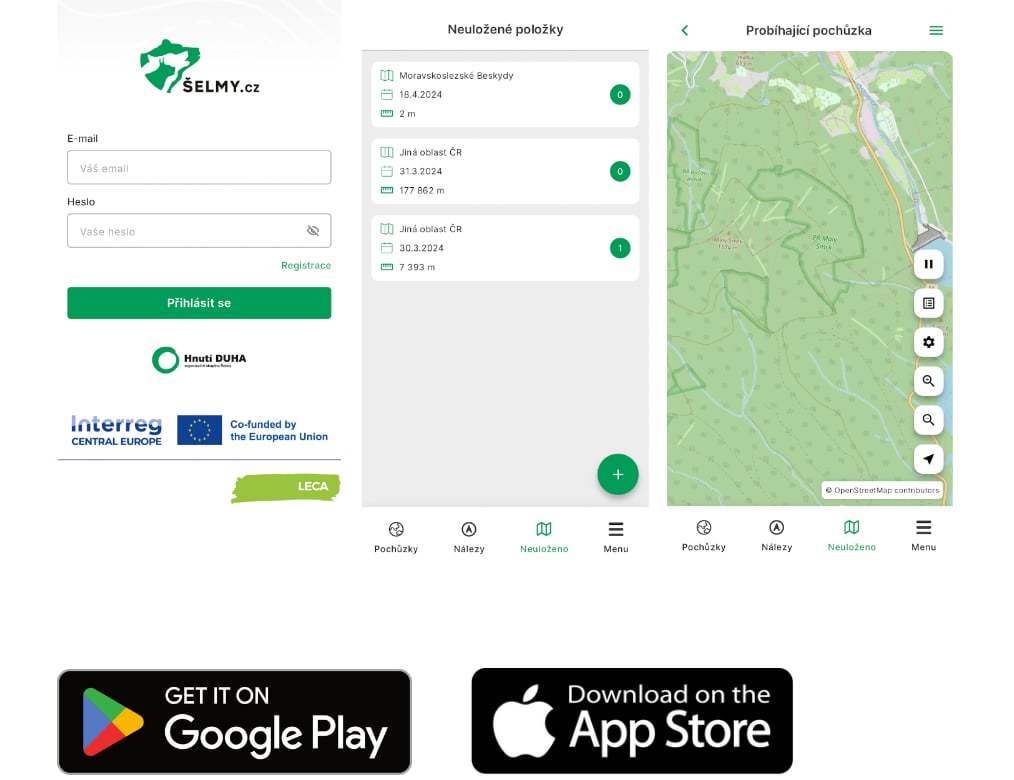
IT Solution for stakeholder involvement
Updated web-based and mobile application for recording monitoring effort (tracking, camera trapping) that can be used for data collection in pilot areas and data export for already existing databases. IT application with a large carnivores’ distribution GIS layer for Carpathian pilot and reference areas to be included into the CCIBIS (Carpathian Integrated Biodiversity Information System) and LCIE (IUCN Large Carnivore Initiative for Europe expert group) distribution mapping.
Type of output: Solutions
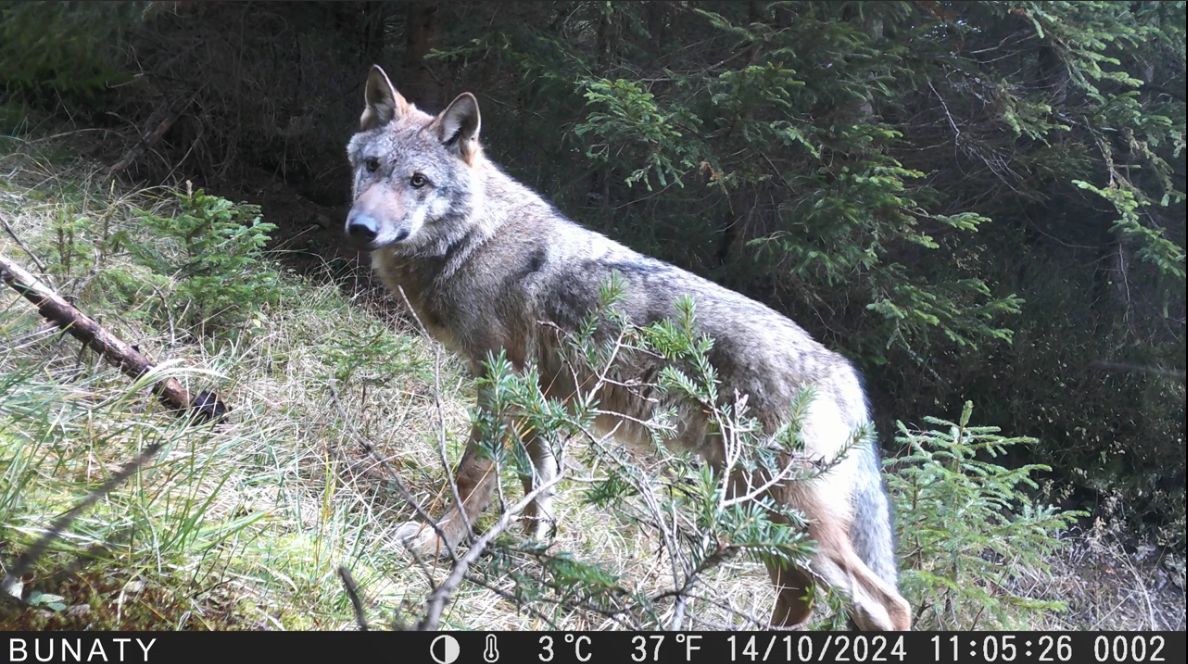
Wolf Beskydy
Wolf (Friends of Earth)

Monitoring Thematic Guidance on Large Carnivore Conservation in the Carpathians
The Thematic Guidance on Monitoring Large Carnivores provides a practical framework for harmonising the monitoring of wolves, lynx, and bears across the Carpathian region. Building on the experience of the LECA pilot actions, it recommends an integrated approach combining camera trapping, genetic sampling, GPS telemetry, snow tracking, mobile applications, centralised databases, and standardised validation procedures. The guidance supports comparable, science-based monitoring at local, national, and transboundary levels. The document emphasises that effective large carnivore conservation depends on long-term, harmonised monitoring, standardised data collection, secure data management, and continuous cross-border cooperation. By promoting common monitoring standards and evidence-based decision-making, the guidance strengthens the implementation of the Carpathian Convention and provides a transferable framework for conservation planning and population management across the region.
Type of output: Solutions
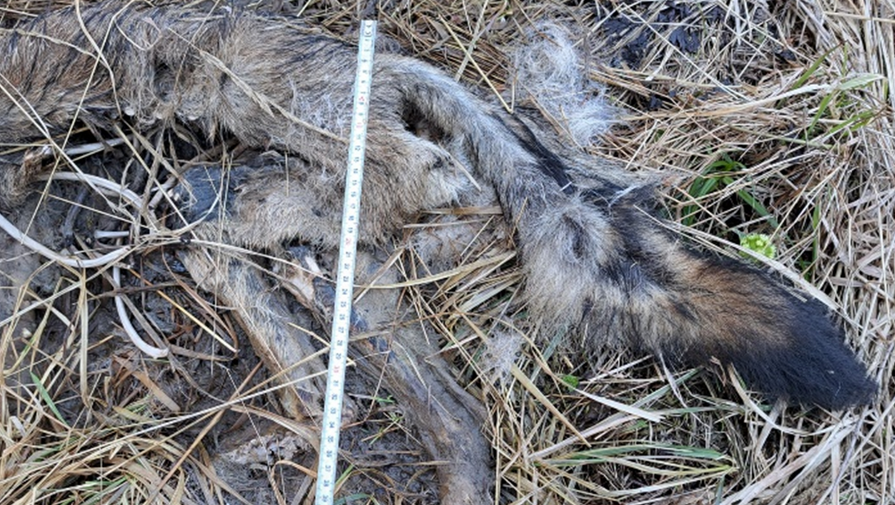
Poached wolf (J. Labuda)
J. Labuda

Poaching Investigation Thematic Guidance on Large Carnivore Conservation in the Carpathians

The guidance tackles illegal killing and poaching of large carnivores in the Carpathian region by strengthening prevention, investigation, prosecution, and cross-border cooperation. It highlights key species—brown bears, grey wolves, and Eurasian lynx—and notes that they remain threatened by poaching, poisoning, habitat pressure, and human–wildlife conflict. Major obstacles include weak forensic capacity, fragmented institutions, inconsistent laws, limited information sharing, and insufficient training and coordination. To address this, it promotes a coordinated, science-based, intelligence-led approach using improved forensic methods, centralized databases, better cross-border data exchange, harmonised legislation, and stronger institutional cooperation. It also stresses specialised training, data-driven hotspot identification, community involvement, and public awareness to improve enforcement and reduce tolerance for wildlife crime, ultimately supporting long-term conservation in the region.
Type of output: Solutions
L. Kissová

Conflict Prevention Thematic Guidance on Large Carnivore Conservation in the Carpathians

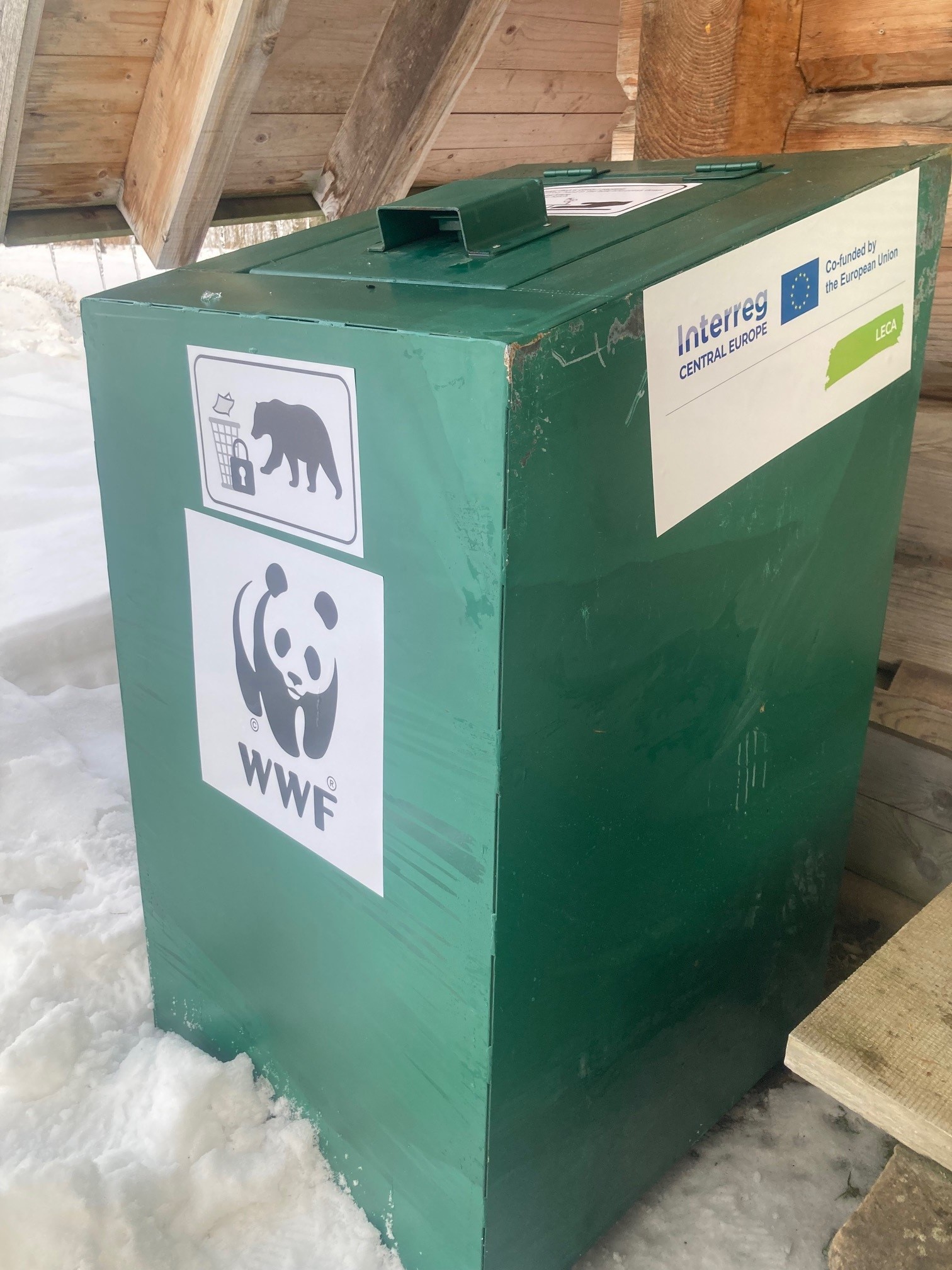
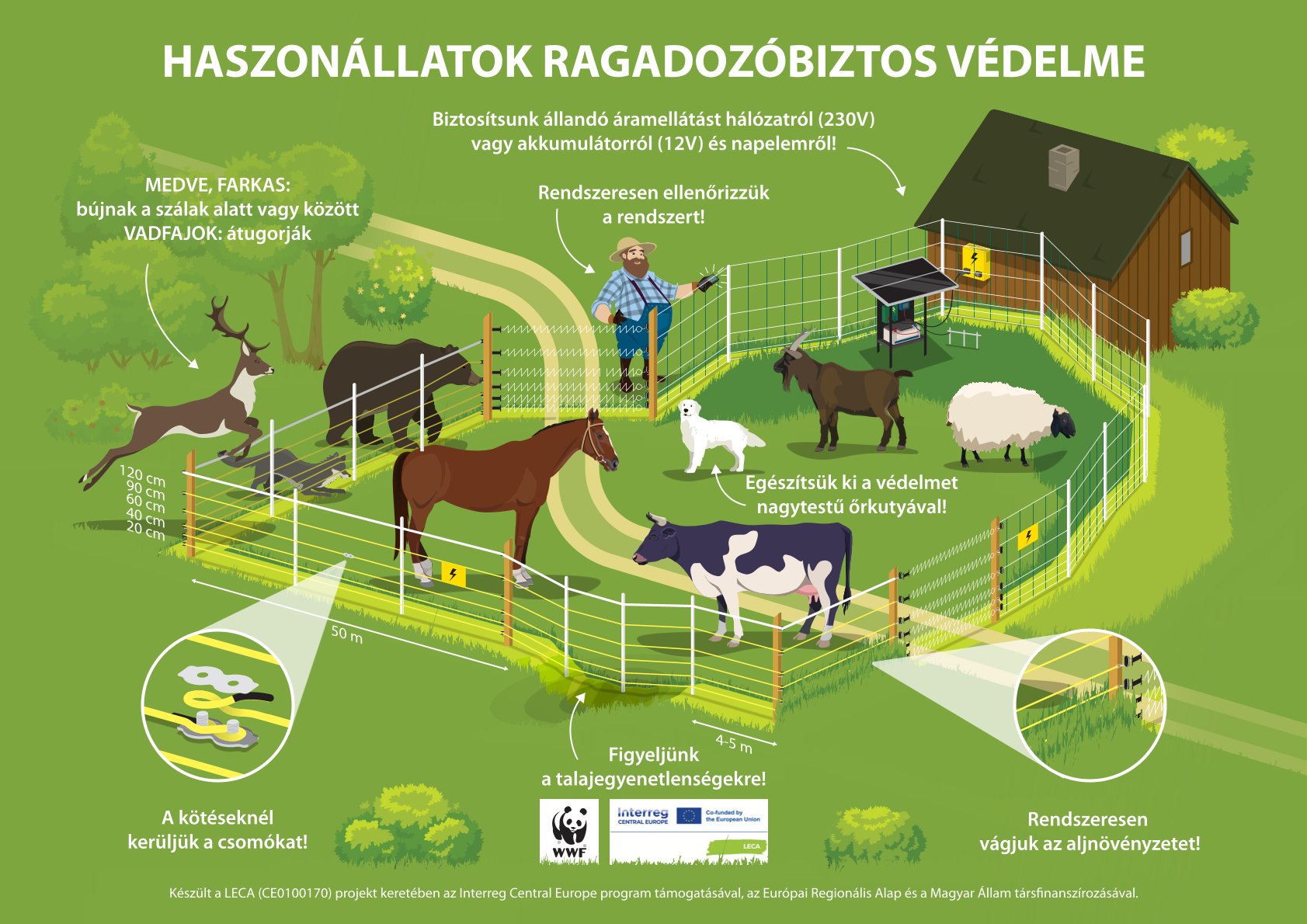
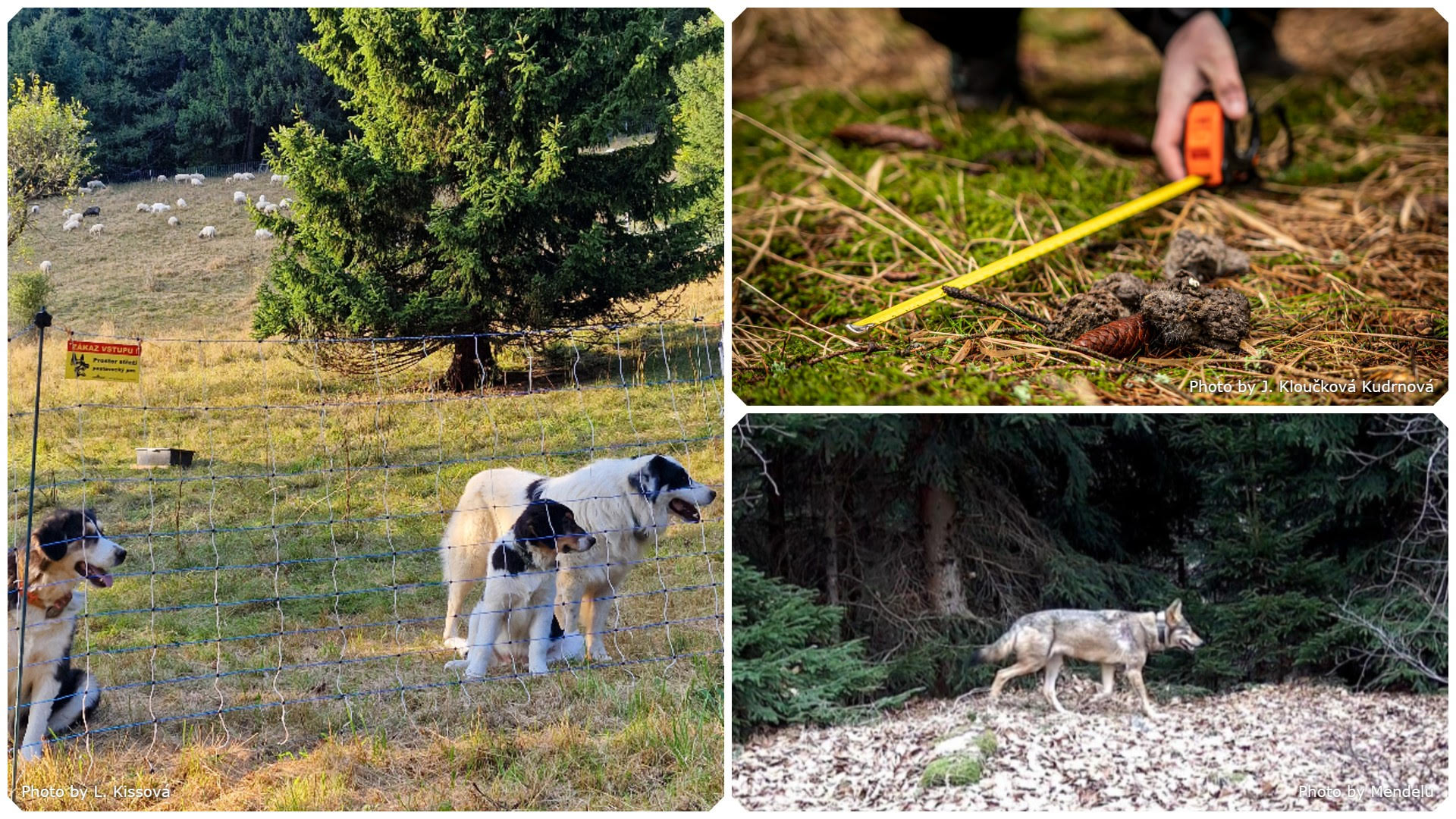
The guidance addresses rising human–large carnivore conflicts in the Carpathians and wider Europe, which have increased alongside the successful recovery of species such as bears, wolves, and lynx. Developed under the LECA project, it supports coexistence by offering evidence-based, policy-oriented solutions that combine technical, financial, governance, and social measures to reduce conflict and improve acceptance in rural landscapes. It is structured around five pillars: conflict mapping, preventive tools (e.g., fencing, guarding dogs, waste management), integrated compensation and prevention funding, participatory governance, and awareness-raising. Key recommendations emphasise prevention-first policies, stable and integrated funding systems, stronger stakeholder platforms, improved monitoring and data use, and long-term institutional cooperation. Overall, it promotes an adaptive, multi-level approach showing that sustainable coexistence is achievable when ecological and social drivers of conflict are addressed together.
Type of output: Solutions
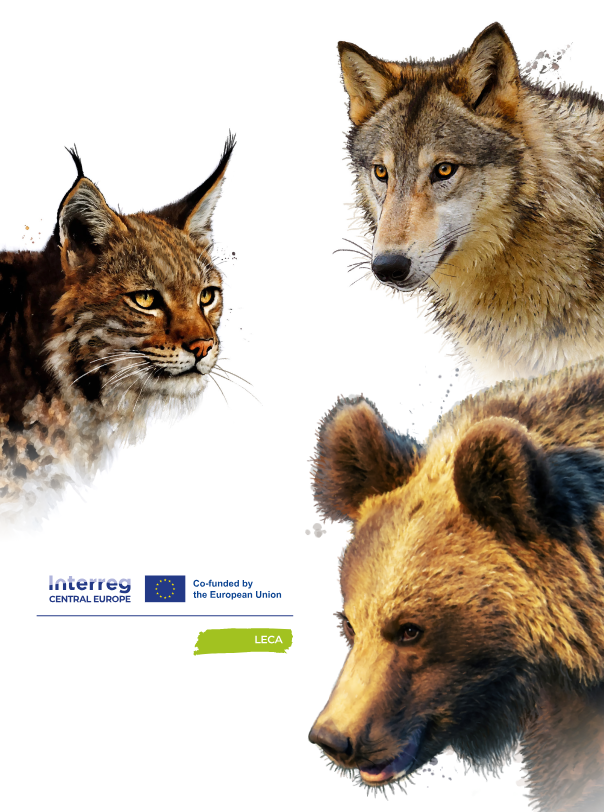
Three large carnivores

Recommendations for the Implementation of the Carpathian Convention Action Plan on Large Carnivores
The document supports the International Action Plan on Large Carnivores in the Carpathians by translating LECA project results into practical steps for improving conservation and coordination across the region. It focuses on shared transboundary populations of brown bears, grey wolves, and Eurasian lynx, where effective conservation depends on harmonised monitoring, data sharing, and strong cross-border cooperation. Key priorities include standardised monitoring using methods such as genetic sampling, camera trapping, and telemetry, supported by common protocols and interoperable digital tools like central databases and GIS systems. It also emphasises maintaining ecological connectivity, improving human–carnivore coexistence through prevention-based conflict management, and strengthening enforcement against illegal killing via coordinated investigation and forensic systems. Overall, it shifts the Action Plan toward operational implementation with clear responsibilities, tools, and measurable outcomes to support long-term conservation.
Type of output: Strategies and action plans

Cross-border Recommendations for Carpathian Border Regions

The document focuses on the conservation and management of large carnivores in Central Europe, particularly across the Carpathian region, where wolves, lynx, and bears require coordinated, cross-border approaches due to ecological connectivity and shared populations. It highlights challenges arising from differing national legislation, monitoring systems, data-sharing practices, and stakeholder engagement, and presents the LECA project as a framework for improving coherence, cooperation, and institutional capacity across borders. It summarises strategies developed in four pilot areas (Beskydy–Kysuce, Tatras, Slovak Karst–North Hungarian Mountains, and the Eastern Carpathians), each reflecting diverse ecological and governance contexts. The document draws on implementation experience to provide recommendations for harmonised monitoring, conflict mitigation, and poaching prevention, while emphasising collaboration among protected areas, local communities, hunters, farmers, authorities, and law enforcement. Overall, it promotes an integrated, evidence-based model for scalable cross-border wildlife management in the Carpathians and beyond.
Type of output: Strategies and action plans
Josefa Volfová

European recommendations and transnational harmonisation of LCs based on validated Final Guidances

This document presents a coordinated European framework for the conservation and management of large carnivores, focusing on lynx, wolf and brown bear through three key pillars: harmonised monitoring, conflict prevention and poaching prevention. Building on the experience and cooperation of international partners within the LECA project, the recommendations aim to strengthen science-based decision-making, improve cross-border data sharing, support practical coexistence measures and enhance coordinated efforts to combat illegal activities affecting large carnivores. Designed for policymakers, public authorities, protected area managers, researchers and conservation practitioners, the recommendations provide guidance for harmonising approaches across European countries and supporting the implementation of international commitments, including within the Alpine and Carpathian Conventions. Through dissemination via stakeholder networks, policy platforms, conservation organisations and public authorities, the document promotes long-term cooperation and evidence-based approaches to ensure the effective protection of large carnivores and their coexistence with human activities across Europe.
Type of output: Strategies and action plans

LECA

The project lead partner is responsible for the content of this project website.

Project contact

Martin Duľa