
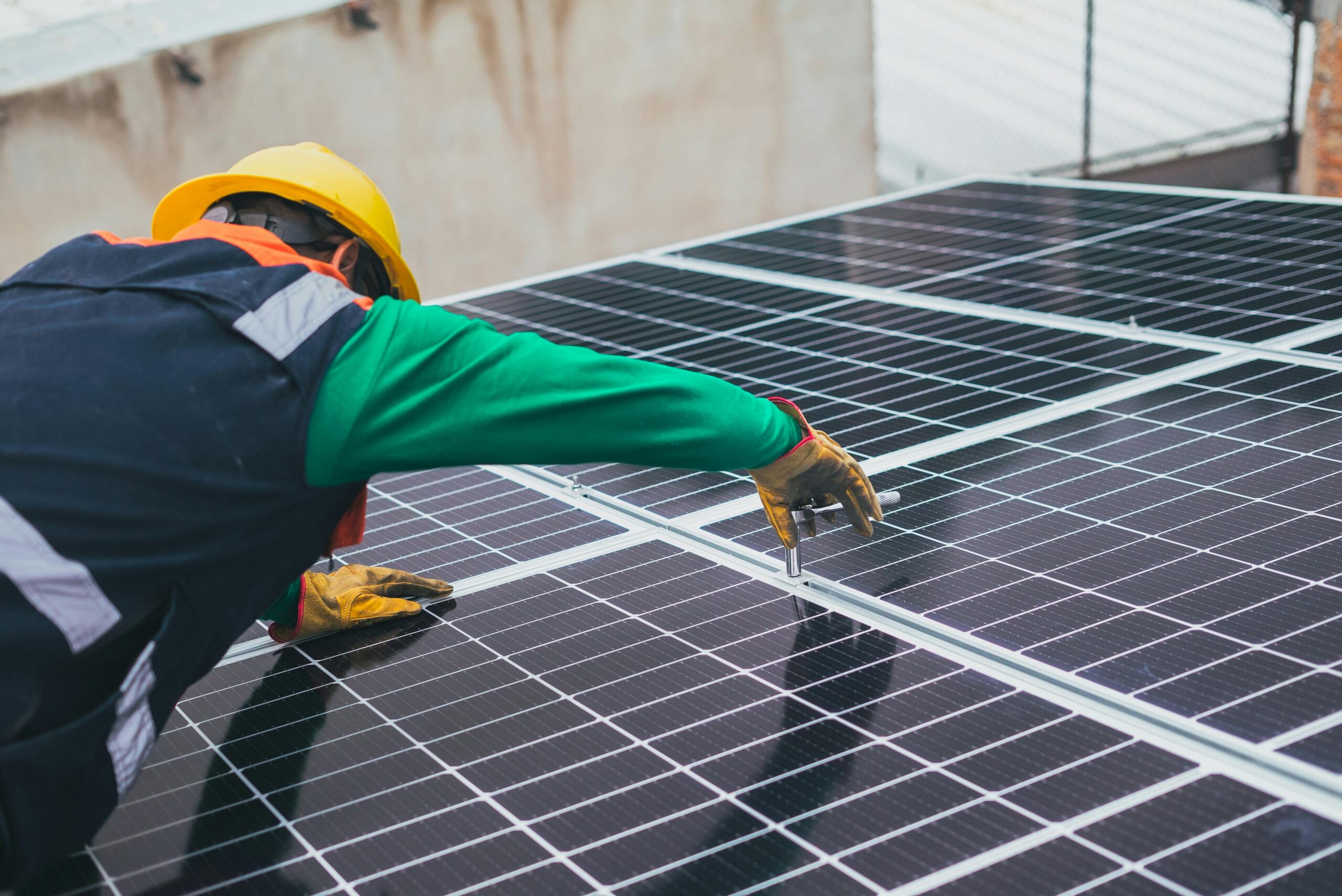
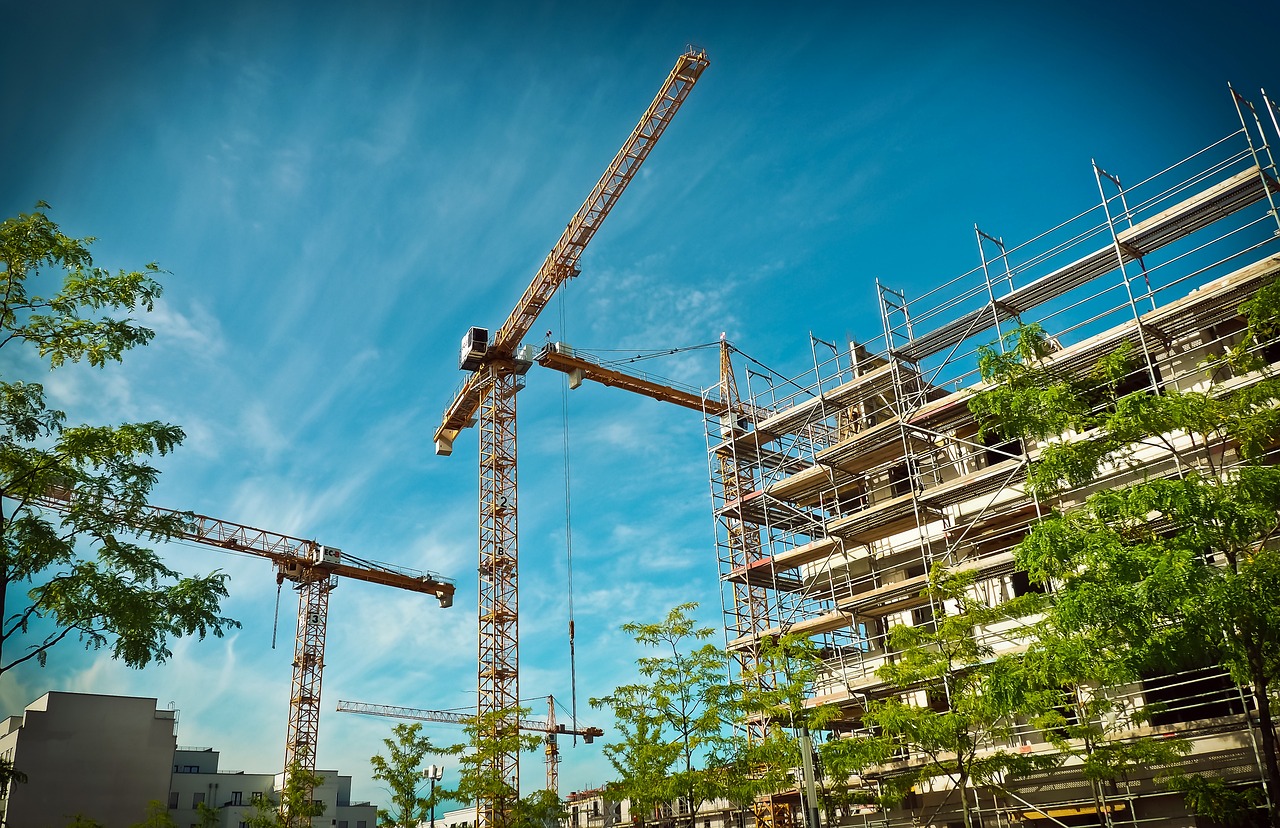
Pexels Cristian Rojas
Project overview
Smart Management and Green Financing for Sustainable and Climate Neutral Buildings in Central Europe
A climate-neutral central Europe requires a drastically reduced energy consumption of buildings. However, renovation is often costly and complex. The MESTRI-CE project introduced a new investment model to finance more climate-friendly buildings that guarantee sustainability. The model covered both the supply and demand side of the renovation market and built on data collected and tools and green standards developed by the project.
-
2,49m €
-
Project Budget
-
80%
-
of the Budget is funded by ERDF
-
6
-
Countries
-
7
-
Regions
-
10
-
Partners
-
4
-
Pilots
Duration
Start date
End date
Project progress
Project partnership
Project partners

Lead partner
North-West Croatia Regional Energy and Climate Agency
Project partner
Total partner budget
392,000 €
Research&Development
Total partner budget
270,200 €
Total partner budget
238,000 €
Total partner budget
238,000 €
Energy Efficiency Centre
Total partner budget
214,200 €
Address
Próżna 9 00-107 Warsaw
Country
Poland (PL) Web
https://www.ipopemasecurities.pl/financial-advisory
Total partner budget
193,200 €
Total partner budget
161,000 €
Total partner budget
143,500 €
Total partner budget
275,100 €
Roadmap
1
Challenge

The project identified major barriers to energy-efficient building management, including fragmented data, limited financing options, and a lack of common approaches.
2
Starting idea

Partners from Central Europe came together to develop practical solutions that support climate-neutral building renovation and investment decisions.
3
Main goal

The project aimed to improve building management by combining digital tools, innovative financing approaches, and transnational cooperation.
4
Proposed solutions
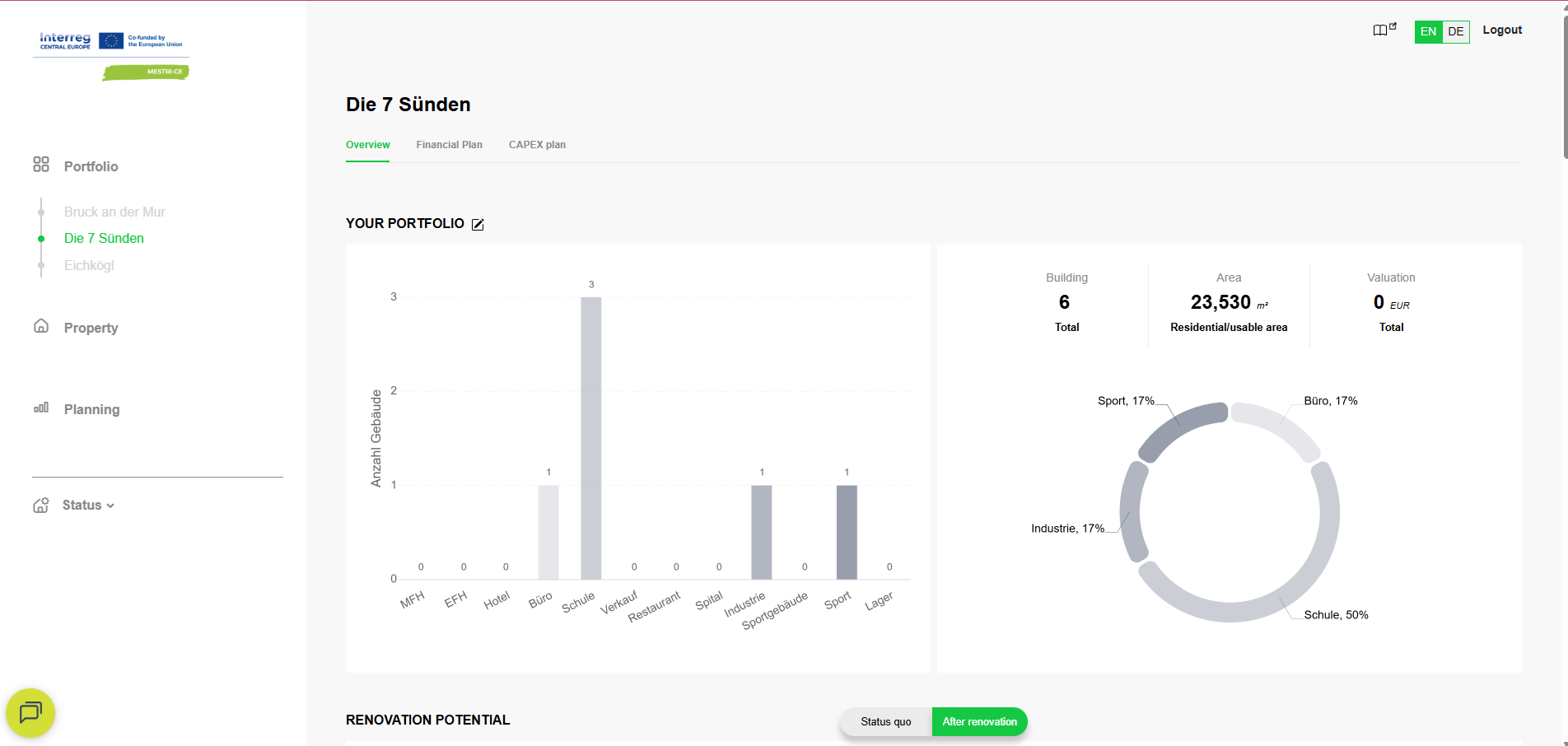
To address the identified challenges, the project developed an integrated set of digital tools, assessment methodologies, financing models, and practical guidelines. Together, these solutions support better building management, informed renovation planning, and smarter investment decisions throughout the building lifecycle.
5
Transnational cooperation
Partners from across Central Europe worked closely together to exchange expertise, share experiences, and develop solutions that address common challenges in sustainable building management. By involving local stakeholders and adapting the approaches to different regional contexts, the project ensured that its results are both practical and widely applicable.
6
Piloting
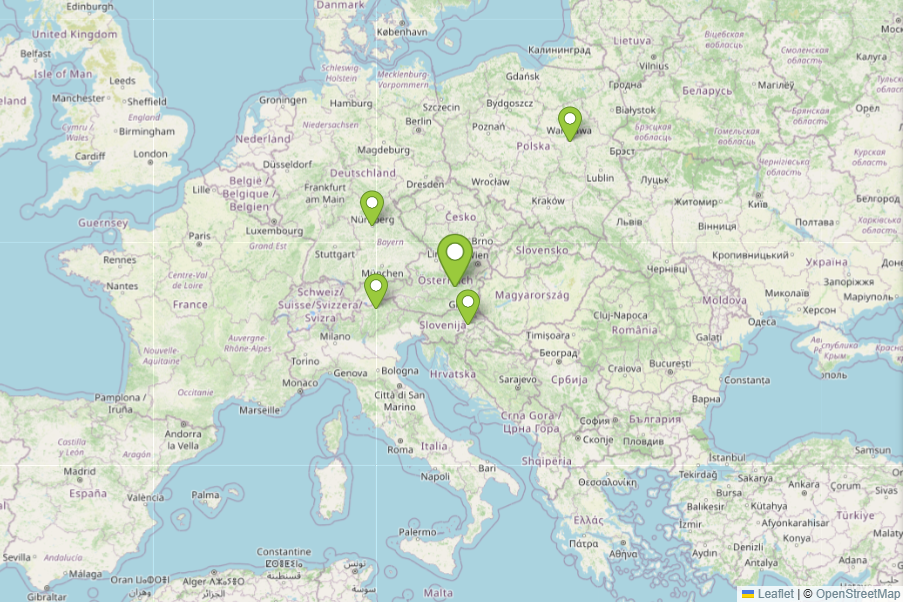
The developed tools and methodologies were tested in pilot regions across Central Europe, demonstrating their practical value and refining them through real-life application and stakeholder feedback.
The following Regions were selected for the pilot actions:
• AT: Bruck an der Mur
• HR: Karlovac County, Krapina-Zagorje County, Zagreb County, City of Zagreb
• IT: Autonomous Province of Bolzano (PAB)
• PL: Mazovia
• DE: Nuremberg
7
Advisory Hubs
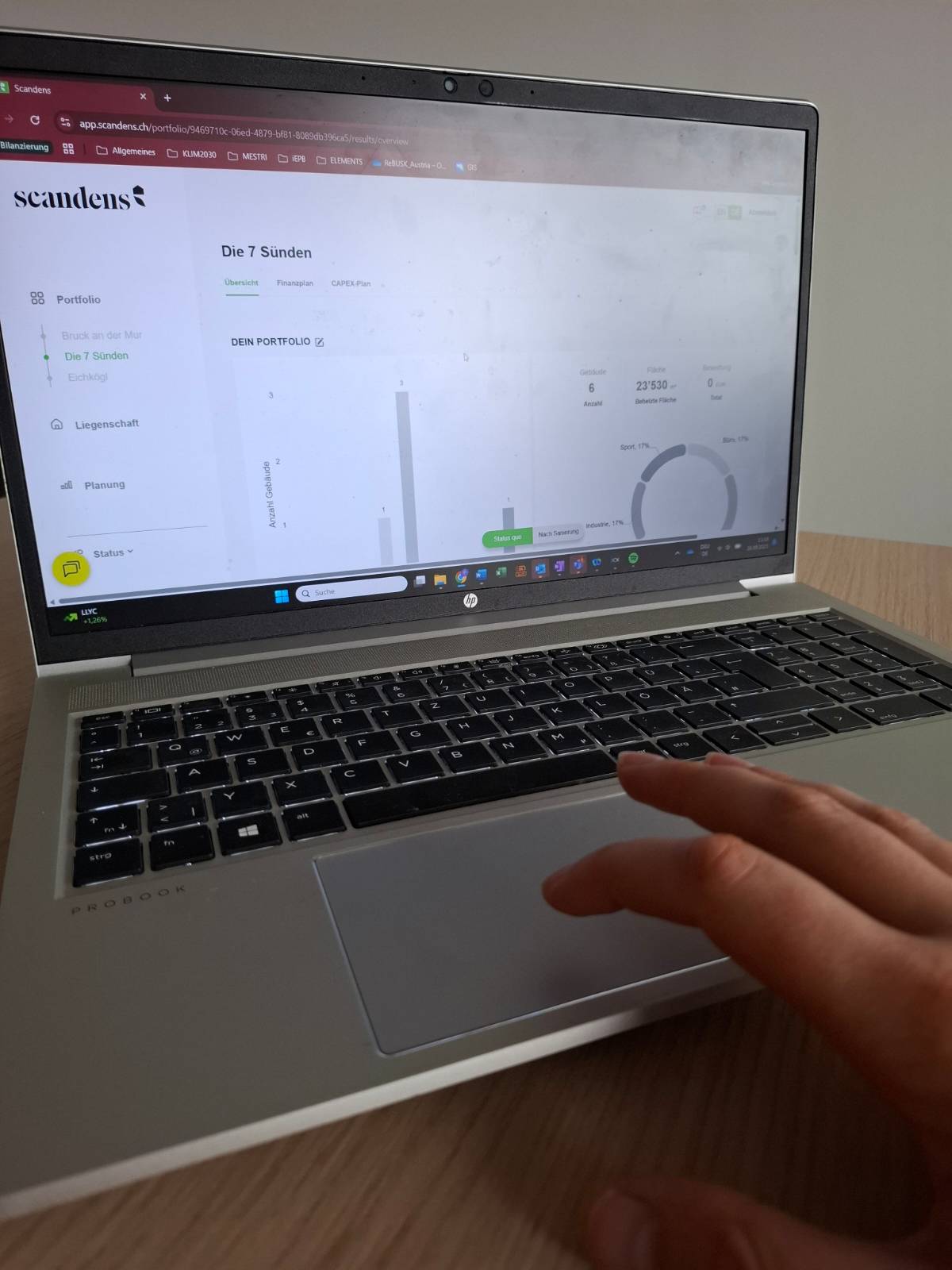
Regional Advisory Hubs were established to provide long-term support beyond the project. They offer guidance on sustainable building management, renovation planning, financing opportunities, and the use of MESTRI tools for municipalities, building owners, investors, and other stakeholders. The link to the national advisory hubs and a more detailed insight can be found in the link below:
8
Project results
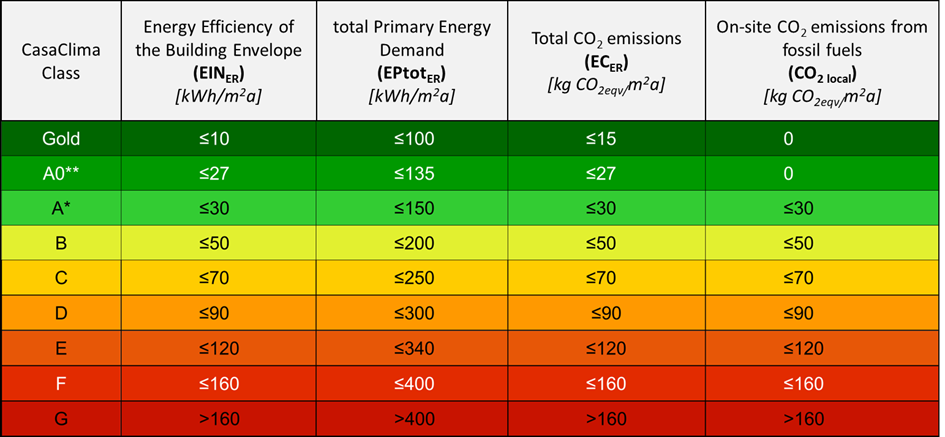
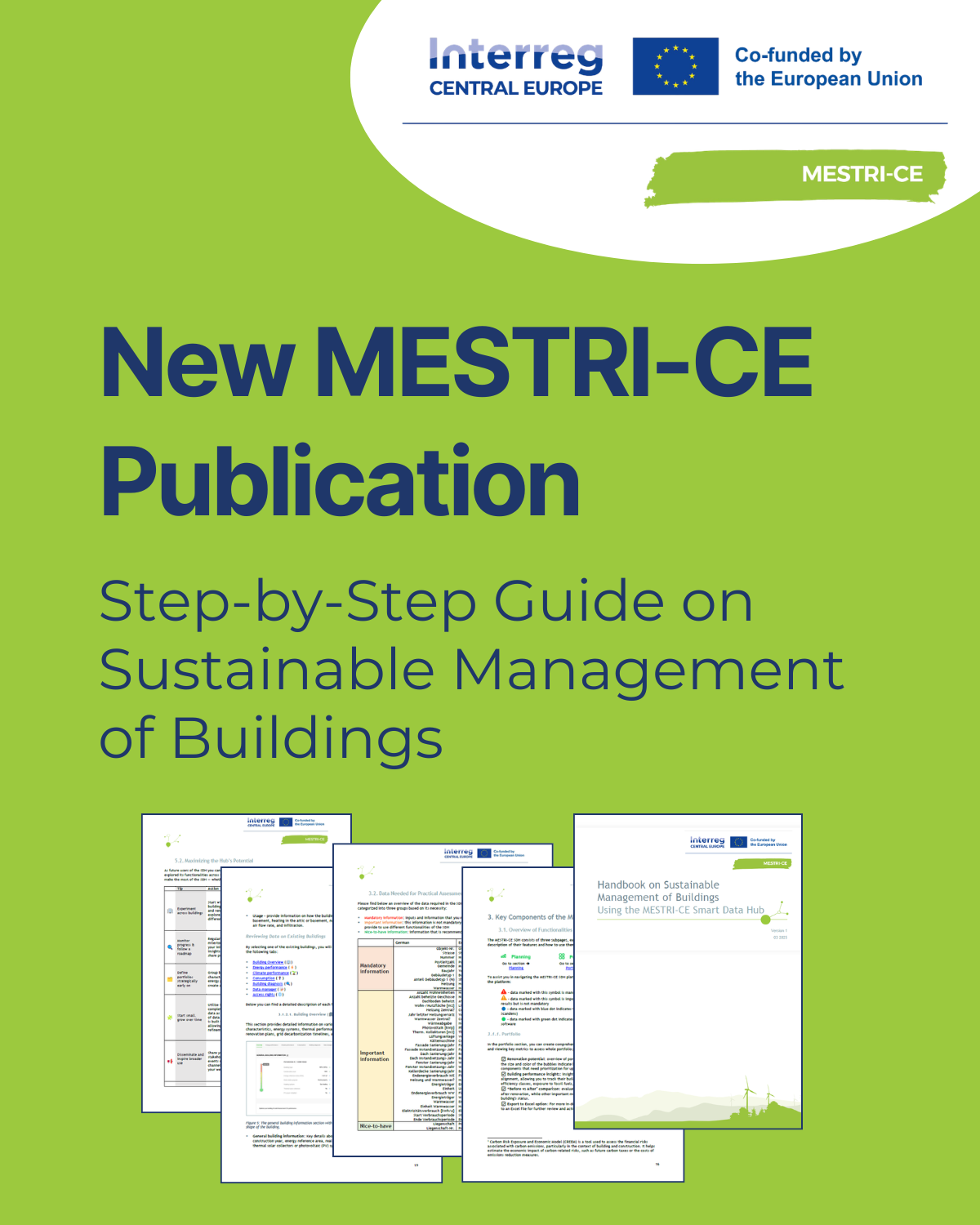
The project delivered a comprehensive portfolio of practical tools, methodologies, financing solutions, and policy recommendations that help stakeholders make informed renovation and investment decisions while supporting the transition towards climate-neutral buildings.
These versions emphasize that:
Piloting proved that the solutions work in practice.
Advisory Hubs ensure the project's knowledge and services continue after the project ends.
Results focus on the tangible outputs and who benefits from them.
9
Lasting impact
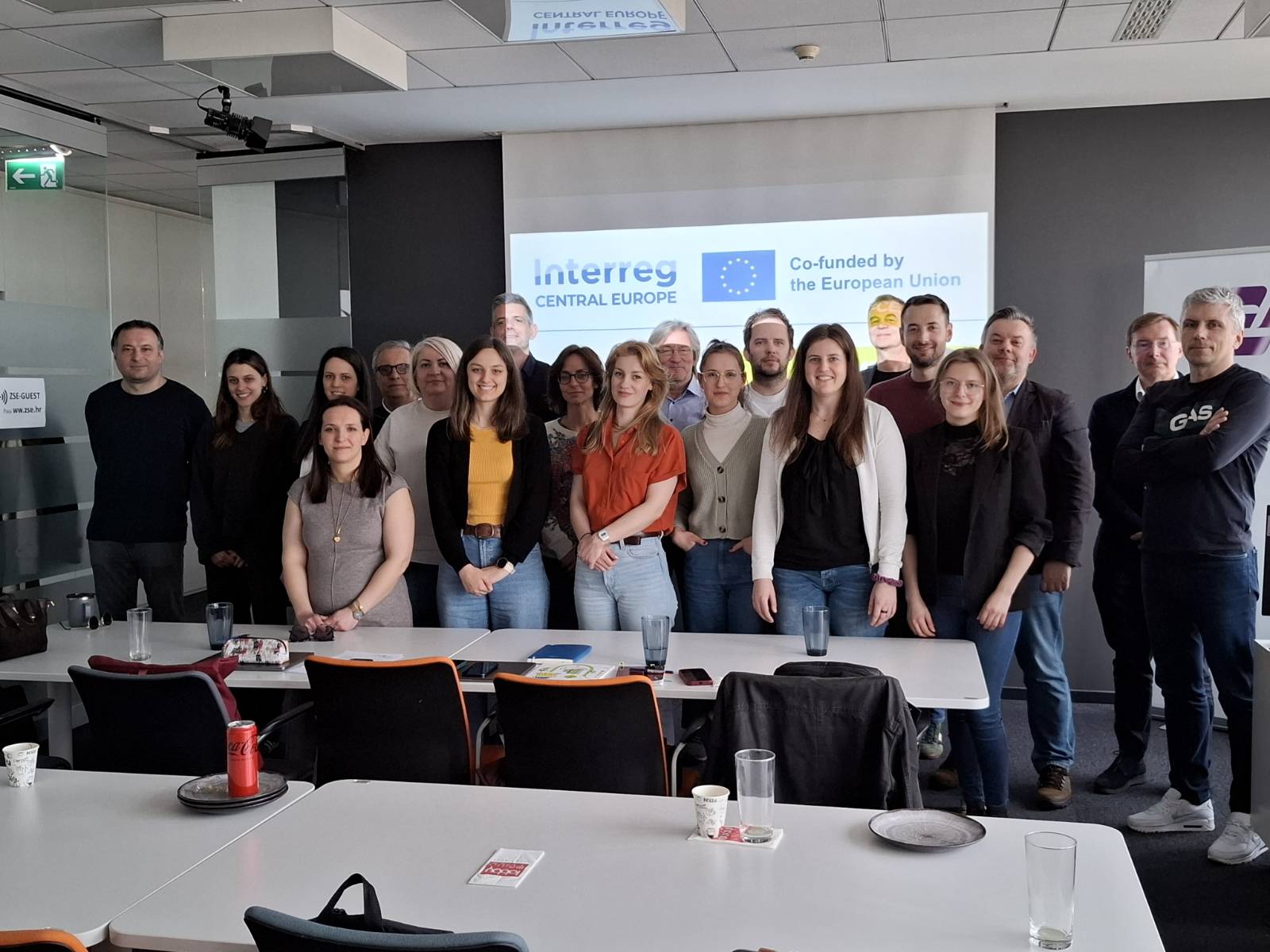
The project's legacy extends well beyond its official end. By keeping its tools, methodologies, and Advisory Hubs available, MESTRI continues to support municipalities, building owners, investors, and energy professionals in making informed renovation and investment decisions. This ensures that the project's knowledge and solutions remain accessible and continue contributing to more sustainable building management across Central Europe.
News


Events
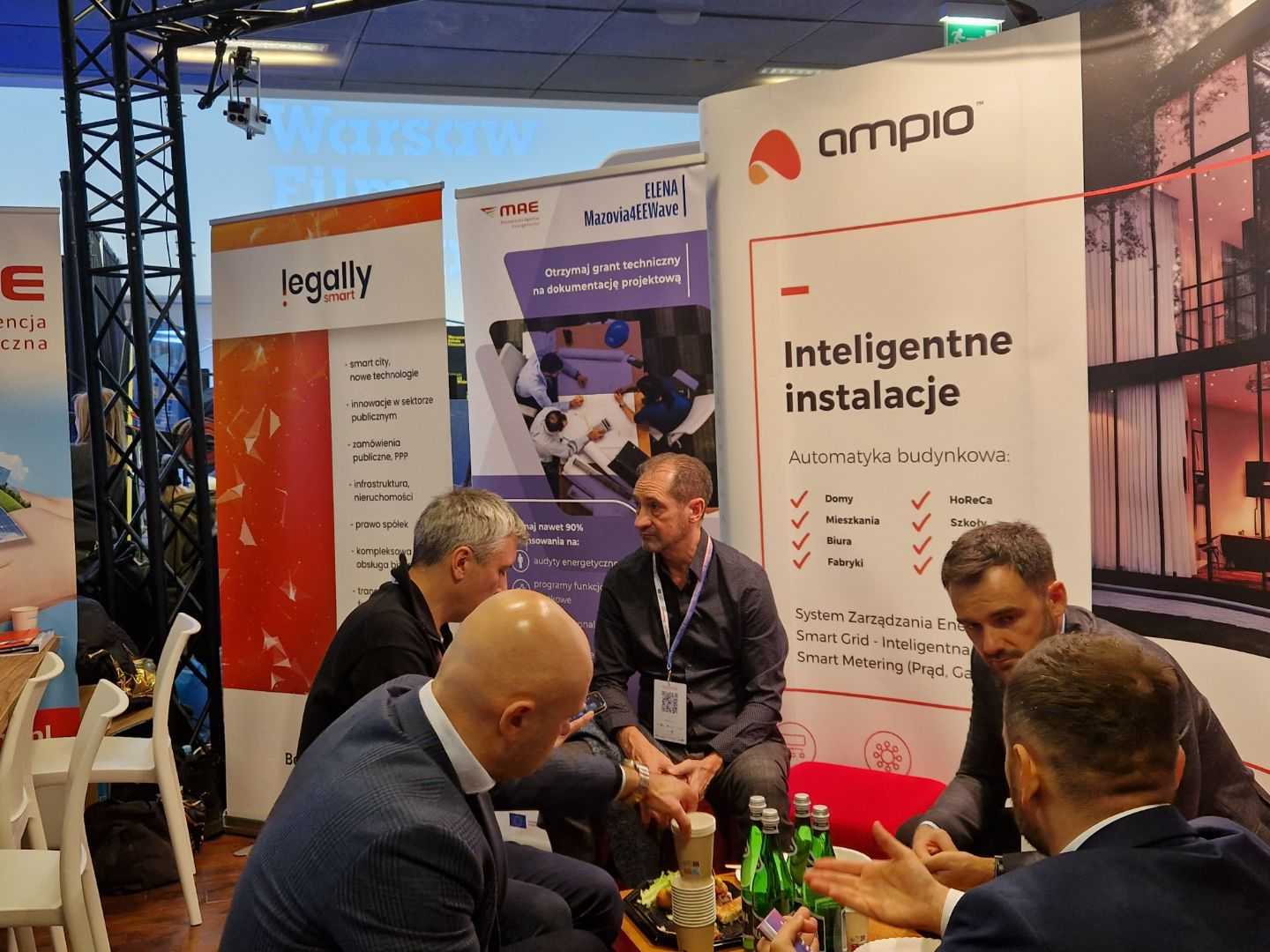
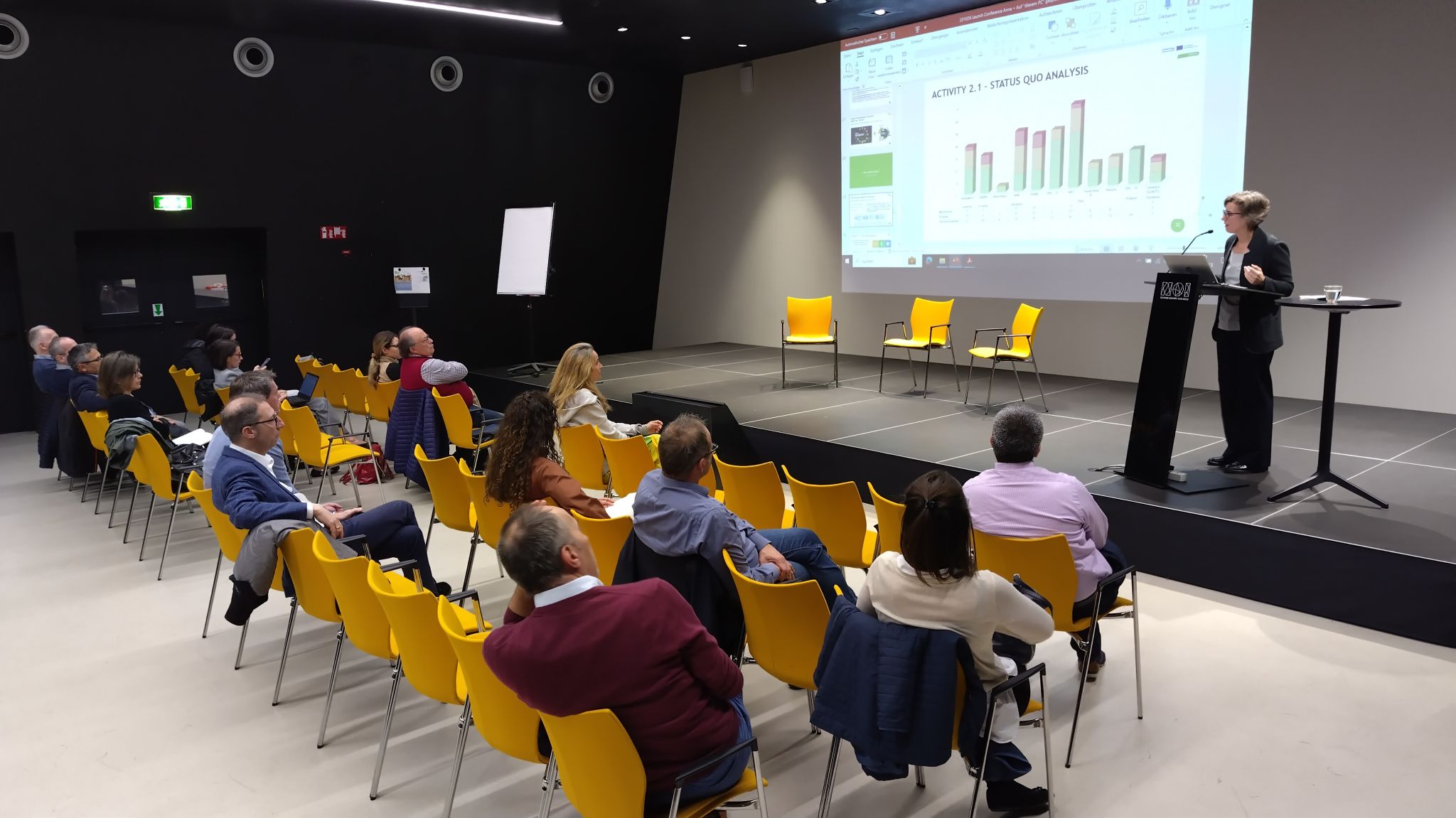
Pilot actions
Outputs
Jointly developed strategy for transition towards climate neutral buildings
Joint strategy for transition towards climate-neutral buildings was made for five partner countries (Croatia, Italy, Austria, Germany and Poland) aiming at public authorities who committed to use the Smart Data Hub for management of their building stocks and development of shorter term, action plans until 2030. This long-term document (until 2050) used methodological approach regarding building standards and was jointly developed by all project partners.
Type of output: Strategies and action plans
MESTRI-CE Tools for smart and sustainable management of public and private buildings
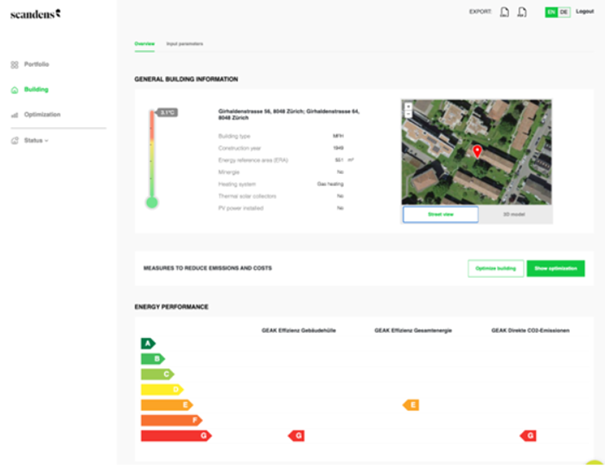
The piloting action resulted with one jointly developed holistic solution: a system for sustainable management of new and old public and private buildings. The Smart Data Hub presents a powerful tool for optimization of performance of building stocks, prioritization of renovation measures, calculation of financial and economic
benefits of renovations and simple development of action plans for their future utilization.
Type of output: Solutions
View solution

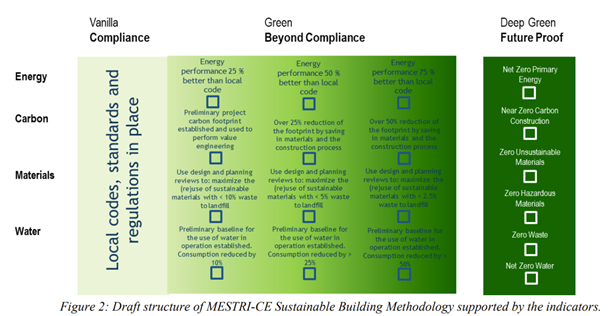
MESTRI-CE Sustainable Building Methodology for (re)construction of buildings
The piloting action was carried out through the Sustainable Building Methodology with an Evaluation toolbox for performing technical assessments and simulations
as solution for (re)construction of public and private buildings in line with EU sustainable buildings framework - Level(s), related EU directives, standards, guidelines and tools regarding buildings energy efficiency and sustainability. Market actors are adopting it as requirements in their projects as a solution for (re)constructions of their buildings.
Type of output: Solutions

Jointly developed strategy for enhancement of regional building standards in Central Europe countries
A strategy was created for a unified sustainable building methodology for (re)construction of buildings in central europe with a dedicated set of recommendations for enhancement of existing building standards on national/regional levels in five pilot countries. This output came as a result of close cooperation with building specialists and policy makers and its implementation was managed in form of adoptions of new methodology within national/regional building renovation strategies.
Type of output: Strategies and action plans

Advisory Hubs for project and policy developers
The piloting action resulted in the final version of the Advisory Hub - one stop shop solution for project and policy developers (public authorities, SMEs, enterprises and sectoral agencies) but also financial institutions willing to adopt the methodologies developed throughout the entire project period. The hub is assisting developers willing or planning to use the Smart Data Hub, Sustainable Building Methodology, Evaluation toolbox or other Financial advisory services.
Type of output: Solutions

Jointly developed strategy for enhancement of innovative green standards, financing models and schemes
Strategy for reaching climate neutrality of building stock with innovative and citizen involved financing models was jointly developed for regional public
authorities in five countries. The strategies cover the long-term vision (until 2050) with action plans deriving from this strategy. It provides more concrete steps and solutions coming from the piloting phase. The strategy was peer-reviewed by MESTRI-CE project partners and will continue t be an importing document for different decision-makers in public and private institutions.
Type of output: Strategies and action plans

MESTRI-CE Green Financing Methodology, Tools and Financing models
The piloting actions resulted in one holistic financing methodological solution with several components made for project developers, financial institutions, crowdinvesting platforms, public/private entities and citizens.
• Financial and economic evaluation toolbox • Documentation/prospectus with environmental impact, performance and proceeds tracking methodology in line with EU and other voluntary
standards (eg GBS) • Feasible financial models and schemes which involve citizens as investors •
Type of output: Solutions
- Green Financing Methodology With Supporting Documentation And Performance Tracking Models
- Financial And Economic Evaluation Toolbox
Project images
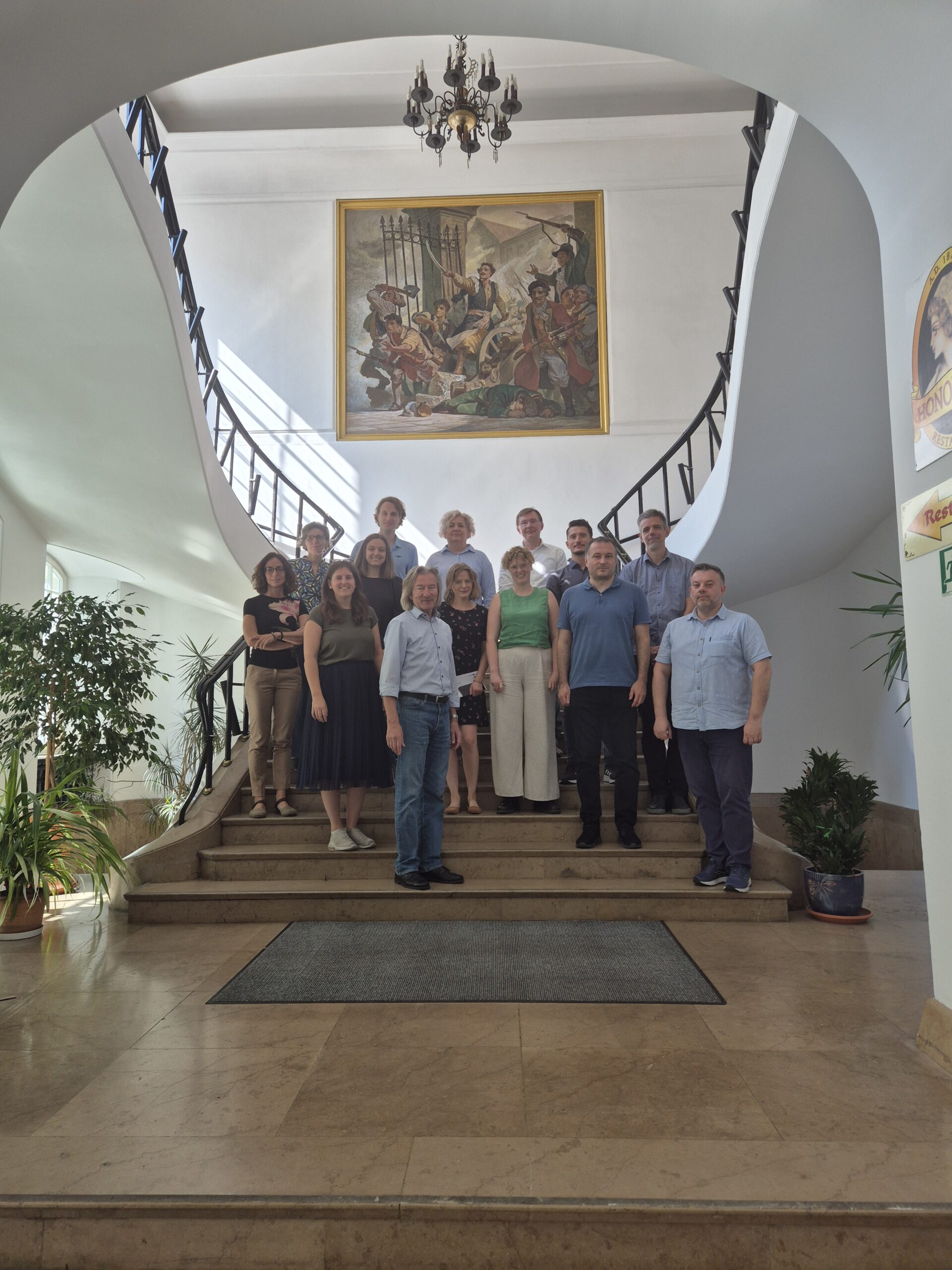
MESTRI-CE
The project lead partner is responsible for the content of this project website.
Project on social media
Project contact
Tijana Šimek
Email: tsimek@regea.org