


Project overview
Enhancing the energy transition in Central Europe with the support of renewable energy communities
Central Europe is phasing out fossil fuels but related costs remain high. Extensive investments in renewables and energy efficiency are needed. Renewable energy communities (REC) can help with that. They enable collective and citizen-driven actions, such as the production and sharing of renewable energy. The HERCULES-CE project promotes the introduction of these communities strategically and in local pilot actions. The partners test innovative data-driven approaches to evaluate the business models of new and existing communities. The partners also monitor and evaluate the communities’ environmental impacts and their potentials for reducing energy poverty.
-
2,28m €
-
Project Budget
-
80%
-
of the Budget is funded by ERDF
-
7
-
Countries
-
12
-
Regions
-
12
-
Partners
-
3
-
Pilots
Duration
Start date
End date
Project progress
About the project
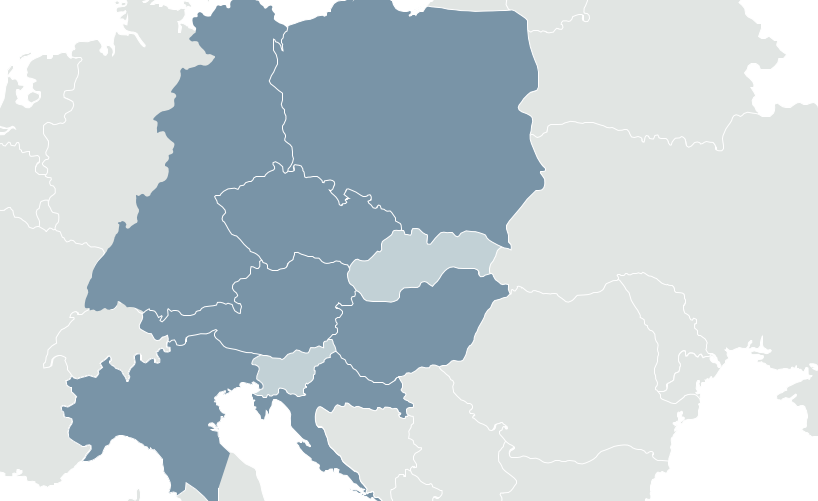
Cooperating for a greener Central Europe: Renewable Energy Communities (REC) are crucial for the energy transition, driving local value creation and increasing public participation and acceptance. REC – made up of citizens, SMEs, and municipalities – can manage projects like district heating, renewable energy systems, and e-mobility infrastructure. These cooperative efforts mobilize know-how and financial investments, offering members benefits that vary by business model and legal framework, such as sharing electricity and heat. However, significant expertise is required to establish and expand RECs. For this reason, and due to different legal frameworks, energy communities are not equally represented in the project countries – Italy, Austria, Germany, Poland, Czech-Republic, Hungary and Croatia. This is where the project comes in to develop strategies for the establishment and improvement of energy communities, using innovative participative methods and a data-driven tool. These will be implemented through an Action Plan focused on improving REC performance, planning, and implementation. In the next step, the project will establish seven new RECs and improve five existing ones, with the goal of increasing energy performance, enhancing business models, reducing environmental impact, and addressing energy poverty.
Project partnership
Project partners

Lead partner
Emilia-Romagna Region
Directorate General - Knowledge, Research, Labour, Enterprises Sustainable innovation, Enterprises, Industrial chains Energy and Green Economy area
Project partner
Not applicable.
Sustainable Innovation
7423 Pinkafeld
Department of Design
20158 Milan
Business Innovation Unit
Energy and District Strategies
National Office for Energy Cooperatives
Department of Strategy and Development
n/a
N/A
n/a
N/A
Roadmap
Context
The success of the energy transition is increasingly relying on private efforts and financial resources. At the same time, the local population is not sufficiently integrated and involved in the expansion of renewable energy projects. High electricity prices further contribute to the problems and, in the worst case, lead to a lack of acceptance for the necessary changes. A Renewable Energy Community (REC) has the potential to promote community involvement by citizens, SMEs and municipalities and to develop solutions for the realisation of their own renewable energy projects and an affordable supply of electricity and heat - yet these communities are not yet being implemented in many regions.
Specific problem
Founding and developing a REC can be a complex process that requires a great deal of know-how in a number of areas. Committed individuals quickly reach their limits when they are confronted with questions about financing, bureaucracy and recruitment of members. In addition, the realisation of projects requires different levels of technical knowledge based on the business model. Depending on the country, the legal framework also varies in complexity.
Idea
What if it were easier to set up a REC and increase its impact?
Solution
Clear guidelines and plans can help to facilitate the founding process and encourage more people to join forces to implement renewable energy projects and energy efficiency measures. The HERCULES-CE project has therefore set itself the task of developing strategies for planning, implementing and improving the performance of RECs in order to support committed local actors in their activities. In order to measure energy production and visualise the effects on the environment and energy poverty, an innovative data tool will be introduced.
How it works
Planning phase: Participatory methods are applied to develop strategies and an Action Plan for the planning, implementation and performance of RECs.
Practical application: A total of seven new pilot projects will be established and five existing RECs will be supported to increase their potential.
After the project: The communities will benefit from their shared investment in the long term. The positive impact of these best-practice examples in combination with the dissemination of the strategies will encourage other regions to get actively involved in the energy transition and climate protection.
News








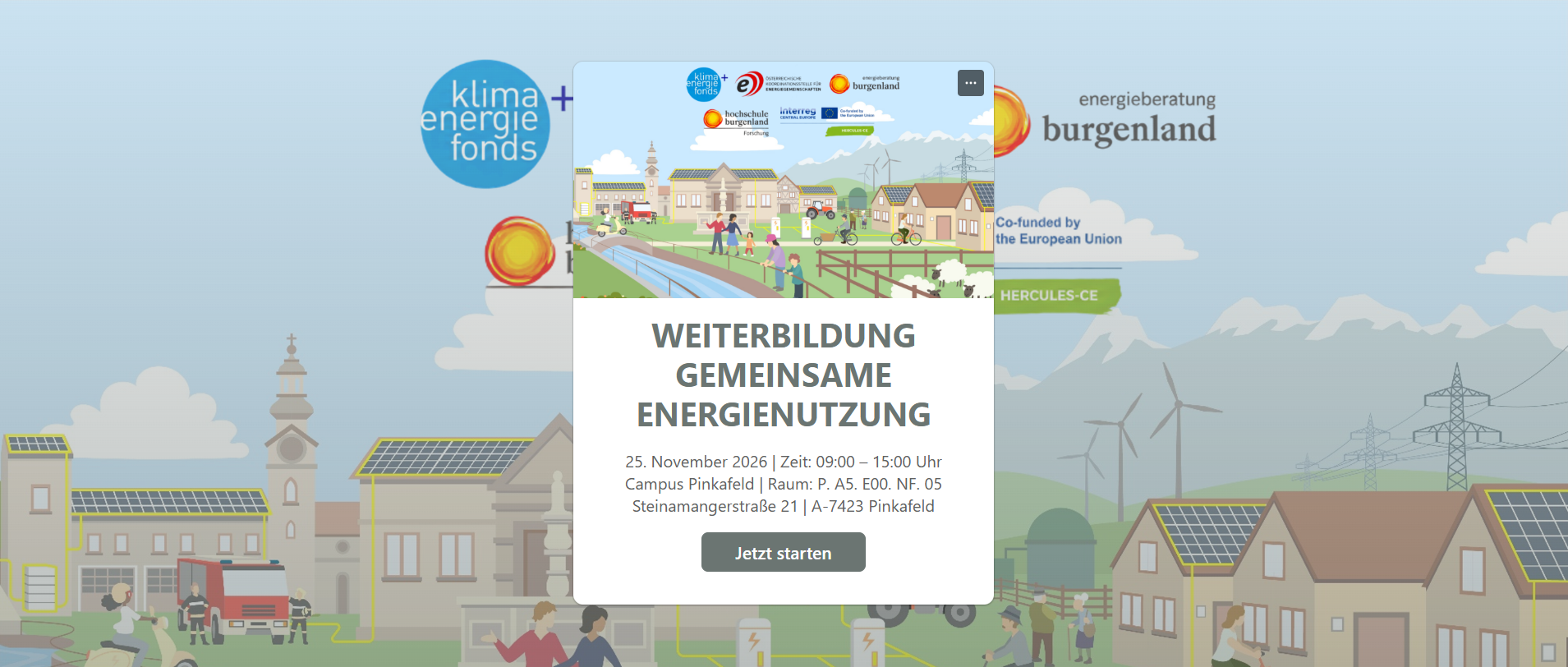
Events

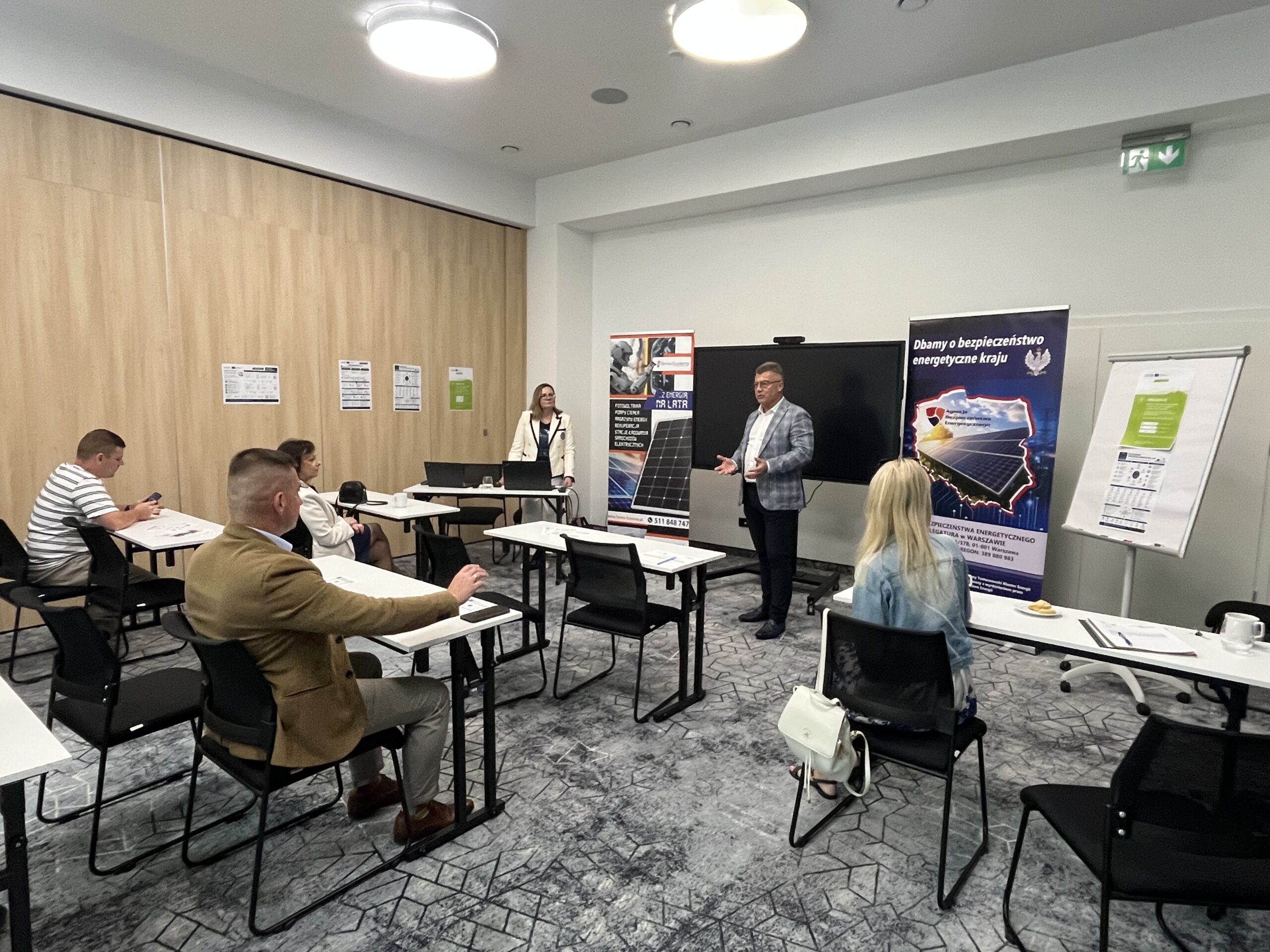


Pilot actions
Outputs

HERCULES Strategy to enhance the contribution of REC to the energy and green transition in CE
SOLUTION Nr. 1 concerning the improvement energy performance and the sustainability of REC
SOLUTION Nr. 2 to reduce environmental impact and increase the contribution to the energy poverty by RECs
SOLUTION Nr. 3 for new approaches to establish Renewable Energy Communities
HERCULES-CE Action Plan
Project videos
HERCULES-CE
Priority 2: Cooperating for a greener central Europe
SO 2.1: Supporting the energy transition to a climate-neutral central Europe
The project lead partner is solely responsible for all content published on this project website, including, where applicable, content created with the support of AI tools and the appropriate labelling of such content. The views expressed do not necessarily reflect those of the Interreg CENTRAL EUROPE Programme, its programme bodies or the European Union.