
Alain Rouiller Unsplash

Project overview
Greening Regional fReight Transport in fuAs
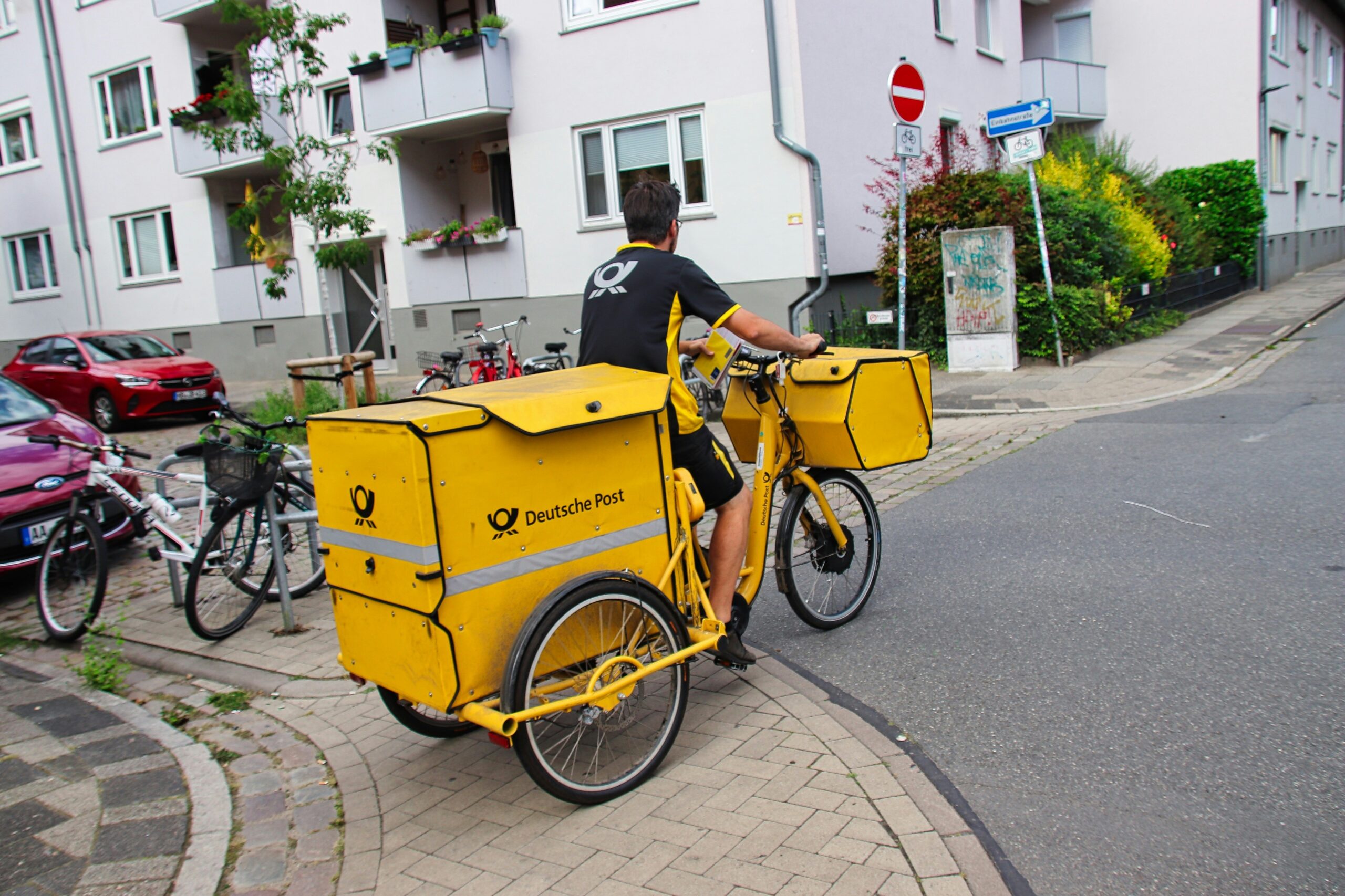
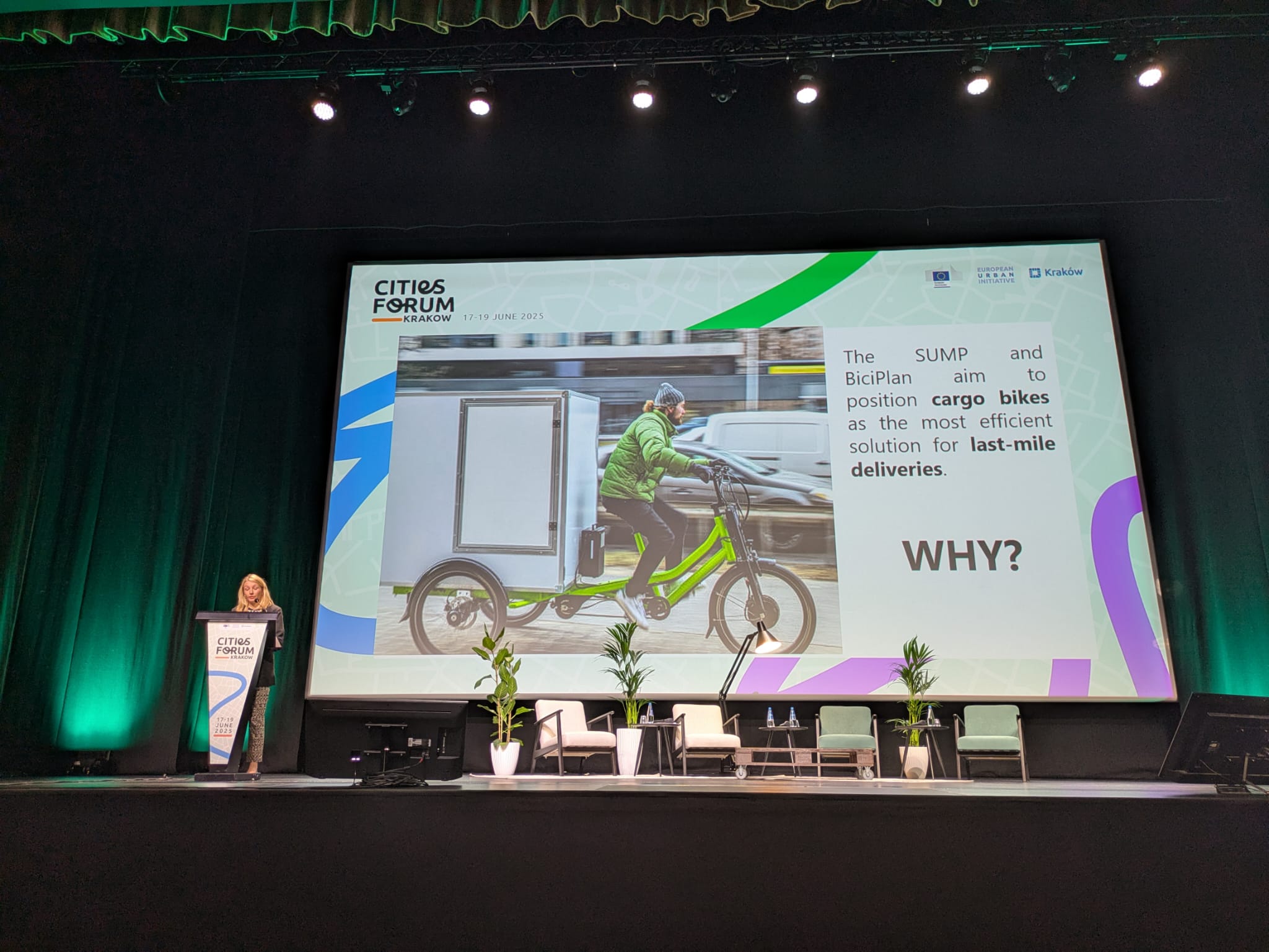
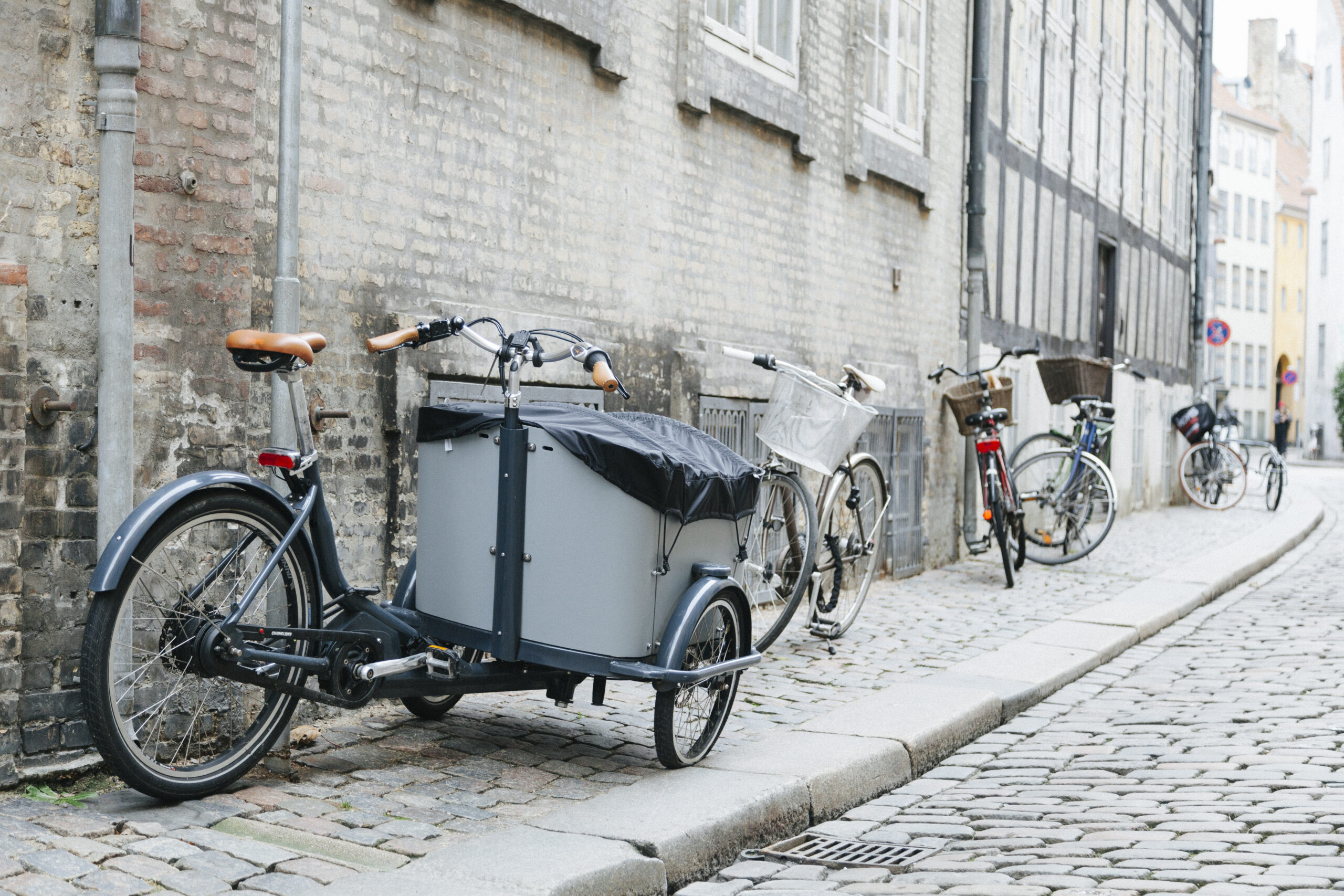
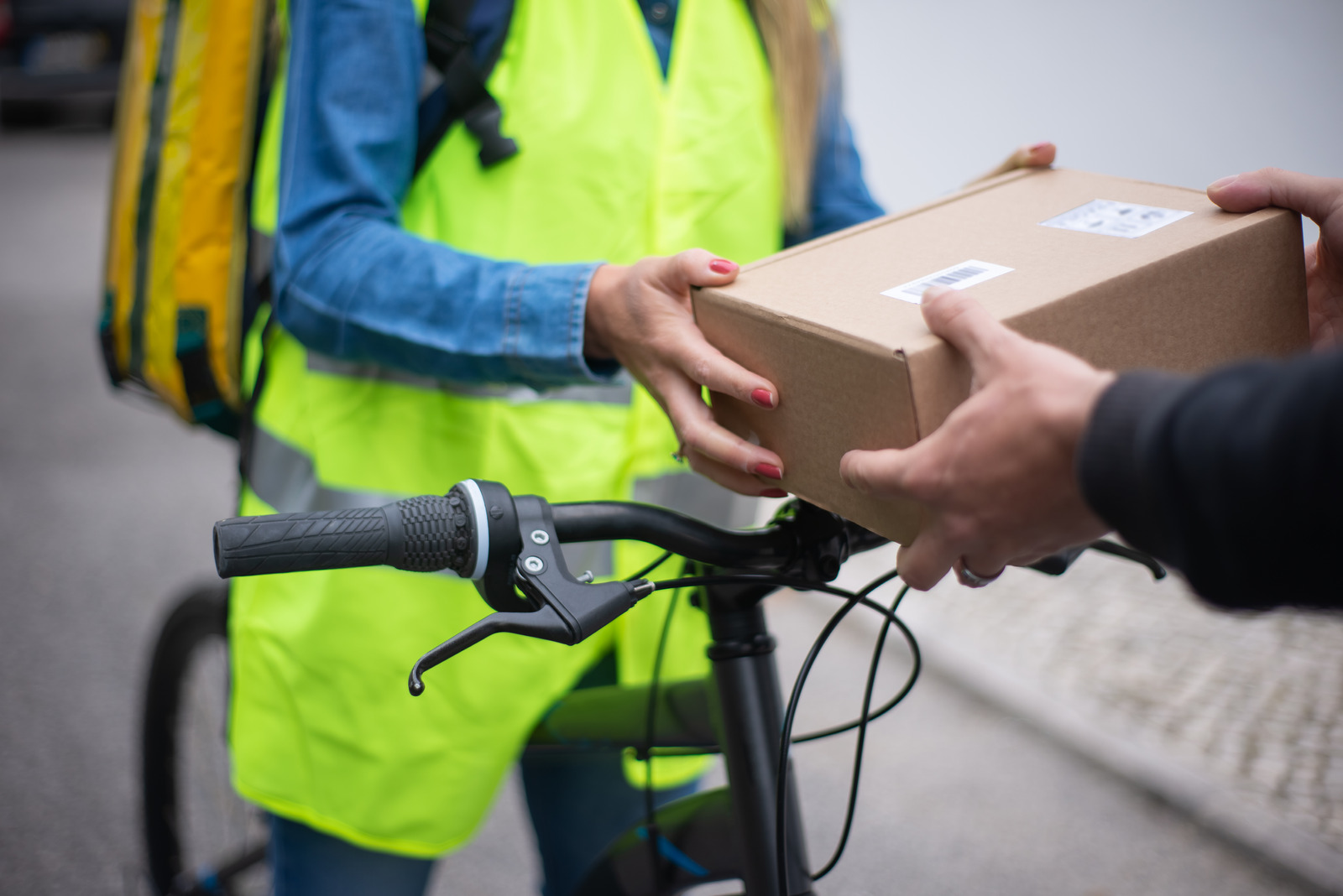
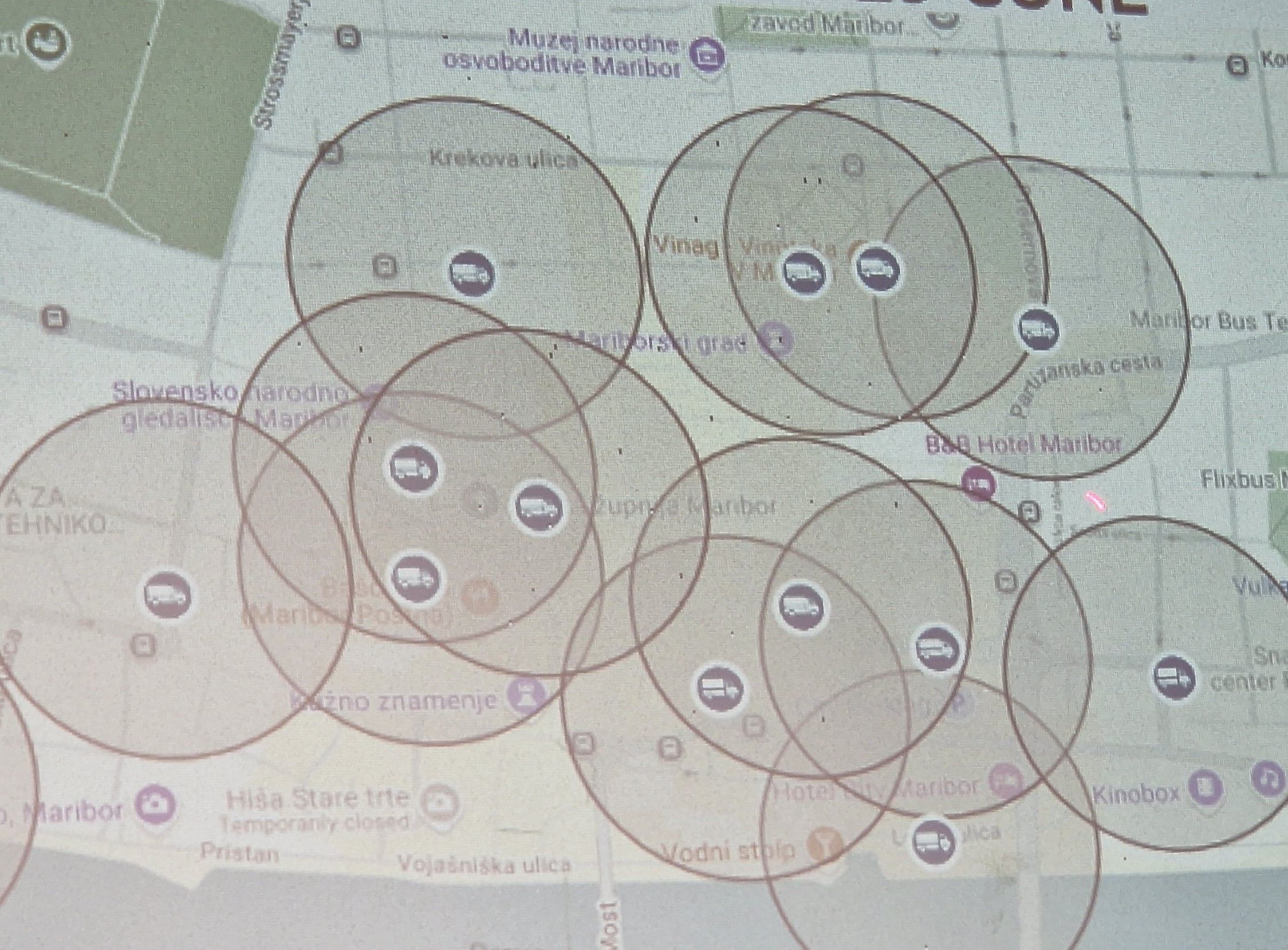
People like to shop online but this comes hand-in-hand with more freight transport. Cities are most affected by higher emissions, noise and the congestion of public spaces linked to deliveries. The GRETA project offers solutions on how to decarbonise the so-called last mile of freight transport. In their joint efforts, the partners piloted the use of zero-emission-vehicles like cargo bikes. They also re-organised urban spaces to improve their transit resilience through curb management strategies.
-
2,71m €
-
Project Budget
-
80%
-
of the Budget is funded by ERDF
-
6
-
Countries
-
8
-
Regions
-
11
-
Partners
-
5
-
Pilots
Duration
Start date
End date
Project progress
About the project
E-commerce is booming, and with it comes an increase in freight transport. This is putting a strain on our cities, with higher emissions, noise, and congestion. The GRETA project worked on decarbonizing the last mile of freight transport by piloting the use of zero-emission vehicles like cargo bikes.
The project partners reorganized urban spaces to make them more efficient for freight deliveries. They also developed new curb management strategies to reduce the number of delivery vehicles on the road.
GRETA is a solution for a more sustainable future. By reducing emissions and congestion, we can make our cities cleaner, quieter, and more livable.
Project partnership
Project partners

Lead partner
Institute for Transport and Logistics Foundation
European Project Unit
Project partner
Sustainable Mobility Department
Total partner budget
245,050 €
Faculty of Civil Engineering, Transportation Engineering and Architecture
Total partner budget
252,500 €
Total partner budget
177,650 €
Total partner budget
302,770 €
Office of Project Coordination and Urban Revitalization
Total partner budget
81,850 €
Total partner budget
242,150 €
Mobility development
Total partner budget
256,230 €
Total partner budget
248,890 €
Total partner budget
169,250 €
Total partner budget
250,450 €
Roadmap
News





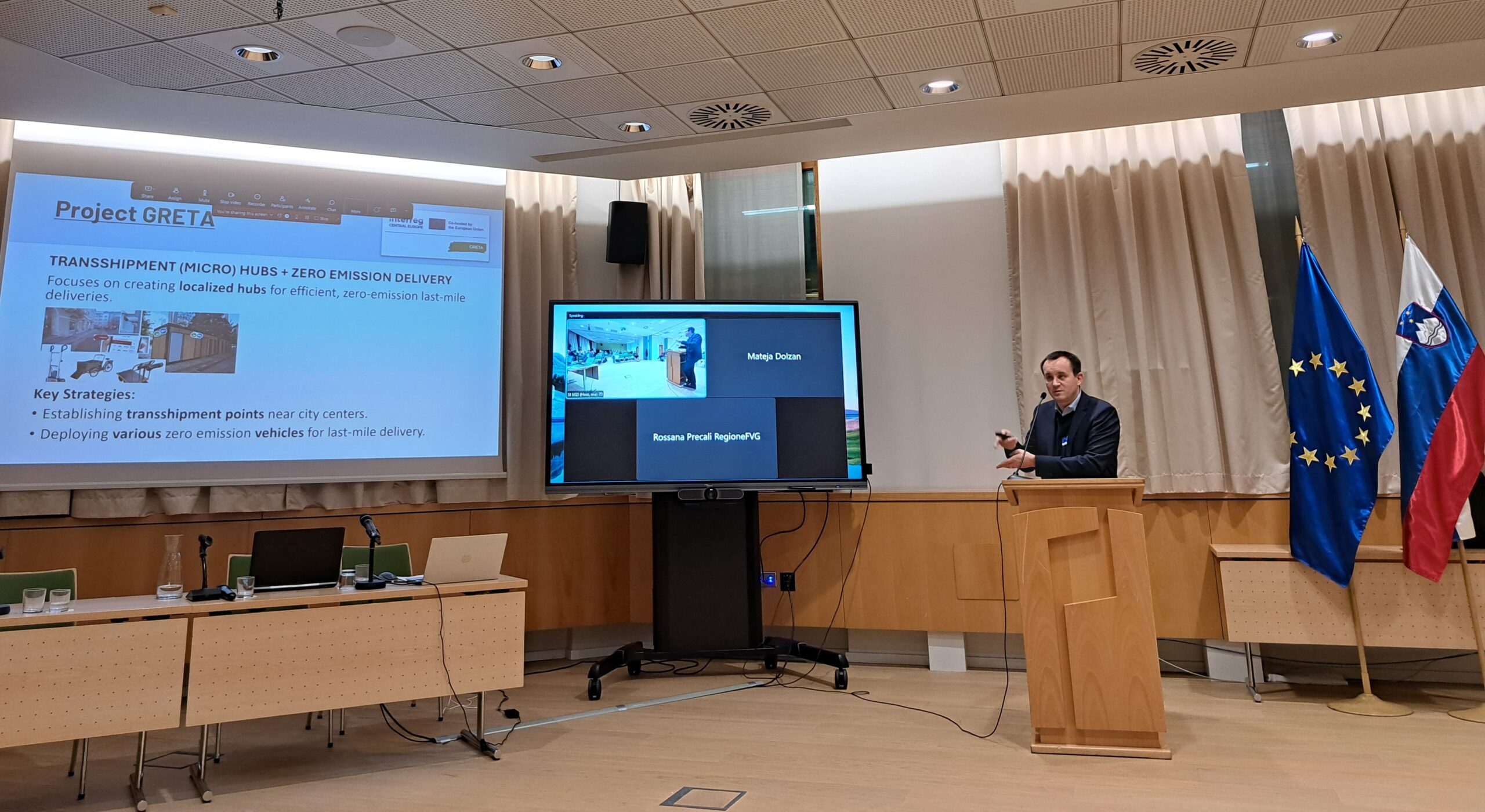
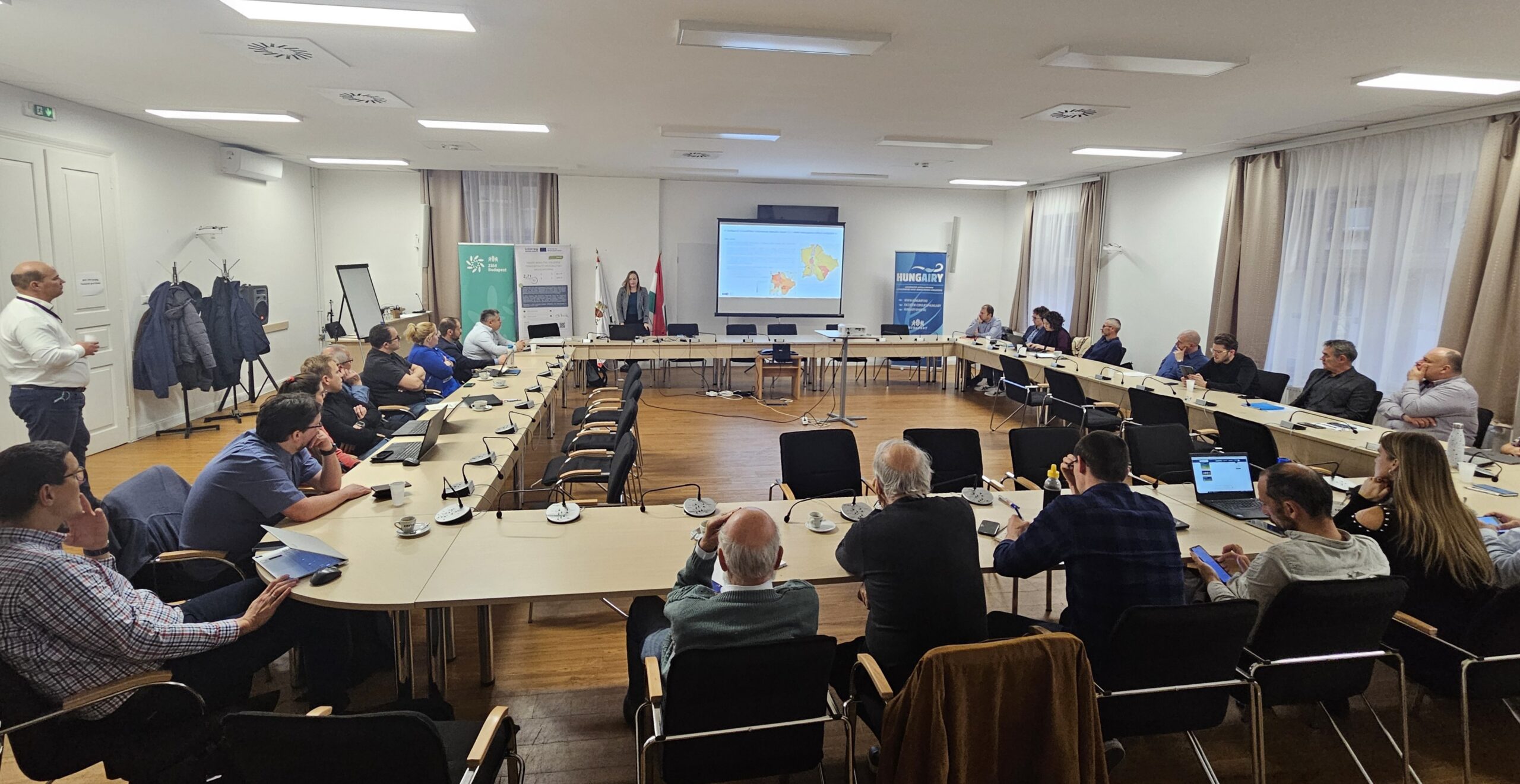
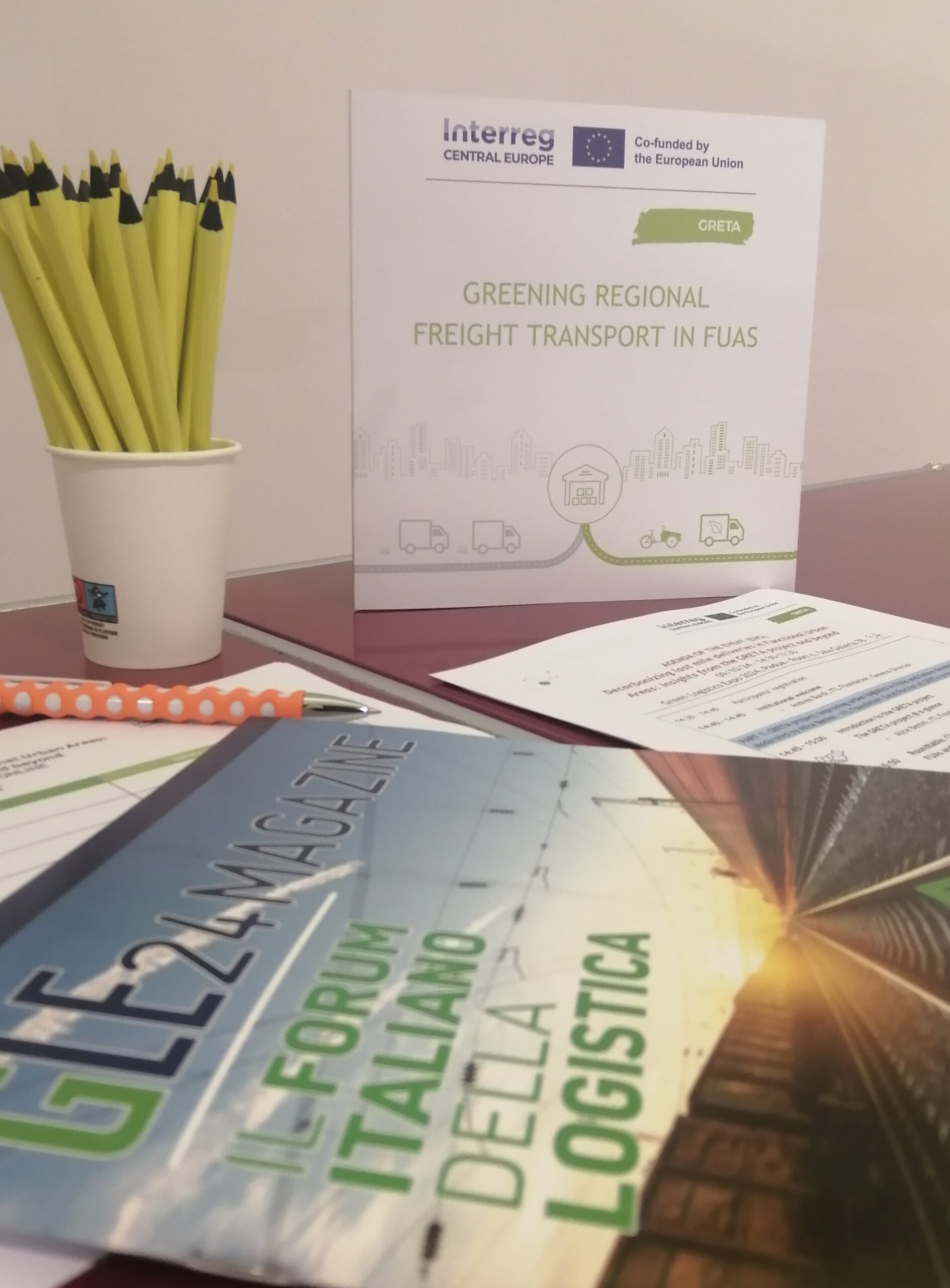




Events

Pilot actions
Outputs
Capacity building strategy for innovative green urban logistics in Central Europe
The present document provides a comprehensive Capacity Building Strategy that supports Functional Urban Areas(FUAs) in Central Europe in developing, adopting, and scaling innovative low-emission urban logistics solutions. Its scope covers both the technical and institutional dimensions needed to embed sustainable last-mile delivery systems into long-term urban mobility and planning frameworks.
The strategy is structured around six mutually reinforcing elements.
1. Knowledge transfer and training provide stakeholders with practical and technical know-how on zero-emission logistics, cargo bikes, e-fleets, and sustainable delivery models.
2. Peer learning and best practice exchange enable cities to benefit from shared experiences through mentoring, structured reviews, and transnational cooperation.
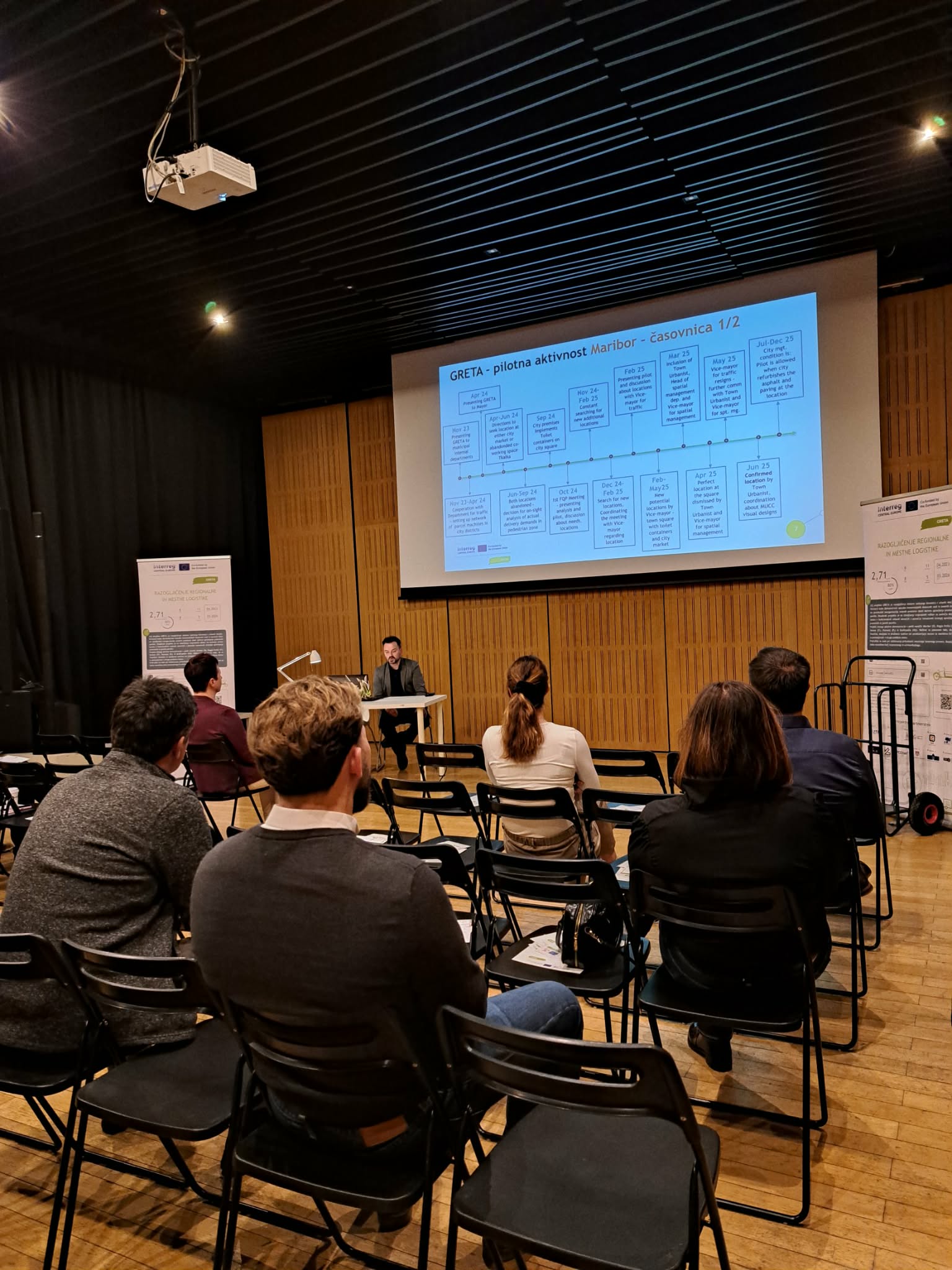
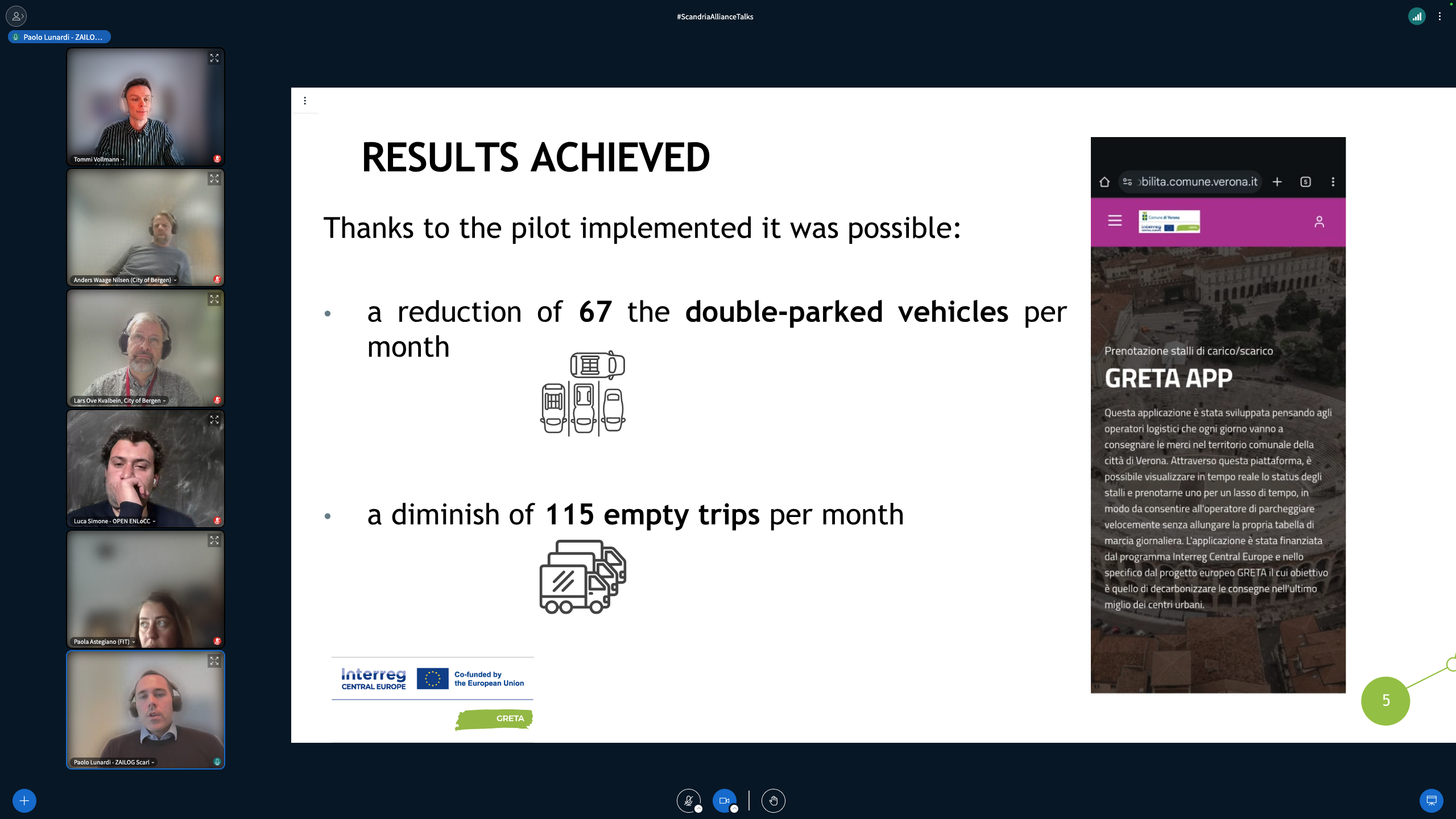
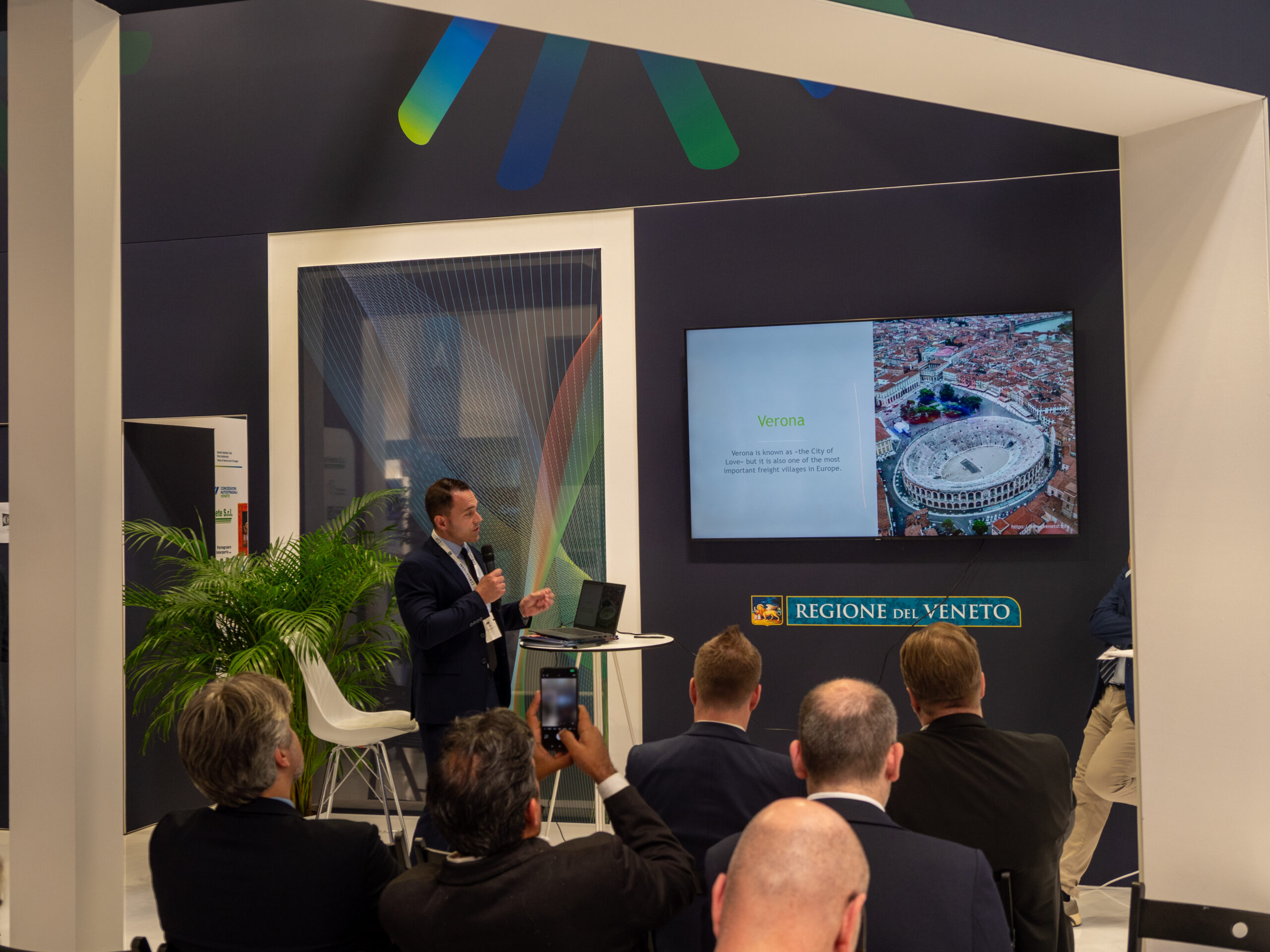
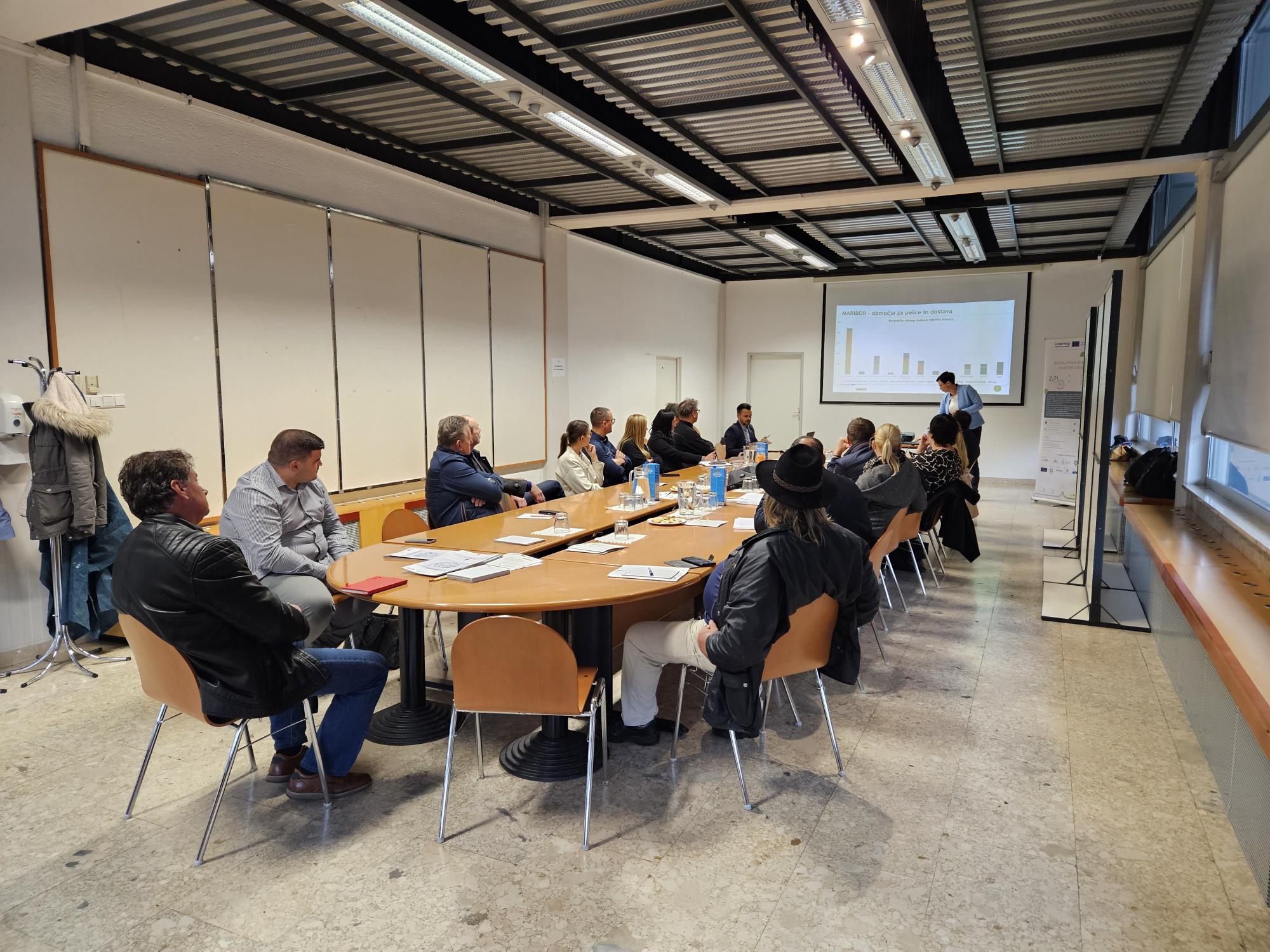
3. Pilot actions in Maribor, Poznań, Verona, Budapest, and Reggio Emilia function as real-world learning environments where solutions are tested, adapted, and transferred.
4. Institutional strengthening focuses on governance, cross-sector coordination, and regulatory support to ensure long-term integration of sustainable logistics in policy and planning.
5. Digital tools and capacity empowerment equip stakeholders to independently manage, monitor, and scale innovative solutions.
Long-term partnerships foster durable networks that sustain collaboration beyond the project’s duration. Innovative elements include the combination of hands-on learning, organizational development, and cross-border knowledge exchange, resulting in adaptable and transferable models for resilient, low-emission urban logistics across Central Europe.
Type of output: Strategies and action plans
Optimizing Urban Logistics in GRETA: Jointly Developed Solutions for Effective Curb Management & urban freight in Functional Urban Areas
GRETA partners jointly developed and peer reviewed a set of solutions to provide effective Curb Managent and urban freight transport in Functional Urban Areas.
The identified solutions consisted of:
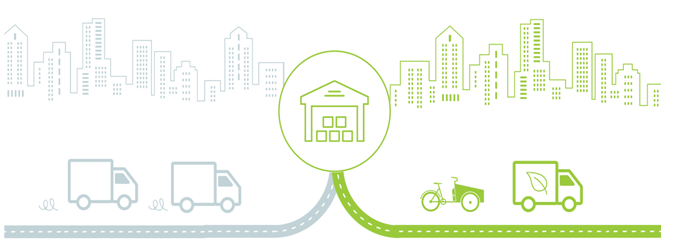
1) micro-hub with e-cargo bikes
2) micro consolidation centre served by green and ZEV
3) transhipment hub for last mile delivery
4) curb management framework for regulations and accessibility
5) curb-management strategies to differentiate road usage and for the optimization of the use of space.
The above-mentioned solutions include at least two partners from different countries cooperating in their deployment.
Type of output: Solutions
Boosting Urban Logistics: Improving Curb Management and Micro-Hubs for Cargo Bikes in Central Europe
The strategy aimed at influencing the urban agenda of the European Commission on urban logistics, in the medium and long-term in line with the Green Deal and Urban mobility package objectives.
The strategy made a step forward to better define how a better curb-management and the use of micro-hubs in logistics can make Central Europe greener and more liveable for the whole community.
Type of output: Strategies and action plans
Project videos
Project documents
Newsletters
Leaflets
GRETA Deliverable
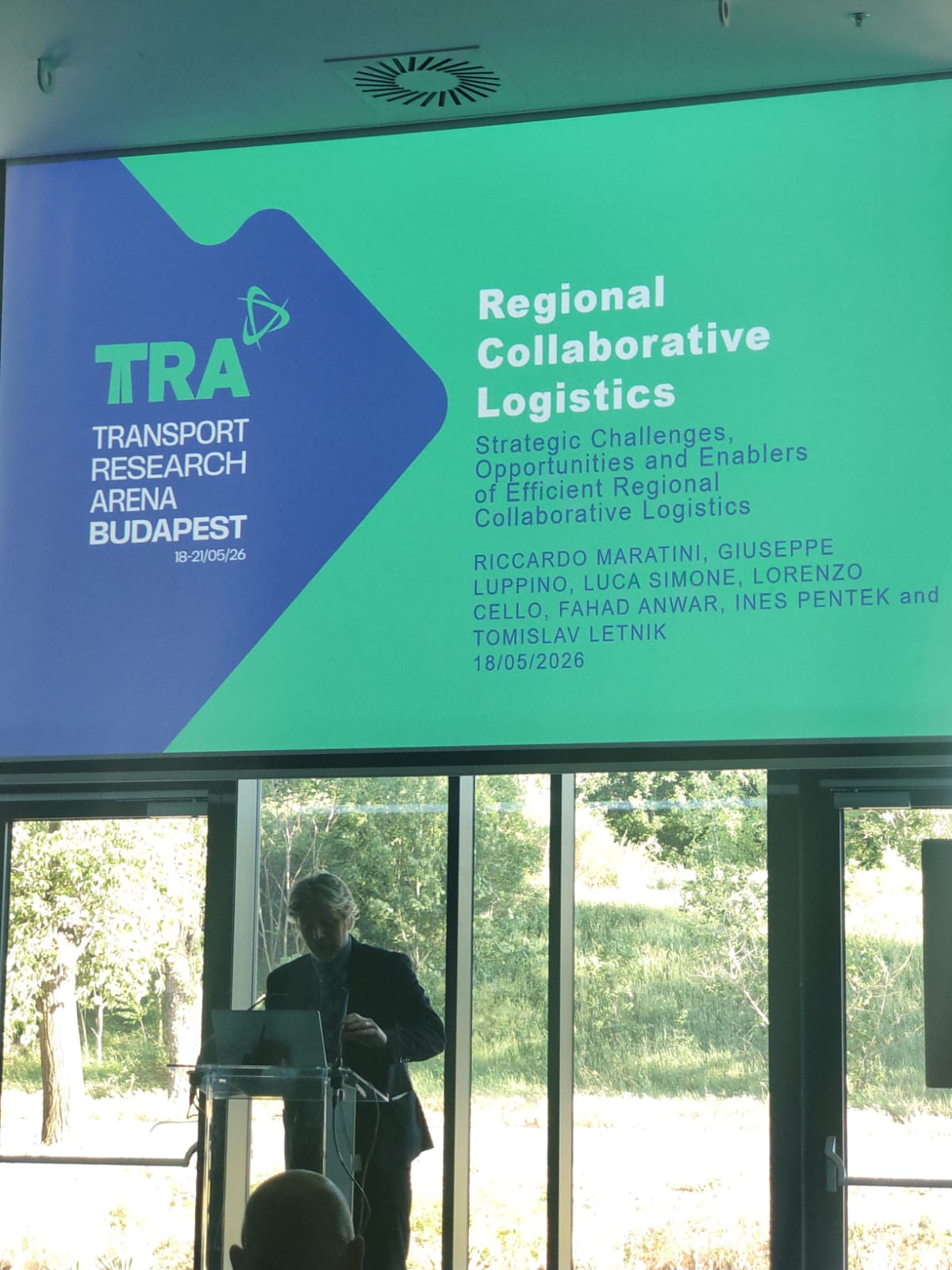
Conceptual paper on regional collaborative logistics in FUAs
The paper explores the application of a collaborative supply chain approach at regional level to unlock synergies among different logistic actors and increase overall system efficiency.
ICT and Innovative solutions to support the greening urban freight
By synthesizing existing research, this review provides an analysis of current advancements to identify potential policy and planning solutions; Infrastructural and organizational solutions; Information and Communications Technology (ICT) driven solutions and Vehicle-based solutions.
Territorial needs and gaps analysis carried out in all the GRETA FUAs
The document focuses on territorial needs and gaps analysis in all GRETA FUA as a basis for formulating an action plan and roadmap to address identified gaps.
Capacity building strategy for innovative green urban logistics in Central Europe
The strategy seeks to empower GRETA stakeholders to embrace innovative, sustainable, and inclusive logistics practices by delivering targeted training and knowledge transfer on sustainable last-mile delivery systems, promoting zero-emission logistics, facilitating peer learning and cross-border knowledge exchange among cities and Functional Urban Areas in Central Europe.
Innovative solutions to promote synergies between passenger transport and freight transport
This study explores cargo hitching, an innovative approach to improving transport efficiency and sustainability by synergically sharing infrastructure and vehicles between passenger and freight transport.
GRETA Transferability Platform
GRETA – Transferability Tool
Joint developed tool for decarbonisation of freight distribution in FUAs - helps public authorities to selfassess own situation and consider GRETA innovative last-mile delivery solutions
Project images
GRETA
The project lead partner is responsible for the content of this project website.
Project on social media
Project contact
Alice Benini