

Project overview
Governance of transformative innovation in Central European cities: the AV case
Technological innovations are transforming cities with a huge potential for improving people’s lives. But they need to be deployed responsibly. The GINEVRA project helped cities to effectively govern transformative innovations, such as autonomous vehicles. The partners jointly developed governance guidelines and new citizen engagement tools and tested them in specific pilot actions. They also designed a transnational strategy for responsibly governing the introduction of transformative innovations.
-
2,53m €
-
Project Budget
-
80%
-
of the Budget is funded by ERDF
-
7
-
Countries
-
9
-
Regions
-
11
-
Partners
-
1
-
Pilots
Duration
Start date
End date
Project progress
Project partnership
Project partners

Lead partner
CISE – Centre for Innovation and Economic Development
Project partner
Department for Strategic Planning, Integrated, Municipal, National and European Projects
Research Unit Transport Planning and Traffic Engineering
ADMINISTRATIVE DEPARTMENT FOR CONSTRUCTION AND PUBLIC UTILITIES
Institute of Technology Assessment and Systems Analysis (ITAS)
Hauptamt/Central Administration
Roadmap
Challenge:
Transformative innovations can be scary because they bring radical change to our lifestyle.
Specific Problem:

Transformative Innovations need to be explained to be understood and accepted.
Idea
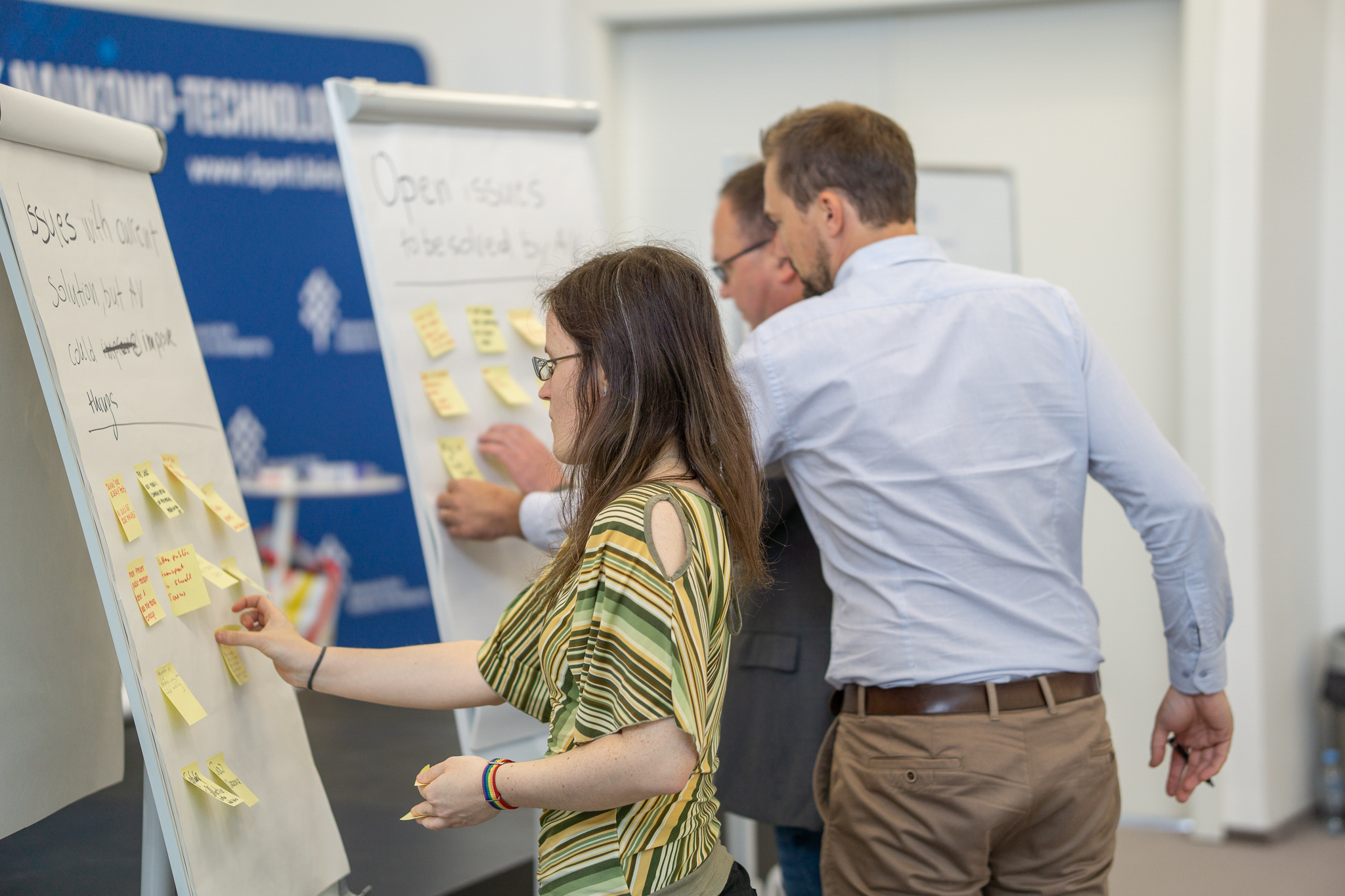
Transformative innovations are better understood when discussed in an open, clear and transparent dialogue and also better understood when experienced. " We chose the AV technology, the self-driving vehicles as a case study because we feel it's like the perfect storm. We have disruptive technology. We have opportunities, but also challenges concerns and outright fears." Giulia Bubbolini, CISE
Solution
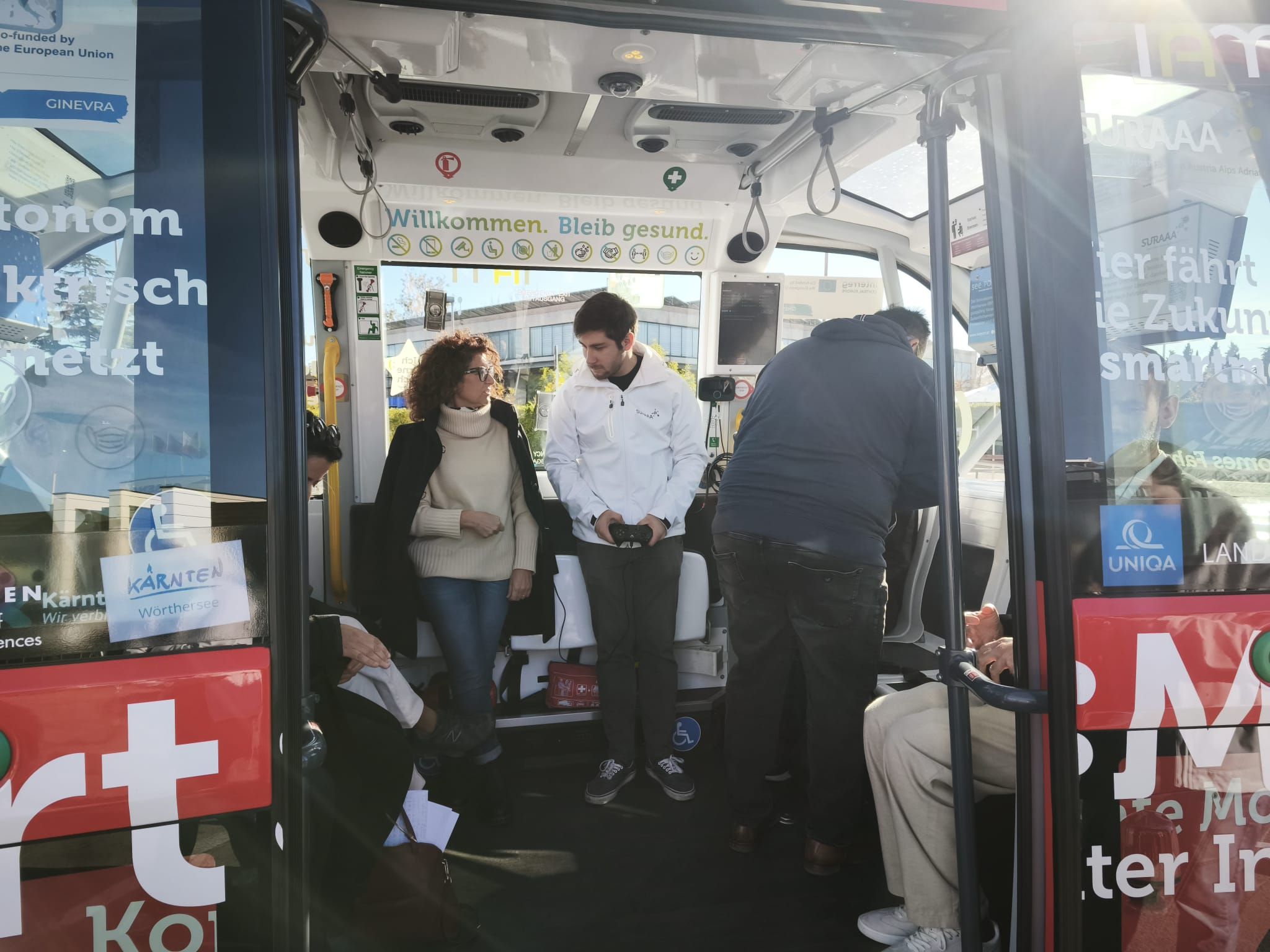
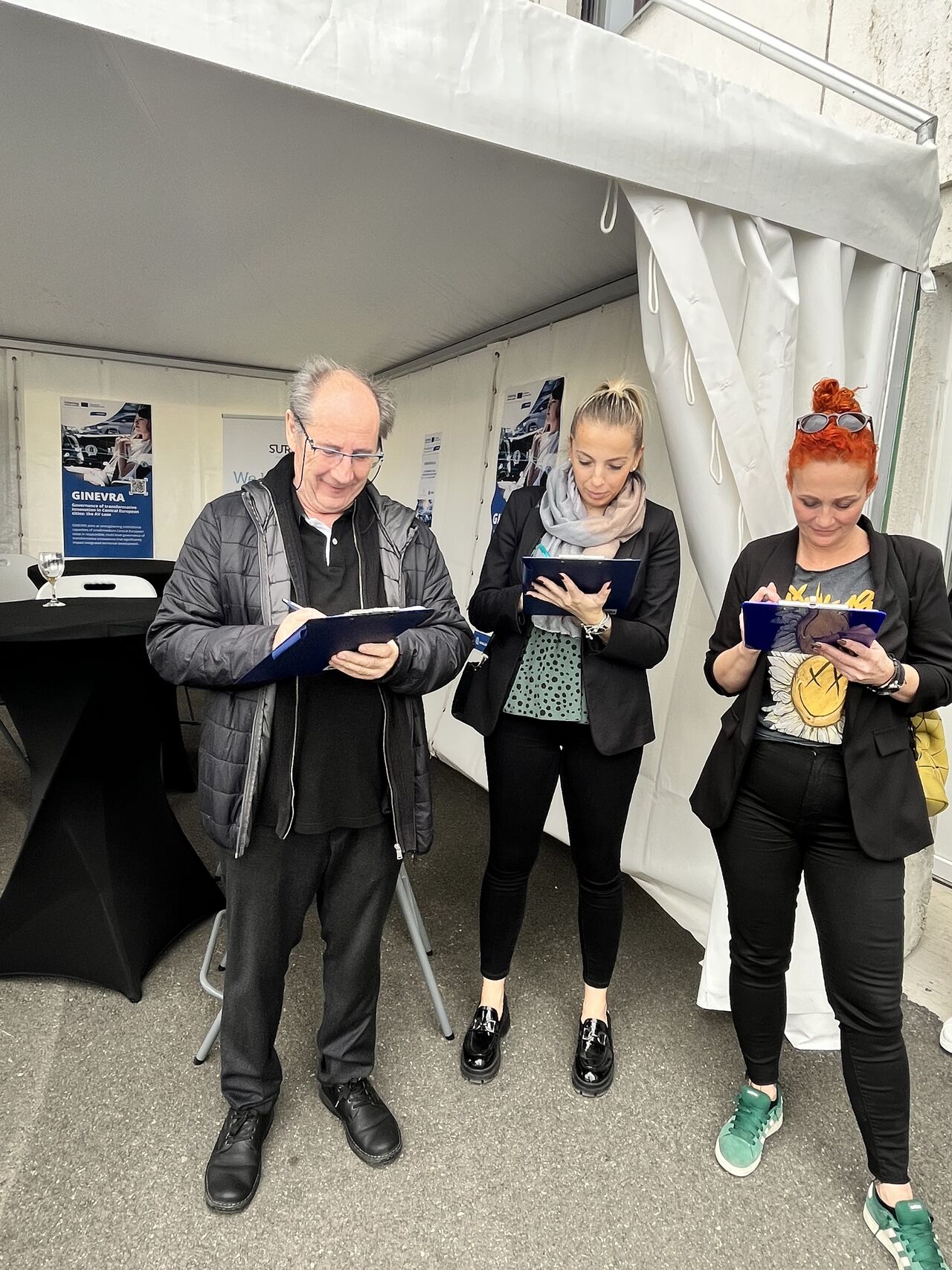
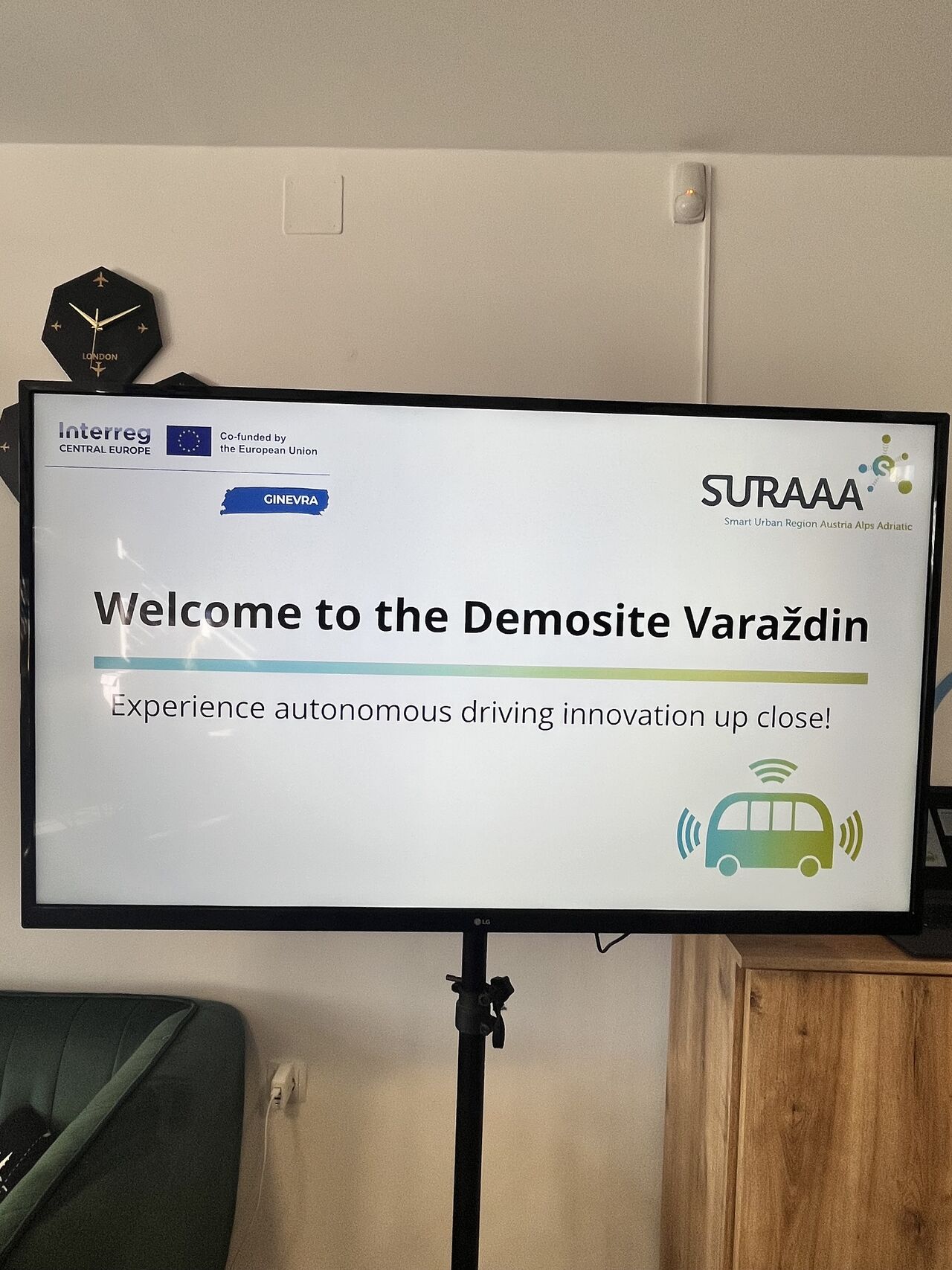
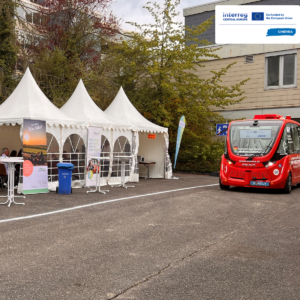
The project co-created and co-developed participatory processes to jointly investigate specific innovations, including Autonomous Vehicles (AVs). It deployed prototypes to assess stakeholders' reactions and incorporated the resulting insights into the iterative process of fostering understanding and acceptance.
How it worked
The project raised awareness and provided information on the state of the art regarding the specific innovations selected as case studies. The project co-designed and co-developed a participatory methodology to engage stakeholders in the potential implementation of the selected innovations, including demonstration activities. Building on the case studies, the project translated the results into a broader methodology aimed at supporting the uptake of transformative innovation solutions in policymaking.
Proof/credibility
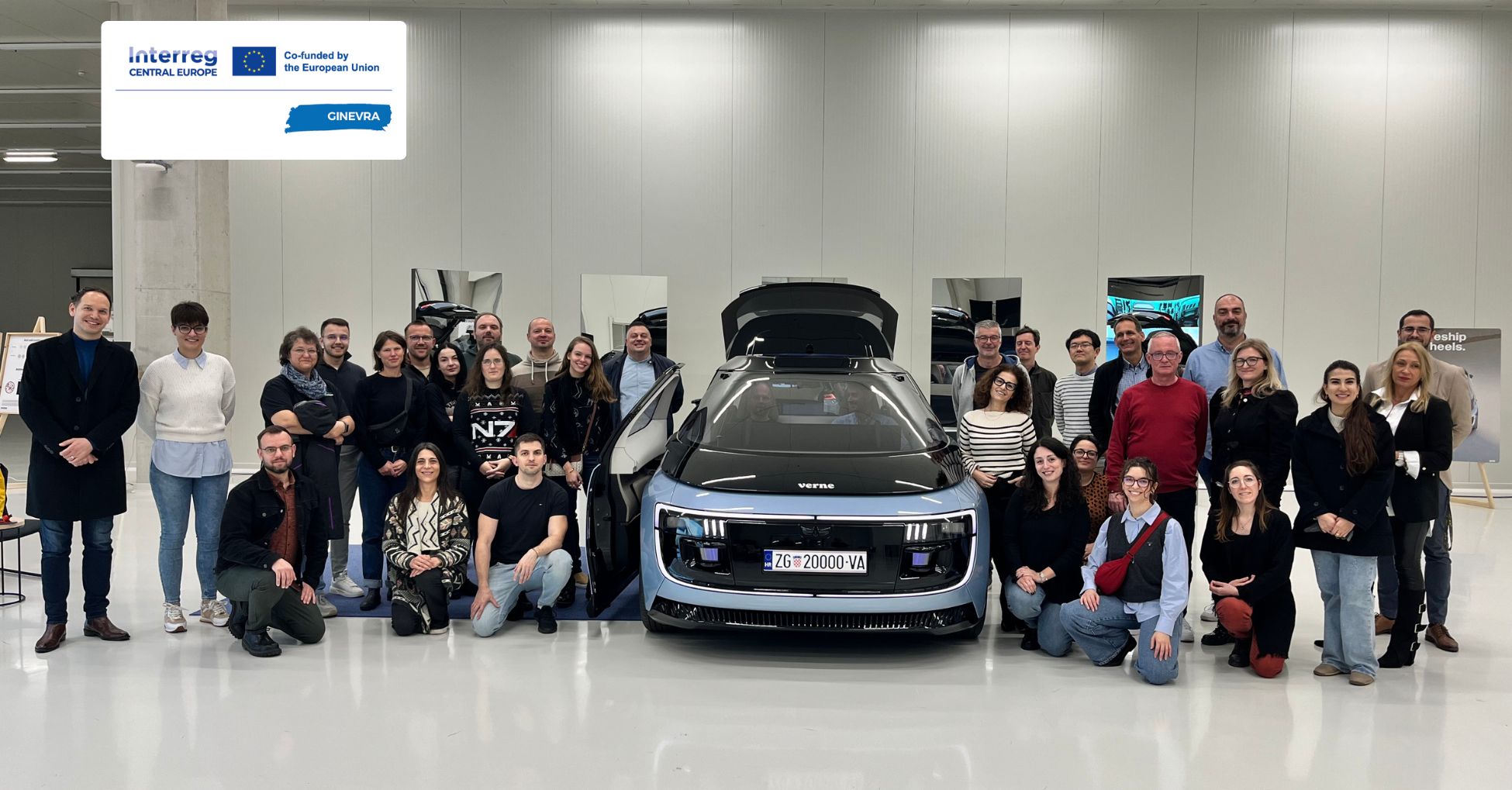
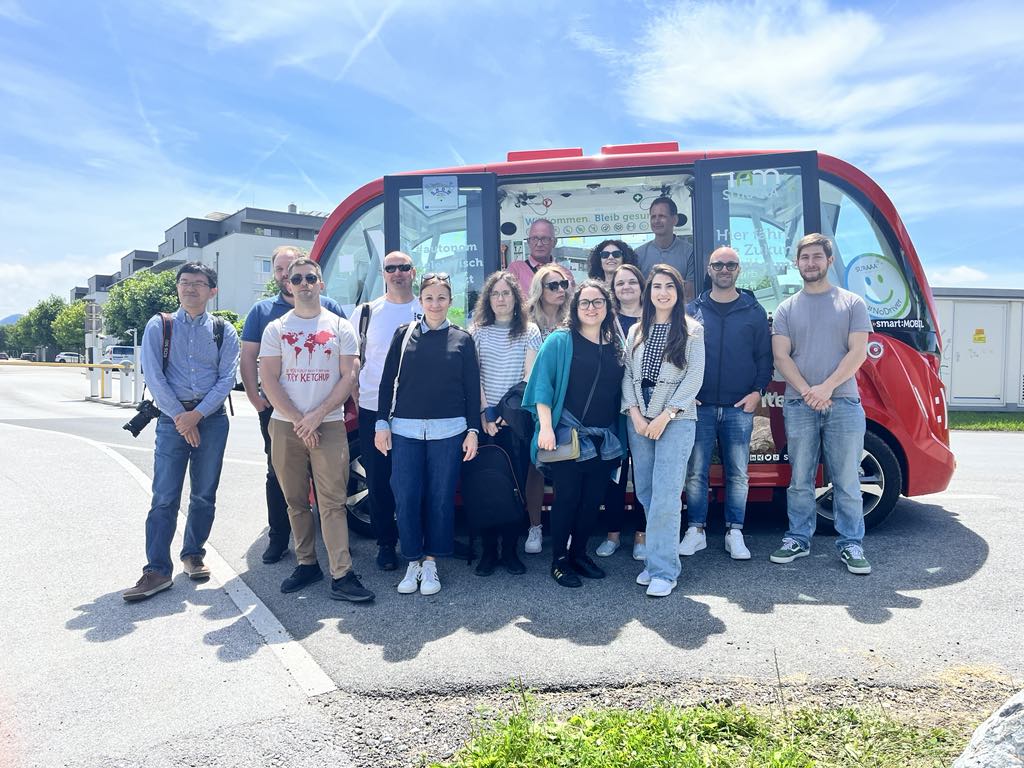
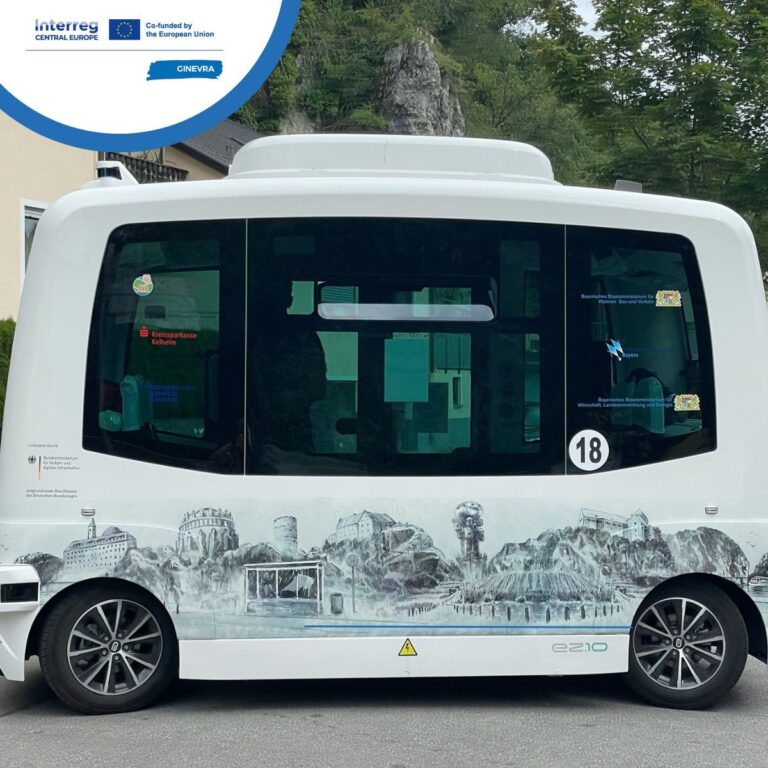
1. Six Living Labs 2. Three prototypes of public mobility with AV 3. Tool for AV readiness 4. Methodological guidelines for Transformative Innovations Governance
Vision
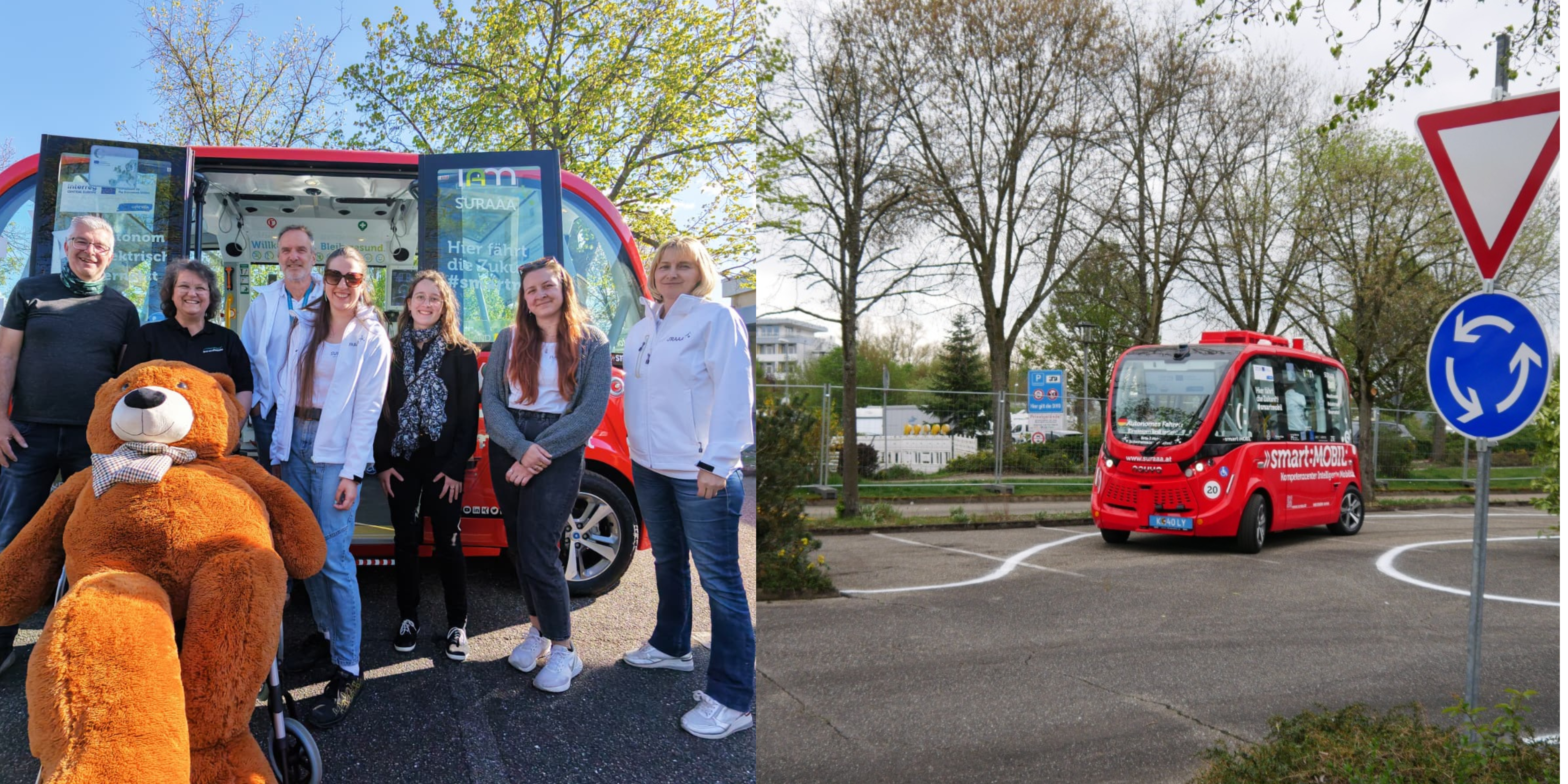
The project gives participating local governments hands-on experience managing high-tech mobility solutions. This changes public administration from a reactive regulatory role to a proactive coordinator of innovation. Public transportation authorities gain real-world operational data on safety, route configuration, and public acceptance. Citizens benefit from improved digital literacy, reduced anxiety about automated vehicles, and direct influence over local mobility decisions.
News















Events


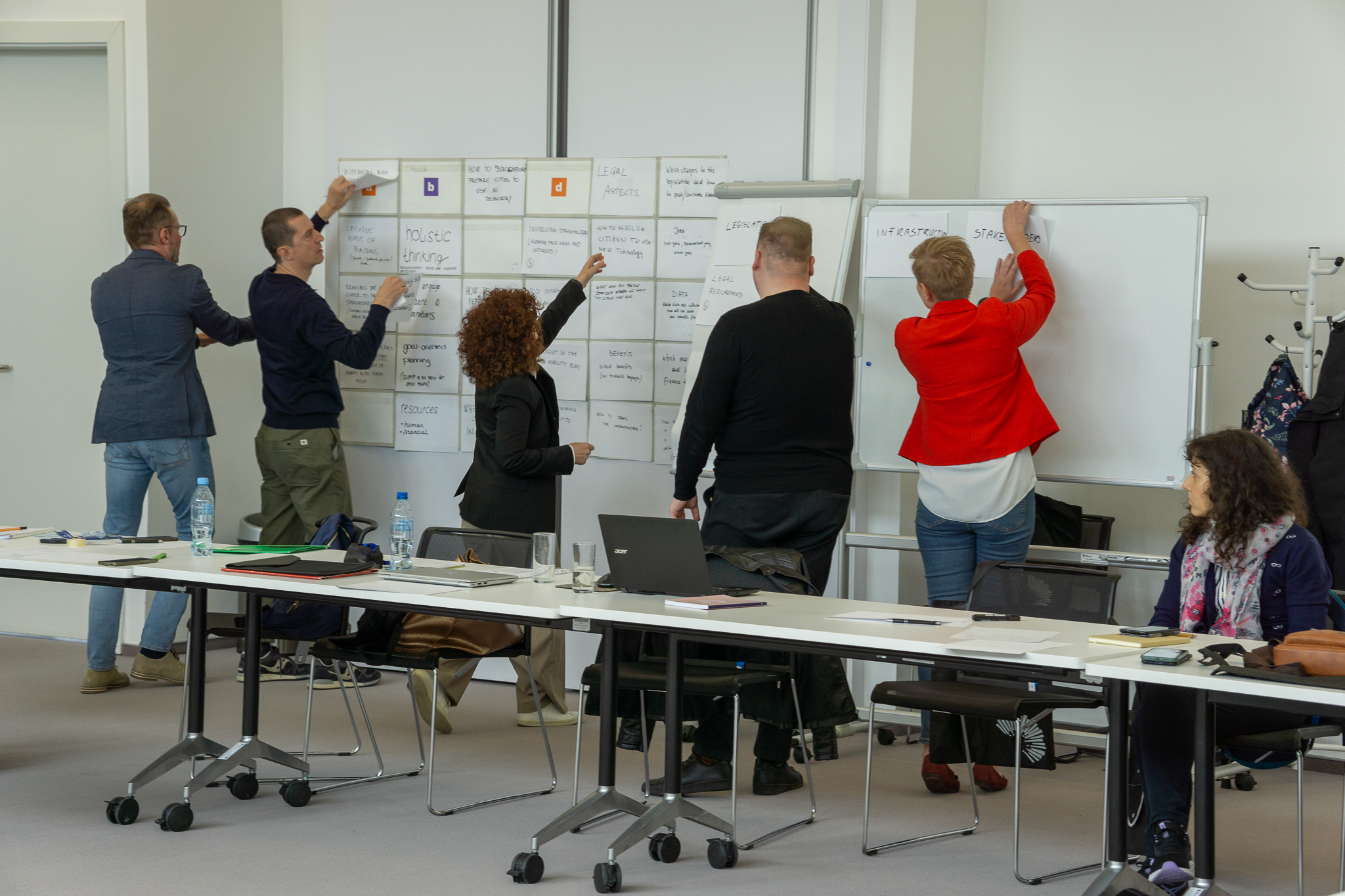




Pilot actions
Outputs

Jointly Developed Guidelines for responsible, multilevel governance of transformative innovation in small / medium cities (including AV case study)
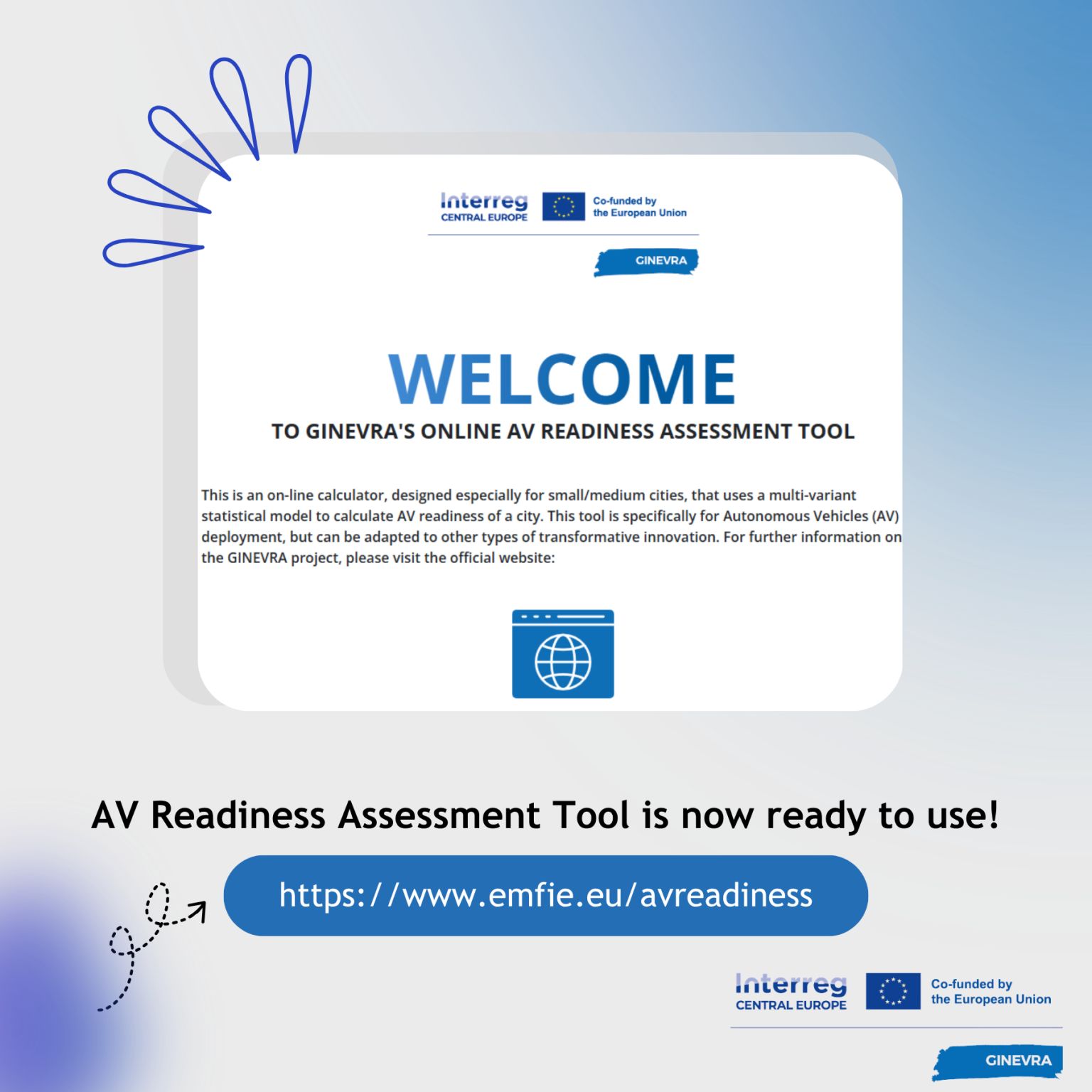
Tool kit for Responsible, multi-level governance of transformative innovation
Technology Demonstrators as tool for multi-level governance of transform innovations
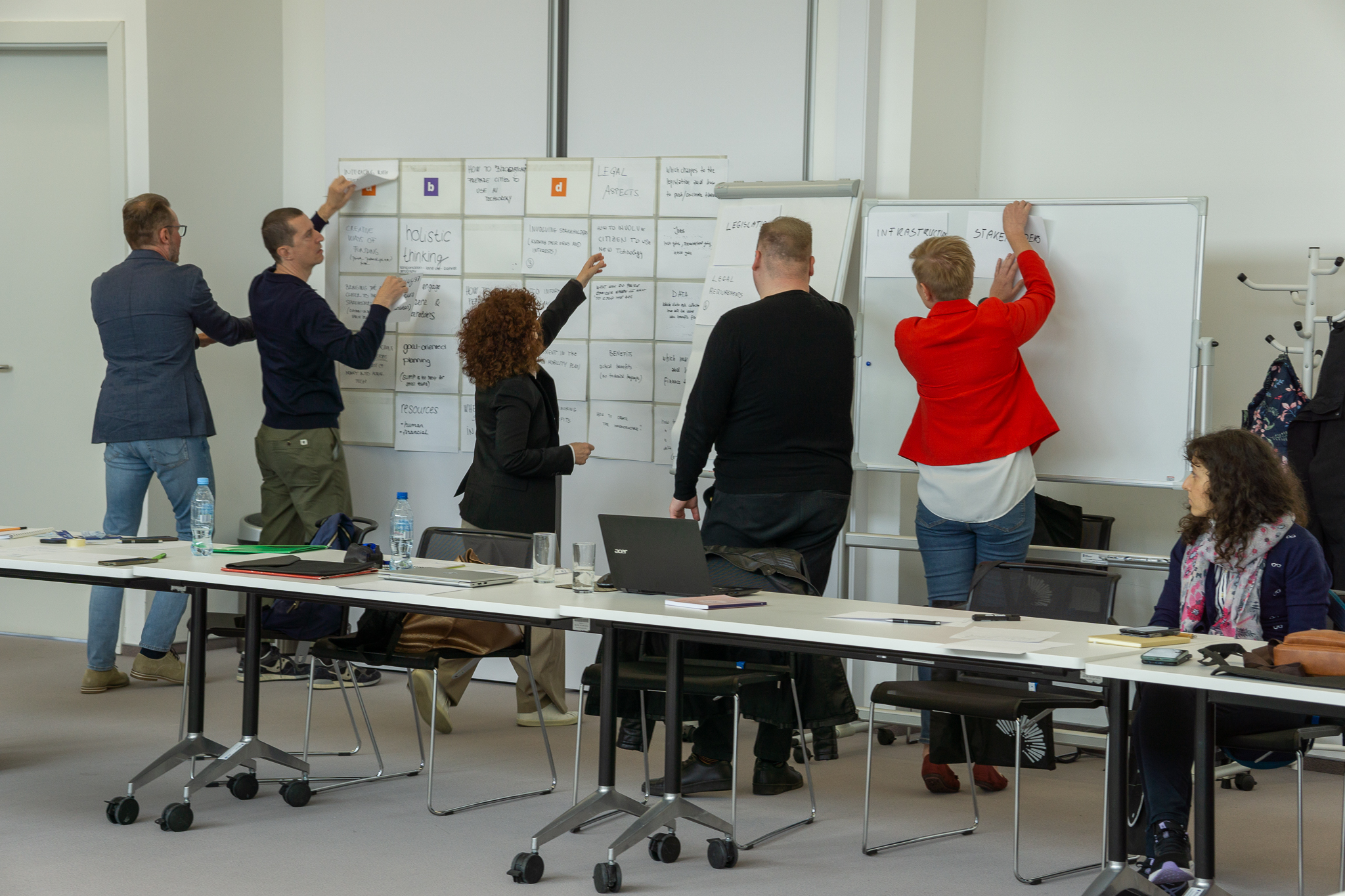
Transnational plan for Responsible, multi-level governance of transformative innovation
Project videos
Project documents
GINEVRA Success Story Articles
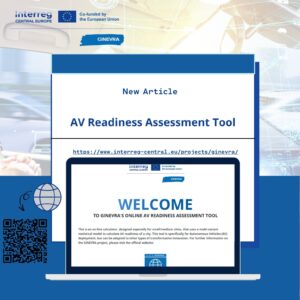
GINEVRA Article on AV Readiness Tool
Project images

GINEVRA
The project lead partner is responsible for the content of this project website.