Project overview
Circular design and development of Sustainable products in 4 key sectors in Central Europe
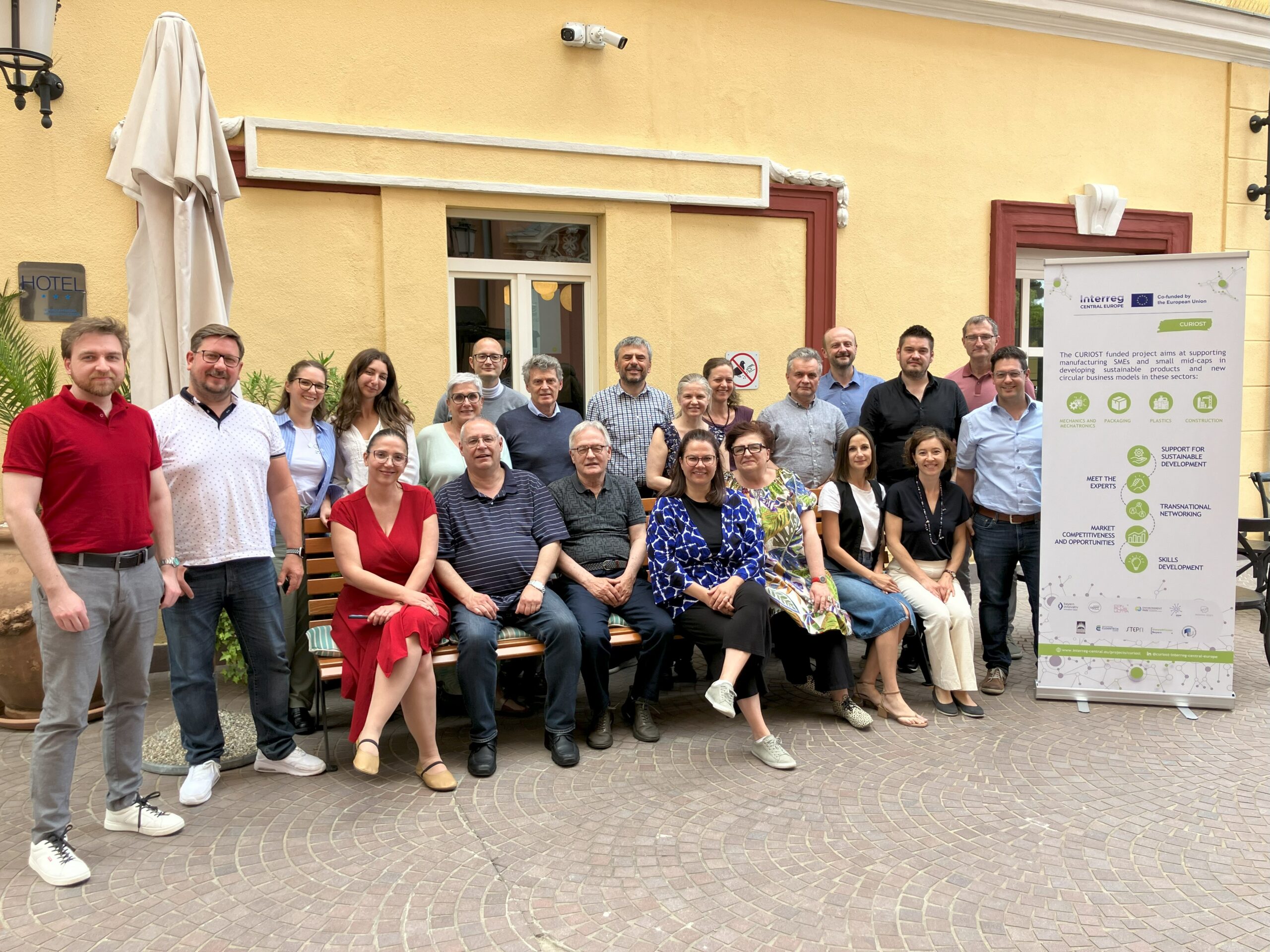
The ongoing transition to a circular economy is not only a tedious obligation for the manufacturing industry. It also offers an opportunity to develop innovative sustainable products. The CURIOST project helps small- and medium-sized companies in sectors like mechanics, packaging, plastics, and construction to harvest the potential benefits. They help selected companies to co-develop tailor-made, innovative, sustainable and circular product prototypes. The learnings are then aggregated into a universal strategy and action plans to accelerate the green transition in the manufacturing industry.
-
1,90m โฌ
-
Project Budget
-
80%
-
of the Budget is funded by ERDF
-
7
-
Countries
-
10
-
Regions
-
11
-
Partners
-
1
-
Pilots
Duration
Start date
End date
Project progress
About the project
Project partnership
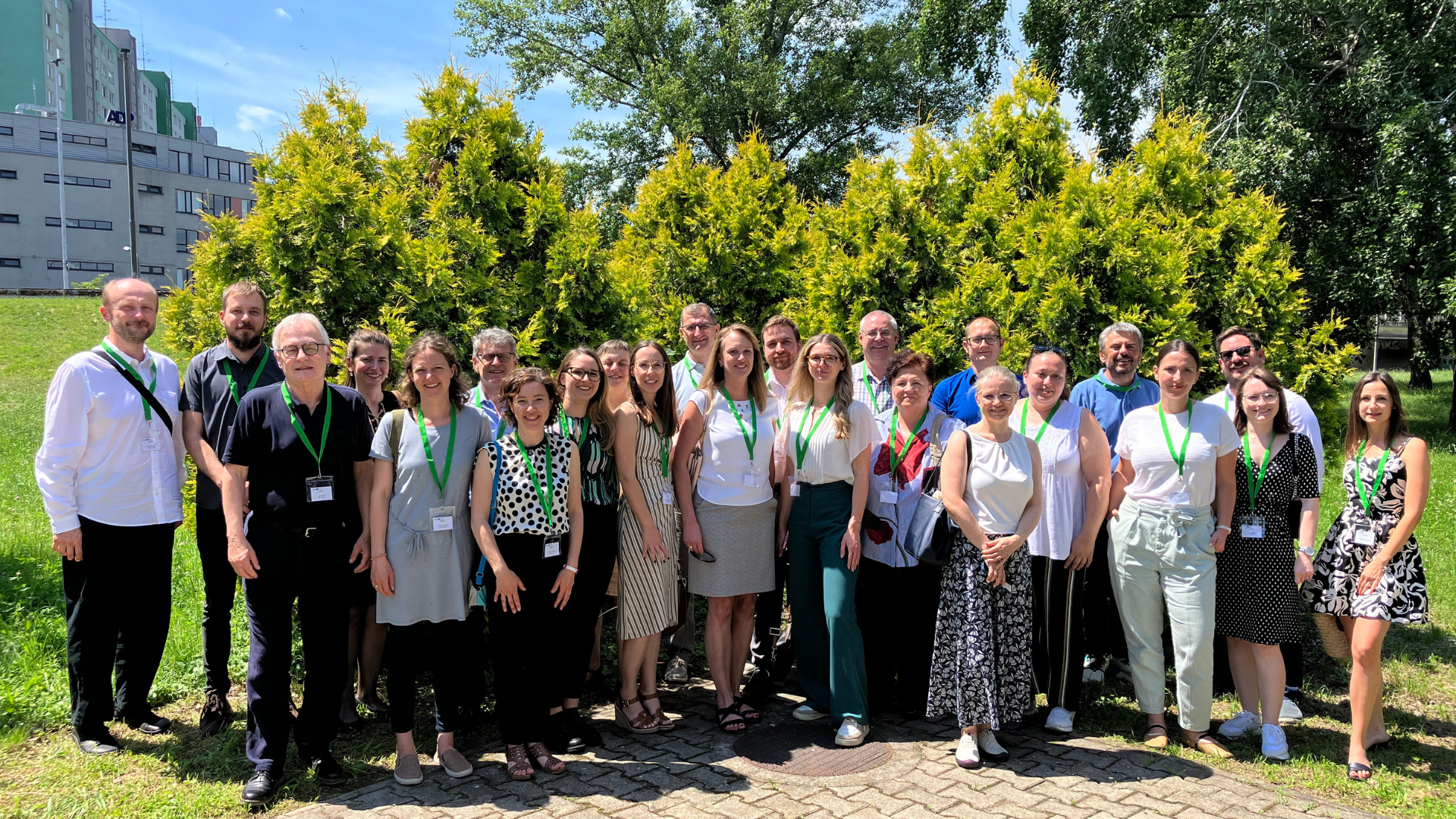
Project partners
Lead partner
Business Upper Austria
Mechatronics Cluster + Circular Economy Team @ Plastics Cluster
Project partner
Energy & Environment, Business & Innovation
Faculty of Business management
40000 ฤakovec
Smart Products and Manufacturing
POLO CLEVER - Cleantech Cluster
Energy / Construction Department (SF-E)
Roadmap
CONTEXT
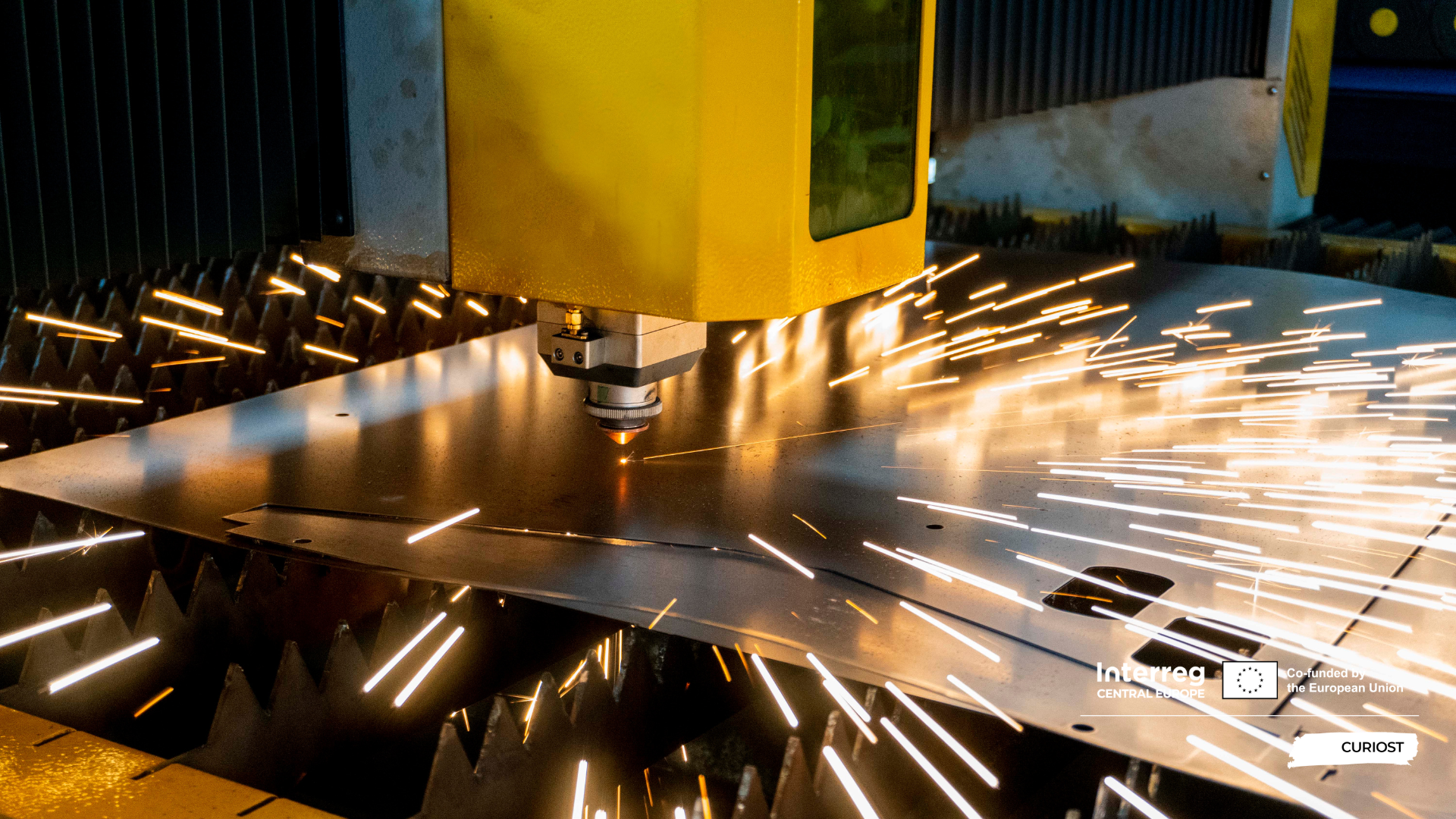
In Central Europe, the manufacturing sector is increasingly called upon to embrace sustainability and circular economy principles. This shift is driven by new regulatory requirements, evolving market expectations, and the urgent need to reduce environmental impact. While these pressures create opportunities for innovation and growth, they also present significant hurdlesโparticularly for small and medium-sized enterprises (SMEs) and small mid-caps, which form the backbone of the regionโs industrial ecosystem. Unlike larger corporations, these businesses often lack the internal capacity to adapt their processes and products to meet the demands of the green transition.
PROBLEM
Despite the growing importance of sustainability, many SMEs still perceive the green transition as an external obligation rather than a strategic advantage. Their limited resources, both in terms of time and expertise, make it difficult to explore alternative business models or invest in circular product development. As a result, these companies risk lagging behind competitors, missing out on emerging market opportunities, and facing increasing pressure from regulatory bodies. There is a clear gap between policy ambitions and the practical realities faced by manufacturing SMEs on the ground.
CHALLENGES
One of the main challenges is the lack of awareness and knowledge around sustainable design and circular business models. Many SMEs are unfamiliar with available tools, methodologies, or success stories that could inspire change. At the same time, collaboration across sectors and borders remains limited, despite shared challenges and potential synergies. Without tangible examples, SMEs struggle to understand how to apply circular principles to their specific products and contexts. Furthermore, policy fragmentation across different regions complicates the path toward sustainability, especially for businesses operating in transnational supply chains.
SOLUTION
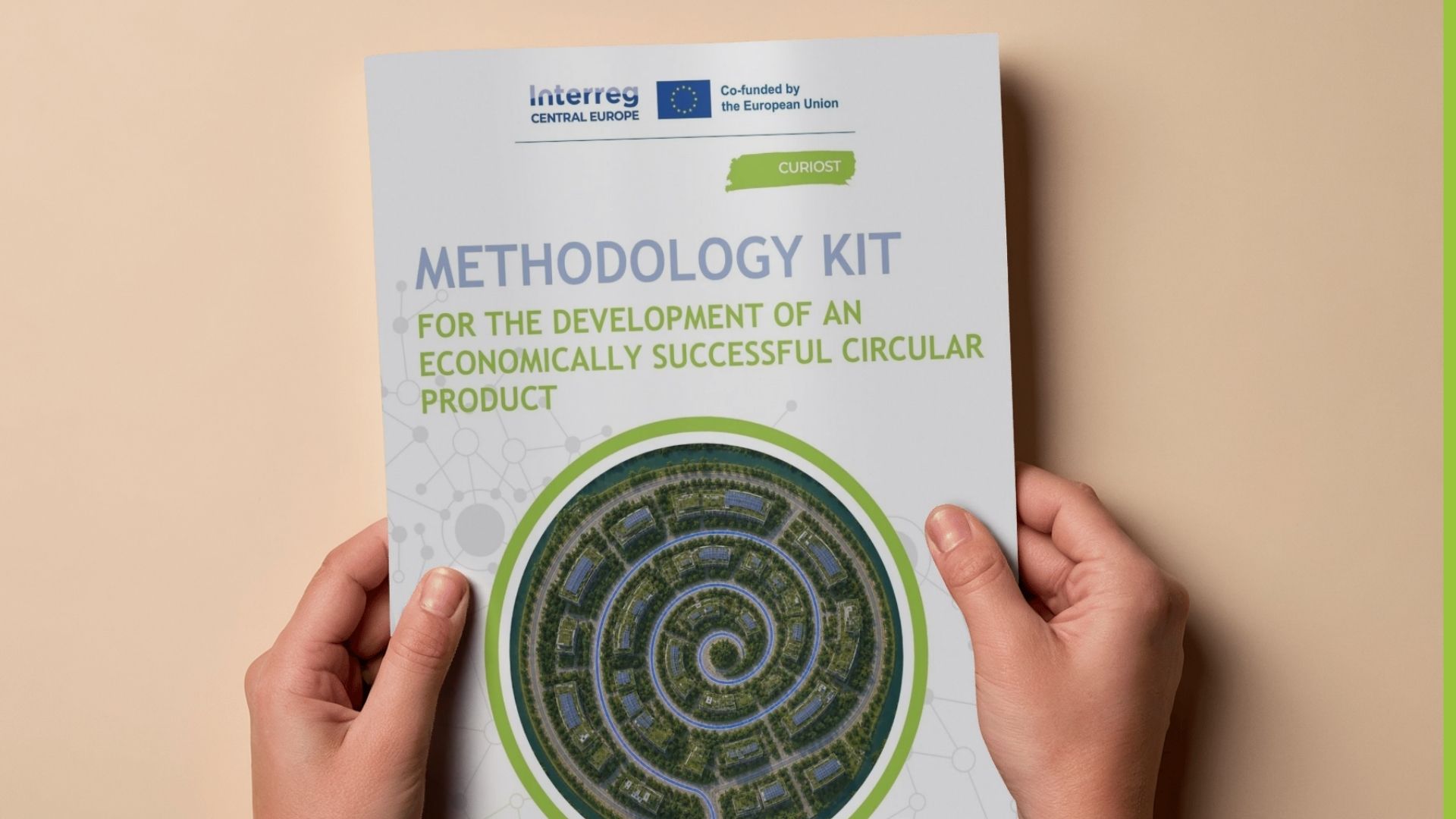
The CURIOST project offers a concrete response to these challenges. Funded by the Interreg Central Europe programme, the project brings together 11 partners from seven countries to support SMEs and small mid-caps in four key sectors: mechanics and mechatronics, packaging, plastics, and construction. CURIOST works to close the gap between ambition and implementation by building knowledge, offering hands-on training, and co-developing sustainable product prototypes with selected companies. Through transnational collaboration, CURIOST enables the exchange of ideas and expertise, creating a supportive ecosystem for circular innovation. The project also delivers a comprehensive methodology kit and an Action Plan to help SMEs adopt circular design practices and contribute to a more competitive and sustainable manufacturing industry in Central Europe.
News
Events

Pilot actions
Outputs
A common approach for fostering sustainable product development
Joint strategy for sustainable product development
Piloting sustainable product development
Solution - Methodology kit for the development of a sustainable and circular product
CURIOST Action Plan document for sustainable product development, targeting the policy level
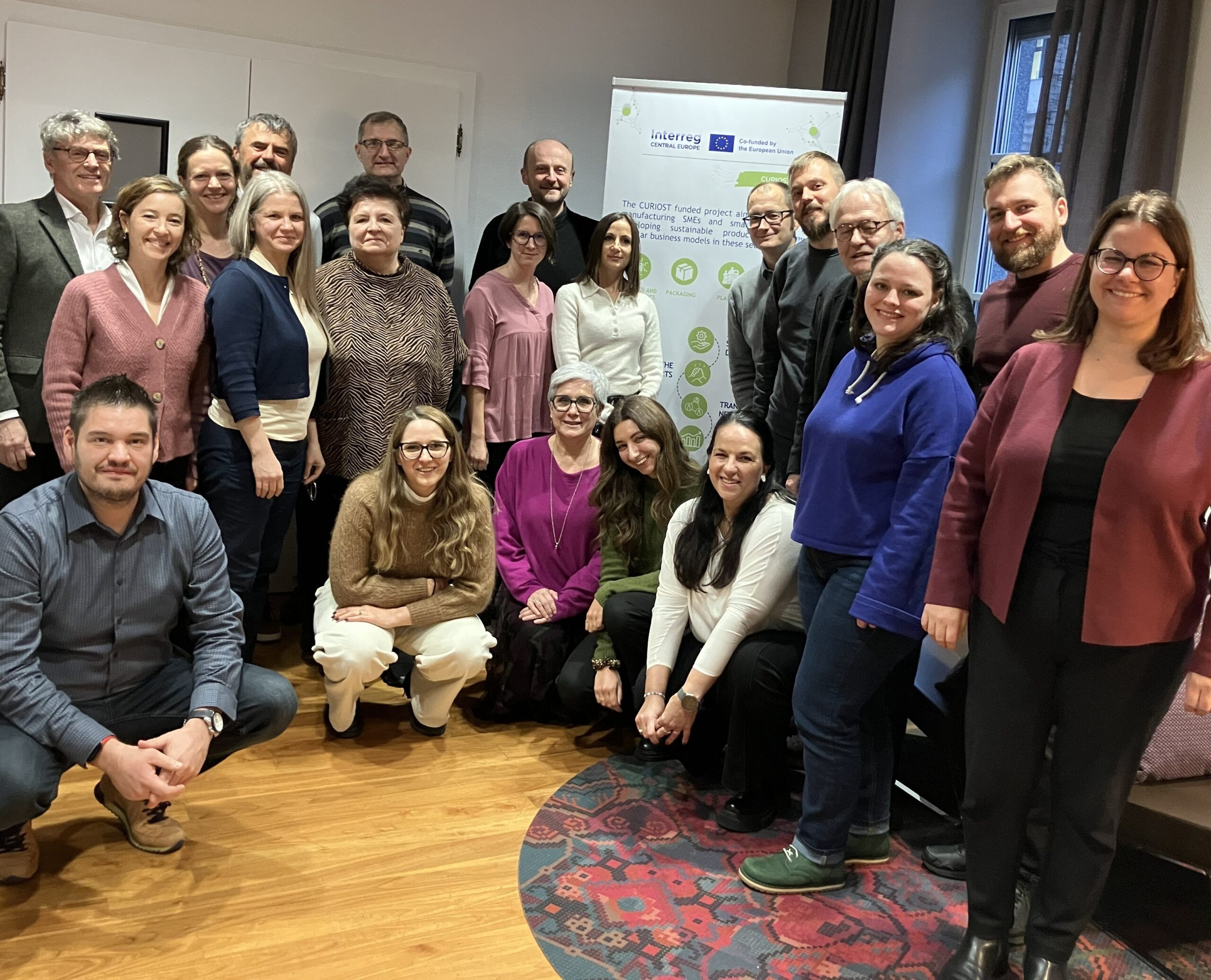
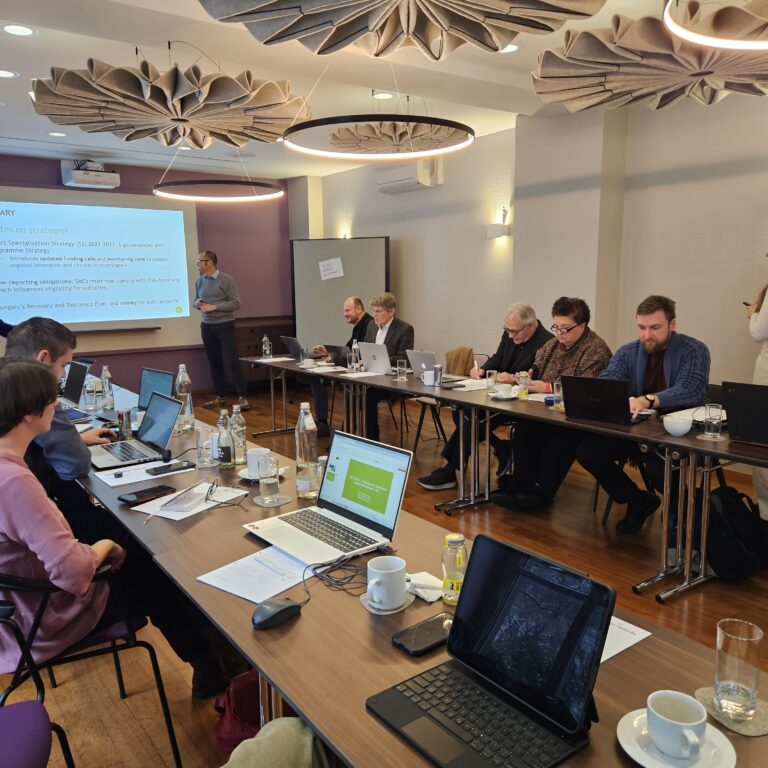
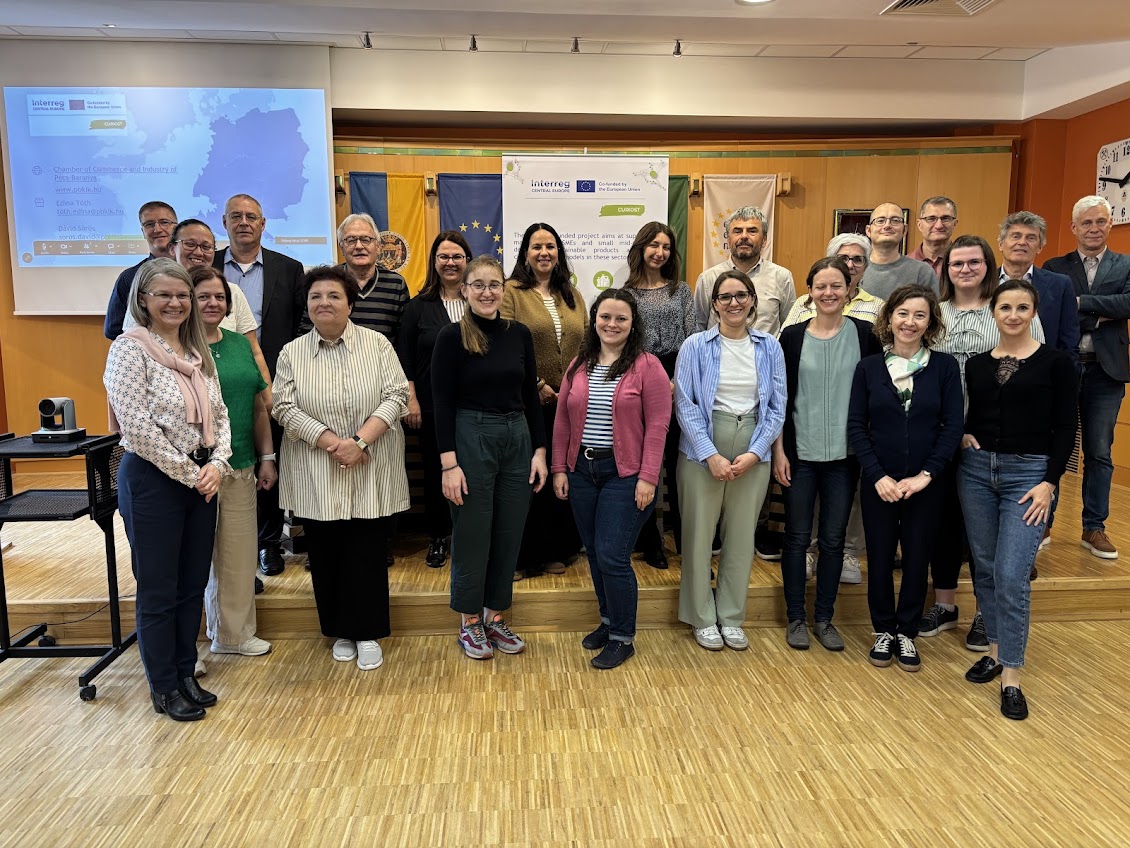
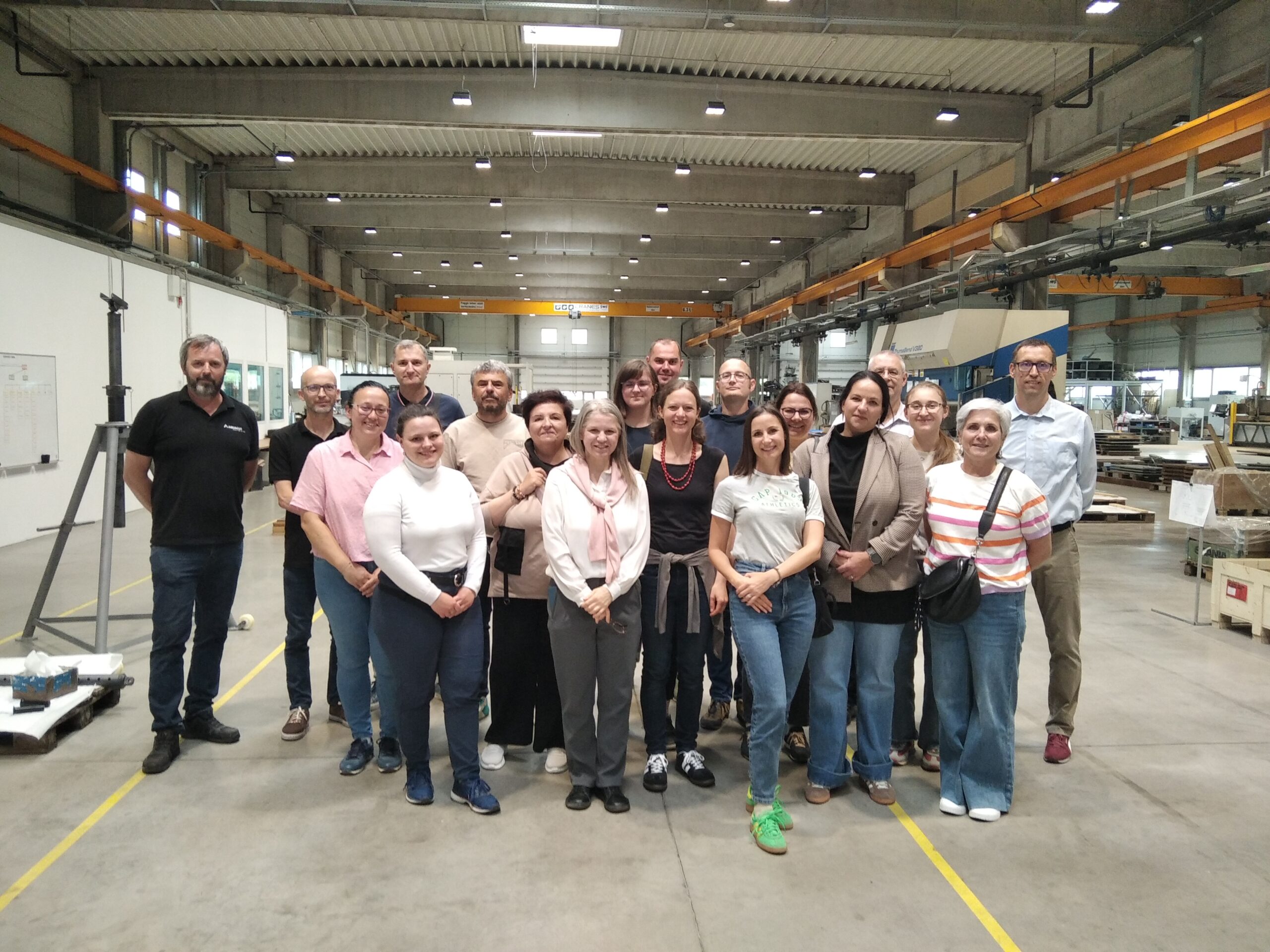
Project images
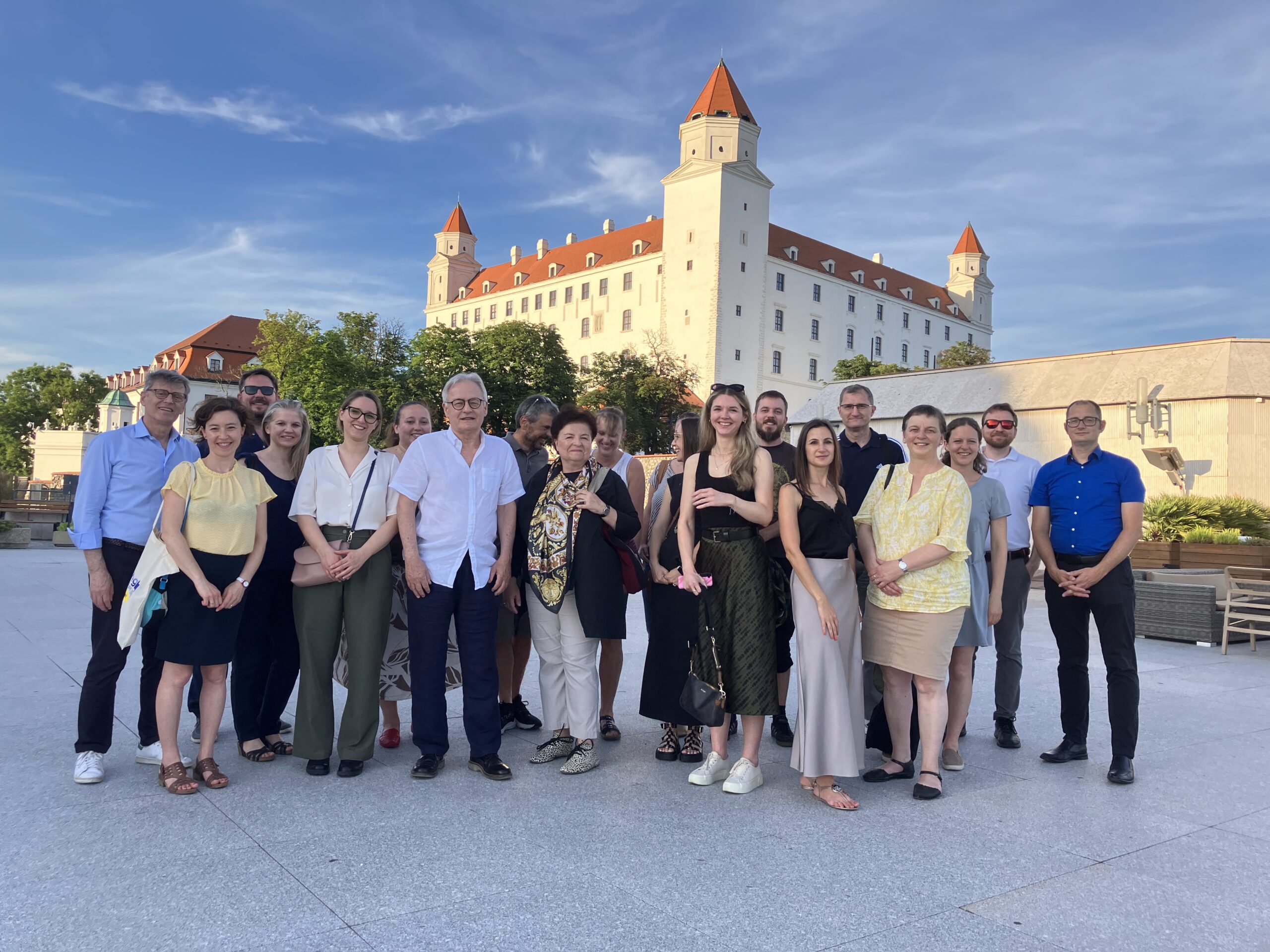
CURIOST
The project lead partner is responsible for the content of this project website.