
Project overview
Public-private-partnership for Social and Solidarity Economy
Social and economic disparities remain evident in central Europe and negatively influence cohesion. Social exclusion and poverty also affect some regions more than others and this needs to change. To do so, the 3P4SSE project went beyond state-of-the-art social innovation projects. The partners adopted a place-based clustering approach when addressing specific challenges of social and solidarity economies. Amongst others, they created a multilevel network scheme based on public-private partnership models and established strategic cooperation among stakeholders.
-
2,12m €
-
Project Budget
-
80%
-
of the Budget is funded by ERDF
-
6
-
Countries
-
9
-
Regions
-
12
-
Partners
-
6
-
Pilots
Duration
Start date
End date
Project progress
Project partnership
Project partners

Lead partner
Autonomous Province of Trento
UMST - Unità di missione strategica coordinamento enti locali, politiche territoriali e della montagna - Ufficio risorse Unione Europea e sviluppo territoriale
Project partner
DEVELOPMENT OFFICE
Project Department
Region Süd
Innovation in Culture, Society & Public Administration
Programmes & Development
36100 Vicenza
Department of EU Funds
Department of Economy, EU funds and Agriculture
Roadmap
Challenge
Despite progress in regional convergence, Central Europe still exhibits economic and social disparities, particularly between Eastern and Western regions. Life expectancy and living conditions vary significantly, illustrating the deep-rooted inequalities that persist. Addressing these disparities requires a robust engagement from communities and a bridging of the gap between public and private sectors. The 3P4SSE project conceptualizes SSE as encompassing diverse entities prioritizing societal purpose over profit. This approach has led to the creation of quality jobs, social integration initiatives, and environmentally sustainable practices. However, Central European regions display different degrees of maturity in institutionalizing SSE, ranging from formalized social economy frameworks to early-stage economies still developing public-private partnerships.
Specific Problem
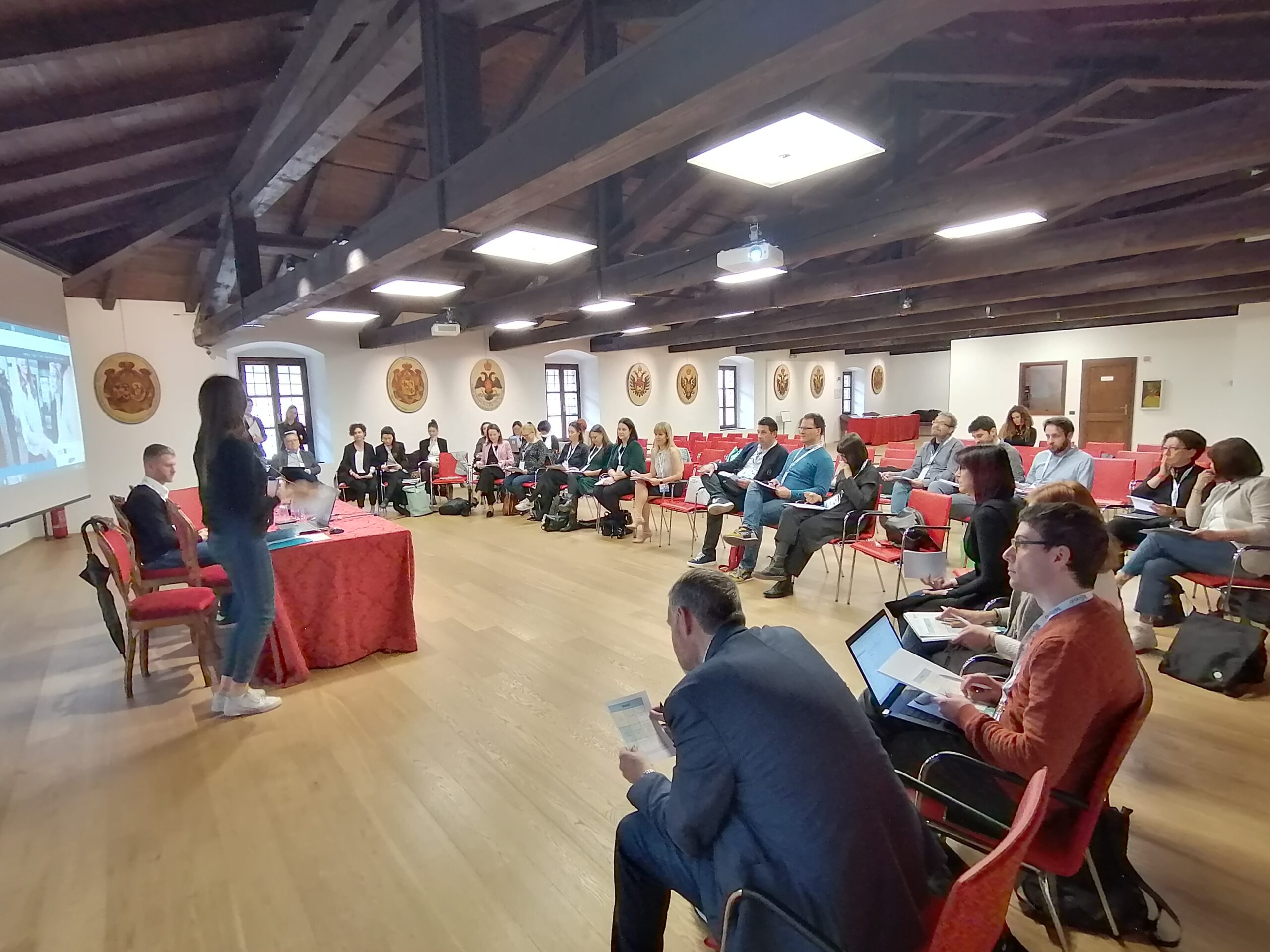
Discussion for a common glossary on Social Solidarity economy: in the first phase of the project, Partners and stakeholders joined an online focus group to integrate all information, gathered by the desk analysis and questionnaires/interviews about the definition and common understanding of social and solidarity economy, social enterprise, social economy cluster. The aim of this discussion was to advance the action-reasearch towards more focused question about a common glossary on social solidarity economy and a policy agenda.
Idea
The Joint Strategy on 3Ps is built on the recognition that SSE is pivotal for achieving sustainable development and promoting local development through robust social economy ecosystems and clusters. The strategy shifts from a narrow focus on social inclusion to a broader concept of social innovation. This includes fully integrating disadvantaged social groups, introducing new services driven by digitization and technological transformation, and fostering proactive social dynamics. The strategy’s policy objectives include raising collective awareness, creating supportive social economy clusters through public-private partnerships, ensuring economic sustainability and resilience, and fostering innovation in developmental paradigms. These objectives are designed to maximize the impact of SSE in Central European regions.
Solution
The consortium has been working locally and transnationally to establish polycentric networks that facilitate collaboration among public and private actors, cluster Social and Solidarity Economies (SSEs) to fortify weak economic sectors, formulate joint strategies, and implement action plans at the regional level to mitigate regional disparities and foster social and economic cohesion in Central Europe.
How it works:
• The project has defined a Central European common approach and strategy for regional collaboration forms in social and solidarity economies. • Through the implementations of pilot actions, 3P4SSE have carried out Local Action Plans for promoting better regional governance models for social and solidarity economies in the Central European Area. • The 3P4SSE project has fomalised a collaboration within the Central European cooperation area on SSEs, endowed by a common platform for empowering, sharing knowledge, competences, services and participation of public and private actors.
Proof/credibility
The project has formalized a collaboration through a Memorandum of Understanding (MoU) among stakeholders and establish an IT platform for sharing knowledge and services, facilitating mutual learning and sustainable development in Central Europe.
Vision
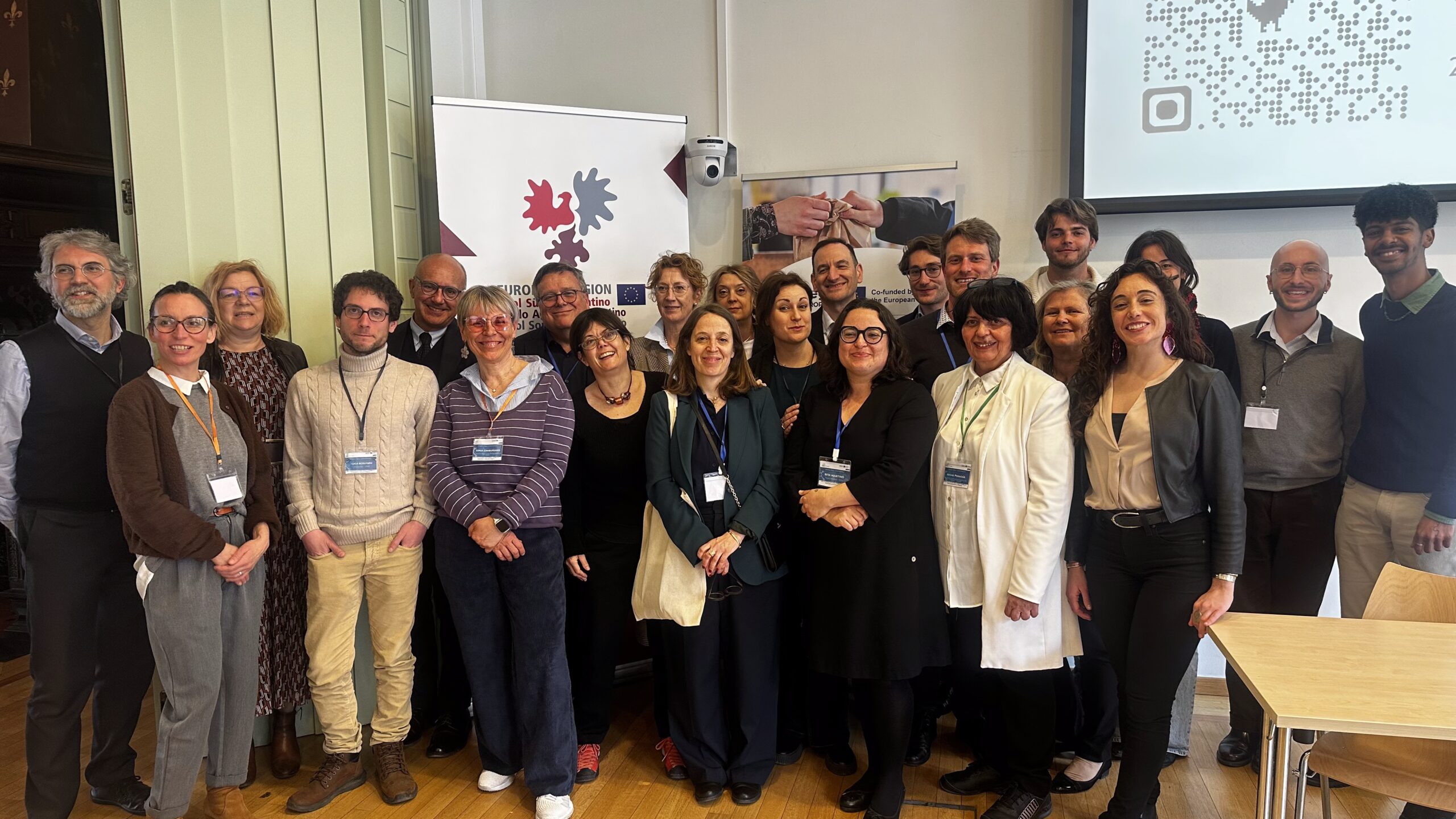
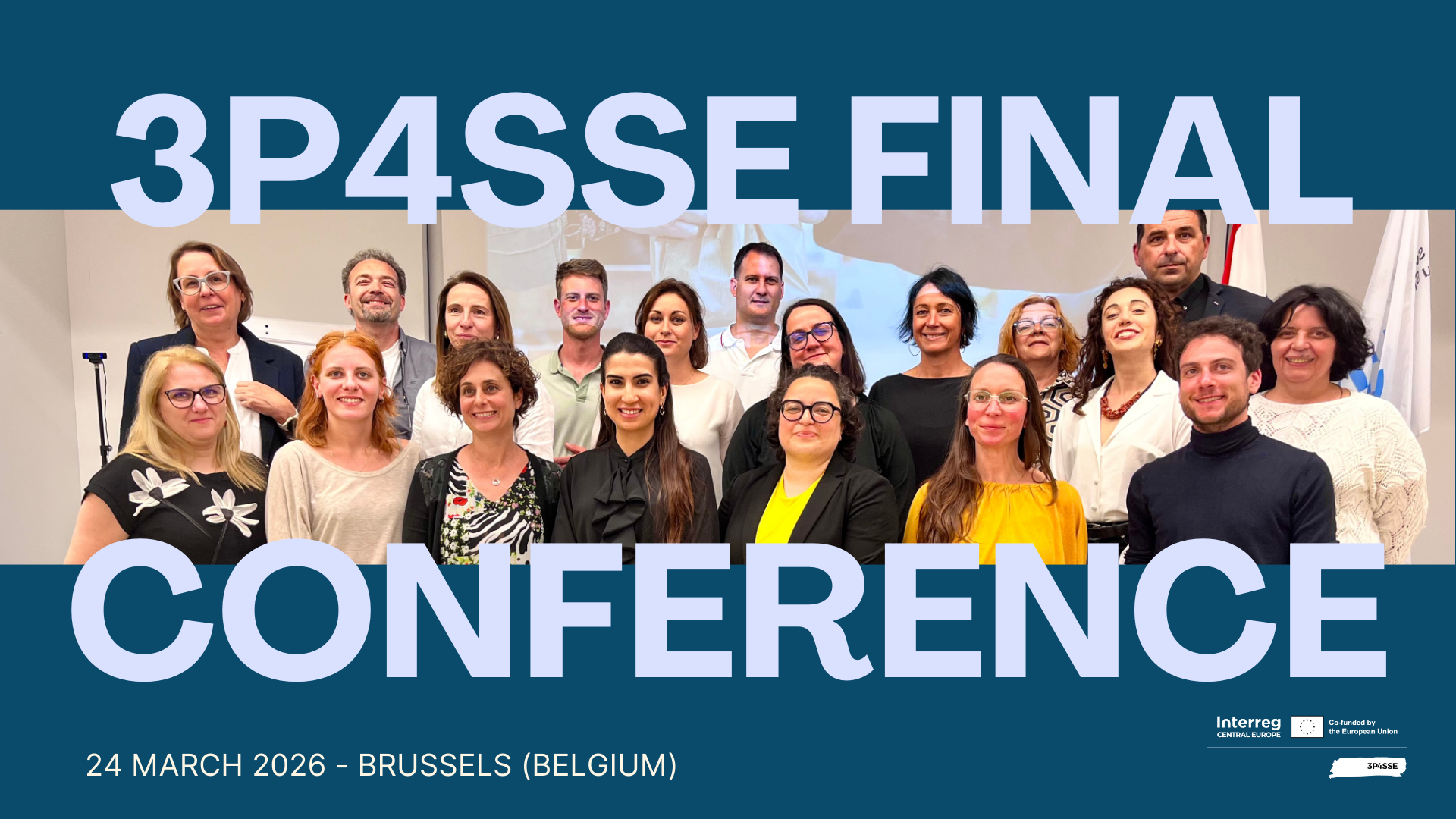
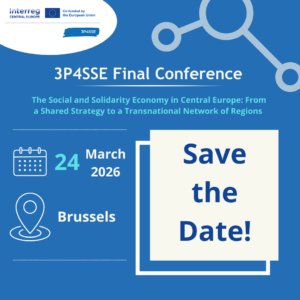
The CENSE Network brings together organisations across Central Europe that believe in a more inclusive, resilient and sustainable economy. We connect public institutions, social enterprises, NGOs, development agencies, cooperatives, private sector stakeholders and other actors working in the field of Social and Solidarity Economy (SSE) to exchange knowledge, best practices, develop new solutions and strengthen cross-sector cooperation in Central Europe and beyond. CENSE was established by 13 founding organisations from across Central Europe within the framework of the Interreg Central Europe 3P4SSE project. CENSE has been launched in Brussels at the Project's final conference on 24th March 2026.
News









Events
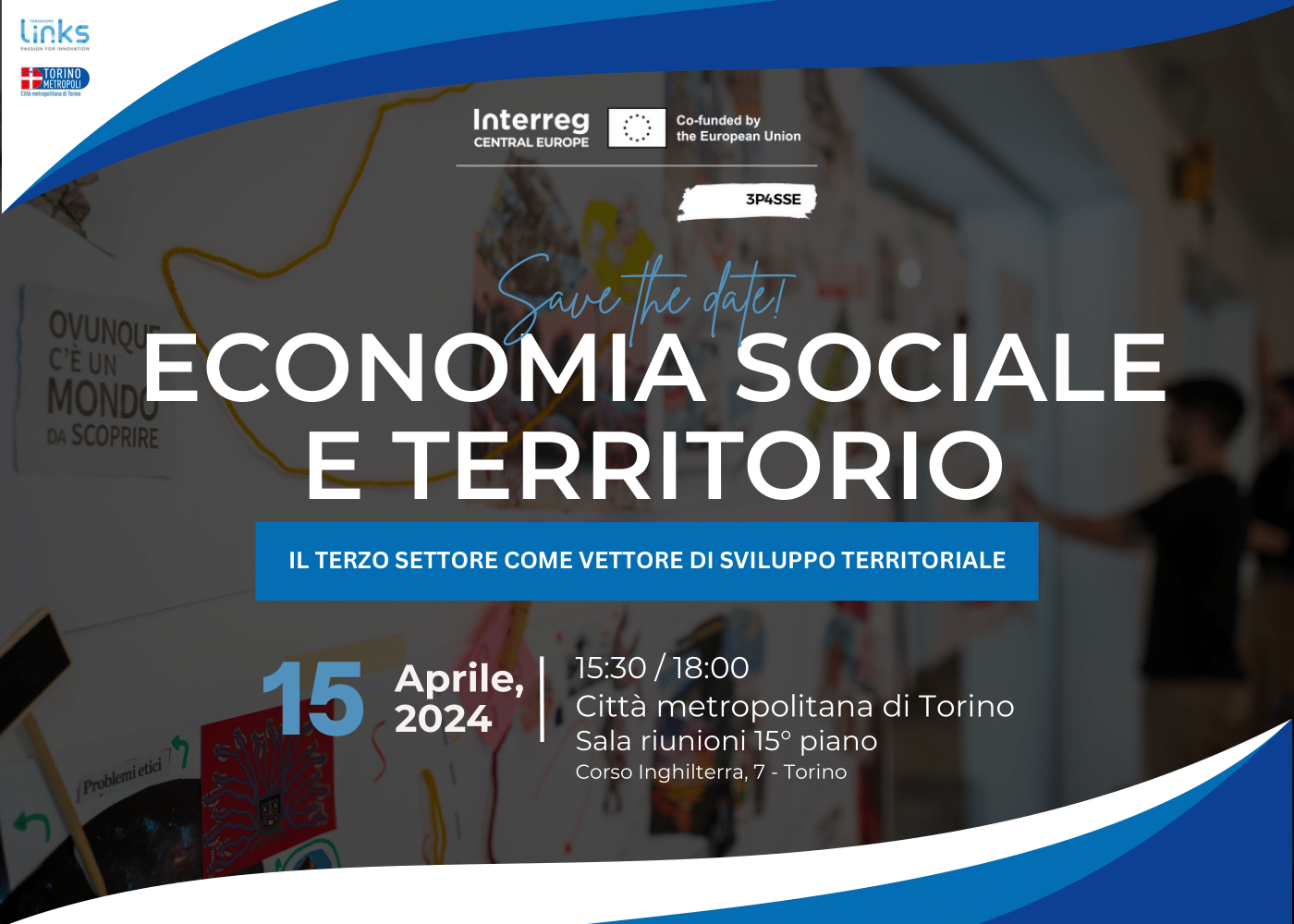
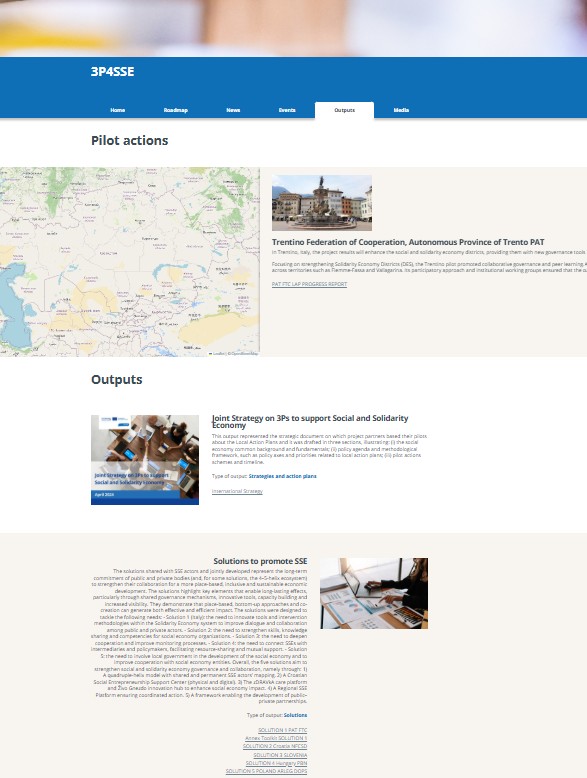
Pilot actions
Outputs
Joint Strategy on 3Ps to support Social and Solidarity Economy
Solutions to promote Social and Solidarity Economy
Joint capacity building Curriculum
Project videos
Project documents
Newsletter Contributions
Peer Review Visits
Success Story Articles
Project images
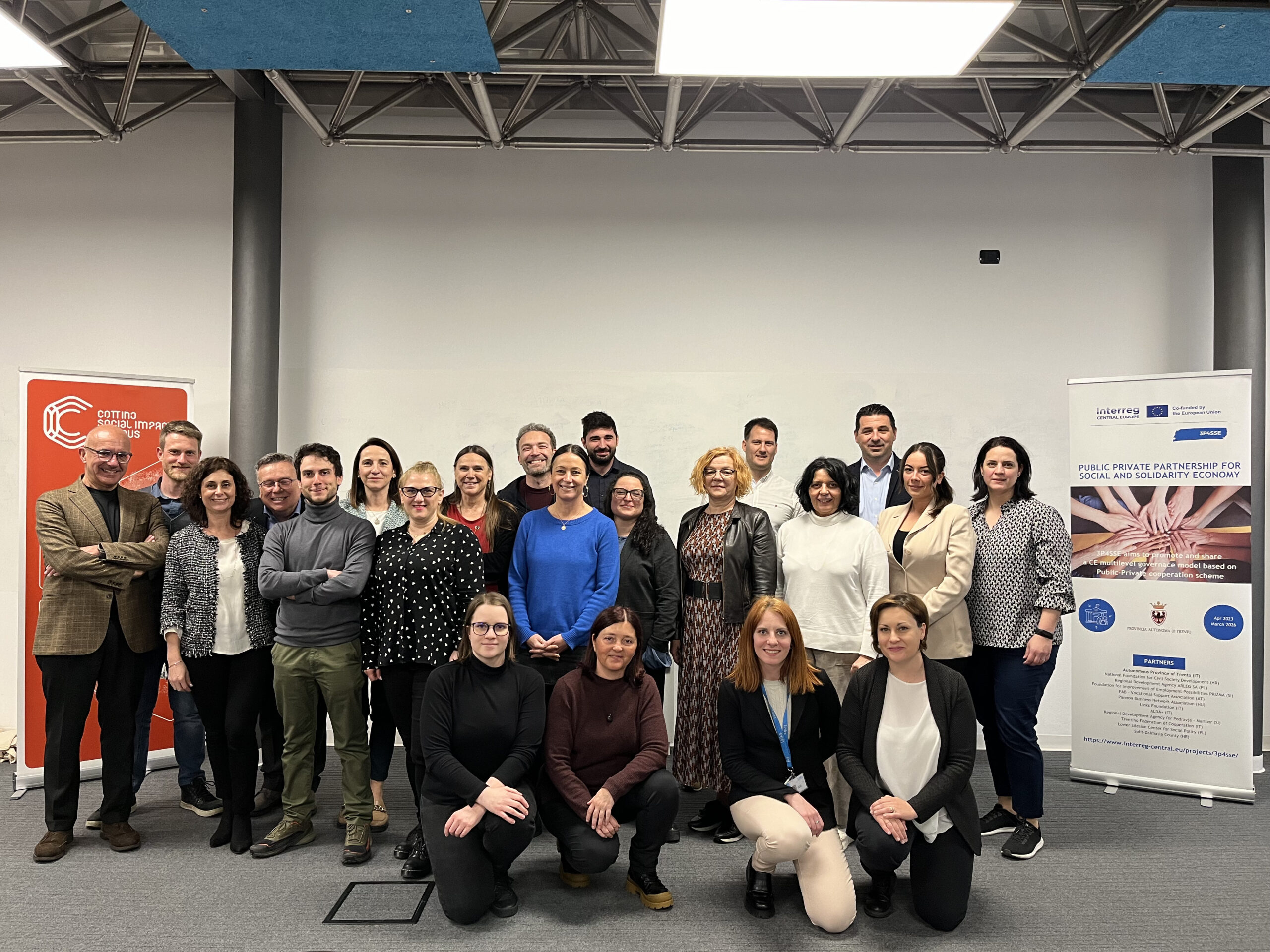
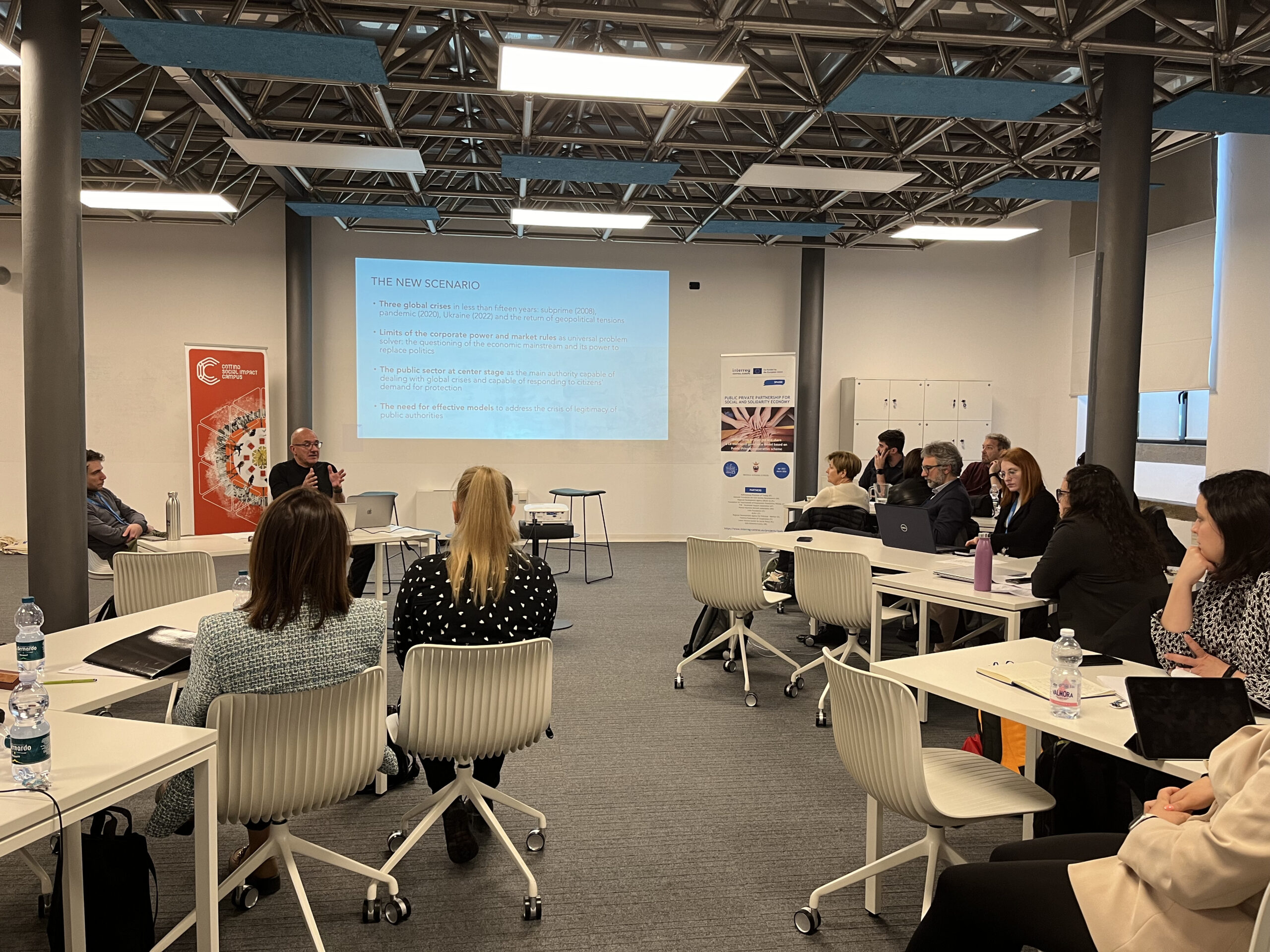
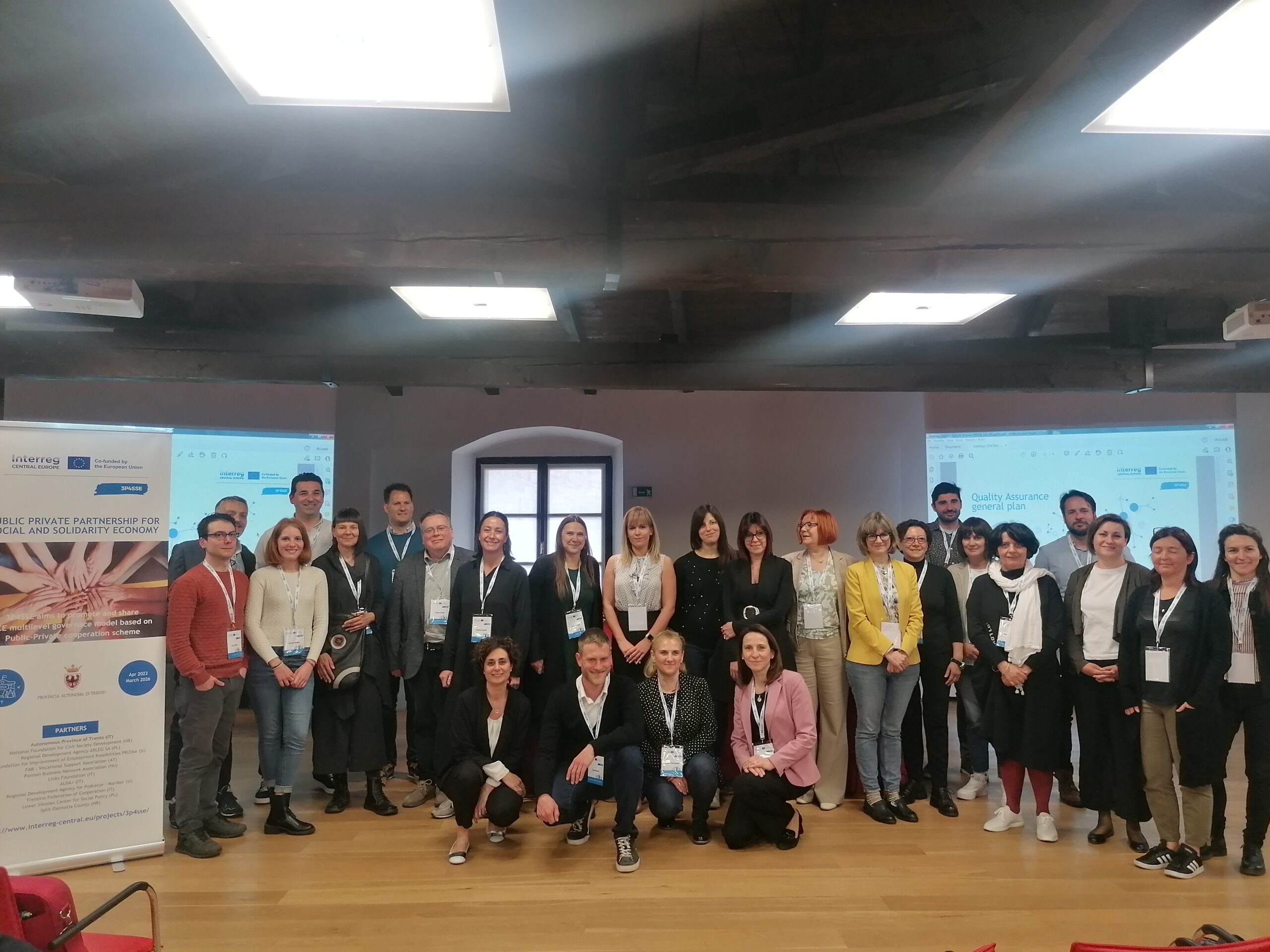
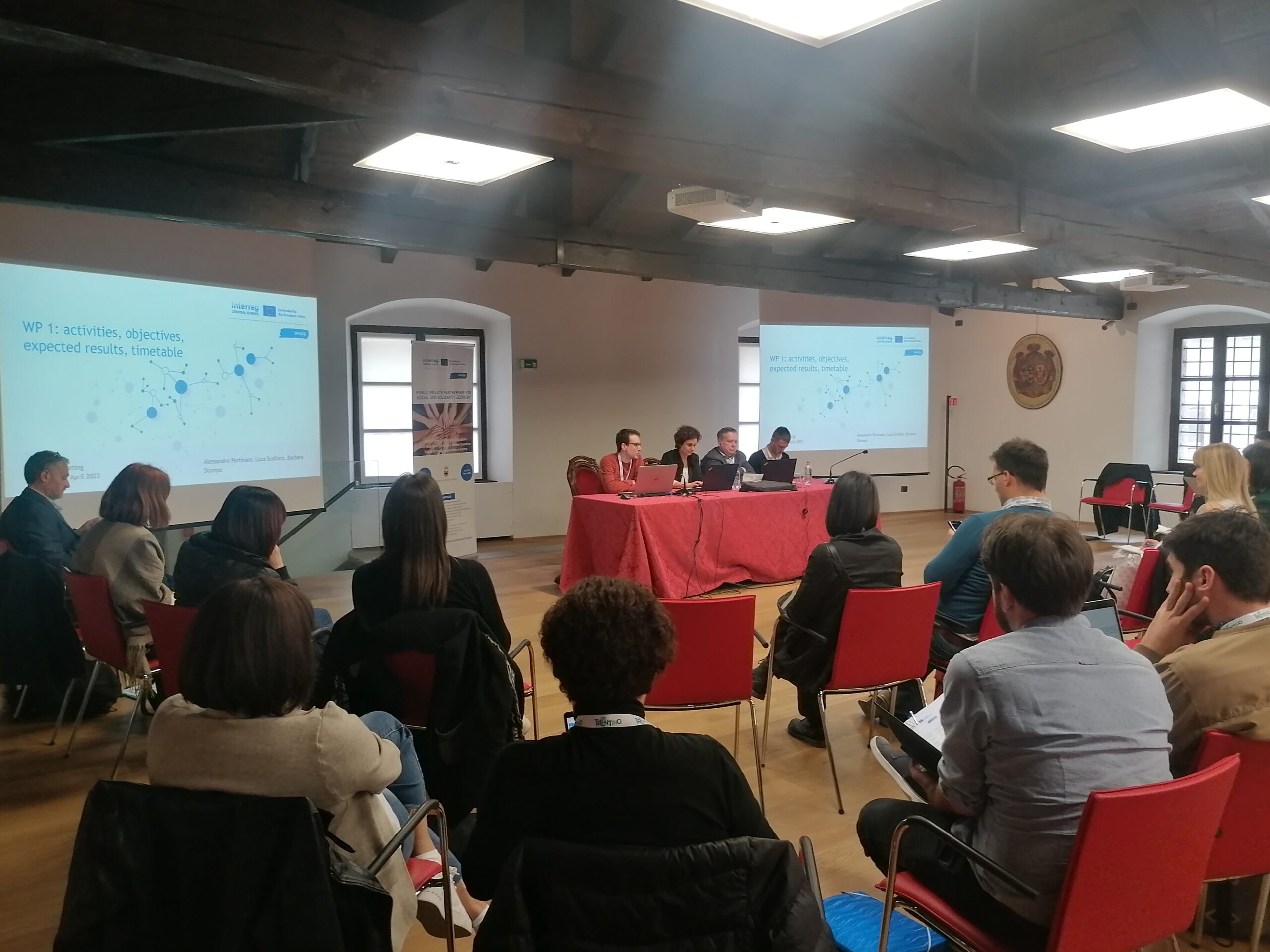
3P4SSE
The project lead partner is responsible for the content of this project website.