

Project overview
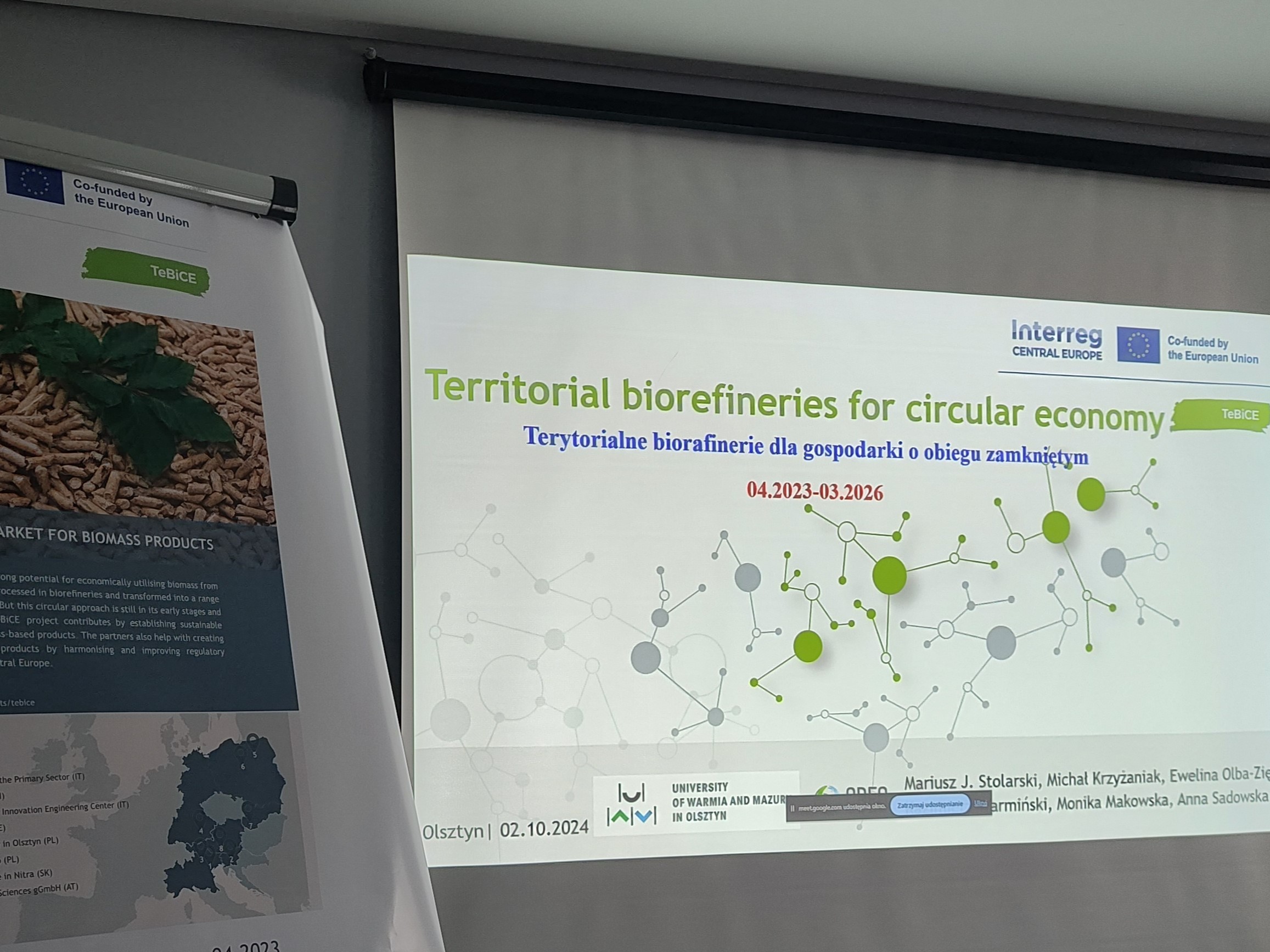
Territorial biorefineries for circular economy
Central Europe has a strong potential for economically utilising biomass from agriculture. It can be processed in biorefineries and transformed into a range of high value products. But this circular approach is still in its early stages and needs support. The TeBiCE project contributed by establishing sustainable value chains for biomass-based products. The partners also helped with creating a market for these products by harmonising and improving regulatory frameworks across central Europe.
-
2,02m €
-
Project Budget
-
80%
-
of the Budget is funded by ERDF
-
6
-
Countries
-
8
-
Regions
-
8
-
Partners
-
1
-
Pilots
Duration
Start date
End date
Project progress
Project partnership
Project partners

Lead partner
Venetian Agency for Innovation in the Primary Sector - Veneto Agricoltura
NA
Project partner
Department of Catalysis and Chemical Reaction Engineering
Team Bio-Economy and Sustainability (BES)
NA
80336 Munich
Centre of Bioeconomy and Renewable Energies
Department of International Cooperation and Economic Development
Civil Engineering
Faculty of Engineering, Slovak University of Agriculture in Nitra
Roadmap
Context
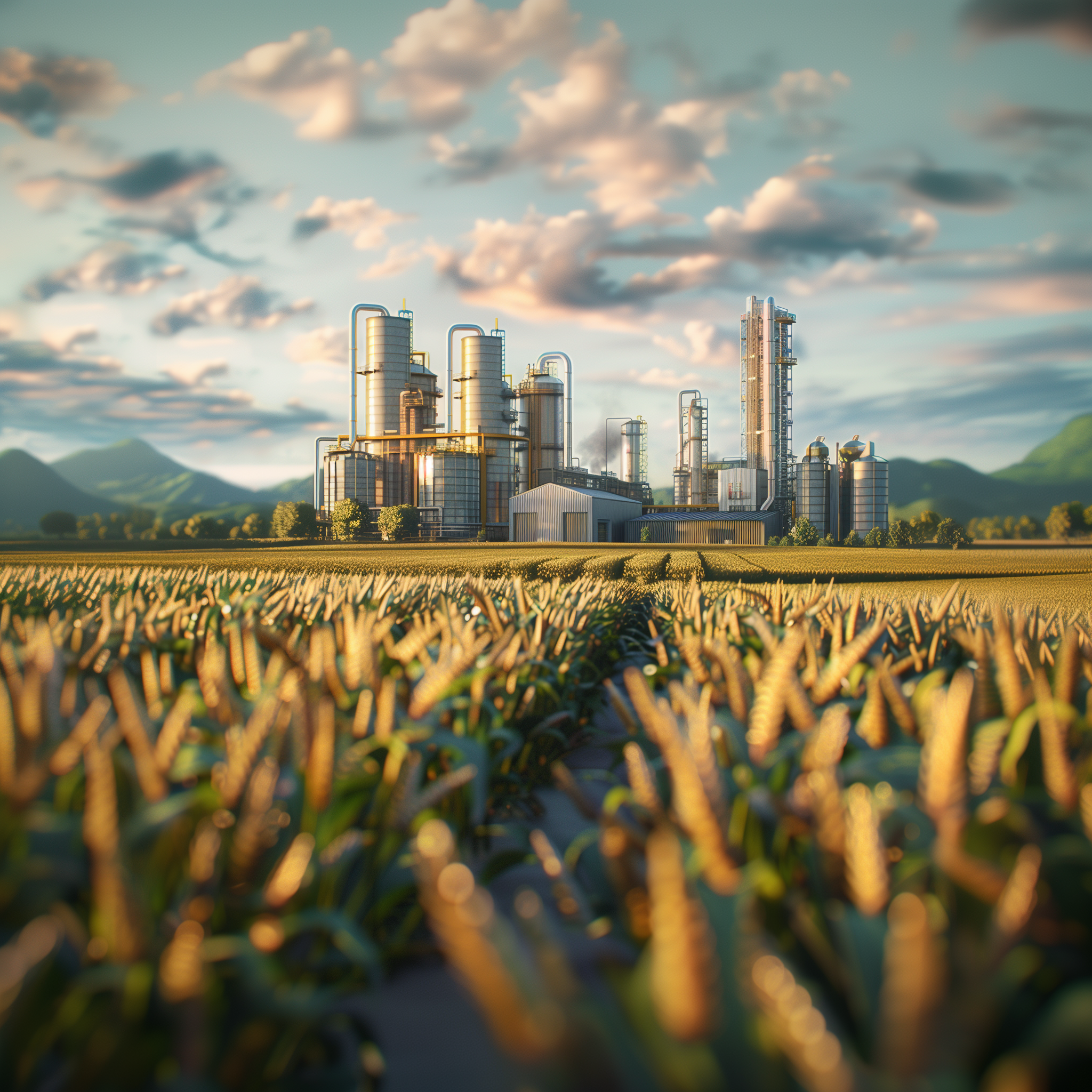
Central Europe has significant potential to turn agricultural and agro-industrial biomass into high-value products through territorial biorefineries. At the start of the project, however, this circular approach was still underdeveloped. Value chains were fragmented, market demand for bio-based products was limited, and regulatory differences between regions made it difficult for companies to scale solutions across borders.
Specific issue
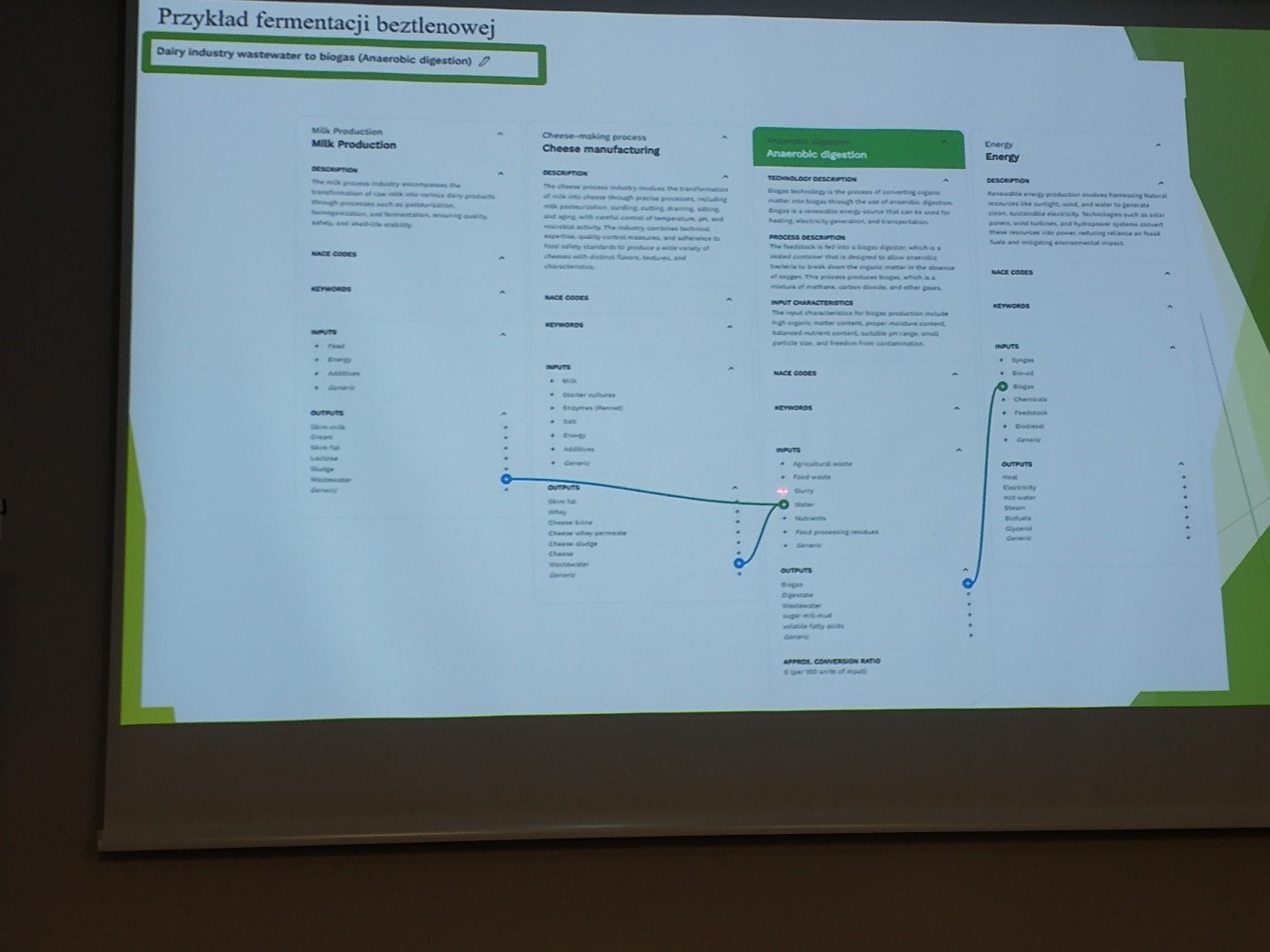
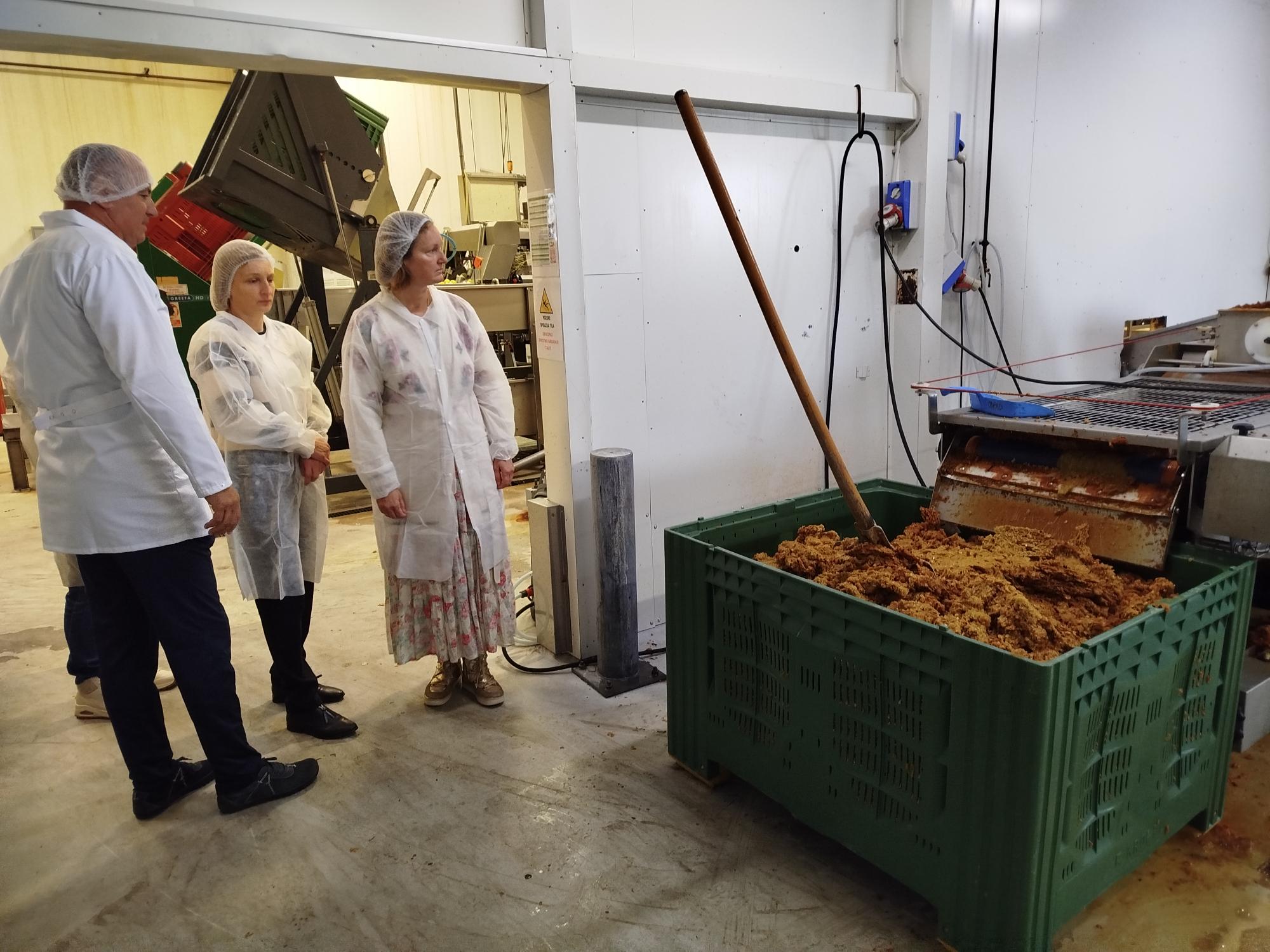
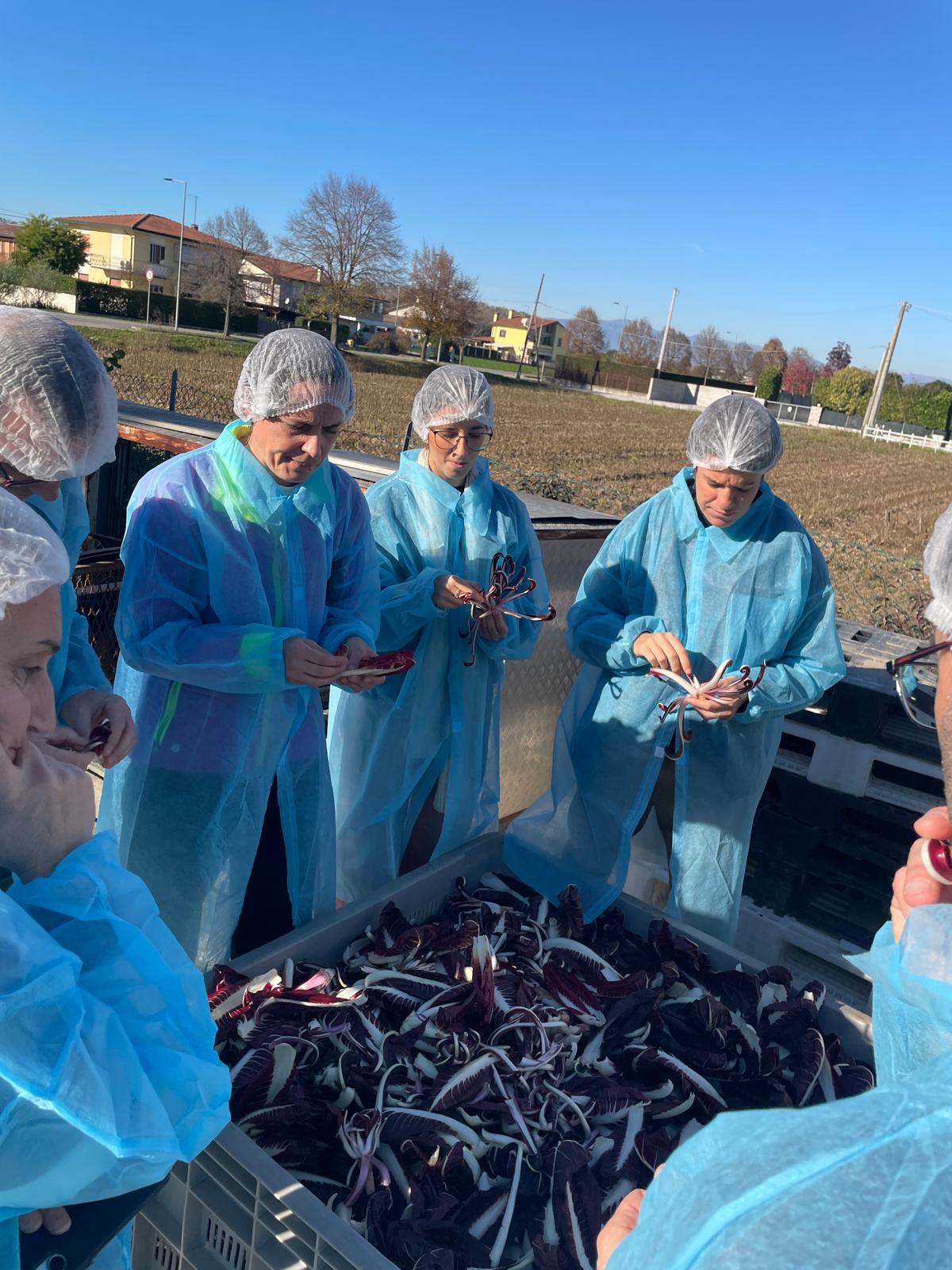
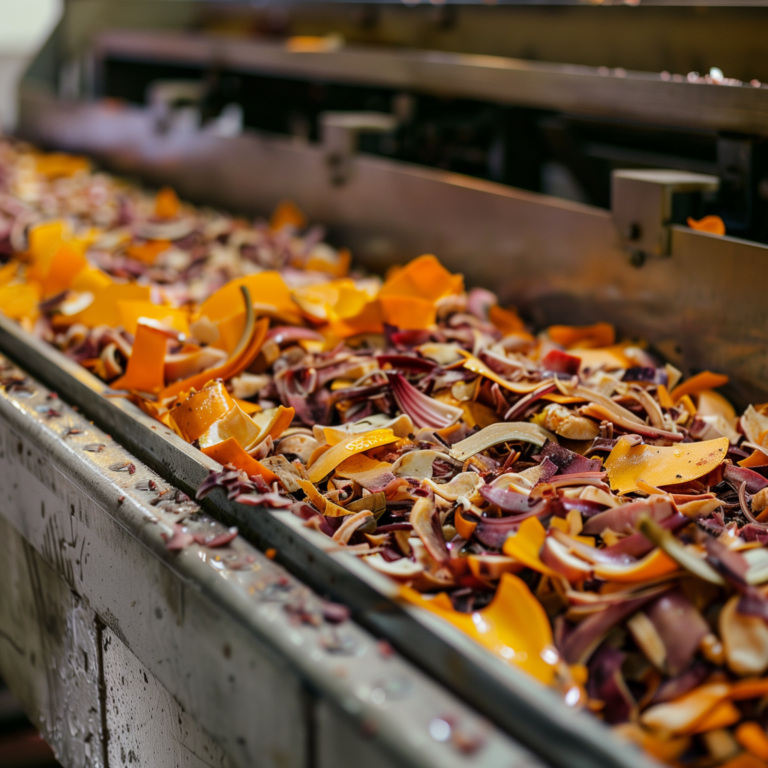
Large volumes of agricultural and agro-industrial residues – such as apple pomace, radicchio leaves, hemp fibres, corn cobs, pumpkin seed press cake, winery lees and others – were often treated as waste rather than resources. Companies lacked practical tools to map available biomass streams, identify viable valorisation technologies and connect with potential buyers. At the same time, differing national and regional regulations created barriers to transnational cooperation and market development.
Idea
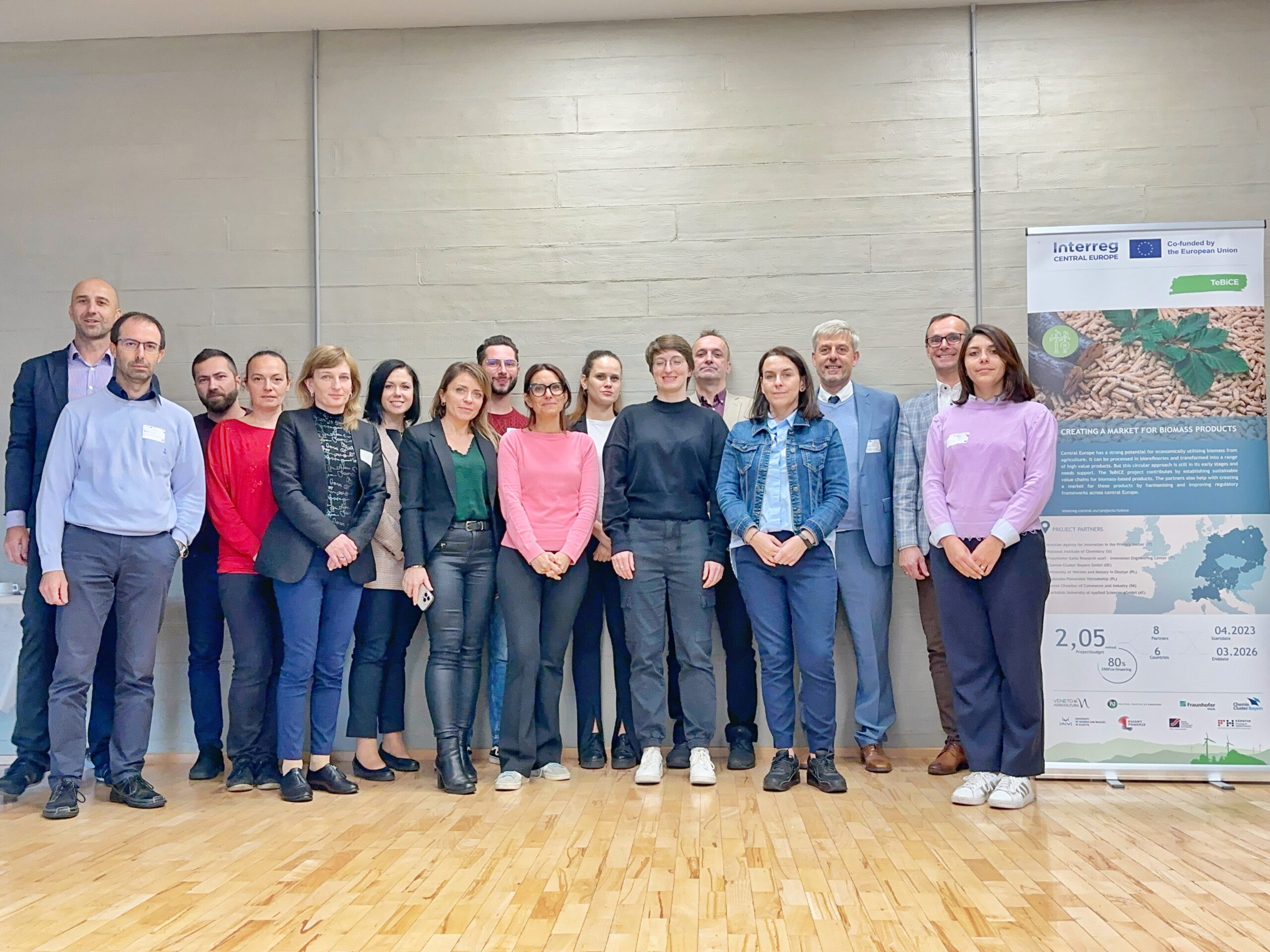
TeBiCE combined research, regional knowledge and practical testing to show how these by-products could be transformed into new materials, products and business opportunities. The partnership worked closely with companies and other stakeholders to test selected value chains and identify the technical, market and regulatory conditions needed to replicate successful solutions in other regions of Central Europe.
What was developed
The project delivered concrete, usable results: A transnational strategy for the by-product and waste market that provides a common framework for reducing regulatory barriers and improving market conditions across Central Europe. A set of pilot actions that tested practical valorisation pathways (including drying and micronisation processes, insect farming on agri-residues, hemp fibre applications, and cooperative models for pumpkin seed meal). A Book of Good Examples documenting transferable lessons and real business cases. Supporting tools and reports that help companies and public authorities analyse value chains and overcome operational bottlenecks.
How it works
Through the pilot actions, partners mapped local biomass streams, tested processing methods and documented the technical, logistical and economic steps required to turn residues into usable materials. These real-life experiences were consolidated into practical recommendations and decision-support materials. Companies can now use the project’s tools and examples to assess the feasibility of new value chains, while public authorities can draw on the transnational strategy to improve regulatory frameworks.
Impact & Legacy
The pilots demonstrated concrete ways for companies to transform previously underused by-products into marketable materials and lower the entry barriers for SMEs wishing to engage in bio-based value chains. Cross-border cooperation generated practical evidence that supports more coherent regulatory approaches in Central Europe. All knowledge, methods, pilot experiences, the Book of Good Examples and the report on operative measures remain available after the project’s completion. SMEs, public authorities, clusters and research organisations can reuse these results to develop their own circular solutions. The main outputs and supporting materials can be found in the Outputs and Media sections of this website.
News

Events
Pilot actions
Outputs
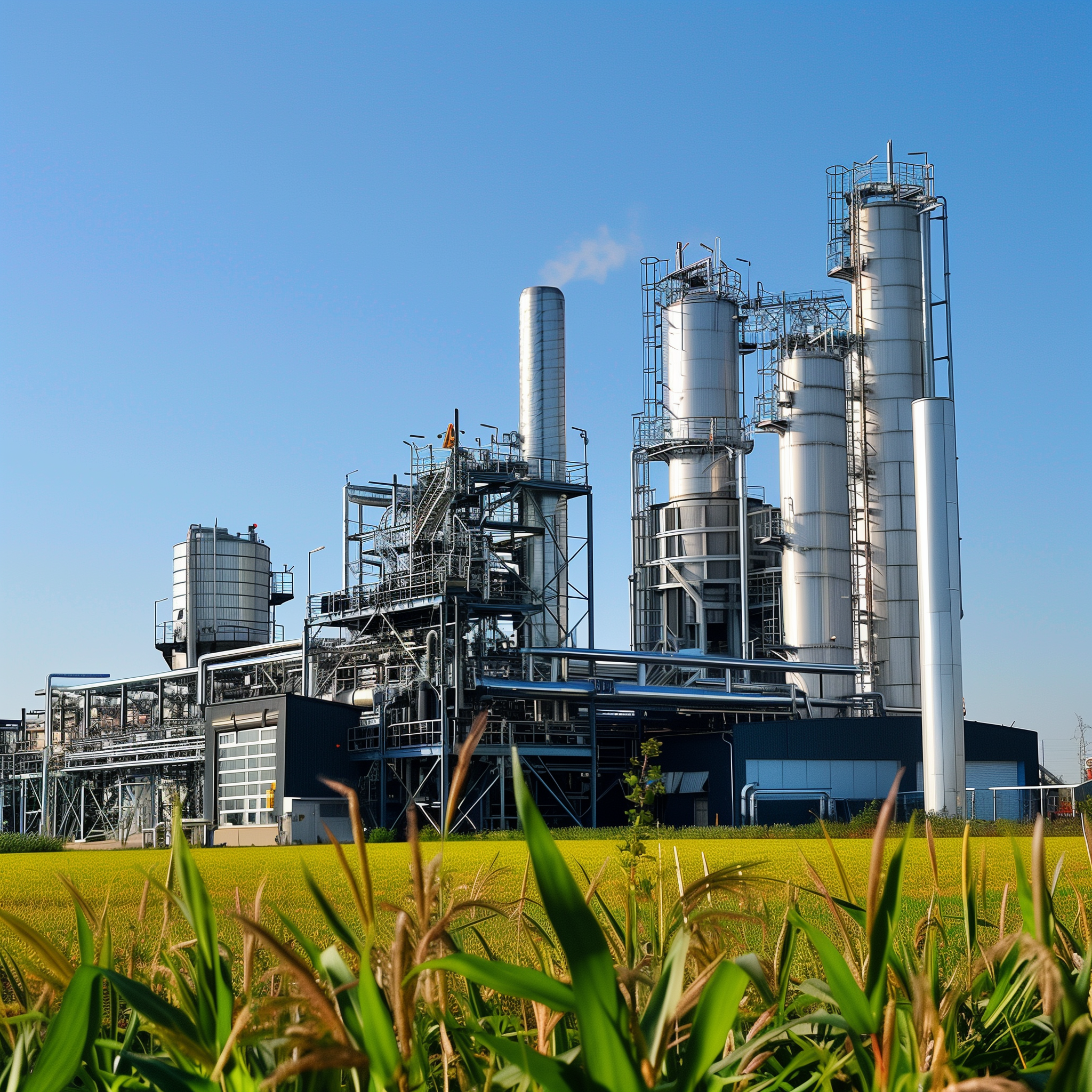
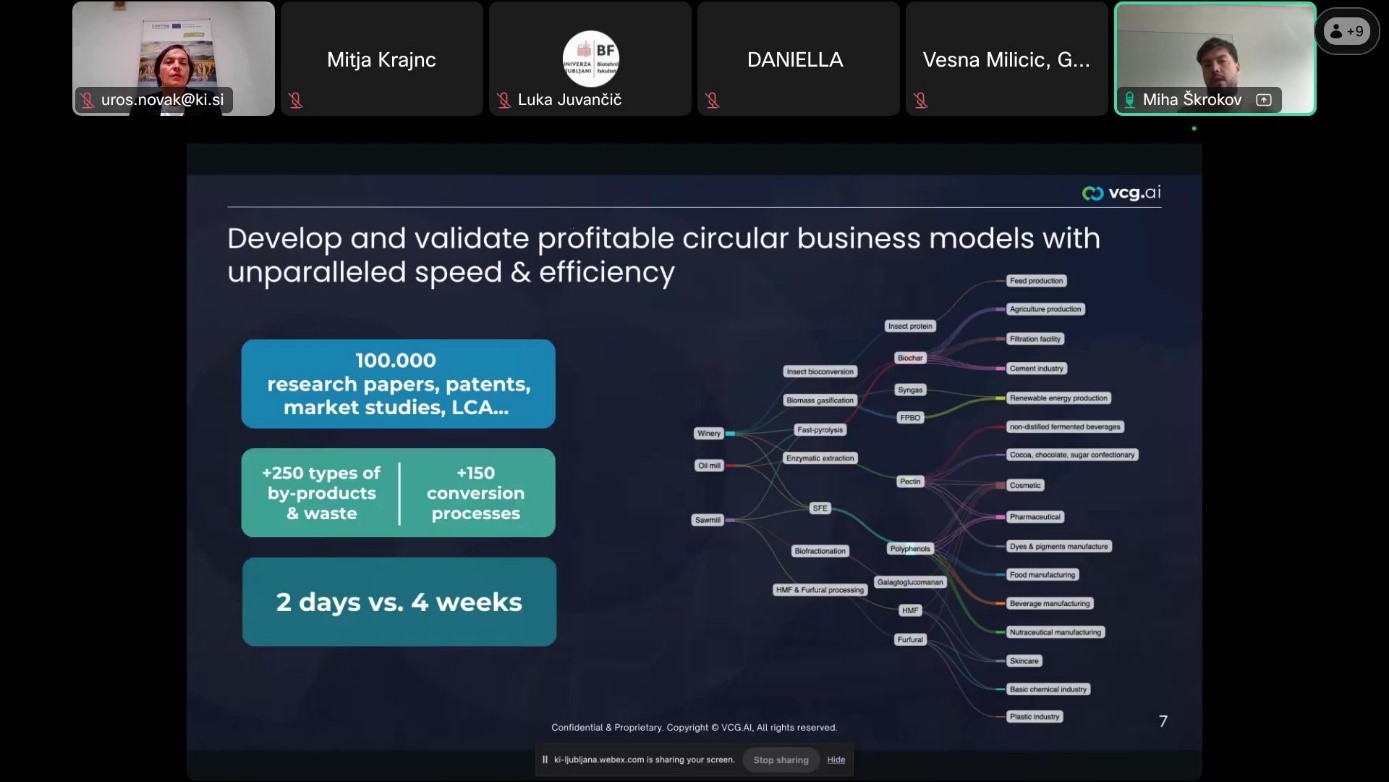
Value Chain Generator - AI & Big Data platform
- Report on existing state-of-the-art value chains in target Central Europe
- Methodology Of Comparison Between Supply Chains
- Report on readiness of market at transnational level
Transnational strategy for by-product and waste market
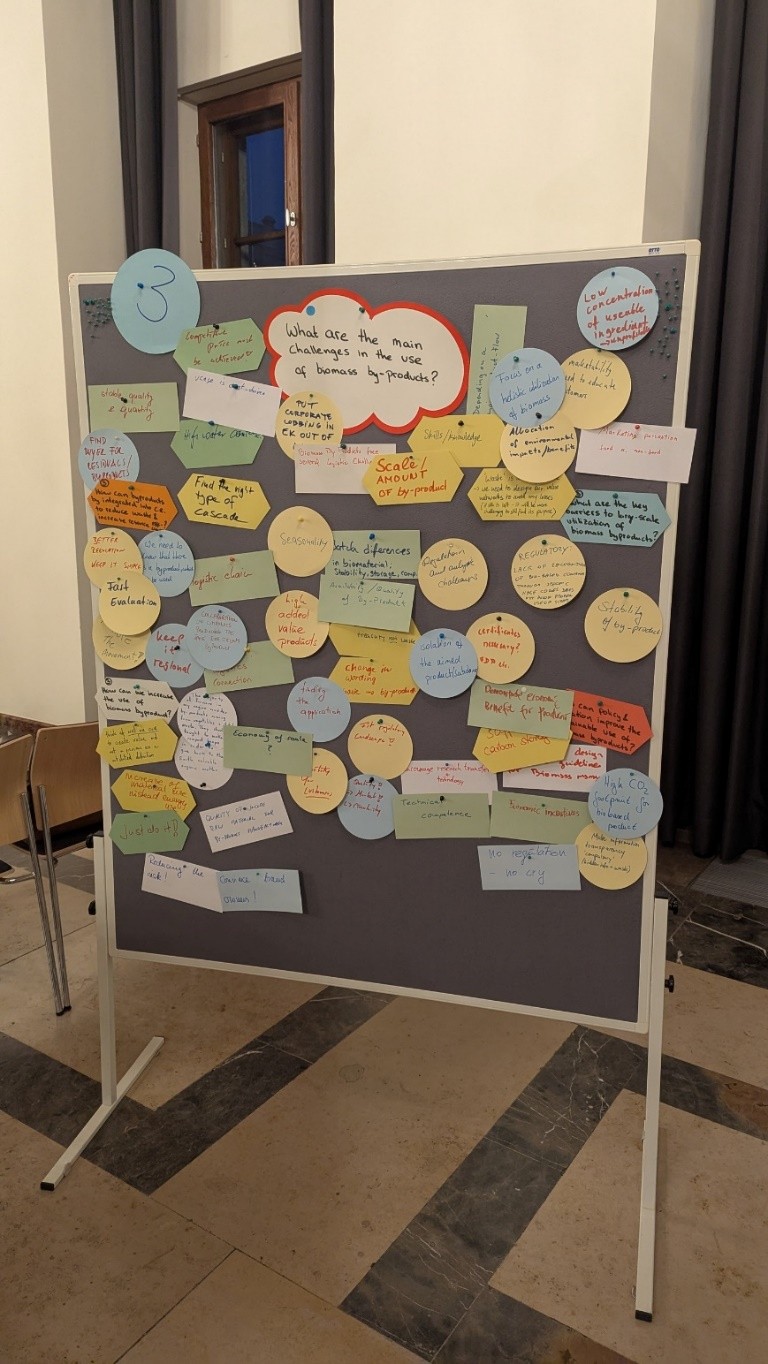
Book of Good Examples: Biocircular Solutions for SMEs
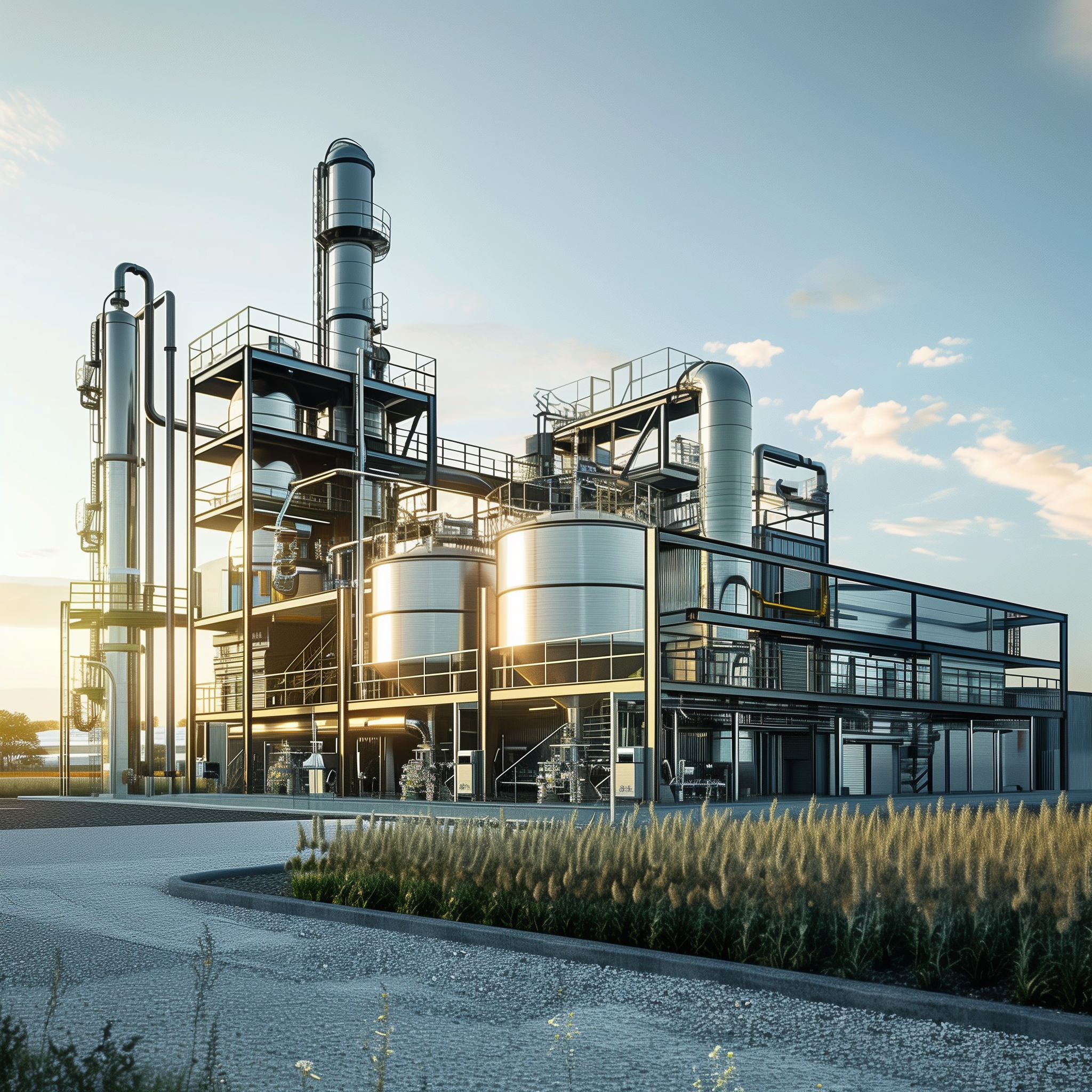
Report on operative measures and solutions
Project videos
Project documents
Expert Interviews
Project images
TeBiCE
The project lead partner is responsible for the content of this project website.