

Pexels Mikhail Nilov
Project overview
Revitalizing rural Areas through Integrated Station Enhancements
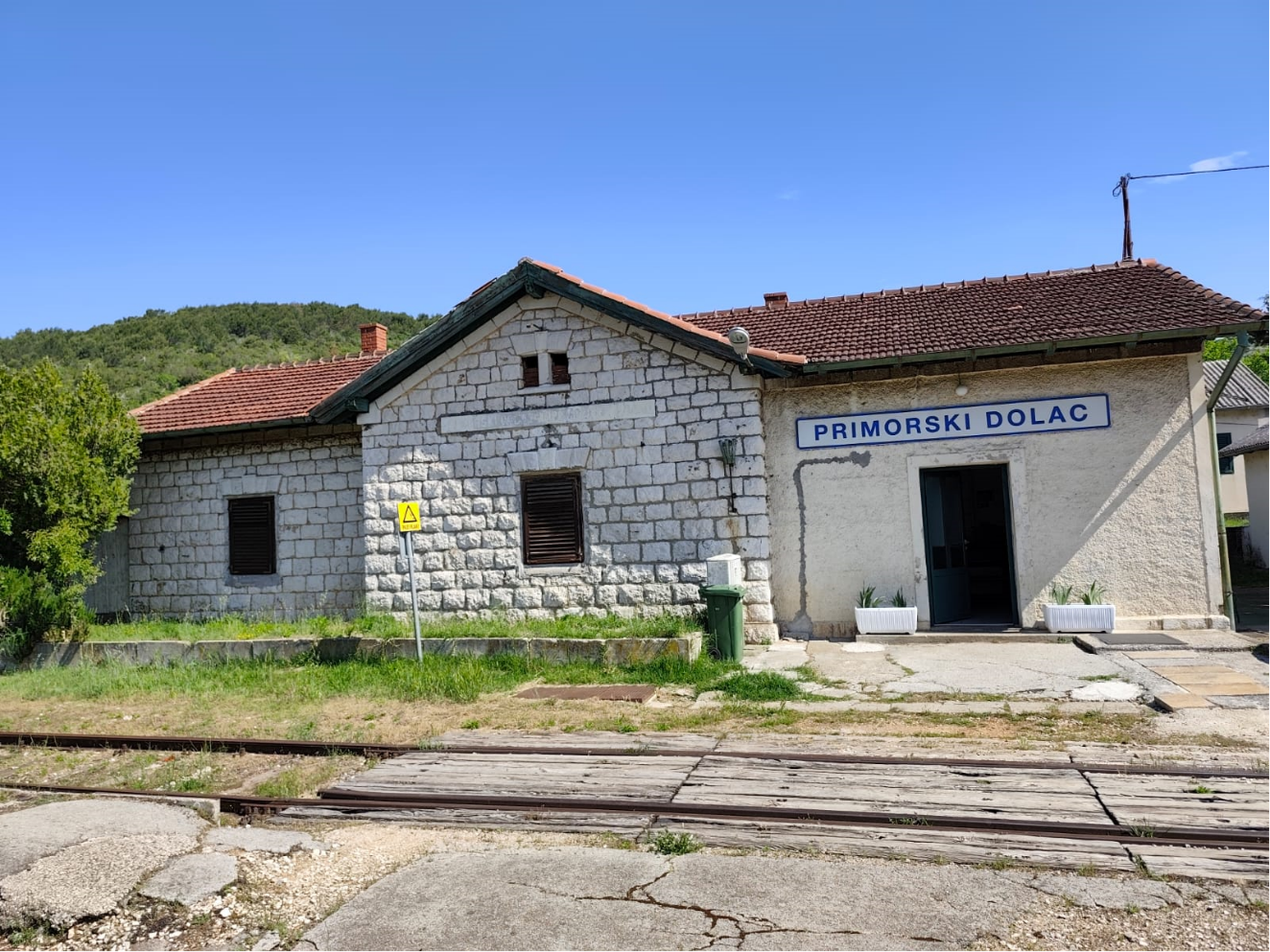
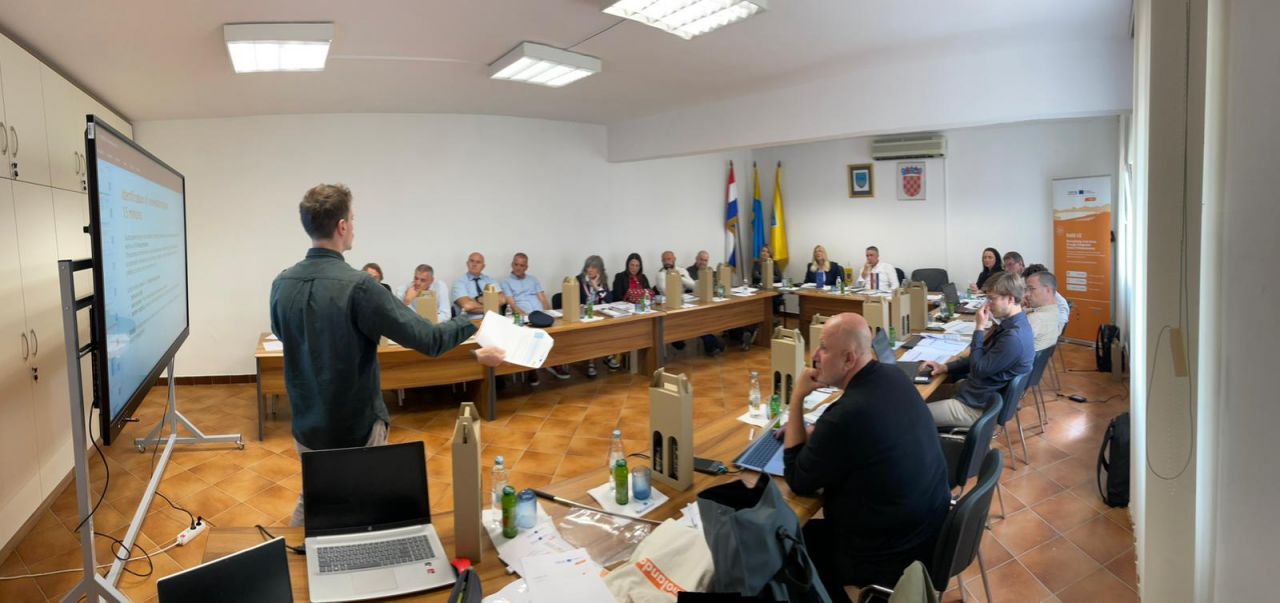
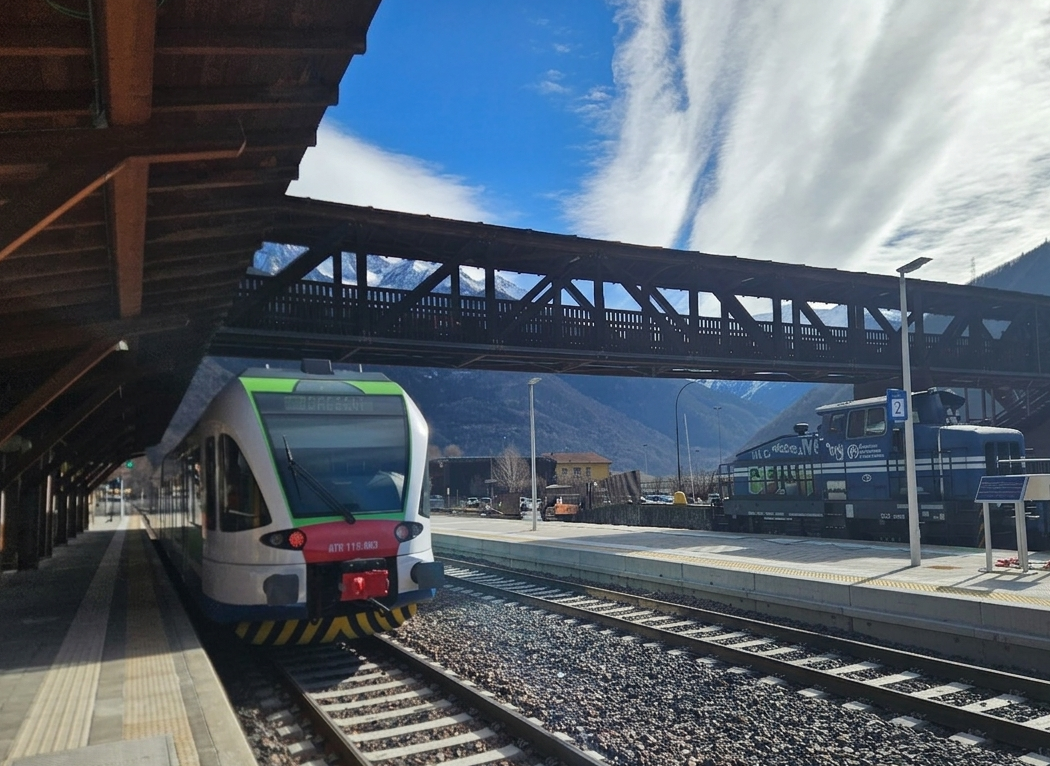
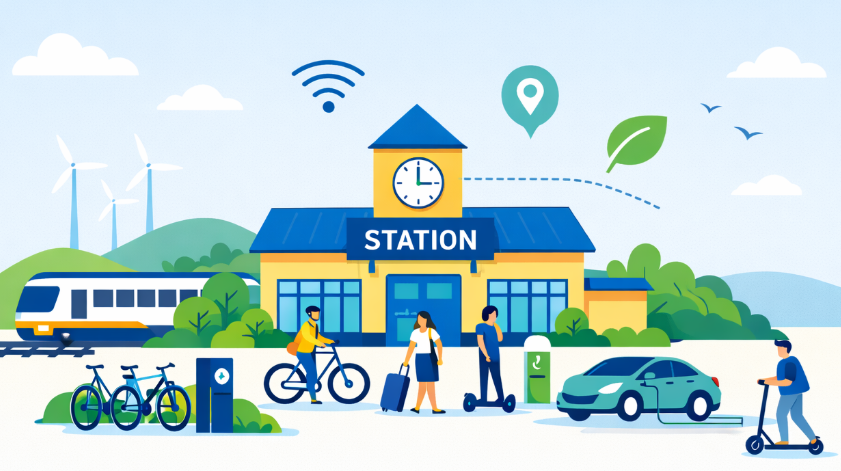
Underused rural railway stations miss the chance to connect people with wider mobility networks and services, fuelling isolation and outmigration. RAISE-CE aims to turn six stations in Italy, Croatia, Slovenia, Hungary, Poland and Germany into more vibrant mobility hubs. Pilot actions introduce e-sharing assets, demand-responsive links, digital kiosks and Wi-Fi community spaces co-designed with locals. Partners build capacities of station managers and embed results in strategies to secure lasting change.
-
0,79m €
-
Project Budget
-
80%
-
of the Budget is funded by ERDF
-
6
-
Countries
-
6
-
Regions
-
6
-
Partners
-
2
-
Pilots
Duration
Start date
End date
Project progress
Project partnership
Project partners

Lead partner
Lombardy Region
General Management Infrastructure and Public Works/Railway, infrastructure and public works/Railways and Metro Network
Address
Piazza Città di Lombardia 1 20124 Milano
Country
Italy (IT) Web
https://www.regione.lombardia.it/wps/portal/istituzionale/HP/istituzione/direzioni-generali/direzione-generale-infrastrutture-e-opere-pubbliche
Project partner
Total partner budget
129,997 €
Total partner budget
119,994 €
Strategy and Development Office
Total partner budget
99,805 €
Total partner budget
119,980 €
Address
Pritzwalker Straße 8 16949 Putlitz
Country
Germany (DE) Web
https://www.desag-holding.de/de/
Total partner budget
110,000 €
Roadmap
1
Understanding local needs
Exploring challenges and opportunities in and around railway stations, with a focus on accessibility, connectivity, and everyday user needs
2
Designing solutions together
Working with stakeholders to shape mobility services and improve station spaces, building on good practices and local knowledge
3
Engaging communities
Involving citizens, operators, and public authorities through workshops, discussions, and shared activities to ensure solutions are relevant and widely supported
4
Learning and scaling up
Reviewing results and refining solutions to make them adaptable and applicable in different contexts
5
Sharing knowledge
Spreading insights, experiences, and practical know-how among stakeholders and transport actors, fostering exchange and encouraging the uptake of tested solutions
6
Policy Integration and long-term impact
Ensuring solutions go beyond the project lifetime by supporting their integration into local and regional strategies, promoting wider adoption, and contributing to more sustainable and resilient mobility systems over time
News

Events


Pilot actions
Outputs
Output 1.3: Building a transnational cooperation network
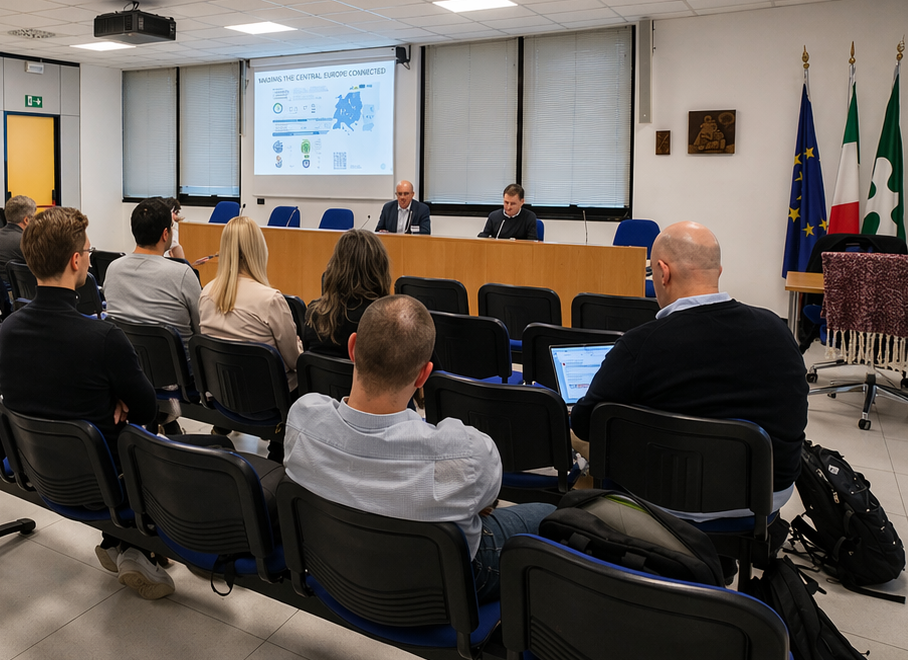
The network works collaboratively on the design and implementation of pilot actions, fostering knowledge exchange, joint problem-solving, and continuous improvement of the solutions developed. The result is a structured and lasting cooperation that generates tangible impacts beyond national borders.
Type of output: Strategies and action plans
In development
Output 1.4: Connecting urban and rural communities
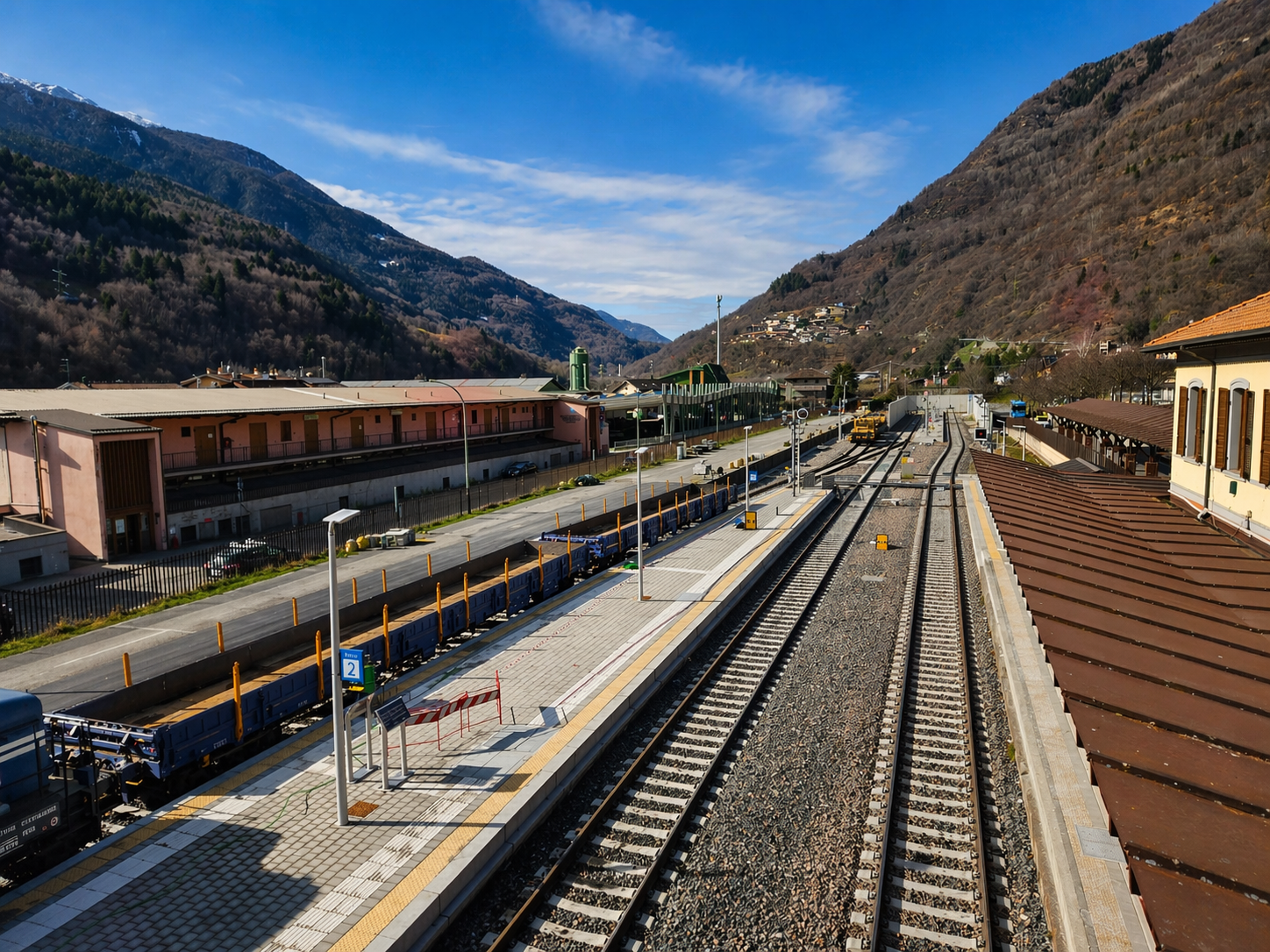
Through the implementation of two pilot actions and the definition of scalable solutions, the project seeks to improve access to services and connectivity for rural communities. The collaborative approach among partners enables concrete responses to territorial challenges, promoting solutions that can be replicated in other European contexts.
Type of output: Strategies and action plans
In development
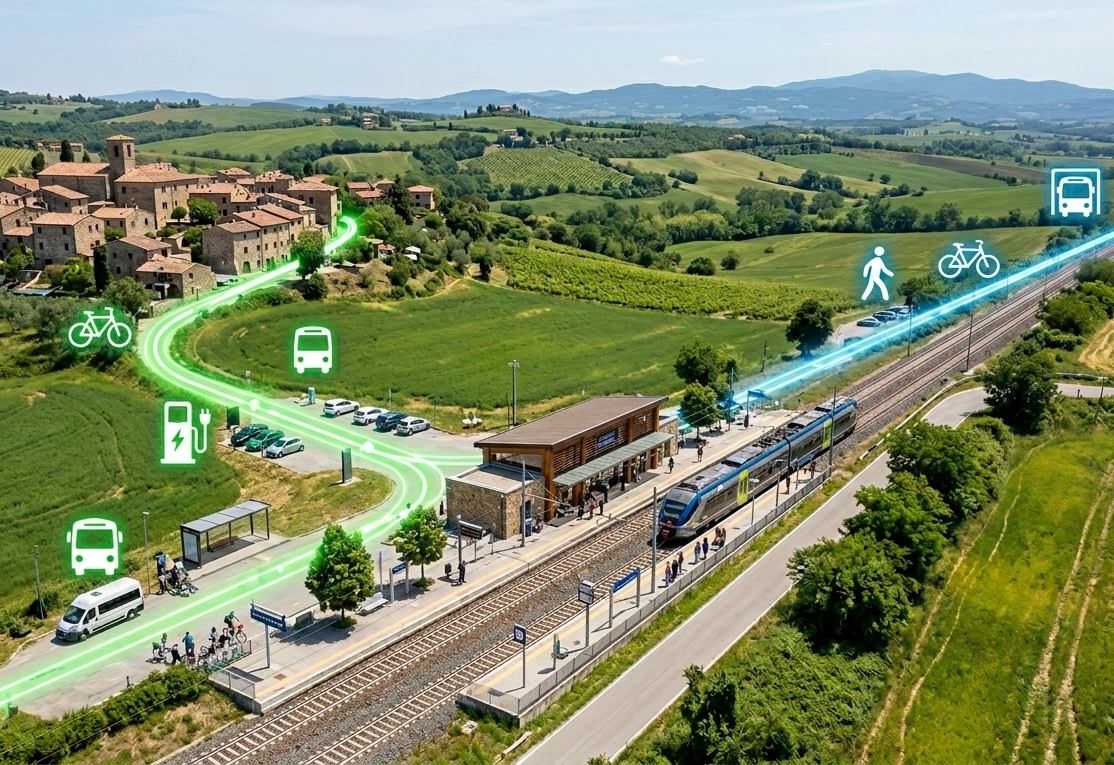
Output 2.1: Scalable Smart Mobility Models for Rural and Peripheral Stations
The project is currently defining an integrated mobility model aimed at improving connectivity in rural and peripheral areas. The focus is on the integration of shared micro-mobility and demand-responsive transport services.
Central to this output is the drafting of a technical operational and management guideline. This document will establish the necessary requirements for replicating integrated mobility hubs in minor railway stations, ensuring that the solutions developed remain transferable and sustainable beyond the pilot phase.
Type of output: Solutions
In development
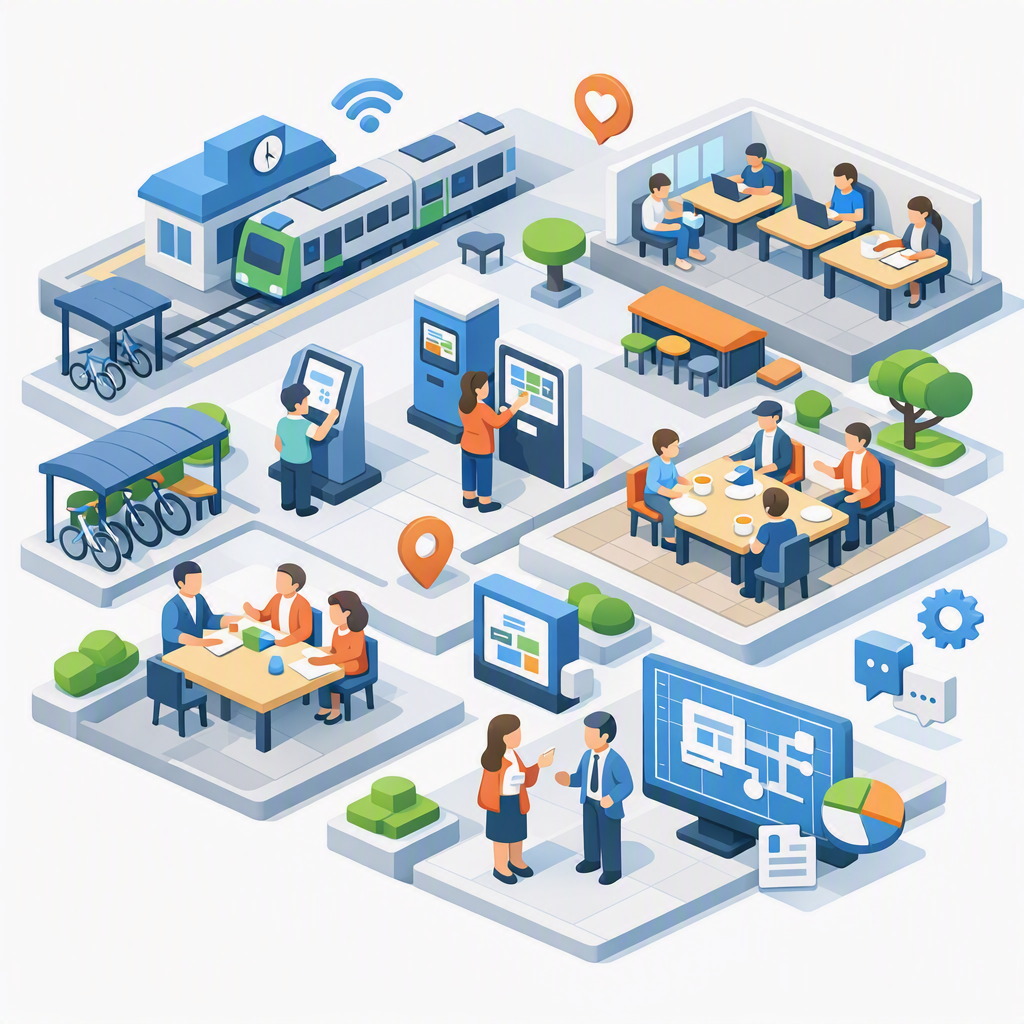
Output 2.2: Transforming Minor Railway Stations into Community-Centered Hubs
Activities are focused on developing inclusive solutions to improve the functionality and attractiveness of minor railway stations. The process includes the design of interactive kiosks and the planning of multifunctional spaces to meet diverse user needs and foster social inclusivity.
A strategic management model is being created to integrate space-use layouts and digital service frameworks. This toolkit will provide a structured approach for revitalizing station infrastructure through community-centered services and social engagement mechanisms.
Type of output: Solutions
In development
RAISE-CE
The project lead partner is responsible for the content of this project website.
Project Contacts
Project Manager
Giovanni Mancardi
Phone: +39 3457910029
Finance Manager
Marcello Giannotti
Phone: +39 0267653942
Communication Manager
Livia Iannucci
Phone: +39 0267655248