

Project overview
From Niche to Centre - City Centres as Places of Circular Lifestyles
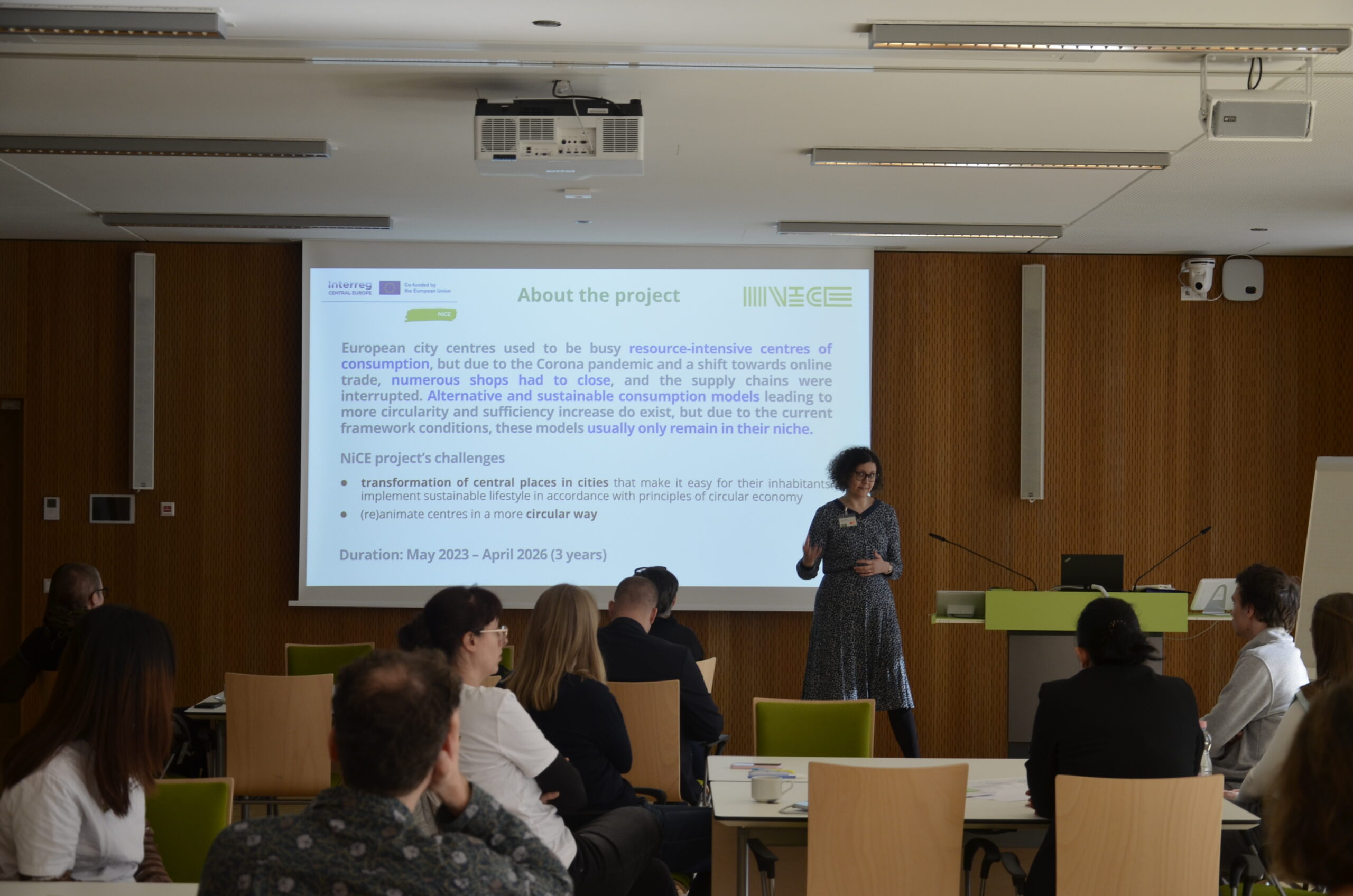
City centres have long been busy places where people meet, shop and consume. This started to change fast when the Corona pandemic and growing online trade forced many shops to close. The NiCE project re-vitalised fading city centres by making local trade and consumption more circular and sustainable. The partners developed innovative urban development approaches, which focus on the creation of multifunctional resource centres and on utilising empty spaces for circular offers.
-
2,22m €
-
Project Budget
-
80%
-
of the Budget is funded by ERDF
-
8
-
Countries
-
9
-
Regions
-
9
-
Partners
-
4
-
Pilots
Duration
Start date
End date
Project progress
About the project
Project partnership
Project partners

Lead partner
German Environment Agency
Department III 1 - Sustainable Products and Sustainable Consumption, Circular Economy
06844 Dessau-Roßlau
Project partner
ENEA-SSPT (Department for Sustainability)
95-050 Konstantynów Łódzki
BME Department of Environmental Economics and Sustainability
H-1117 Budapest
Roadmap
OUR CHALLENGE
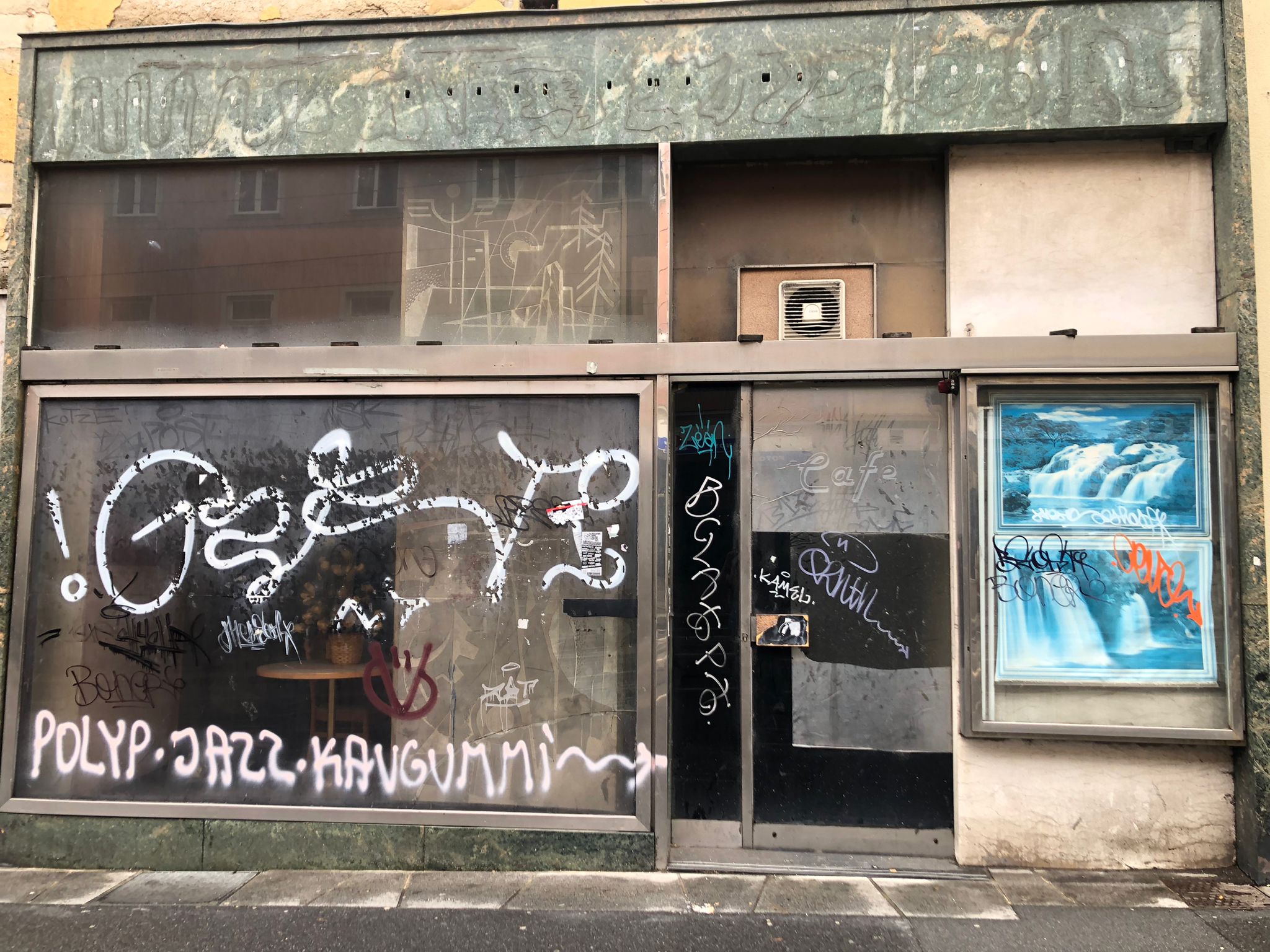
City centres are changing. Traditional retail and consumption patterns are under pressure, while more sustainable and circular alternatives are emerging. Many of these initiatives remain isolated or accessible only to a limited group of people. NiCE addressed the gap between existing circular initiatives and everyday urban life. The project explored how cities can make circular lifestyles more visible, accessible and attractive, while supporting vibrant and sustainable city centres.
OUR VISION
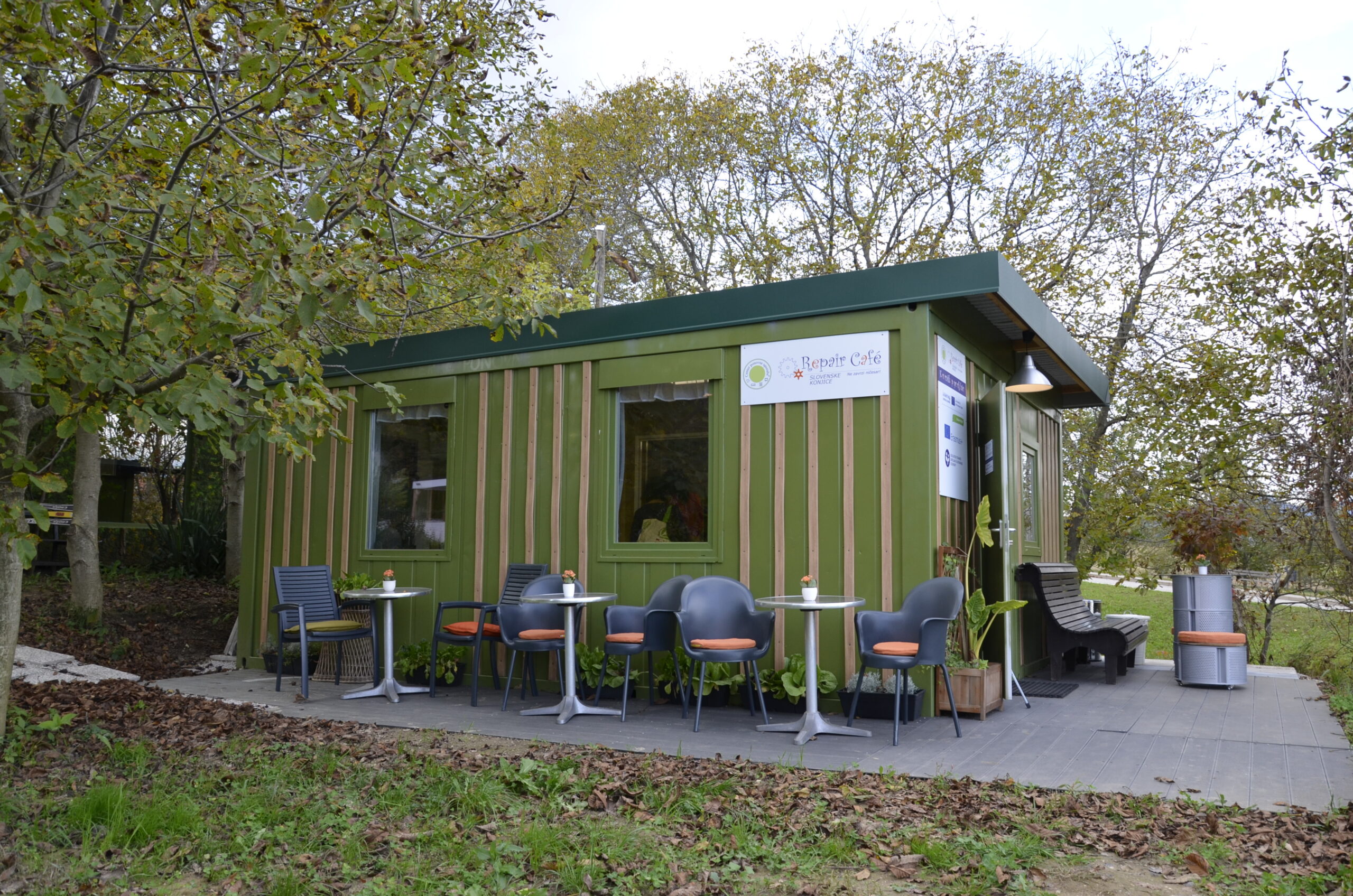
NiCE promoted a shift towards more circular ways of living, including reuse, sharing, repair and more sustainable consumption. Through its pilots, tools and knowledge-exchange activities, the project explored and tested ways to make these practices easier to discover, access and adopt, while connecting sustainability with attractive and vibrant urban environments.
LEARNING FROM PRACTICE
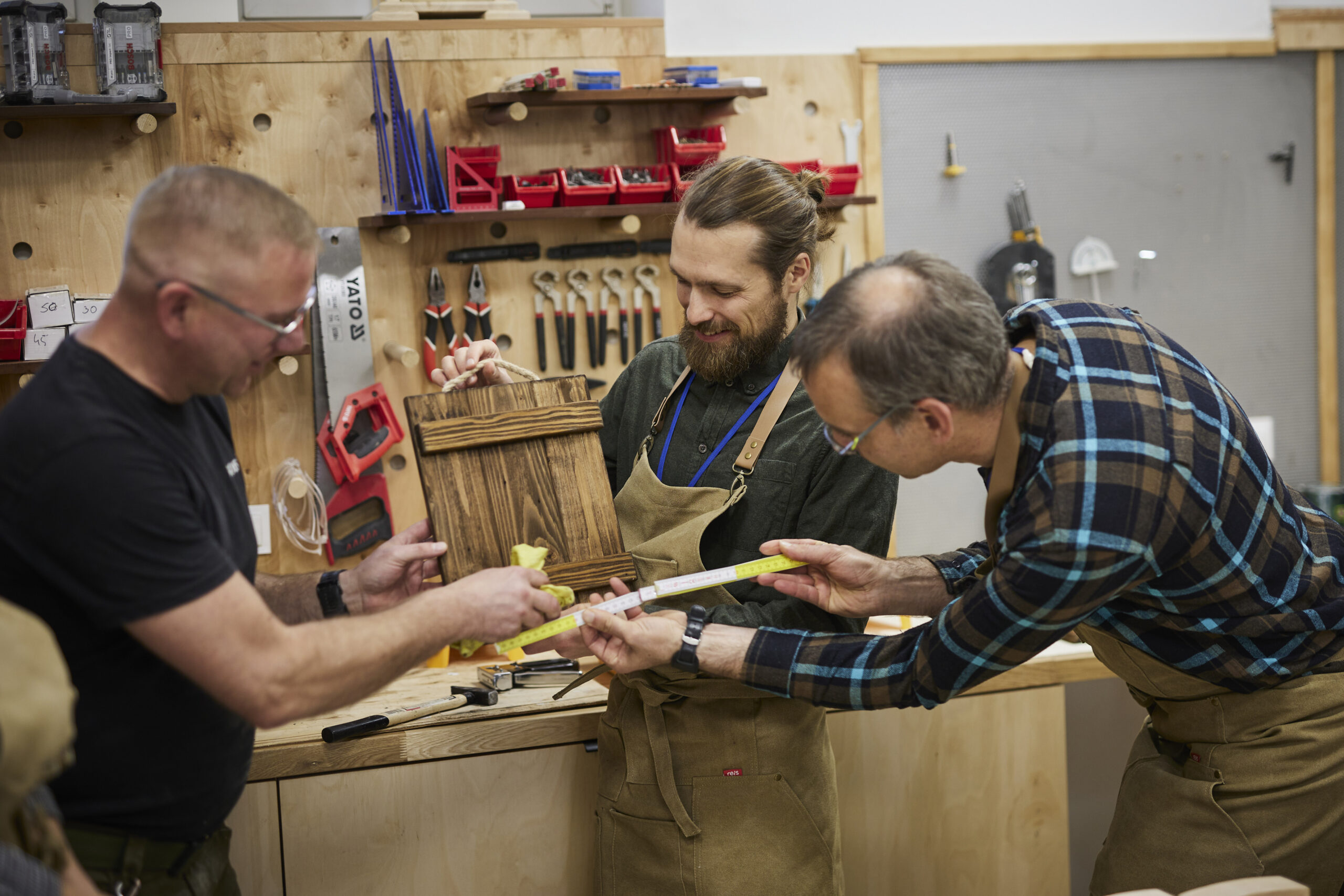
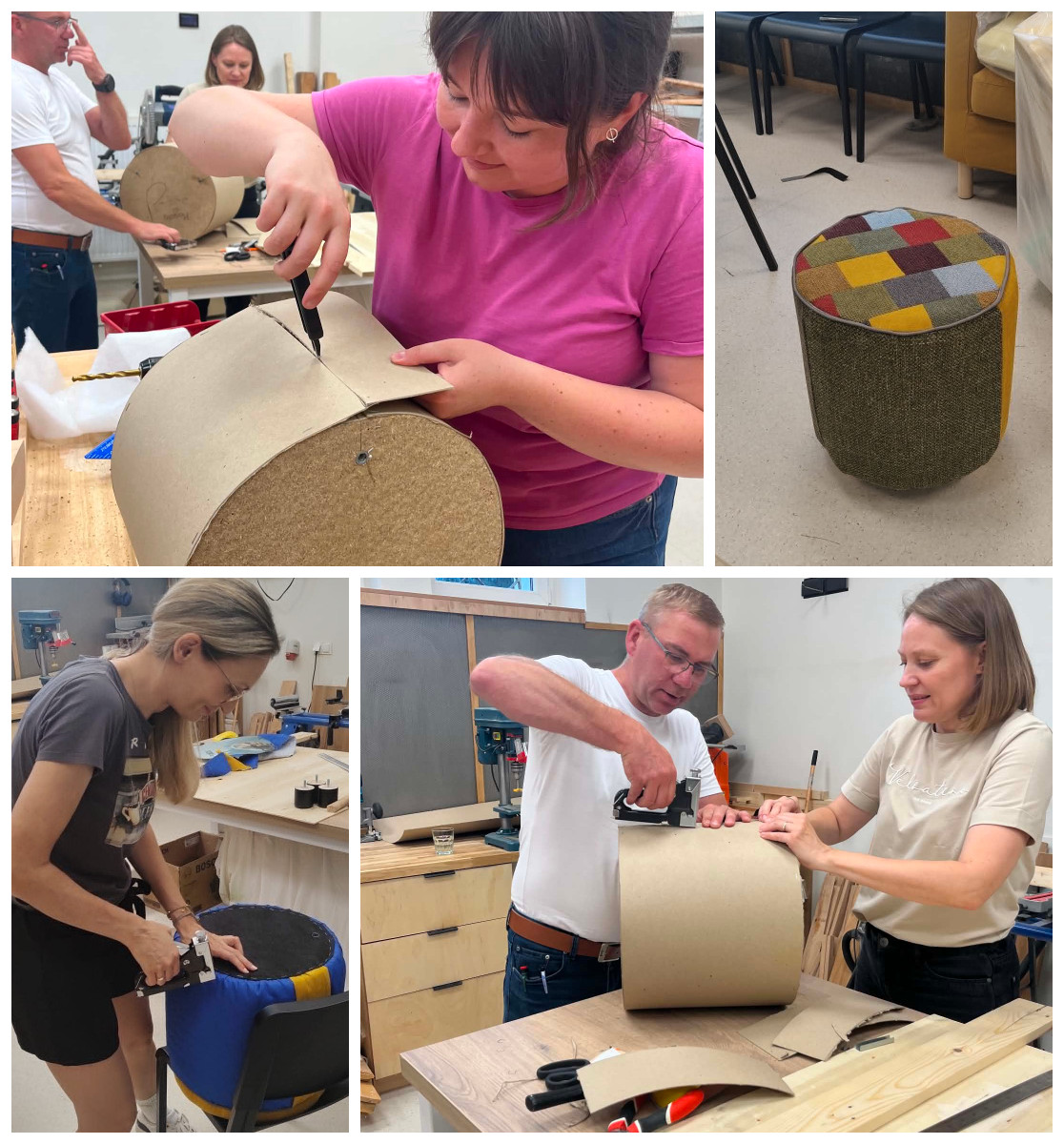
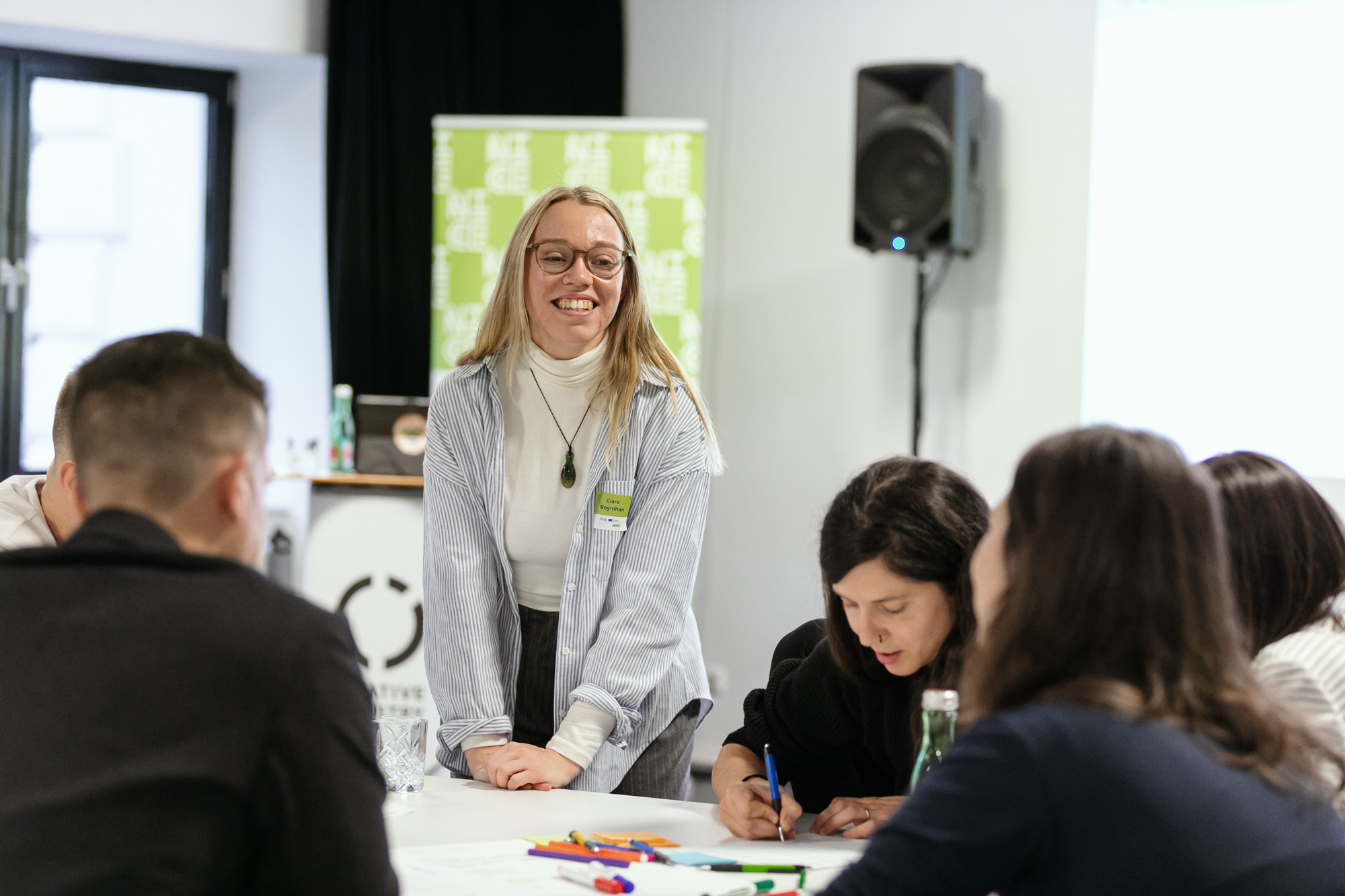
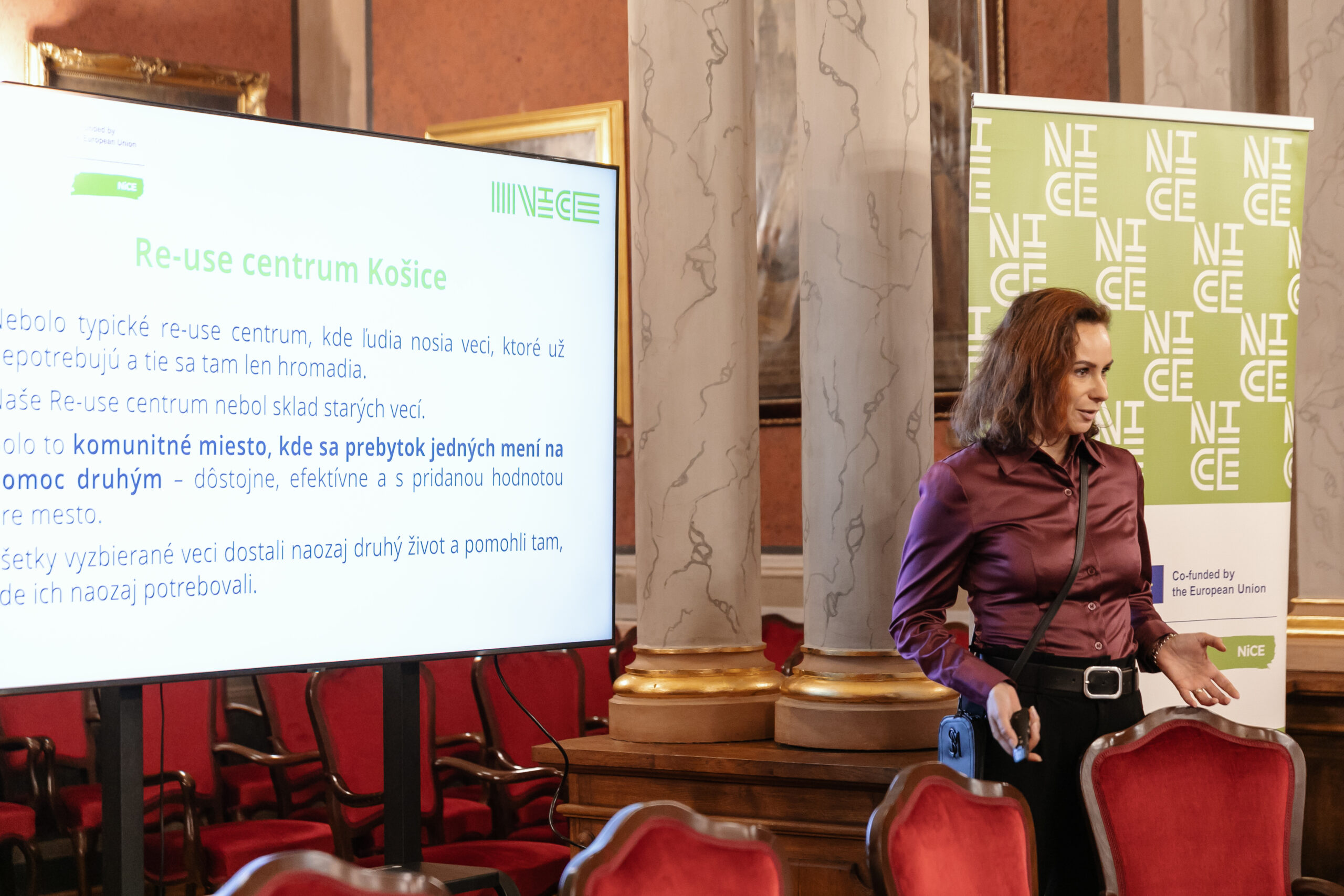
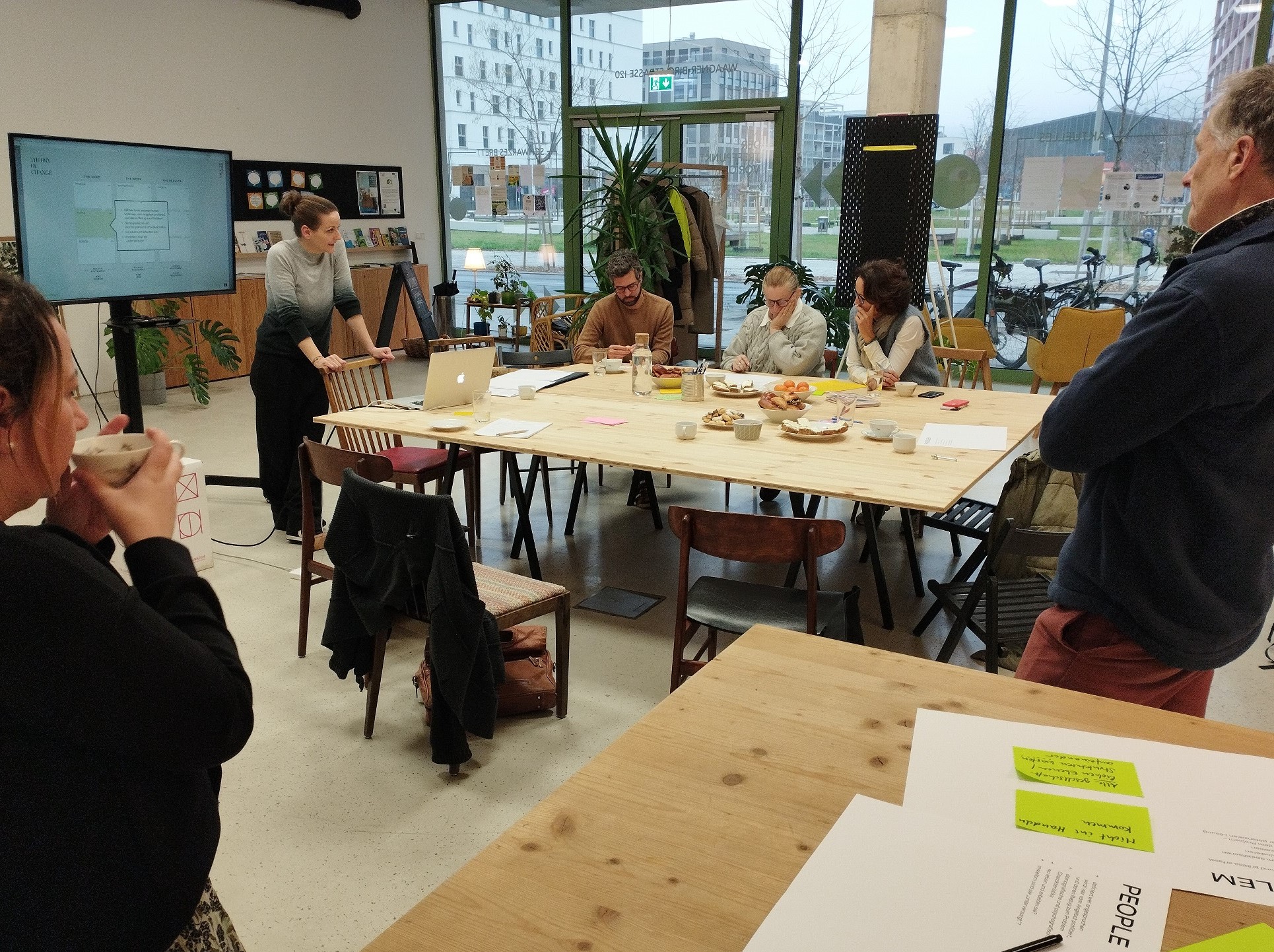
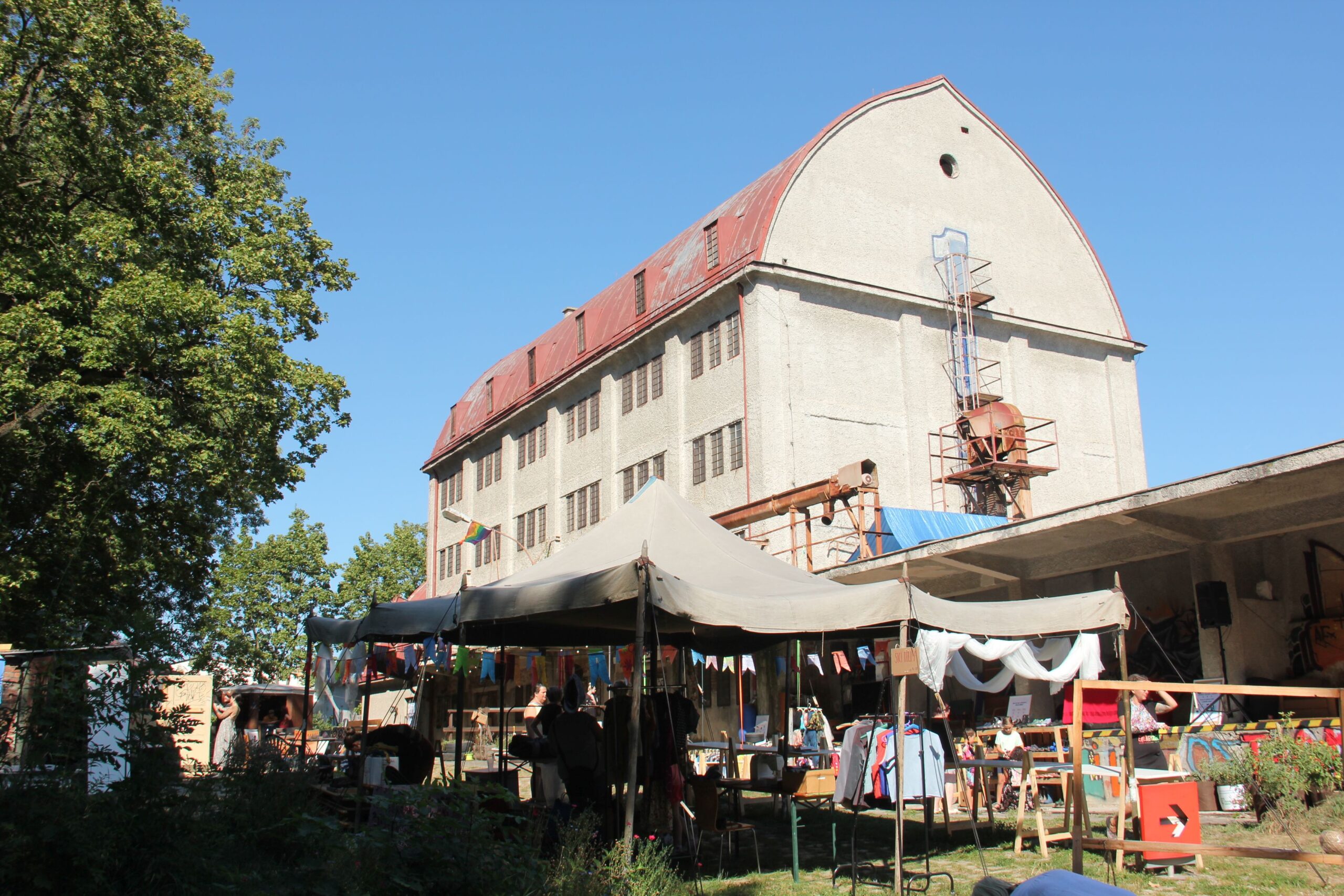
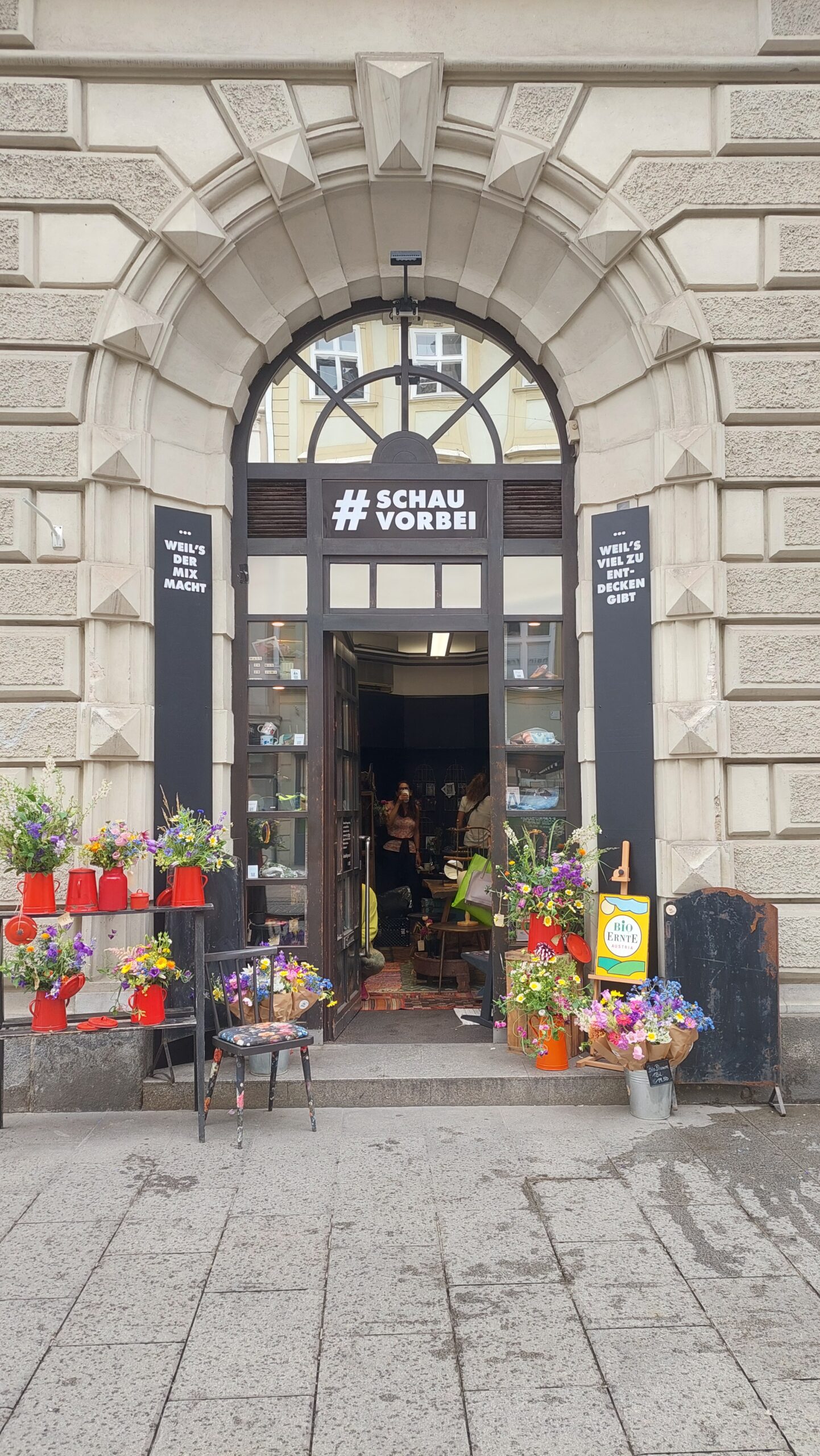
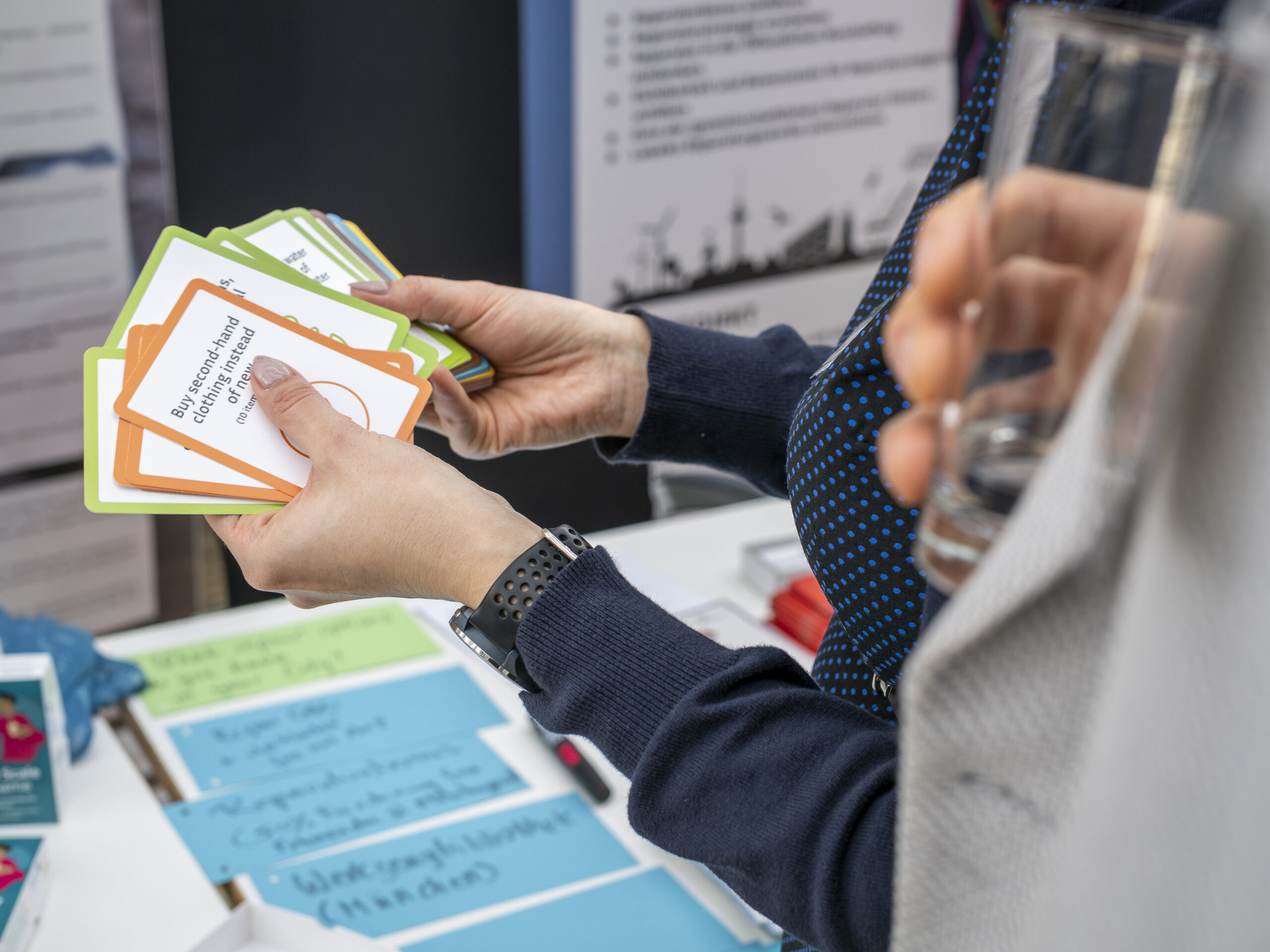
Eight cities tested circular approaches in different urban contexts. Through idea competitions, multi-stakeholder cooperation and the active involvement of target groups, project partners worked closely with pilot cities in transnational tandems to design, implement and test four pilot actions in different settings: 1) Approaches to promoting the re-use of spaces in city centres for circular activities and services. 2) Implementation and operation of multifunctional Resource Centres under living lab conditions through the re-use of spaces in city centres. 3) Linking sustainable online commerce with city centres, for example through multifunctional micro hubs or retail as a service concepts. 4) Activating citizens to adopt circular lifestyles, including solutions for circular water management.
TURNING EXPERIENCE INTO TRANSFERABLE SOLUTIONS
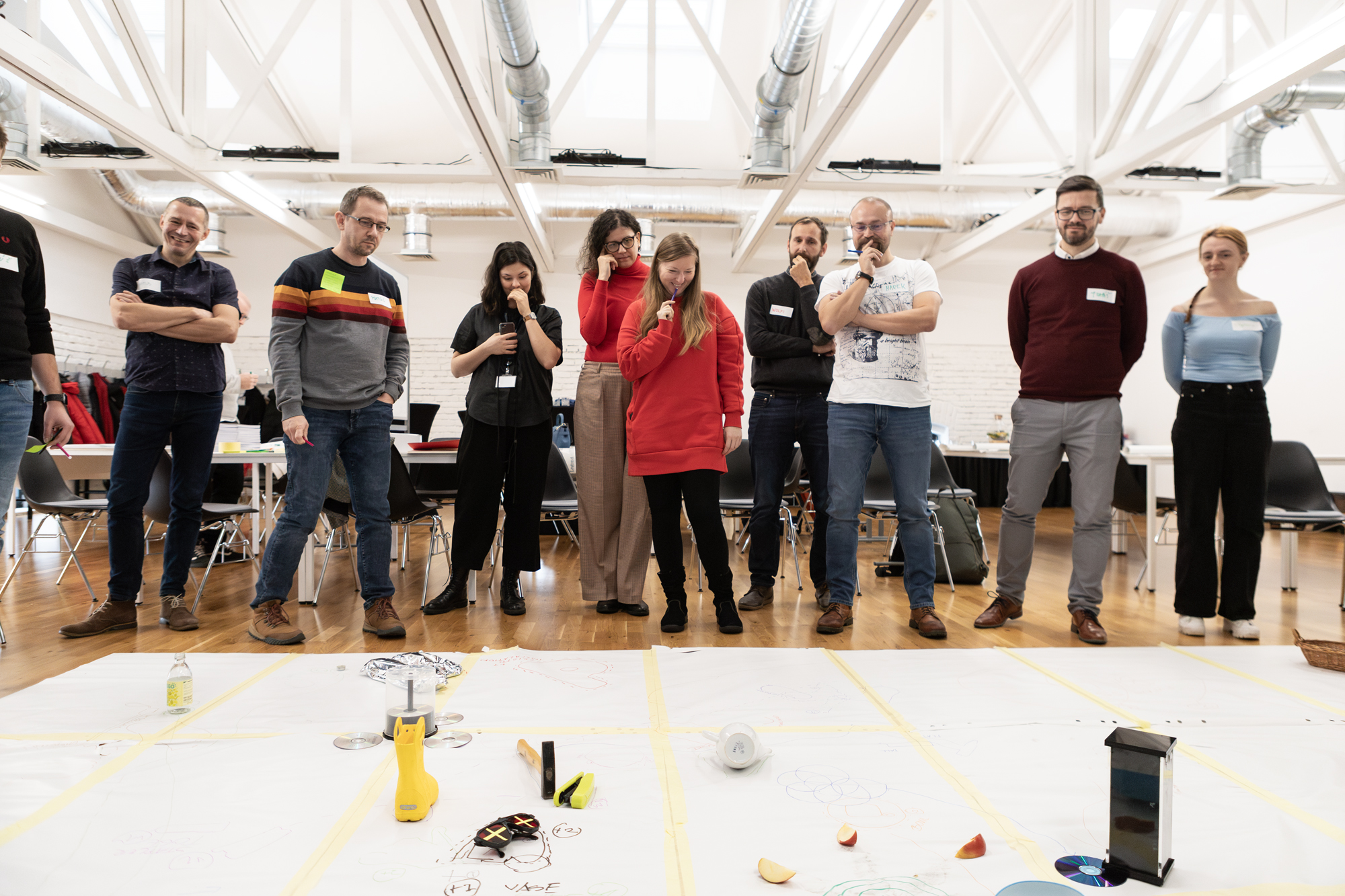
The experience gained through the pilots was turned into practical knowledge that can be used beyond the individual cities. NiCE captured lessons learned and transformed them into guidance, tools and resources that help other cities and organisations understand, adapt and apply circular approaches in their own context. The project therefore moved from individual local experiments towards solutions with potential for wider transfer and uptake.
SHARING KNOWLEDGE & SUPPORTING UPTAKE
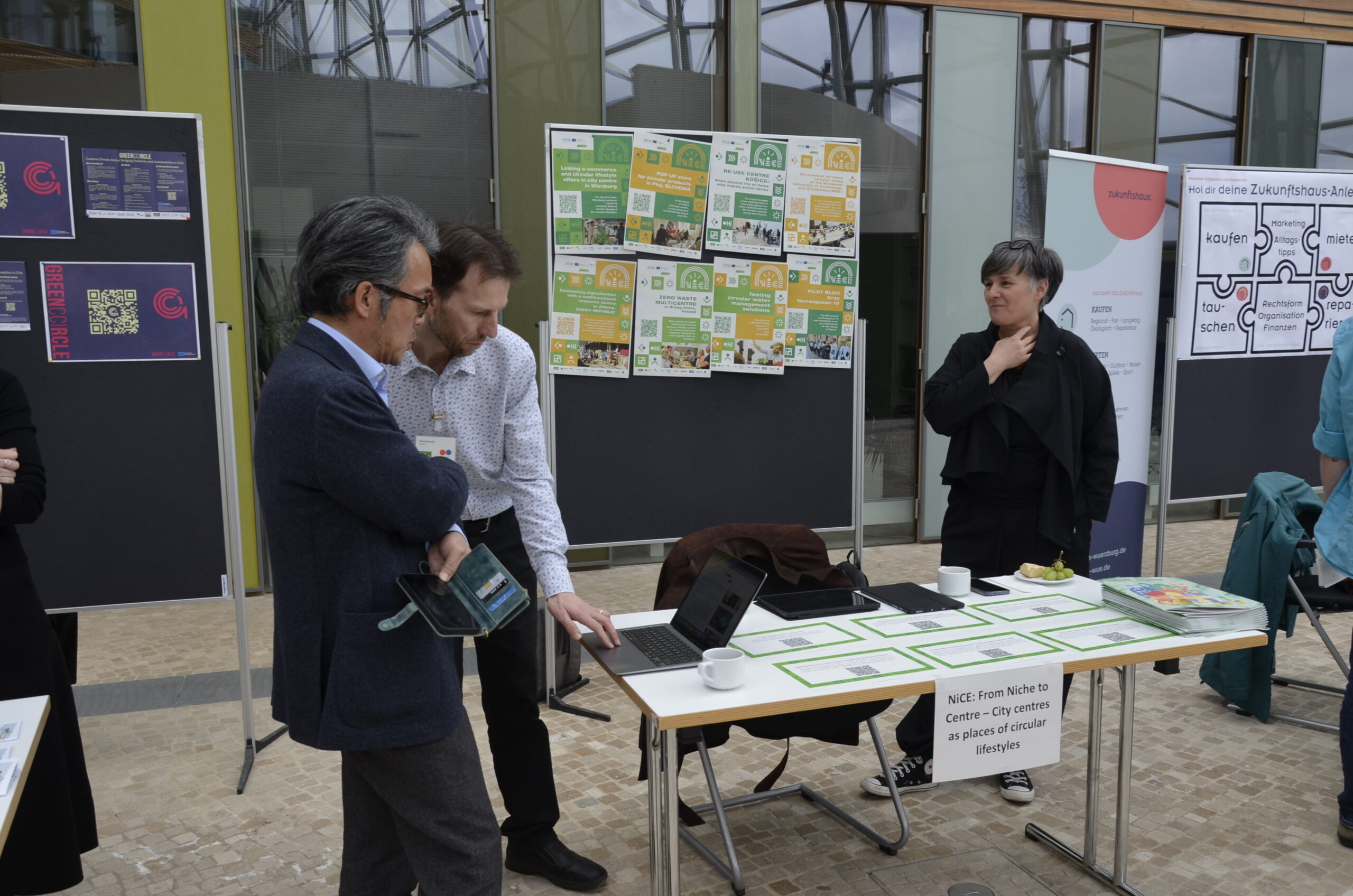
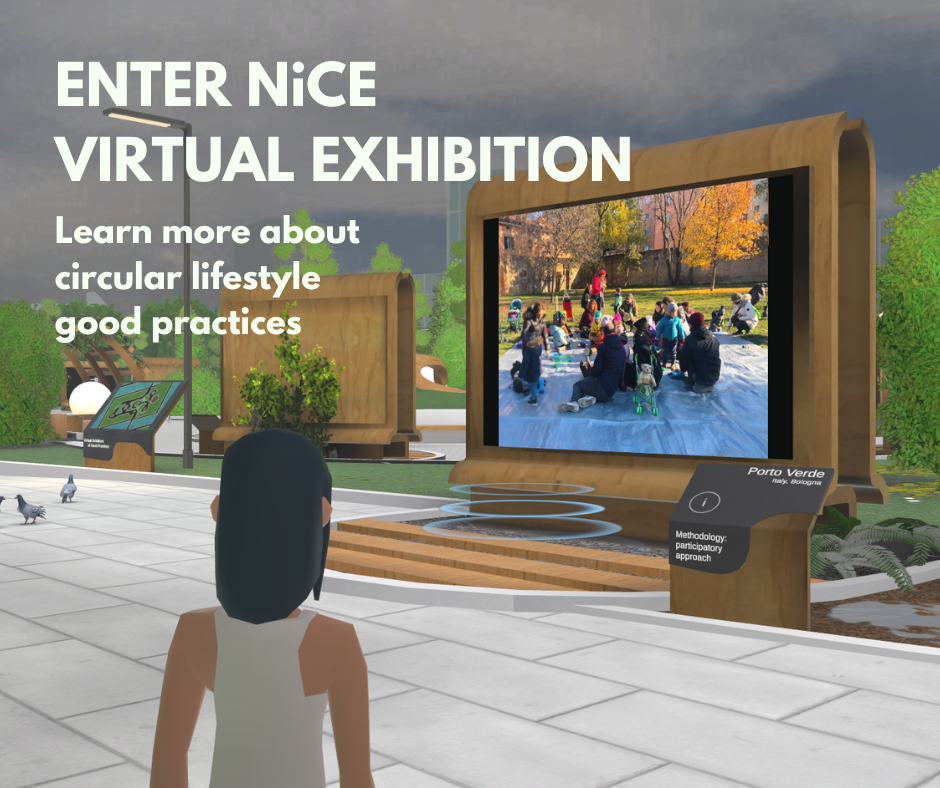
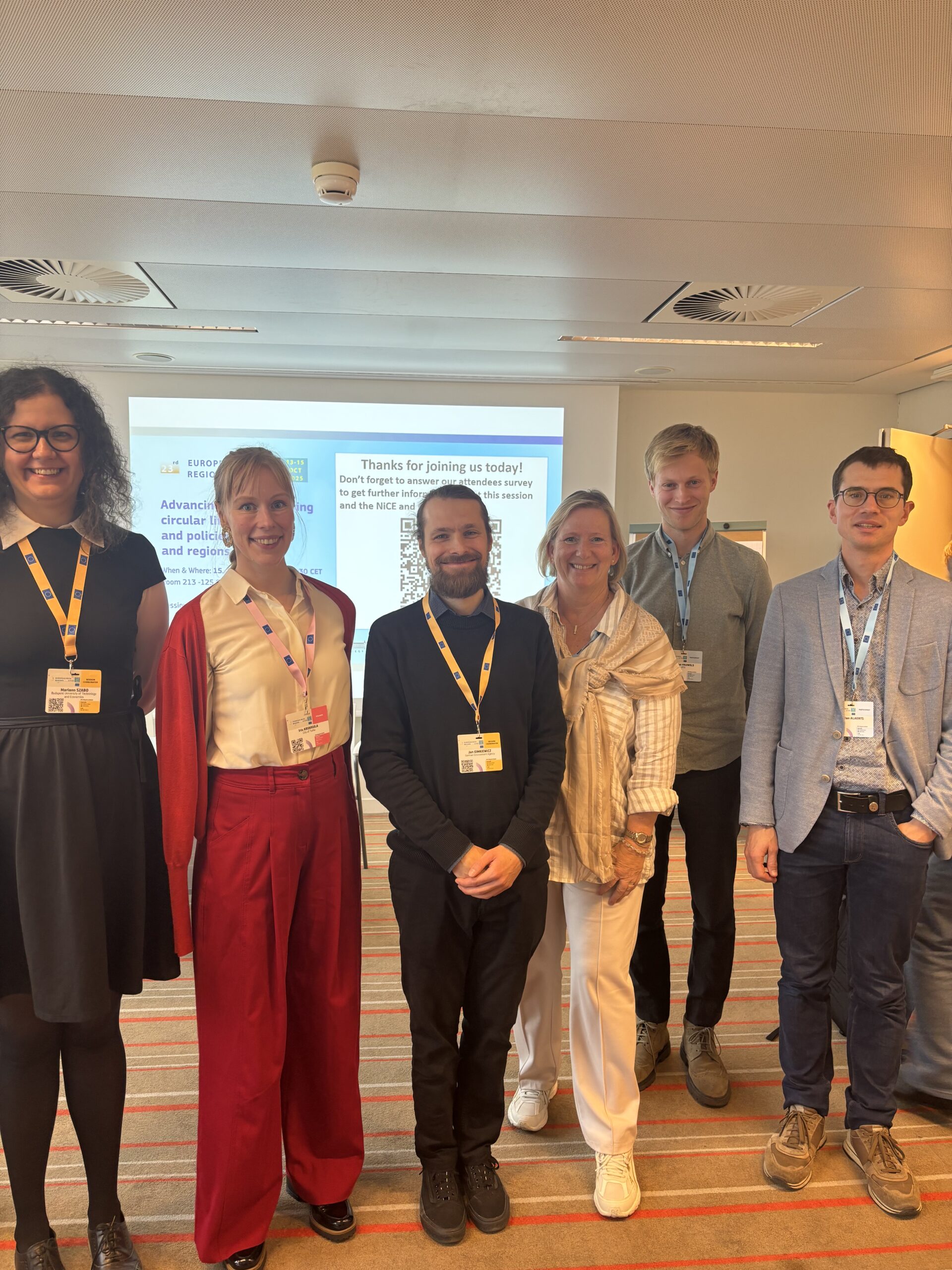
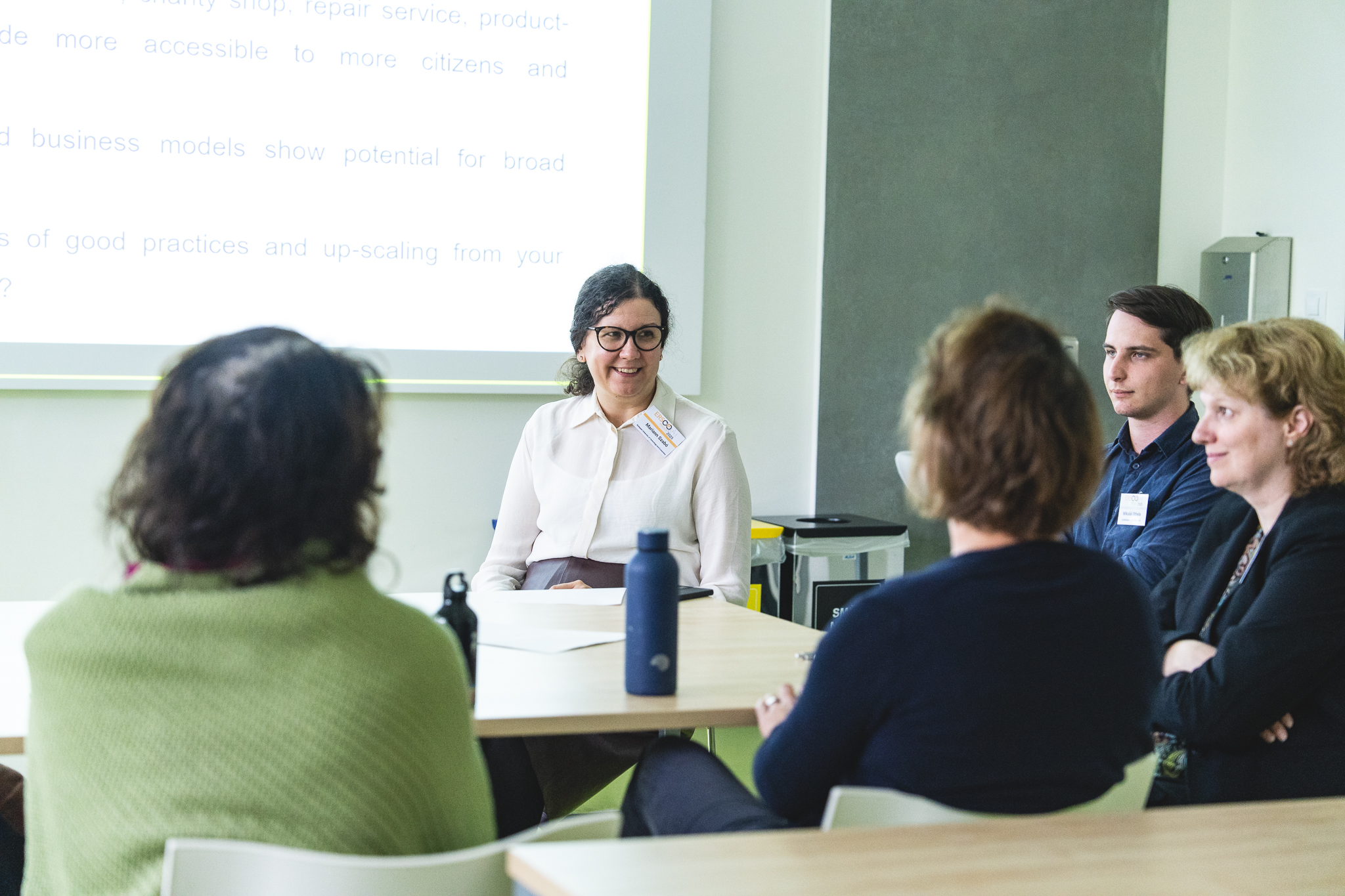
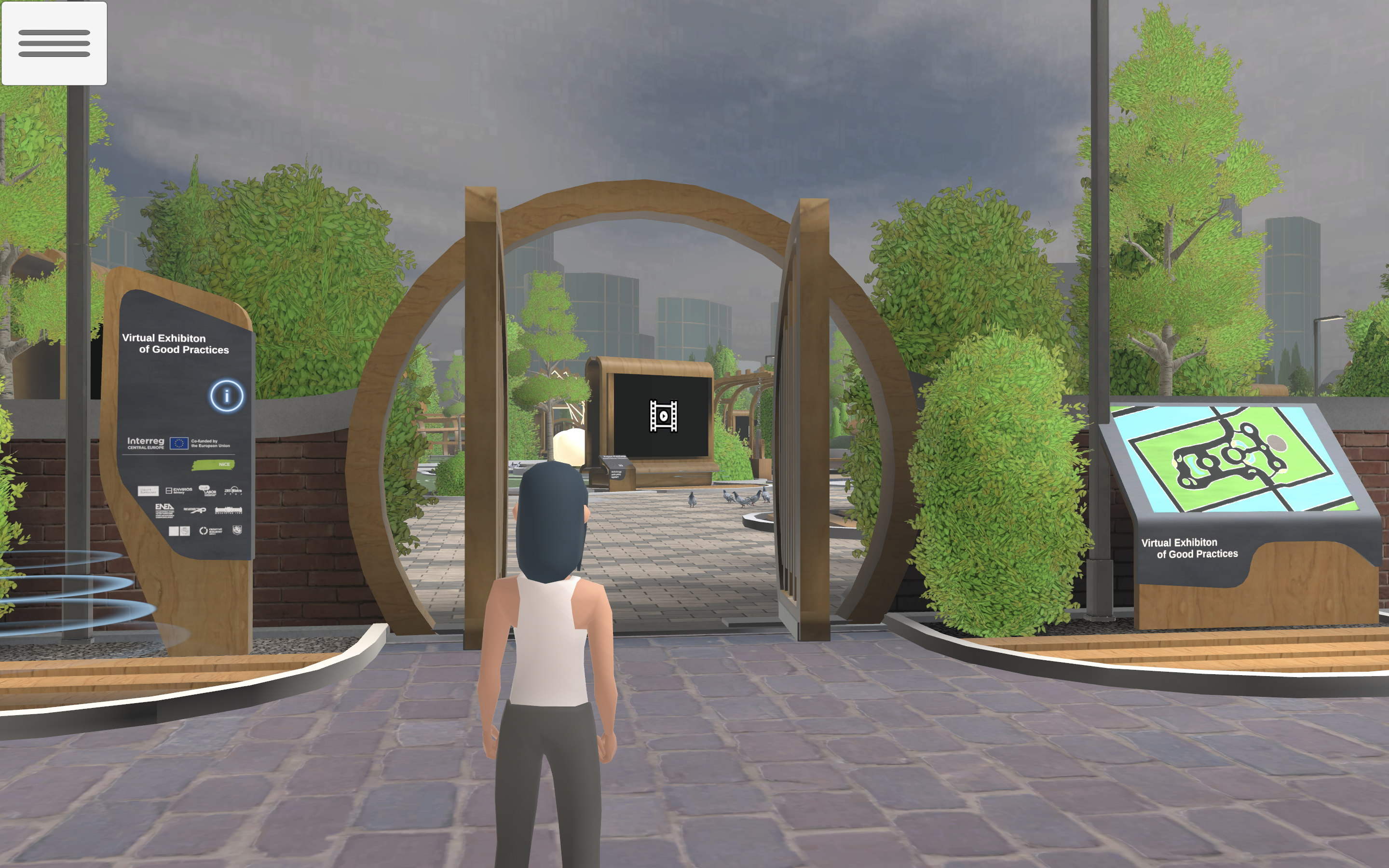
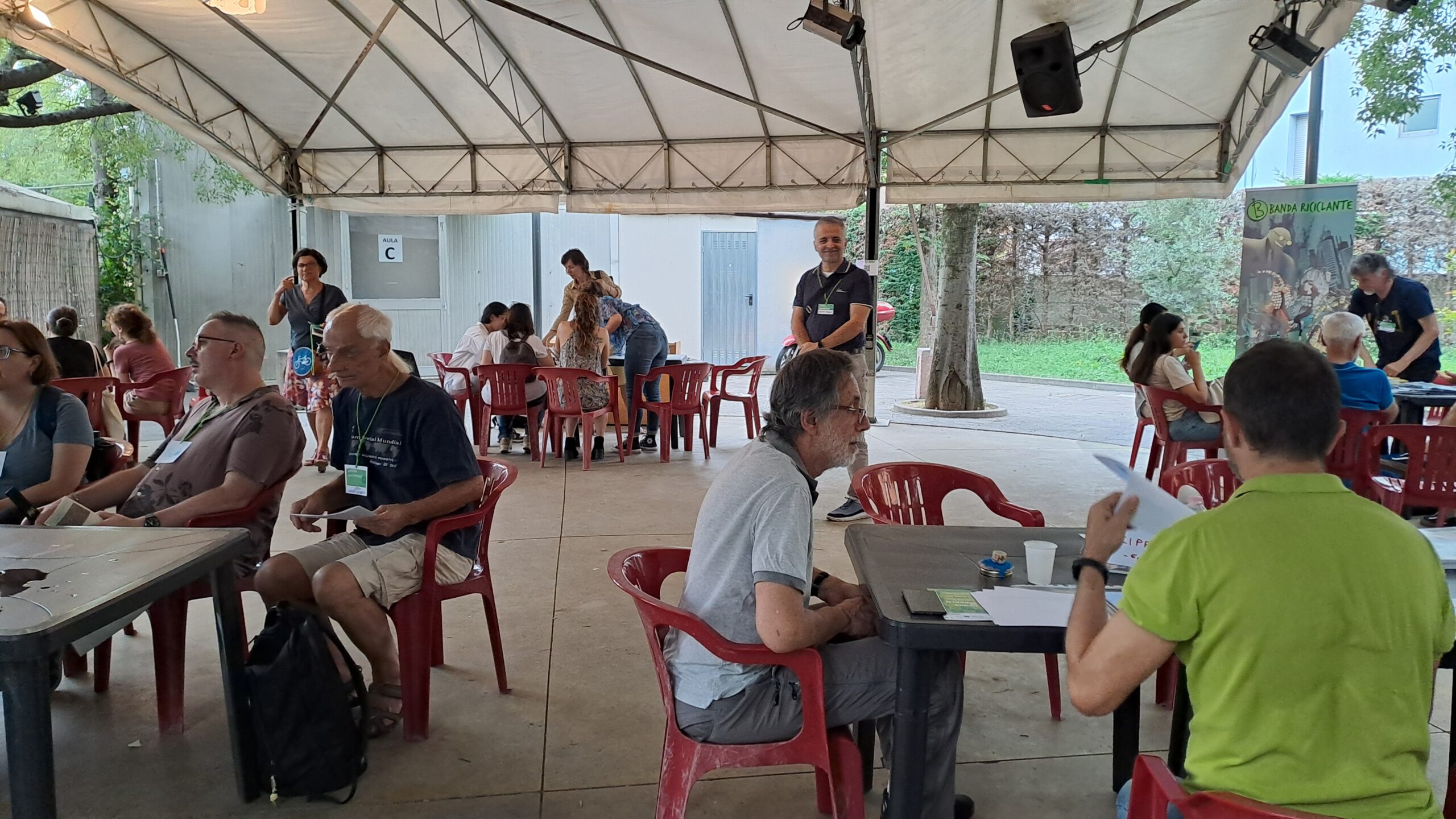
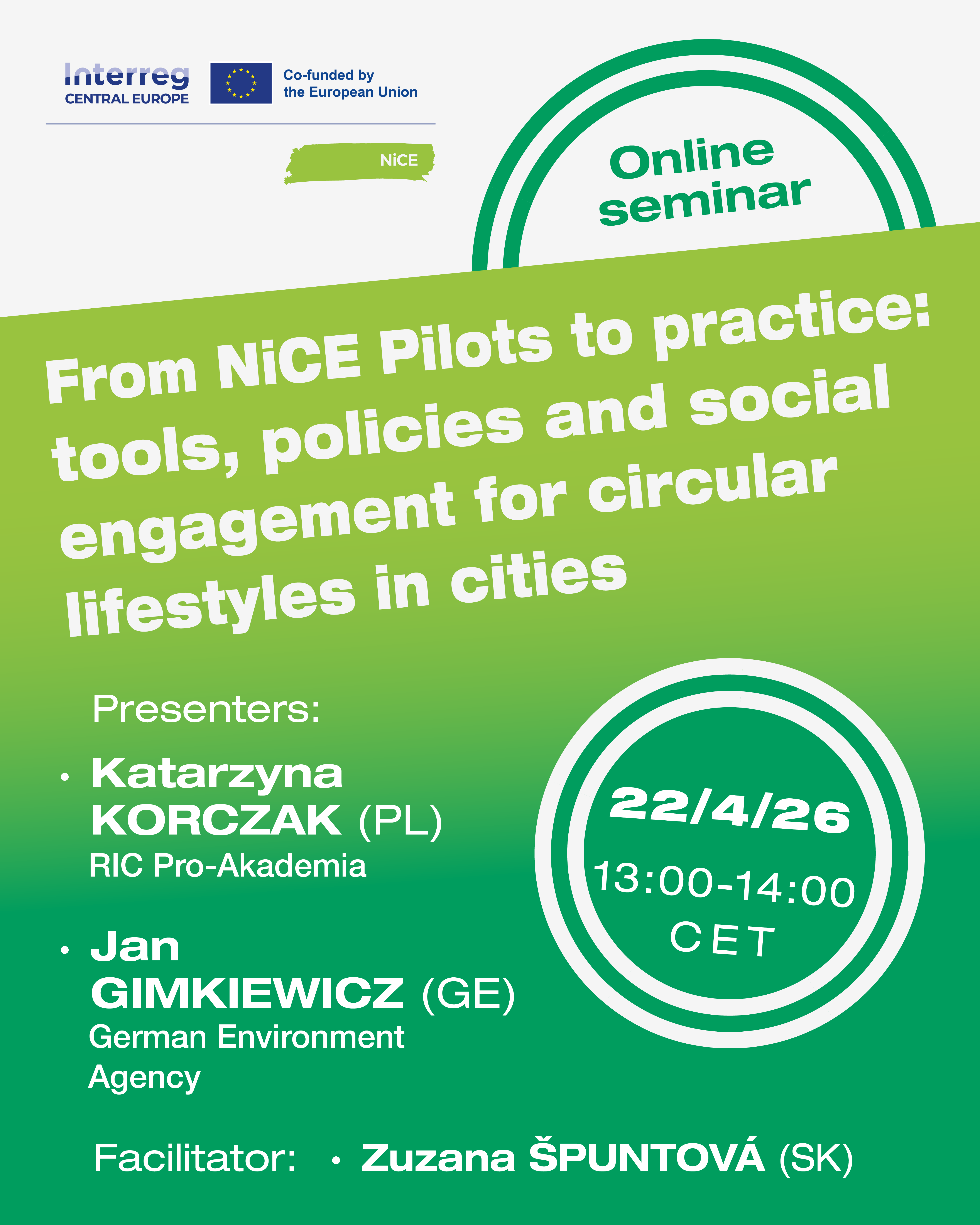
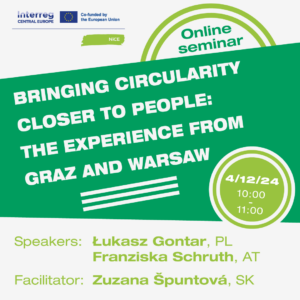
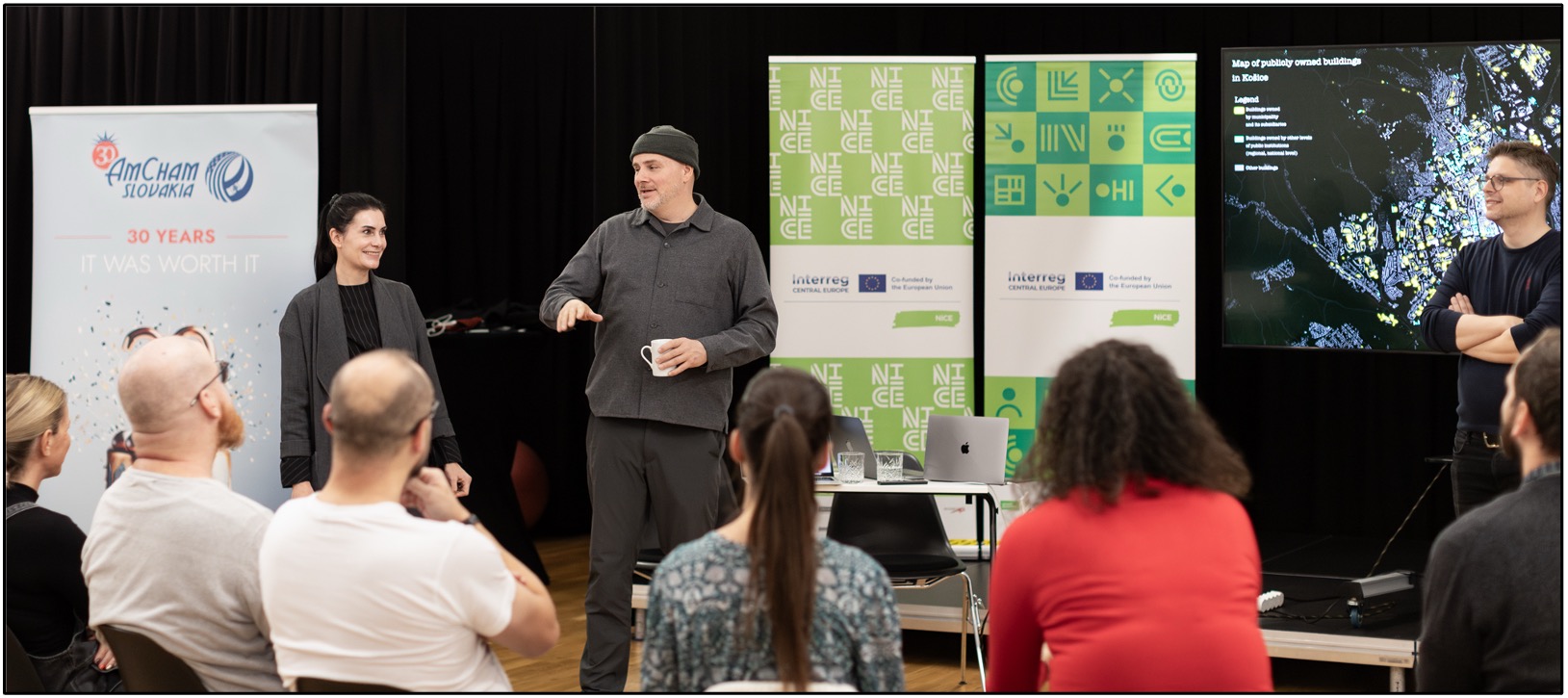
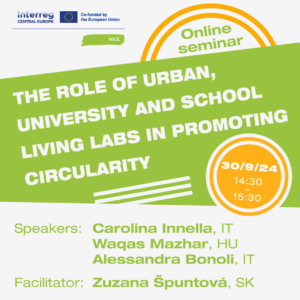
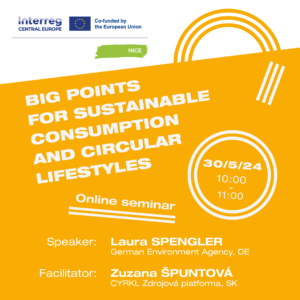
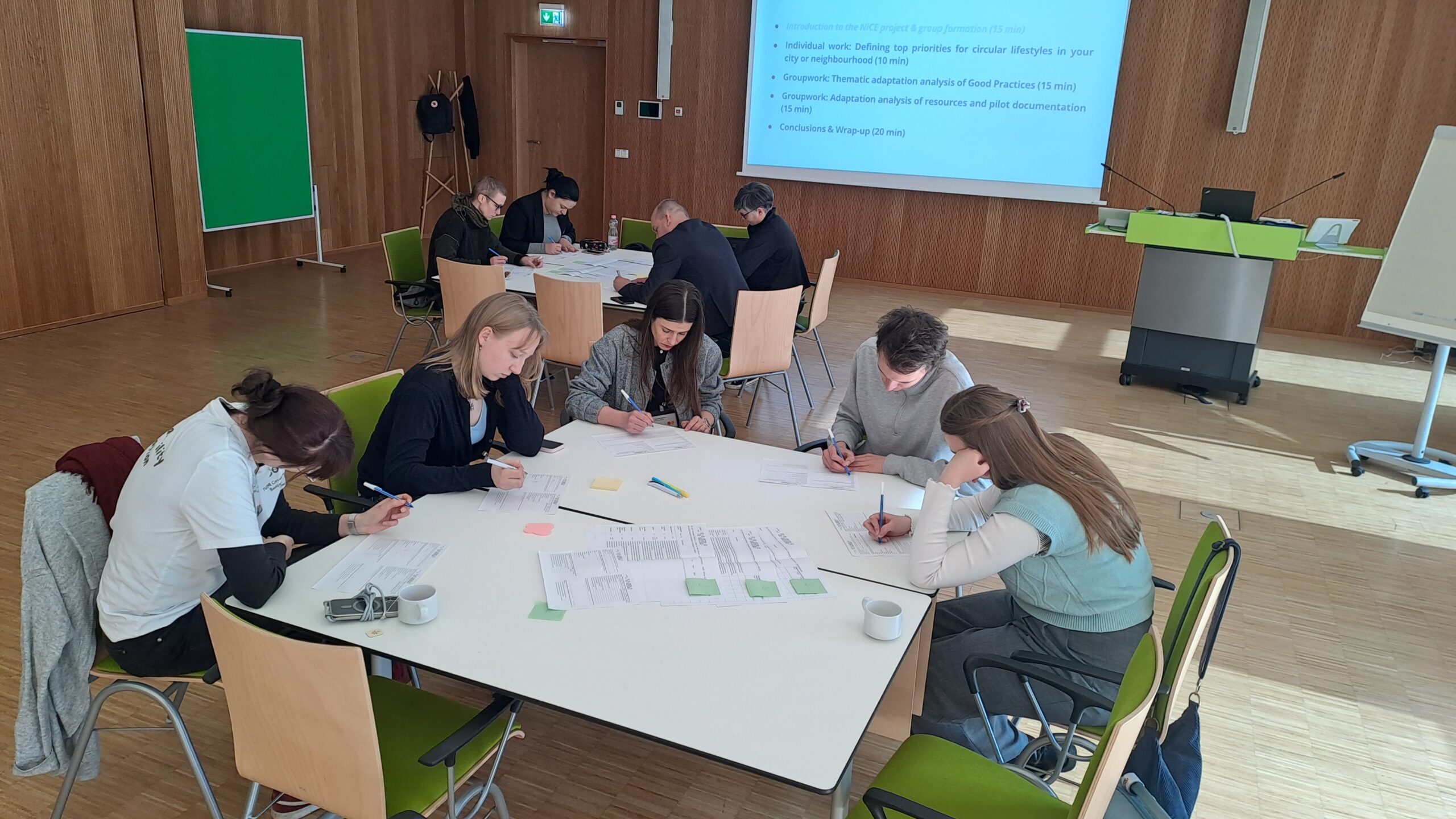
NiCE shared the knowledge, examples and experience generated by the project beyond the original pilot cities. Through the pilots, online seminars, workshops, study visits and Virtual Exhibition, the project created opportunities for cities, organisations and other stakeholders to discover new circular approaches, exchange experiences and learn from the solutions tested by NiCE. The project also supported dissemination and transfer, helping bring the results to wider audiences and encouraging other cities and organisations to explore how circular approaches could be adapted to their own local context.
WHAT REMAINS
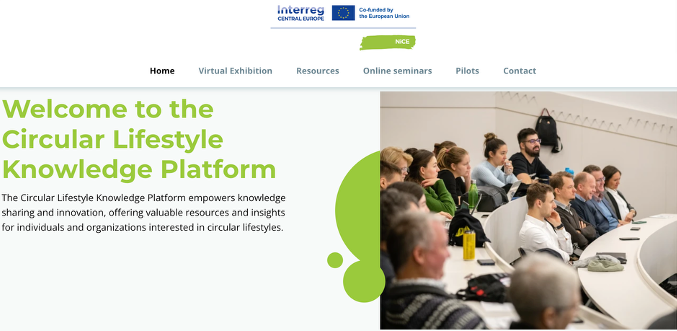
NiCE has created a lasting pool of knowledge, tested approaches and practical resources for cities and organisations working towards more circular and sustainable urban centres. Although the project has ended, its experience, tools and solutions remain available for further use, adaptation and transfer. The partnerships, local actions and new ways of thinking developed through NiCE can continue to support the transition towards circular lifestyles and more sustainable city centres.
News
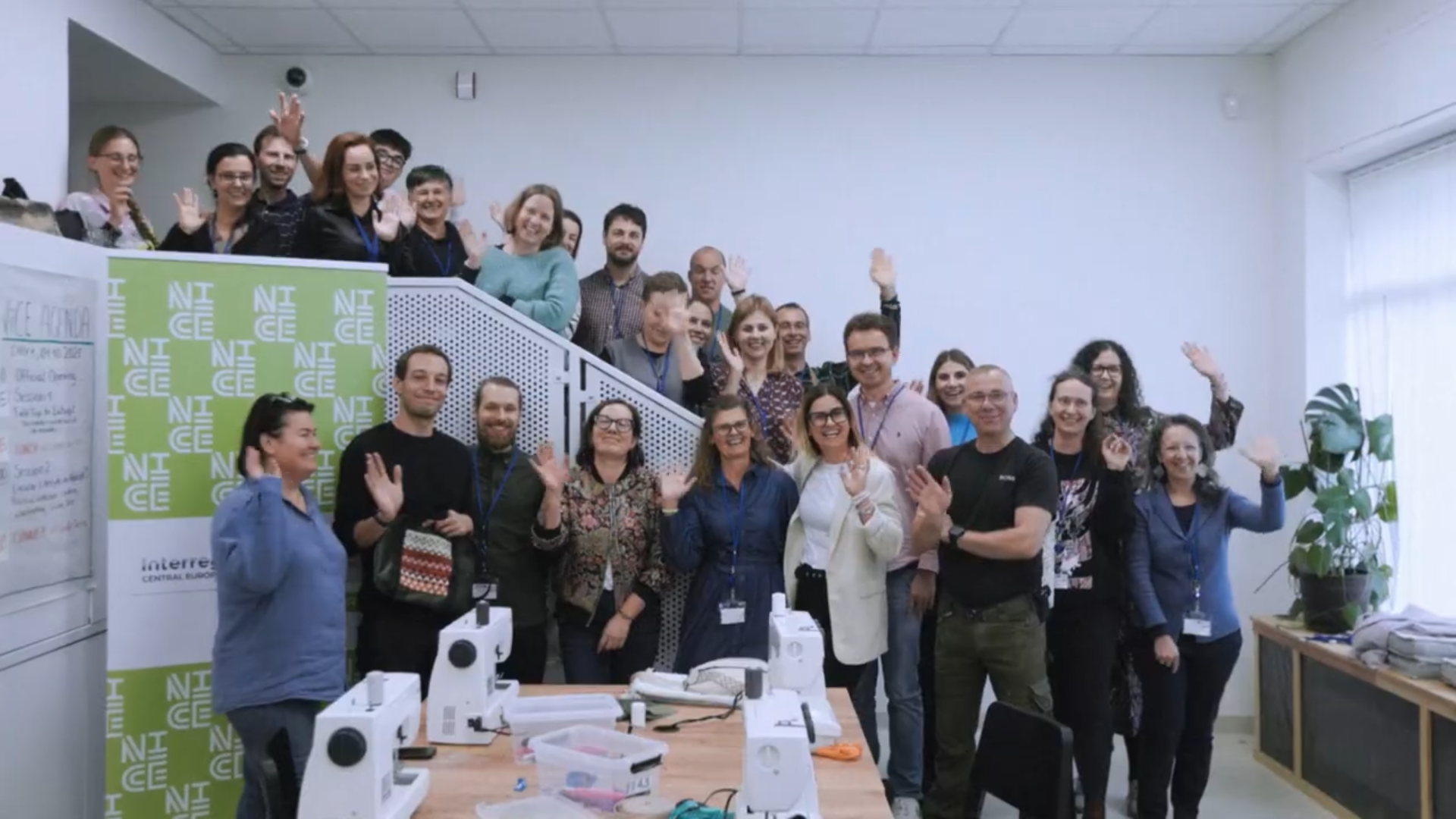


Events

Pilot actions
Outputs
NiCE Strategy Framework to enable circular lifestyles in cities
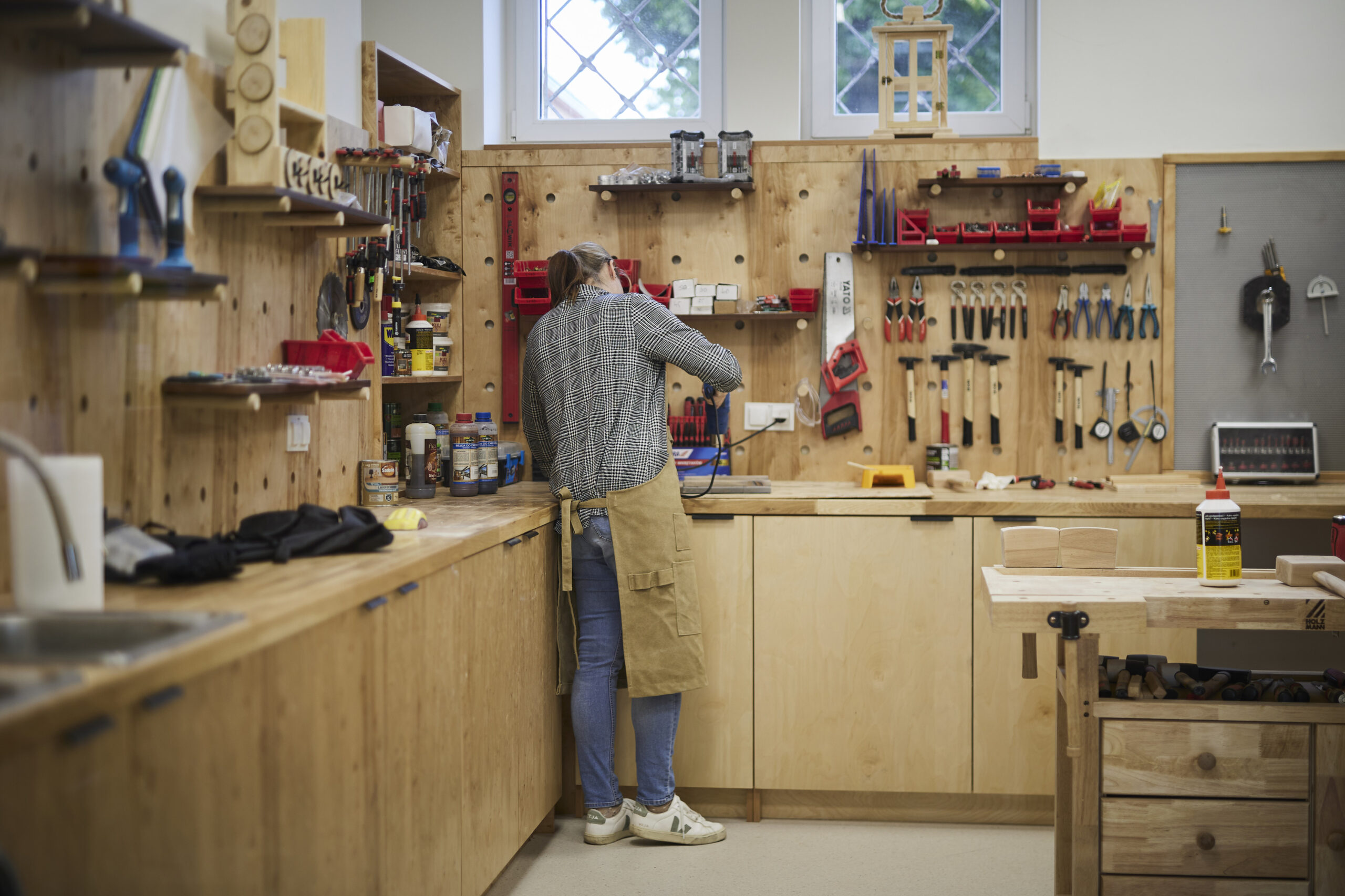
NiCE Solution Box to establish circular lifestyles in cities
- Methodology Kit on Stakeholders Engagement
- How to Run a Multifunctional Resource Centre
- How to Link Sustainable E-Commerce with City Centres
- Circular Water Kit
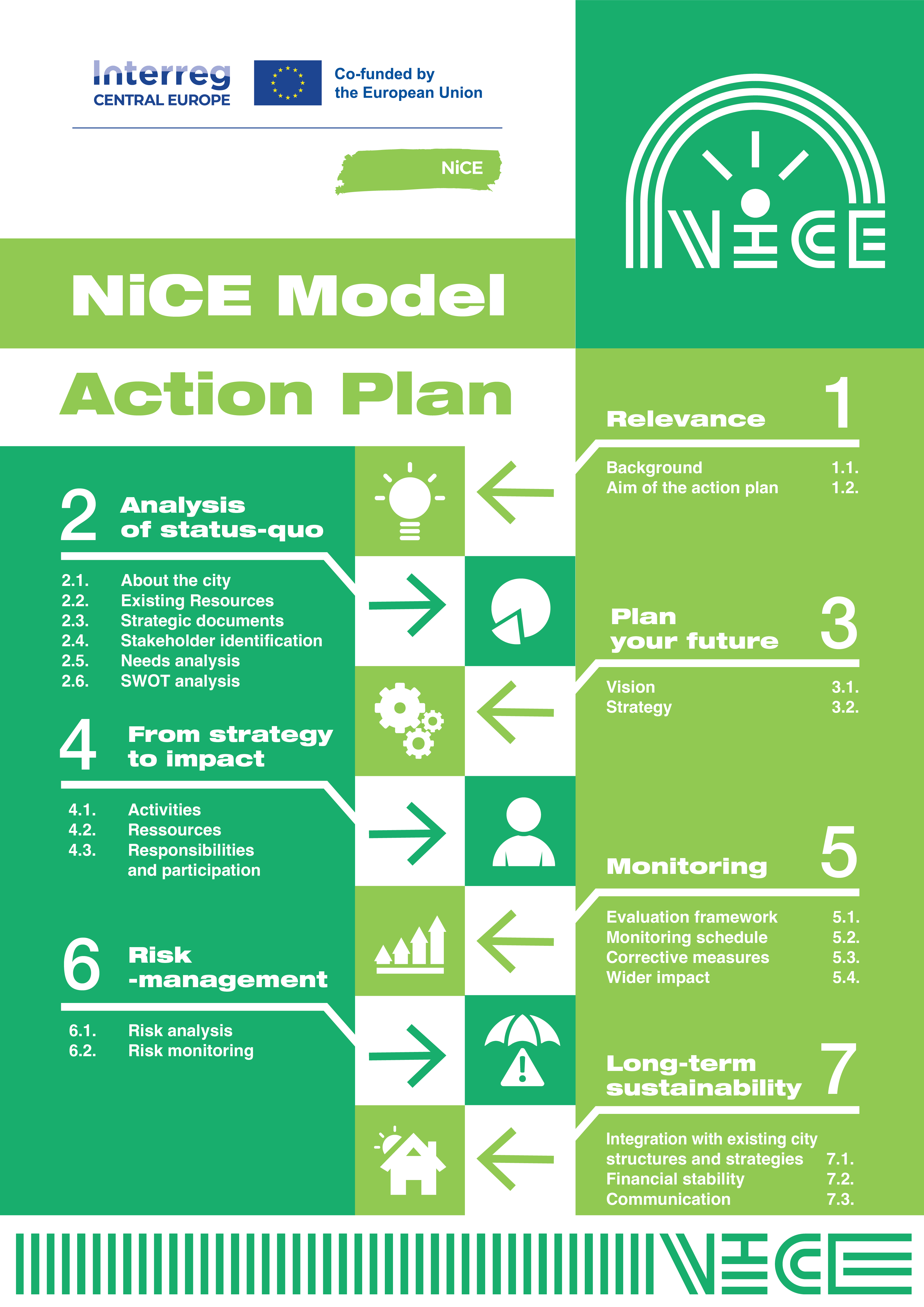
NiCE Action Plans for promoting circular lifestyles
Project videos
Project documents
NiCE Policy Paper
Project images
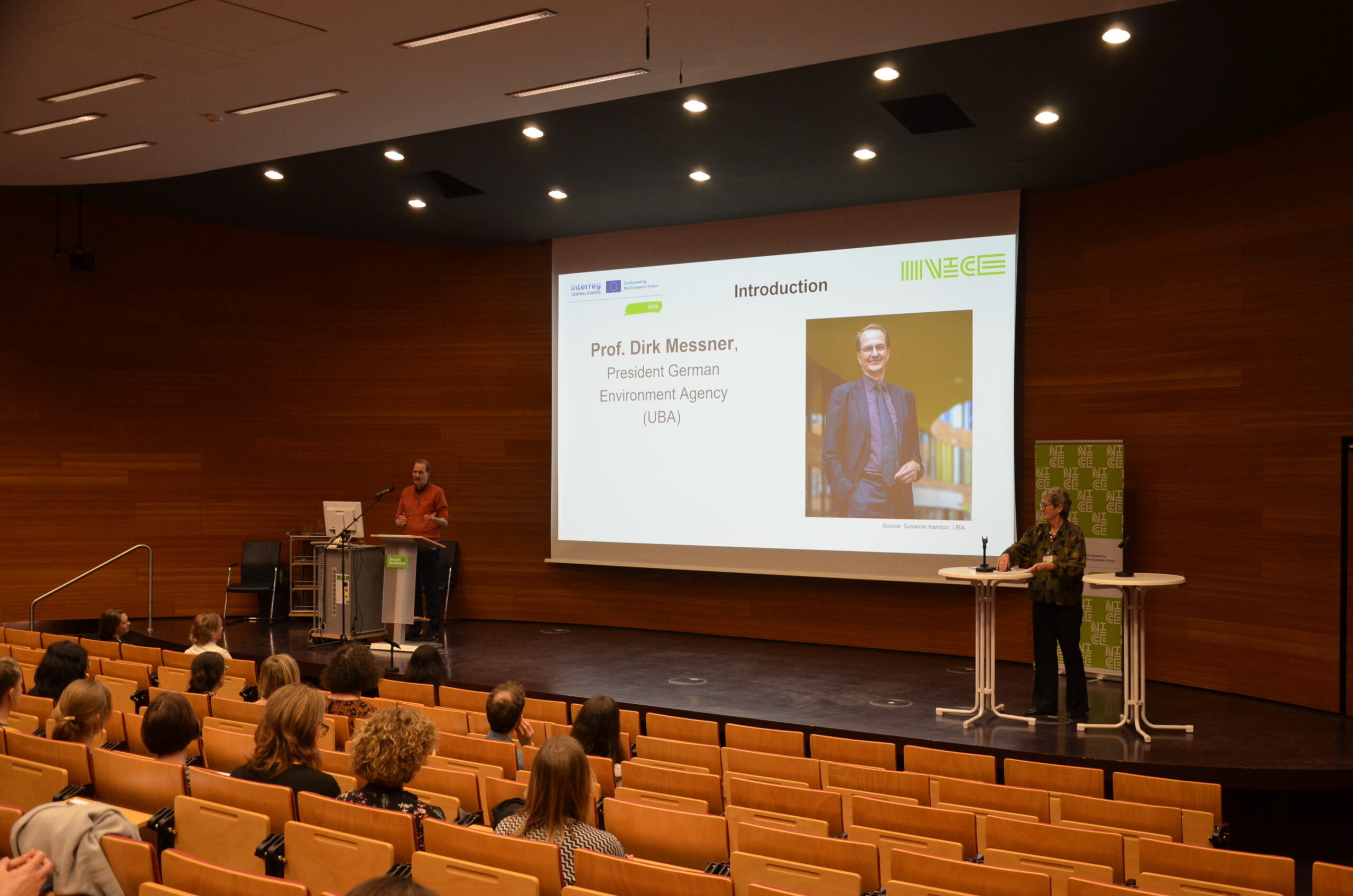
NiCE
The project lead partner is responsible for the content of this project website.