
Project overview
Smart village transition, a model for more competitive and attractive villages in Central Europe
Many rural areas in central Europe struggle with the digital transition. Strategies to become smarter and stay competitive are either missing or hard to transfer. The project “More than a village” changed this. The partnership developed a smart village model that makes rural regions more attractive for people and businesses. The partnership tested the model including action plans in five different regions with a focus on job creation and business development.
-
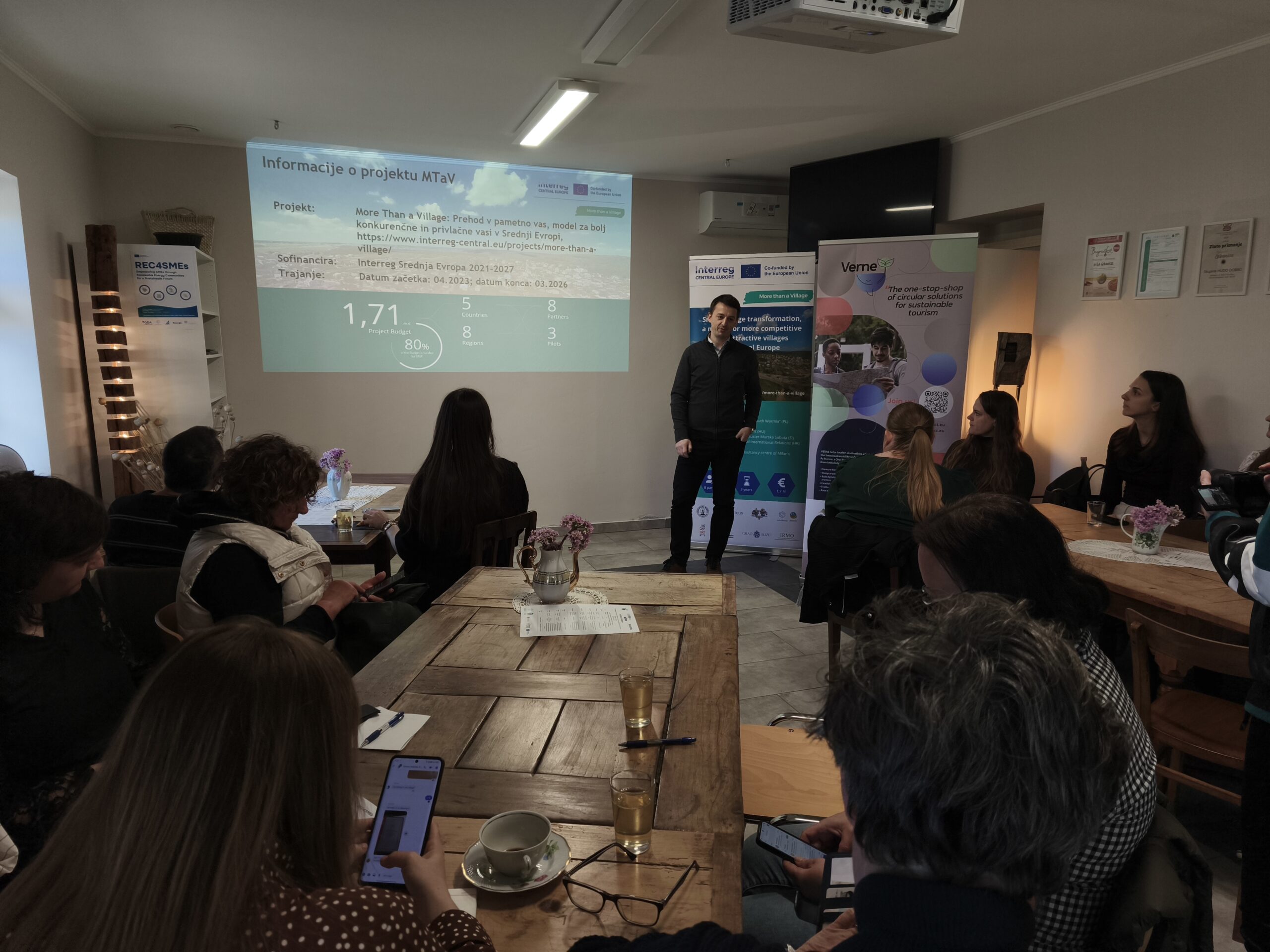
1,62m €
-
Project Budget
-
80%
-
of the Budget is funded by ERDF
-
5
-
Countries
-
8
-
Regions
-
8
-
Partners
-
3
-
Pilots
Duration
Start date
End date
Project progress
About the project
Project partnership
Project partners

Lead partner
LocaI Action Group Association "South Warmia"
Project partner
Roadmap
Challenge
Rural areas across Central Europe are facing significant pressures that affect their attractiveness, resilience and economic potential. Population decline and ageing, limited access to services, digitalisation gaps and reduced economic opportunities can make it difficult for villages to retain residents, support local businesses and attract new activities. At the same time, many rural areas have valuable but underused assets, including natural and cultural resources, local food production, tourism potential, social networks and small businesses. The challenge is therefore to help rural communities turn these assets into new opportunities while responding to their specific local needs and capacities.
Specific problem
The specific problem addressed by More than a Village was the gap between the Smart Village concept promoted at EU level and its practical application in rural communities. Although the Smart Village approach offered a framework for strengthening rural development through innovation, digitalisation, community involvement and better use of local assets, many local and regional stakeholders lacked practical experience and tools to turn the concept into concrete actions. Moreover, rural territories differ considerably in their needs, resources and development potential, making it difficult to apply a single model across different contexts. The project therefore addressed the need for practical, locally adaptable approaches that could help rural stakeholders move from the Smart Village concept to implementation.
Idea
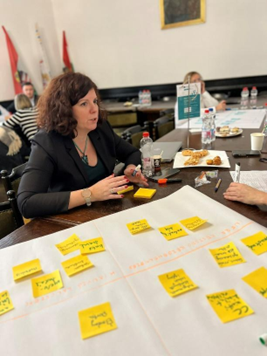
The project developed and tested a Smart Village approach based on the identification and mobilisation of local assets and capacities. Rather than applying a predefined model, partners worked with local stakeholders to identify opportunities and develop solutions adapted to the characteristics of their territories. The approach combined local participation, transnational exchange and practical experimentation. Five pilot territories tested different pathways for smart rural development, while the partnership used the experience gained to develop a joint framework for Smart Village transition in Central Europe. The Joint Transnational Strategy on Smart Village Transition provided a common reference for this process and supported the development of local actions tailored to the needs and potential of individual territories.
Solution
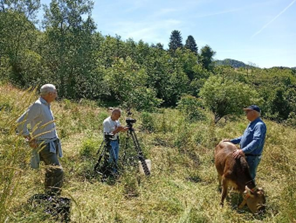
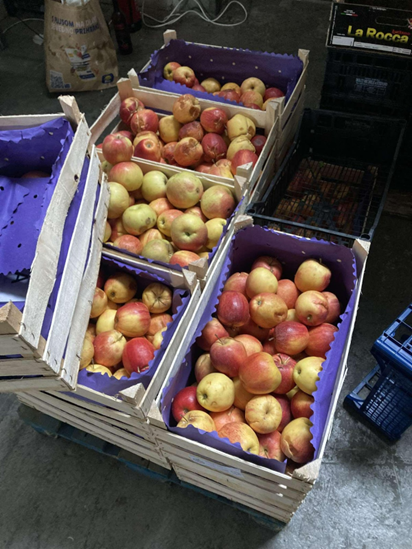
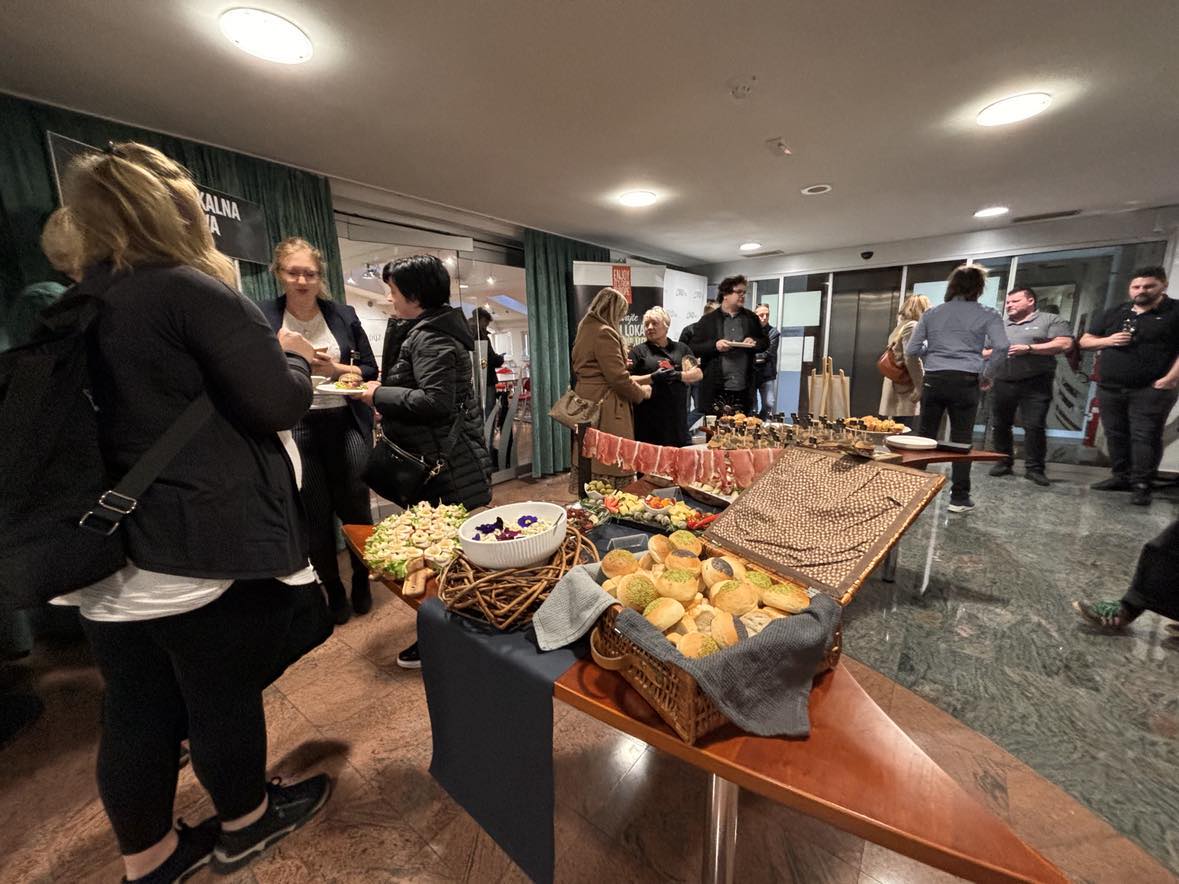
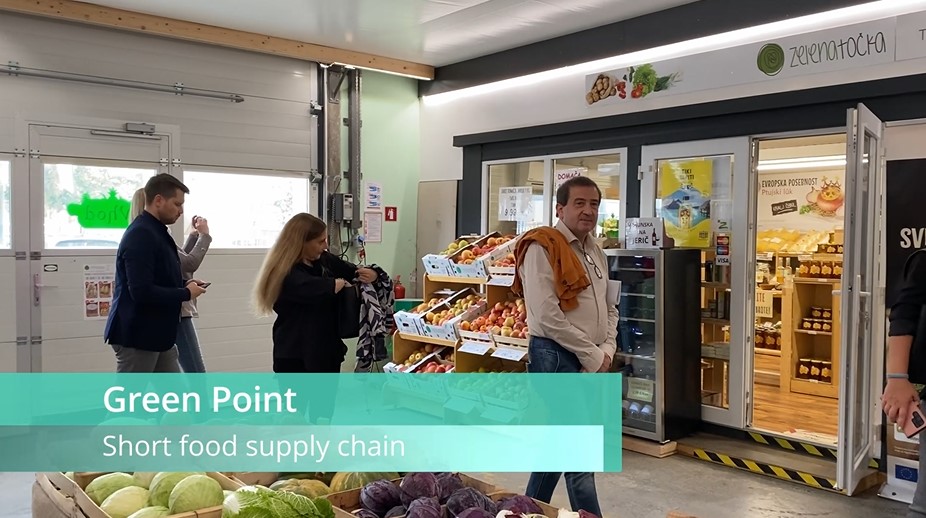
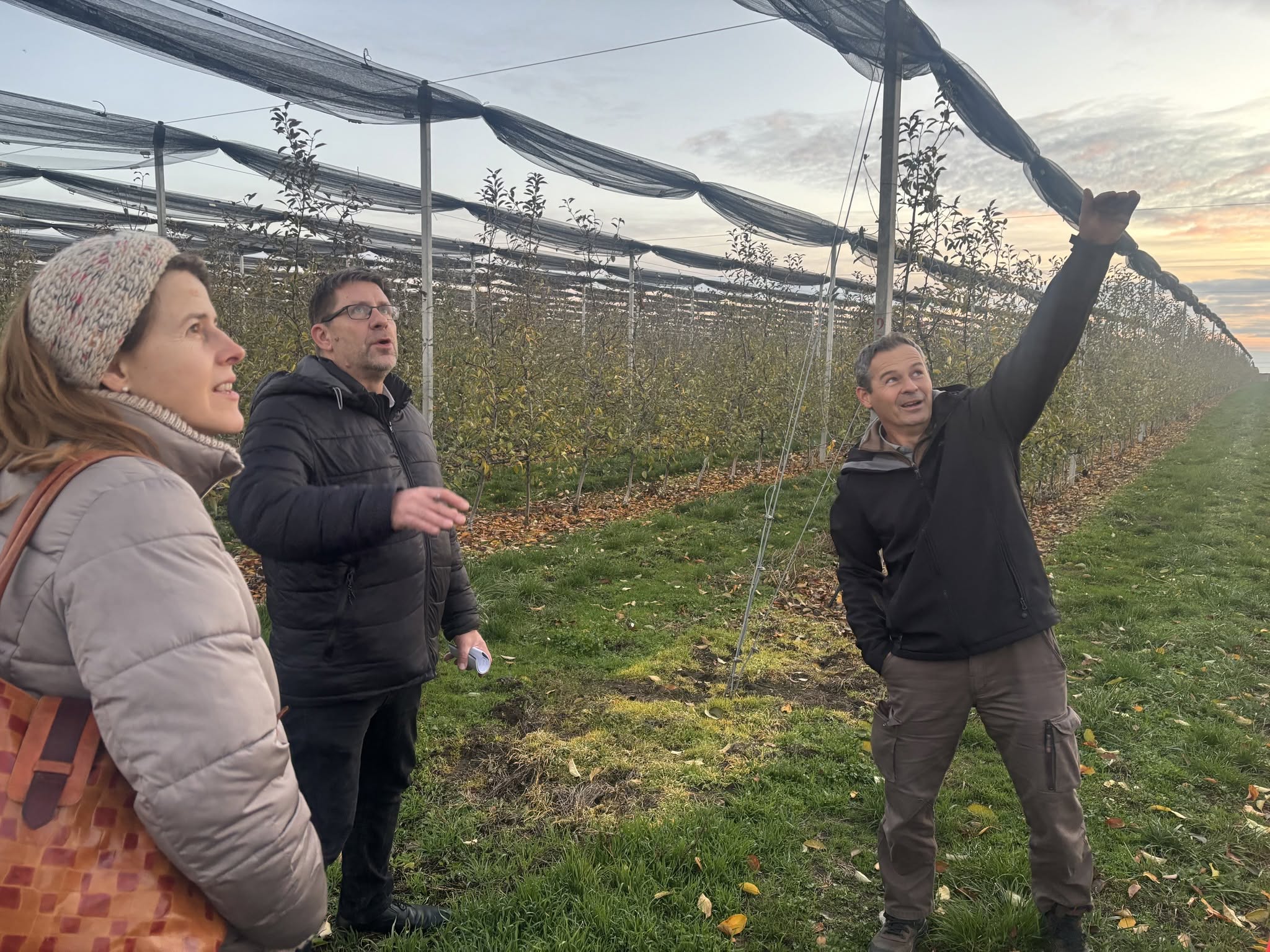
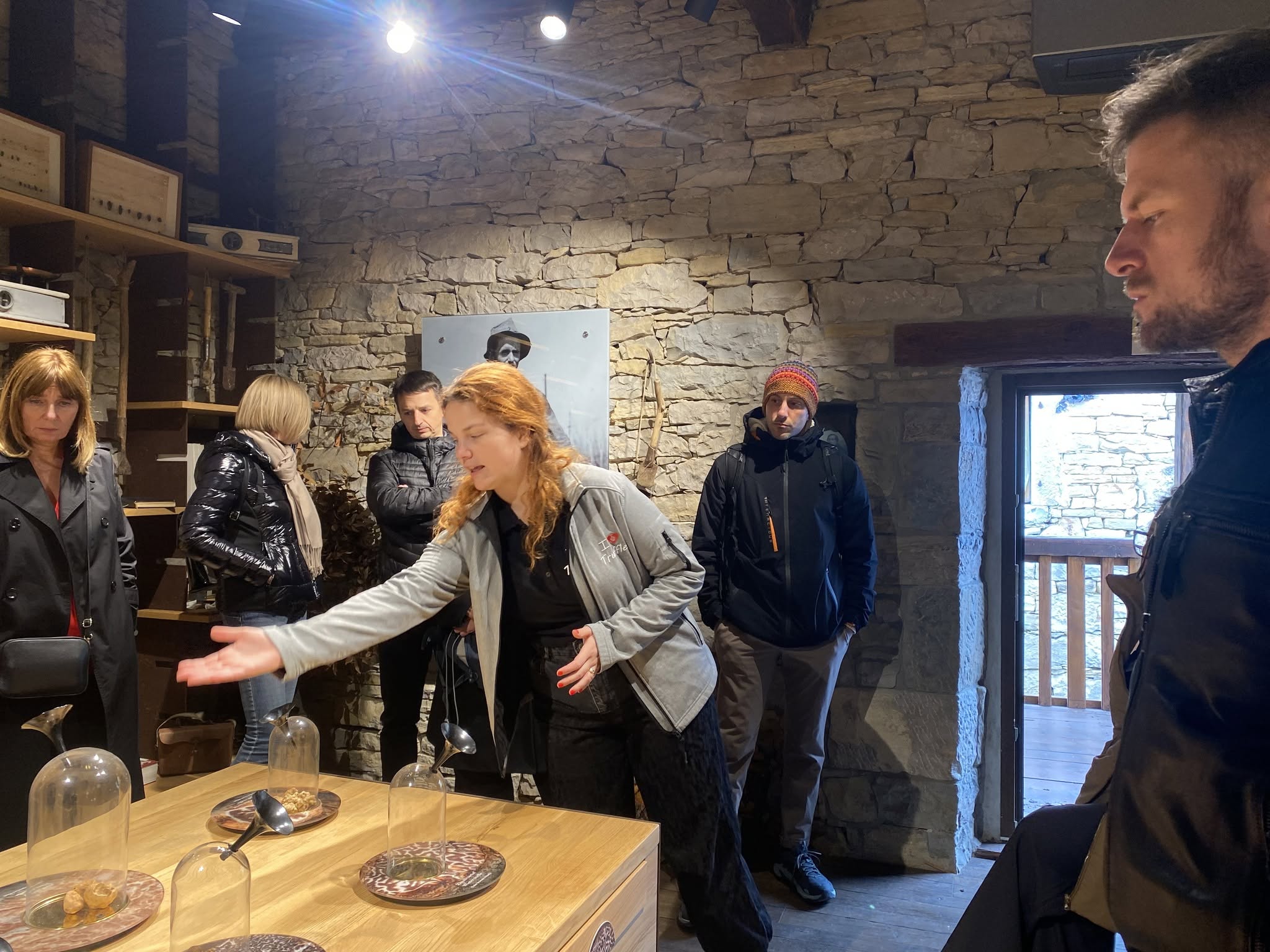
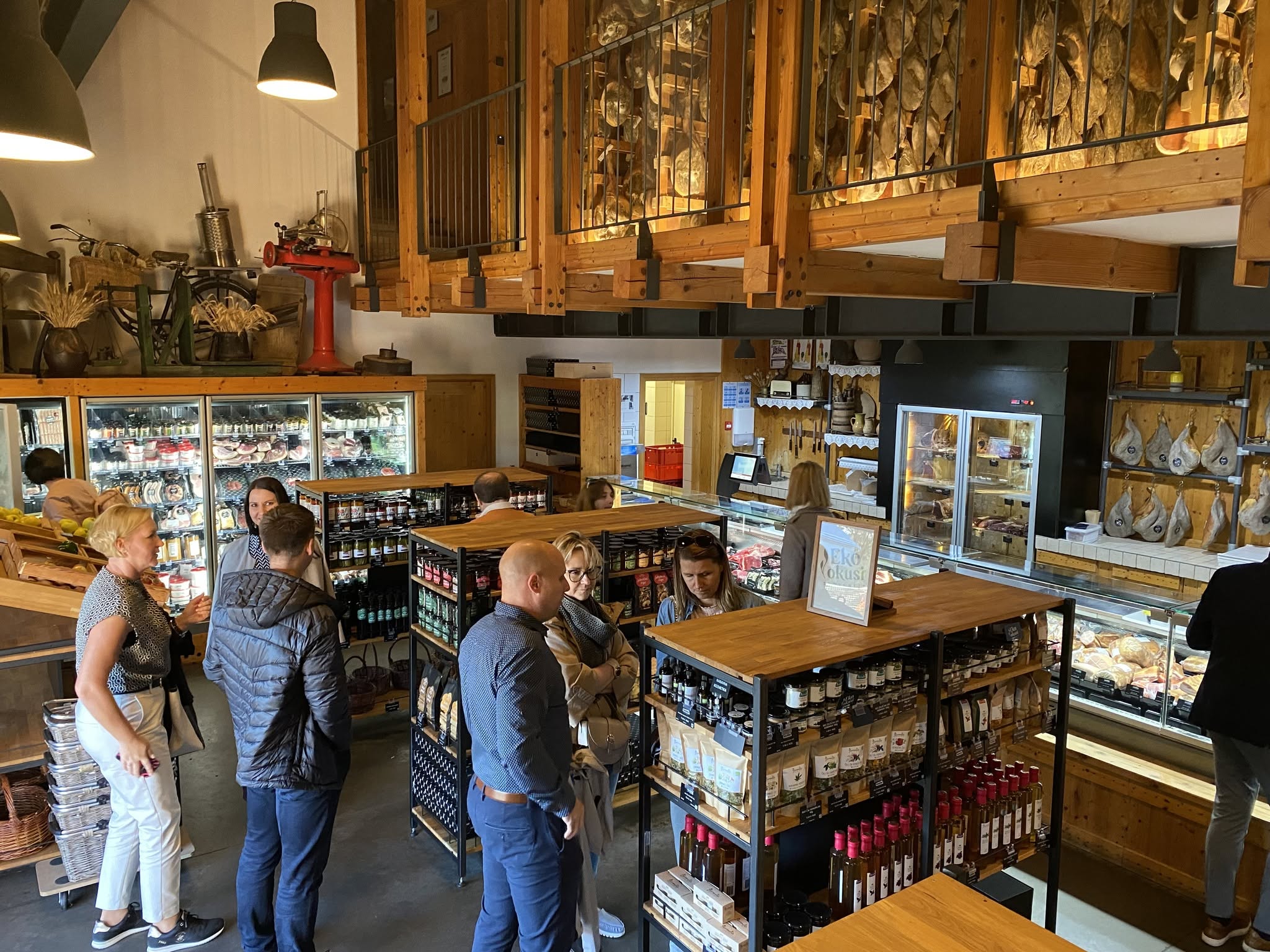
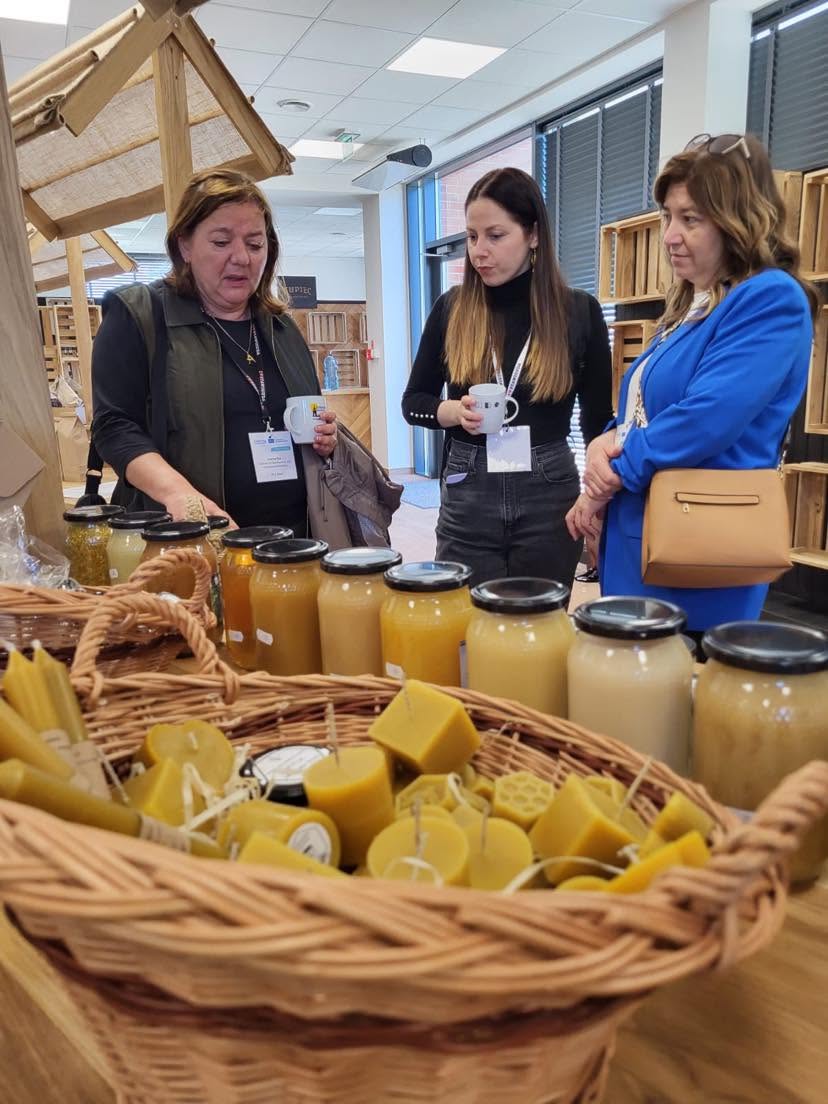
The project translated the Smart Village approach into practice through five pilot actions in Central European territories. Each pilot focused on a specific local challenge and tested a solution based on local resources, stakeholder cooperation and digital innovation. The pilots addressed areas including support for local businesses and entrepreneurs, the digital inclusion of older residents, sustainable tourism, food loss and waste and digital solutions for the agri-food sector. The partners worked together throughout the process to exchange experience, assess the solutions tested and identify elements that could be adapted and transferred to other rural areas. This combination of local experimentation and transnational learning allowed the project to move beyond the conceptual promotion of Smart Villages and demonstrate practical ways of implementing the approach.
What was delivered
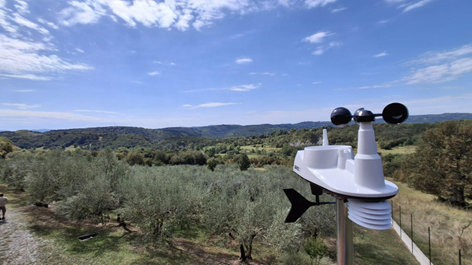
The project delivered three main groups of results: • A Joint Transnational Strategy on Smart Village Transition, accompanied by action plans supporting implementation in selected territories; • Five pilot actions, including a Smart Village Hub, a Digital Silver Economy Hub, a smart tourism co-working space, a food loss and waste marketplace, and a digital agri-food platform supported by agrometeorological stations; • Three transferable tools developed from the experience of the pilots: the Smart Village Business Support Tool, the Smart Tourism Village Tool and the Agri-food Smart Village Tool. Together, these results provide rural communities and local and regional stakeholders with practical methods and tested examples for identifying local potential, addressing territorial challenges and developing their own Smart Village transition pathways.
News



Events
Pilot actions
Outputs
Joint strategy for smart village transition in Central Europe
Transnational action plan for smart village transition
Smart village business support tool
Smart tourism village tool
Agri-food smart village tool
More than a Village
The project lead partner is responsible for the content of this project website.