


Project overview
Establishment of sustainable structures for the deployment of innovations, transfer of technologies, and knowledge in health care systems in CE based on OI 2.0 principles.
Health care has to digitalise to cope with an aging population and a growing number of patients with chronic diseases. Digital solutions often exist but their transfer from one ecosystem to another remains challenging. The Health Labs4Value project supported the transfer of digital solutions through living labs. These brought together health care organisations and companies as well as policy makers and patients to jointly improve the introduction of patient-oriented digital solutions.
-
2,19m €
-
Project Budget
-
80%
-
of the Budget is funded by ERDF
-
6
-
Countries
-
7
-
Regions
-
11
-
Partners
-
5
-
Pilots
Duration
Start date
End date
Project progress
About the project
Project partnership
Project partners

Lead partner
Central Transdanubian Regional Innovation Agency Nonprofit Ltd.
Project partner
MedTech – Chamber of Medical Technology and Services
1000 Ljubljana
01309 Dresden
Department of International Projects
Roadmap
Identified Problem

The project addressed growing challenges in healthcare systems across Central Europe, including ageing populations, increasing numbers of chronic patients, and rising pressure on healthcare services. These trends highlighted the need for more patient-oriented and digitally supported healthcare solutions.
Core Challenge

Although innovative digital healthcare solutions already exist, their transfer and adoption across regional healthcare ecosystems remain limited. Differences in organisational structures, stakeholder needs, and healthcare processes often hinder effective implementation and reduce potential benefits for patients and healthcare providers.
Creative Idea

How can digital healthcare solutions be adapted to different regional contexts while actively involving patients, healthcare professionals, policymakers, researchers, and innovators in their development and testing?
Our Solution

Health Labs4Value addressed this challenge by establishing territorial Living Labs connected through a transnational network. These Living Labs supported the co-creation, testing, validation, and transfer of patient-oriented digital solutions based on Value-Based Healthcare principles.
Implementation
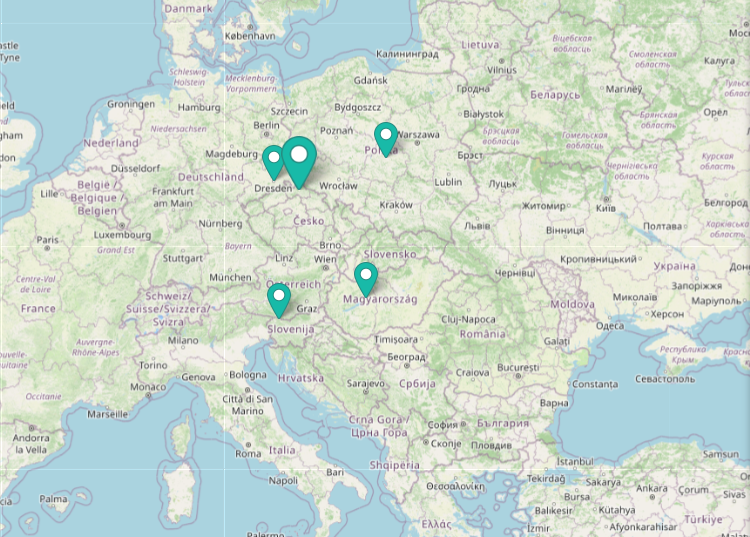
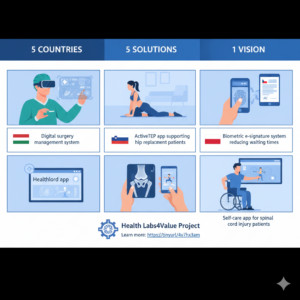
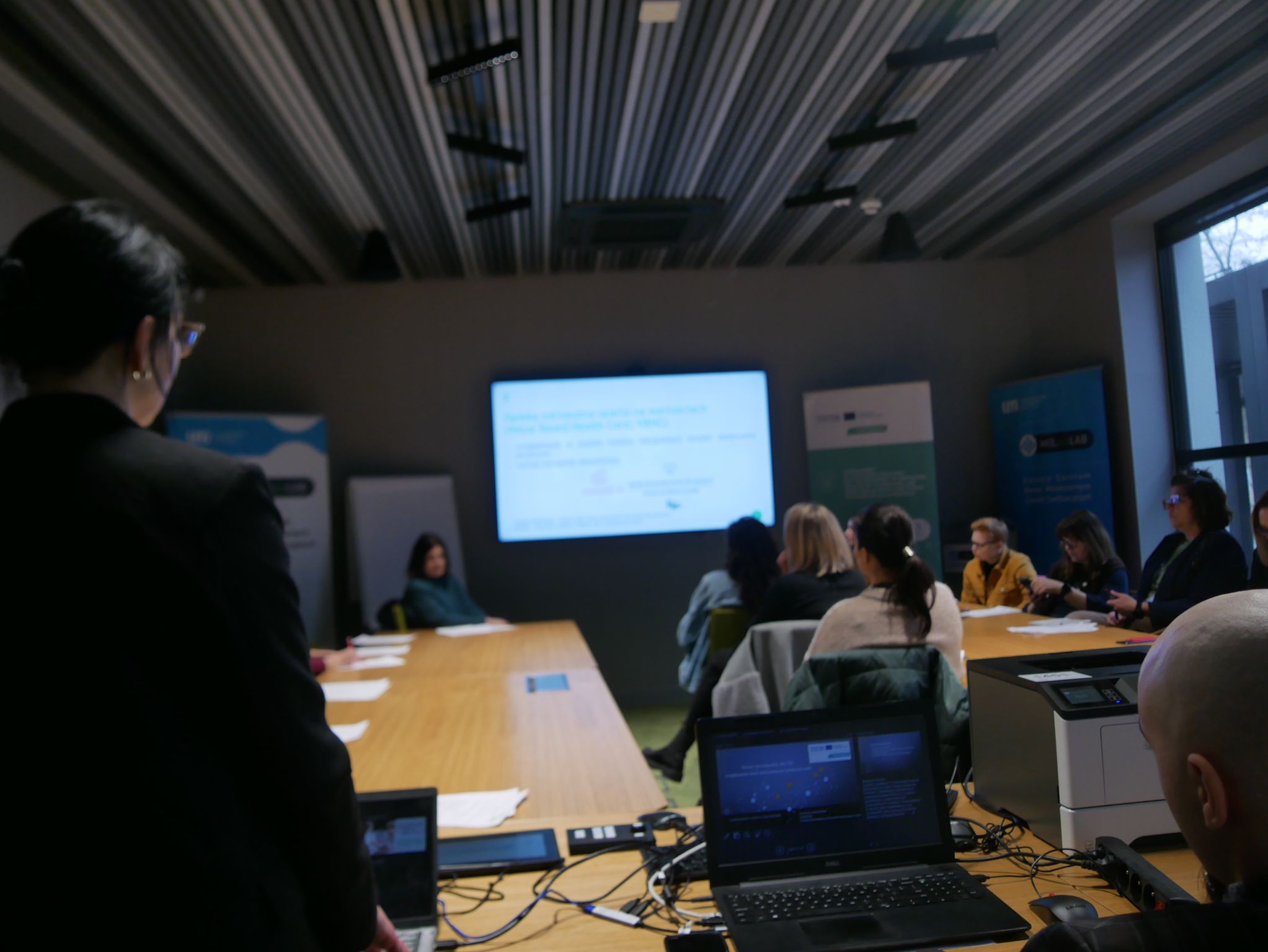
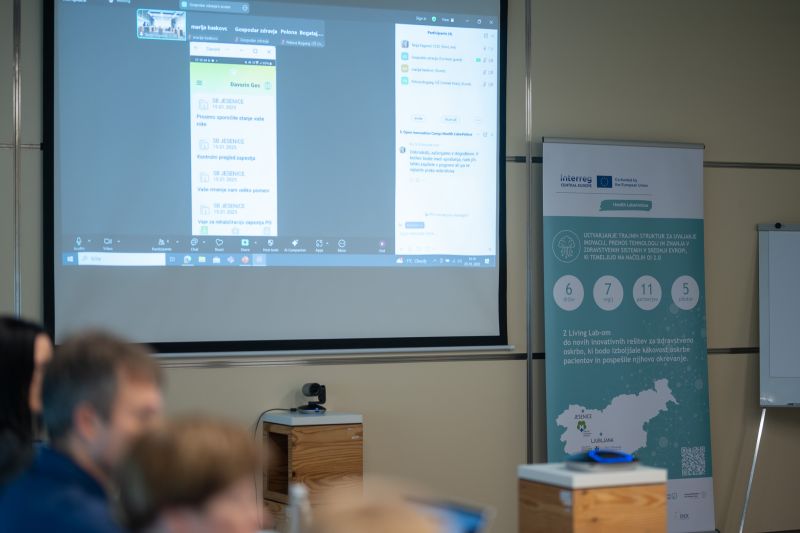
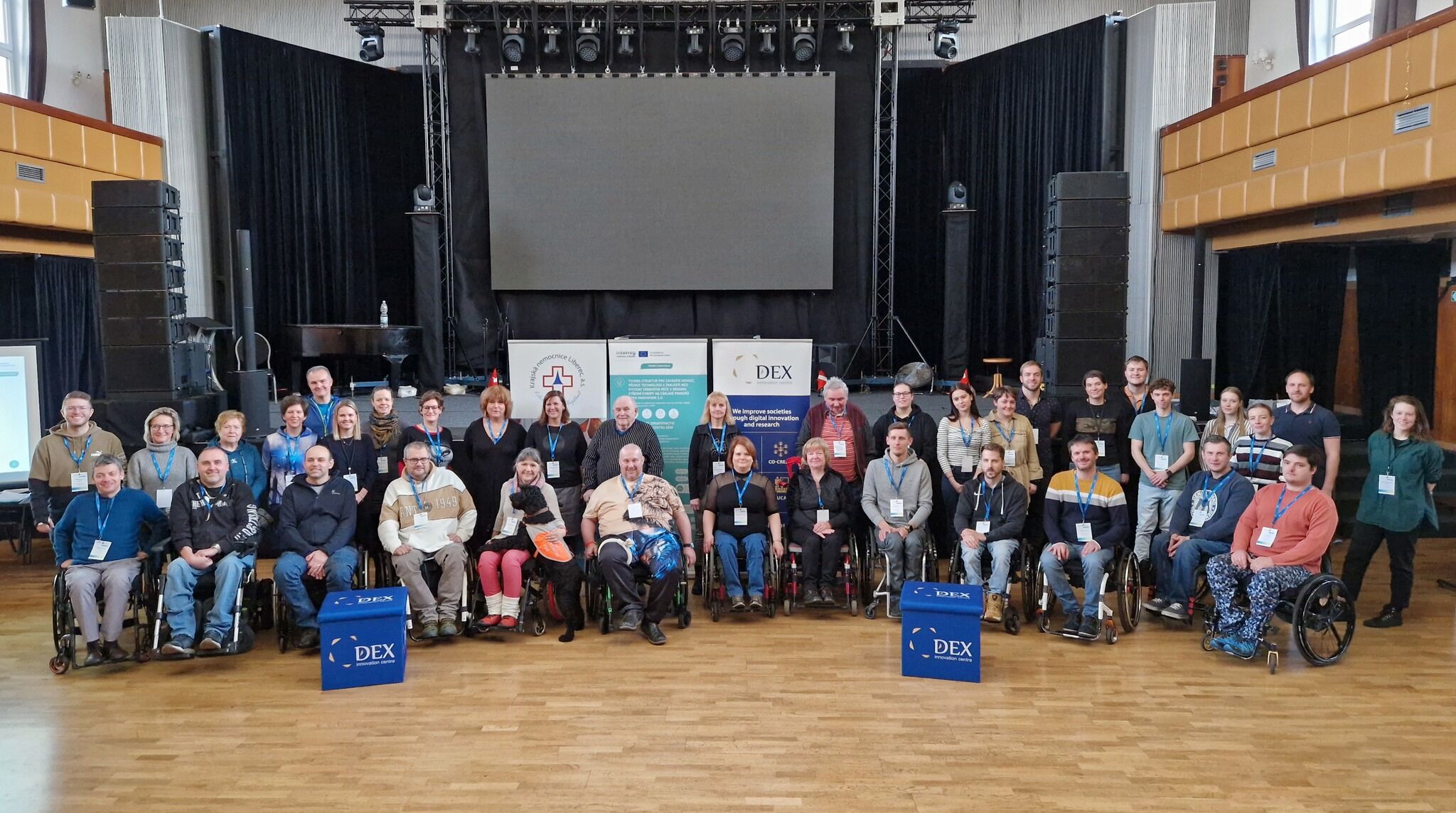
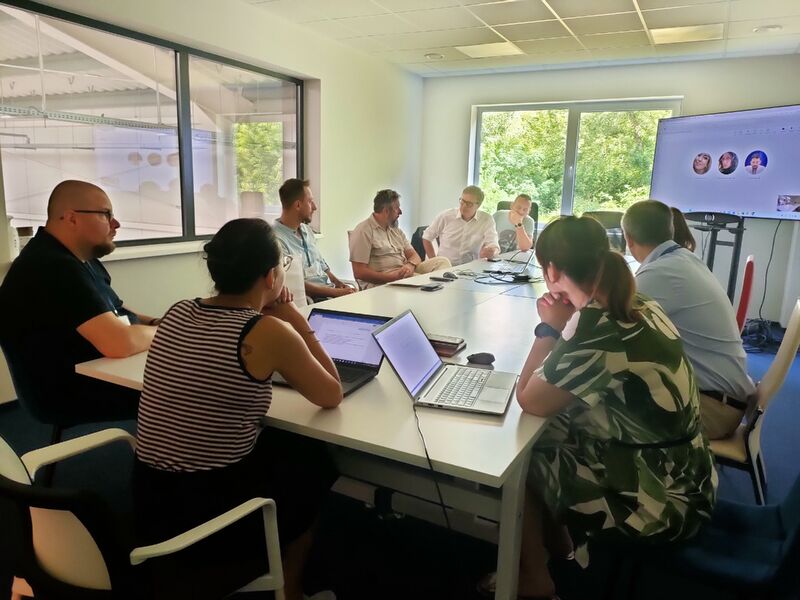
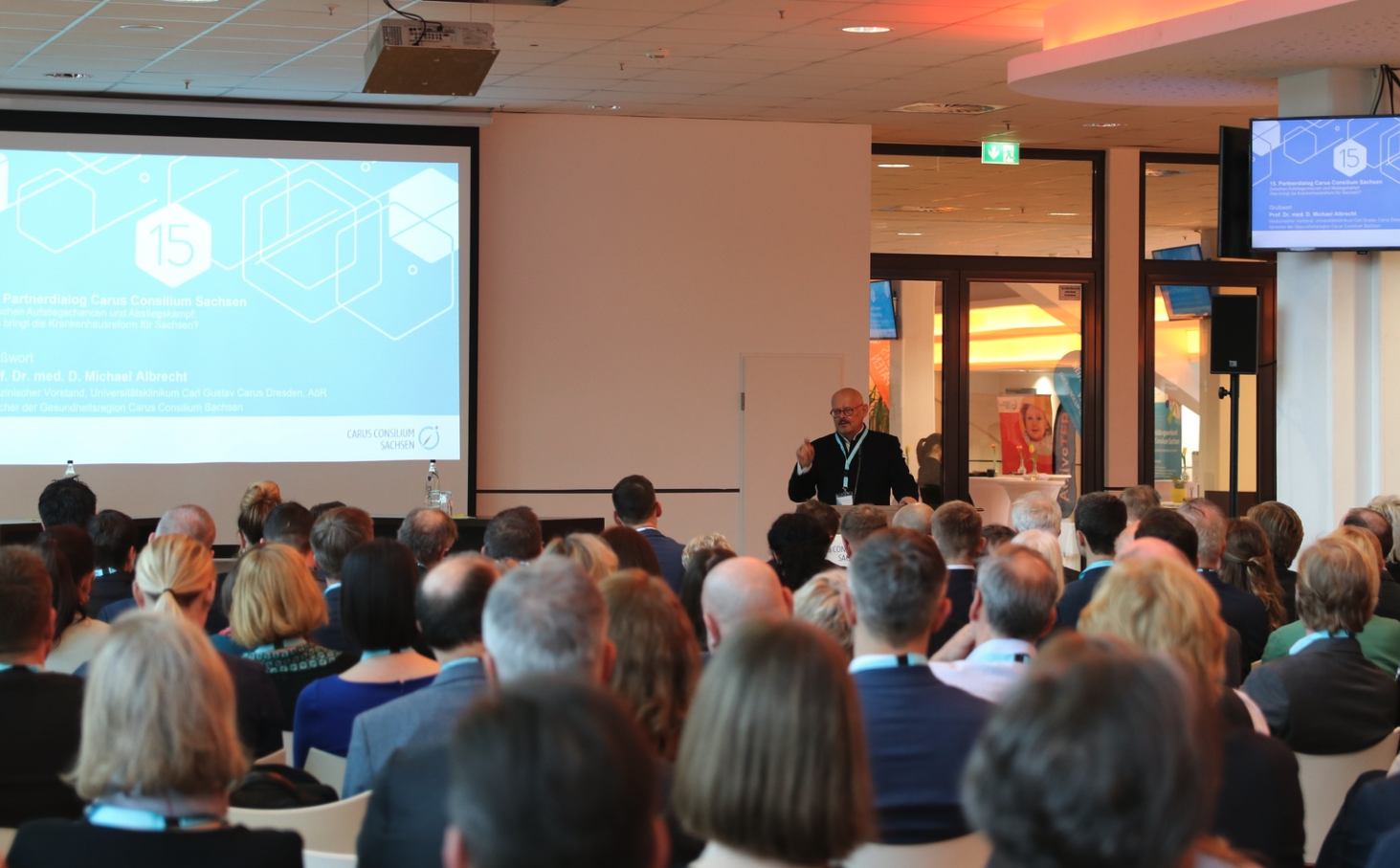
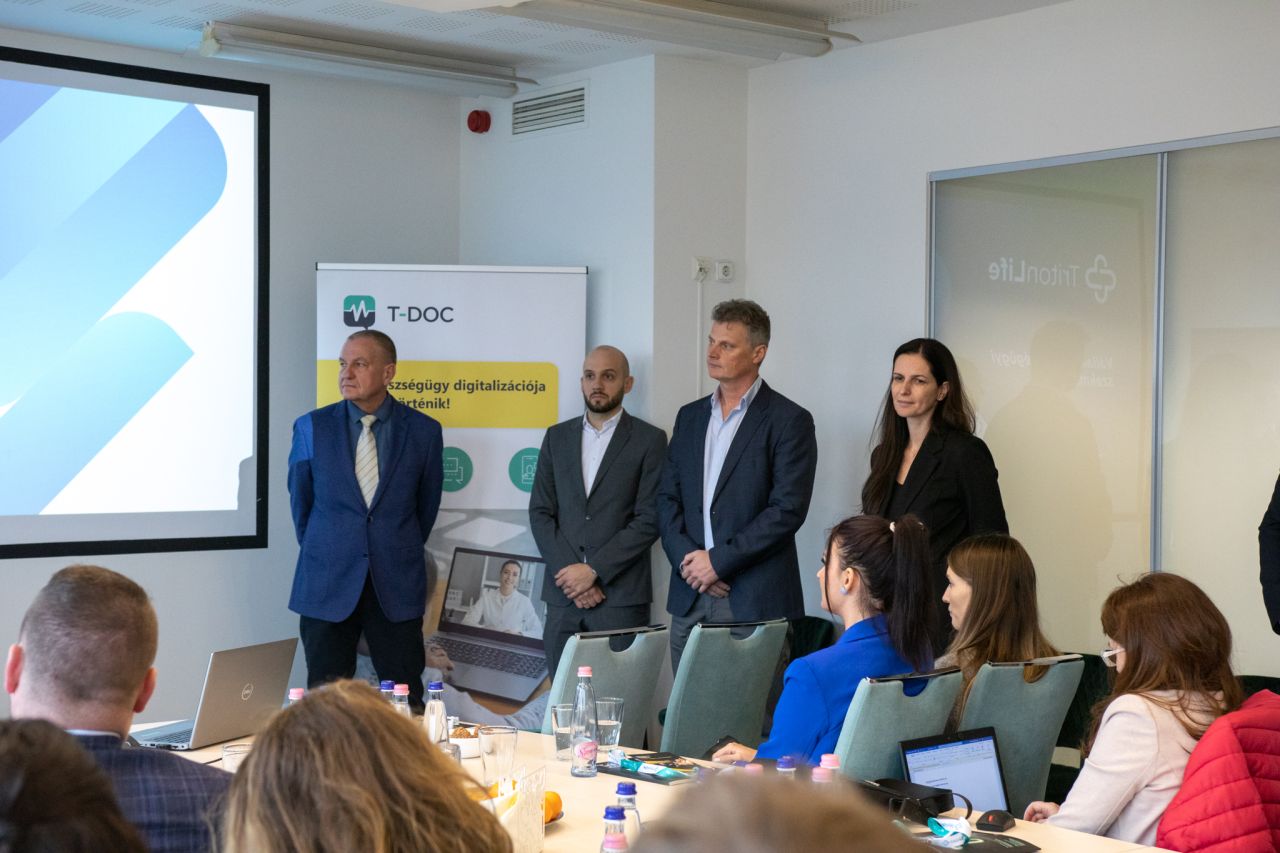
Five territorial Living Labs were established in Hungary, Slovenia, Czechia, Germany, and Poland. Local stakeholders jointly identified healthcare challenges and developed tailored digital solutions, while the transnational network enabled continuous knowledge exchange, peer learning, and cooperation among regions.
Achieved Results

The project successfully implemented five Living Labs and piloted five patient-oriented digital solutions in real healthcare settings. Patient involvement was strengthened, cooperation across the healthcare value chain improved, and Value-Based, person-centred care approaches were successfully demonstrated in practice.
Impact
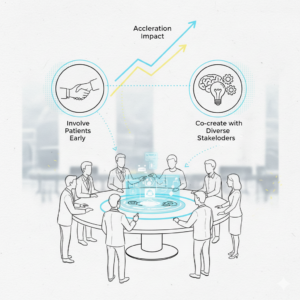
Health Labs4Value demonstrated that Living Lab methodologies can accelerate the uptake of patient-centred digital healthcare solutions and foster sustainable cooperation between healthcare providers, innovators, researchers, and policymakers across Central Europe.
Call to Action
Explore the Health Labs4Value results and discover how Living Lab approaches can support the development and implementation of patient-centred digital healthcare solutions in your region.
News












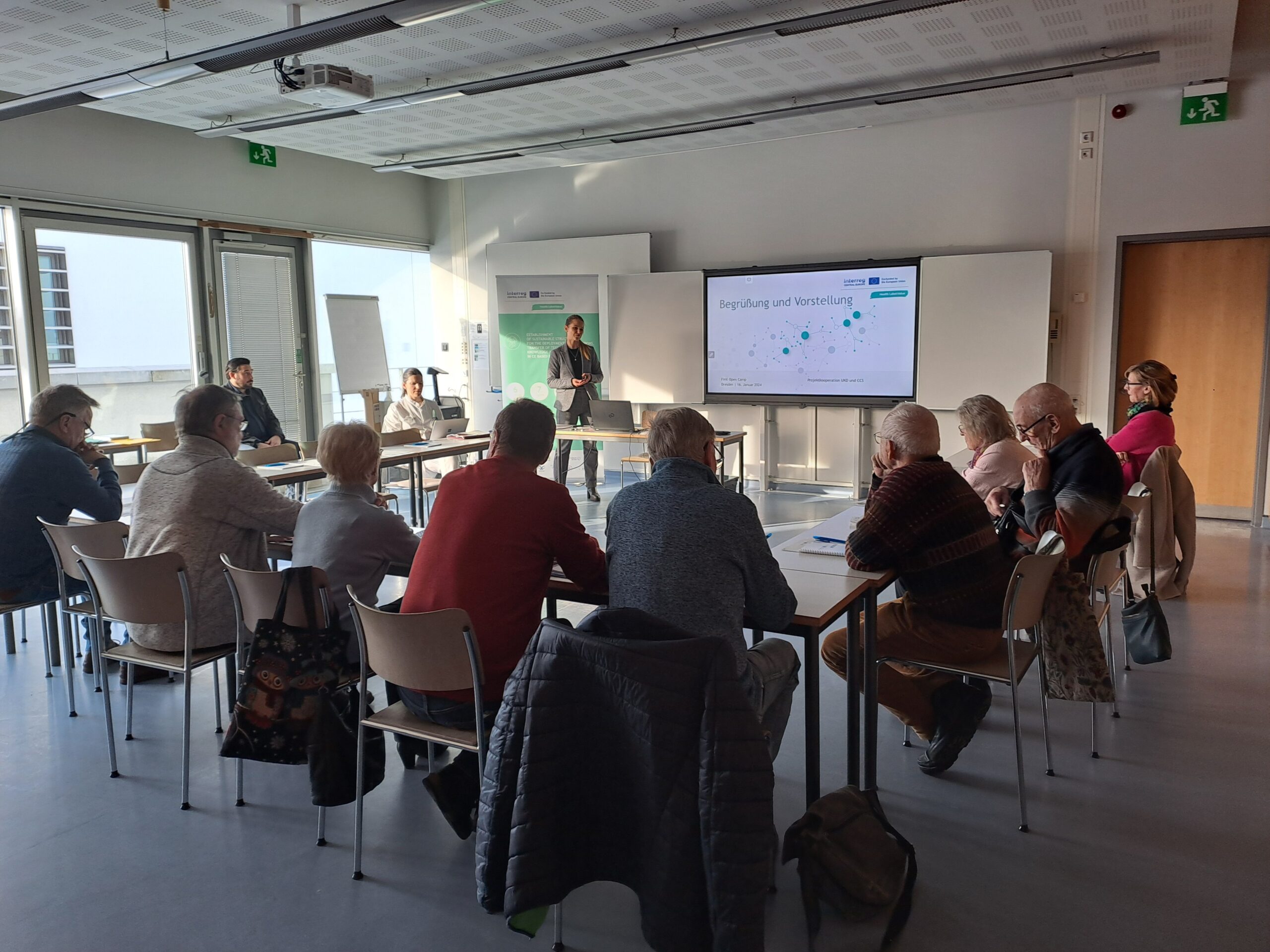


Events

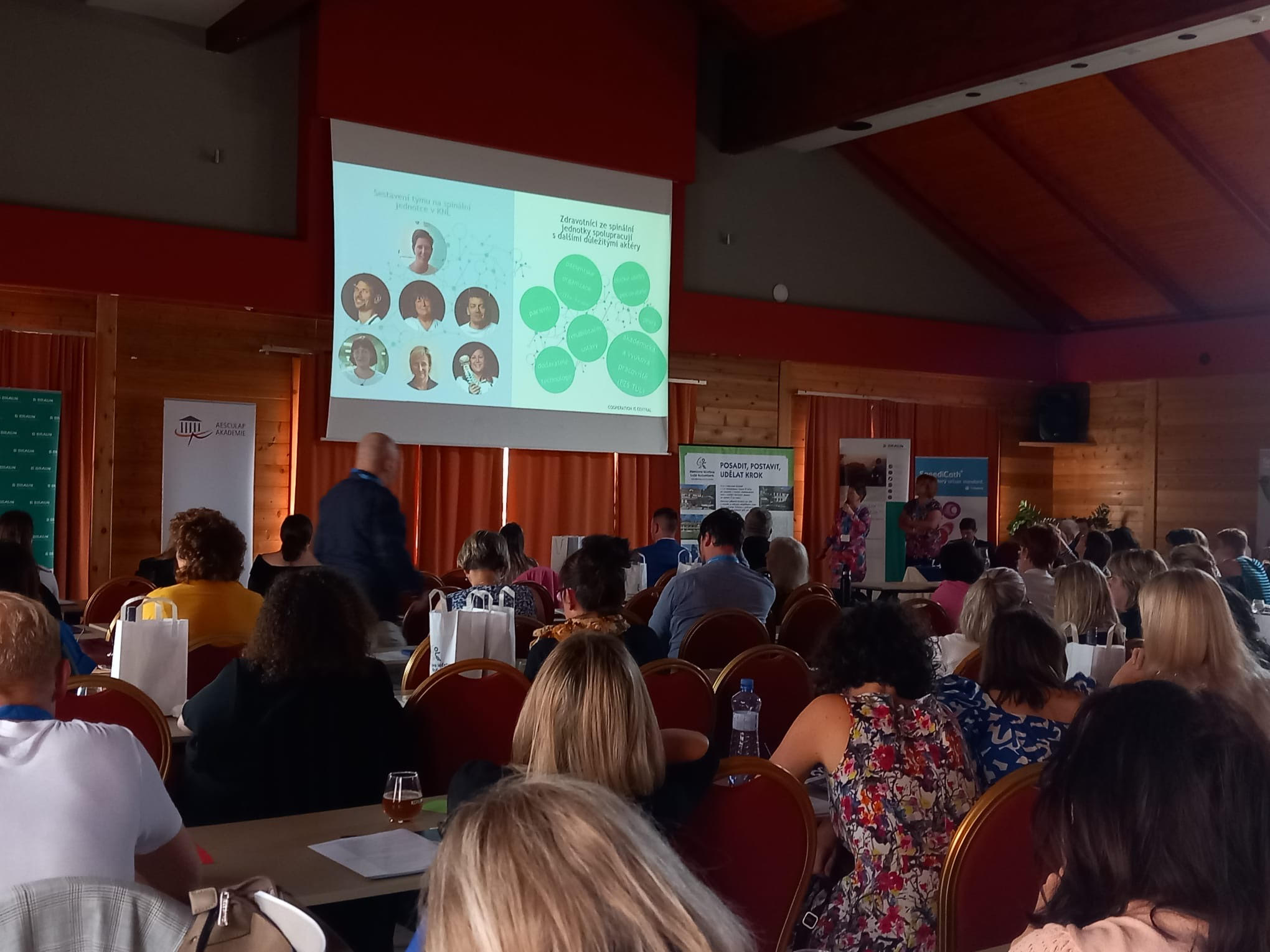


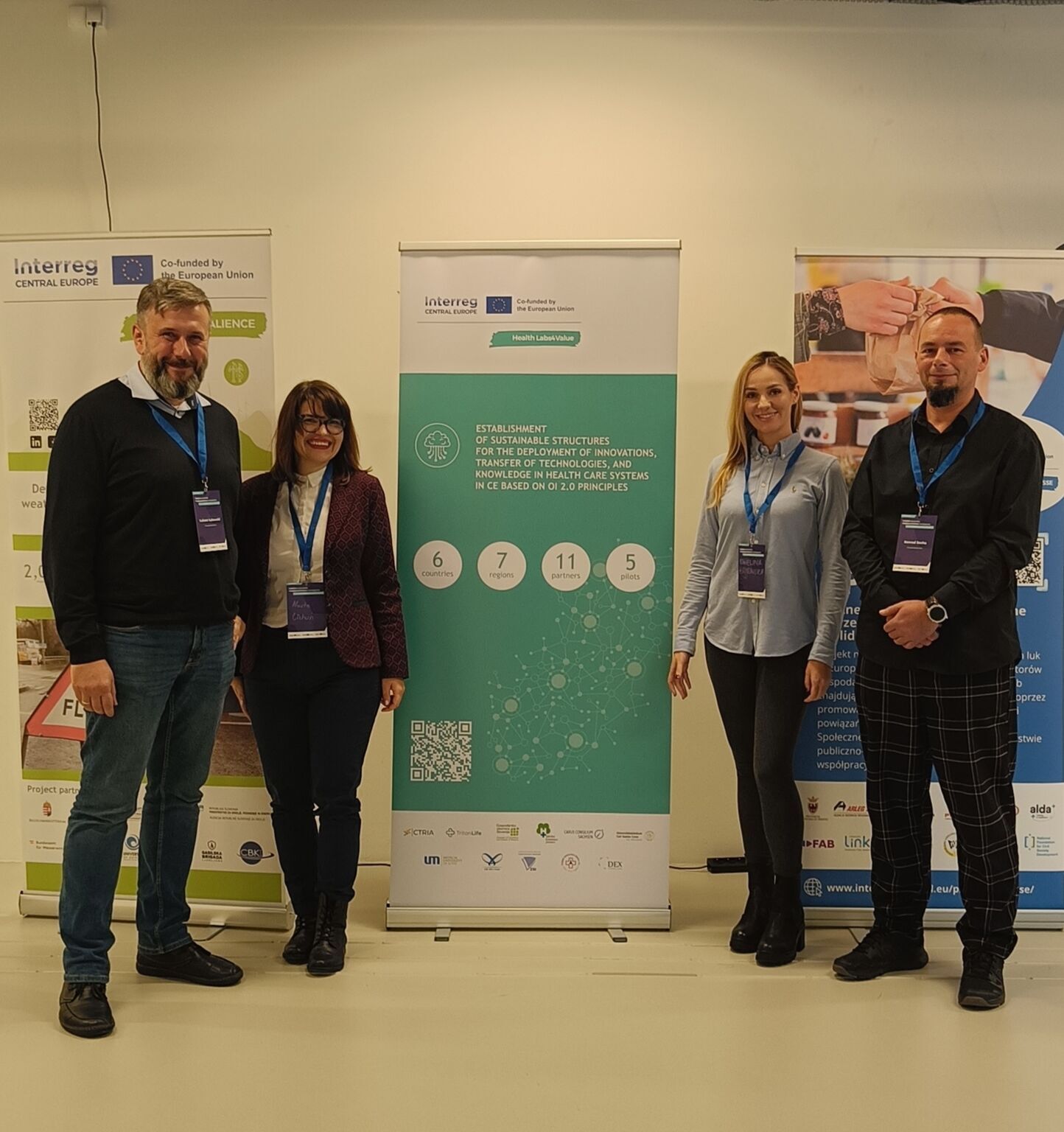
Pilot actions
Outputs

5 New Technical Solutions Based on Pilot Experience
- Hungary: Optimising In- and Outpatient Care Processes
- Poland: Reducing Patient Service Time through Digitalisation
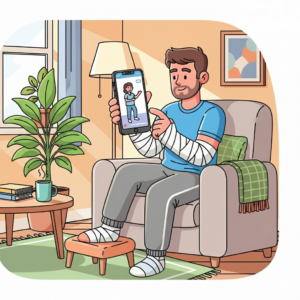
- Slovenia: Improving Home-Based Rehabilitation for Patients with Injuries
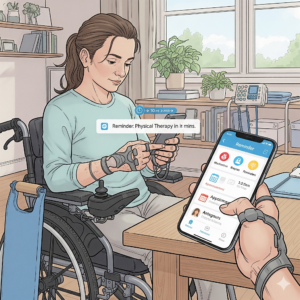
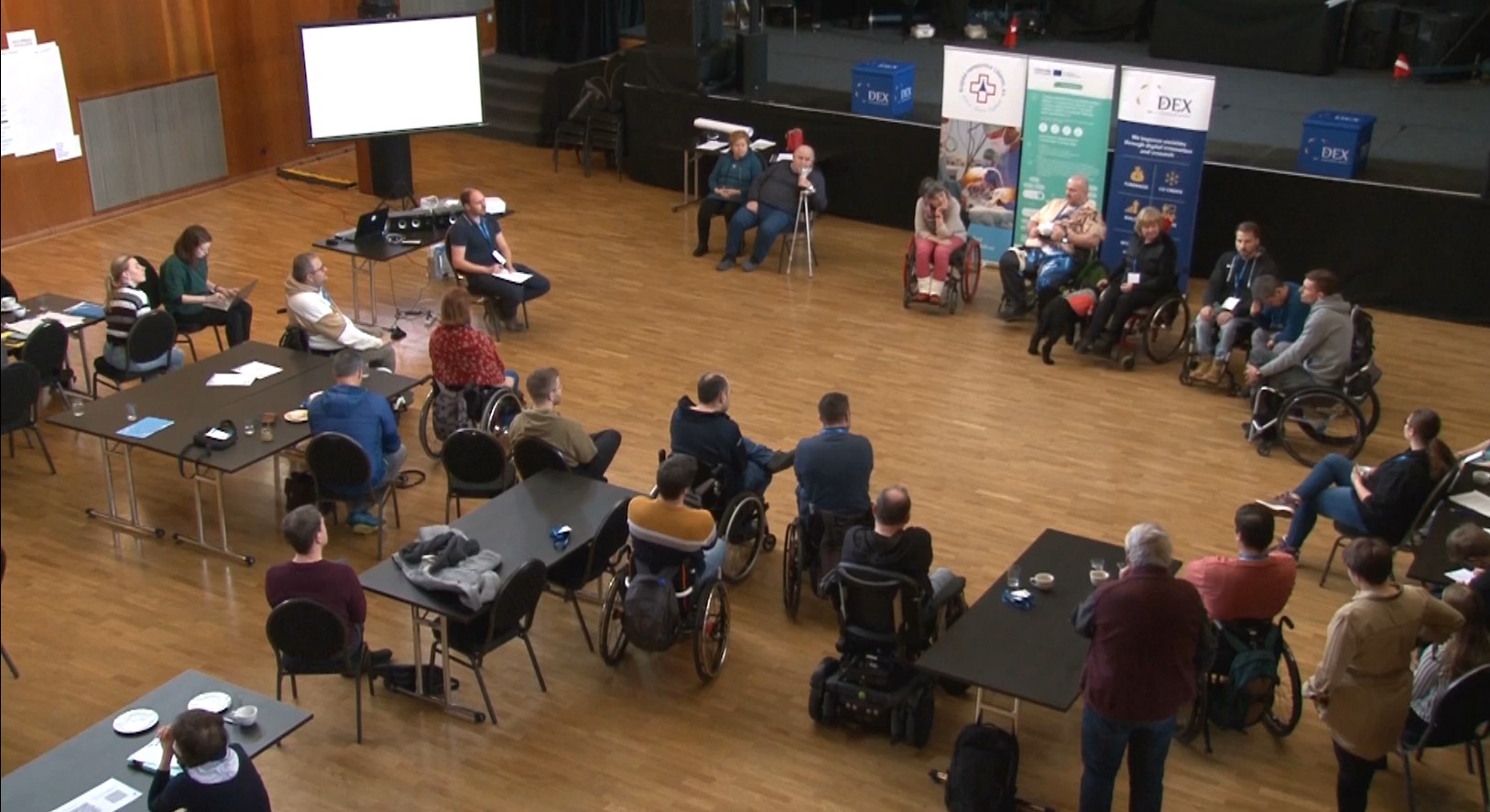
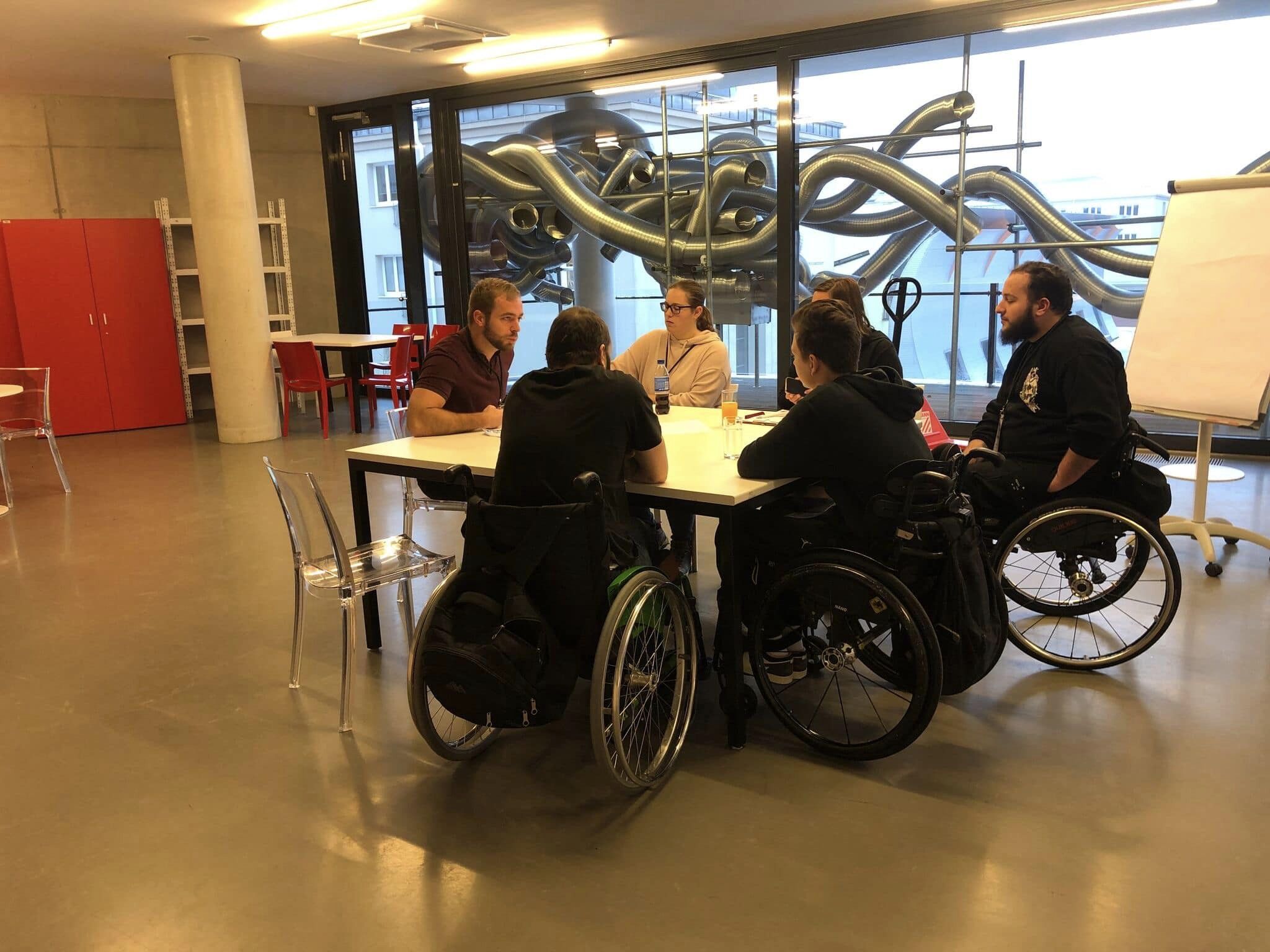
- Czech Republic: Improving Care for Patients with Spinal Cord Injuries
- Germany: Supporting Independent Living for Elderly Patients
- Joint Summary Of New Technical Solutions

Transnational Strategy for Network of Health Labs4Value 2035

Jointly Developed Final Action Plans of Territorial Health Labs4Value
Health Labs4Value
The project lead partner is responsible for the content of this project website.