

Sumup Unsplash
Project overview
Co-designed impactful financial instruments for boosting innovation in SMEs and start-ups
Funding schemes for market-driven research and innovation are rare in central Europe. Finance providers and policy makers often shy away from introducing such schemes due to their complexity. The FI4NN project changed this by supporting the co-design of new finance instruments in regions that want to boost research and innovation. A knowledge centre promotes innovative instruments that already exist elsewhere and new financial instruments were piloted in seven regions.
-
2,02m €
-
Project Budget
-
80%
-
of the Budget is funded by ERDF
-
8
-
Countries
-
10
-
Regions
-
10
-
Partners
-
7
-
Pilots
Duration
Start date
End date
Project progress
About the project
FI4INN was an initiative in Central Europe that aimed to enhance innovation financing by facilitating peer learning and capacity building among stakeholders. The project focused on improving credit access for Research and Innovation (R&I) in SMEs and startups, especially those not yet operating on a global scale. It also worked to enhance the quality and range of financial instruments available to innovators. By fostering collaboration and innovation, the project aligned with global priorities and contributed to the region's prosperity, entrepreneurship and sustainability. Between June 2023 and May 2026, it brought together stakeholders across Central Europe to help shape the future of innovation financing in the region.
Project partnership
Project partners

Lead partner
Friuli Innovazione
Project partner
International Projects Department
Total partner budget
201,600 €
Total partner budget
270,000 €
Total partner budget
189,000 €
Total partner budget
169,092 €
Financial instruments and grants
Total partner budget
263,900 €
Address
Lakeside B01 B01 9020 Klagenfurt am Wörthersee
Country
Austria (AT) Web
https://build.or.at/
Total partner budget
211,680 €
Consulting
Total partner budget
117,600 €
Sectoral Agency
Total partner budget
210,000 €
Total partner budget
80,276 €
Roadmap
1
Challenge

Central Europe faced a persistent shortage of effective financial schemes for research and innovation, particularly for SMEs and startups not yet operating at global scale. Access to credit was fragmented, and Social Impact Investment markets remained underdeveloped across the region.
2
Specific Problem
FI4INN's initial analysis confirmed the diagnosis. A 2023 mapping of gaps in support ecosystems across Central Europe, followed by a survey, an internal focus group and desk research, produced a "longlist of pains" that partners then prioritised. Five issues stood out: low awareness of available instruments, unclear or overly rigid assessment criteria, unpredictable funding calls, unclear definitions across schemes, and a lack of additional non-financial support. These became the priorities the project set out to address.
3
Idea

FI4INN's response was to build a shared knowledge base first: a Virtual Knowledge Centre organising innovative financing models into six categories — equity and quasi-equity, loans and guarantees, services and in-kind support, reward/impact schemes, combined instruments, and blended models — so that regions could see what already worked elsewhere before designing their own solutions.
4
Solution
Between October 2023 and October 2024, partners ran three transnational knowledge-transfer workshops — in Prague, Turin and Klagenfurt — bringing in external experts to unpack what worked, what didn't, and why, across the six types of schemes. In parallel, the project developed the FI4INN Canvas, a shared co-design tool for redesigning financial instruments, refined through a dedicated workshop in June 2024 and tested with partners at the Klagenfurt Exchange of Experience later that year.
5
How it works

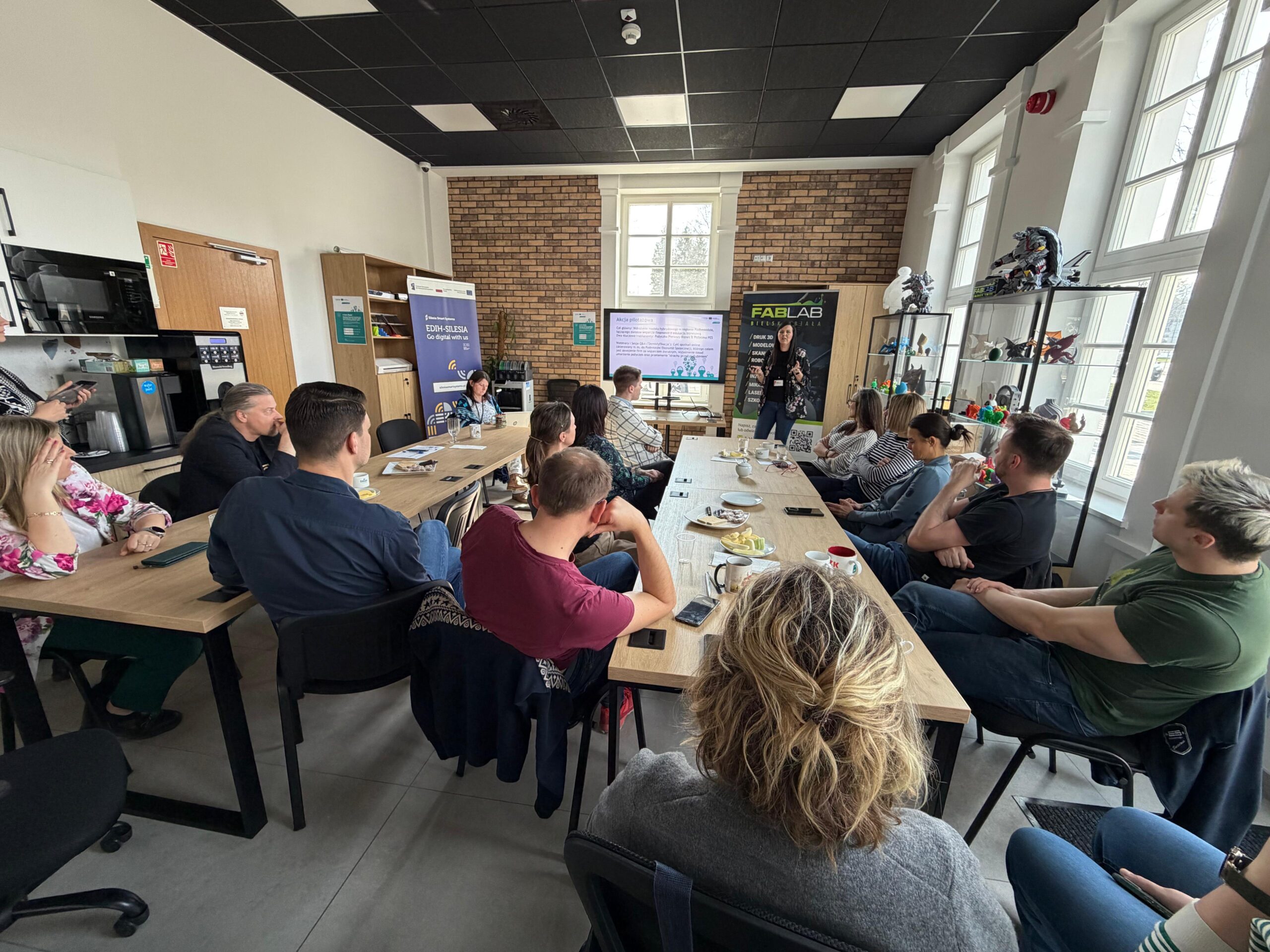
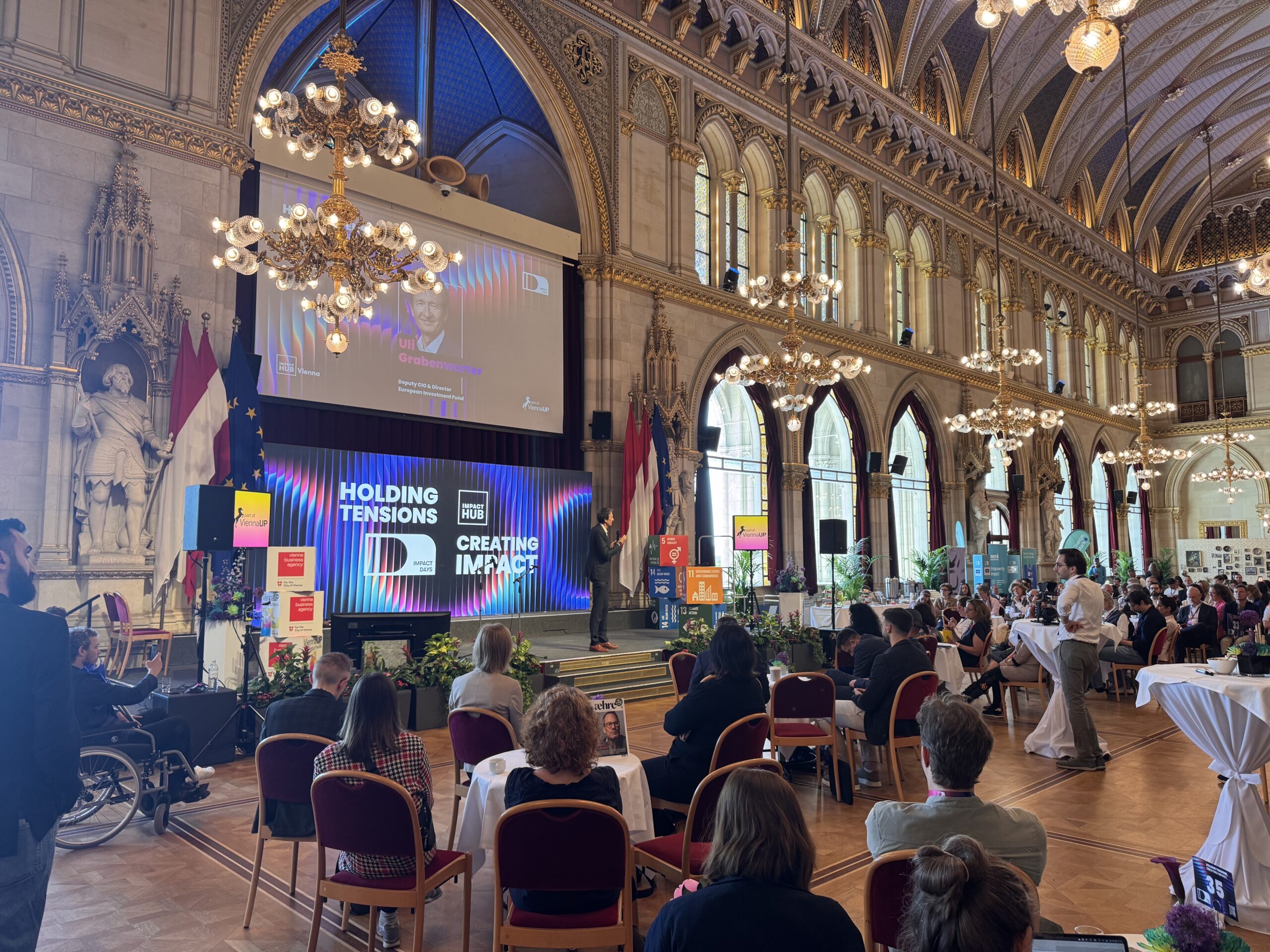
Between Q1 2025 and Q1 2026, seven regions put the Canvas to work: Friuli Venezia Giulia, Piemonte, Slovenia, Hungary, Czech Republic, Carinthia and Silesia each ran a Local Stakeholder Group to design or redesign a financing instrument suited to their own ecosystem — six improved existing schemes, while Piemonte introduced an entirely new capital-pooling mechanism (a Basket Bond). Every pilot went through the same Transnational Peer Review Mechanism: online plenary reviews, in-person sessions at the Bielsko-Biała and Ljubljana Exchanges of Experience, and a dedicated ESG/KPI session at Impact Days Vienna, so that seven very different regional solutions still stayed methodologically comparable.
6
Proof and Credibility

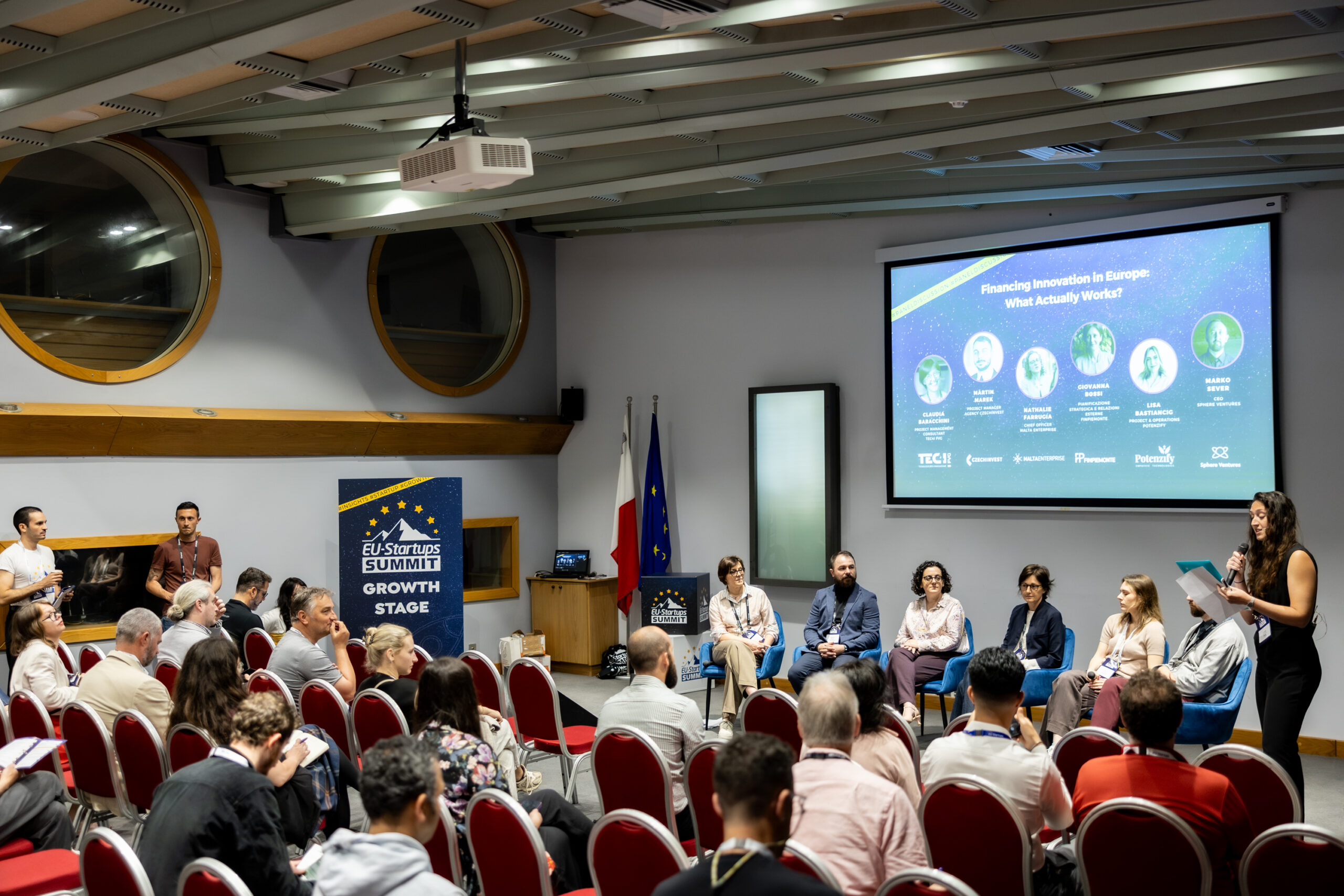
The seven pilots were formally validated by an independent panel of policymakers, financial experts and sector specialists — five in person at the Budapest Partner Meeting on 24 March 2026, the remaining two in an online session on 14 April 2026. Each was scored on relevance, feasibility and scalability and placed into one of three tiers, from "ready for scaling" to "requires further development." The results were then shared with audiences well beyond the consortium, at the EU-Startups Summit in Malta (8 May 2026) and at Impact Days in Vienna (18–19 May 2026), where independent practitioners across Central Europe raised, unprompted, the same coordination gaps and measurement challenges FI4INN had set out to solve — an external confirmation that the project's diagnosis had been right.
7
Impact
FI4INN closed in May 2026 having turned three years of regional experimentation into a lasting legacy: a Catalogue of Solutions presenting seven tested and transferable financing models; a lean Monitoring & Evaluation Toolkit built around the Common Good Matrix and Sustainable Development Performance Indicators, now available to any fund manager who wants to evaluate impact rather than just spend; four Regional Action Plans embedding better M&E practice into how Friuli Venezia Giulia, Hungary, Carinthia and Slovenia manage their financial instruments going forward; and a signed Memorandum of Understanding between 13 organisations — the original 10 partners plus 3 associated partners — committing to three more years of joint peer learning after the project's formal end.
News













Events
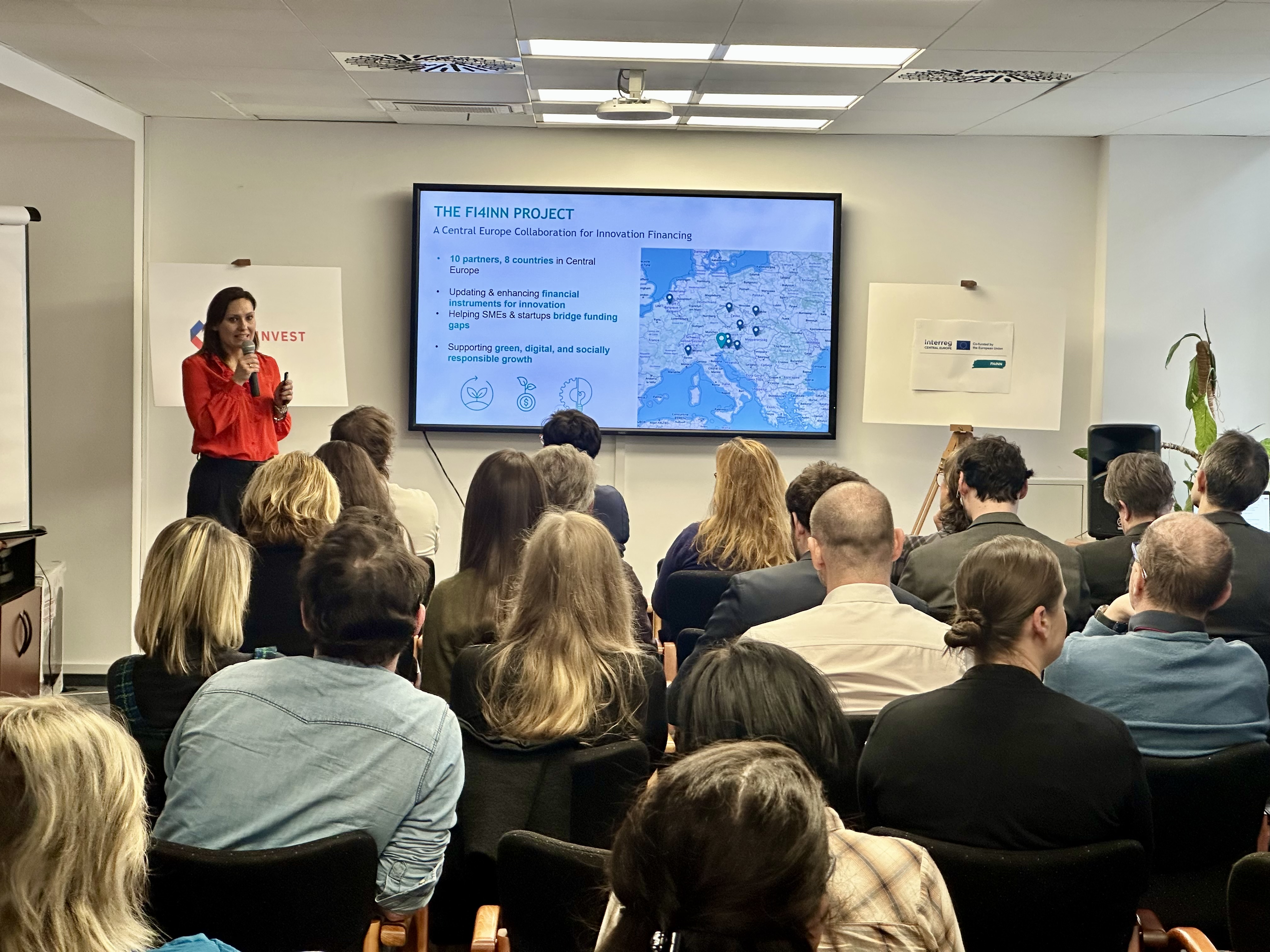
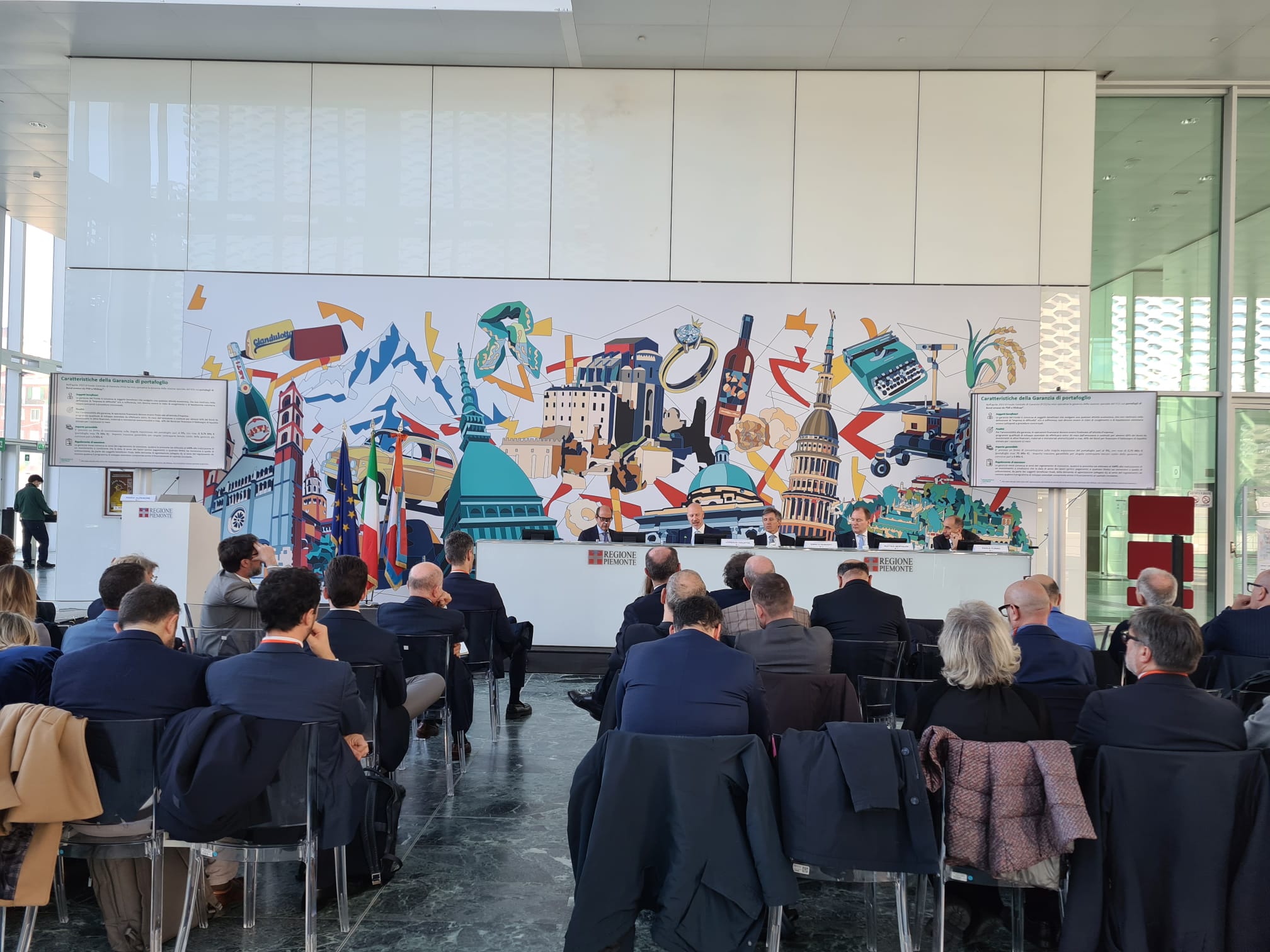
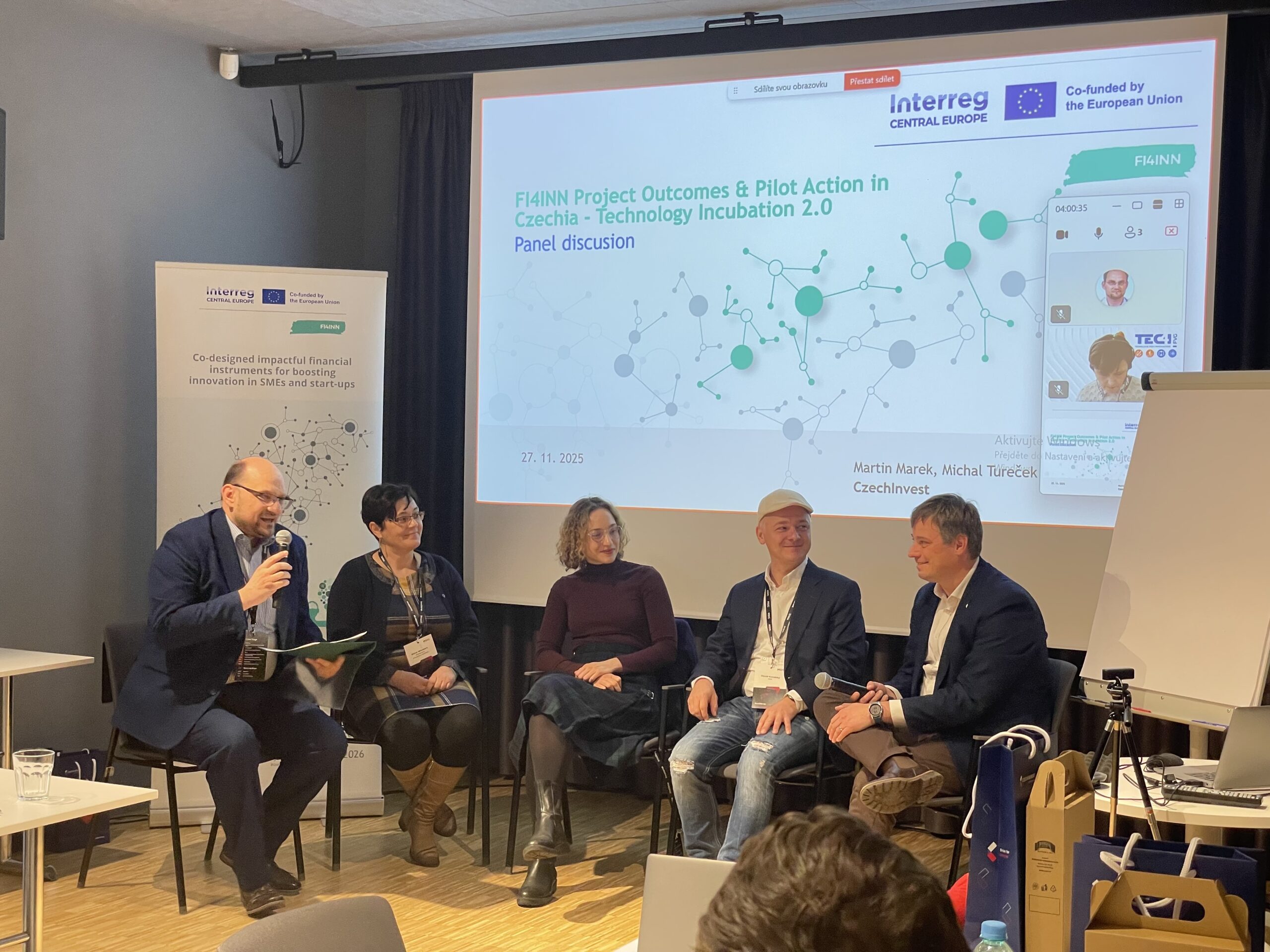
Pilot actions
Outputs
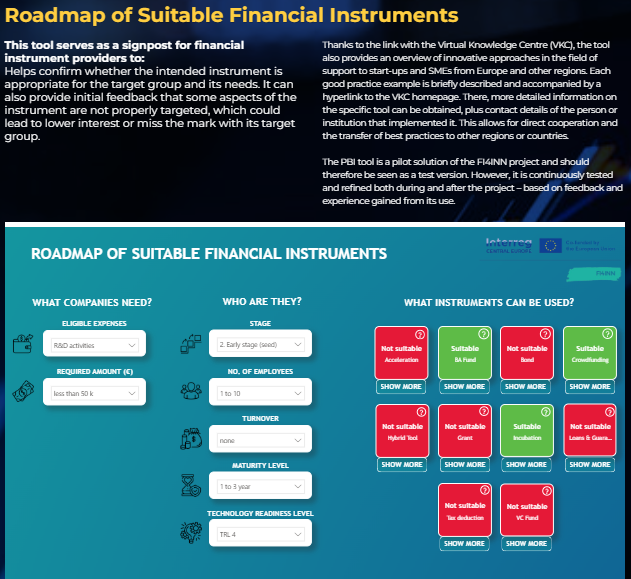
Central Europe Strategy for Diversified SME Financing
At the heart of FI4INN, this flagship strategy offers a comprehensive roadmap for policymakers to diversify and modernise financing instruments for SMEs across Central Europe. It shows how regions can move beyond traditional grant-based systems towards a more balanced mix of financial tools, including loans, guarantees, equity, and blended finance models.
Drawing on project analysis, stakeholder engagement, and pilot experiences, the strategy identifies key weaknesses in current financing ecosystems and proposes practical ways to improve accessibility, effectiveness, and alignment with business needs. It also builds on knowledge gathered through the FI4INN Virtual Knowledge Centre and regional exchange.
A key supporting document, “Lessons Learned: Building a Diversified Finance Ecosystem”, captures the main insights generated throughout the project and translates them into practical recommendations for future use and replication.
Type of output: Strategies and action plans
- Lessons Learnt: Building a Diversified Finance Ecosystem
- Simplifying Access to Finance: Policy Recommendations
- SME Feedback Report on Access to Finance
- Virtual Knowledge Centre: Financial Instruments Catalogue
- Financial Instruments Explained: Quick Factsheets
- Transnational Workshops on Innovative Finance Models
- Communication & Impact Strategy
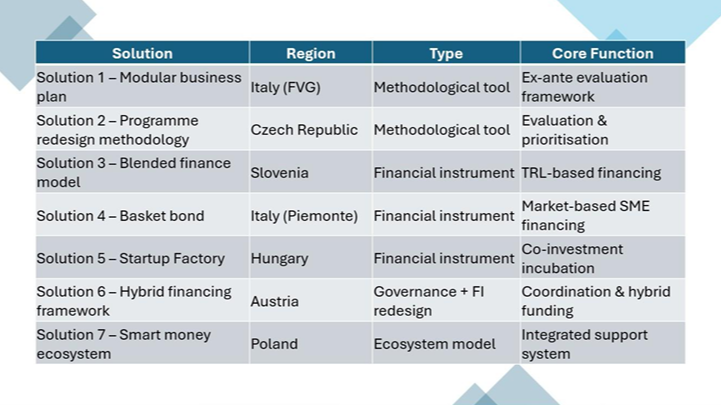
7 Regional Financing Solutions for SMEs and Startups
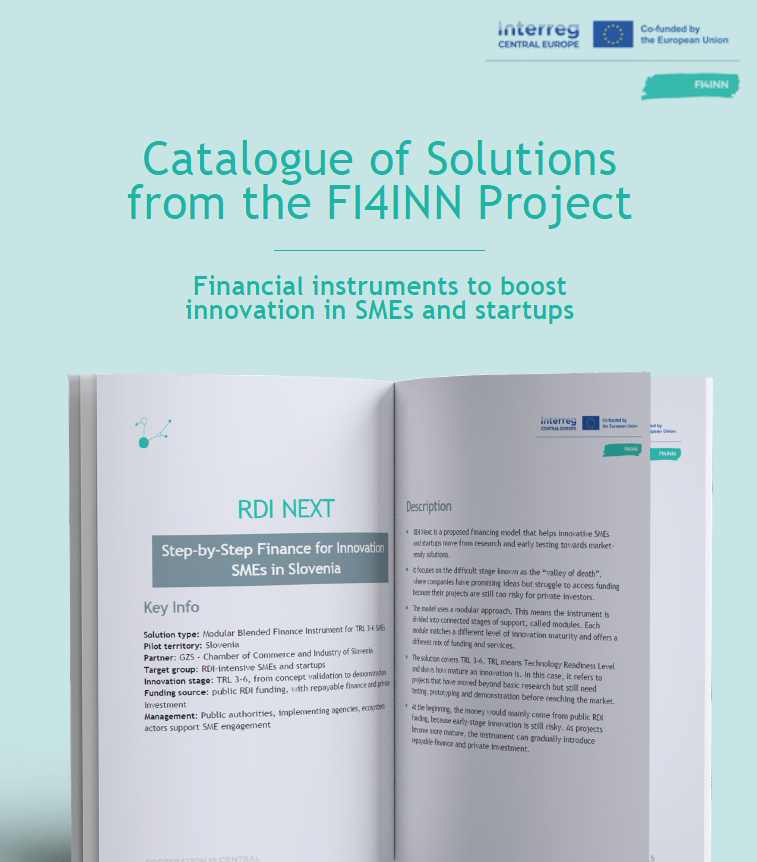
Emerging directly from FI4INN’s pilot phase, this output brings together seven validated regional financing solutions designed to improve access to finance for SMEs and startups across Central Europe. Developed through transnational co-creation, stakeholder engagement and peer review, the solutions respond to real challenges identified in seven pilot regions: Friuli Venezia Giulia, Piemonte, Slovenia, Hungary, Czech Republic, Carinthia and Silesia. The Solutions, developed under the pilot actions, are described under the document "Regional Financing Solutions".
The portfolio includes a diverse set of financial instruments, governance models and methodological tools, ranging from modular business plan frameworks and programme redesign methodologies to blended finance, basket bonds, co-investment incubation models, hybrid financing frameworks and Smart Money ecosystem approaches. Together, they offer practical models for making financial instruments more transparent, coordinated, responsive and usable for SMEs and startups.
Each solution was validated in terms of relevance, feasibility and scalability, confirming their overall robustness, transferability and potential for uptake in different regional contexts. While some solutions require further operational refinement, the portfolio provides a concrete basis for future adaptation, policy integration and replication across Central Europe
Type of output: Solutions
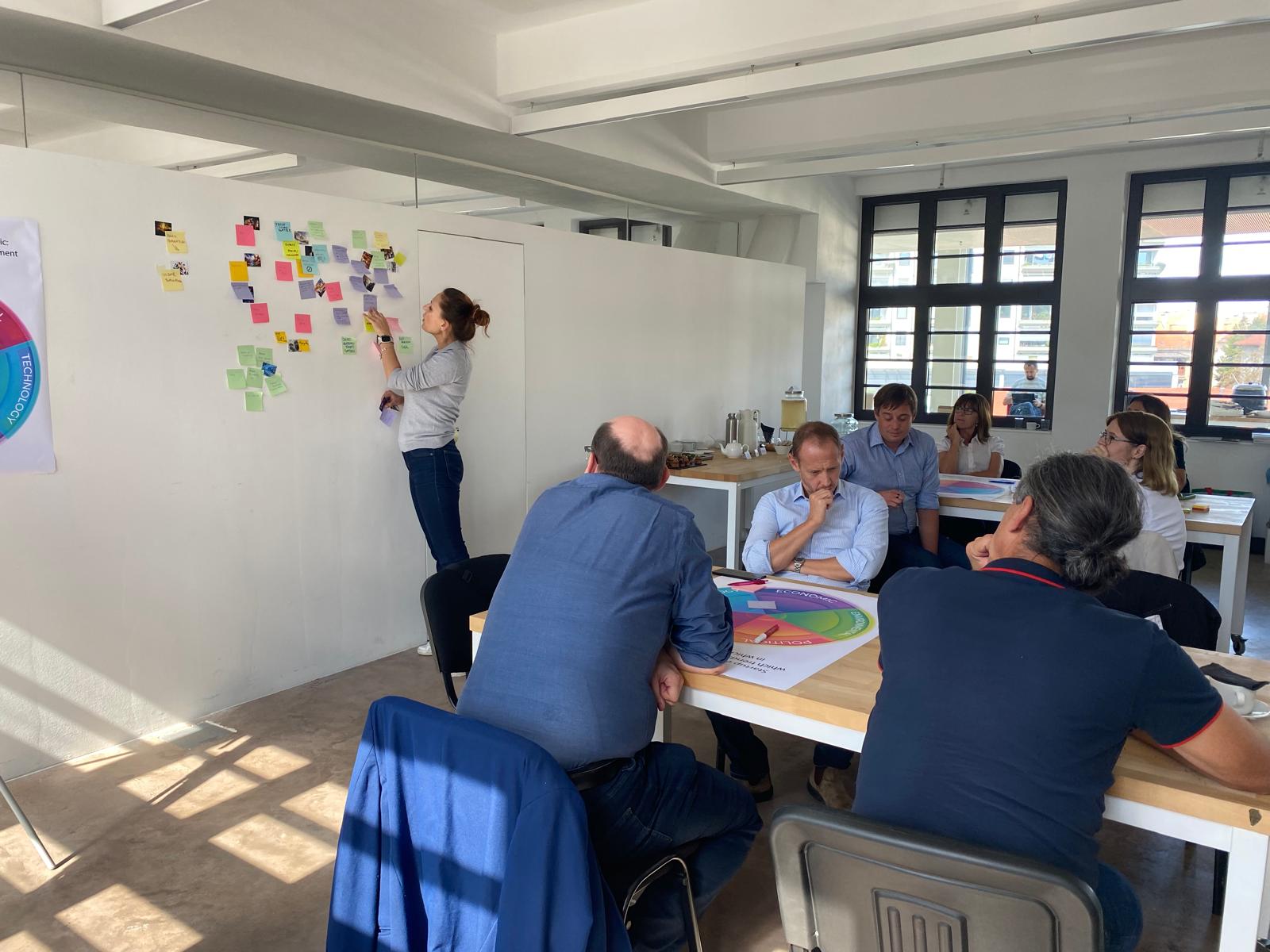
Measuring Impact: M&E Strategy for SME Financing
A stronger financing ecosystem also requires better understanding of results. That is the role of this strategy: to provide a practical framework for monitoring and evaluating financial instruments supporting SMEs and startups.
The strategy sets out how to assess not only financial performance, but also economic, social, and environmental impact, while keeping monitoring systems efficient and proportionate. It addresses common challenges such as data availability, indicator selection, and stakeholder alignment, helping policymakers and fund managers make more informed decisions.
Its most practical component is the “M&E Toolkit for Financial Instruments", which translates the strategy into operational guidance through tools, indicators, and templates that can be directly applied in practice.
Type of output: Strategies and action plans
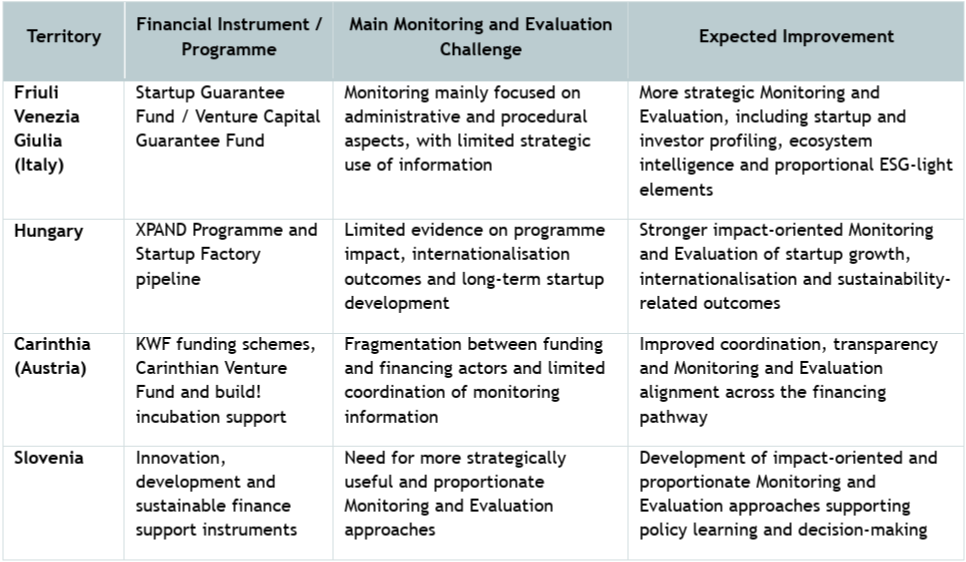
Regional Roadmaps for Financial Instrument Evaluation
This output consists of four Regional Action Plans (RAPs) jointly developed by the FI4INN partner regions to strengthen the evaluation, monitoring, and performance management of financial instruments. Building on the common monitoring and evaluation framework developed within the project, each roadmap translates shared methodologies and recommendations into a region-specific action plan.
The four Regional Action Plans reflect the distinct governance structures, institutional capacities, policy priorities, and financial instrument ecosystems of the participating regions. Rather than applying a uniform approach, they provide tailored pathways for improving accountability, effectiveness, and evidence-based decision-making in the management of the selected public financial instruments.
Each roadmap outlines concrete actions, kpis, responsibilities, timelines, and implementation priorities to support the adoption of more robust evaluation practices. Together, the four plans demonstrate how a common transnational framework can be adapted to local contexts while maintaining a shared commitment to transparency, performance measurement, and continuous improvement.
The public deliverable Regional Action Plans Description provides an overview of the four roadmaps and their main objectives, actions, and expected results. The version published on the project website excludes confidential annexes containing region-specific internal information.
Type of output: Strategies and action plans
Project videos
Project documents
Practical Guides - Measurment of Impact
Project images
FI4INN
The project lead partner is responsible for the content of this project website.
Project on social media
Project contact
Claudia Baracchini