


Project overview
Border Regions' Interregional Development through enhanced Governance framework in the Eastern periphery of Central Europe
Eastern border regions in Hungary, Poland, Slovakia and Romania face demographic decline, weak governance and service gaps but also new opportunities from closer ties with Ukraine. Bridge2EastCE aims to help them plan this transition together. Partners create an interregional framework for territorial planning cooperation that synchronises policies across borders. They pilot it on migration and labour-market challenges and develop joint solutions and multi-level governance tools that can inspire other macro-regions.
-
0,77m €
-
Project Budget
-
80%
-
of the Budget is funded by ERDF
-
4
-
Countries
-
6
-
Regions
-
8
-
Partners
-
1
-
Pilots
Duration
Start date
End date
Project progress
About the project
Bridge2EastCE is a transnational cooperation project co-financed by the Interreg Central Europe Programme, launched on 1 February 2026 for a duration of two years. The project aims to redefine the future of the easternmost regions of Central Europe in Hungary, Poland, Slovakia, and Romania bordering Ukraine.
Responding to shared challenges in these peripheral regions — such as demographic decline, economic disparities, and the impacts of the Russo–Ukrainian war — the project promotes cross-border cooperation and coordinated territorial development. At the same time, it recognises the emerging opportunities in these easternmost regions, arising from their geographical location and strategic “bridge” role.
Bridge2EastCE initiates a joint macro-regional planning approach to address key socio-economic challenges, including migration, labour market pressures, and the resilience of public services. A core objective of the project is to establish and pilot the Interregional Territorial Planning Cooperation (ITPC) framework, which provides a structured model for coordinated planning across Central European regions bordering Ukraine.
The project is implemented by a partnership of 11 members, comprising 8 full partners and 3 associated partners across five countries. The lead partner is the Research Institute for National Strategy (RINS, HU).
The regional partners — Tisza EGTC (HU-UA), the Self-Government of Szabolcs-Szatmár-Bereg County (HU), Rzeszów Regional Development Agency (PL), Satu Mare County Intercommunity Development Association (RO), and the Association of Veľké Kapušany and Surroundings (SK) — provide strong local expertise and ensure that the project addresses genuine territorial needs.
The knowledge partners – RINS (HU), the University of Prešov (SK), and the Stanisław Leszczycki Institute of Geography and Spatial Organization of the Polish Academy of Sciences (PL) – contribute methodological support and develop evidence-based solutions.
The project is further strengthened by associated partners, including the University of Pannonia (HU), the Podkarpackie Voivodeship (PL), and the Transcarpathian Frontier Local Governments’ Association (UA), ensuring broader stakeholder engagement and policy relevance.
Through this cooperation, Bridge2EastCE supports more coordinated governance, strengthens regional resilience, and enhances the strategic role of border regions within the European context.
Project partnership
Project partners

Lead partner
Research Institute for National Strategy
Project partner
Department of Spatial Organization
International Projects Department
Roadmap
News





Events


Outputs
Joint Strategy for an Interregional Territorial Planning Cooperation
Pilot action to test the Interregional Territorial Planning Cooperation
Interregional Territorial Planning Cooperation (ITPC)
Project images


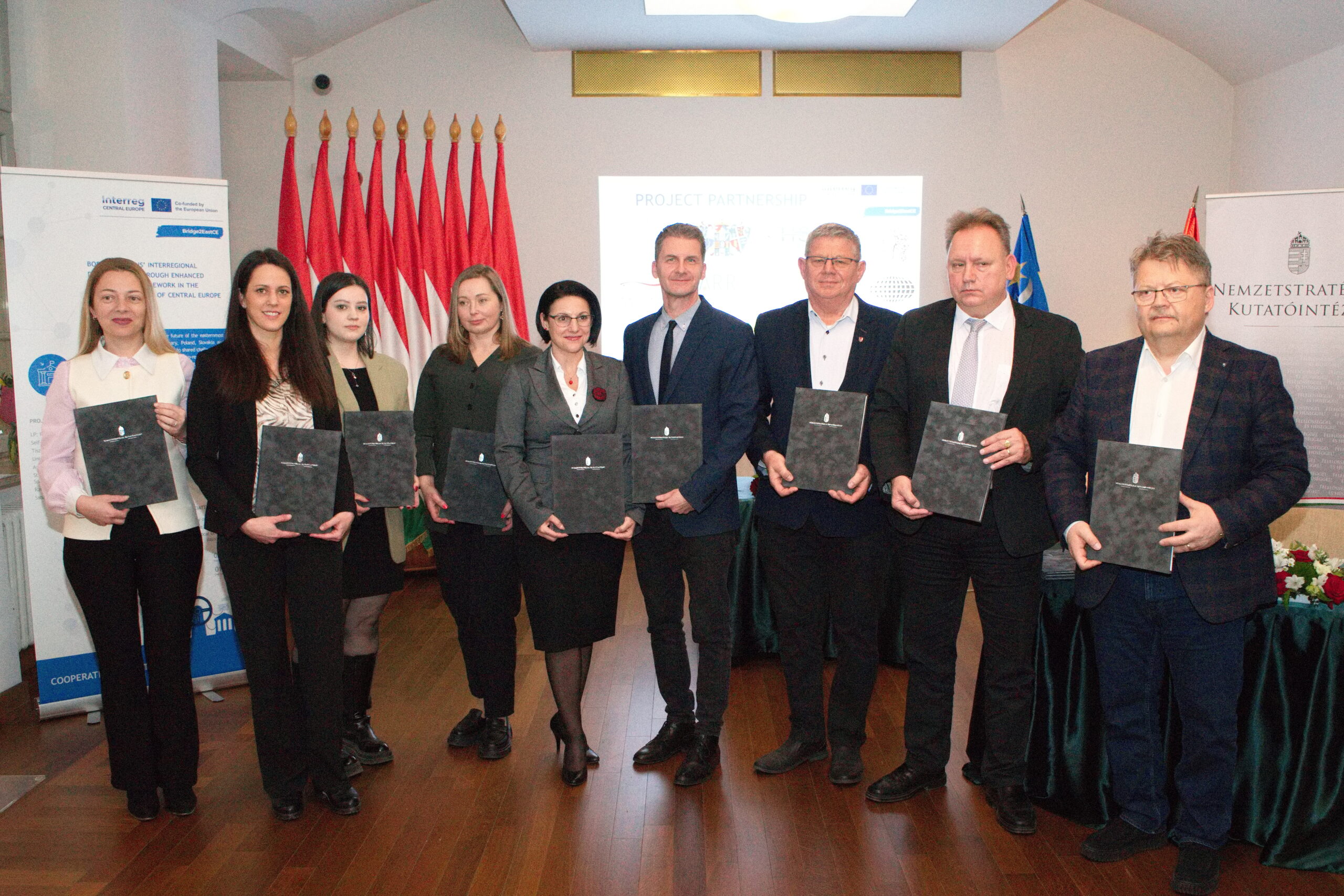


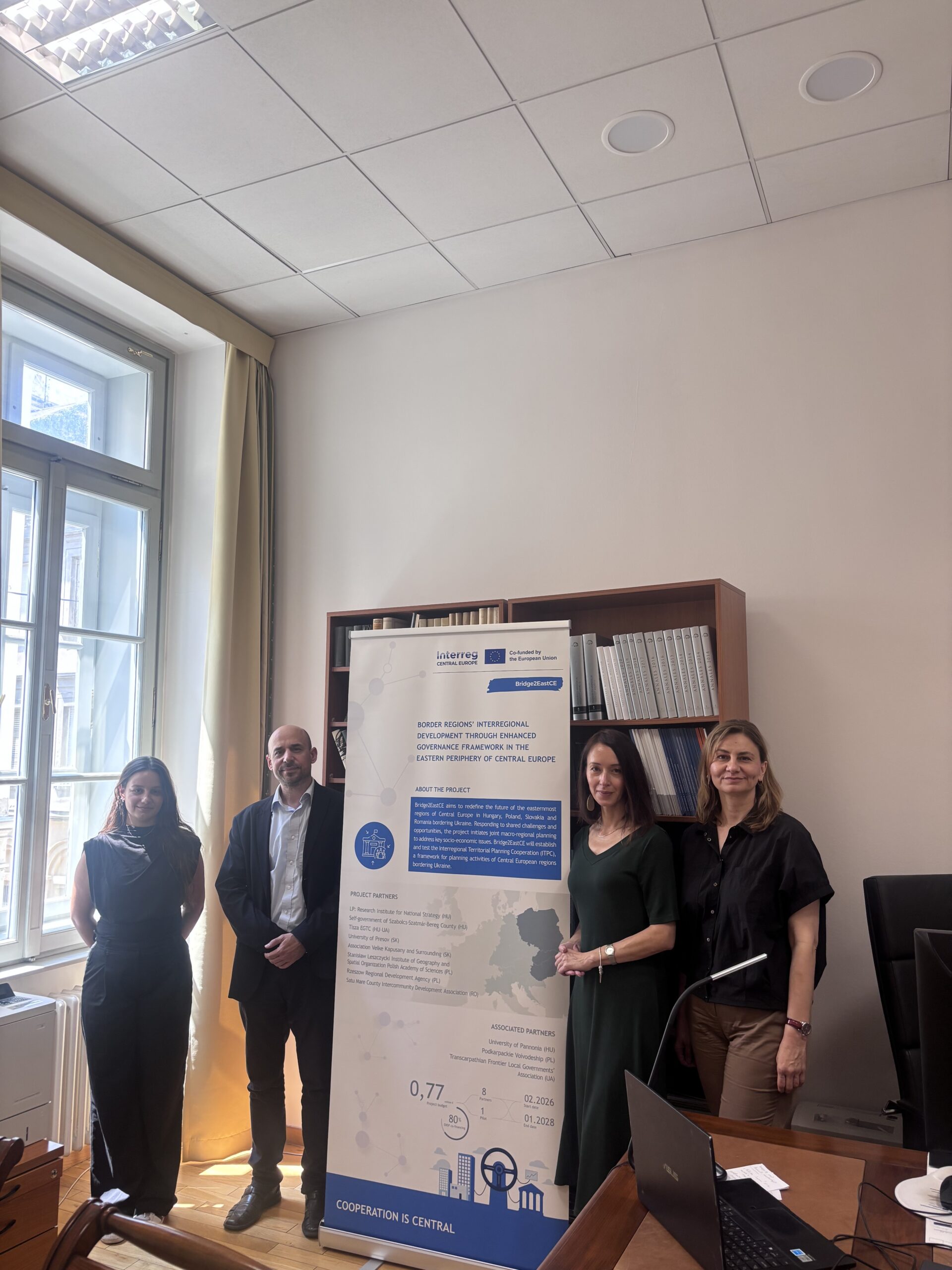
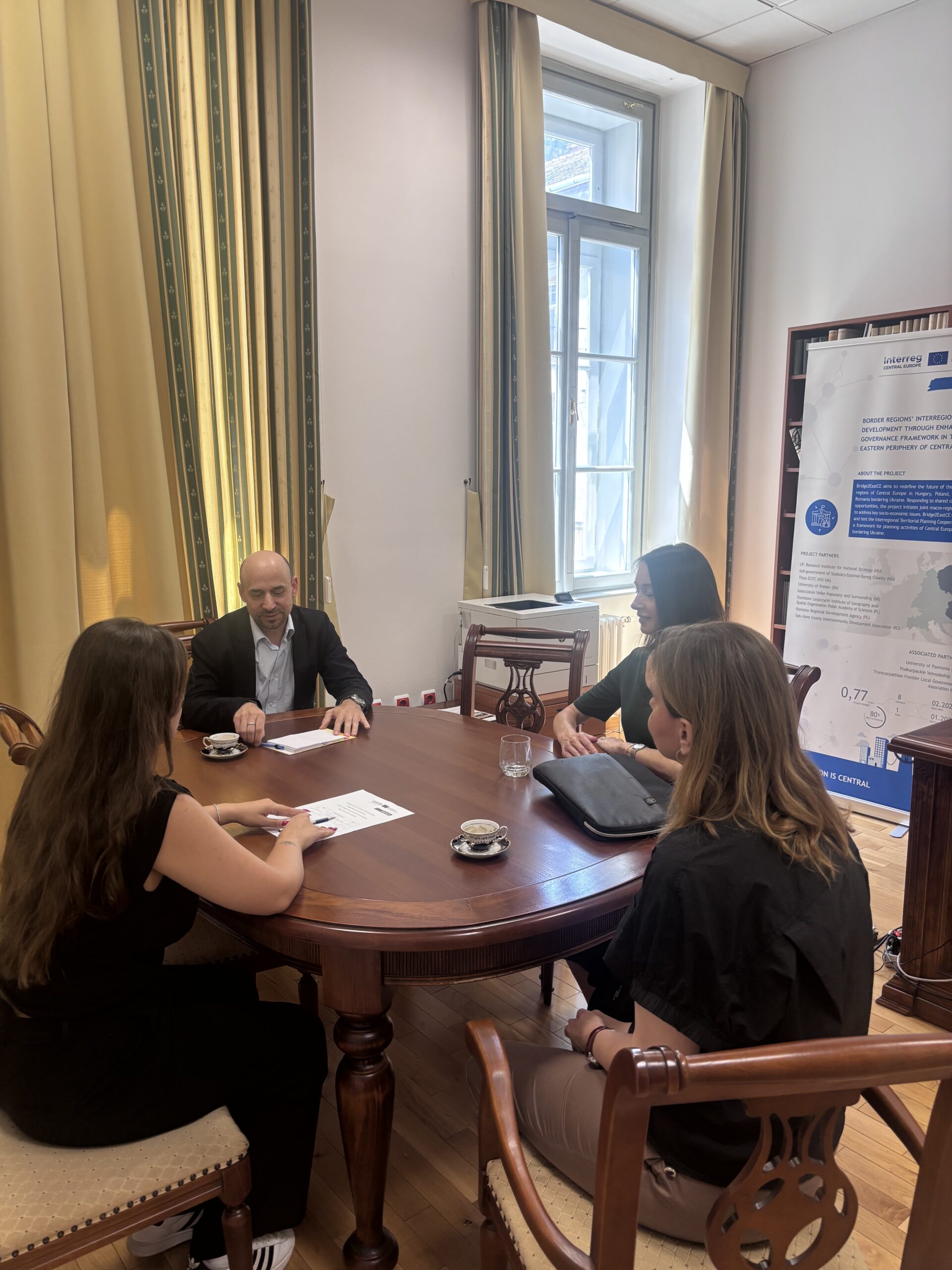

Bridge2EastCE
The project lead partner is responsible for the content of this project website.