
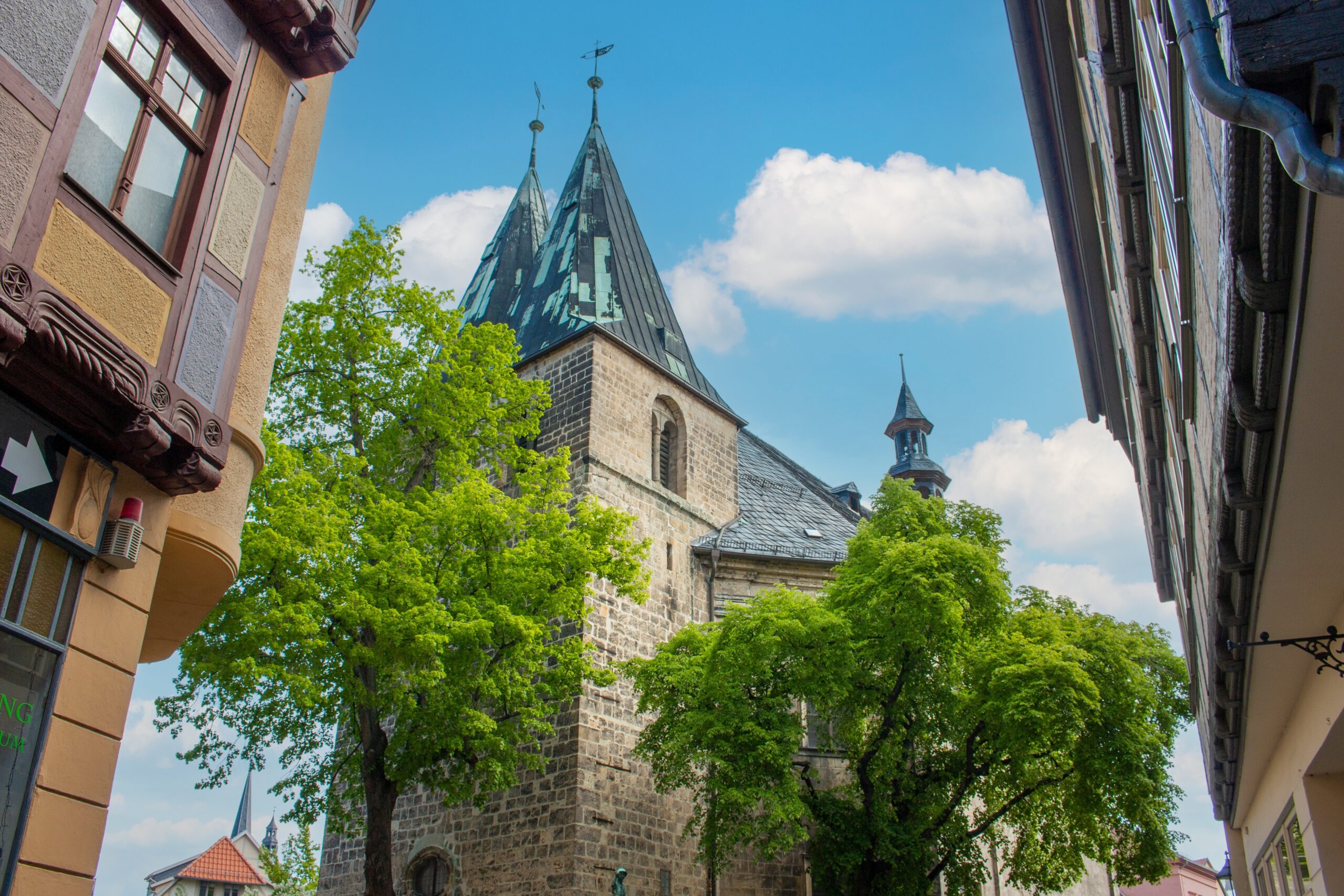
Within ZEB4ZEN, the NEB principles were explored in the four pilot neighbourhoods of Zamość, Zvijezda in Karlovac, Palmanova and Quedlinburg. The experiences presented in the project publication The New European Bauhaus and pilot neighbourhoods demonstrate that heritage does not have to be a barrier to transformation. Instead, historic buildings, public spaces and cultural landscapes can become valuable resources for creating more sustainable, inclusive and resilient neighbourhoods.
Zamość: connecting generations through the Magic Garden
In Zamość, the Magic Garden – Eco Heart of Zamość demonstrates how environmental action can strengthen social inclusion and community engagement. In 2025, residents, volunteers, young people, senior care centre users and people with disabilities came together to plant trees and flowers around the city’s Centre for Care and Living, located in a historic former sanatorium. The initiative combined the greening and beautification of a historic site with intergenerational cooperation, ecological awareness and active community participation. By giving new social value to a heritage site while bringing different generations and community groups together, the Magic Garden reflects the NEB values of sustainability, aesthetics and inclusion, particularly its ambition to connect and share.
Zvijezda, Karlovac: giving new life to the Old Armory Building
In Karlovac’s historic Zvijezda neighbourhood, the revitalisation of the Old Armory Building demonstrates how historic architecture can be adapted to contemporary community needs. Originally built in the late 18th century as a military armory, the building was transformed into a Regional Center of Competence, giving the historic structure a new educational role focused on learning, innovation and collaboration. The renovation combined the preservation of the building’s historic and architectural character with modern and sustainable solutions. By connecting cultural heritage with education, skills development and community use, the Old Armory reflects the core NEB values of sustainability, aesthetics and inclusion, showing how adaptive reuse can bridge historic identity with contemporary needs.
Palmanova: transforming historic fortifications into a green space for all
In Palmanova, the transformation of the historic Bastioni demonstrates how cultural heritage can support biodiversity, community life and sustainable urban development. Once part of the city’s defensive system and later abandoned for decades, the fortifications were restored and transformed into the Bastioni Historic Park, a green area surrounding the historic centre. Large-scale clean-up and maintenance activities involved thousands of volunteers, regional institutions and the local community. Today, the park contributes to the preservation of local flora and fauna while providing an inclusive space for recreation, sport and tourism. The creation of the local association Amici dei Bastioni, which brings citizens together to care for the fortifications and develop new initiatives, further reflects the NEB values of sustainability, heritage preservation and community participation.
Quedlinburg: giving new purpose to Kulturkirche St. Blasii
In Quedlinburg, the Kulturkirche St. Blasii demonstrates how adaptive reuse can preserve historic heritage while responding to contemporary community needs. The former sacred space was transformed into a cultural venue that hosts exhibitions, concerts and readings, giving the historic building an active role in the city’s cultural and community life. Its certification under the “Reisen für Alle” programme also reflects a commitment to accessibility, making cultural heritage available to a wider audience. By combining heritage preservation, a new community-oriented function and greater accessibility, Kulturkirche St. Blasii reflects the NEB values of aesthetics, inclusion and sustainable reuse.