
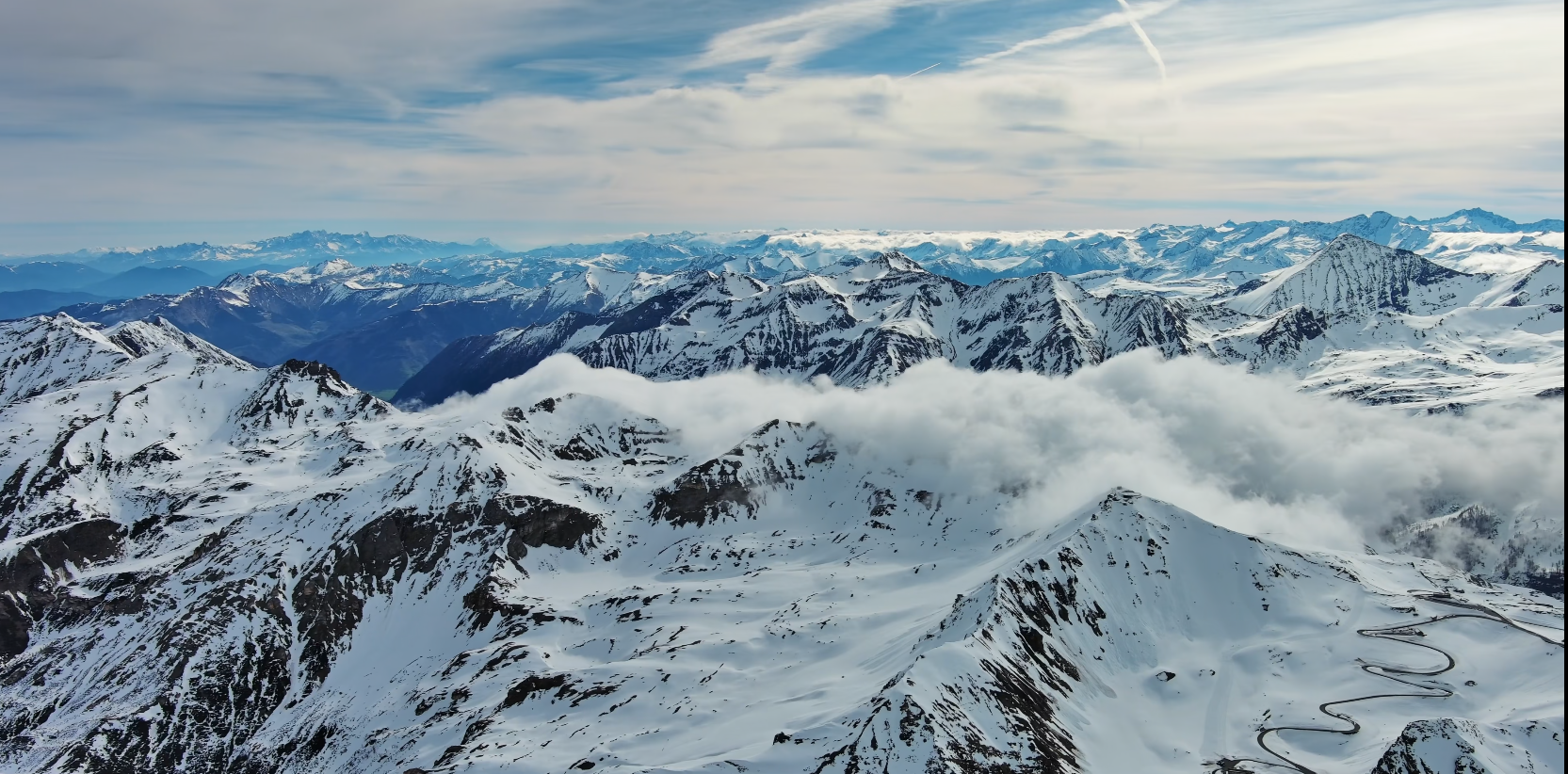
After three years of transnational cooperation, the CENTRAL MOUNTAINS project has successfully delivered a comprehensive set of strategies, governance models and practical tools designed to strengthen cooperation in mountain regions across Central Europe. Rather than marking an end, the completion of the project represents the beginning of a new phase in which its results can support policymakers, regional authorities and local stakeholders in addressing shared mountain challenges.
Working across the Alps, Carpathians and Sudetes, the partnership developed and tested solutions that promote participatory governance, strengthen cross-border cooperation and support sustainable territorial development. The project combined research, stakeholder engagement, pilot actions and policy dialogue to create practical instruments that can be transferred to other mountain regions.
Project legacy
The project’s key outputs remain available as resources for future initiatives, including:
- the Alpine-Carpathian Joint Strategy for community-led sustainable development;
- cross-border and transnational Action Plans supporting implementation at regional and local levels;
- the Alpine-Carpathian Participation Toolbox for involving citizens and young people in decision-making;
- governance models for long-term cooperation, including the Carpathian Sustainable Tourism Platform, the Carpathian Civil Society Platform, and the renewed governance model of Alpine Pearls EGTC;
- practical methodologies supporting the creation and management of Cross-Border Functional Areas (CBFAs);
- policy recommendations for strengthening mountain governance across Central Europe.
Together, these results provide a coherent framework that can help public authorities, regional organisations and stakeholders develop more resilient, participatory and integrated governance systems.
Looking beyond the project
Throughout its implementation, CENTRAL MOUNTAINS actively engaged policymakers, international organisations, regional authorities, researchers, civil society organisations and local communities. The project’s results were discussed with the Carpathian Convention, the Alpine Convention, and presented at international policy events, ensuring that the developed solutions respond to real governance needs and have the potential to influence future policies and cooperation mechanisms.
The project also demonstrated that effective mountain governance depends on long-term partnerships that extend beyond individual funding periods. New cooperation initiatives, strengthened institutional networks and practical governance models established during the project provide a strong foundation for future Interreg projects and other cross-border initiatives.
Continuing to add value
Although the implementation phase has ended, the knowledge and tools developed within CENTRAL MOUNTAINS remain available for mountain communities, policymakers and practitioners across Europe. By promoting cooperation, participation and integrated governance, the project contributes to a lasting legacy that supports sustainable development and stronger territorial cohesion in mountain regions for years to come.
As we conclude this journey, we invite you to watch our project recap video, highlighting key activities, achievements, and results:
🎬 https://www.youtube.com/watch?v=wY8k6vmYesg&t=9s
The outcomes of the Central Mountains project will continue to support mountain regions and inspire future cooperation initiatives across Central Europe.