
The Action Plans translate the project’s findings into long-term pathways towards more energy-efficient and low-carbon historic neighbourhoods. They combine building renovation, renewable energy, clean heating solutions and infrastructure improvements with digital tools for energy modelling, mapping and monitoring. Each plan takes into account local building characteristics, energy systems and heritage protection requirements and provides implementation pathways extending towards 2050.
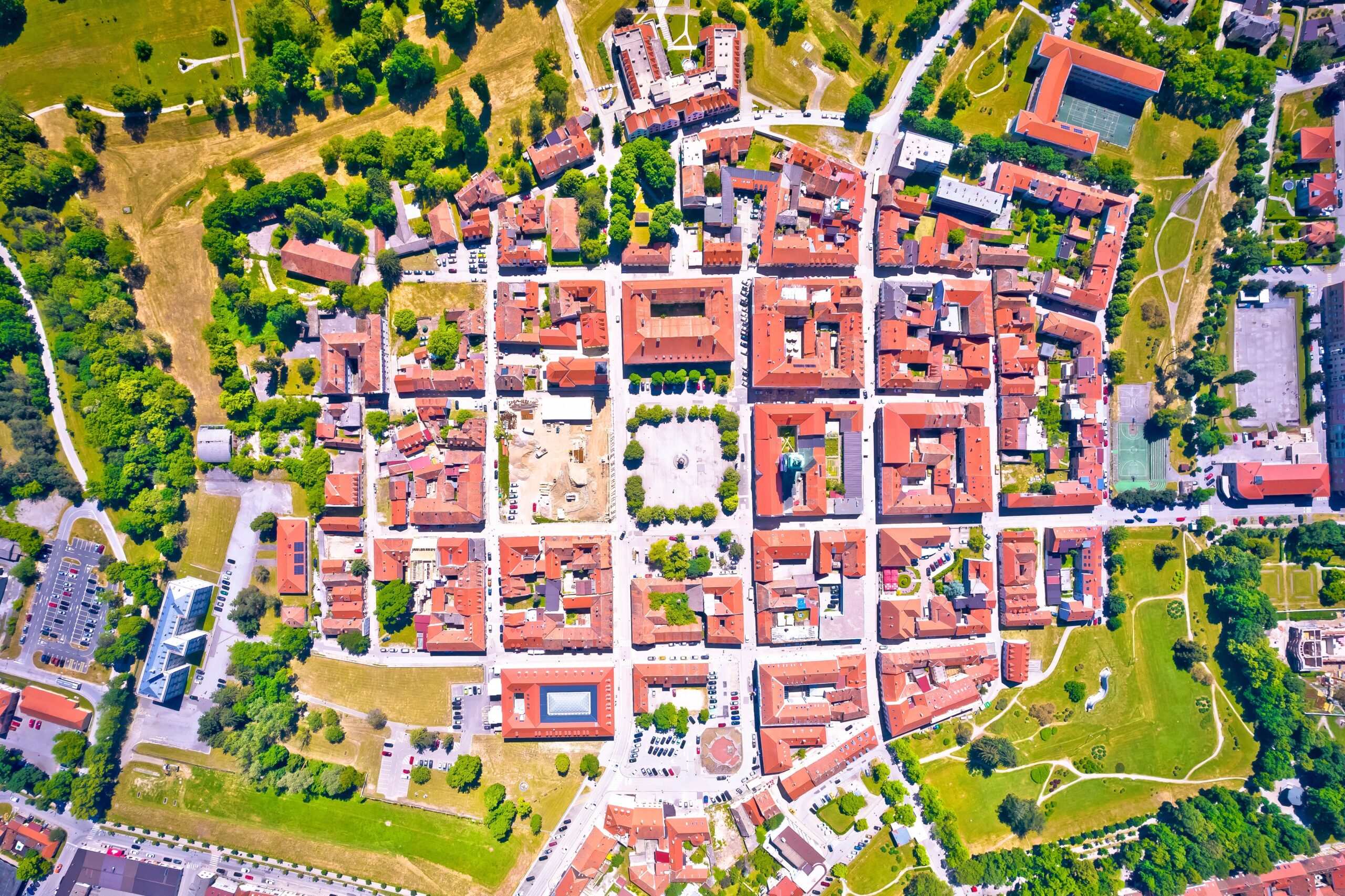
For Karlovac’s historic Zvijezda district, the Action Plan explores two pathways. The first combines energy renovation of buildings with a centralised district heating system powered by geothermal energy, while the second introduces building-level heat pumps. Both scenarios also include photovoltaic systems, participation in energy communities, smart LED public lighting and the gradual electrification of transport.
The measures are planned to be introduced gradually across Zvijezda’s 29 urban blocks up to 2050. Digital energy modelling and GIS were used to map buildings and connect spatial information with energy consumption, emissions and potential renovation measures, providing the city with a tool that can be updated as implementation progresses.
The Quedlinburg Action Plan proposes a decentralised approach based on deep energy renovation and high-efficiency heat pumps. Measures include improving walls, roofs, windows and floors, replacing fossil-fuel heating systems with air-to-water or ground-source heat pumps, and integrating renewable electricity through photovoltaic systems where possible.
Implementation is divided into three phases up to 2050, starting with priority buildings and gradually expanding the approach to the wider building stock. This allows renovation to follow investment cycles and the specific technical and ownership conditions of individual buildings. The result is a scalable pathway for reducing fossil-fuel use and improving energy efficiency across different types of historic buildings.
or the historic centre of Zamość, the Action Plan also examines two possible pathways. The first combines heritage-compatible building renovation with a geothermal district heating network, supported by modern substations, smart metering and improved internal heating systems. The second follows a decentralised approach based on shallow ground-source heat pumps, allowing solutions to be adapted to individual buildings and heritage requirements.
The plan therefore provides alternatives depending on future infrastructure development and local conditions. The decentralised pathway, for example, could eliminate fossil-fuel heating while creating a flexible and scalable model for historic areas without district heating infrastructure. The plan also considers public lighting and transport as part of the wider transition.
In Palmanova, the Action Plan focuses on renovating municipal buildings, replacing fossil-fuel heating with heat pumps and introducing digital energy management. Implementation is planned through building renovation and heat-pump installation, followed by digital monitoring to track energy consumption, emissions, renovation measures and key performance indicators.
According to the scenario developed in the Action Plan, these measures could reduce final energy consumption by 66.5%, primary energy consumption by 44% and CO₂ emissions by 60.1%. Digital monitoring and optimisation would continue after the physical investments are completed, making energy management an ongoing process rather than a one-time intervention.
Although each pilot area requires a different combination of measures, the four Action Plans share the same objective: turning project knowledge into practical pathways for the long-term decarbonisation of historic neighbourhoods.