
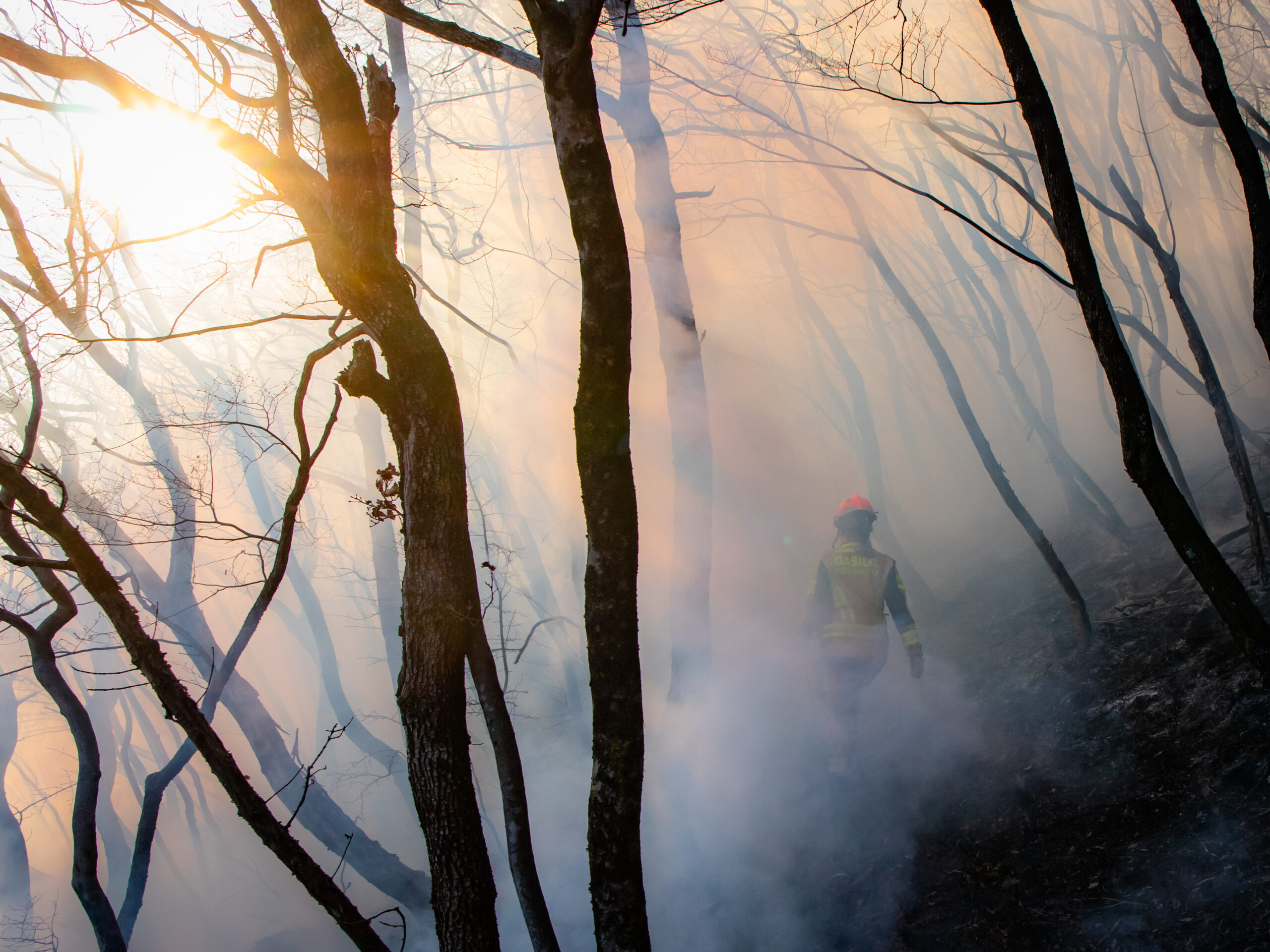
The trend of increasingly hot summers is continuing, and summer 2026 has followed this pattern. Western Europe experienced exceptionally high temperatures, with the June–July period being the hottest on record for the region. Prolonged heatwaves, combined with very dry conditions, contributed to severe drought and increased wildfire activity across Europe.
According to the Joint Research Centre (JRC) and the European Forest Fire Information System (EFFIS), as of 16 September 2026, 2.047 fires had been detected in the EU, with 669.118 hectares burned. Although these figures remained below those recorded during the same period in 2025 (the EU’s most destructive wildfire season on record) they were still considerably above the long-term average.
Europe is facing a changing climate, and extreme heat, drought and wildfire conditions are increasingly becoming a recurring challenge rather than isolated events. Human activity is responsible for a significant share of wildfire ignitions, while hot, dry and windy conditions can make fires spread faster and become much more difficult to control. The combination of these factors is placing increasing pressure on ecosystems, communities and emergency response systems.
The changing wildfire situation is not limited to traditionally fire-prone Mediterranean regions. Even Belgium, where large wildfires are relatively uncommon, experienced a major wildfire in 2026. On 14 August, a fire broke out in the High Fens nature reserve in the eastern part of the country. By 16 August, around 3.000 hectares had burned, requiring a large-scale response involving Belgian and neighbouring countries’ firefighting forces.
So, are European countries prepared for a future in which extreme wildfire events may become increasingly frequent and severe? And what happens when a wildfire crosses national borders?
The global trend of climate change cannot be reversed through wildfire management alone. However, countries and communities can strengthen their resilience by improving technical knowledge, sharing equipment and expertise, strengthening cross-border cooperation and raising public awareness. A systematic approach must start with the basics: prevention, preparedness and the ability to respond quickly and effectively.
This is precisely why the Wildfire CE project was initiated: to strengthen the capacity of partner countries to anticipate, prevent and respond to increasingly challenging wildfire conditions. By developing and testing practical solutions within the partner regions and sharing knowledge and results across Central Europe, the project aims to contribute to a more coordinated and resilient approach to wildfire prevention and preparedness.