Cooperating for a greener central Europe
Turning environmental pressures into practical action for cleaner, more resilient places
74
Projects helping regions become greener and more resilient
702
Partners cooperating for a greener central Europe
707
Outputs supporting cleaner and greener solutions
117
M € invested in climate, energy and environment solutions
Supporting the energy transition to a climate-neutral central Europe
Cooperation is central for helping regions to make renewables part of everyday life
The energy transition becomes real in the buildings people heat, the energy bills they pay and the choices regions make about where their power comes from.
Across central Europe, regions want to reduce their dependence on fossil fuels, but high energy costs, ageing buildings and limited investment capacity make this difficult. Renewable energy is becoming more widely available, but integrating it into local energy systems and making it accessible to more people remains difficult.
The challenge is not simply to produce more clean energy. It is to reduce energy demand and make the transition affordable, reliable and workable in different places.
Projects supported under this objective test practical ways to save energy, expand the use of renewables and improve local and regional energy planning. They help authorities, businesses and communities explore new financing approaches, make buildings more energy-efficient and develop solutions suited to different local conditions.
Cooperation across borders allows regions to compare energy systems, financing models and local solutions. Approaches tested elsewhere can then be adapted to different buildings, communities and energy markets, helping regions avoid starting from scratch.
The results are practical:
- buildings and services use energy more efficiently
- renewable energy sources are used more widely
- regions plan cleaner and more reliable energy systems
- new financing approaches help clean energy projects move forward
Together, these results help bring the energy transition closer to everyday life, with warmer and more efficient buildings, cleaner local energy and lower dependence on fossil fuels.
Increasing resilience to climate change risks
Cooperation is central for preparing places and communities for a changing climate
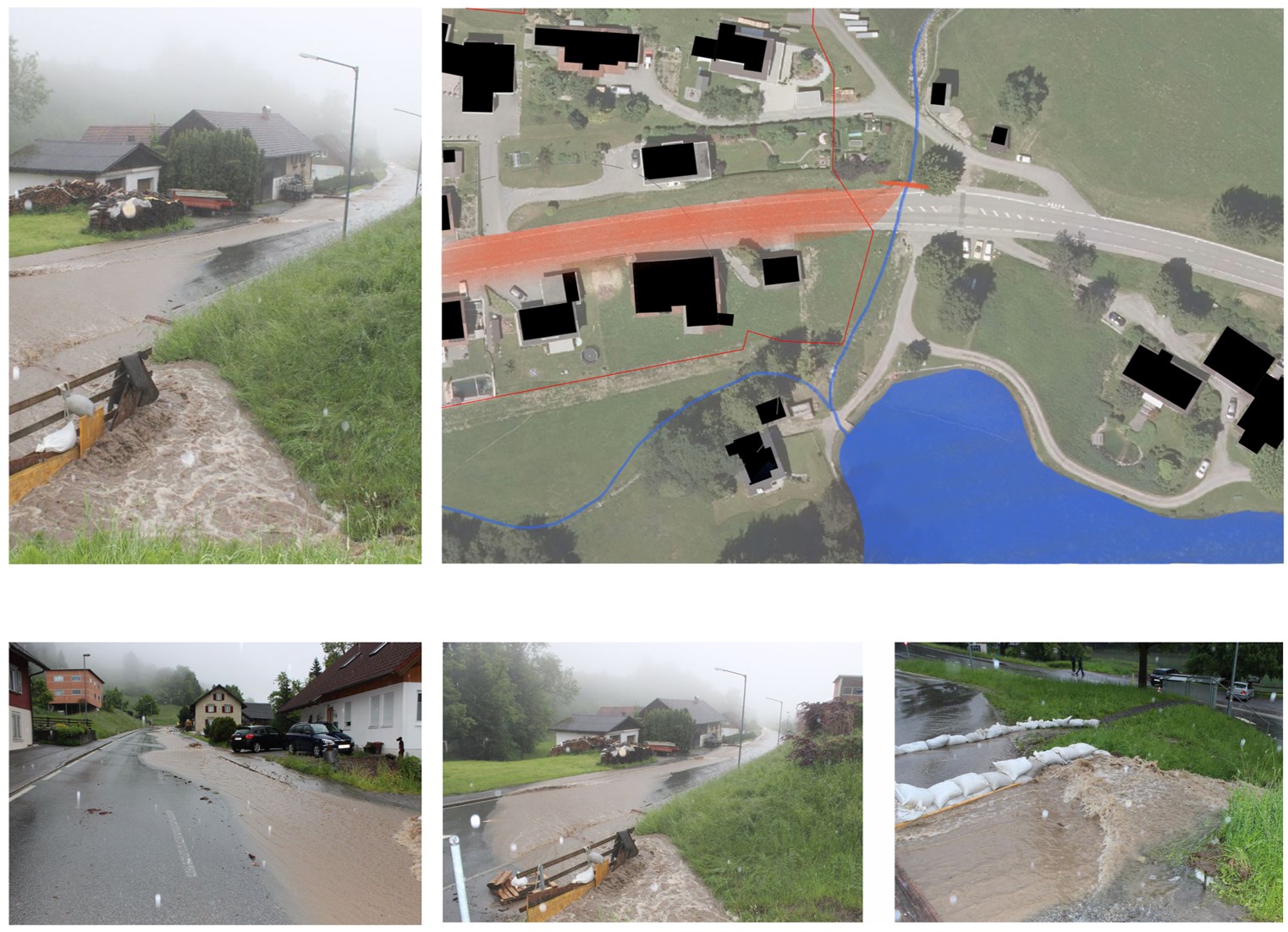
A heatwave in a city, drought on farmland or heavy rainfall along a river may look like separate problems. But each shows how a changing climate is placing growing pressure on people, infrastructure and the natural environment.
Across central Europe, climate risks vary widely between cities, mountain areas, river basins and rural communities. Many places already face more frequent extreme weather, while public authorities must make decisions without always having the knowledge, resources or coordination needed to prepare effectively.
The challenge is not simply to understand climate risks. It is to turn that knowledge into prevention, better planning and practical protection for vulnerable places and communities.
Projects supported under this objective help regions assess risks, improve early warning and test ways to reduce the effects of heat, drought, floods and other climate hazards. They strengthen cooperation between authorities, experts and local communities, while connecting climate adaptation more closely with health, land use, infrastructure and civil protection.
Working across borders allows regions facing similar risks to compare approaches and adapt solutions to different local conditions. This helps climate resilience become part of everyday planning instead of remaining confined to separate strategies.
The results are practical:
- regions better understand and prepare for climate risks
- authorities improve prevention and early warning
- cities and landscapes are planned with future climate conditions in mind
- sectors and authorities coordinate their responses more effectively
- people and communities become more aware of local risks
- tested approaches help protect vulnerable places and essential services
Together, these results help regions act before climate hazards become disasters, protecting people and places through earlier preparation, stronger coordination and planning that reflects the risks already changing central Europe.
Taking circular economy forward
Cooperation is central for helping regions keep resources in use and turn waste into new value
What one business throws away could become a useful material for another. But making that connection requires products, production processes and value chains to work differently.
Across central Europe, valuable materials are still lost because products are difficult to repair, waste is not recovered effectively or businesses cannot access the materials they could reuse. Circular solutions exist, but they often remain small-scale or disconnected from the wider systems needed to make them viable.
The challenge is not simply to produce less waste. It is to keep materials in use for longer and bring them back into the economy.
Projects supported under this objective help businesses keep materials in circulation for longer. They test ways to design products that last, recover valuable materials, connect companies that can exchange resources and make repair, reuse and recycling easier to put into practice. They also support public authorities and consumers in making choices that create demand for more circular products and services.
Working across borders helps companies and regions connect different parts of the same value chain. It allows materials, knowledge and successful business models to move between places instead of remaining confined to individual places or markets.
The results are practical:
- businesses use materials more efficiently and produce less waste
- discarded materials find new uses in regional value chains
- products are designed to last longer and be easier to repair or reuse
- recycling and recovery solutions become more effective
- public buyers and consumers have better options for choosing circular products
- tested approaches help circular business models spread to new places and sectors
Together, these results help move the circular economy beyond isolated examples. They show how cooperation can keep valuable resources in use, create new business opportunities and make circular practices part of everyday production and consumption.
Safeguarding the environment
Cooperation is central for protecting natural areas that do not stop at borders
A river carries more than water across a border. Pollution, changes in land use and damage to habitats also travel through the landscapes and ecosystems that regions share.
Across central Europe, rivers, forests, wetlands and other connected habitats provide clean water, fertile soil and space for people and wildlife. Yet pollution, intensive land use and habitat fragmentation weaken these ecosystems and the benefits they provide.
The challenge is not simply to protect individual natural areas. It is to manage connected ecosystems across the territories and sectors that depend on them.
Projects supported under this objective help regions restore damaged ecosystems, protect biodiversity and reduce pollution affecting water, soil and air. They bring together authorities, environmental organisations, land managers and local communities to improve how natural resources and landscapes are managed.
Cooperation is particularly important where river basins, habitats and protected areas extend across borders. By sharing knowledge, coordinating action and testing approaches in different places, regions can protect nature more effectively while supporting sustainable tourism and local development.
The results are practical:
- damaged ecosystems and habitats are restored
- biodiversity and natural heritage receive better protection
- pollution affecting water, soil, air and health is reduced
- land and landscapes are managed more sustainably
- tourism and local development make better use of natural heritage without exhausting it
- regions coordinate the management of shared ecosystems more effectively
Together, these results help regions treat nature as a connected living system rather than a collection of isolated protected areas. This keeps central Europe’s landscapes healthier and better able to support people, wildlife and local development in the future.
Greening urban mobility
Cooperation is central for helping cities and regions make everyday mobility cleaner and easier to use
A journey to work or school may begin in one municipality and end in another. Yet the transport services, infrastructure and policies behind that journey are often planned without coordination.
Across central Europe, many urban areas still depend heavily on cars. Public transport may not connect well with walking, cycling or shared mobility, while people living outside city centres often have fewer reliable alternatives. This makes everyday journeys less convenient and adds to congestion, pollution and emissions.
The challenge is not simply to introduce greener transport options. It is to connect them well enough to make clean mobility a convenient choice for everyday journeys.
Projects supported under this objective help cities and surrounding areas plan mobility as one connected system. They improve links between public transport, walking, cycling and shared mobility, and test better ways for commuting and urban deliveries. Digital tools and better data help authorities and operators understand how people and goods move and adjust services accordingly.
Working across borders allows cities and regions to compare how these solutions perform in different urban settings and adapt successful approaches to local travel patterns, infrastructure and governance systems.
The results are practical:
- public transport connects cities and surrounding areas more effectively
- walking, cycling and shared mobility become easier to combine with other transport
- commuters have more reliable alternatives to travelling by car
- mobility services become more accessible and responsive
- urban logistics and transport planning become cleaner and better coordinated
- everyday journeys create fewer emissions

![OpenAI. (2026). Local monitoring and emergency preparedness by the riverside [AI-generated image]. ChatGPT. Generated 4 August 2026.](https://www.interreg-central.eu/wp-content/uploads/2026/08/ChatGPT-Image-2026.-aug.-4.-13_58_12-2.png "OpenAI. (2026). Local monitoring and emergency preparedness by the riverside [AI-generated image]. ChatGPT. Generated 4 August 2026.")