
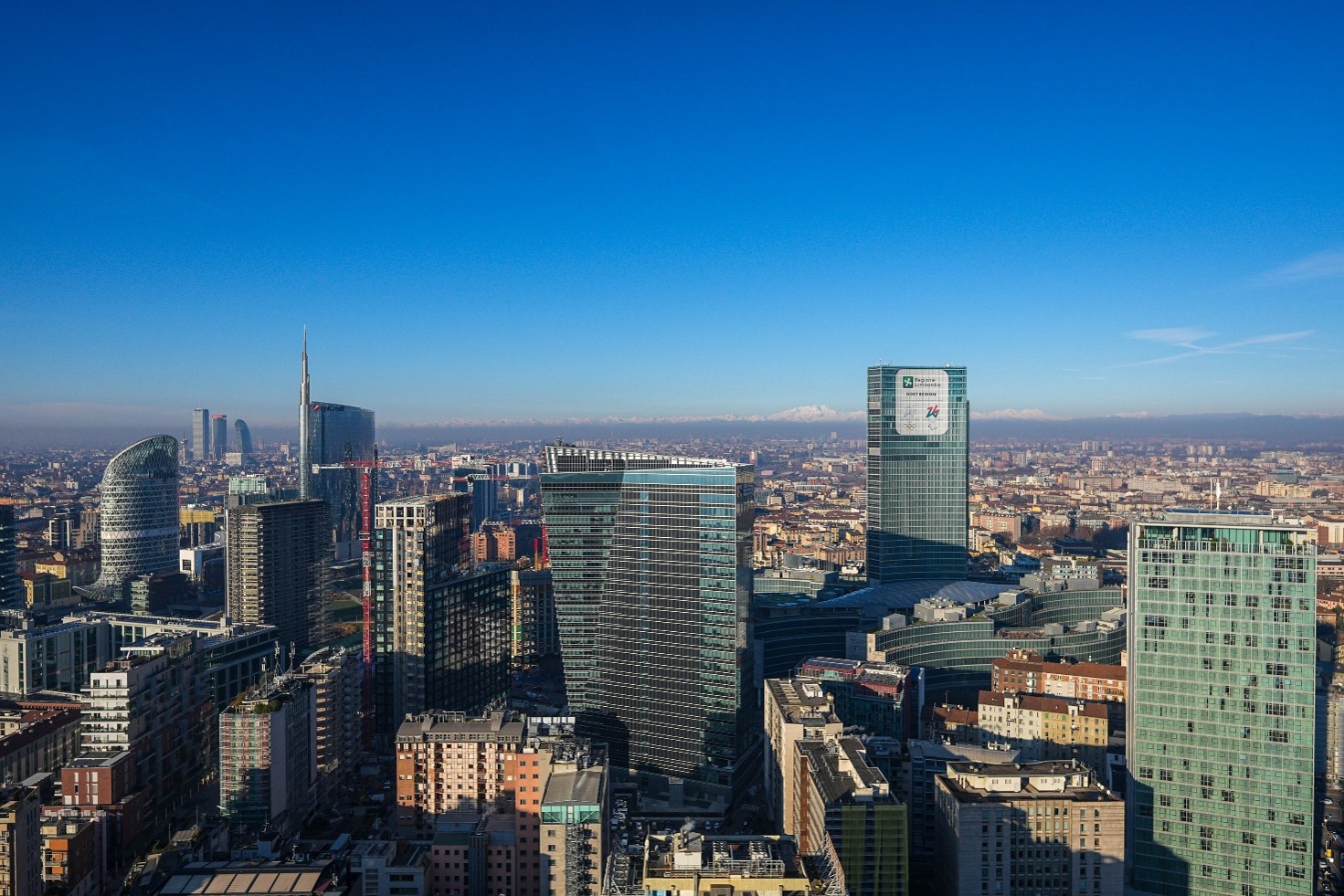
Regione Lombardia is located in northern Italy and is one of the most economically dynamic and densely populated regions in Europe. Stretching from the Alps to the Po Valley, it combines major metropolitan areas, such as Milan, an international hub for finance and innovation, with a wide network of smaller towns and rural territories. This diversity makes mobility a central challenge: ensuring that people and places remain well connected across such a complex landscape is essential for both economic development and social cohesion.
Within this context, Regione Lombardia participates in the RAISE‑CE project through its Direzione Generale Infrastrutture e Opere Pubbliche, the department responsible for planning and implementing regional infrastructure policies. The Directorate plays a key role in the modernization and integration of transport systems, working across railways, roads, cycling networks, and multimodal connections. Its activities focus on upgrading infrastructure, improving its resilience and reliability, and strengthening links with national and European corridors (TEN-T).
Alongside long-term planning, the Directorate is also involved in major strategic investments, including infrastructure developments linked to the Milano‑Cortina 2026 Winter Olympic and Paralympic Games, which represent a unique opportunity to enhance accessibility and accelerate sustainable mobility solutions across the region.
In the framework of RAISE‑CE, Regione Lombardia brings this experience into a more local and experimental dimension, focusing on the role of smaller and rural railway stations. The project provides an opportunity to rethink these spaces as more than simple transit points, transforming them into accessible, functional, and attractive mobility hubs for local communities. By testing innovative solutions and working closely with stakeholders, the region contributes to improving everyday accessibility and encouraging more sustainable mobility choices.
Through its involvement, Regione Lombardia highlights how even minor nodes of the transport network, like Edolo, can play a strategic role in reconnecting communities and supporting a broader transition towards greener, more inclusive, and better integrated mobility systems.
Disclaimer
This publication has been developed within the RAISE-CE project, supported by the Interreg CENTRAL EUROPE Programme with co-financing from the European Union. Its content is the sole responsibility of the authors and the project partnership and does not necessarily reflect the views or positions of the Interreg CENTRAL EUROPE Programme, its programme bodies or the European Union. Neither the programme authorities nor the European Union can be held responsible for any use that may be made of the information contained herein.